It removes cancer in stages.
Each layer is mapped and examined under the microscope.
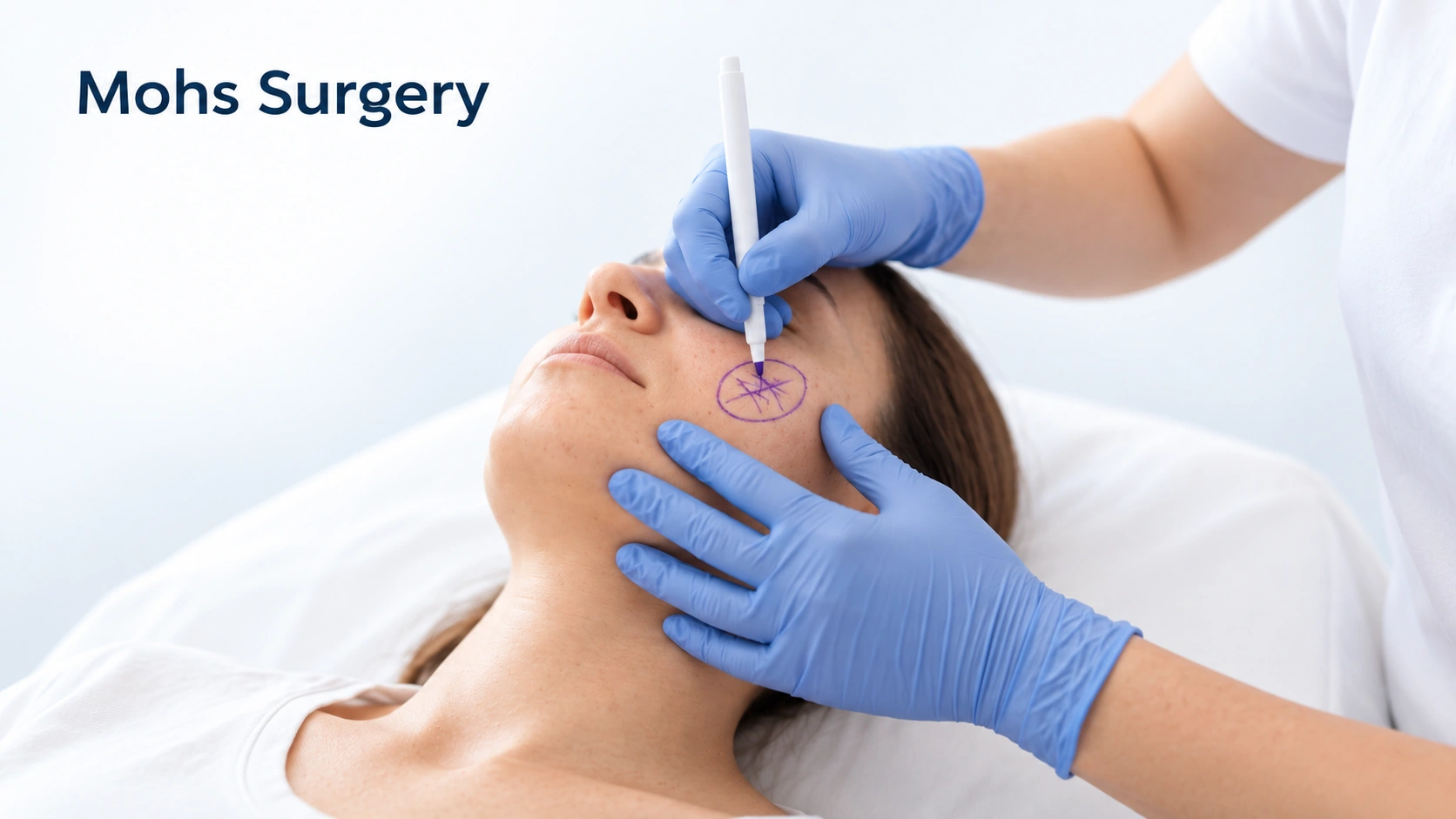
Mohs Surgery: Skin cancer is removed one thin layer at a time, and each layer is checked under a microscope during the appointment before the next one is taken. It has the highest cure rate and removes the least normal skin, and it takes most of a day.
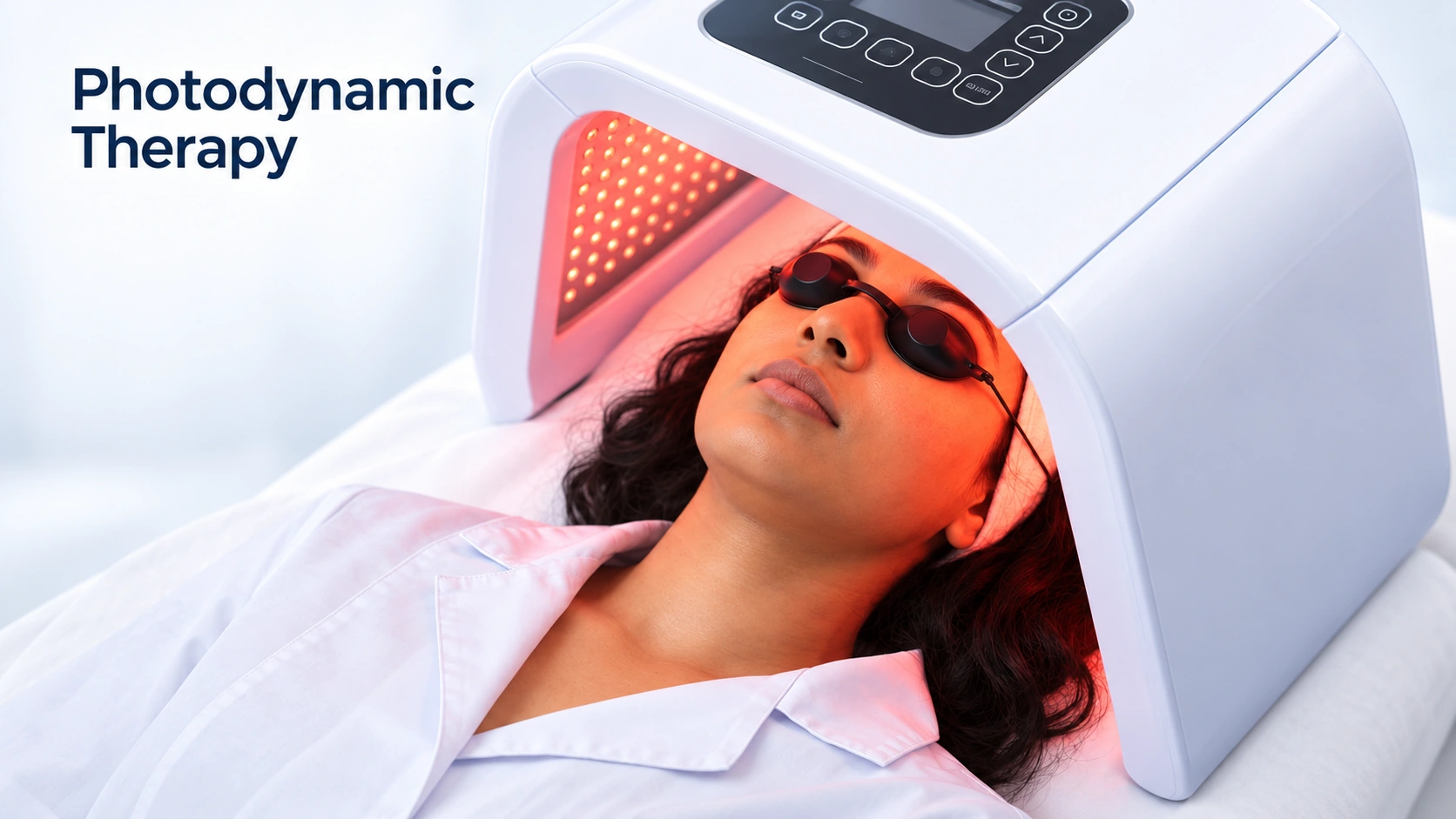
Photodynamic Therapy: A light-activated drug applied in the office, then switched on with a lamp or laser. It is the strongest non-drug option for inflammatory acne, and the downtime is a real week.
Choose for skin cancer on the face or other high-risk sites, where the highest cure rate and smallest scar matter most.
Choose to treat a whole area of sun damage at once — or as a strong non-drug option for stubborn acne — with a real week of downtime.
Can you have both?
They suit different problems. Mohs removes skin cancers precisely; PDT treats precancerous spots and some very superficial cancers.
Each layer is mapped and examined under the microscope.
Further tissue is removed only where cancer remains.
Type, size, site and recurrence determine suitability.
The final defect may exceed the visible lesion.
A photosensitizing medicine is activated by a set light exposure.
It is used for actinic keratoses and some superficial lesions.
It is not ordinary LED or UV treatment.
Sunscreen alone may not prevent activation.
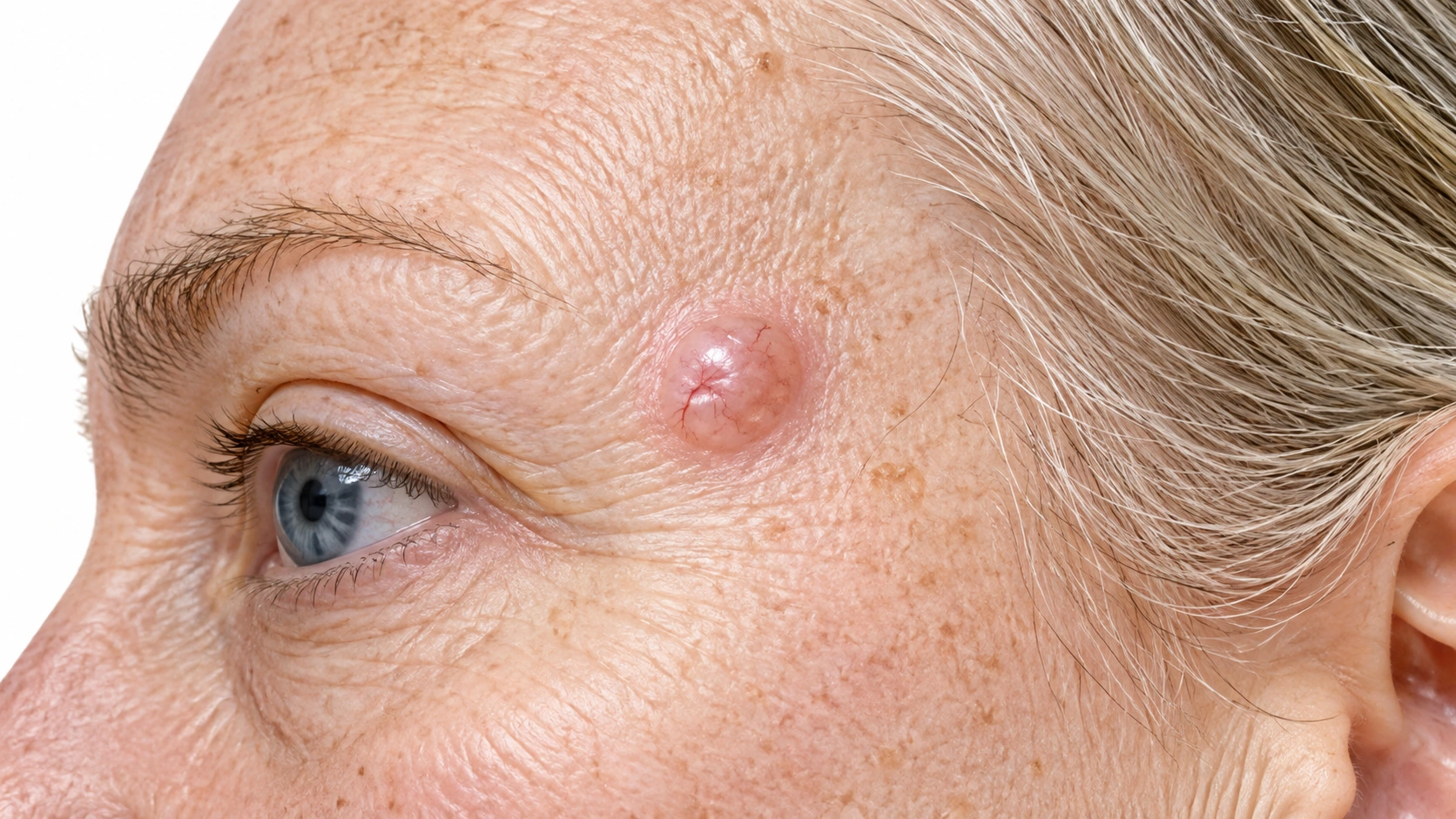
About 99% cure rate for first tumors.
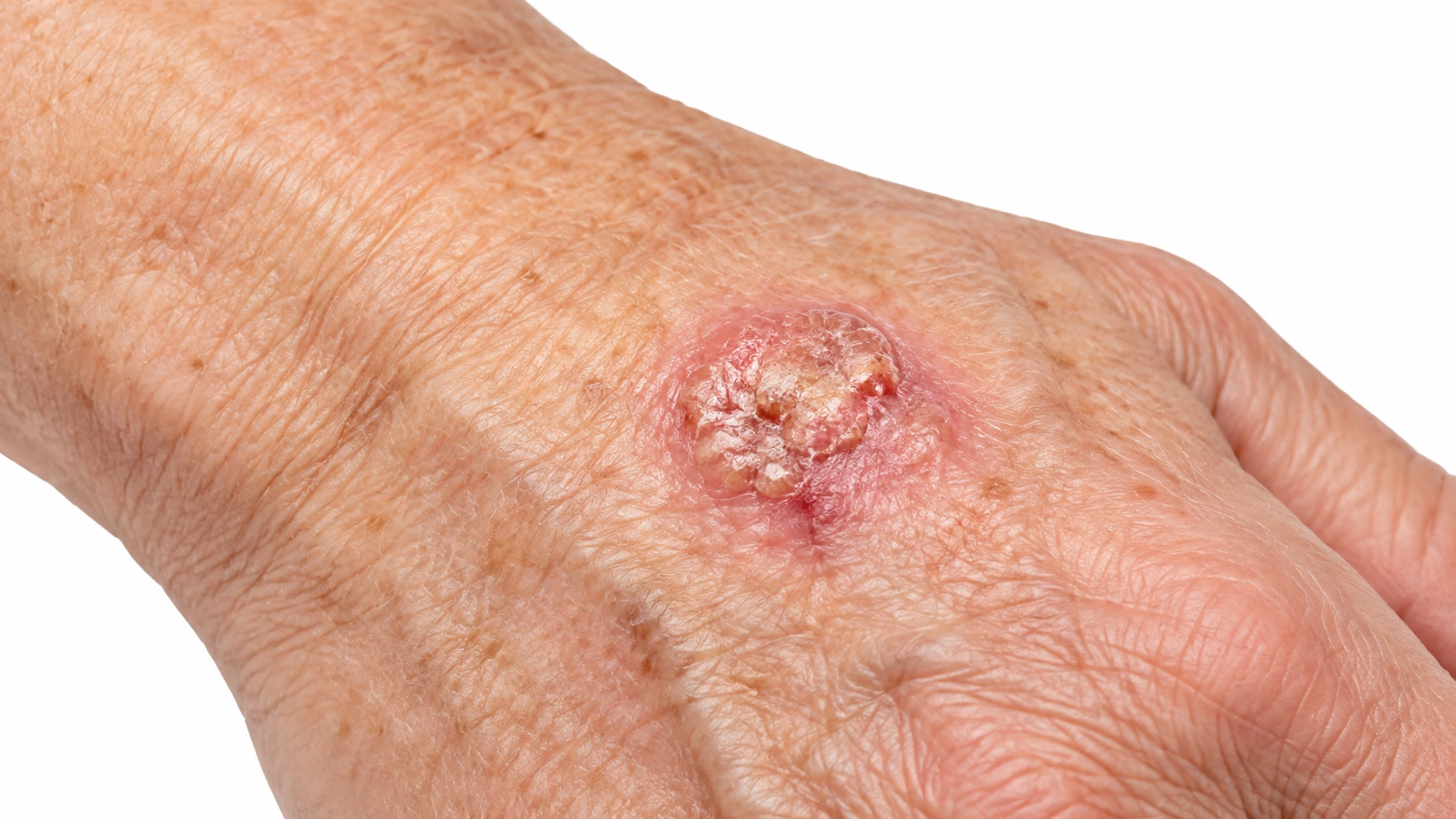
Precise removal on the face.
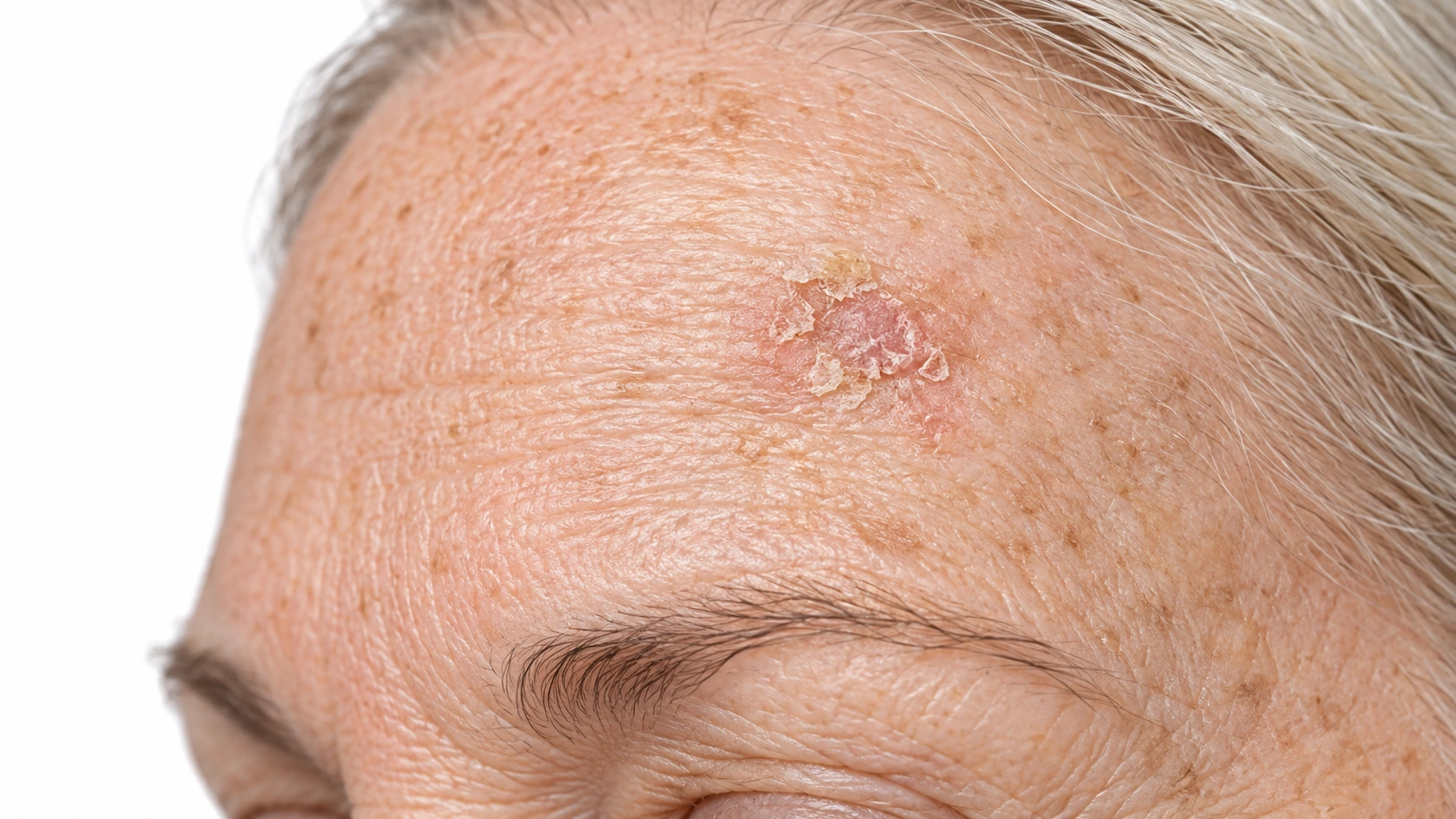
Clears 75–90% of spots.
Treats superficial types.

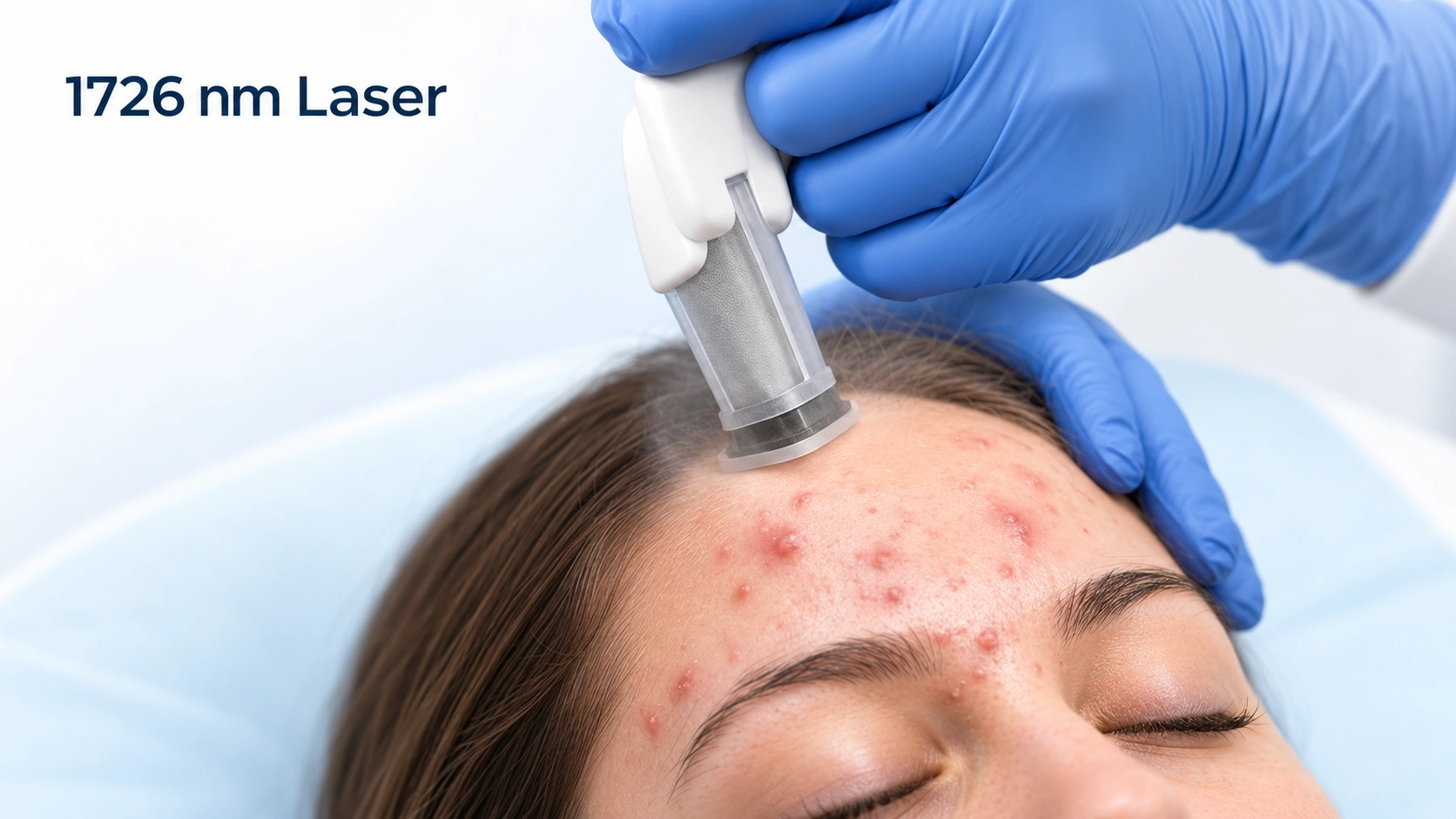
Used for stubborn acne.
Too much for precancers.
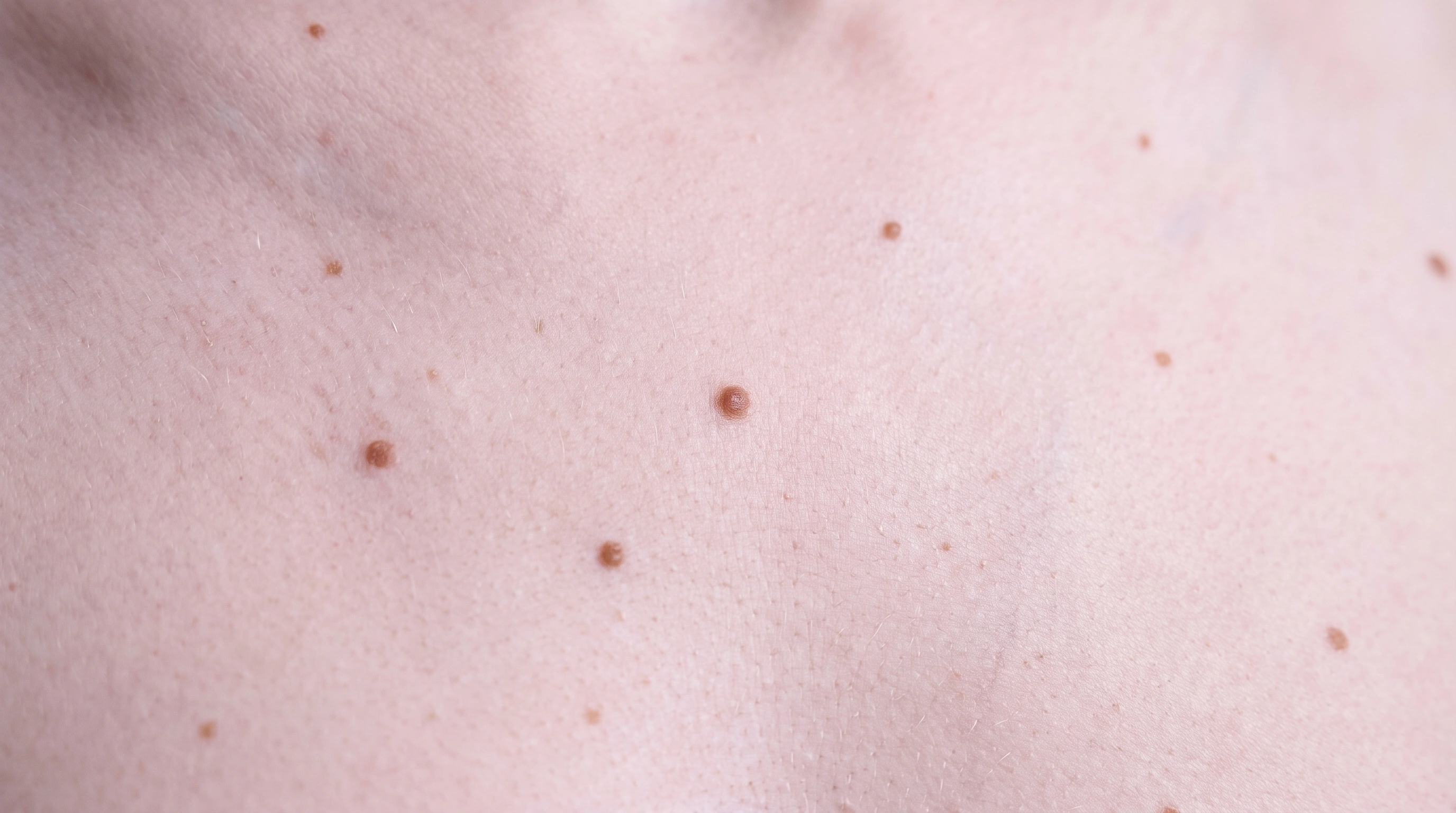
Not for benign moles.
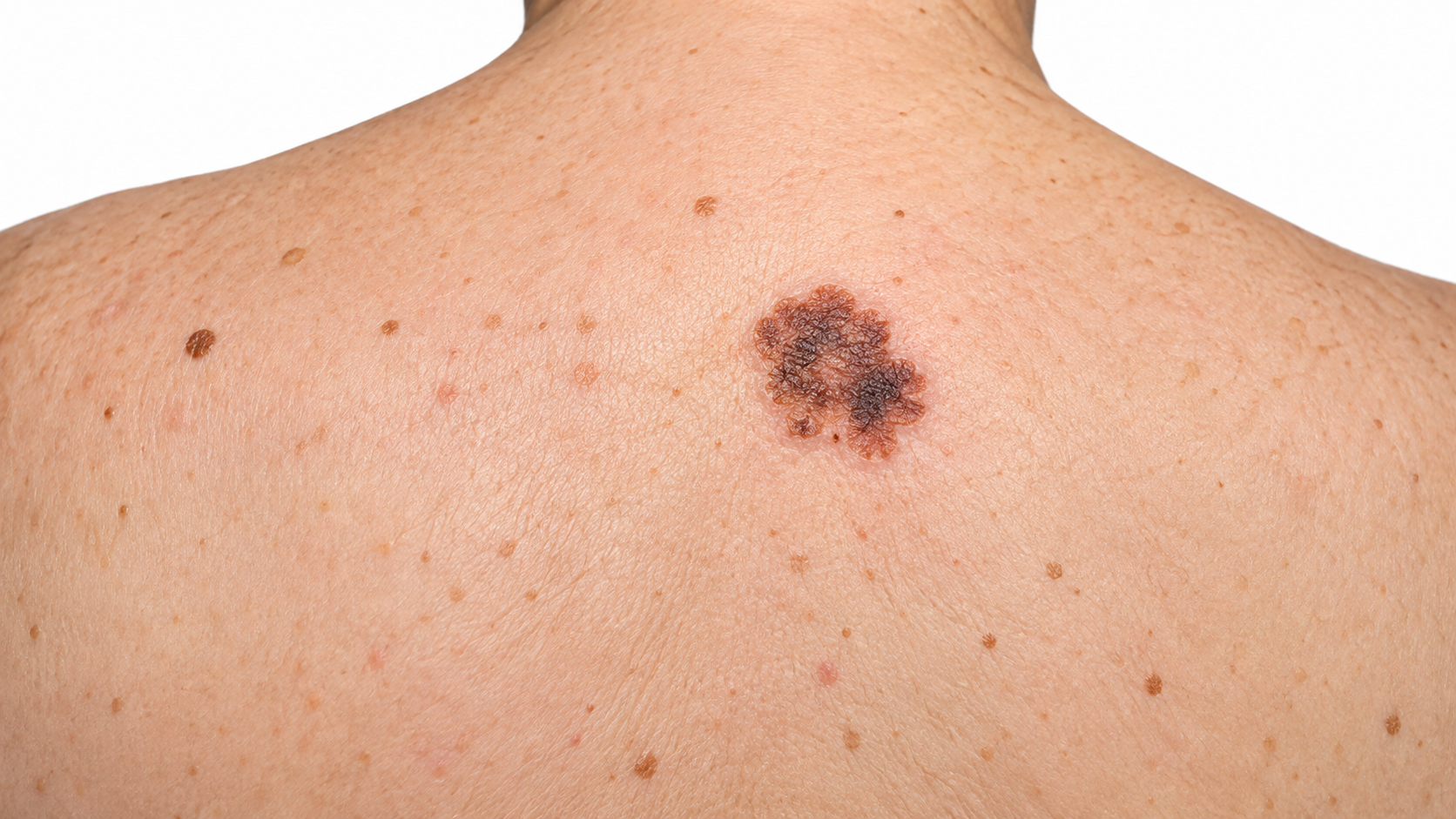
Needs excision.

Light can darken patches.
The specific lesion, scar or affected patch determines the treatment site; there is no fixed body distribution.
Face; the selected area depends on the concern and treatment plan.


A thin tissue layer is removed: The surgeon removes visible cancer and a surrounding layer. Margins are mapped and examined: The tissue edges are checked under a microscope. Only involved areas are treated again: Stages continue as needed before planning wound repair.
Schematic illustration. Technique and response vary. This explains a mechanism and does not specify treatment settings.
A photosensitizer is applied: The selected medicine accumulates in the prepared treatment area. Light activates the medicine: A matched light regimen produces reactive molecules. Selected cells are damaged: Inflammation and healing follow; treatment response varies.
Schematic illustration. Technique and response vary. This explains a mechanism and does not specify treatment settings.
2 weeks before: Sun and tanning: Avoid sun and tanning for 2 weeks.
Before you book: Time off: Clear several days, especially the 48 hours after, when you must stay out of sunlight and bright indoor light.
Supplements and alcohol: Blood-thinning supplements you do not need, such as fish oil, vitamin E and ginkgo, are commonly stopped about a week before, and alcohol the night before.
Smoking and vaping: Stop from at least a week before through the first two weeks after if you can.
5 to 7 days before: Actives: Stop retinoids and exfoliating acids.
Eat, dress and plan: Eat a normal breakfast and take your usual morning medicines unless told otherwise.
The site is confirmed against the biopsy report and photographed, and you will be asked to point to the spot yourself.
Photos, consent covering the off-label use and the downtime, and a medication review.
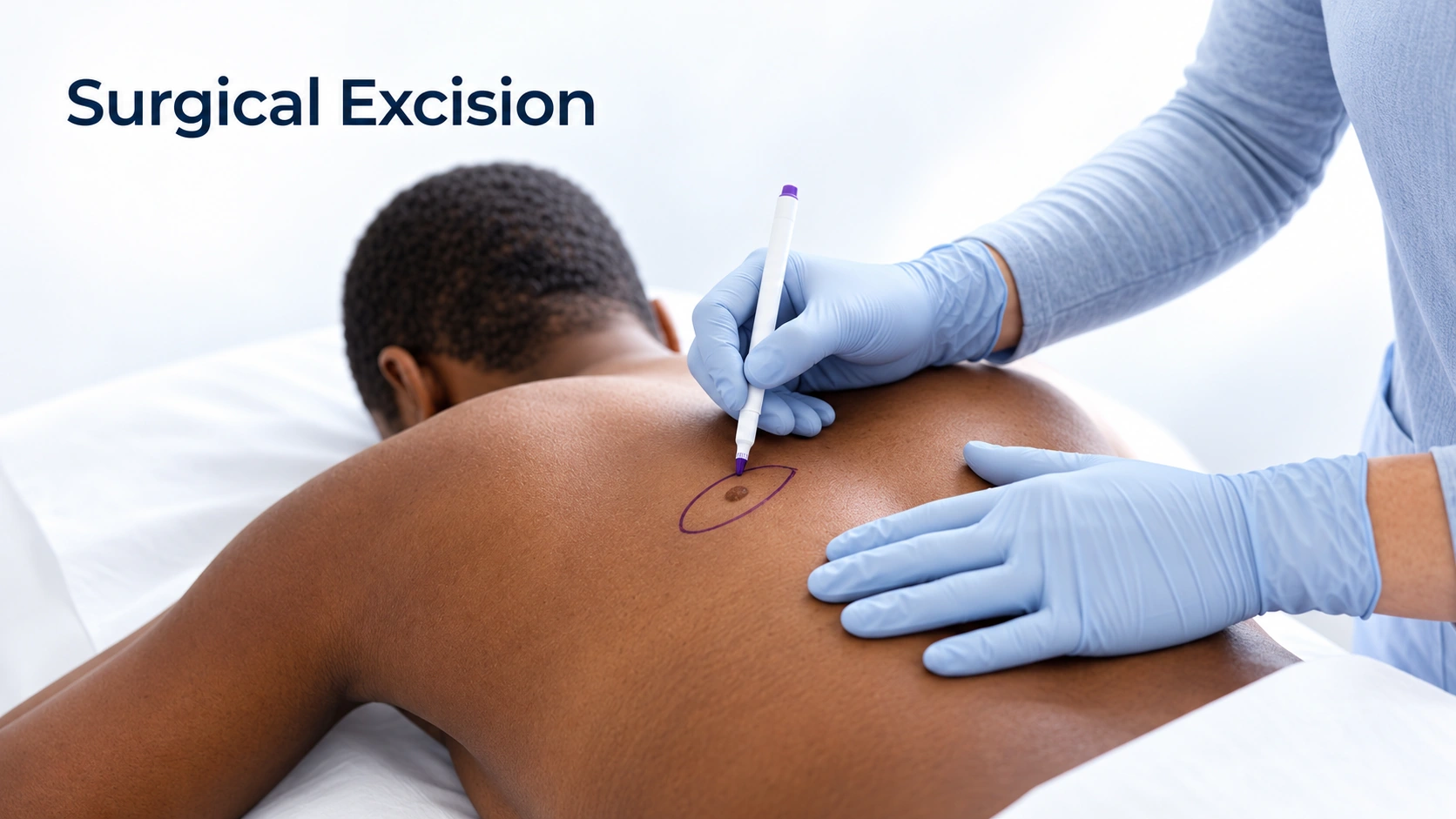
The surgery: The tumor and a narrow margin come out in minutes.
The surgery: You then wait 45 minutes or more while the tissue is frozen, sectioned and read. If tumor remains at a mapped edge, another layer is taken there only; most finish in one to three stages. The wound is then closed with stitches, a flap or a graft, or left to heal, in 30 to 90 minutes. The injections sting; nothing else does.
Skin is cleaned and degreased, sometimes with microdermabrasion or an acetone wipe, so the drug soaks in evenly.
The solution goes on and you wait 20 minutes to 3 hours in a dim room. Then eye shields go on and you sit under a blue or red light for 8 to 20 minutes, or a laser or IPL is passed over. Stinging builds and peaks at the end; cold air helps.
A firm pressure dressing stays on 24 to 48 hours, with written wound-care instructions and a suture removal appointment.
The least comfortable procedure on this list.
First 24 to 48 hours: Keep the dressing dry and in place, your head elevated including overnight, and ice over the dressing in short spells.
First 48 hours: Stay strictly out of sunlight and bright indoor light; daylight through a window can trigger a severe reaction.
Days 2 to 14: Bruising and swelling are worst around day two and can spread around the eyes.
Days 4 to 10: Peeling and flaking, sometimes in sheets.
Week 2 to Month 12: The scar becomes a hard, raised, pink ridge.
Weeks 1 to 2: An acne flare is common in the first week or two, before improvement starts.
Same day
2–4 weeks
About 99% cure for first basal cell cancers
Treated spots clear; new ones may form
Mohs is the most expensive of the standard skin cancer treatments, and the day shows why: a surgeon who is also reading the pathology, a laboratory and technician in the building, and hours of appointment time.
In the US, PDT for acne generally costs about $400 to $1,500 per session, so a course commonly lands between $800 and $4,000.
It is generally covered by health insurance when the tumor meets accepted criteria for Mohs, which is why the location, size and subtype are documented before it is booked.
Insurance does not cover PDT for acne, because the approved indication is precancerous sun damage.
Mostly waiting. Removing a layer takes minutes; freezing, slicing, staining and reading it under a microscope takes 45 minutes to well over an hour, and that happens once for every stage. One to three stages plus a repair fills most of a day.
No — Mohs is done under local anesthetic while you are awake. You will be numb but able to talk, eat between stages and walk to the waiting room. General anesthesia is used only in unusual cases.
Not knowable in advance, which is uncomfortable and honest. The wound ends up as large as the tumor's roots turn out to be. Mohs removes less normal skin than any other method, so the wound is usually smaller than an excision would have produced for the same tumor, and a tumor that looked like a small spot on the surface can still be considerably wider underneath.
Not unless the doctor who prescribed it tells you to. Blood thinners are usually continued through Mohs. Extra bleeding during surgery is manageable; a stroke or a clot is not.
Location, mainly. On the face there is little spare skin and recurrence rates are higher, so removing the least tissue with the highest certainty is worth the time and the cost. On the back a straightforward excision achieves the same result more simply. Size, an aggressive subtype under the microscope, unclear borders and a tumor that has come back before all push toward Mohs anywhere on the body.
Almost certainly, and follow-up still matters. Cure at 5 years for a previously untreated basal cell carcinoma is commonly quoted around 99 percent. The bigger reason to keep coming back is that having had one skin cancer makes a new one elsewhere substantially more likely.
Not in the US. It is FDA-approved for precancerous sun spots; using it for acne is off-label. That is legal and common, but it means no standard protocol and results that vary between clinics.
Plan for 5 to 7 days of a visibly red, then swollen, then peeling face, with the worst in the first 48 hours. It is closer to a medium-depth peel than a laser facial.
The drug is still in your skin, and sunlight — including through a car or office window — activates it and can cause a severe burn. This is the most important instruction of the treatment.
No. Improvement typically lasts 6 to 12 months and repeat courses are often needed. It does not treat scars or existing brown marks.
It can be done, but the risk of lasting dark patches is meaningfully higher, because the treatment works by causing strong inflammation. A shorter incubation, a lower light dose and an experienced provider make a large difference.