At a glance

Best for each concern
Strength of evidence for each concern, from each medication's guide.
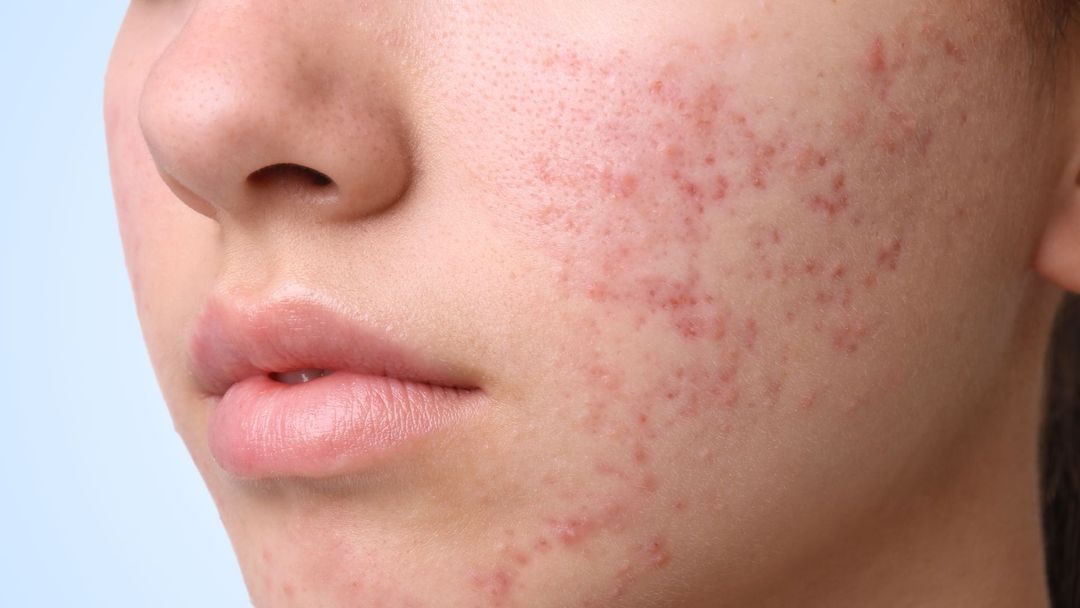
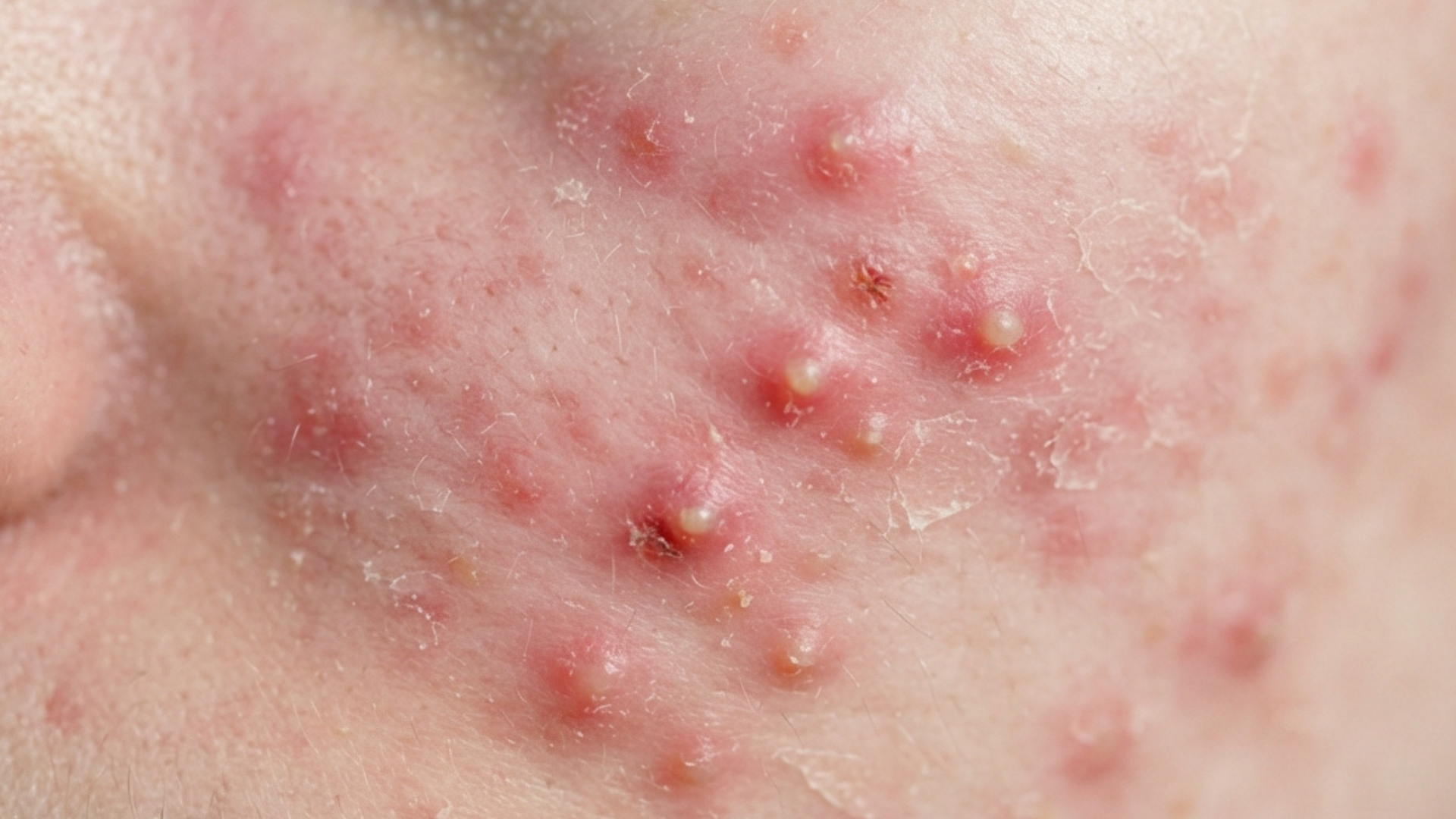
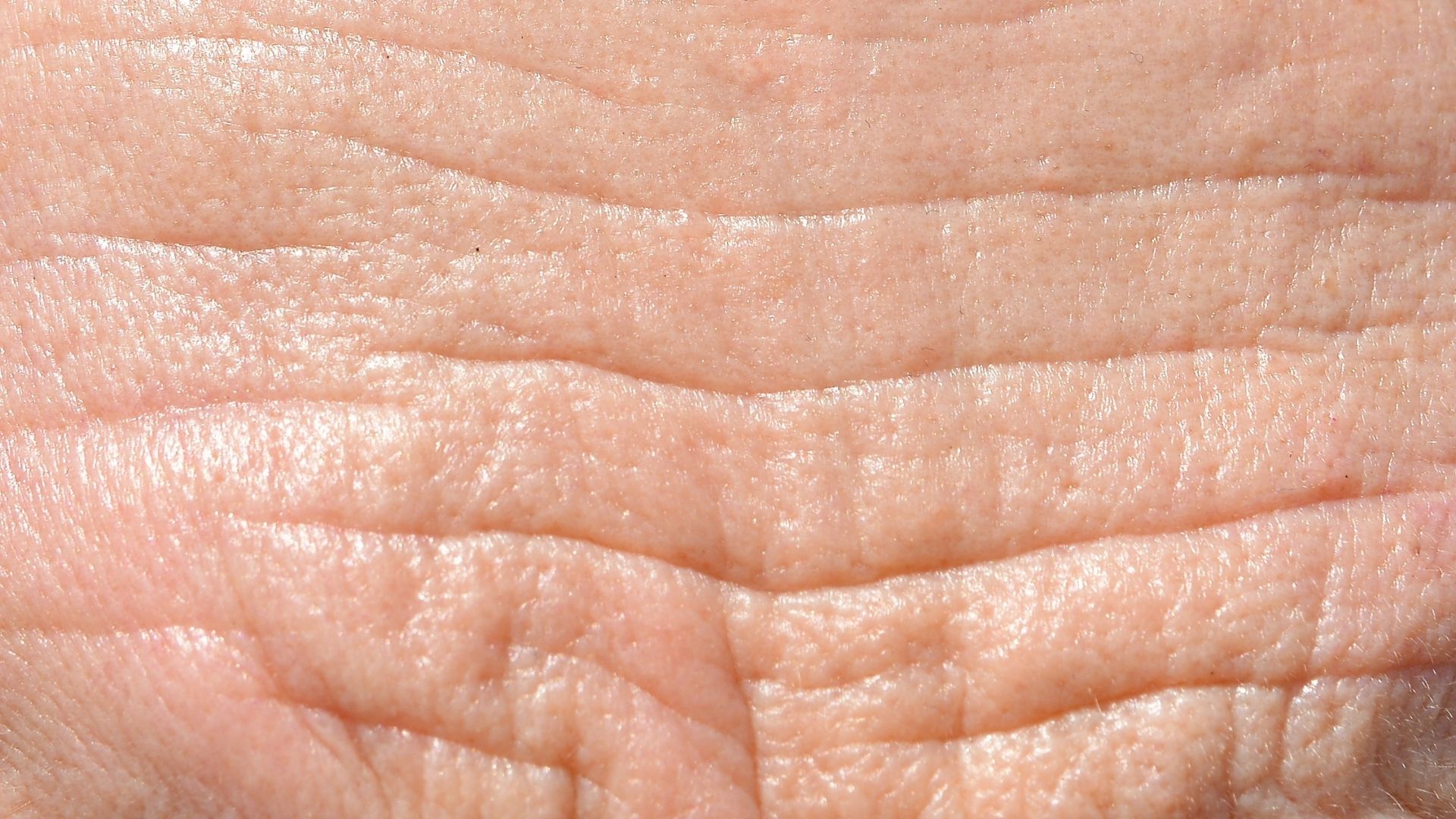
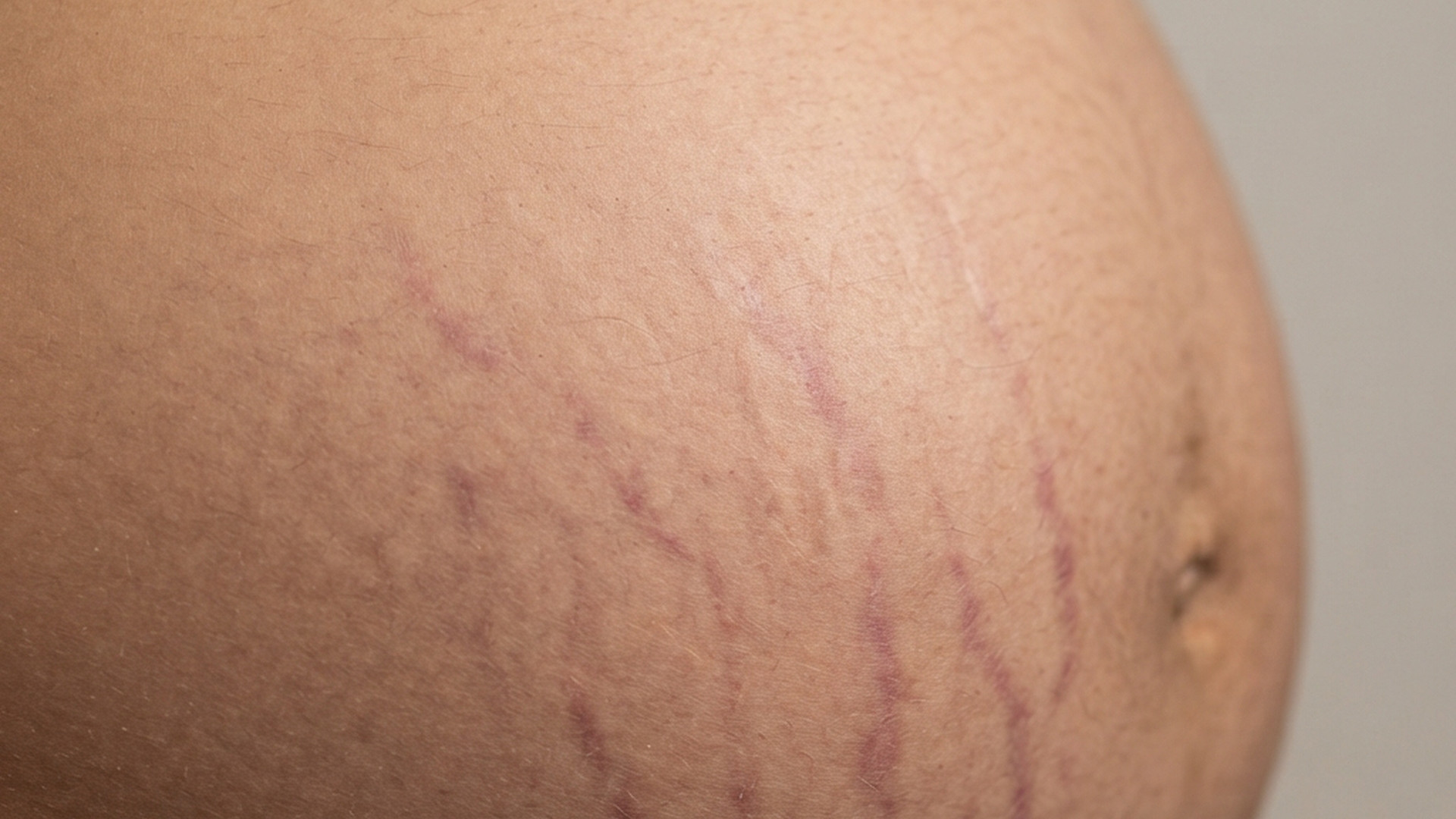
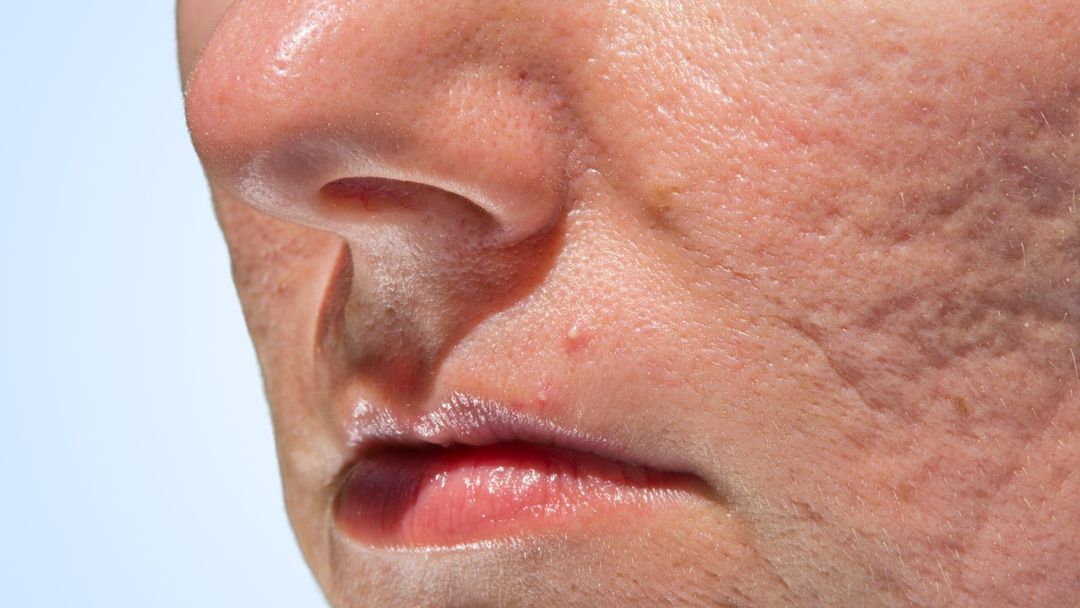
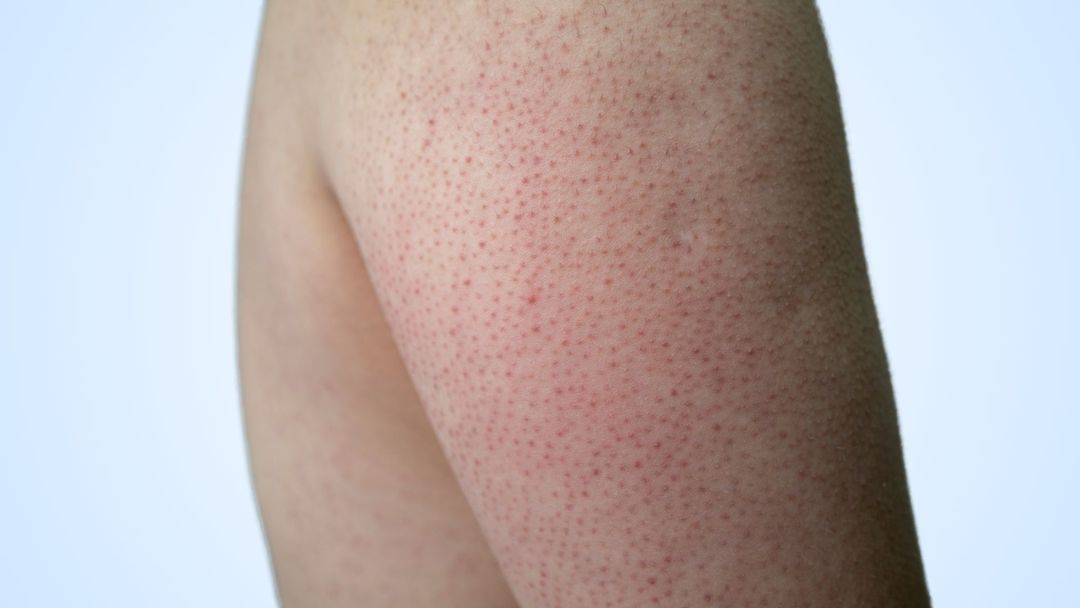

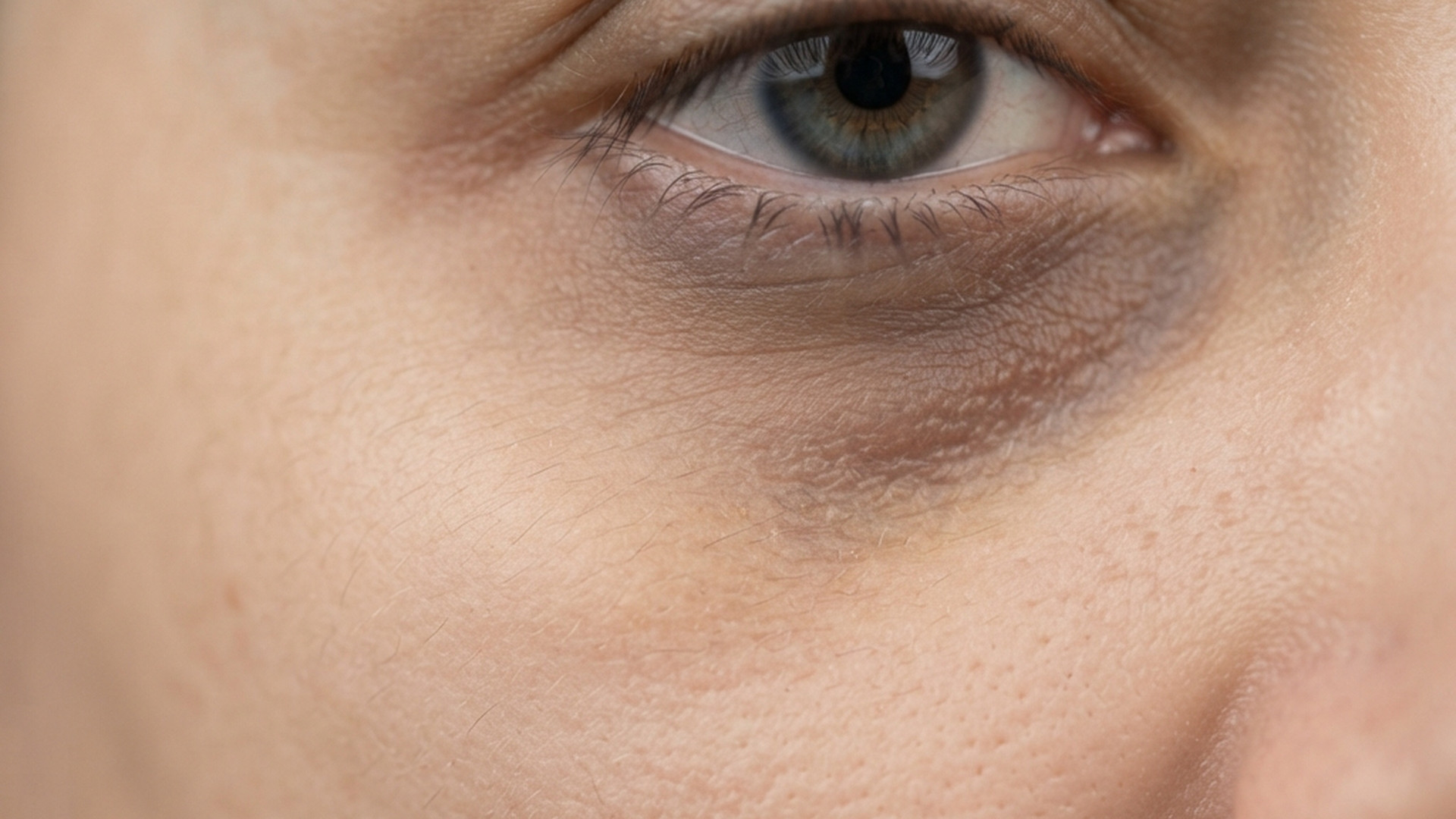
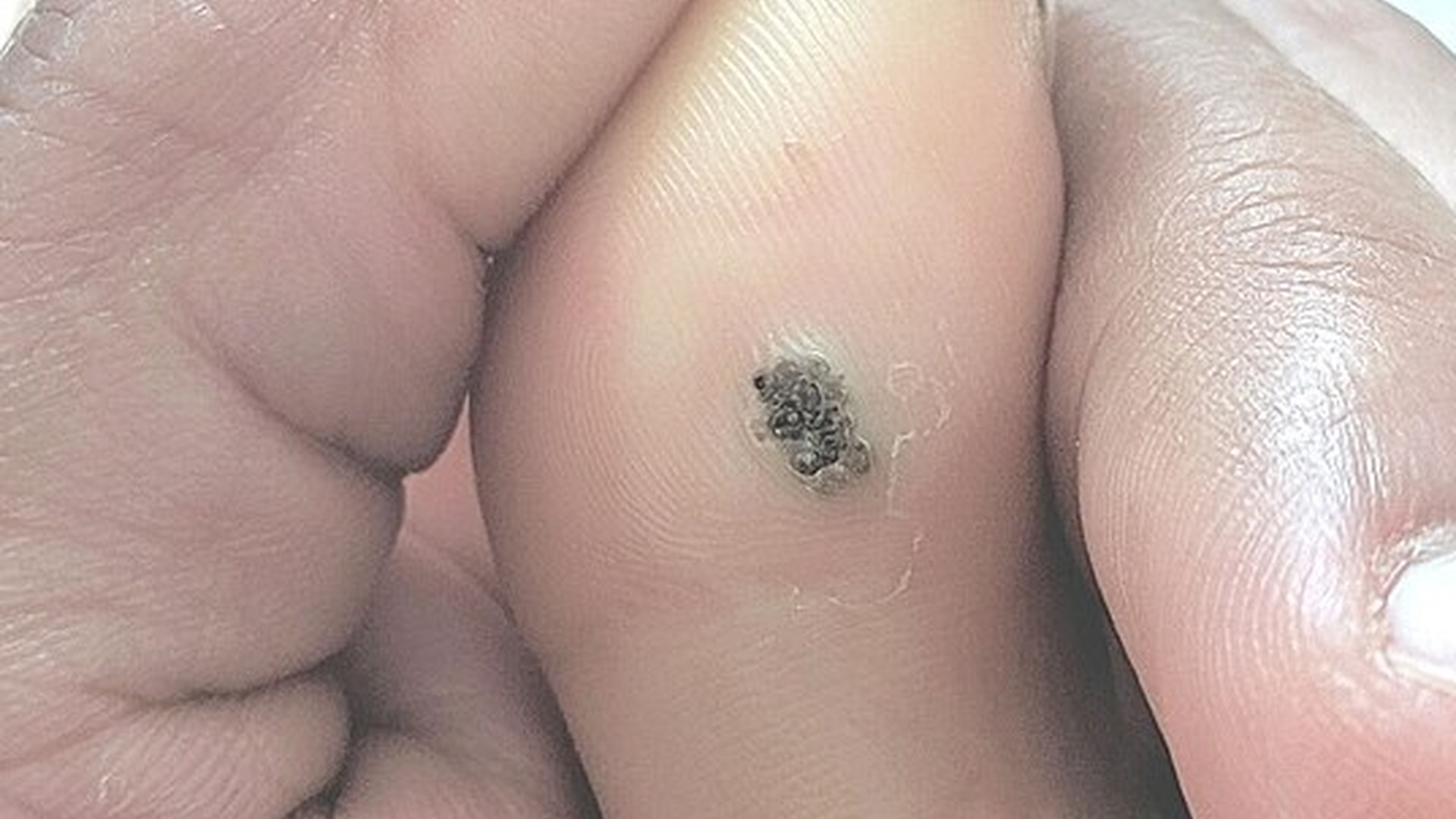

How each works
Tretinoin is already retinoic acid, the active form. Retinol has to be converted twice in the skin before it works.
Step by step
- A pea-sized amount goes on. A small amount covers the whole face. At first, it sits on the surface.
- It works through the barrier. It is small and oil-loving, so it slowly passes the outer layer.
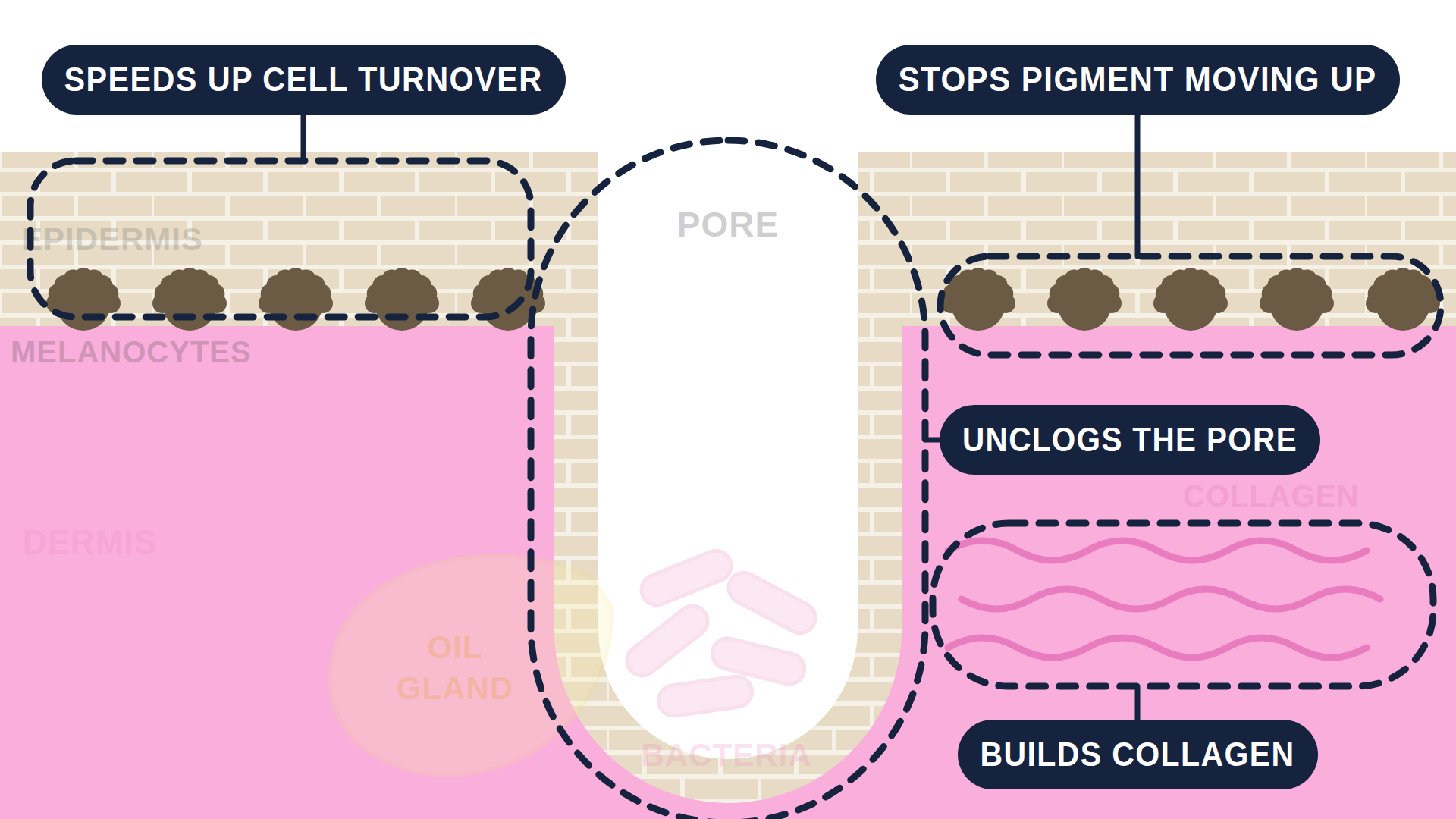
- It switches on receptors. Inside skin cells, it binds retinoic acid receptors in the nucleus and changes which genes are active.
- It unclogs pores. Skin cells turn over faster and stop sticking together, so plugs loosen and new ones don't form.
- It rebuilds collagen. Over months, it boosts new collagen and slows its breakdown, softening fine lines.
Tazarotene → Tazarotenic acid, the active form, made in the skin.
Step by step
- It goes on. A thin layer of gel or cream at night.
- It converts. Skin enzymes turn it into tazarotenic acid.
- It binds receptors. It targets specific retinoid receptors in skin cells.
- Skin normalizes. Overgrowth slows, plaques thin and pores clear.
Strengths and forms
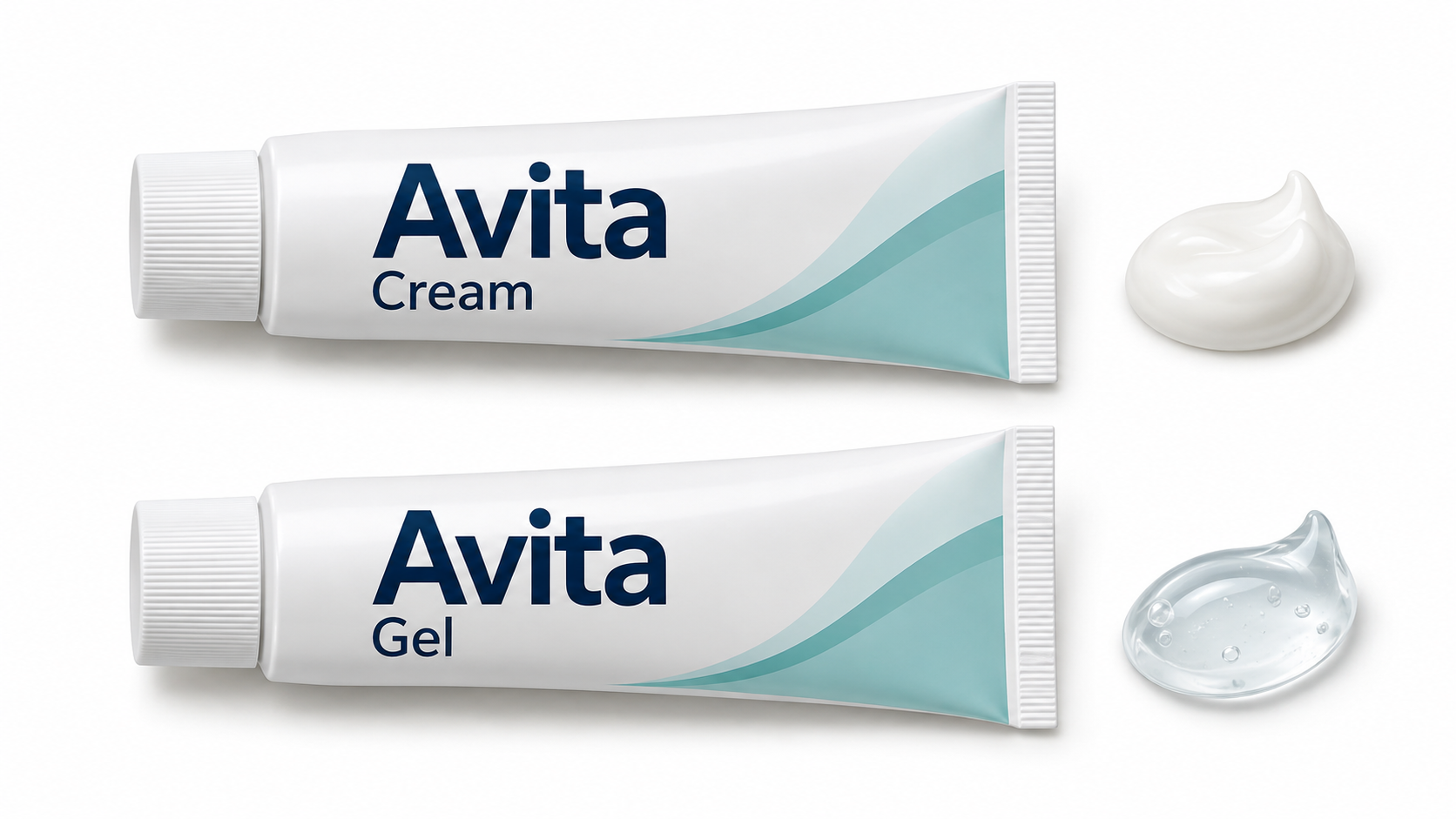
- CreamDry or sensitive skin0.025% · 0.05% · 0.1%
- GelOily skin0.01% · 0.025% · 0.05%
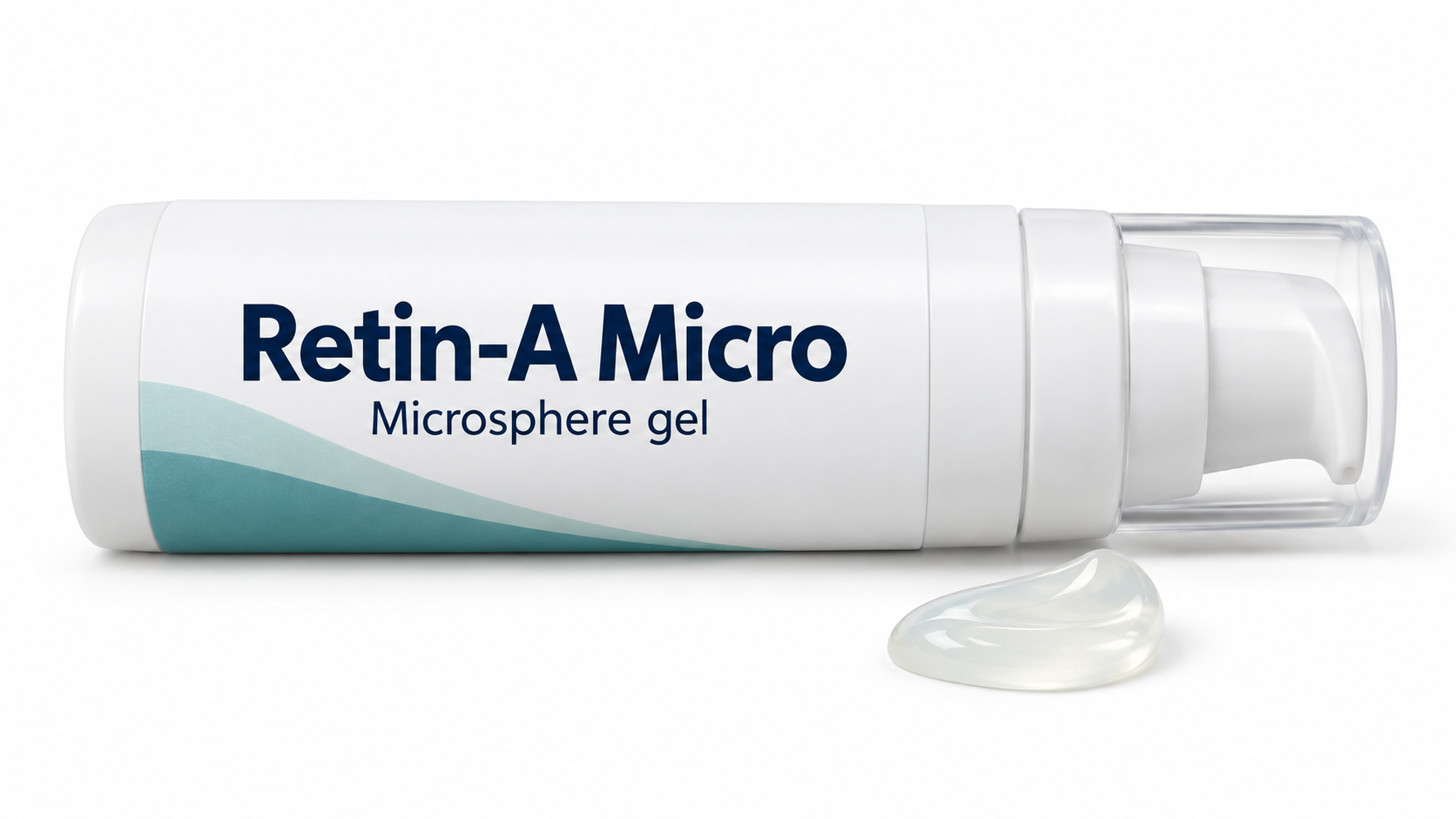
- Microsphere gelEasily irritated skin0.04% · 0.06% · 0.08% · 0.1%
- LotionChest and back0.05%
- CreamAcne and psoriasis0.05% · 0.1%
- GelPsoriasis0.05% · 0.1%
- LotionAcne, easily irritated skin0.045%
- FoamAcne on the chest and back0.1%





How to use them
Using them together
What to expect
- First few minutesApplying it
A pea-sized amount on dry skin at night.
- Weeks 1 to 3Adjusting
Dryness, flaking and stinging peak around week three.
- Weeks 3 to 12Settling
Irritation settles and the first real results show.
- Weeks 4 to 8Sun spots
Sooner than most expect.
- Weeks 8 to 12Judge it here for acne
Blackheads and whiteheads go first; red inflamed spots take longer.
- Months 3 to 6Fine lines
They soften gradually with nightly use.
- First few minutesApplying it
A pea-sized amount on dry skin at night.
- Weeks 1 to 4The adjustment
Dryness, flaking around the nose and mouth, mild redness, peaking in weeks two to three.
- Weeks 4 to 8Adapting
Peeling settles and new spots get less frequent.
- Weeks 8 to 12Judge it here for acne
Fewer new spots, fewer blackheads and whiteheads.
- 4 to 6 monthsTexture and fine lines
Gradual smoothing.
- 6 months or moreMottled pigment and dark marks
The slowest of all.
- ThroughoutSun and flushing
Skin burns more easily, so daily sunscreen is not optional.
Approximate timing. It varies from person to person.
Safety and cautions
- Eyes, lips and corners of the nose. The skin is thinnest there, and that is where it stings, flakes and stays sore. Stop short rather than blending in.
- Waxing and laser hair removal. Skin can lift off. Stop about a week beforehand.
- Broken, raw or sunburnt skin. Wait until it has healed.
- Waxing, threading and hair removal creams. On treated skin. Retinoids loosen the outer layer and wax can lift skin off. Most doctors ask for a week off beforehand.
- Scrubs, cleansing brushes and strong acids. Used on the same night. Layering exfoliation on a strong retinoid wrecks the barrier.
- Sun and tanning beds. Skin burns more easily, and ultraviolet light undoes its work on pigment and texture.
- Damp skin, or more than a pea-sized amount. Neither speeds anything up, and both increase irritation.
- Eyelids, nose creases, lips and neck. Thin skin and folds hold the product and irritate. Keep a small margin around them.
- Eczema, cracked or sunburnt skin. Wait until the skin is intact.
- you take other sun-sensitive medicines. Water pills, antibiotics and sulfa drugs do this too. Ask whether anything you take is one of them.
- you have eczema or sensitive skin. Ask when it is sensible to start.
- you are pregnant or breastfeeding. Or planning one. Ask before starting or continuing.
- you are allergic to tretinoin. Or to an ingredient in its base.
- irritation is still bad after six weeks. It should be settling by then, not building.
- the skin cracks or blisters. Cracking around the mouth or eyes, or any swelling or hives, needs looking at.
- you are or might become pregnant. Trying to conceive counts. Tazarotene is contraindicated in pregnancy. Raise it before you start, and stop and tell your doctor if you become pregnant.
- you are breastfeeding. Ask the doctor managing your care first.
- you use another retinoid. Including oral isotretinoin. Stacking them adds irritation, not benefit.
- you have eczema or rosacea. Or easily irritated skin. A gentler retinoid is a more realistic start.
- you have a peel or waxing booked. Laser counts too. Pause it about a week beforehand.
- the irritation has not settled. After a month of adjusting the routine, burning or a rash can mean a reaction to the base rather than the drug.
- you take a sun-sensitizing medicine. The effects add together; sun protection needs to be firmer.
- Scrubs, alcohol toners and strong acids. While you are adjusting. They add irritation without adding benefit.
- Rosacea: Irritates flushing skin.
- Rosacea: Very irritating to sensitive skin.
- Eczema: Dries inflamed skin.
Cost and coverage
Questions
Is tazarotene stronger than tretinoin?
Generally yes. The tazarotene FAQ also describes it as more irritating and notes that practical benefit depends on whether you can use it consistently.
Can I use both retinoids together?
The tazarotene guide cautions that stacking retinoids adds irritation without benefit. Discuss another retinoid with your prescriber rather than layering them.
How long do they take to improve acne?
Both existing guides assess acne results around eight to twelve weeks. Texture and fine-line changes take longer.
Can either be used during pregnancy?
Tazarotene is contraindicated in pregnancy and should be stopped before trying to conceive. The tretinoin guide says it is not recommended during pregnancy; stop once you know and speak with the doctor managing your pregnancy.
Which usually costs less?
The existing tazarotene cost section says generic cream and gel cost less than branded lotion or foam, but still more than tretinoin. The tretinoin guide describes plain generic cream and gel as usually the cheapest prescription retinoid options.
Also compared with