Compare · Procedures

Botox vs Dermal Fillers

Botox relaxes the muscles that create movement lines. Dermal fillers add volume and shape and soften folds present at rest. They treat different concerns and are often used together. Botox usually wears off in three to four months; filler duration varies by material and area.

Reviewed by Dr. Schwarz, Board-Certified Dermatologist

At a glance

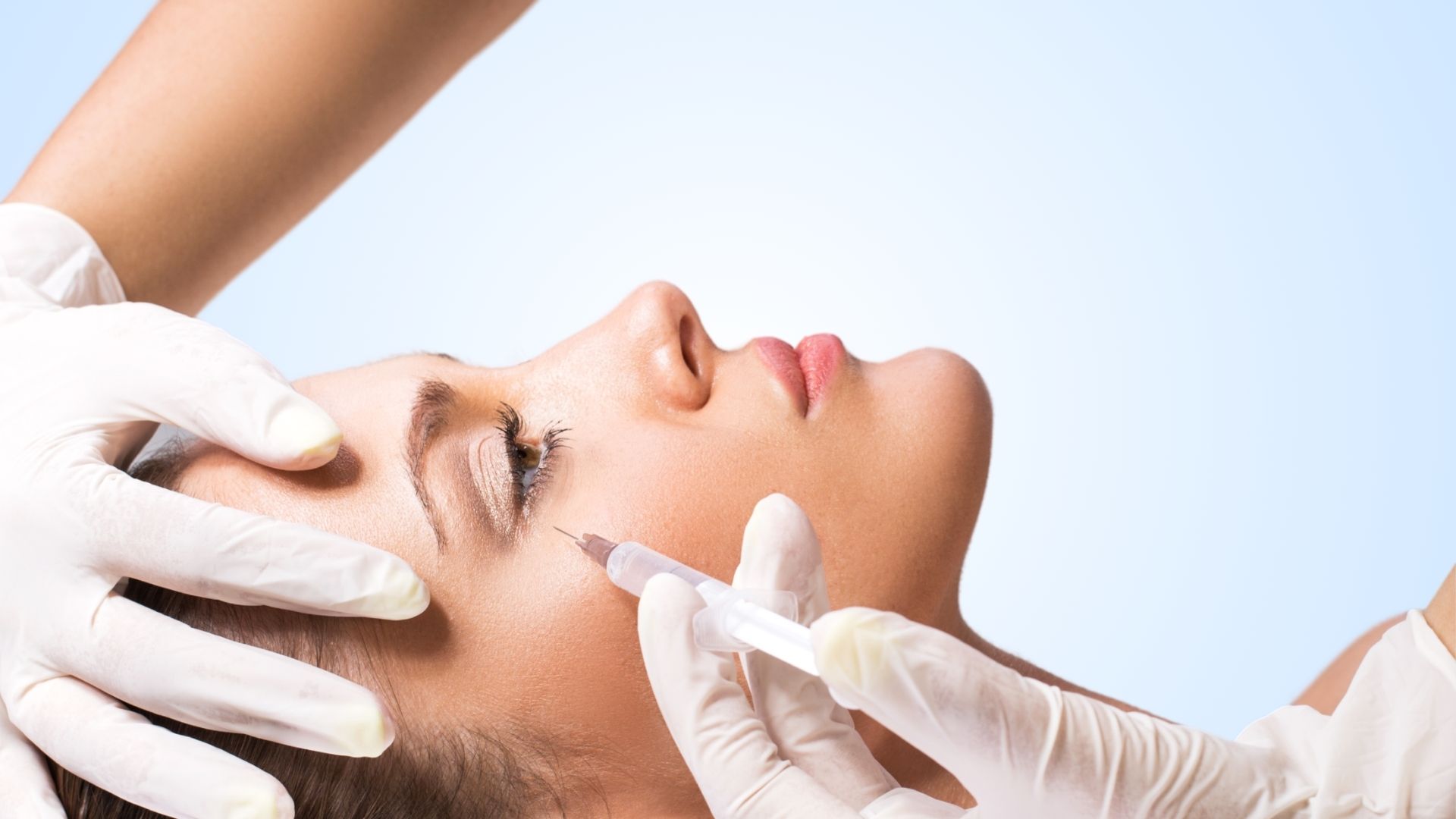
16:9 hero for Botox. Never cropped: the tone strip and the corner logo depend on the full frame.
BotoxAn injection that temporarily weakens specific facial muscles, so the lines those muscles make soften. It wears off in about three to four months. It does not fill, lift, or improve the quality of the skin.
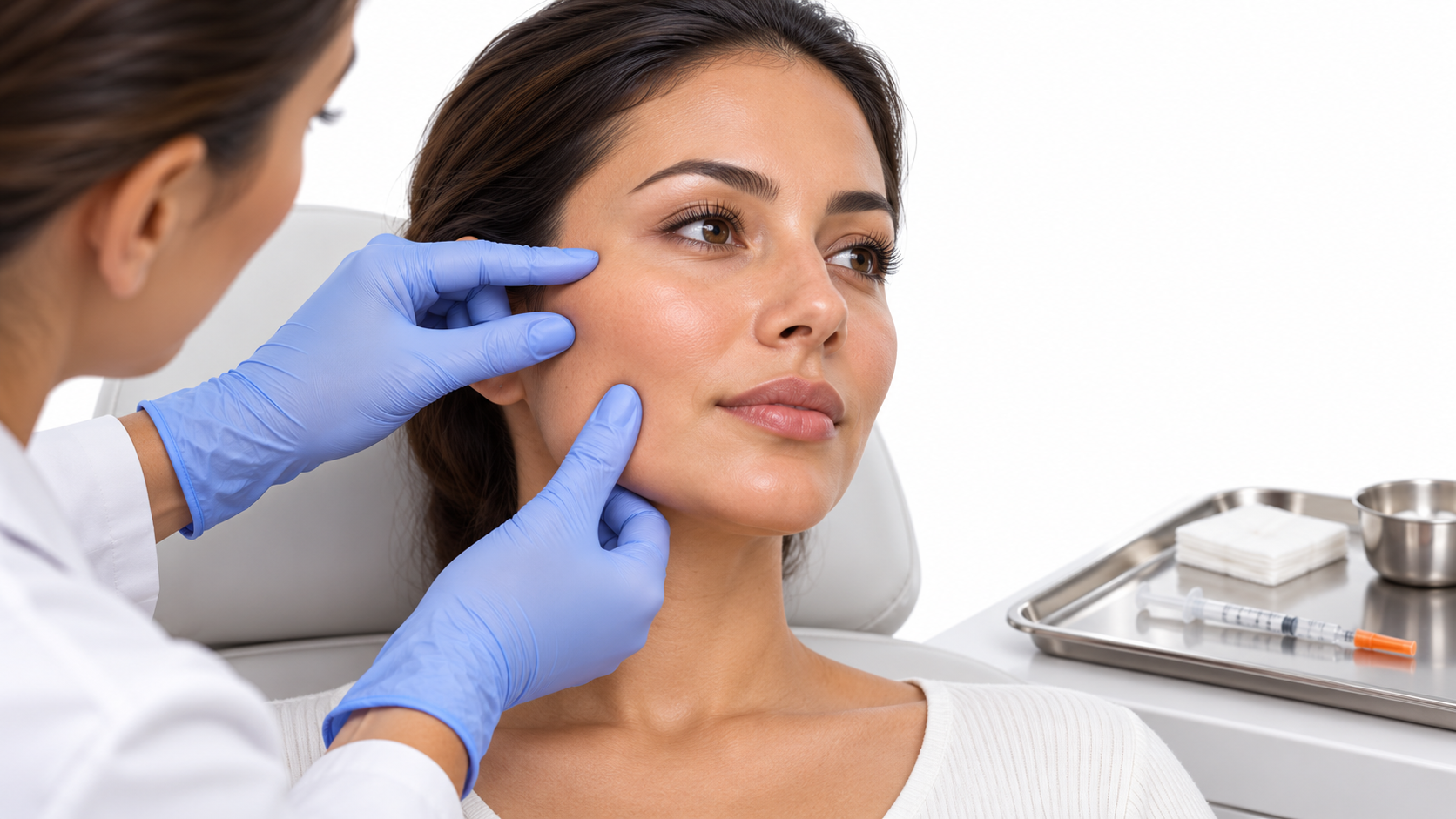
Gloved hands steadying a reclining woman's face while a fine syringe is placed near her cheekbone
Dermal FillersA gel injected under the skin to replace volume that has been lost, or to add shape. Most are hyaluronic acid and last six months to two years. They do not treat movement lines, loose skin, or skin quality.
Type
Injectable muscle relaxer
Injectable gel
What it does
Relaxes the muscles that make lines
Adds volume and shape
Best for
Frown lines, crow's feet, forehead lines
Lost volume, deep folds, lips
Session time
10–20 minutes
15–45 minutes
Pain
A quick sting per injection
Pressure and pinching; lips hurt most
Downtime
None; small bumps for 30 minutes
Swelling and bruising for about a week
Results show
Starts in 3–5 days, full at 2 weeks
Right away, final at 2 weeks
Lasts
3–4 months
6–24 months
Reversible
No; wears off
Hyaluronic acid can be dissolved
Cost
About $300–600 per area
About $600–1,200 per syringe

Best for each concern

Wrinkles and Fine Lines
Strong evidenceSmooths frown lines and crow's feet.
Little evidenceFine movement lines respond better to Botox.
Hyperhidrosis
Strong evidenceStops underarm sweating for months.
Not listed
Deep Wrinkles
Little evidenceLines at rest may need filler.
Strong evidenceFills deep folds.
Volume Loss
Not effectiveDoesn't add volume.
Strong evidenceRestores fullness in cheeks and lips.
Rolling Scars
Not listed
Moderate evidenceLifts soft dips.
Rosacea
Limited evidenceSmall studies show less flushing.
Not listed
Sagging Skin
Not effectiveDoesn't lift loose skin.
Not effectiveCan't replace a lift.

Strength of evidence for each concern, from each procedure's guide.

Conditions Treated
16:9 hero for Hyperhidrosis. Never cropped: the tone strip and the corner logo depend on the full frame.
Hyperhidrosis
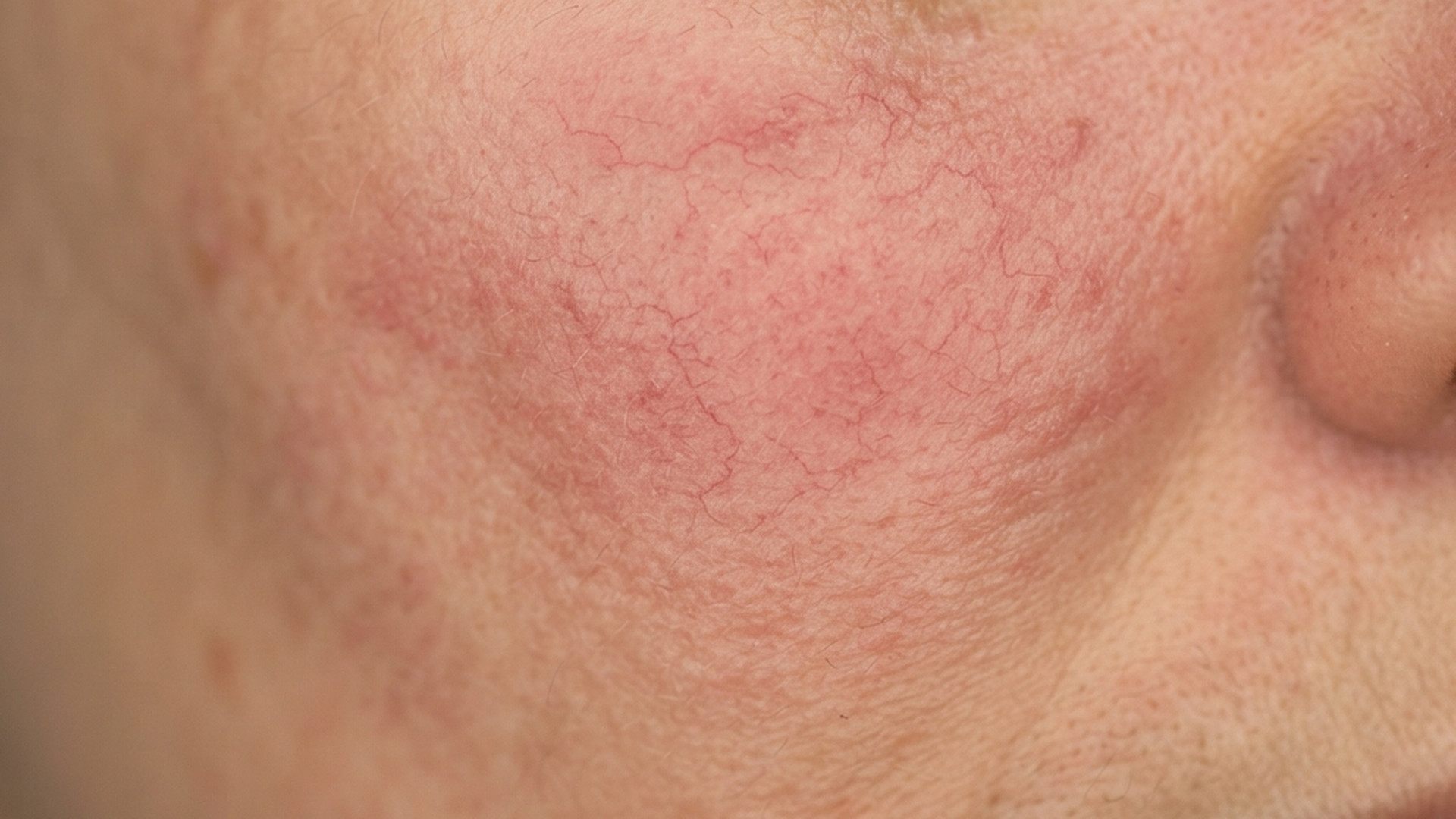
Close-up of a cheek with pink flushing and fine visible red blood vessels beside the nose
Rosacea
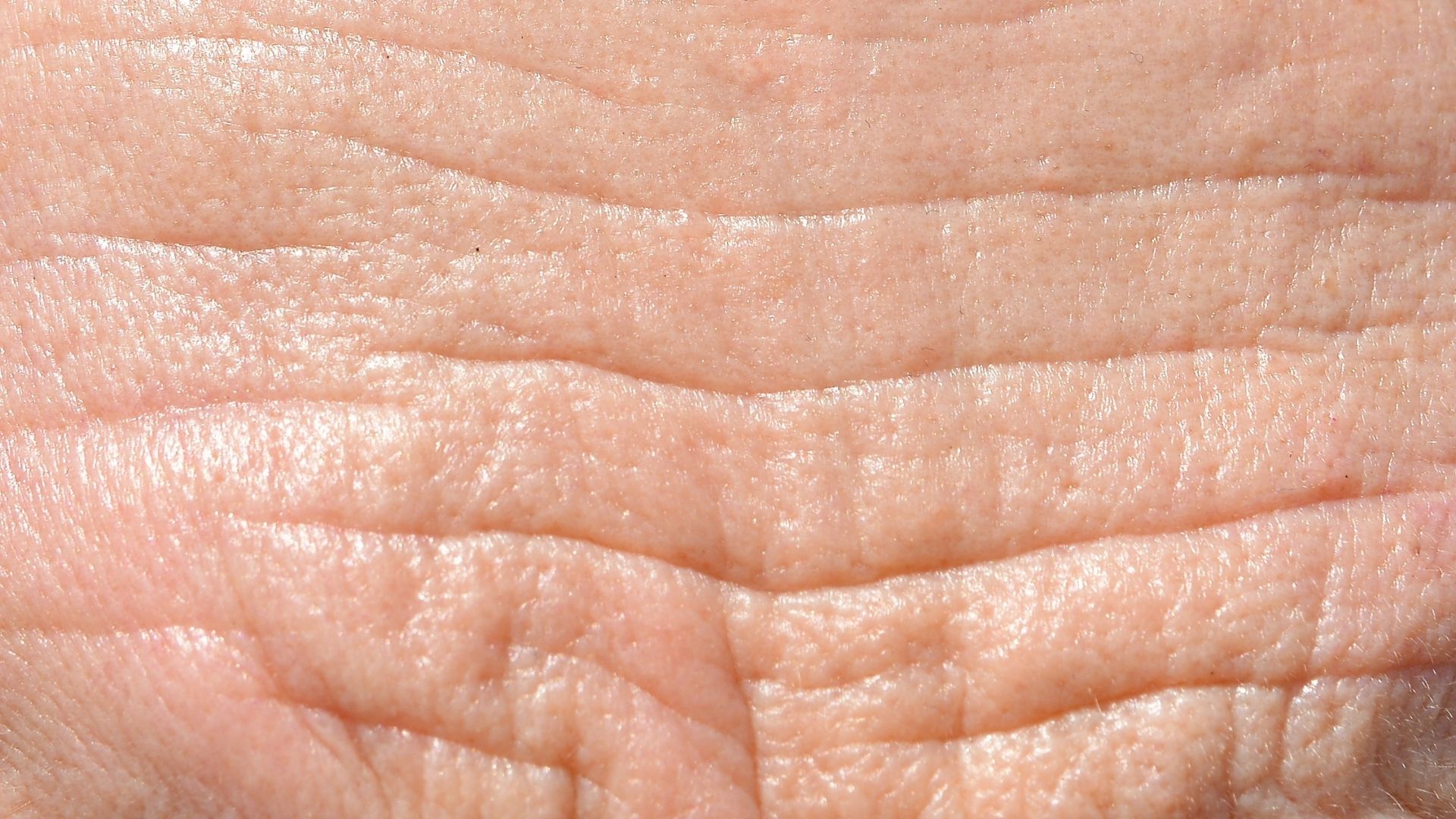
16:9 hero for Wrinkles and Fine Lines. Never cropped: the tone strip and the corner logo depend on the full frame.
Wrinkles and Fine Lines
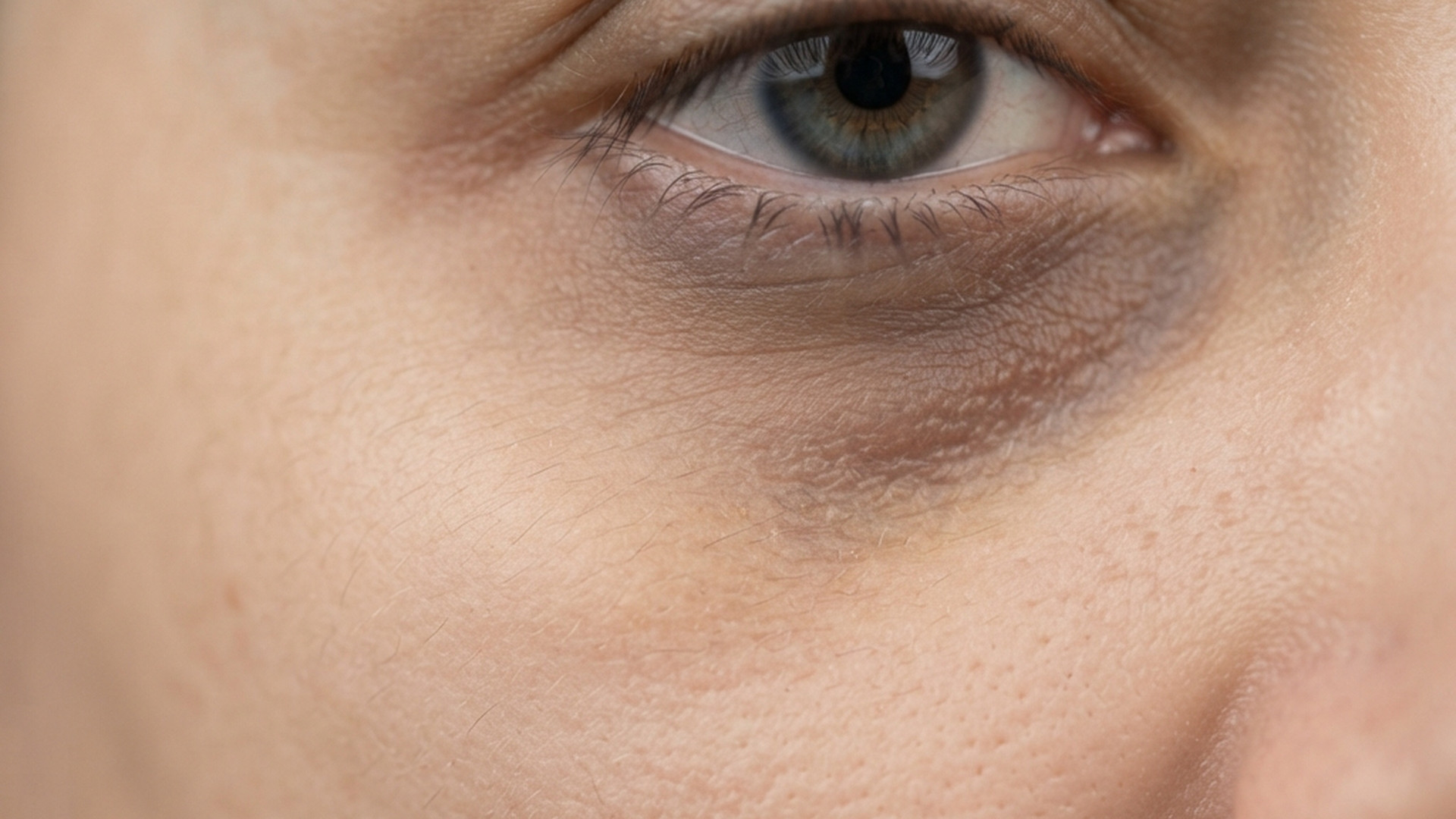
16:9 hero for Dark Circles Under the Eyes. Never cropped: the tone strip and the corner logo depend on the full frame.
Dark Circles Under the Eyes
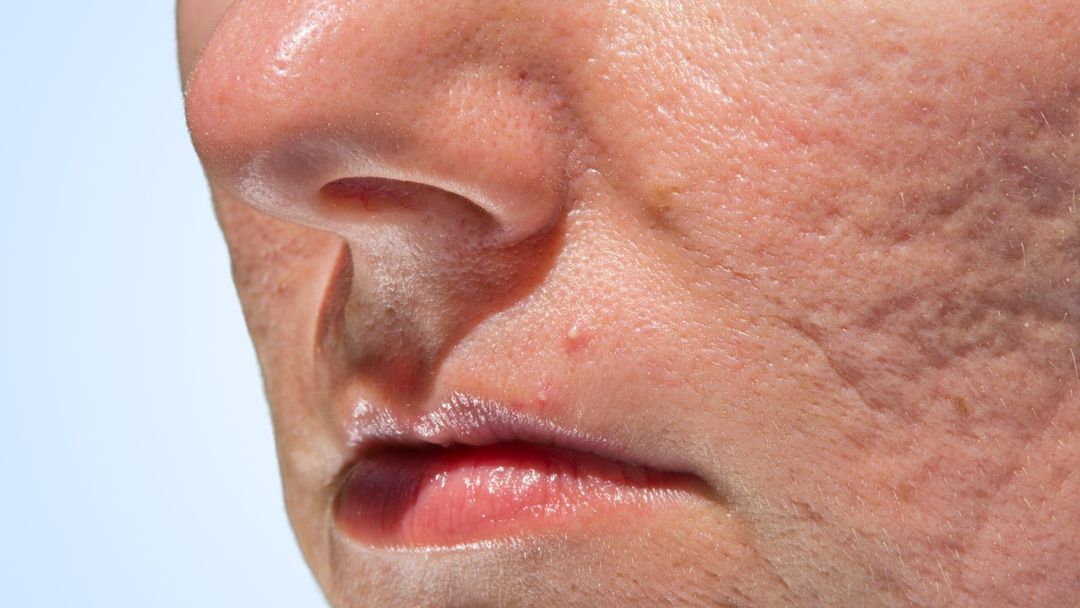
Close-up of the cheek, nose and mouth of an adult with light skin, turned three-quarters away from the camera against a pale blue background. The surface of the cheek is uneven, dimpled with shallow depressions and small pits that catch the light. There are no active spots — the change here is in the texture of the skin rather than its color.
Acne Scarring
16:9 hero for Wrinkles and Fine Lines. Never cropped: the tone strip and the corner logo depend on the full frame.
Wrinkles and Fine Lines

How each works

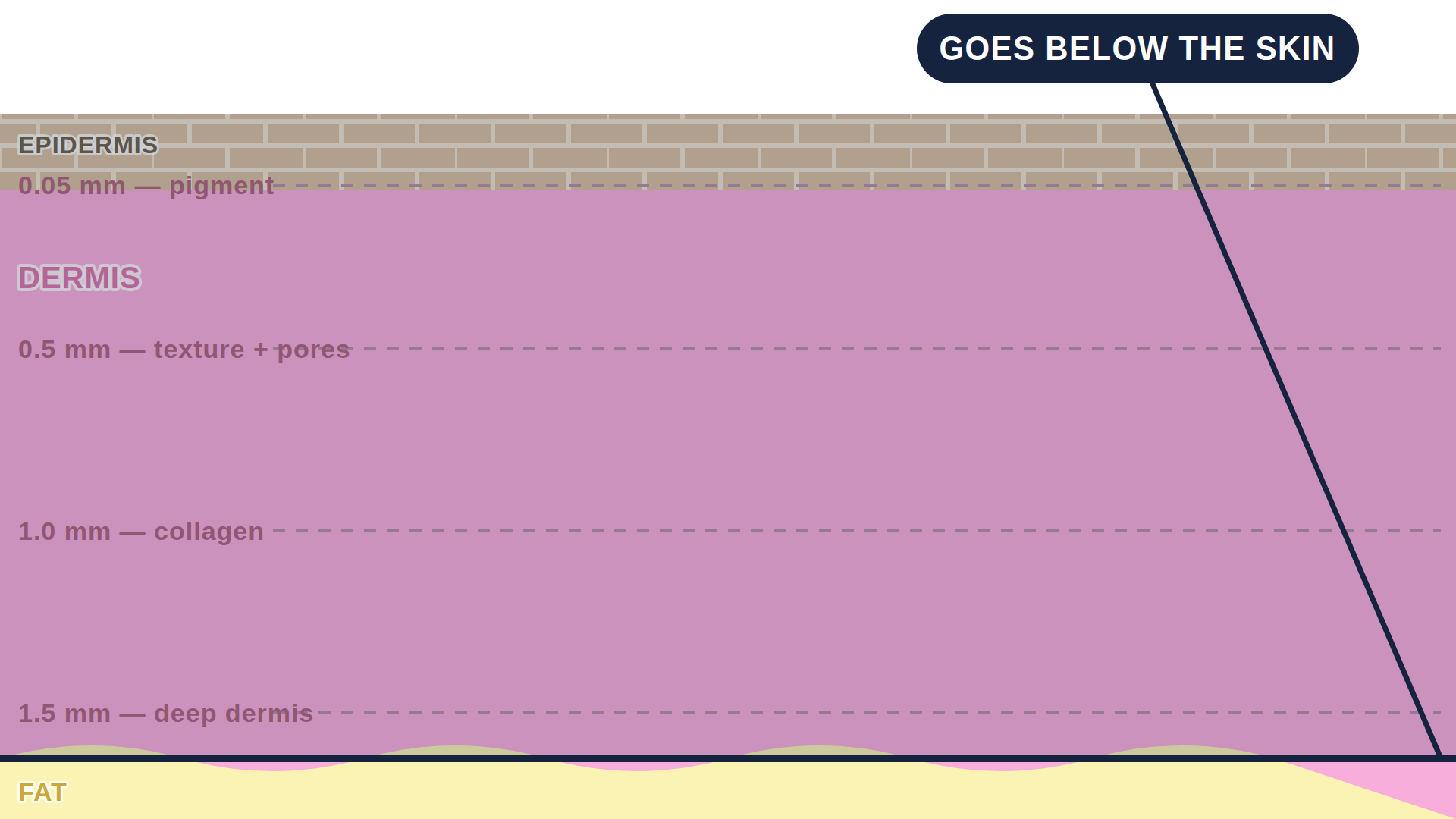
Depth
SurfaceBarrierEpidermisDermisMuscle
From nerve signal to smoother skin. Reaches the muscle.

It stays near where it's injected and acts on nerve endings. The effect wears off over 3–4 months as nerves grow new endings.

Step by step
  1. A nerve tells the muscle to contract. Each time you frown or squint, a nerve releases a chemical messenger called acetylcholine at the muscle.
  2. Repeated folding creases the skin. Over years, the skin above the muscle folds along the same line until a crease stays.
  3. Botox is injected into the muscle. A fine needle places a small dose where the nerve meets the muscle.
  4. The signal is blocked. Botox stops the nerve ending from releasing acetylcholine, so the muscle no longer gets the message. Effects start in 3–5 days.
  5. The muscle relaxes and the skin smooths. With less movement, the crease softens. Results peak at about 2 weeks and last 3–4 months.
SurfaceBarrierEpidermisDermis
How filler restores volume. Reaches the dermis.

It works as is.

Step by step
  1. Volume loss. Lost fat and collagen leave folds and hollows.
  2. Filler is injected. Hyaluronic acid gel is injected through a fine needle.
  3. It fills space. The gel fills space and holds water.
  4. Lines soften. Folds soften right away; results last 6–18 months.
Diagrams
16:9 hero for Dermal Fillers. Never cropped: the tone strip and the corner logo depend on the full frame.
Dermal Fillers — Page hero

Types and brands

Types

Several brands of botulinum toxin are approved in the United States.

  • BotoxThe original and most studied brand.3–4 months
  • DysportSpreads a little more; often used for larger areas.3–4 months
  • XeominContains no accessory proteins.3–4 months
  • DaxxifyA newer, longer-lasting option.Up to 6 months
  • JeuveauA brand used only for cosmetic lines.3–4 months

Fillers are grouped by what they are made of.

  • Hyaluronic acidAdds volume and can be dissolved.6–18 months
  • Calcium hydroxylapatiteAdds volume and builds collagen.12–18 months
  • Poly-L-lactic acidBuilds collagen gradually over months.About 2 years
  • PMMAPermanent microspheres in collagen gel.Years
Form / Type
Hyaluronic acid filler syringe
Hyaluronic acidAdds volume and can be dissolved.

The appointment

Before
  • Plan the timing
  • Bruising and alcohol
  • What to bring
  • Events, dental work, shots
  • Bruising
  • Alcohol and food
  • Photos and questions
The treatment
The skin is cleaned, then small injections go into the chosen muscles, a few in each area. The visit runs 10 to 20 minutes. Each point is a sharp sting, then it is over — most people rate it below a blood test.
The skin is cleaned. Filler goes in in small amounts through a fine needle or a blunt cannula threaded from one entry point. The injector pauses to mold it and sits you up to check symmetry.
Leaving
Small raised bumps like insect bites settle within about 20 to 30 minutes. Keep makeup off until they do.
Pinpoint red marks, some swelling, maybe a bruise starting. You will look fuller than the final result, especially the lips, and some lumpiness on day one is normal.
Aftercare
  • Makeup
  • Staying upright
  • Pressure and exercise
  • Makeup and exercise
  • Sleeping
  • Heat and dental work
Repeat visits
There is no course to complete. It is repeated every three to four months for as long as you want the effect, so most regular users have three sessions a year.
Most areas take one session, with a review at two to four weeks and a small top-up if needed. Building structure across cheeks, chin and jaw is often staged over two or three appointments a few weeks apart, which costs no more and makes it easier to stop at the right point.

Using them together

Together?
Botox and dermal fillers are often used together because they do different jobs. Botox relaxes the muscles that create movement lines. Fillers add volume and soften folds that are there at rest.

Recovery and results

Botox
  1. Days 1 to 3A few people bruise, usually near the eyes

    Concealer is fine once skin is intact.

  2. Days 3 to 5Movement feels different — heavy, or a muscle that will not quite fire

    Lines start to soften.

  3. Days 10 to 14The true result

    Judge it now, not before.

Dermal Fillers
  1. First 4 daysPuffiness and tenderness build through the first day; ice in short spells helps

    Lips can swell dramatically overnight.

  2. Day 5 to 14Swelling drops, bruises turn yellow and fade, and lumps soften

    Most people look normal to others within a week.

  3. Week 2What you see now is what you paid for

    Review it, ask for an adjustment, or add a small amount if the area is under-filled.

Early changes
The effect develops over days rather than acting as an instant filler.
Temporary local swelling, tenderness, redness, or bruising may occur; the early appearance is not the final treatment result.
After healing
Improvement is temporary and varies with the muscle, indication, and product.
Correction and swelling may be visible early, while the final effect and duration depend on the material and indication.
Longer term
Muscle activity gradually returns, so repeat treatment may be considered after reassessment rather than on an automatic early schedule.
Attend the agreed treatment-response and adverse-effect review.

Approximate timing. It varies from person to person.

Risks

What to know
Most side effects come from the needle rather than the medicine — bumps, bruises, a headache for a day or two. The ones that matter come from the medicine reaching a muscle a few millimeters from the target.
Most of what happens after filler is swelling and bruising, and it settles on its own. The risk that matters is uncommon and serious, so know the signs beforehand. Filler can enter or press on a blood vessel and cut off the blood supply to an area of skin — vascular occlusion. If the vessel connects to those supplying the eye, it can cause permanent loss of vision, rare but reported.
Tell your doctor
  • A droopy upper eyelid
  • A heavy or dropped brow
  • Unevenness
  • A headache or a flu-like day or two
  • A lump or bruise that is not settling
  • Dry, gritty eyes or double vision
  • A lump or firm area
  • A bluish tint under thin skin
  • Swelling weeks or months later
  • Under-eye puffiness that lingers
  • Asymmetry
  • A cold sore outbreak after lip filler

Cost and coverage

Cost
In the US it is priced per unit or per area. Per unit is roughly $10 to $20, and a typical frown-line treatment uses about 20 units, so one area lands around $300 to $600.
In the US, hyaluronic acid filler usually runs about $600 to $1,200 per syringe, with structural and longer-lasting products at the higher end. Price is per syringe, not per area, which is where quotes diverge — lips often take one syringe, cheeks or a jawline two or more.
Insurance
Insurance does not cover cosmetic use. It does sometimes cover botulinum toxin for chronic migraine, severe underarm sweating that has failed other treatment, muscle spasm and some bladder problems, usually after a documented trial of other options.
Insurance does not cover cosmetic filler. One exception: facial volume loss from HIV medication, where some products are approved and coverage is sometimes available.

Questions

What is the main difference between Botox and fillers?

Botox temporarily weakens selected muscles to soften movement lines. Fillers add volume under the skin and soften folds present at rest.

Can Botox and fillers be used together?

Yes. Both existing procedure guides say they are often used together because they address different concerns.

Which lasts longer?

The Botox guide lists three to four months for most people and areas. The filler guide lists six to twelve months in lips and often twelve to twenty-four months in structural areas such as cheeks, chin and jaw.

Can the result be reversed?

Botox has no antidote and must wear off. Hyaluronic acid fillers can be dissolved with an enzyme; calcium hydroxylapatite, poly-L-lactic acid and permanent fillers cannot be dissolved that way.

Do they improve skin texture or replace lost volume?

Botox does not replace lost volume or improve skin quality. Fillers replace volume and add shape, but do not treat movement lines or skin quality.

Also compared with

Botox vs Topical retinoidOn a different target. Improves skin quality, fine surface lines and pigment over months of daily use, for a fraction of the cost. It has no effect on the muscles, so it will not change a frown line.
Botox vs Fractional laser resurfacingFor texture and etched lines. It rebuilds the skin rather than relaxing the muscle, so it reaches lines that are visible at rest. More cost, real downtime, and more care needed on deeper skin tones.
Botox vs Surgical brow liftPermanent. For a heavy, dropped brow, surgery does what an injection cannot. It is surgery, with the recovery and the irreversibility that implies.
Botox vs Needle-free peptide creamsSold as an alternative to injections, they cannot reach the nerve endings that matter from the skin surface. Some improve the look of fine lines by hydrating, which is not the same mechanism.
Dermal Fillers vs Collagen stimulatorsPoly-L-lactic acid and similar products build volume gradually over three to six months instead of instantly, and the result often lasts around two years. The trade is patience and the fact that they cannot be dissolved if you dislike the outcome.
Dermal Fillers vs Fat transferYour own fat, moved from elsewhere, with the potential to last for years. It is a surgical procedure with anesthesia and real downtime, and how much of the fat survives varies a lot between people.
Dermal Fillers vs Thread liftsMarketed as a lift without surgery. The effect is usually modest and short-lived for the cost, and the threads dissolve over months.
Dermal Fillers vs Facelift or neck liftThe only real answer to loose skin. It repositions tissue rather than adding volume. It is surgery, with the recovery, cost and permanence that means.
Treatment Option
Daily sunscreen, SPF 30 or higher
Topical retinoid, over the counter or prescription
Daily sunscreen, SPF 30 or higher
Topical retinoid
Topical retinoid
Related Topic
16:9 hero for Fraxel (Nonablative Fractional Laser). Never cropped: the tone strip and the corner logo depend on the full frame.
Fractional laser resurfacing
Fat transfer
Fat transfer