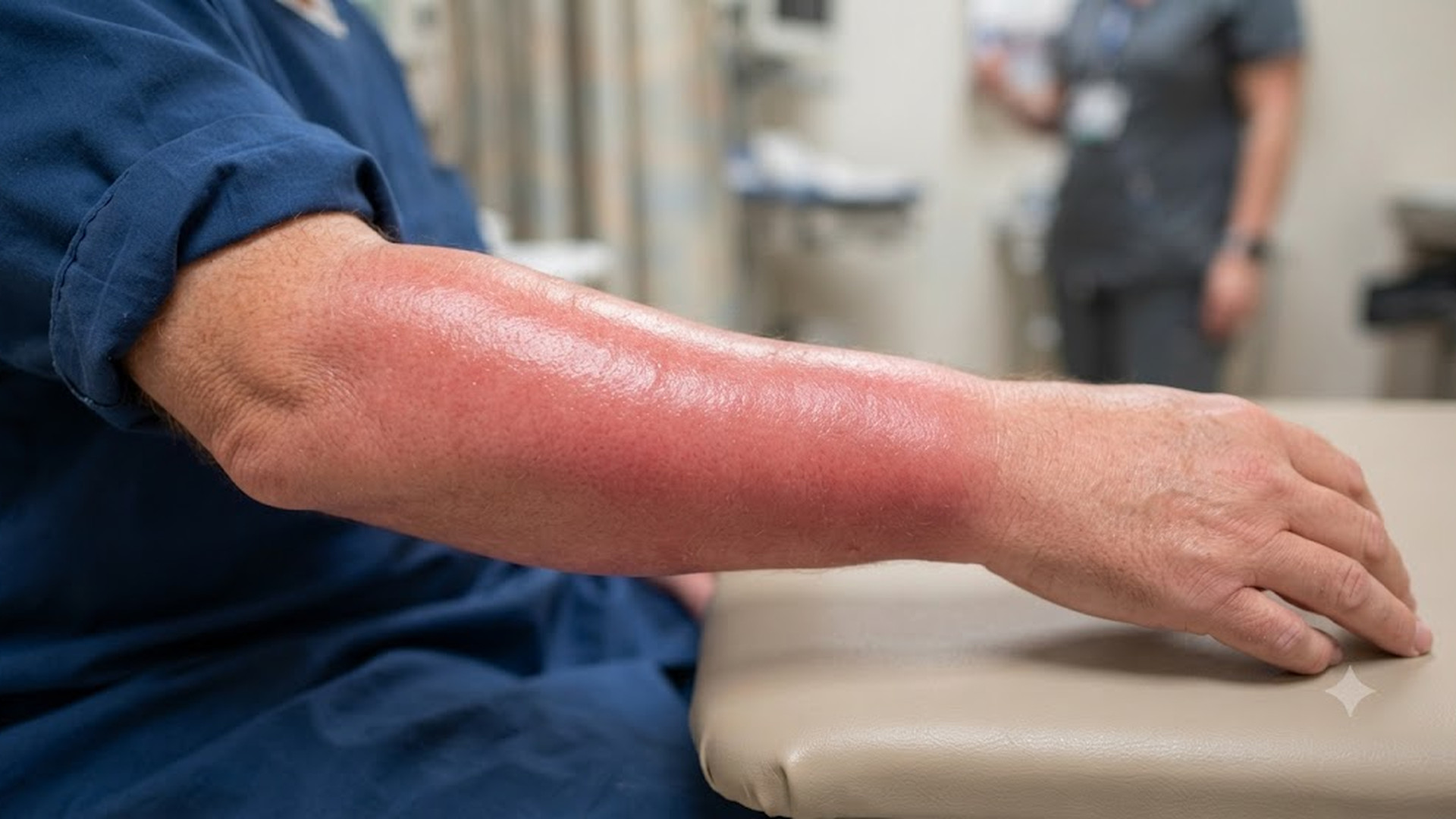
Impetigo
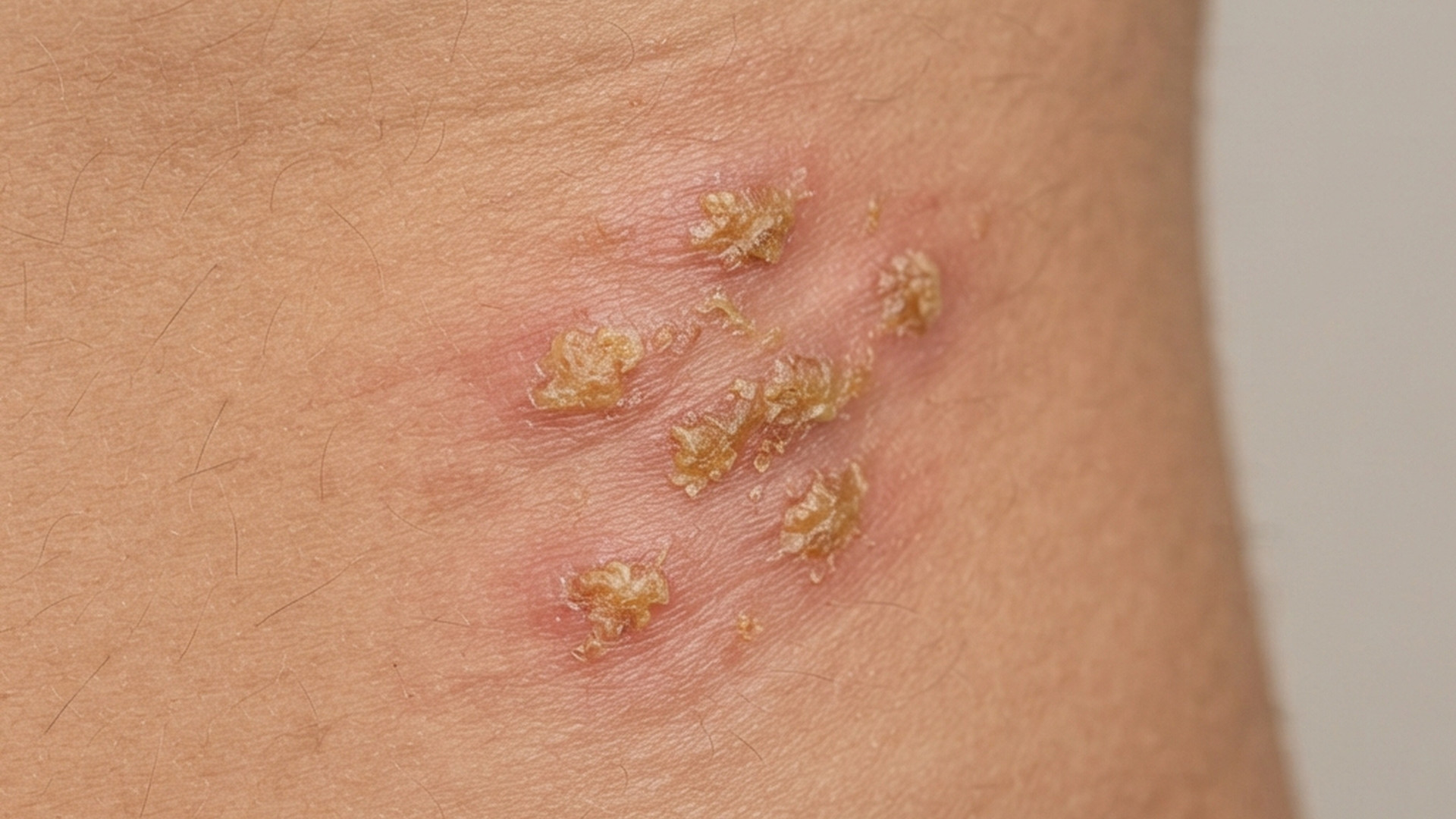
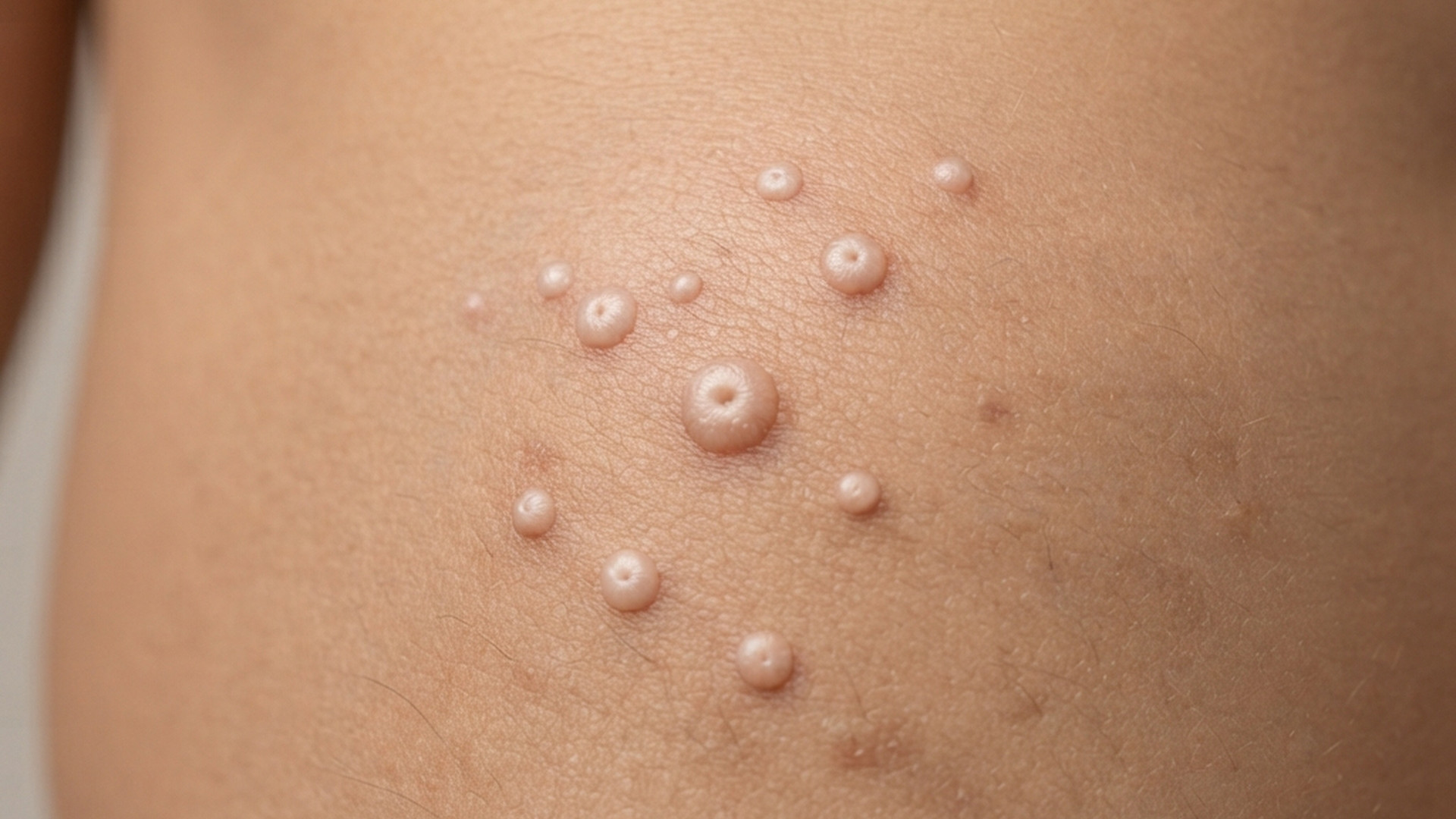
Impetigo is a bacterial skin infection that weeps and crusts. The sores are wet, and they dry into a golden-yellow crust that looks like dried honey. Molluscum is a viral infection that makes firm, dry bumps. They are smooth and pearly, with a small dimple on top, and they do not ooze. Impetigo spreads over days and is treated with an antibiotic. Molluscum sits for months and often needs nothing.
Last Updated: October 15, 2026
| The difference | Impetigo | Molluscum Contagiosum |
|---|---|---|
| What is it? | Bacteria growing in the top layer | A poxvirus in the top layer |
| What they look like | Wet sores with a honey-gold crust | Smooth, pearly, with a centre dimple |
| How treatment differs | Antibiotic cream or tablets | Usually left to clear |
Impetigo
Bacteria growing in the top layer
Group A streptococcus or staph bacteria get through a small break in the skin — a scratch, a bite, a patch of eczema — and multiply in the surface layer.
Molluscum Contagiosum
A poxvirus in the top layer
A virus from the pox family infects skin cells and fills each bump with a soft white core. Nothing is infected below the surface.
Impetigo
Wet sores with a honey-gold crust
It starts as a small red patch or blister, breaks open, weeps, and dries into a thick yellow crust. Lift a crust and the skin underneath is raw and moist.
Molluscum Contagiosum
Smooth, pearly, with a centre dimple
Firm, dome-shaped and dry, skin-coloured or slightly pink. The small pit in the middle is the most useful sign.
Impetigo

Light

Medium

Brown

Deep
Molluscum Contagiosum

Light

Medium

Brown

Deep
Impetigo
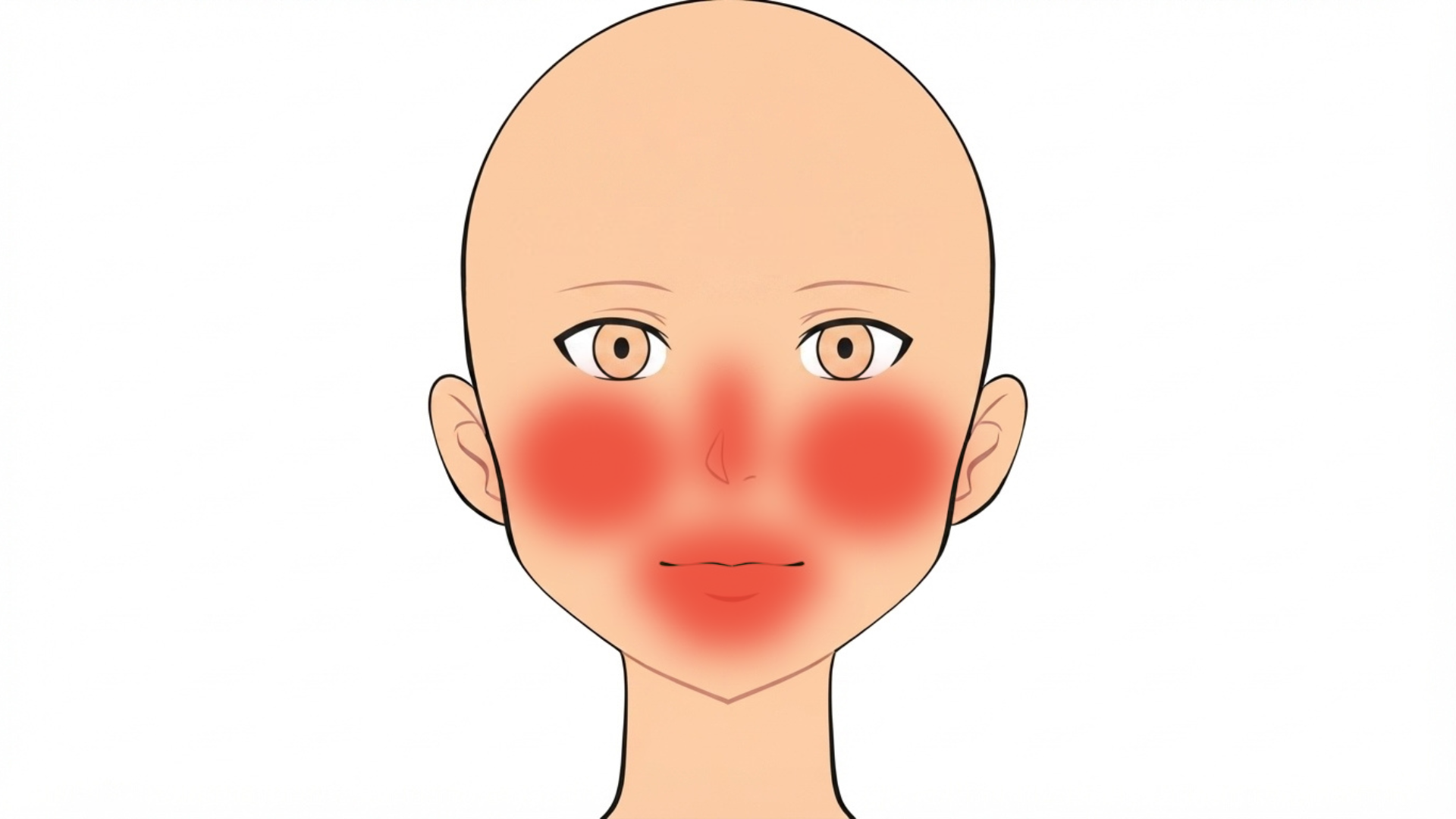
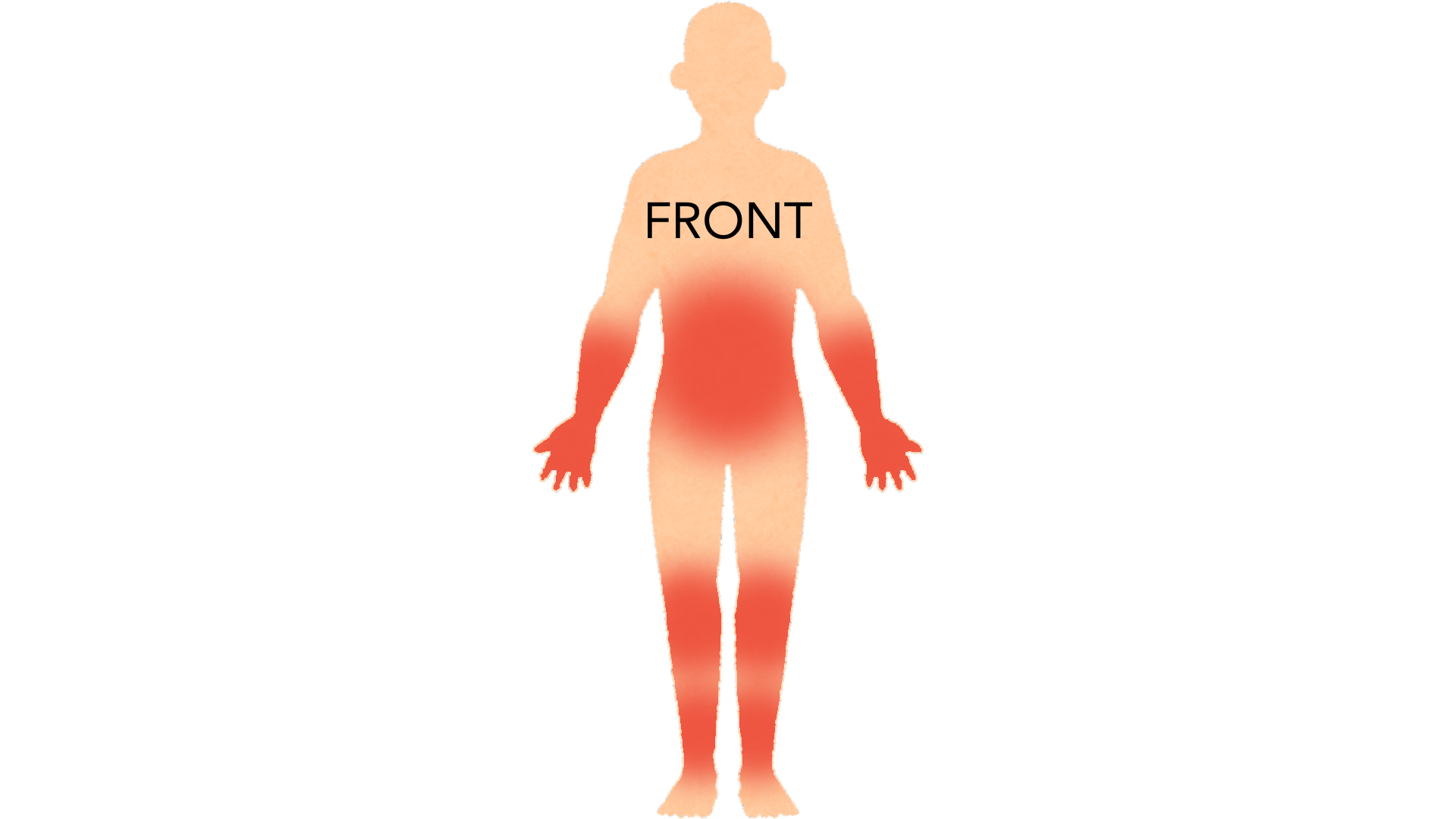
Around the nose and mouth
Classically the face, especially near the nostrils and lips, then the hands, arms and anywhere skin is already broken.
The classic place, because the bacteria are carried in the nose and fingers do the rest. Honey-colored crust around the nostrils and the mouth in a child is the picture most people know.
Impetigo starts wherever the skin was already open, so it can turn up anywhere: a scratched bite, a graze, a patch of eczema. Hands, arms and lower legs come next after the face. The blistering form is more often on the trunk, in skin folds and around the nappy area in babies.
Molluscum Contagiosum
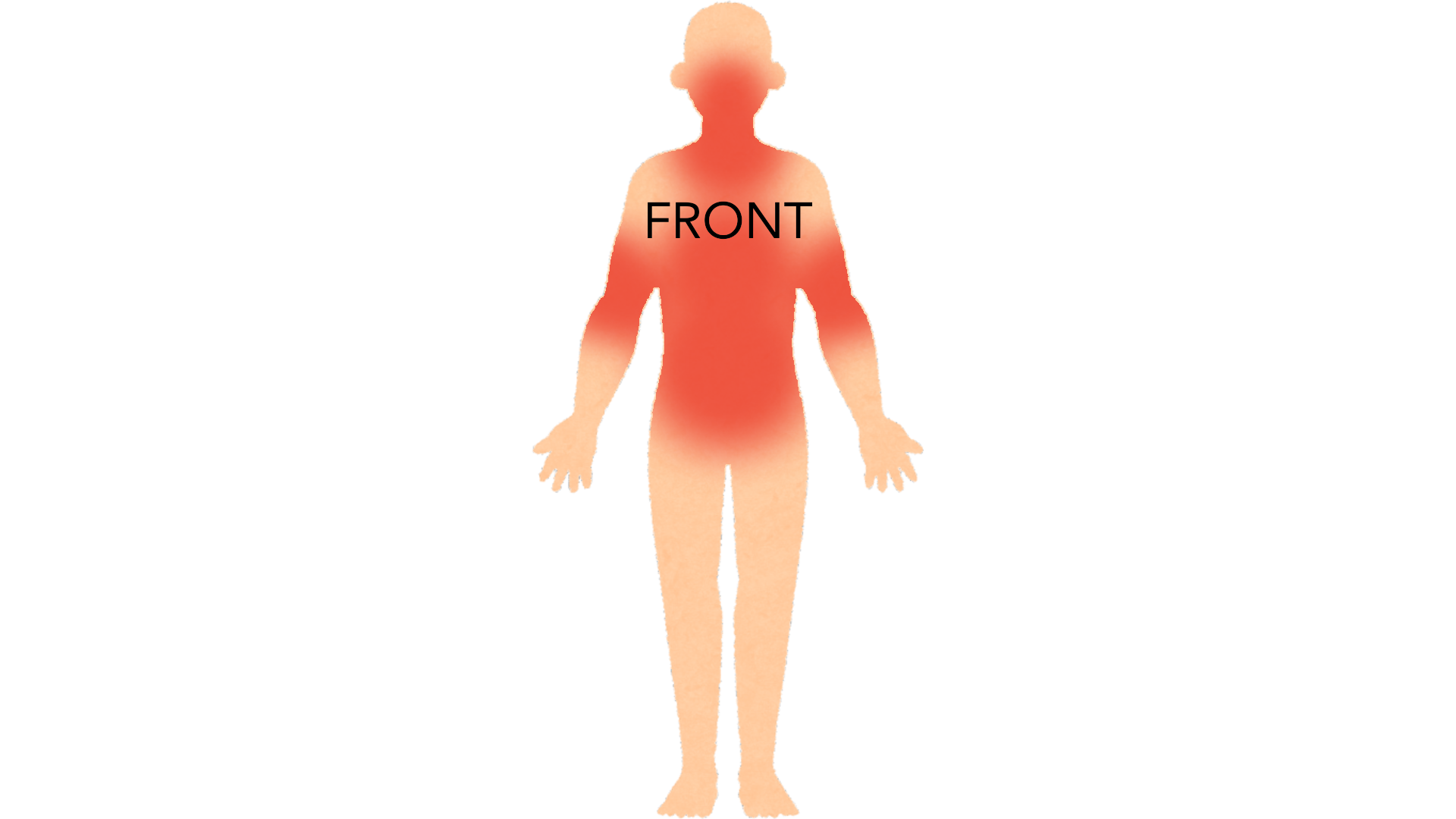
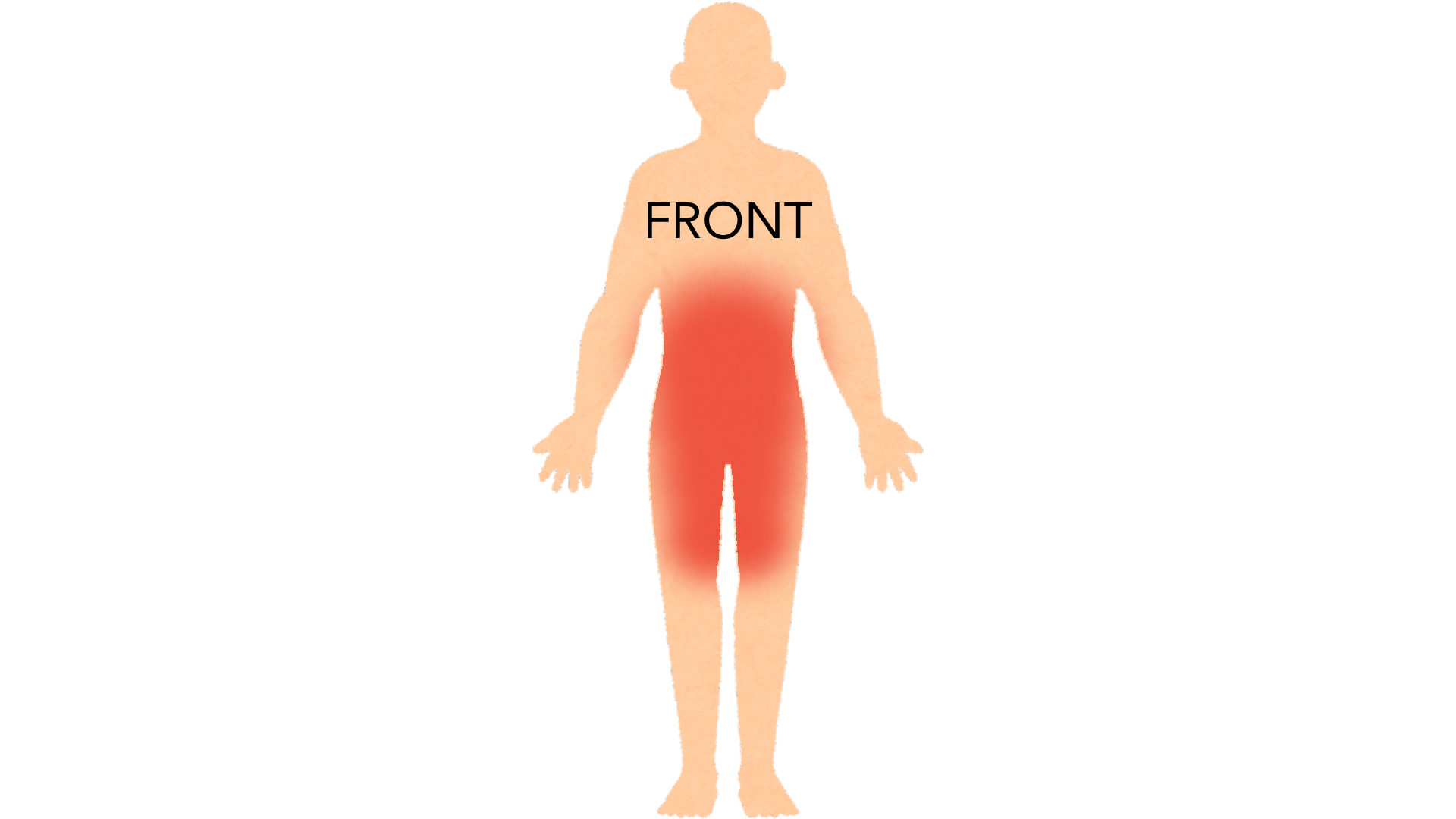
Trunk, armpits and skin folds
Chest, tummy, sides, armpits, the crooks of the elbows and the backs of the knees.
In children the usual places are the trunk, the armpits, the inner arms, the neck and the face — skin that is warm, folded and rubbing. Wherever they are, they cluster in creases and run in lines where a child has scratched and carried the virus along.
In adults, bumps on the lower abdomen, the groin, the inner thighs and the genitals usually mean the virus was passed on through sexual contact, and testing for other infections is normally offered at the same time.
Impetigo


Healthy skin is a sealed sheet. Bacteria live on top of it all the time and cause no trouble while it stays closed.
A scratch, an insect bite, a cold sore or a patch of eczema opens the surface. The break is often too small to notice.
Staph or strep bacteria that were already sitting on the skin move into the opening. Impetigo is ordinary bacteria in the wrong place, not a sign of dirty skin.
The area turns red and sore as the immune system arrives. Small blisters form just under the top layer, and they break easily.
Fluid from the broken blisters dries into a gold, honey-colored crust. That crust is full of bacteria, which is how it spreads to other spots and to other people.
Molluscum Contagiosum


The barrier is intact and nothing is getting through it.
A poxvirus, spread by skin-to-skin contact and by shared towels, mats and baths. Damp or eczema-prone skin lets it in more easily.
The virus makes skin cells multiply into small firm domes with a dimple in the middle, each one full of virus.
Scratching or shaving over a bump carries the virus along the line of the scratch, which is why new ones appear in rows.
Eventually it recognizes the infection and clears it, often with a red, sore-looking flare first. That flare is the sign it is ending, not worsening.
Impetigo
Itchy, and a bit sore
Scratching is how it moves to new skin, which is why the sores often appear in a line or a cluster.
Molluscum Contagiosum
Usually neither
Some bumps itch. A scratched one turns red and sore, and that red ring often means it is about to clear.
Impetigo
Days, and it spreads fast
Untreated, it keeps opening new sores and can stay contagious for weeks. With an antibiotic it usually settles within about a week.
Molluscum Contagiosum
Months, and it spreads slowly
Bumps clear on their own in about 6 to 18 months. New ones keep arriving while old ones fade, so the crop looks endless for a while.
Impetigo
Almost always worth a visit
Impetigo does not reliably clear on its own, and treatment shortens it and stops it spreading to others.
Molluscum Contagiosum
Only if something changes
Worth a visit if bumps are near the eyelid, if one becomes hot and swollen with spreading redness, or if the diagnosis is not clear.
Impetigo
Antibiotic cream or tablets
An antibiotic ointment such as mupirocin or fusidic acid for a small patch. Tablets when it is widespread. It stops being contagious about a day after treatment starts.
Molluscum Contagiosum
Usually left to clear
Most children are left alone, because the bumps go anyway and the treatments can sting or mark the skin. Single bothersome bumps can be scraped or frozen.
How do I tell impetigo from molluscum at a glance?
Impetigo is wet and crusted. Molluscum is dry and firm. A golden-yellow crust that looks like dried honey is impetigo; a smooth pearly bump with a dimple in the middle is molluscum.
Does molluscum need antibiotics?
No. It is a virus, so antibiotics do nothing to it. They are only used if one bump has become infected with bacteria on top.
Which one spreads faster?
Impetigo. It can double in a few days, while molluscum drifts along for months. Impetigo also stops being contagious quickly once treatment starts.
Can a child have both at once?
Yes, and it is common. Scratching a molluscum bump breaks the skin, and broken skin is how impetigo bacteria get in.
When can my child go back to school?
With impetigo, usually about 24 hours after antibiotic treatment starts, or once the sores have dried and crusted. Molluscum is not a reason to stay home at all.
Will either one leave a scar?
Impetigo usually heals without a scar, though it can leave a pale or darker mark for a few months. Molluscum can leave a small mark, more often from scratching or from treatment than from the bump itself.