Acne
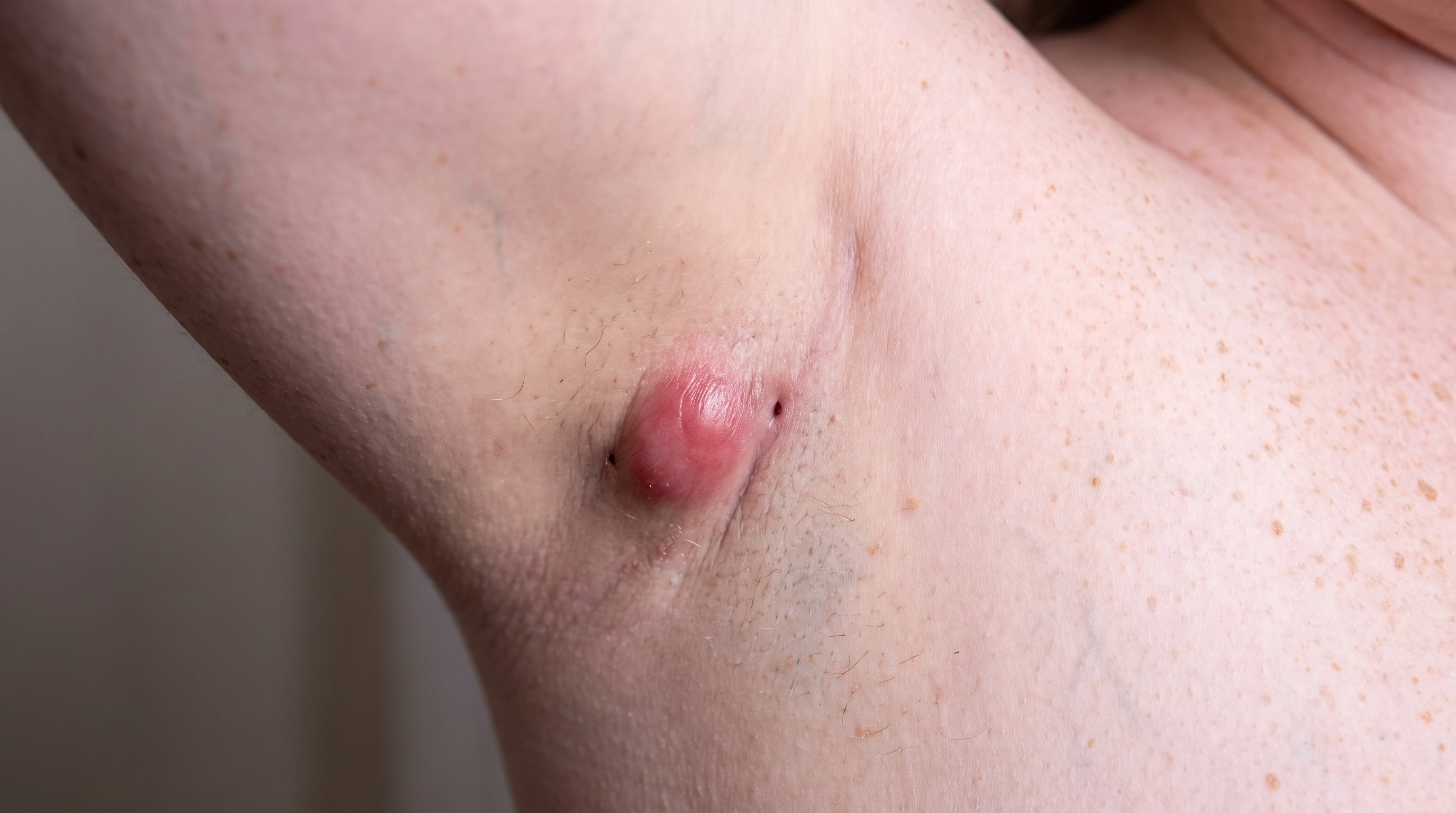
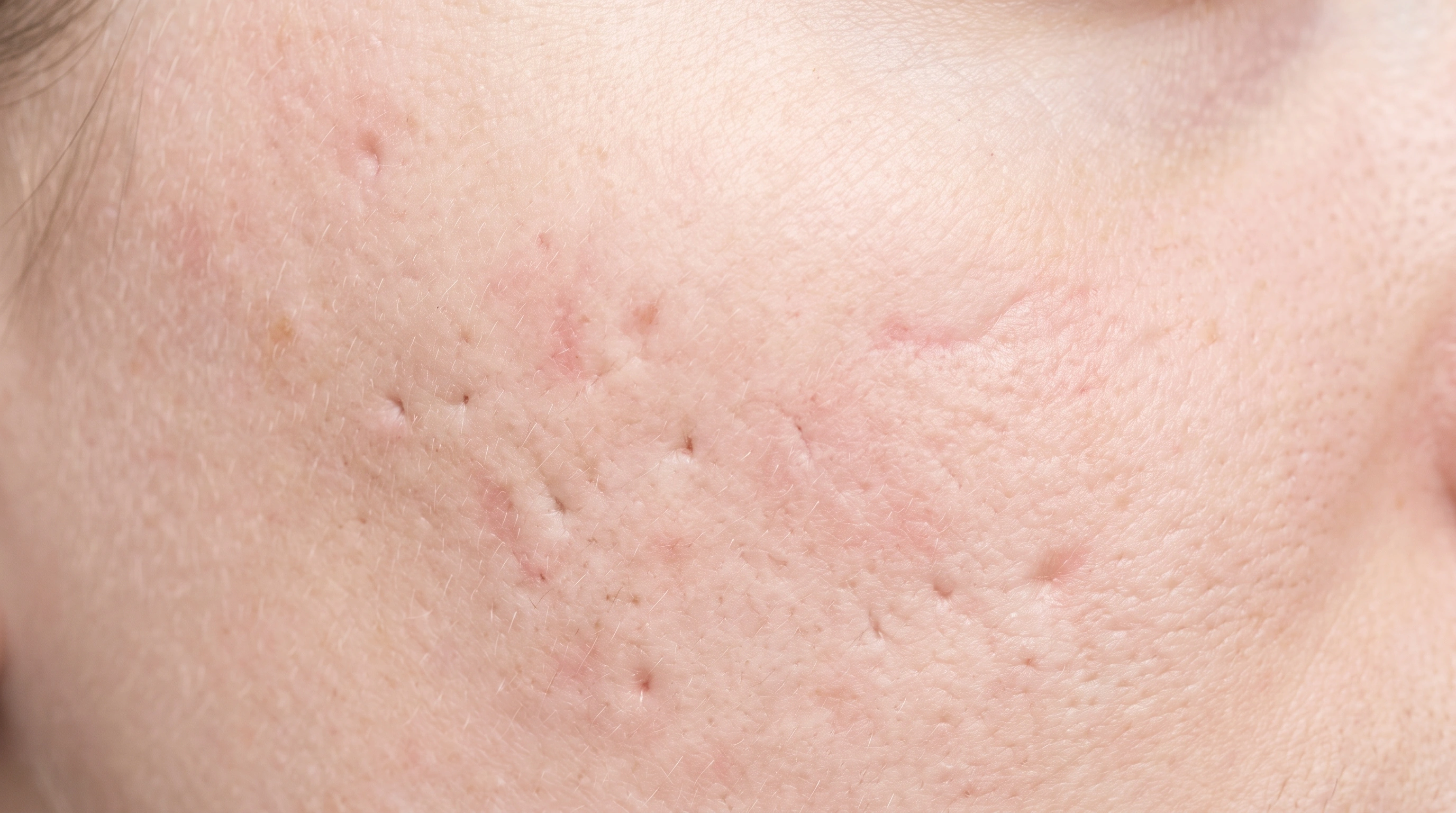
Clears severe and stubborn acne.
Accutane: A high-dose oral vitamin A drug for severe or scarring acne. It is the only acne treatment that can produce lasting remission after a fixed course. Spironolactone: A water tablet that blocks male-type hormones as a side effect. In adult women, that side effect is the reason it is prescribed for acne.
Choose for severe, scarring or stubborn acne that keeps coming back after other treatments. It is the only acne medicine that can give lasting remission after one course.
Choose for hormonal acne in adult women as a long-term, low-cost alternative to repeated antibiotic courses.
Can you take them together?
These are usually used one after the other rather than together. Spironolactone is often chosen for hormonal acne, or started after Accutane to keep breakouts from returning.
Compare uses by strength of evidence. Evidence level describes confidence in a benefit, not its size.
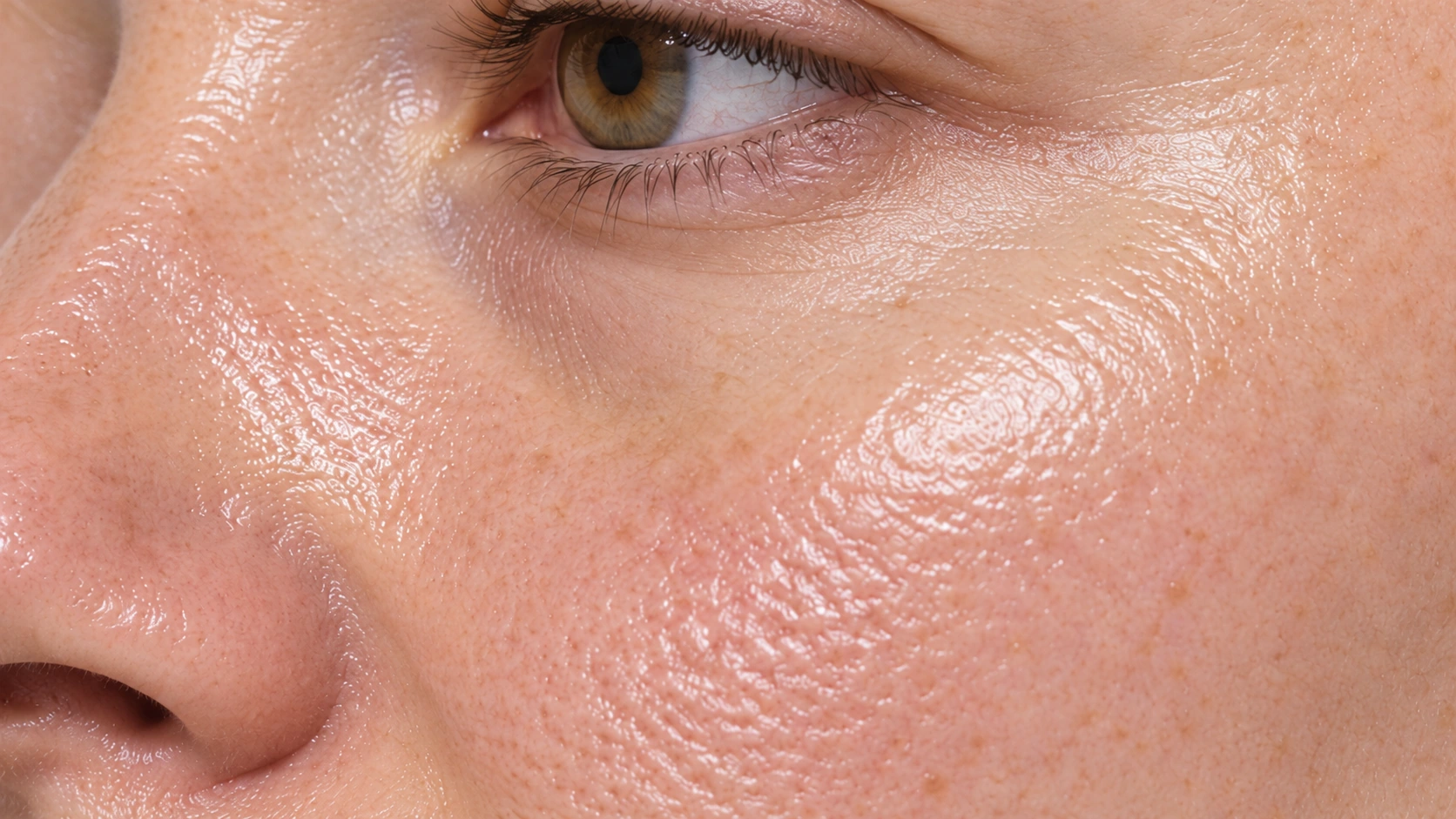



Reduces pore clogging: Helps normalize cell buildup inside follicles. Reduces acne bacteria: Less oil makes follicles less favorable for C. acnes. Makes less oil: Shrinks oil glands and reduces their oil output. Calms inflammation: Dampens immune responses involved in acne.
Oral isotretinoin mechanism overview. Reduced C. acnes is an indirect effect of a changed follicular environment, not antibiotic action. The complete mechanism is not known. Gland outline is conceptual, not a measured size reduction or permanent cure.

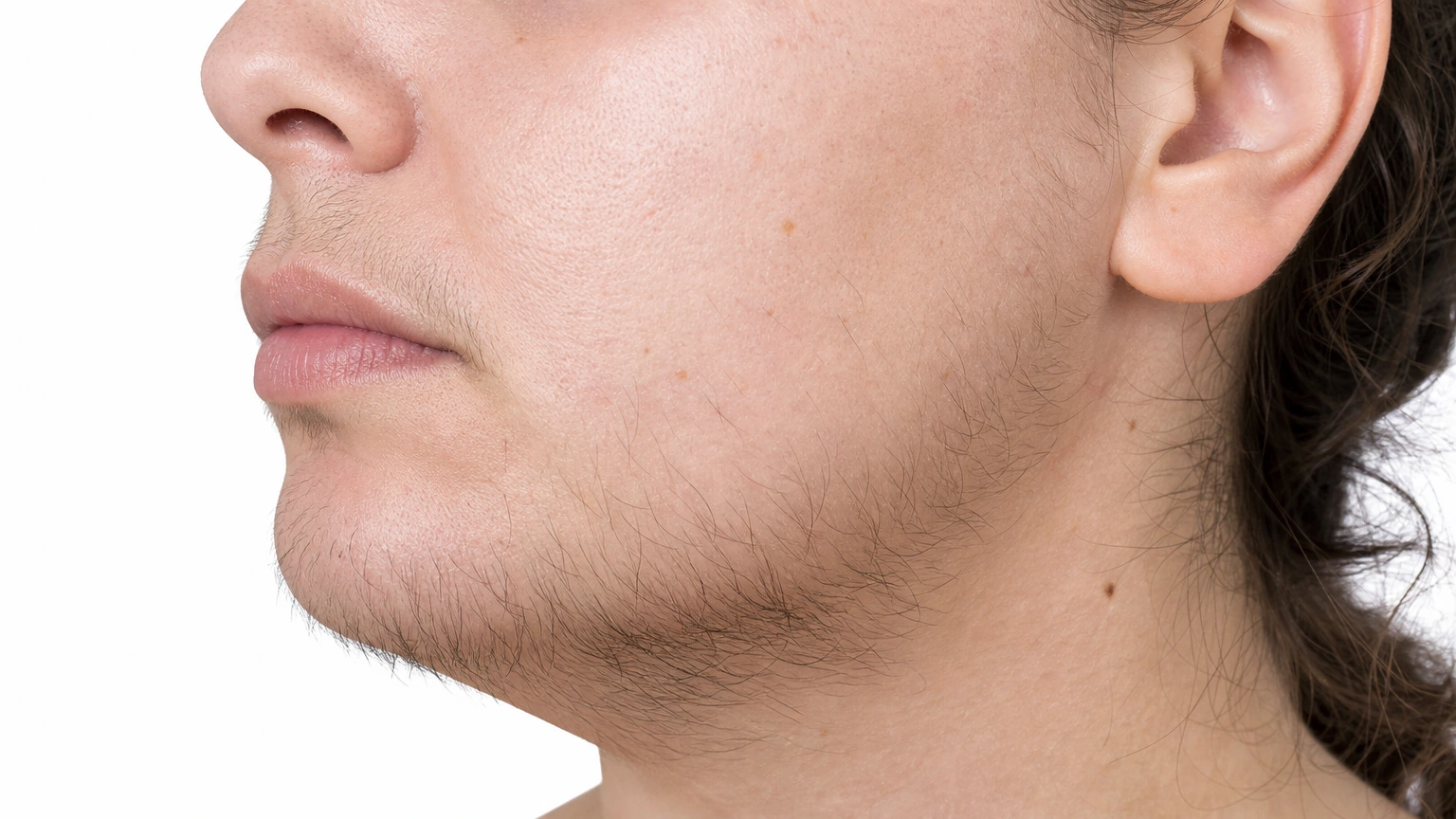
Reduces breakouts: Hormone-driven acne gradually improves. Makes less oil: Oil glands release less sebum into follicles. Blocks androgen signals: Limits hormone stimulation of oil-gland cells.
Oral spironolactone acne mechanism overview. Clinical evidence for acne improvement and reduced sebum is complemented by topical receptor studies and cultured sebocyte findings. The receptor is conceptual and intracellular; hormone shapes and oil droplets are not to scale. This is not a direct exfoliant or antibacterial.
Dose is set by body weight, and the total across the whole course matters more than any single day.
Starting dose: Often about 0.5 mg/kg a day, sometimes lower to ease into the side effects. Not the target.
Going up: Usually raised after the first month or two if blood tests and side effects allow, commonly to about 1 mg/kg a day.
Usual dose: About 0.5 to 1 mg/kg daily for most of the course.
Total course: Judged by cumulative dose, usually about 120 to 150 mg/kg of body weight. Reaching that total is what cuts relapse. Most people need five to eight months.
The dose depends on tolerance and blood pressure more than weight. Kidney function sets the ceiling.
Starting dose: Often 25 mg to 50 mg daily, to see how blood pressure and the bladder respond.
Going up: Increased every four to six weeks if tolerated and acne has not responded.
Usual dose: Most settle between 50 mg and 100 mg a day. Higher doses are used, but side effects rise with them.
Total course: No set course. Many women stay on it for years, and stopping too early is the usual reason acne returns.
With a fatty meal, unless you have the formulation made to work without food. Absorption of standard capsules roughly doubles with fat, so an empty stomach lowers your dose. Splitting the daily amount into two doses with meals is common.
Once daily, with or without food, though food reduces nausea. Take it in the morning — it increases urination for the first week or two. Some doctors split the dose. Drink to thirst; forcing water on a diuretic just means more trips to the bathroom.
Take it with your next meal if it is the same day, otherwise skip it. Do not double up. The total over months is what counts, and the missed dose moves to the end of the course.
Take it when you remember, the same day. If it is nearly the next day, skip it.
Liver enzymes and triglycerides are checked before you start and again during the course, usually in the early months and after a dose increase. Cholesterol and triglycerides commonly rise, then settle afterwards.
Anyone who can become pregnant is enrolled in iPLEDGE, a federal safety program requiring two forms of contraception or documented abstinence, a pregnancy test before starting, monthly tests during, and pickup inside set time windows. Miss a window and that month starts again.
Nobody stays on this drug. The course ends, and the effect on the oil gland lasts, so most people need nothing more than a topical retinoid. A smaller group needs a second course.
Blood pressure is checked before starting. For healthy women under about 45 with normal kidneys and no interacting medicines, current guidance supports skipping routine repeated potassium tests — abnormal results in this group are rare and rarely meaningful. Potassium and kidney function are checked over 45, with kidney or heart disease, or on drugs that raise potassium.
This is a drug people stay on for years. What drifts is kidney function with age and the medicine list, so the decision gets revisited. A yearly review of dose, blood pressure and other medicines is usual.
Approximate windows, not promises.
Weeks 1 to 4Dry lips first, almost always. Skin dries. Acne may flare.
Weeks 4 to 12Steady clearing. Dryness peaks and stays.
Months 4 to 6Most people are clear or nearly clear.
After the courseSkin keeps improving for a few months, and dryness clears within weeks to a couple of months.
Weeks 1 to 2More urination, sometimes mild lightheadedness on standing. Skin unchanged.
Weeks 2 to 8Oiliness drops. Periods may become irregular at higher doses.
After 12 weeksThe fair judgment point. Improvement often continues to six months, so a partial response at three months means continue, not stop.
Sorted by what to do about them.
Generic isotretinoin is moderately priced; the formulations that absorb without food cost much more. The real obstacle is not cost but iPLEDGE, with monthly appointments and pickup windows to plan travel and work around.
Generic spironolactone is cheap and widely available. Some insurers query acne as an off-label use, but the cost rarely blocks treatment. The liquid form costs far more than tablets.
The label warns about mood changes and some people report them. Large studies have not shown that isotretinoin causes depression, and severe acne itself is strongly linked to low mood. Mood is asked about at every visit, and any change should be reported.
The concern came from case reports, and larger studies have not shown a clear causal link. Severe abdominal pain or bloody diarrhea still needs assessment.
iPLEDGE applies the same rules to everyone who can become pregnant. A program rule, not a judgement about you.
For most people, yes. About one in five needs a second, and stopping short of the cumulative target is the most avoidable reason.
Occasional drinking is usually fine. Heavy drinking adds to the liver and triglyceride effects already being monitored.
An early flare is common in the first few weeks, especially with more severe acne. It is managed, not a reason to stop.
A healthy woman under about 45 with normal kidneys and no interacting medicines does not need routine potassium testing. If you are older, or have kidney or heart disease, or take drugs that raise potassium, testing is appropriate.
No. Most women who respond have normal blood tests. What matters is oil gland sensitivity, which is not measurable.
It can make them irregular at higher doses. A combined contraceptive pill alongside usually prevents this.
Generally avoided — at acne doses it commonly causes breast enlargement and tenderness. Clascoterone cream is the alternative.
Those findings came from rats on very high doses. Human studies have not shown a matching risk at acne doses.