Risankizumab (Skyrizi)
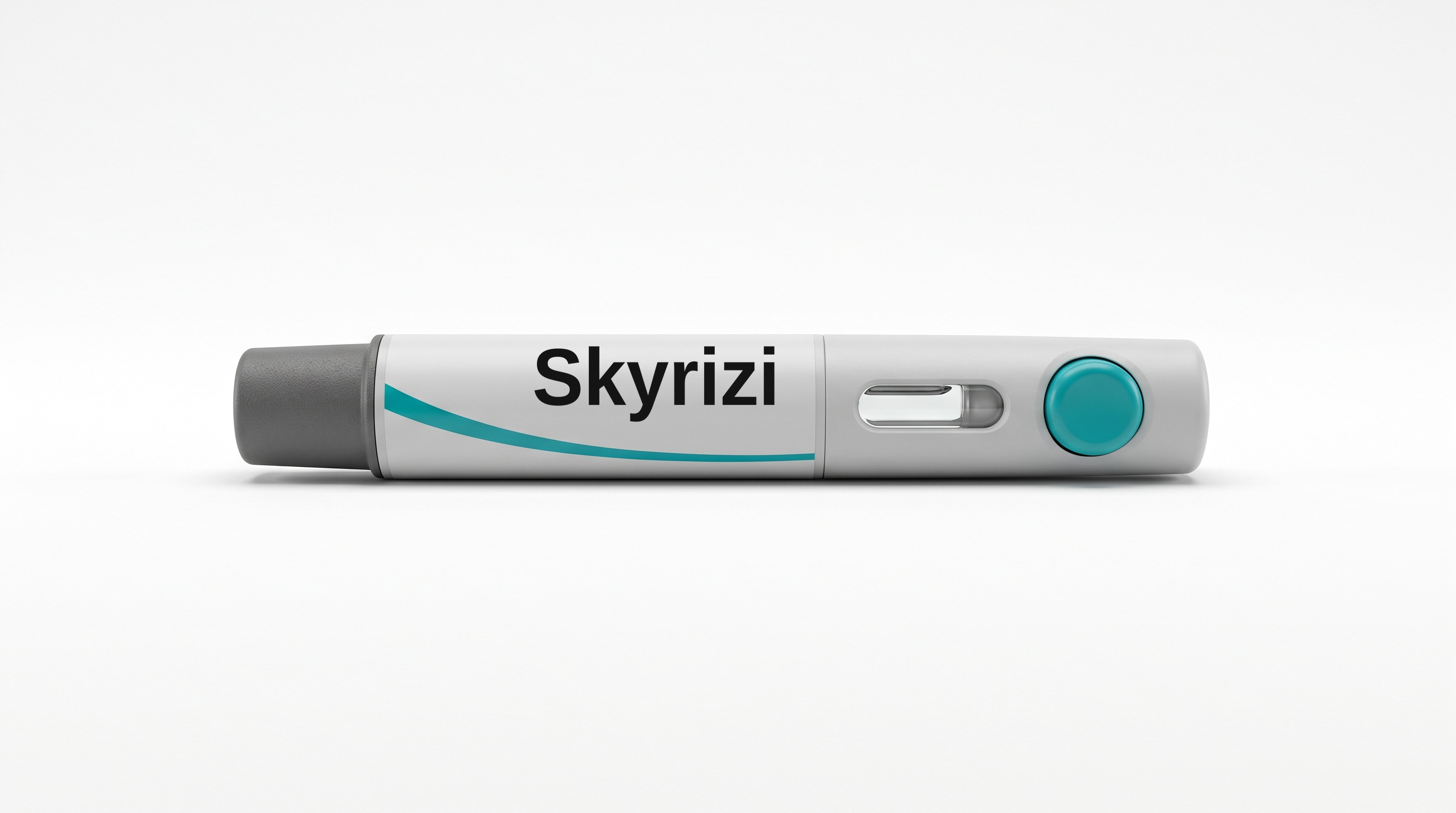
Skyrizi is given as a shot under the skin. Doses are spaced weeks apart.
Skyrizi is an injection you give yourself four times a year. It clears skin more completely than Sotyktu does. Sotyktu is a tablet you take once a day. In the one trial that compared them head to head, 57% of people on Skyrizi had skin at least 90% clear at four months, against 23% on Sotyktu.
| The difference | Risankizumab (Skyrizi) | Deucravacitinib (Sotyktu) |
|---|---|---|
| How long until it works | Weeks, with the full effect by four months | Similar timing |
| Cost | High, and insurance decides | High, and insurance decides |
Skyrizi is given as a shot under the skin. Doses are spaced weeks apart.

Sotyktu is taken by mouth as a daily tablet.
Side by side
Risankizumab (Skyrizi)
An injection under the skin
Two starter doses four weeks apart, then one every 12 weeks. You can do it yourself at home with a pen or a prefilled syringe.
Deucravacitinib (Sotyktu)
One tablet a day
Swallowed, with or without food. No needles and no fridge.
Risankizumab (Skyrizi)
More completely
In the head-to-head trial, 57% of people on Skyrizi had skin at least 90% clear at four months, and 28% were completely clear.
Deucravacitinib (Sotyktu)
Less completely
23% reached the same 90% mark in that trial, and 7% were completely clear. Plenty of people still get a good result, just less often.
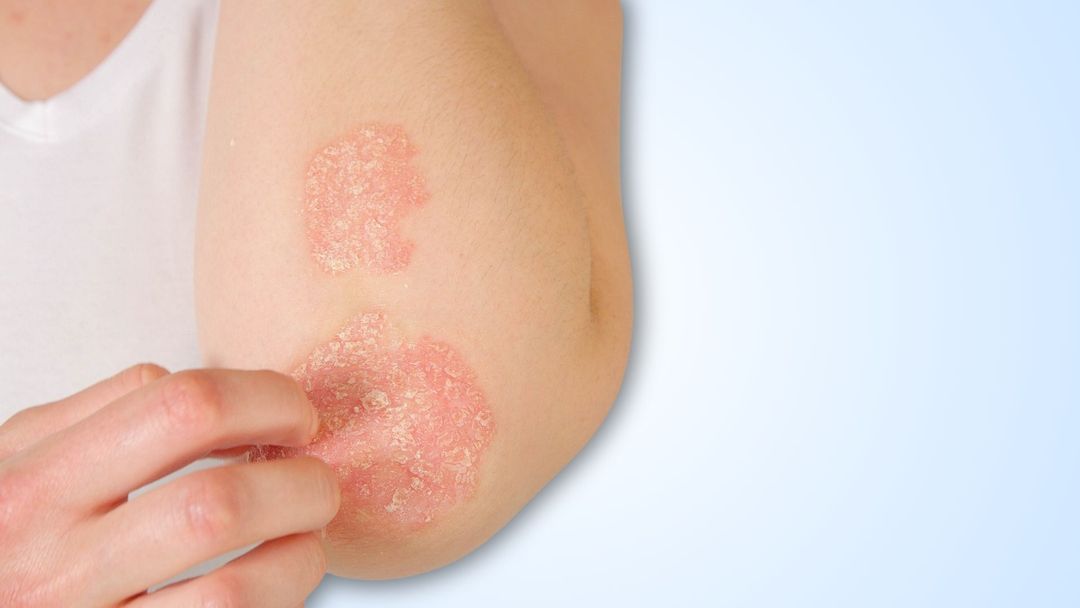
A biologic that blocks interleukin-23, given as four injections a year once the starting doses are done. It is where most people begin now: it clears skin as completely as anything available, it holds that clearance over years, and the dosing is the easiest of the group to live with. Tuberculosis and hepatitis screening happens before starting, and there is a real but modest increase in some infections.
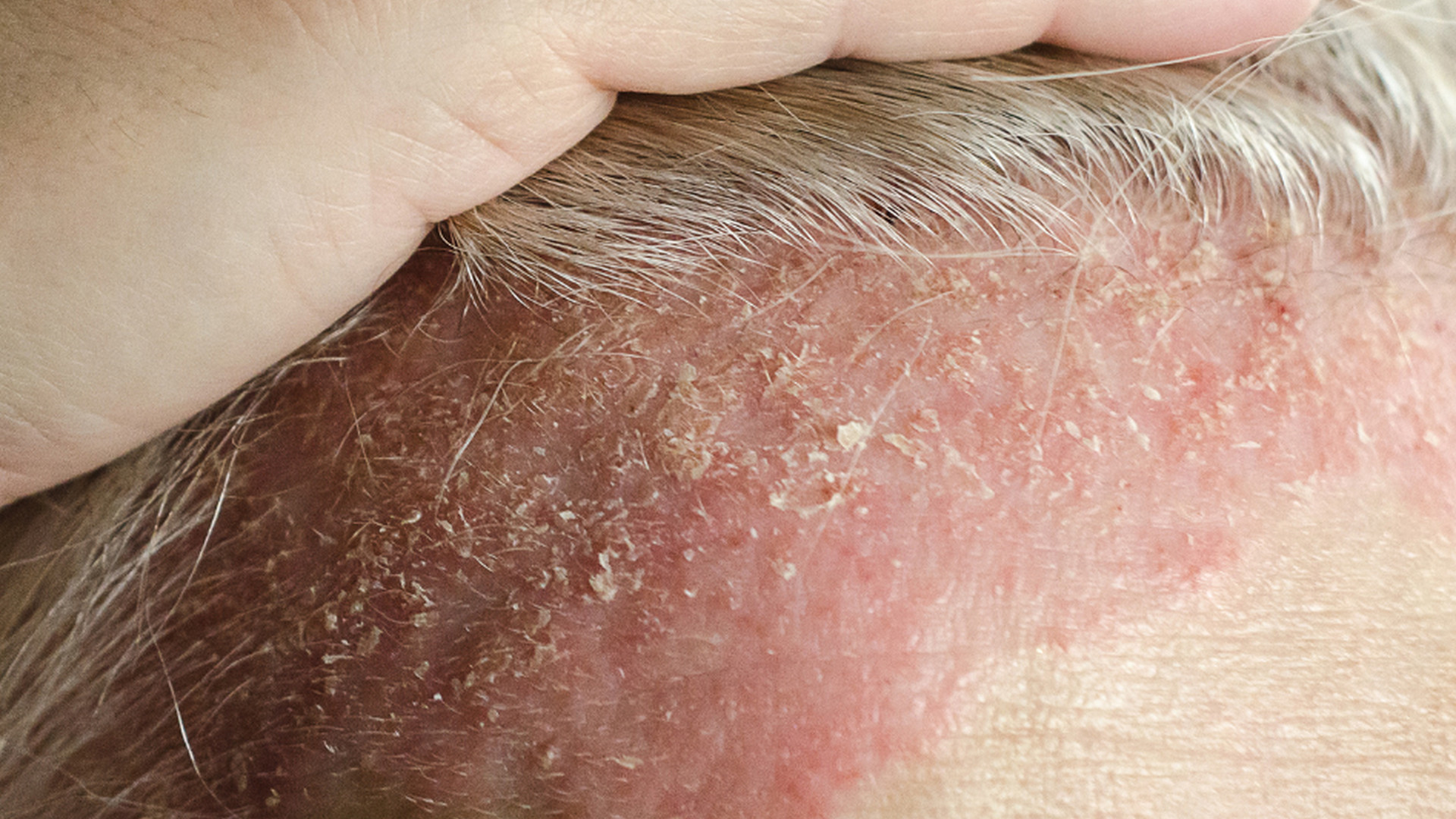
A biologic injection that blocks interleukin 23, one of the two signals named at the top of this page. Given every twelve weeks after the starting doses, it clears most people's psoriasis including the scalp. It is for severe or stubborn disease, needs screening for tuberculosis first, and slightly raises the risk of infections.
A once-daily tablet that blocks one specific step in the psoriasis signal. It clears skin better than the older oral options and needs no routine blood monitoring, which is why it is increasingly chosen when creams are not enough. It is not a biologic injection, and it does not treat joint disease as well as they do.
A daily tablet that blocks one of the immune signals driving psoriasis, with scalp improvement recorded in its trials. It is generally better tolerated than methotrexate and needs less monitoring. It is newer and expensive, so it usually comes after other options have been tried.
Risankizumab (Skyrizi)
Weeks, with the full effect by four months
Most people see change by the first month. The result keeps building to about week 16.
Deucravacitinib (Sotyktu)
Similar timing
Improvement starts in the first month or two and also builds to about week 16.
Risankizumab (Skyrizi)
It is not a cure
Psoriasis returns if you stop. It also does nothing for a plaque on the day, so many people keep a cream for stubborn patches.
Deucravacitinib (Sotyktu)
It is not a cure either
Stopping the tablet lets psoriasis come back. It is not a quick rescue for a bad flare.
Strong evidence and decades of use. A cheap weekly tablet or injection, but it clears skin fully for fewer people, needs regular blood tests, and cannot be used in pregnancy.

Strong evidence with no drug in the body. The trade-off is time: two or three clinic visits a week for months.
The other oral option, taken twice a day. Moderate evidence. It has a longer safety record but generally clears skin less well, and diarrhea, nausea and headache in the first weeks are common enough that some people stop.
Strong evidence and decades of use. Cheap, taken weekly, and it treats joints as well as skin. It needs regular blood tests, cannot be used in pregnancy, and clears skin fully for fewer people.
Strong evidence with no drug in the body at all. The cost is time: two or three clinic visits a week for months.
Risankizumab (Skyrizi)
Very little routine testing
A tuberculosis check before you start, and not much after that.
Deucravacitinib (Sotyktu)
Regular blood tests
Liver tests, cholesterol, blood counts and a muscle enzyme called CPK are checked before you start and from time to time afterwards.
Risankizumab (Skyrizi)
Needles, and waiting between doses
Colds, sinus infections, headache and a sore injection site are the common complaints. It damps down part of the immune system, so infections are the main thing to watch.
Deucravacitinib (Sotyktu)
Taking it every single day
Colds, sore throat, sinus infections, cold sores, mouth ulcers, acne and inflamed hair follicles are the common complaints. It also damps down part of the immune response, so infections matter here too.
Risankizumab (Skyrizi)
Four times a year
Once the schedule is running, it is four dates in a calendar.
Deucravacitinib (Sotyktu)
Every day
A tablet is easy, but it only works if you take it. Missed days show up in the skin.
Risankizumab (Skyrizi)
High, and insurance decides
An injected drug is sometimes billed differently from a tablet, which can change your share.
Deucravacitinib (Sotyktu)
High, and insurance decides
Tablets normally go through the pharmacy benefit.
Risankizumab (Skyrizi)
There is not one
A biologic is a large protein made in living cells, which is why it has to be injected. Stomach acid would destroy it, so no pill version of this drug is possible.
Deucravacitinib (Sotyktu)
There is not one either
Sotyktu is a prescription tablet with required blood tests. Coal tar and salicylic acid shampoos and hydrocortisone cream help a small patch, and neither reaches psoriasis covering large areas.
Risankizumab (Skyrizi)
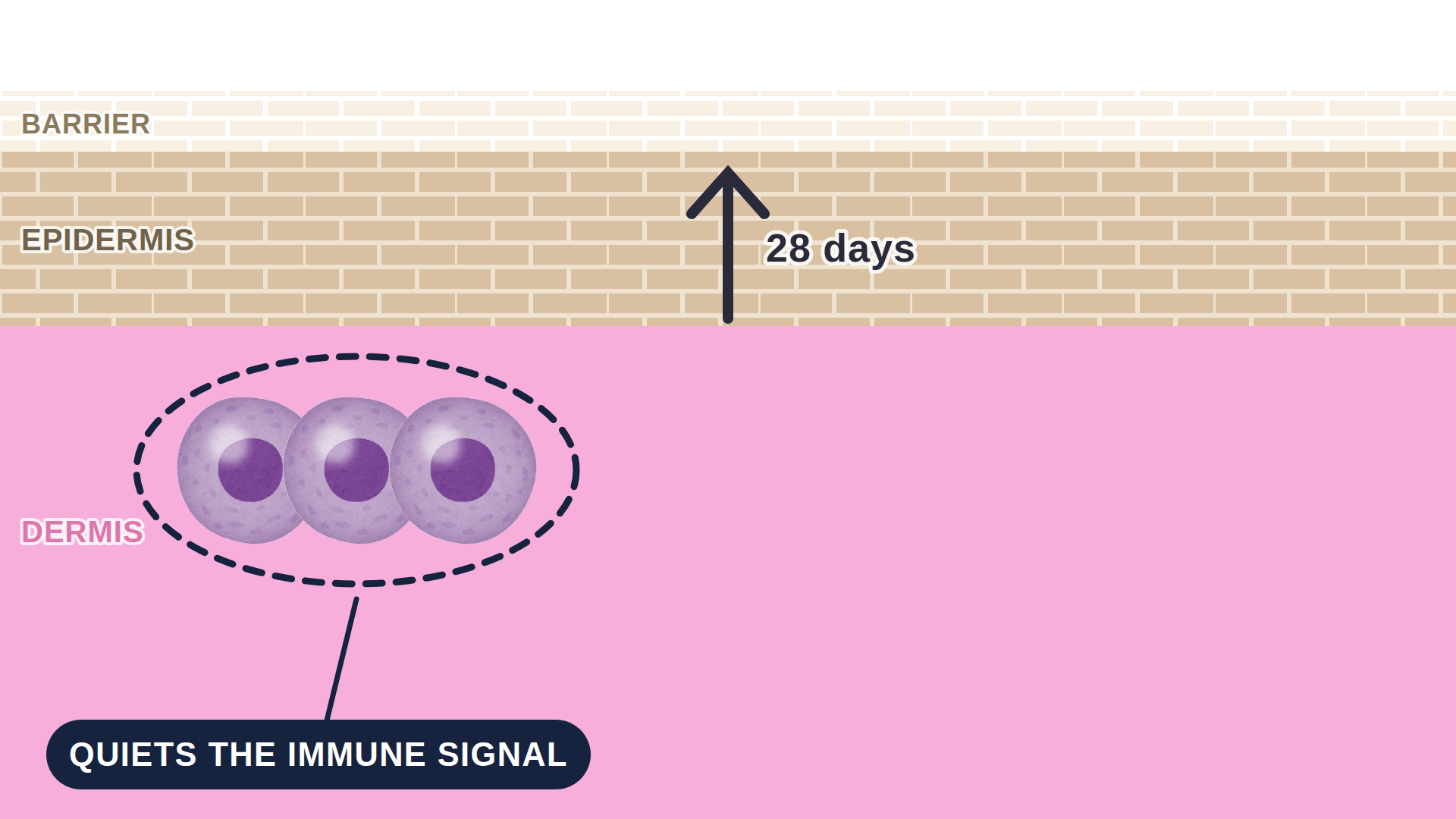
Skyrizi blocks one immune signal called IL-23. IL-23 sits near the top of the chain that drives psoriasis plaques. A biologic is a drug made from a protein rather than a chemical, and this one is built to block that single signal and little else.
Deucravacitinib (Sotyktu)
Sotyktu blocks an enzyme called TYK2 inside the cell. That turns down several psoriasis signals at once, including IL-23, but from further down the chain. It is a small chemical, which is what makes a swallowable tablet possible in the first place.
Risankizumab (Skyrizi)
Skyrizi asks you to inject yourself and then forget about it. The pen is designed for home use, and the gap between doses is three months. Most of the effort is at the start.
Deucravacitinib (Sotyktu)
Sotyktu asks you to remember it every day and to give blood now and then. The tablet itself is simple. The monitoring is the part people underestimate, and it is not optional.
Common questions
Skyrizi clears skin more completely. In the trial that compared them directly, 57% of people on Skyrizi had skin at least 90% clear at four months, against 23% on Sotyktu.
Yes, and that is the main practical difference. Sotyktu is one tablet a day. Skyrizi is a self-injection, two starter doses four weeks apart, then one every 12 weeks.
Sotyktu needs them regularly, including liver tests, cholesterol, blood counts and a muscle enzyme called CPK. Skyrizi usually needs a tuberculosis check before you start and little routine testing after that.
Both build over about four months. Most people notice a change in the first month, and the full effect lands around week 16.
Yes, and it is common. People move between psoriasis treatments when a drug stops working well enough or the side effects are not worth it. Your dermatologist plans the gap between them.
Psoriasis comes back with either one. Neither drug cures it, so treatment is ongoing.