Compare · Medications

Tretinoin vs Adapalene

Both are topical retinoid medicines for acne. Adapalene is generally gentler and is available at 0.1% over the counter in the United States; 0.3% requires a prescription. Tretinoin is a prescription option and has more evidence for fine lines. They are alternatives rather than retinoids to layer together.

Reviewed by Dr. Schwarz, Board-Certified Dermatologist

At a glance

Tretinoin — Header Image
TretinoinA prescription vitamin A cream or gel for acne. It works underneath the skin, on the plug that forms weeks before a pimple appears.
Adapalene shown in recognizable white topical squeeze tube with blue accents.
AdapaleneA topical retinoid medicine that treats acne, including blocked pores and inflamed spots.
Type
Prescription retinoid
Topical retinoid medicine
What it does
Unclogs pores and builds collagen
Stops pores from clogging
Best for
Acne, fine lines, sun spots
Acne, including blocked pores and inflamed spots
Strengths
0.01–0.1%
0.1% over the counter; 0.3% by prescription
How often
Nightly
Once daily at night, after gradually starting two or three nights a week
Time to resultsSame
8–12 weeks for acne
8–12 weeks for acne
Irritation
Moderate, peaks around week 3
Dryness, flaking and stinging during adjustment; can worsen eczema or rosacea
Pregnancy
Not recommended
Not stated in existing content
With benzoyl peroxide
Separate morning and night with older gels
Can pair; adapalene is not broken down by benzoyl peroxide
Cost
Low as a generic
Not stated in existing content

Best for each concern

Acne
Strong evidenceClears and prevents breakouts.
Wrinkles and Fine Lines
Strong evidenceSoftens lines with months of use.
Not listed
Sun Spots
Moderate evidenceFades spots over time.
Not listed
Post-Inflammatory Hyperpigmentation
Moderate evidenceFades dark marks.
Moderate evidenceHelps fade marks after acne.
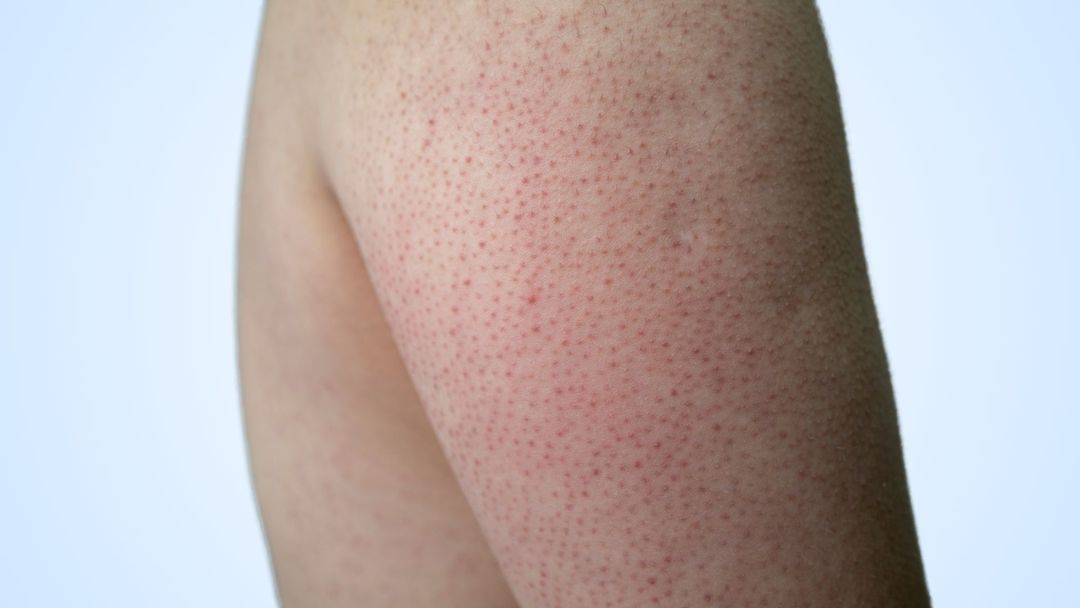
Keratosis Pilaris
Not listed
Limited evidenceSmooths rough bumps.
Deep Wrinkles
Not effectiveDeep folds need procedures.
Not listed
Rosacea
Can make it worseIrritates flushing skin.
Can make it worseIrritates sensitive, flushing skin.
Eczema
Not listed
Can make it worseDries already inflamed skin.

Strength of evidence for each concern, from each medication's guide.
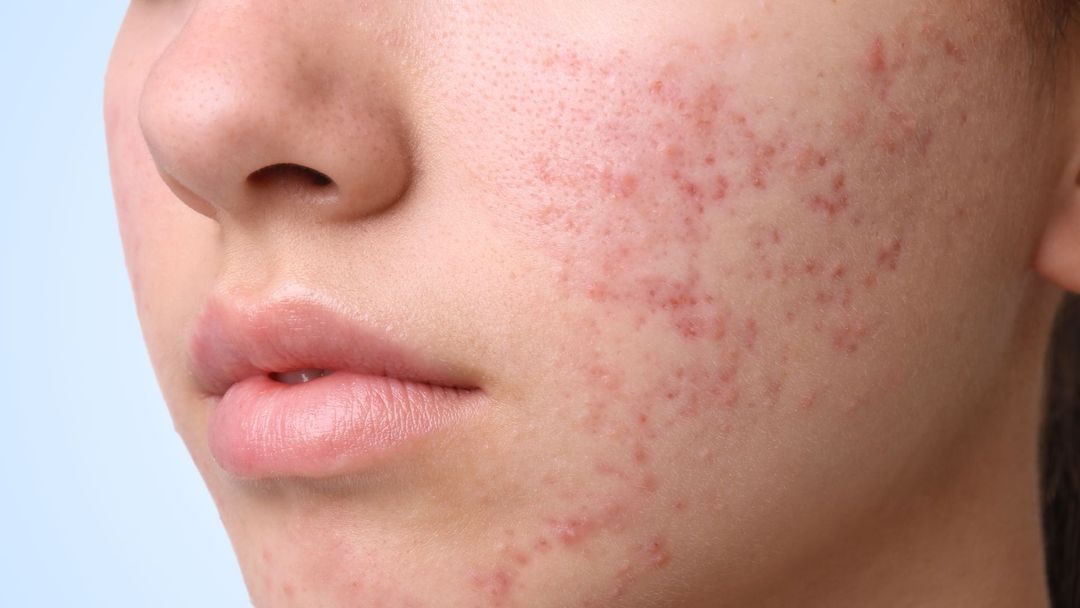
Conditions Treated
Close-up of the lower cheek, mouth and jaw of a young person with light skin, turned three-quarters away from the camera against a pale blue background. Scattered flat pink-red marks cover the cheek and run down towards the jaw. The skin surface is smooth and even, with no raised spots and no change in texture.
Post-Inflammatory Redness
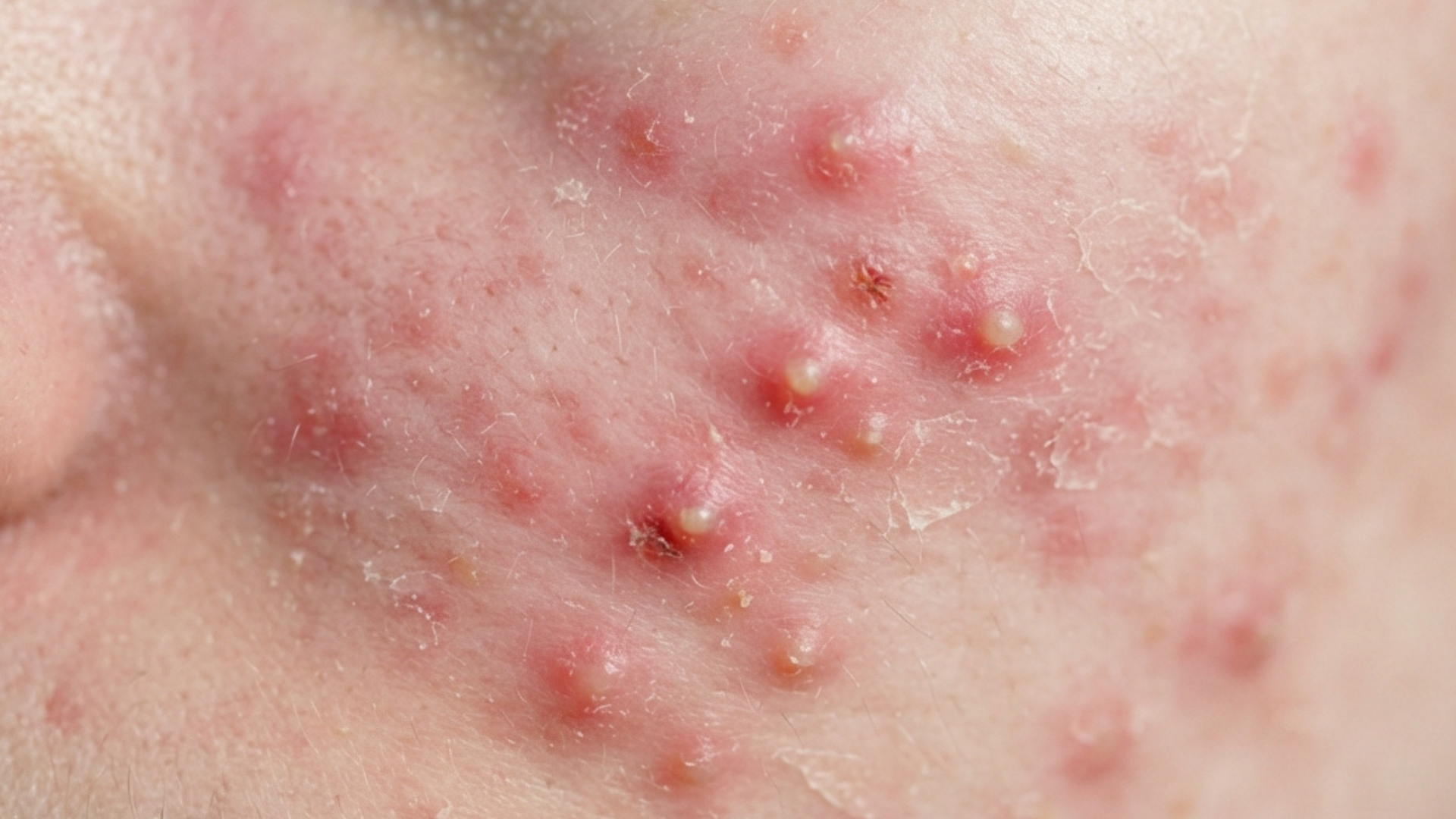
Close-up of a cheek with inflamed acne. Raised pink-red bumps, a few with yellow-white heads, sit in a patch of redness, and the skin between them is dry and flaking.
Acne
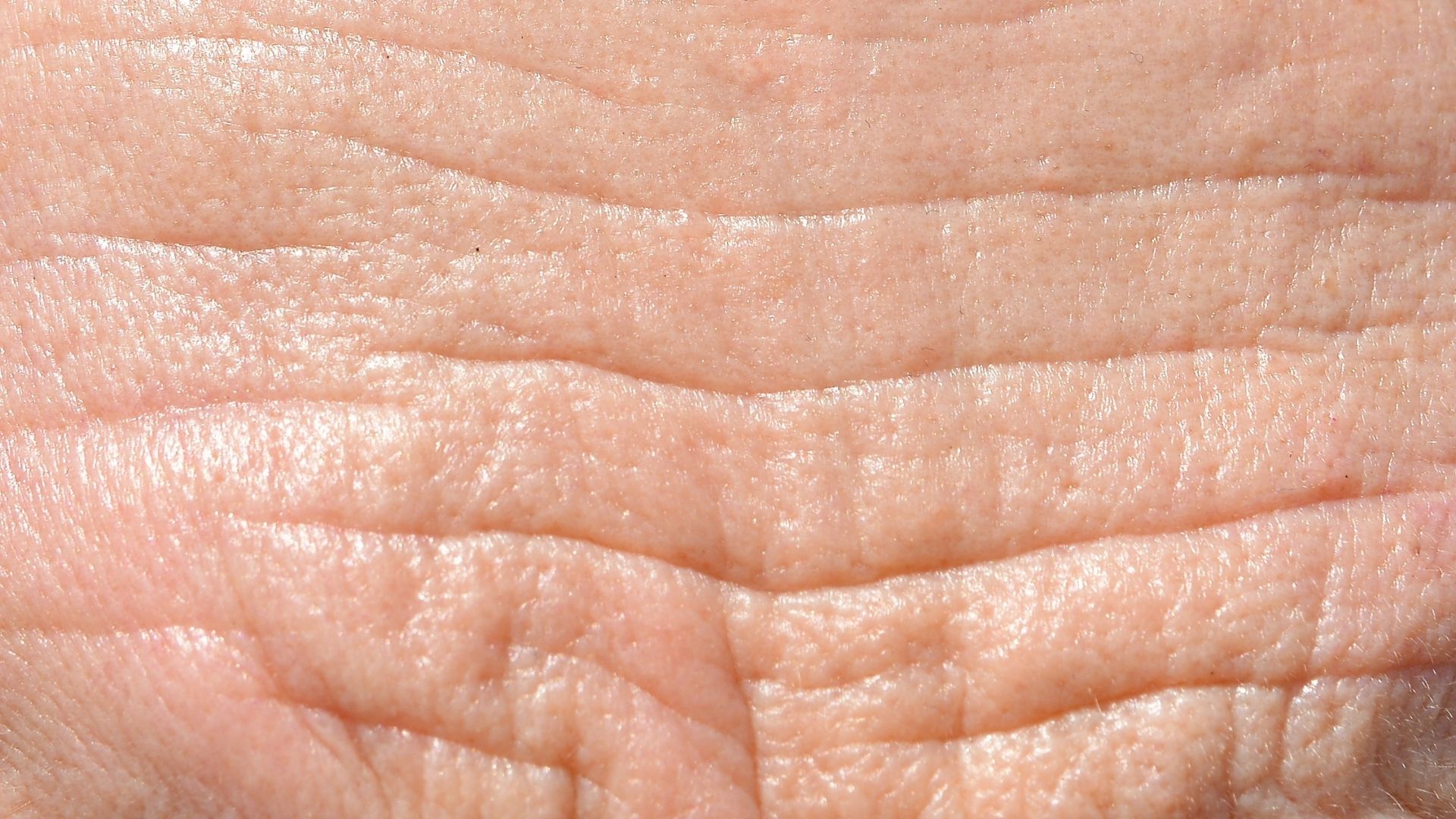
16:9 hero for Wrinkles and Fine Lines. Never cropped: the tone strip and the corner logo depend on the full frame.
Wrinkles and Fine Lines
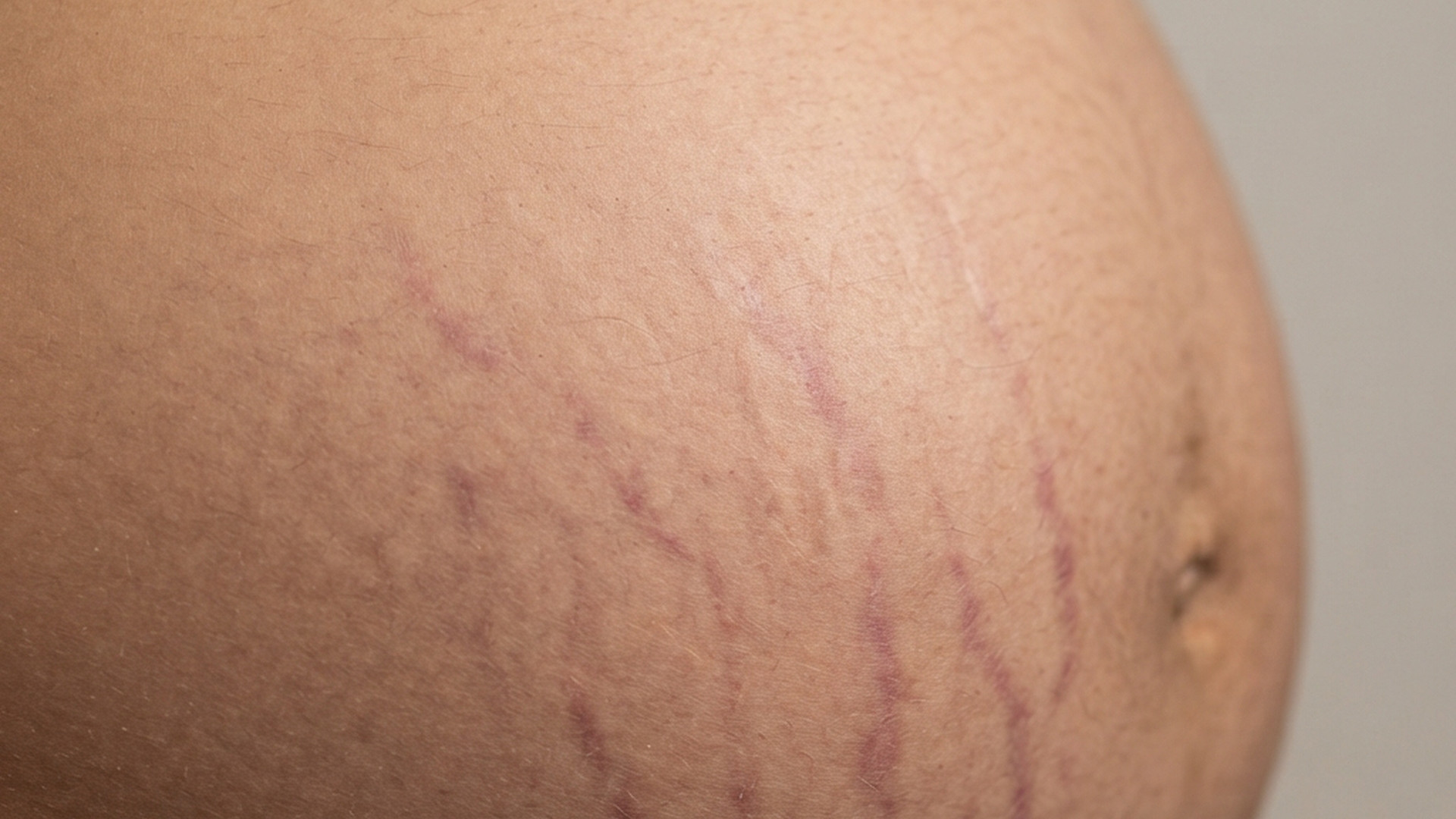
16:9 hero for Stretch Marks. Never cropped: the tone strip and the corner logo depend on the full frame.
Stretch Marks
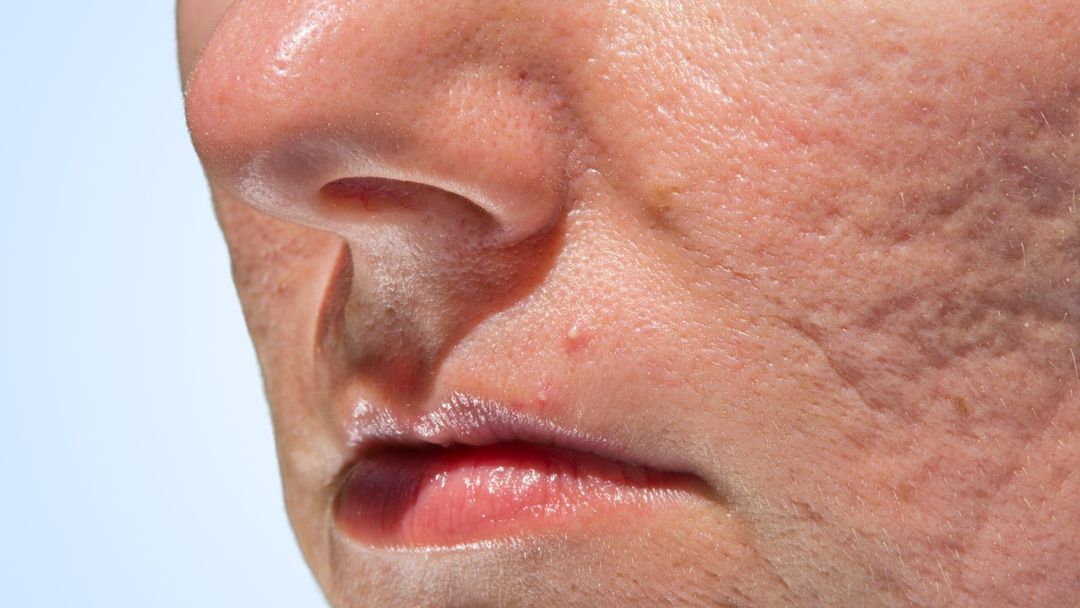
Close-up of the cheek, nose and mouth of an adult with light skin, turned three-quarters away from the camera against a pale blue background. The surface of the cheek is uneven, dimpled with shallow depressions and small pits that catch the light. There are no active spots — the change here is in the texture of the skin rather than its color.
Acne Scarring
16:9 hero for Keratosis Pilaris. Never cropped: the tone strip and the corner logo depend on the full frame.
Keratosis Pilaris
16:9 hero for Sun Spots (Solar Lentigines). Never cropped: the tone strip and the corner logo depend on the full frame.
Sun Spots (Solar Lentigines)
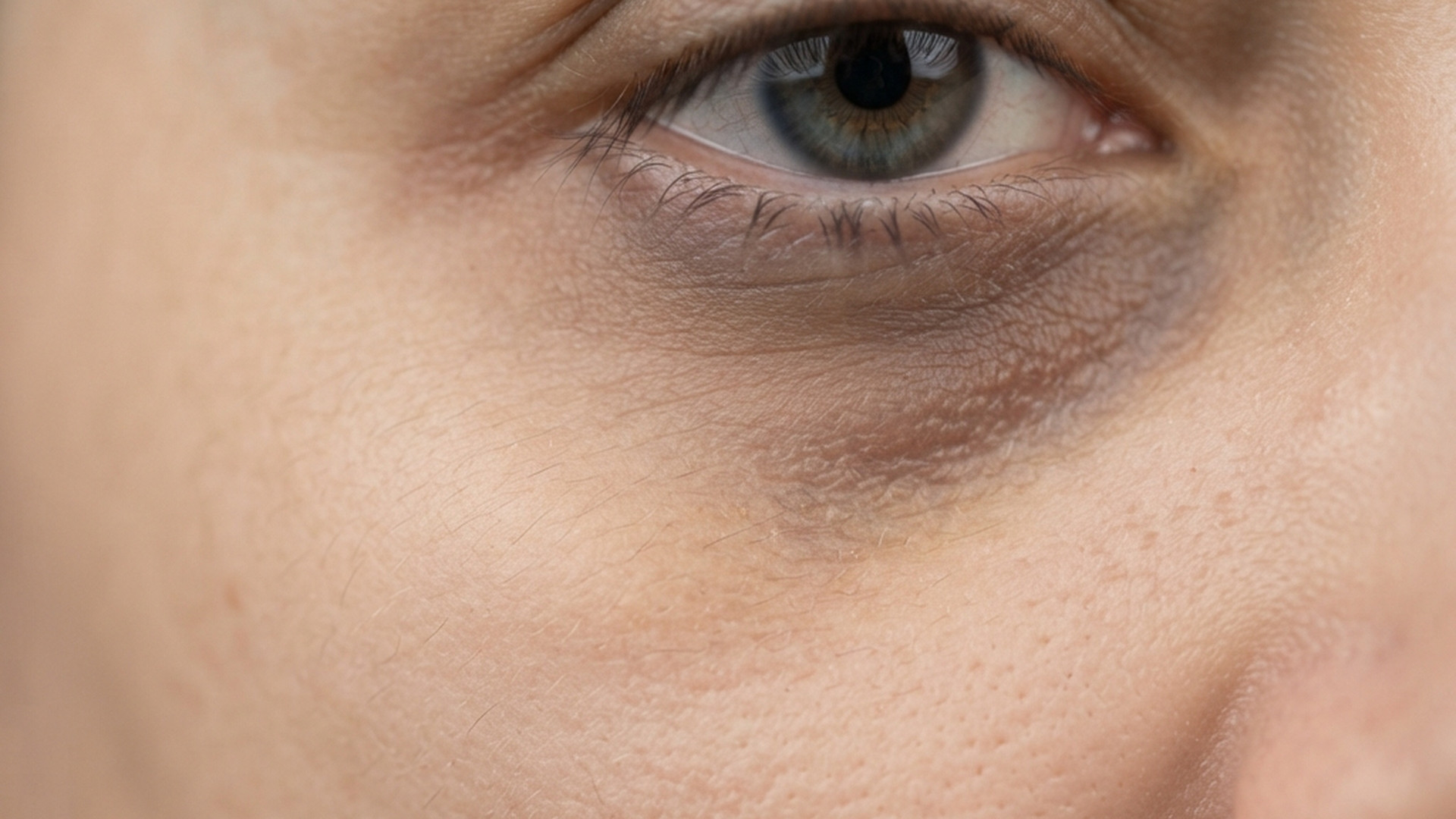
16:9 hero for Dark Circles Under the Eyes. Never cropped: the tone strip and the corner logo depend on the full frame.
Dark Circles Under the Eyes
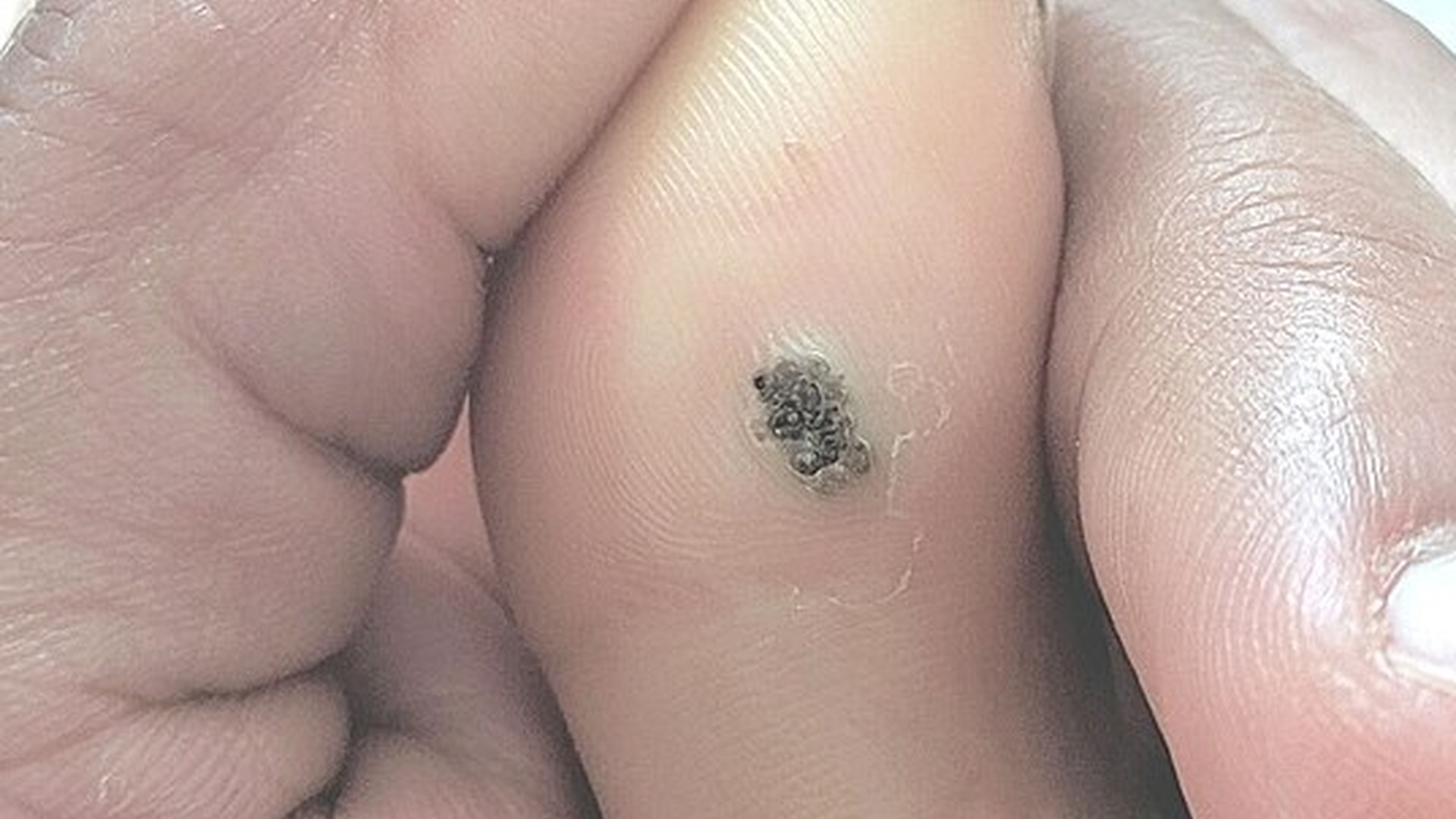
16:9 hero for Warts. Never cropped: the tone strip and the corner logo depend on the full frame.
Warts
Close-up of the lower cheek, nose and mouth of a young person with medium-brown skin, turned three-quarters away from the camera against a pale blue background. Scattered flat dark brown marks are spread across the cheek, with a few small raised spots still active among them.
Post-Inflammatory Hyperpigmentation
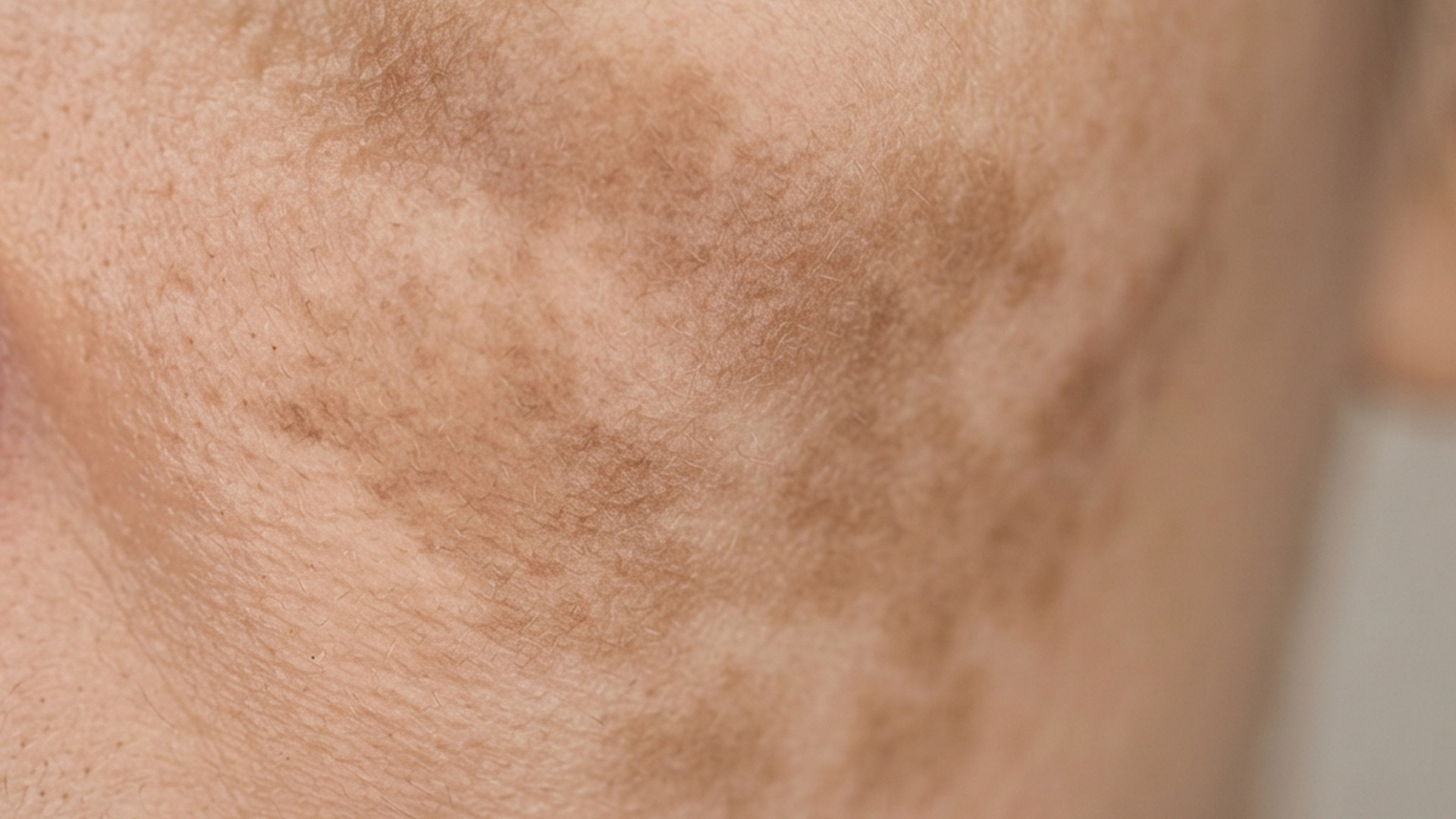
16:9 hero for Melasma. Never cropped: the tone strip and the corner logo depend on the full frame.
Melasma
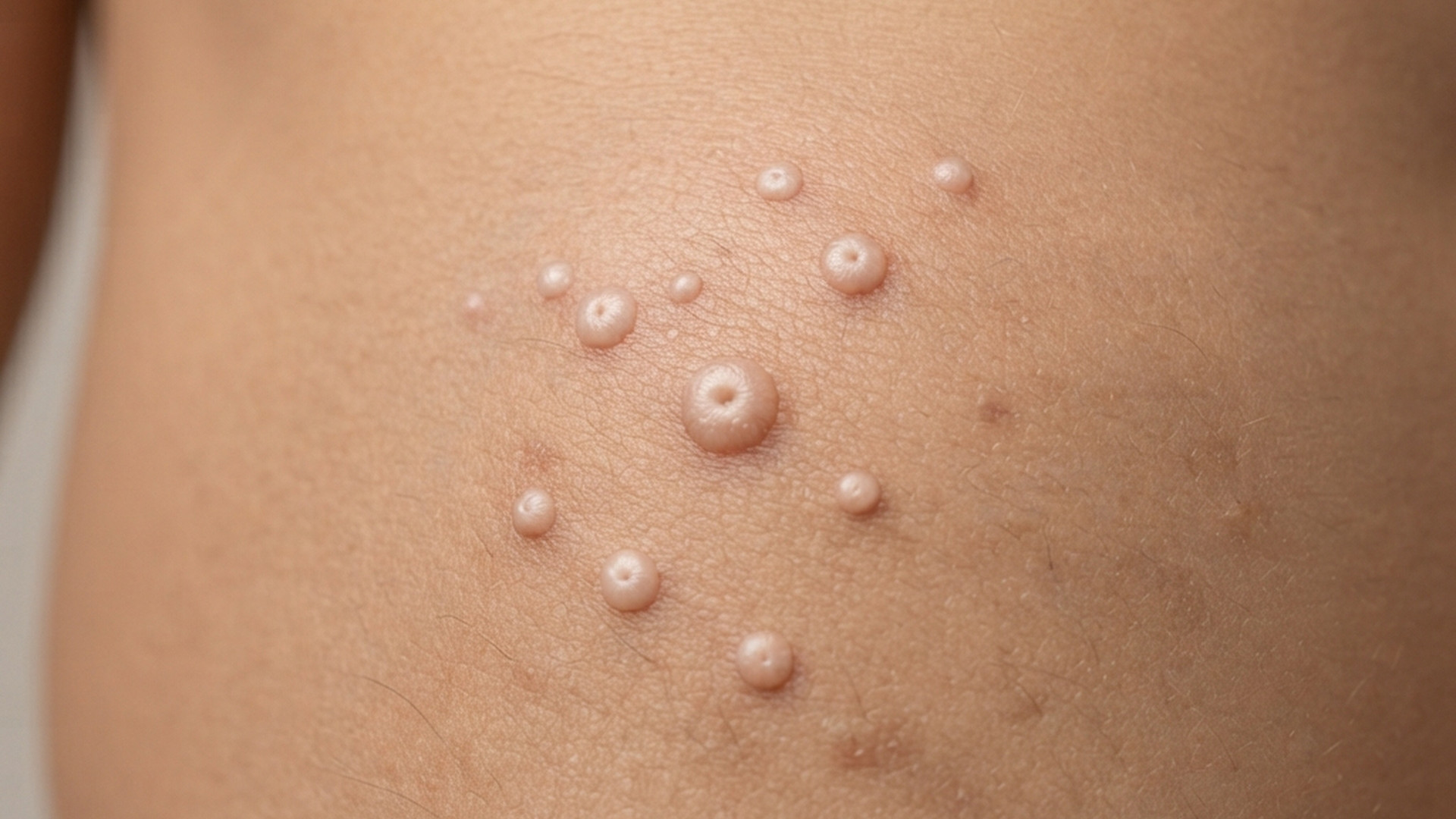
16:9 hero for Molluscum Contagiosum. Never cropped: the tone strip and the corner logo depend on the full frame.
Molluscum Contagiosum
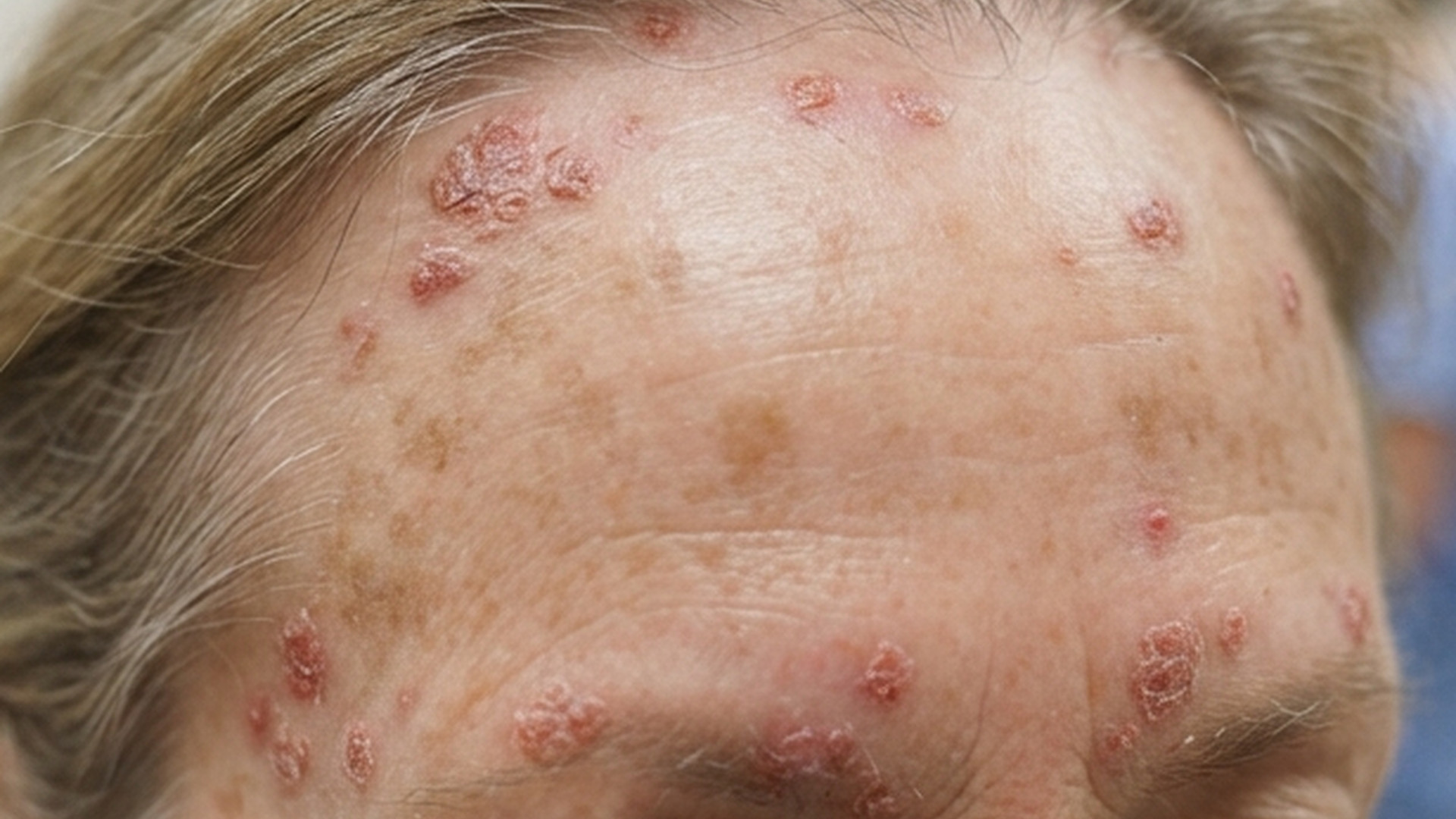
16:9 hero for Actinic Keratosis. Never cropped: the tone strip and the corner logo depend on the full frame.
Actinic Keratosis
Close-up of a cheek with inflamed acne. Raised pink-red bumps, a few with yellow-white heads, sit in a patch of redness, and the skin between them is dry and flaking.
Acne
Close-up of the lower cheek, mouth and jaw of a young person with light skin, turned three-quarters away from the camera against a pale blue background. Scattered flat pink-red marks cover the cheek and run down towards the jaw. The skin surface is smooth and even, with no raised spots and no change in texture.
Post-Inflammatory Redness
Close-up of light skin with a scattered cluster of small pink raised bumps, some with tiny white tips
Fungal Acne (Malassezia Folliculitis)
16:9 hero for Wrinkles and Fine Lines. Never cropped: the tone strip and the corner logo depend on the full frame.
Wrinkles and Fine Lines

How each works

Depth
SurfaceBarrierEpidermisDermis
From your fingertip to your DNA. Reaches the dermis.

Tretinoin is already retinoic acid, the active form. Retinol has to be converted twice in the skin before it works.

Step by step
  1. A pea-sized amount goes on. A small amount covers the whole face. At first, it sits on the surface.
  2. It works through the barrier. It is small and oil-loving, so it slowly passes the outer layer.
  3. It switches on receptors. Inside skin cells, it binds retinoic acid receptors in the nucleus and changes which genes are active.
  4. It unclogs pores. Skin cells turn over faster and stop sticking together, so plugs loosen and new ones don't form.
  5. It rebuilds collagen. Over months, it boosts new collagen and slows its breakdown, softening fine lines.
SurfaceBarrierEpidermisDermis
How adapalene clears pores. Reaches the epidermis.

Adapalene is already active and binds receptors directly.

Step by step
  1. It goes on. A thin layer at night.
  2. It enters the pore. It reaches the follicle lining.
  3. It binds receptors. It targets specific retinoid receptors in skin cells.
  4. Pores unclog. Cells stop sticking together, and plugs clear.
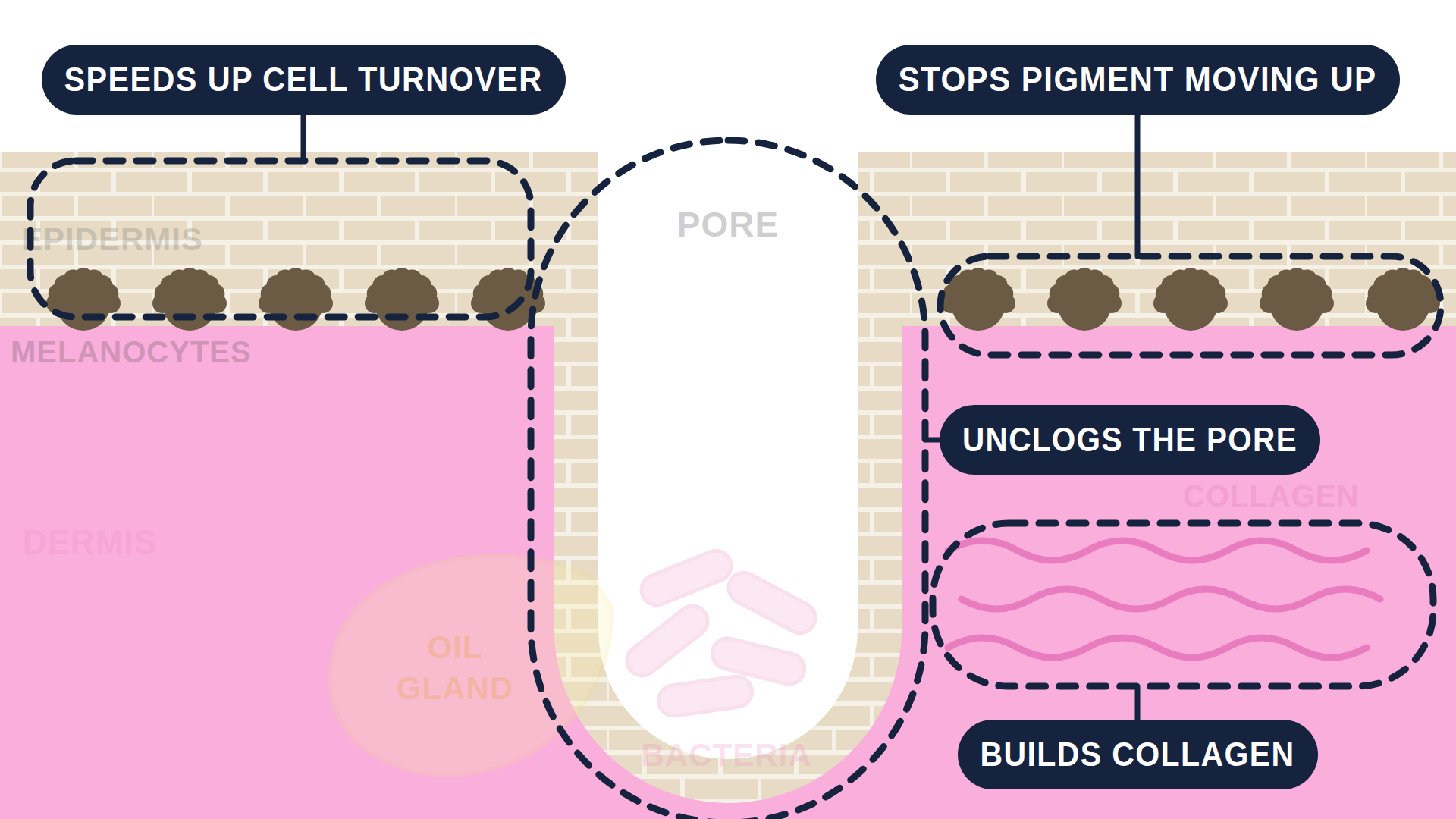
Diagrams
Tretinoin
Tretinoin → Diagram Header
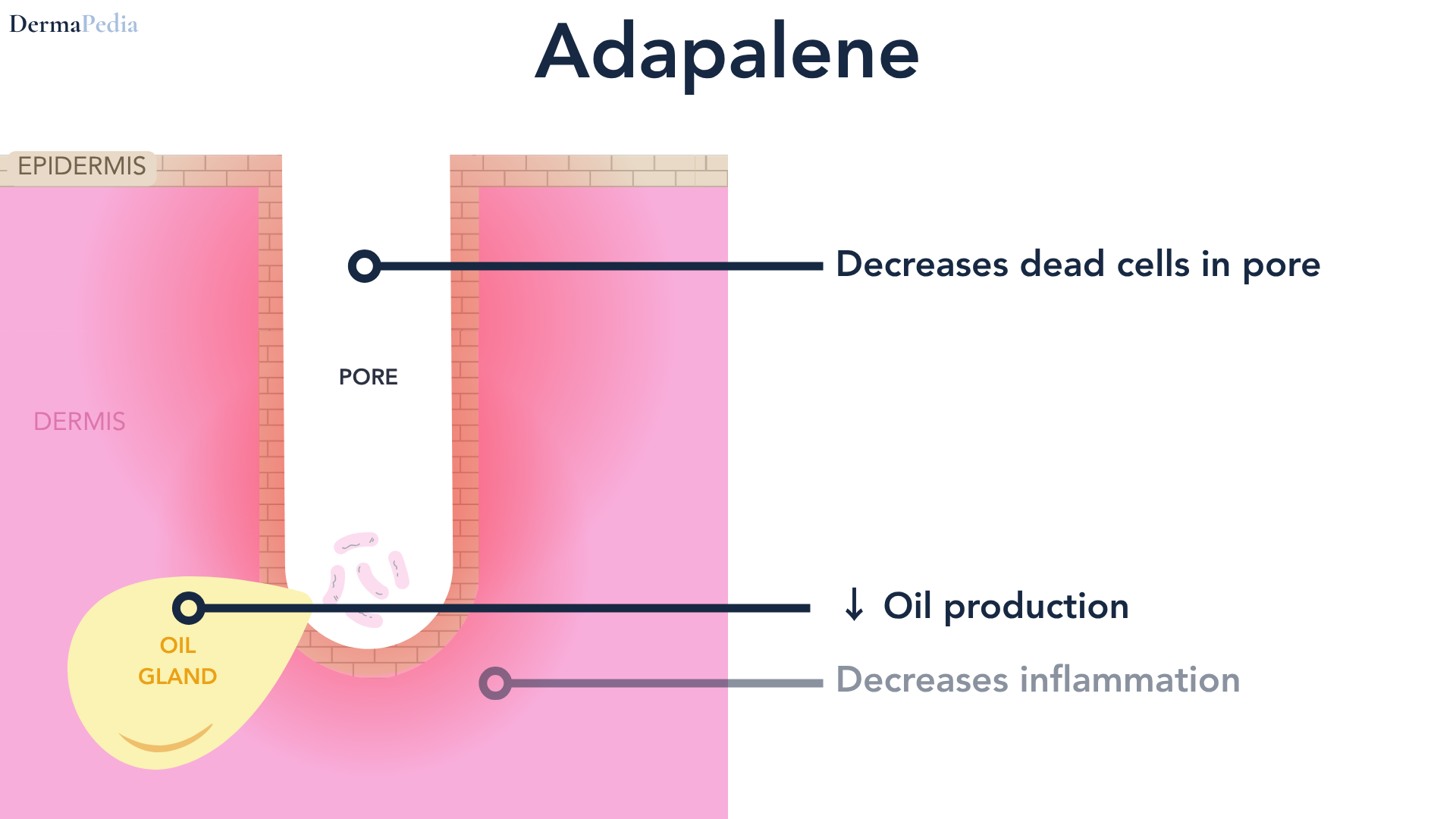
Labeled cutaway diagram of a single skin pore, headed Adapalene. The epidermis is a brick-textured band across the top and the dermis is pink below it, with a yellow oil gland at the base of the pore and a small cluster of bacteria inside it. Three callout lines point in: decreases dead cells in pore and decreases oil production are drawn in dark navy as main effects, and decreases inflammation is drawn in gray as a lesser one.
How adapalene works in the pore

Strengths and forms

Strengths
0.01%
0.025%Usual start
0.04%
0.05%
0.06%
0.08%
0.1%
GentlerStronger
  • CreamDry or sensitive skin0.025% · 0.05% · 0.1%
  • GelOily skin0.01% · 0.025% · 0.05%
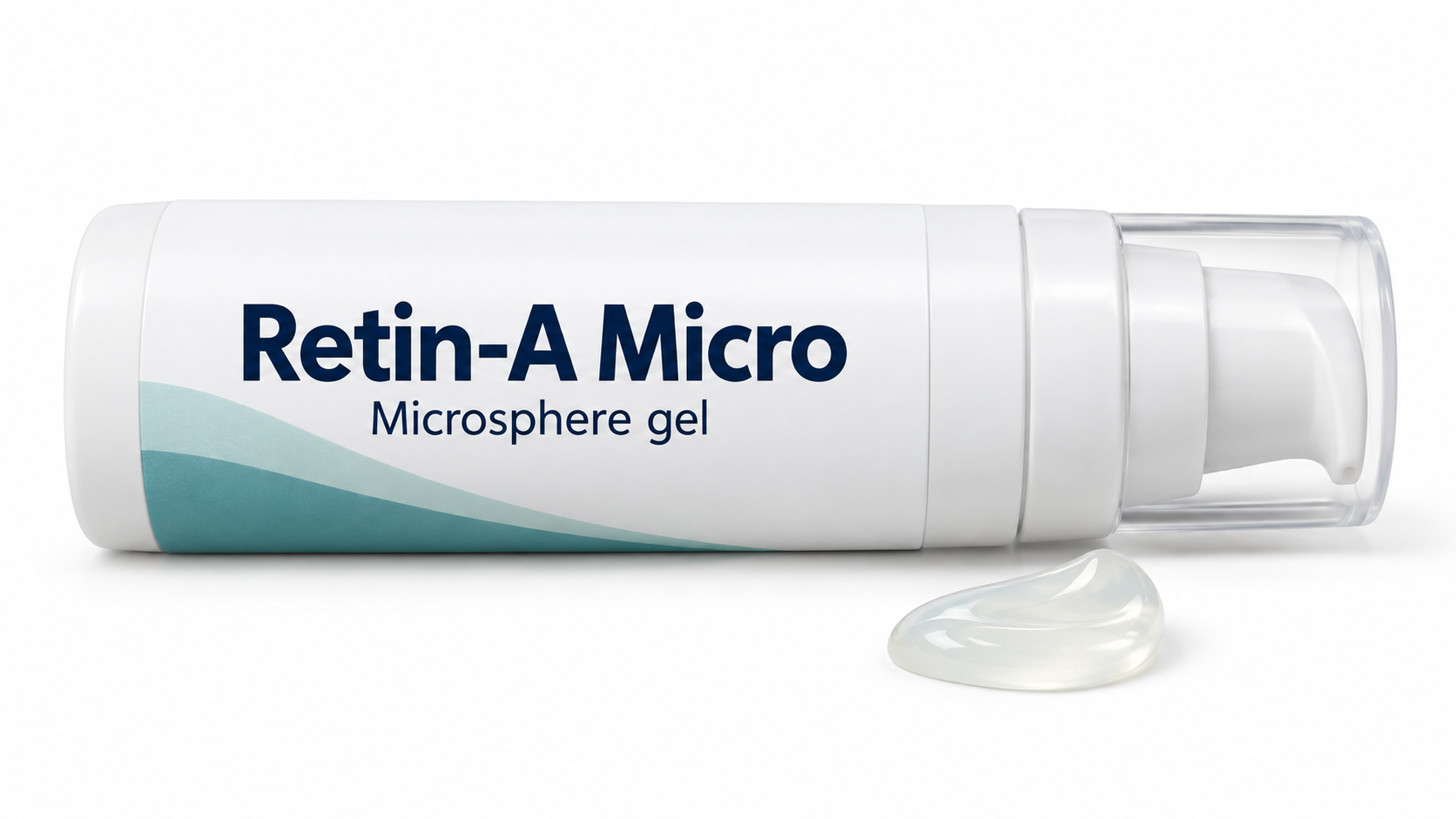
  • Microsphere gelEasily irritated skin0.04% · 0.06% · 0.08% · 0.1%
  • LotionChest and back0.05%
0.1%
0.3%
GentlerStronger
  • GelThe most common form.
  • CreamGentler for dry skin.
  • Combination gelMixed with benzoyl peroxide.
Form / Type
Tretinoin lotion bottle
LotionSpreads easily over large areas.
Retin-A
Retin-A
Retin-A Micro
Retin-A Micro
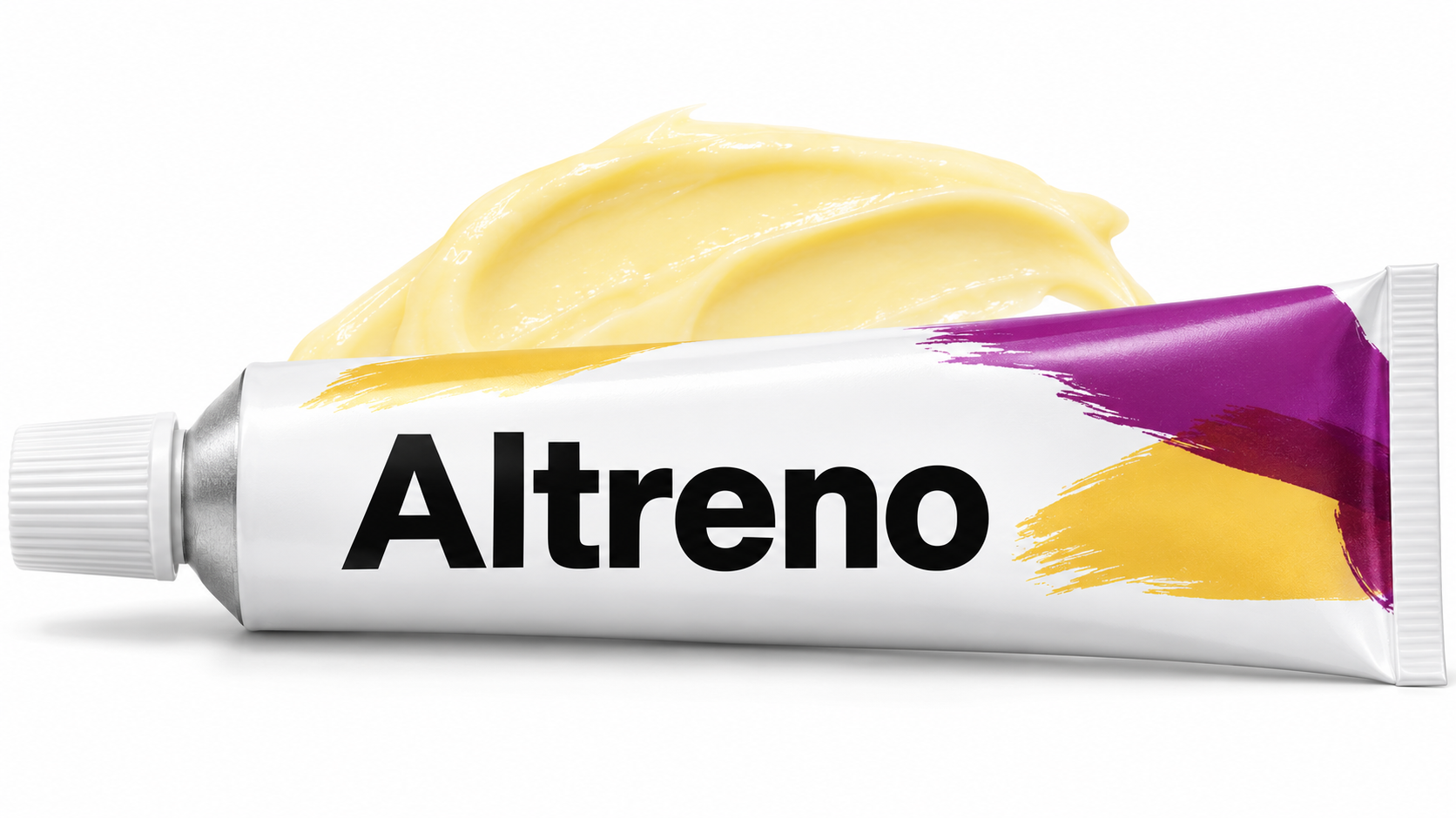
Altreno
Altreno
Atralin
Atralin
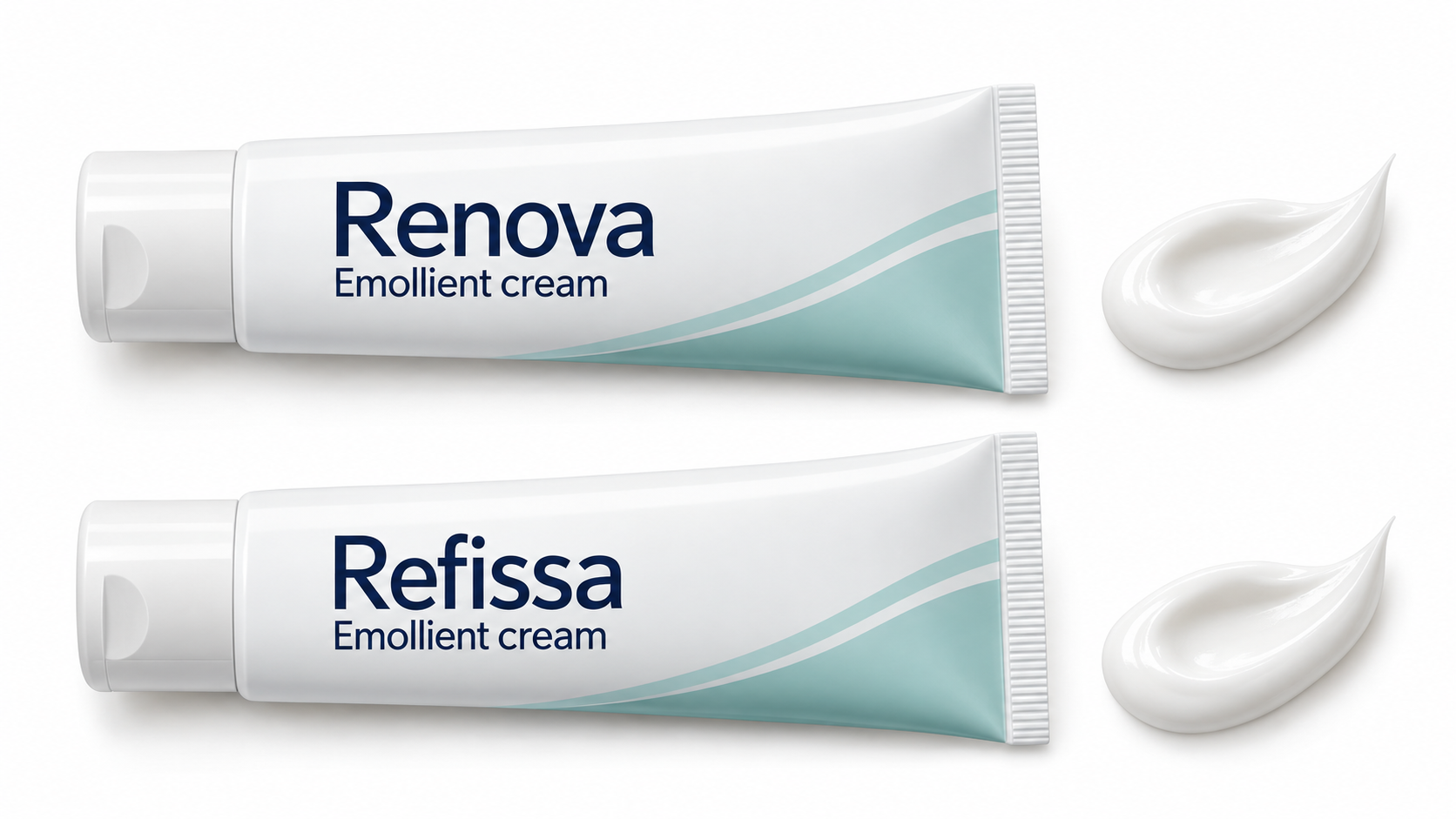
Renova and Refissa
Renova and Refissa
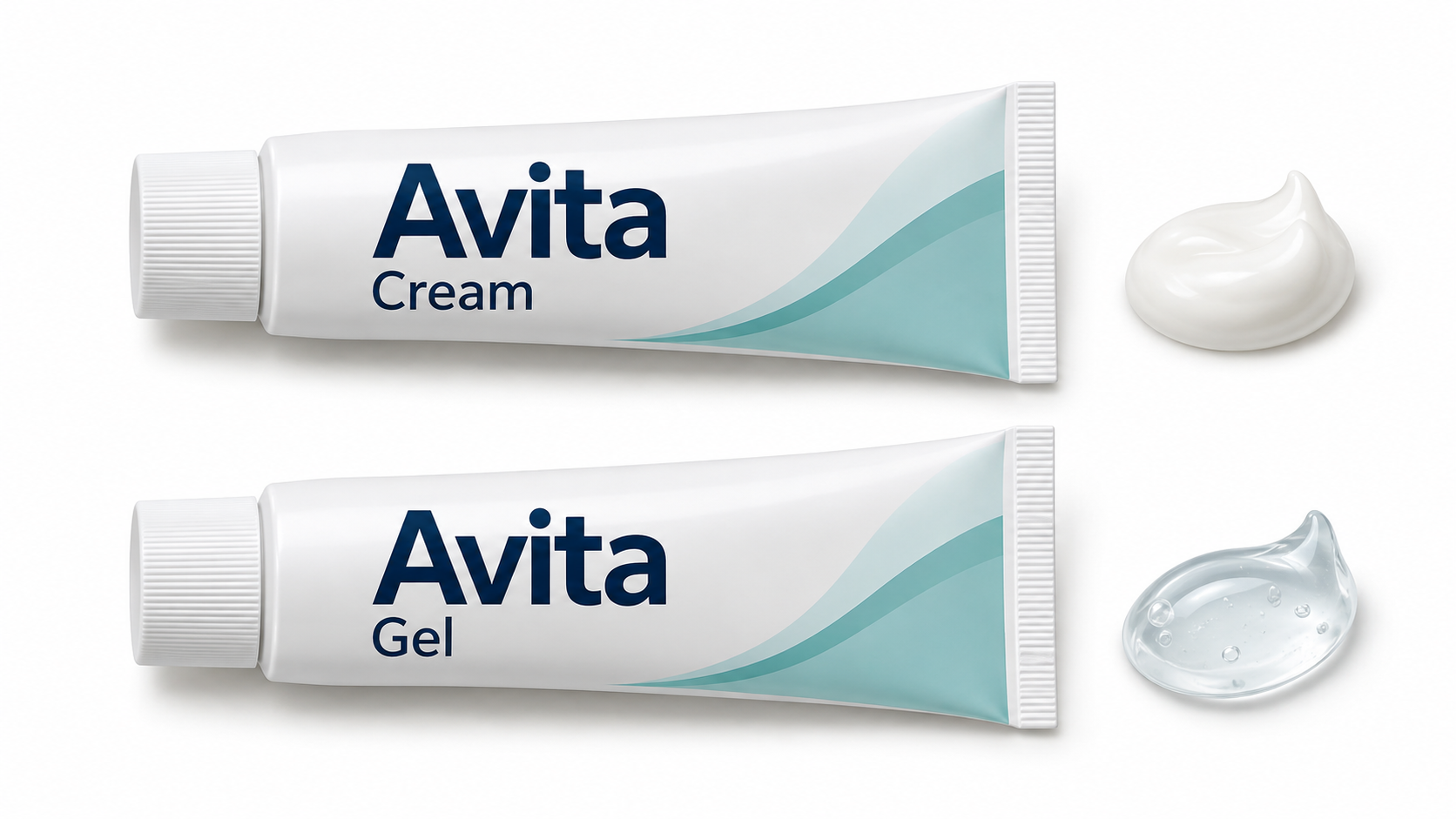
Avita
Avita
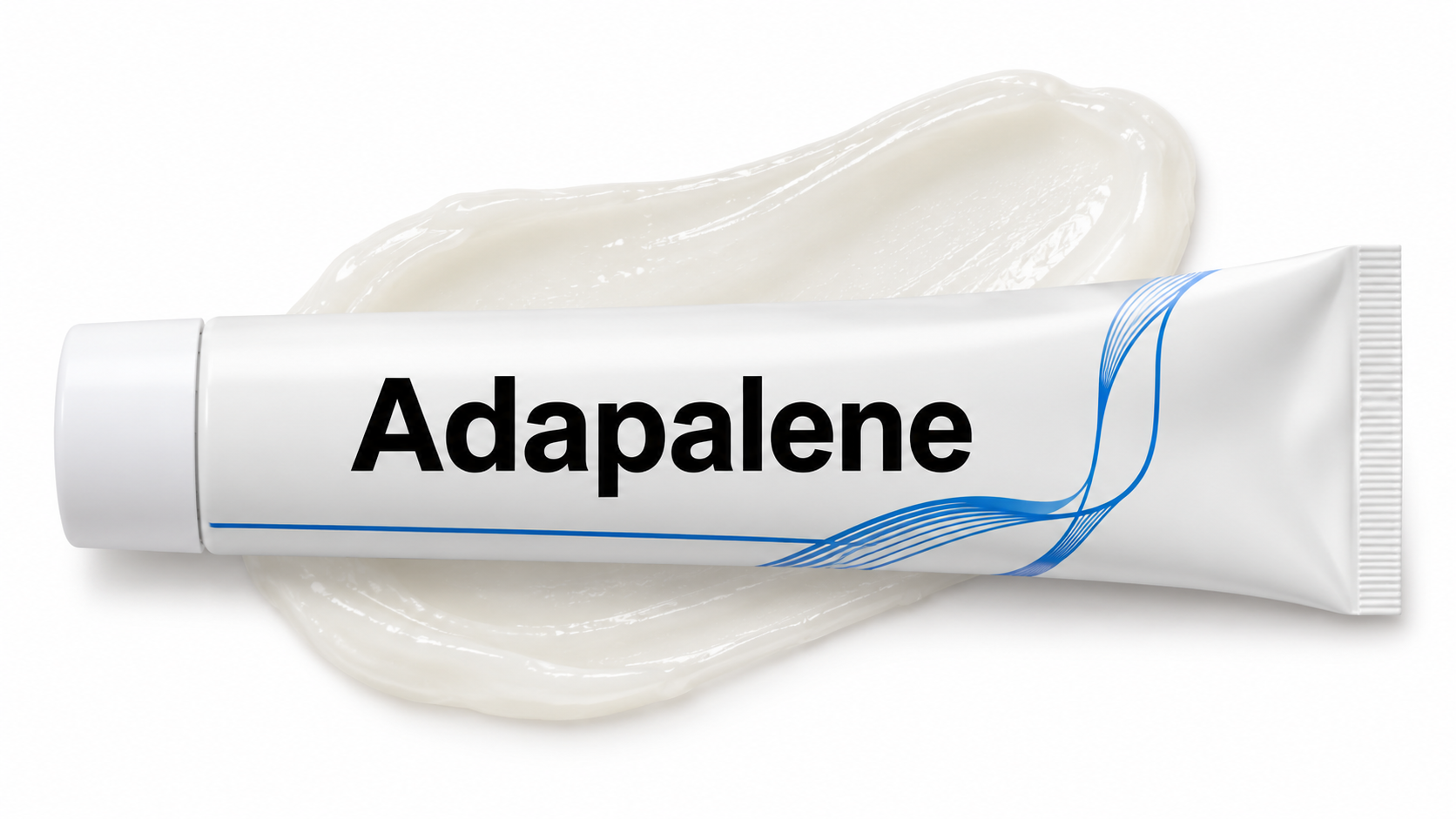
Adapalene — white topical squeeze tube with blue accents. smooth opaque off-white gel smear.
GelAdapalene — white topical squeeze tube with blue accents. smooth opaque off-white gel smear.
Product Reference Picture
Tretinoin
Tretinoin
Adapalene
Adapalene

How to use them

When to apply
At night only, on clean dry skin. Wash, dry fully, then spread a pea-sized amount over the whole face — not just the spots.
At night only, after cleansing, on dry skin — wet skin stings more, so wait ten minutes after washing. A pea-sized amount covers the face.
How to start
Every other night for two to four weeks. Go nightly once you have had two weeks with no stinging or flaking.
Two or three nights a week for two weeks, then add a night every week or two until nightly. Moisturize every night either way.
If it irritates
Drop to every second or third night, or put moisturizer on first and the tretinoin on top. Either works.
Drop back a night or two, or put moisturizer on first and adapalene on top; neither meaningfully reduces the effect. Skip it on nights your skin feels raw, and for a few days after waxing, threading or a peel.
If it isn't working
Give it twelve weeks before judging. If acne has stalled, ask your doctor about a higher strength or a second treatment.
Give it twelve weeks of steady use. If acne has stalled after that, ask your doctor about the 0.3% strength or a second treatment.
Monitoring
No blood tests and no routine labs. Monitoring is a visit at about twelve weeks — is it working, should the strength change?
Not stated in existing content.

Using them together

Together?
Do not layer tretinoin and adapalene. The existing adapalene guide specifically advises against combining them: stacking retinoids adds irritation without extra benefit. Pick one rather than using both.
Keep it simple. In dermatology, we generally favor simple routines over combining lots of active ingredients. This chart is for demonstration only: it shows what you could pair with tretinoin, not a recommendation to use everything together.

What to expect

Tretinoin
  1. First few minutesApplying it

    A pea-sized amount on dry skin at night.

  2. Weeks 1 to 3Adjusting

    Dryness, flaking and stinging peak around week three.

  3. Weeks 3 to 12Settling

    Irritation settles and the first real results show.

  4. Weeks 4 to 8Sun spots

    Sooner than most expect.

  5. Weeks 8 to 12Judge it here for acne

    Blackheads and whiteheads go first; red inflamed spots take longer.

  6. Months 3 to 6Fine lines

    They soften gradually with nightly use.

Adapalene
  1. Weeks 1 to 2Adjusting

    Dryness, flaking and stinging as skin adjusts.

  2. Weeks 2 to 6Looks worse first

    More small bumps.

  3. Weeks 8 to 12The turn

    Fewer new spots, fewer blackheads, smoother texture.

When you stop
No rebound, no withdrawal, no taper. Pores return to clogging at their old rate and acne comes back over two to three months.
Not stated in existing content.

Approximate timing. It varies from person to person.

Safety and cautions

Avoid combining
  • Eyes, lips and corners of the nose. The skin is thinnest there, and that is where it stings, flakes and stays sore. Stop short rather than blending in.
  • Waxing and laser hair removal. Skin can lift off. Stop about a week beforehand.
  • Broken, raw or sunburnt skin. Wait until it has healed.
  • Other retinoids. Other retinoids: do not layer adapalene with tretinoin, a prescription retinoid or retinol. Double the irritation, no extra benefit. Pick one.
Ask first if
  • you take other sun-sensitive medicines. Water pills, antibiotics and sulfa drugs do this too. Ask whether anything you take is one of them.
  • you have eczema or sensitive skin. Ask when it is sensible to start.
  • you are pregnant or breastfeeding. Or planning one. Ask before starting or continuing.
  • you are allergic to tretinoin. Or to an ingredient in its base.
  • irritation is still bad after six weeks. It should be settling by then, not building.
  • the skin cracks or blisters. Cracking around the mouth or eyes, or any swelling or hives, needs looking at.
Not stated in existing content.
Other cautions
  • Scrubs, alcohol toners and strong acids. While you are adjusting. They add irritation without adding benefit.
  • Strong exfoliating acids. Strong exfoliating acids: glycolic, lactic or salicylic acid at the same time strips the skin. Use the acid in the morning and adapalene at night, or on separate days.
  • Scrubs, brushes and astringent toners. adapalene already exfoliates. Scrubbing on top is how people end up with a raw face.
  • Waxing, threading and hair removal creams. retinoids loosen the top layer, so hair removal can lift skin with the hair. Stop adapalene about a week beforehand.
Can make worse
  • Rosacea: Irritates flushing skin.
  • Rosacea: Irritates sensitive, flushing skin.
  • Eczema: Dries already inflamed skin.
Pregnancy
Not recommended
Not stated in existing content

Cost and coverage

Cost
Generic tretinoin cream and gel are widely available and usually the cheapest prescription retinoid. What costs money is the newer vehicles — branded lotions, microsphere gels and combination creams often need prior authorization and can cost many times a plain generic tube.
Not stated in existing content.

Questions

Are tretinoin and adapalene the same medicine?

No. They are different topical retinoid medicines, both used for acne and blocked pores.

Can I use tretinoin and adapalene together?

The existing adapalene guide says not to layer it with tretinoin or other retinoids. It describes extra irritation without extra benefit.

Which is gentler?

The adapalene guide describes tretinoin as similarly effective for clearing acne overall, but more irritating. Adapalene is described as a gentler first retinoid in the tretinoin alternatives.

Is adapalene available without a prescription?

The existing guide lists 0.1% adapalene as over the counter in the United States and 0.3% as prescription. Availability, age limits and labeling vary by country.

Which has more evidence for fine lines?

The adapalene FAQ says adapalene can help modestly but has less evidence than tretinoin. Both require consistent use over time.

Also compared with
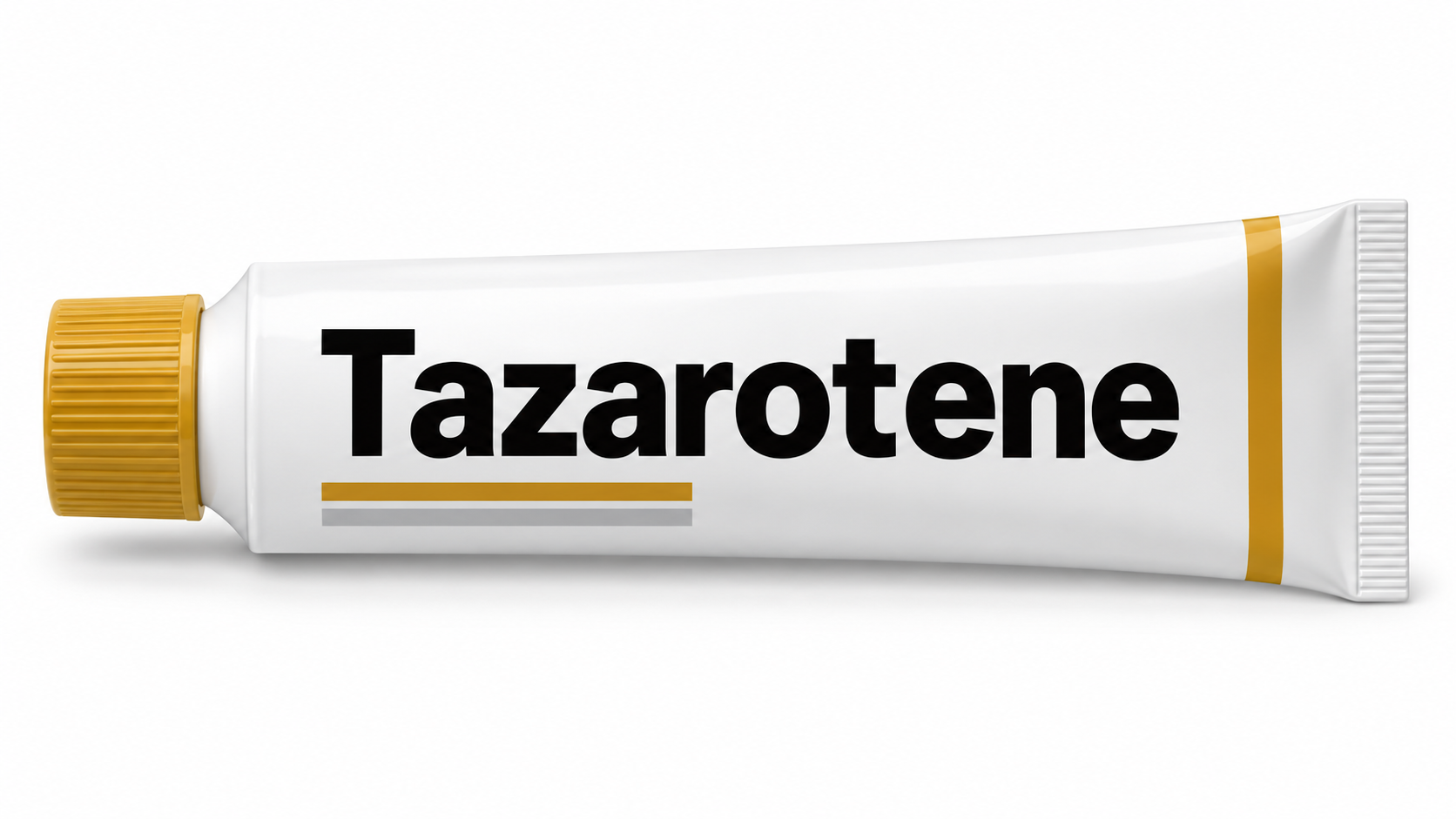
Tretinoin vs Tazarotenestronger, better for stubborn acne and dark marks, more irritating.
Tretinoin vs Trifarotenenewer, approved for the chest and back as well as the face, brand only.
Tretinoin vs Benzoyl peroxidekills bacteria but does not fix the plug. Works best paired with a retinoid, not instead of one.
Adapalene vs Benzoyl peroxideBetter on red, inflamed spots. Adapalene is better on blackheads. Using both beats either one alone.
Adapalene vs TazaroteneThe strongest retinoid of the three, and the most irritating. Usually kept for acne that has not responded to the others.
Related Topic
Adapalene shown in recognizable white topical squeeze tube with blue accents.
Adapalene
Representative medication packaging labelled Tazarotene, lying sideways on a white background.
Tazarotene
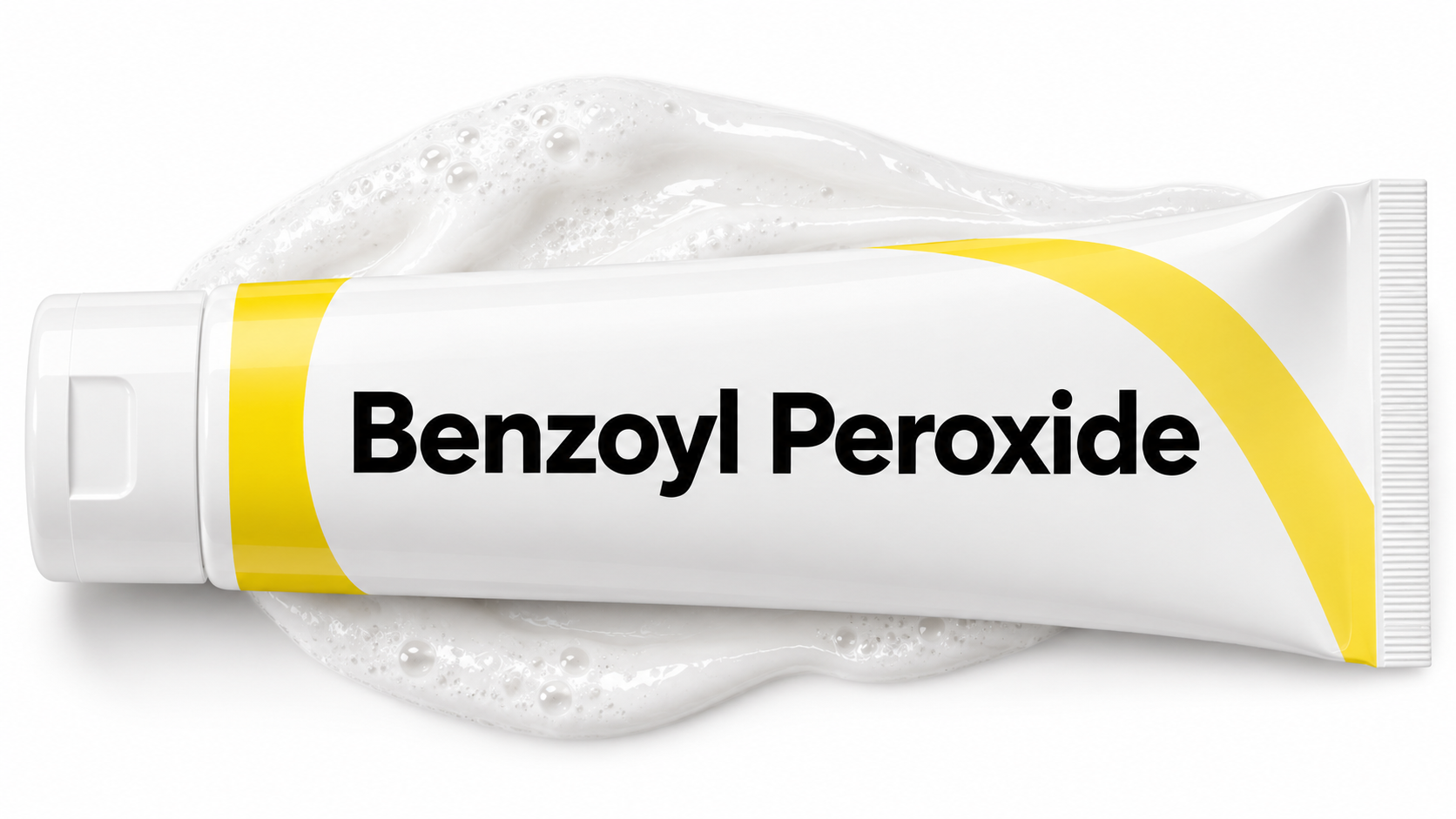
Benzoyl Peroxide shown in recognizable white acne wash squeeze tube with yellow accents.
Benzoyl peroxide
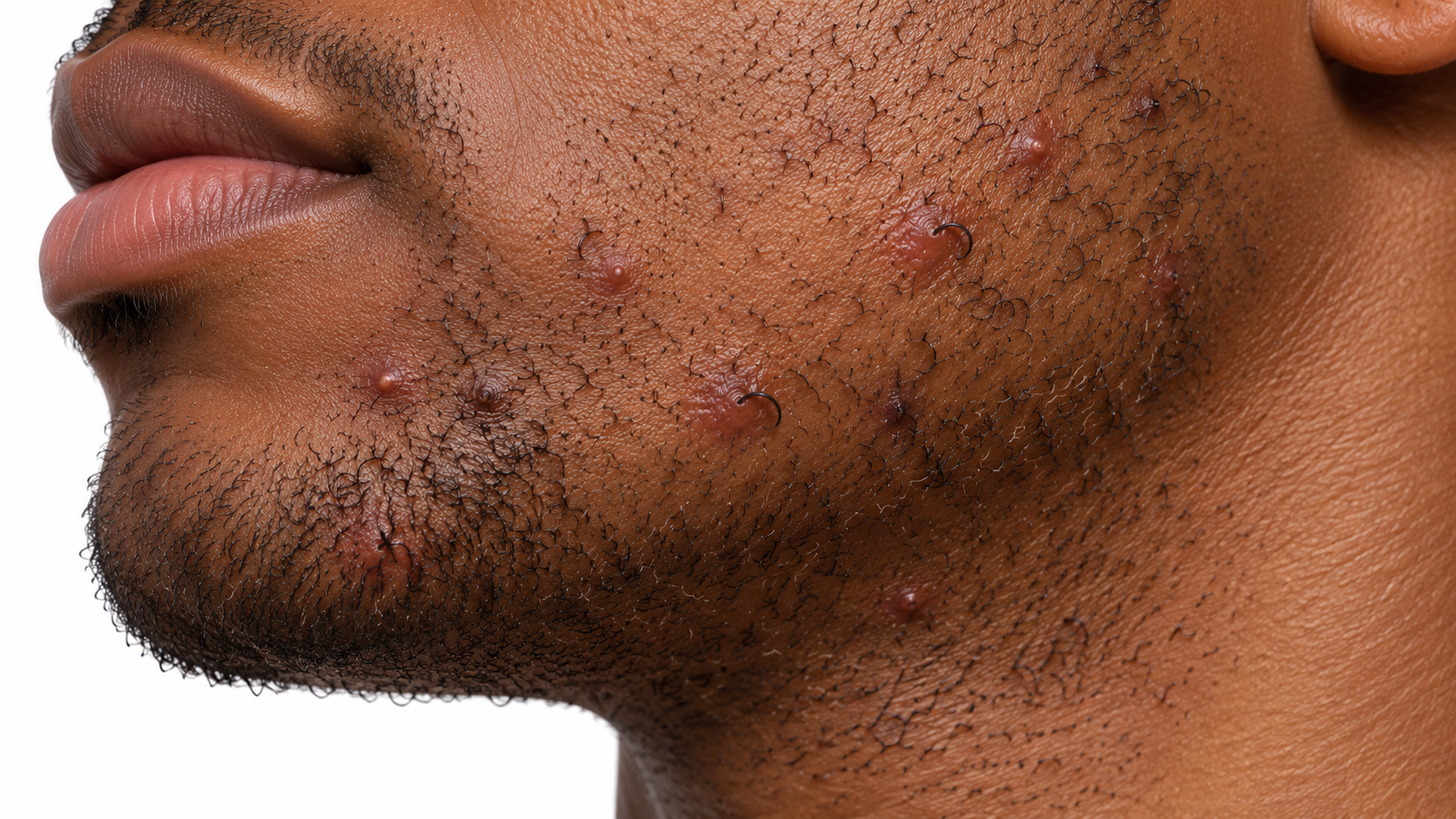
Generated illustration of ingrown hairs. Short curly beard hairs and localized follicular bumps on an adult jaw.
Ingrown Hairs
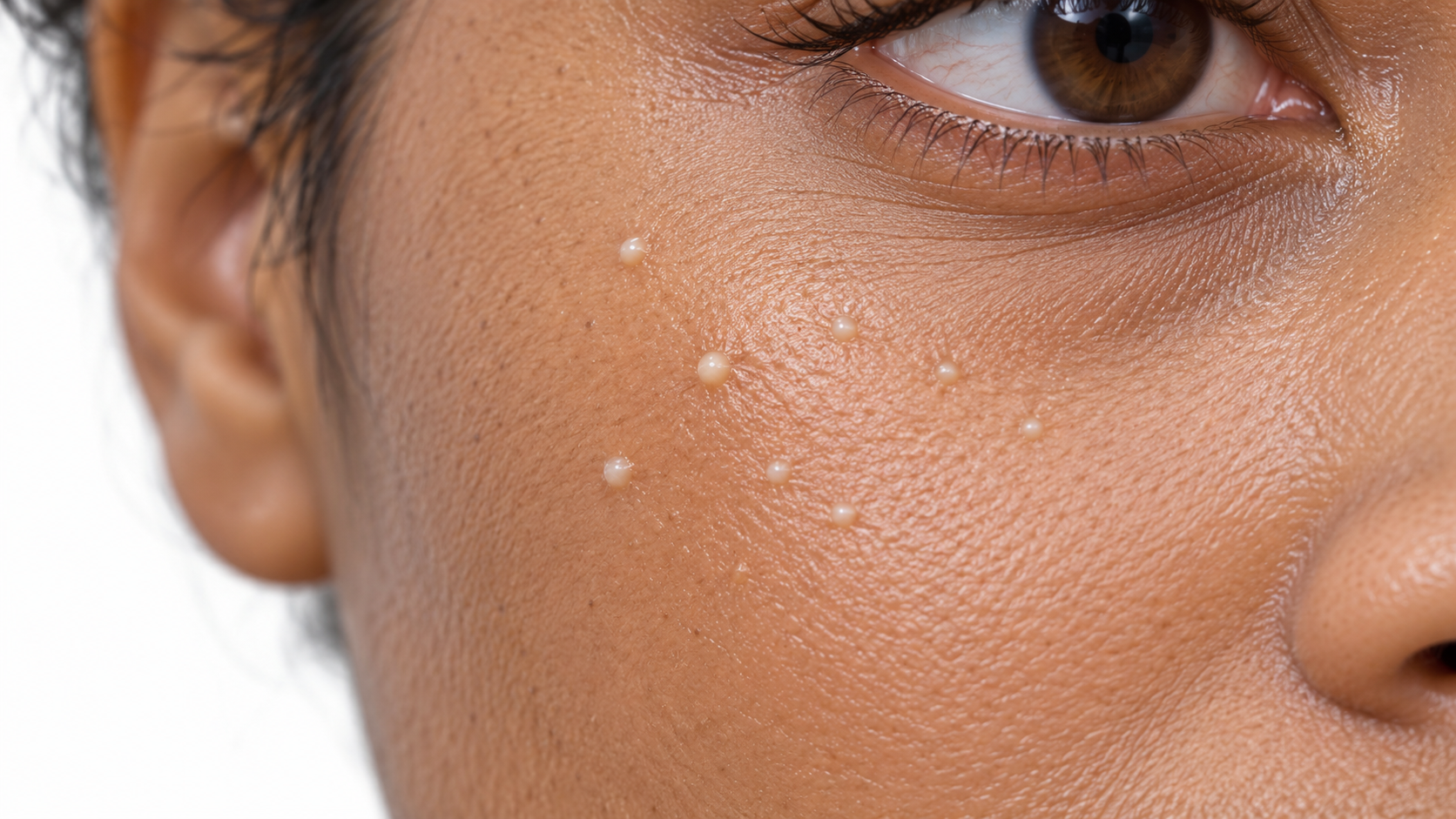
Generated illustration of milia. Tiny pearly white bumps on an adult cheek beneath the eye.
Milia
Labeled cutaway diagram of a single skin pore, headed Adapalene. The epidermis is a brick-textured band across the top and the dermis is pink below it, with a yellow oil gland at the base of the pore and a cluster of bacteria inside it. Three callout lines point in: decreases dead cells in pore and decreases oil production are drawn in dark navy as main effects, and decreases inflammation is drawn in gray as a lesser one.
What adapalene does in the poreIt works mainly on the two things that form the blockage — the dead cells lining the pore and the oil filling it.
Representative medication packaging labelled Tretinoin, lying sideways on a white background.
Tretinoin
Benzoyl Peroxide shown in recognizable white acne wash squeeze tube with yellow accents.
Benzoyl peroxide
Representative medication packaging labelled Tazarotene, lying sideways on a white background.
Tazarotene
Generated illustration of milia. Tiny pearly white bumps on an adult cheek beneath the eye.
Milia
Generated illustration of ingrown hairs. Short curly beard hairs and localized follicular bumps on an adult jaw.
Ingrown Hairs