It combines scraping and heat.
A lesion is scraped with a curette and treated electrically.
Electrodesiccation and Curettage: A small, low-risk skin cancer is scraped out with a sharp loop, and the base is then burned. It takes one visit and needs no stitches. It leaves a round pale scar, and the edges are never checked under a microscope.
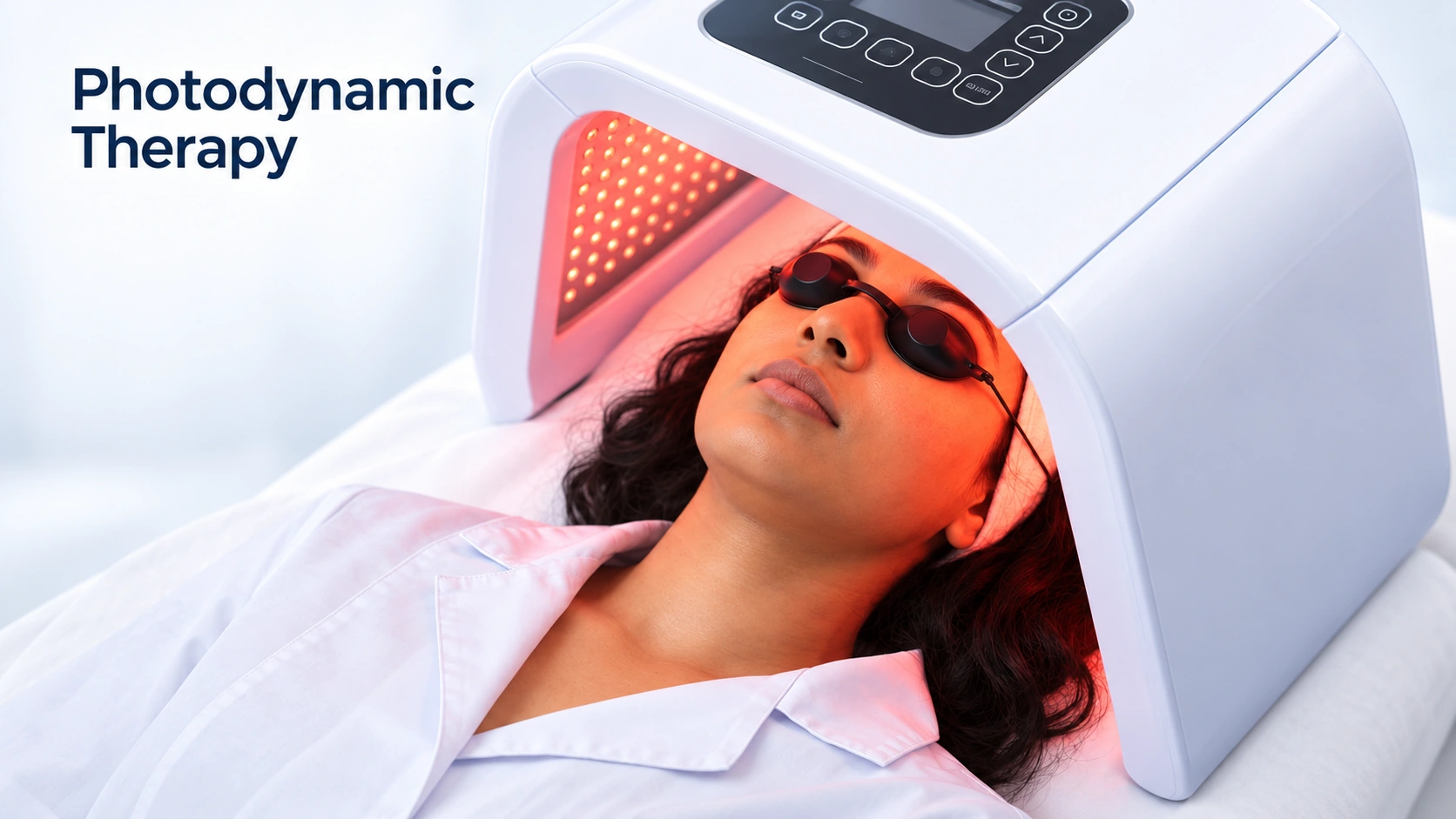
Photodynamic Therapy: A light-activated drug applied in the office, then switched on with a lamp or laser. It is the strongest non-drug option for inflammatory acne, and the downtime is a real week.

Choose for a small, low-risk skin cancer on the body when one quick visit with no stitches matters more than margin checking.
Choose to treat a whole area of sun damage at once — or as a strong non-drug option for stubborn acne — with a real week of downtime.
Can you have both?
Both can treat superficial skin cancers and precancers. One is chosen for each spot.
A lesion is scraped with a curette and treated electrically.
It can treat carefully selected low-risk skin cancers.
It lacks the margin assessment of excision or Mohs surgery.
Type, site, size and depth determine suitability.
A photosensitizing medicine is activated by a set light exposure.
It is used for actinic keratoses and some superficial lesions.
It is not ordinary LED or UV treatment.
Sunscreen alone may not prevent activation.
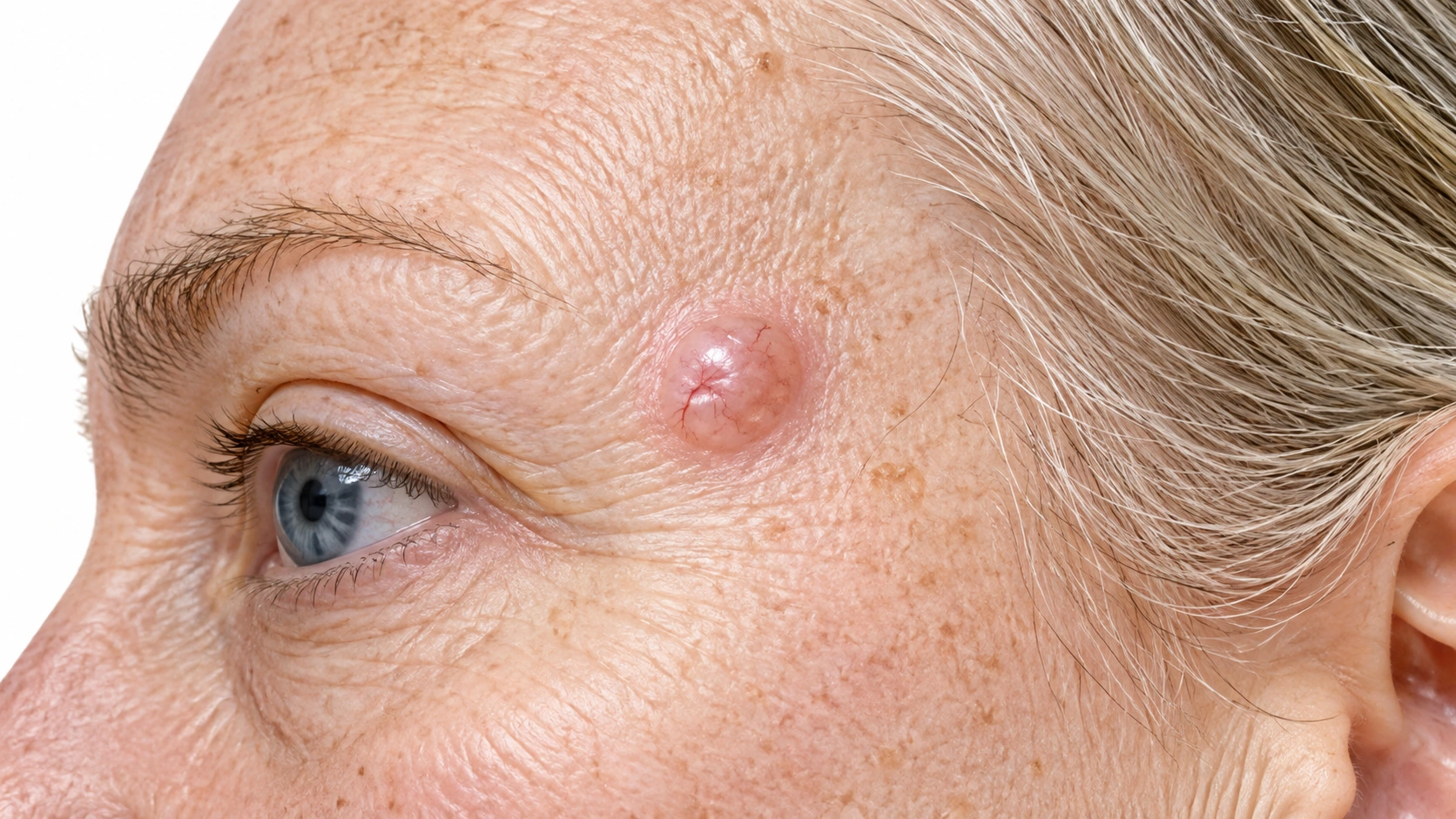
High cure rates for small tumors.
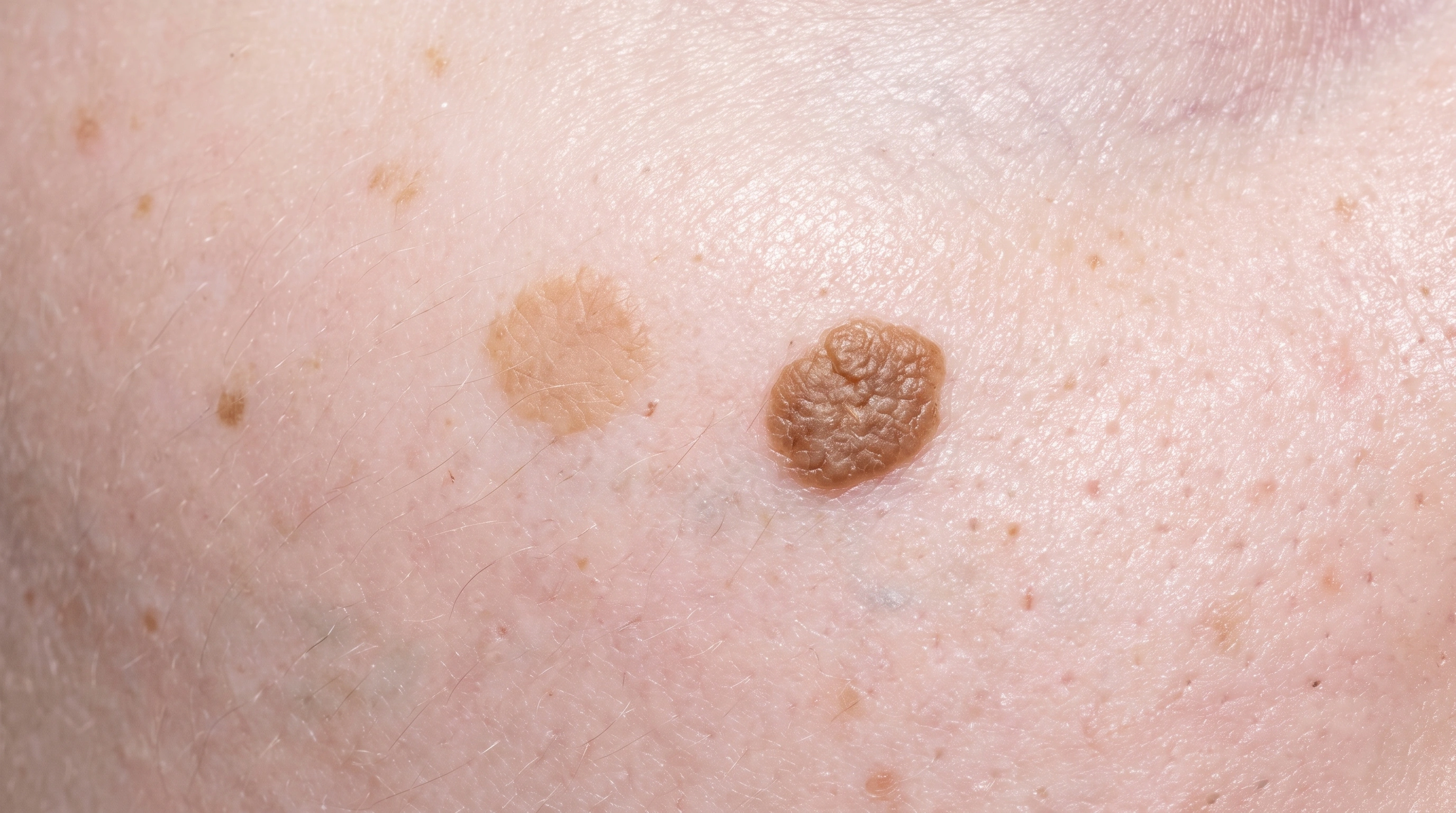
Removes growths quickly.
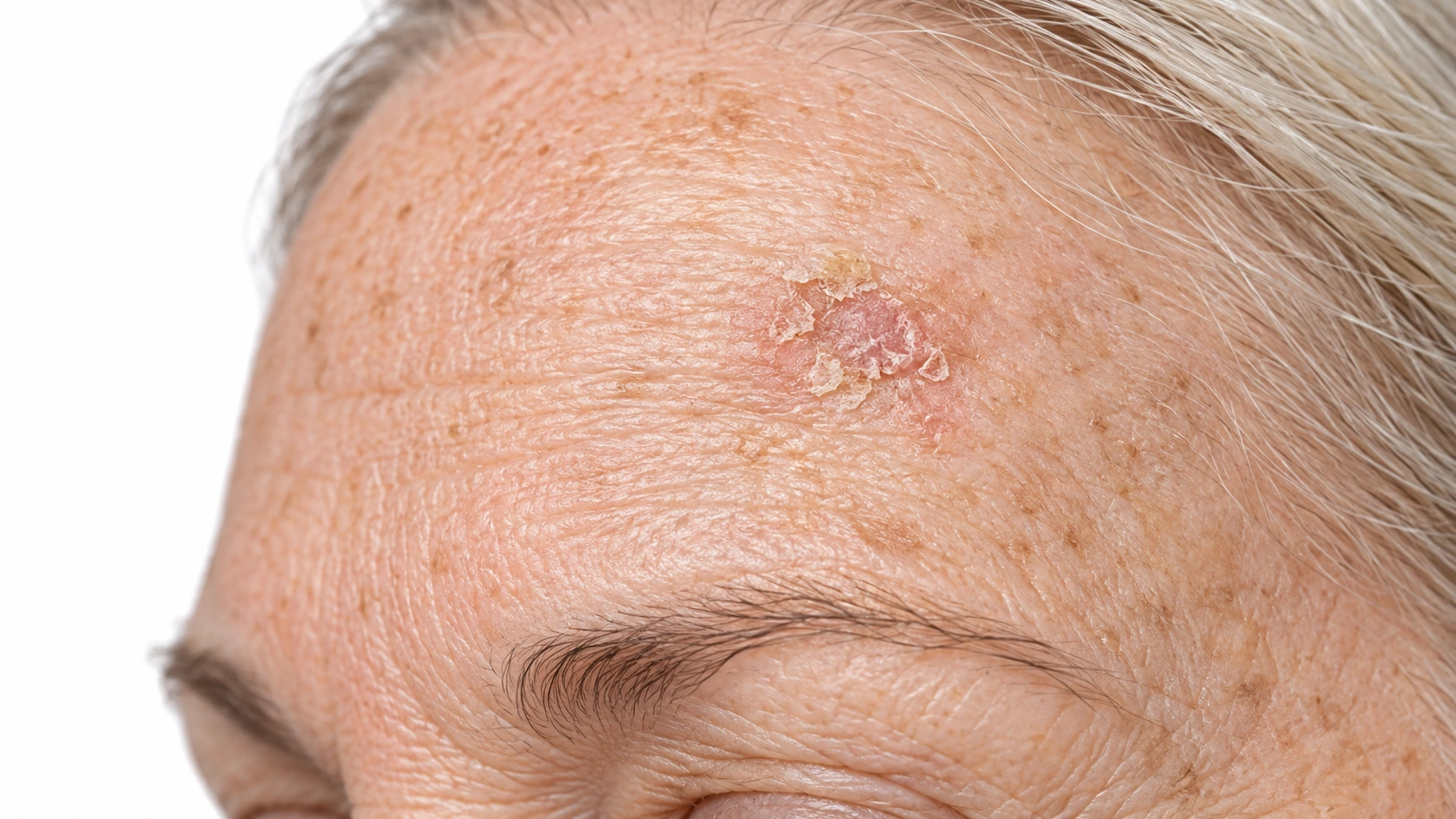
Clears 75–90% of spots.
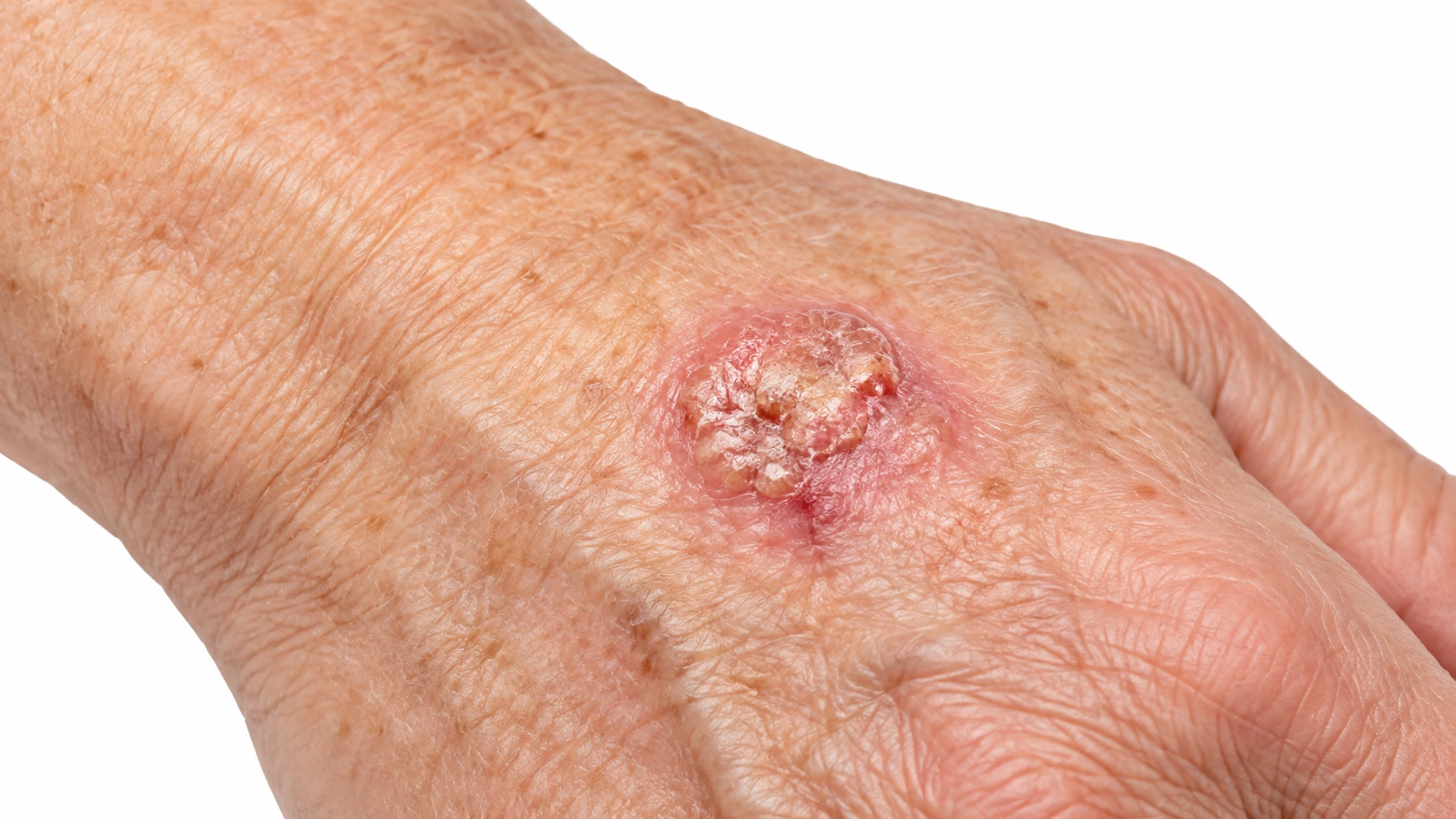
For small, low-risk tumors.
Treats superficial types.

Used for stubborn acne.
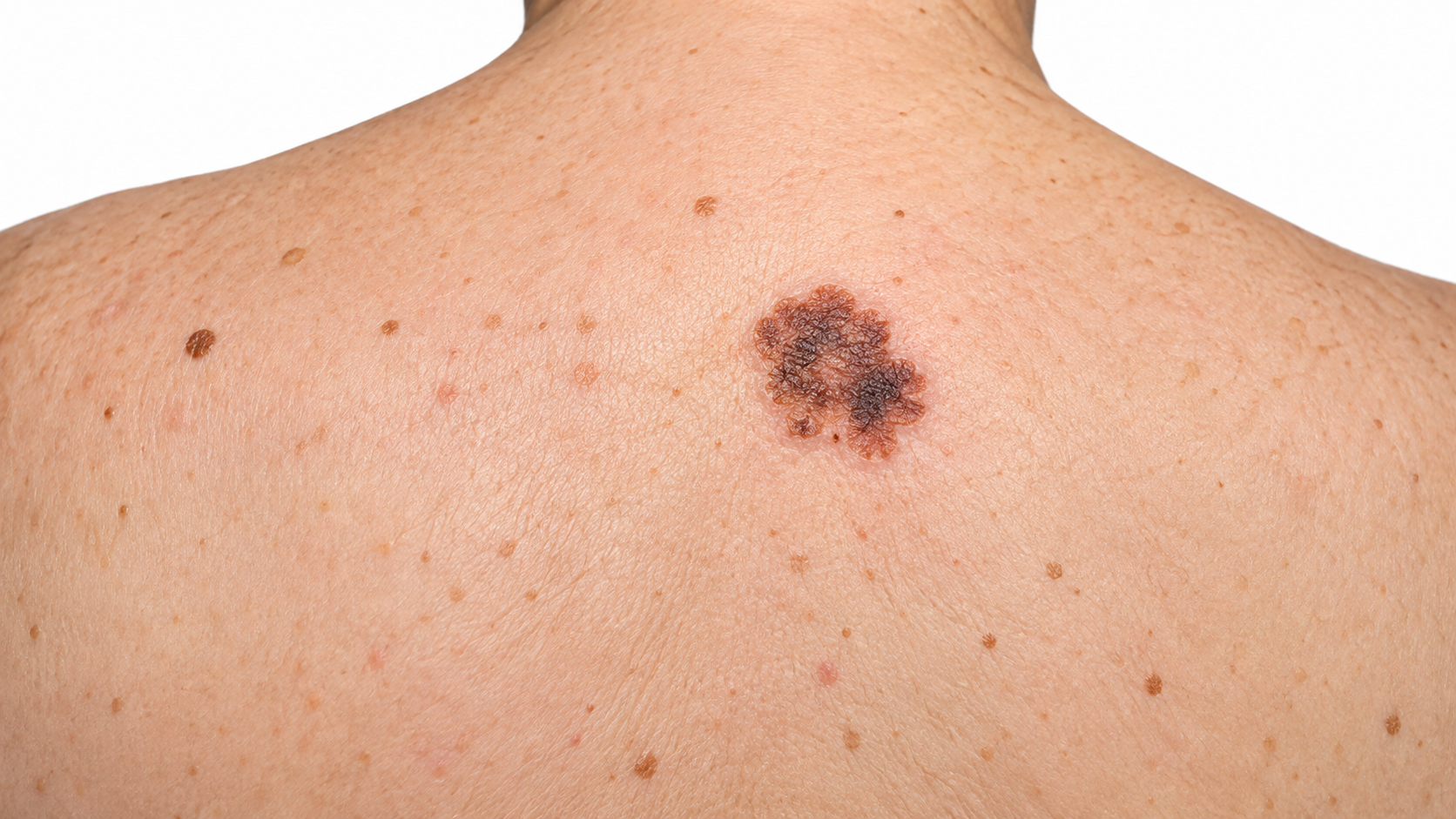
Needs excision with margins.
Needs excision.
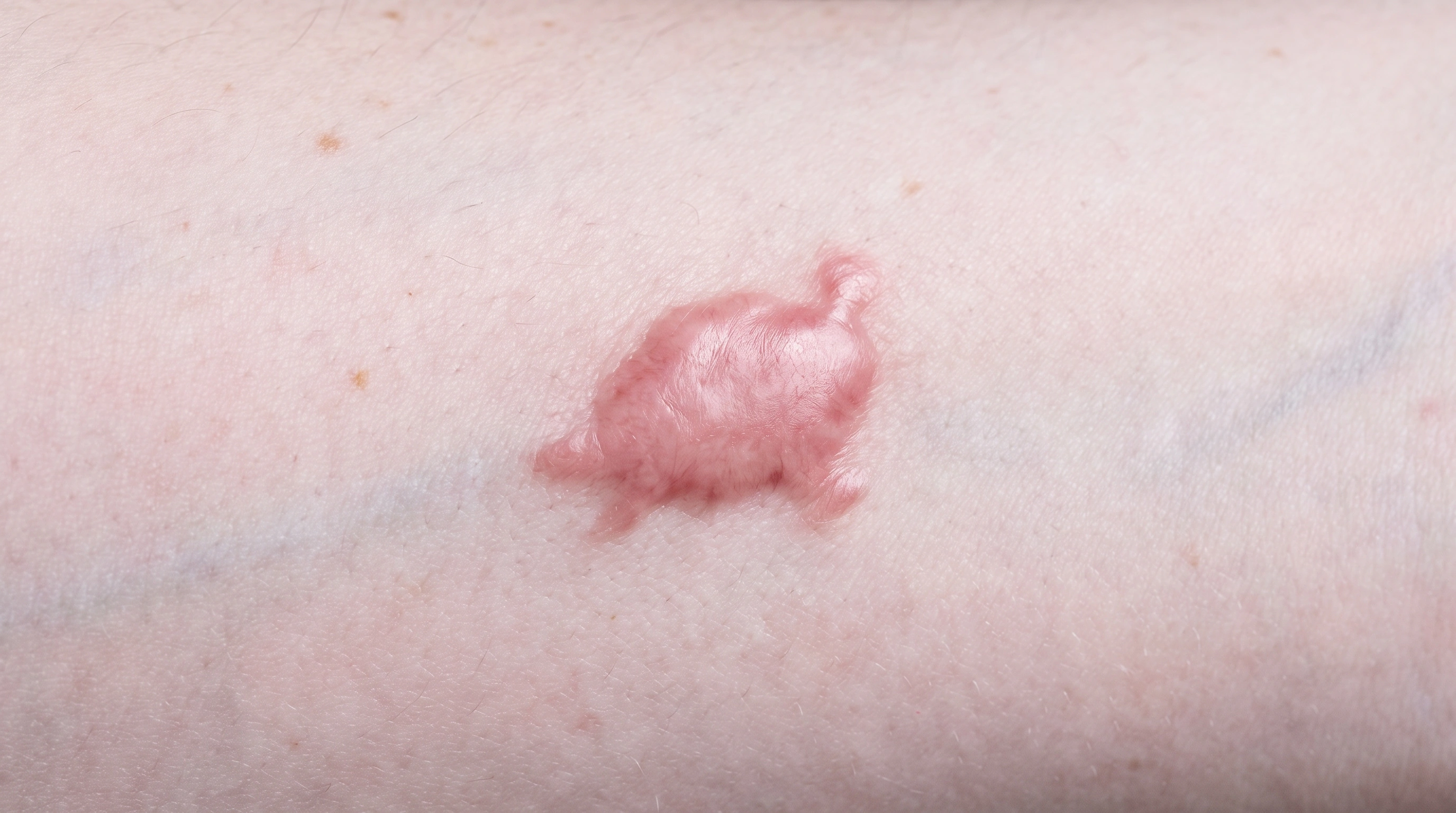
Can trigger new keloids.
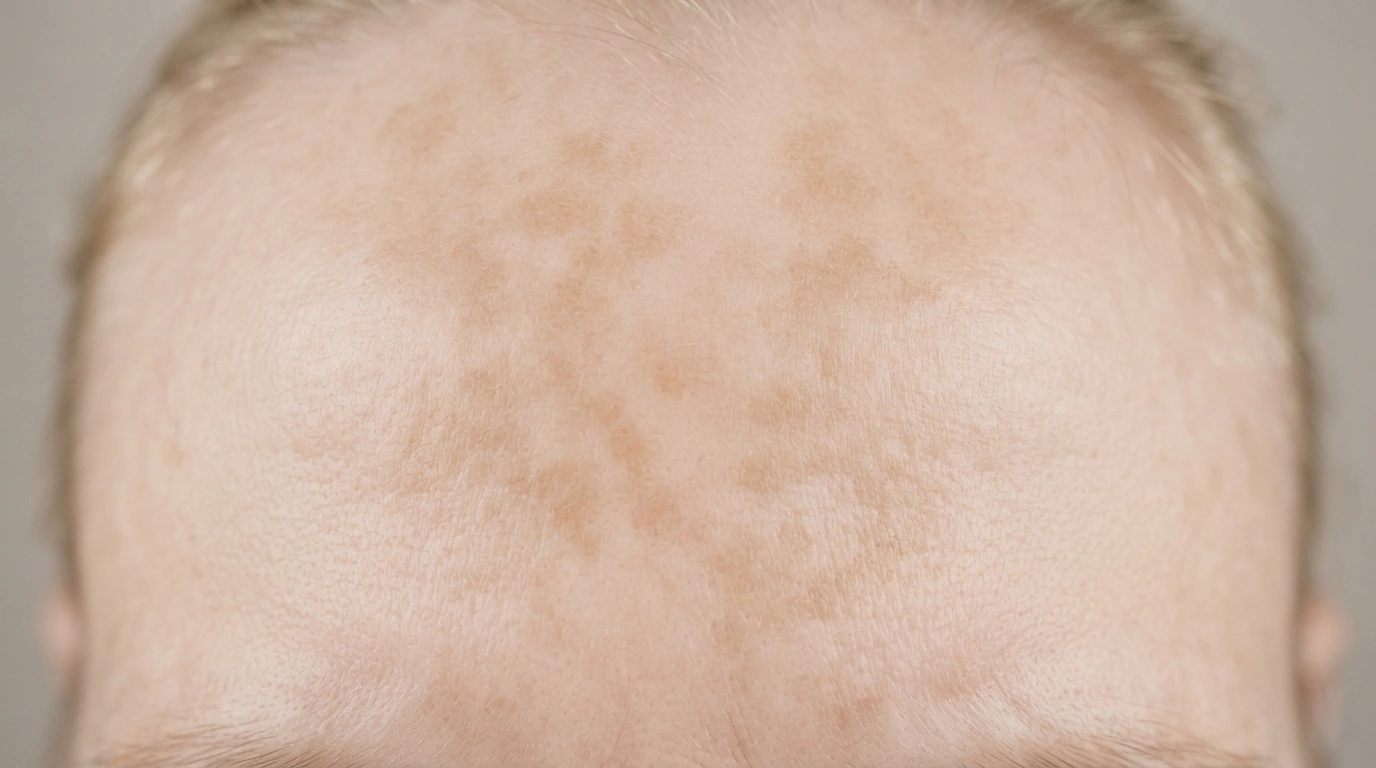
Light can darken patches.
The specific lesion, scar or affected patch determines the treatment site; there is no fixed body distribution.
Face; the selected area depends on the concern and treatment plan.


A curette removes tissue: A clinician scrapes away the selected lesion. Electrical treatment treats the base: Energy dries or coagulates tissue in the treatment bed. The wound heals: The open area repairs with scar tissue; follow-up remains important.
Schematic illustration. Technique and response vary. This explains a mechanism and does not specify treatment settings.
A photosensitizer is applied: The selected medicine accumulates in the prepared treatment area. Light activates the medicine: A matched light regimen produces reactive molecules. Selected cells are damaged: Inflammation and healing follow; treatment response varies.
Schematic illustration. Technique and response vary. This explains a mechanism and does not specify treatment settings.
2 weeks before: Sun and tanning: Avoid sun and tanning for 2 weeks.
Before you book: Time off: Clear several days, especially the 48 hours after, when you must stay out of sunlight and bright indoor light.
Do not stop: Blood thinners: Aspirin, clopidogrel, warfarin, apixaban, rivaroxaban and similar are usually continued — extra oozing is easier to manage than a clot or a stroke.
Ointment and dressings: Buy plain petrolatum ointment and non-stick dressings beforehand, not on the way home.
5 to 7 days before: Actives: Stop retinoids and exfoliating acids.
What to wear and eat: Wear something you do not mind getting blood on.
The lesion is matched against the biopsy report, photographed, and consent signed.
Photos, consent covering the off-label use and the downtime, and a medication review.
The doctor scrapes with the curette, which feels like pressure and tugging, not pain.
The electric probe follows, with a faint buzz and a smell of burning. The pair is repeated two or three times; one lesion takes about 10 to 20 minutes. Nothing should feel sharp once you are numb, so say so if it does.
Skin is cleaned and degreased, sometimes with microdermabrasion or an acetone wipe, so the drug soaks in evenly.
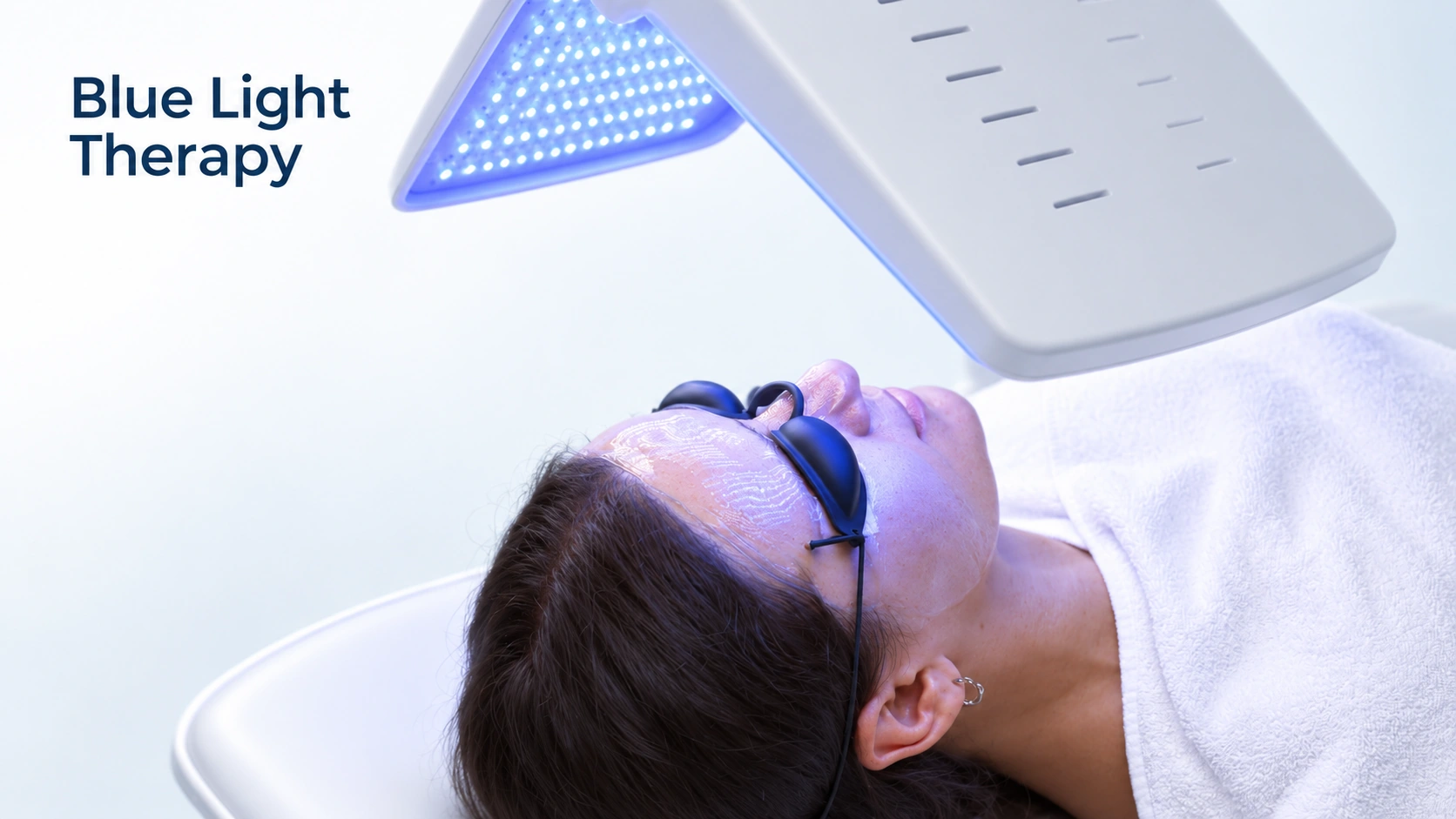
The solution goes on and you wait 20 minutes to 3 hours in a dim room. Then eye shields go on and you sit under a blue or red light for 8 to 20 minutes, or a laser or IPL is passed over. Stinging builds and peaks at the end; cold air helps.
A round, shallow, raw crater slightly larger than the growth, under ointment and a dressing.
The least comfortable procedure on this list.
Day 1 to 7: The wound weeps and the base looks yellow.
First 48 hours: Stay strictly out of sunlight and bright indoor light; daylight through a window can trigger a severe reaction.
Days 4 to 10: Peeling and flaking, sometimes in sheets.
Weeks 2 to 6: The crater shrinks and the base turns pink.
Weeks 1 to 2: An acne flare is common in the first week or two, before improvement starts.
Month 2 to 12: The scar starts pink and firm, then flattens and pales over roughly a year.
Immediately
2–4 weeks
90–95% cure for suitable cancers
Treated spots clear; new ones may form
This is the least expensive way to treat a skin cancer surgically.
In the US, PDT for acne generally costs about $400 to $1,500 per session, so a course commonly lands between $800 and $4,000.
In the US it is billed as a destruction procedure, priced by lesion size and body site, and generally covered when it treats a diagnosed skin cancer.
Insurance does not cover PDT for acne, because the approved indication is precancerous sun damage.
The numbing injection stings for under a minute. After that you feel pressure and tugging, not pain. Afterward the site is sore rather than painful, and acetaminophen is enough.
There is no intact specimen to check — the tumor is scraped away in fragments and the base burned. The method relies on the operator feeling soft tumor against firm normal tissue, which is reliable for shallow, clearly bordered tumors and unreliable for others.
A round, flat disc, usually slightly wider than the original spot and lighter than the skin around it. Some are a little sunken, some raised. Pink at first, paling over about a year. It is permanent.
About 3 to 6 weeks on the face, trunk and arms. On the lower leg it is slower, sometimes two to three months, particularly in older adults or with diabetes or poor circulation.
Sometimes, for a small superficial tumor on the cheek or forehead. Generally not for the nose, eyelids, ears, lips or the creases around them, where recurrence is higher and there is less spare skin. Ask why one is recommended over the other for your tumor.
For a well-selected, small, low-risk tumor, cure at 5 years is commonly quoted around 95 percent. That falls when the method is used on tumors it was not meant for — aggressive subtypes, recurrent tumors, unclear borders, high-risk facial sites.
Not in the US. It is FDA-approved for precancerous sun spots; using it for acne is off-label. That is legal and common, but it means no standard protocol and results that vary between clinics.
Plan for 5 to 7 days of a visibly red, then swollen, then peeling face, with the worst in the first 48 hours. It is closer to a medium-depth peel than a laser facial.
The drug is still in your skin, and sunlight — including through a car or office window — activates it and can cause a severe burn. This is the most important instruction of the treatment.
No. Improvement typically lasts 6 to 12 months and repeat courses are often needed. It does not treat scars or existing brown marks.
It can be done, but the risk of lasting dark patches is meaningfully higher, because the treatment works by causing strong inflammation. A shorter incubation, a lower light dose and an experienced provider make a large difference.