CeraVe Hydrating Facial Cleanser
So mild it barely cleanses — right for dry skin, a real problem if you wear sunscreen.
Reviewed by Dr. Schwarz, MD · Dermatologist

A dermatologist’s take
Recommend.
A good morning cleanser for dry or sensitive skin, and a poor evening one. Mild non-foaming agents will not lift water-resistant sunscreen, so use it in the morning and something stronger at night if you wear SPF. If you are oily or get clogged under it, the foaming version suits you better.
Pros
- No added fragrance
- Good fit for dry skin
- Good fit for damaged skin barrier
Cons
- May need a second cleanser for water-resistant sunscreen
- Non-foaming texture may not suit everyone
Skin fit
Who is it best for?
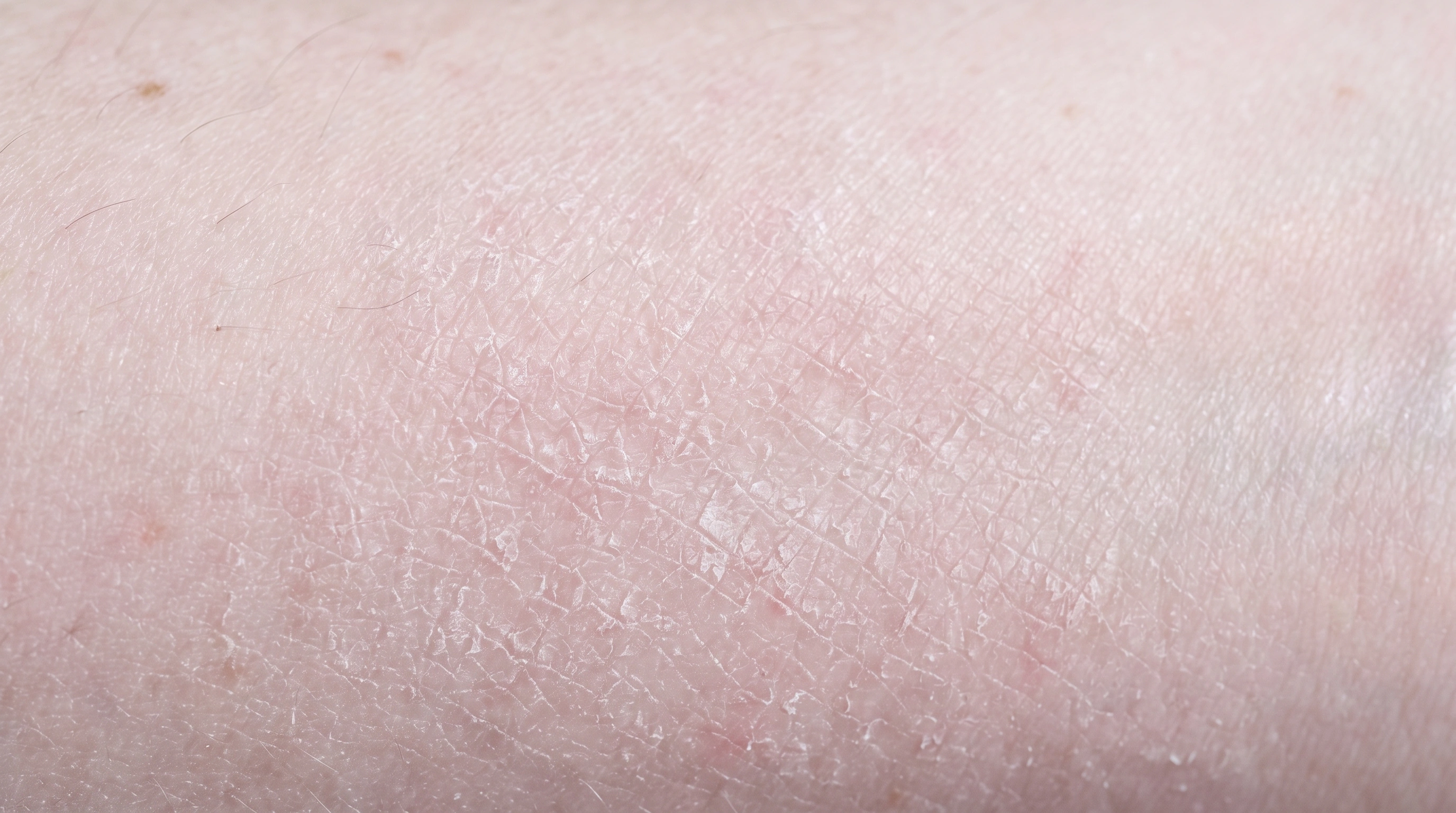
Dry Skin
Good fitMost of what makes a wash feel harsh is the surfactant stripping skin oil with the dirt. This one takes less and leaves a light film, so skin feels soft instead of tight.
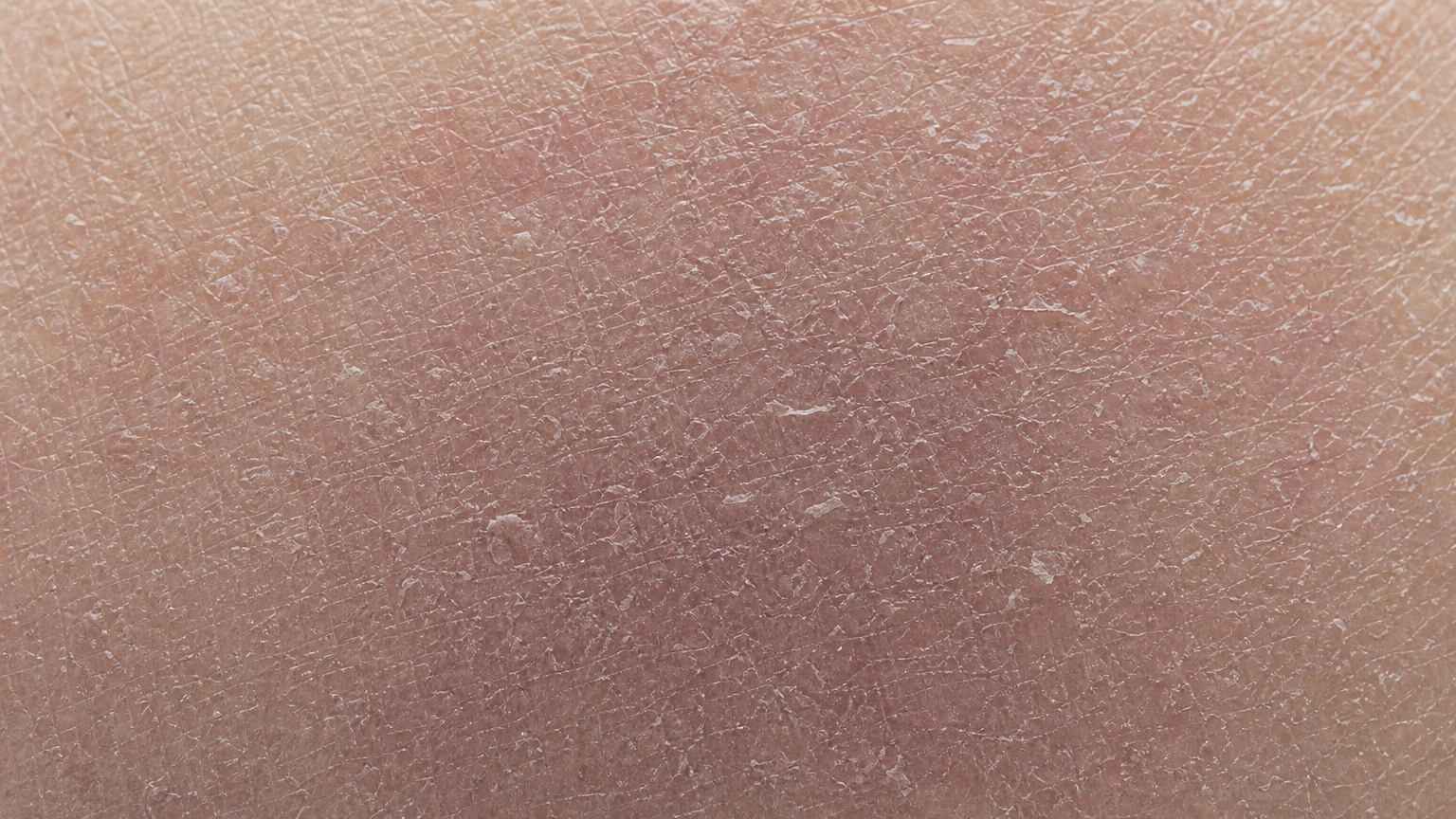
Damaged Skin Barrier
Good fitWhen a routine has over-stripped skin, change the cleanser first — it is the one step that removes rather than adds. This one puts ceramides back while it washes.
It will not repair a barrier, but it stops making the problem worse twice a day.
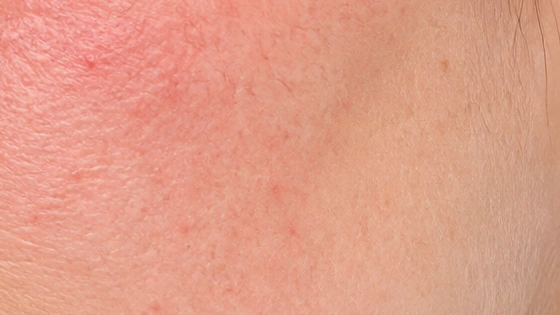
Sensitive Skin
Good fitFragrance-free, sulfate-free, and short on anything that stings. It suits the morning best, when there is nothing on your face to remove.
It barely foams, and scrubbing harder because it did not feel like it worked is what sensitive skin does not need.
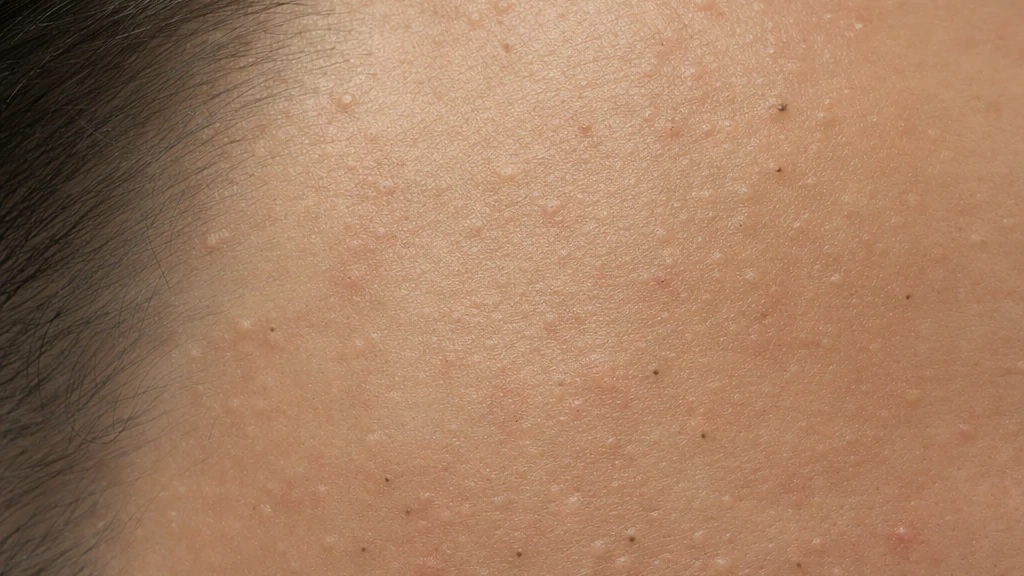
Comedonal Acne
Poor fitThis is what people pick when acne treatment has dried them out, and it is good at that. Nothing in it clears a plugged pore, so blackheads need a retinoid or salicylic acid.
Oily Skin
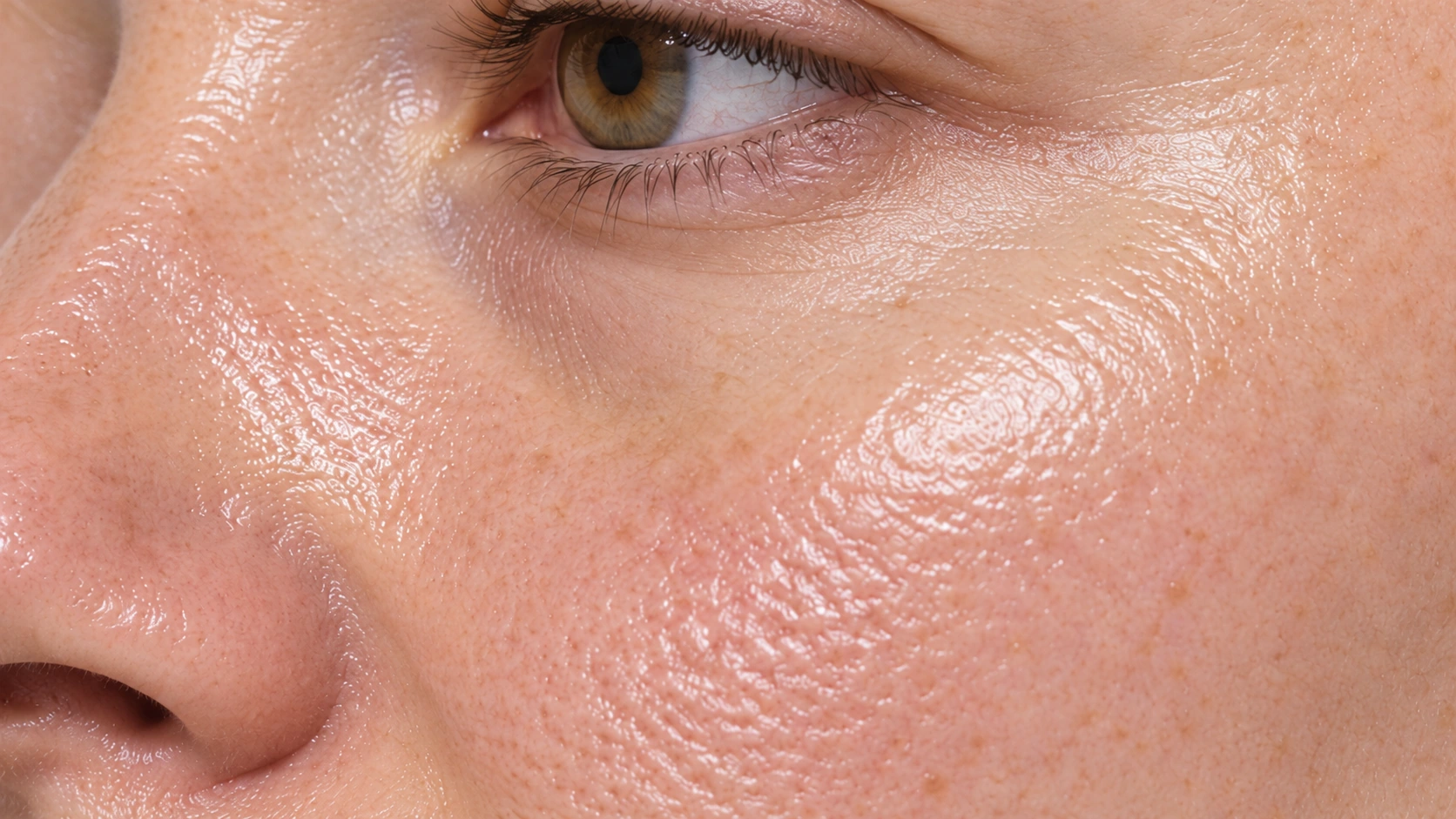
Poor fitIt leaves a light film by design. Oily skin turns shiny sooner and prefers the Foaming version.

Acne
Poor fitThe film that makes it comfortable is what some people clog under. If you are oily or breaking out, take the foaming version.
Non-comedogenic on a box is not regulated, so believe your skin over the label.
Feel & smell
What does it feel like?
Wash
A thin white lotion that barely foams.
It leaves a slight film once rinsed. That film is what makes it feel comfortable, and it is also what the congestion complaints trace back to. It does not sting or leave skin tight. It is fragrance-free and comes with a pump, easier to work with wet hands than a squeeze tube.
Cleansing
How Well Does It Cleanse?
More stripping
- Sodium Lauryl Sulfate (SLS)
- Sodium Cocoate
In between
- Sodium Laureth Sulfate (SLES)
Gentler
- PEG-40 Stearate
- Polysorbate 20
- Sodium Cocoyl Isethionate
- Sodium Cocoyl Glutamate
This formula: Lower stripping potential
A mild, non-foaming emulsion with glycerin. A good starting point for dry skin.
How to read this spectrum
Highlighted ingredients are in this cleanser; muted names are reference examples. These are broad ingredient tendencies, not a tested ranking. Families overlap. The formula estimate describes a dry, tight finish, not measured cleansing performance. The blend, concentration, pH, drying actives and how you wash affect dryness. Foam alone does not predict stripping.
Sources: Surfactant tolerability study · Mildness of surfactant blends
Inside the formula
What do the main ingredients do?


More ingredient roles
How this formula works.
Washing works through surfactants: molecules with a water-loving end and an oil-loving end. They surround the oil, dirt and sunscreen on your face and rinse the whole bundle away. A surfactant cannot tell grime from your own skin oil and the fats between your cells; a strong one takes all of it, and that is the tight, squeaky feeling.
Full clinical explanation
Washing works through surfactants: molecules with a water-loving end and an oil-loving end. They surround the oil, dirt and sunscreen on your face and rinse the whole bundle away. A surfactant cannot tell grime from your own skin oil and the fats between your cells; a strong one takes all of it, and that is the tight, squeaky feeling.
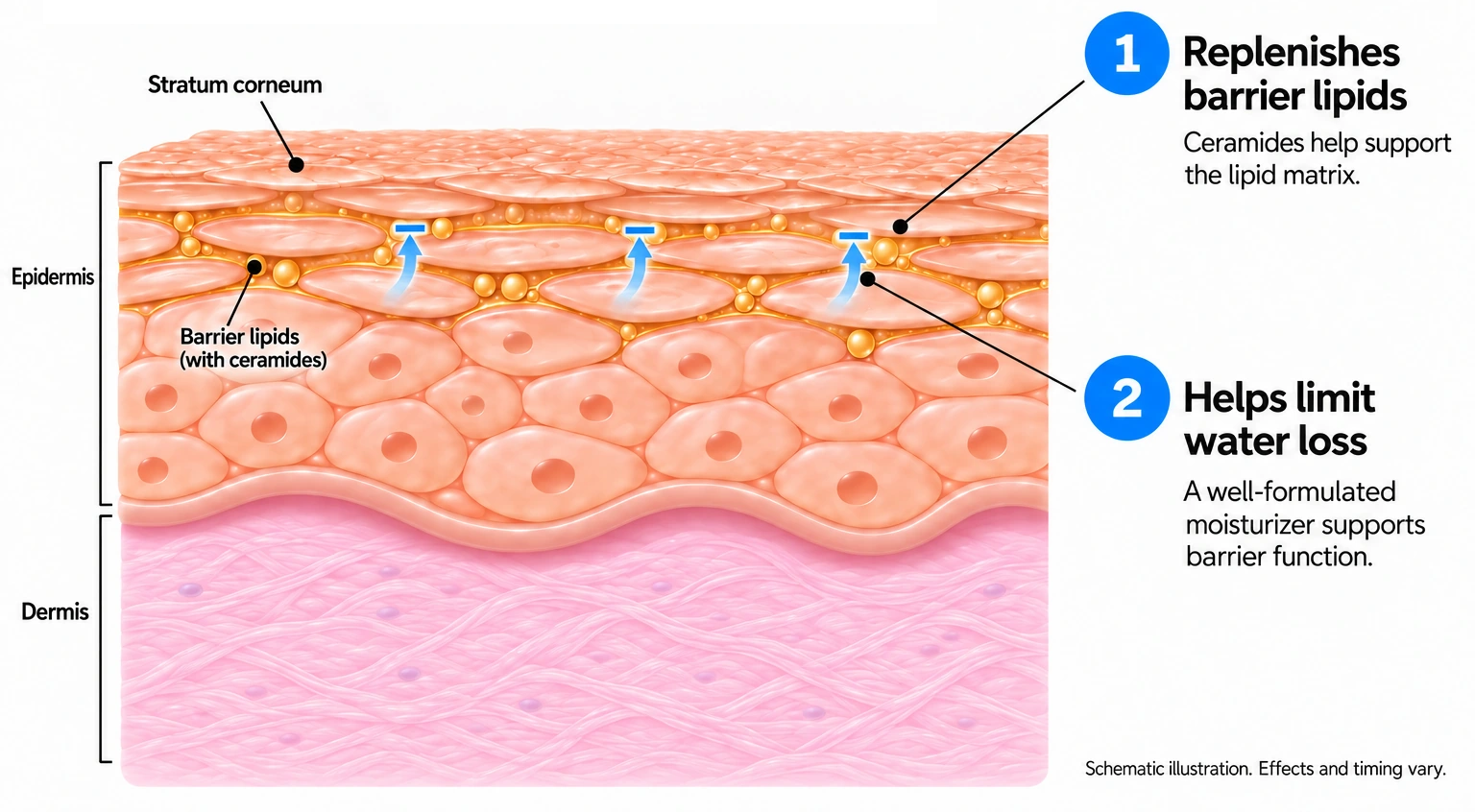
This one sits at the mild end on purpose. Non-ionic surfactants instead of sulfates take less, and it puts three ceramides, cholesterol and hyaluronic acid back on the way past. Very few cleansers leave the barrier better than they found it.
That mildness is also its limit. Water-resistant sunscreen needs more surfactant power than this has. Use it in the morning, or as the second cleanse after an oil at night.
Full ingredient list · 24 ingredients
Water, Glycerin, Cetearyl Alcohol, PEG-40 Stearate, Stearyl Alcohol, Potassium Phosphate, Ceramide NP, Ceramide AP, Ceramide EOP, Carbomer, Glyceryl Stearate, Behentrimonium Methosulfate, Sodium Lauroyl Lactylate, Sodium Hyaluronate, Cholesterol, Phenoxyethanol, Disodium EDTA, Dipotassium Phosphate, Tocopherol, Phytosphingosine, Xanthan Gum, Cetyl Alcohol, Polysorbate 20, Ethylhexylglycerin
All ingredient roles
Glycerin
A small humectant. It moves into the outer layer of skin and holds water there.
Cetearyl Alcohol
A fatty alcohol that softens skin and thickens the product. Despite the name, it is not drying.
Ceramide NP
One of the main fats between skin cells in the outer layer. It helps refill gaps in the barrier.
Ceramide AP
A second skin ceramide. It works with the others to rebuild the barrier.
Ceramide EOP
A long-chain ceramide that helps the barrier fats stack into tight, orderly layers.
Sodium Hyaluronate
A form of hyaluronic acid. Its molecule is large, so it stays on the surface and holds water there.
Cholesterol
A barrier fat that works alongside ceramides. The barrier needs both to repair well.
Phytosphingosine
A building block skin uses to make its own ceramides.
Cetyl Alcohol
Another fatty alcohol. It softens skin and gives the product body.
Water
The base the other ingredients are dissolved in. Most of it evaporates soon after the product goes on.
Potassium Phosphate
A buffer that keeps the product at a skin-friendly pH.
Carbomer
A thickener that gives the product its texture.
Behentrimonium Methosulfate
An emulsifier that also helps the product spread and feel smooth.
Sodium Lauroyl Lactylate
An emulsifier that helps hold the ceramides in the formula.
Phenoxyethanol
The preservative. It stops bacteria and mold from growing in the product.
Disodium EDTA
Binds minerals in the water so the preservative works better and the formula stays stable.
Dipotassium Phosphate
A second buffer that keeps the pH steady.
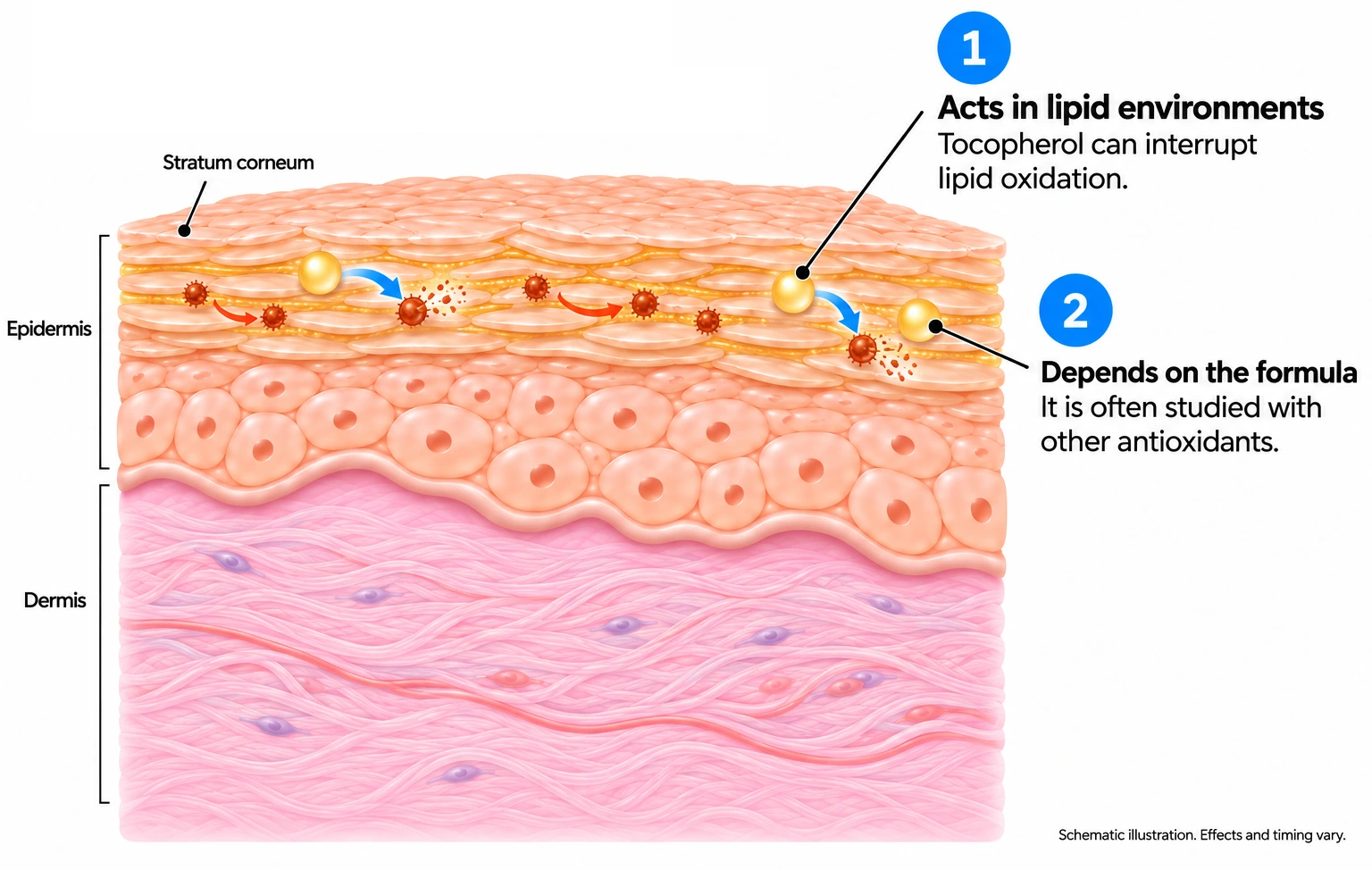
Tocopherol
Vitamin E, an antioxidant. Here it mainly keeps the oils in the product from going rancid.
Xanthan Gum
A thickener that keeps the texture even.
Ethylhexylglycerin
Helps the preservative work and softens the feel of the product.
Use & results
How to use it.
Every day
How much
A small amount massaged into damp skin for about twenty seconds, then rinsed with lukewarm water. Hot water strips more than the cleanser does.
Careful
It will not remove sunscreen. Without real surfactant strength it cannot lift a water-resistant film, so use an oil or balm cleanser first, then this.
In a routine
Layering
Moisturizer within a minute, while skin is still damp.
Over time
What to expect
Tightness after washing stops from the first use. Over-stripped skin settles over one to two weeks. If you start clogging under it, that is the film, and it will not settle.
Price spectrum
Where does the price fall?
Paying more doesn’t guarantee better results. A good buy is a formula with the right ingredients, strength and texture for your skin. Use price per ounce to compare cost, then weigh it against the pros and cons above.
The product line
Which CeraVe product should you choose?
CeraVe’s range includes basic moisturizers, cleansers and products with treatment ingredients. Ceramides are a recurring feature, but the formulas serve different purposes. Choose a plain cream for moisture, or a targeted formula when you also need an acne, roughness or other treatment active.
Hydrating Facial Cleanser
Creamy and non-foaming. The mildest, and it will not reliably take off sunscreen.
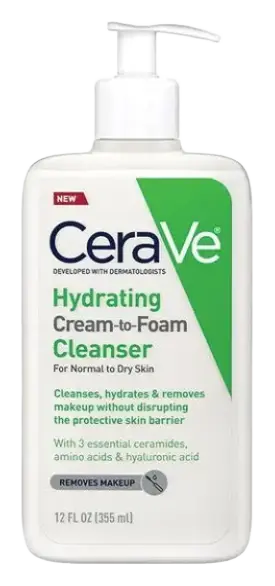
Hydrating Cream-to-Foam Cleanser
Cream that turns to a light foam. A middle step for dry skin.

Foaming Facial Cleanser
A true gel foam for normal to oily skin, and the one that removes sunscreen properly.
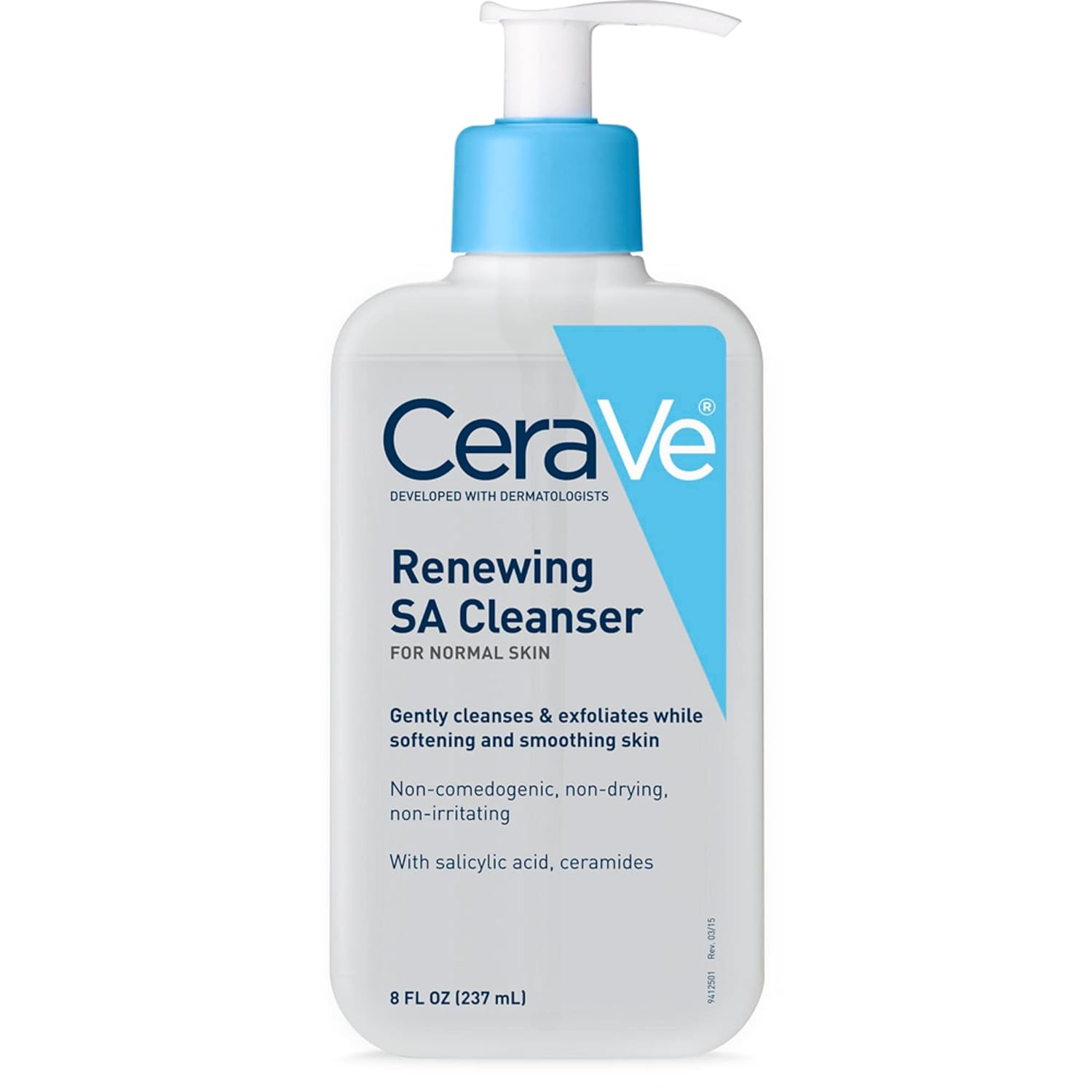
Renewing SA Cleanser
The same foaming idea with salicylic acid, for rough, bumpy texture.
More about the lineup
CeraVe's cleansers all carry the same three ceramides. What changes is how much they remove.
Alternatives
If it didn’t work for you

Vanicream Gentle Facial Cleanser
A short, fragrance-free list for skin that reacts to everything. Just as mild, same limits.

La Roche-Posay Toleriane Hydrating Gentle Cleanser
The same job at a higher price. Choose on which feels better.
CeraVe Foaming Facial Cleanser
The version for oily skin. Same ceramides, more cleansing power — too much if your skin is dry.
Questions
Before you buy
Will CeraVe Hydrating Facial Cleanser remove sunscreen?
Not reliably. With no strong surfactant it cannot fully remove water-resistant SPF.
Why doesn't CeraVe Hydrating Facial Cleanser foam?
It uses mild cleansers instead of sulfates. That is by design, not a fault.
Is CeraVe Hydrating Facial Cleanser good for dry skin?
Yes. Close to ideal, and it does not leave skin tight.
Is CeraVe Hydrating Facial Cleanser non-comedogenic?
The label says so, but the term is unregulated. Believe your skin.
Can I use CeraVe Hydrating Facial Cleanser just in the morning?
Yes, with a stronger cleanser at night if you wear sunscreen.
Is CeraVe Hydrating Facial Cleanser fragrance-free?
Yes.
Sources
Sources and further reading
- The Skin Barrier and Moisturization: Function, Disruption, and Mechanisms of Repair
- Gentle Cleansing and Moisturizing for Patients with Atopic Dermatitis and Sensitive Skin
- Moisturizers versus Current and Next-Generation Barrier Repair Therapy for the Management of Atopic Dermatitis
- CeraVe Hydrating Facial Cleanser
- Cleanser formula and drying potential
- Cleanser formulation and pH research
- Gel-to-cream texture example
- Cream-to-foam texture example
Keep exploring
Keep exploring.
La Roche-Posay Toleriane Hydrating Gentle Cleanser
CeraVe Foaming Facial Cleanser
Vanicream Gentle Facial Cleanser

Neutrogena Ultra Gentle Hydrating Facial Cleanser
CeraVe Renewing SA Cleanser

Cetaphil Daily Facial Cleanser

Differin Daily Deep Facial Cleanser
Acne
Dry Skin

Aveeno Calm + Restore Nourishing Oat Face Cleanser
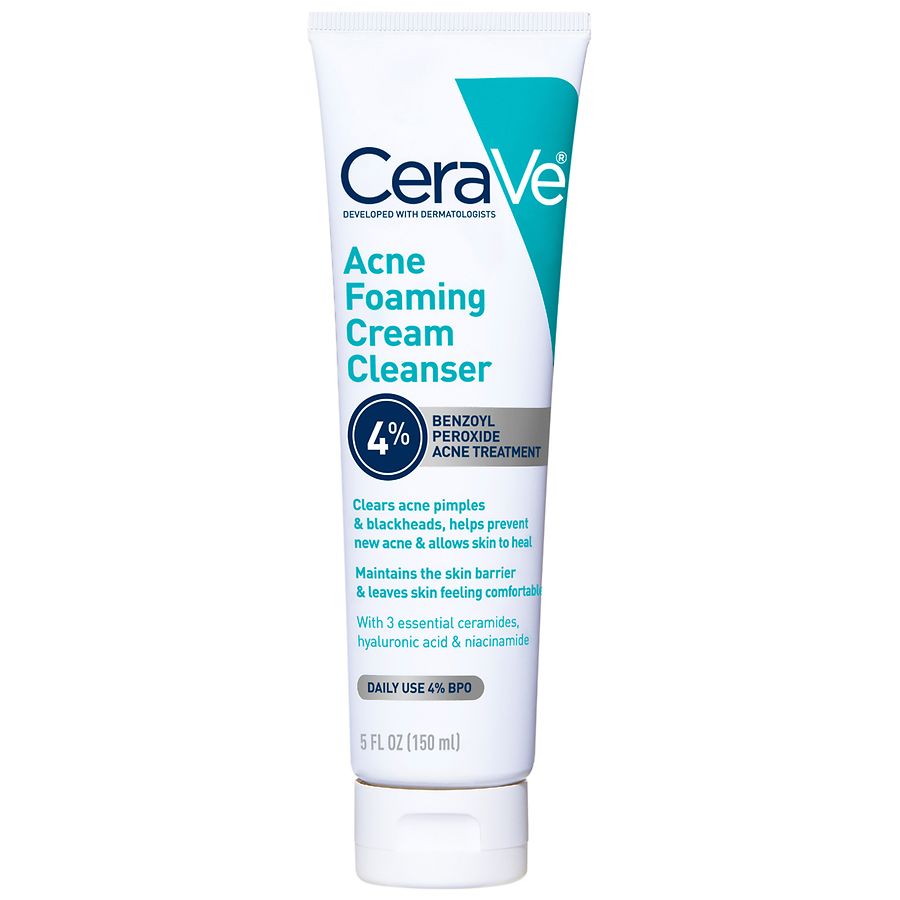
CeraVe Acne Foaming Cream Cleanser
