It freezes tissue.
Liquid nitrogen destroys selected tissue through freezing and thawing.
Cryotherapy: Liquid nitrogen is sprayed or dabbed onto a spot to freeze and destroy it. It is a standard treatment for warts, precancerous sun spots and some harmless growths. It commonly leaves a pale mark that does not fully come back.
Mohs Surgery: Skin cancer is removed one thin layer at a time, and each layer is checked under a microscope during the appointment before the next one is taken. It has the highest cure rate and removes the least normal skin, and it takes most of a day.
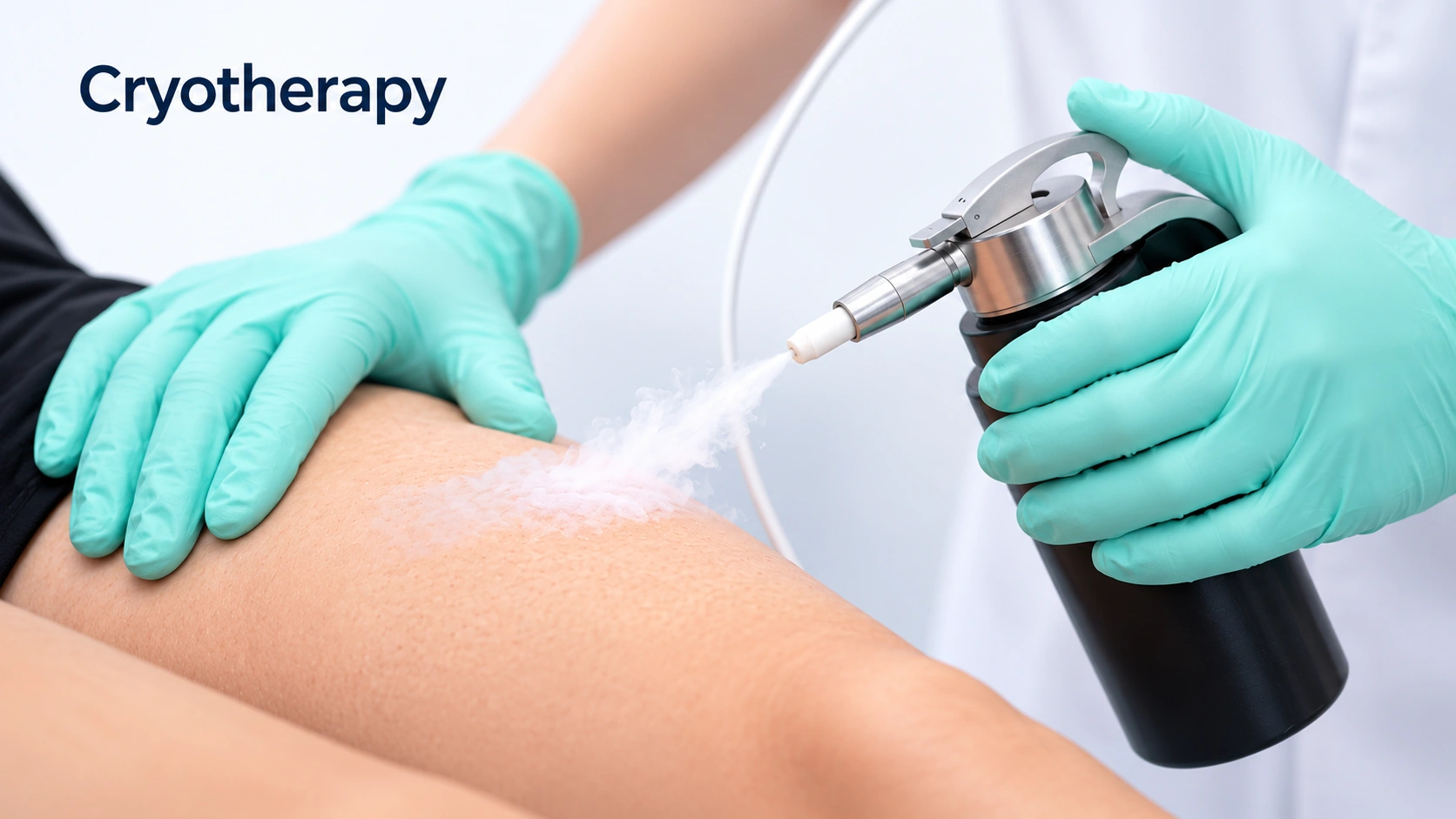
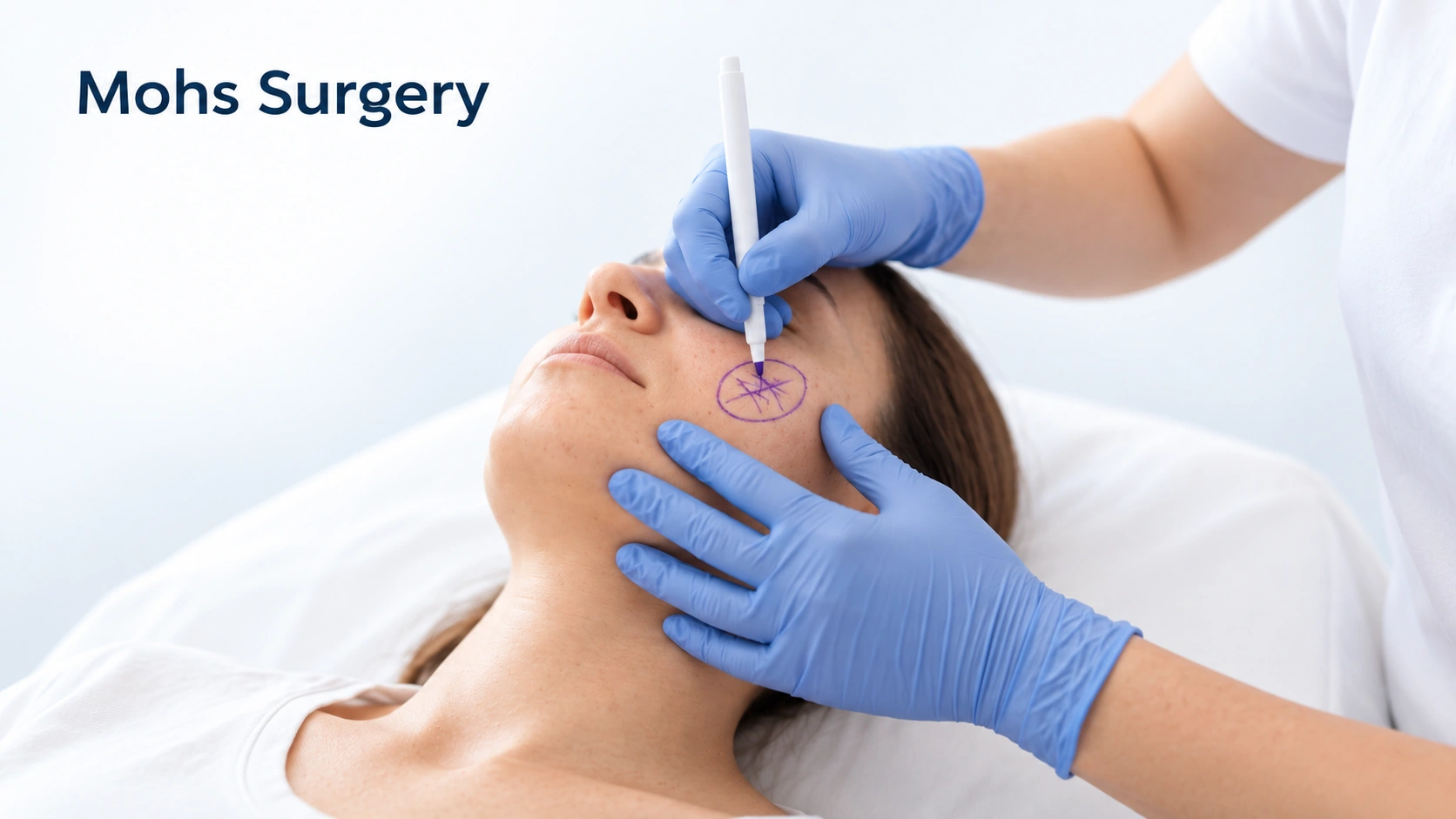
Choose for quick removal of warts, sun-damage spots or harmless growths — accepting a possible pale mark.
Choose for skin cancer on the face or other high-risk sites, where the highest cure rate and smallest scar matter most.
Can you have both?
They are used for very different problems. Cryotherapy is for precancerous spots and warts; Mohs is for skin cancers that need precise removal.
Liquid nitrogen destroys selected tissue through freezing and thawing.
It is used for benign or precancerous spots.
Nothing remains for microscopic examination.
A diagnosis is needed first.
Each layer is mapped and examined under the microscope.
Further tissue is removed only where cancer remains.
Type, size, site and recurrence determine suitability.
The final defect may exceed the visible lesion.
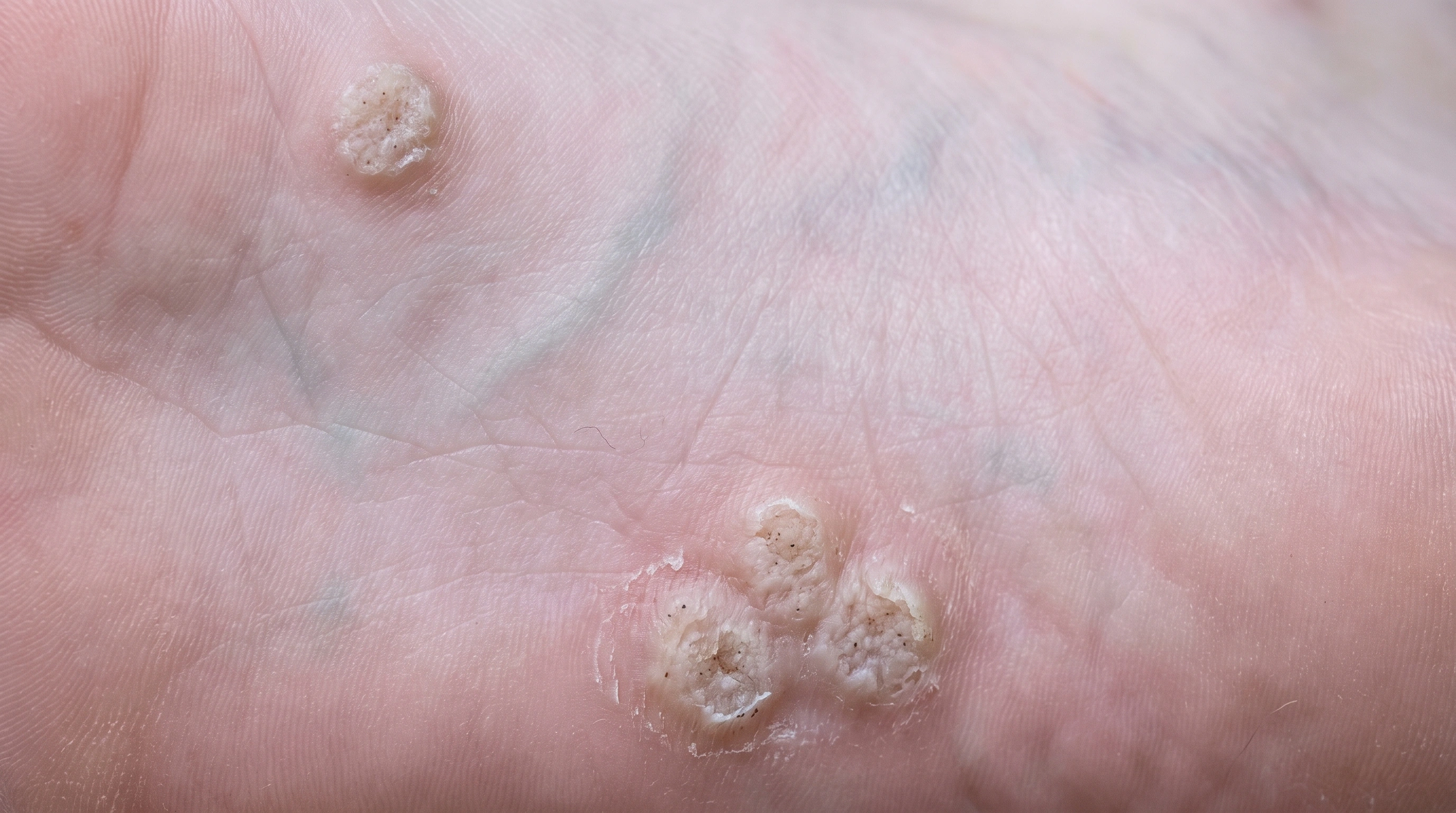
A first-line treatment.
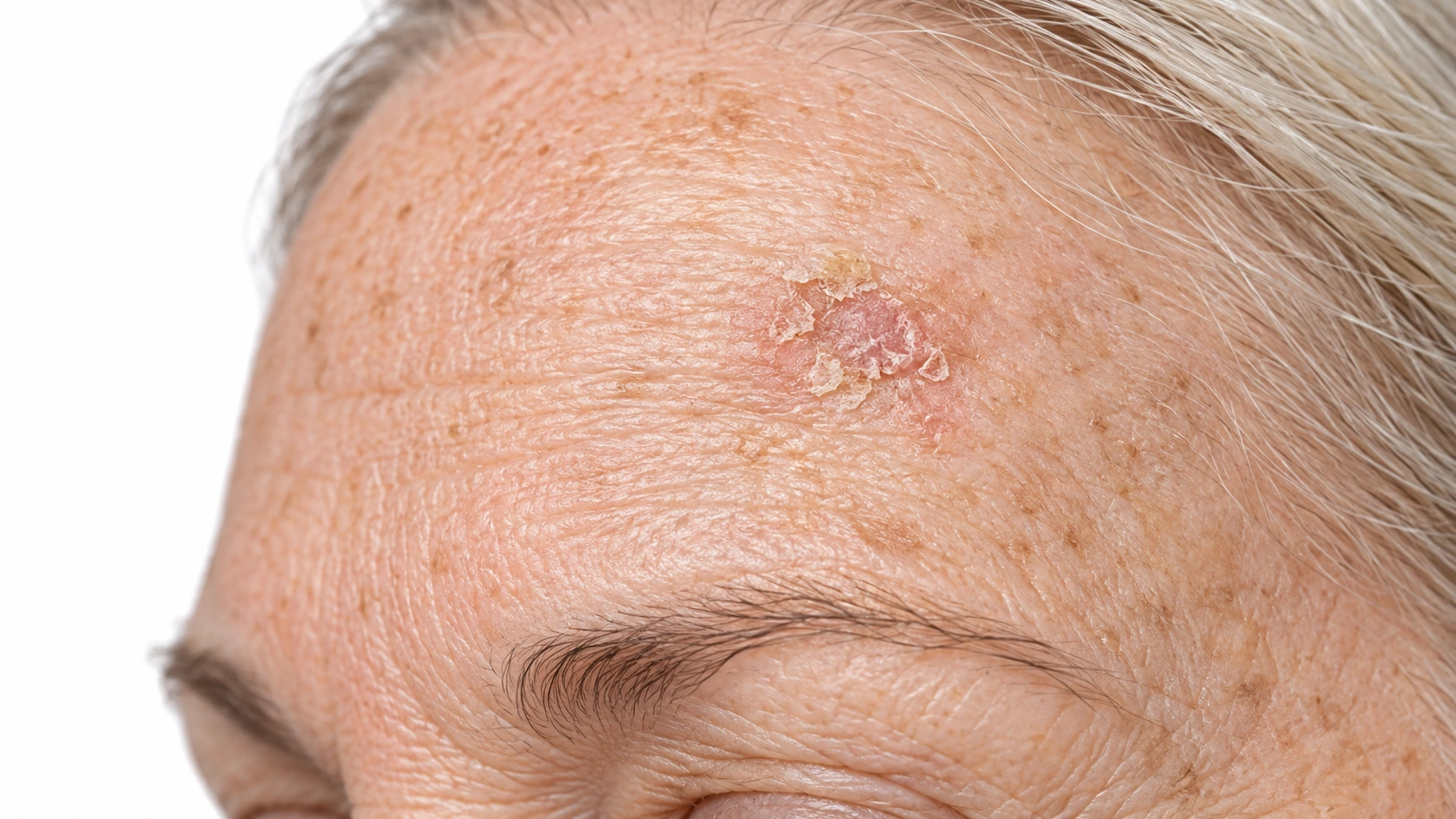
Clears precancers.
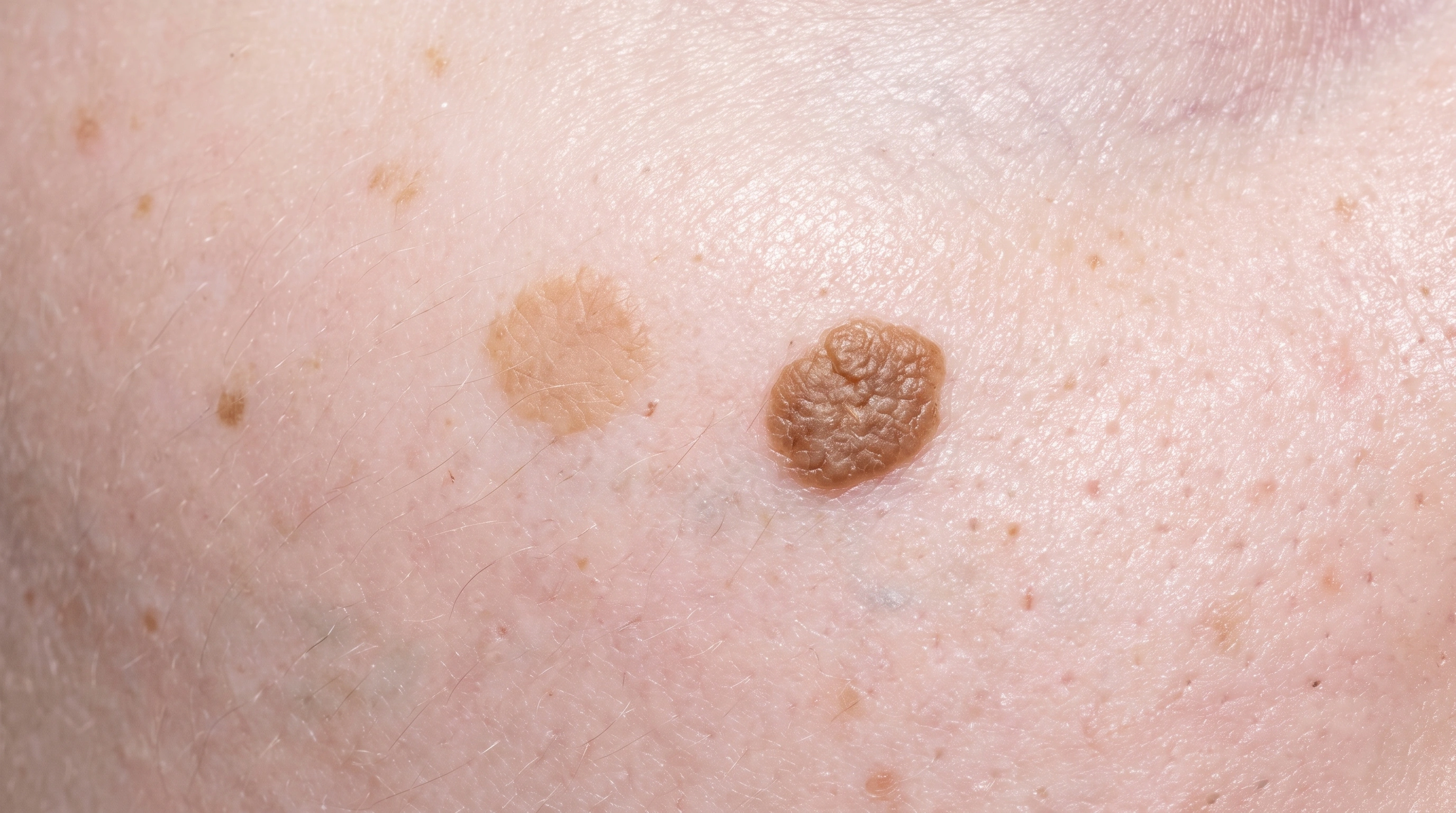
Removes growths.
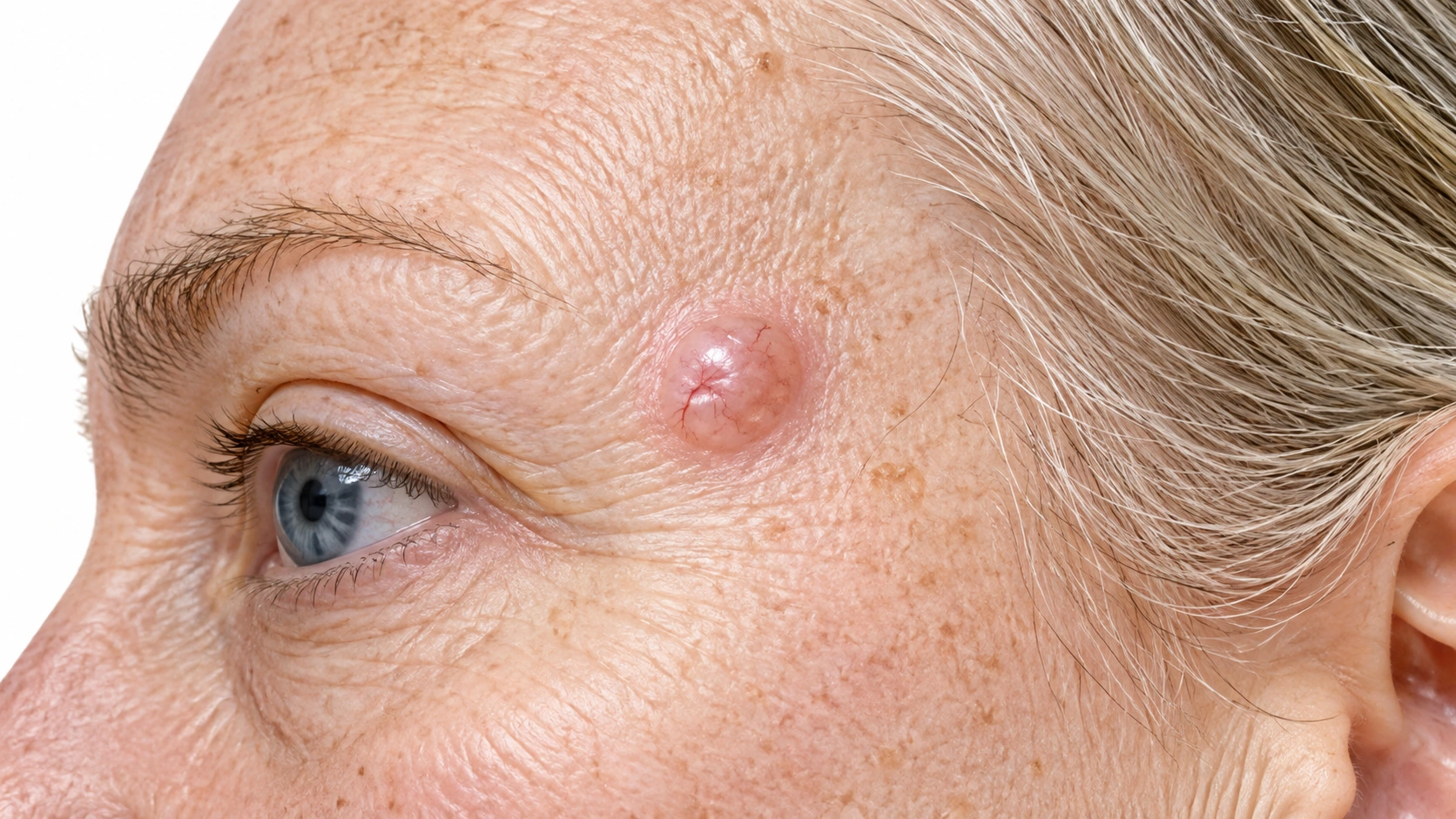
About 99% cure rate for first tumors.
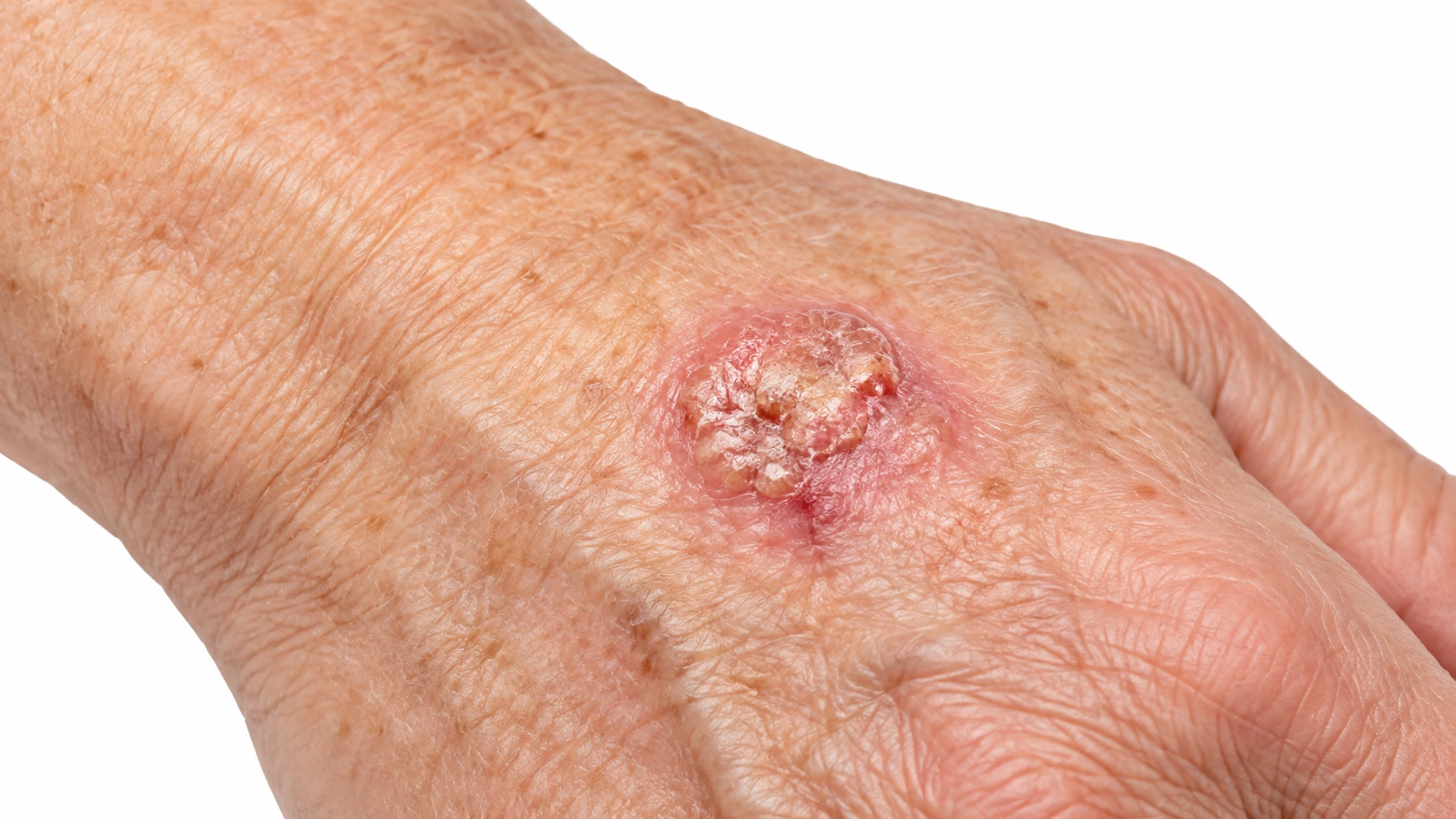
Precise removal on the face.
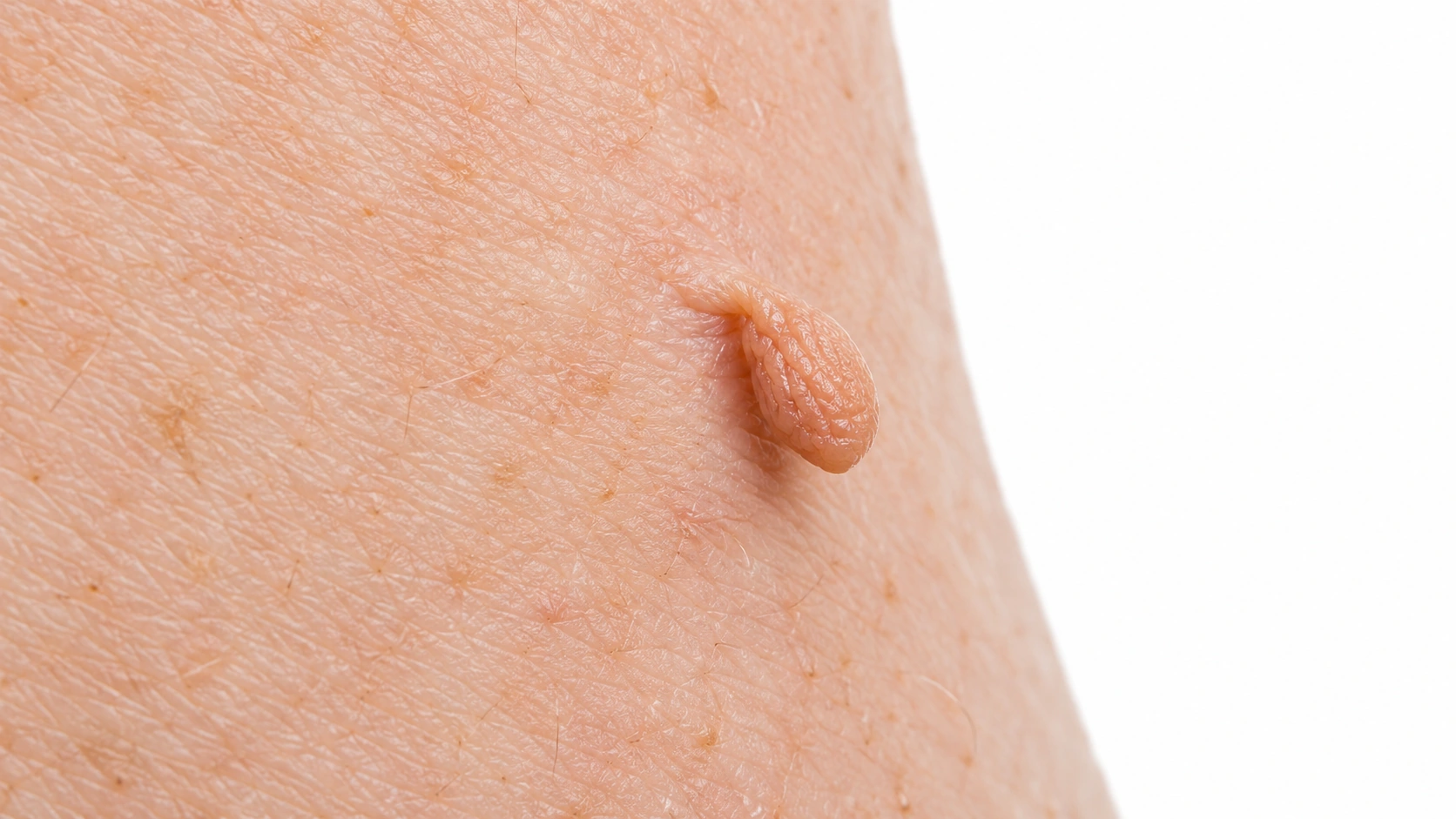
Freezes small tags.
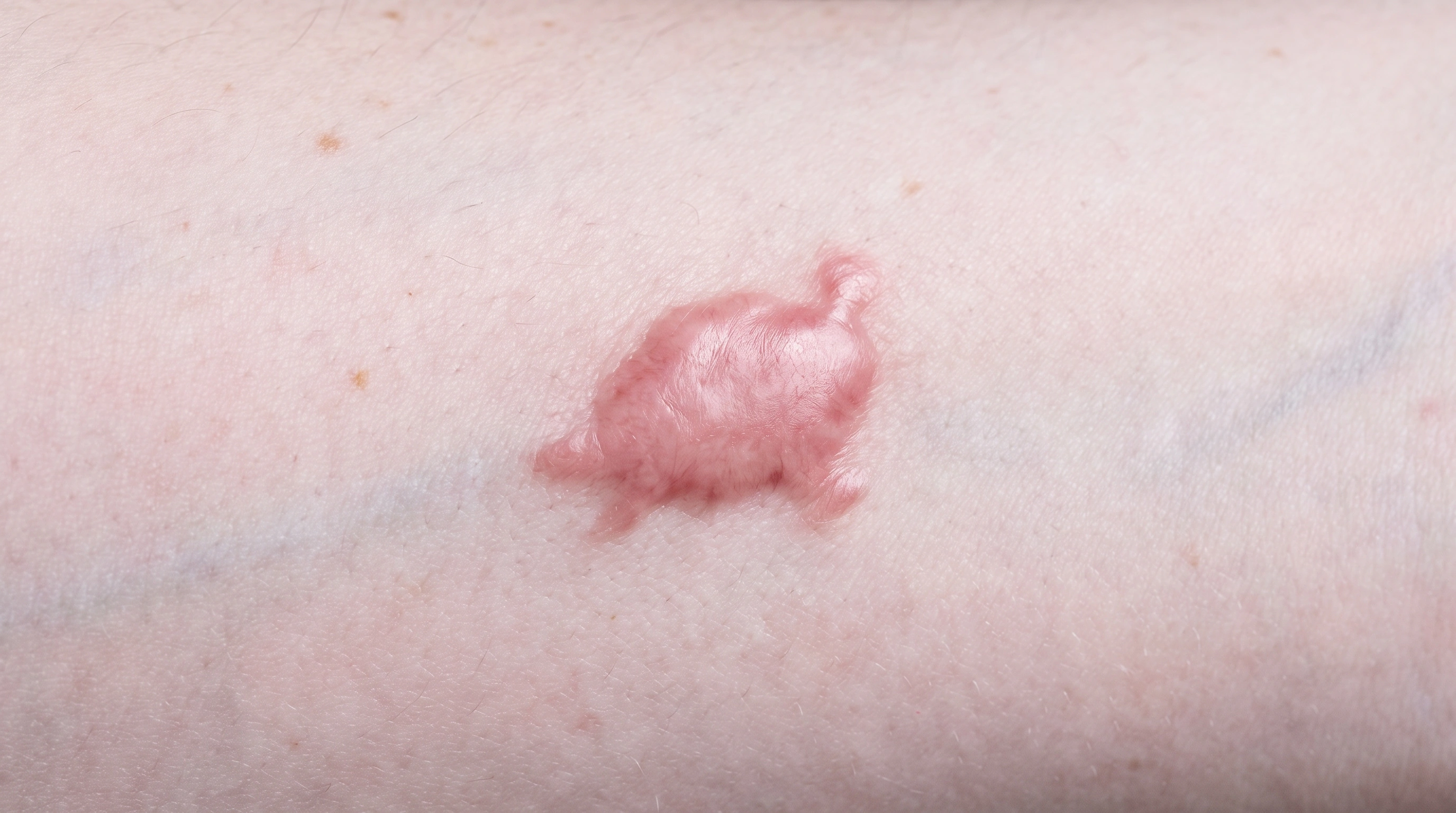
Injections work better.
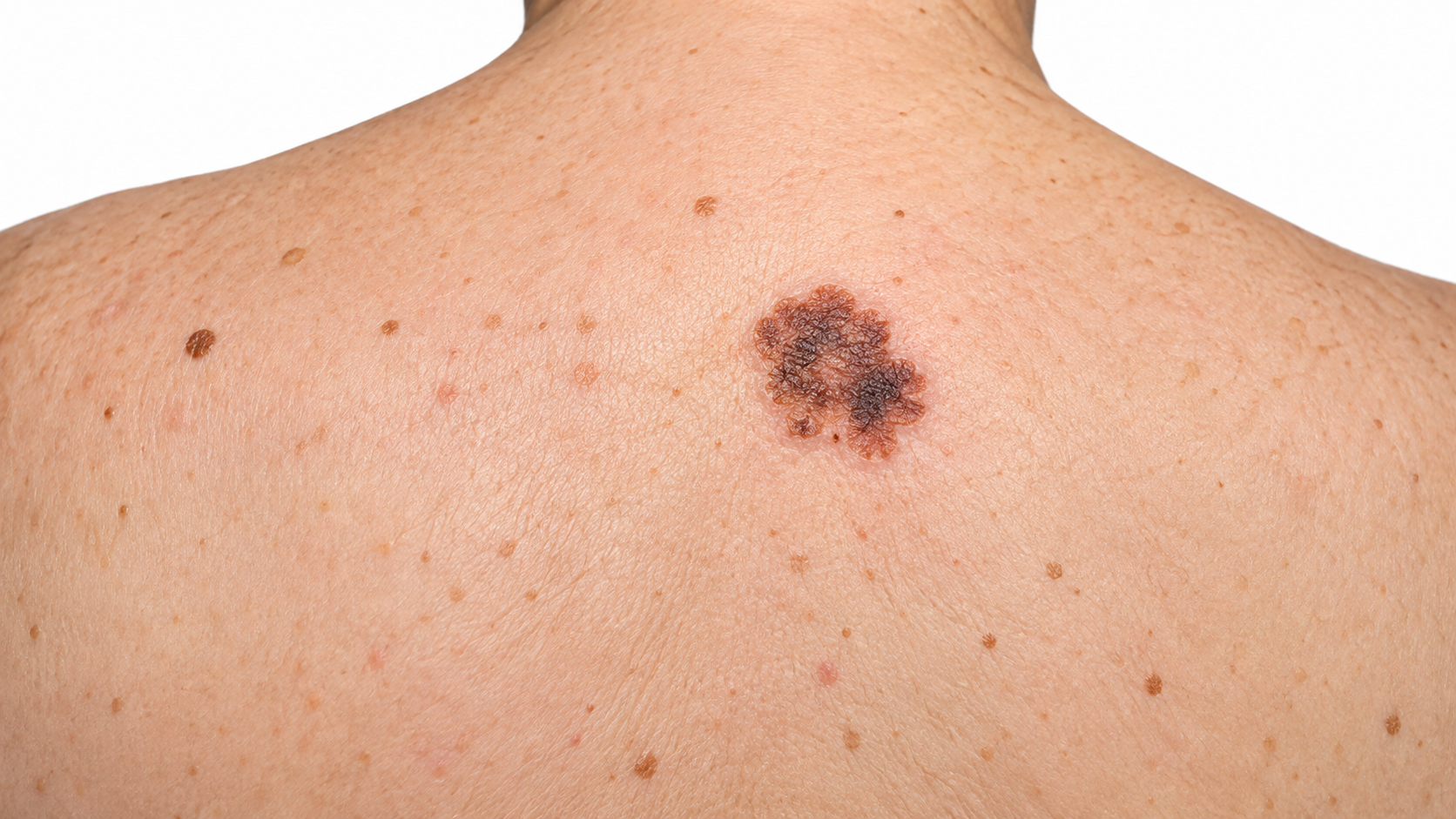
Needs excision.
Too much for precancers.
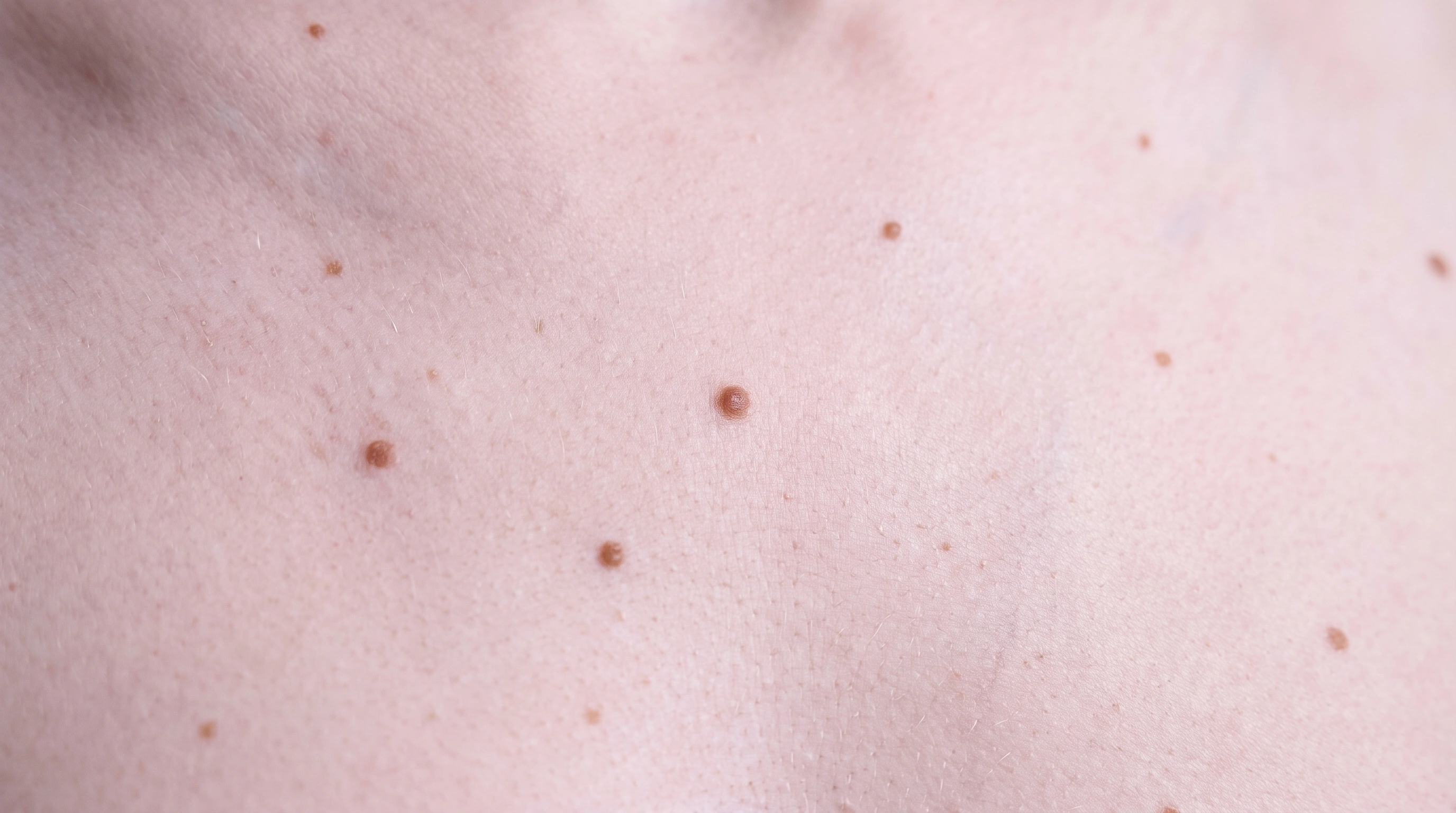
Not for benign moles.
The specific lesion, scar or affected patch determines the treatment site; there is no fixed body distribution.
The specific lesion, scar or affected patch determines the treatment site; there is no fixed body distribution.


A selected lesion is frozen: A clinician applies liquid nitrogen to the treatment area. Cold injures the tissue: A controlled freeze-thaw response damages the target. The treated area sheds and heals: A blister or crust may form; repeat treatment can be needed.
Schematic illustration. Technique and response vary. This explains a mechanism and does not specify treatment settings.
A thin tissue layer is removed: The surgeon removes visible cancer and a surrounding layer. Margins are mapped and examined: The tissue edges are checked under a microscope. Only involved areas are treated again: Stages continue as needed before planning wound repair.
Schematic illustration. Technique and response vary. This explains a mechanism and does not specify treatment settings.
A few days before: Thick warts: Soaking and filing the wart with a pumice stone or emery board helps the freeze reach the wart, not the callus on top.
Ask your provider: Several spots: If more than one spot is planned, ask to start with one and see how the skin heals.
Supplements and alcohol: Blood-thinning supplements you do not need, such as fish oil, vitamin E and ginkgo, are commonly stopped about a week before, and alcohol the night before.
Smoking and vaping: Stop from at least a week before through the first two weeks after if you can.
Eat, dress and plan: Eat a normal breakfast and take your usual morning medicines unless told otherwise.
The spot is examined first — the most important part of the visit.
The site is confirmed against the biopsy report and photographed, and you will be asked to point to the spot yourself.
Liquid nitrogen is sprayed or dabbed on until a white frozen halo covers the spot and a small margin.
A sun spot takes seconds; a wart takes longer and is usually thawed and frozen again the same visit. It burns and stings, peaking as the skin thaws, then aches for a few hours. Fingertips, toes, soles and ears are sorest. Brief and unpleasant, not severe.
The surgery: The tumor and a narrow margin come out in minutes.
The surgery: You then wait 45 minutes or more while the tissue is frozen, sectioned and read. If tumor remains at a mapped edge, another layer is taken there only; most finish in one to three stages. The wound is then closed with stitches, a flap or a graft, or left to heal, in 30 to 90 minutes. The injections sting; nothing else does.
Red, swollen and tender, sometimes blistering within the hour.
A firm pressure dressing stays on 24 to 48 hours, with written wound-care instructions and a suture removal appointment.
Days 1 to 3: A clear or blood-filled blister is expected, not a sign anything went wrong.
First 24 to 48 hours: Keep the dressing dry and in place, your head elevated including overnight, and ice over the dressing in short spells.
Days 4 to 14: The blister dries into a dark crust with the growth on top, and lifts off on its own over one to two weeks.
Days 2 to 14: Bruising and swelling are worst around day two and can spread around the eyes.
Weeks 2 to 8: New skin is pink and delicate.
Week 2 to Month 12: The scar becomes a hard, raised, pink ridge.
1–3 weeks
Same day
Permanent for growths; warts may need repeats
About 99% cure for first basal cell cancers
Cosmetic prices vary a lot and are usually quoted per lesion or per visit, cheaper per spot when several are done at once.
Mohs is the most expensive of the standard skin cancer treatments, and the day shows why: a surgeon who is also reading the pathology, a laboratory and technician in the building, and hours of appointment time.
In the US, freezing warts and precancerous sun spots is billed as medical treatment, so you pay your copay or whatever the deductible has not covered.
It is generally covered by health insurance when the tumor meets accepted criteria for Mohs, which is why the location, size and subtype are documented before it is booked.
Often. Pigment cells die at milder cold than the growth, so most effective freezes take some color out. Some returns over months; a good part does not. The mark is usually a little wider than the spot and stands out far more on deeper skin tones — worth discussing before you agree.
No. Freezing destroys the tissue without a diagnosis, so a skin cancer can heal over at the surface while it keeps growing underneath. Anything pigmented, new or changing gets examined and sampled, and moles that need removing are cut out and sent to a laboratory. Same for at-home freezing and mole removal pens.
A sharp burning sting for ten to thirty seconds during the freeze and the thaw, then an ache for a few hours. Fingers, toes, soles and ears are worst. Brief and genuinely unpleasant rather than severe, and ordinary painkillers are enough.
Normal, and it is how the treatment works — the skin separates and lifts the growth off with the blister roof. Leave it alone and cover it. If it is large, tense and painful, the clinic can drain it, which beats tearing the roof off yourself.
Usually several, every two to four weeks. Many clear over three to six treatments, some need more, and some never respond. Salicylic acid at home in between improves the odds. If nothing has changed after three or four sessions, ask about a different approach.
No. They use a propellant gas much warmer than liquid nitrogen and harder to aim, so they are weaker on thick and plantar warts. They can still blister and leave a pale mark. Not for the face, and never on a mole or an unexamined spot.
Mostly waiting. Removing a layer takes minutes; freezing, slicing, staining and reading it under a microscope takes 45 minutes to well over an hour, and that happens once for every stage. One to three stages plus a repair fills most of a day.
No — Mohs is done under local anesthetic while you are awake. You will be numb but able to talk, eat between stages and walk to the waiting room. General anesthesia is used only in unusual cases.
Not knowable in advance, which is uncomfortable and honest. The wound ends up as large as the tumor's roots turn out to be. Mohs removes less normal skin than any other method, so the wound is usually smaller than an excision would have produced for the same tumor, and a tumor that looked like a small spot on the surface can still be considerably wider underneath.
Not unless the doctor who prescribed it tells you to. Blood thinners are usually continued through Mohs. Extra bleeding during surgery is manageable; a stroke or a clot is not.
Location, mainly. On the face there is little spare skin and recurrence rates are higher, so removing the least tissue with the highest certainty is worth the time and the cost. On the back a straightforward excision achieves the same result more simply. Size, an aggressive subtype under the microscope, unclear borders and a tumor that has come back before all push toward Mohs anywhere on the body.
Almost certainly, and follow-up still matters. Cure at 5 years for a previously untreated basal cell carcinoma is commonly quoted around 99 percent. The bigger reason to keep coming back is that having had one skin cancer makes a new one elsewhere substantially more likely.