Compare · Ingredients

Niacinamide vs Vitamin C

Niacinamide supports the skin barrier and calms redness. Vitamin C is an antioxidant that helps even tone and works alongside sunscreen. They can be used together; the existing guides do not support the claim that they cancel each other out.

Reviewed by Dr. Schwarz, Board-Certified Dermatologist

At a glance

Six niacinamide products on white, including The Ordinary 10% + Zinc 1%, Paula's Choice Booster and EltaMD UV Clear
NiacinamideA form of vitamin B3 that calms redness and repairs the barrier. A supporting ingredient for acne, not a treatment on its own.
Six vitamin C products on white, including La Roche-Posay, L'Oréal Revitalift, CeraVe, Vanicream, bliss and Olay
Vitamin CThe morning antioxidant that evens tone and backs up sunscreen. It works, and it goes off fast.
Type
Vitamin B3
It is an antioxidant.
What it does
Calms redness, supports the barrier and evens tone
The morning antioxidant that evens tone and backs up sunscreen.
Usual strength
2–10% (5% is best studied)
L-ascorbic acid serums usually range from 10% to 20%. Stronger isn't always better: above 20%, irritation rises without more benefit.
Irritation
Low; 10% can flush some people
A sting for a minute or two is common with pure L-ascorbic acid at a low pH. If it lasts longer, or you go red, drop the percentage or switch to a derivative such as sodium ascorbyl phosphate.
Time to results
4–8 weeks
Weeks 8 to 12 · Working: Patchy pigment and marks from old spots lighten gradually with daily sunscreen.
When to use
Morning or night
In the morning, on clean dry skin, before moisturizer and sunscreen, because it works alongside sunscreen against the damage daylight causes. A few drops covers the face; give it a minute before the next layer.
Sensitive skin
Usually well tolerated
Rosacea · Can make it worse · Low pH can sting sensitive skin.
Pregnancy
Generally considered safe
Not stated in existing content
Available
Over the counter
Not stated in existing content

Best for each concern

Acne
Moderate evidenceCalms inflammation and oil.
Not listed
Uneven Skin Tone
Moderate evidenceEvens tone and dark spots.
Moderate evidenceBrightens and evens tone.
Wrinkles and Fine Lines
Not listed
Moderate evidenceSupports collagen with daily use.
Rosacea
Limited evidenceSupports the barrier and reduces redness.
Can make it worseLow pH can sting sensitive skin.
Enlarged Pores
Limited evidenceMay make pores look smaller.
Not listed
Sun Spots
Not listed
Limited evidenceGradual fading.
Melasma
Little evidenceModest help, not enough on its own.
Not listed
Deep Wrinkles
Not effectiveNo effect on deep lines.
Not listed
Acne Scarring
Not listed
Not effectiveDoesn't change indented scars.

Strength of evidence for each concern, from each ingredient's own guide.
Conditions Treated
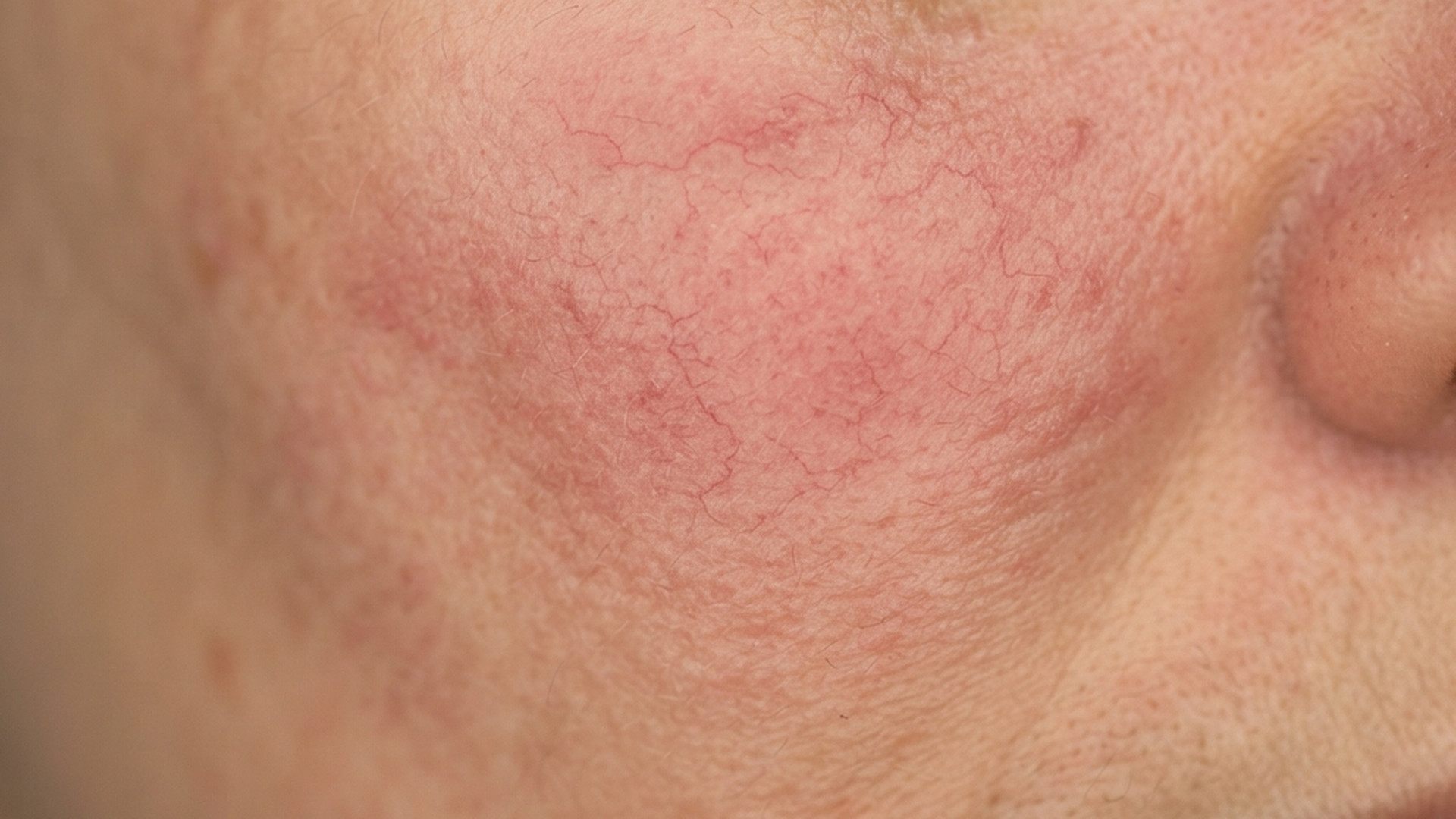
Close-up of a cheek with pink flushing and fine visible red blood vessels beside the nose
Rosacea
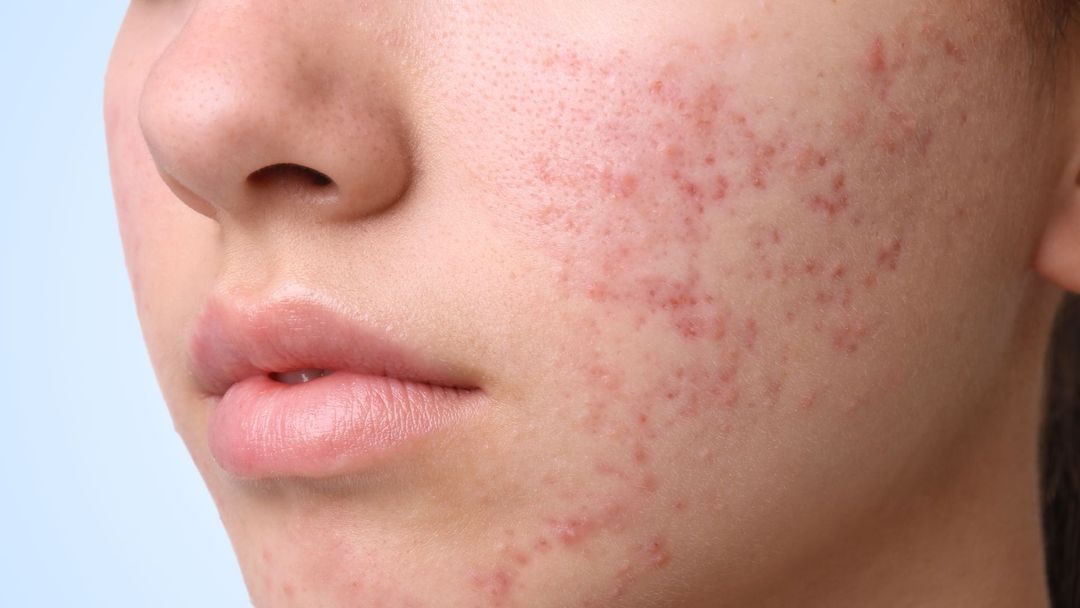
Close-up of the lower cheek, mouth and jaw of a young person with light skin, turned three-quarters away from the camera against a pale blue background. Scattered flat pink-red marks cover the cheek and run down towards the jaw. The skin surface is smooth and even, with no raised spots and no change in texture.
Post-Inflammatory Redness
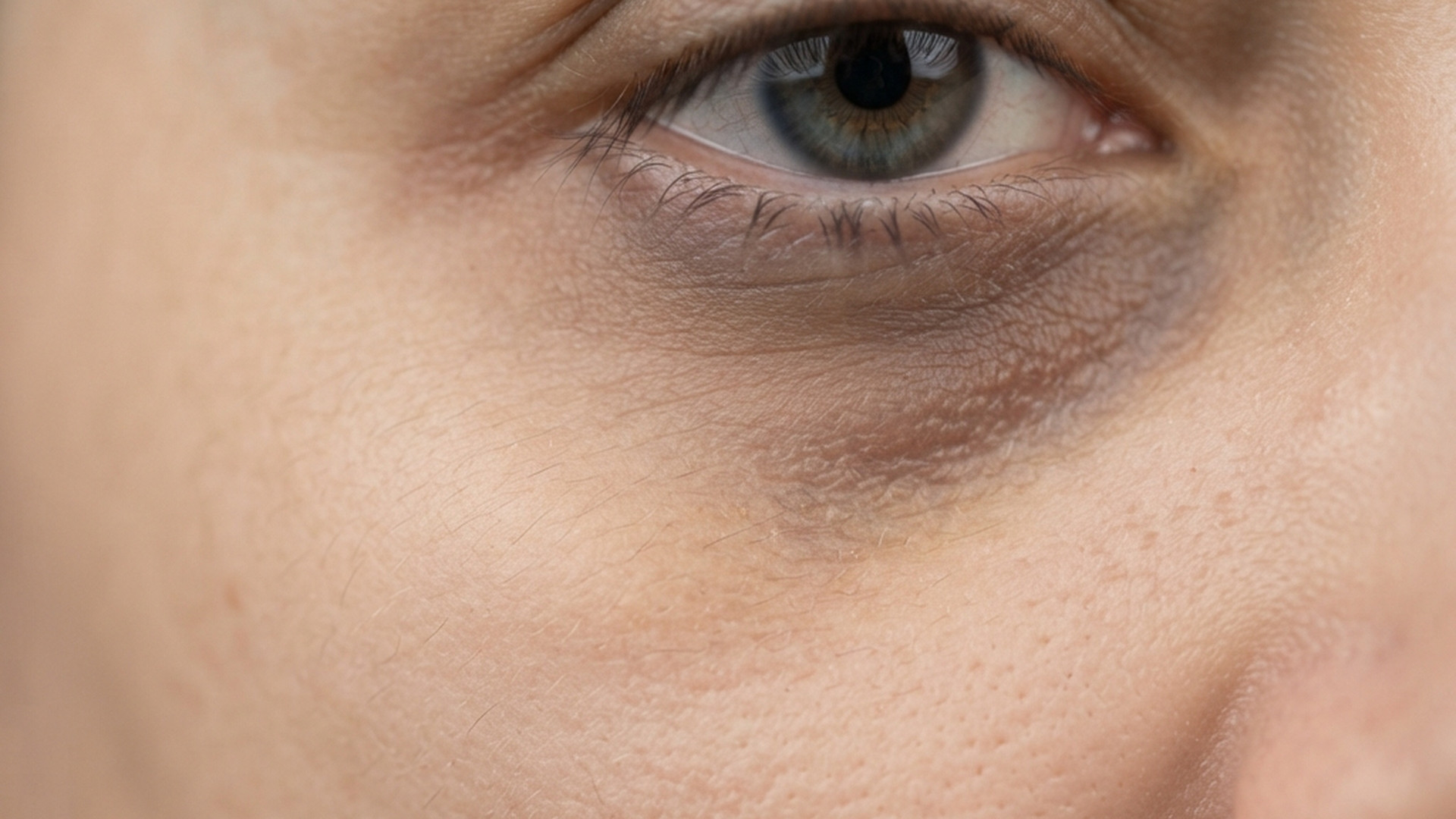
16:9 hero for Dark Circles Under the Eyes. Never cropped: the tone strip and the corner logo depend on the full frame.
Dark Circles Under the Eyes
Close-up of the lower cheek, nose and mouth of a young person with medium-brown skin, turned three-quarters away from the camera against a pale blue background. Scattered flat dark brown marks are spread across the cheek, with a few small raised spots still active among them.
Post-Inflammatory Hyperpigmentation
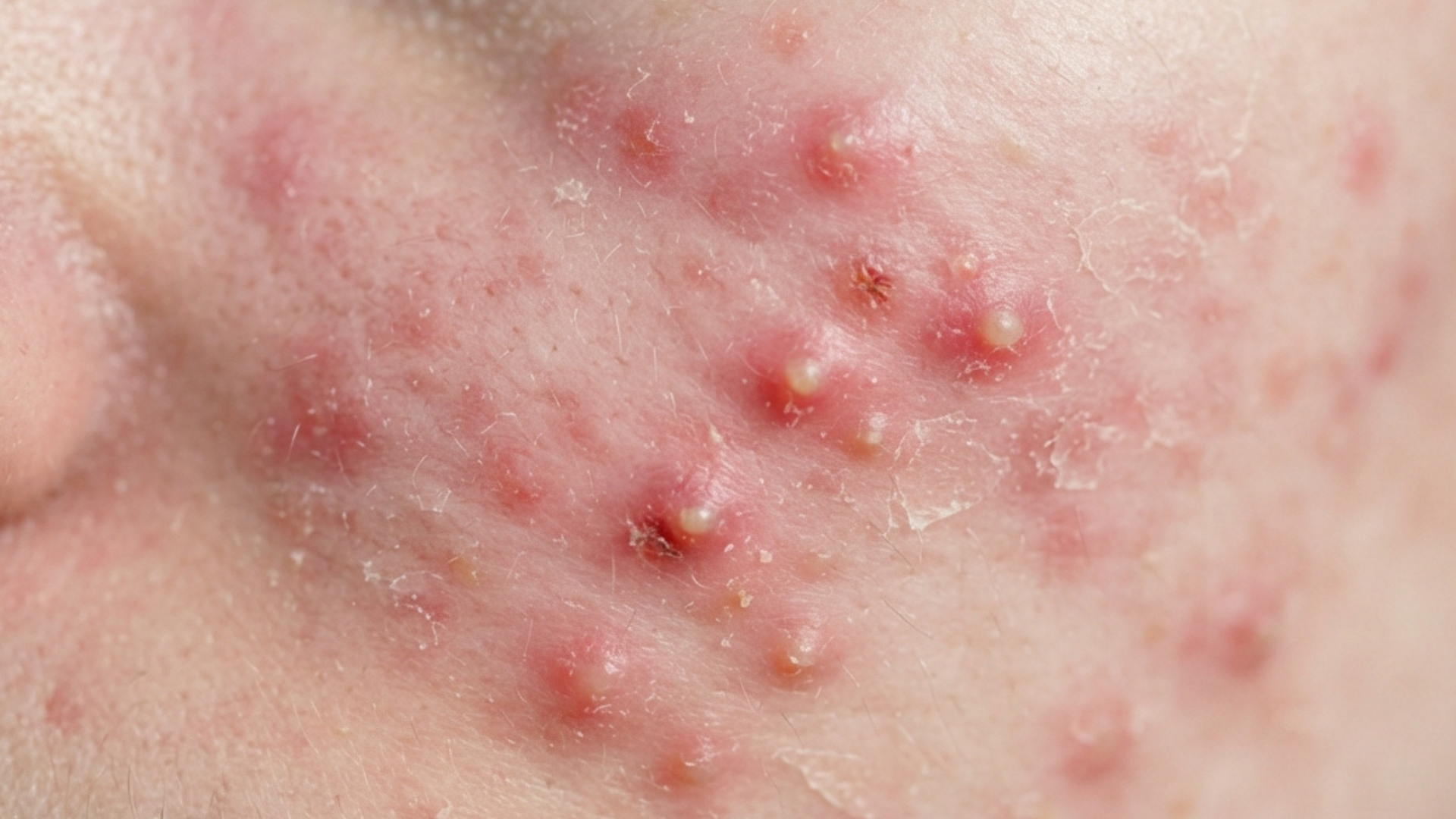
Close-up of a cheek with inflamed acne. Raised pink-red bumps, a few with yellow-white heads, sit in a patch of redness, and the skin between them is dry and flaking.
Acne
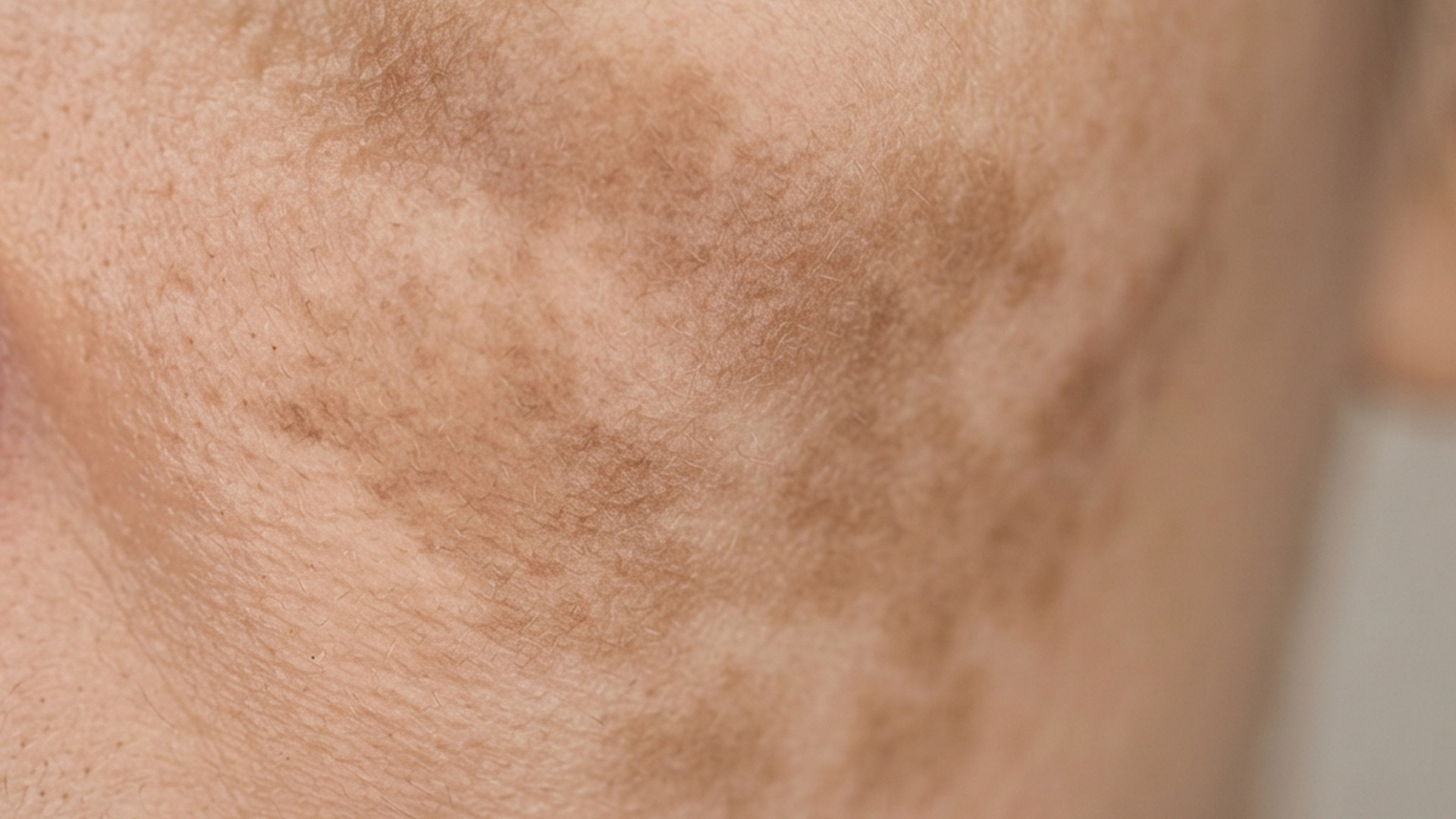
16:9 hero for Melasma. Never cropped: the tone strip and the corner logo depend on the full frame.
Melasma
16:9 hero for Sun Spots (Solar Lentigines). Never cropped: the tone strip and the corner logo depend on the full frame.
Sun Spots (Solar Lentigines)
16:9 hero for Wrinkles and Fine Lines. Never cropped: the tone strip and the corner logo depend on the full frame.
Wrinkles and Fine Lines
16:9 hero for Dark Circles Under the Eyes. Never cropped: the tone strip and the corner logo depend on the full frame.
Dark Circles Under the Eyes
16:9 hero for Wrinkles and Fine Lines. Never cropped: the tone strip and the corner logo depend on the full frame.
Wrinkles and Fine Lines
Close-up of the lower cheek, nose and mouth of a young person with medium-brown skin, turned three-quarters away from the camera against a pale blue background. Scattered flat dark brown marks are spread across the cheek, with a few small raised spots still active among them.
Post-Inflammatory Hyperpigmentation
16:9 hero for Sun Spots (Solar Lentigines). Never cropped: the tone strip and the corner logo depend on the full frame.
Sun Spots (Solar Lentigines)
16:9 hero for Melasma. Never cropped: the tone strip and the corner logo depend on the full frame.
Melasma

How each works

Depth
SurfaceBarrierEpidermisDermis
How niacinamide works. Reaches the epidermis.

Gets in: Easily. Niacinamide → NAD+, a molecule cells use for energy and repair.

Step by step
  1. It goes on. Niacinamide is a form of vitamin B3.
  2. It enters cells. It moves easily into skin cells.
  3. It boosts the barrier. It increases ceramides and calms redness.
  4. It blocks pigment transfer. It reduces the transfer of pigment to skin cells. Evens tone
SurfaceBarrierEpidermisDermis
How vitamin C protects and brightens. Reaches the dermis.

Gets in: Slightly. L-ascorbic acid is already active. It needs a low pH to get in.

Step by step
  1. It goes on. Vitamin C serum is acidic.
  2. It passes the barrier. Low pH helps it into the skin.
  3. It fights free radicals. It neutralizes damage from sunlight.
  4. It supports collagen. It is needed to build collagen. Use under sunscreen
Diagrams
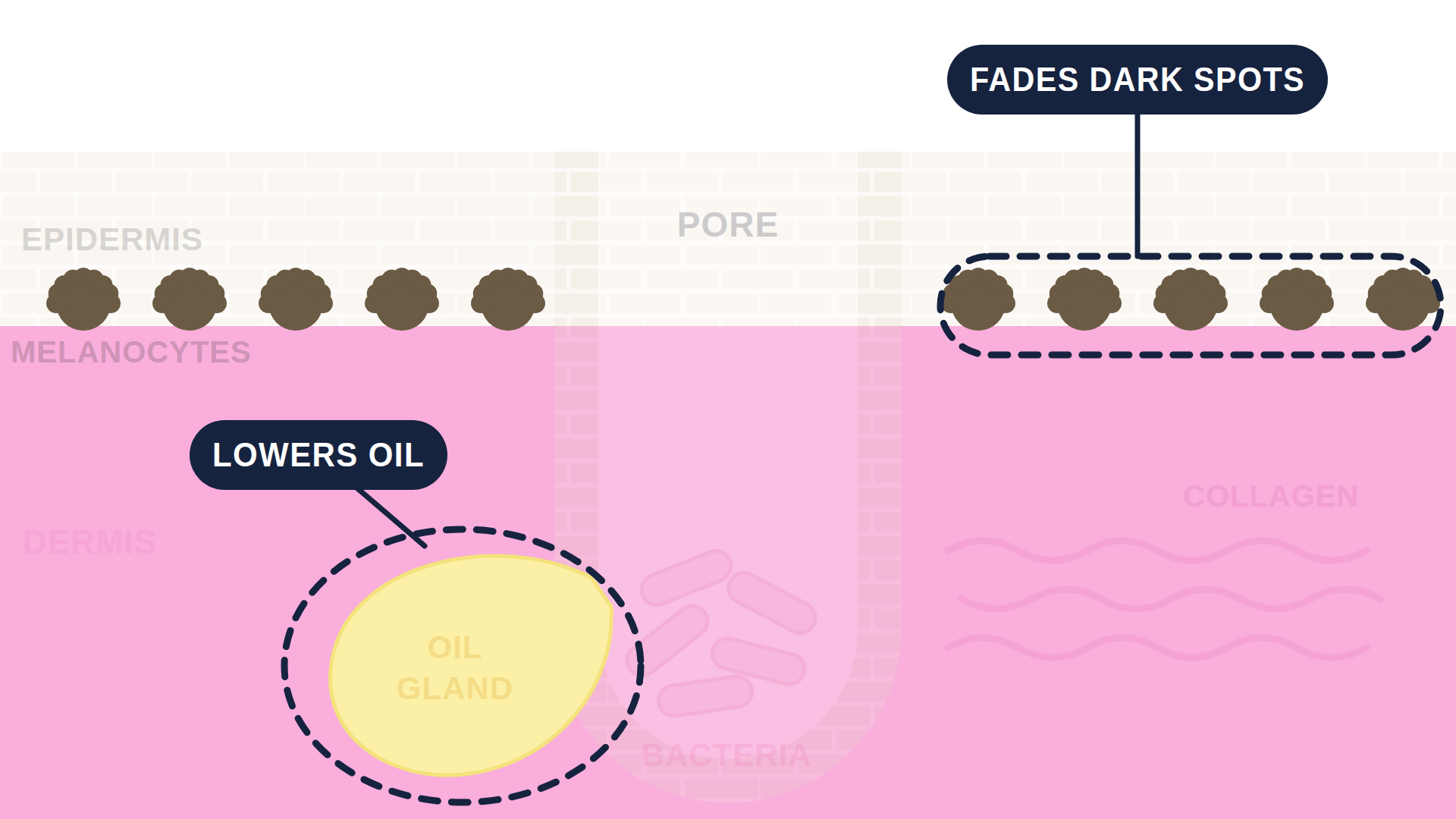
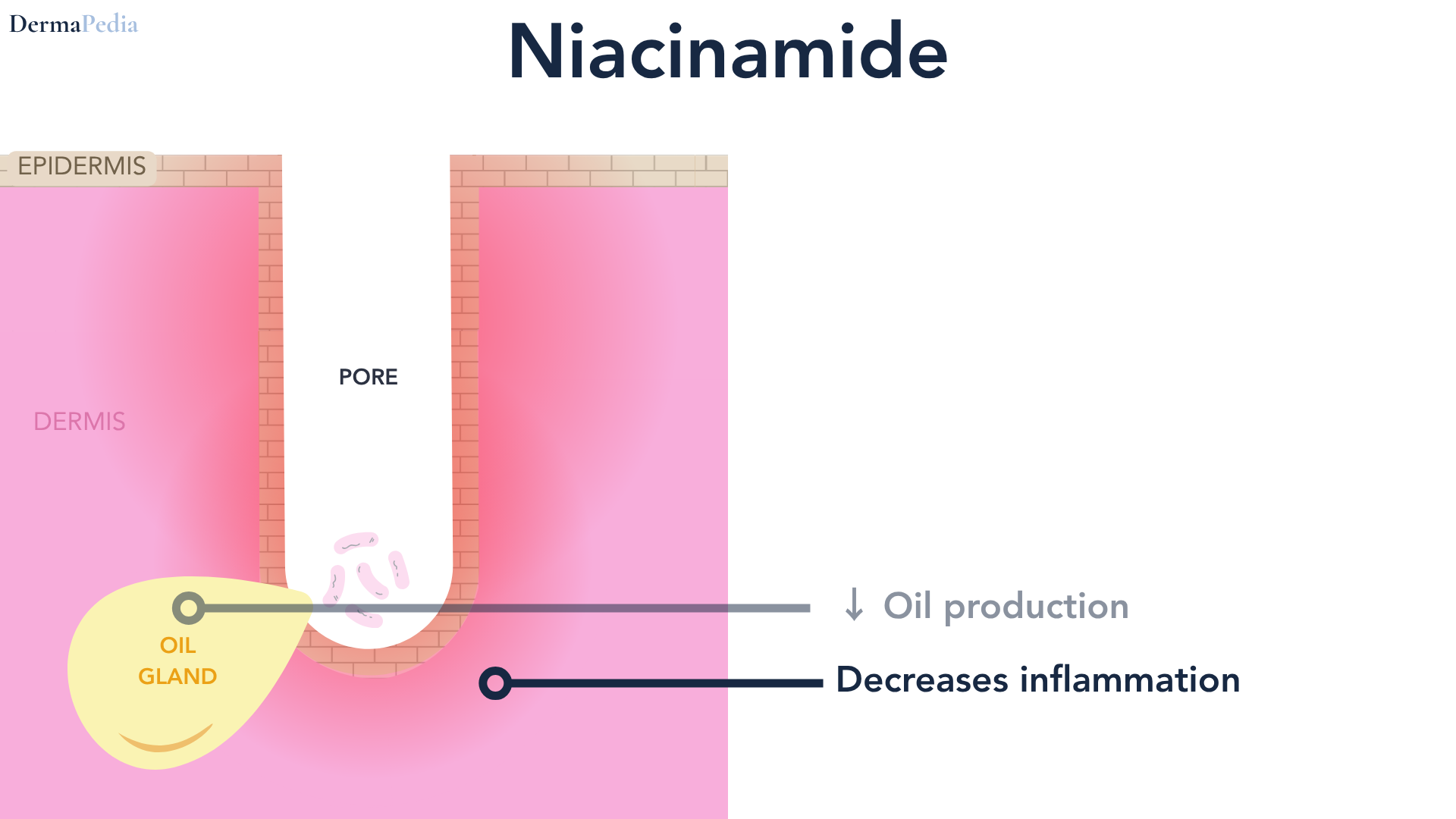
Labeled cutaway diagram of a single skin pore, headed Niacinamide. The epidermis is a brick-textured band across the top and the dermis is pink below it, with a yellow oil gland at the base of the pore and a small cluster of bacteria inside it. Two callout lines point in: decreases inflammation is drawn in dark navy as the main effect, and decreases oil production is drawn in gray as a lesser one. Nothing points at the dead cells blocking the pore.
How niacinamide works in the pore
16:9 hero for Vitamin C (L-Ascorbic Acid). Never cropped: the tone strip and the corner logo depend on the full frame.
Vitamin C (L-Ascorbic Acid) — Page hero

Strengths and forms

Strengths
2%GentleSensitive skin.
4–5%EverydayThe best-studied range.
10%StrongPopular, but more irritation.
GentlerStronger

Niacinamide is usually 2–10%. Most studies used 2–5%. Higher strengths don't always work better and can cause flushing in some people.

Forms

SerumMoisturizerToner
10%GentleFirst vitamin C or sensitive skin.
15%EverydayMost well-studied serums.
20%StrongThe upper useful limit.
GentlerStronger

L-ascorbic acid serums usually range from 10% to 20%. Stronger isn't always better: above 20%, irritation rises without more benefit. Gentler vitamin C derivatives are an option for sensitive skin.

Forms

SerumPowderDerivatives
Form / Type
A row of Niacinamide products sold as sunscreen, photographed on white.
Sunscreen

Product picks

Picks
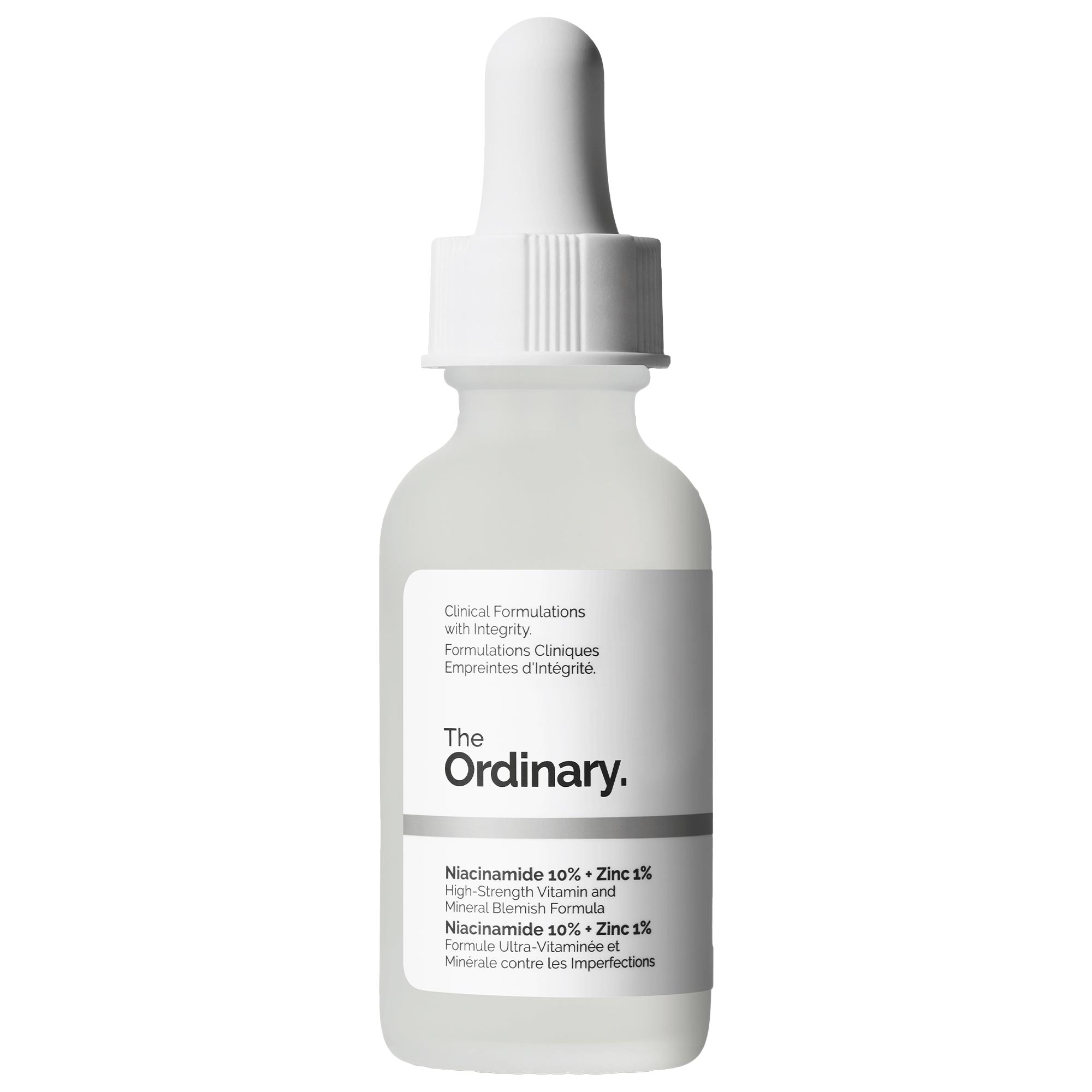
The Ordinary Niacinamide 10% + Zinc 1%
Best for oilThe Ordinary Niacinamide 10% + Zinc 1%

Budget serum.

Paula’s Choice 10% Niacinamide Booster
Best boosterPaula’s Choice 10% Niacinamide Booster

Mixes into moisturizer.

CeraVe PM Facial Moisturizing Lotion
Best for beginnersCeraVe PM Facial Moisturizing Lotion

Niacinamide plus ceramides.

La Roche-Posay Toleriane Double Repair
Best for sensitiveLa Roche-Posay Toleriane Double Repair

Gentle daily moisturizer.

The Ordinary Ascorbyl Tetraisopalmitate Solution 20% in Vitamin F

20% THD ascorbate in an oil base, about $20. The Ordinary is refreshingly honest that this is the gentle option.
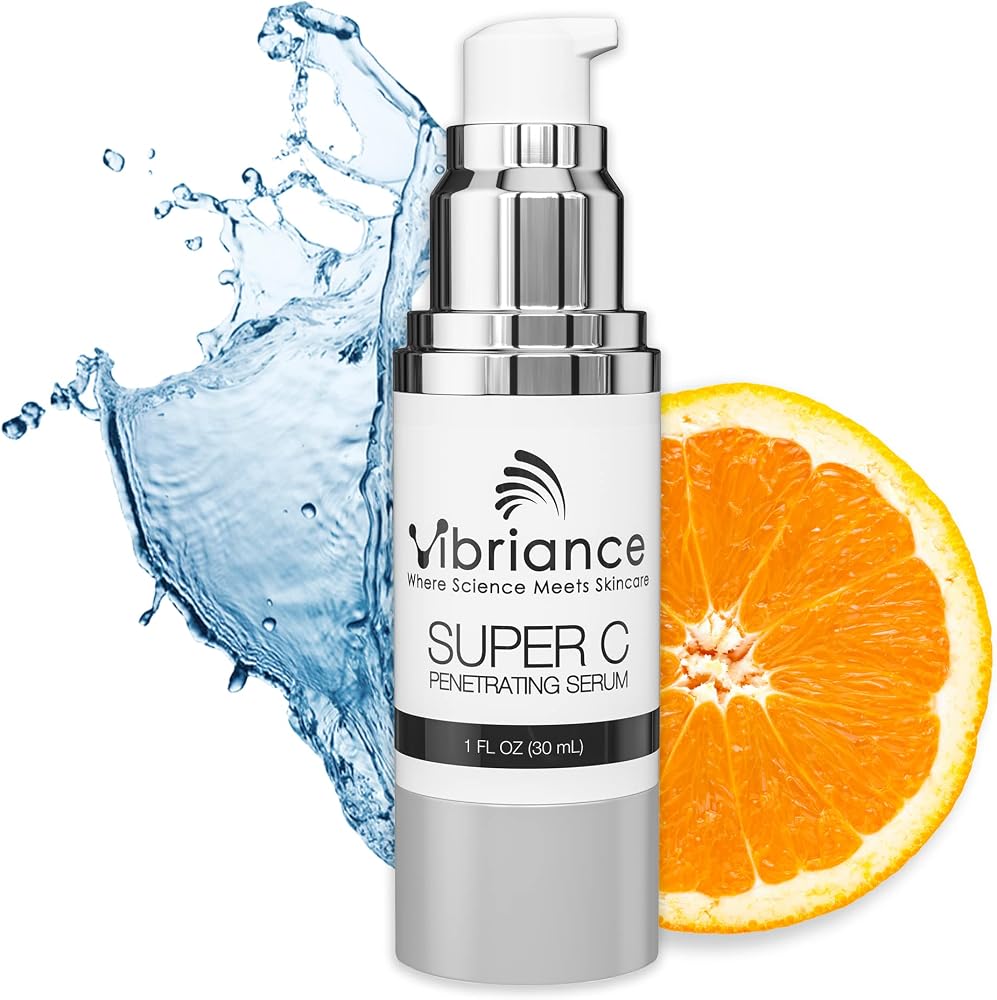
Vibriance Super C Serum

A $47 vitamin C derivative sold through direct-response advertising aimed at older women. Ordinary formula, aggressive marketing.
Product Reference Picture
Niacinamide
Niacinamide
Vitamin C
Vitamin C
Product pictures
Product reference image for The Ordinary Ascorbyl Tetraisopalmitate Solution 20% in Vitamin F.
The Ordinary Ascorbyl Tetraisopalmitate Solution 20% in Vitamin F20% THD ascorbate in an oil base, about $20. The Ordinary is refreshingly honest that this is the gentle option.
Product reference image for Vibriance Super C Serum.
Vibriance Super C SerumA $47 vitamin C derivative sold through direct-response advertising aimed at older women. Ordinary formula, aggressive marketing.

Using them together

Together?
Niacinamide and vitamin C can be used together. The idea that they cancel each other out came from laboratory experiments involving heat and does not apply to finished products. If the combination stings, use one in the morning and the other at night.
When to use
Morning or night
In the morning, on clean dry skin, before moisturizer and sunscreen, because it works alongside sunscreen against the damage daylight causes. A few drops covers the face; give it a minute before the next layer.
Good to know
Vitamin C works alongside sunscreen and does not replace it.
Keep it simple. In dermatology, we generally favor simple routines over combining lots of active ingredients. This chart is for demonstration only: it shows what you could pair with niacinamide, not a recommendation to use everything together.

What to expect

Niacinamide
  1. 2 weeksMore comfortable skin
  2. 4 weeksLess shine, calmer redness
  3. 8 weeksDark spots start to fade
  4. 12 weeksSmoother, more even tone
Vitamin C
  1. 7 daysAdjusting

    A brief sting is common with pure L-ascorbic acid. Nothing visible yet.

  2. 4 weeksEarly change

    Skin looks brighter and more even. The fastest thing it does.

  3. 12 weeksWorking

    Patchy pigment and marks from old spots lighten gradually with daily sunscreen.

  4. 12 weeksJudge it here

    If nothing has changed, check the serum's color before blaming the ingredient.

Approximate timing. Results vary with your skin and the finished formula.

Safety and cautions

Watch for
  • With AHAs & BHAs: May sting; consider alternating nights.
  • Sensitive skin: Usually well tolerated
  • Pregnancy: Generally considered safe
  • Rosacea: Low pH can sting sensitive skin.
  • With other acids: Glycolic or salicylic acid alongside a low-pH vitamin C serum mostly adds stinging. Split them between morning and night.
  • With sunscreen: It reduces damage that gets past sunscreen. It does not block ultraviolet light and it has no SPF.
  • Sensitive skin: Rosacea · Can make it worse · Low pH can sting sensitive skin.
  • Pregnancy: Not stated in existing content

Questions

Can I use niacinamide and vitamin C together?

Yes. Both existing guides describe them as compatible, and many finished products contain both.

Do they cancel each other out?

No. The incompatibility claim came from laboratory experiments involving high temperatures, rather than normal use of finished products.

What if the combination stings?

The niacinamide guide suggests using one in the morning and the other at night if the combination stings.

Which one supports the skin barrier?

Niacinamide is the barrier-supporting ingredient in this comparison. Vitamin C is described as an antioxidant for uneven tone and support alongside sunscreen.

Can vitamin C replace sunscreen?

No. The vitamin C guide says it reduces damage that gets past sunscreen, but does not block ultraviolet light and has no SPF.

Also compared with
Niacinamide vs Azelaic acidDoes more for both acne and dark marks. Niacinamide is gentler and easier to layer with everything else.
Niacinamide vs Vitamin CStronger on dullness and pigment, but far less stable and more likely to sting.
Niacinamide vs Zinc, taken by mouthSometimes suggested for the same problems. The evidence is weaker and the stomach upset is common.
Vitamin C vs Azelaic acidBetter on acne and on the marks acne leaves behind, and easier to tolerate. It does not do the antioxidant job.
Vitamin C vs Hydroquinone, often prescription-onlyConsiderably stronger on pigment, and used in courses rather than indefinitely.
Vitamin C vs Tranexamic acidMostly for melasma. Usually added alongside rather than instead.
Vitamin C vs RetinolWorks on texture, lines and pigment by a different route, at night. The usual partner rather than the alternative.
Vitamin C vs SunscreenNot optional. Nothing vitamin C does substitutes for blocking ultraviolet light in the first place.
Related Topic
Labeled cutaway diagram of a single skin pore, headed Niacinamide. The epidermis is a brick-textured band across the top and the dermis is pink below it, with a yellow oil gland at the base of the pore and a cluster of bacteria inside it. Two callout lines point in: decreases inflammation is drawn in dark navy as the main effect, and decreases oil production is drawn in gray as a lesser one. Nothing points at the dead cells blocking the pore.
What niacinamide does in the poreIt calms the skin rather than unblocking it — which is why it sits alongside an acne treatment instead of replacing one.
Azelaic Acid shown in recognizable white and green topical cream squeeze tube.
Azelaic acid
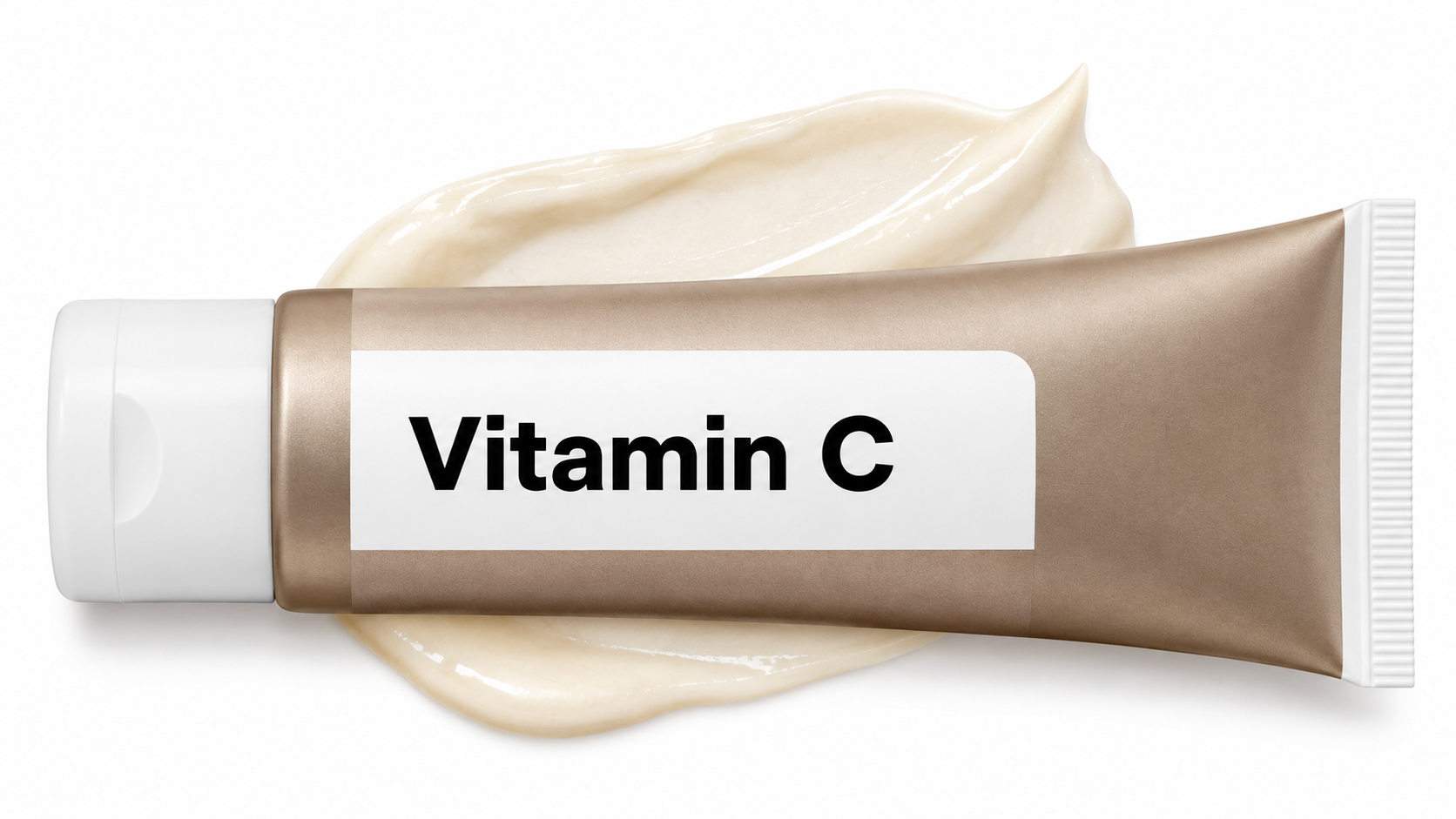
Vitamin C shown in recognizable matte taupe squeeze tube with white cap.
Vitamin C
Zinc, taken by mouth
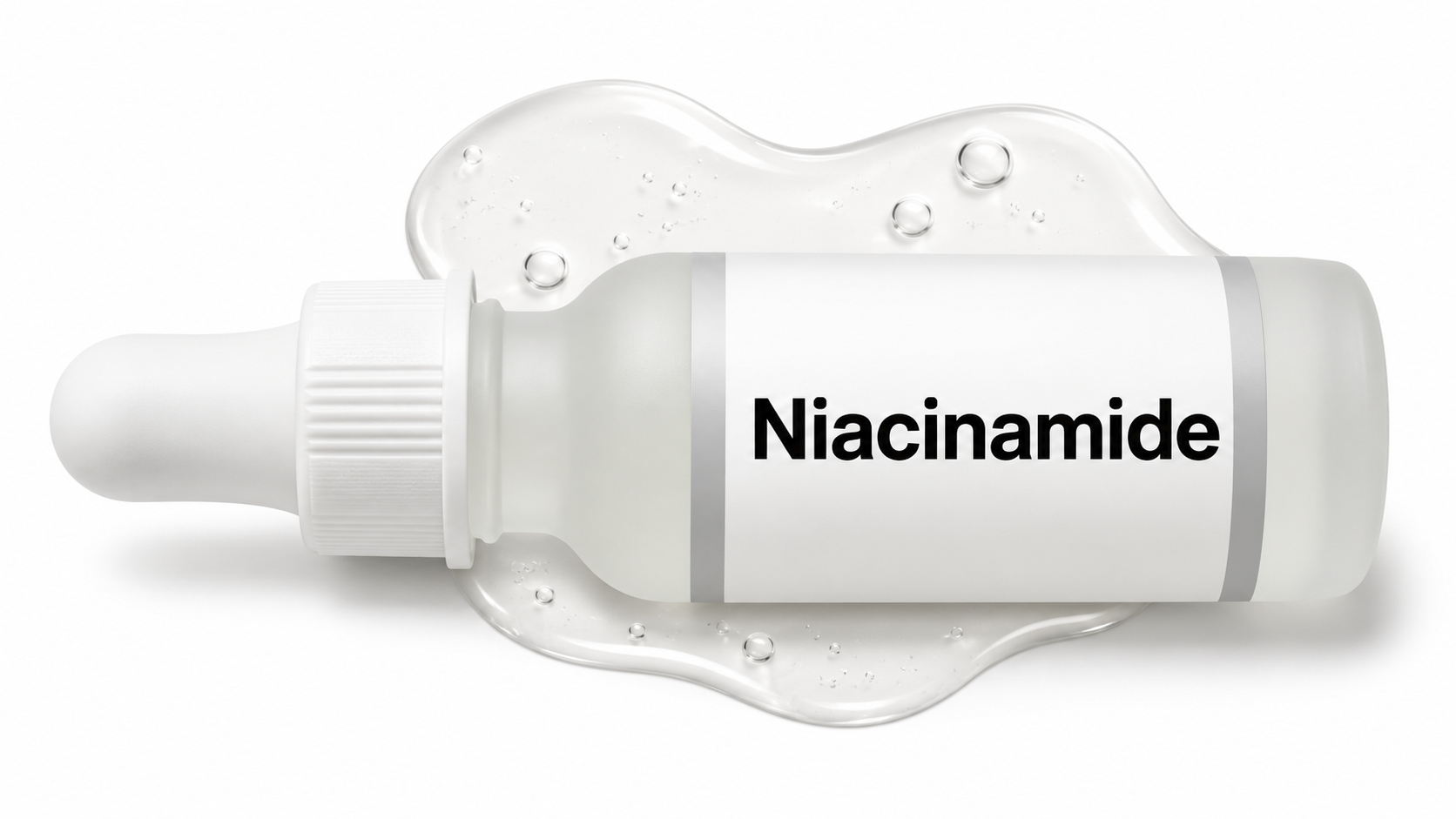
Niacinamide shown in recognizable frosted glass serum dropper bottle with white cap.
Niacinamide
Azelaic Acid shown in recognizable white and green topical cream squeeze tube.
Azelaic acid
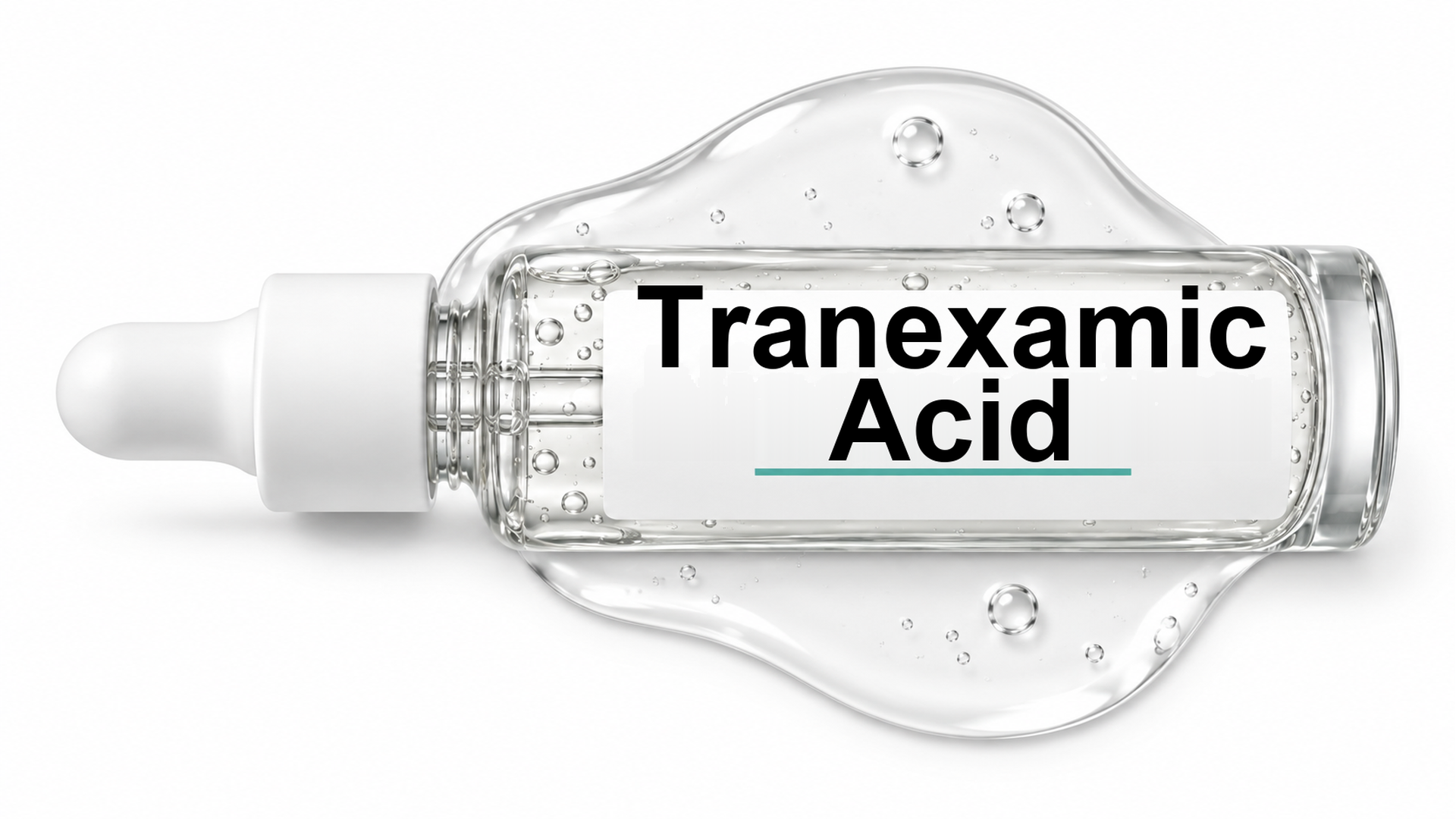
Serum dropper bottle lying on its side, labelled Tranexamic Acid, with a product-texture swatch behind it on a white background.
Tranexamic acid
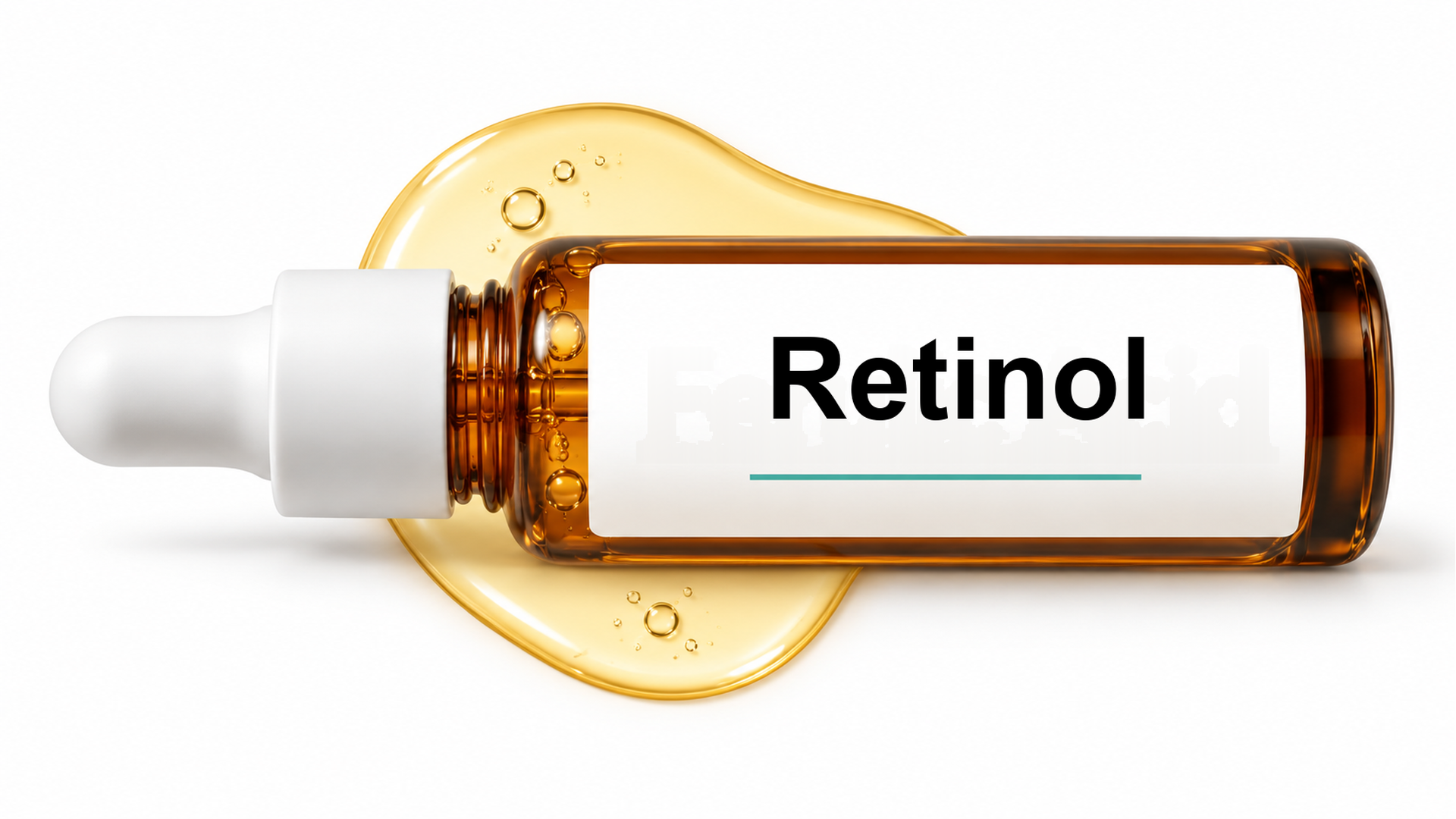
Serum dropper bottle lying on its side, labelled Retinol, with a product-texture swatch behind it on a white background.
Retinol
Sunscreen
Sunscreen