Glycolic Acid

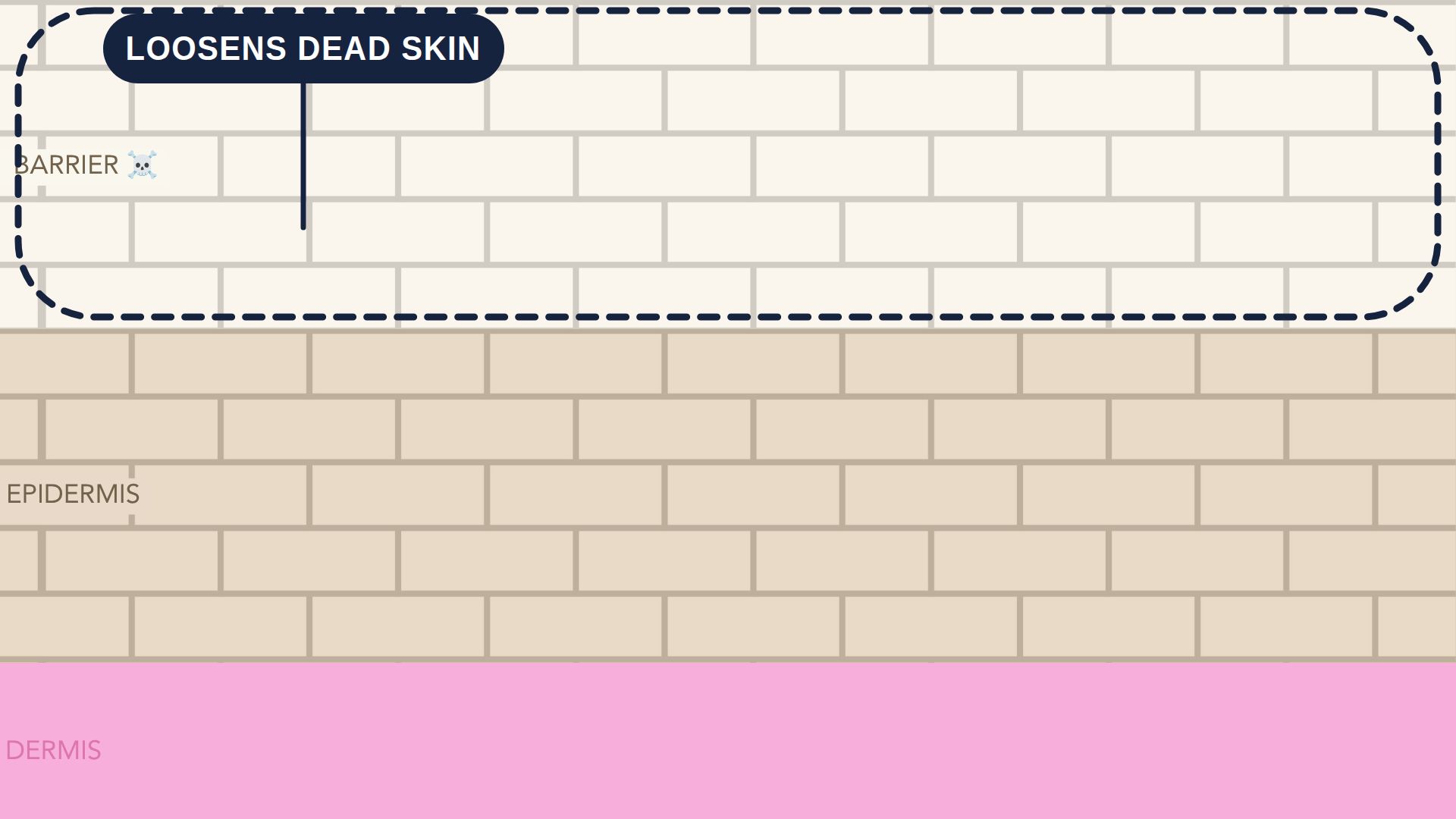
Glycolic acid dissolves in water, so it stays in the surface layer, spread evenly across the whole area. That is why it suits texture and dark marks — and why it stings, since it is acting on a wide expanse of skin at once.
Glycolic acid is an AHA used for surface exfoliation; salicylic acid is commonly marketed as a BHA and used in acne products. Professional-peel research does not directly predict results from home products.
| The difference | Glycolic Acid | Salicylic Acid |
|---|---|---|
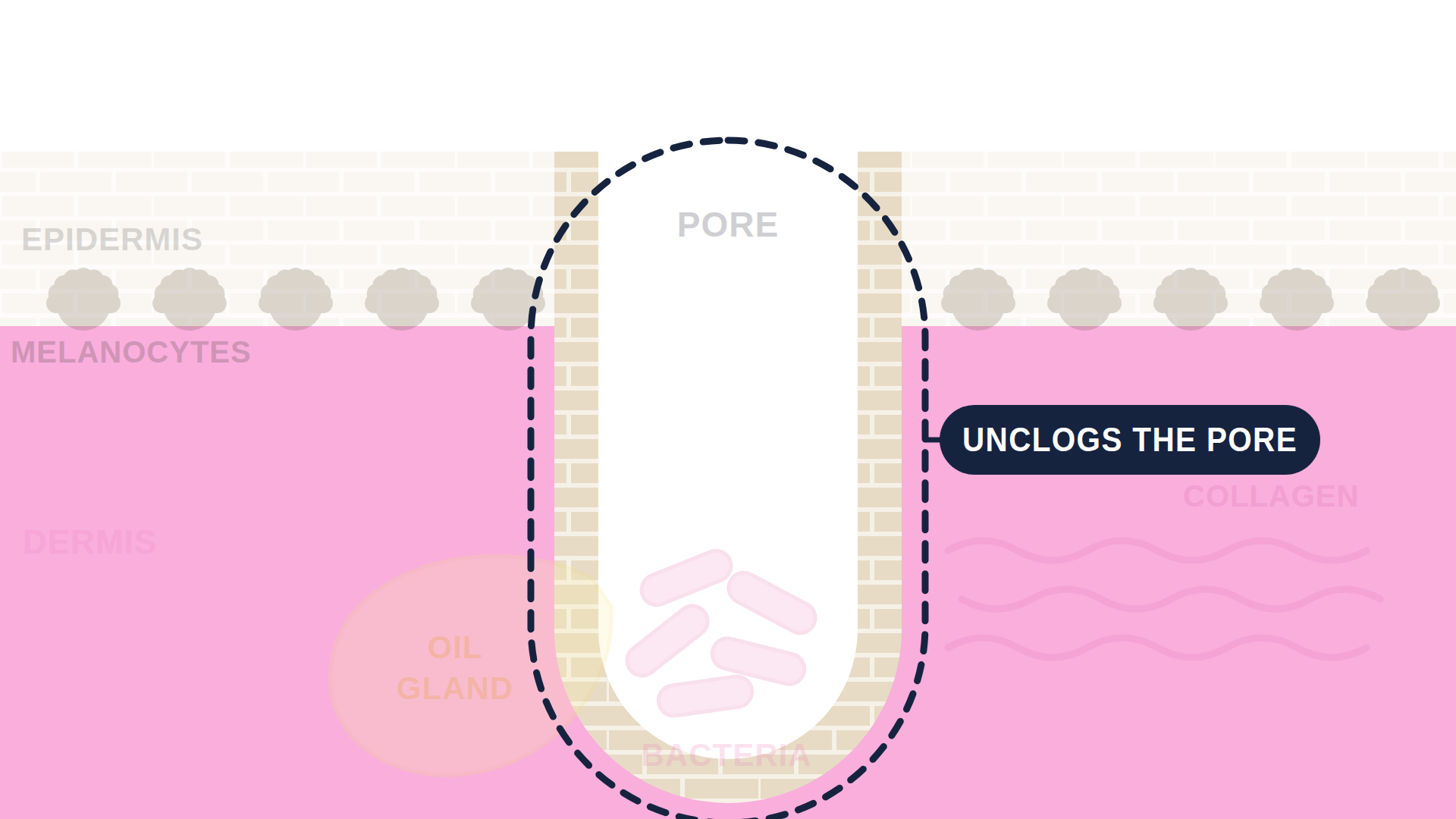
| What it does | Loosens dead cells on the surface | Clears the plug inside the pore |
| What it is best for | Texture, dullness, dark marks | Blackheads and oily, spotty skin |
| Cost | Cheap at home, costly in clinic | Cheapest option on the shelf |
Glycolic acid dissolves in water, so it stays in the surface layer, spread evenly across the whole area. That is why it suits texture and dark marks — and why it stings, since it is acting on a wide expanse of skin at once.

Salicylic acid dissolves in oil, so it travels down the inside of the pore to where the plug actually sits. This one property is the reason it works for blackheads and congestion and glycolic acid does not — it is about where the molecule can go, not how strong it is.
Side by side
Glycolic Acid
Loosens dead cells on the surface
Glycolic acid weakens the bonds holding dead cells to the top of your skin, so they shed sooner. It is the smallest of the water-loving acids, which is why it sinks in faster than lactic acid and why it stings more.
Salicylic Acid
Clears the plug inside the pore
Salicylic acid dissolves in oil, so it travels into the oily lining of a pore and breaks apart the plug from within. It also calms inflammation a little, which helps with red, sore spots.
Glycolic Acid
Smoother, brighter, more even skin
Skin feels less rough. Dullness lifts, and brown marks left after a spot heals fade slowly.
Salicylic Acid
Fewer blackheads, less oily shine
Pores look less clogged and small rough bumps flatten out. Skin often feels less greasy by the end of the day.

Loosens the pigmented cells at the surface so they shed sooner, which lifts a little color out of a spot over months. It works better as the thing that helps a lightening cream get in than as a treatment on its own. Used too often it leaves skin irritated and more sun-sensitive, which on this page is exactly the wrong direction.
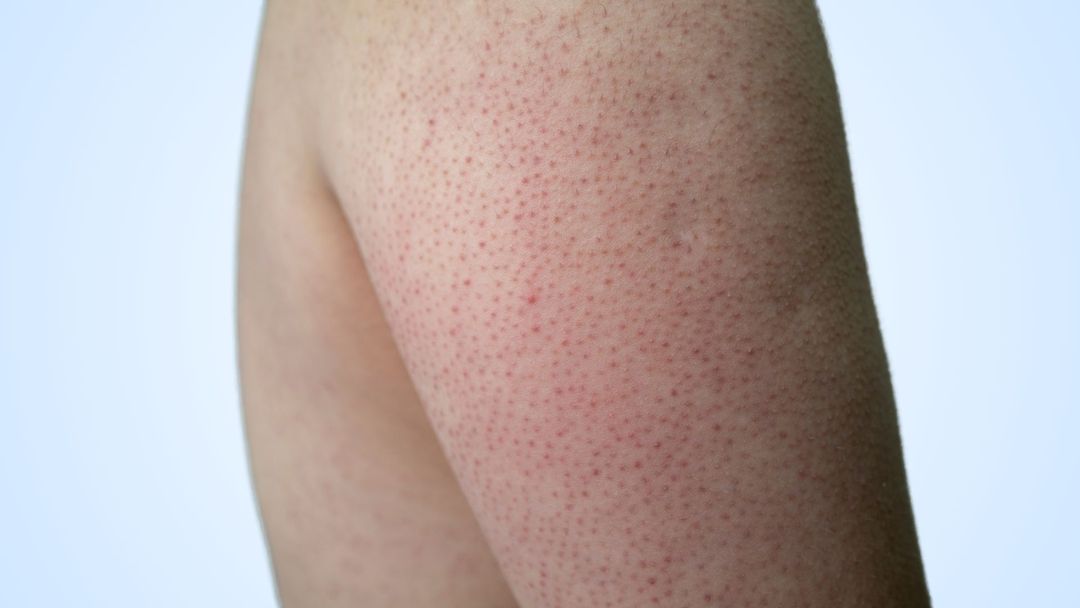
Loosens the dead cells stuck at the surface, which smooths the skin around the bumps. It is the most likely of the acids to sting and to leave the skin pink, so it suits the arms and thighs better than the cheeks. On deeper skin tones, build up slowly, because irritation is what leaves the dark marks.

Regular low-strength use smooths surface texture and softens fine lines, and it helps the dull, uneven look that goes with them. It reaches the outer layers only, so deeper creases and folds are untouched. Used on the same nights as a retinoid it usually causes more irritation than either is worth, so alternate them.

Loosens the pigmented cells at the surface so they shed sooner, which helps brown marks more than gray ones. A low-strength product two or three nights a week is plenty. Stacking it with a retinoid on the same night is the classic way people end up red and peeling, which adds inflammation and slows everything down.
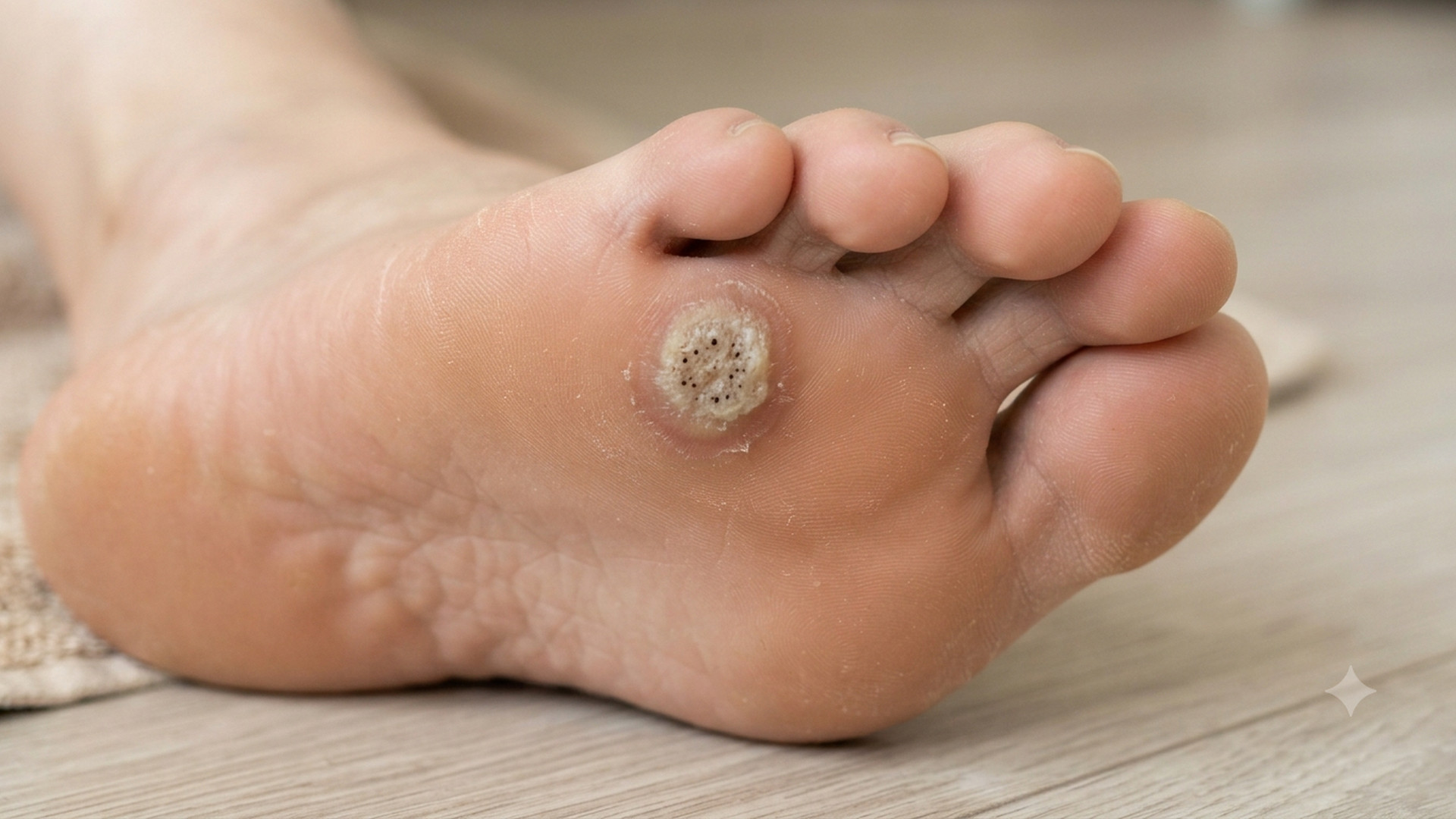
The best-evidenced treatment you can buy, and for the sole it is used at foot strength, far higher than the acne version. The order matters: soak the foot, file the surface, apply, cover. Applied to an unfiled callus it never reaches the infected skin, which is the usual reason it seems not to work. Twelve weeks of nightly use is a fair trial.
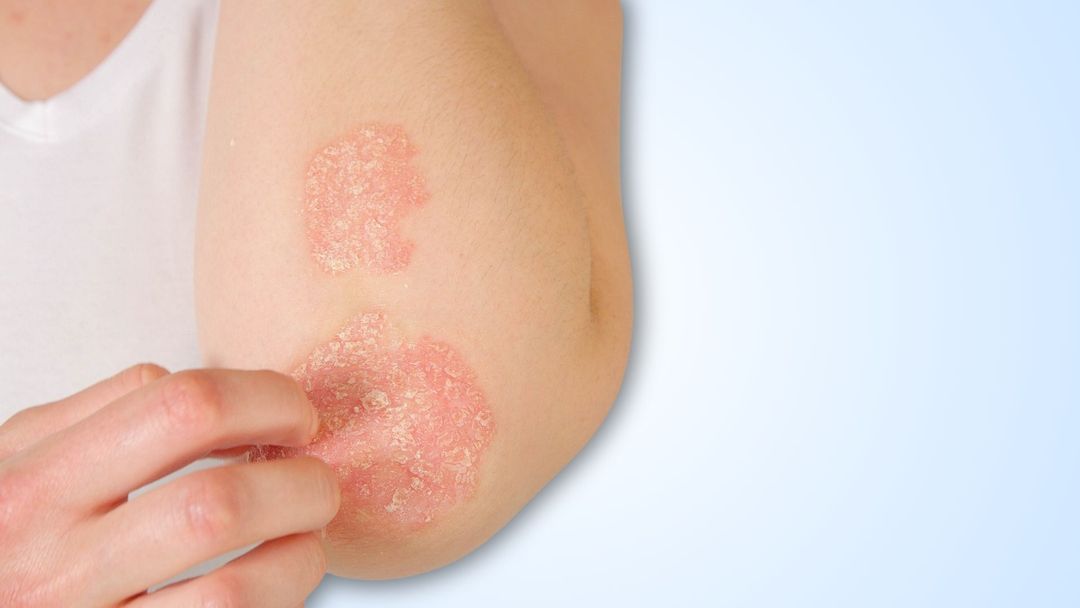
Lifts and dissolves the scale on top of a plaque. That matters because no medicated cream can reach the skin through a thick crust, so this is often the step that makes everything else work. It does nothing to the immune signal underneath, and on large areas it should not be used long term.
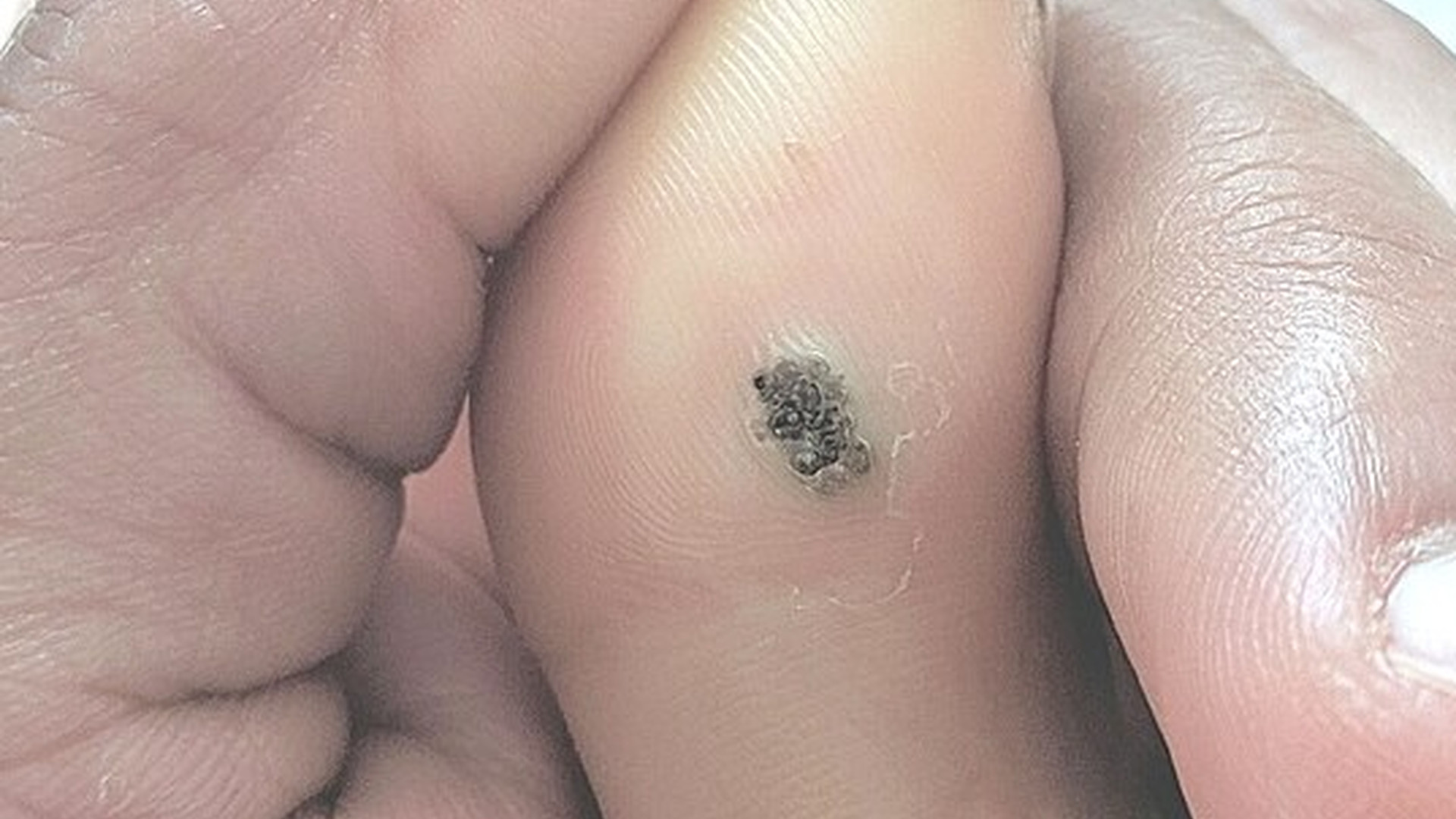
The first treatment for almost every ordinary hand or foot wart, and the one with the best evidence outside the clinic. It dissolves the infected thickened skin a layer at a time, so it only works if it goes on every single day. Soak the wart for five minutes, file the dead surface off, apply, and cover it. Twelve weeks is a fair trial; ten days is not.
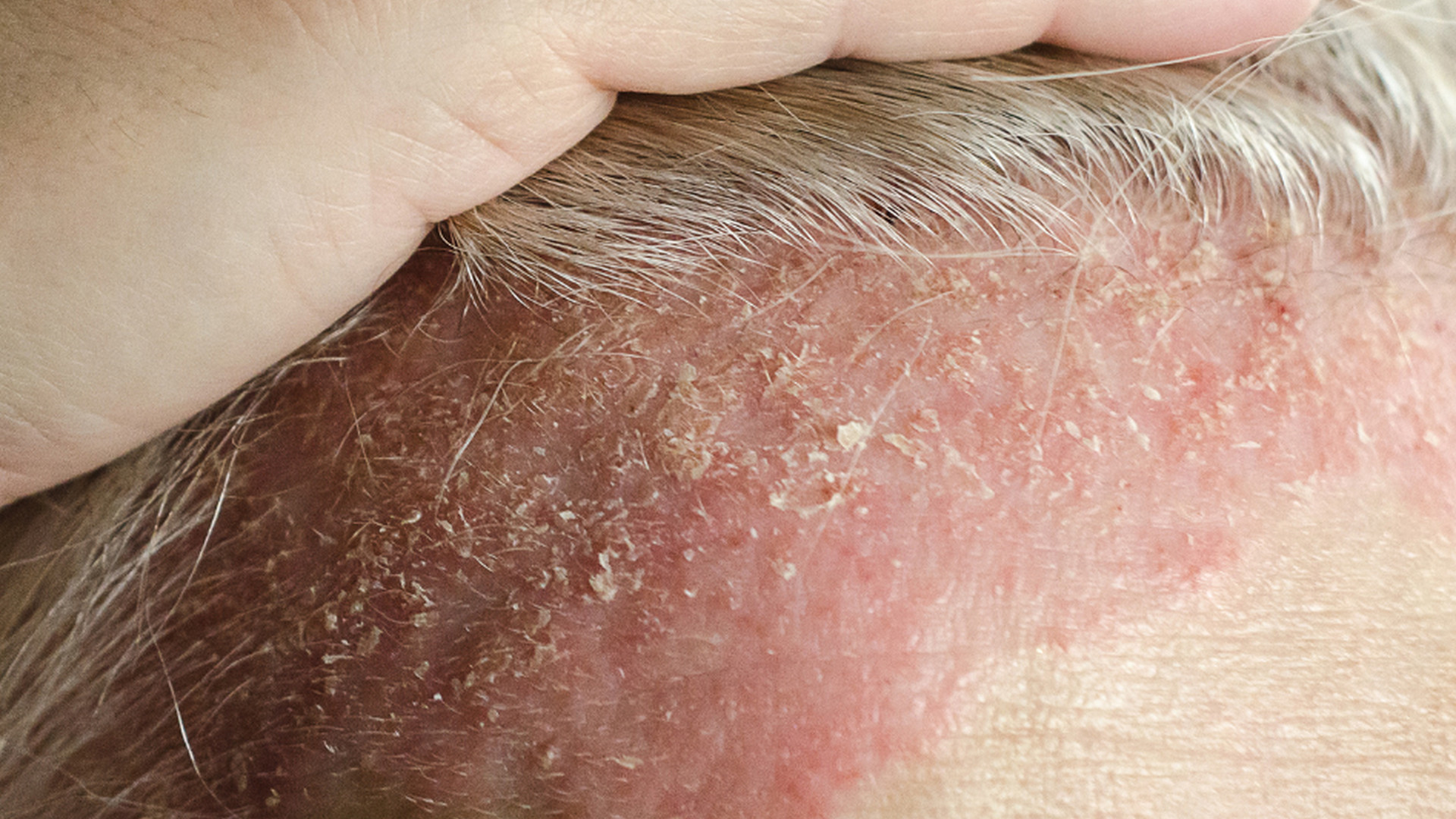
A descaler, not a treatment. It dissolves the bonds holding the plate of scale together so that medicine can reach the skin underneath, which is the step most people skip. Use it before the active treatment, not instead of it, and go easy on large areas because it can make hair brittle.
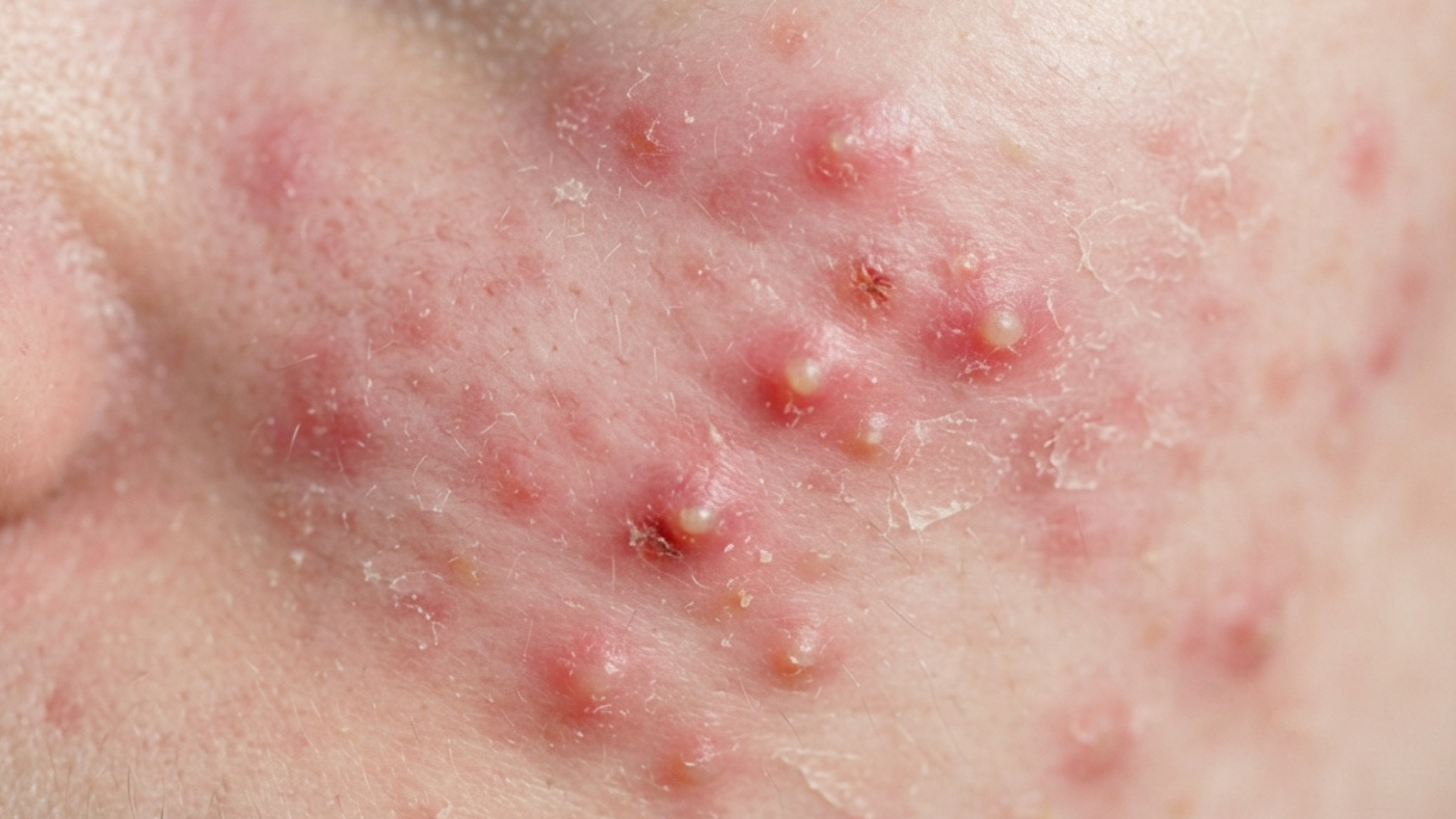
Gets inside the pore and loosens the plug, so it suits blackheads and whiteheads more than deep spots. Gentler than a retinoid, and weaker than one.
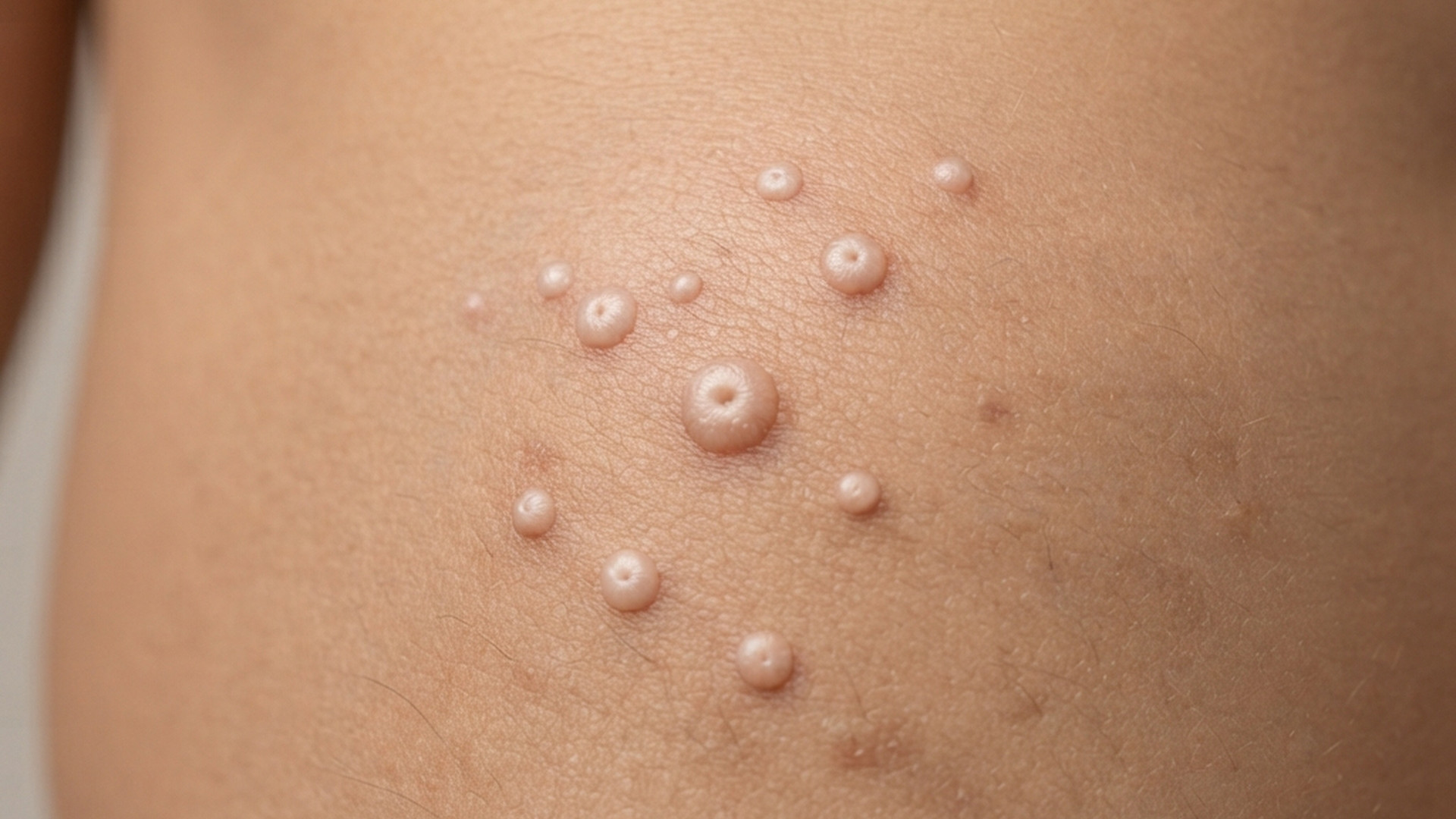
The wart products in the pharmacy are the wrong tool here. Molluscum is a poxvirus, not the wart virus, and the bumps are soft domes rather than thickened skin for an acid to dissolve. On thin skin, on a child, and on thirty bumps at once, it mostly buys irritation and dark marks. If a bump is going to be treated, the clinic options are more reliable and better controlled.
Oil-soluble, so it gets down inside the follicle and works on the plug from within rather than at the surface. Useful when the bumps are the main complaint and urea has not been enough. It is drying, so it needs pairing with a moisturizer, and it is not the one to reach for on a child's cheeks.

This one lifts scale rather than treating the cause. It is the right choice when the scale is thick and stuck down and other shampoos cannot reach the skin underneath. Use it first to clear the way, then follow with an anti-yeast shampoo — on its own it will not stop the dandruff coming back.

It works by clearing blocked pores, and this is not a blocked-pore condition, so it does not act on the yeast. Some people find a wash mildly helpful for the texture. It will not clear the bumps, and scrubs and brushes usually make an irritated chest and back angrier.
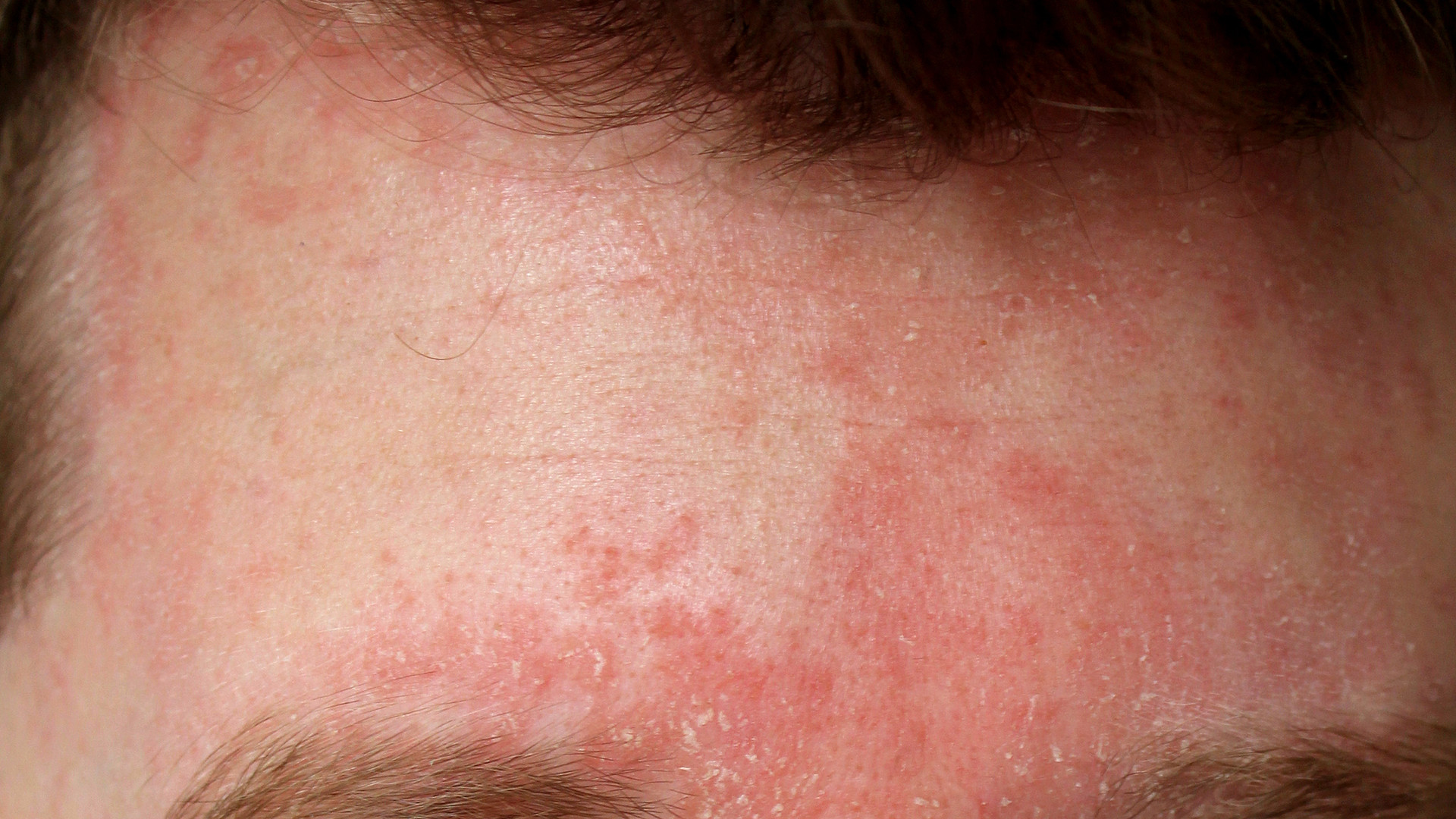
A descaler for a scalp that has built up a thick crust. It loosens the scale so the antifungal underneath can actually reach the skin. It does nothing to the yeast or the inflammation, and on an already stinging face it is more likely to irritate than to help.
Glycolic Acid
Texture, dullness, dark marks
Sun-damaged or dry skin, rough patches, fine lines, and the brown marks acne leaves behind.
Salicylic Acid
Blackheads and oily, spotty skin
Blackheads, whiteheads, congestion on the cheeks and forehead, and mild to moderate acne.
Glycolic Acid
Texture in weeks, marks in months
Texture and glow shift in about four weeks. Dark marks take two to three months.
Salicylic Acid
Clearer pores in two to four weeks
Blackheads and small bumps usually improve within a month of steady use.
Glycolic Acid
Stinging, redness, over-exfoliation
Glycolic acid stings, especially on damp skin and in the first few weeks. Overuse leaves skin tight, red and flaky.
Salicylic Acid
Dryness and flaking
Salicylic acid is usually gentler at everyday strengths, but it dries skin out and can leave it peeling.
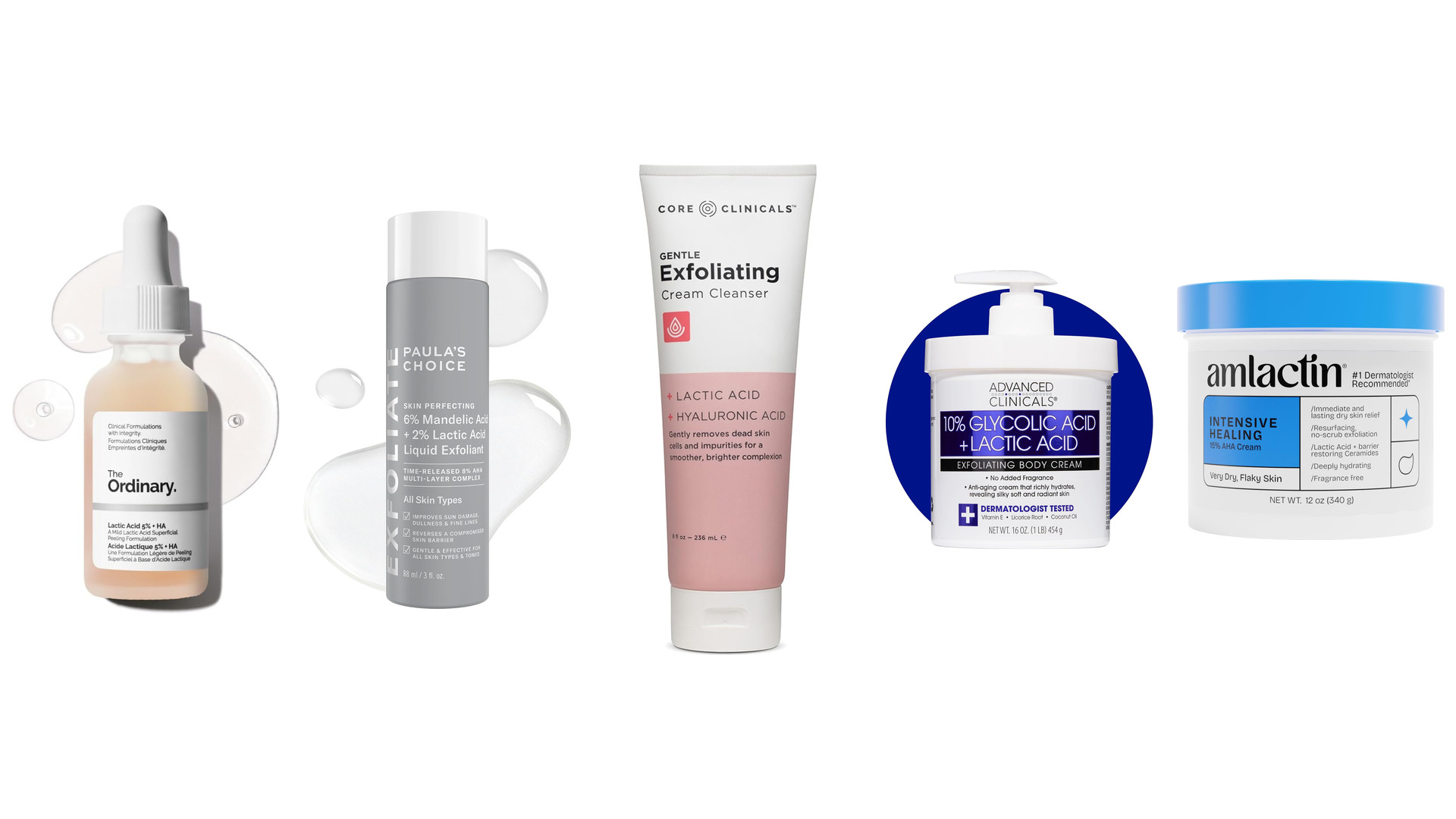
Strong evidence. A larger molecule, so it works more slowly and stings less, and it holds water in the skin while it exfoliates. Glycolic acid acts faster on rough texture.
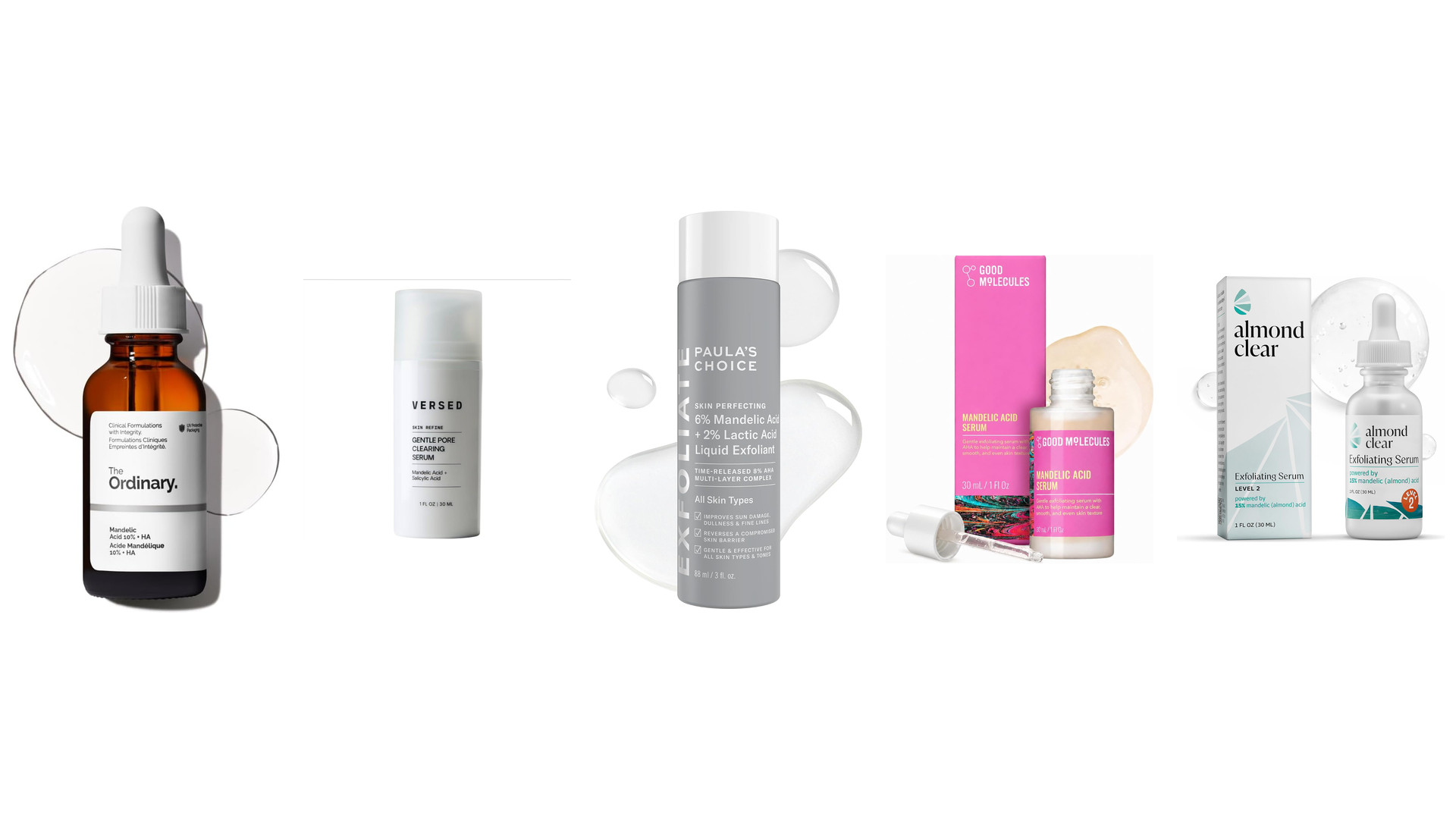
Limited evidence. The gentlest of the common AHAs and less likely to irritate skin into making dark marks. It is slower, and much less studied.
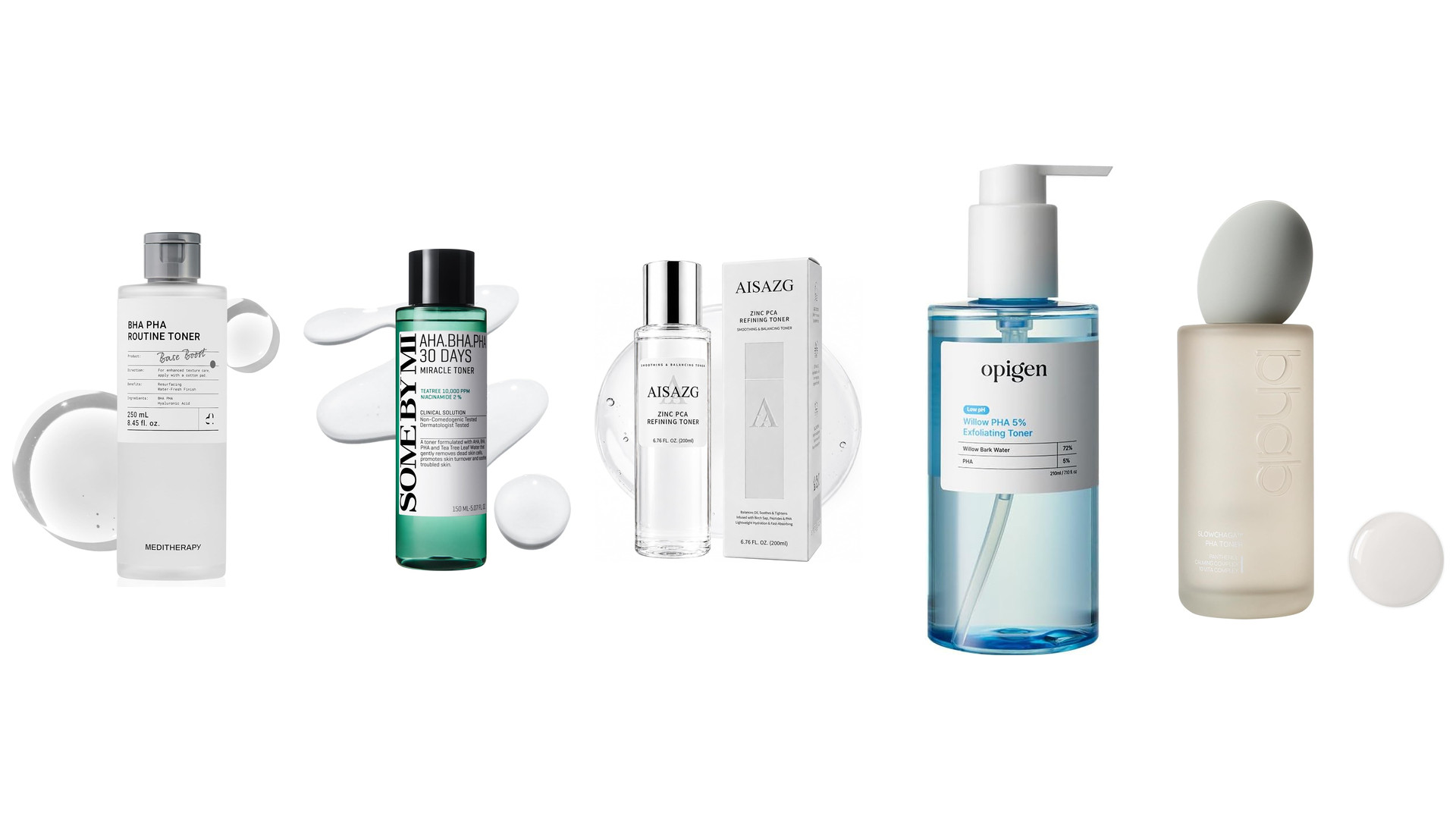
Limited evidence. Considerably gentler, hydrating, and they have not been shown to increase sun sensitivity. They also do less, more slowly.
Strong evidence. Oil-soluble, so it works inside the pore, which makes it a better fit for blackheads and acne. Glycolic acid does more for surface tone and texture.

One effect, not several. It clears the dead cells blocking the pore and does little about oil, bacteria or inflammation.
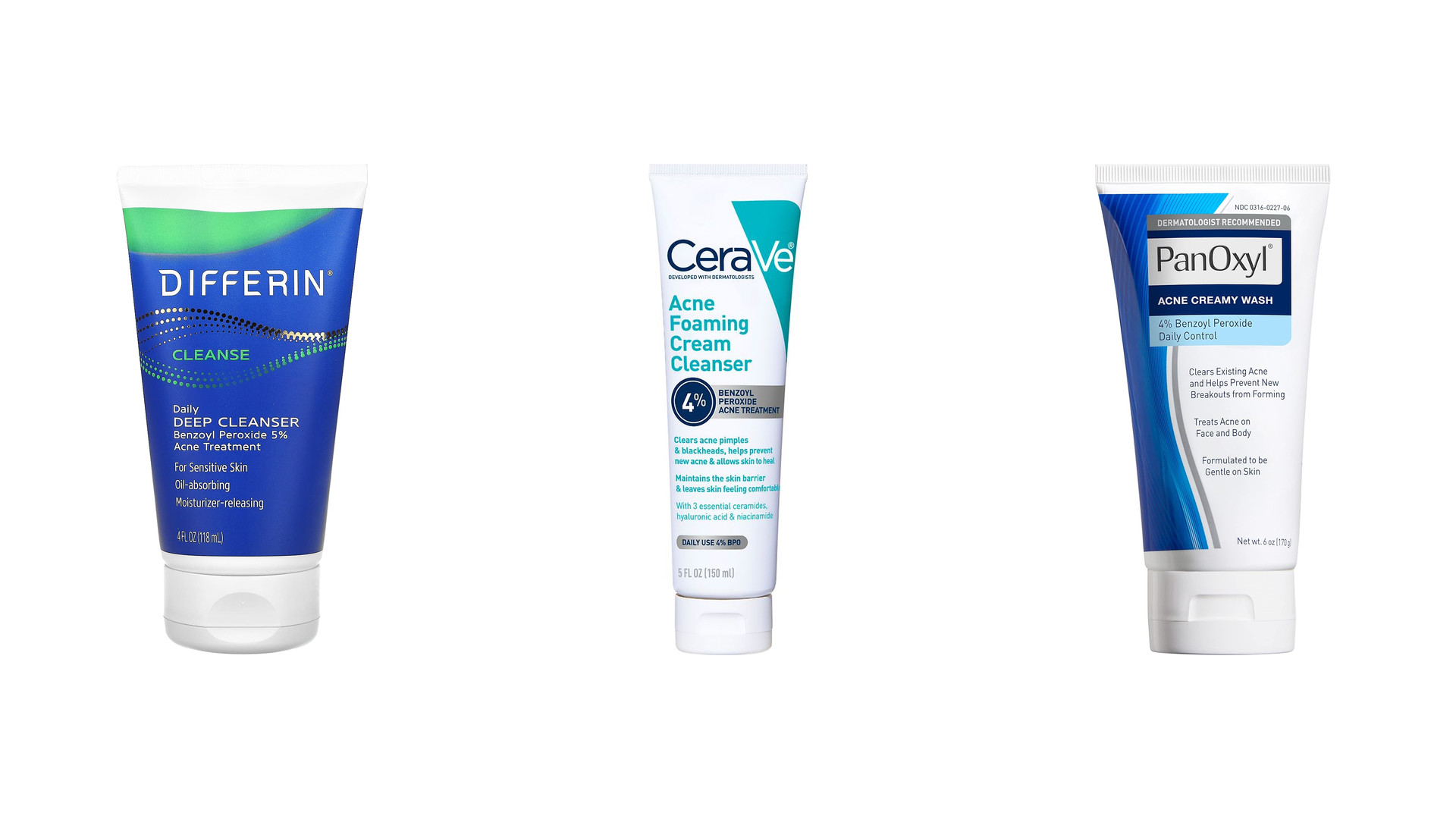
Strong evidence. Better on red, painful spots because it kills the bacteria. Salicylic acid is better on blackheads and does not bleach fabric.
Moderate evidence. Works on the surface rather than inside the pore, so it suits dull or uneven skin more than clogged pores.

Strong evidence. Stronger and longer-lasting on blackheads, but more irritating for the first few weeks.
Glycolic Acid
Raises sun sensitivity for a week
Studies reviewed by the FDA show water-loving acids make skin more likely to burn, and the effect lasts about a week after you stop. US products carry a sunburn warning because of it.
Salicylic Acid
No proven rise in sun sensitivity
Salicylic acid does not carry the same warning, and testing has not shown it increases burning.
Glycolic Acid
Very reactive or broken skin
Skip it on skin that is already stinging, peeling or broken, and on nights you use a retinoid.
Salicylic Acid
Aspirin or salicylate allergy
Salicylic acid is chemically close to aspirin, so avoid it if aspirin causes you a reaction.
Glycolic Acid
Cheap at home, costly in clinic
Drugstore toners and serums cost a few pounds or dollars. A course of clinic peels runs into the hundreds.
Salicylic Acid
Cheapest option on the shelf
Salicylic cleansers, pads and spot liquids are among the cheapest acne products sold.
Glycolic Acid
5-10% at home, 20-70% in clinic
The drugstore version is the main version for most people. A clinic peel is stronger and is left on longer, so it works deeper and needs several days of visible peeling.
Salicylic Acid
0.5-2% at home, 20-30% in clinic
2% is the usual ceiling in a shop-bought acne product, and higher is not better. A clinic peel sits on the skin longer and reaches further into the pore.

Swept on with a cotton pad after cleansing. Usually 5% to 10%, and easy to control.
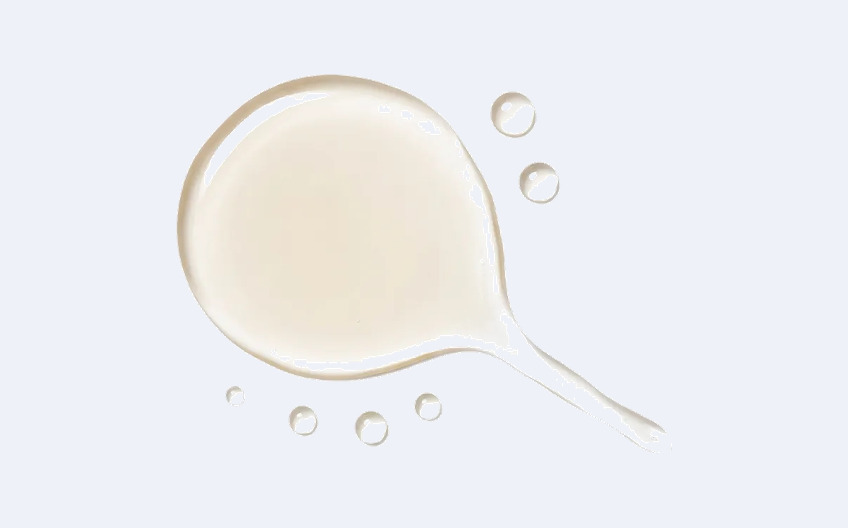
Thicker, stays put, and the format for the higher percentages. The most likely to sting.

Pre-soaked and quick to sweep over areas a dropper cannot reach.
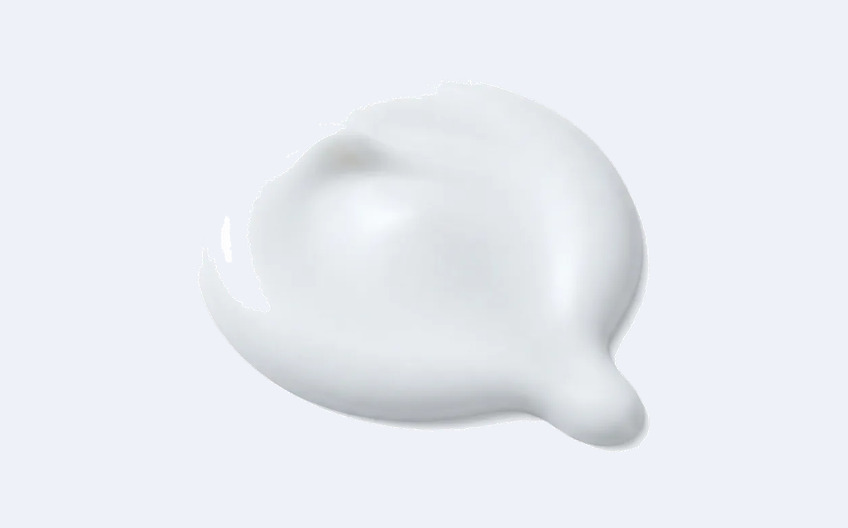
Higher strengths in a moisturizing base. Skin below the neck takes far more than the face.

Left on for minutes, then rinsed. The lowest-commitment way to try a strong percentage.
Stays on all night at 0.5% to 2%. The pick for blackheads that keep coming back.
On the skin under a minute, so mild. Good for oily skin or a first try.
Pre-soaked and easy to sweep over the chest, back and shoulders where a serum is awkward.
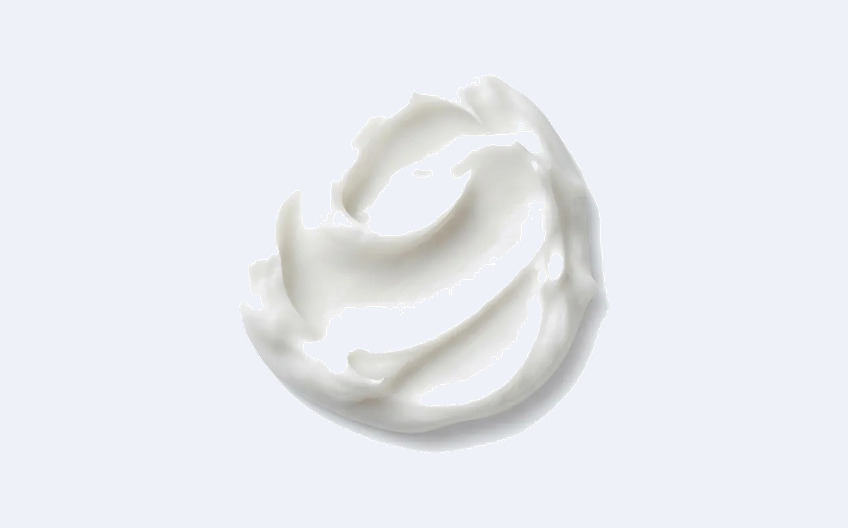
Buffered in a moisturizing base, so it exfoliates without stripping.
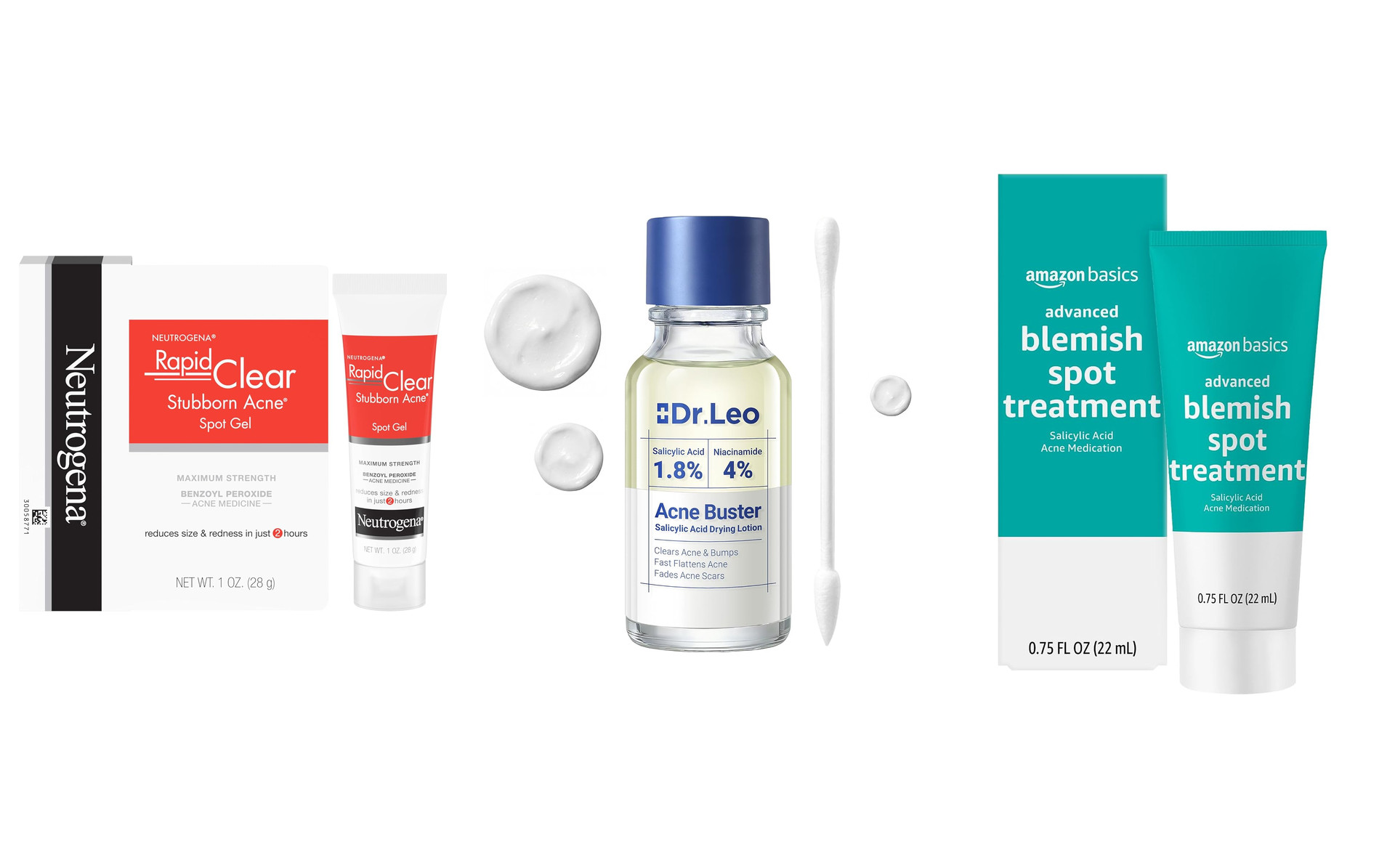
Thick and higher strength, dabbed on. Not for spreading over the whole face.
Glycolic Acid
In the US, cosmetics with a water-loving acid such as glycolic acid carry a sunburn alert and advice to use sunscreen while using the product and for a week afterwards. Industry safety reviewers recommend leave-on consumer products stay at or below 10% glycolic acid, at a pH of 3.5 or higher. Salon products may go up to 30%. Over-the-counter acne products in the US are limited to 0.5% to 2% salicylic acid.
Putting it together
For clogged pores or acne, an appropriately labeled salicylic acid product may fit the concern. For rough surface texture or photodamage, a glycolic formulation may be considered. Neither is universally better, and combining acids can increase irritation.
Common questions