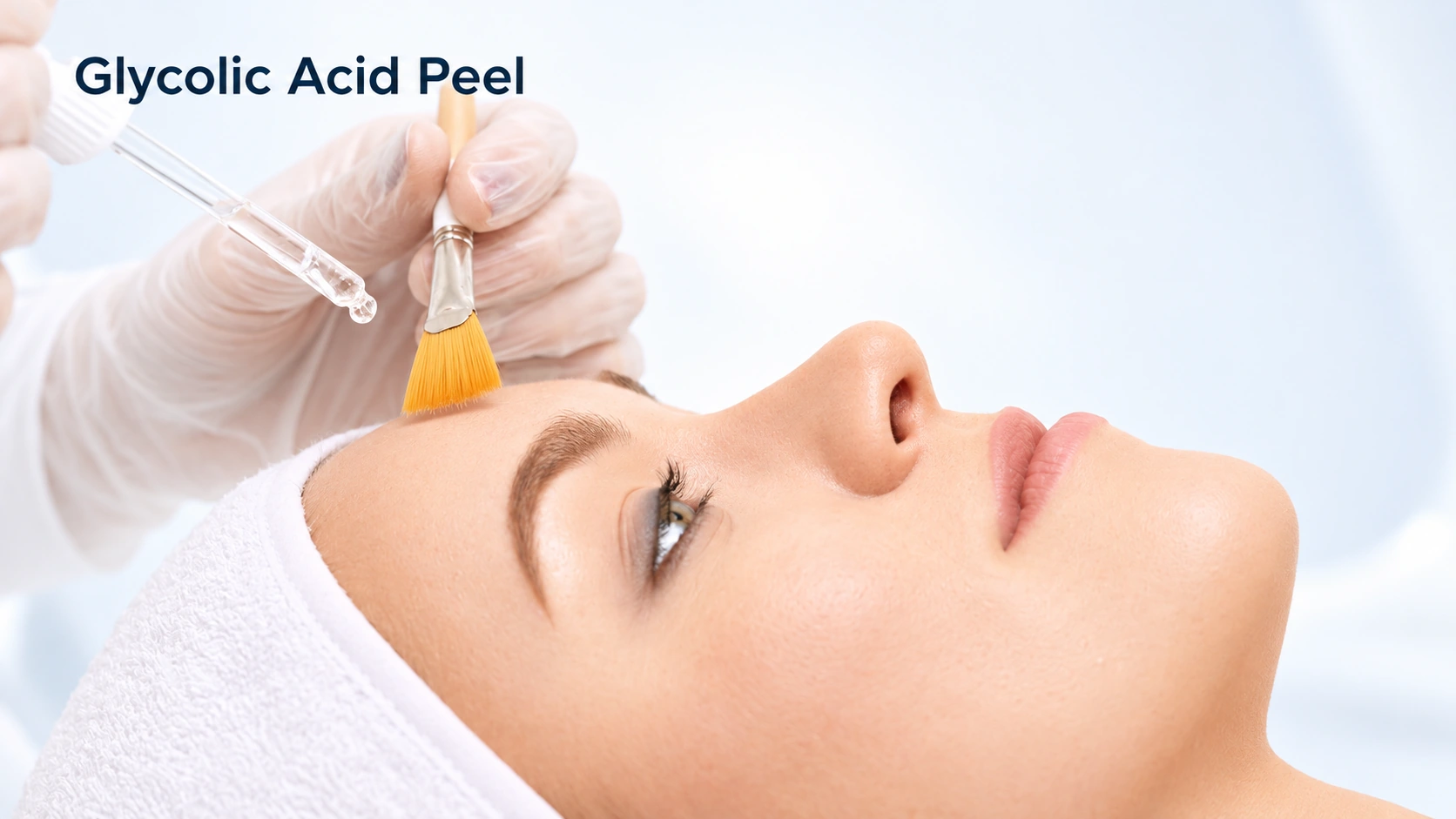
It is controlled exfoliation.
A chemical agent creates a controlled skin injury.
Chemical Peel: An acid solution applied in the office to shed the top layers of skin. Superficial peels clear pores and fade brown marks; medium peels reach texture and deeper sun damage. It does not fix indented scars.
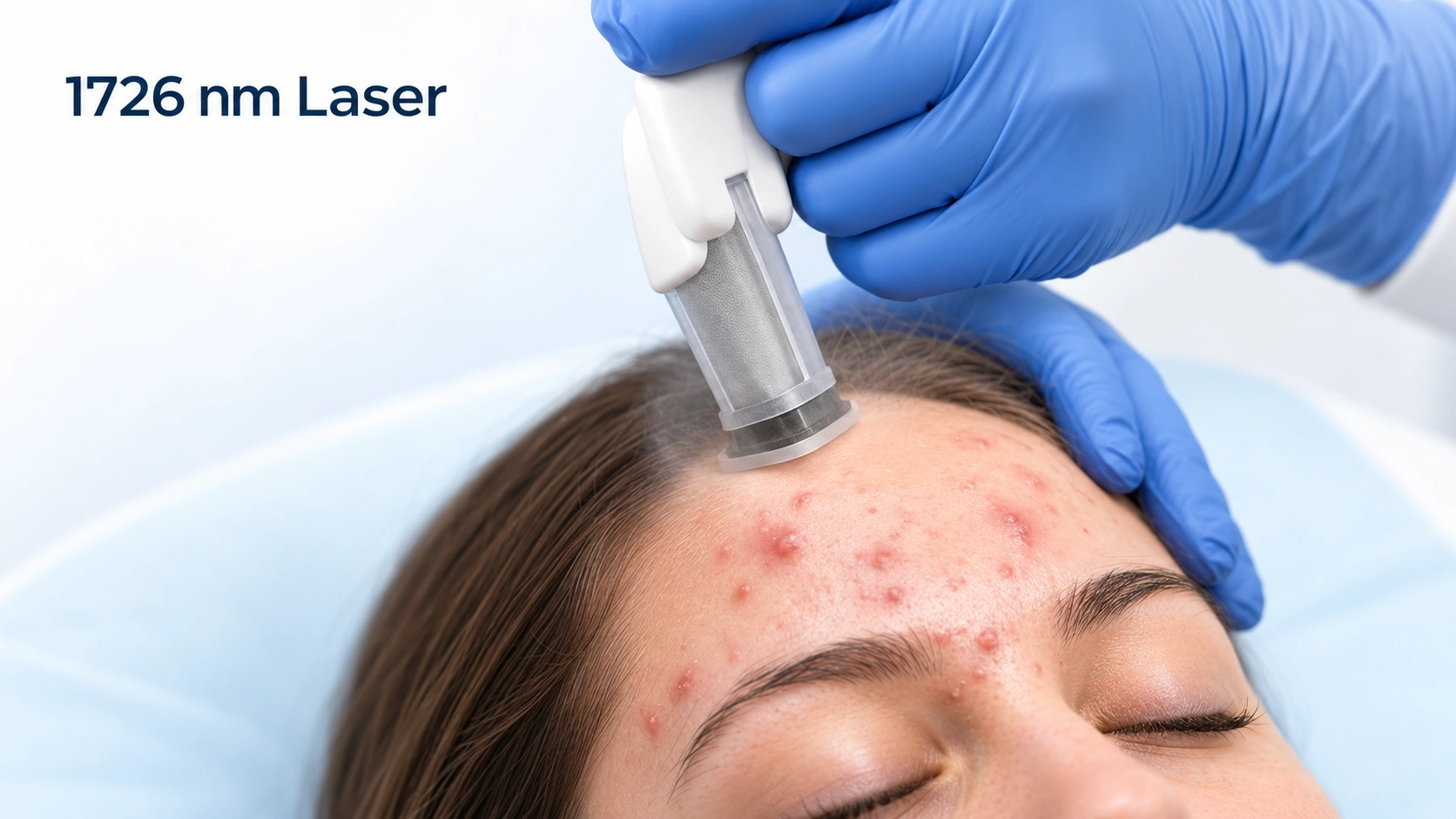
Photodynamic Therapy: A light-activated drug applied in the office, then switched on with a lamp or laser. It is the strongest non-drug option for inflammatory acne, and the downtime is a real week.
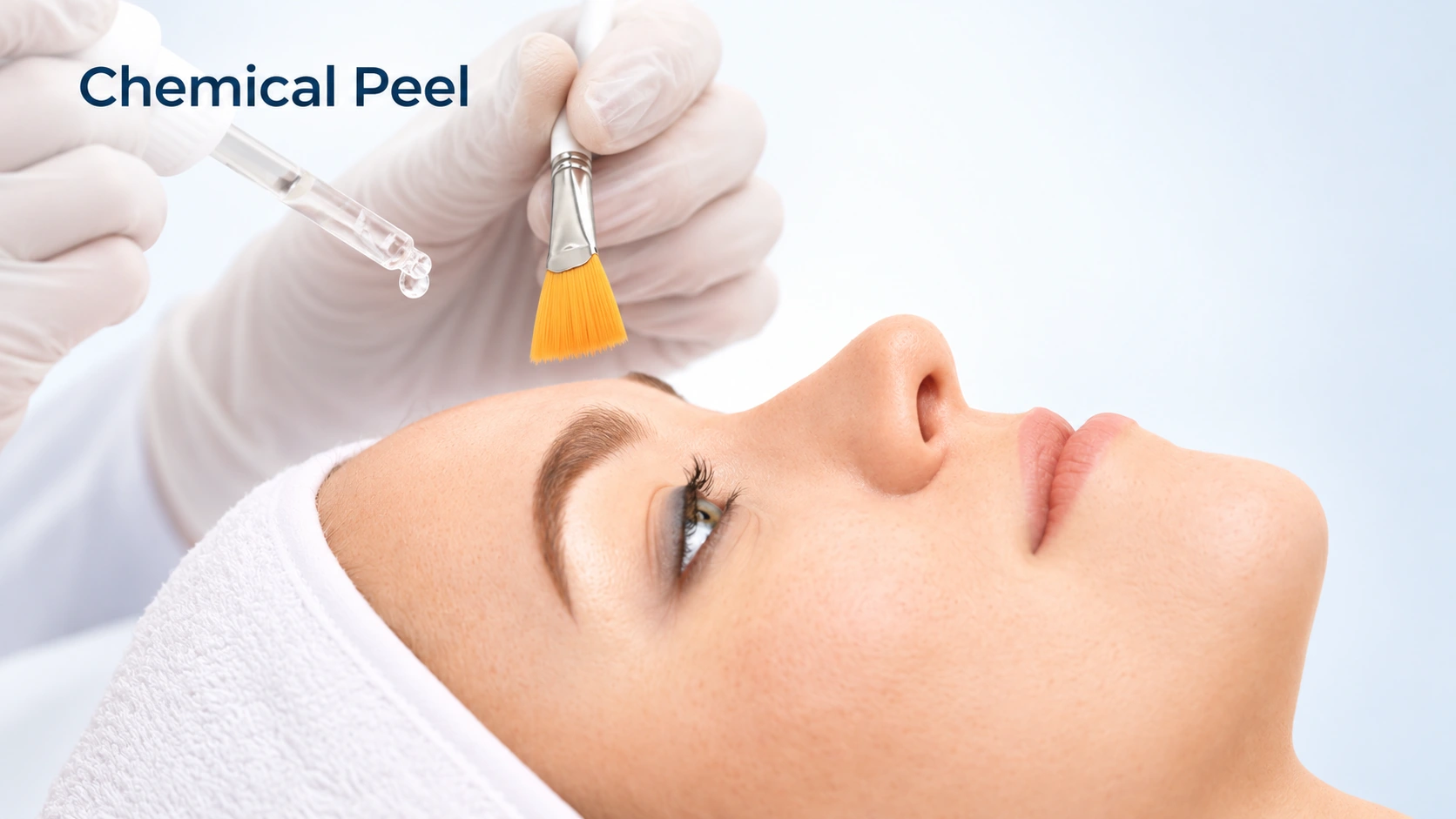
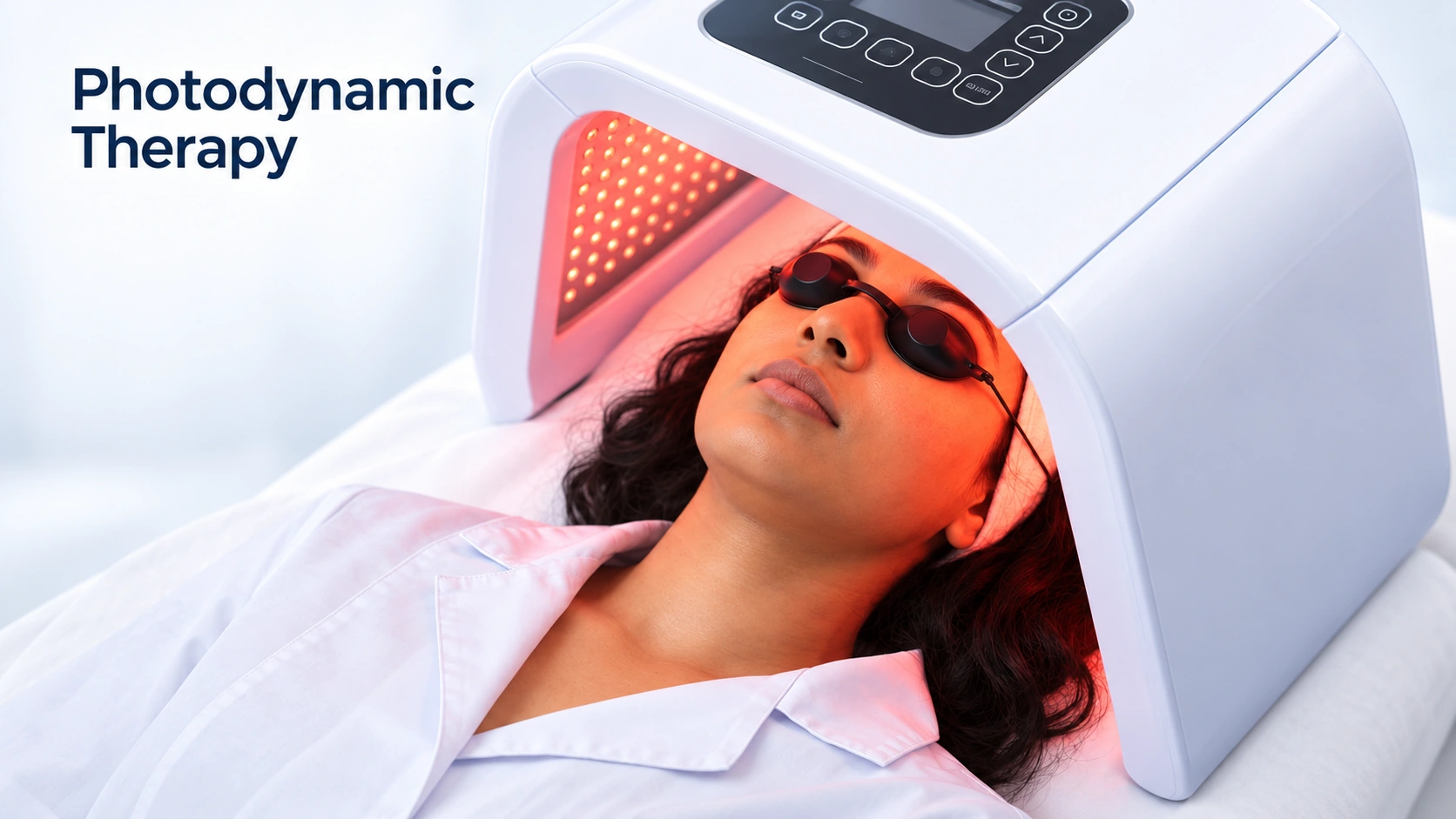
Choose for brown marks, clogged pores or dull, sun-aged texture — not for indented scars.
Choose to treat a whole area of sun damage at once — or as a strong non-drug option for stubborn acne — with a real week of downtime.
Can you have both?
A light peel is sometimes used before photodynamic therapy to help the cream absorb, but only under the clinic's protocol.
A chemical agent creates a controlled skin injury.
Superficial, medium and deep peels differ in recovery and risk.
A peel is not defined by ingredient or percentage alone.
Phenol peels carry serious systemic risks.
A photosensitizing medicine is activated by a set light exposure.
It is used for actinic keratoses and some superficial lesions.
It is not ordinary LED or UV treatment.
Sunscreen alone may not prevent activation.
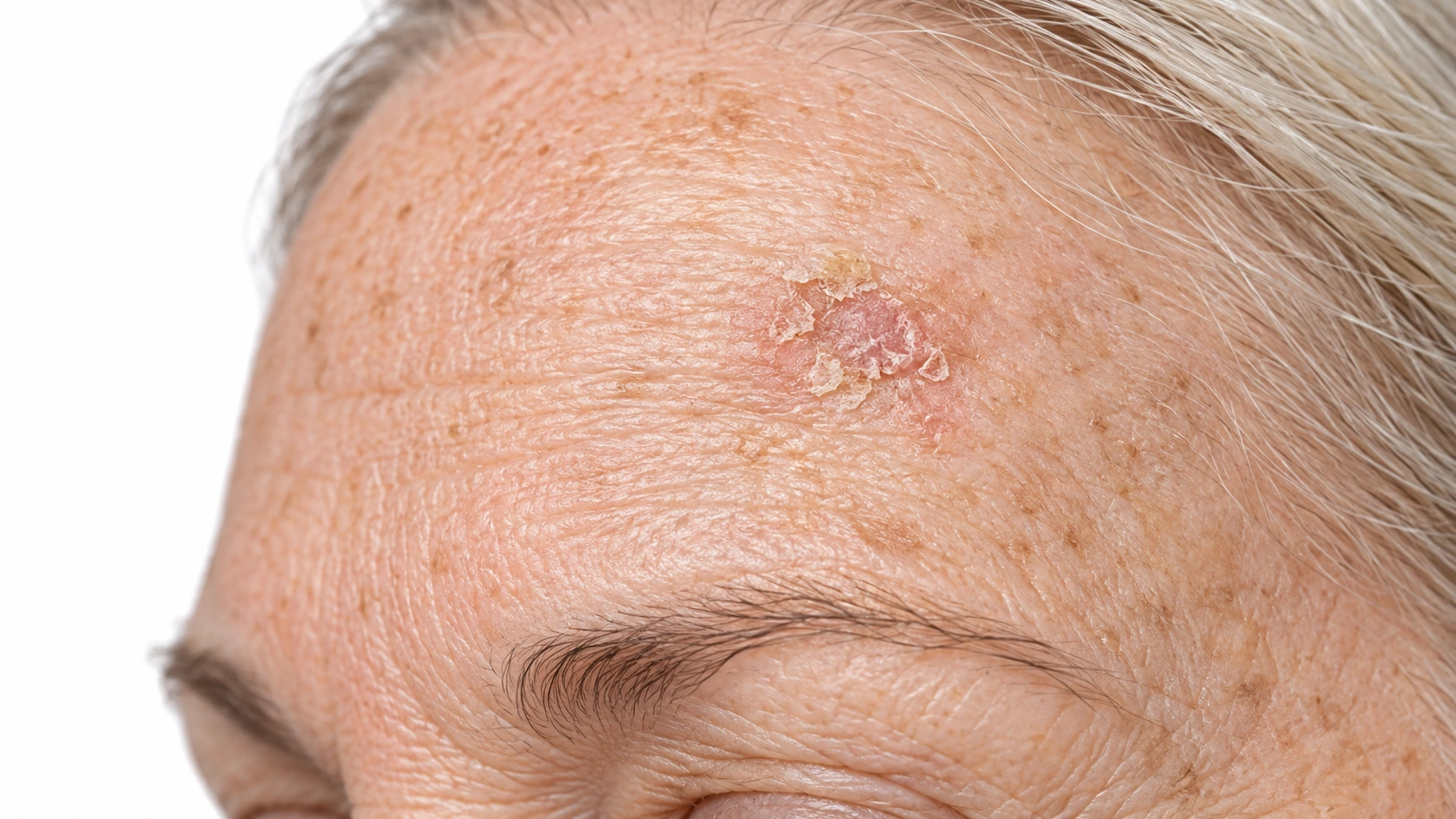
Clears 75–90% of spots.

Light peels help alongside creams.

Clears clogged pores.
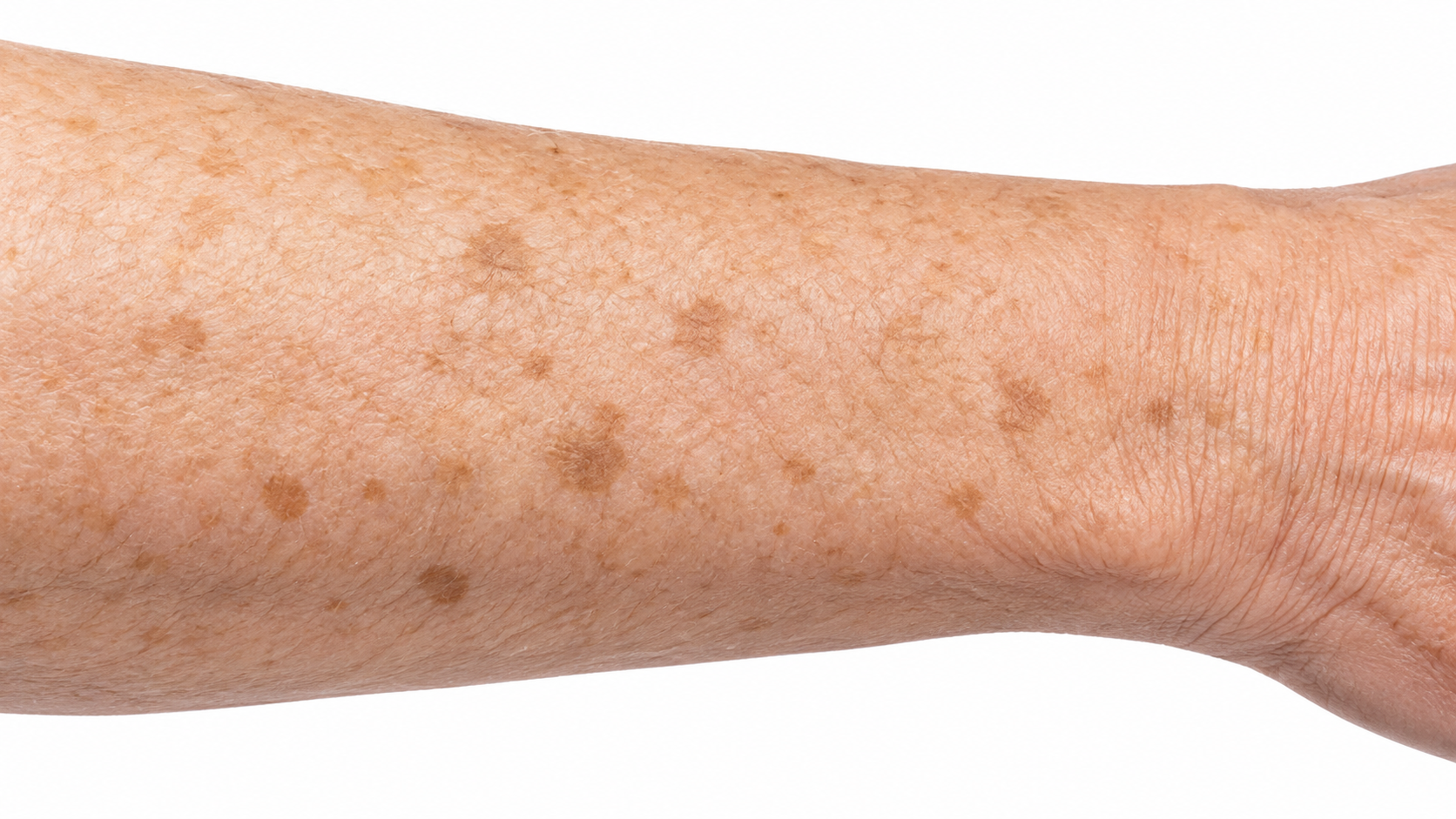
Fades spots.

Deeper peels smooth lines.
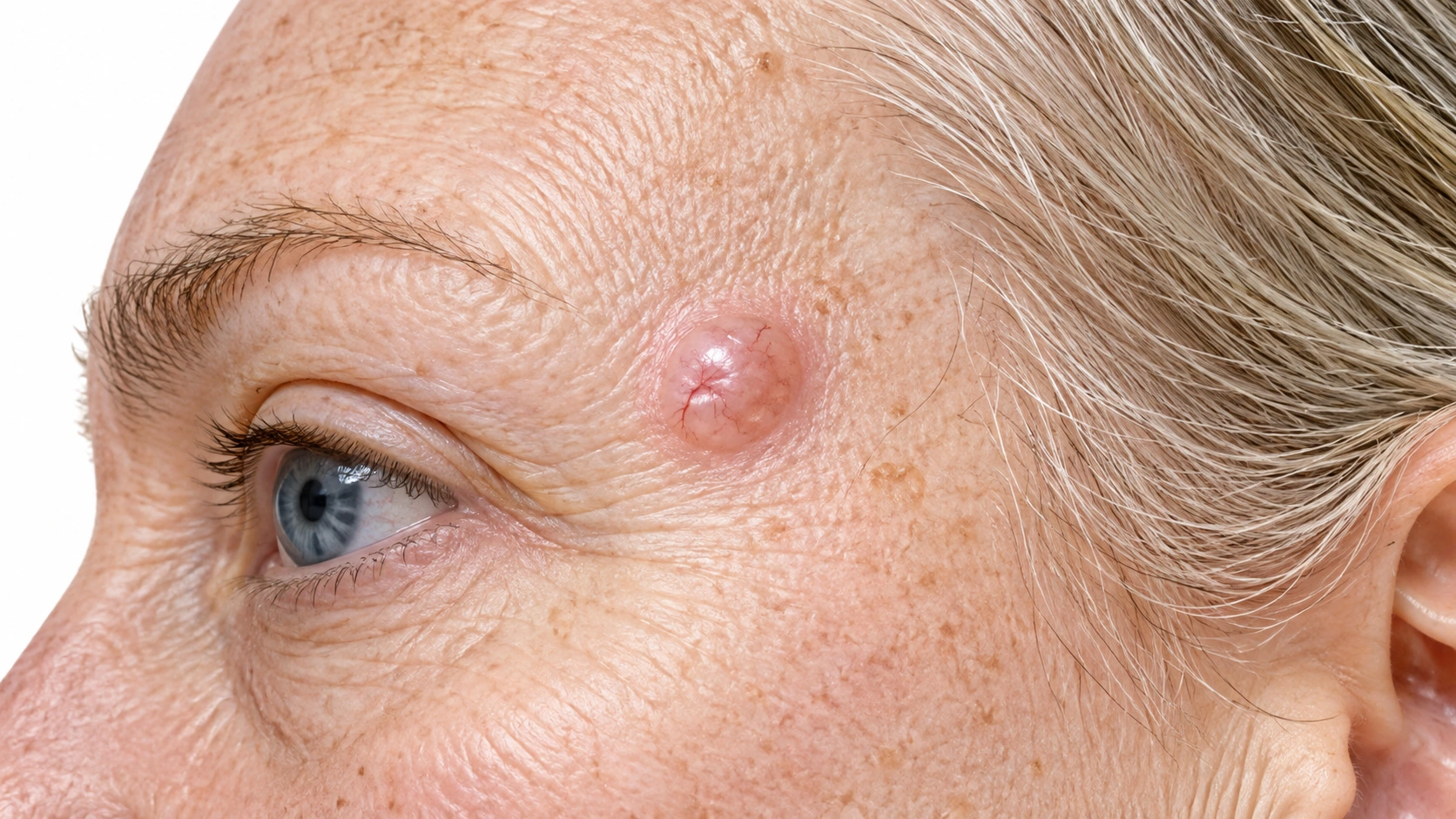
Treats superficial types.
Used for stubborn acne.
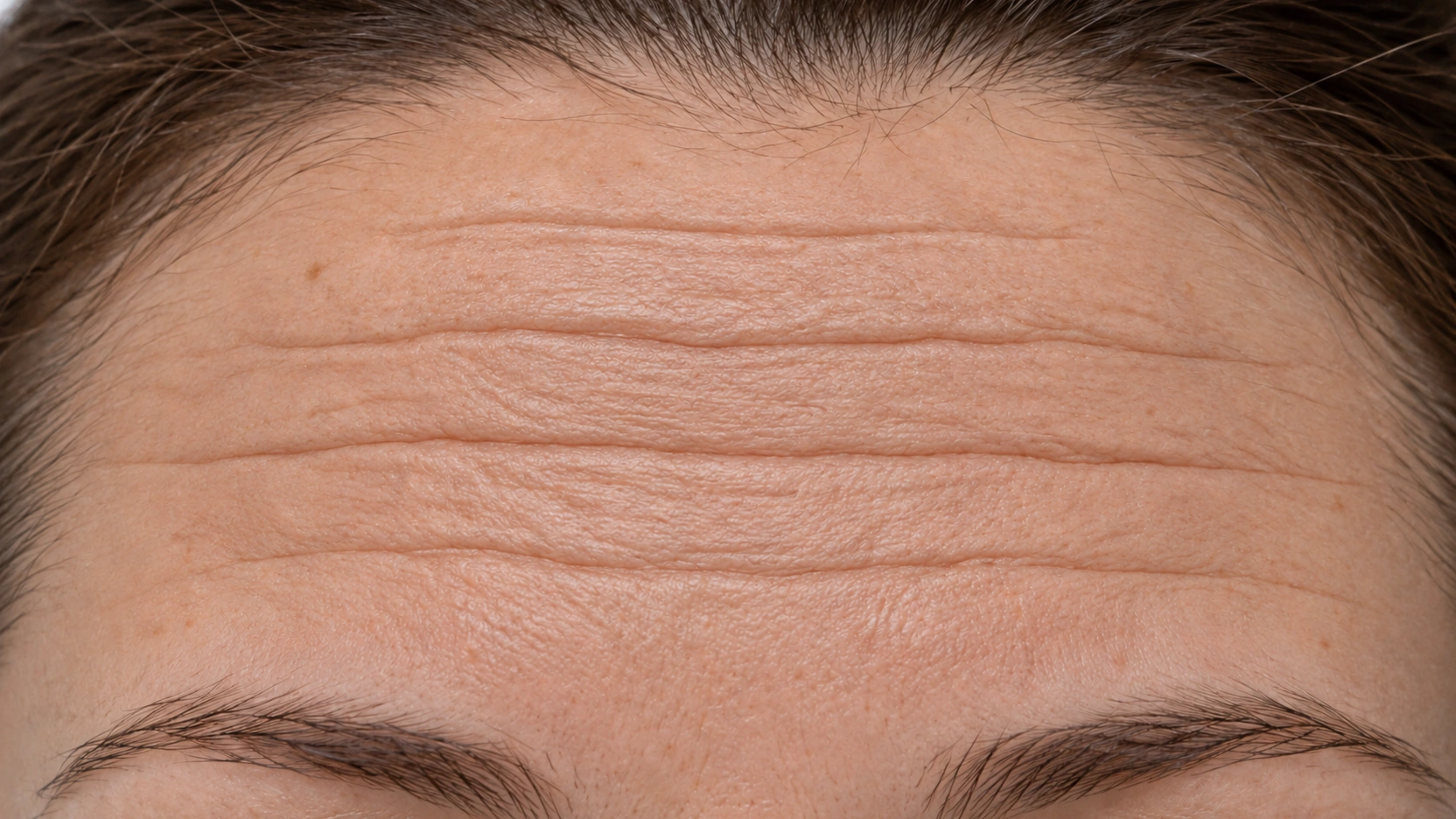
Light peels can't reach deep lines.
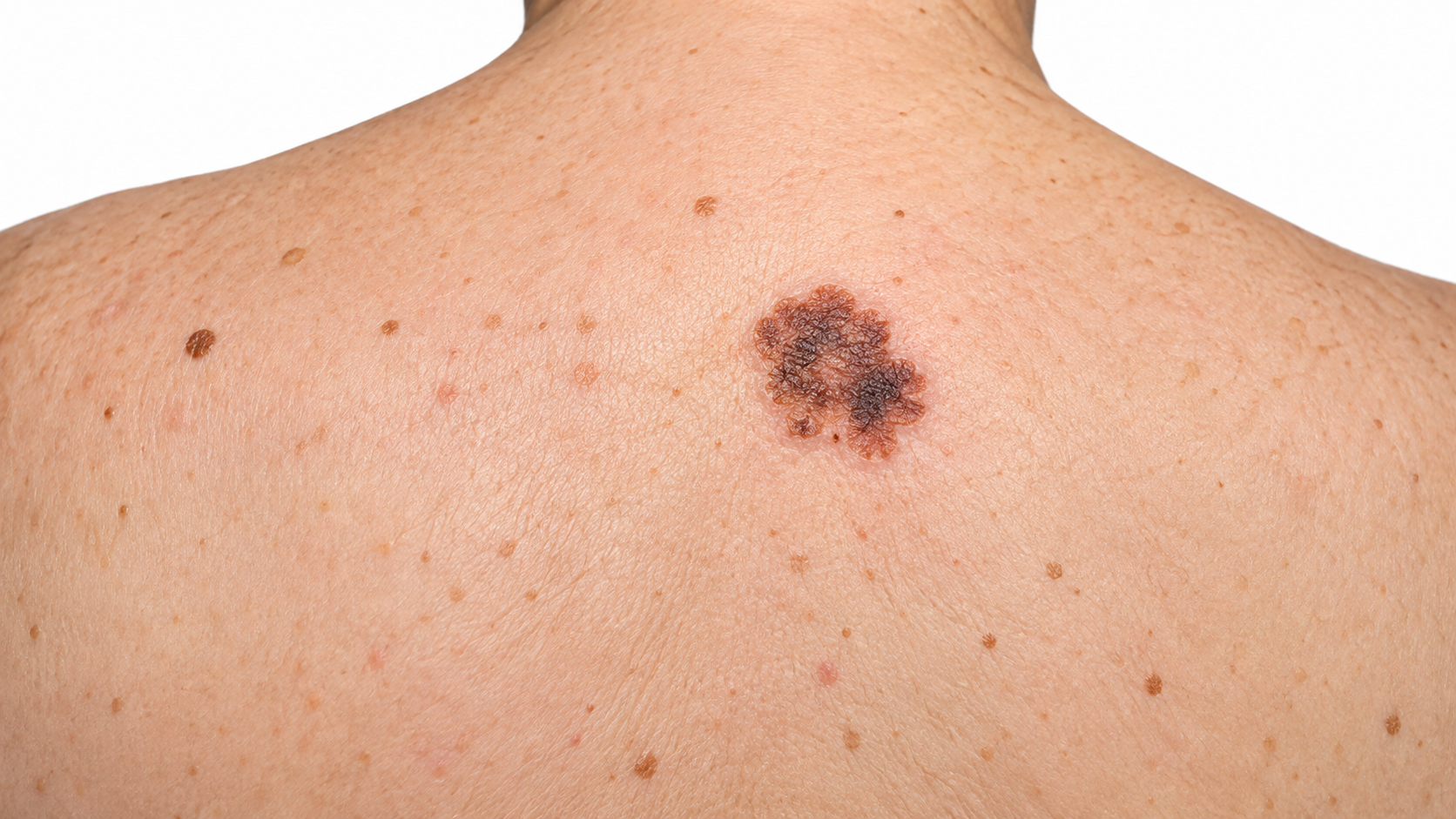
Needs excision.

Very irritating.
Light can darken patches.
Face; the selected area depends on the concern and treatment plan.
Face; the selected area depends on the concern and treatment plan.


The agent and depth are selected: The clinician matches the peel to the skin and concern. Controlled chemical injury occurs: The chosen agent acts on the planned skin layers. Skin heals and renews: Results and recovery depend on the peel depth and technique.
Schematic illustration. Technique and response vary. This explains a mechanism and does not specify treatment settings.
A photosensitizer is applied: The selected medicine accumulates in the prepared treatment area. Light activates the medicine: A matched light regimen produces reactive molecules. Selected cells are damaged: Inflammation and healing follow; treatment response varies.
Schematic illustration. Technique and response vary. This explains a mechanism and does not specify treatment settings.
2 weeks before: Sun and tanning: No tanning, no sunburn.
4 weeks before: Pigment cream: On deeper skin tones, a pigment-blocking cream first cuts the risk of dark patches.
2 weeks before: Sun and tanning: Avoid sun and tanning for 2 weeks.
Before you book: Time off: Clear several days, especially the 48 hours after, when you must stay out of sunlight and bright indoor light.
Actives and hair removal: Stop retinoids, benzoyl peroxide and acids 3 to 5 days before.
Actives and hair removal: No waxing, threading or hair removal creams.
5 to 7 days before: Actives: Stop retinoids and exfoliating acids.
Skin is checked, photos taken, and you confirm what you have stopped using.
Photos, consent covering the off-label use and the downtime, and a medication review.
Skin is cleaned and degreased, eyes and lips protected, acid brushed on in layers.
It stings and builds over 2 to 5 minutes, then gets neutralized. The visit takes 20 to 30 minutes. A light peel burns briefly and most people tolerate it; a medium peel is genuinely uncomfortable, and the burning can last an hour.
Skin is cleaned and degreased, sometimes with microdermabrasion or an acetone wipe, so the drug soaks in evenly.
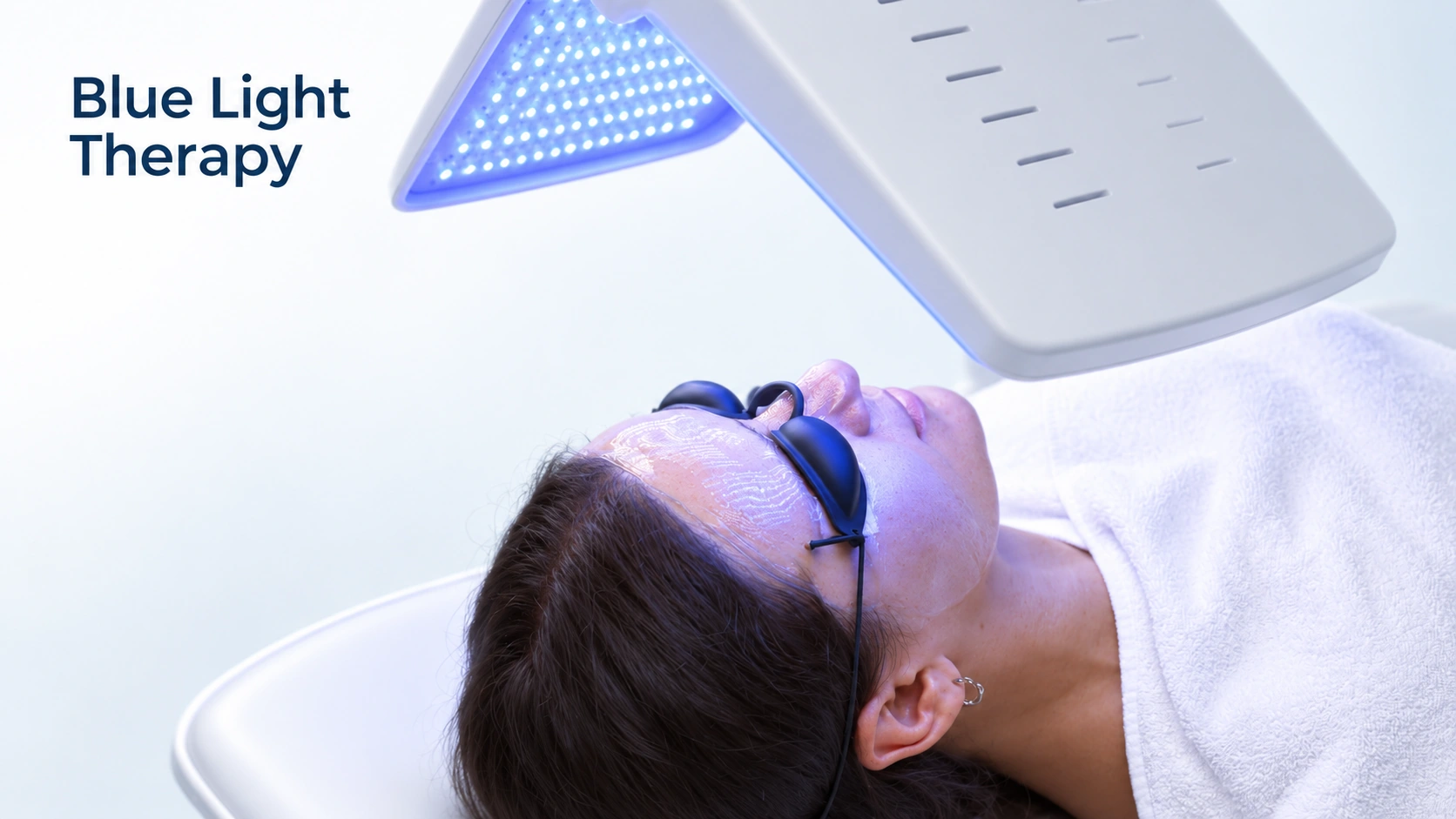
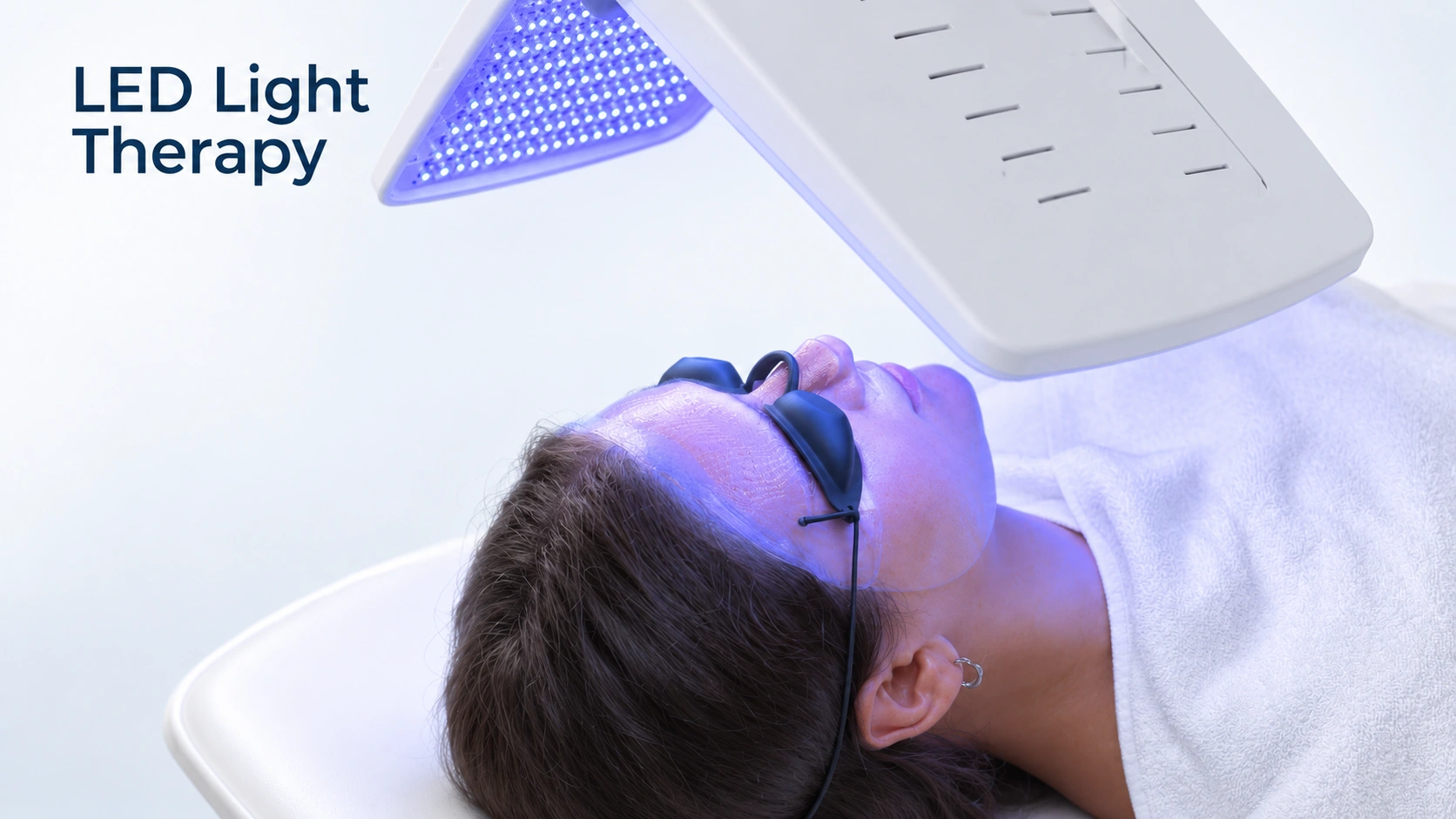
The solution goes on and you wait 20 minutes to 3 hours in a dim room. Then eye shields go on and you sit under a blue or red light for 8 to 20 minutes, or a laser or IPL is passed over. Stinging builds and peaks at the end; cold air helps.
Pink, tight skin, sometimes with mild swelling and stinging for a few hours.
The least comfortable procedure on this list.
Days 1 to 3: Skin darkens slightly, dry and rough.
First 48 hours: Stay strictly out of sunlight and bright indoor light; daylight through a window can trigger a severe reaction.
Days 4 to 7: Light peels finish flaking.
Days 4 to 10: Peeling and flaking, sometimes in sheets.
Weeks 1 to 2: Some people break out for a week or two as clogged pores clear.
Weeks 1 to 2: An acne flare is common in the first week or two, before improvement starts.
1–2 weeks after each peel
2–4 weeks
Months with good skincare
Treated spots clear; new ones may form
A superficial salicylic or glycolic peel runs about $100 to $300 a session in the US, a medium-depth peel about $400 to $900.
In the US, PDT for acne generally costs about $400 to $1,500 per session, so a course commonly lands between $800 and $4,000.
Insurance rarely covers peels for acne or post-acne marks — they count as cosmetic.
Insurance does not cover PDT for acne, because the approved indication is precancerous sun damage.
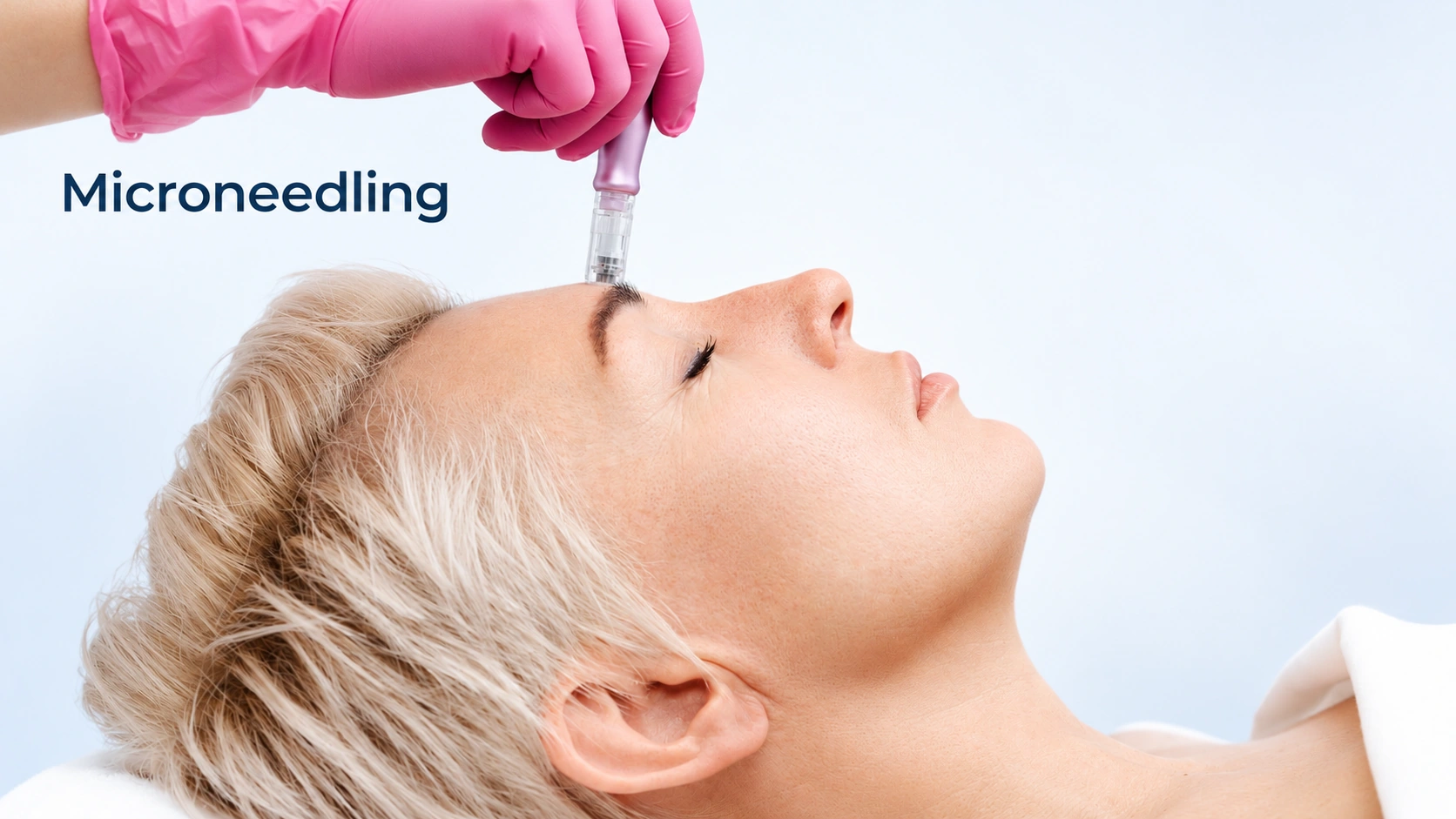
Not for indented scars. Peels fade the flat brown or red marks left after a spot — people call those scars, but they are discoloration. Depressed scars need microneedling, lasers, subcision, or filler.
Salicylic acid, usually — oil-soluble, so it works inside the pore. Glycolic acid suits surface dullness and pigment. Some providers combine them, or use a salicylic-mandelic blend on deeper skin tones.
4 to 6 sessions, 2 to 4 weeks apart, then maintenance. One peel gives a temporary glow.
Superficial salicylic and glycolic peels are, with good data behind them. Deeper peels can leave a lasting dark or light patch. Depth, not the acid, matters.
Often not much, and that is fine. Sheeting does not mean it worked; mild flaking does not mean it did not.
Not in the US. It is FDA-approved for precancerous sun spots; using it for acne is off-label. That is legal and common, but it means no standard protocol and results that vary between clinics.
Plan for 5 to 7 days of a visibly red, then swollen, then peeling face, with the worst in the first 48 hours. It is closer to a medium-depth peel than a laser facial.
The drug is still in your skin, and sunlight — including through a car or office window — activates it and can cause a severe burn. This is the most important instruction of the treatment.
No. Improvement typically lasts 6 to 12 months and repeat courses are often needed. It does not treat scars or existing brown marks.
It can be done, but the risk of lasting dark patches is meaningfully higher, because the treatment works by causing strong inflammation. A shorter incubation, a lower light dose and an experienced provider make a large difference.