It means two different treatments.
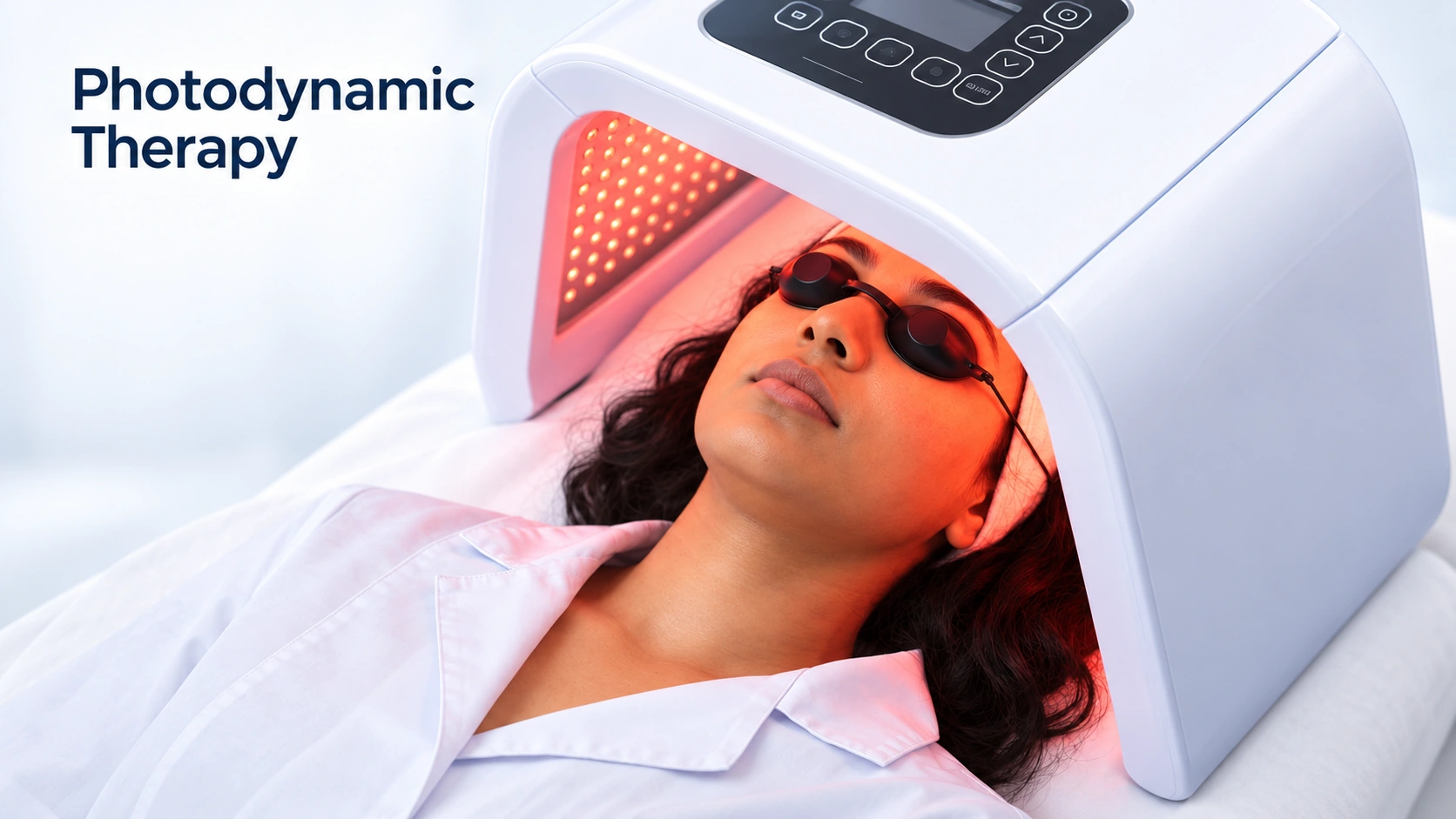
It can be light alone for acne or part of photodynamic therapy.
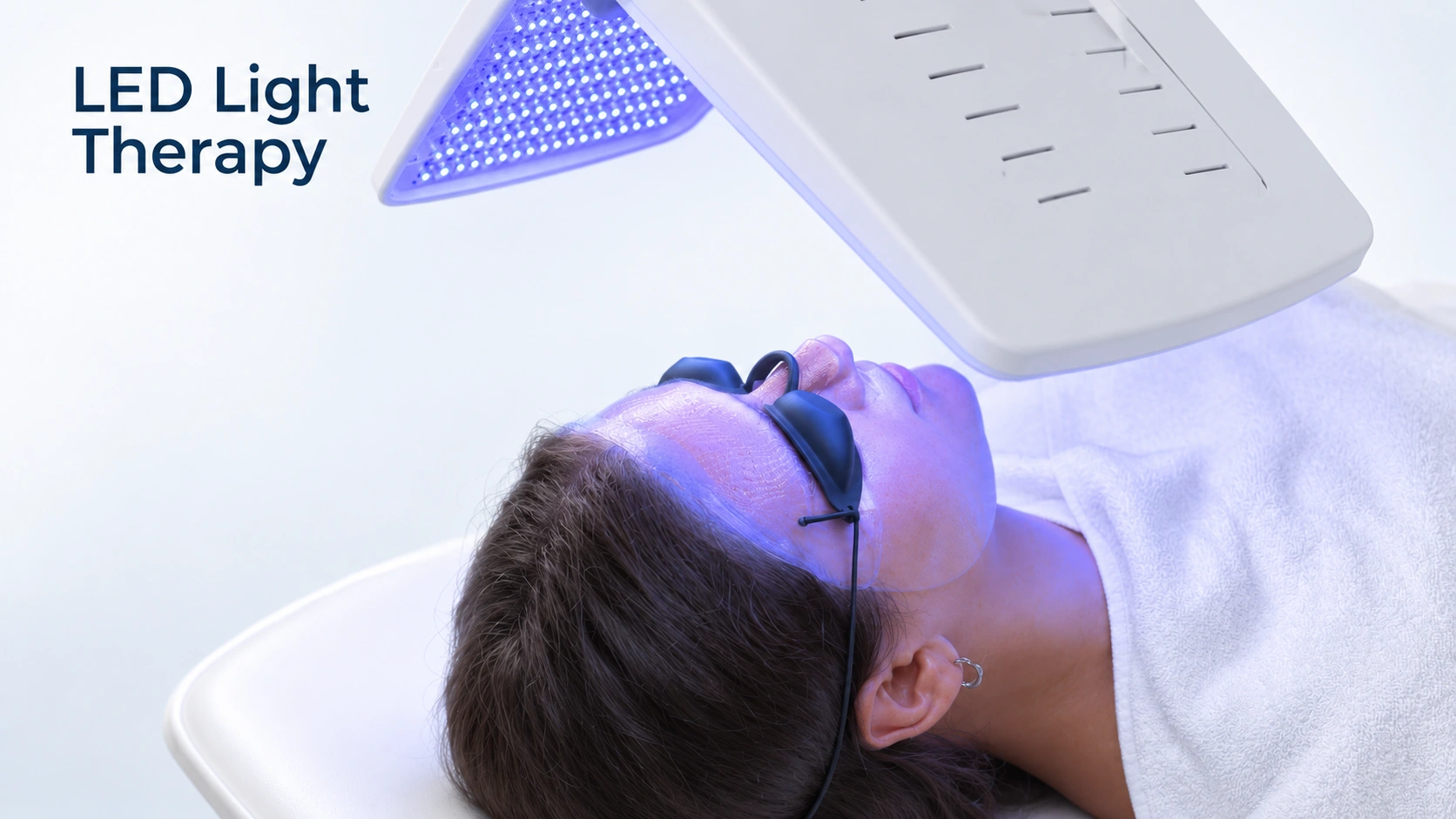
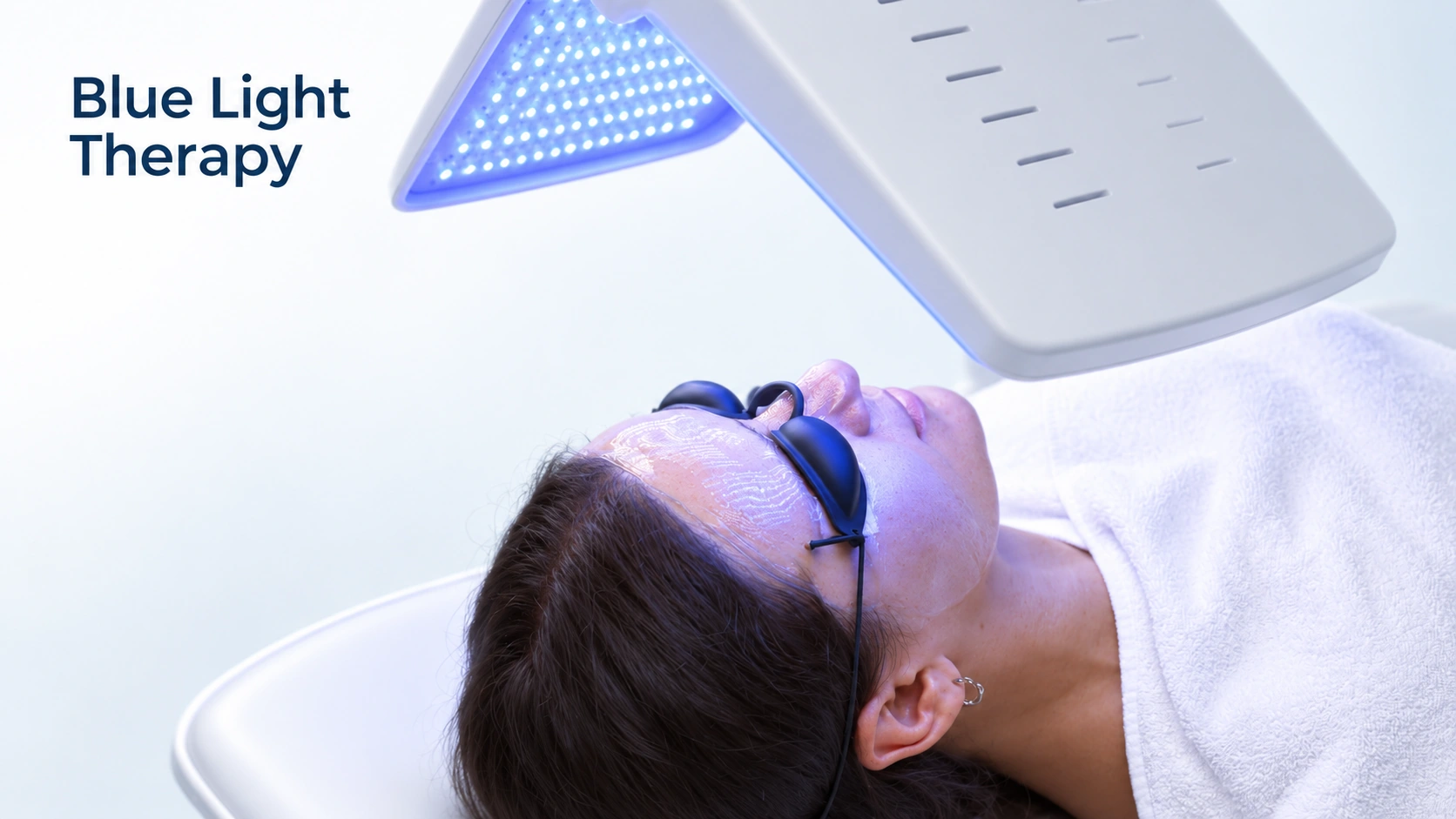
Blue Light Therapy: Visible blue light, around 415 nm, shone on the skin for mild inflammatory acne. No drug, no ultraviolet, and no downtime. It is not photodynamic therapy, which applies a drug first and is a far stronger treatment.
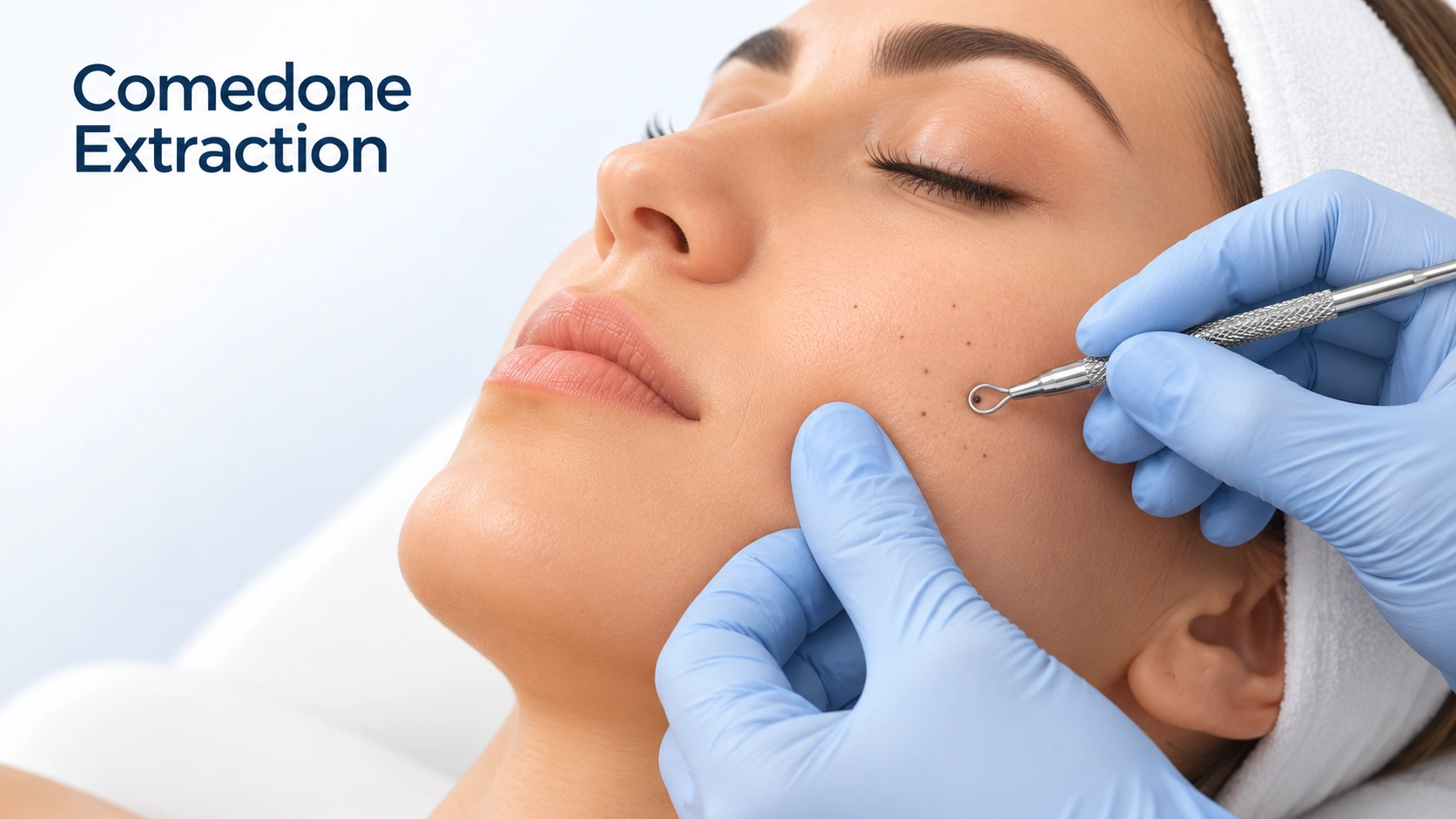
Comedone Extraction: A provider clears blackheads and whiteheads with a small tool. The result is immediate and temporary — pores refill within weeks unless a daily treatment changes them.
Choose for mild inflammatory acne when you want a painless, drug-free add-on with no downtime — expect modest results.
Choose for an instant clear-out of blackheads, whiteheads or milia — temporary unless a daily treatment keeps pores clear.
Can you have both?
Often done in the same visit: extractions clear blackheads and blue light targets acne bacteria.
It can be light alone for acne or part of photodynamic therapy.
Discomfort, results and aftercare vary between them.
A photosensitizing medicine changes the treatment.
Light avoidance is needed after photodynamic therapy.
Blackheads and whiteheads are removed by a clinician.
It does not address every cause of acne.
Nodules and cysts need a different plan.
Excessive force can cause scarring or pigment change.
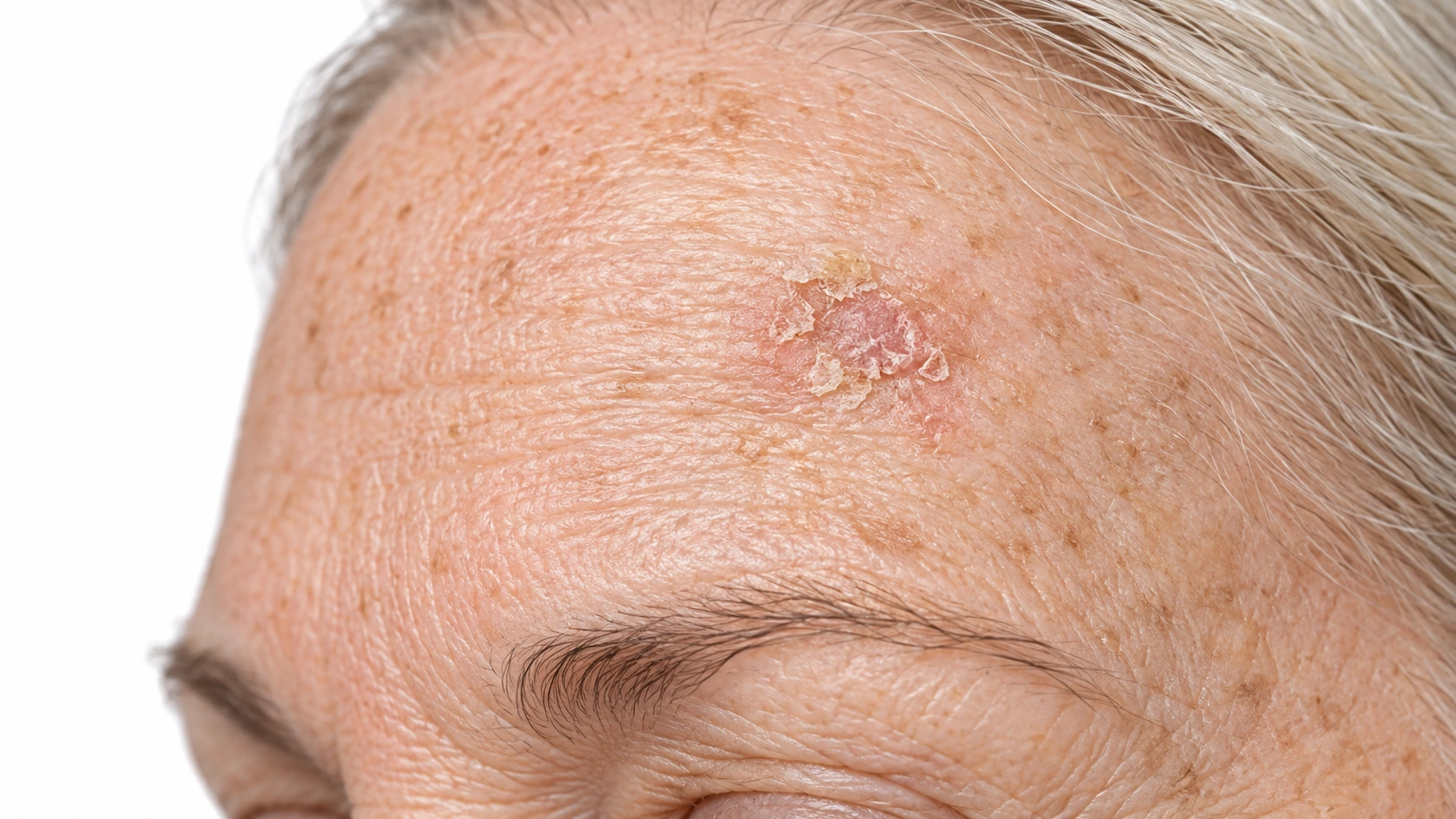
Activates PDT medicine for sun damage.
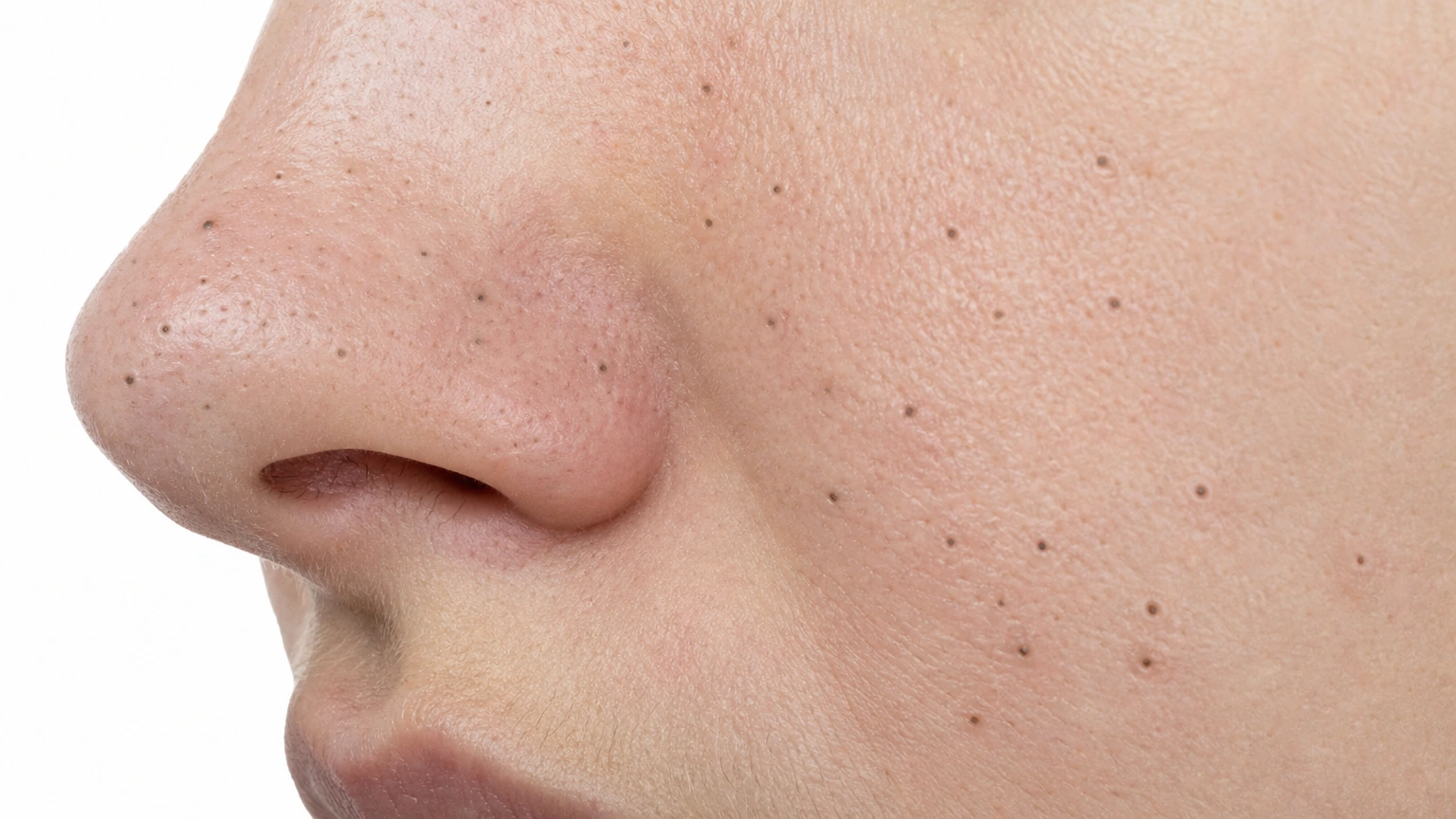
Clears them the same day.

Removes stubborn milia.

Modest reduction in inflamed spots.
Helps clogged pores alongside treatment.

Doesn't change scars.
Doesn't clear clogged pores.
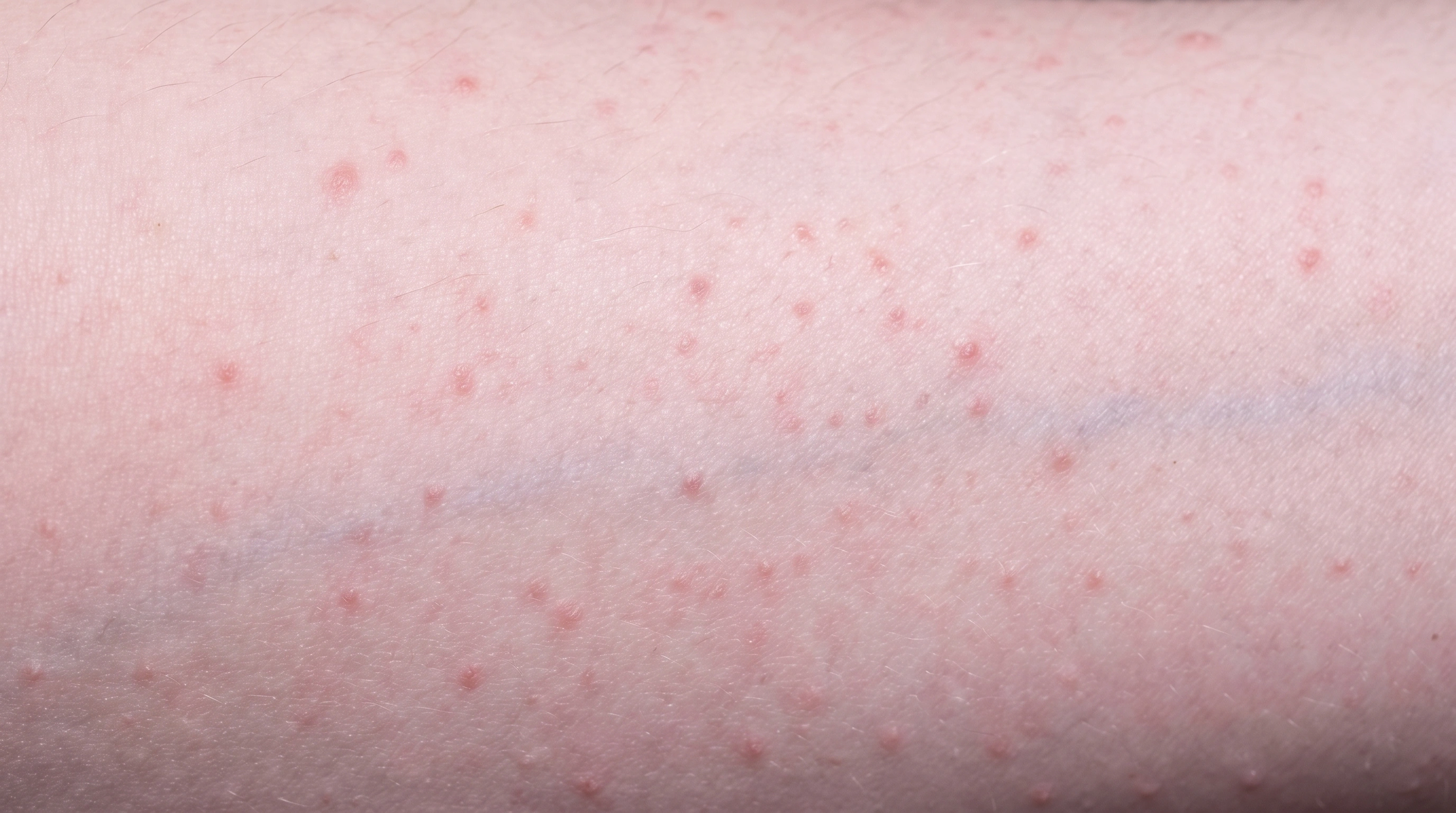
These bumps aren't clogged pores.

Squeezing worsens redness.
Face; the selected area depends on the concern and treatment plan.
Face; the selected area depends on the concern and treatment plan.
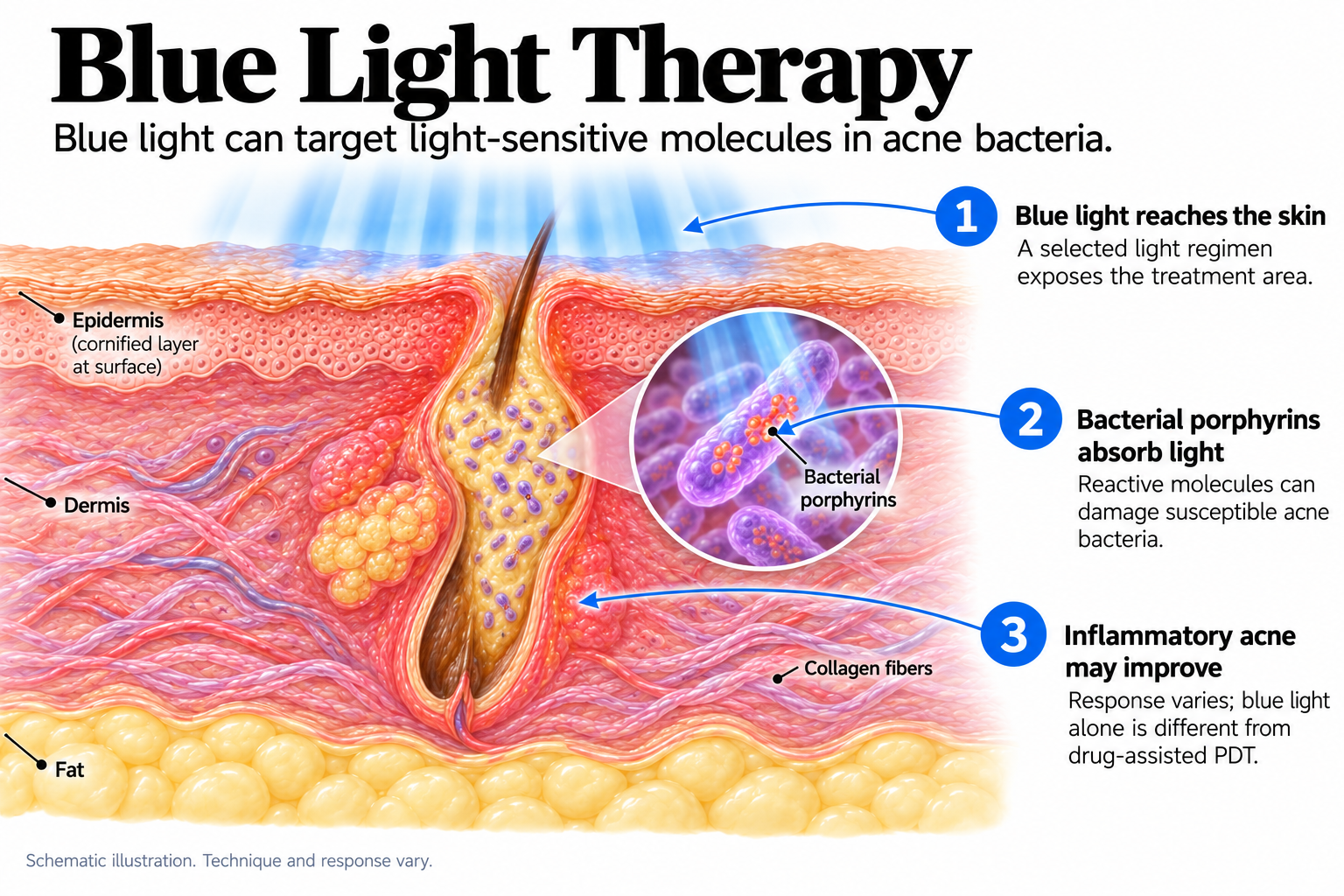

Blue light reaches the skin: A selected light regimen exposes the treatment area. Bacterial porphyrins absorb light: Reactive molecules can damage susceptible acne bacteria. Inflammatory acne may improve: Response varies; blue light alone is different from drug-assisted PDT.
Schematic illustration. Technique and response vary. This explains a mechanism and does not specify treatment settings.
An accessible plug is selected: A clinician identifies a suitable comedone. The plug is carefully removed: Controlled extraction lifts out trapped keratin and sebum. The pore opening is cleared: Ongoing acne care helps reduce new blockages.
Schematic illustration. Technique and response vary. This explains a mechanism and does not specify treatment settings.
Before you book: What is included: Ask whether a drug goes on the skin first.
Prep products: Some providers ask for a retinoid or salicylic acid first, which loosens plugs and makes extraction easier.
A few days before: Do not pick: No picking or squeezing at home.
Clean face: Makeup, sunscreen and thick moisturizer block the light.
Clean face: Come with a clean, bare face.
Clean face: Come without makeup if you can.
Skin is cleansed.
Skin is cleaned and the provider decides which spots can be extracted.
Opaque goggles go on, the panel sits a few inches from your face, and the light runs 10 to 20 minutes.
Very bright even through closed eyelids, and mildly warm. It does not hurt. A mild headache or eye strain afterward happens occasionally, usually from loose goggles.
The provider presses around the pore with a metal loop or two swabs, opening whiteheads first with a tiny sterile needle.
You feel firm pinching at each spot. A full face takes 10 to 30 minutes. Blackheads are pressure more than pain; whiteheads and deeper plugs sting when opened, and a long run is tiring rather than sharp. A painful spot is not forced.
Skin may look slightly flushed for an hour.
Red, blotchy skin with pink rings where spots were, sometimes pinpoint scabs.
Days 1 to 2: Slight dryness or tightness.
After photodynamic therapy: A drug on the skin first changes everything — several days of redness, swelling and peeling, and no daylight for about 48 hours.
Hours 2 to 6: Redness and small raised rings, sometimes into the next day, with occasional pinpoint scabs where a whitehead was opened.
Days 1 to 2: Redness mostly gone.
Days 3 to 7: Skin looks normal.
Weeks 1 to 2: Inflamed spots settle faster.
4–8 weeks
Immediately
Weeks to months
Weeks; pores refill without daily treatment
In the US, blue light alone is one of the cheapest in-office treatments, often an add-on to a facial or sold in packages, commonly well under $100 a session.
With a dermatologist it is often bundled into an acne visit at no extra charge.
Insurance almost never covers blue light for acne, which counts as cosmetic.
Insurance sometimes covers it when billed as acne surgery at a medical dermatology visit.
No, and this is the most common mix-up. Photodynamic therapy puts a photosensitizing drug on the skin and waits an hour or more before the light. That drug causes several days of redness, swelling and peeling. Blue light alone has no drug and no downtime.
For small inflamed spots, modestly. Trials show fewer inflamed lesions over several weeks. It does little for blackheads and whiteheads, does not reach cysts, and is weaker than benzoyl peroxide.
Studies measure change at four to twelve weeks with two sessions a week. Eight weeks is a fair test.
The devices are bright, which is why goggles are used. Keep them on the whole session, and ask about eye protection if you have a retinal condition or past eye surgery.
Yes, though doing both at once adds little. A home device used consistently is often more practical than a course of appointments, and the LED light therapy page covers that evidence.
No, and it may make it worse. Visible light drives pigment in skin prone to melasma, which needs pigment treatment and daily tinted mineral sunscreen.
No. It empties the pore that day. It refills over 4 to 8 weeks unless a daily retinoid changes how the pore behaves.
Mostly yes — technique and restraint. A provider uses sterile tools, opens closed spots properly, and stops when a spot resists. Home squeezing causes most brown marks and small scars.
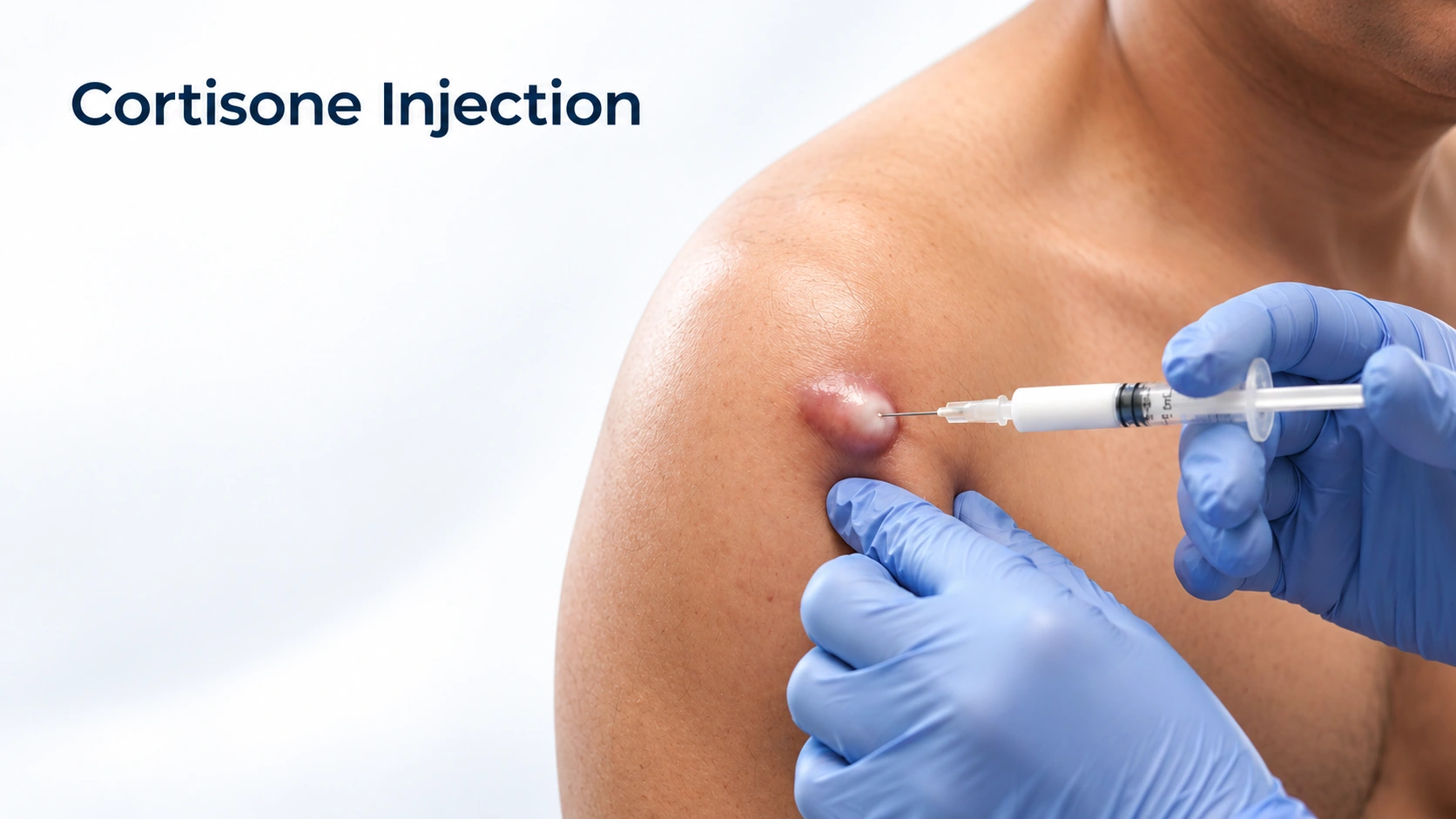
No. Deep, red, painful lumps have no opening to press through, and forcing one makes it worse. A cortisone injection is the answer.
Only in appearance, and briefly. An empty pore looks smaller; pore size does not change.
Blackheads feel like firm pinching. Whiteheads sting for a second when opened. Uncomfortable rather than painful.