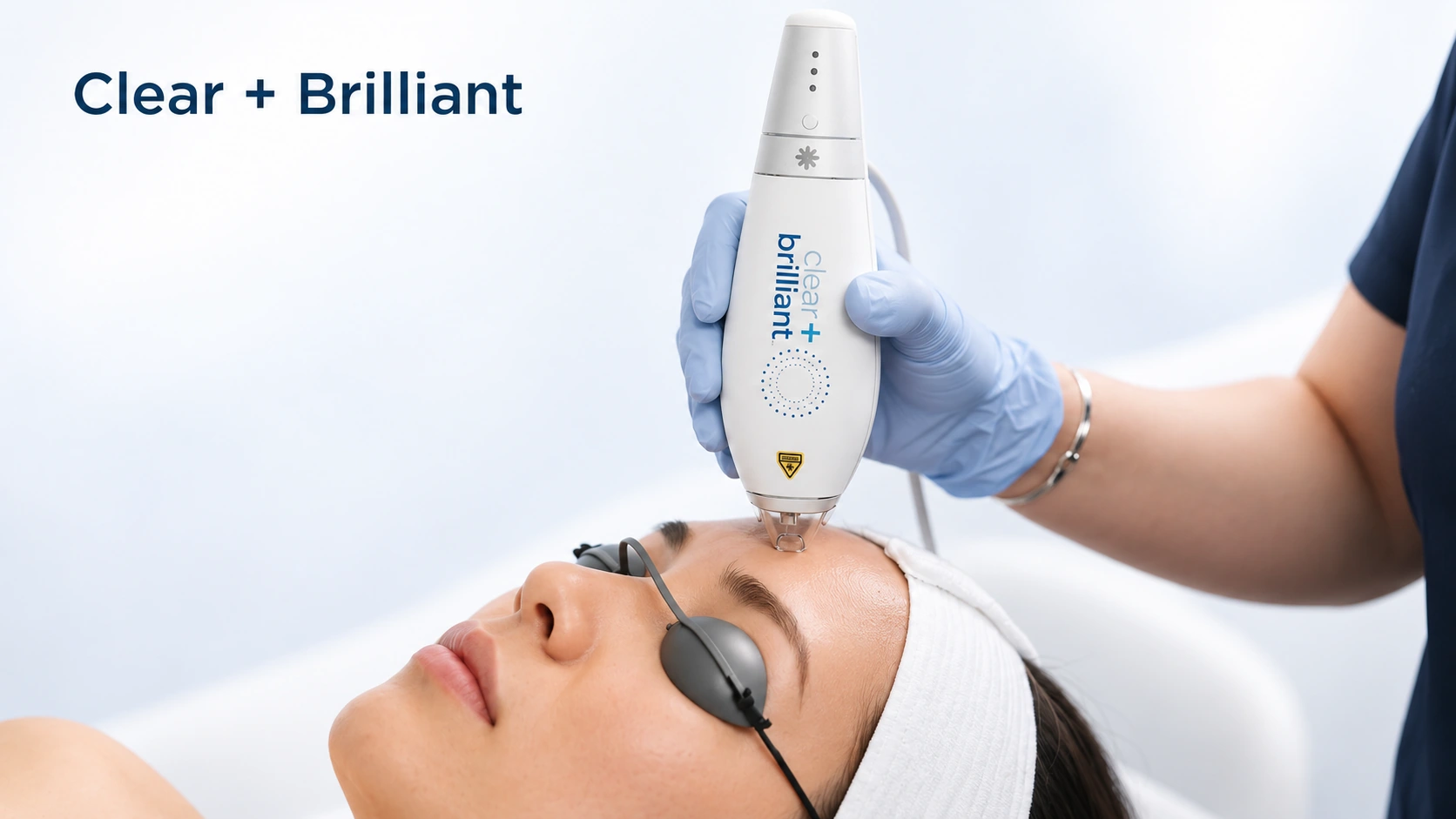
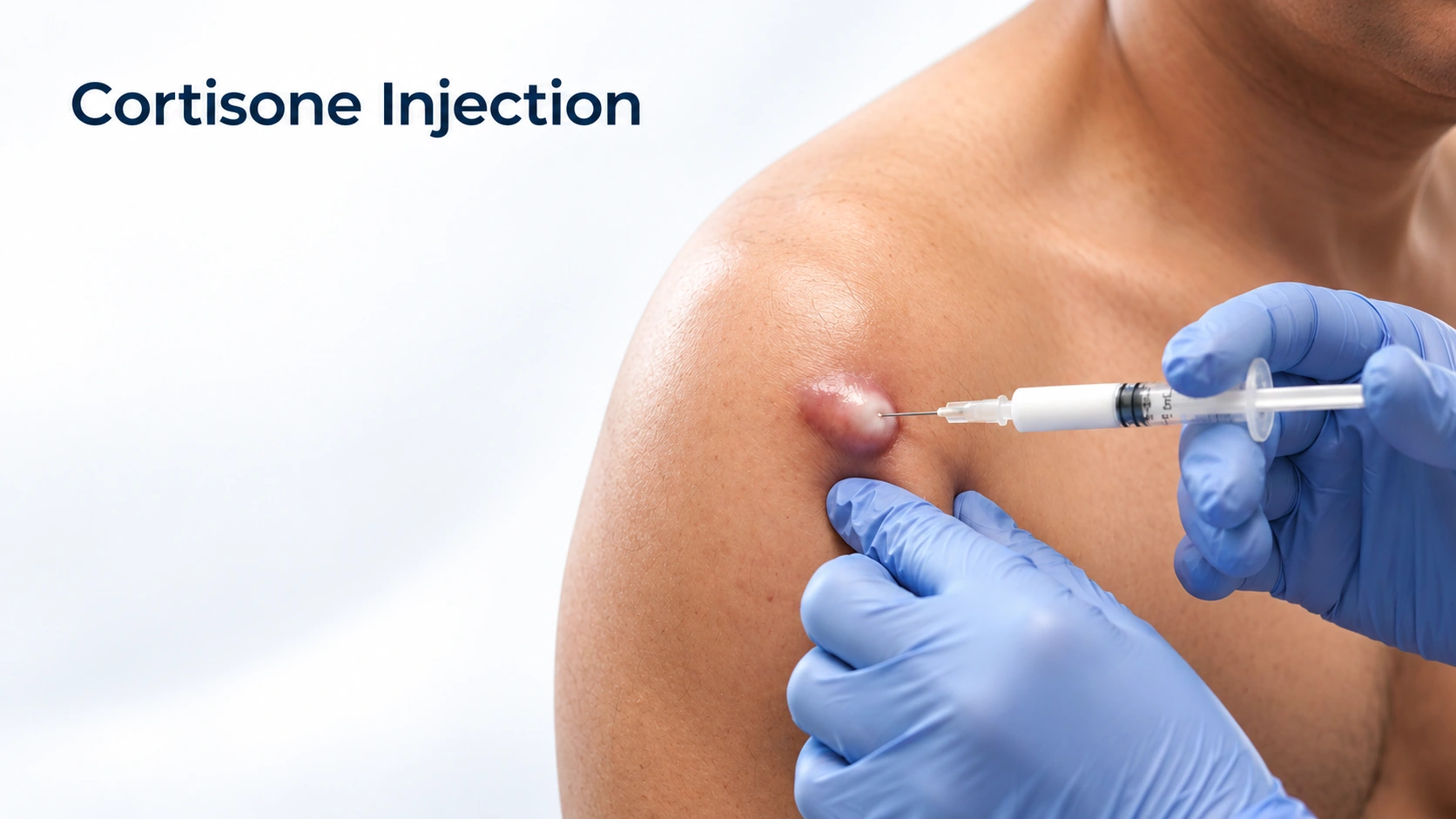
It clears clogged pores.
Blackheads and whiteheads are removed by a clinician.
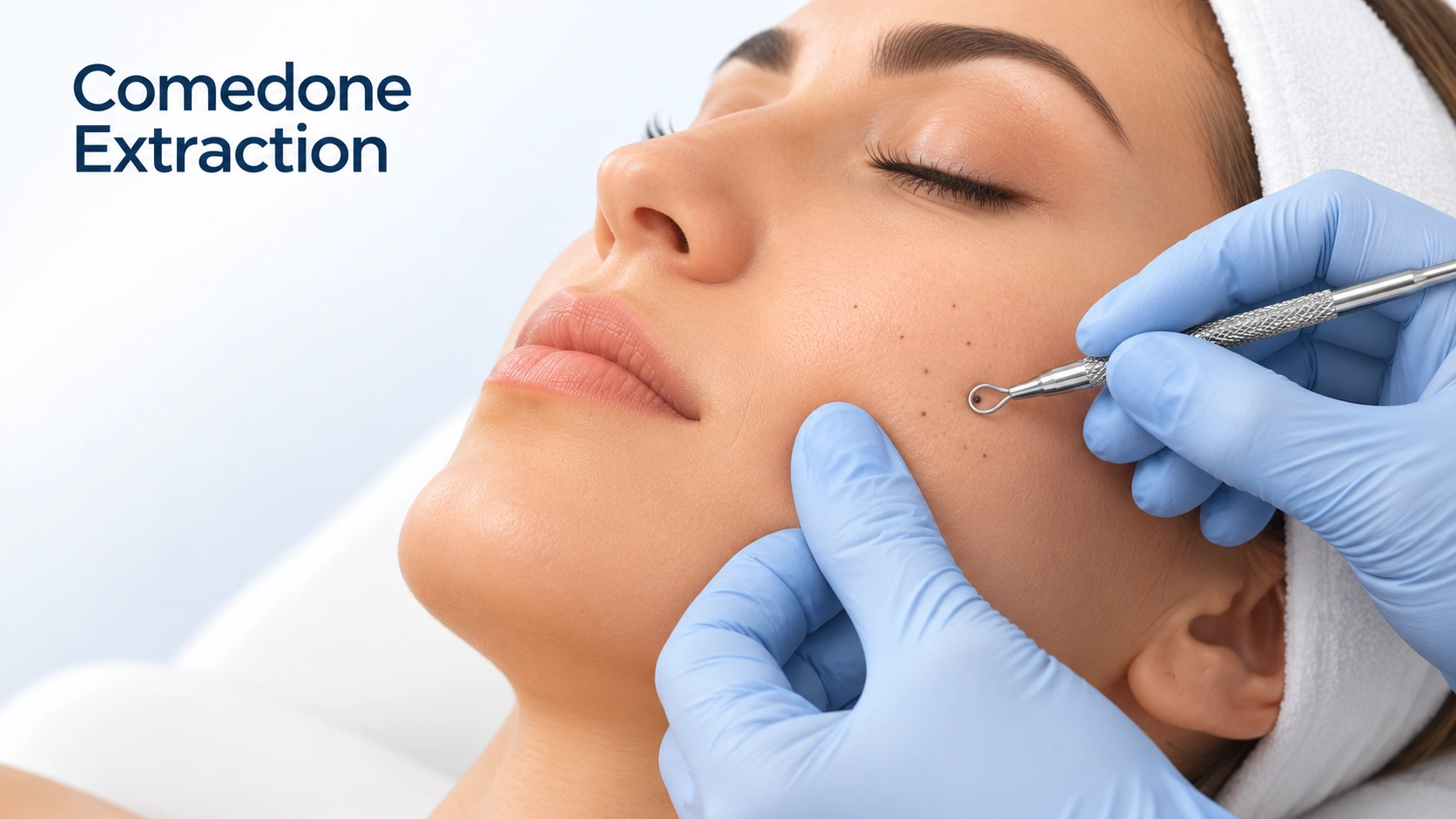
Comedone Extraction: A provider clears blackheads and whiteheads with a small tool. The result is immediate and temporary — pores refill within weeks unless a daily treatment changes them.
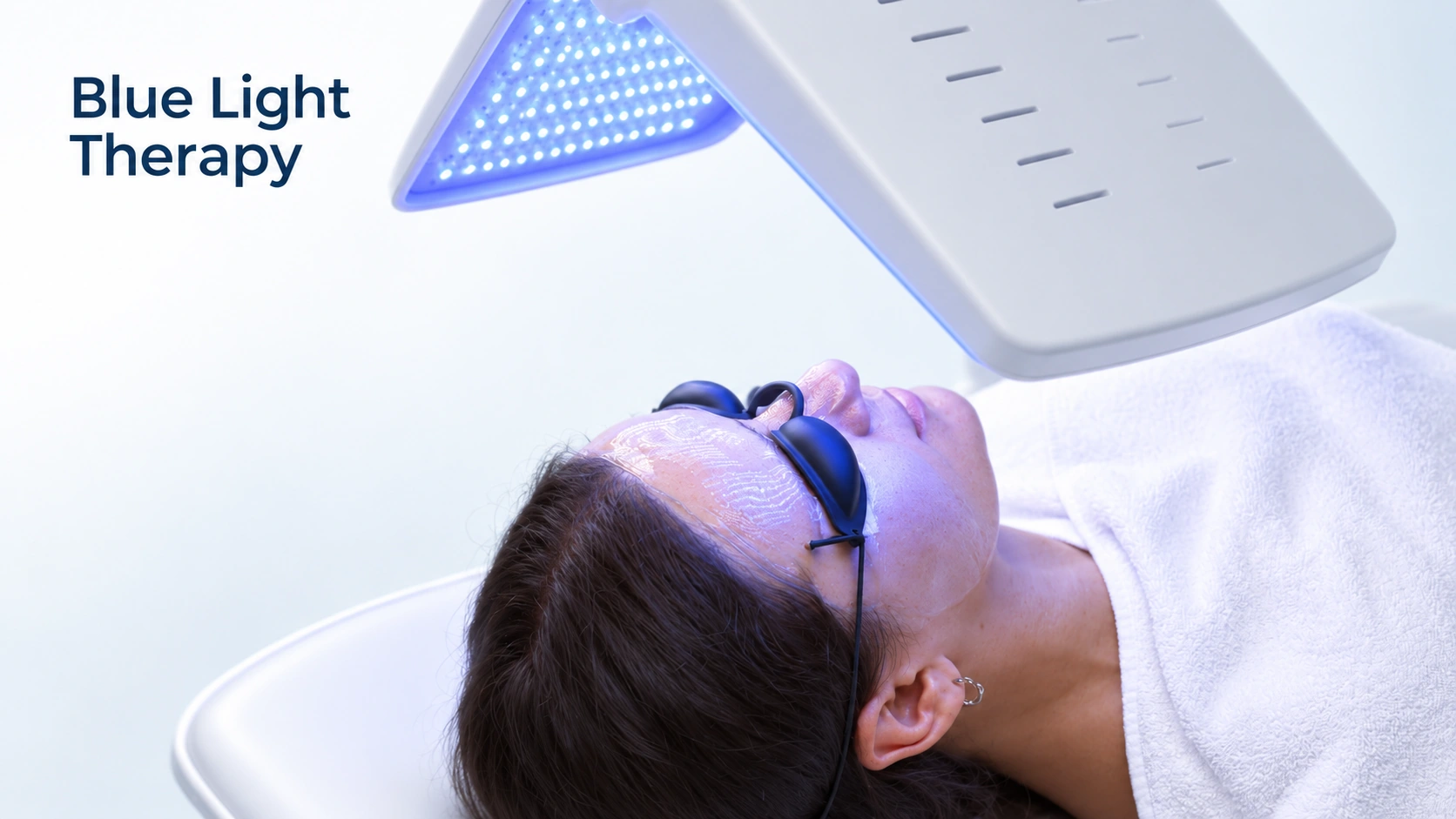
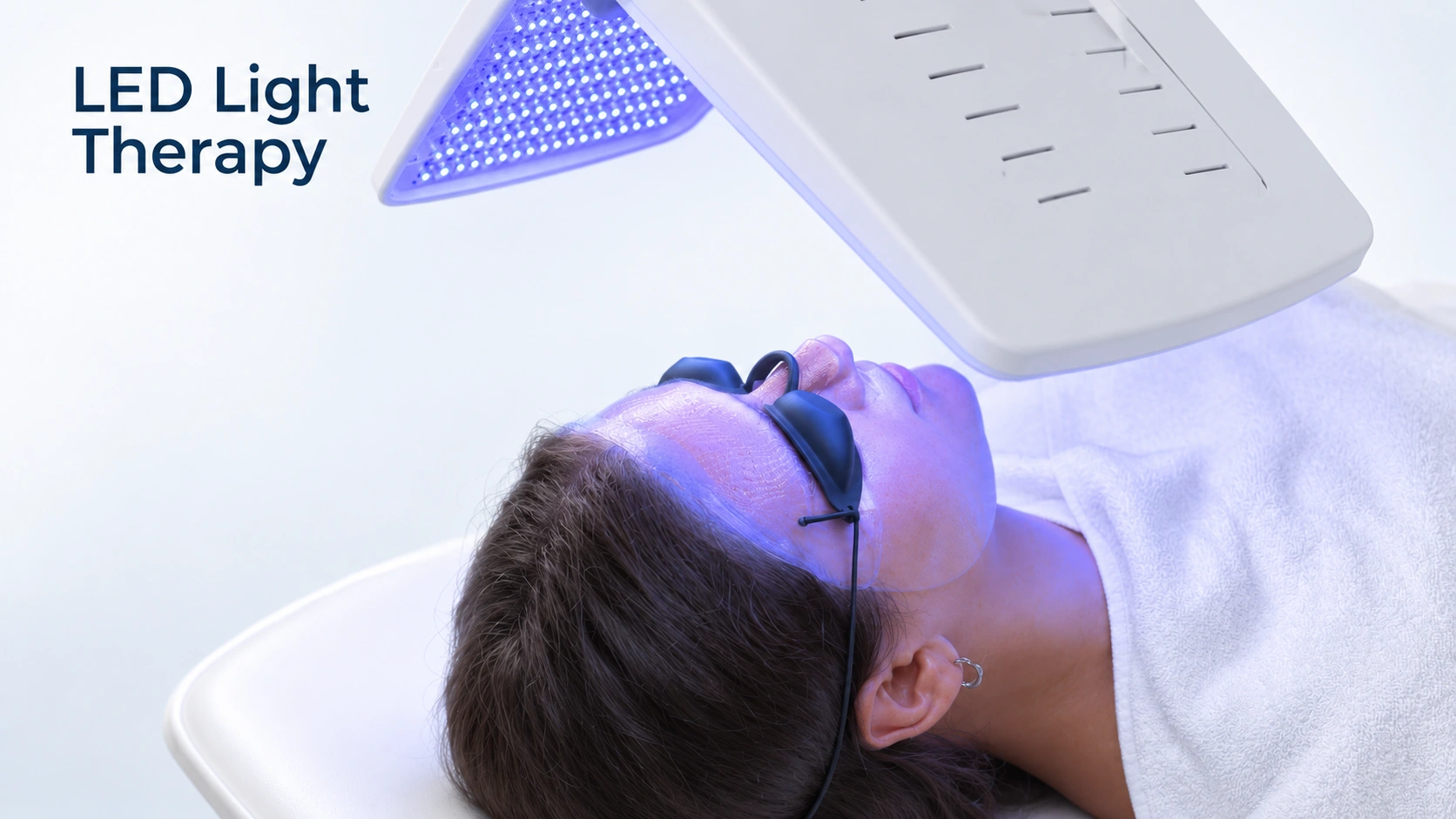
LED Light Therapy: Panels, masks, and handhelds that shine red, near-infrared, or blue light on the skin. No ultraviolet and no downtime. The science is real, the marketing runs far ahead of it, and most of the studies are small and funded by device makers.
Choose for an instant clear-out of blackheads, whiteheads or milia — temporary unless a daily treatment keeps pores clear.
Choose as a gentle, painless add-on for mild acne or fine lines — the marketing runs well ahead of the evidence.
Can you have both?
Often done in the same visit: extractions clear blackheads and LED calms inflammation afterwards.
Blackheads and whiteheads are removed by a clinician.
It does not address every cause of acne.
Nodules and cysts need a different plan.
Excessive force can cause scarring or pigment change.
LEDs expose skin to visible or near-infrared light.
Wavelength, device and indication all matter.
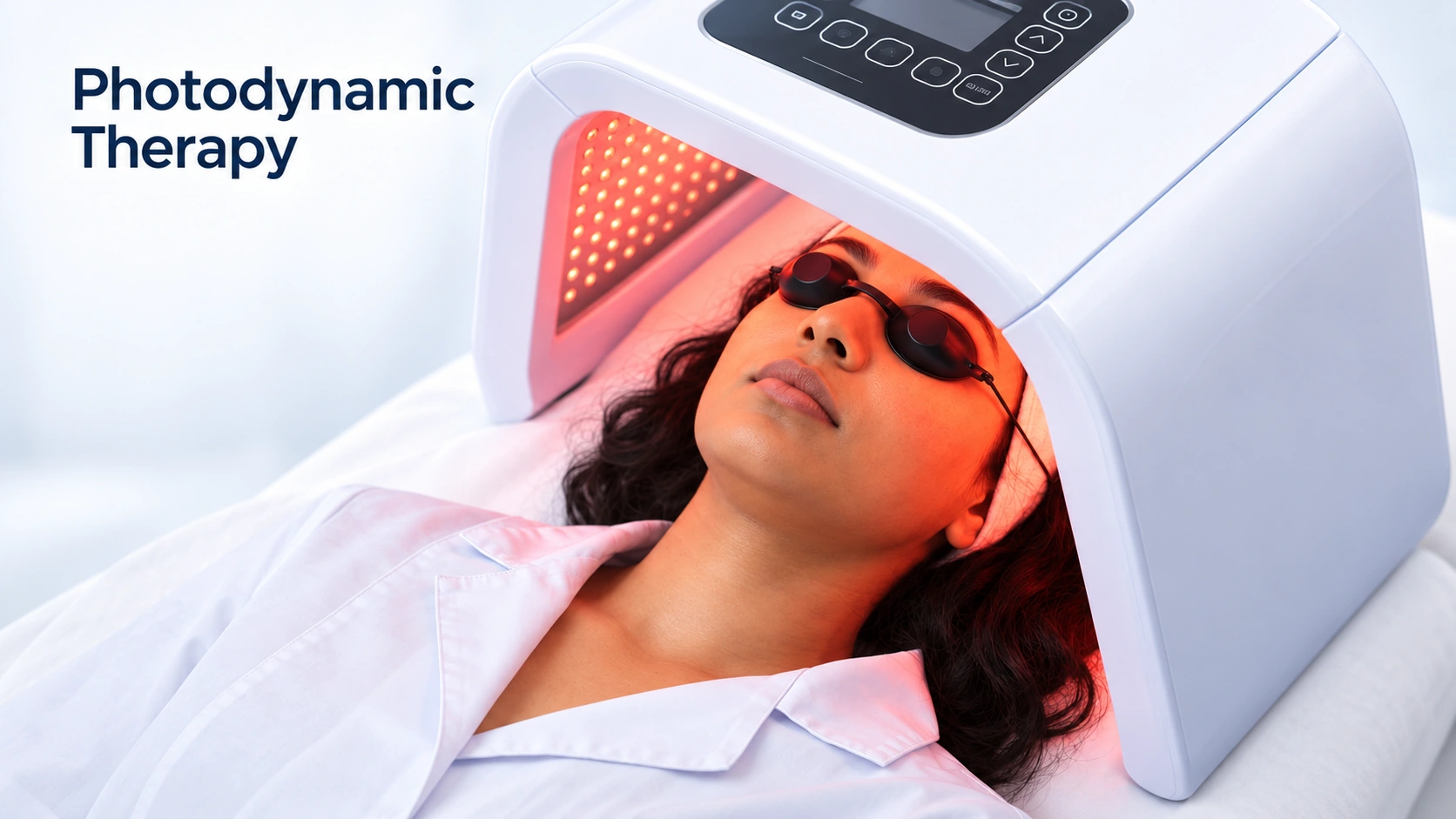
It differs from UV treatment and photodynamic therapy.
A home-device clearance does not prove every claim.
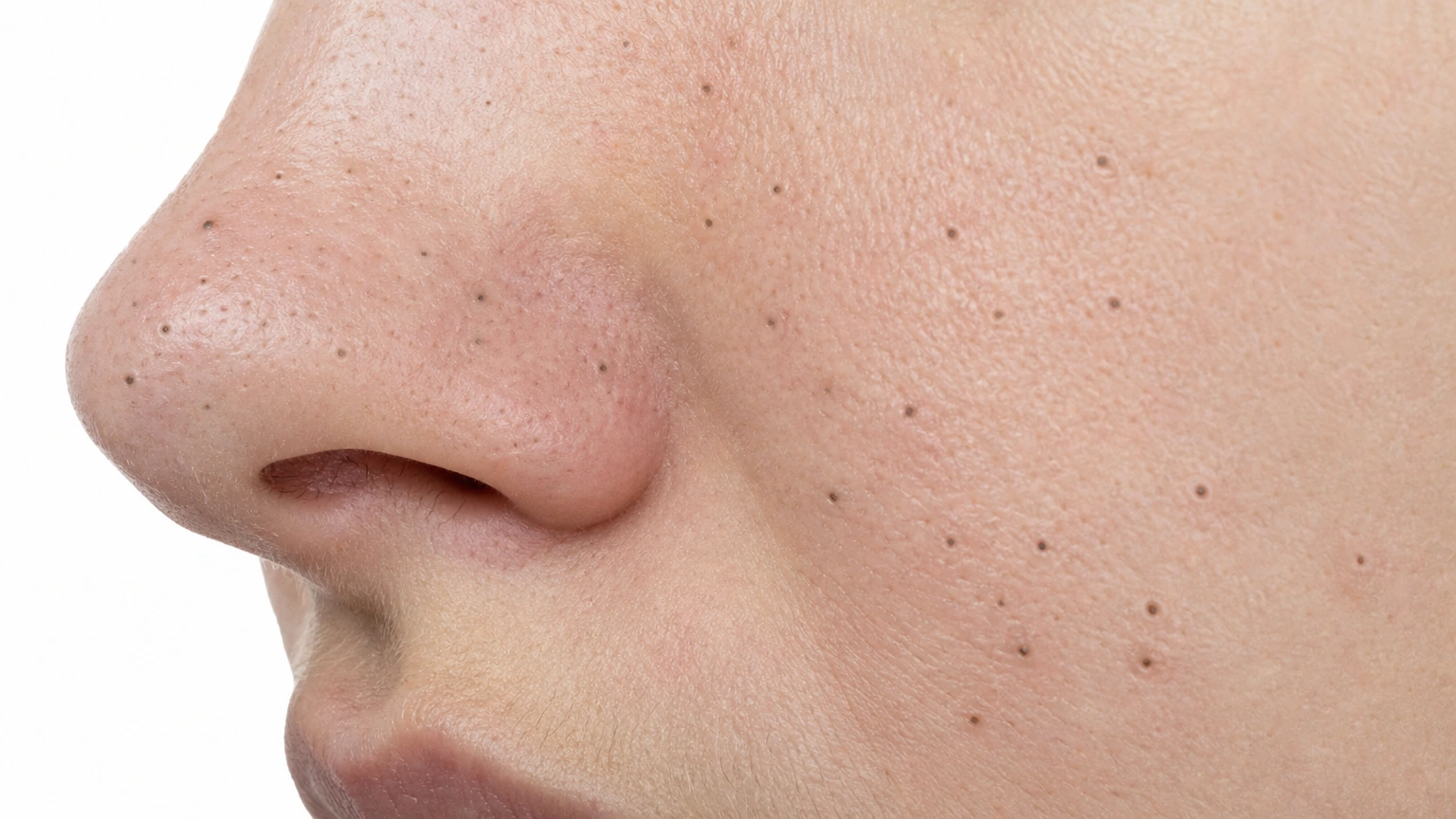
Clears them the same day.

Removes stubborn milia.

Helps clogged pores alongside treatment.
Blue light modestly reduces spots.

Red light may slightly smooth.
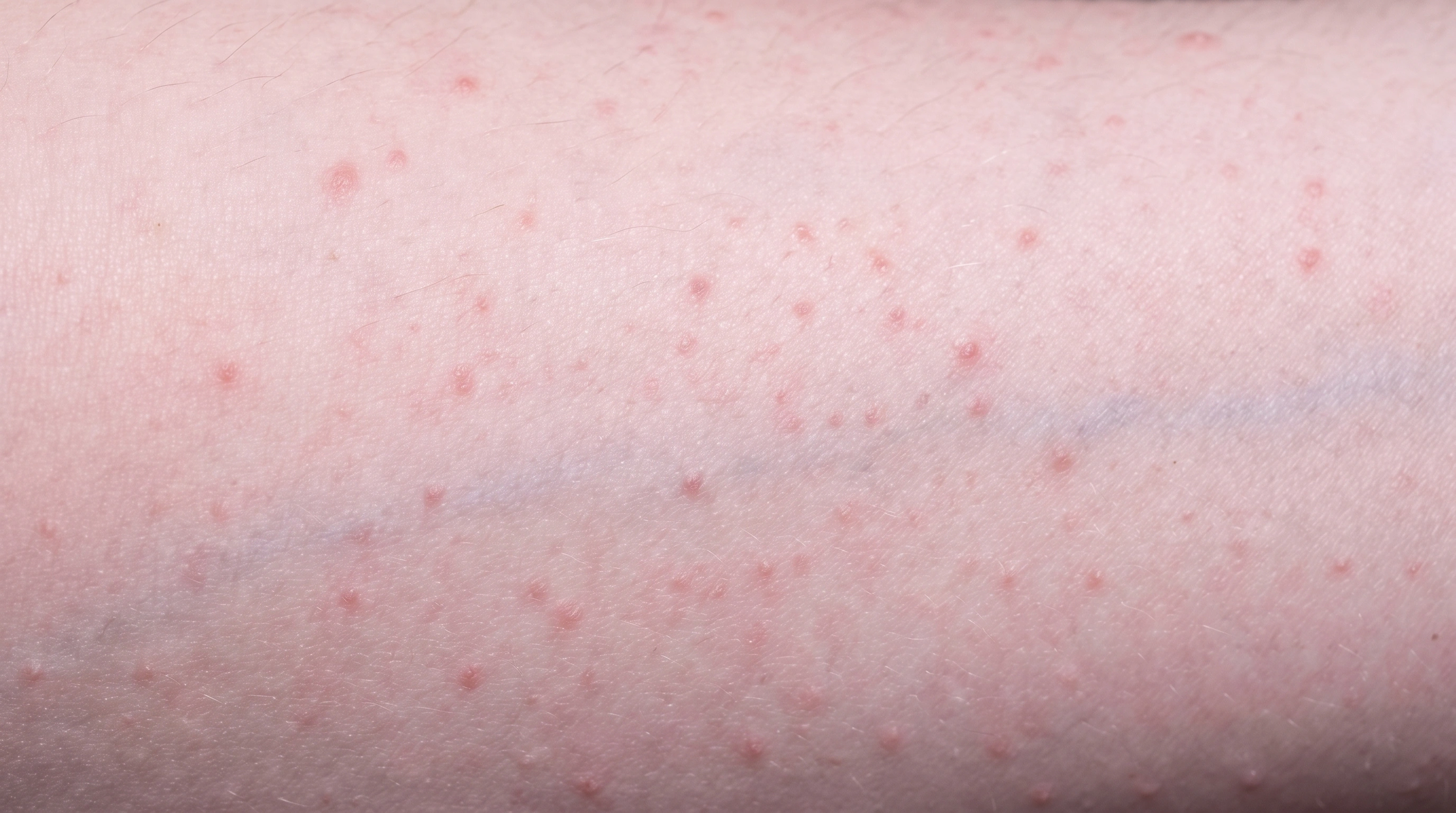
These bumps aren't clogged pores.

Doesn't change scars.

Squeezing worsens redness.

Light can darken patches.
Face; the selected area depends on the concern and treatment plan.
Face; the selected area depends on the concern and treatment plan.


An accessible plug is selected: A clinician identifies a suitable comedone. The plug is carefully removed: Controlled extraction lifts out trapped keratin and sebum. The pore opening is cleared: Ongoing acne care helps reduce new blockages.
Schematic illustration. Technique and response vary. This explains a mechanism and does not specify treatment settings.
LEDs deliver selected wavelengths: The device exposes skin to a planned light regimen. Light is absorbed by its targets: Effects depend on wavelength, device, and treatment goal. Response builds over a course: Some regimens may help selected skin concerns; results vary.
Schematic illustration. Technique and response vary. This explains a mechanism and does not specify treatment settings.
Prep products: Some providers ask for a retinoid or salicylic acid first, which loosens plugs and makes extraction easier.
A few days before: Do not pick: No picking or squeezing at home.
Ask your provider: Conditions and medicines: Ask first about lupus, porphyria, another light-sensitive condition, a retinal condition, past eye surgery or seizures.
Clean face: Come without makeup if you can.
Before each session: Clean skin: Sunscreen, makeup and thick moisturizer block visible light, mineral sunscreens especially, so a session over sunscreen does little.
Before session one: Baseline photo: Photograph your face in daylight, same spot, no makeup.
Shields and dose: Have the eye shields to hand before you start.
Skin is cleaned and the provider decides which spots can be extracted.
In a clinic, skin is cleansed.
The provider presses around the pore with a metal loop or two swabs, opening whiteheads first with a tiny sterile needle.
You feel firm pinching at each spot. A full face takes 10 to 30 minutes. Blackheads are pressure more than pain; whiteheads and deeper plugs sting when opened, and a long run is tiring rather than sharp. A painful spot is not forced.
The panel or mask sits close to the skin and runs for 10 to 20 minutes.
Red light is a strong glow even through closed eyes; near-infrared is invisible but feels warm. Shields stay on the whole session. It does not hurt. Expect mild warmth, and sometimes a headache after, usually from light without shields.
Red, blotchy skin with pink rings where spots were, sometimes pinpoint scabs.
Skin looks unchanged, maybe flushed for a few minutes.
Hours 2 to 6: Redness and small raised rings, sometimes into the next day, with occasional pinpoint scabs where a whitehead was opened.
Days 1 to 2: Redness mostly gone.
Days 1 to 2: Dryness or a headache are uncommon and mild.
Days 3 to 7: Skin looks normal.
Weeks 1 to 4: Little visible change.
Weeks 8 to 12: If a photograph in the same light shows nothing by now, more weeks will not change the answer.
Immediately
8–12 weeks of regular use
Weeks; pores refill without daily treatment
Only while used
With a dermatologist it is often bundled into an acne visit at no extra charge.
Home devices are the main market, from roughly $50 for a handheld wand to several hundred dollars for a full-face mask, and higher.
Insurance sometimes covers it when billed as acne surgery at a medical dermatology visit.
Insurance does not cover it.
No. It empties the pore that day. It refills over 4 to 8 weeks unless a daily retinoid changes how the pore behaves.
Mostly yes — technique and restraint. A provider uses sterile tools, opens closed spots properly, and stops when a spot resists. Home squeezing causes most brown marks and small scars.
No. Deep, red, painful lumps have no opening to press through, and forcing one makes it worse. A cortisone injection is the answer.
Only in appearance, and briefly. An empty pore looks smaller; pore size does not change.
Blackheads feel like firm pinching. Whiteheads sting for a second when opened. Uncomfortable rather than painful.
Partly, and modestly. The best-supported uses are blue light for mild inflammatory acne and red or near-infrared light for wound healing. For fine lines and redness there are small positive trials, usually 8 to 12 weeks long. The literature is limited by small numbers, short follow-up, devices that differ from each other, few comparisons against proven treatments, and a lot of manufacturer involvement.
They generally put out less light per minute, which is why home instructions ask for several sessions a week. Over three months a consistently used home device may deliver more total exposure than occasional clinic add-ons. What is not true is that a trial of a clinic panel tells you what a particular mask will do.
No — most are cleared as substantially equivalent to a device already on the market. That is a judgment about similarity and basic safety, not evidence of a useful result.
Yes, and it is the one safety point worth being strict about. These devices are bright, they sit close to the face, and blue wavelengths carry a recognized photochemical hazard to the retina with prolonged exposure. Keep the shields on for the whole session, and ask your doctor first if you have a retinal condition or have had eye surgery.
Give it 8 to 12 weeks of consistent use, then compare a photograph taken on day one in the same light and without makeup. Judging by memory in the mirror is how people persuade themselves either way.
No — it sits on top of those, and the gain from adding it to a good routine is small. Using it instead of treatment for a condition that scars is the one way a low-risk device causes harm.