It means two different treatments.
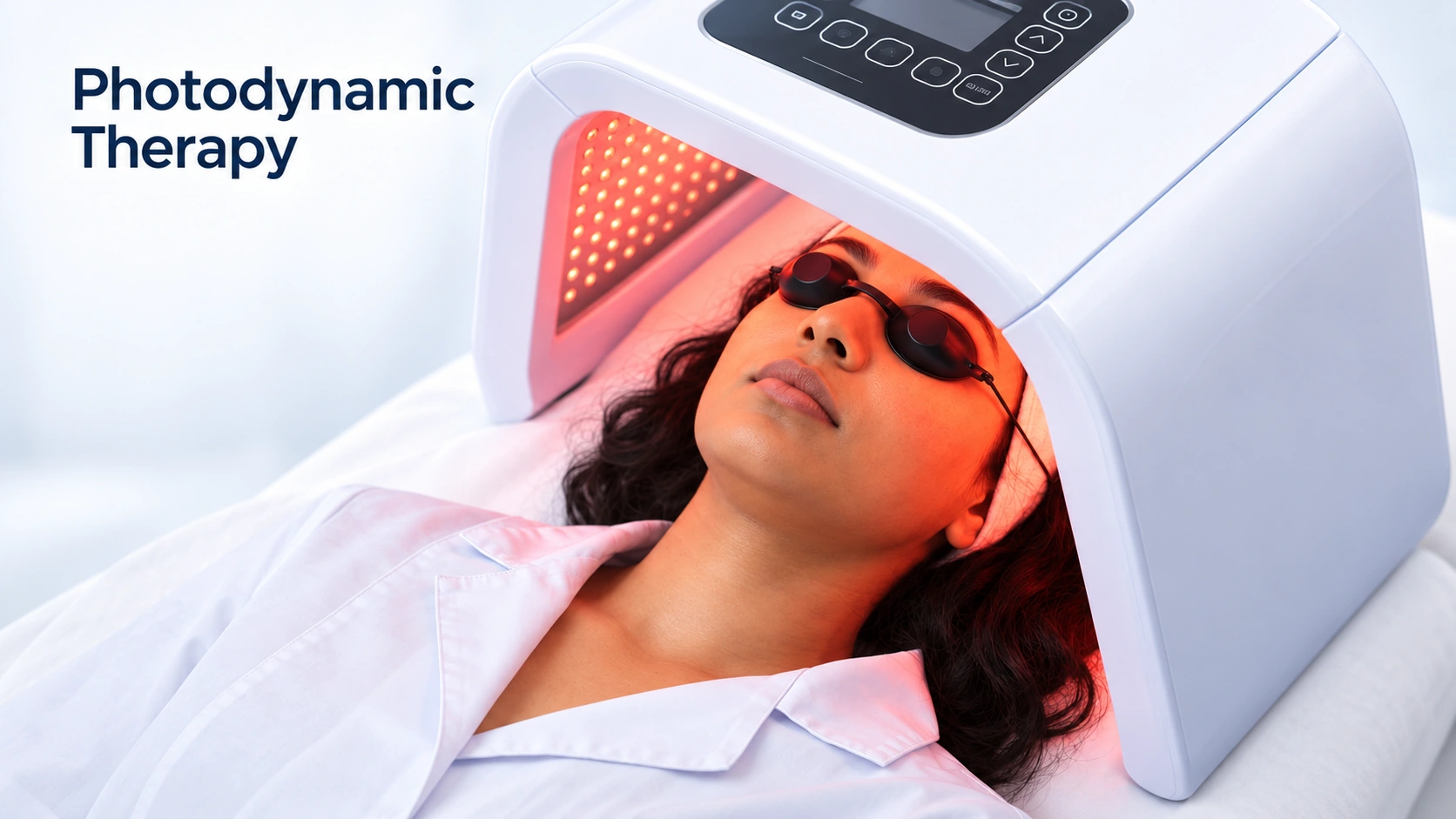
It can be light alone for acne or part of photodynamic therapy.
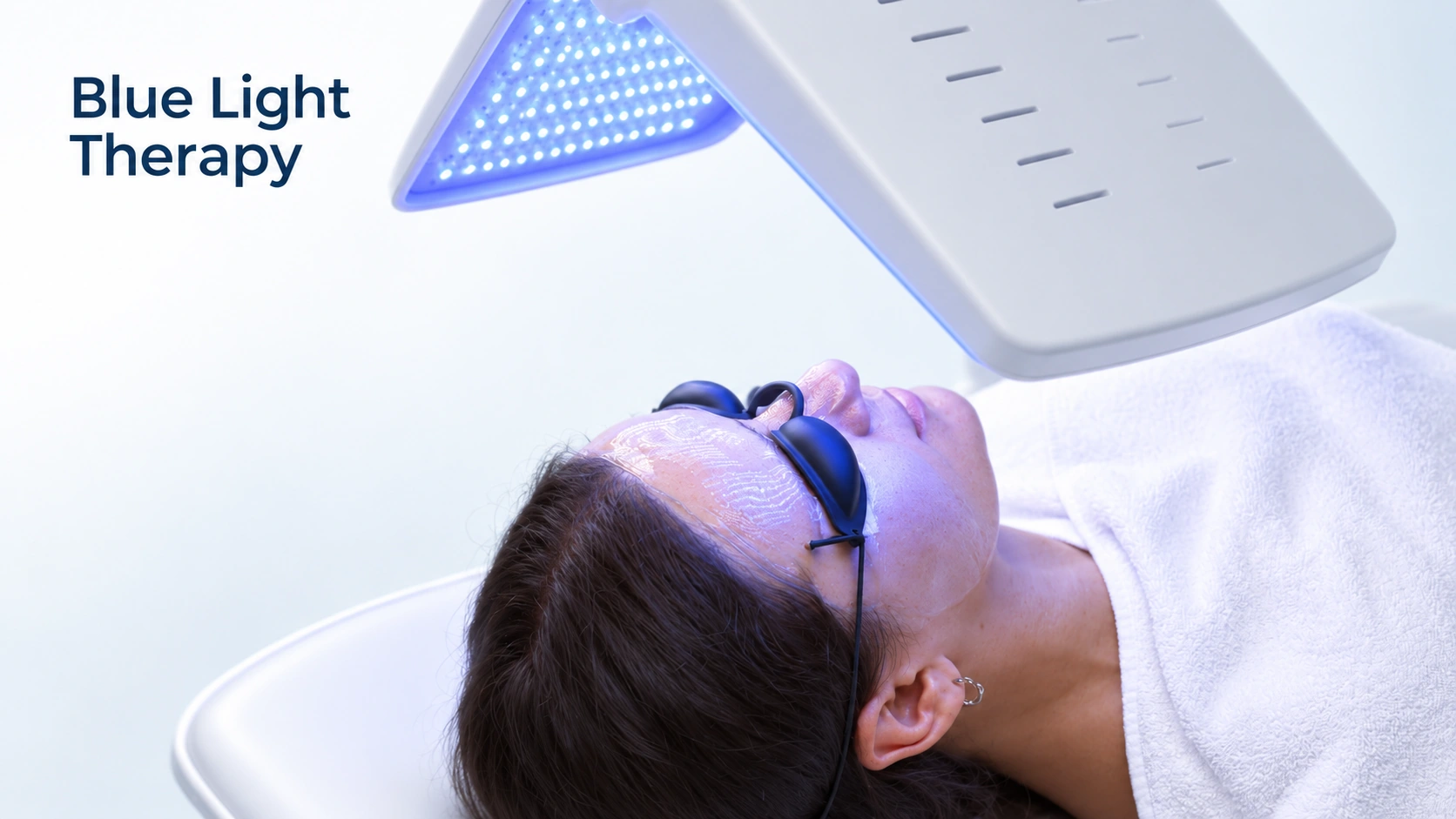
Blue Light Therapy: Visible blue light, around 415 nm, shone on the skin for mild inflammatory acne. No drug, no ultraviolet, and no downtime. It is not photodynamic therapy, which applies a drug first and is a far stronger treatment.
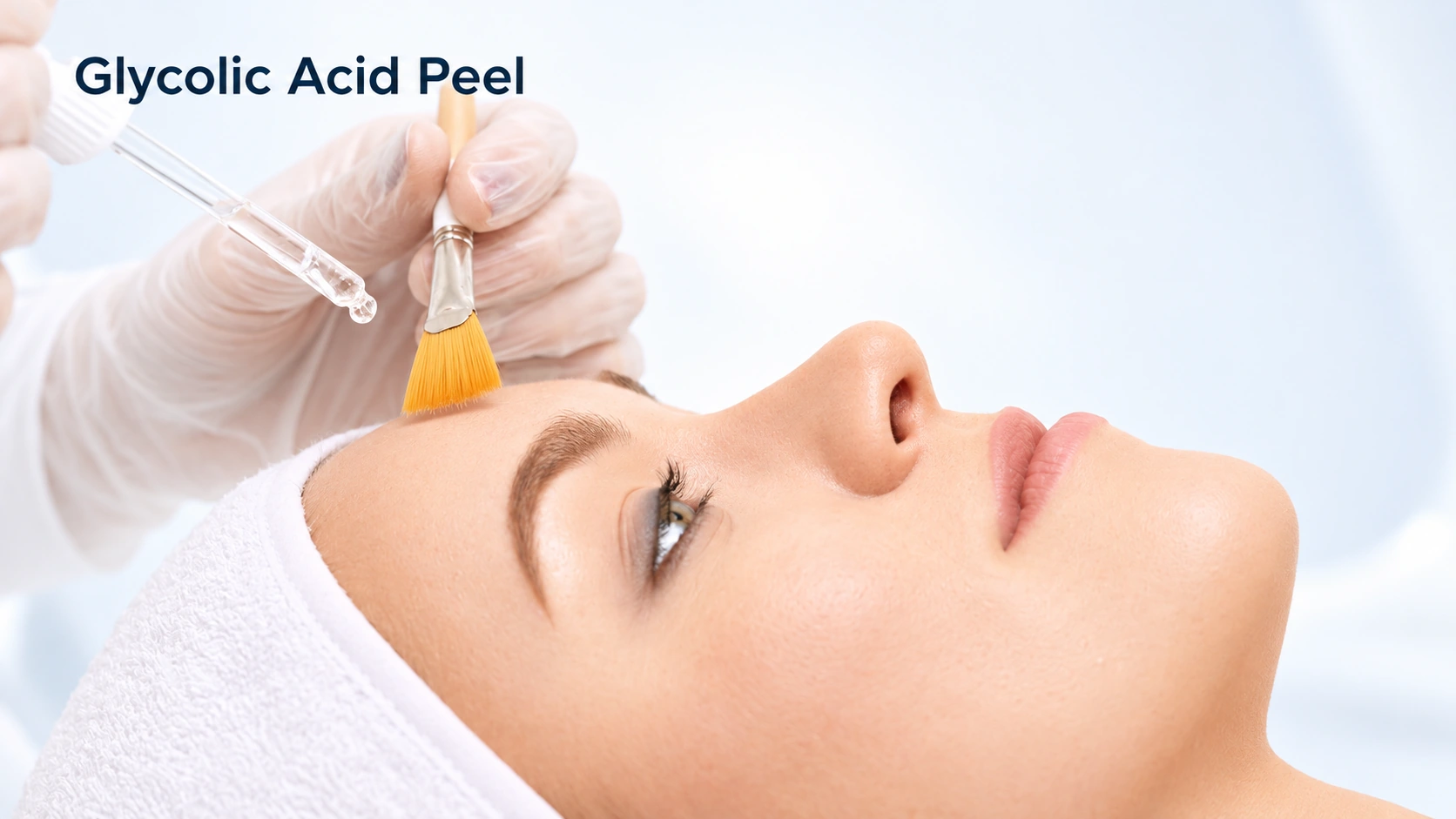
Chemical Peel: An acid solution applied in the office to shed the top layers of skin. Superficial peels clear pores and fade brown marks; medium peels reach texture and deeper sun damage. It does not fix indented scars.
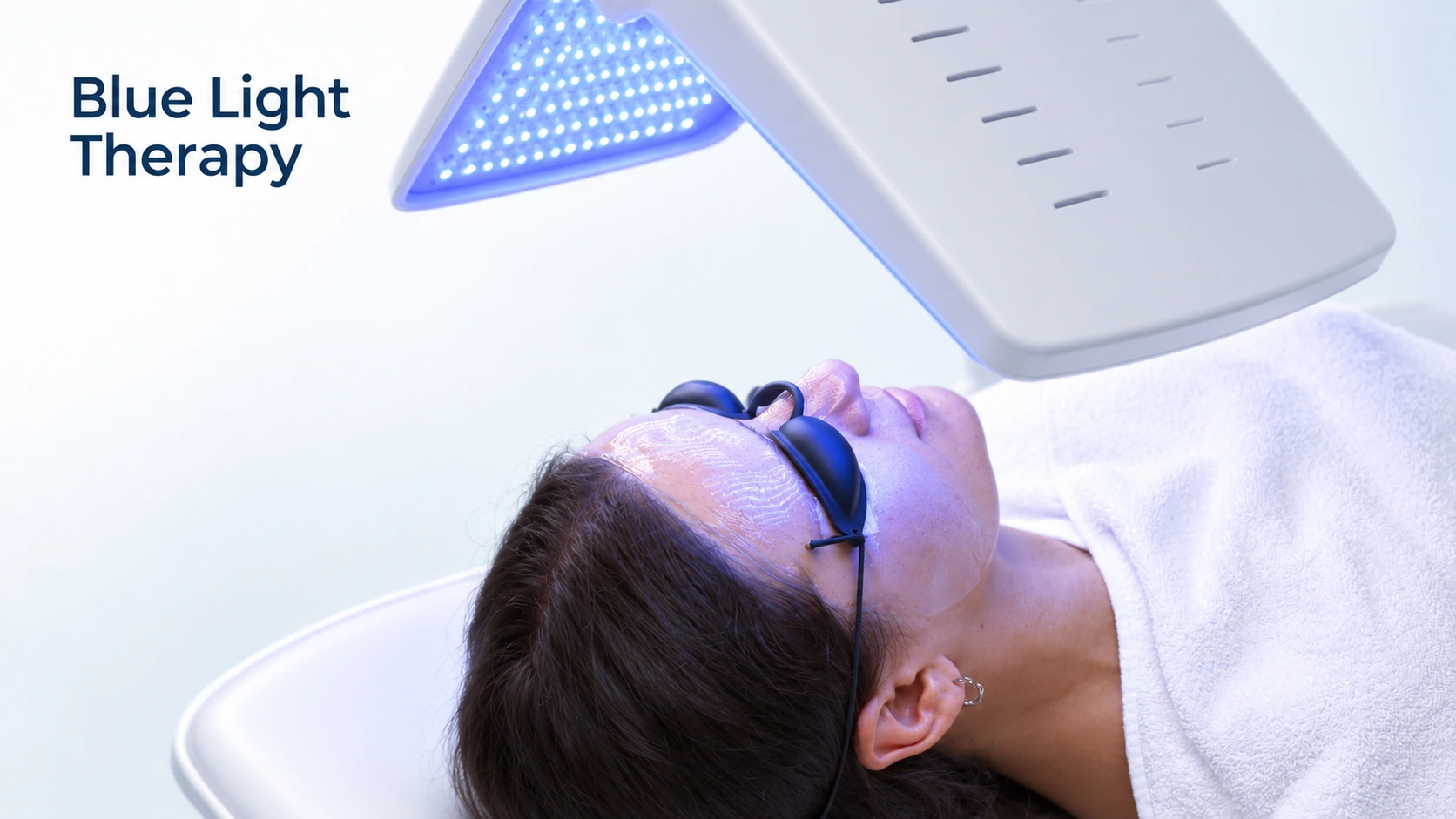
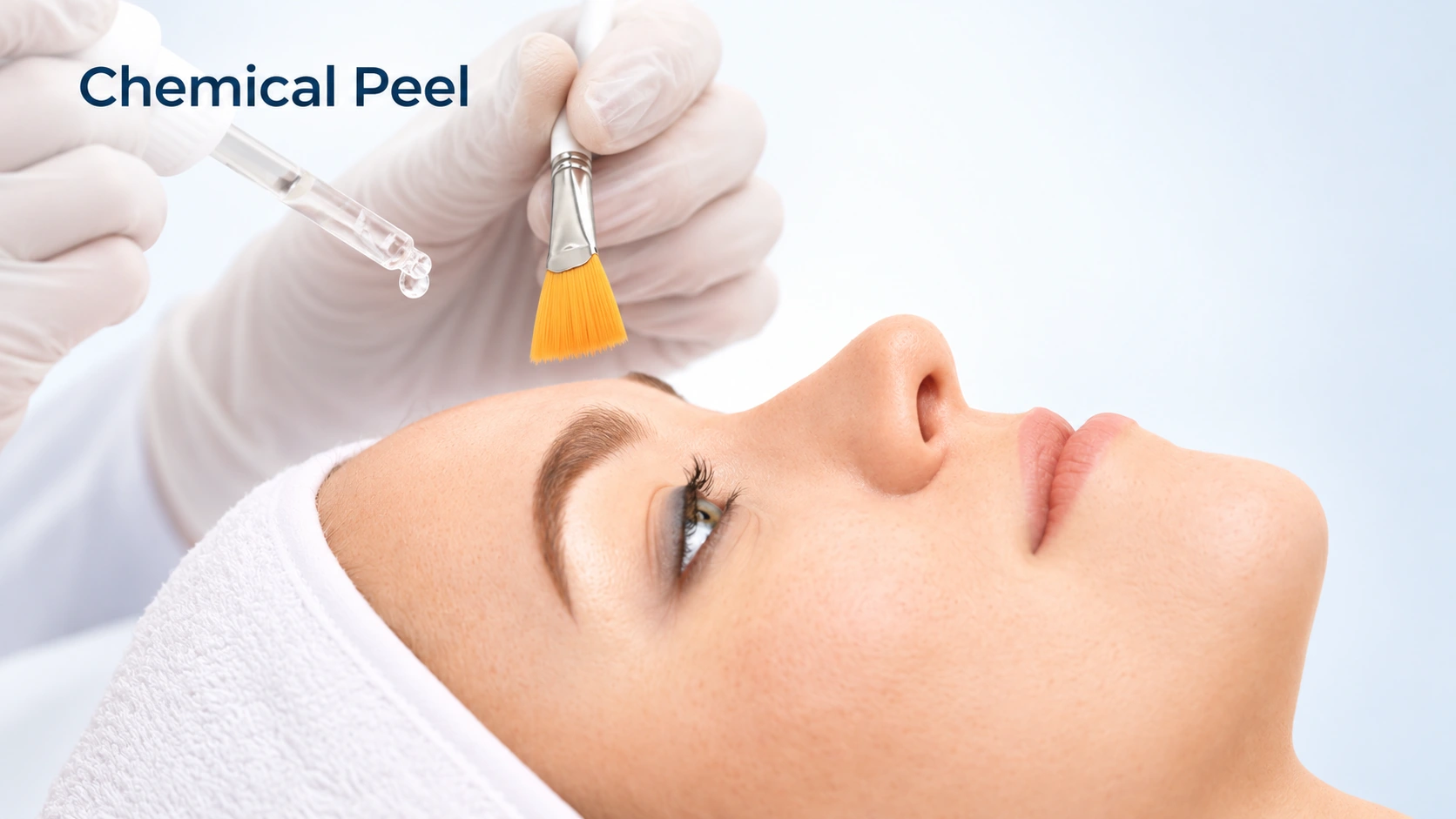
Choose for mild inflammatory acne when you want a painless, drug-free add-on with no downtime — expect modest results.
Choose for brown marks, clogged pores or dull, sun-aged texture — not for indented scars.
Can you have both?
A light peel and blue light can share an acne plan. Avoid light therapy for a few days after a peel while the skin is sensitive.
It can be light alone for acne or part of photodynamic therapy.
Discomfort, results and aftercare vary between them.
A photosensitizing medicine changes the treatment.
Light avoidance is needed after photodynamic therapy.
A chemical agent creates a controlled skin injury.
Superficial, medium and deep peels differ in recovery and risk.
A peel is not defined by ingredient or percentage alone.
Phenol peels carry serious systemic risks.
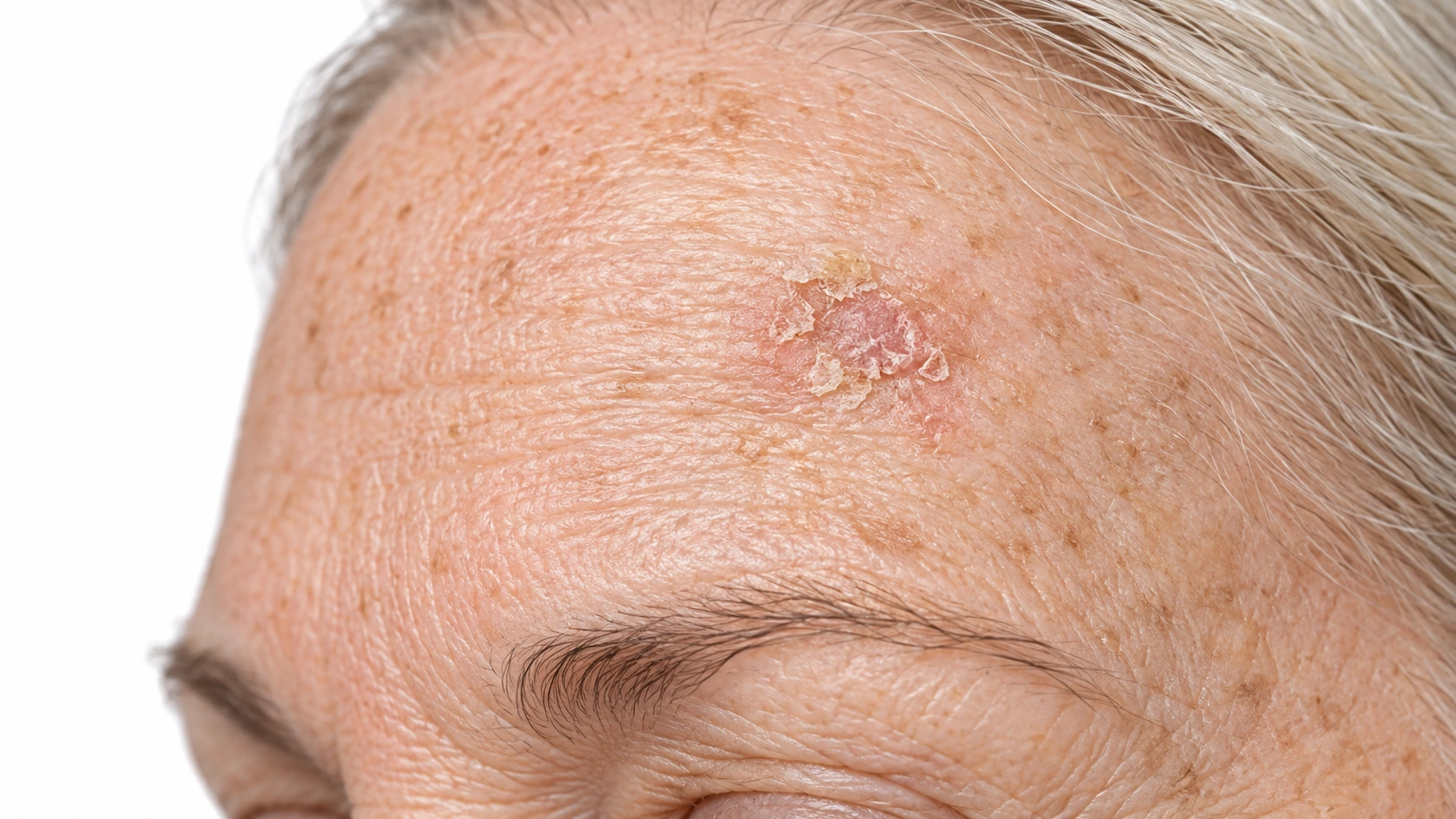
Activates PDT medicine for sun damage.

Light peels help alongside creams.

Clears clogged pores.
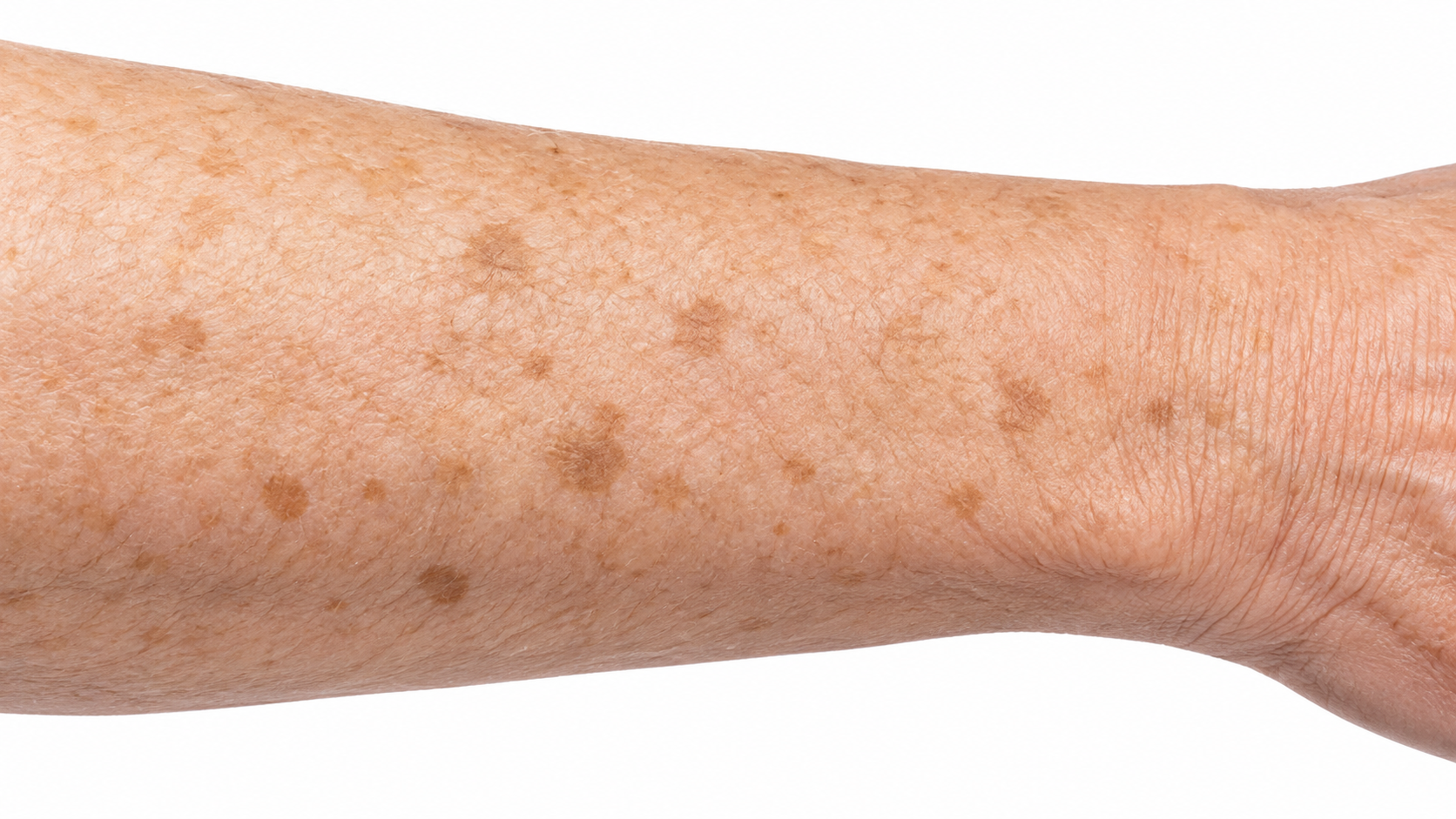
Fades spots.

Deeper peels smooth lines.
Modest reduction in inflamed spots.
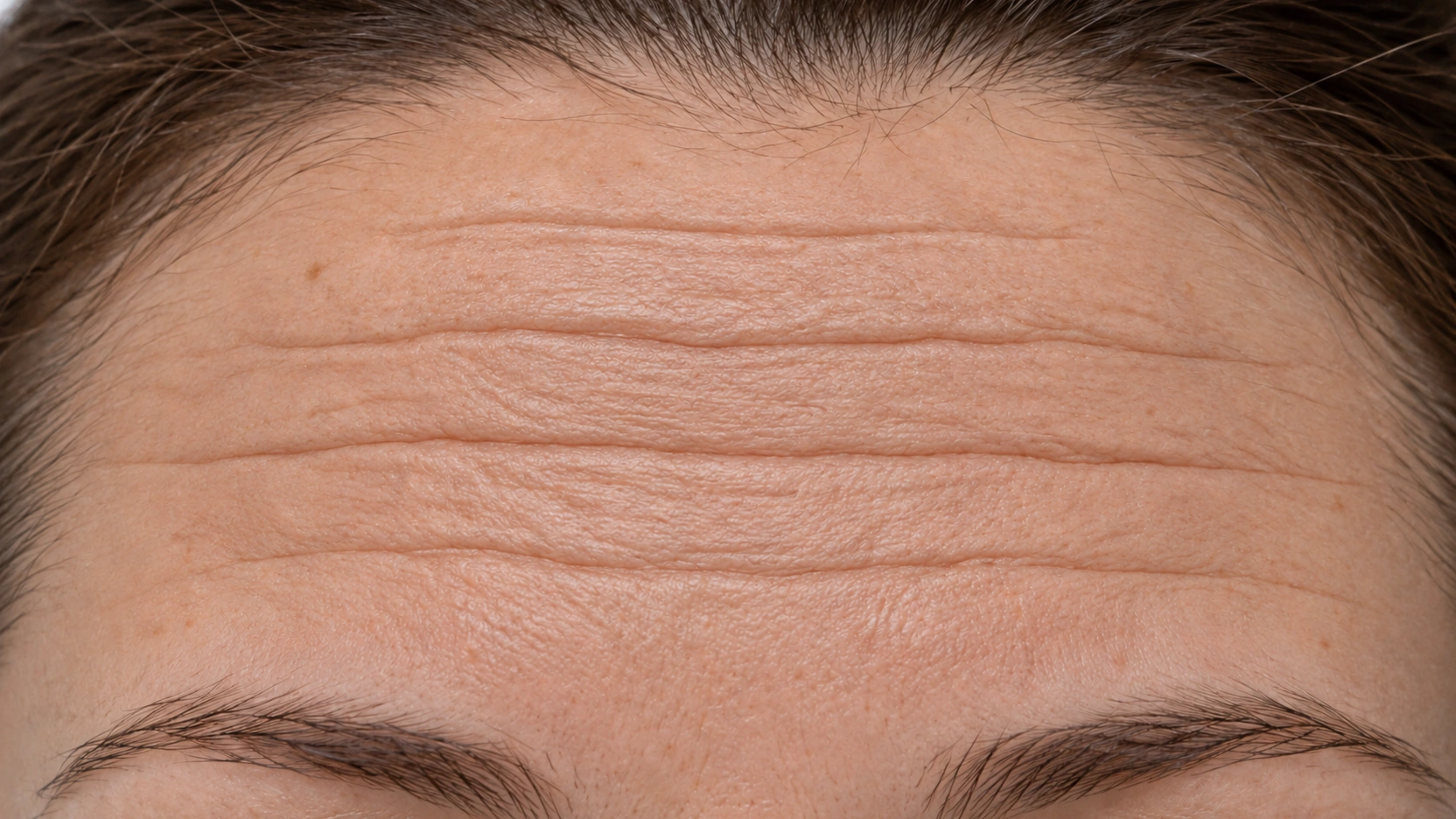
Light peels can't reach deep lines.
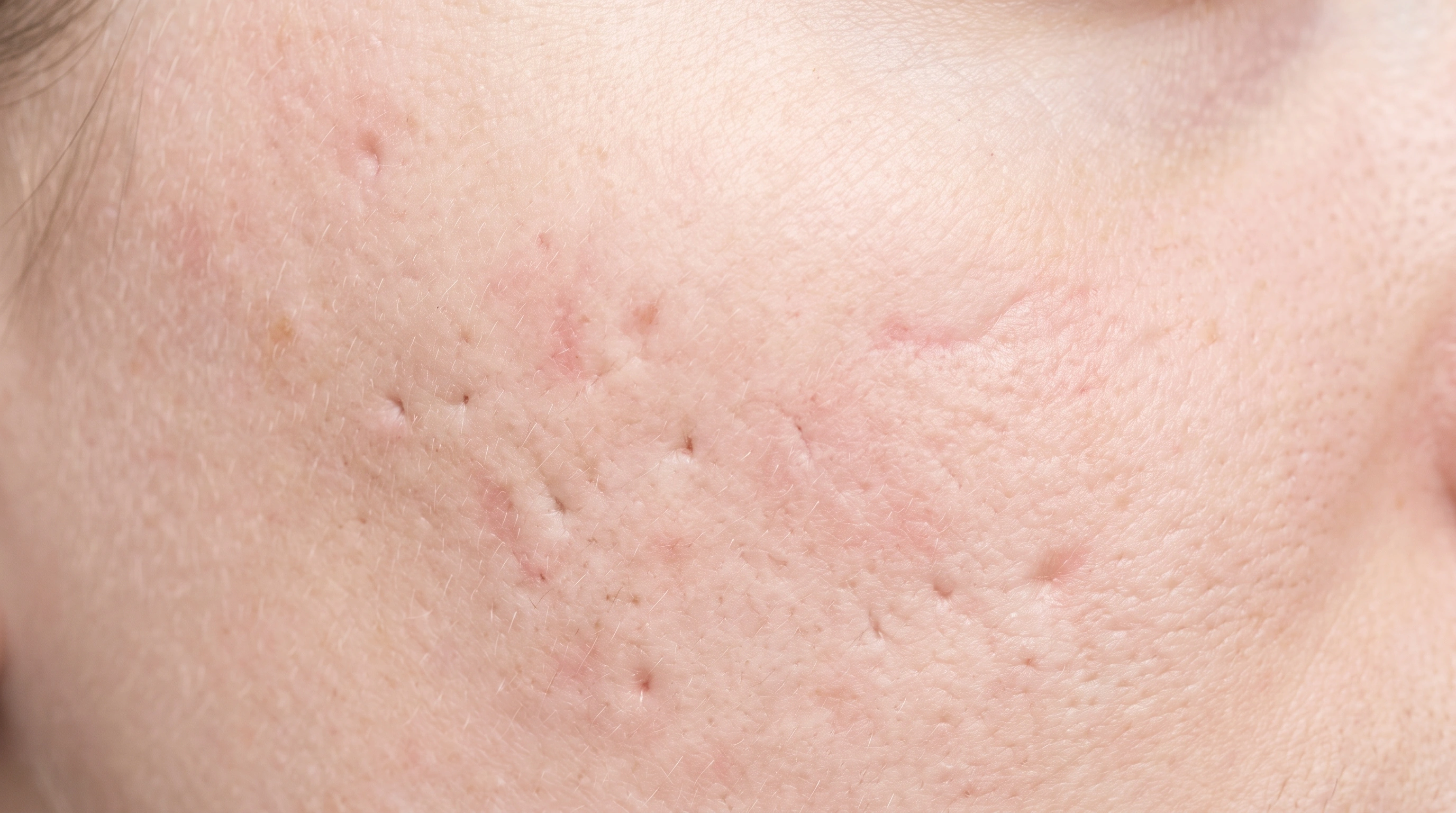
Doesn't change scars.
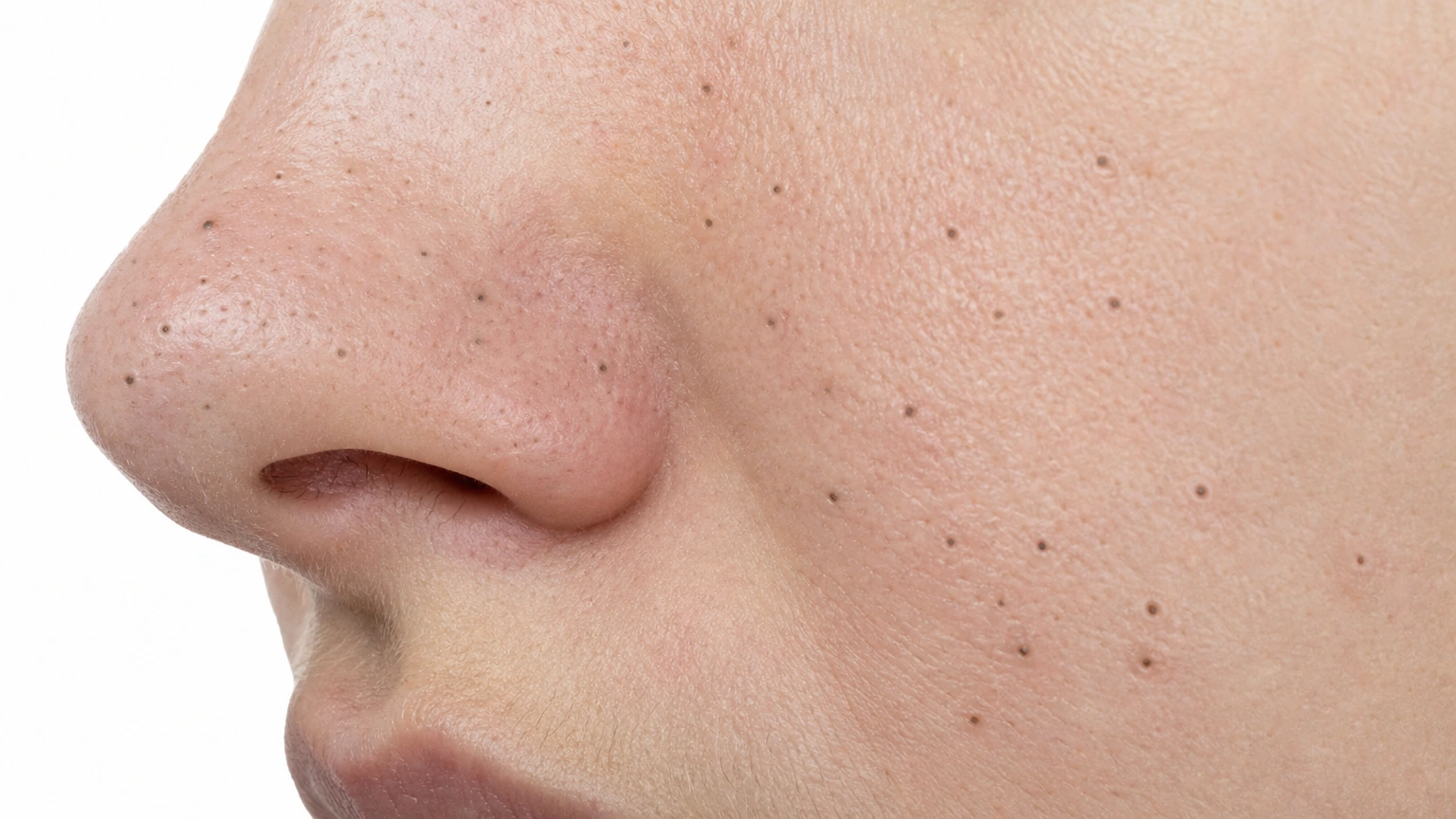
Doesn't clear clogged pores.

Very irritating.
Face; the selected area depends on the concern and treatment plan.
Face; the selected area depends on the concern and treatment plan.
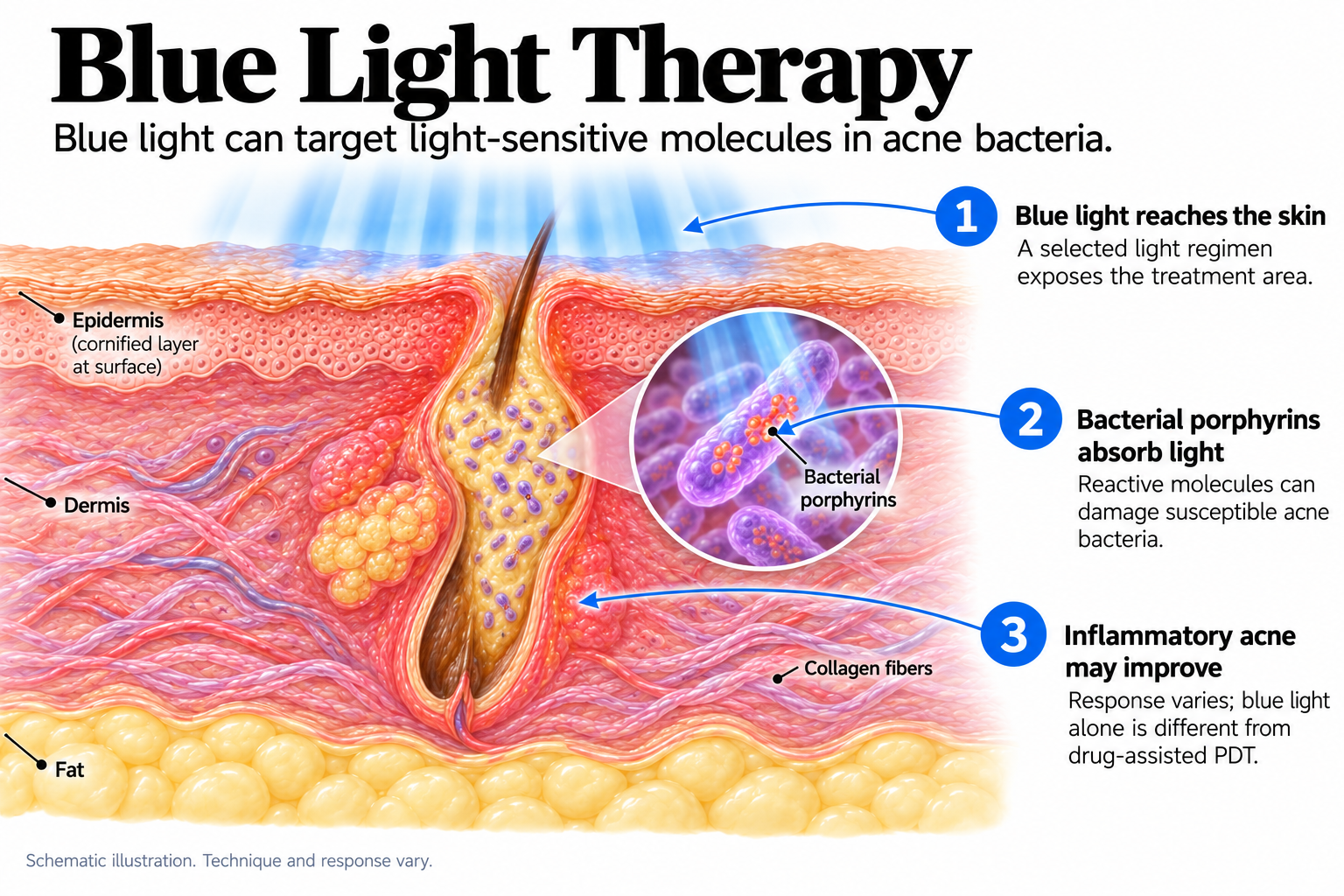

Blue light reaches the skin: A selected light regimen exposes the treatment area. Bacterial porphyrins absorb light: Reactive molecules can damage susceptible acne bacteria. Inflammatory acne may improve: Response varies; blue light alone is different from drug-assisted PDT.
Schematic illustration. Technique and response vary. This explains a mechanism and does not specify treatment settings.
The agent and depth are selected: The clinician matches the peel to the skin and concern. Controlled chemical injury occurs: The chosen agent acts on the planned skin layers. Skin heals and renews: Results and recovery depend on the peel depth and technique.
Schematic illustration. Technique and response vary. This explains a mechanism and does not specify treatment settings.
Before you book: What is included: Ask whether a drug goes on the skin first.
2 weeks before: Sun and tanning: No tanning, no sunburn.
4 weeks before: Pigment cream: On deeper skin tones, a pigment-blocking cream first cuts the risk of dark patches.
Actives and hair removal: Stop retinoids, benzoyl peroxide and acids 3 to 5 days before.
Actives and hair removal: No waxing, threading or hair removal creams.
Clean face: Makeup, sunscreen and thick moisturizer block the light.
Clean face: Come with a clean, bare face.
Skin is cleansed.
Skin is checked, photos taken, and you confirm what you have stopped using.
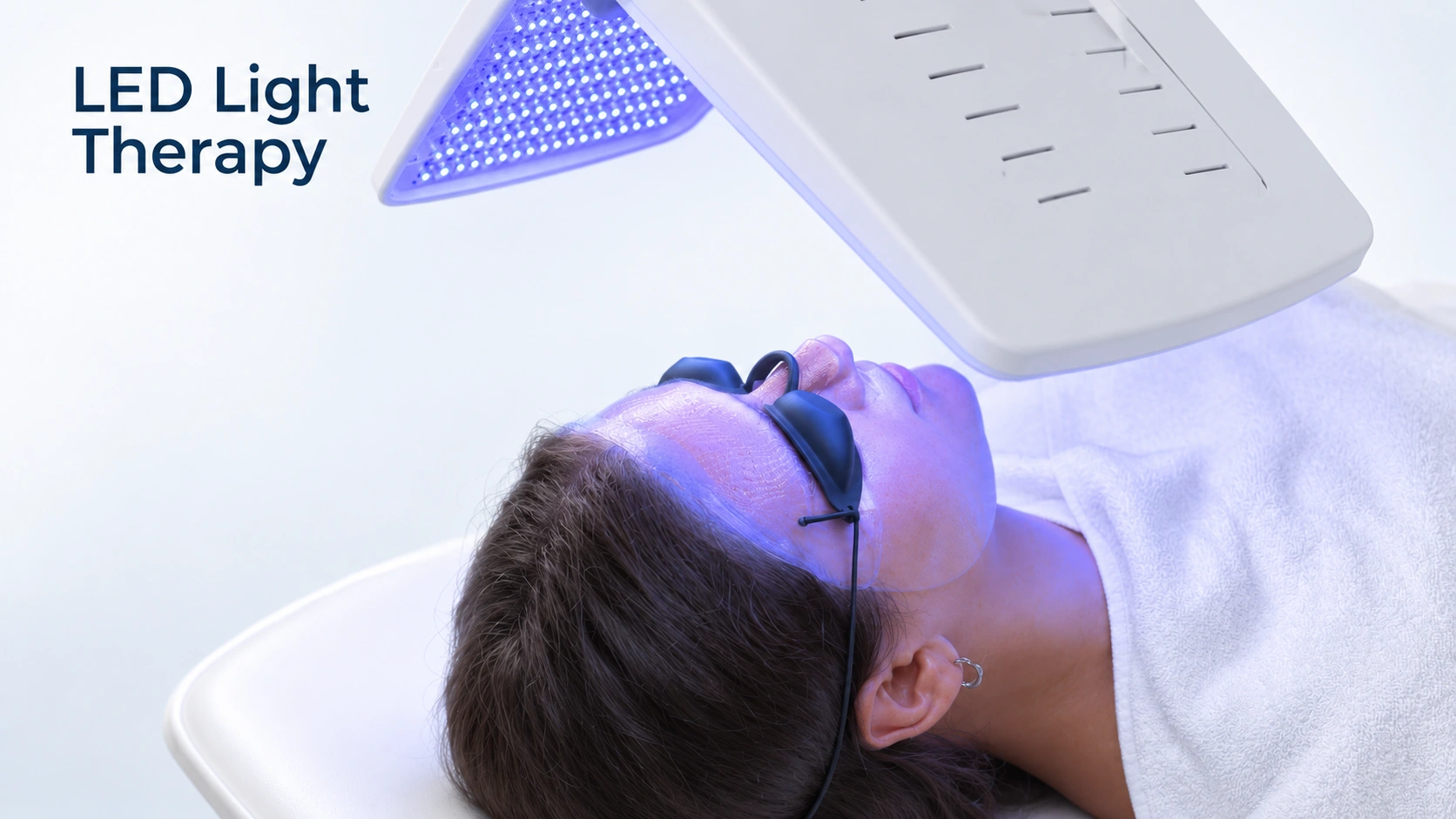
Opaque goggles go on, the panel sits a few inches from your face, and the light runs 10 to 20 minutes.
Very bright even through closed eyelids, and mildly warm. It does not hurt. A mild headache or eye strain afterward happens occasionally, usually from loose goggles.
Skin is cleaned and degreased, eyes and lips protected, acid brushed on in layers.
It stings and builds over 2 to 5 minutes, then gets neutralized. The visit takes 20 to 30 minutes. A light peel burns briefly and most people tolerate it; a medium peel is genuinely uncomfortable, and the burning can last an hour.
Skin may look slightly flushed for an hour.
Pink, tight skin, sometimes with mild swelling and stinging for a few hours.
Days 1 to 2: Slight dryness or tightness.
After photodynamic therapy: A drug on the skin first changes everything — several days of redness, swelling and peeling, and no daylight for about 48 hours.
Days 1 to 3: Skin darkens slightly, dry and rough.
Days 4 to 7: Light peels finish flaking.
Weeks 1 to 2: Inflamed spots settle faster.
Weeks 1 to 2: Some people break out for a week or two as clogged pores clear.
4–8 weeks
1–2 weeks after each peel
Weeks to months
Months with good skincare
In the US, blue light alone is one of the cheapest in-office treatments, often an add-on to a facial or sold in packages, commonly well under $100 a session.
A superficial salicylic or glycolic peel runs about $100 to $300 a session in the US, a medium-depth peel about $400 to $900.
Insurance almost never covers blue light for acne, which counts as cosmetic.
Insurance rarely covers peels for acne or post-acne marks — they count as cosmetic.
No, and this is the most common mix-up. Photodynamic therapy puts a photosensitizing drug on the skin and waits an hour or more before the light. That drug causes several days of redness, swelling and peeling. Blue light alone has no drug and no downtime.
For small inflamed spots, modestly. Trials show fewer inflamed lesions over several weeks. It does little for blackheads and whiteheads, does not reach cysts, and is weaker than benzoyl peroxide.
Studies measure change at four to twelve weeks with two sessions a week. Eight weeks is a fair test.
The devices are bright, which is why goggles are used. Keep them on the whole session, and ask about eye protection if you have a retinal condition or past eye surgery.
Yes, though doing both at once adds little. A home device used consistently is often more practical than a course of appointments, and the LED light therapy page covers that evidence.
No, and it may make it worse. Visible light drives pigment in skin prone to melasma, which needs pigment treatment and daily tinted mineral sunscreen.
Not for indented scars. Peels fade the flat brown or red marks left after a spot — people call those scars, but they are discoloration. Depressed scars need microneedling, lasers, subcision, or filler.
Salicylic acid, usually — oil-soluble, so it works inside the pore. Glycolic acid suits surface dullness and pigment. Some providers combine them, or use a salicylic-mandelic blend on deeper skin tones.
4 to 6 sessions, 2 to 4 weeks apart, then maintenance. One peel gives a temporary glow.
Superficial salicylic and glycolic peels are, with good data behind them. Deeper peels can leave a lasting dark or light patch. Depth, not the acid, matters.
Often not much, and that is fine. Sheeting does not mean it worked; mild flaking does not mean it did not.