It is a botulinum toxin.
Botox is the brand name for onabotulinumtoxinA, given by a trained clinician.
Botox: An injection that temporarily weakens specific facial muscles, so the lines those muscles make soften. It wears off in about three to four months. It does not fill, lift, or improve the quality of the skin.
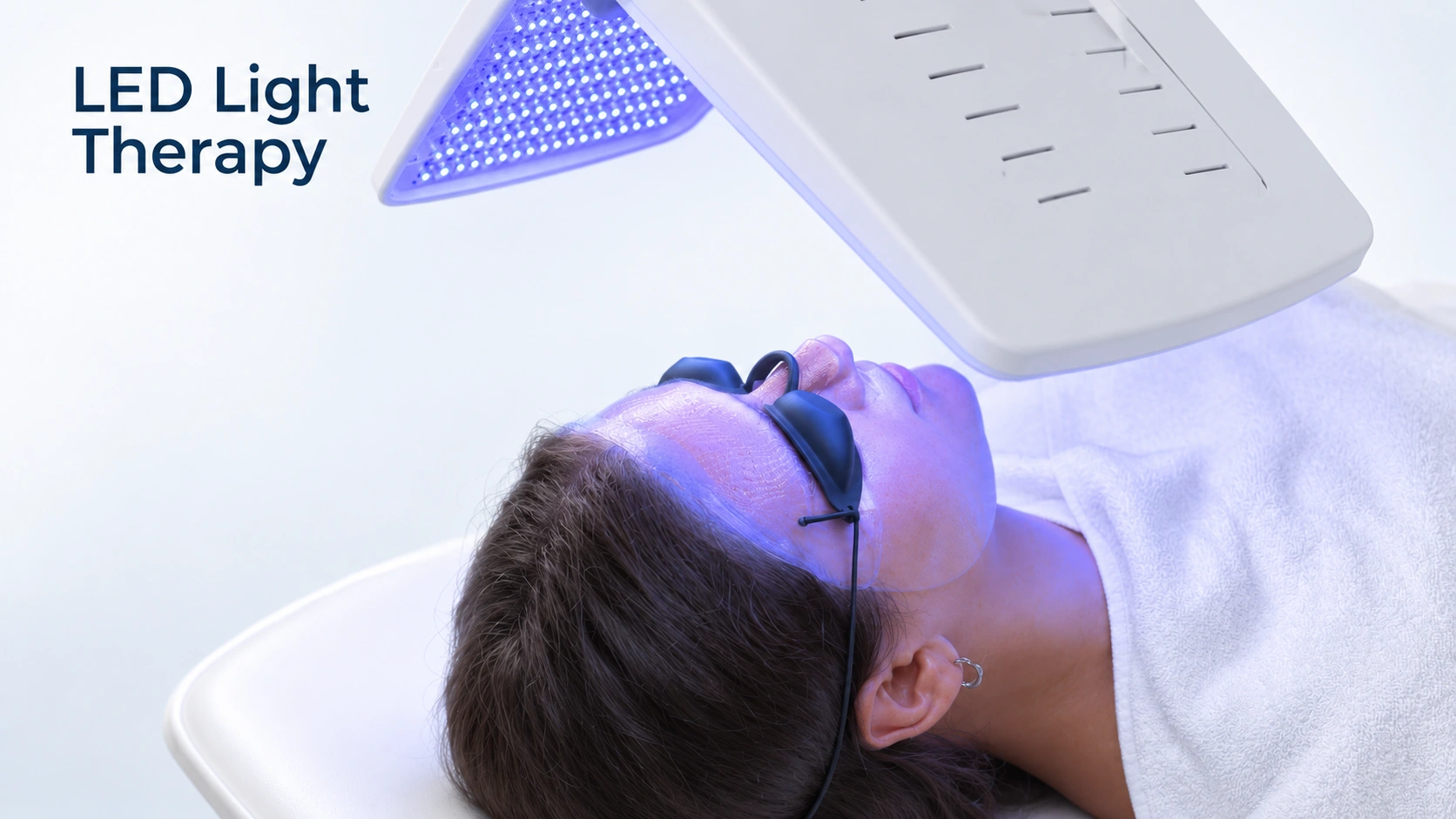
LED Light Therapy: Panels, masks, and handhelds that shine red, near-infrared, or blue light on the skin. No ultraviolet and no downtime. The science is real, the marketing runs far ahead of it, and most of the studies are small and funded by device makers.

Choose for lines that appear when you move — frowning, squinting or raising your brows.
Choose as a gentle, painless add-on for mild acne or fine lines — the marketing runs well ahead of the evidence.
Can you have both?
LED is gentle and does not affect Botox. Avoid heat and rubbing the face for a day after injections.
Botox is the brand name for onabotulinumtoxinA, given by a trained clinician.
Its effect on muscle activity is temporary.
It does not add volume.
Neuromuscular disease, swallowing problems, pregnancy and previous toxin treatment should be discussed.
LEDs expose skin to visible or near-infrared light.
Wavelength, device and indication all matter.
It differs from UV treatment and photodynamic therapy.
A home-device clearance does not prove every claim.

Smooths frown lines and crow's feet.
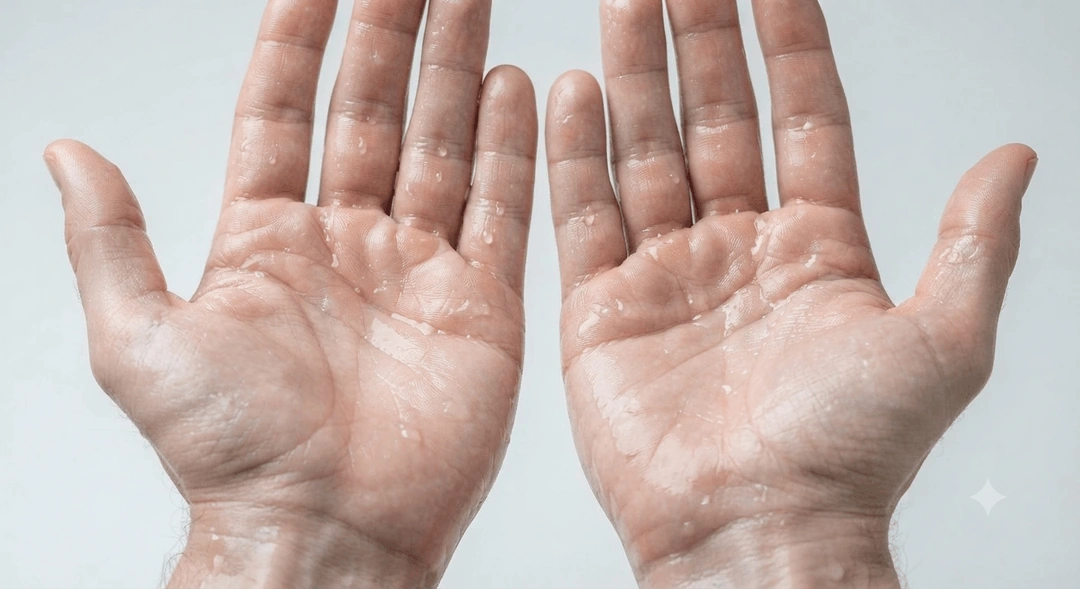
Stops underarm sweating for months.

Small studies show less flushing.

Blue light modestly reduces spots.
Red light may slightly smooth.
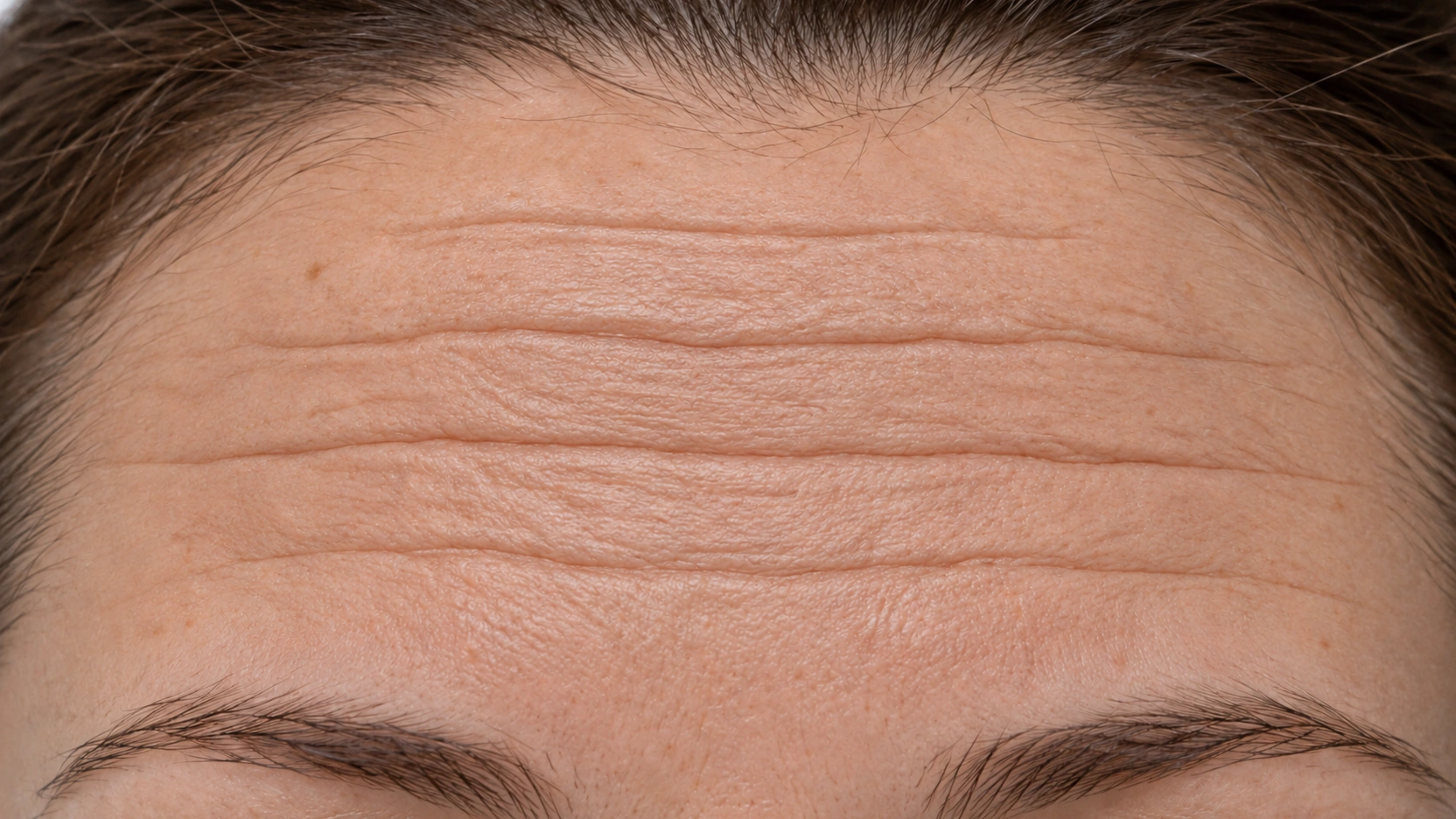
Lines at rest may need filler.
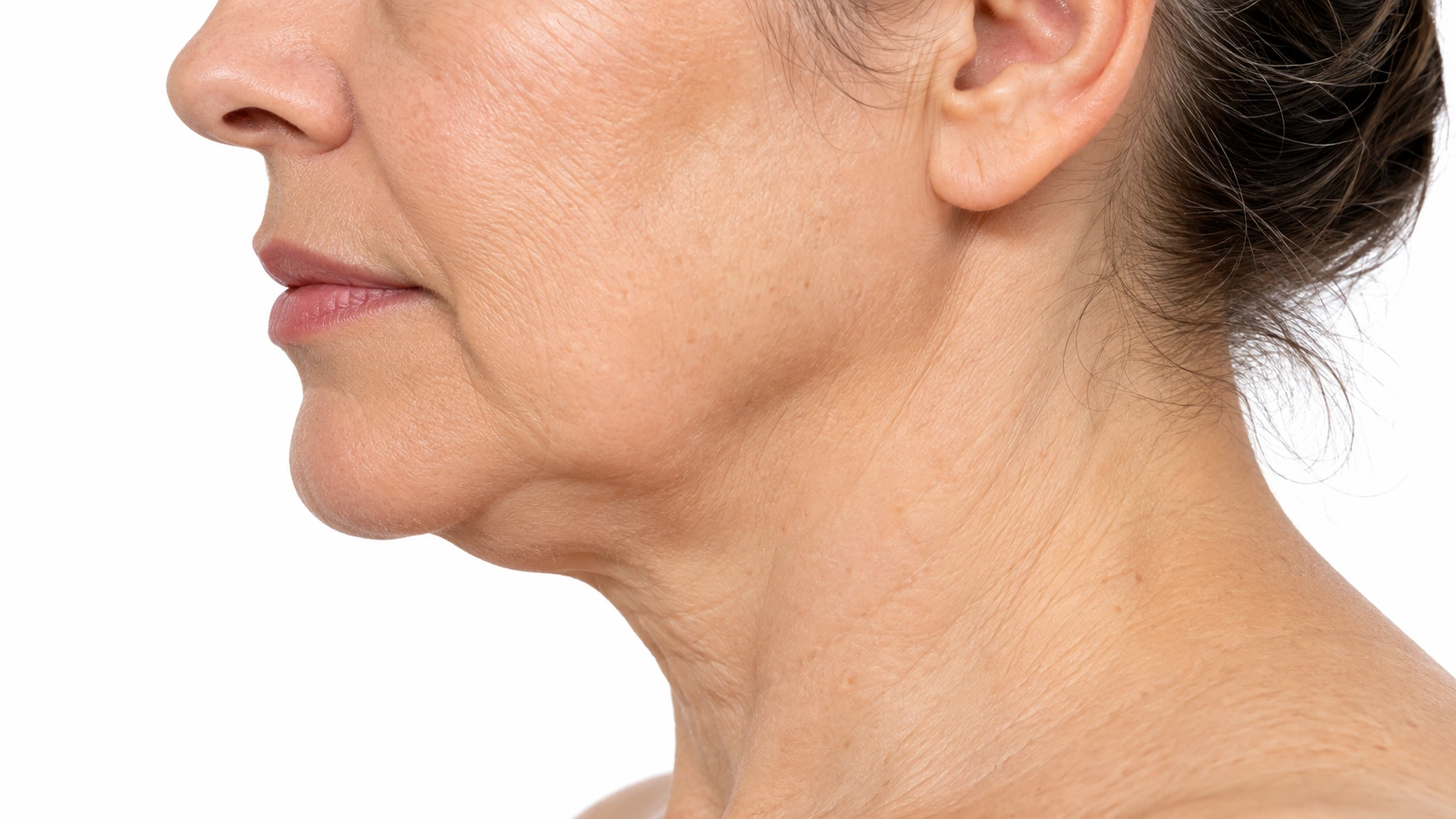
Doesn't lift loose skin.
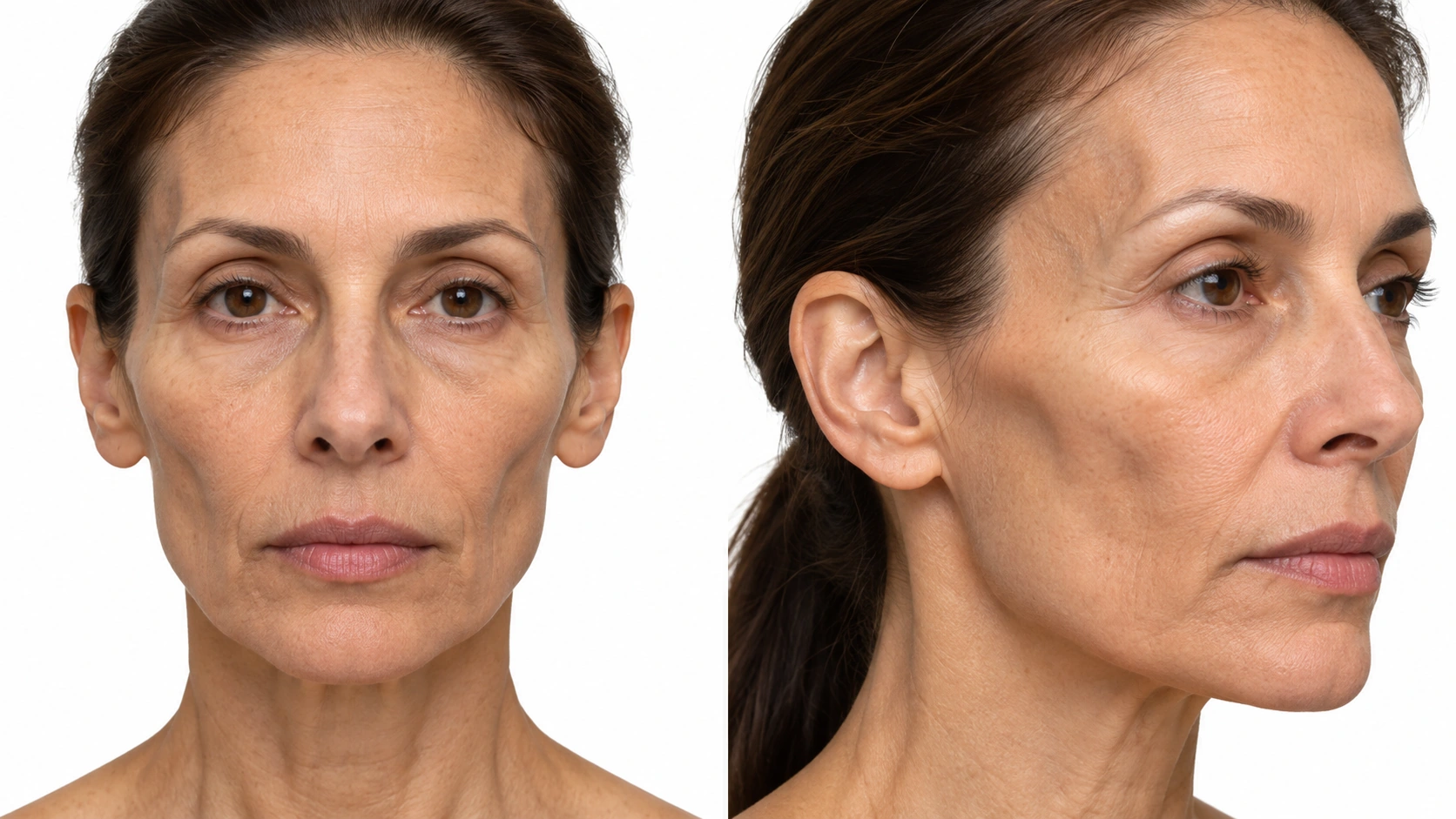
Doesn't add volume.

Doesn't change scars.

Light can darken patches.
Forehead, between the brows, crow’s feet and underarms.
Face; the selected area depends on the concern and treatment plan.
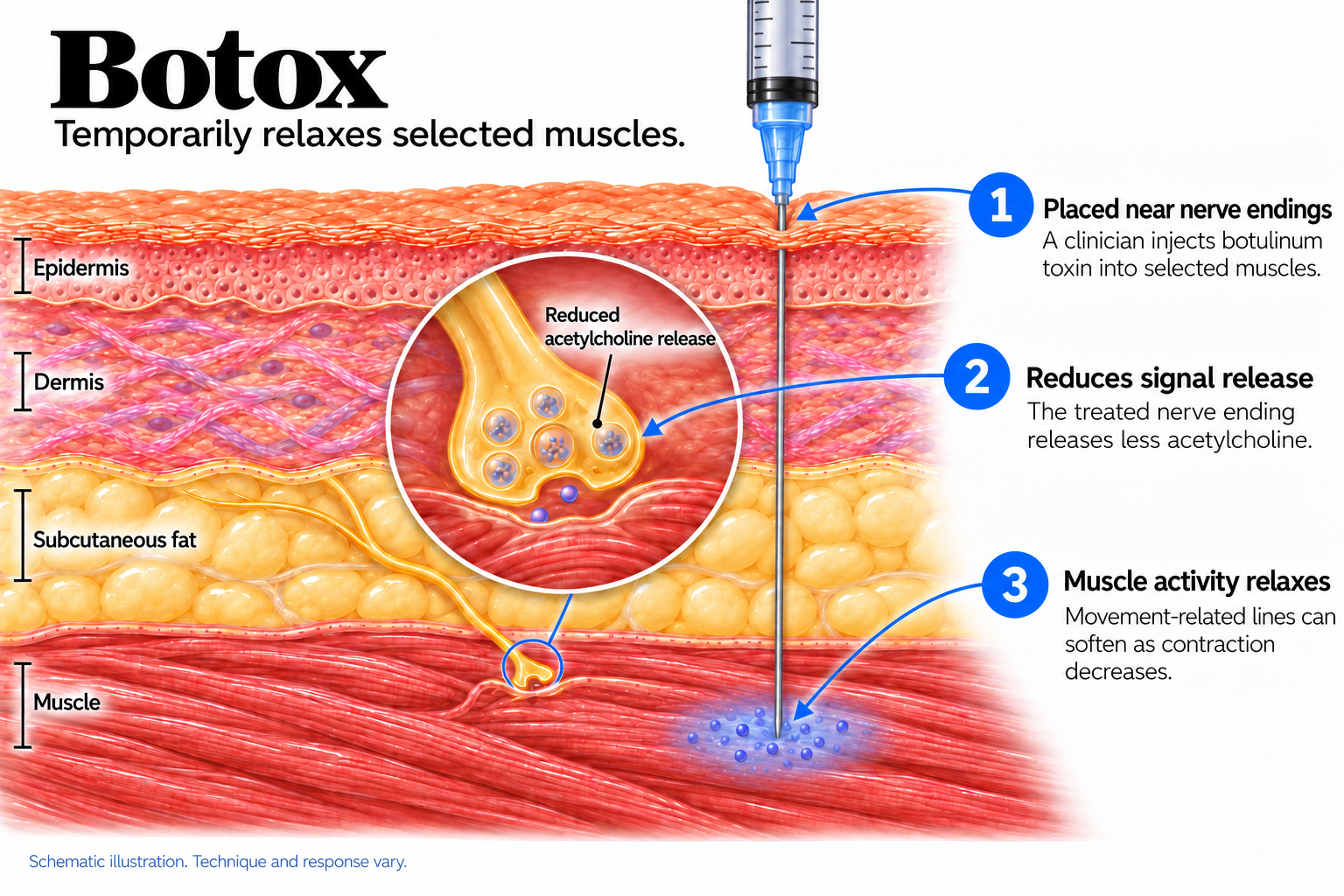

Placed near nerve endings: A clinician injects botulinum toxin into selected muscles. Reduces signal release: The treated nerve ending releases less acetylcholine. Muscle activity relaxes: Movement-related lines can soften as contraction decreases.
Schematic illustration. Technique and response vary. This explains a mechanism and does not specify treatment settings.
LEDs deliver selected wavelengths: The device exposes skin to a planned light regimen. Light is absorbed by its targets: Effects depend on wavelength, device, and treatment goal. Response builds over a course: Some regimens may help selected skin concerns; results vary.
Schematic illustration. Technique and response vary. This explains a mechanism and does not specify treatment settings.
Planning: Timing: Allow at least 2 weeks before an important event; results settle in 10–14 days and bruises may last a week.
Preparation: Medicines and alcohol: Ask about fish oil, vitamin E and ibuprofen; avoid alcohol for 24 hours.
A few days before: Bruising and alcohol: Never stop a prescribed blood thinner on your own.
Ask your provider: Conditions and medicines: Ask first about lupus, porphyria, another light-sensitive condition, a retinal condition, past eye surgery or seizures.
What to bring: Arrive with a clean face, reference photos and clear treatment goals.
Before each session: Clean skin: Sunscreen, makeup and thick moisturizer block visible light, mineral sunscreens especially, so a session over sunscreen does little.
Before session one: Baseline photo: Photograph your face in daylight, same spot, no makeup.
Shields and dose: Have the eye shields to hand before you start.
You say what bothers you while the injector watches your face move.
In a clinic, skin is cleansed.
The skin is cleaned, then small injections go into the chosen muscles, a few in each area.
The visit runs 10 to 20 minutes. Each point is a sharp sting, then it is over — most people rate it below a blood test. The forehead and between the brows are the most sensitive.
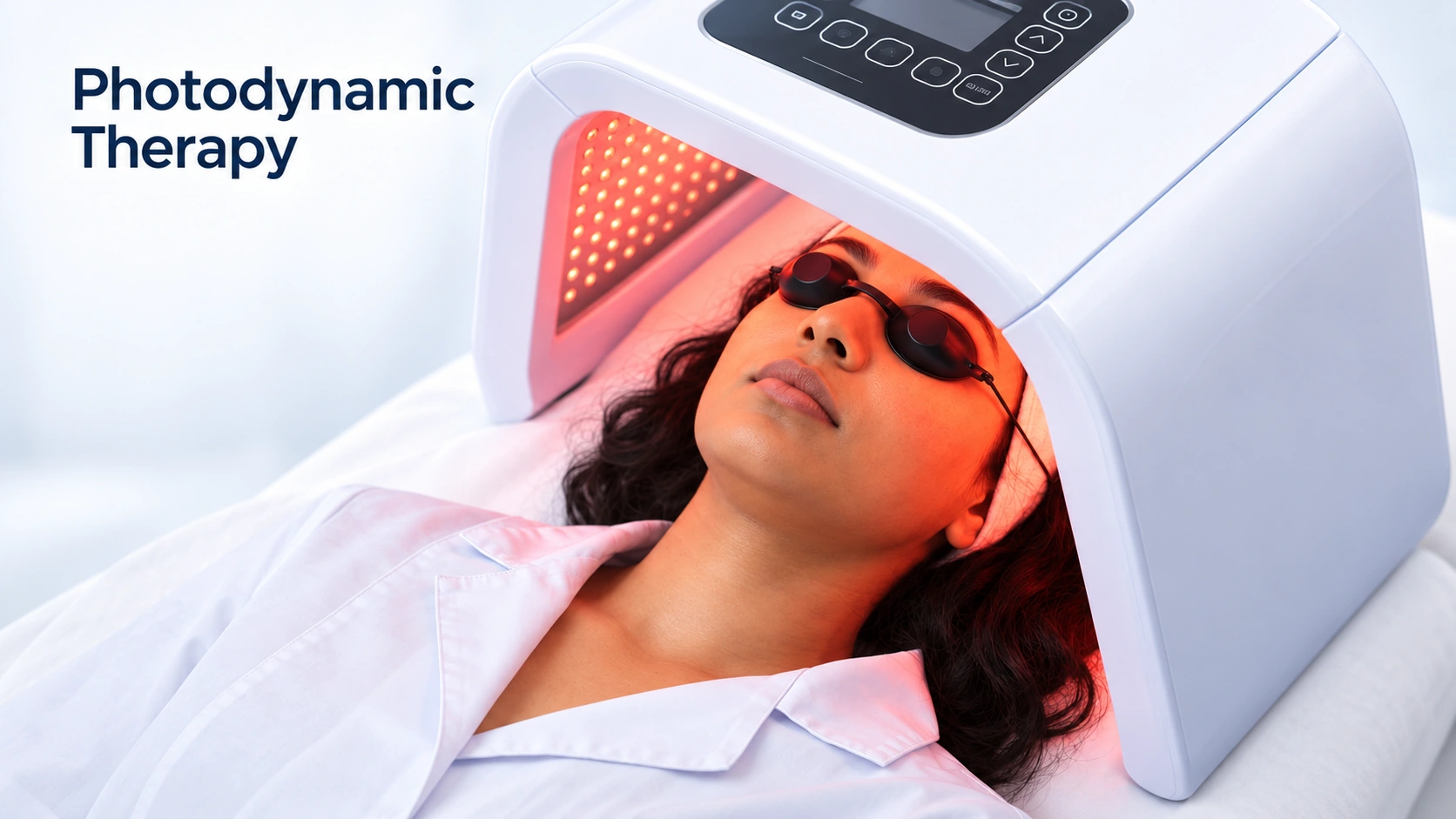
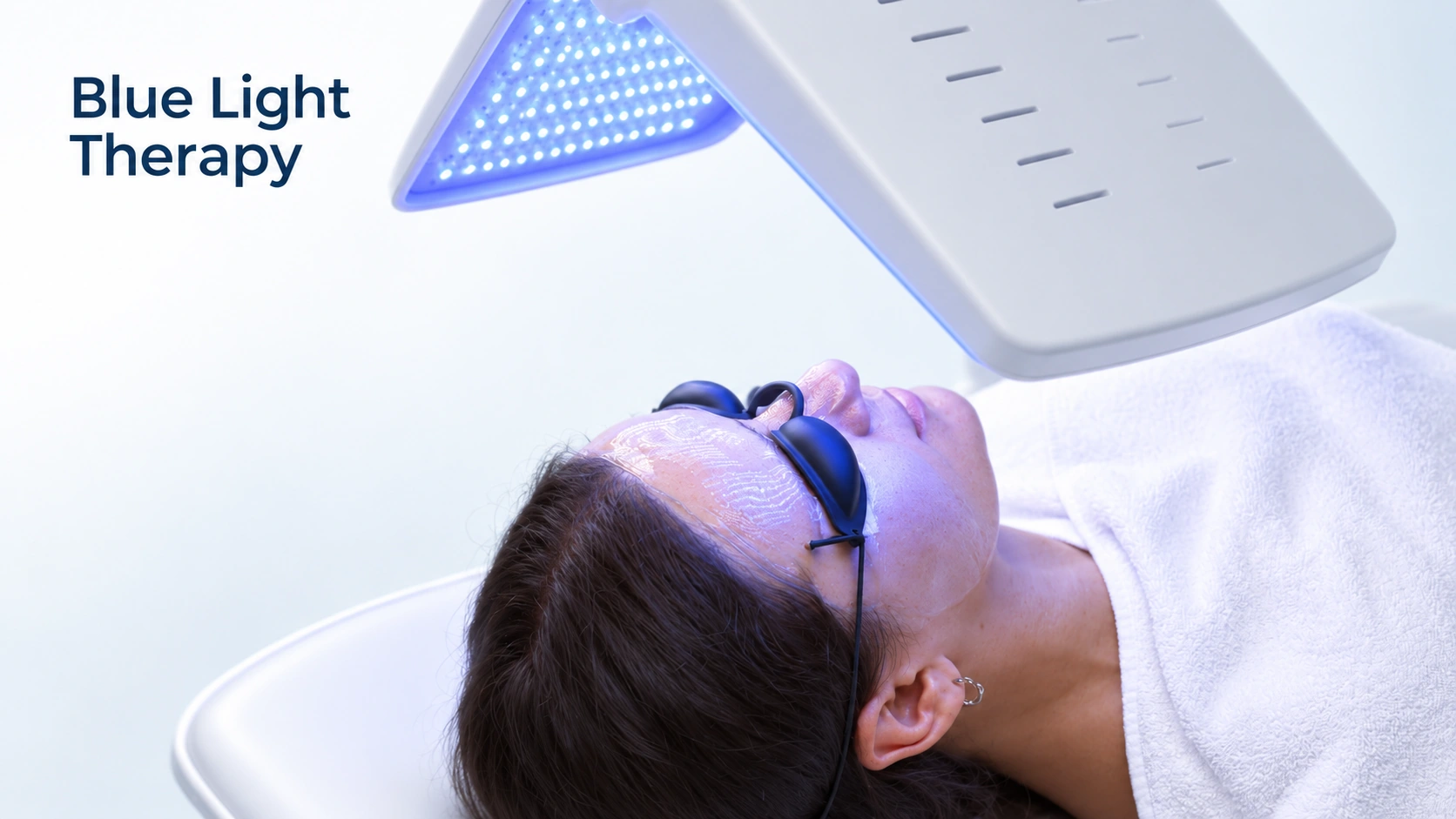
The panel or mask sits close to the skin and runs for 10 to 20 minutes.
Red light is a strong glow even through closed eyes; near-infrared is invisible but feels warm. Shields stay on the whole session. It does not hurt. Expect mild warmth, and sometimes a headache after, usually from light without shields.
Small raised bumps like insect bites settle within about 20 to 30 minutes.
Skin looks unchanged, maybe flushed for a few minutes.
Days 1 to 3: A few people bruise, usually near the eyes.
Days 1 to 2: Dryness or a headache are uncommon and mild.
Days 3 to 5: Movement feels different — heavy, or a muscle that will not quite fire.
Days 10 to 14: The true result.
Weeks 1 to 4: Little visible change.
Weeks 8 to 12: If a photograph in the same light shows nothing by now, more weeks will not change the answer.
Starts in 3–5 days, full at 2 weeks
8–12 weeks of regular use
3–4 months
Only while used
In the US it is priced per unit or per area.
Home devices are the main market, from roughly $50 for a handheld wand to several hundred dollars for a full-face mask, and higher.
Insurance does not cover cosmetic use.
Insurance does not cover it.
Three to four months for most people and areas. The jaw muscle and underarm sweating last longer. Fading is gradual, so movement returns over a few weeks.
A sharp sting for a second or two per injection, several times. Most people find it easier than expected and skip numbing.
Only if the dose says so. Amount and placement decide how much movement you keep, and a lighter dose at a first appointment is reasonable. You can add more at two weeks; you cannot take any away.
There is no antidote, so it has to wear off over weeks to a few months. Some problems can be balanced with a few extra units elsewhere, which is why starting conservatively is safer.
Decades of medical use at doses far larger than cosmetic ones, with no pattern of lasting harm. The main reported change is treated muscles getting somewhat weaker over years, which is the intended effect.
That depends on the muscle and the face, not a standard number. As a rough reference, frown lines between the brows are commonly treated with about 20 units of one common brand. Units are not comparable between brands, so ask which product is used.
Partly, and modestly. The best-supported uses are blue light for mild inflammatory acne and red or near-infrared light for wound healing. For fine lines and redness there are small positive trials, usually 8 to 12 weeks long. The literature is limited by small numbers, short follow-up, devices that differ from each other, few comparisons against proven treatments, and a lot of manufacturer involvement.
They generally put out less light per minute, which is why home instructions ask for several sessions a week. Over three months a consistently used home device may deliver more total exposure than occasional clinic add-ons. What is not true is that a trial of a clinic panel tells you what a particular mask will do.
No — most are cleared as substantially equivalent to a device already on the market. That is a judgment about similarity and basic safety, not evidence of a useful result.
Yes, and it is the one safety point worth being strict about. These devices are bright, they sit close to the face, and blue wavelengths carry a recognized photochemical hazard to the retina with prolonged exposure. Keep the shields on for the whole session, and ask your doctor first if you have a retinal condition or have had eye surgery.
Give it 8 to 12 weeks of consistent use, then compare a photograph taken on day one in the same light and without makeup. Judging by memory in the mirror is how people persuade themselves either way.
No — it sits on top of those, and the gain from adding it to a good routine is small. Using it instead of treatment for a condition that scars is the one way a low-risk device causes harm.