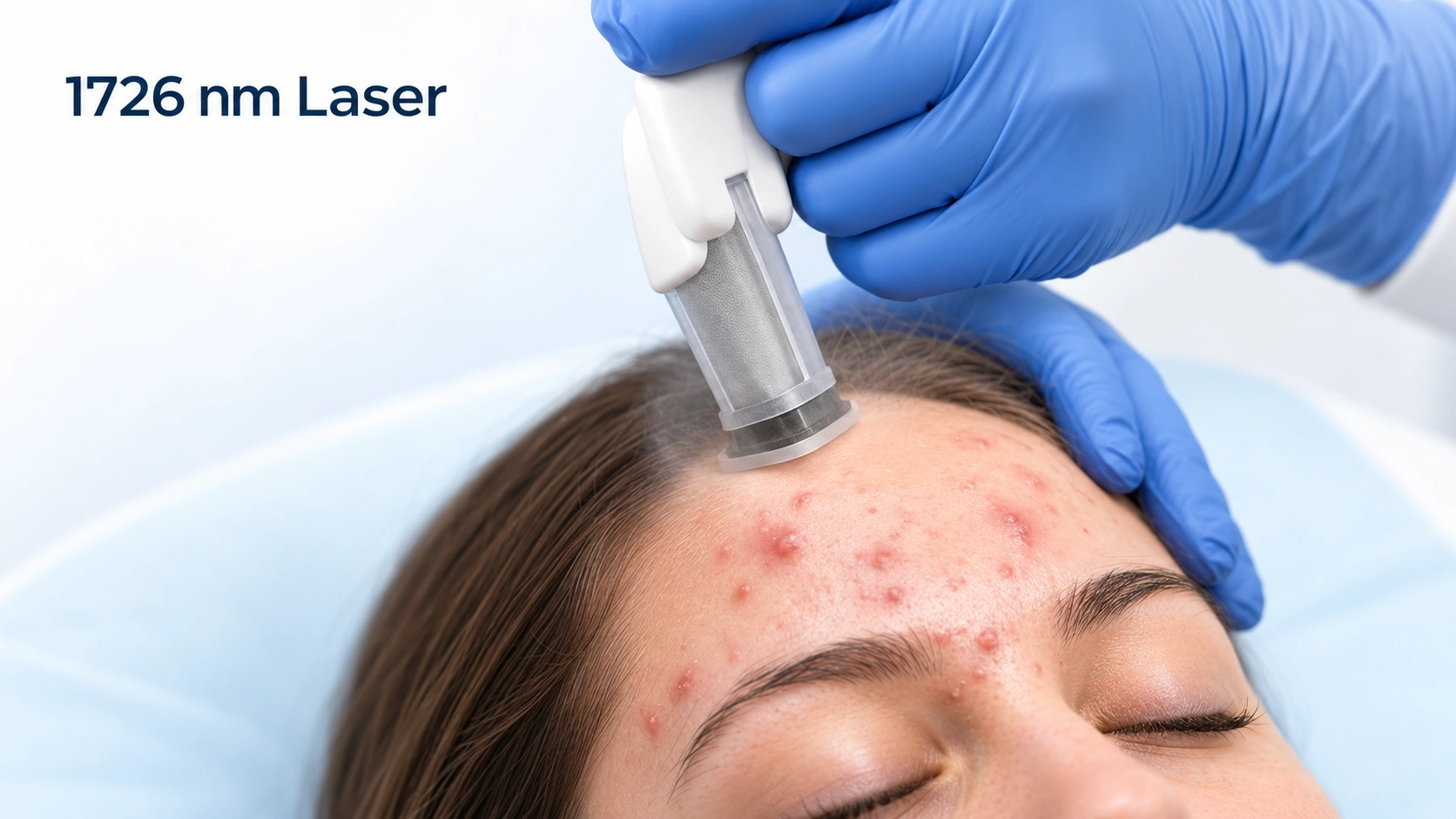
It is an ablative laser.
It creates microscopic columns of injury in the skin.
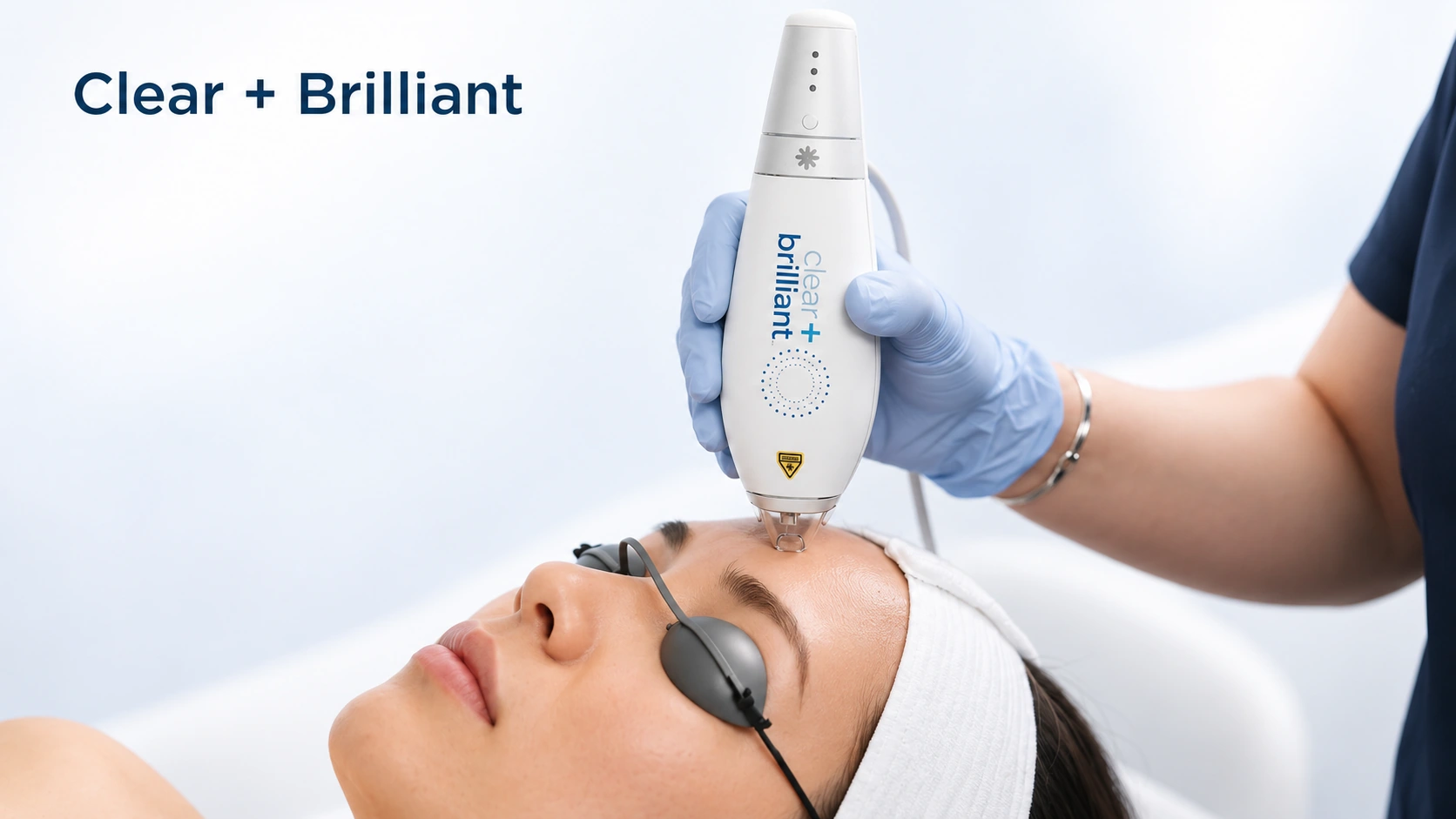
Fractional CO2 Laser: An ablative laser that vaporizes thousands of microscopic columns of skin, leaving untouched skin between them to heal from. It is the most effective in-office treatment for indented acne scars, and the one with the most downtime and the highest pigment risk.
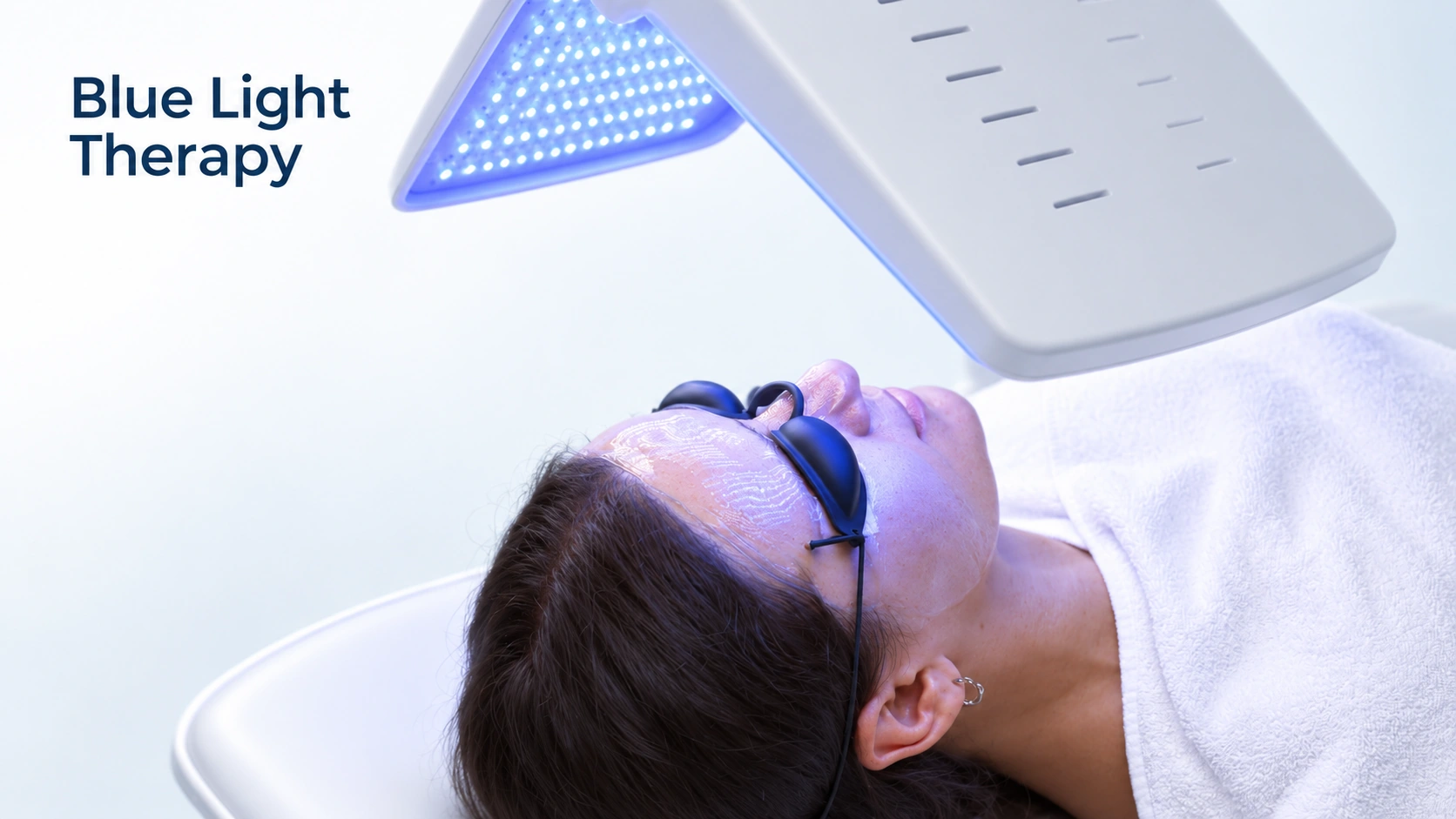
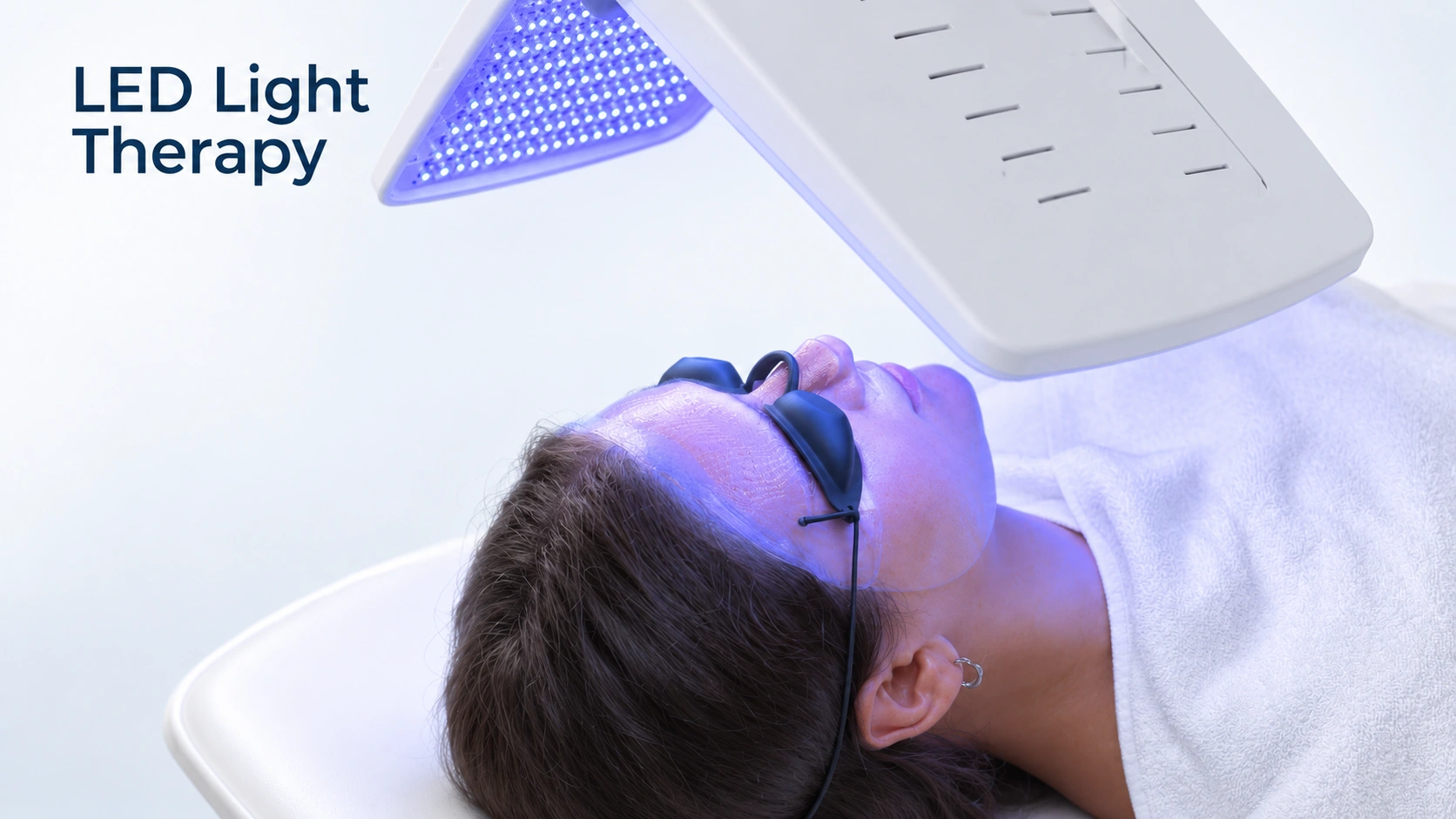
LED Light Therapy: Panels, masks, and handhelds that shine red, near-infrared, or blue light on the skin. No ultraviolet and no downtime. The science is real, the marketing runs far ahead of it, and most of the studies are small and funded by device makers.

Choose for the biggest single improvement in indented acne scars or deep sun damage, accepting the most downtime and pigment risk.
Choose as a gentle, painless add-on for mild acne or fine lines — the marketing runs well ahead of the evidence.
Can you have both?
Red LED is often used after CO2 laser to calm the skin during healing.
It creates microscopic columns of injury in the skin.
Skin between the columns supports recovery.
It is stronger than a facial but less than fully ablative resurfacing.
Pigment, keloid, herpes and isotretinoin history need assessment.
LEDs expose skin to visible or near-infrared light.
Wavelength, device and indication all matter.
It differs from UV treatment and photodynamic therapy.
A home-device clearance does not prove every claim.

Major improvement in many scar types.
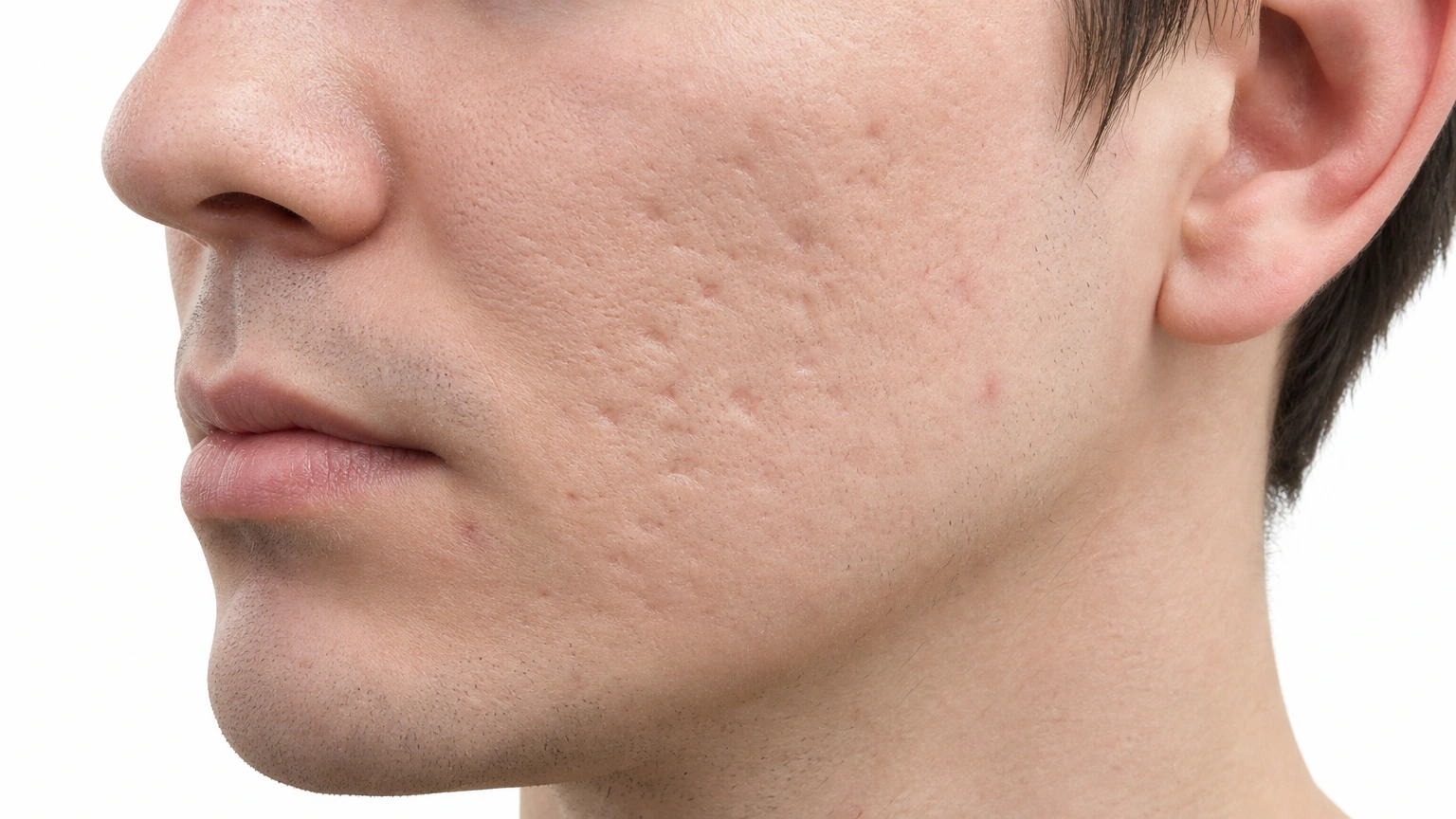
Smooths wide scars.
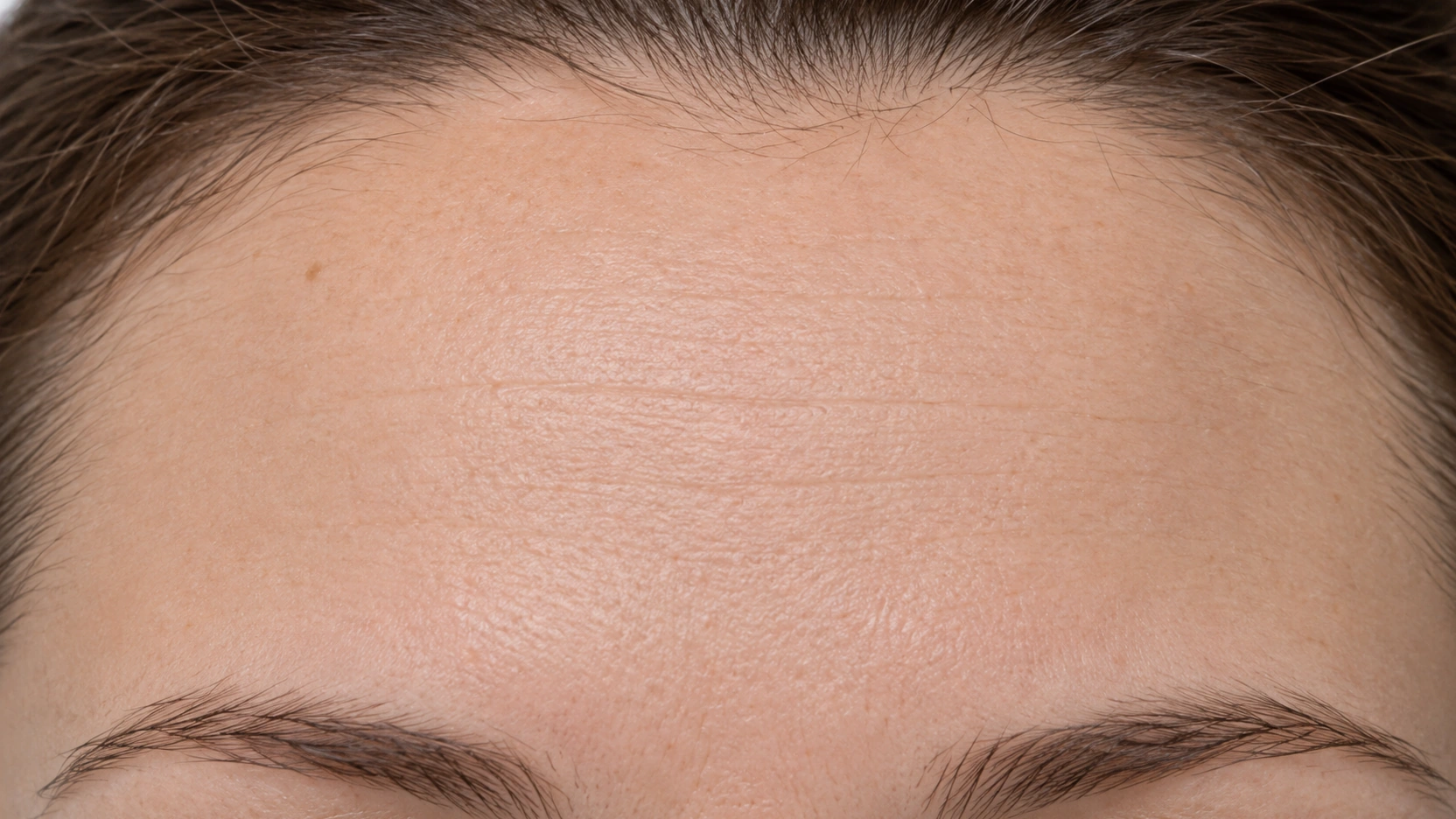
Tightens and smooths.
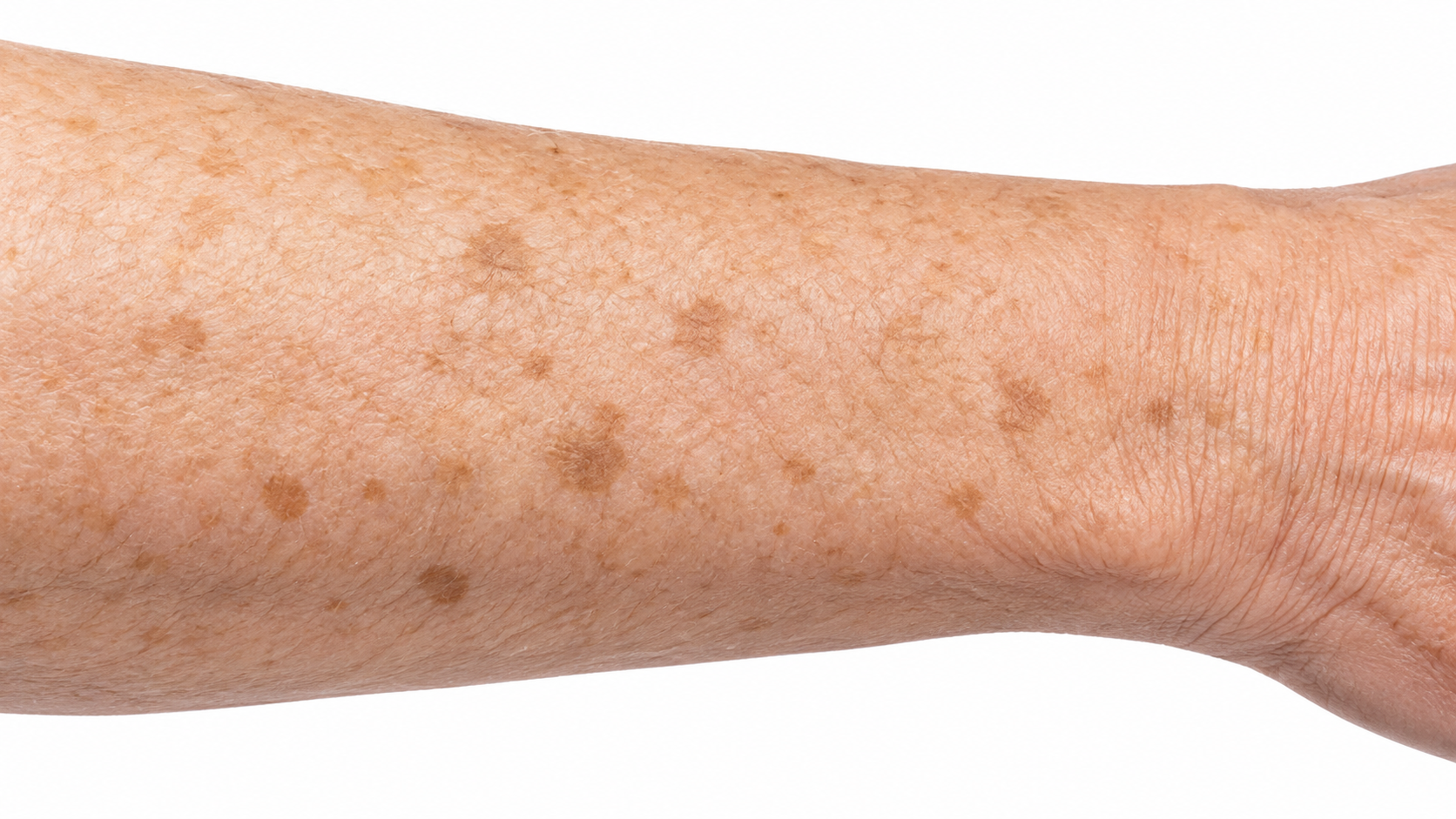
Clears sun damage.

Blue light modestly reduces spots.
Red light may slightly smooth.
Doesn't change scars.

High risk of darkening.

Can worsen redness.
Light can darken patches.
Face; the selected area depends on the concern and treatment plan.
Face; the selected area depends on the concern and treatment plan.


Creates tiny treatment channels: Laser energy absorbed by water removes narrow columns of tissue. Untreated skin supports healing: Skin between the channels helps the surface repair. Collagen remodels over time: Repair can improve selected scars, lines, and texture.
Schematic illustration. Technique and response vary. This explains a mechanism and does not specify treatment settings.
LEDs deliver selected wavelengths: The device exposes skin to a planned light regimen. Light is absorbed by its targets: Effects depend on wavelength, device, and treatment goal. Response builds over a course: Some regimens may help selected skin concerns; results vary.
Schematic illustration. Technique and response vary. This explains a mechanism and does not specify treatment settings.
Sun and pigment cream: No sun, and do not arrive tanned.
Sun and pigment cream: On deeper skin tones a pigment-blocking cream usually starts two to four weeks ahead.
Plan ahead: Time off and supplies: Book the time off, arrange a driver if sedation is planned, buy plain petrolatum and a gentle cleanser, and plan a week at home.
Actives and smoking: Stop retinoids, benzoyl peroxide and acids.
1 to 2 days before: Antiviral tablets: Antiviral tablets start a day or two before and continue for several days after, since an outbreak in healing skin can scar.
Ask your provider: Conditions and medicines: Ask first about lupus, porphyria, another light-sensitive condition, a retinal condition, past eye surgery or seizures.
Before each session: Clean skin: Sunscreen, makeup and thick moisturizer block visible light, mineral sunscreens especially, so a session over sunscreen does little.
Before session one: Baseline photo: Photograph your face in daylight, same spot, no makeup.
Shields and dose: Have the eye shields to hand before you start.
Skin is examined and photographed.
In a clinic, skin is cleansed.
The handpiece is passed or stamped over each zone.
Expect rapid clicking, a burning smell, and a smoke evacuator running. Heat builds fast and feels hot rather than sharp. A full face takes 30 to 60 minutes, genuinely painful without proper anesthesia. The burning carries on for an hour or two.
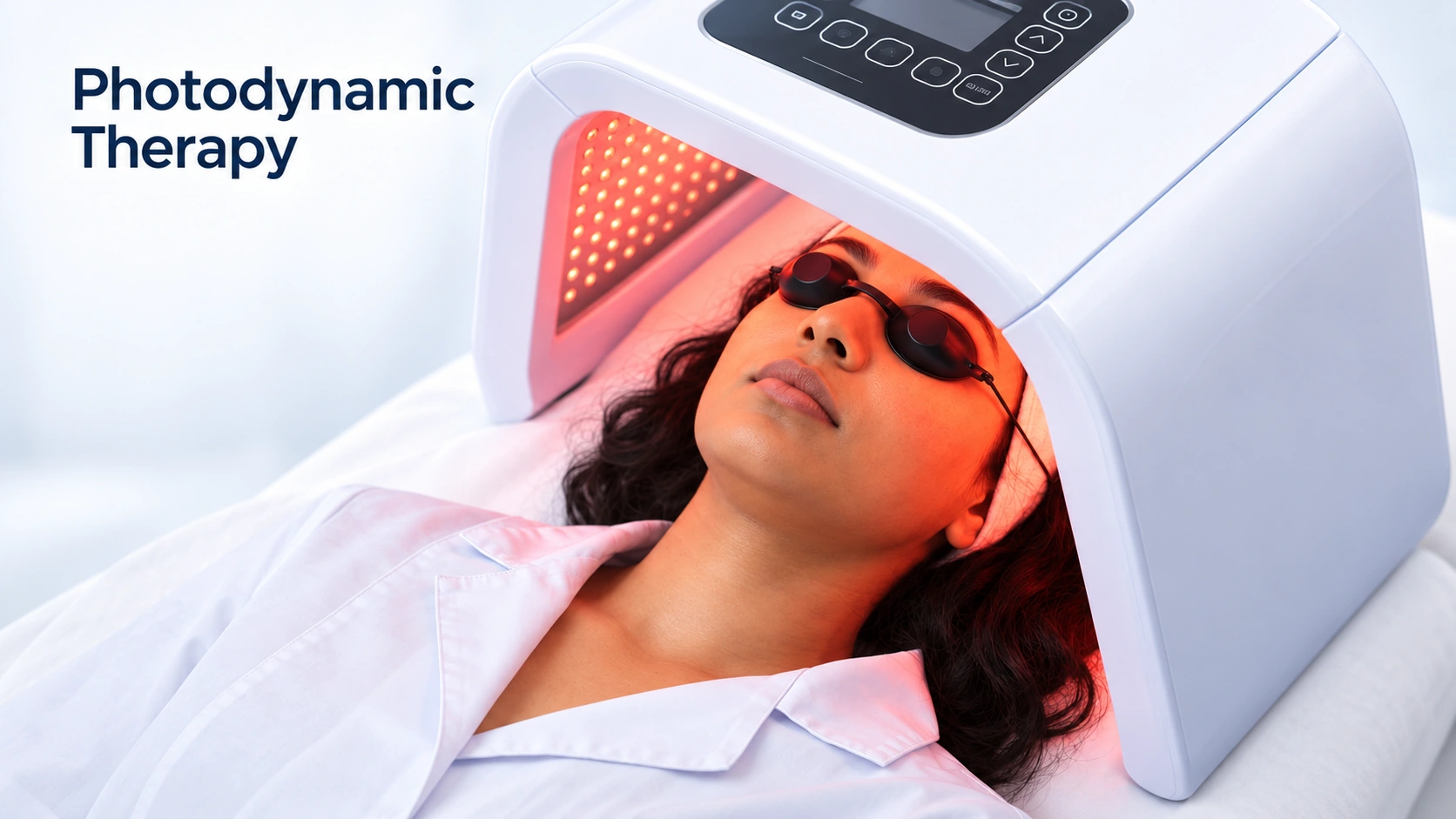
The panel or mask sits close to the skin and runs for 10 to 20 minutes.
Red light is a strong glow even through closed eyes; near-infrared is invisible but feels warm. Shields stay on the whole session. It does not hurt. Expect mild warmth, and sometimes a headache after, usually from light without shields.
Skin is deep red, hot, swollen and weeping clear fluid, with a fine grid pattern visible.
Skin looks unchanged, maybe flushed for a few minutes.
Days 1 to 3: Swelling peaks on the first or second morning and can partly close the eyes.
Days 1 to 2: Dryness or a headache are uncommon and mild.
Days 3 to 14: The skin turns bronze or grid-patterned brown, then flakes and sheets off, showing bright pink skin.
Week 3 to Month 12: Redness fades slowly, a month on light settings and three months or longer on aggressive ones.
Weeks 1 to 4: Little visible change.
Weeks 8 to 12: If a photograph in the same light shows nothing by now, more weeks will not change the answer.
1–3 months, improving to 6
8–12 weeks of regular use
Years
Only while used
A full-face session in the US usually runs $1,000 to $3,000, varying by city, device, depth, and whether sedation or an operating room is involved.
Home devices are the main market, from roughly $50 for a handheld wand to several hundred dollars for a full-face mask, and higher.
Insurance does not cover resurfacing for acne scars, which is classed as cosmetic.
Insurance does not cover it.
Five to ten days at home. Swelling and oozing days one to three, bronzing and sloughing days three to seven, and by day seven to ten the surface has closed and mineral makeup is usually allowed. Redness then fades over weeks to a few months.
It improves them substantially, more than any other single treatment, but it does not remove them. Rolling and boxcar scars respond best, icepick scars least, and mixed scarring usually needs subcision or TCA CROSS too.
Experienced providers do it using lower density, longer intervals, and pigment creams before and after. Dark marks are common and fade over months. The rare risk of permanent pigment loss is why many people with deeper skin tones choose microneedling instead.
One to three, 6 to 12 weeks apart, judged six months after the last one.
Yes, without proper anesthesia. Numbing cream alone is not enough for a full face, so nerve blocks, injected anesthetic or oral sedation are standard, and burning continues for an hour or two afterward.
Only with months of margin. Skin looks worse before it looks better, and redness can last one to three months. Six months ahead is a reasonable minimum.
Partly, and modestly. The best-supported uses are blue light for mild inflammatory acne and red or near-infrared light for wound healing. For fine lines and redness there are small positive trials, usually 8 to 12 weeks long. The literature is limited by small numbers, short follow-up, devices that differ from each other, few comparisons against proven treatments, and a lot of manufacturer involvement.
They generally put out less light per minute, which is why home instructions ask for several sessions a week. Over three months a consistently used home device may deliver more total exposure than occasional clinic add-ons. What is not true is that a trial of a clinic panel tells you what a particular mask will do.
No — most are cleared as substantially equivalent to a device already on the market. That is a judgment about similarity and basic safety, not evidence of a useful result.
Yes, and it is the one safety point worth being strict about. These devices are bright, they sit close to the face, and blue wavelengths carry a recognized photochemical hazard to the retina with prolonged exposure. Keep the shields on for the whole session, and ask your doctor first if you have a retinal condition or have had eye surgery.
Give it 8 to 12 weeks of consistent use, then compare a photograph taken on day one in the same light and without makeup. Judging by memory in the mirror is how people persuade themselves either way.
No — it sits on top of those, and the gain from adding it to a good routine is small. Using it instead of treatment for a condition that scars is the one way a low-risk device causes harm.