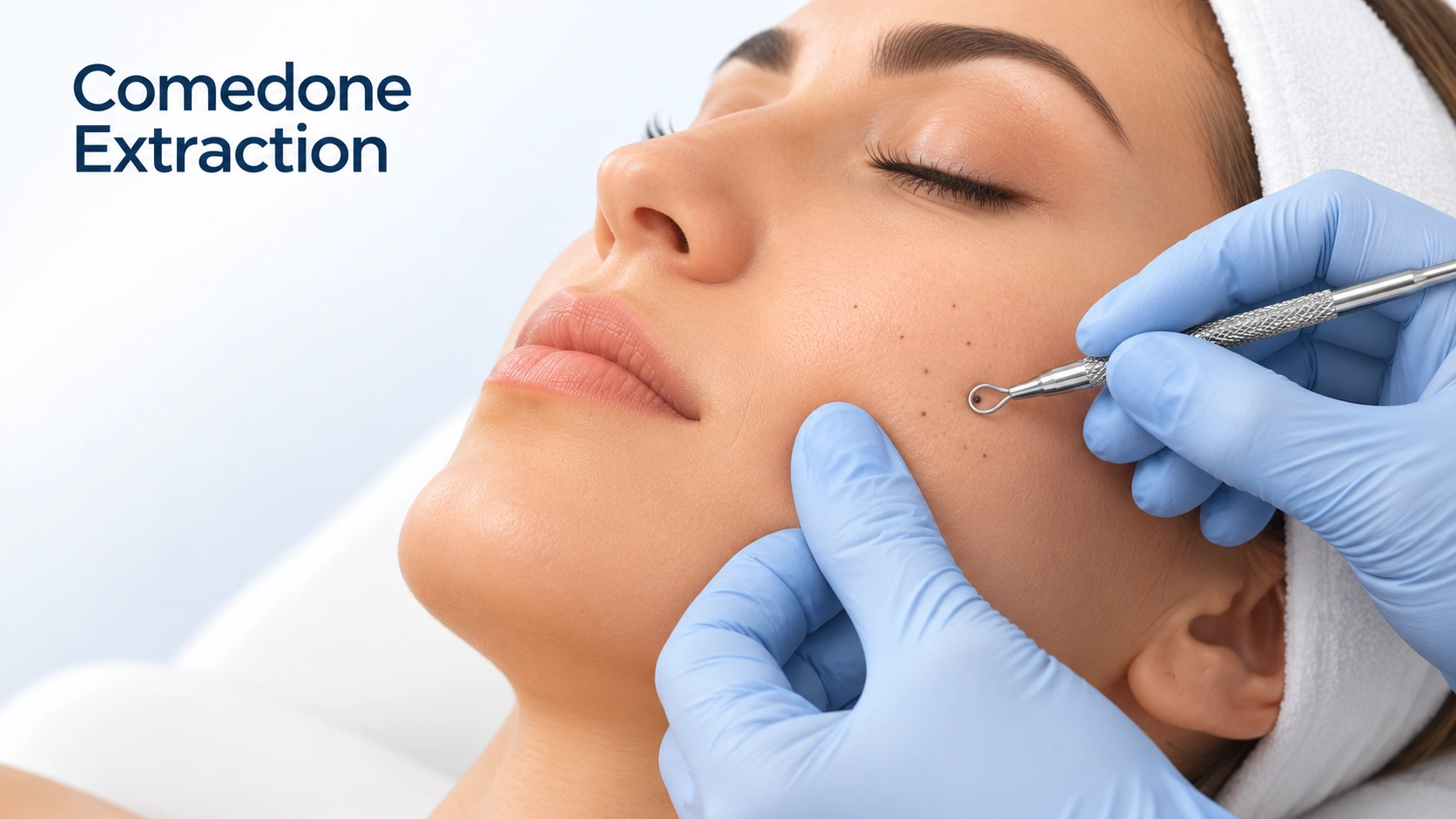
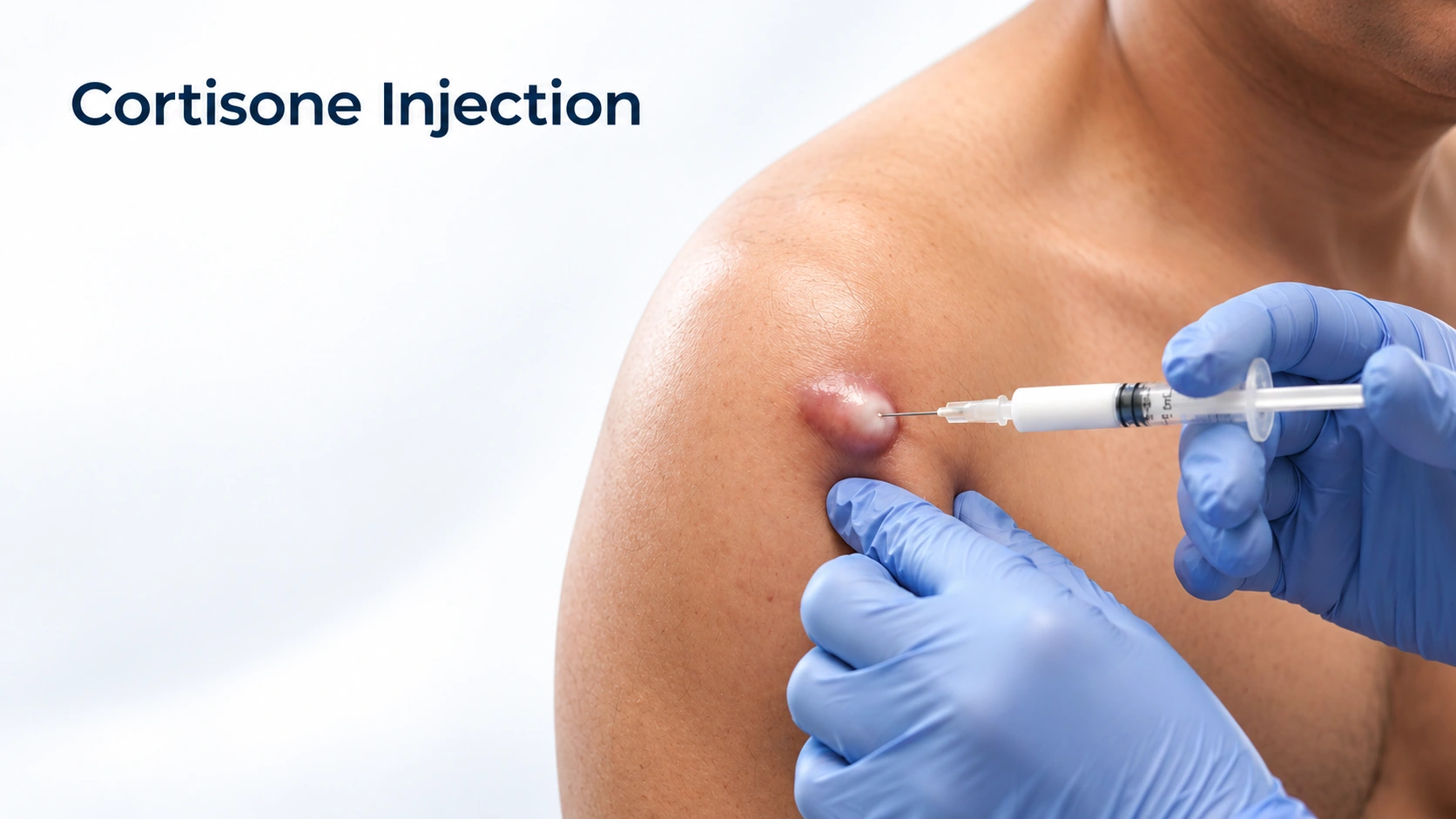
It uses light-emitting diodes.
LEDs expose skin to visible or near-infrared light.
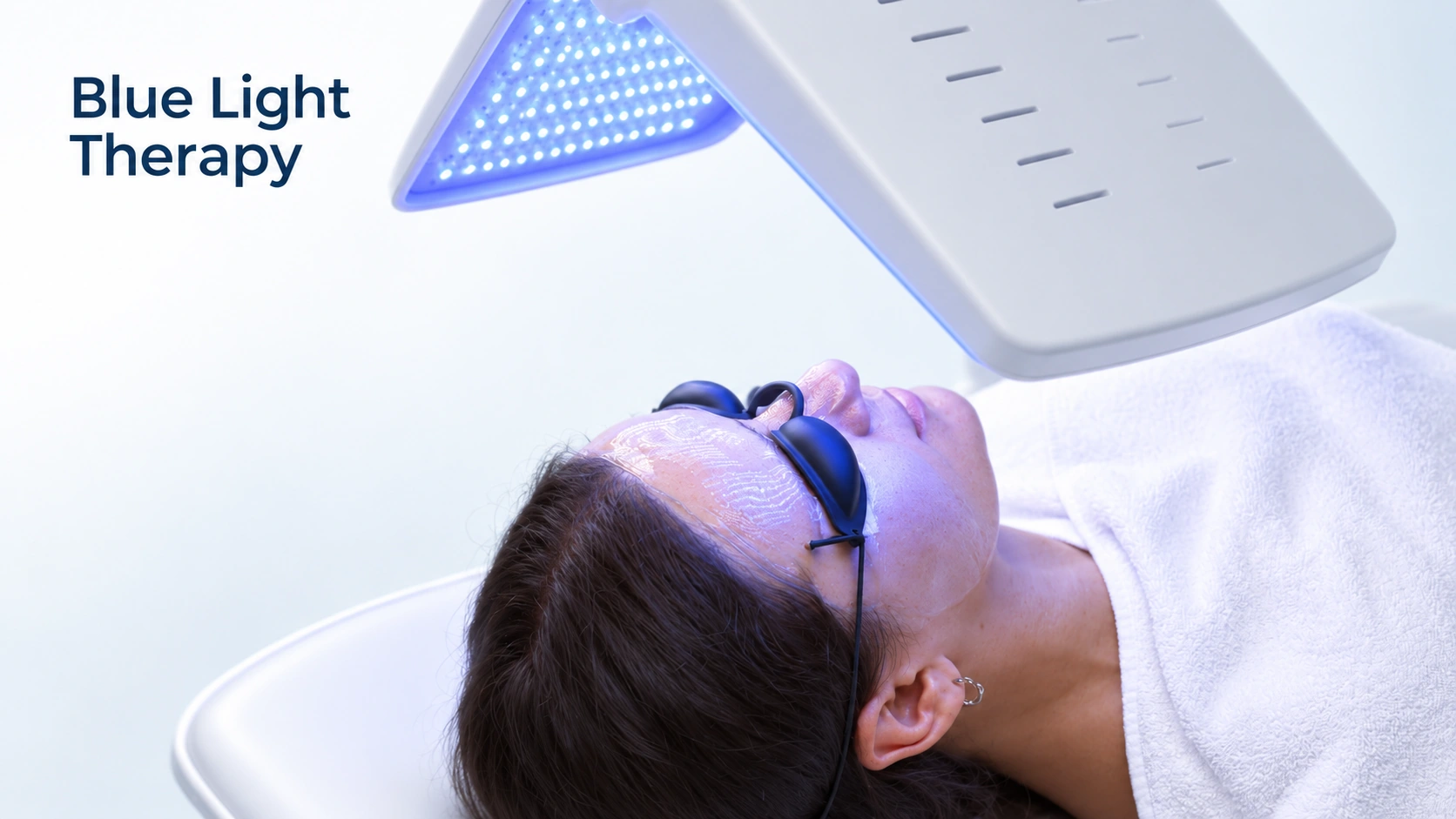
LED Light Therapy: Panels, masks, and handhelds that shine red, near-infrared, or blue light on the skin. No ultraviolet and no downtime. The science is real, the marketing runs far ahead of it, and most of the studies are small and funded by device makers.
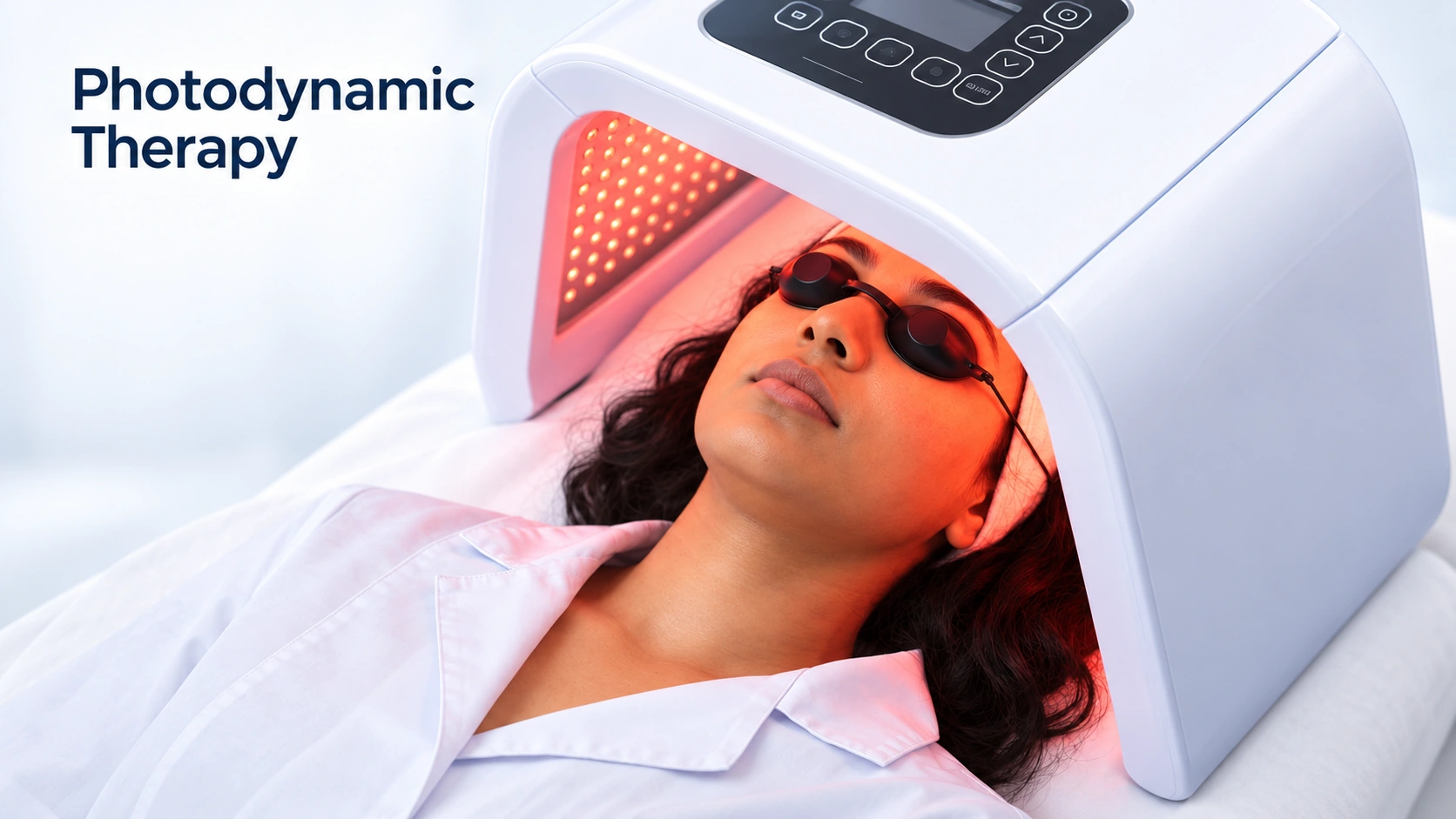
Photodynamic Therapy: A light-activated drug applied in the office, then switched on with a lamp or laser. It is the strongest non-drug option for inflammatory acne, and the downtime is a real week.
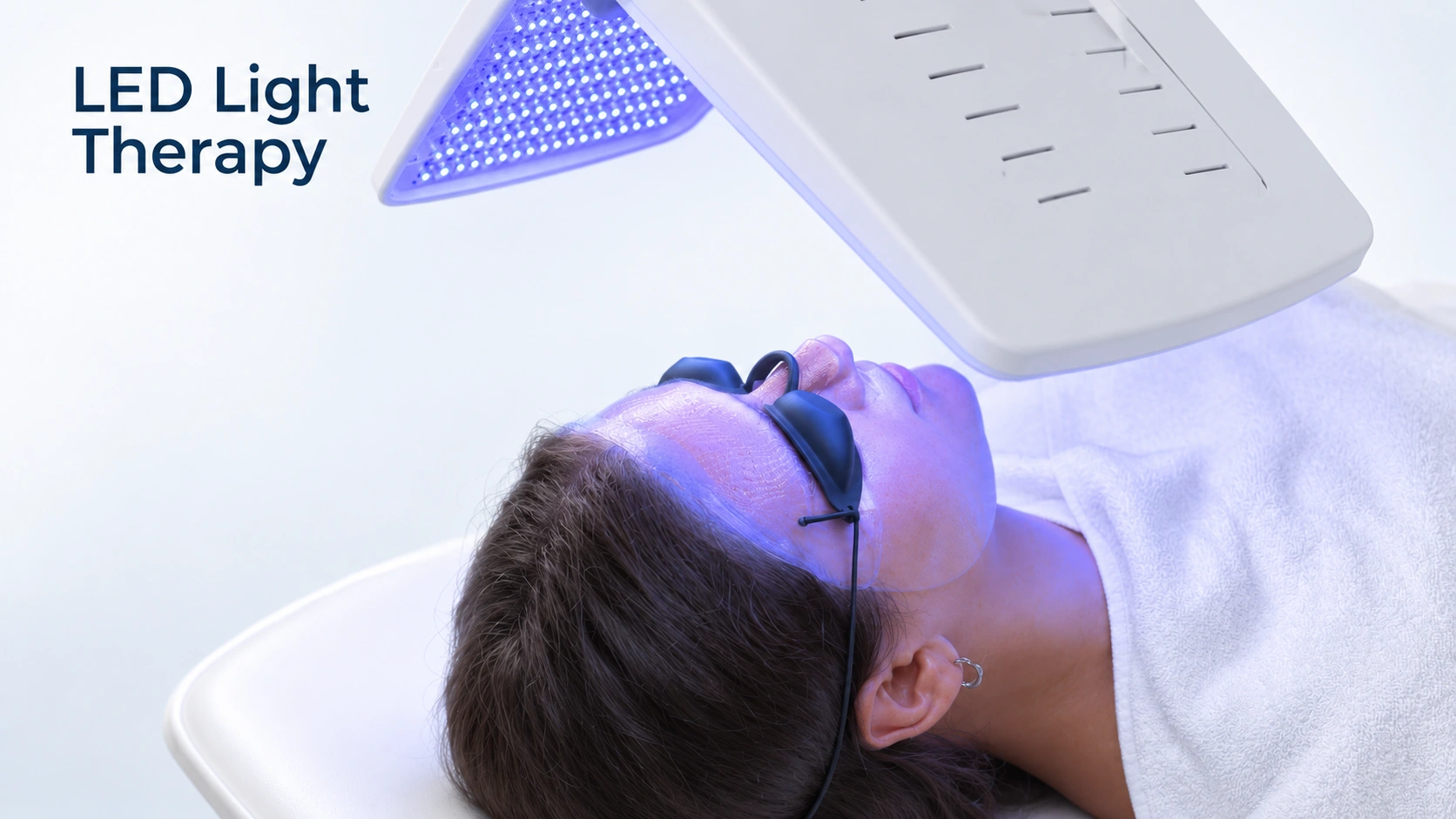
Choose as a gentle, painless add-on for mild acne or fine lines — the marketing runs well ahead of the evidence.
Choose to treat a whole area of sun damage at once — or as a strong non-drug option for stubborn acne — with a real week of downtime.
Can you have both?
In photodynamic therapy, LED light is often the light source that activates the cream.
LEDs expose skin to visible or near-infrared light.
Wavelength, device and indication all matter.
It differs from UV treatment and photodynamic therapy.
A home-device clearance does not prove every claim.
A photosensitizing medicine is activated by a set light exposure.
It is used for actinic keratoses and some superficial lesions.
It is not ordinary LED or UV treatment.
Sunscreen alone may not prevent activation.
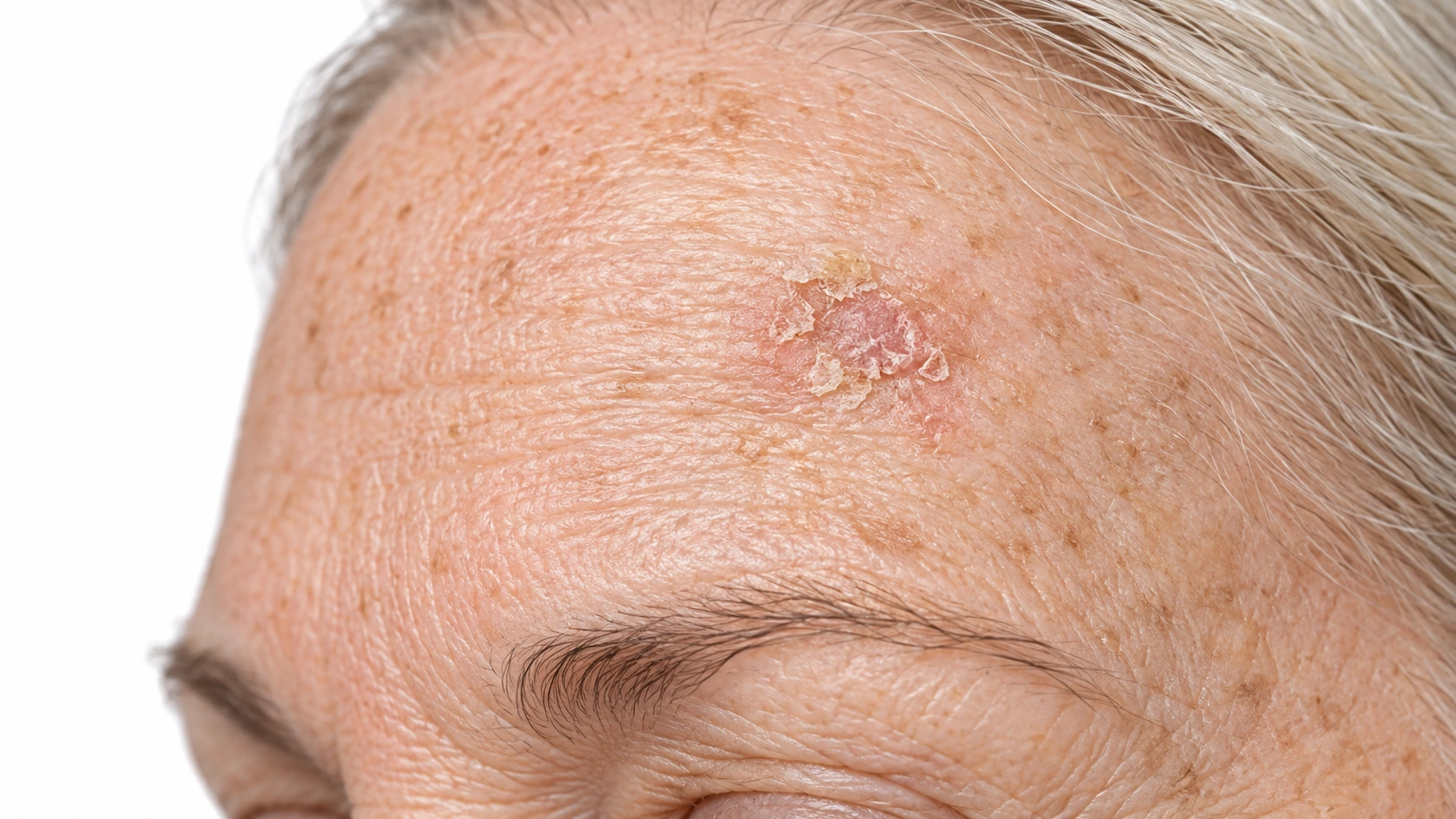
Clears 75–90% of spots.
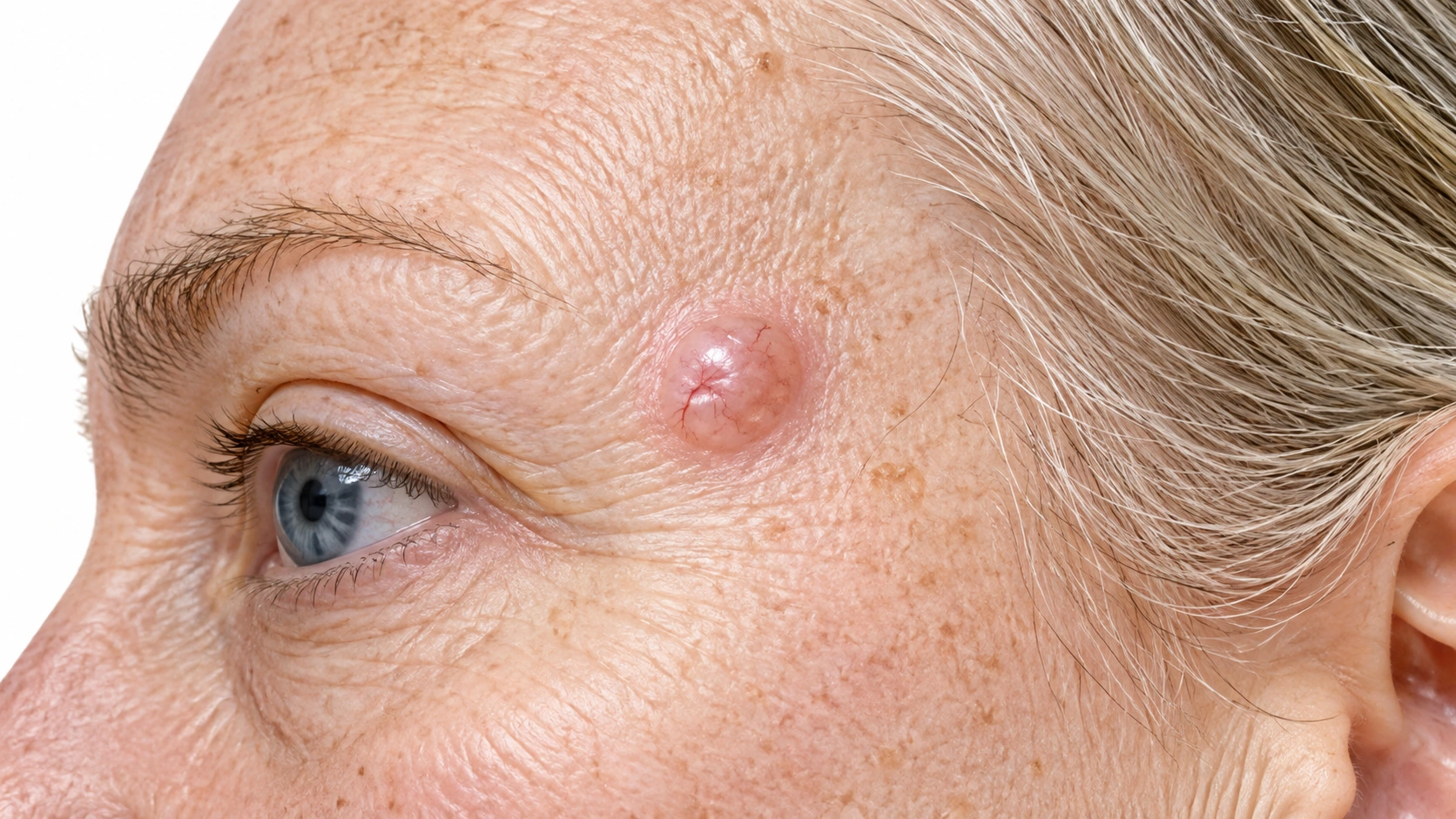
Treats superficial types.

Blue light modestly reduces spots.
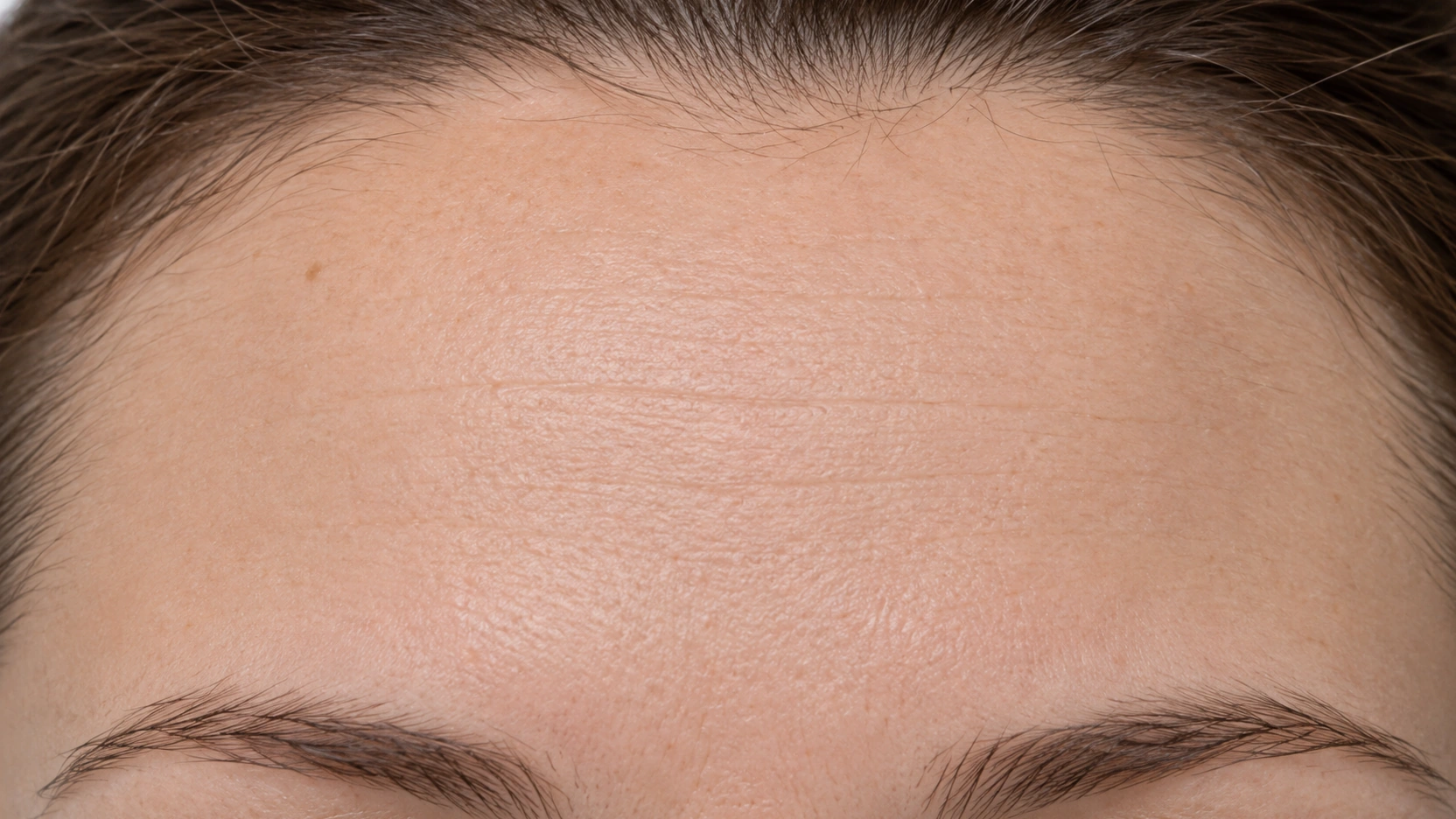
Red light may slightly smooth.
Used for stubborn acne.
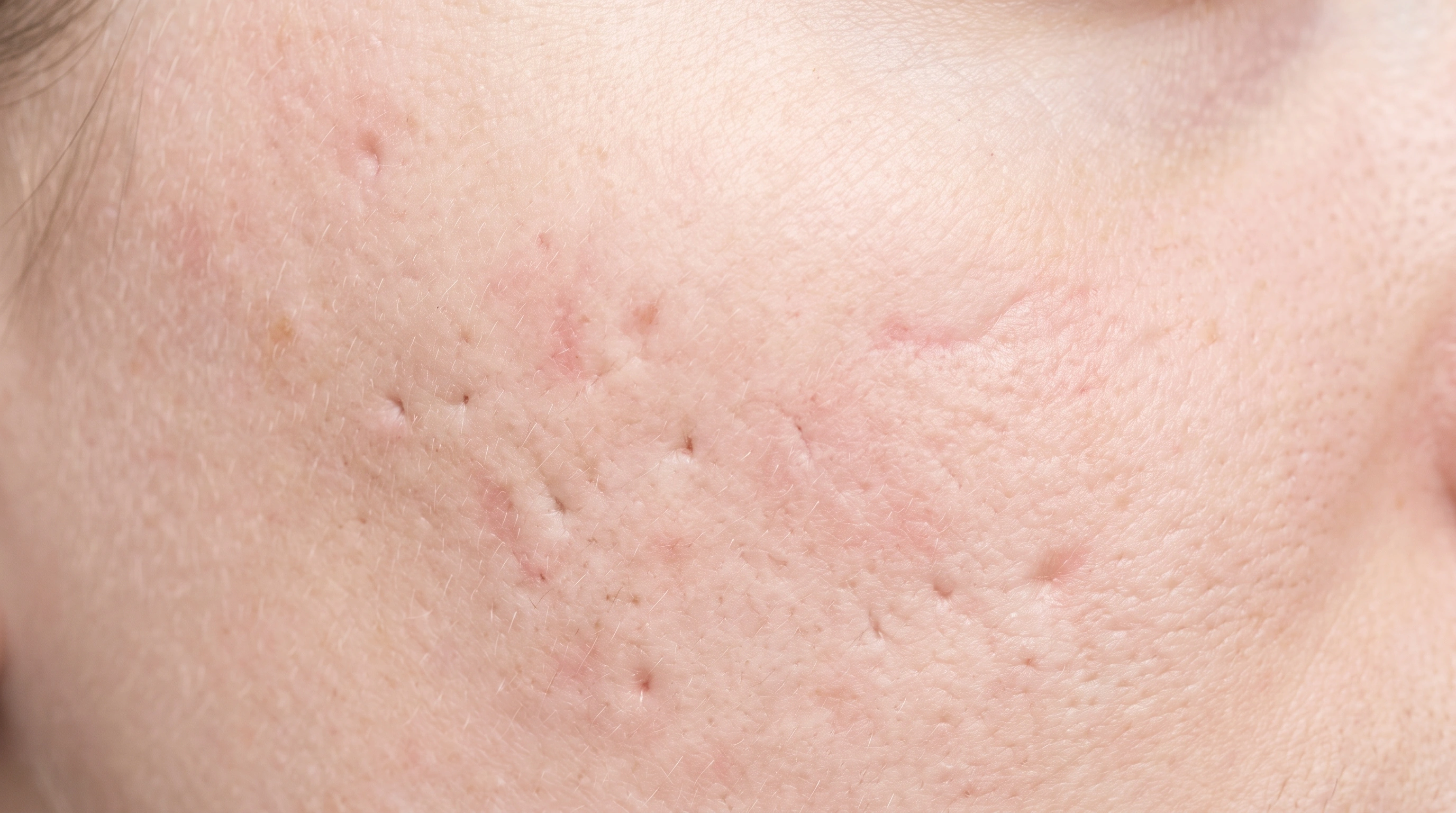
Doesn't change scars.
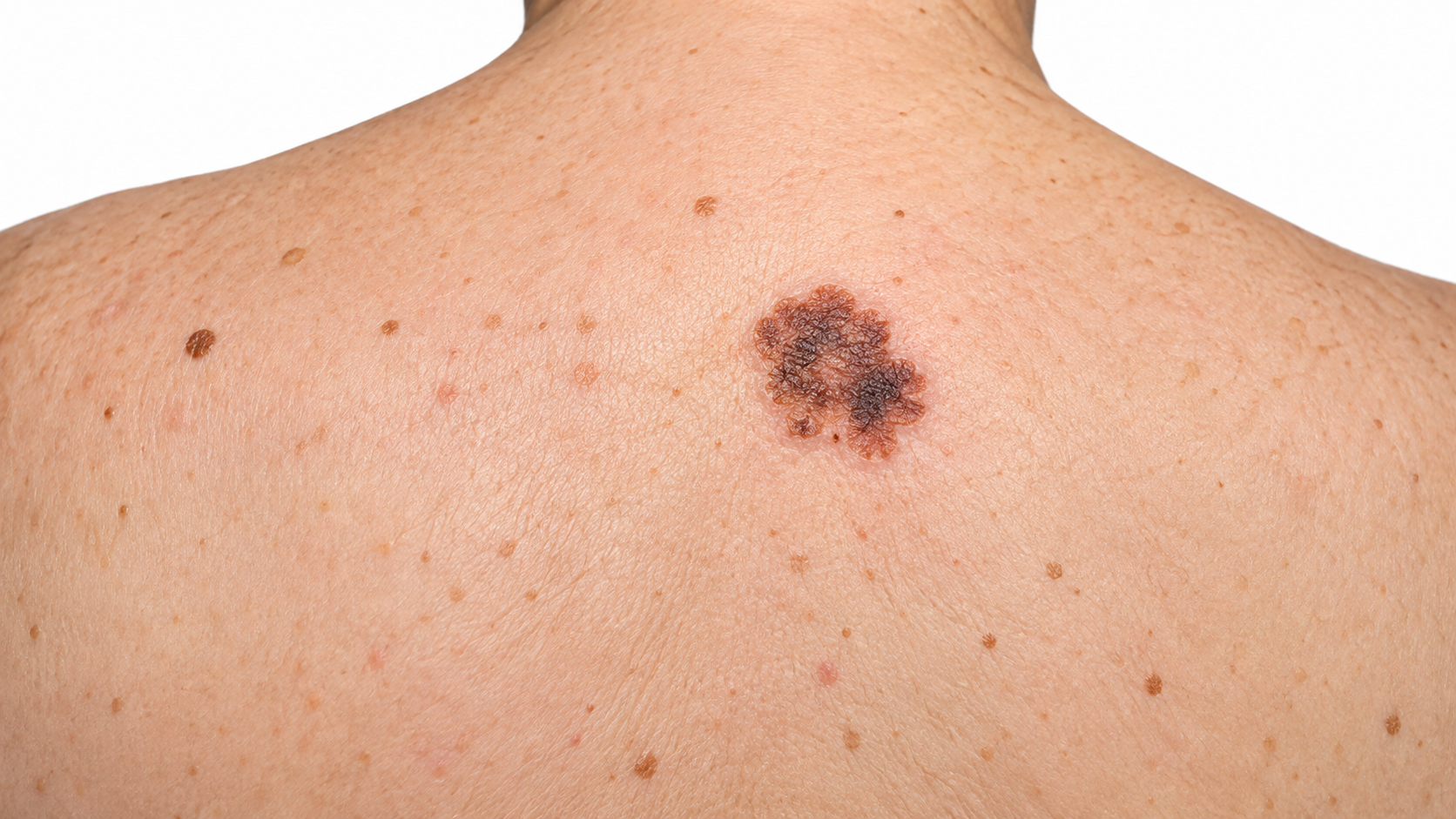
Needs excision.
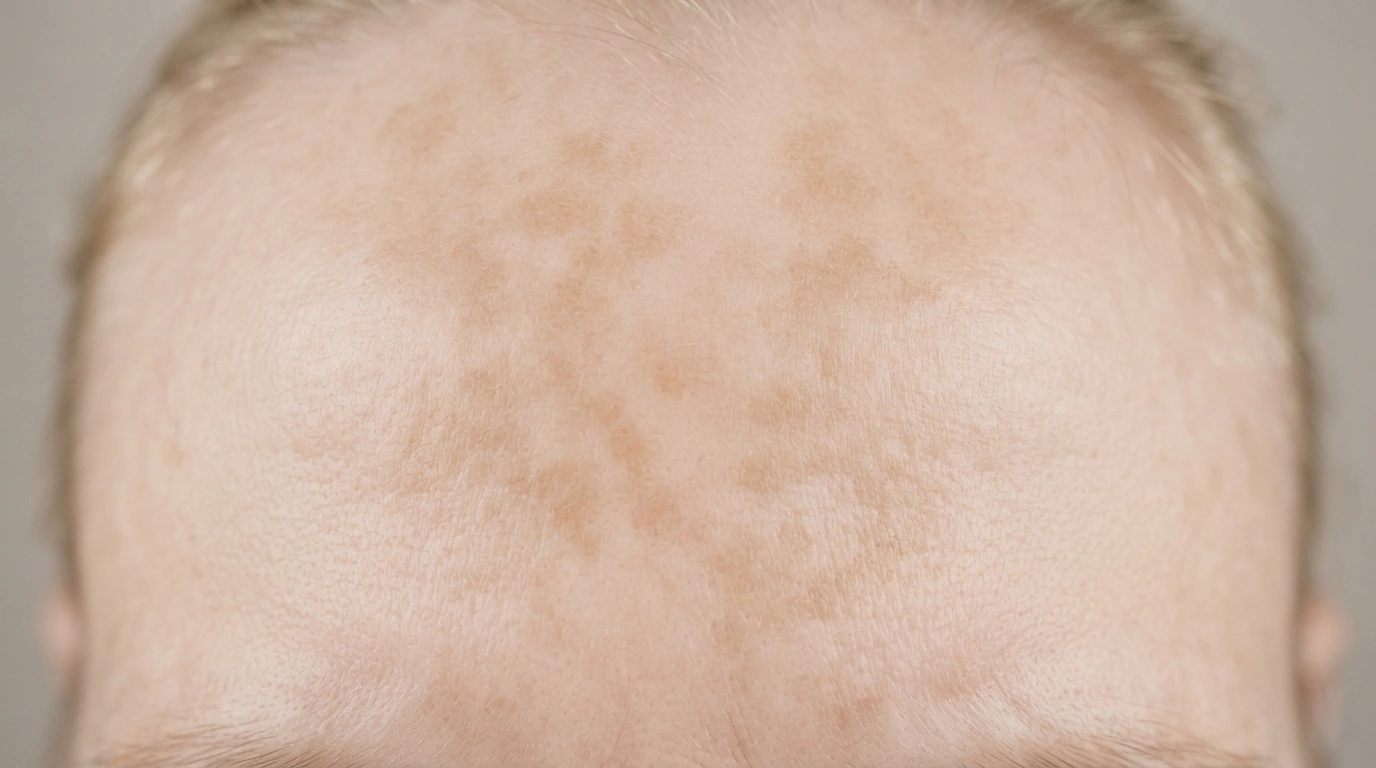
Light can darken patches.
Light can darken patches.
Face; the selected area depends on the concern and treatment plan.
Face; the selected area depends on the concern and treatment plan.


LEDs deliver selected wavelengths: The device exposes skin to a planned light regimen. Light is absorbed by its targets: Effects depend on wavelength, device, and treatment goal. Response builds over a course: Some regimens may help selected skin concerns; results vary.
Schematic illustration. Technique and response vary. This explains a mechanism and does not specify treatment settings.
A photosensitizer is applied: The selected medicine accumulates in the prepared treatment area. Light activates the medicine: A matched light regimen produces reactive molecules. Selected cells are damaged: Inflammation and healing follow; treatment response varies.
Schematic illustration. Technique and response vary. This explains a mechanism and does not specify treatment settings.
2 weeks before: Sun and tanning: Avoid sun and tanning for 2 weeks.
Before you book: Time off: Clear several days, especially the 48 hours after, when you must stay out of sunlight and bright indoor light.
Ask your provider: Conditions and medicines: Ask first about lupus, porphyria, another light-sensitive condition, a retinal condition, past eye surgery or seizures.
5 to 7 days before: Actives: Stop retinoids and exfoliating acids.
Before each session: Clean skin: Sunscreen, makeup and thick moisturizer block visible light, mineral sunscreens especially, so a session over sunscreen does little.
Before session one: Baseline photo: Photograph your face in daylight, same spot, no makeup.
Shields and dose: Have the eye shields to hand before you start.
In a clinic, skin is cleansed.
Photos, consent covering the off-label use and the downtime, and a medication review.
The panel or mask sits close to the skin and runs for 10 to 20 minutes.
Red light is a strong glow even through closed eyes; near-infrared is invisible but feels warm. Shields stay on the whole session. It does not hurt. Expect mild warmth, and sometimes a headache after, usually from light without shields.
Skin is cleaned and degreased, sometimes with microdermabrasion or an acetone wipe, so the drug soaks in evenly.
The solution goes on and you wait 20 minutes to 3 hours in a dim room. Then eye shields go on and you sit under a blue or red light for 8 to 20 minutes, or a laser or IPL is passed over. Stinging builds and peaks at the end; cold air helps.
Skin looks unchanged, maybe flushed for a few minutes.
The least comfortable procedure on this list.
Days 1 to 2: Dryness or a headache are uncommon and mild.
First 48 hours: Stay strictly out of sunlight and bright indoor light; daylight through a window can trigger a severe reaction.
Days 4 to 10: Peeling and flaking, sometimes in sheets.
Weeks 1 to 4: Little visible change.
Weeks 1 to 2: An acne flare is common in the first week or two, before improvement starts.
Weeks 8 to 12: If a photograph in the same light shows nothing by now, more weeks will not change the answer.
8–12 weeks of regular use
2–4 weeks
Only while used
Treated spots clear; new ones may form
Home devices are the main market, from roughly $50 for a handheld wand to several hundred dollars for a full-face mask, and higher.
In the US, PDT for acne generally costs about $400 to $1,500 per session, so a course commonly lands between $800 and $4,000.
Insurance does not cover it.
Insurance does not cover PDT for acne, because the approved indication is precancerous sun damage.
Partly, and modestly. The best-supported uses are blue light for mild inflammatory acne and red or near-infrared light for wound healing. For fine lines and redness there are small positive trials, usually 8 to 12 weeks long. The literature is limited by small numbers, short follow-up, devices that differ from each other, few comparisons against proven treatments, and a lot of manufacturer involvement.
They generally put out less light per minute, which is why home instructions ask for several sessions a week. Over three months a consistently used home device may deliver more total exposure than occasional clinic add-ons. What is not true is that a trial of a clinic panel tells you what a particular mask will do.
No — most are cleared as substantially equivalent to a device already on the market. That is a judgment about similarity and basic safety, not evidence of a useful result.
Yes, and it is the one safety point worth being strict about. These devices are bright, they sit close to the face, and blue wavelengths carry a recognized photochemical hazard to the retina with prolonged exposure. Keep the shields on for the whole session, and ask your doctor first if you have a retinal condition or have had eye surgery.
Give it 8 to 12 weeks of consistent use, then compare a photograph taken on day one in the same light and without makeup. Judging by memory in the mirror is how people persuade themselves either way.
No — it sits on top of those, and the gain from adding it to a good routine is small. Using it instead of treatment for a condition that scars is the one way a low-risk device causes harm.
Not in the US. It is FDA-approved for precancerous sun spots; using it for acne is off-label. That is legal and common, but it means no standard protocol and results that vary between clinics.
Plan for 5 to 7 days of a visibly red, then swollen, then peeling face, with the worst in the first 48 hours. It is closer to a medium-depth peel than a laser facial.
The drug is still in your skin, and sunlight — including through a car or office window — activates it and can cause a severe burn. This is the most important instruction of the treatment.
No. Improvement typically lasts 6 to 12 months and repeat courses are often needed. It does not treat scars or existing brown marks.
It can be done, but the risk of lasting dark patches is meaningfully higher, because the treatment works by causing strong inflammation. A shorter incubation, a lower light dose and an experienced provider make a large difference.