Mental-health support
ListedAssociated distress or anxiety may need treatment; swallowing hair must be discussed because it can cause complications.
Hair loss caused by repeated tension on hair follicles. Hair-pulling disorder causing hair loss through recurrent pulling.
The same eight facts on every condition comparison.
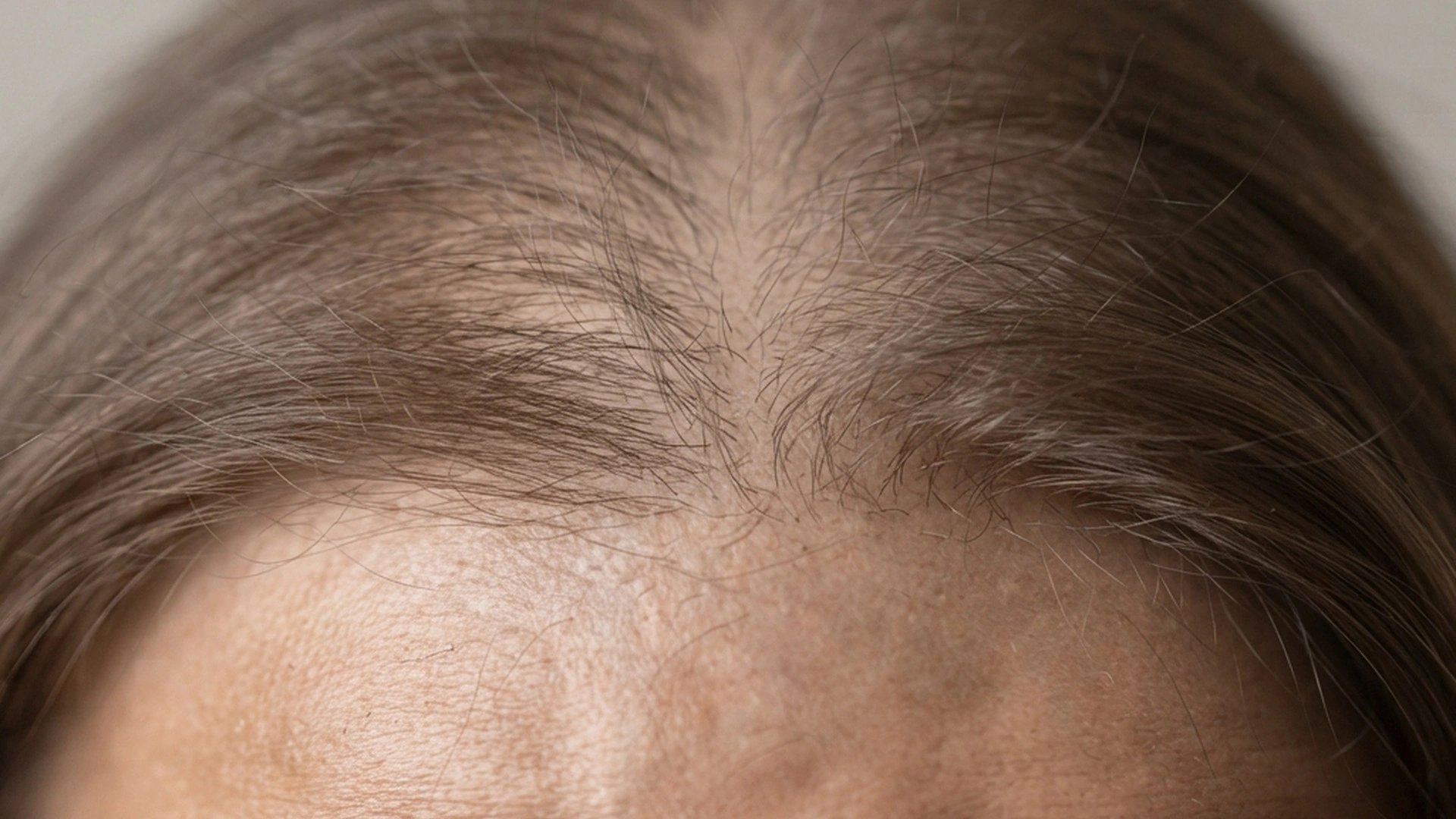
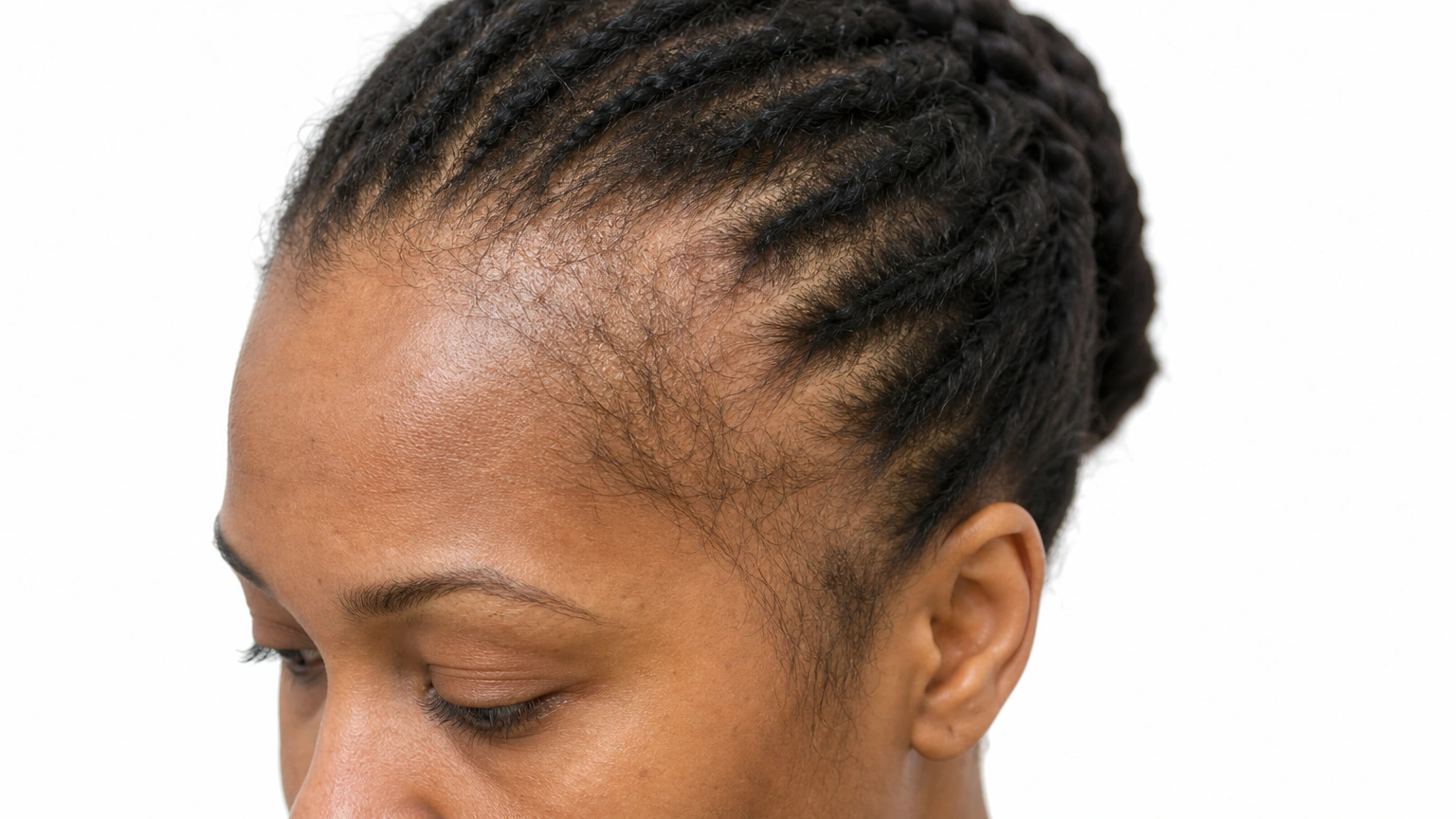
Traction Alopecia The temples show reduced hair density beside tightly pulled braids.
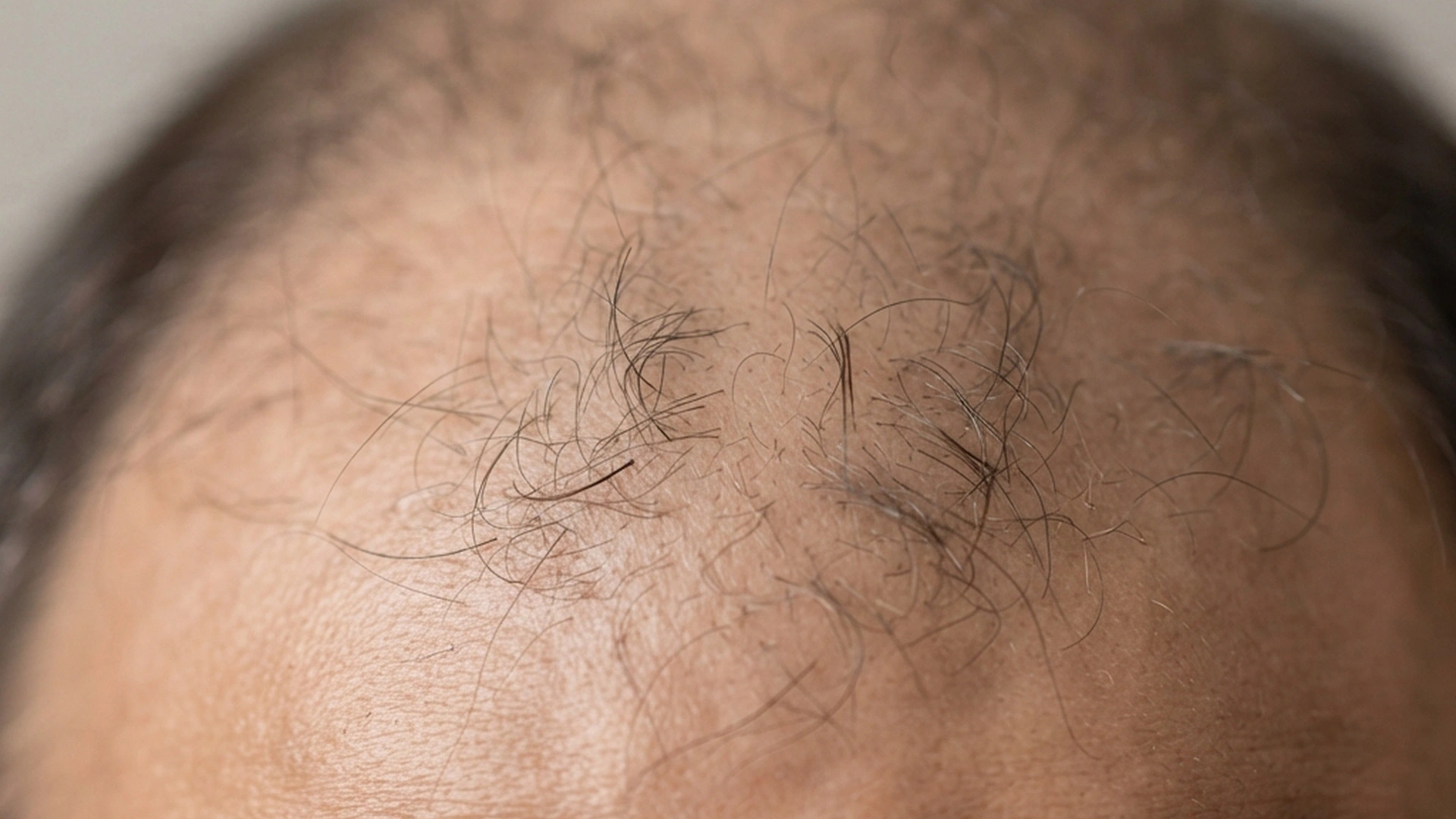
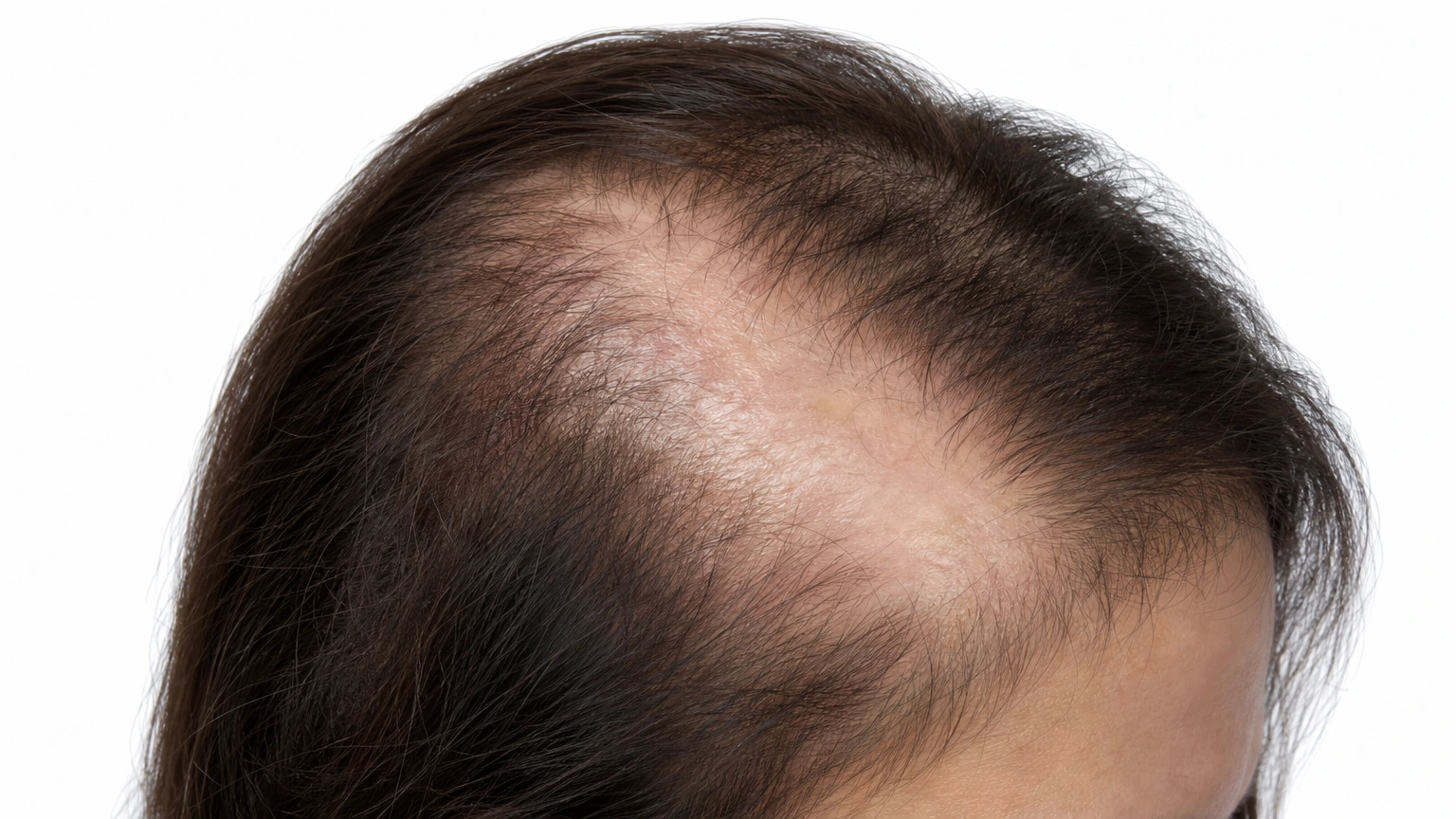
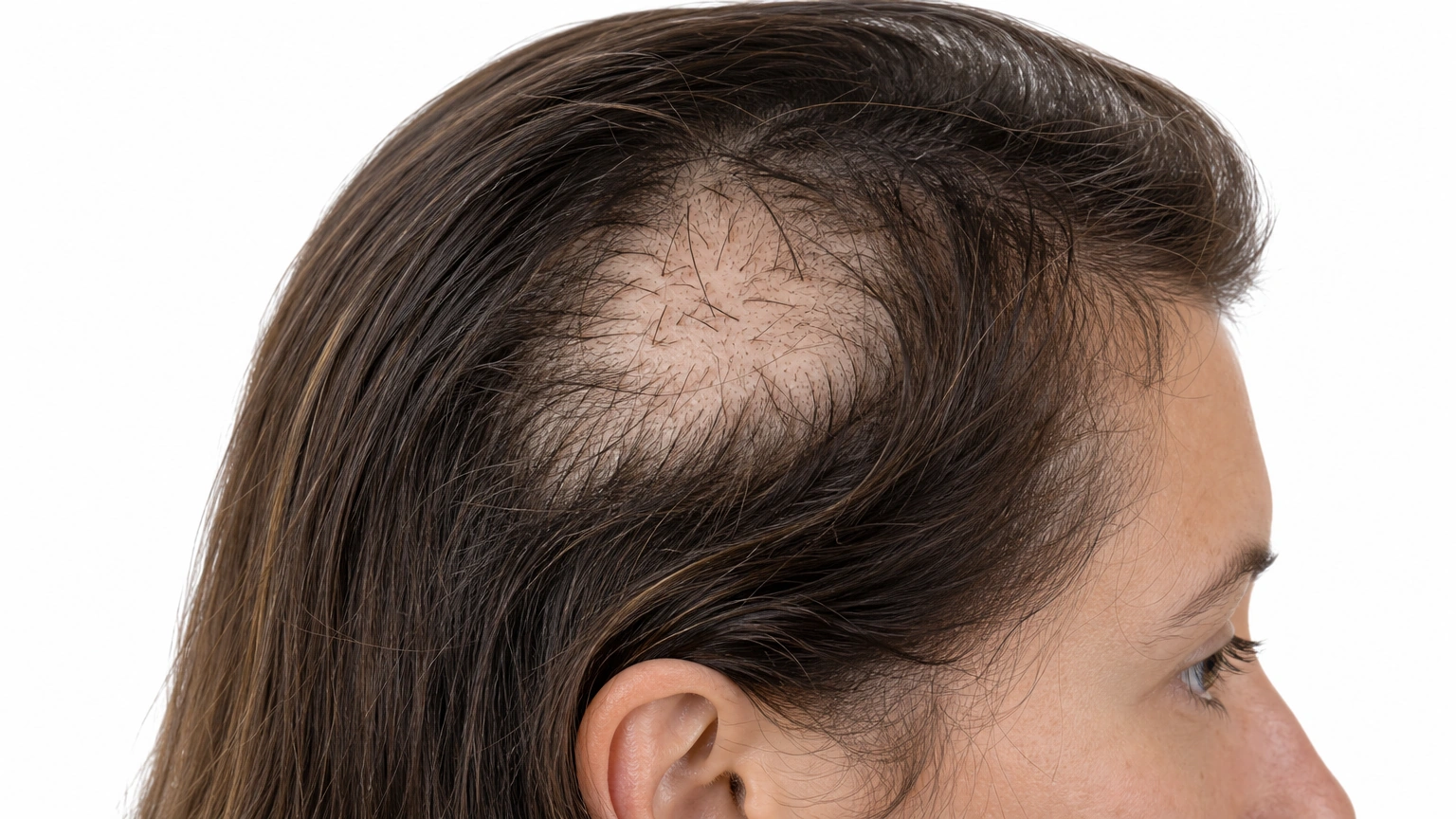
Trichotillomania A patch near the temple contains sparse hair of uneven lengths.
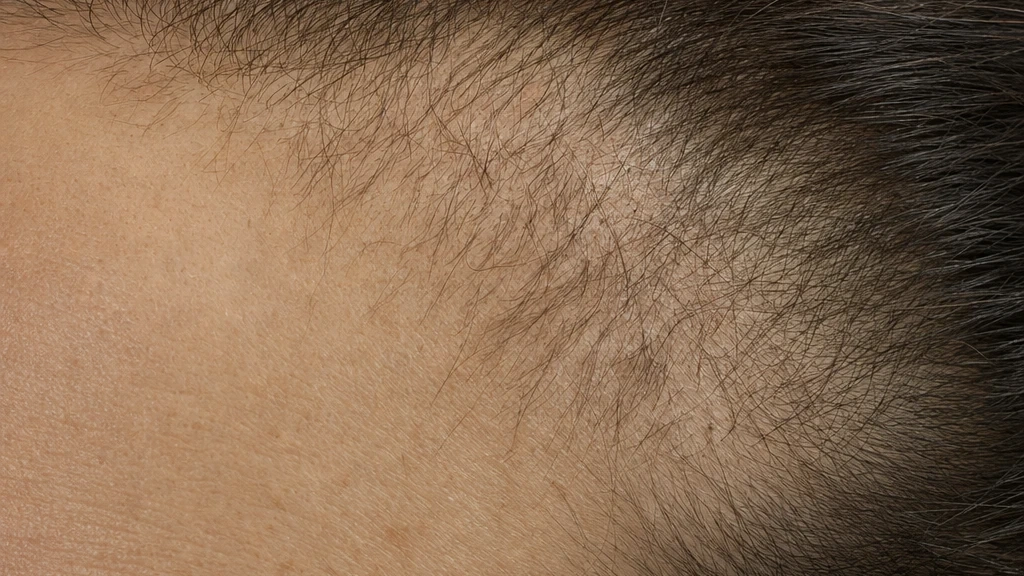
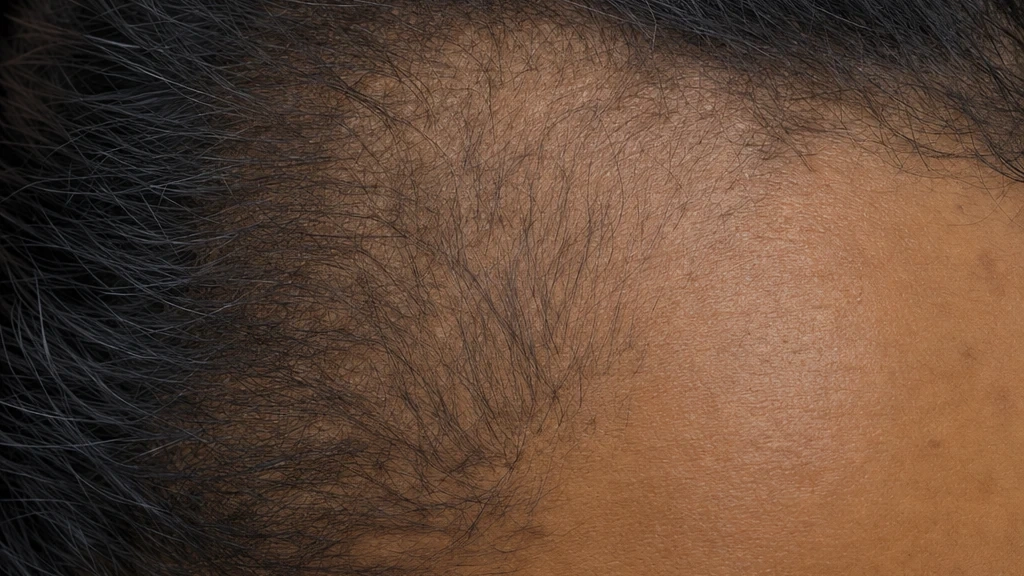
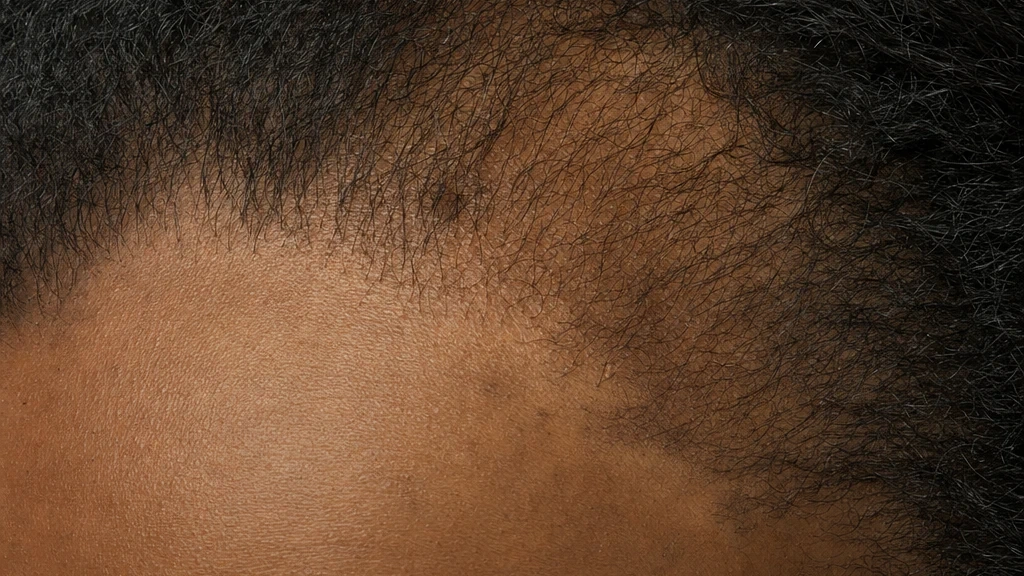
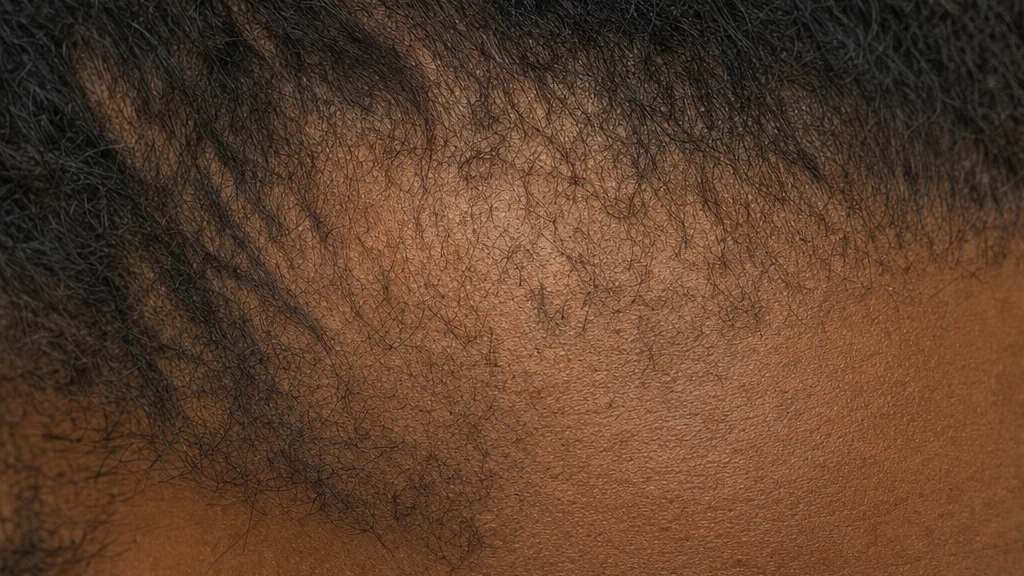
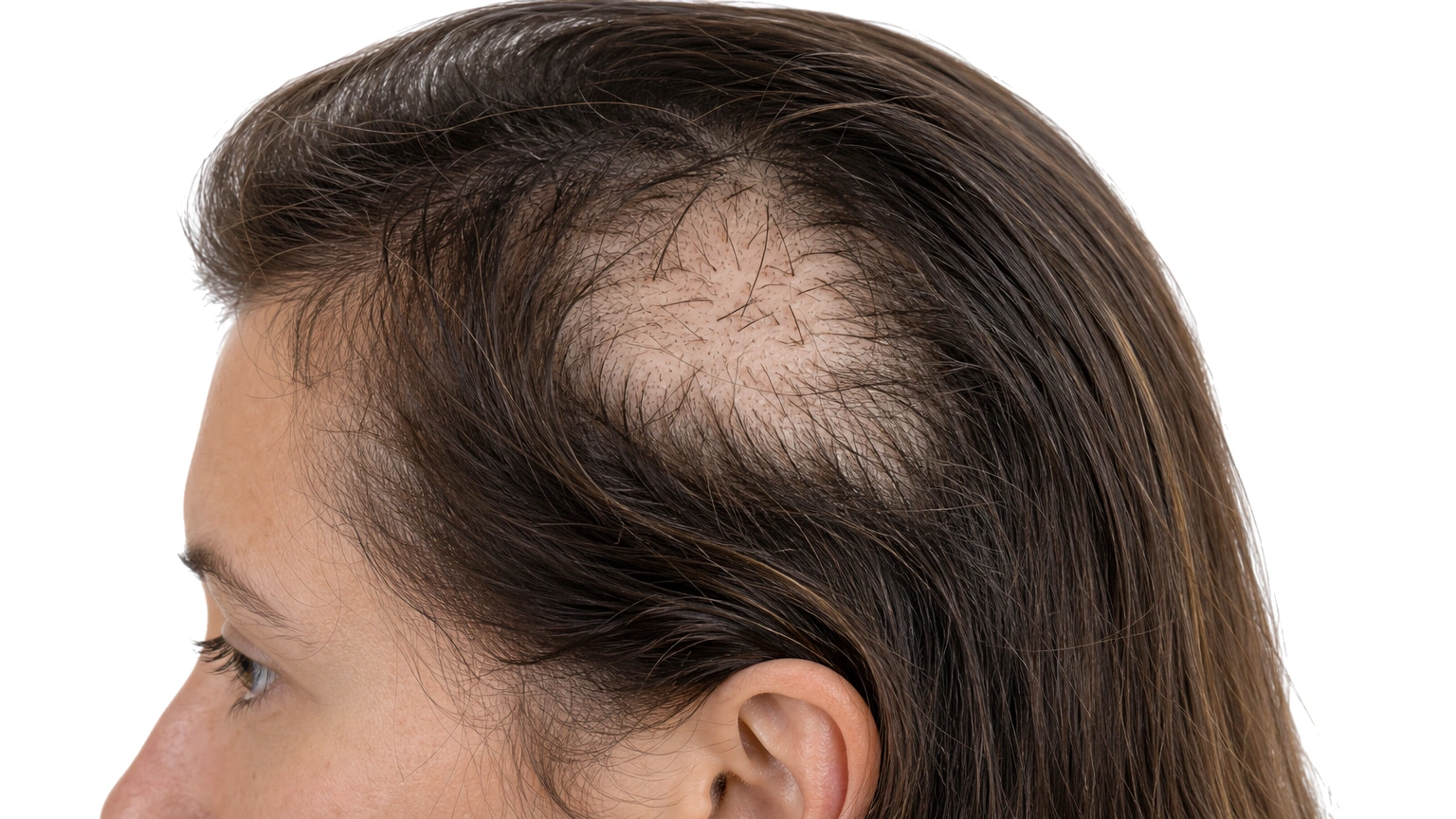
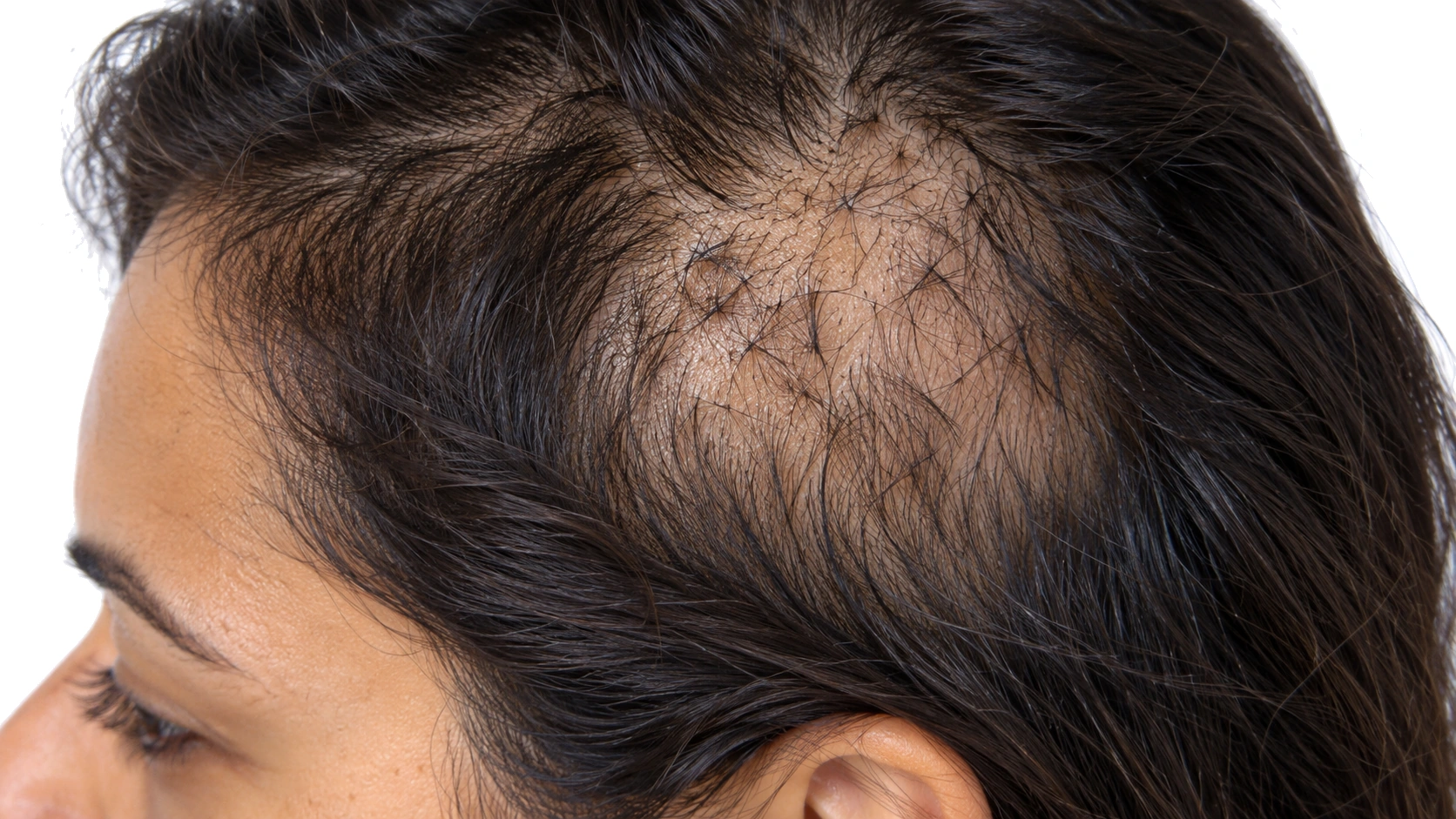
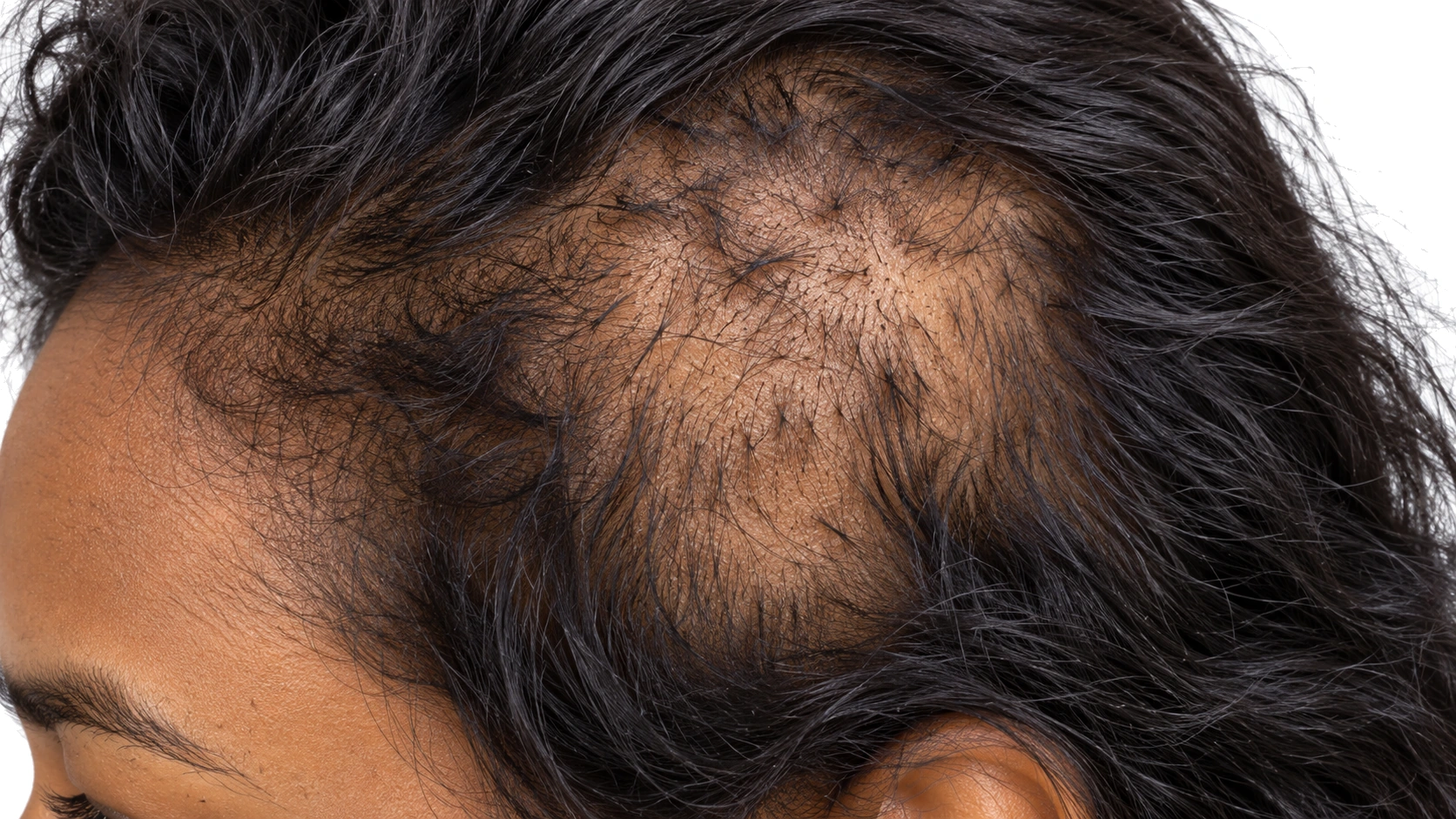
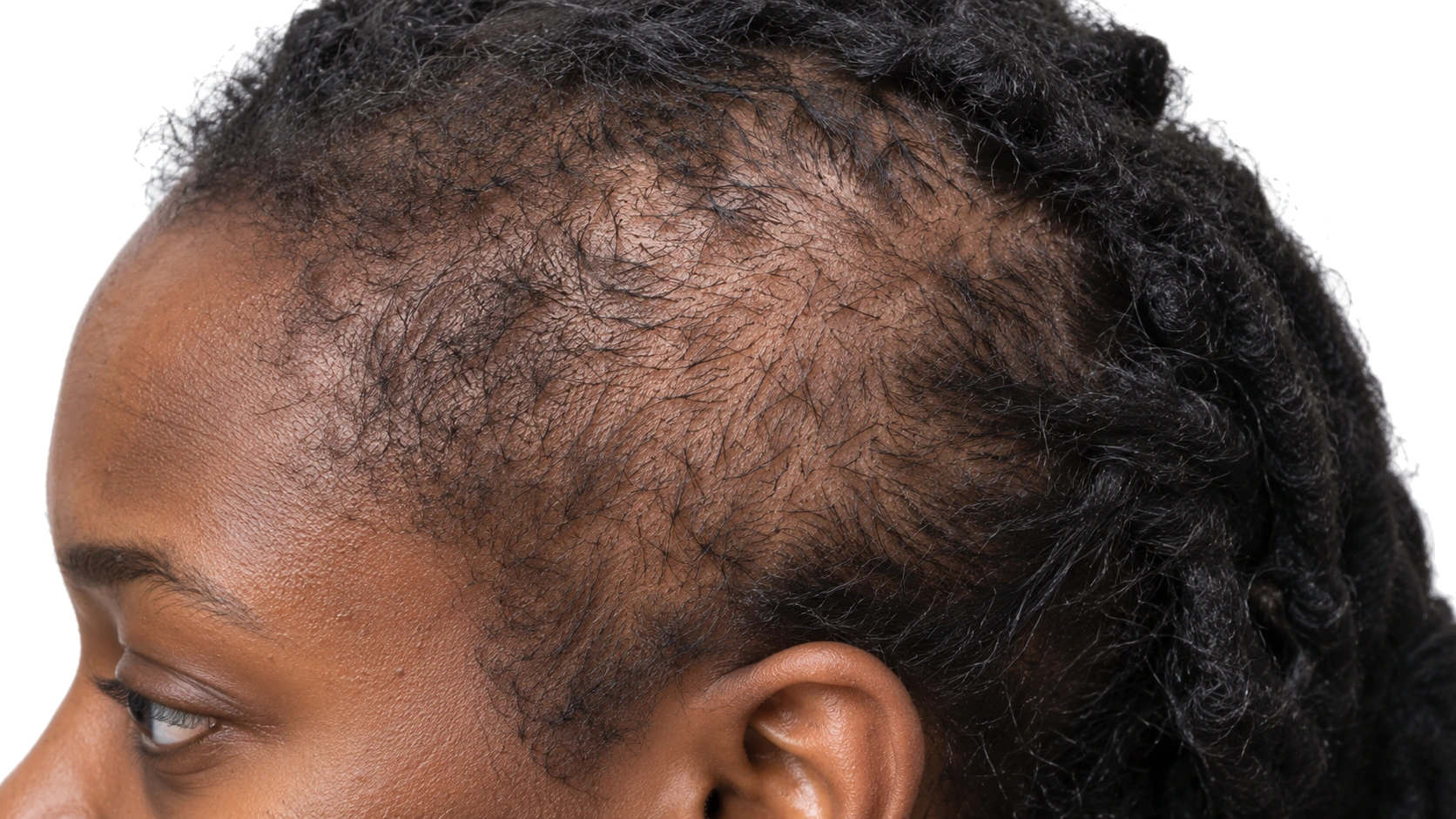
Repeated pulling places stress on hair follicles and can disrupt hair growth. Early injury may recover, but longstanding traction can destroy follicles and leave scarring.
Recurrent pulling mechanically damages hair shafts and can injure follicles. The resulting hair loss comes from pulling behavior rather than ordinary shedding alone.
Traction Alopecia. Can start at any age with repeated tension.
Trichotillomania. Often begins in childhood or adolescence.
Chronic traction injures follicles; early damage can be reversible but longstanding damage can scar.
A recurrent urge or habit leads to hair pulling; it is not simply hair shedding.
Evidence labels come from each condition’s own treatment list.
Remove the pulling force by changing tight or heavy hairstyles. Early assessment can identify inflammation or permanent follicle damage and guide any additional treatment.
Associated distress or anxiety may need treatment; swallowing hair must be discussed because it can cause complications.
Early traction-related loss may regrow after pulling stops. Long-standing tension can destroy follicles and leave permanent loss, so continuing thinning or scalp inflammation deserves early assessment.
Hair can regrow if pulling stops and follicles remain intact. The urge to pull can recur, so ongoing behavioral support may be helpful; prolonged injury can sometimes cause lasting loss.
Permanent scarring can follow prolonged traction.
Distress can be substantial; swallowing pulled hair can cause serious gastrointestinal complications.
Arrange assessment for persistent loss, patchiness, scalp pain, scaling or loss of follicular openings.
Seek help for pulling that is difficult to control. Swallowing hair with abdominal pain or vomiting needs urgent assessment.
Hair loss caused by repeated tension on hair follicles.
Remove the pulling force promptly; styles should not hurt or pull at the scalp.
Arrange assessment for persistent loss, patchiness, scalp pain, scaling or loss of follicular openings.
Hair-pulling disorder causing hair loss through recurrent pulling.
Seek supportive treatment without blame; identify cues and use clinician-guided replacement behaviours.
Seek help for pulling that is difficult to control. Swallowing hair with abdominal pain or vomiting needs urgent assessment.
Sources