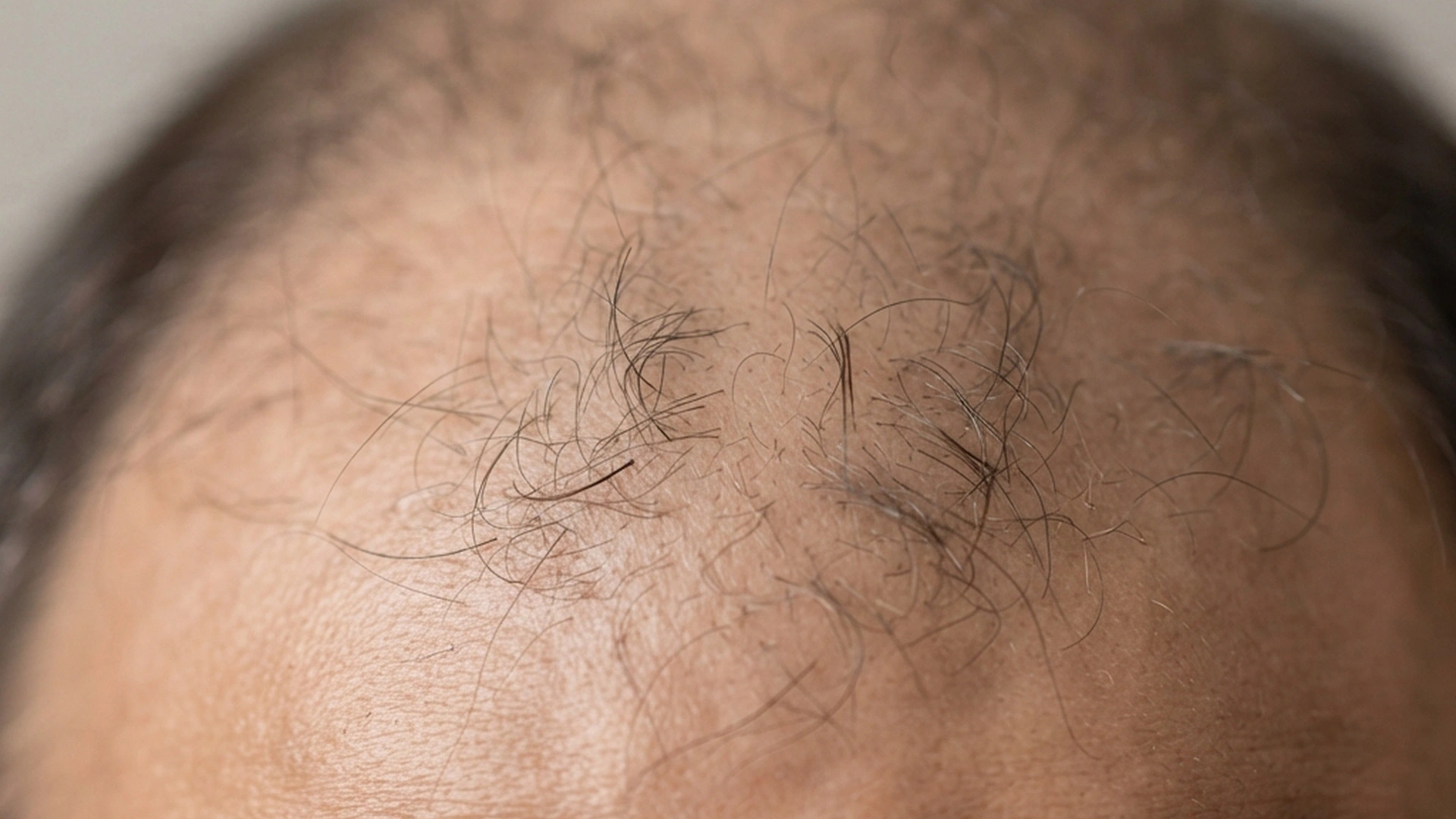
Diagnosis-specific anti-inflammatory treatment
ListedTopical, injected or systemic treatment depends on the scarring disorder; one generic hair-growth medicine is insufficient.
A group of disorders in which follicles are destroyed and replaced by scar tissue. Hair loss in which follicles remain present and regrowth may be possible.
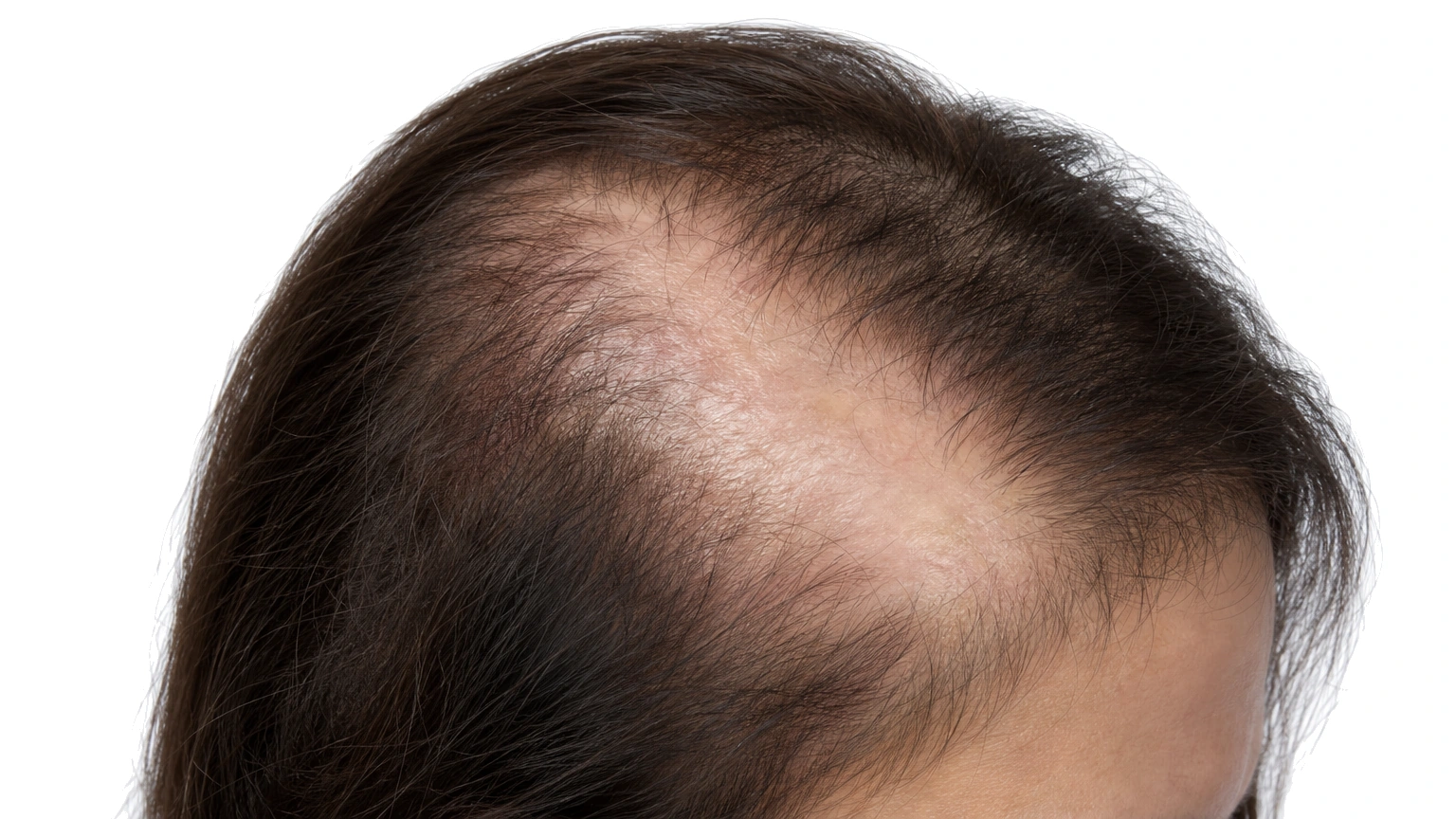
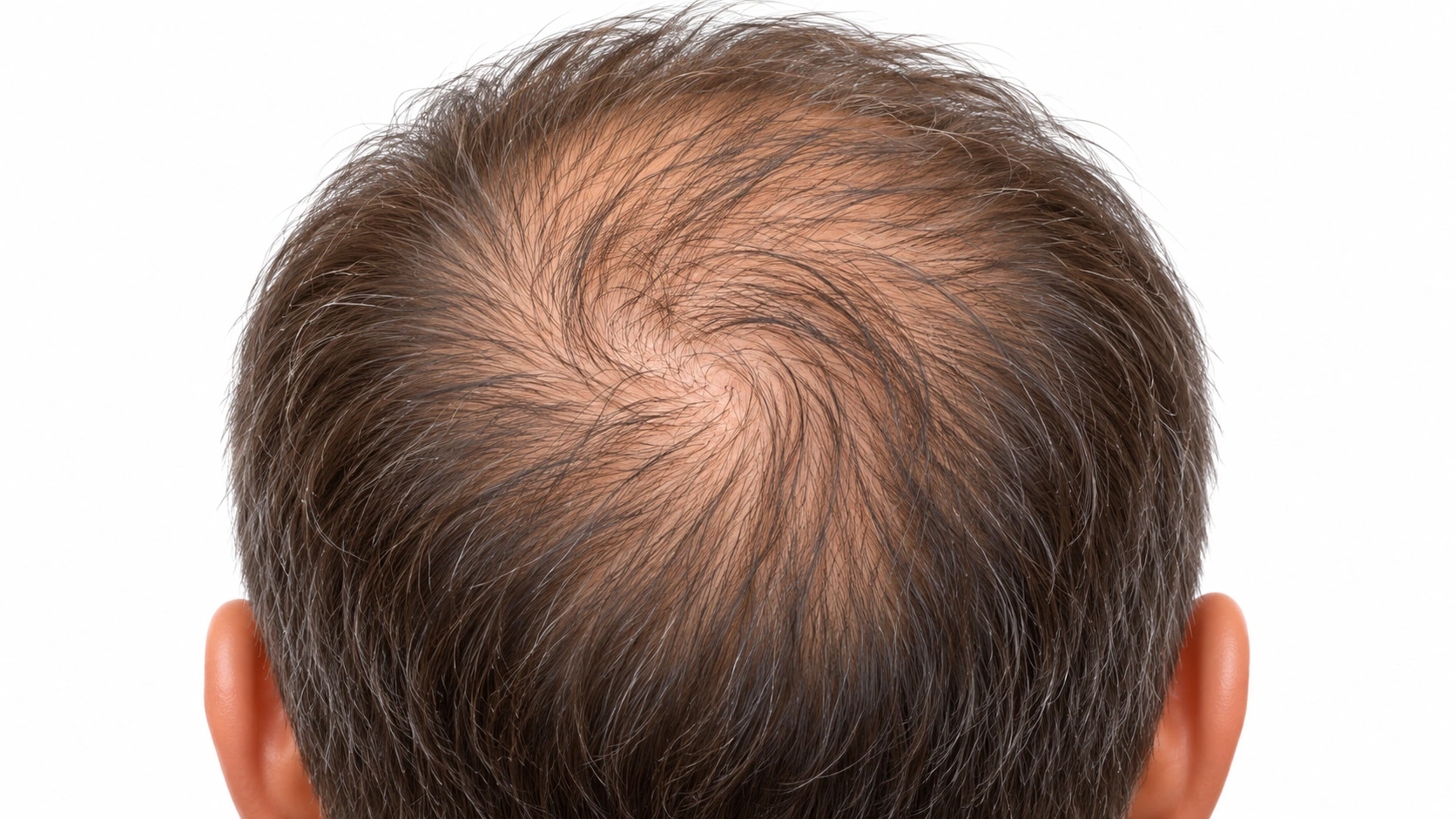
The same eight facts on every condition comparison.
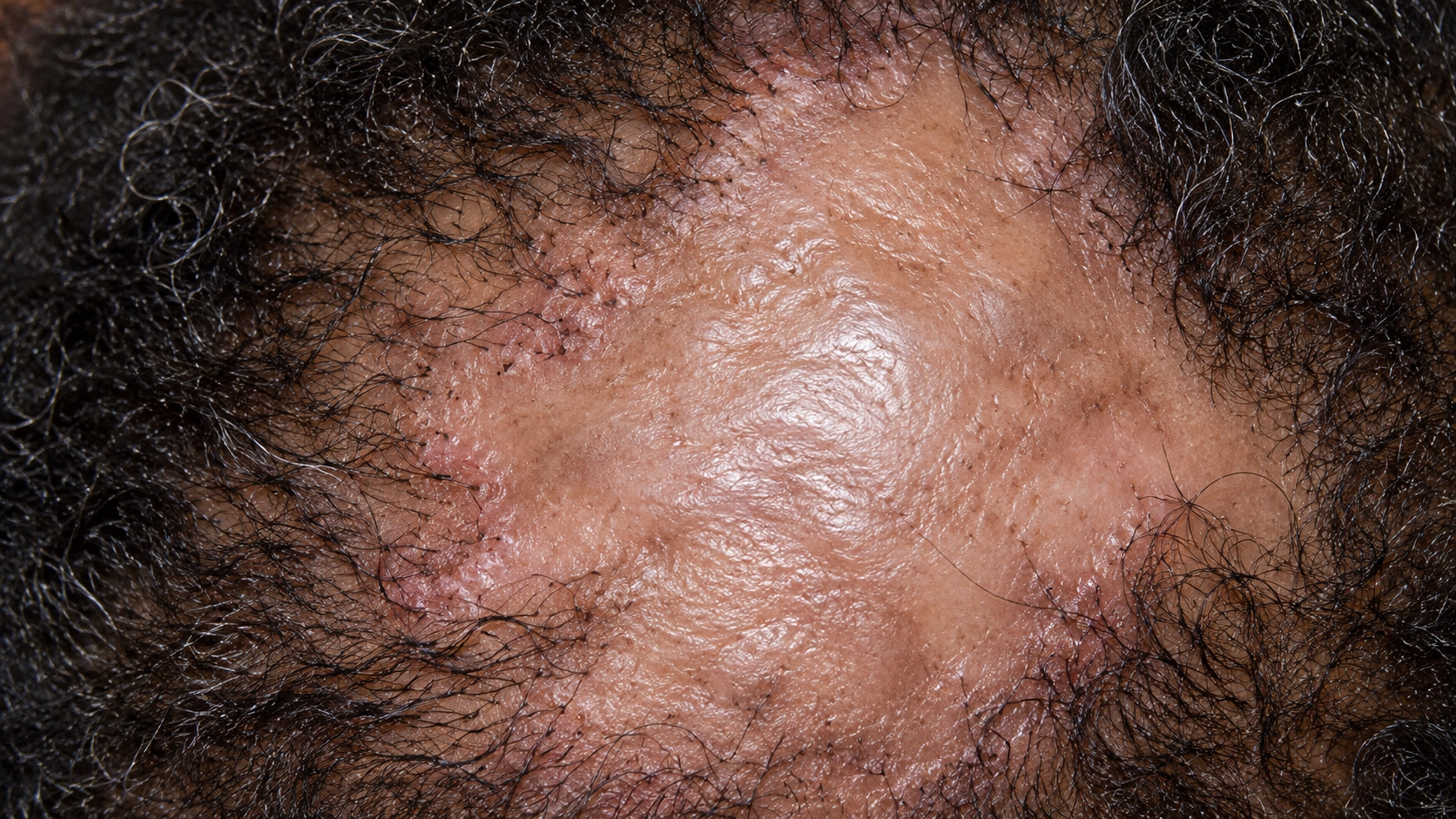
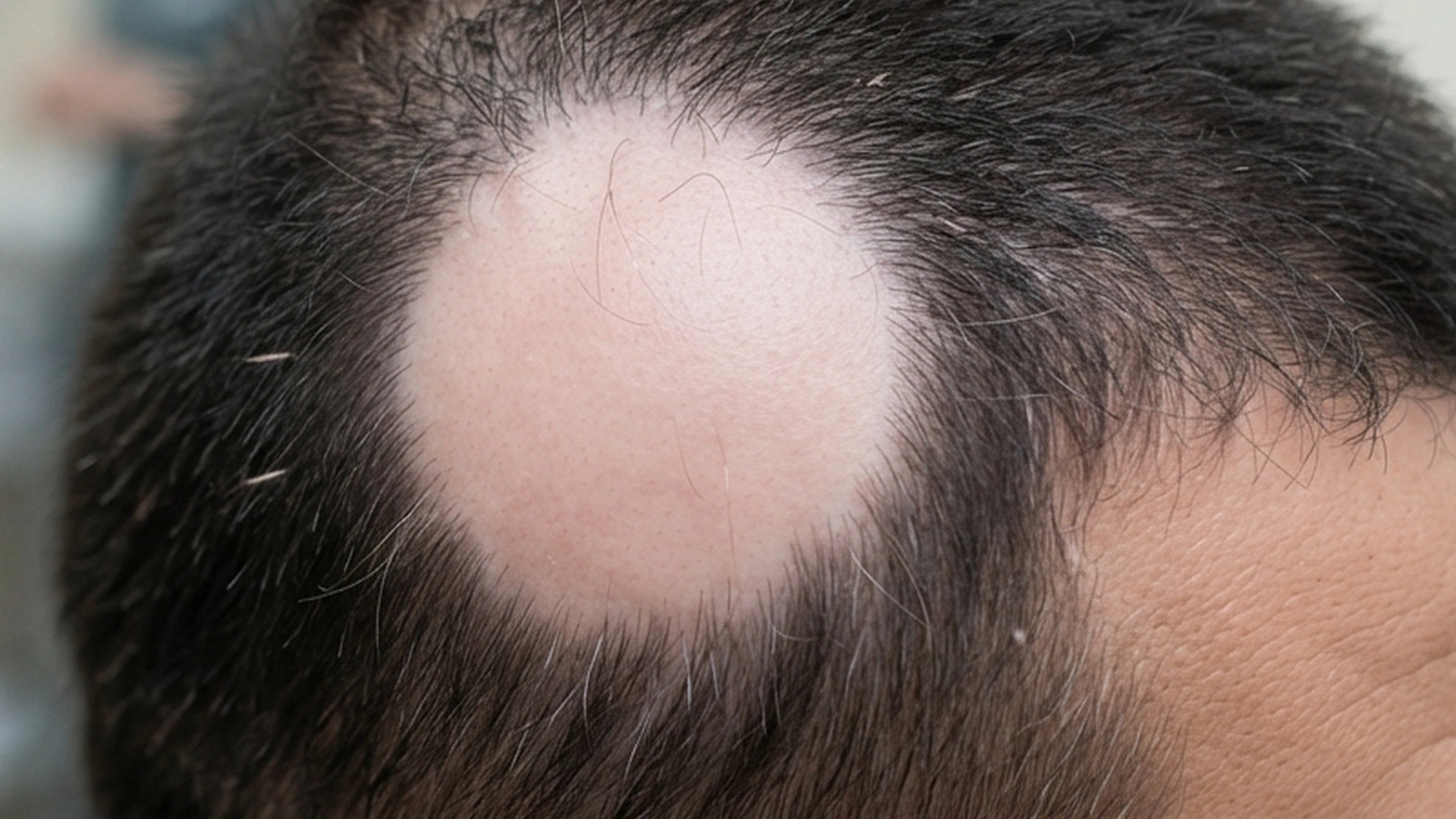
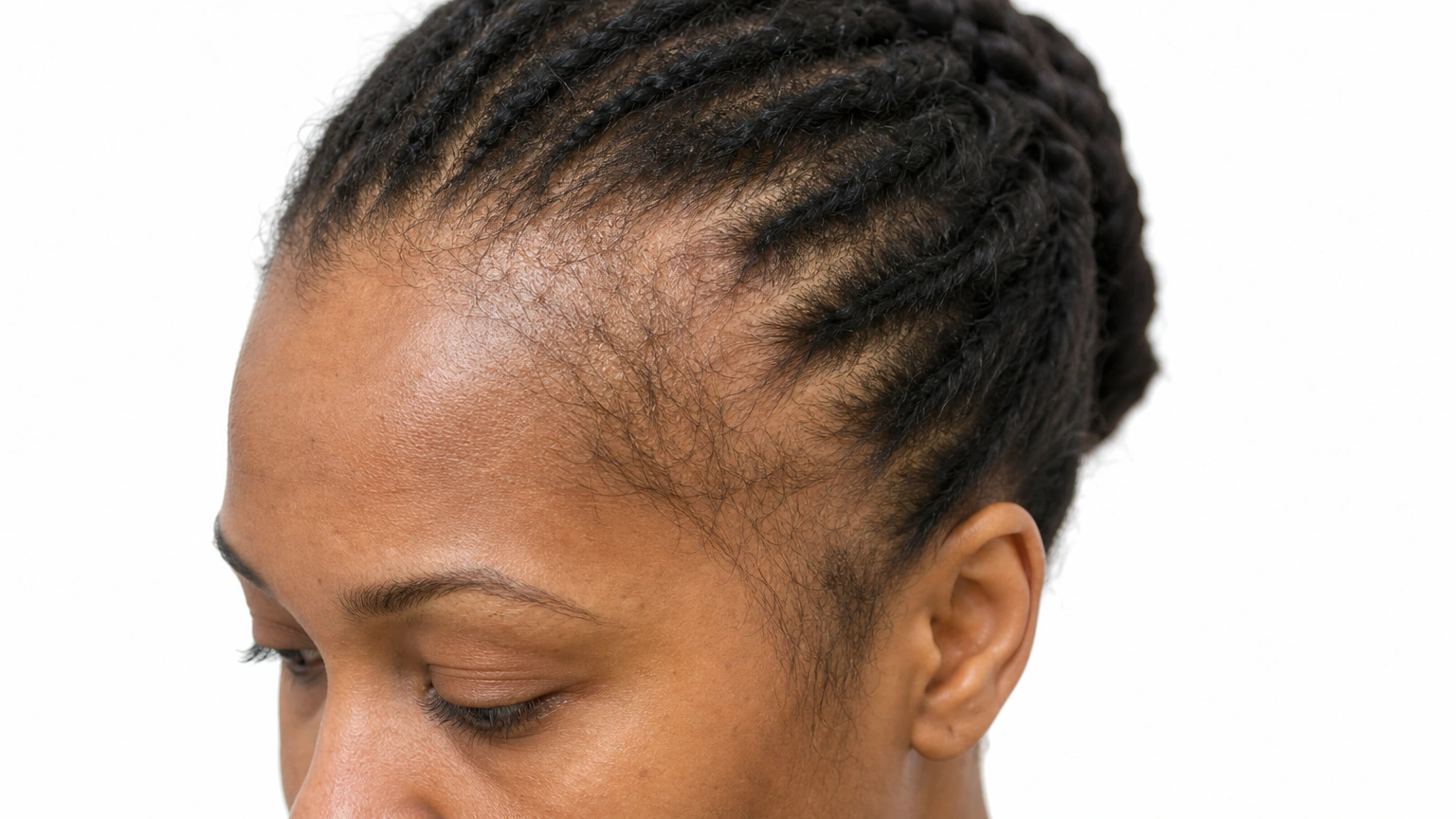
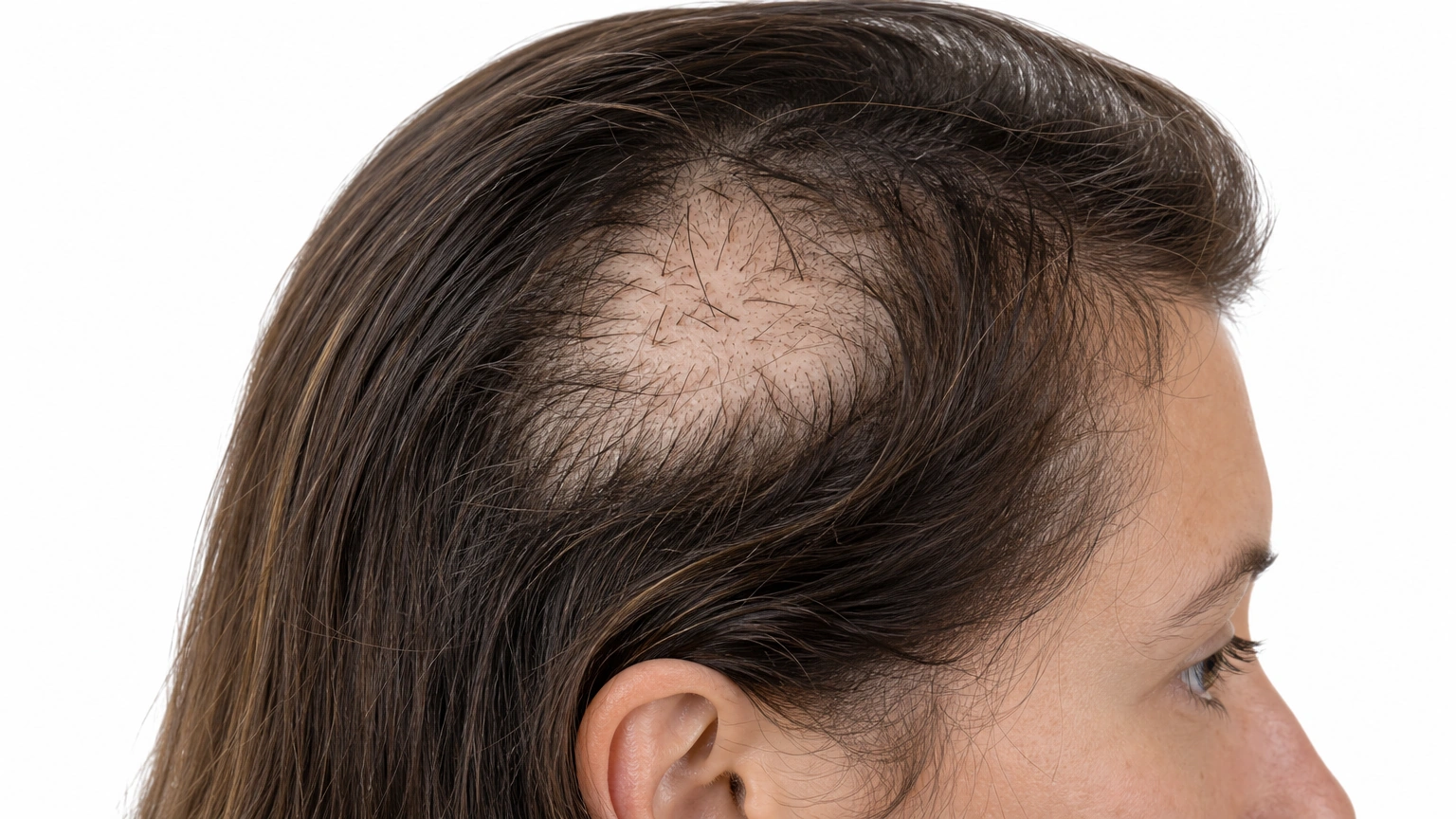
Smooth scarred scalp The central patch looks smooth and shiny, with loss of visible hair-follicle openings.
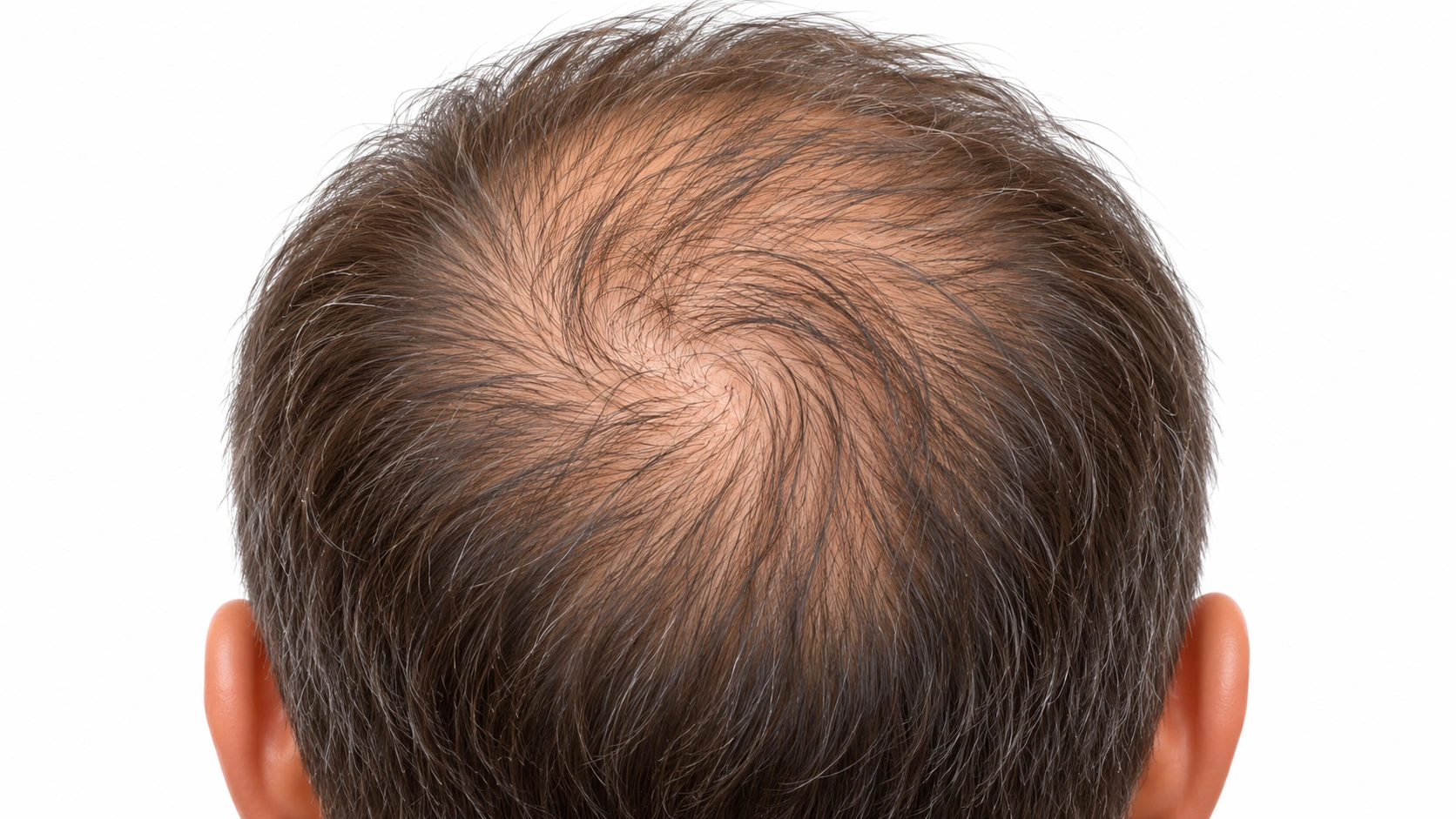
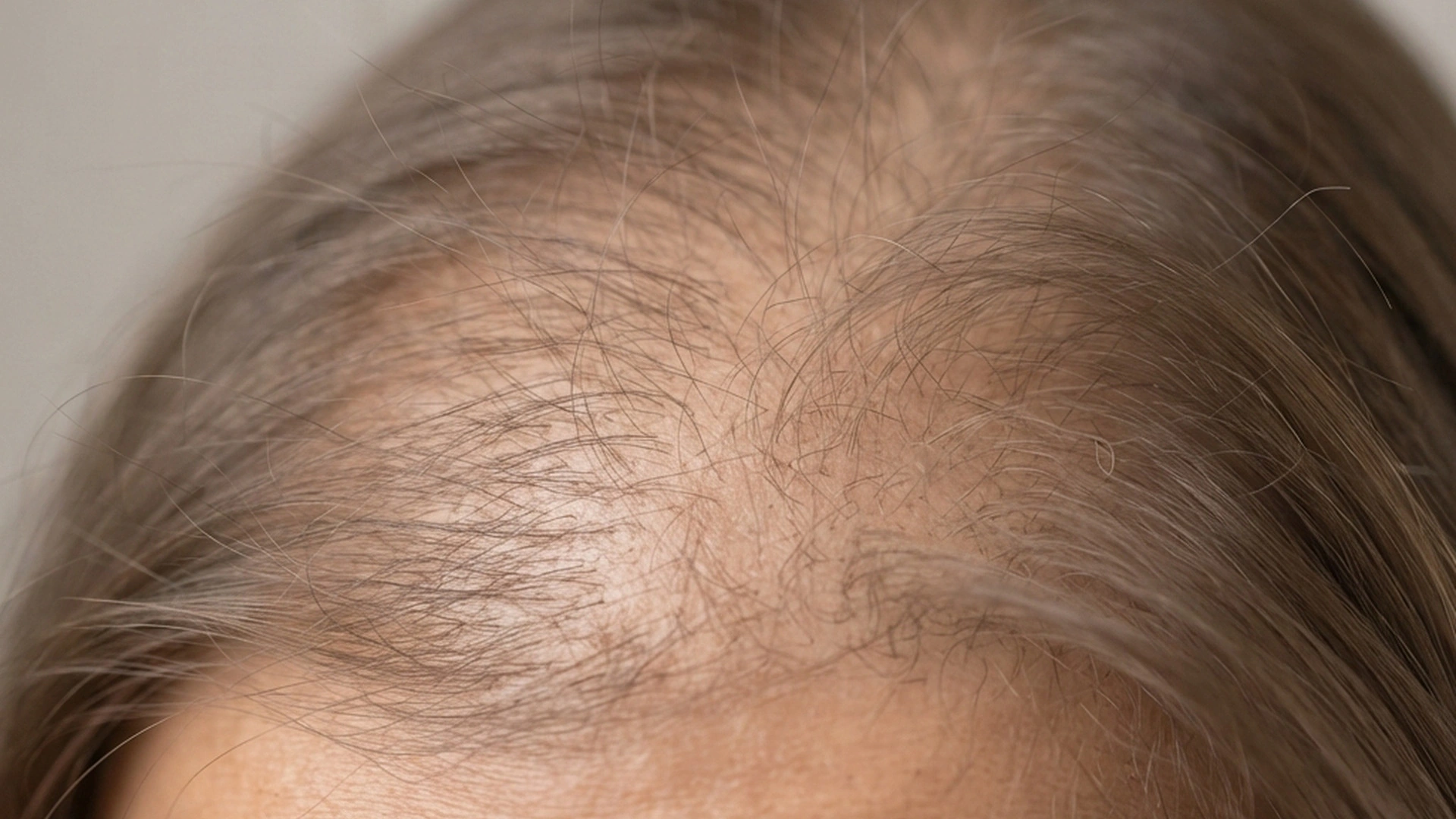
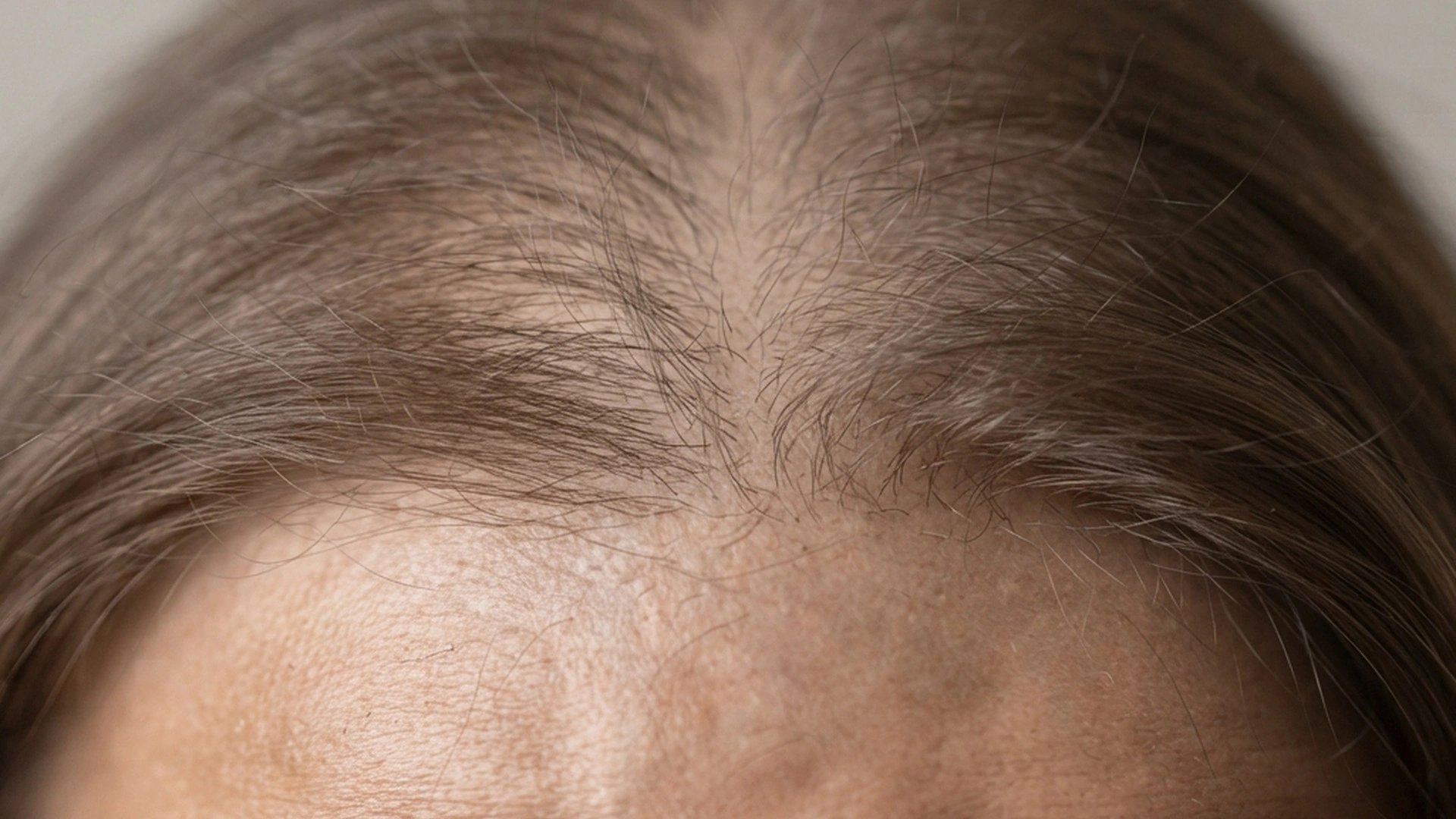
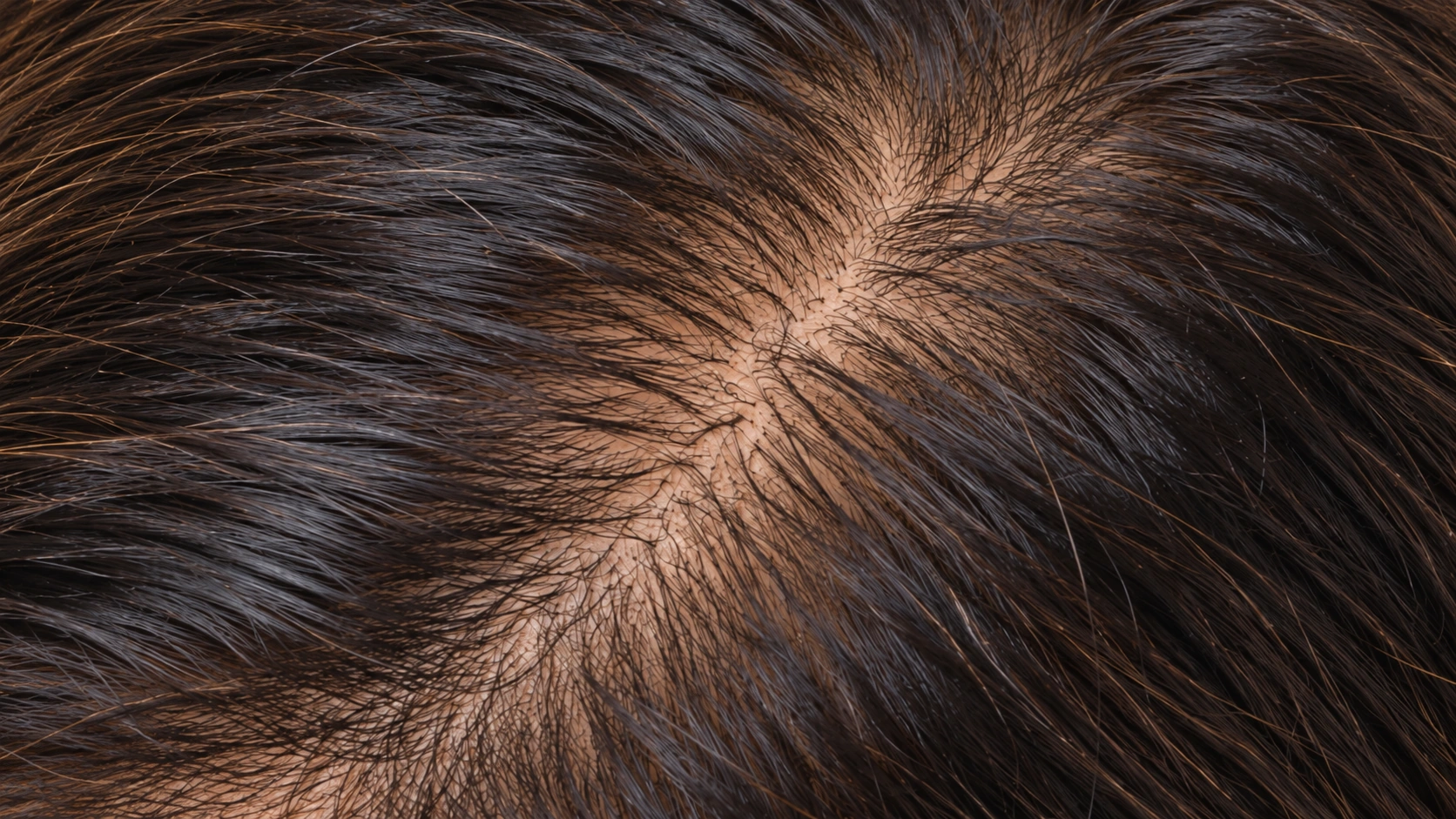
Nonscarring Alopecia The scalp is visible between remaining hairs at the top of the head.
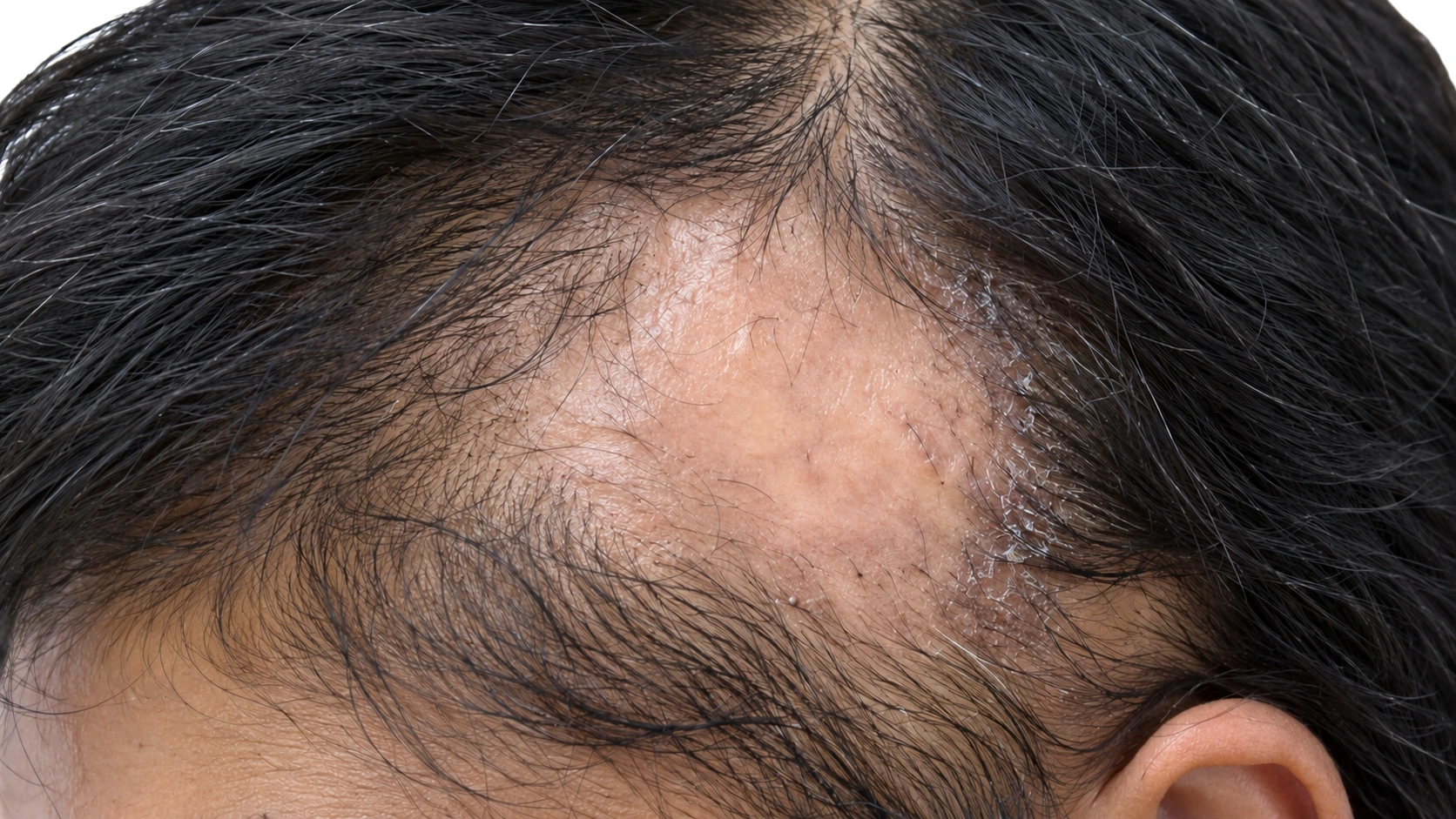
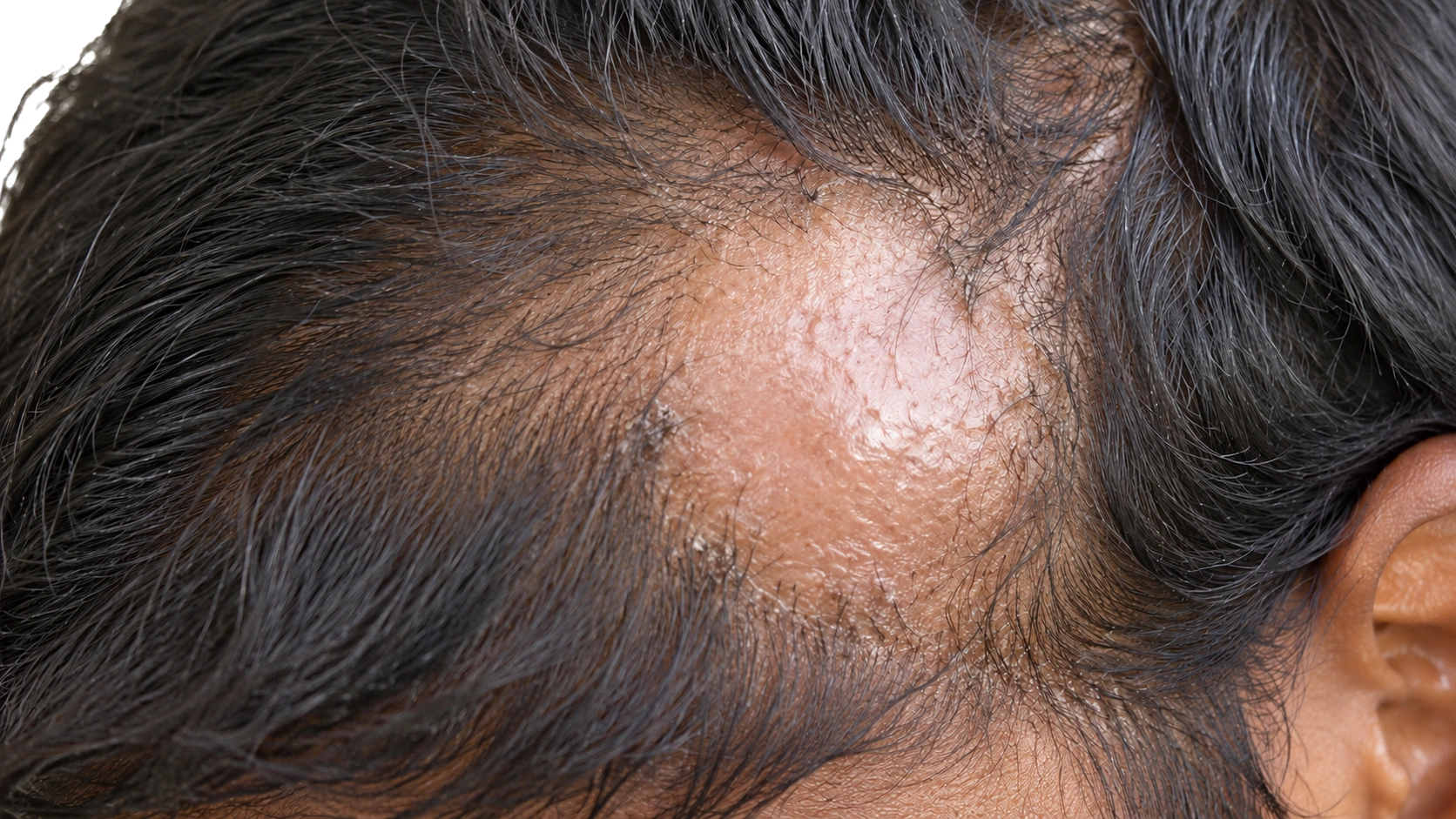
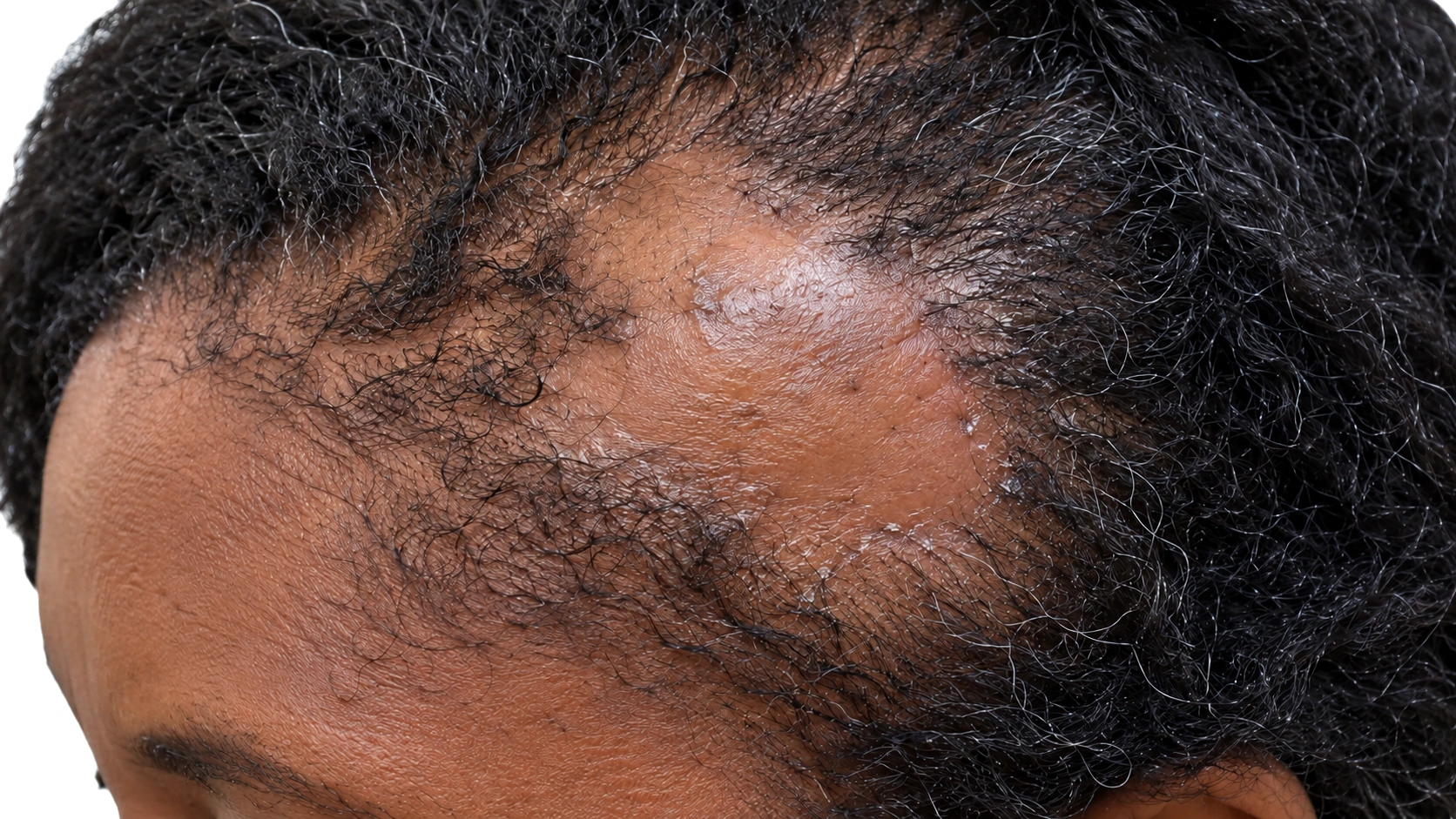
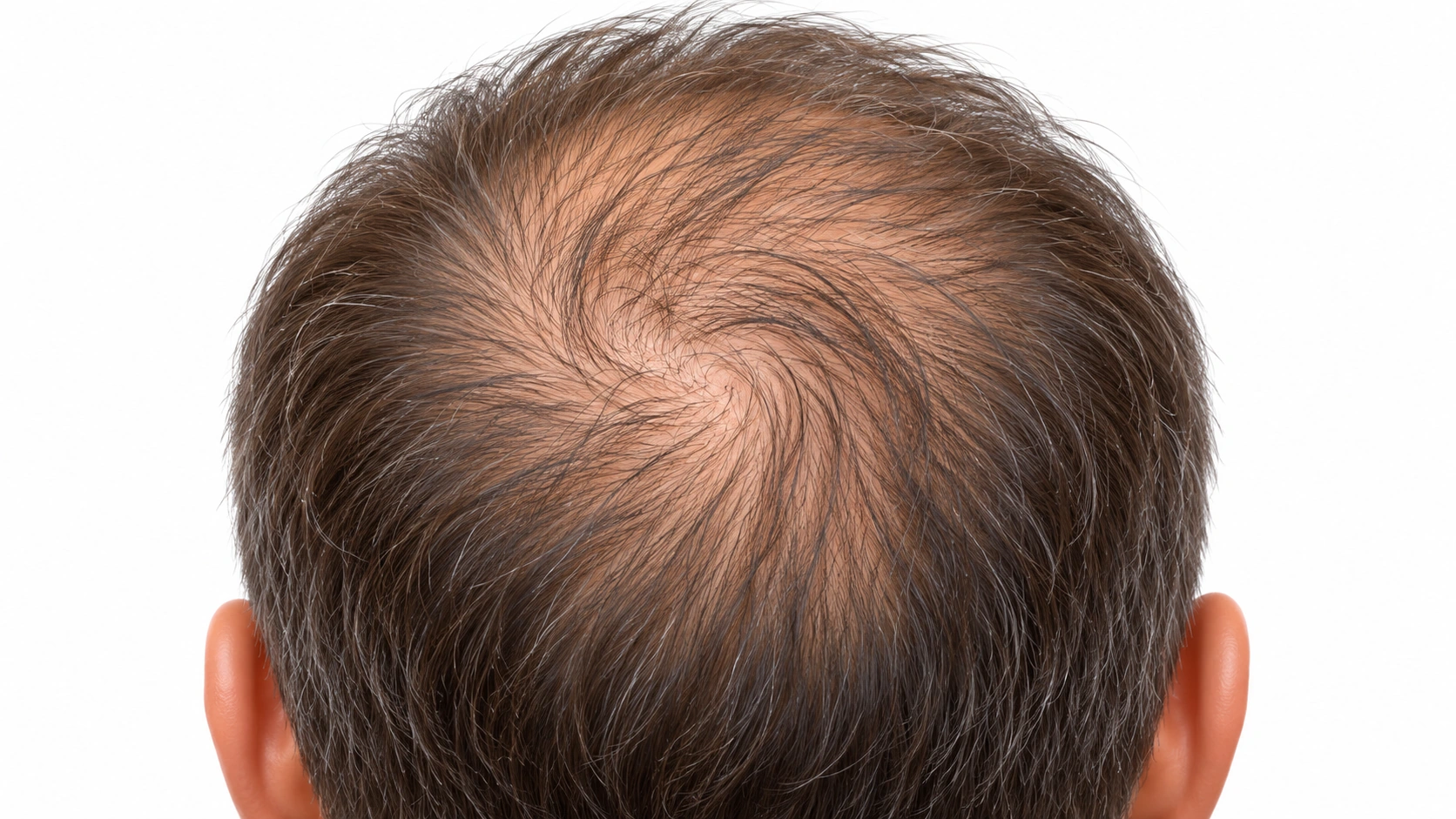

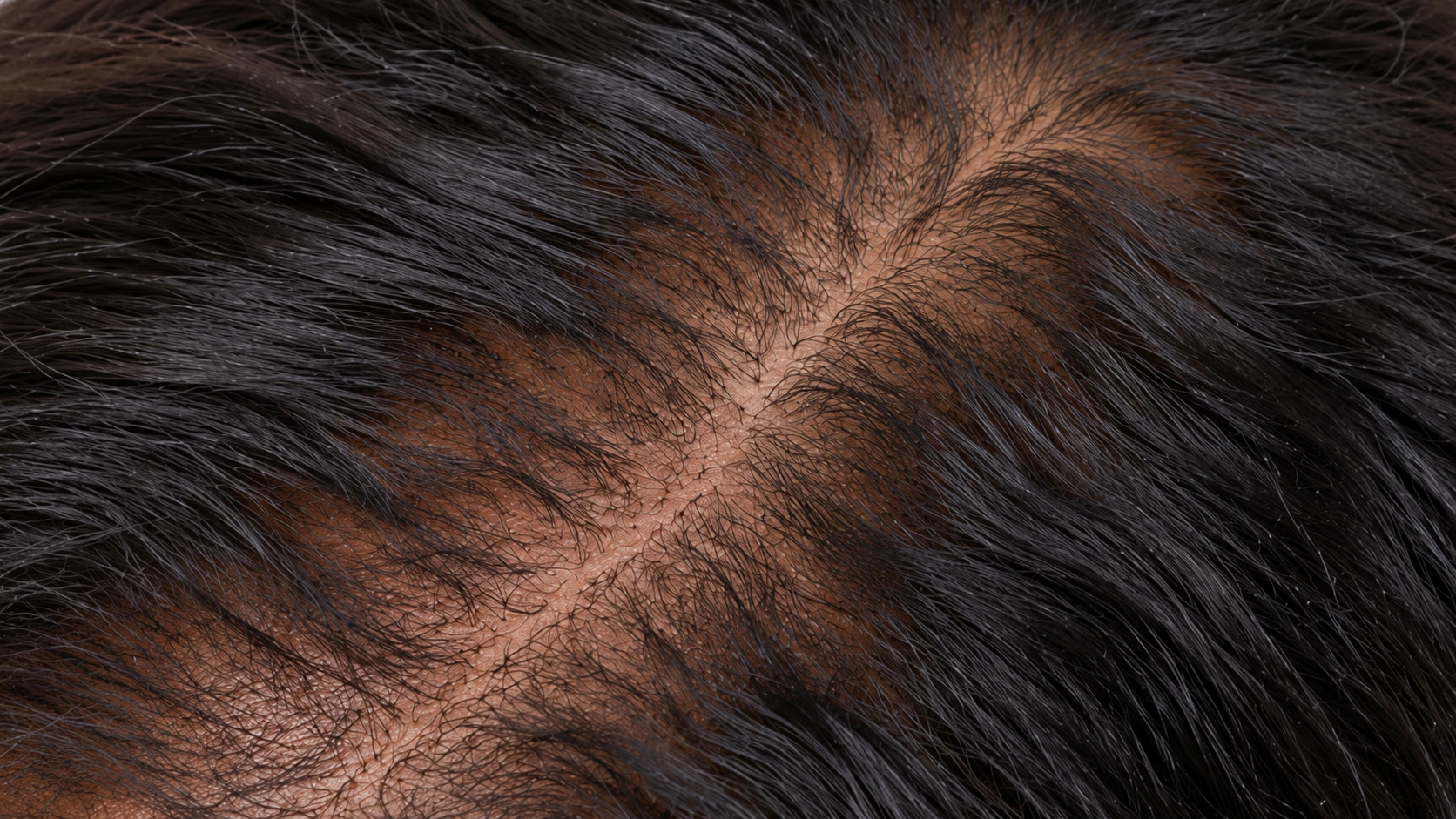
Inflammation, infection or injury destroys hair follicles and replaces them with scar tissue. Hair cannot regrow from follicles that have been permanently lost.
Growth-cycle changes, follicle miniaturization, immune activity or other processes reduce visible hair. The follicles are not replaced by scar tissue, although the chance of regrowth depends on the cause.
Scarring Alopecia. Depends on the underlying disorder; it is not one single diagnosis.
Nonscarring Alopecia. Depends on the cause; possible at any age.
Inflammation, infection or injury permanently damages follicles.
Growth-cycle changes, miniaturisation, immune activity or other causes affect hair without destroying all follicles.
Evidence labels come from each condition’s own treatment list.
Treatment depends on the diagnosis, such as shedding, pattern hair loss, alopecia areata or infection. Confirm the cause before choosing medicines or supplements.
Topical, injected or systemic treatment depends on the scarring disorder; one generic hair-growth medicine is insufficient.
Hair cannot usually regrow from follicles that have been replaced by scar tissue. Treatment aims to stop or slow further loss, so early diagnosis and monitoring matter.
Regrowth may be possible because follicles remain present, but the outlook depends on the diagnosis. Some causes recover, while others need continuing treatment to preserve density.
Hair already lost to scarring usually does not regrow; early treatment protects remaining follicles.
Treatment and likelihood of regrowth depend on the diagnosis, not the broad label.
Arrange prompt dermatology assessment for progressive loss with pain, burning, scale or smooth scarred skin.
Arrange assessment for persistent loss, patchiness, scalp pain, scaling or loss of follicular openings.
A group of disorders in which follicles are destroyed and replaced by scar tissue.
Avoid tight styles and harsh chemical or heat damage; use gentle handling.
Arrange prompt dermatology assessment for progressive loss with pain, burning, scale or smooth scarred skin.
Hair loss in which follicles remain present and regrowth may be possible.
Avoid tight styles and harsh chemical or heat damage; use gentle handling.
Arrange assessment for persistent loss, patchiness, scalp pain, scaling or loss of follicular openings.
Sources