Hair Breakage vs Trichotillomania

Hair shafts snap, producing short uneven hairs rather than shedding whole hairs from the root. Hair-pulling disorder causing hair loss through recurrent pulling.
Research updated 2026-10-23
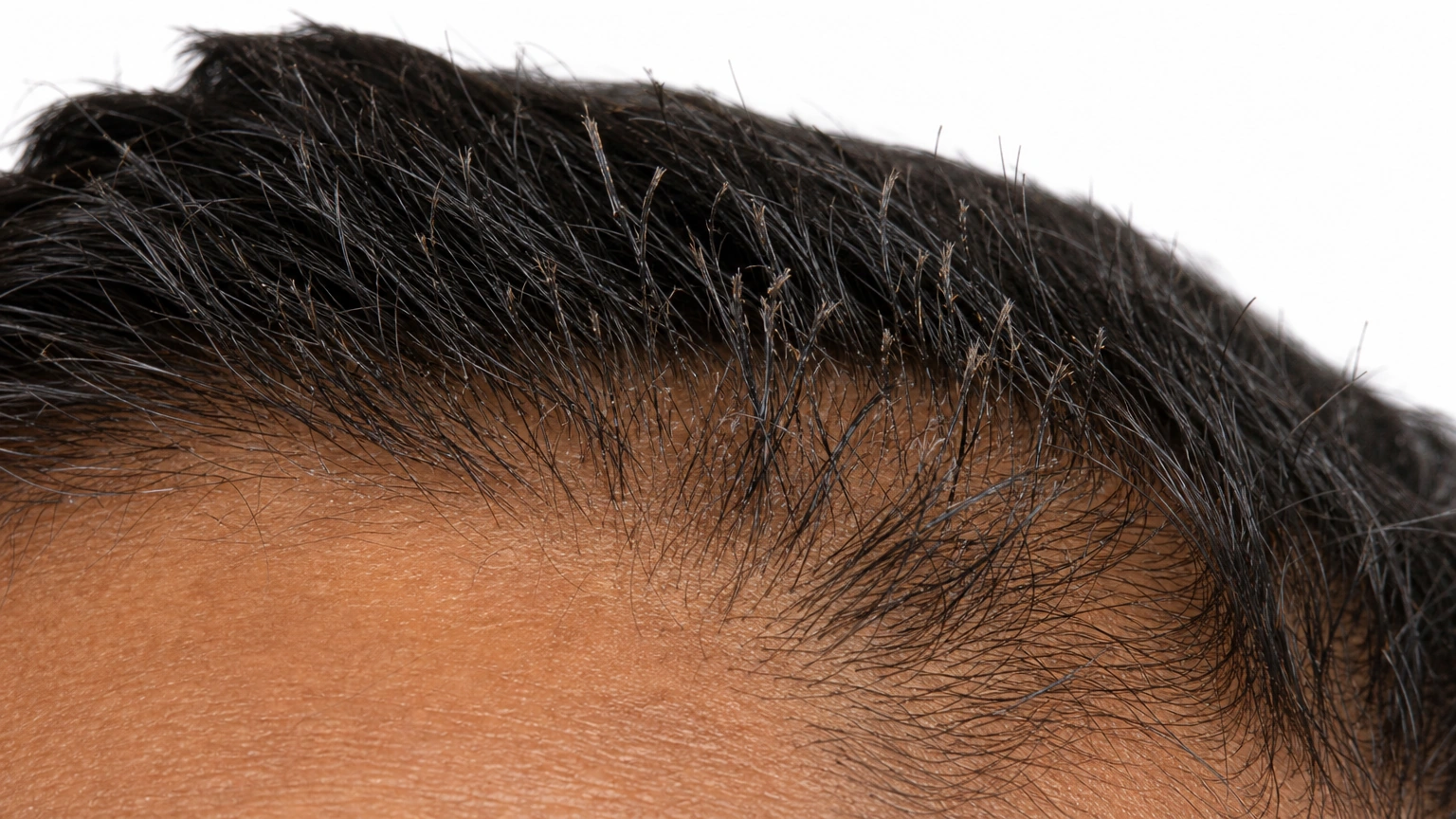
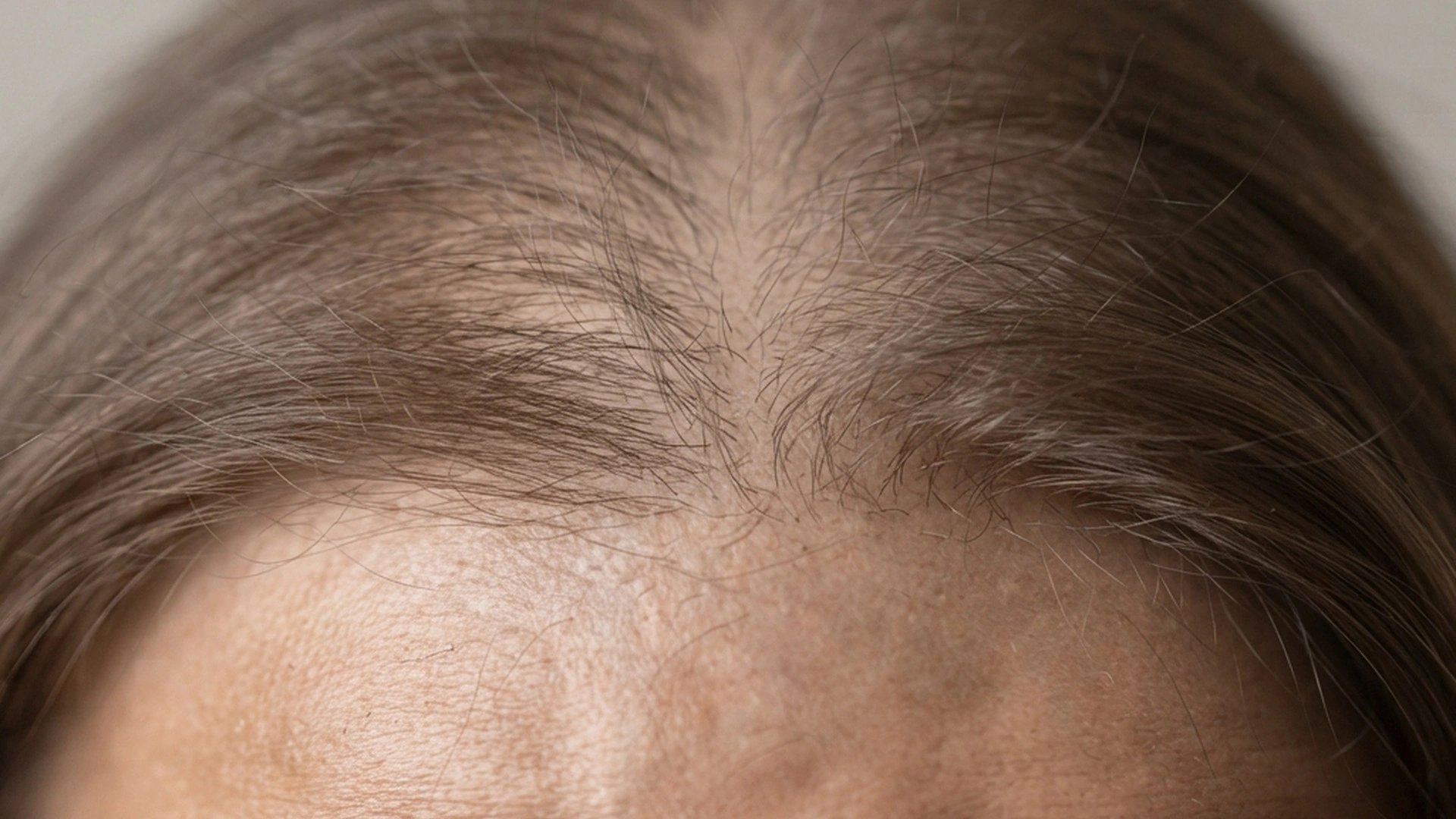
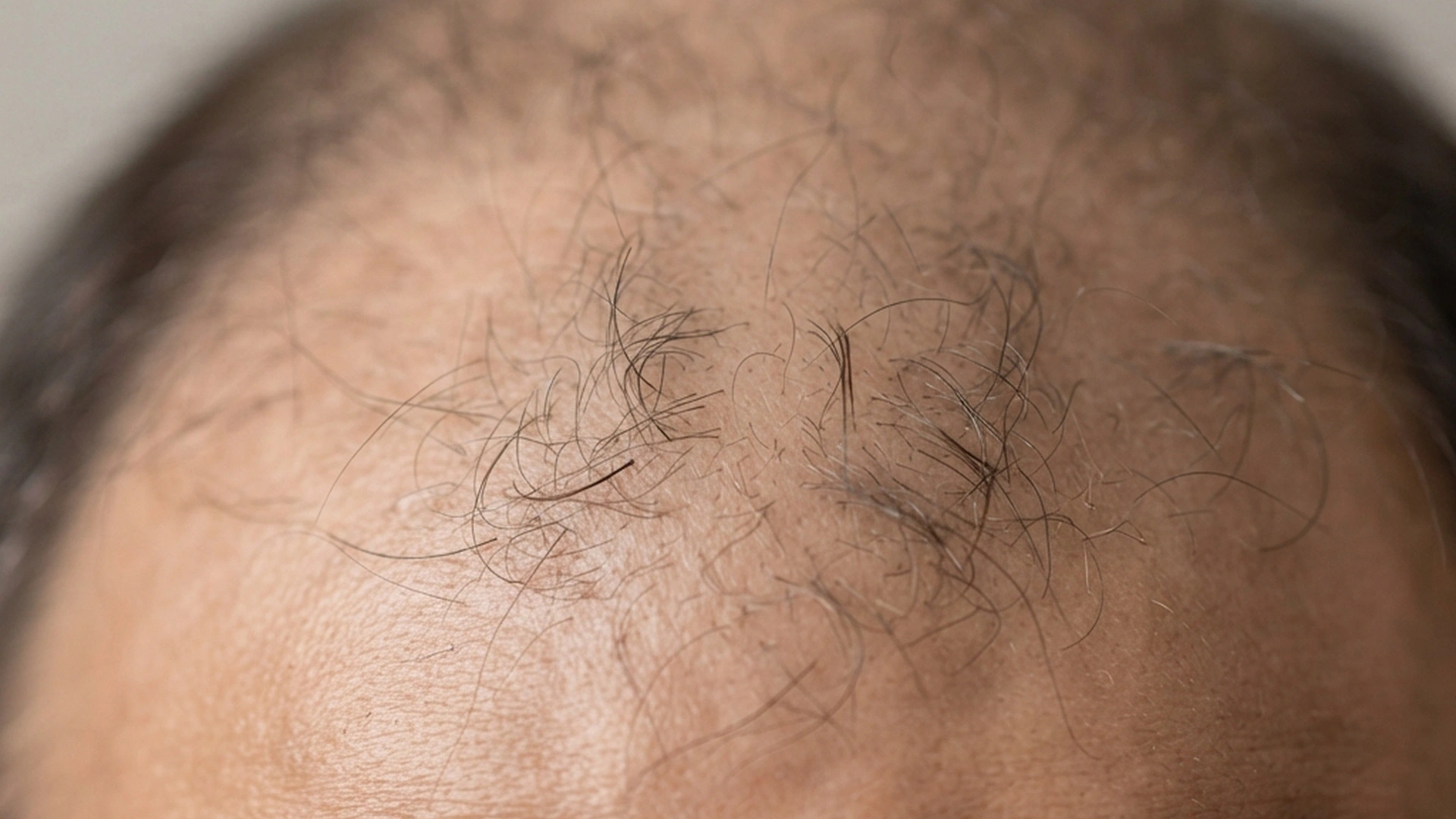
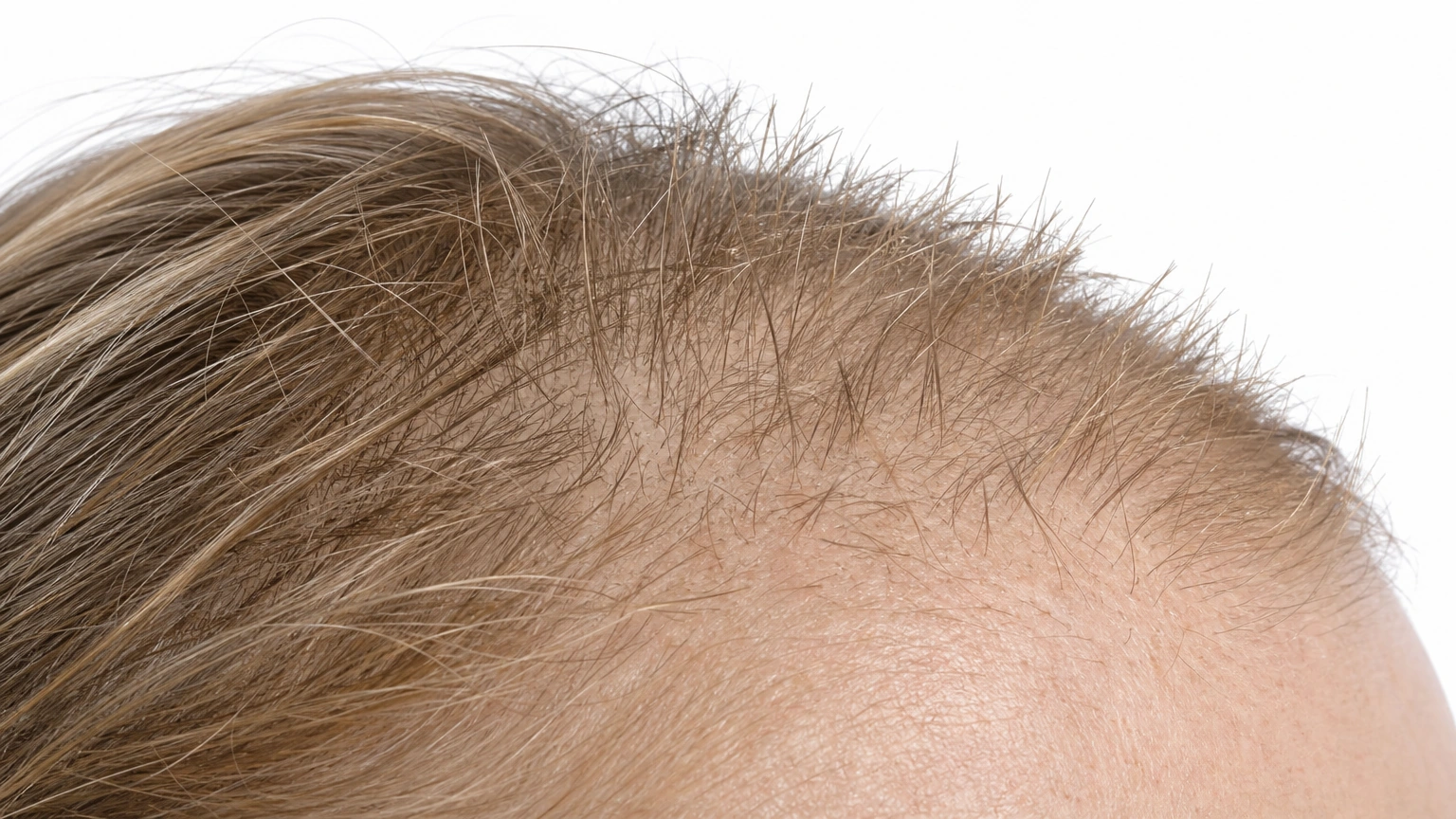
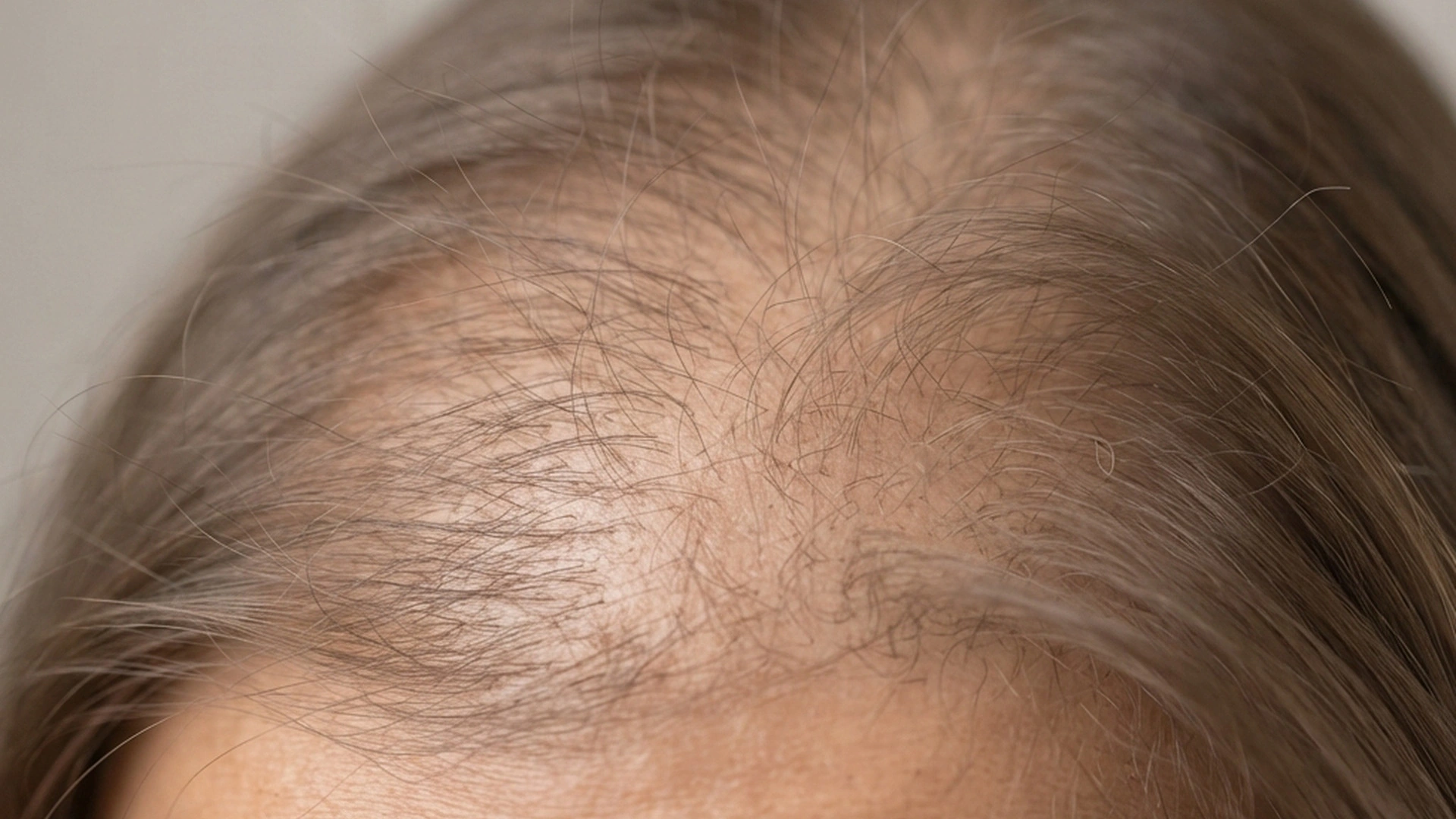
Hair Breakage on light skin.AI-generated educational illustration: A scalp patch with hairs broken at varying lengths and scattered stubble, representing trichotillomania.

Key differences

The same eight facts on every condition comparison.
Usual age
Any age
9 to 13
Where
Scalp hair
Scalp, brows, lashes
Main sign
Short, snapped hairs
Patches of broken hairs of different lengths
Itch or pain
No
Neither
Contagious
No
No
Long term
Improves with gentler hair care
Long-term without help
Scars
No
Rarely
Who gets it
Heat styling, chemical treatments, tight styles
Children and teens; more often girls

What is it?

Hair Breakage
Trichotillomania
What is it?
  • What it is
    Hair shafts snap, producing short uneven hairs rather than shedding whole hairs from the root.
  • What it is
    Hair-pulling disorder causing hair loss through recurrent pulling.

What it looks like

Hair Breakage

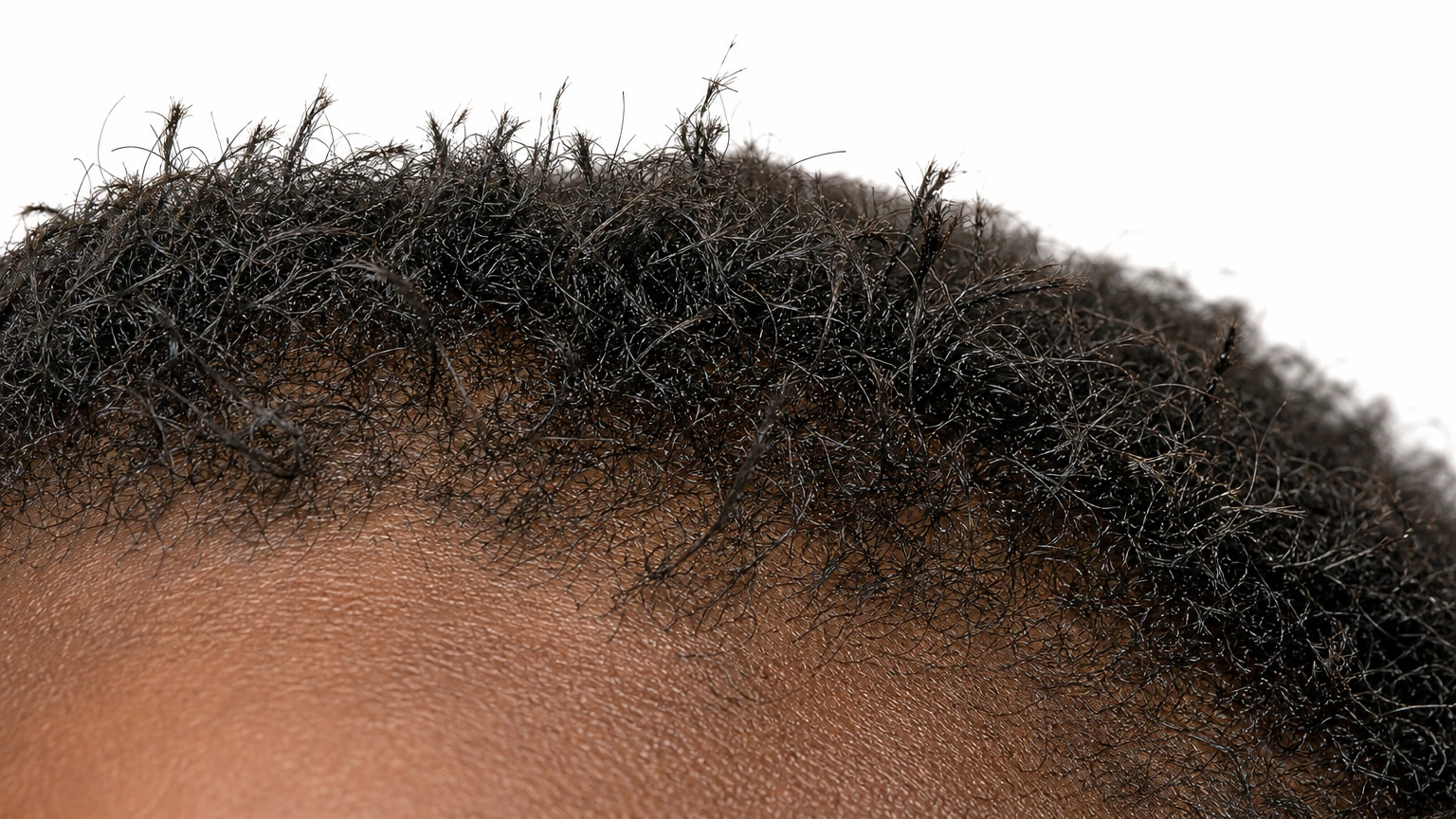
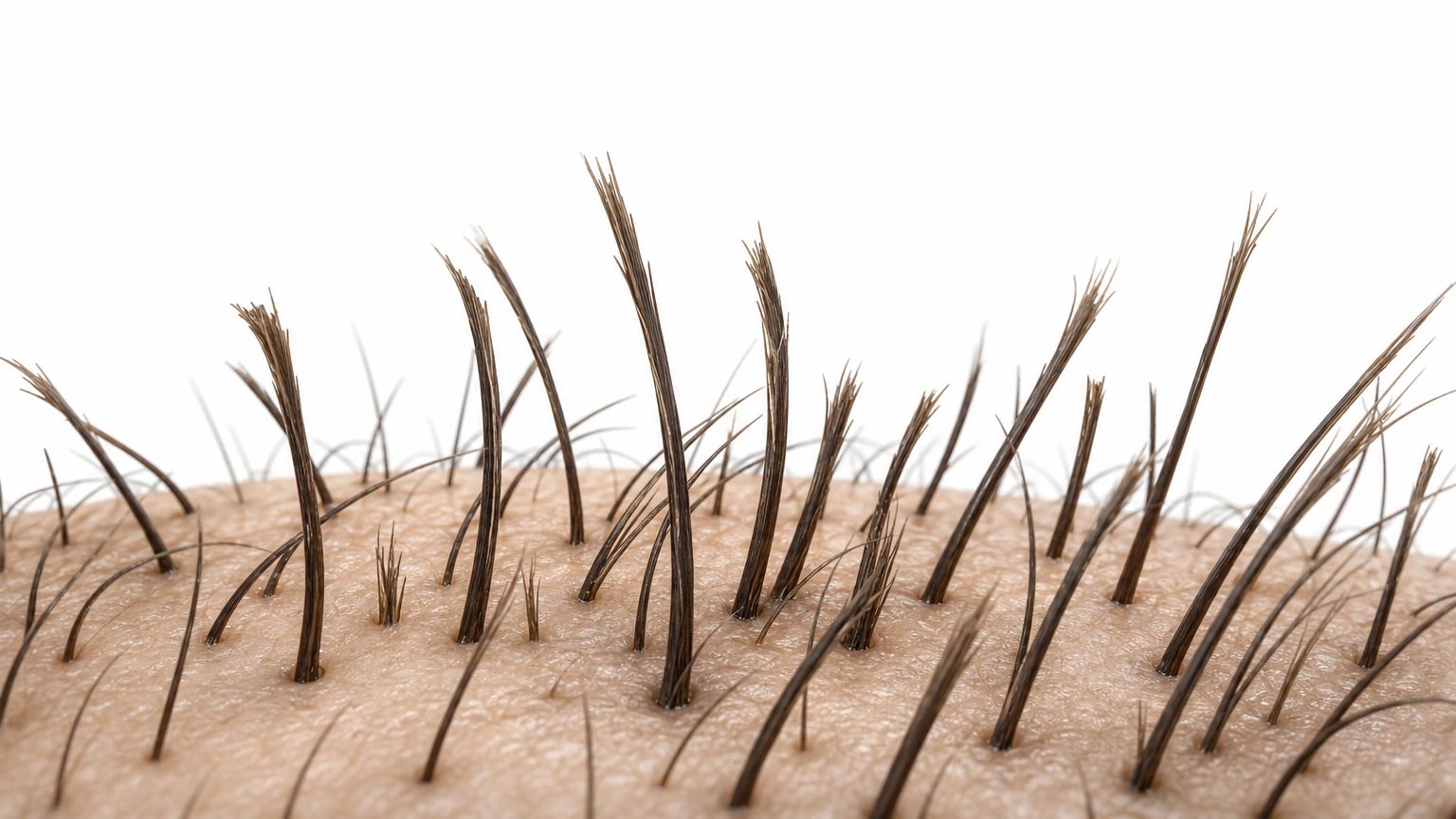
A scalp model with uneven short hairs and split or ragged hair-shaft ends.

Hair Breakage An enlarged view shows short strands with frayed ends.

Trichotillomania

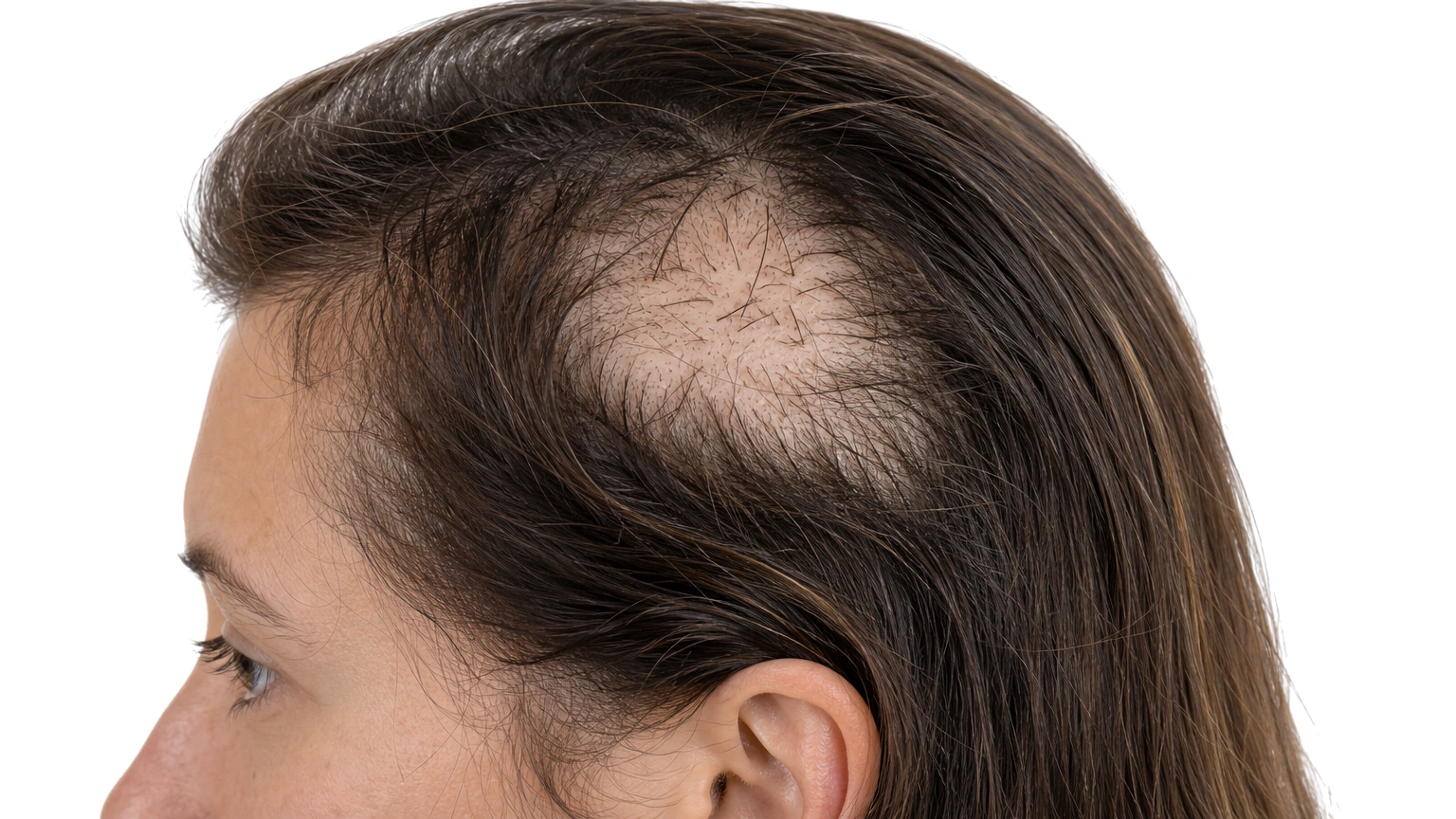
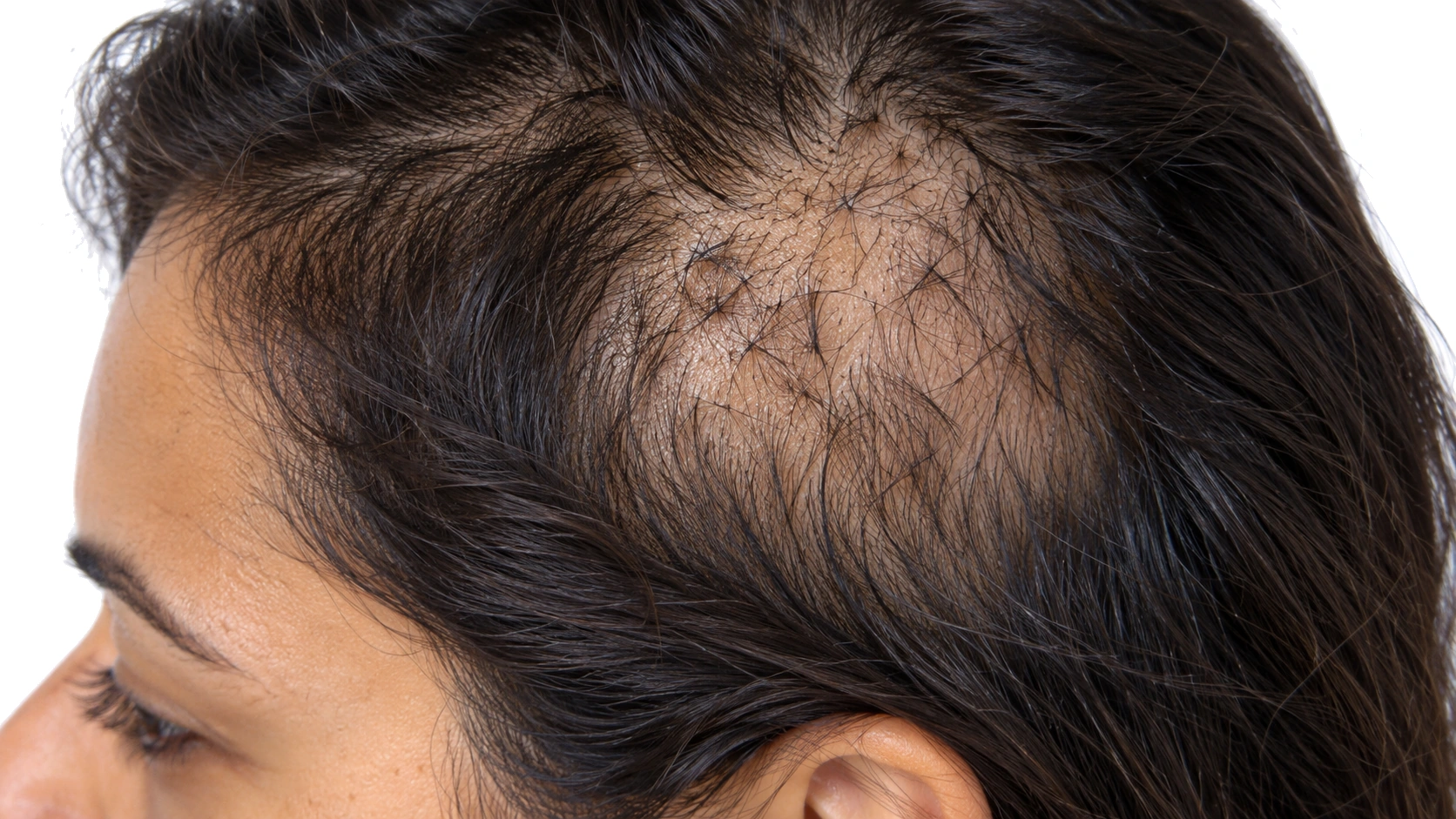
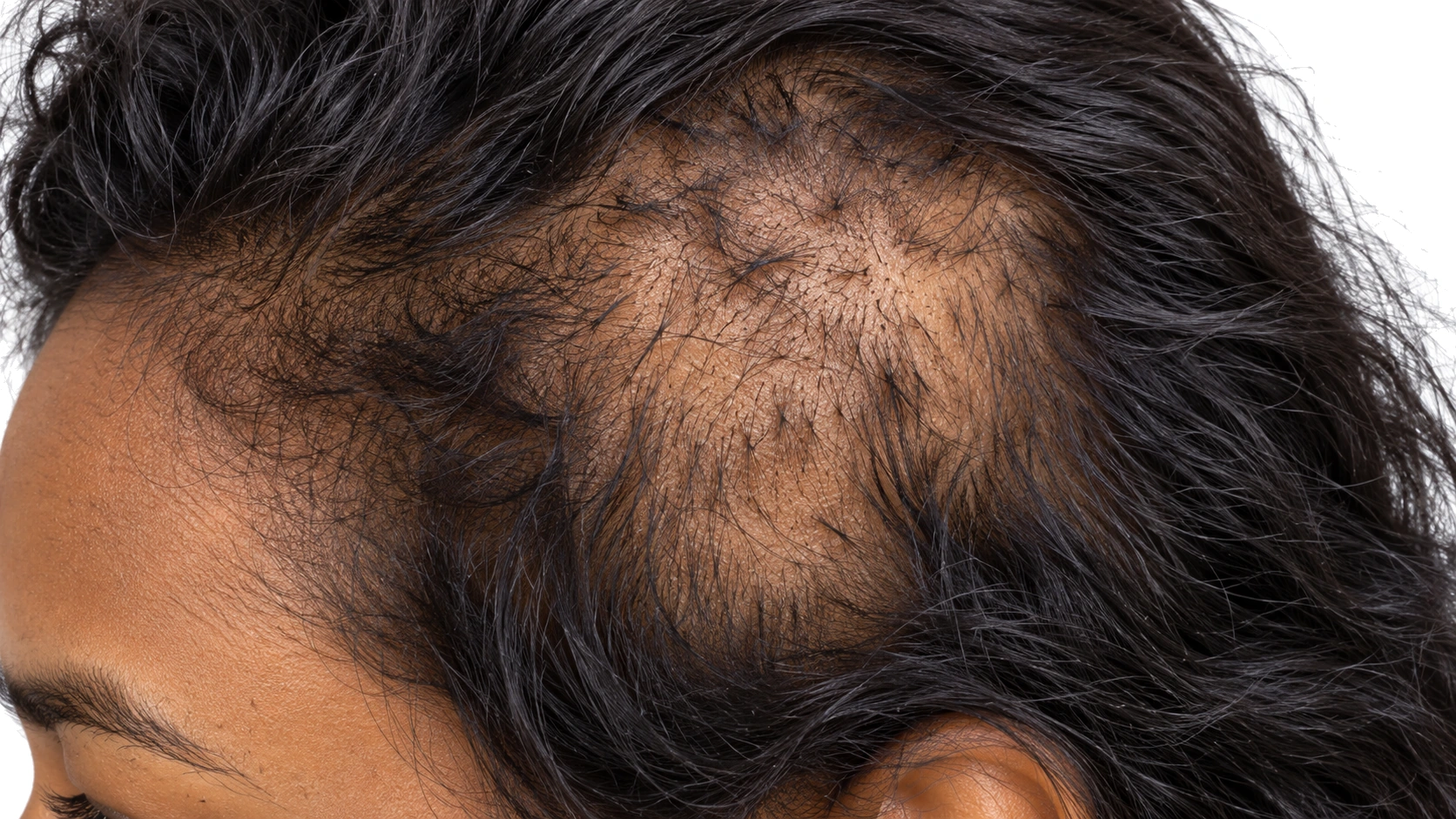
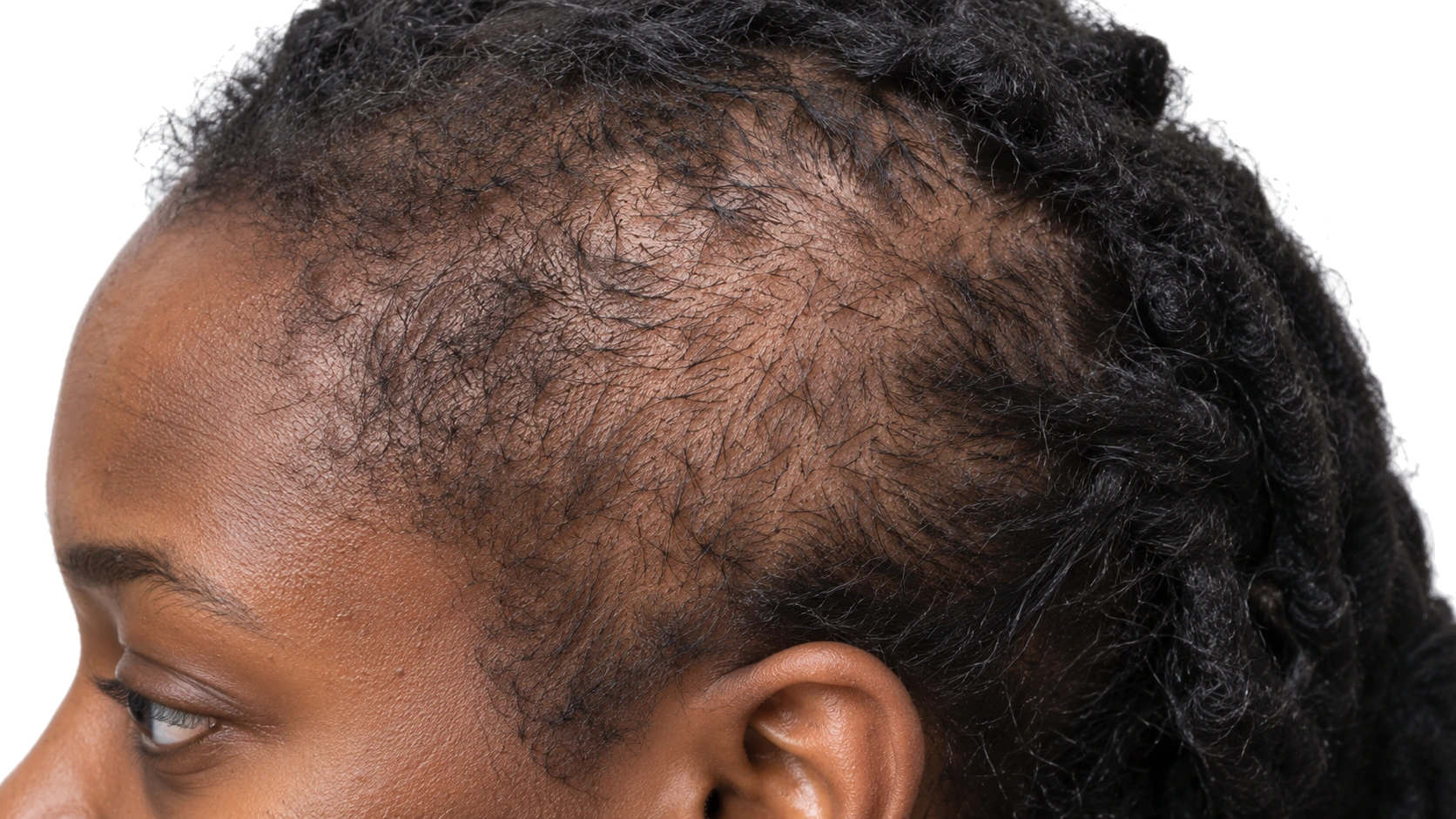
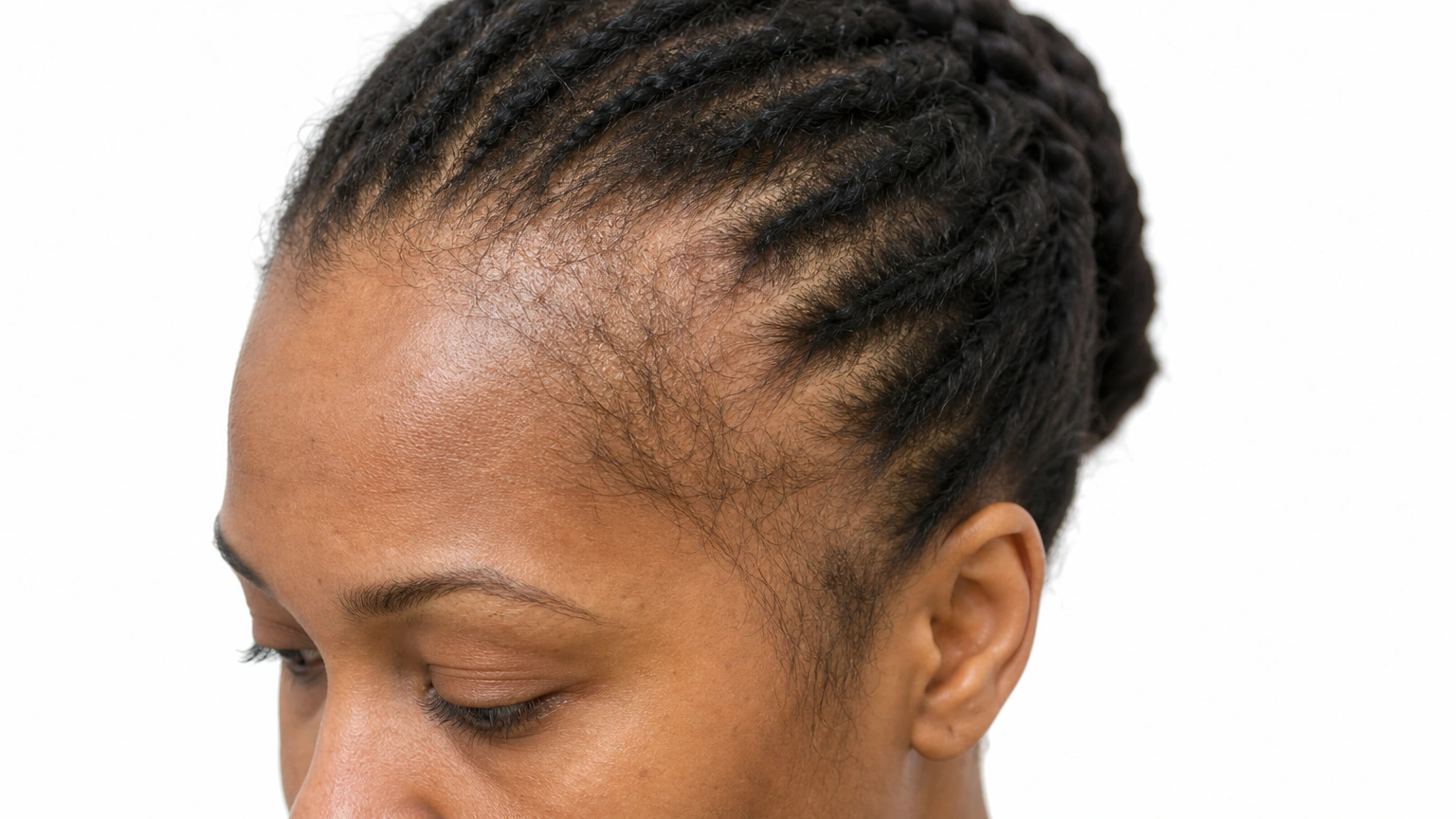
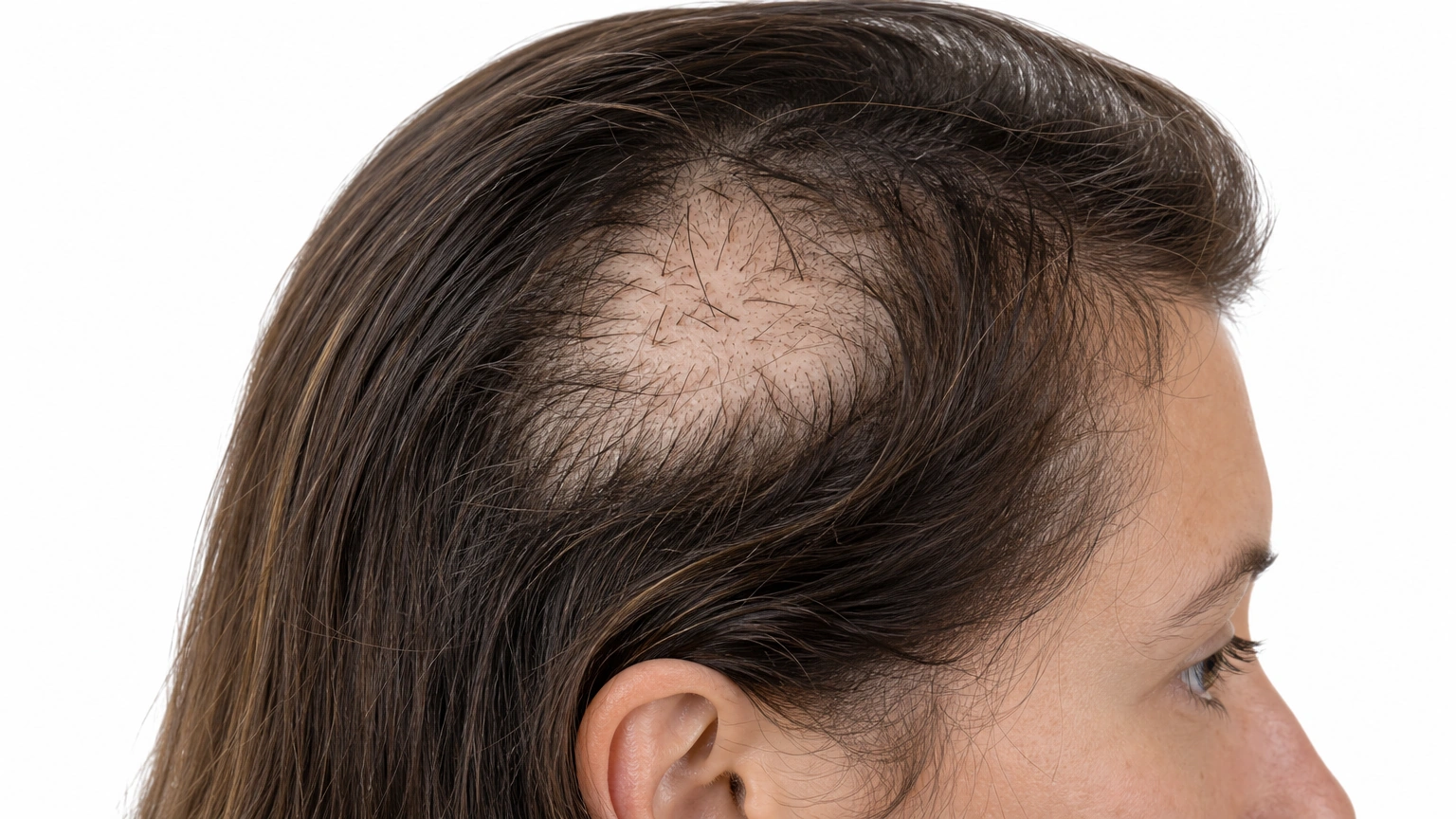
The side of a head with an irregular thinning patch and short remaining hairs.

Trichotillomania A patch near the temple contains sparse hair of uneven lengths.
Skin tones
Hair Breakage on light skin.
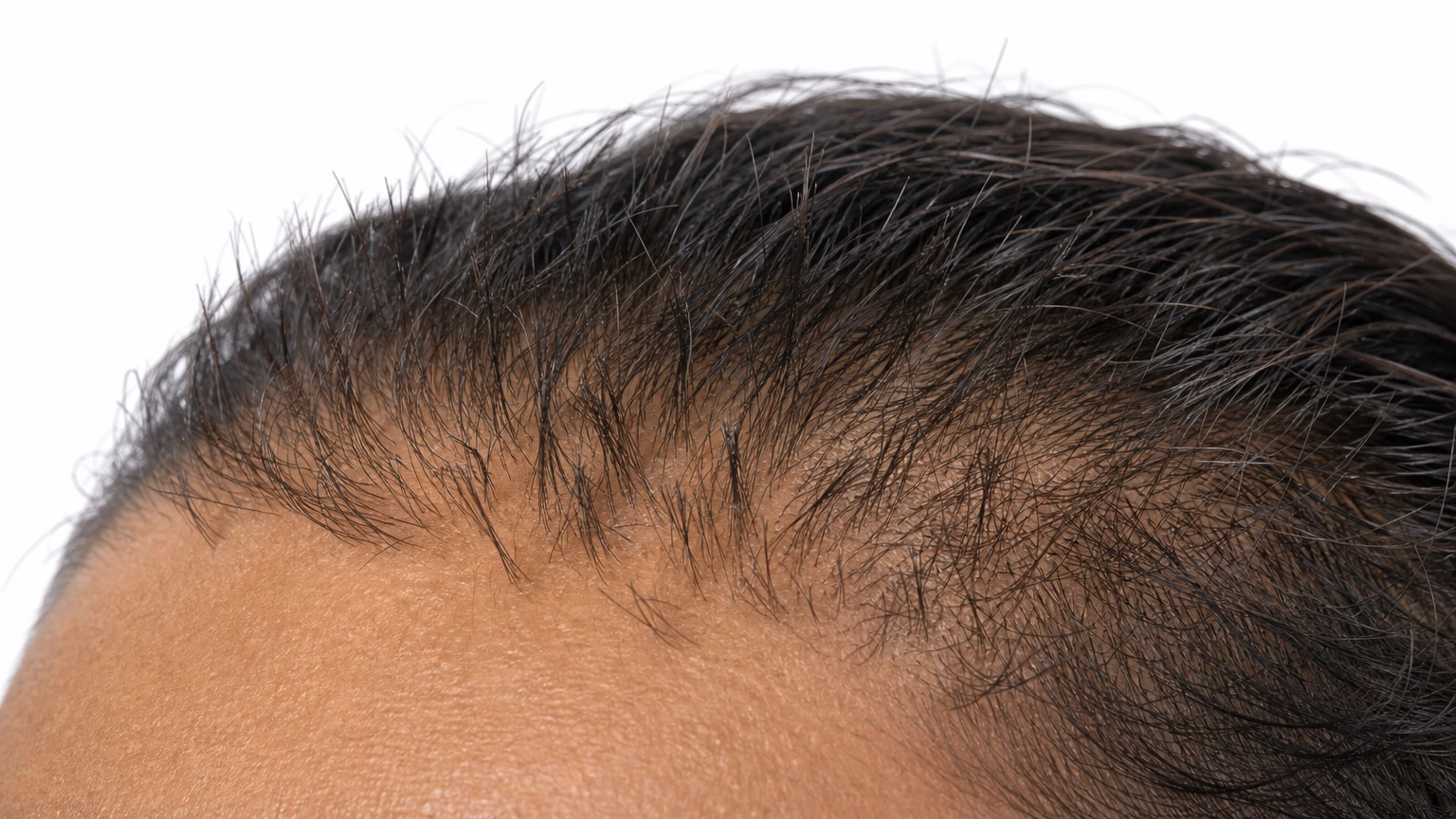
Hair Breakage on medium skin.
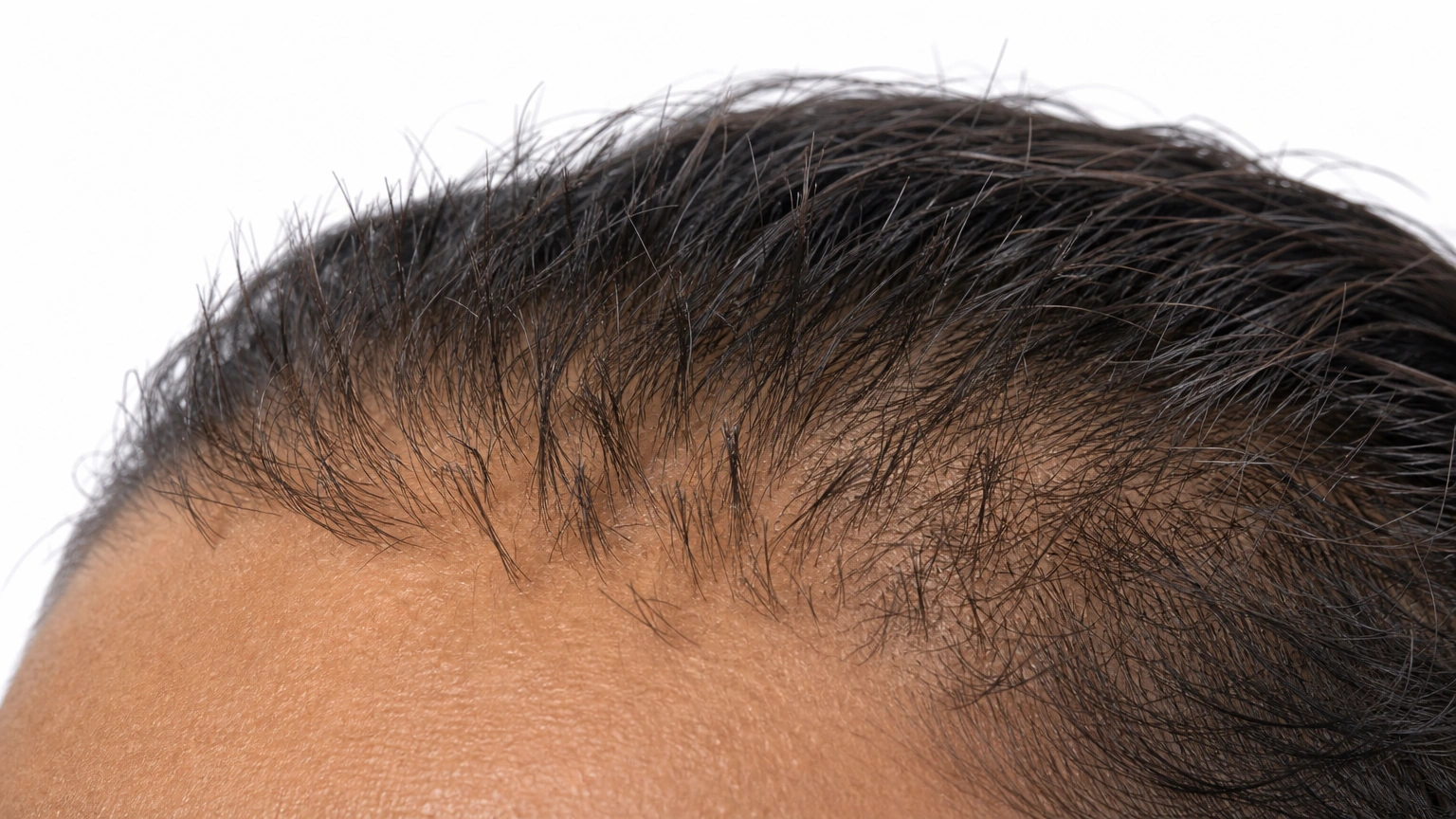
Hair Breakage on brown skin.
Hair Breakage on deep skin.
Trichotillomania on light skin.
Trichotillomania.
Trichotillomania.
Trichotillomania.
In the skin

Physical or chemical damage weakens the hair shaft until it snaps. Inherited shaft abnormalities can also make hairs more fragile.

Recurrent pulling mechanically damages hair shafts and can injure follicles. The resulting hair loss comes from pulling behavior rather than ordinary shedding alone.

When it usually starts

010203040506070+

Hair Breakage. Any age; unexplained childhood fragility warrants assessment.

Trichotillomania. Often begins in childhood or adolescence.

Causes and triggers

Causes

Physical or chemical damage weakens the shaft; inherited defects are another possible cause.

A recurrent urge or habit leads to hair pulling; it is not simply hair shedding.

Risk factors
Heat styling, Bleaching or relaxing, Friction
Habit and urge patterns, Stress or anxiety
Trigger
● Hair Breakage
● Trichotillomania
Heat
Can contribute
Not listed
Chemical processing
Can contribute
Not listed
Rough handling
Can contribute
Not listed
Stress
Not listed
Can contribute
Habit cues
Not listed
Can contribute

Daily Care

Hair Breakage
Trichotillomania
Daily care

Habits that help

  • Detangle gently with conditioner and an appropriate comb
    Start at the ends and avoid tugging through knots.
  • Reduce heat and chemical processing
    Lower temperatures and longer gaps between bleaching or straightening reduce further shaft injury.
  • Use loose hairstyles and gentle hair ties
    Avoid styles that place repeated tension on fragile areas.
  • Blot or wrap hair gently after washing
    Vigorous towel rubbing can add breakage.
  • Seek assessment for sudden breakage or scalp symptoms
    A scalp disorder, infection or other cause may need treatment beyond hair care.
  • Discuss shaft and scalp assessment
    Persistent or childhood fragility may need examination for an underlying shaft disorder.

Avoid

  • Avoid: Repeatedly brushing or pulling damaged strands
    Split or broken shafts cannot be permanently repaired by forceful handling.

Habits that help

  • Notice situations that trigger pulling without blame
    Short notes can identify activities, feelings or settings linked to the urge.
  • Use replacement actions from a habit-reversal plan
    A trained therapist can help choose practical competing responses.
  • Keep useful hand activities nearby
    A fidget object or other agreed strategy may help during high-risk situations.
  • Handle affected scalp and hair gently
    Protect exposed skin from sun and avoid adding traction or chemical damage.
  • Seek specialist help if pulling persists or hair is swallowed
    Swallowed hair can cause serious digestive complications and needs medical assessment.

Avoid

  • Avoid: Punishment, shame or repeatedly checking the hair
    These responses can increase distress rather than support recovery.

Treatment differences

Evidence labels come from each condition’s own treatment list.

Treatment
● Hair Breakage
● Trichotillomania
Treatment approach

Reduce repeated heat, chemical damage, friction and tension. Persistent fragility or scalp symptoms needs assessment for an underlying hair-shaft or scalp disorder.

—
Procedures
None listed

Mental-health support

Listed

Associated distress or anxiety may need treatment; swallowing hair must be discussed because it can cause complications.

Outlook

Long term

Broken hair shafts do not repair themselves permanently; improvement depends on reducing damage and allowing new growth. Persistent breakage or scalp symptoms may need assessment for another cause.

Hair can regrow if pulling stops and follicles remain intact. The urge to pull can recur, so ongoing behavioral support may be helpful; prolonged injury can sometimes cause lasting loss.

Complications

Possible complications

Underlying shaft disorders occasionally accompany other medical findings.

Distress can be substantial; swallowing pulled hair can cause serious gastrointestinal complications.

When to get help

When to get help

Arrange assessment for persistent loss, patchiness, scalp pain, scaling or loss of follicular openings.

Seek help for pulling that is difficult to control. Swallowing hair with abdominal pain or vomiting needs urgent assessment.

Common questions

Hair Breakage:What is Hair Breakage?

Hair shafts snap, producing short uneven hairs rather than shedding whole hairs from the root.

Hair Breakage:What can I do day to day?

Avoid tight styles and harsh chemical or heat damage; use gentle handling.

Hair Breakage:When should I get medical advice?

Arrange assessment for persistent loss, patchiness, scalp pain, scaling or loss of follicular openings.

Trichotillomania:What is Trichotillomania?

Hair-pulling disorder causing hair loss through recurrent pulling.

Trichotillomania:What can I do day to day?

Seek supportive treatment without blame; identify cues and use clinician-guided replacement behaviours.

Trichotillomania:When should I get medical advice?

Seek help for pulling that is difficult to control. Swallowing hair with abdominal pain or vomiting needs urgent assessment.

Sources
Sources and further reading

  1. Defects of the hair shaft
  2. Trichotillomania
Dermapedia on YouTube