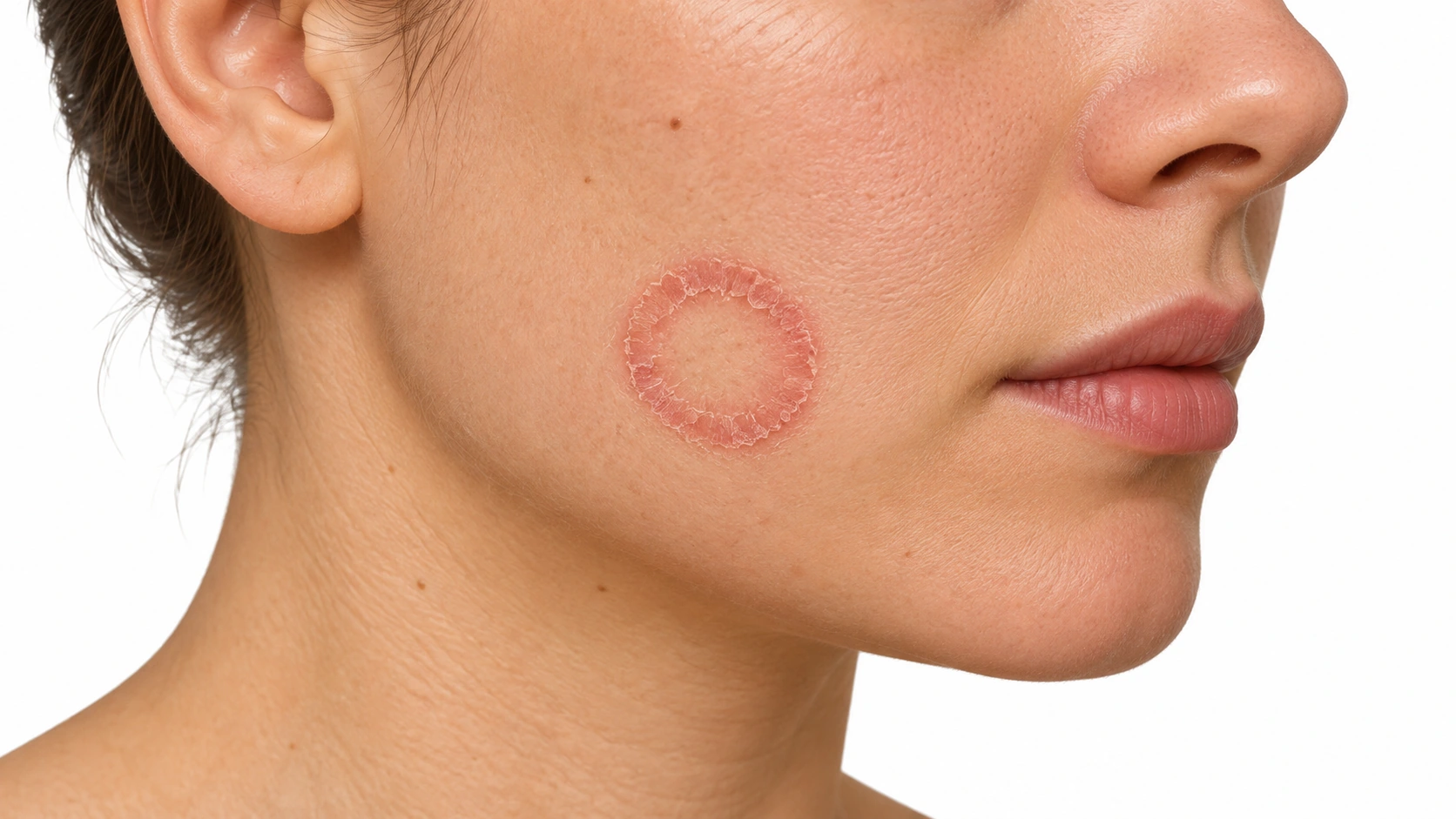
Tinea Capitis vs Traction Alopecia

Ringworm of the scalp and hair shafts, usually in children. Hair loss caused by repeated tension on hair follicles.
Research updated 2026-10-23
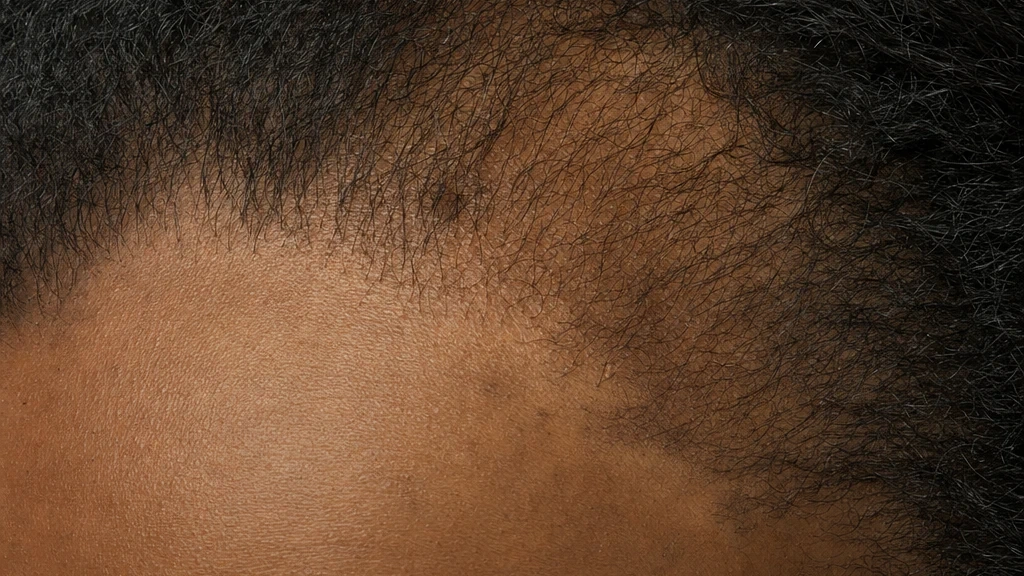
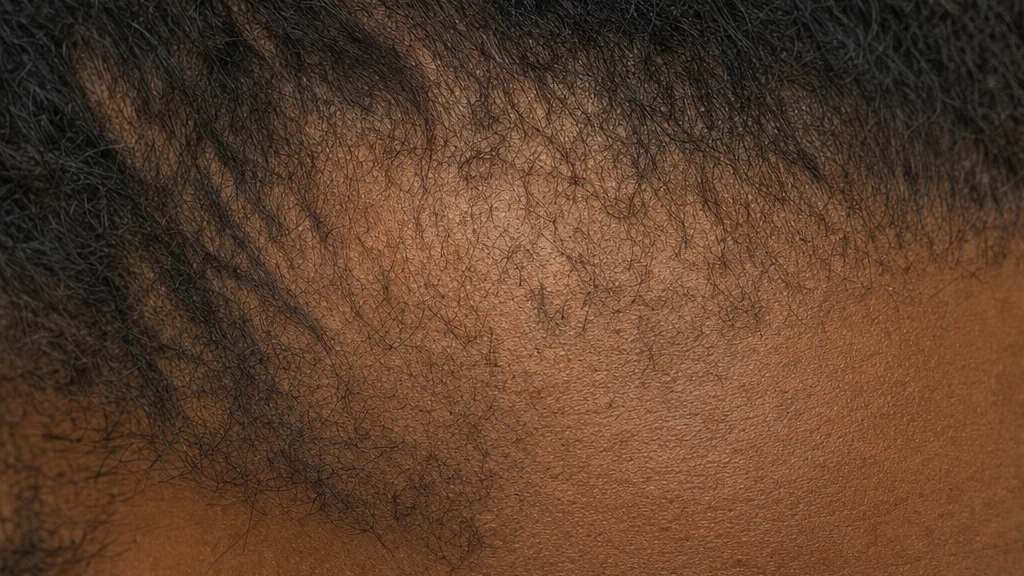
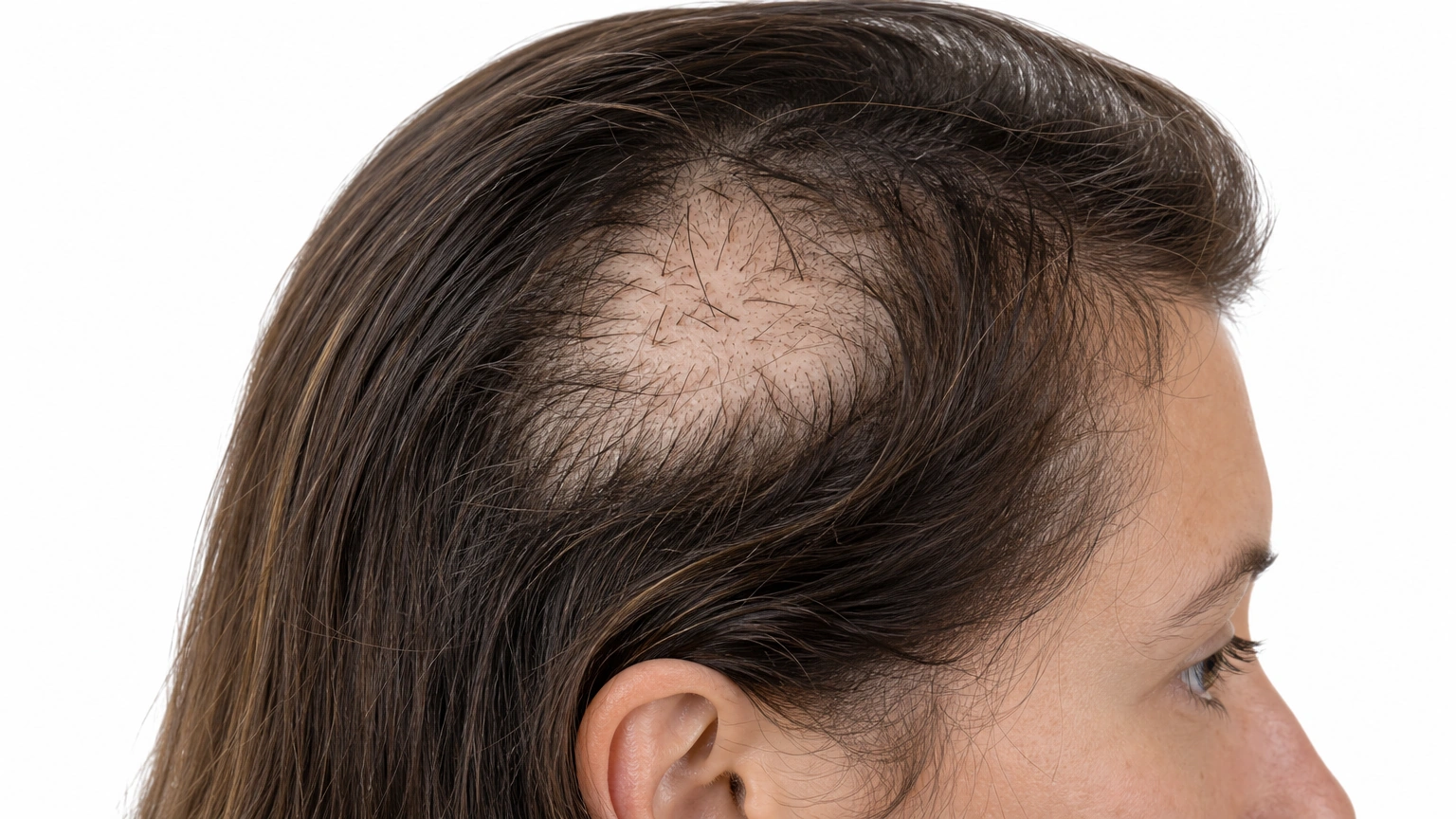
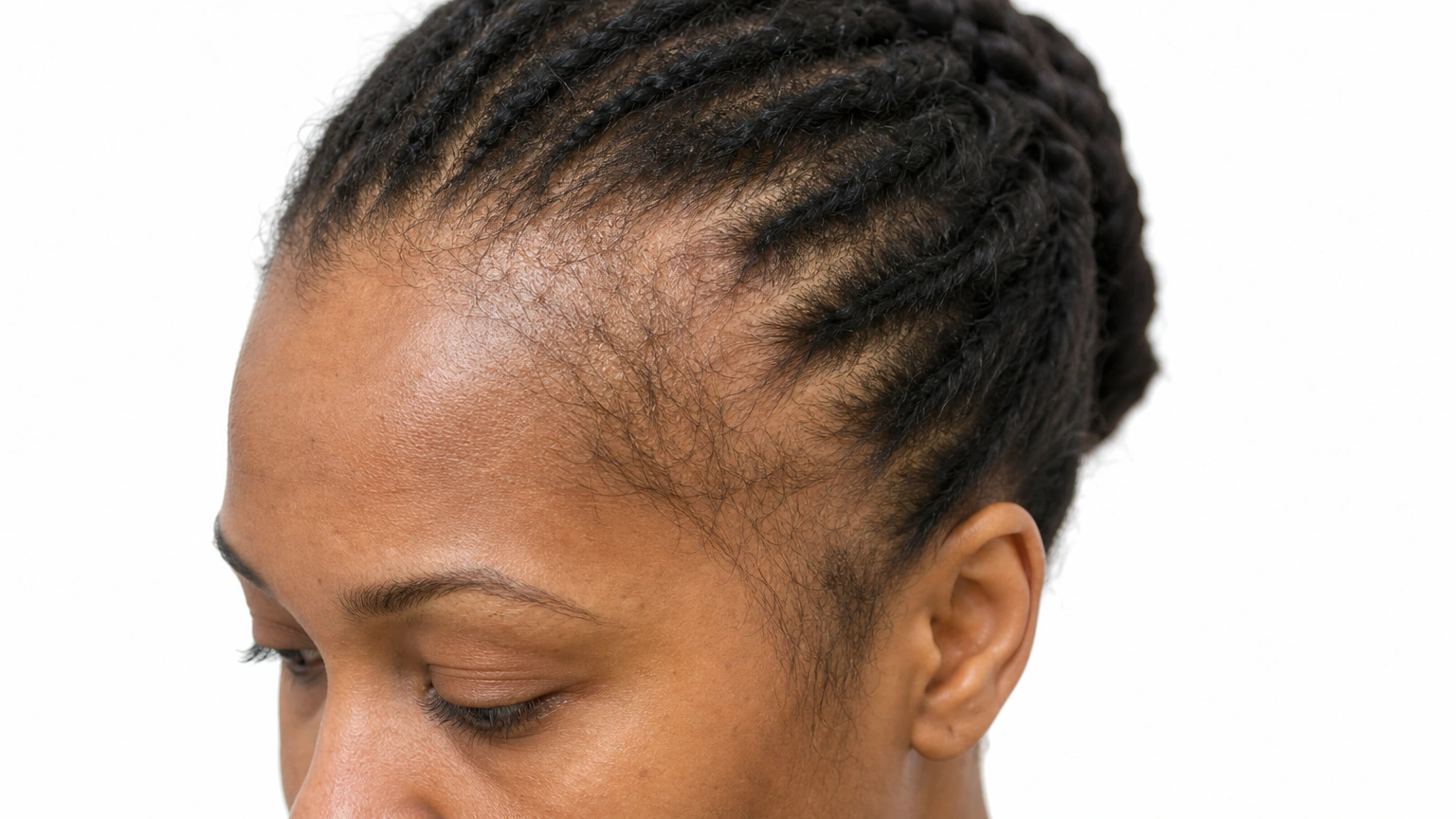
Tinea Capitis on medium skin.AI-generated educational illustration: Hair thinning and broken hairs along the frontotemporal margins next to tight braids, representing traction alopecia.

Key differences

The same eight facts on every condition comparison.
Usual age
3 to 10
Any age
Where
Scalp
Hairline, temples
Main sign
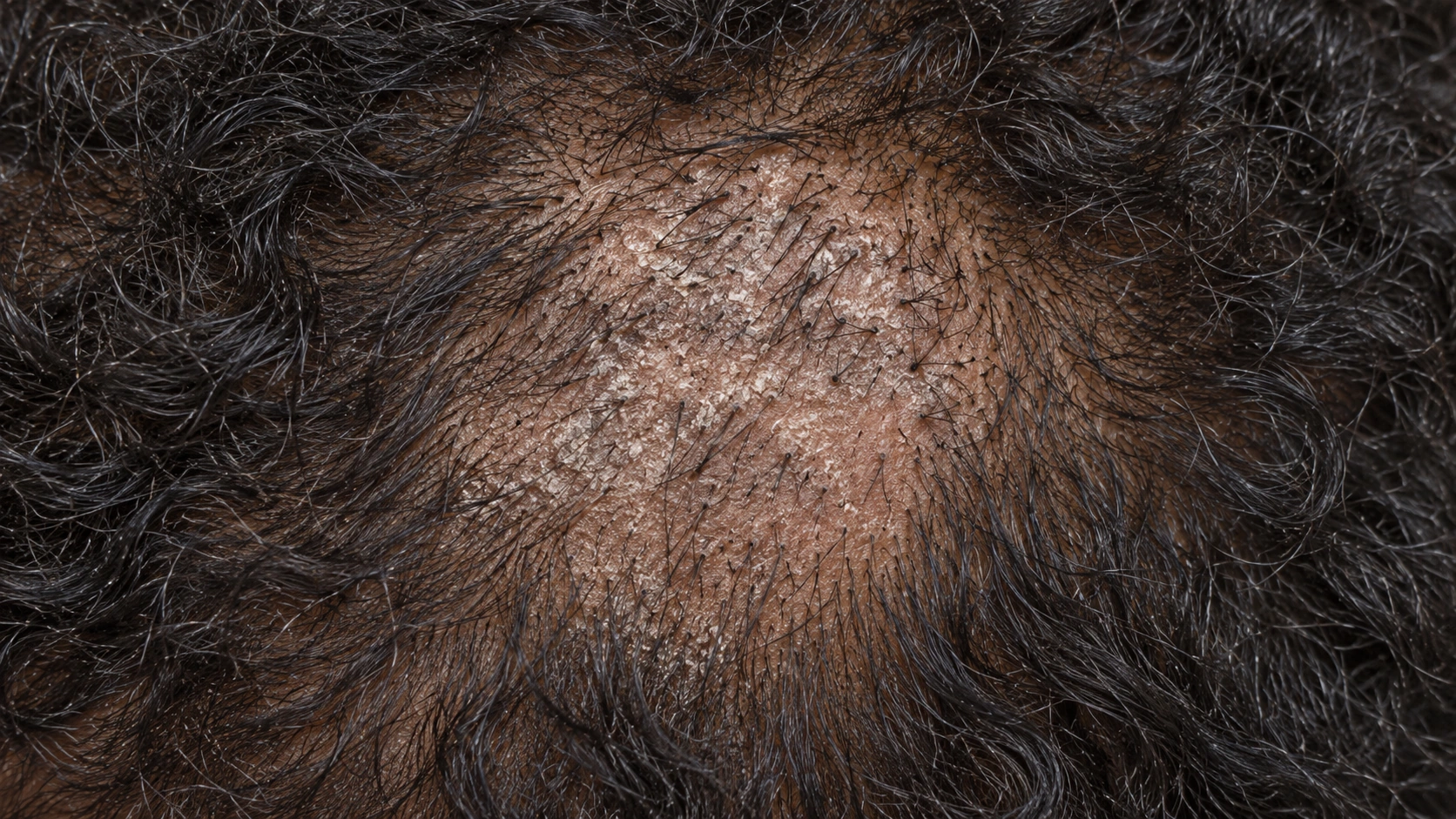
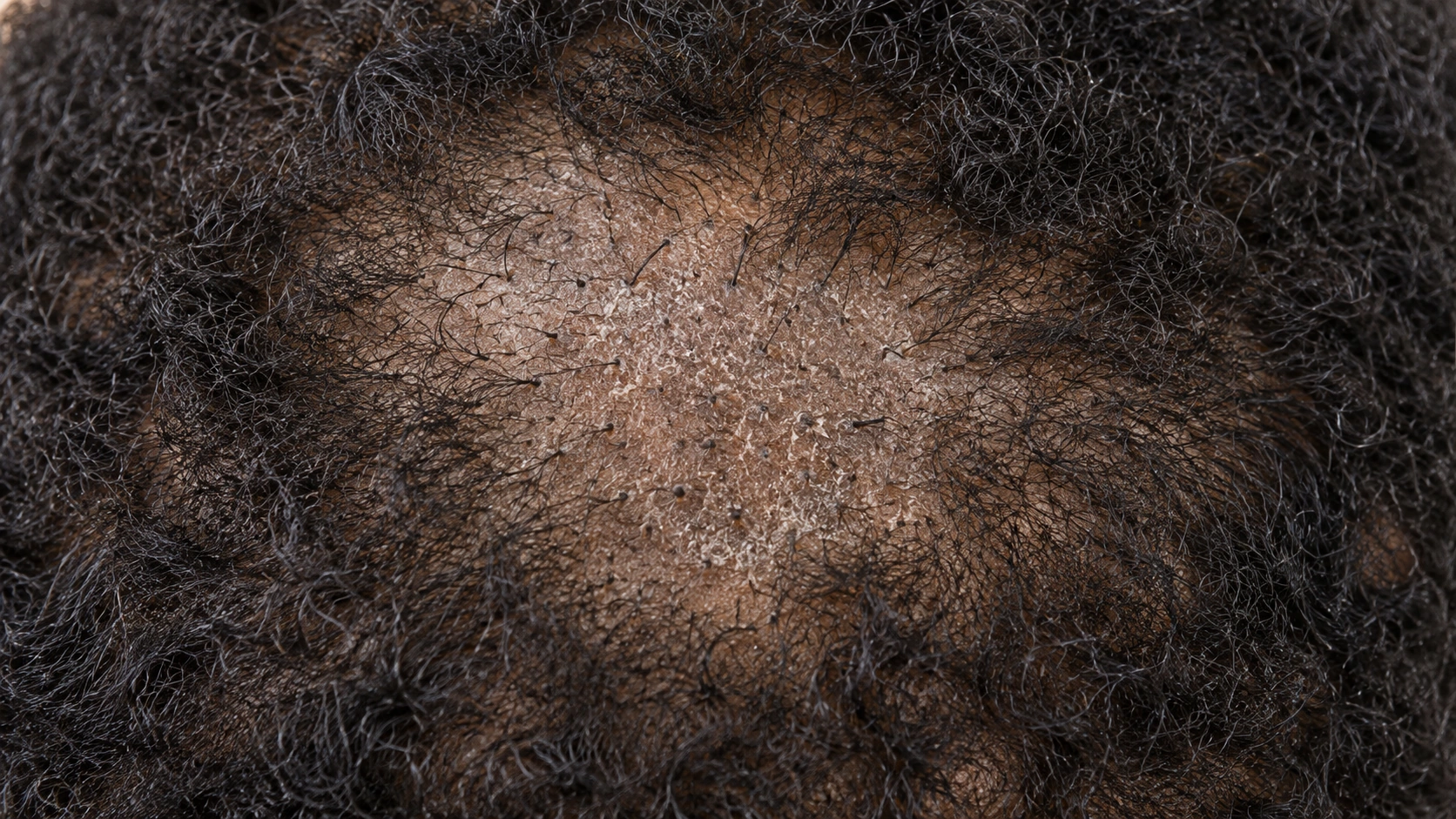
Scaly patches with broken hairs
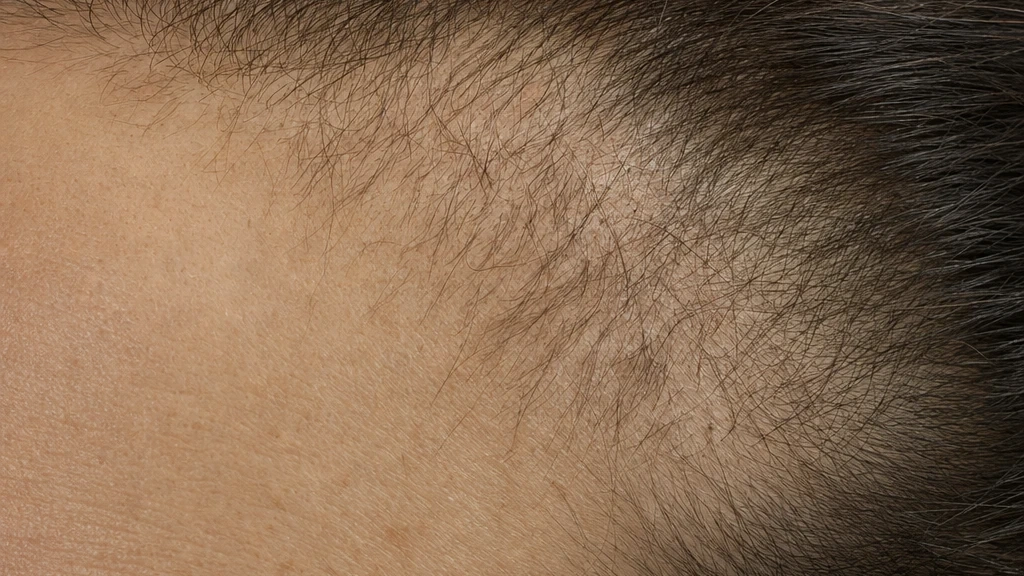
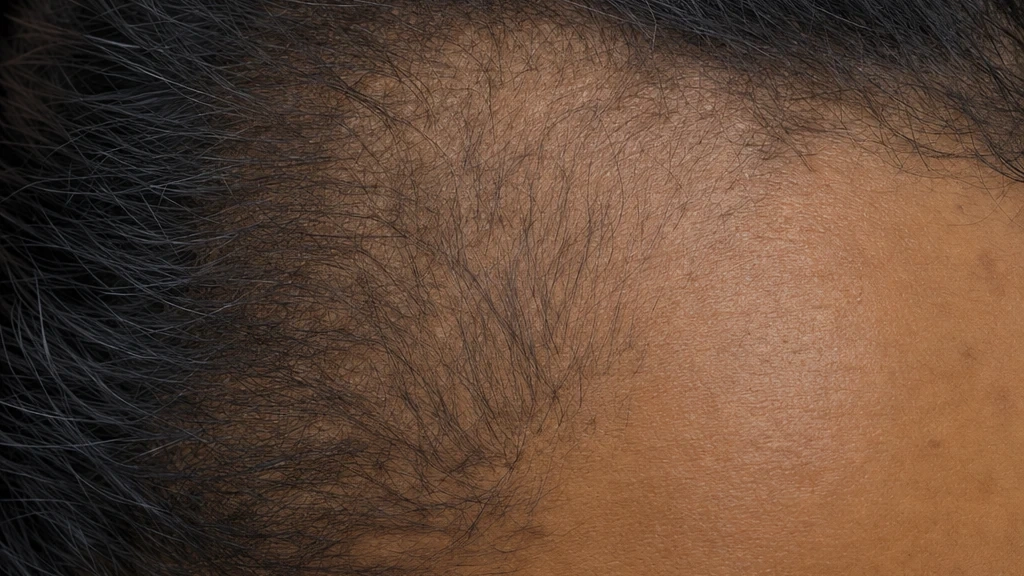
Thinning where hair is pulled
Itch or pain
Itchy
Tender when styled tight
Contagious
Yes
No
Long term
Clears with antifungal tablets
Reversible early, permanent late
Scars
Rarely
Late stage
Who gets it
Young children
Tight braids, ponytails, extensions

What is it?

Tinea Capitis
Traction Alopecia
What is it?
  • What it is
    Ringworm of the scalp and hair shafts, usually in children.
  • What it is
    Hair loss caused by repeated tension on hair follicles.

What it looks like

Tinea Capitis

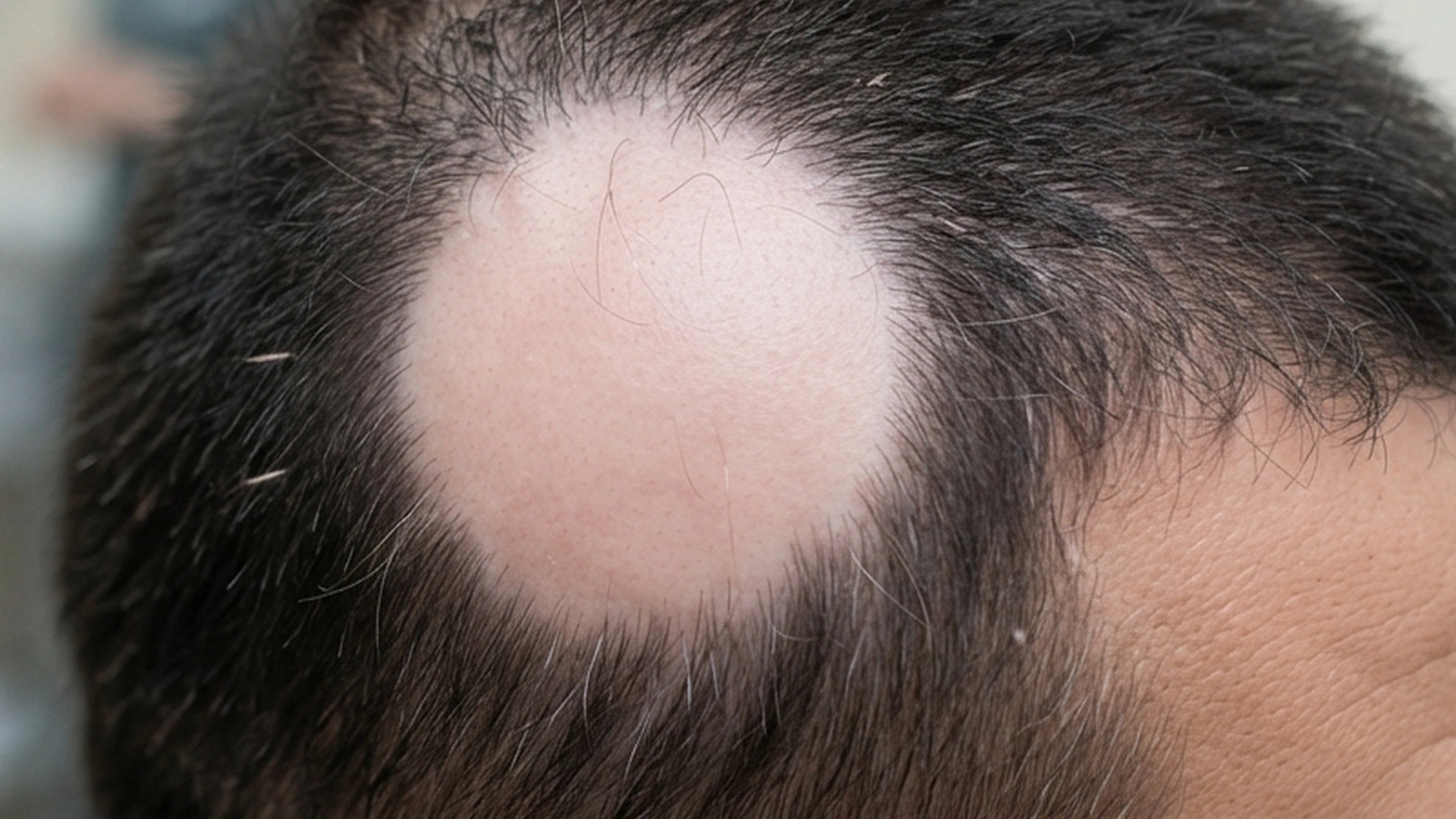
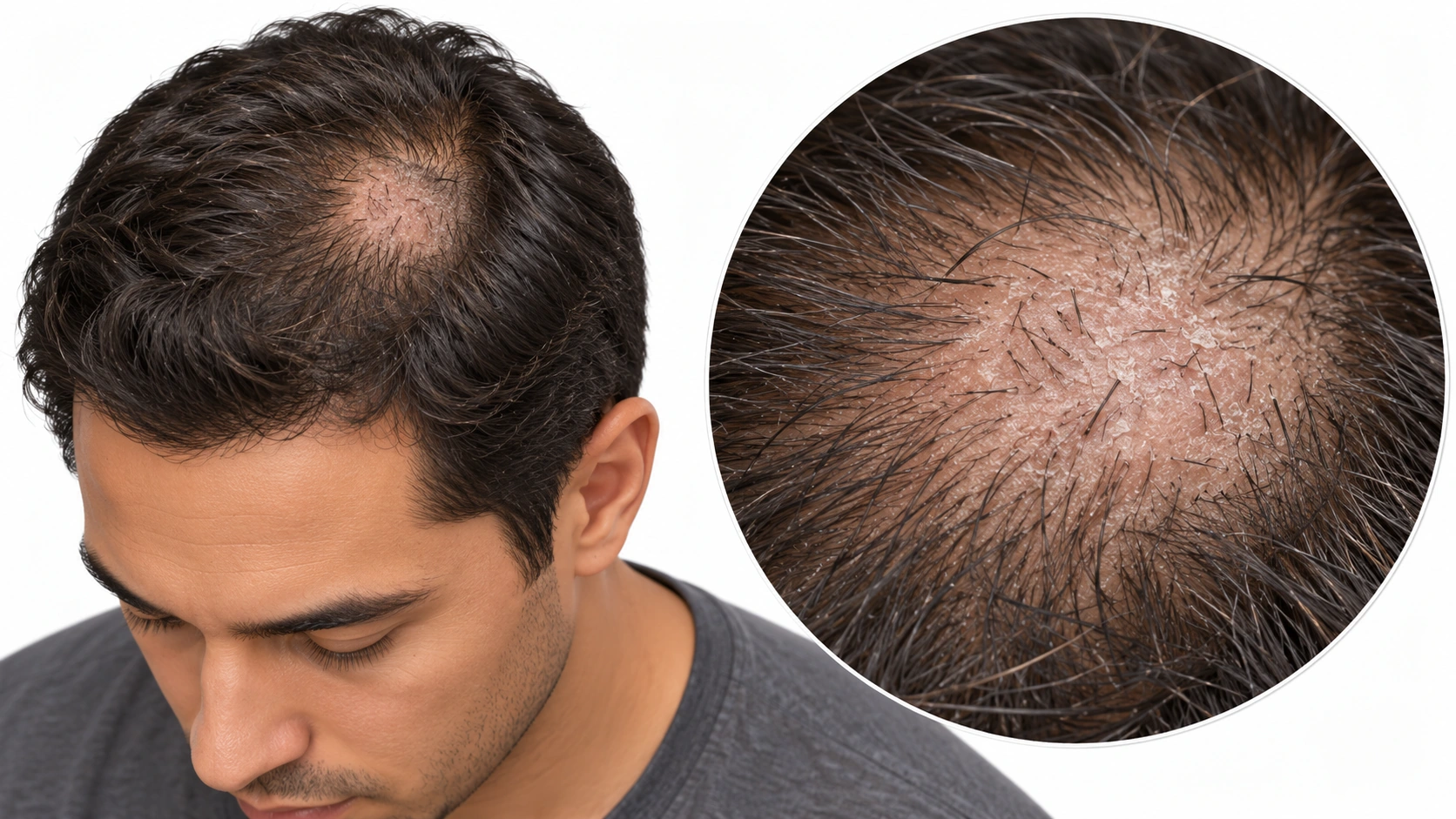
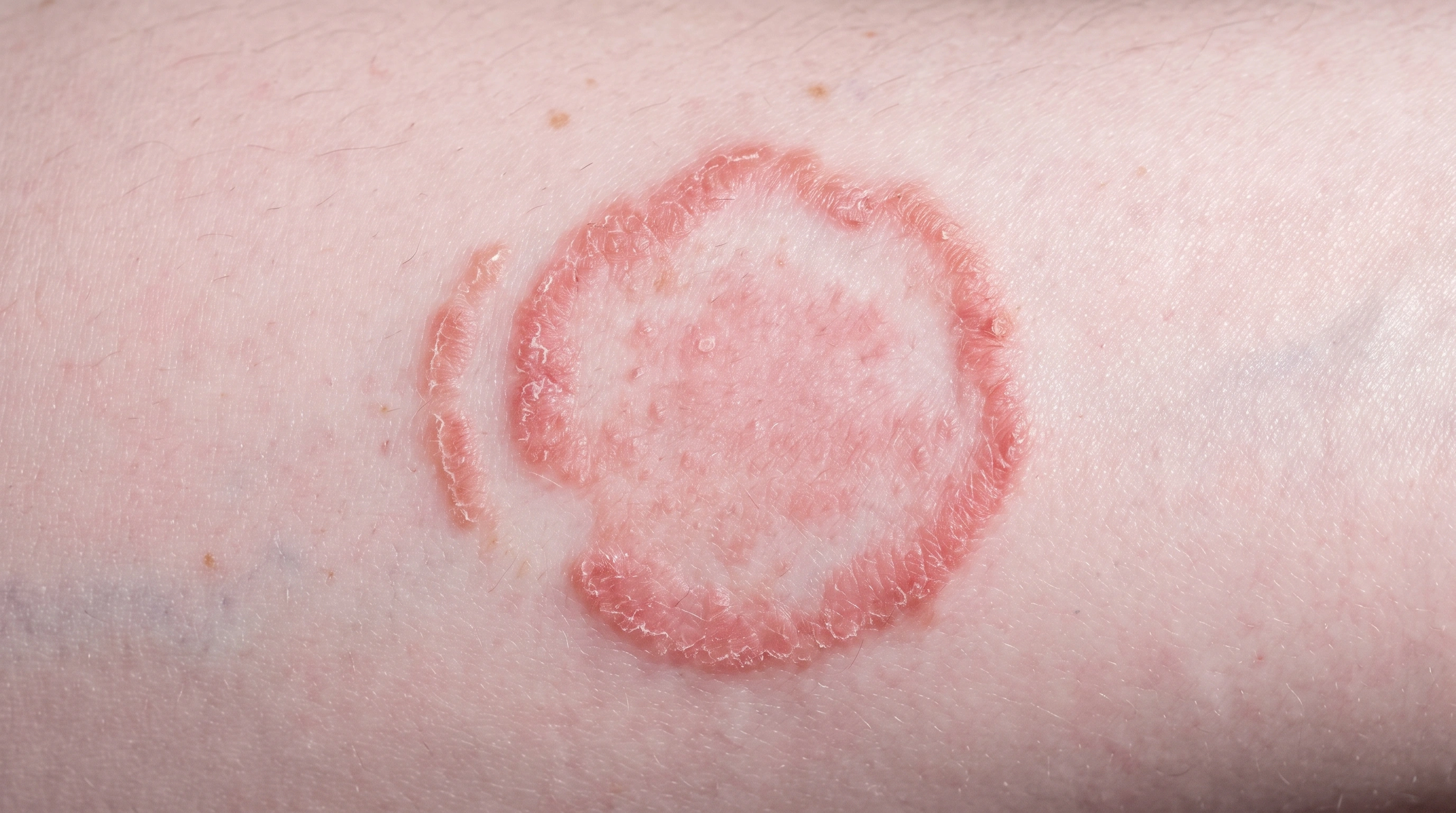
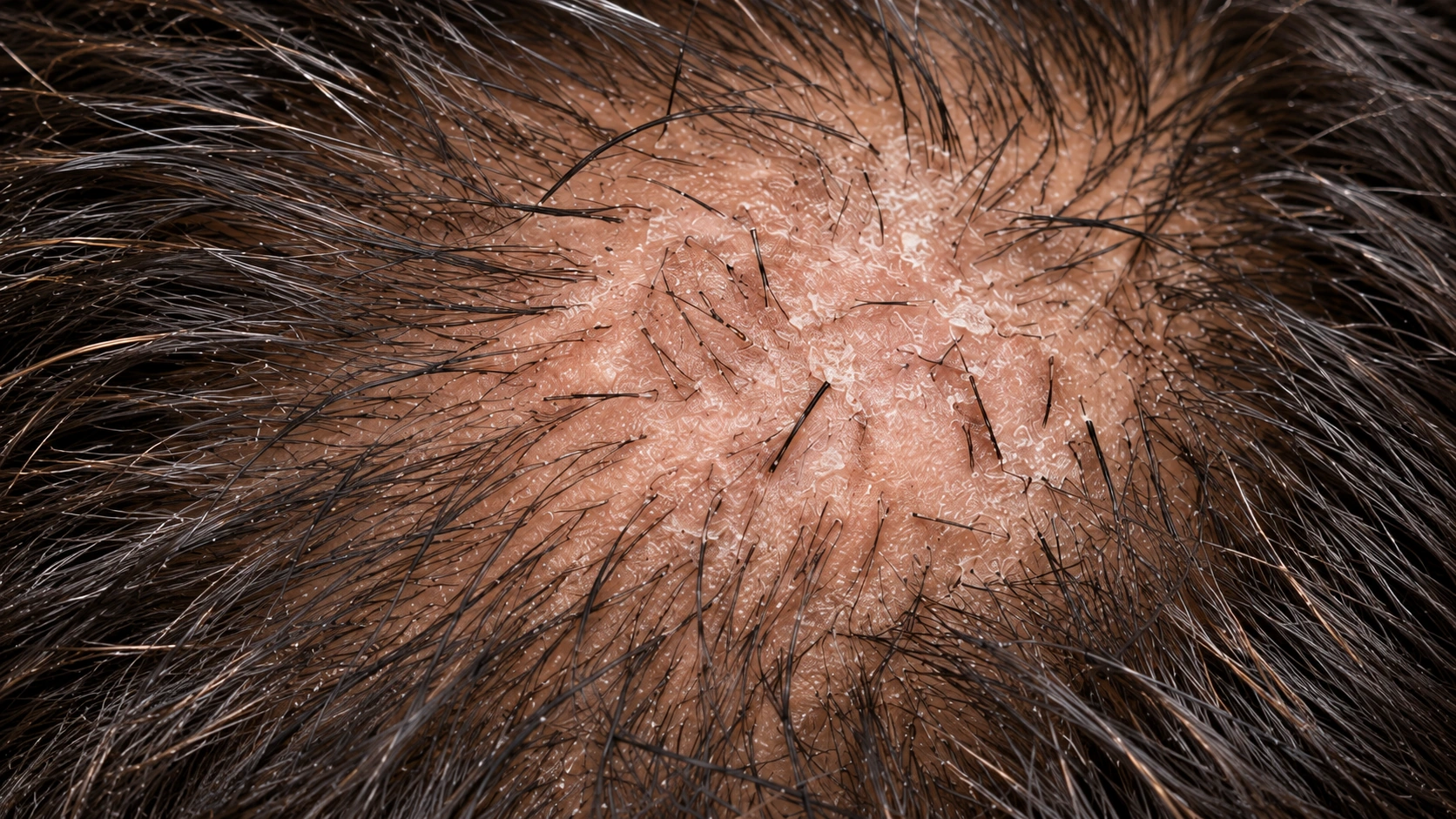
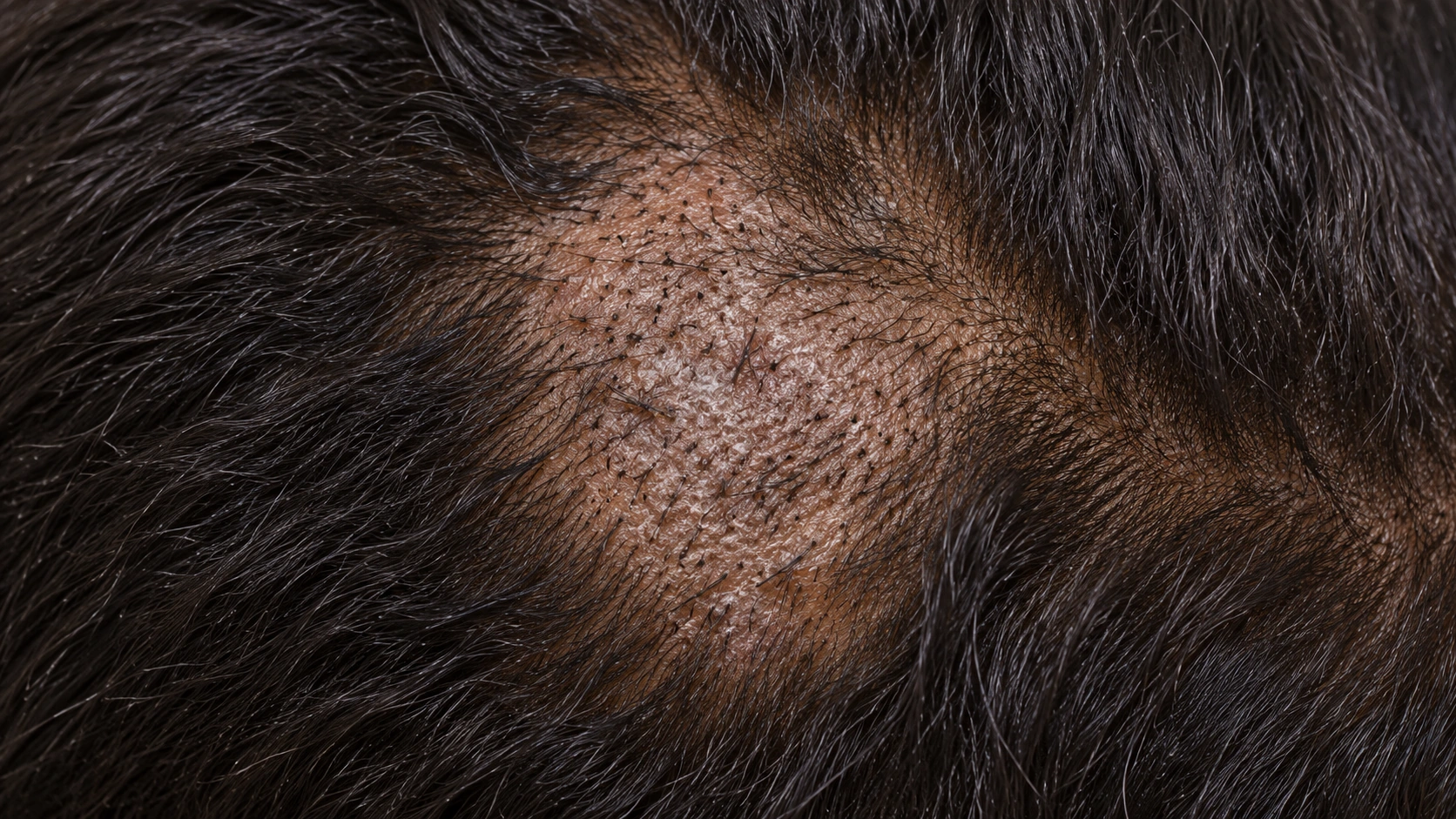
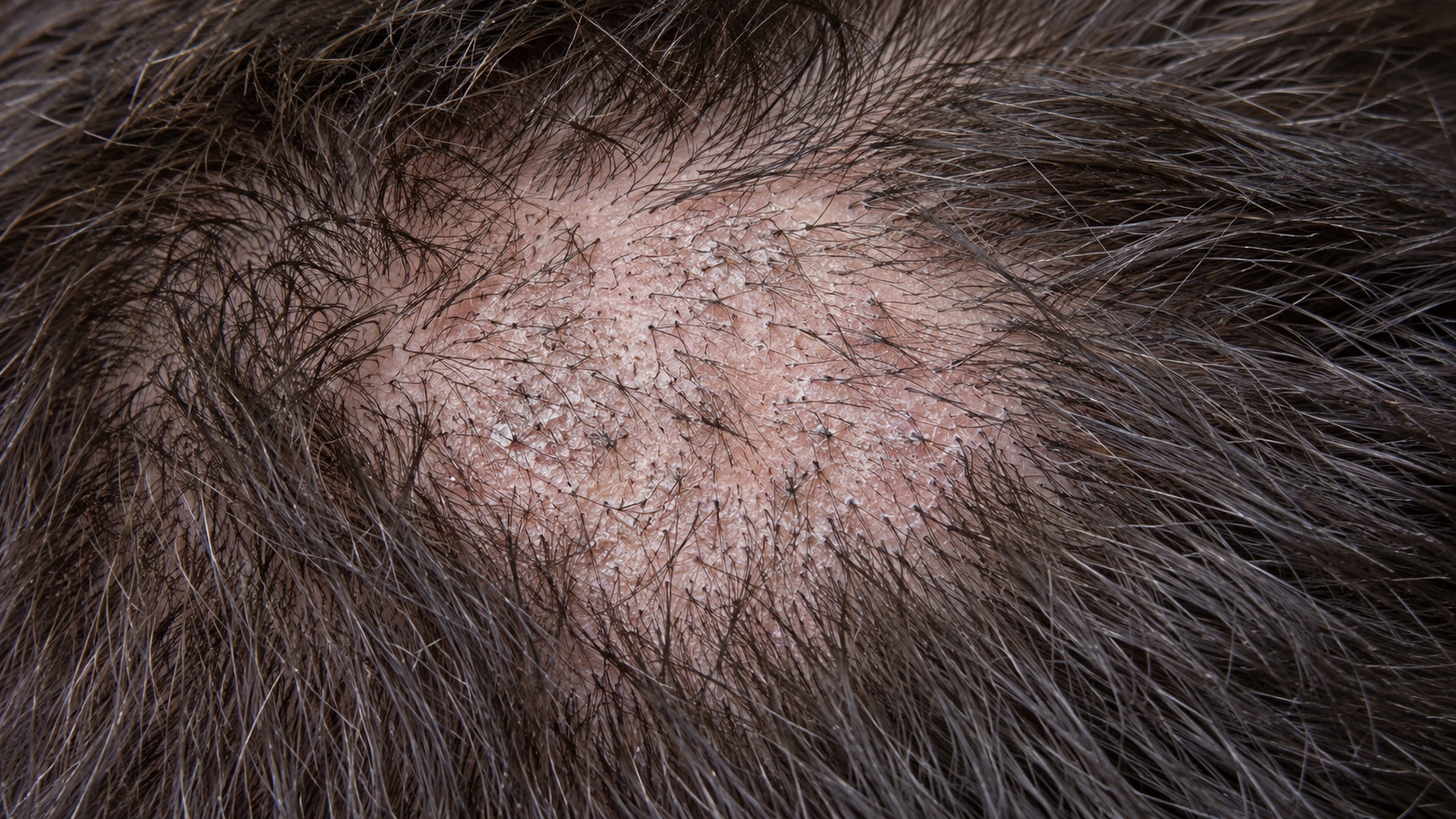
A localized scaly scalp patch with short broken hairs and dark stubs.

Scale and broken hairs A scaly patch contains short broken hairs and dark hair stubs.
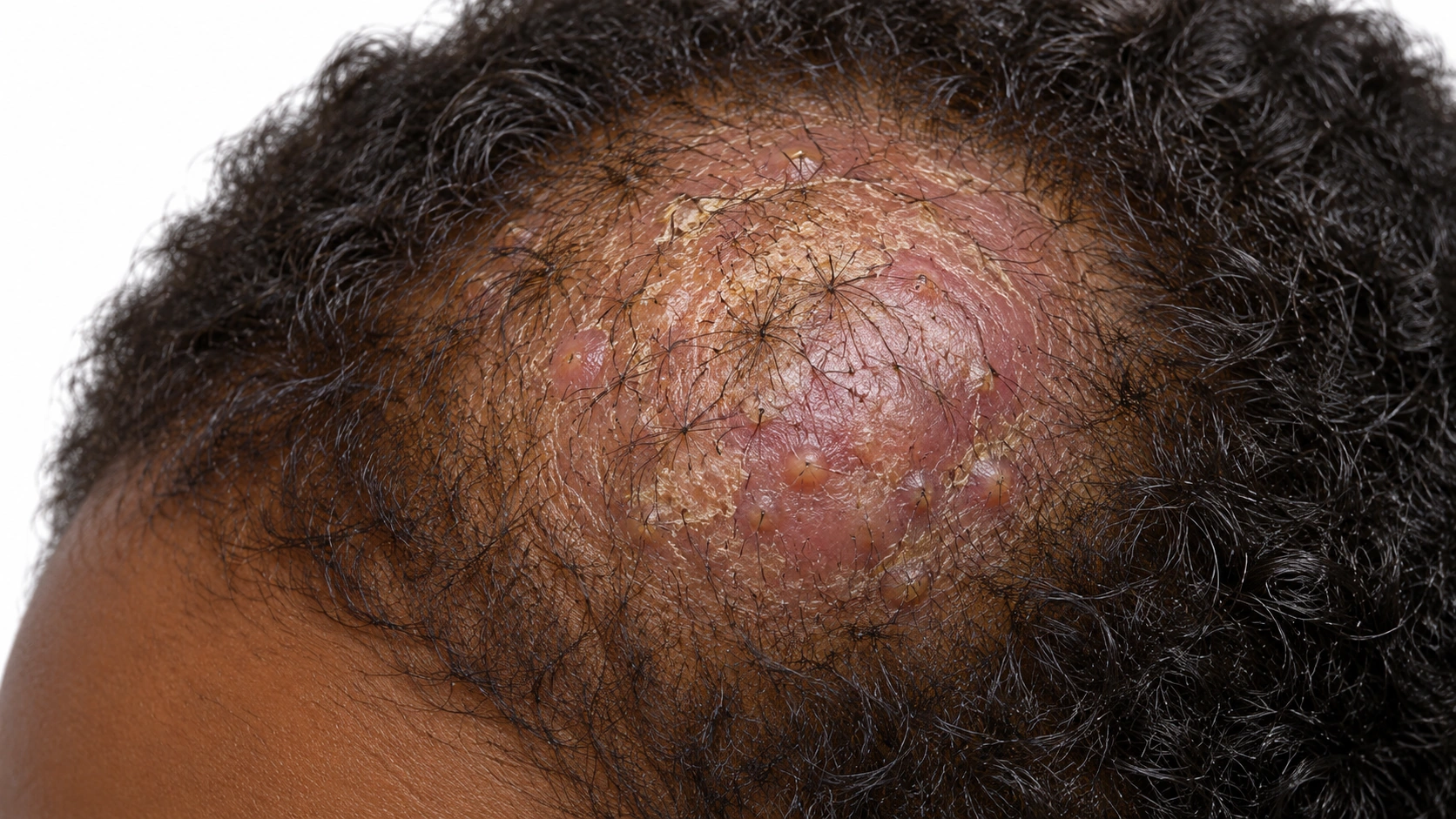
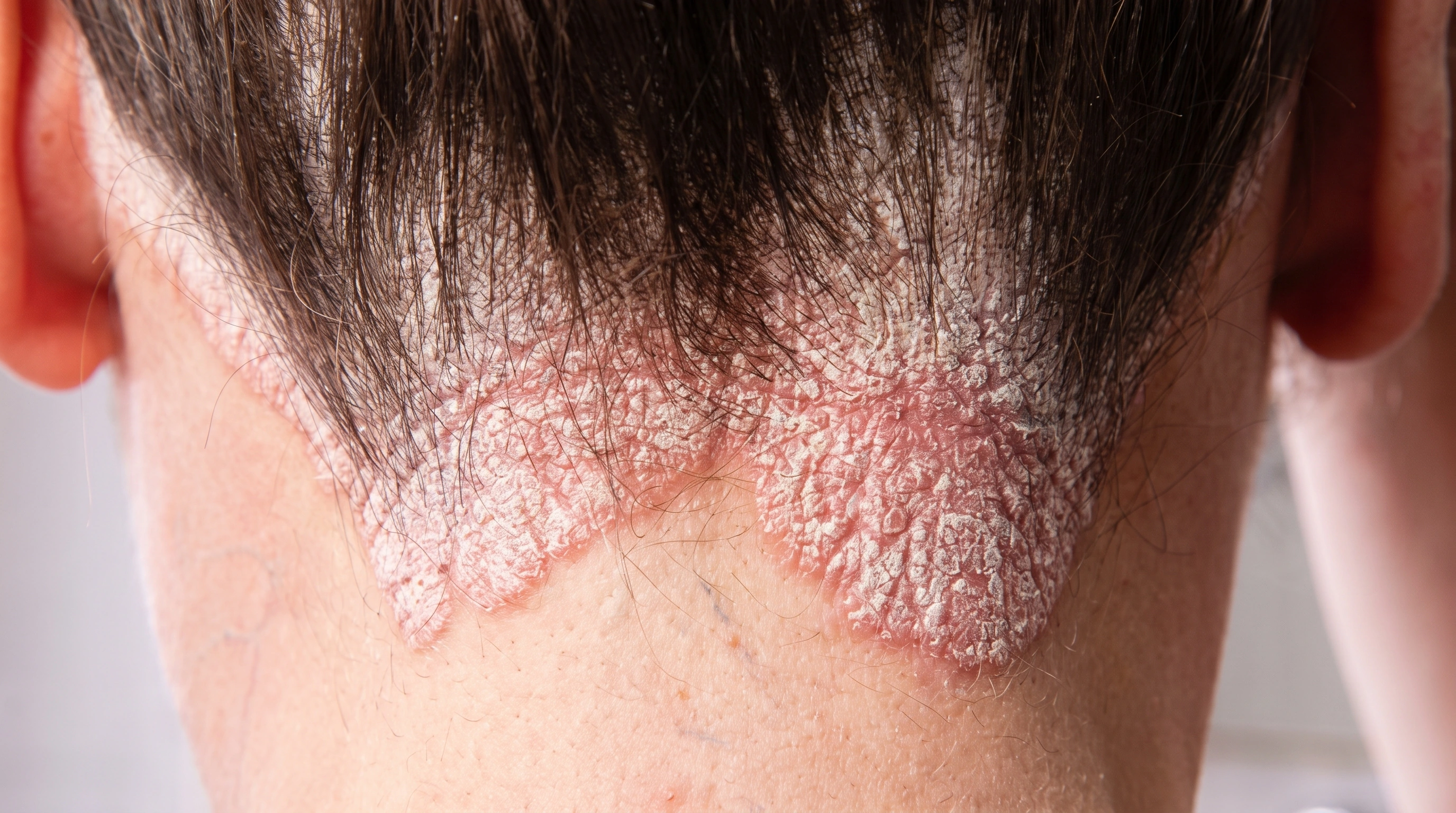
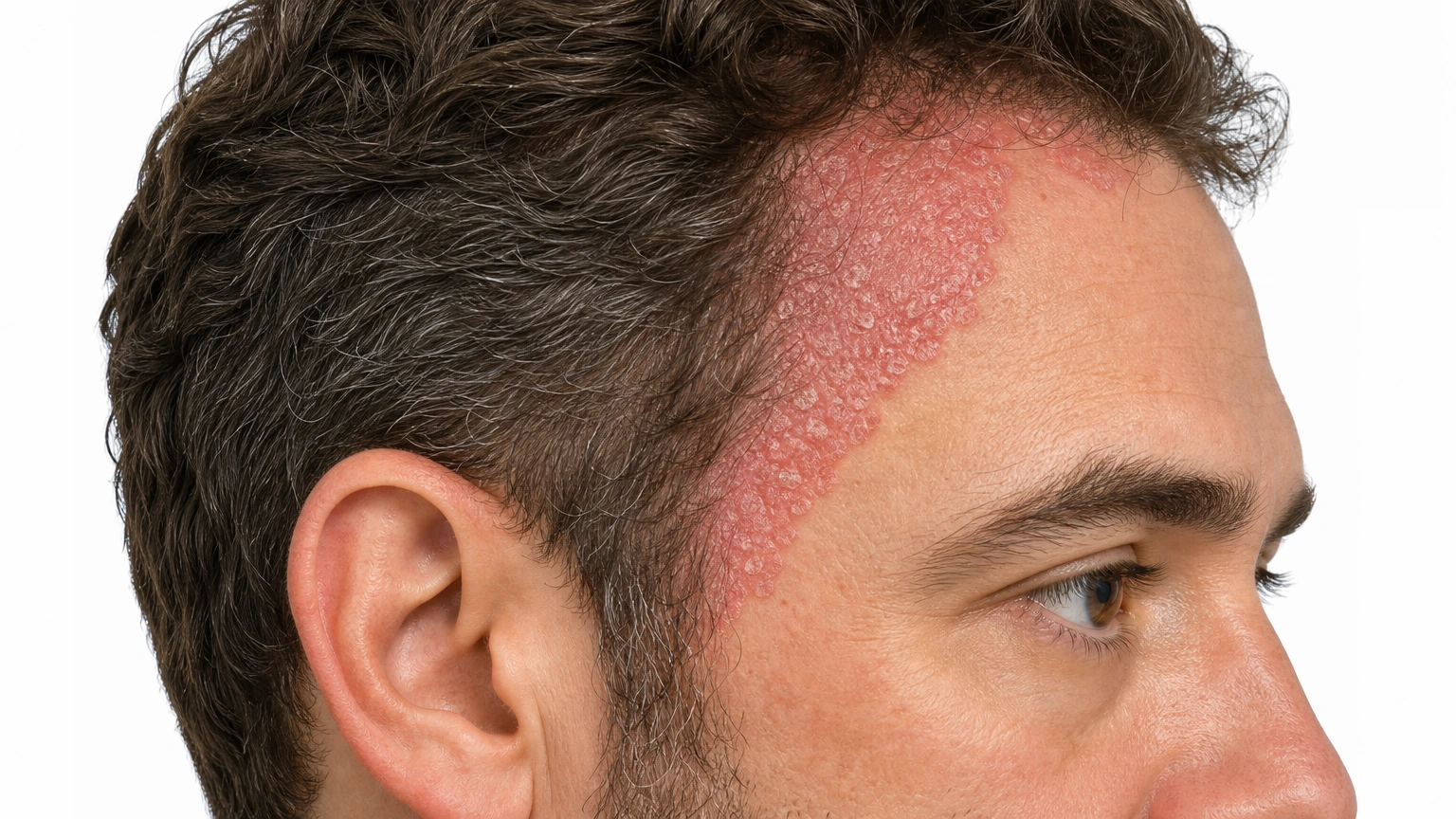
A raised inflamed scalp plaque with sparse broken hairs, scale and small pustules.

Kerion A swollen, inflamed scalp plaque has sparse broken hairs and small pustules.

Traction Alopecia

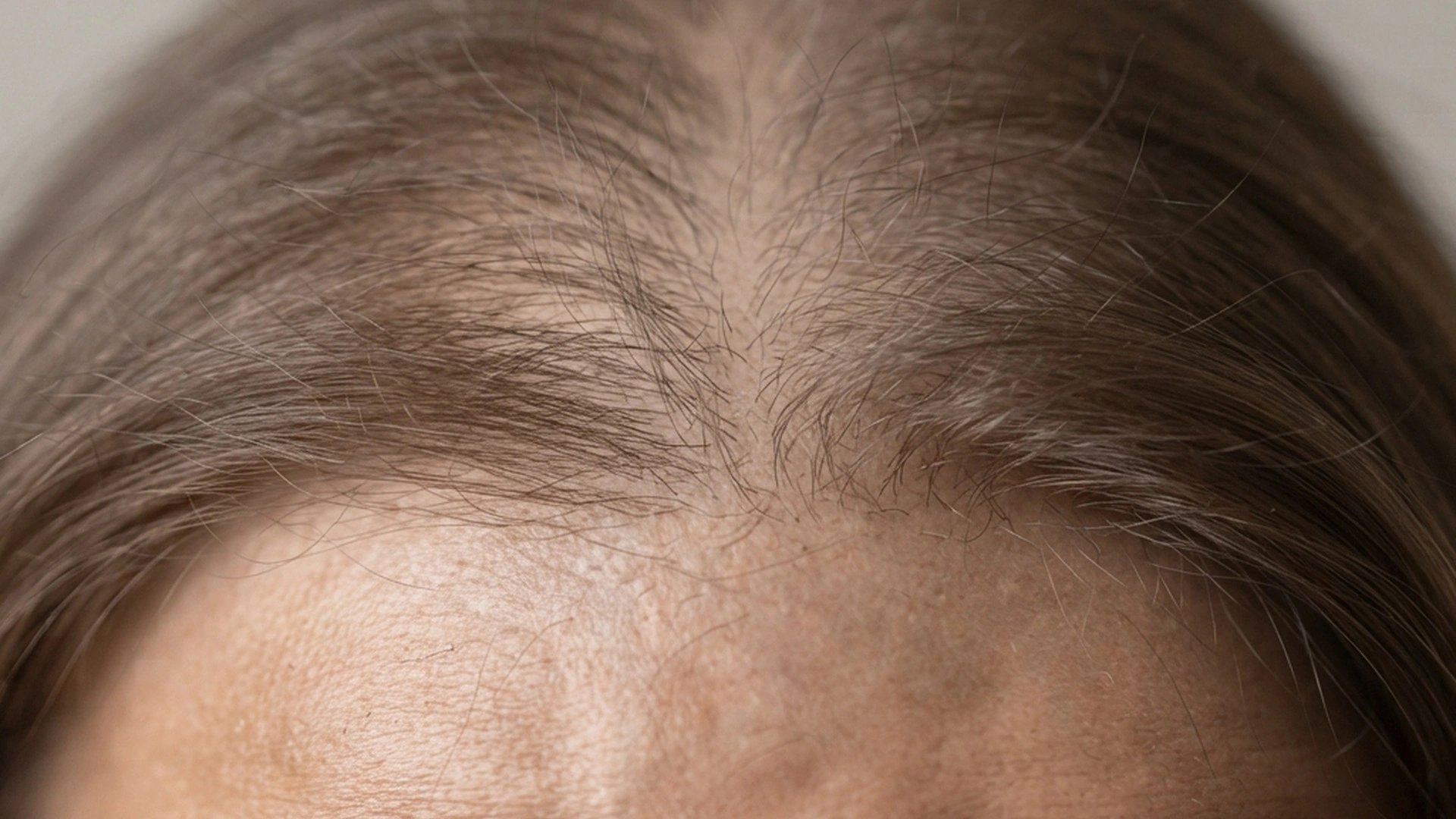
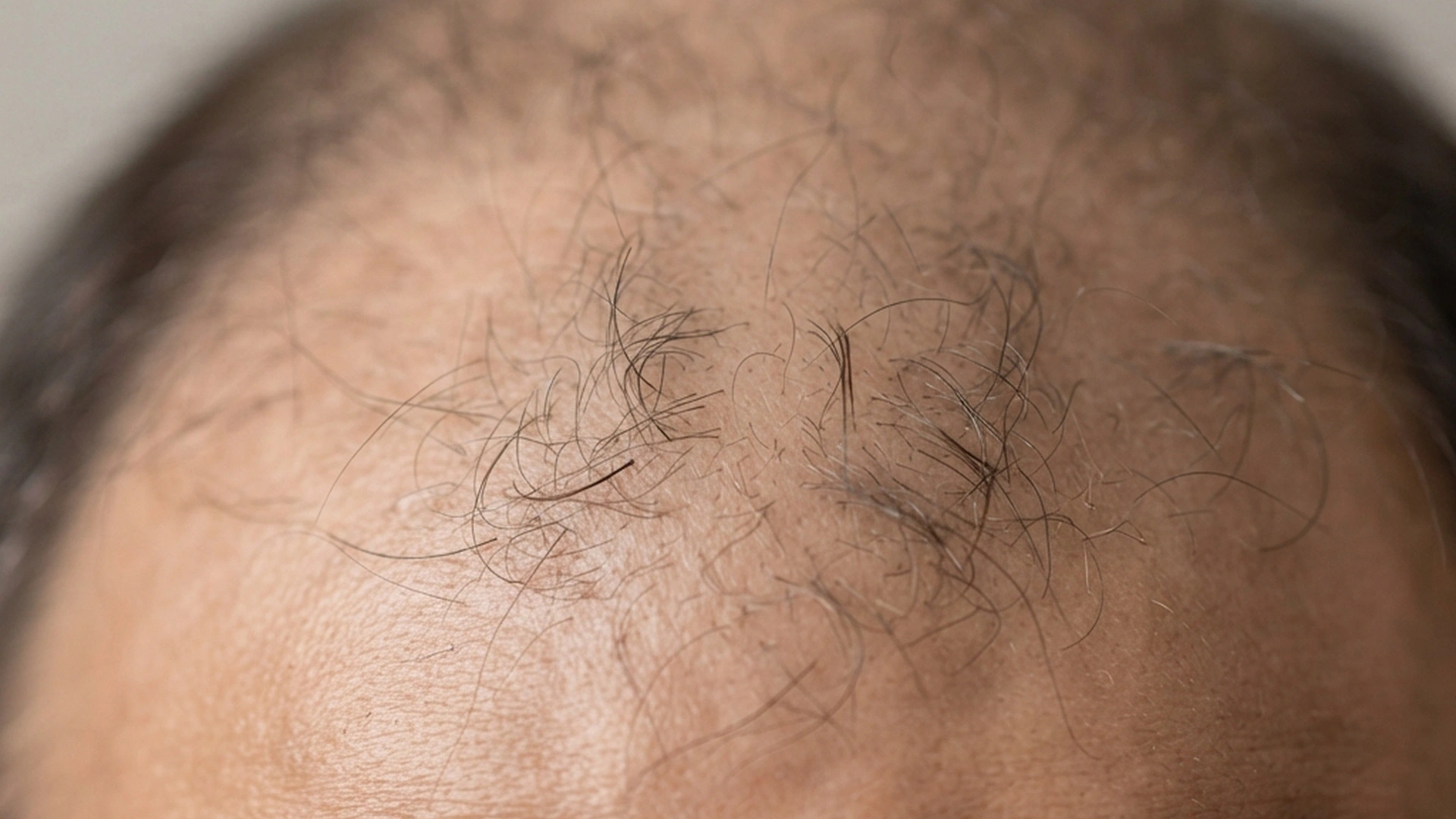
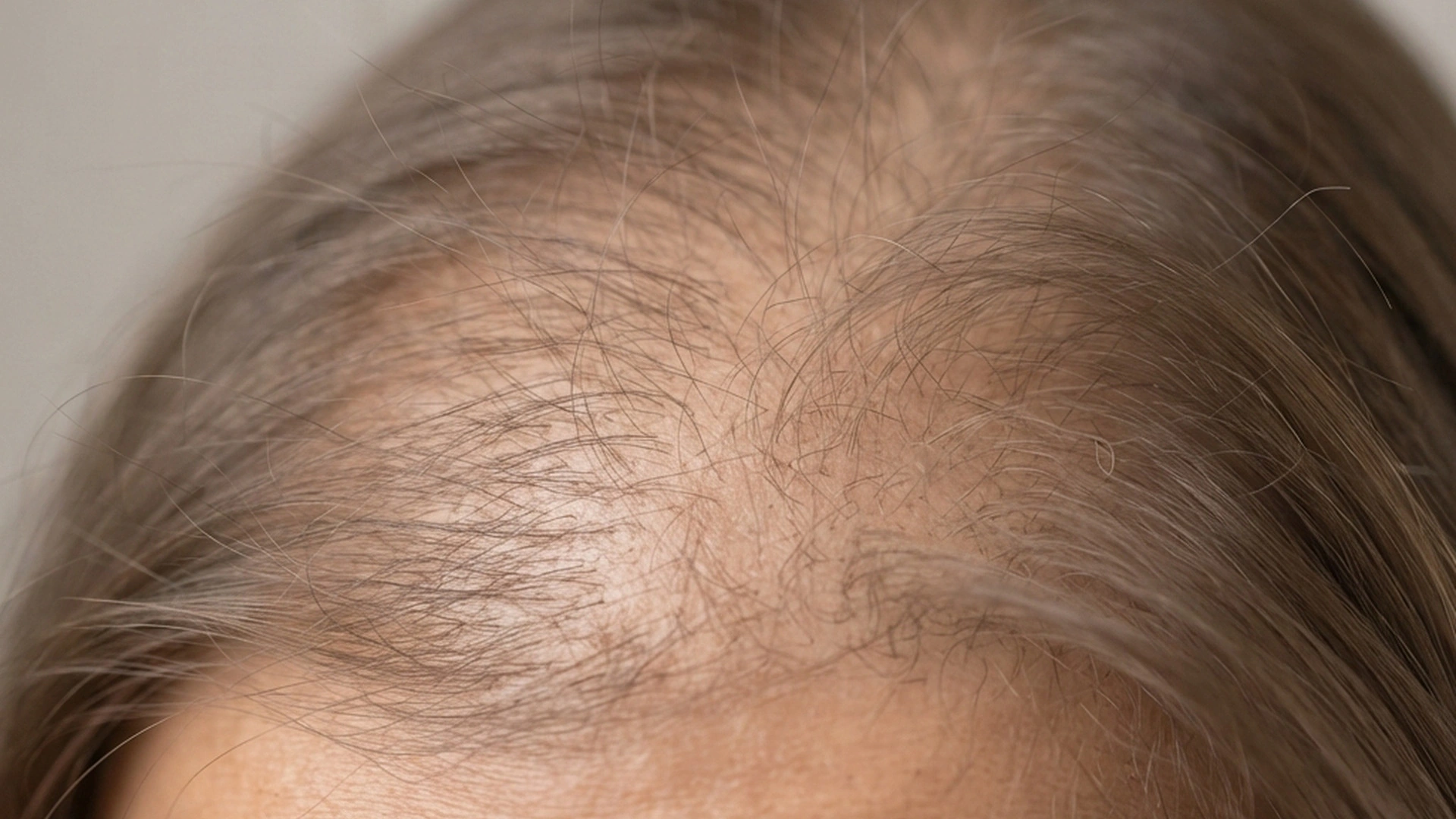
Braided hair with thinning at the temple and front hairline.

Traction Alopecia The temples show reduced hair density beside tightly pulled braids.
Skin tones
Tinea Capitis.
Tinea Capitis on medium skin.
Tinea Capitis.
Tinea Capitis.
traction alopecia on light skin.
traction alopecia on medium skin.
traction alopecia on brown skin.
traction alopecia on deep skin.
In the skin

Dermatophyte fungi infect scalp hairs and nearby keratin-containing skin. Hair-shaft damage and the surrounding inflammation can produce broken hairs or patches of hair loss.

Repeated pulling places stress on hair follicles and can disrupt hair growth. Early injury may recover, but longstanding traction can destroy follicles and leave scarring.

When it usually starts

010203040506070+

Tinea Capitis. Most common before puberty; adults can also be affected.

Traction Alopecia. Can start at any age with repeated tension.

Causes and triggers

Causes

Dermatophyte fungi infect keratin-containing skin or hair.

Chronic traction injures follicles; early damage can be reversible but longstanding damage can scar.

Risk factors
Contact with an infected person or animal, Fungal infection elsewhere
Tight braids or ponytails, Heavy extensions
Trigger
● Tinea Capitis
● Traction Alopecia
Fungal exposure
Can contribute
Not listed
Sharing contaminated items
Can contribute
Not listed
Repeated hairstyle tension
Not listed
Can contribute

Daily Care

Tinea Capitis
Traction Alopecia
Daily care

Habits that help

  • Keep the affected area gently clean and dry
    Pat rather than rub and change clothing or headwear that stays damp.
  • Keep towels, combs, brushes and razors for your own use
    Wash shared fabrics and clean personal tools to reduce spread.
  • Wash hands after touching affected skin
    Avoid scratching or moving fungal material to other areas.
  • Complete the prescribed antifungal plan
    Symptoms may improve before infection has fully cleared.
  • Follow the oral-treatment plan and household advice
    Shampoo alone cannot cure scalp ringworm; contacts or pets may need assessment.
  • Follow the tinea capitis care plan
    Avoid sharing towels, combs or razors. Keep the area clean and follow the full treatment course.
  • Transmission-reducing measures
    Do not share combs or razors. Antifungal shampoo may be an adjunct for scalp infection, not a cure by itself.

Avoid

  • Avoid: Steroid cream alone on a suspected fungal rash
    It can hide the appearance and allow infection to spread.
  • Avoid: Relying on hygiene alone to clear the infection
    Persistent disease needs the correct diagnosis and antifungal treatment.

Habits that help

  • Loosen any hairstyle that pulls or hurts
    Stop tension early; persistent pulling can permanently damage follicles.
  • Choose loose styles and lighter extensions
    Give affected edges and part lines a break from repeated tension.
  • Handle thinning areas gently when washing and detangling
    Use a gentle routine rather than vigorous brushing or scalp massage.
  • Protect exposed scalp from the sun
    Use a comfortable hat that does not pull the hair or sunscreen on exposed skin.
  • Discuss hair-loss assessment
    Active inflammation or uncertain diagnosis needs a dermatologist’s plan before adding medicines.

Avoid

  • Avoid: Tight braids, ponytails or heavy extensions
    Pain, bumps and tenderness mean a style is too tight.
  • Avoid: Repeated heat or chemical processing on fragile hair
    Seek assessment for ongoing loss, scalp inflammation or smooth scarred areas.

Treatment differences

Evidence labels come from each condition’s own treatment list.

Treatment
● Tinea Capitis
● Traction Alopecia
Treatment approach
—

Remove the pulling force by changing tight or heavy hairstyles. Early assessment can identify inflammation or permanent follicle damage and guide any additional treatment.

Prescription pills

Oral antifungal treatment

Listed

Scalp or beard hair infection usually needs oral therapy; choice depends on organism, age and medical history.

None listed

Outlook

Long term

Scalp ringworm usually clears with an appropriate oral antifungal course. Hair often regrows, but severe inflammatory infection can cause permanent loss, making early treatment important.

Early traction-related loss may regrow after pulling stops. Long-standing tension can destroy follicles and leave permanent loss, so continuing thinning or scalp inflammation deserves early assessment.

Complications

Possible complications

An untreated infection can spread to contacts or other sites; inflamed hair infection can scar.

Permanent scarring can follow prolonged traction.

When to get help

When to get help

Arrange prompt treatment; scalp ringworm needs oral medicine, and shampoo alone will not cure it.

Arrange assessment for persistent loss, patchiness, scalp pain, scaling or loss of follicular openings.

Common questions

Tinea Capitis:What is Tinea Capitis?

Ringworm of the scalp and hair shafts, usually in children.

Tinea Capitis:What can I do day to day?

Avoid sharing towels, combs or razors. Keep the area clean and follow the full treatment course.

Tinea Capitis:When should I get medical advice?

Arrange prompt treatment; scalp ringworm needs oral medicine, and shampoo alone will not cure it.

Traction Alopecia:What is Traction Alopecia?

Hair loss caused by repeated tension on hair follicles.

Traction Alopecia:What can I do day to day?

Remove the pulling force promptly; styles should not hurt or pull at the scalp.

Traction Alopecia:When should I get medical advice?

Arrange assessment for persistent loss, patchiness, scalp pain, scaling or loss of follicular openings.

Sources
Sources and further reading

  1. Tinea capitis
  2. Traction alopecia
Dermapedia on YouTube