Intertrigo vs Heat Rash
Inflammation where opposing skin surfaces rub in a warm moist fold. Miliaria is an itchy or prickly eruption caused by blocked sweat ducts.
Key differences
The same eight facts on every condition comparison.
What is it?
- What it is
Inflammation where opposing skin surfaces rub in a warm moist fold.
- What it is
Miliaria is an itchy or prickly eruption caused by blocked sweat ducts.
What it looks like
Intertrigo
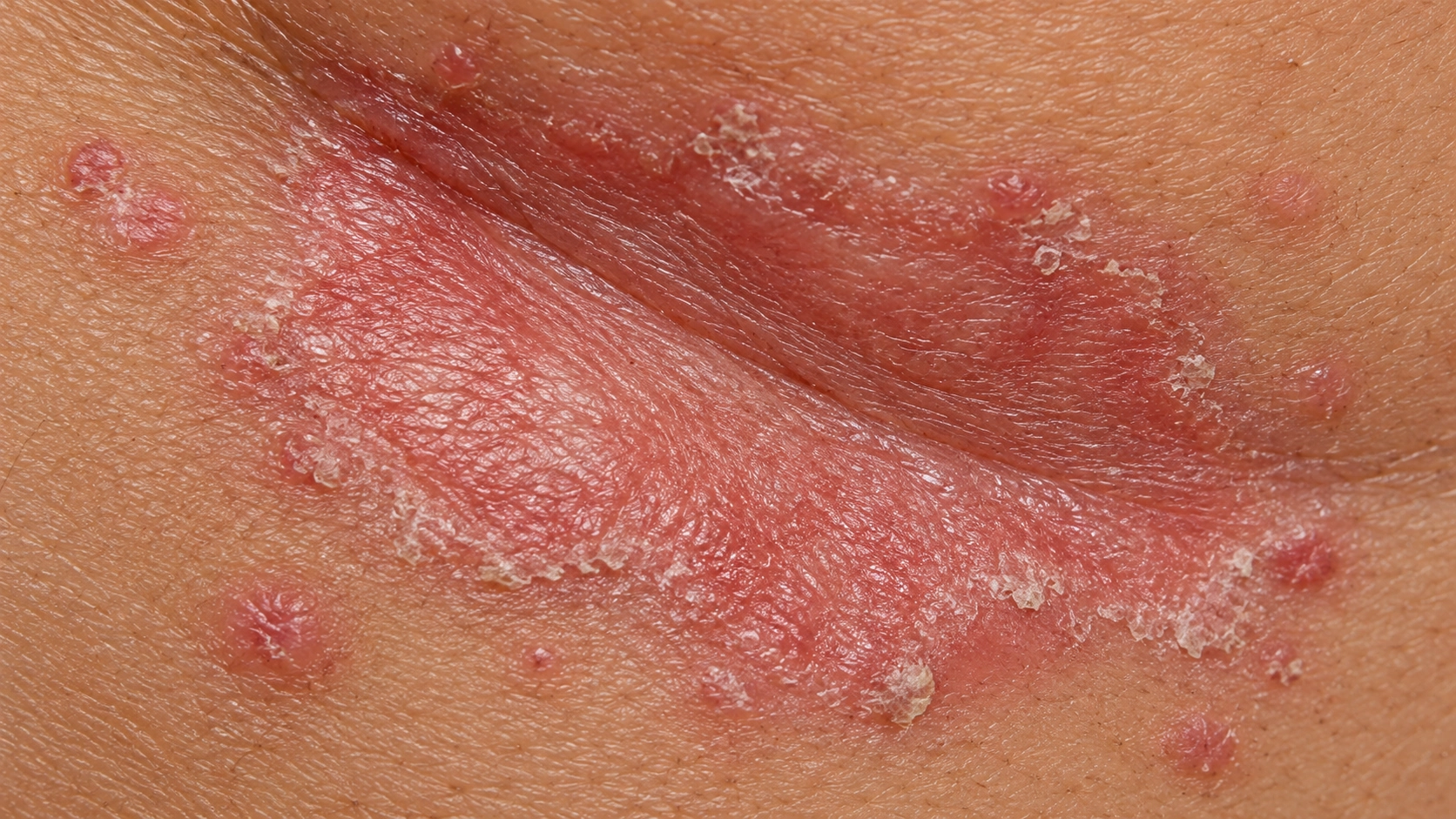
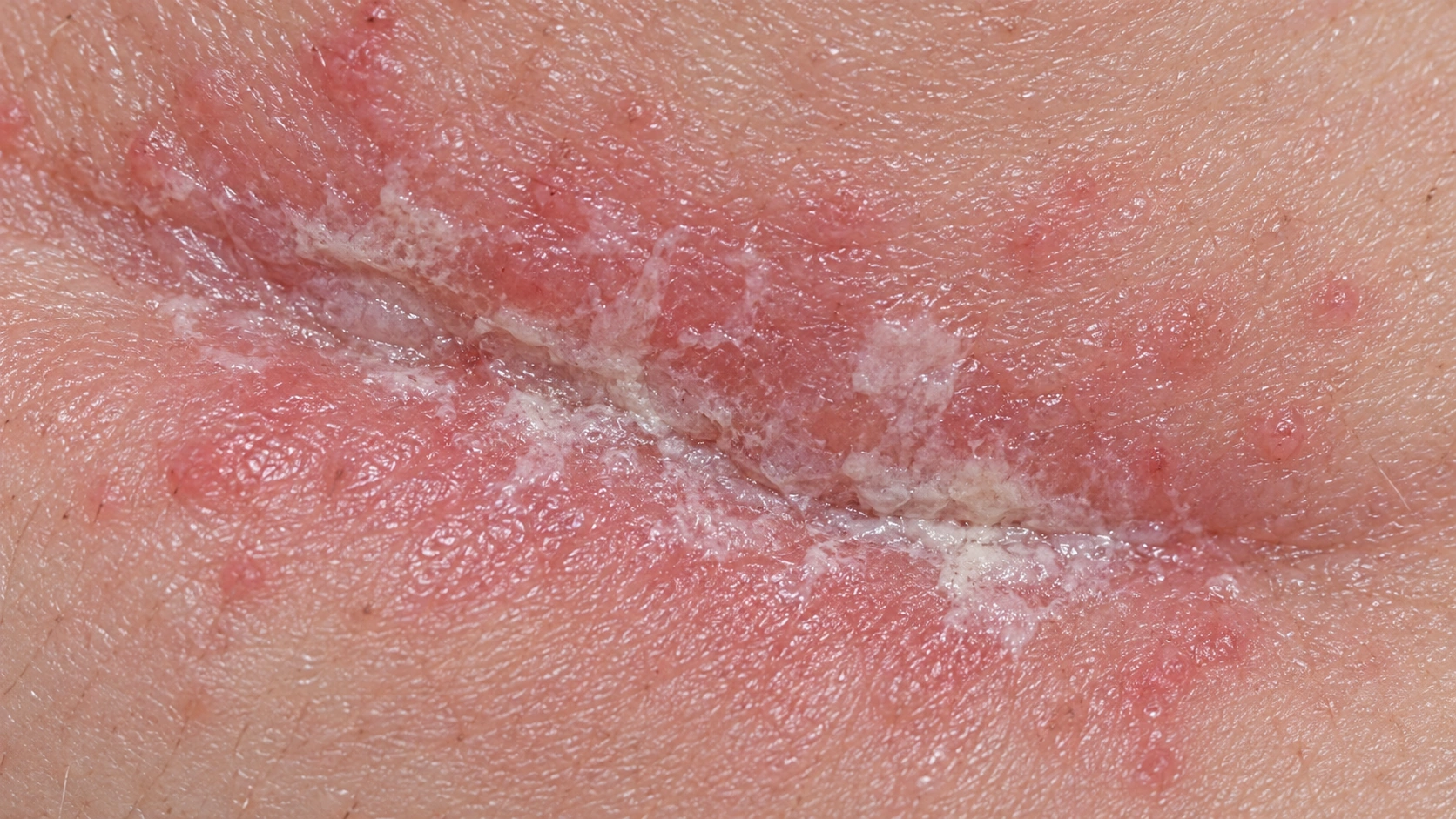
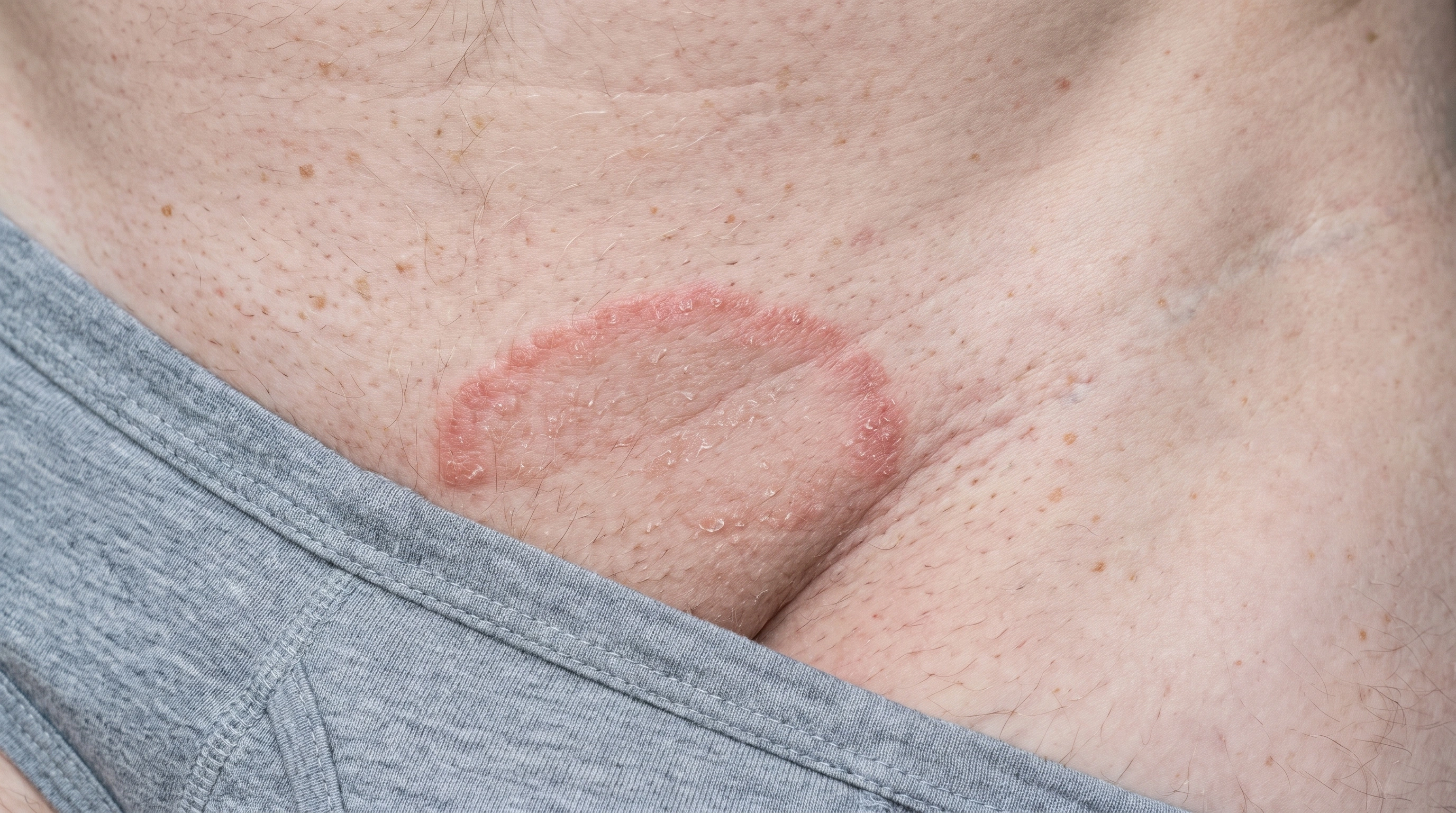
Intertrigo The irritated area follows the crease where skin surfaces meet.
Heat Rash
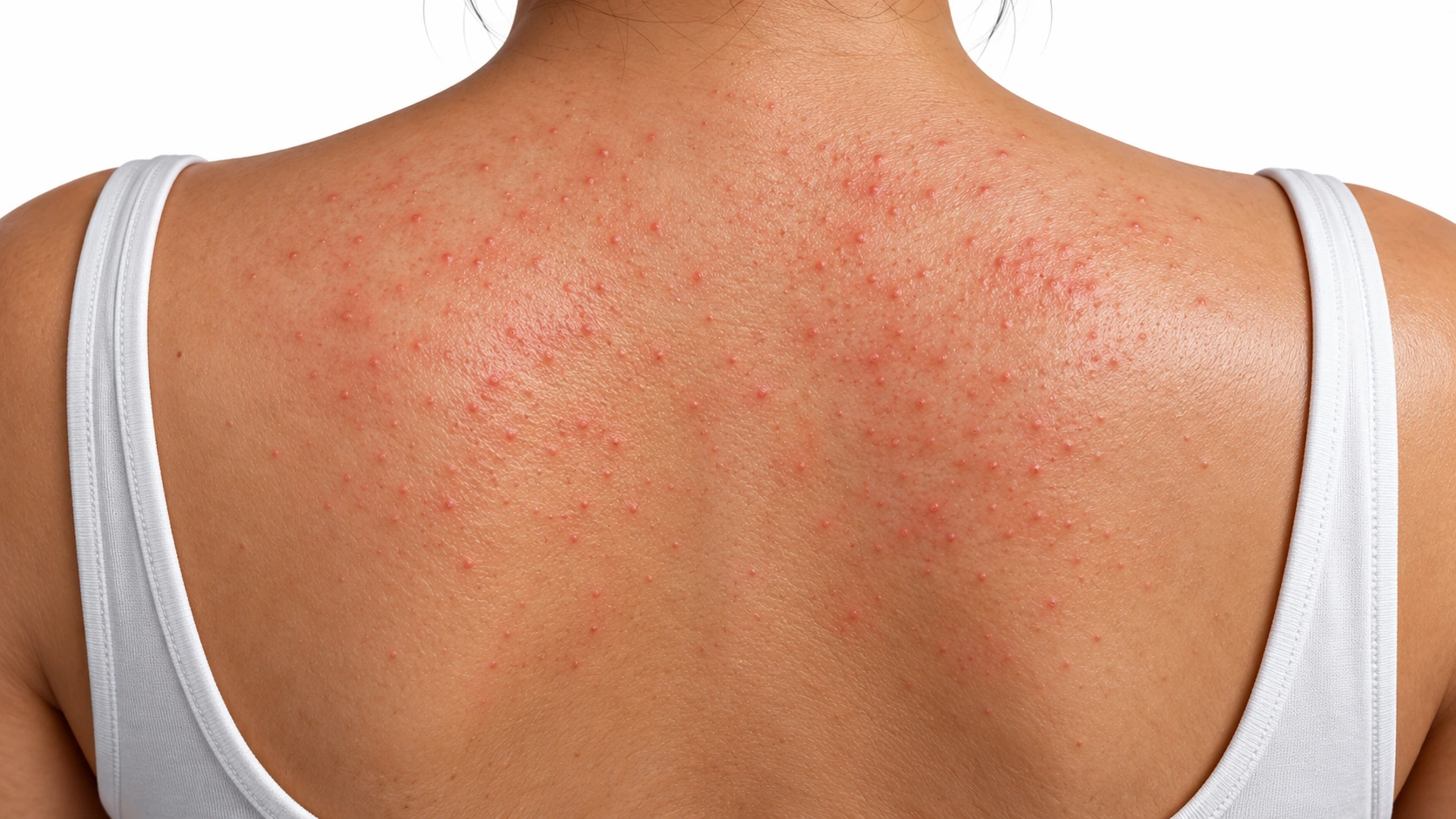
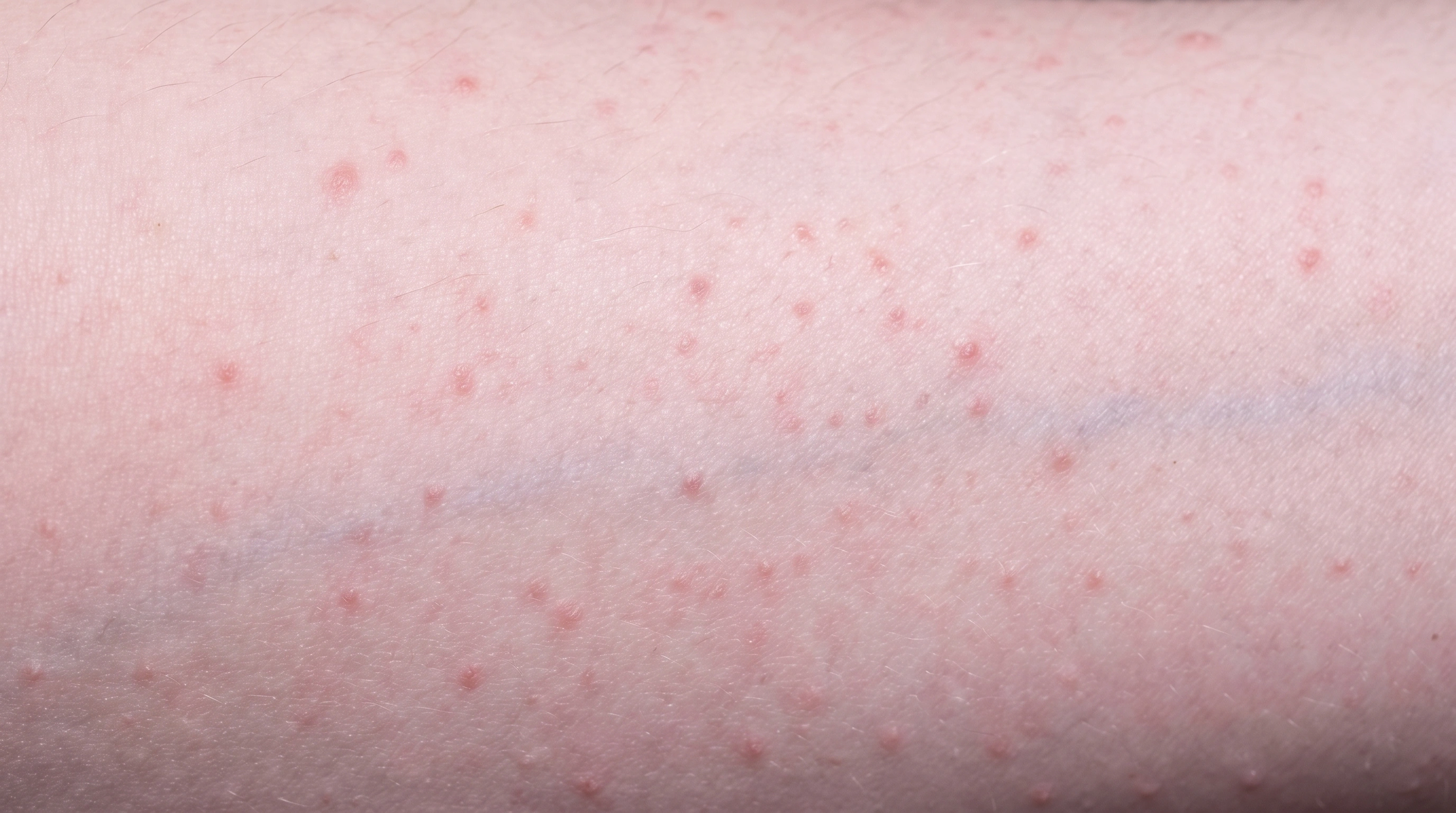
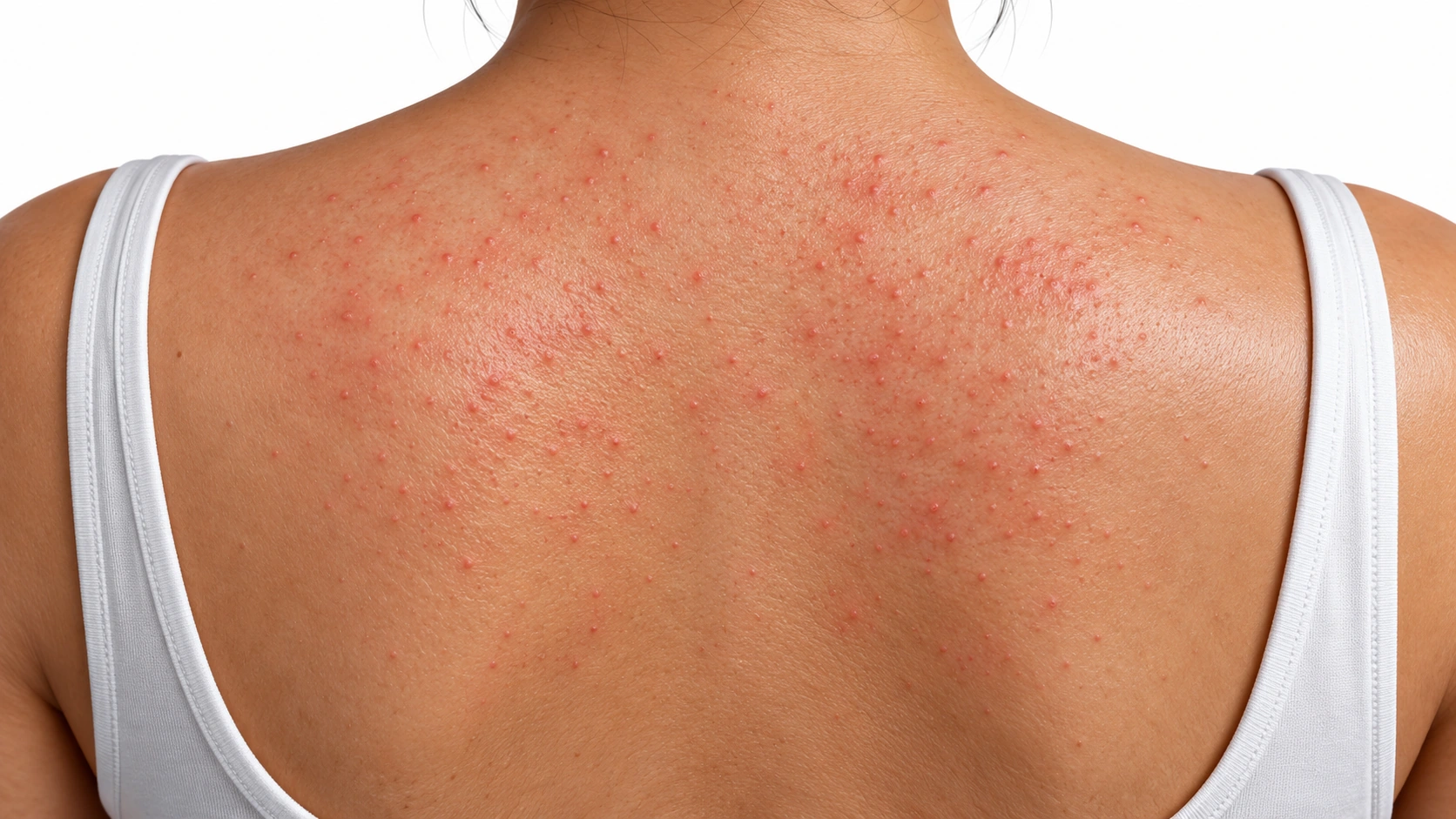
Heat Rash Many tiny bumps are scattered over a broad pink area.
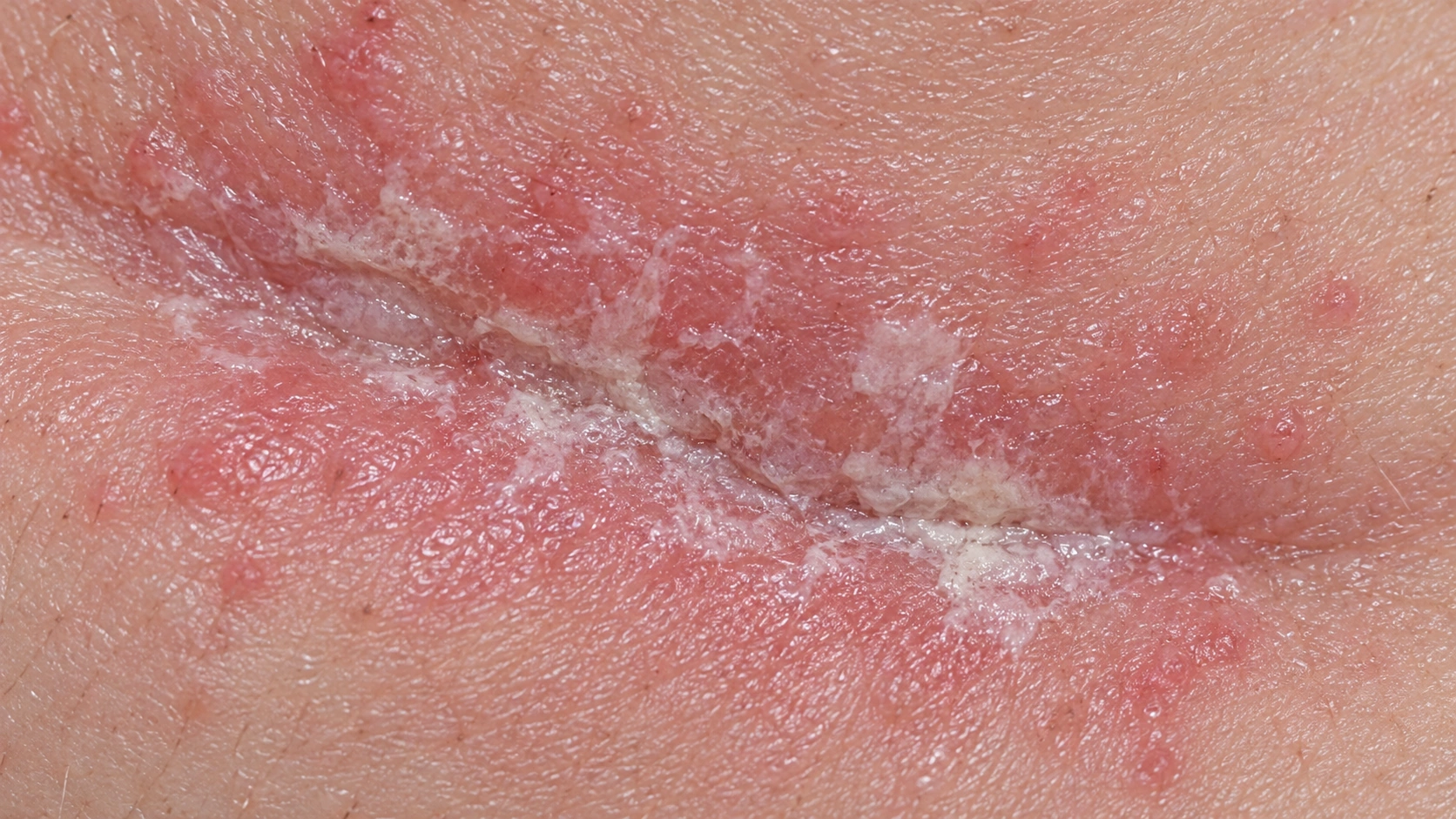
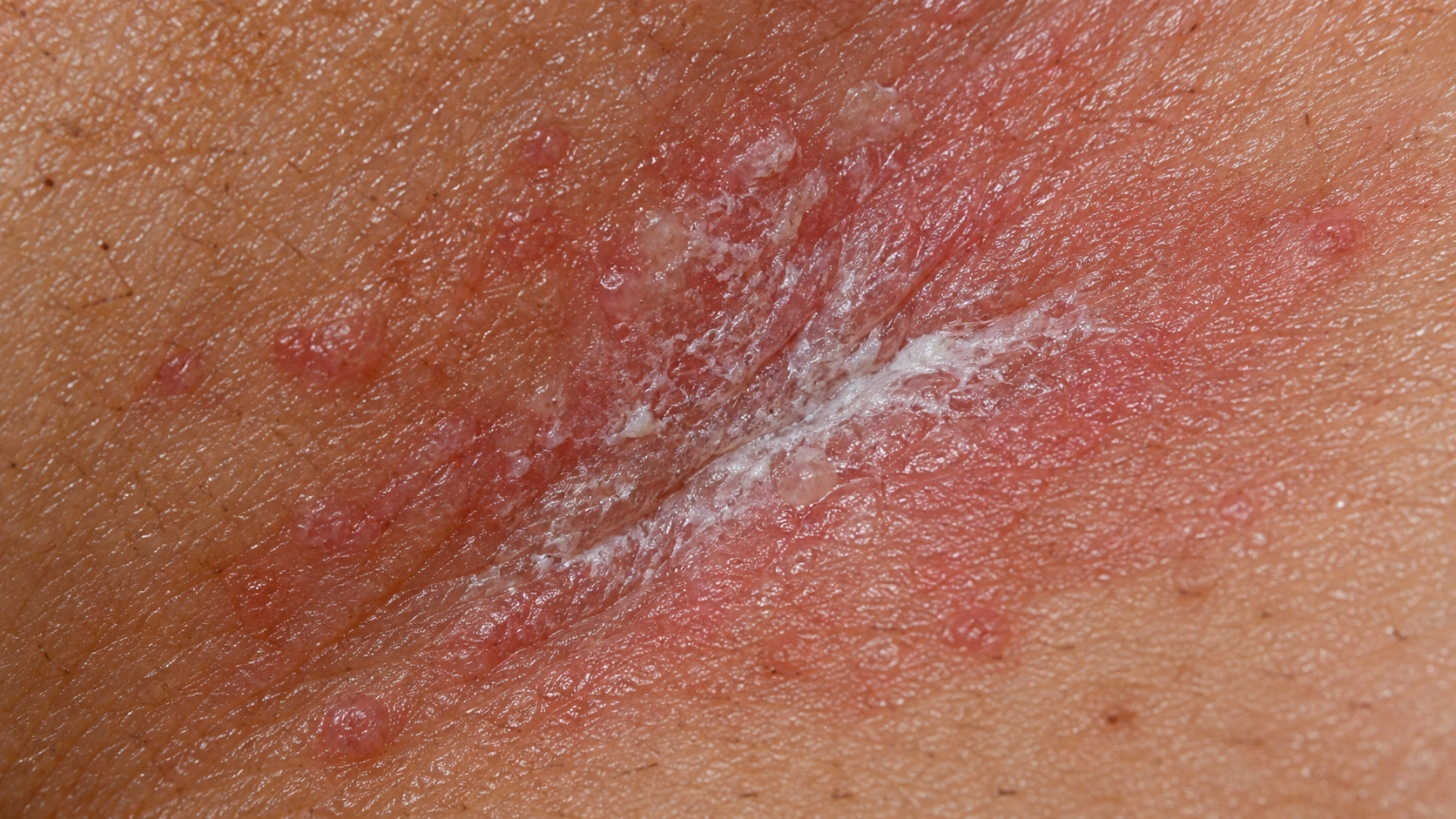
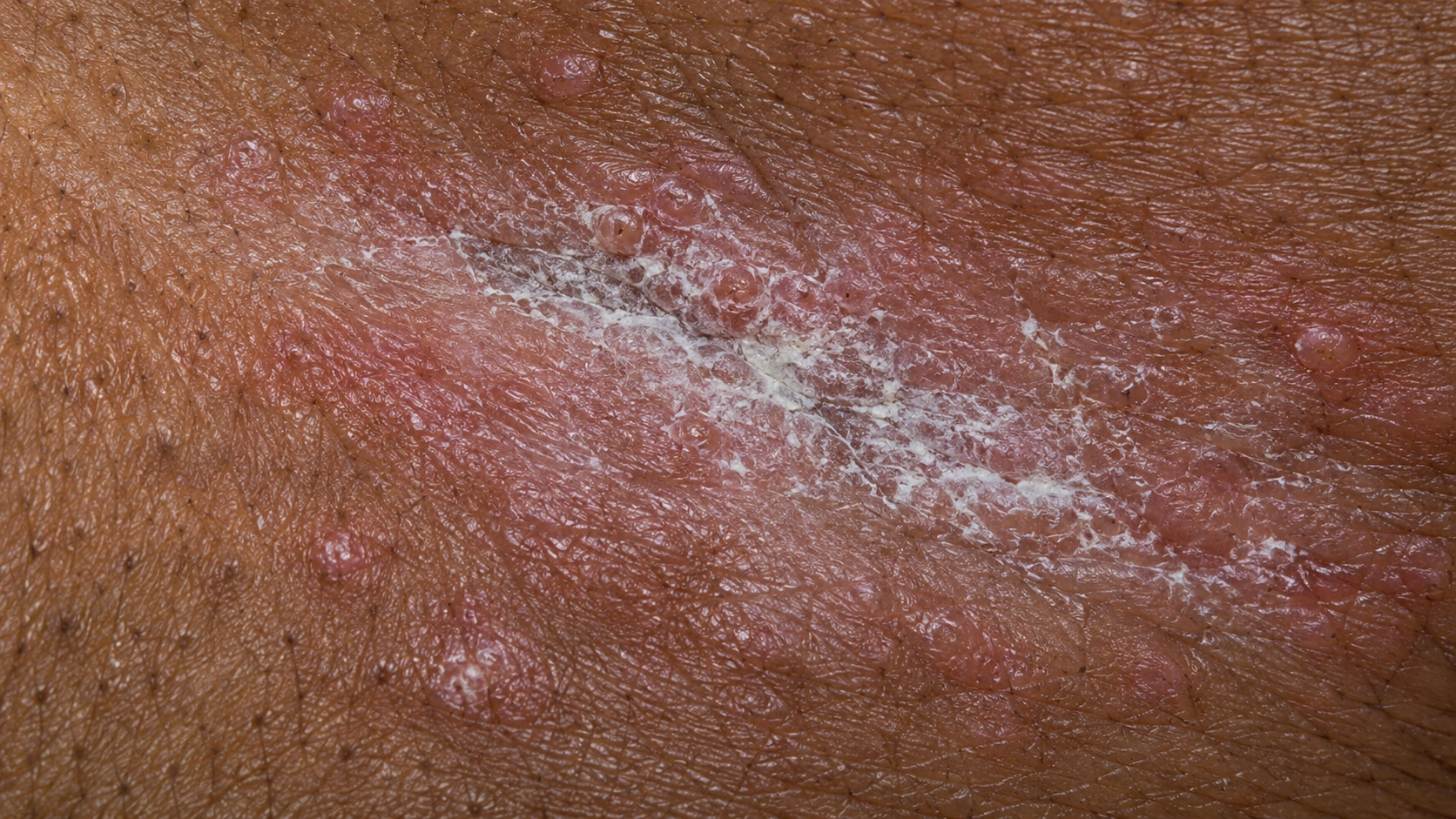
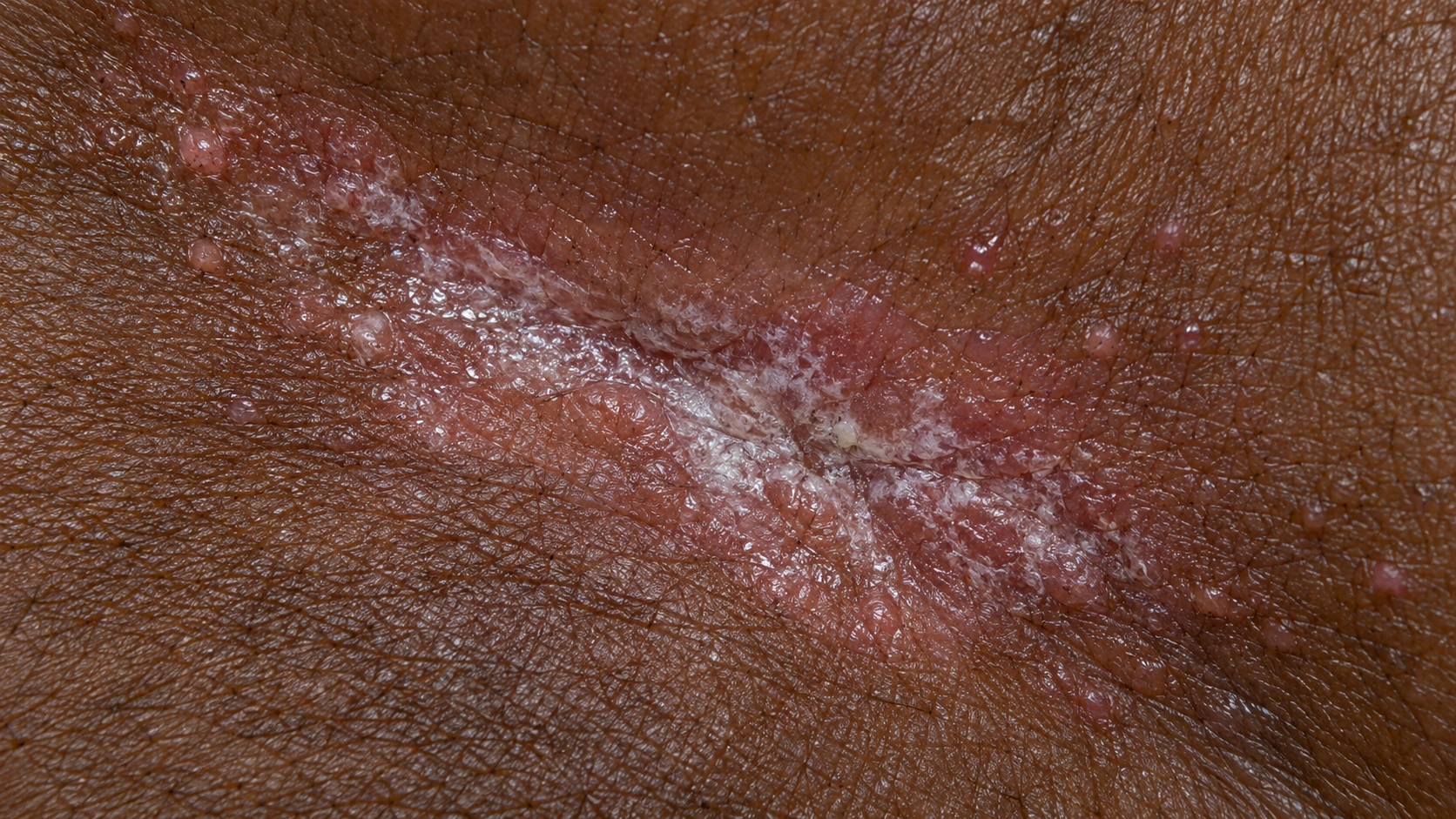
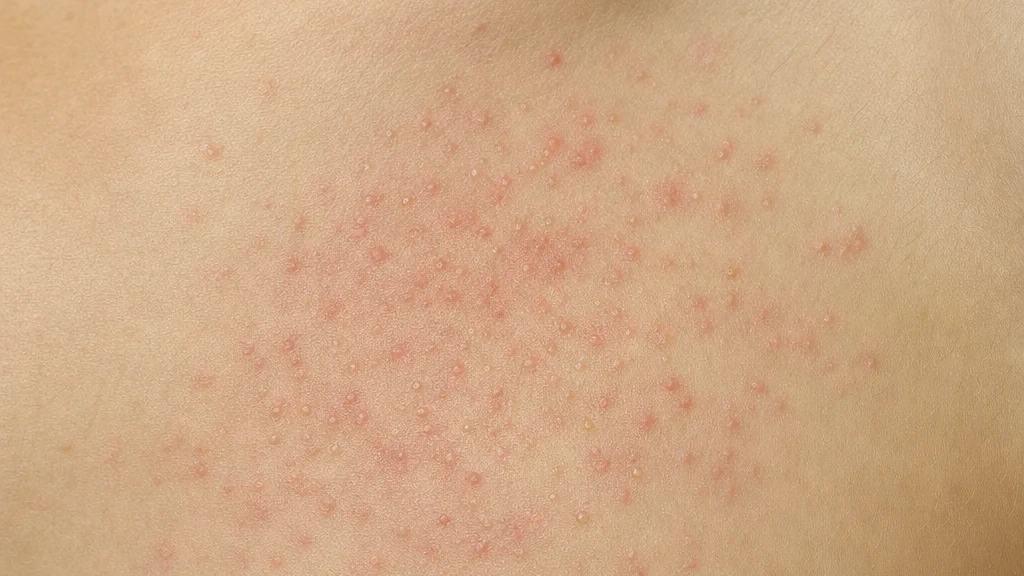
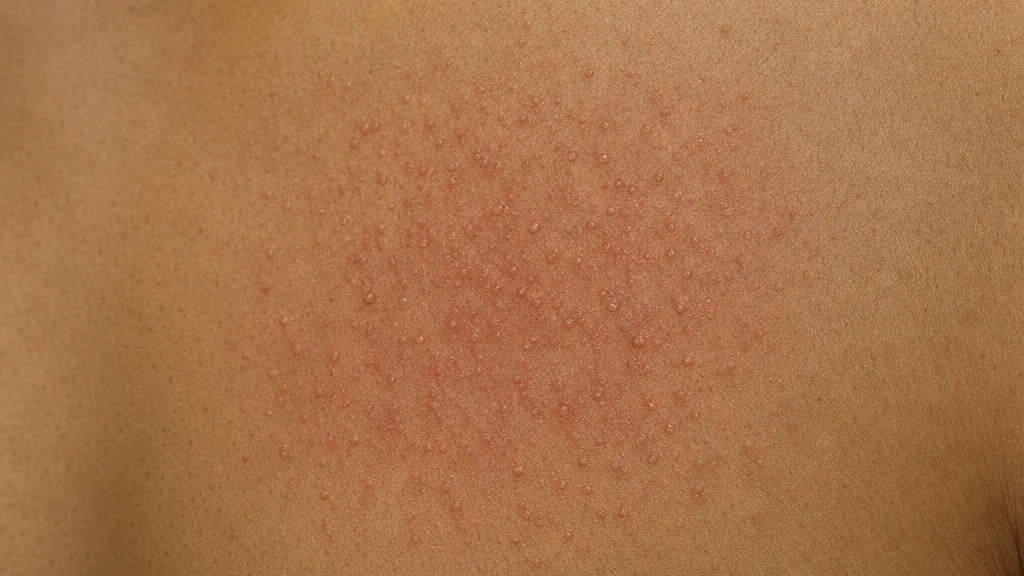
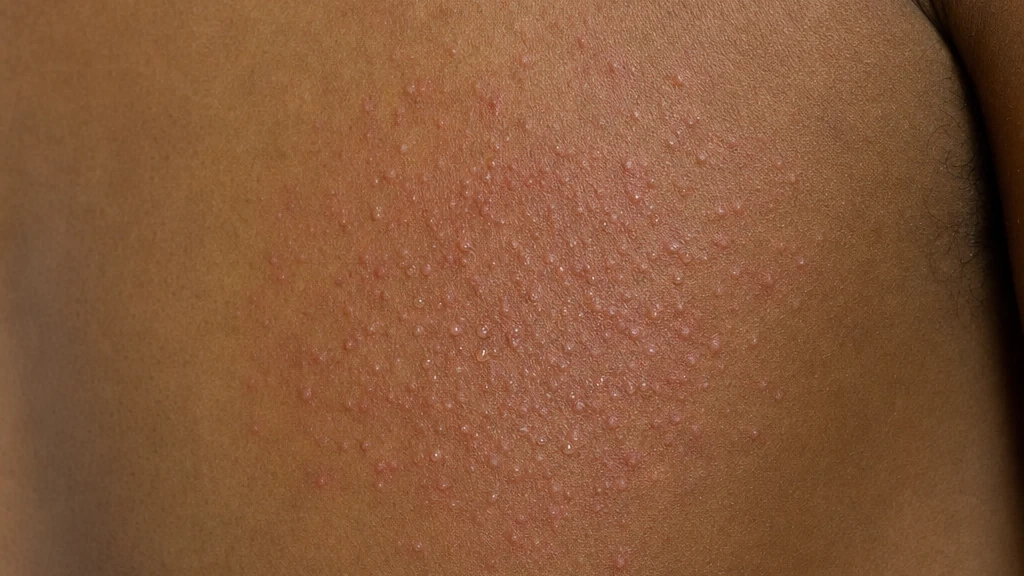
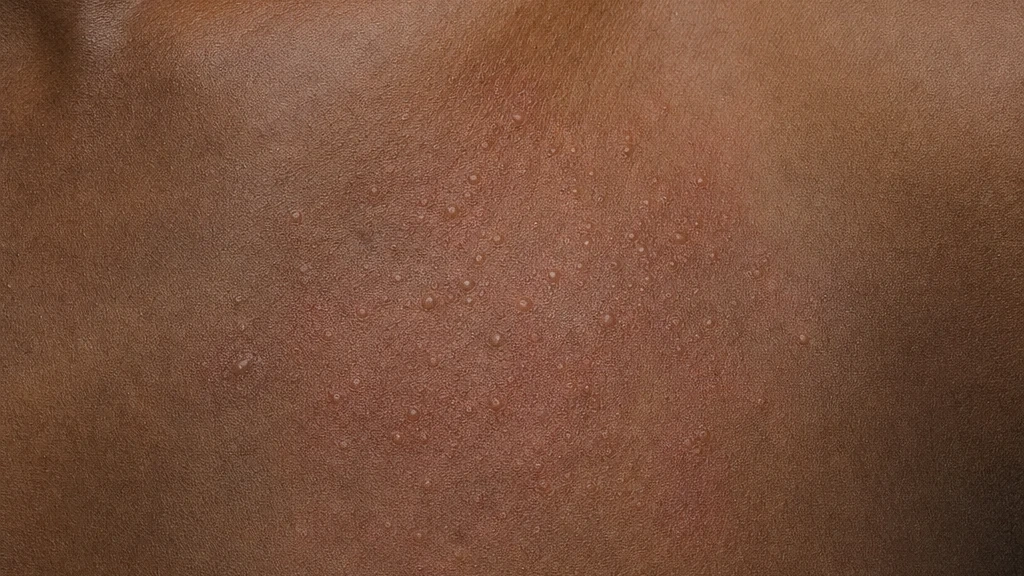
Trapped moisture and friction weaken the barrier where skin surfaces rub together. The damaged fold becomes inflamed, and infection may sometimes develop alongside it.
Blocked sweat ducts prevent sweat from reaching the surface normally. Trapped sweat irritates surrounding tissue at different levels of the skin.
When it usually starts
Intertrigo. Can occur whenever skin remains damp and occluded.
Heat Rash. Any age; infants are particularly susceptible.
Causes and triggers
Moisture and friction damage the skin barrier in a warm enclosed area.
Blocked sweat ducts trap sweat at different levels of the skin.
Daily Care
Habits that help
- Clean skin folds gently and dry them completely
Pat dry; a cool hairdryer held safely away can help with difficult-to-reach folds. - Change damp clothing and underwear promptly
Choose loose, breathable fabrics to reduce heat and moisture. - Reduce rubbing between skin surfaces
A soft, clean absorbent layer may help; replace it when damp. - Keep the area cool during activity
Wash or rinse after heavy sweating and dry well afterwards. - Discuss cause-specific assessment
Persistent disease may need treatment for yeast, bacteria or another fold disorder.
Avoid
- Avoid: Vigorous scrubbing and fragranced products
Irritation makes an already sore fold harder to heal. - Avoid: Treating every fold rash with a steroid alone
Yeast or bacterial infection may need specific treatment and persistent rash needs assessment.
Habits that help
- Move to a cooler, less humid space
Cooling reduces sweating and helps the rash settle. - Wear loose, breathable clothing and lighter bedding
Change damp clothing promptly and avoid wrapping too warmly. - Use a cool bath or cool damp compress
Pat dry gently rather than rubbing the irritated skin. - Keep skin care light and simple
Wash gently and stop products that aggravate the rash.
Avoid
- Avoid: Heavy ointments and tight occlusive clothing
These can trap heat and sweat against the skin. - Avoid: Continuing strenuous activity while overheated or unwell
Rest and cool down; dizziness, confusion or other heat-illness symptoms need urgent help.
Treatment differences
Reduce moisture and friction while identifying any infection or other fold disorder. Antifungal, antibacterial or anti-inflammatory treatment should match the diagnosis; a steroid alone may be unsuitable.
Cooling the skin, reducing sweating and avoiding heavy occlusive products are the main measures. Persistent or severe symptoms need assessment rather than adding multiple creams.
Outlook
Fold irritation can improve when moisture and friction are reduced and any infection is treated. It often returns if the same conditions persist, so prevention remains part of care.
Heat rash usually settles after the skin cools and sweating is reduced. It may recur in hot or humid conditions; fever, marked pain or failure to improve needs review.
Complications
Damaged skin can develop secondary yeast or bacterial infection.
Scratching can damage the skin; overheating is especially important in infants.
When to get help
Seek care for spreading pain, broken or weeping skin, fever or failure to improve.
Get care for fever, pus, persistent rash or signs that an infant is overheating or unwell.
Common questions
Intertrigo:What is Intertrigo?
Inflammation where opposing skin surfaces rub in a warm moist fold.
Intertrigo:What can I do day to day?
Clean gently, pat dry and reduce moisture and rubbing.
Intertrigo:When should I get medical advice?
Seek care for spreading pain, broken or weeping skin, fever or failure to improve.
Heat Rash:What is Heat Rash?
Miliaria is an itchy or prickly eruption caused by blocked sweat ducts.
Heat Rash:What can I do day to day?
Move to a cool environment, wear breathable clothing and avoid heavy occlusive products.
Heat Rash:When should I get medical advice?
Get care for fever, pus, persistent rash or signs that an infant is overheating or unwell.
Sources
Sources and further reading
Keep exploring.
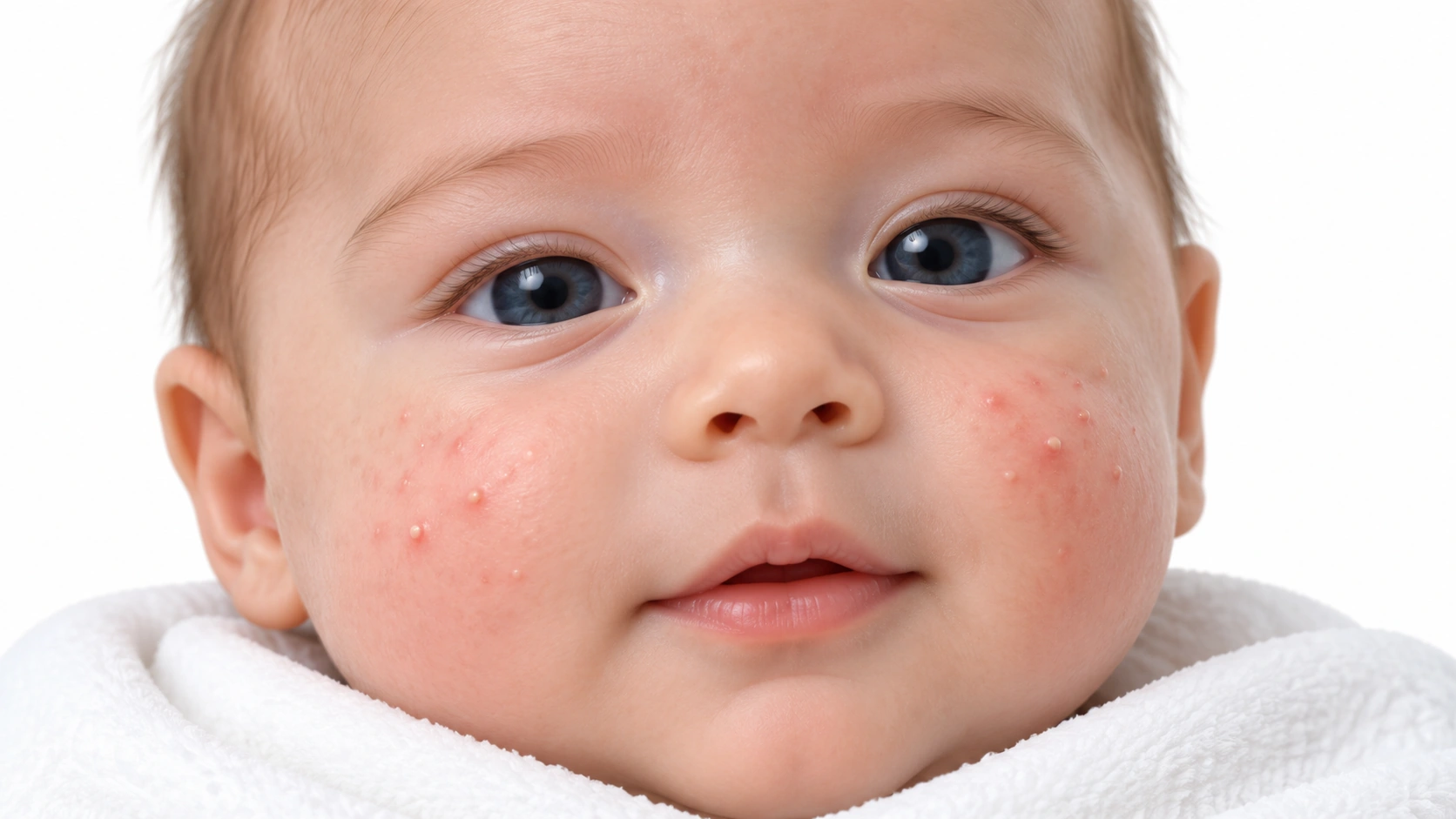
Baby Acne vs Heat Rash

Folliculitis vs Heat Rash
Fungal Acne vs Heat Rash
Heat Rash vs Eczema
Heat Rash vs Sunburn

Hives vs Heat Rash

Hot Tub Folliculitis vs Heat Rash
Candidal Intertrigo vs Intertrigo
Intertrigo vs Contact Dermatitis
Inverse Psoriasis vs Intertrigo
Jock Itch vs Intertrigo
