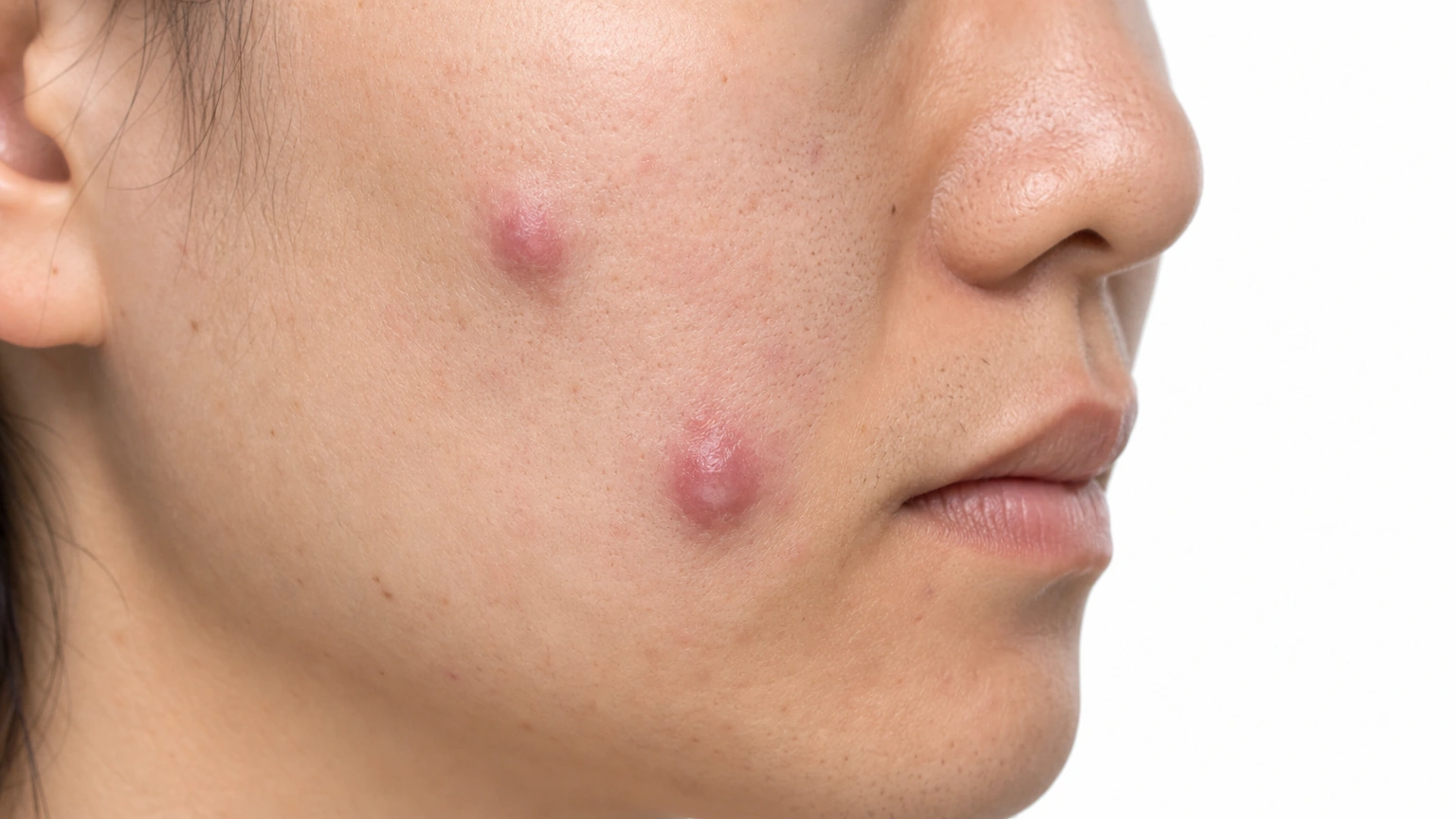
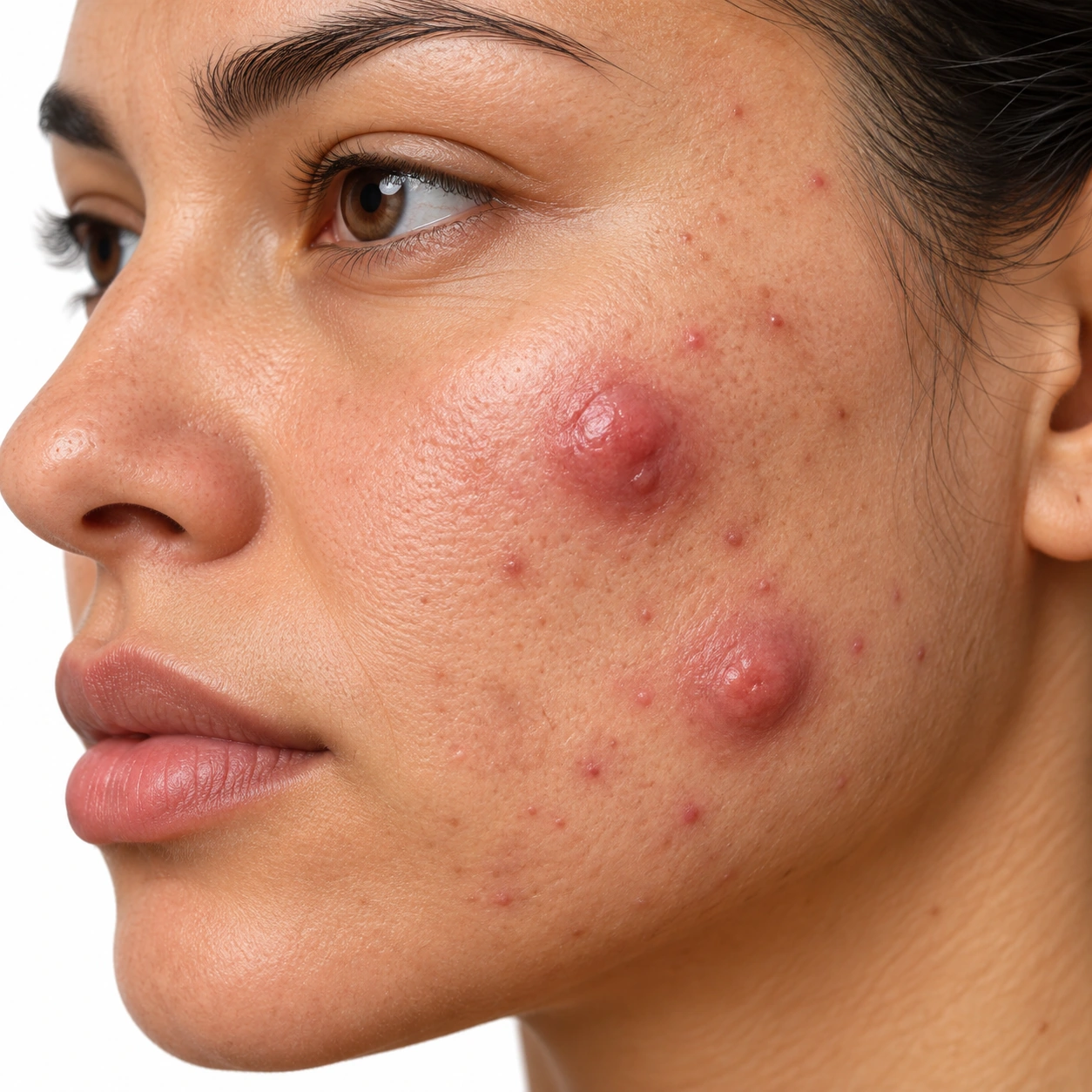
Baby Acne vs Heat Rash
Acne-like spots in early infancy; newborn facial pustules and true infantile acne are different patterns. Miliaria is an itchy or prickly eruption caused by blocked sweat ducts.
Key differences
The same eight facts on every condition comparison.
What is it?
- What it is
Acne-like spots in early infancy; newborn facial pustules and true infantile acne are different patterns.
- What it is
Miliaria is an itchy or prickly eruption caused by blocked sweat ducts.
What it looks like
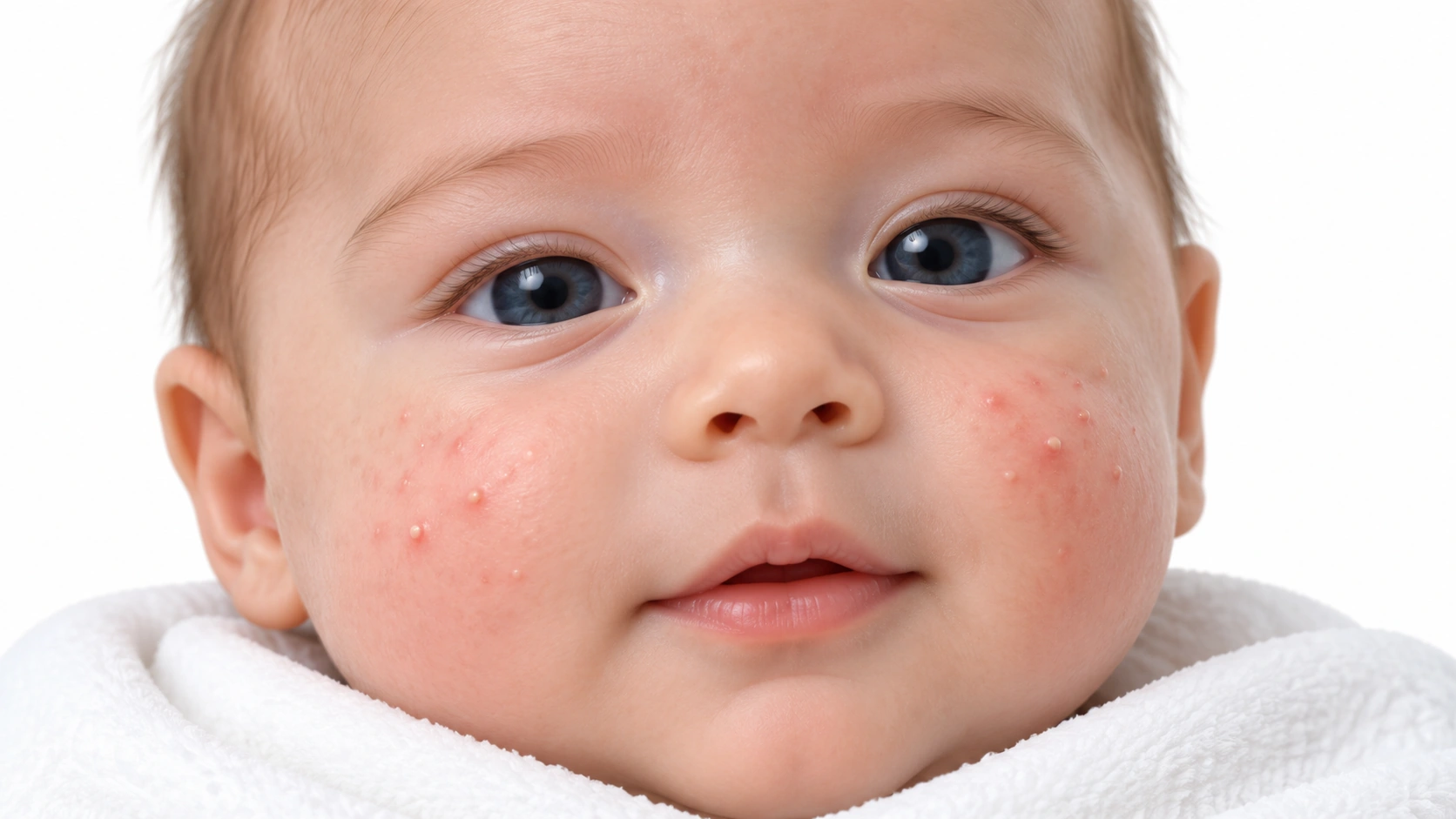
Baby Acne
Baby Acne Scattered pink bumps and pale-tipped pimples appear on both cheeks.
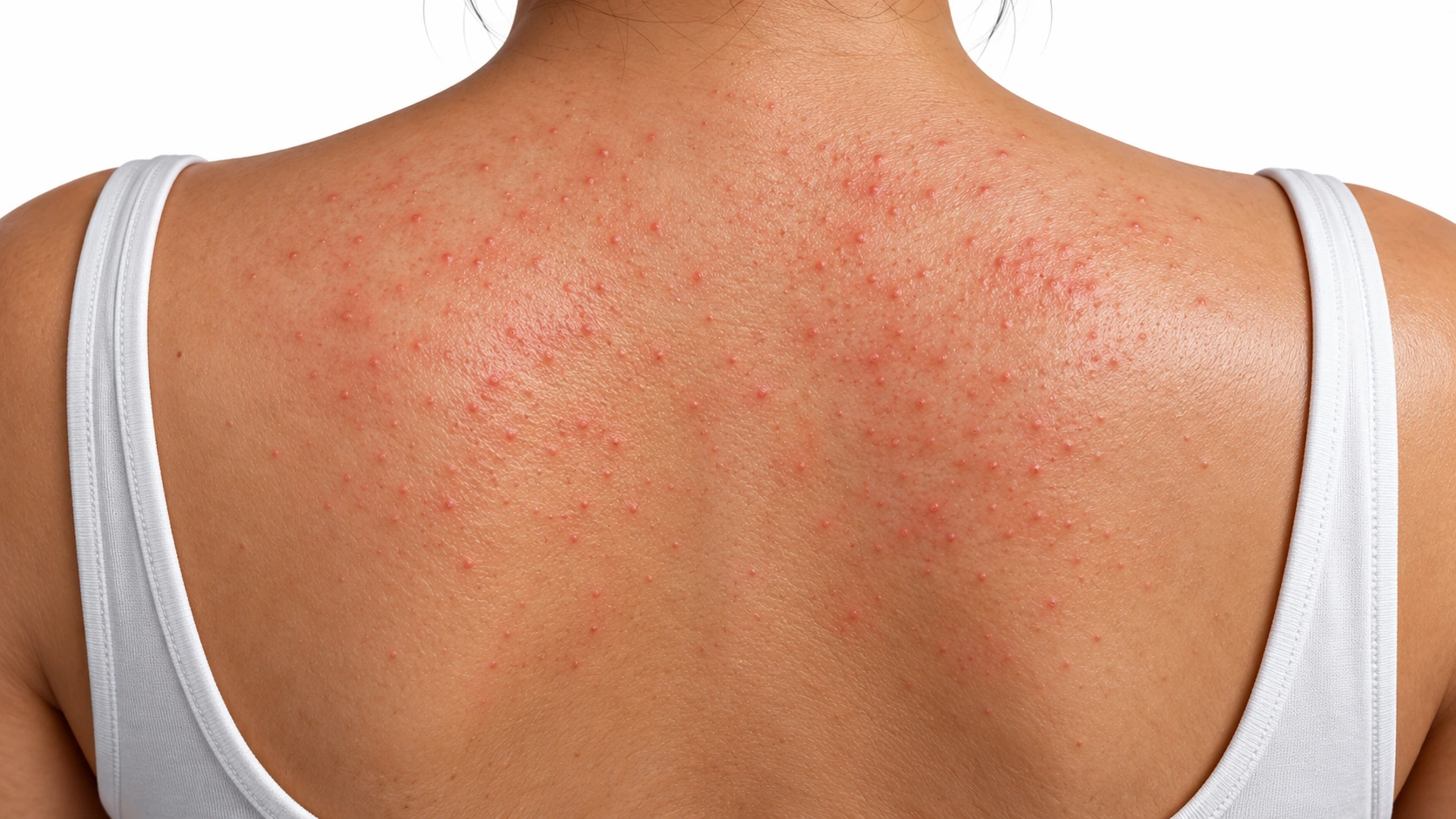
Heat Rash
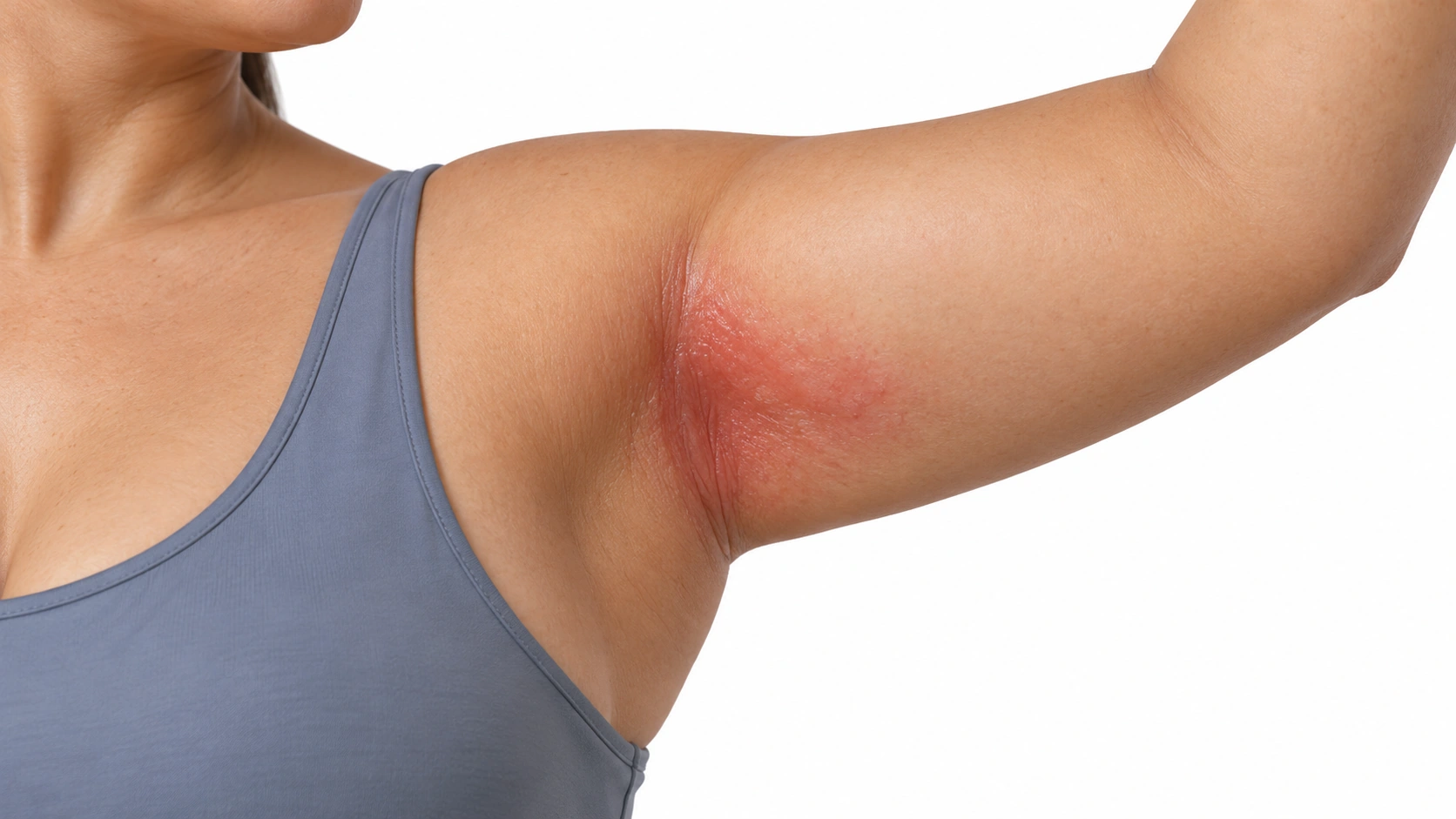
Heat Rash Many tiny bumps are scattered over a broad pink area.
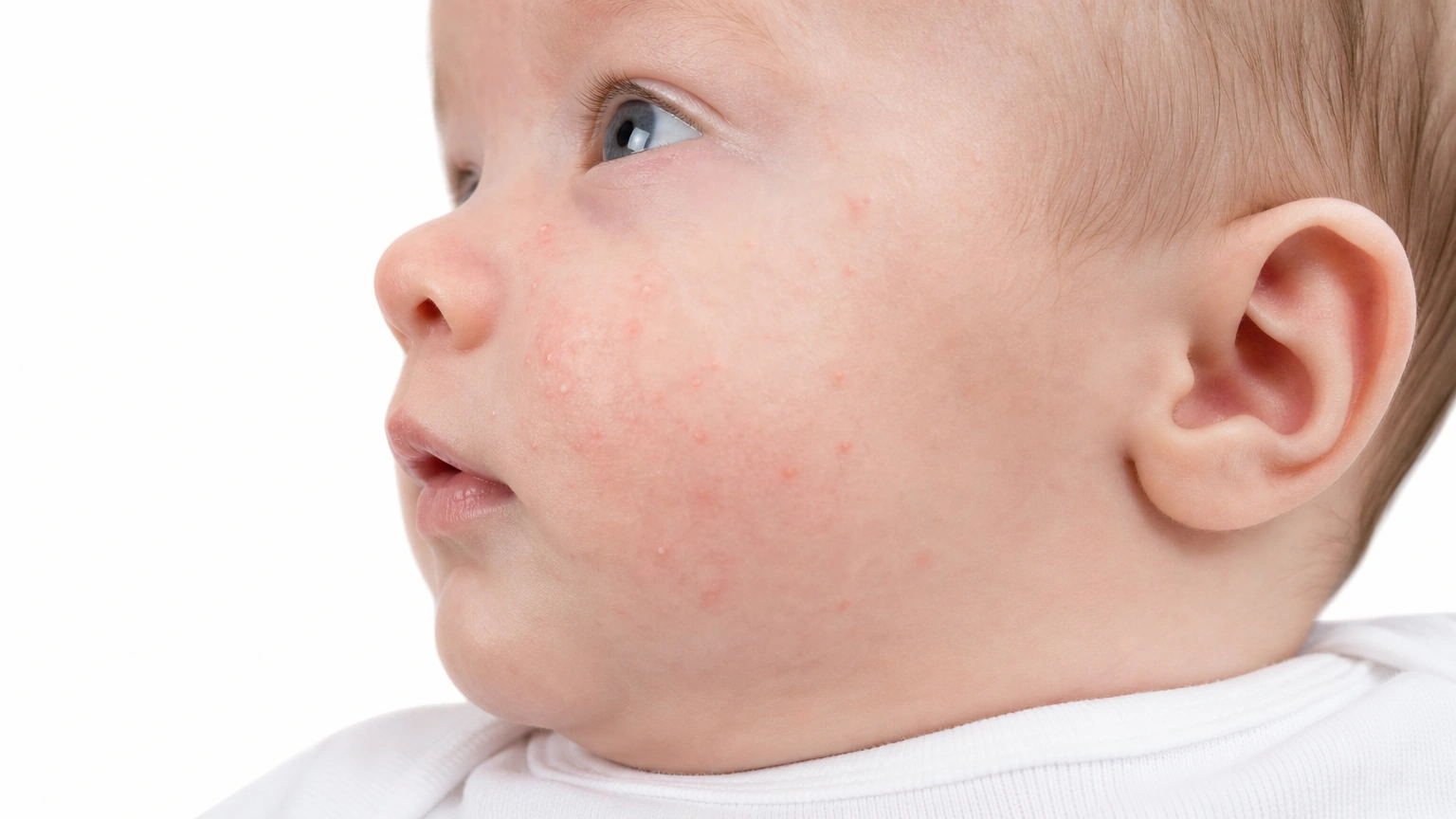
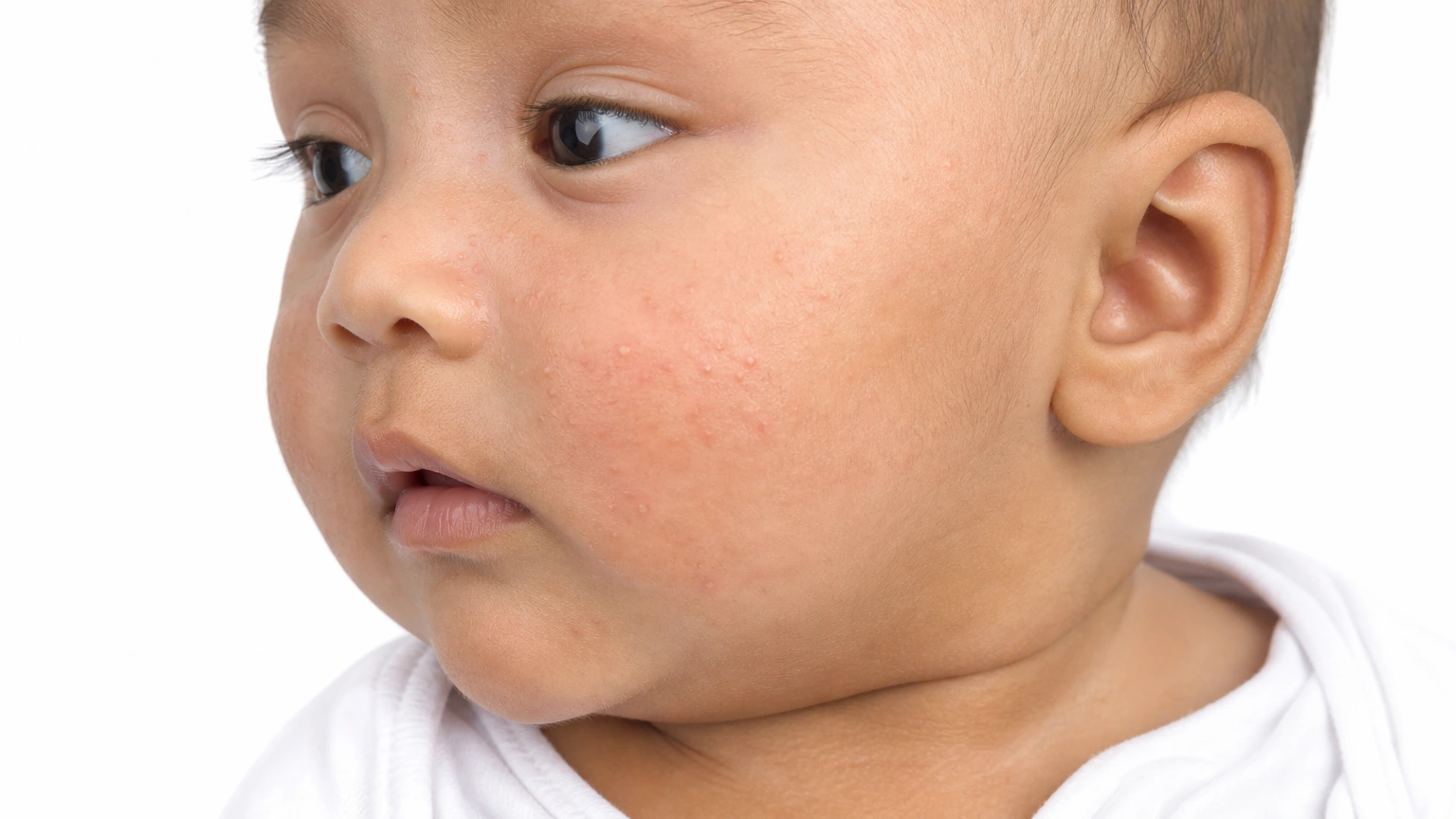
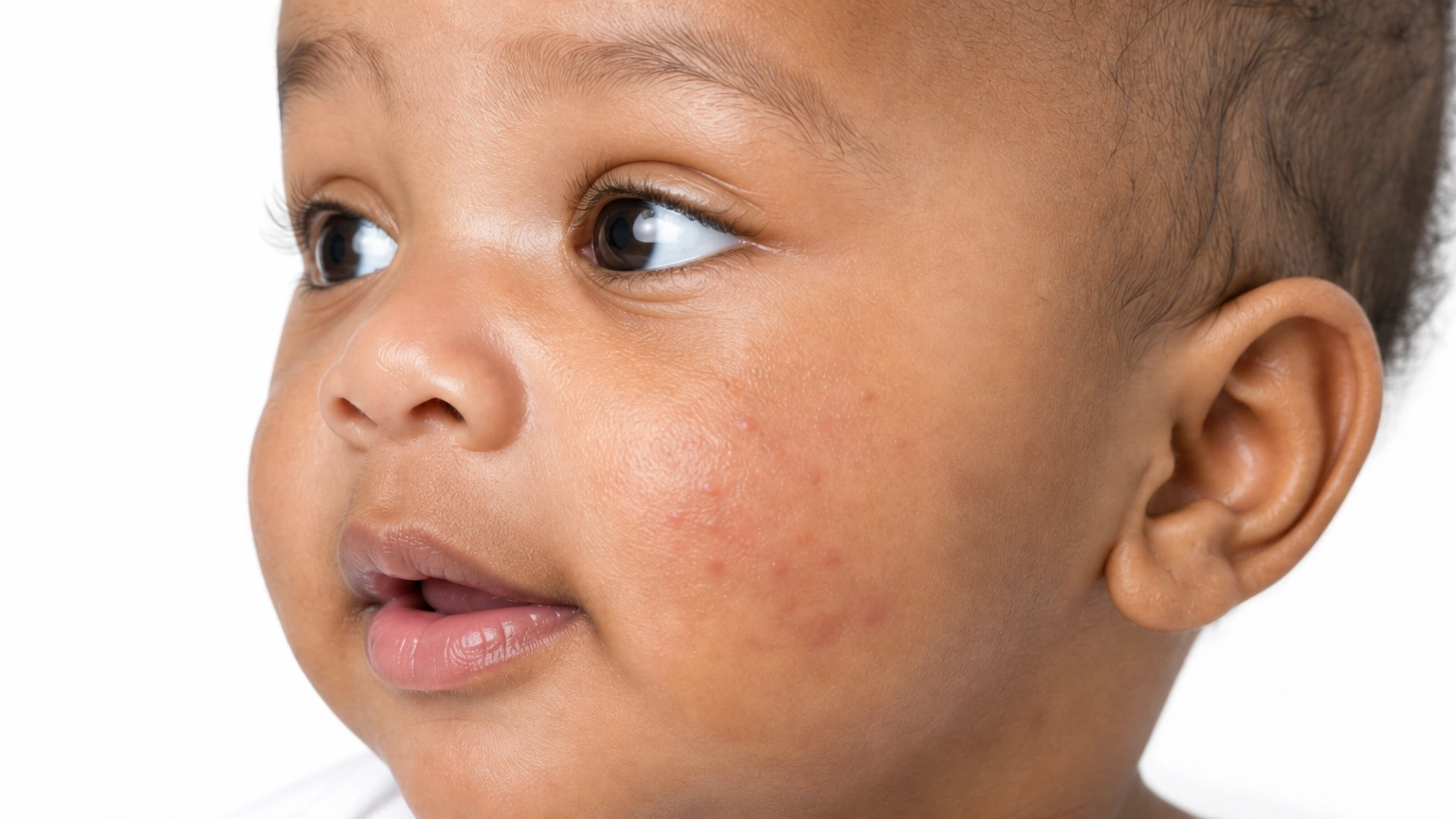
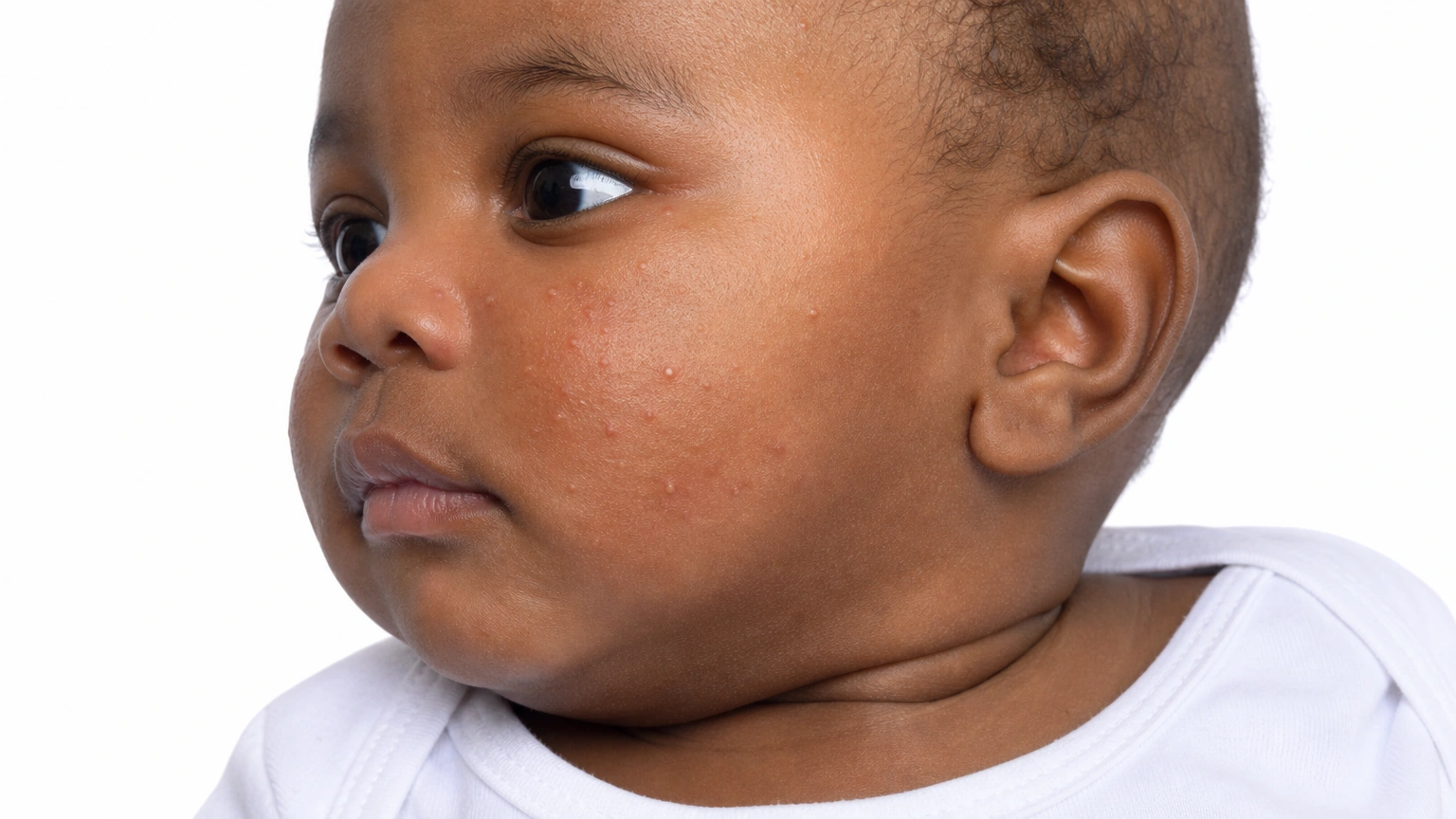
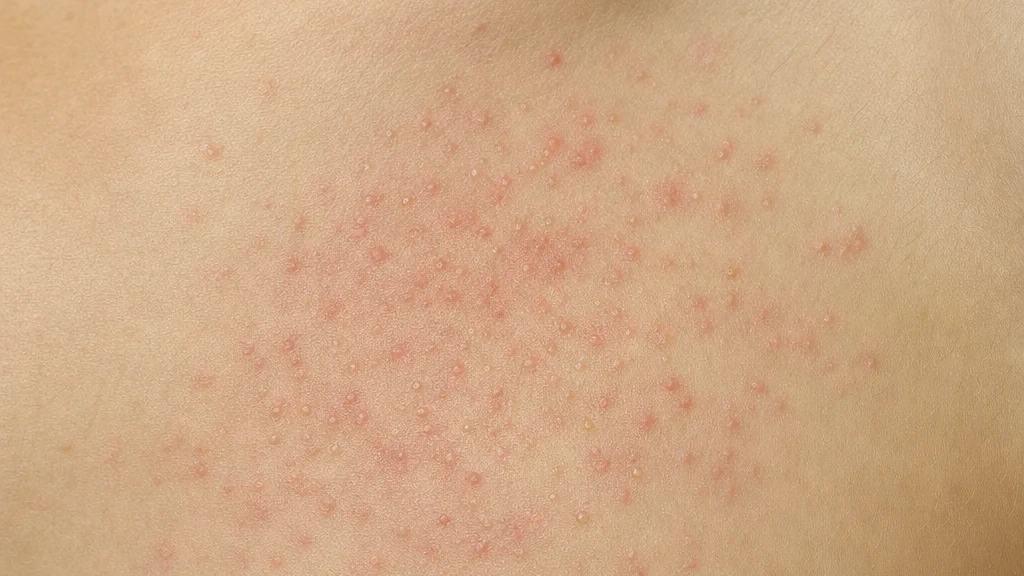
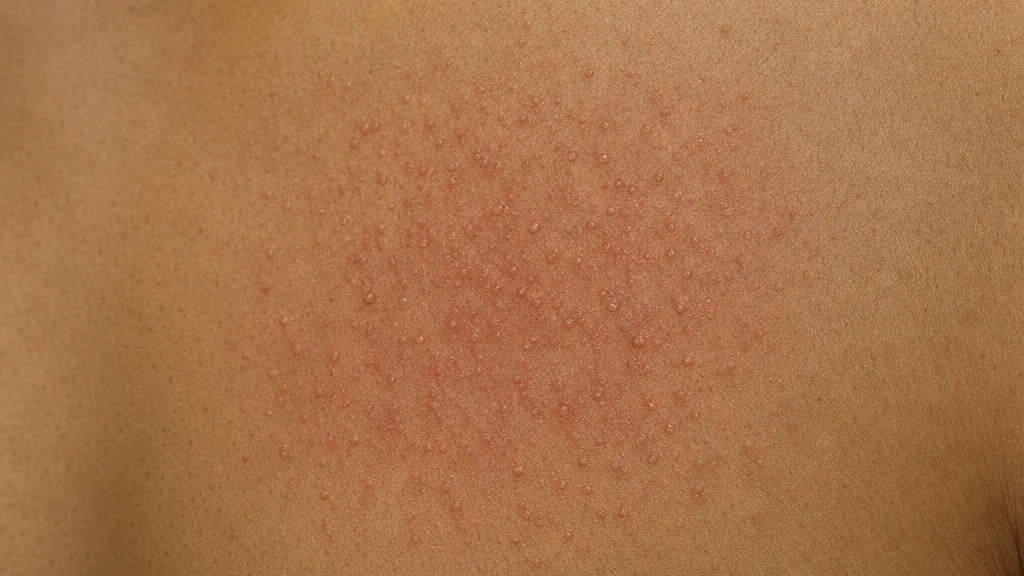
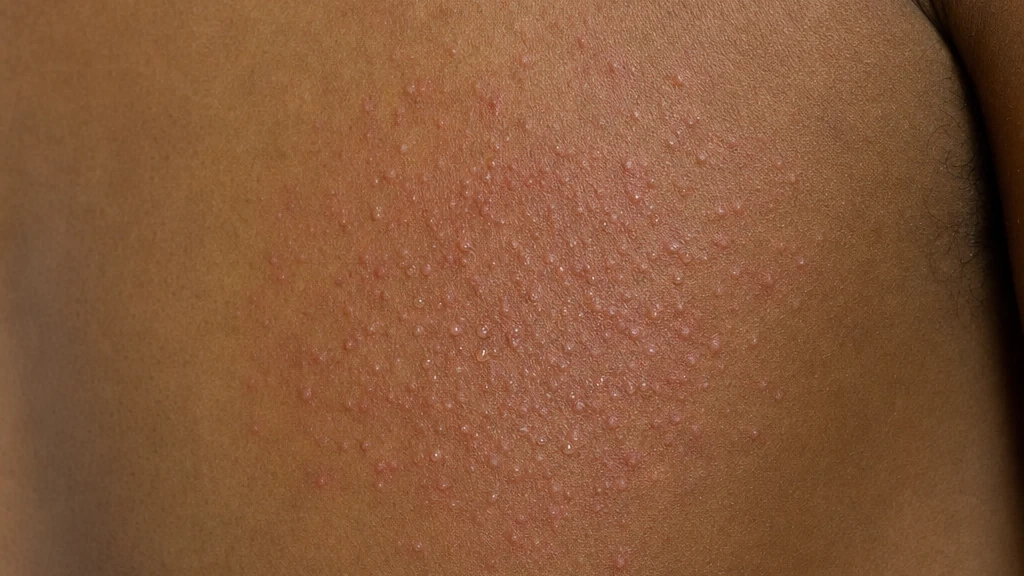
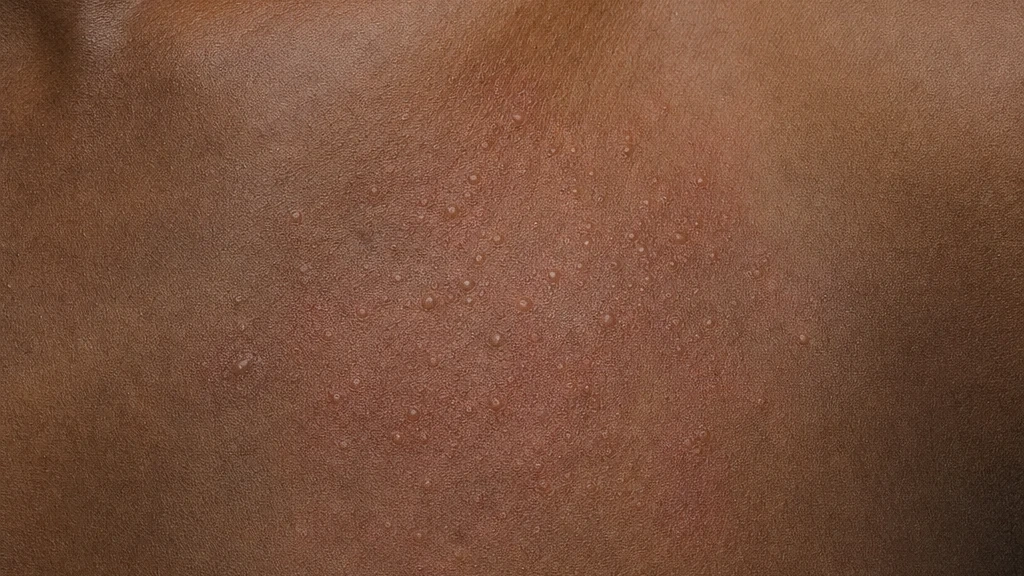
Early-life changes in follicles and hormone activity can produce acne lesions. Other newborn facial rashes have different mechanisms and should not automatically be called acne.
Blocked sweat ducts prevent sweat from reaching the surface normally. Trapped sweat irritates surrounding tissue at different levels of the skin.
When it usually starts
Baby Acne. Appears in early infancy; persistent or severe lesions need a clinician to distinguish the cause.
Heat Rash. Any age; infants are particularly susceptible.
Causes and triggers
Early-life follicular and hormone effects can produce acne; not every newborn facial rash is acne.
Blocked sweat ducts trap sweat at different levels of the skin.
Daily Care
Habits that help
- Wash the face gently with water or a mild baby cleanser
Use your hands and pat dry rather than rubbing with a cloth. - Keep the routine simple
Most early newborn acne needs little more than gentle care. - Remove milk or drool gently
Repeated rubbing and fragranced wipes can irritate the face. - Arrange review for persistent, deep or scarring spots
Acne starting later in infancy may need assessment rather than being assumed to be newborn acne. - Discuss paediatric assessment
Persistent comedones, deep lesions or scarring need an age-specific treatment plan.
Avoid
- Avoid: Squeezing spots or scrubbing the skin
This can injure delicate infant skin. - Avoid: Adult acne products, essential oils and greasy face oils
Use medicines only if a clinician recommends them for the baby’s age and diagnosis.
Habits that help
- Move to a cooler, less humid space
Cooling reduces sweating and helps the rash settle. - Wear loose, breathable clothing and lighter bedding
Change damp clothing promptly and avoid wrapping too warmly. - Use a cool bath or cool damp compress
Pat dry gently rather than rubbing the irritated skin. - Keep skin care light and simple
Wash gently and stop products that aggravate the rash.
Avoid
- Avoid: Heavy ointments and tight occlusive clothing
These can trap heat and sweat against the skin. - Avoid: Continuing strenuous activity while overheated or unwell
Rest and cool down; dizziness, confusion or other heat-illness symptoms need urgent help.
Treatment differences
Many newborn acne-like eruptions need observation and gentle care only. Persistent, deep or scarring acne needs an age-specific plan; do not use adult acne medicines without advice.
Cooling the skin, reducing sweating and avoiding heavy occlusive products are the main measures. Persistent or severe symptoms need assessment rather than adding multiple creams.
Outlook
Newborn acne-like spots often settle without treatment. Persistent spots, blackheads, deep lumps or scarring need assessment because infantile acne can follow a different course.
Heat rash usually settles after the skin cools and sweating is reduced. It may recur in hot or humid conditions; fever, marked pain or failure to improve needs review.
Complications
Severe true infantile acne can scar; acne in an unusual age group may need further evaluation.
Scratching can damage the skin; overheating is especially important in infants.
When to get help
Have persistent, deep or scarring lesions assessed. A fever or an unwell young infant needs urgent care.
Get care for fever, pus, persistent rash or signs that an infant is overheating or unwell.
Common questions
Baby Acne:What is Baby Acne?
Acne-like spots in early infancy; newborn facial pustules and true infantile acne are different patterns.
Baby Acne:What can I do day to day?
Gently wash with water or a mild baby cleanser. Avoid picking, oils and adult acne products.
Baby Acne:When should I get medical advice?
Have persistent, deep or scarring lesions assessed. A fever or an unwell young infant needs urgent care.
Heat Rash:What is Heat Rash?
Miliaria is an itchy or prickly eruption caused by blocked sweat ducts.
Heat Rash:What can I do day to day?
Move to a cool environment, wear breathable clothing and avoid heavy occlusive products.
Heat Rash:When should I get medical advice?
Get care for fever, pus, persistent rash or signs that an infant is overheating or unwell.
Sources
Sources and further reading
Keep exploring.
Fungal Acne vs Heat Rash
Baby Acne vs Eczema

Baby Acne vs Milia

Folliculitis vs Heat Rash
Heat Rash vs Eczema
Heat Rash vs Sunburn

Hives vs Heat Rash

Hot Tub Folliculitis vs Heat Rash
Intertrigo vs Heat Rash

Acne
Milia