Hives vs Heat Rash
Hives are raised, itchy welts that come up fast, move around the body, and each fade within a day. Most cases settle on their own, and the long-running ones are usually controlled with a daily antihistamine rather than by finding something to avoid. Miliaria is an itchy or prickly eruption caused by blocked sweat ducts.

Key differences
The same eight facts on every condition comparison.
What is it?
- They are temporary wheals.
Hives are raised, itchy welts that change shape and fade. - Angioedema is deeper swelling.
It may accompany hives or occur on its own. - Hives are classified two ways.
Acute or chronic describes duration; spontaneous or inducible describes triggers. - Chronic hives are not anaphylaxis.
Hives can be part of anaphylaxis, but isolated chronic hives are different.
- What it is
Miliaria is an itchy or prickly eruption caused by blocked sweat ducts.
What it looks like
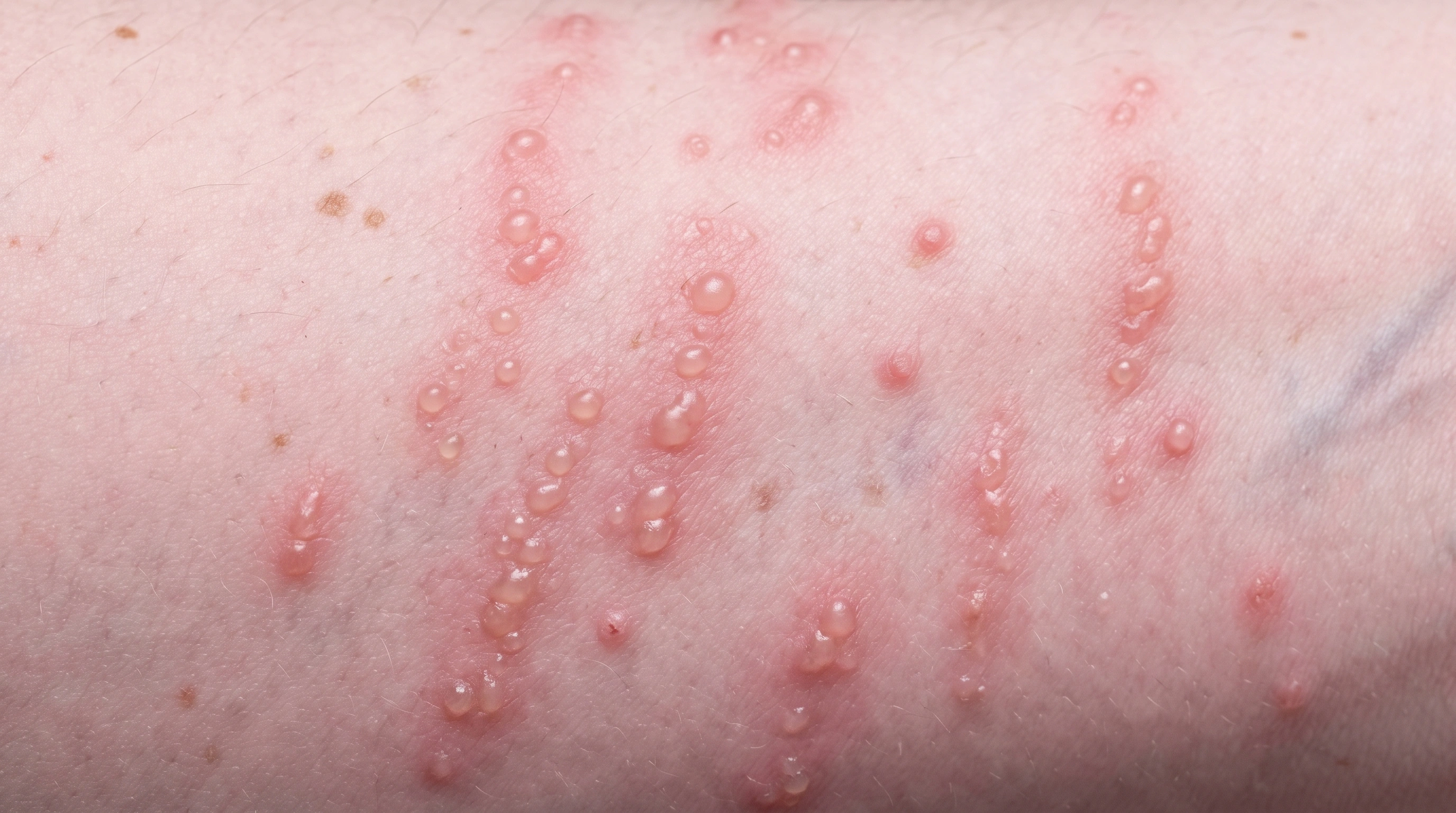
Hives
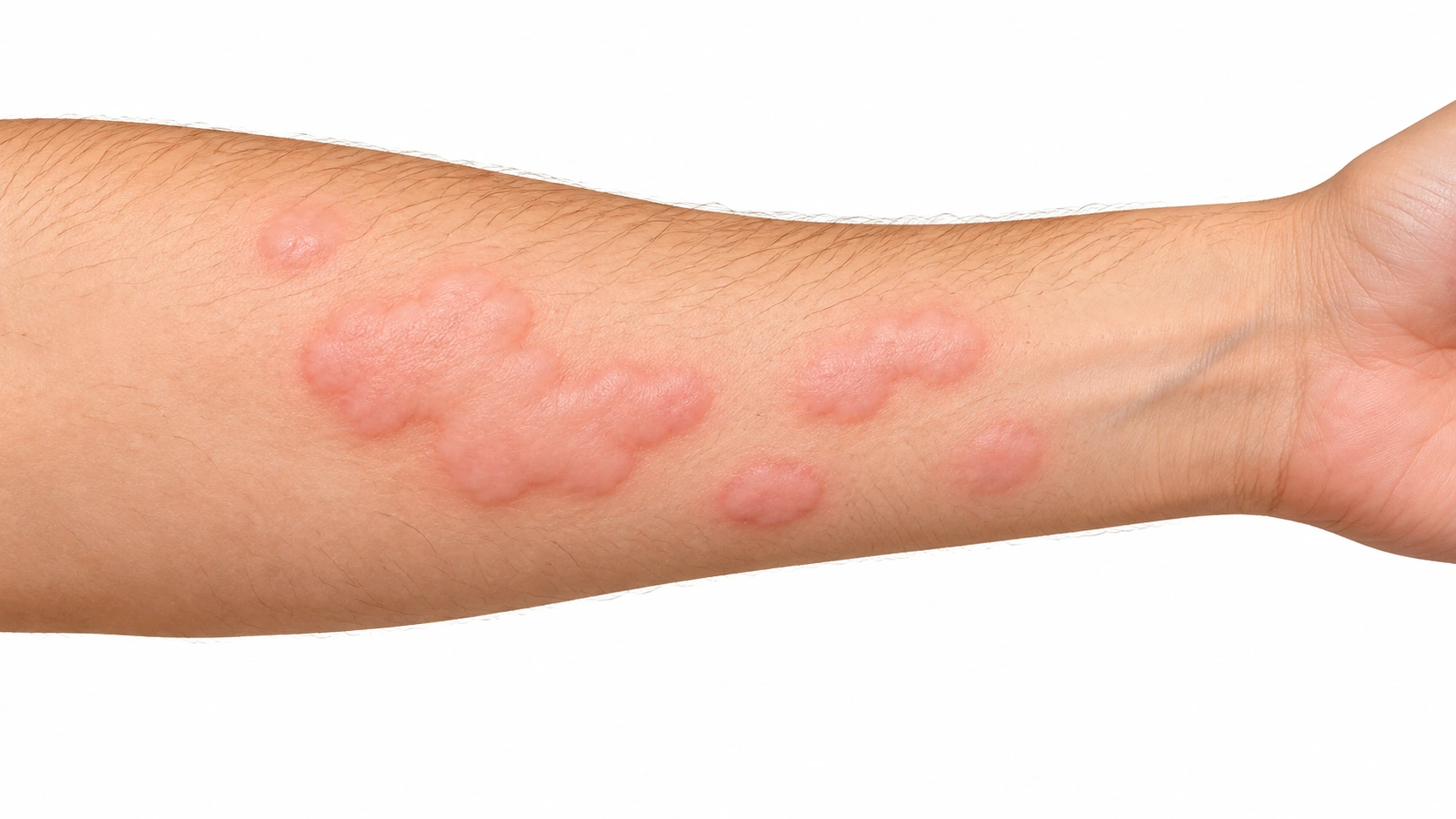
Acute urticaria Lasts under six weeks, often from a trigger.

Lip swelling Deeper swelling affects the lips.
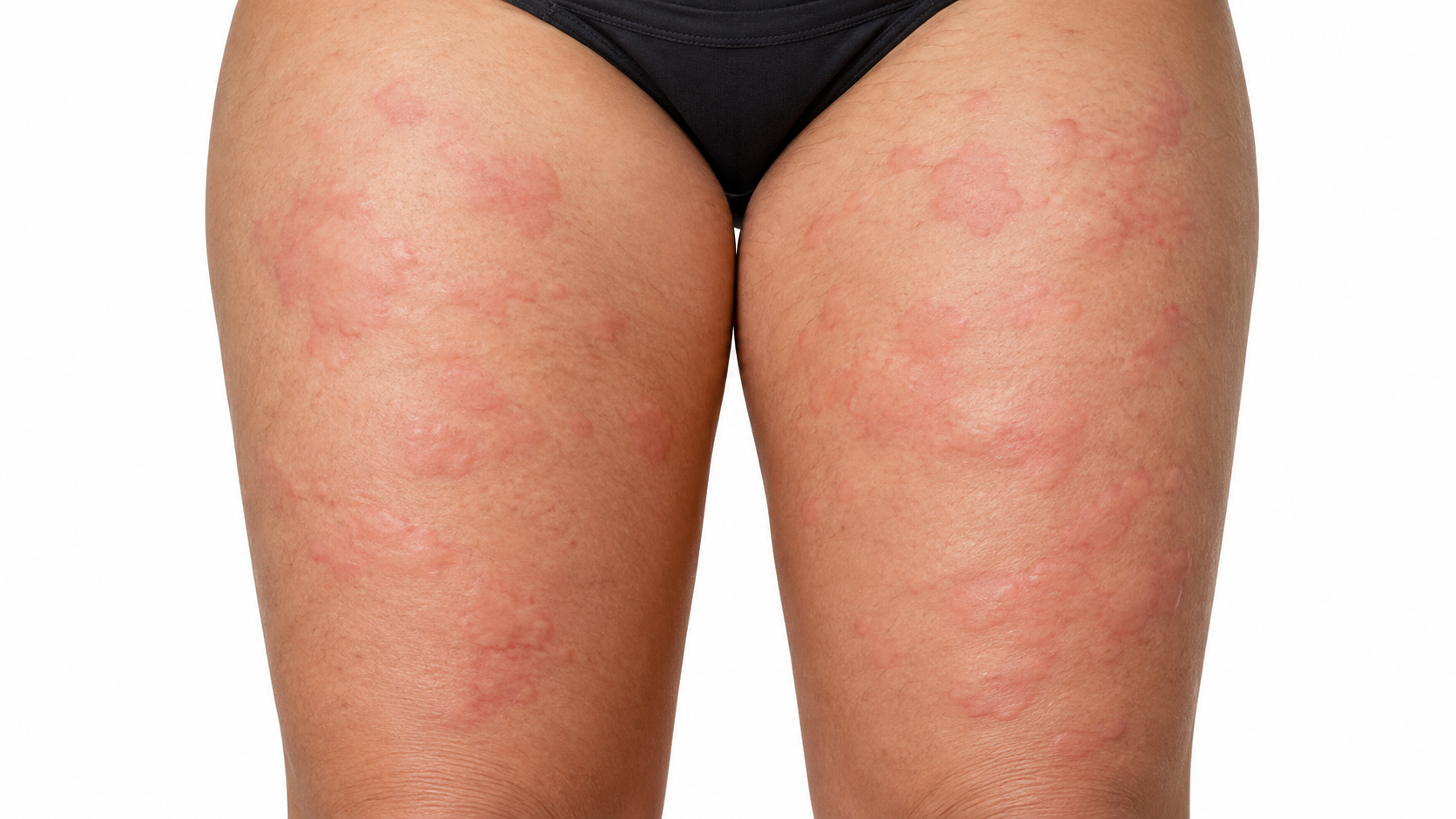
Chronic urticaria Comes and goes for over six weeks.
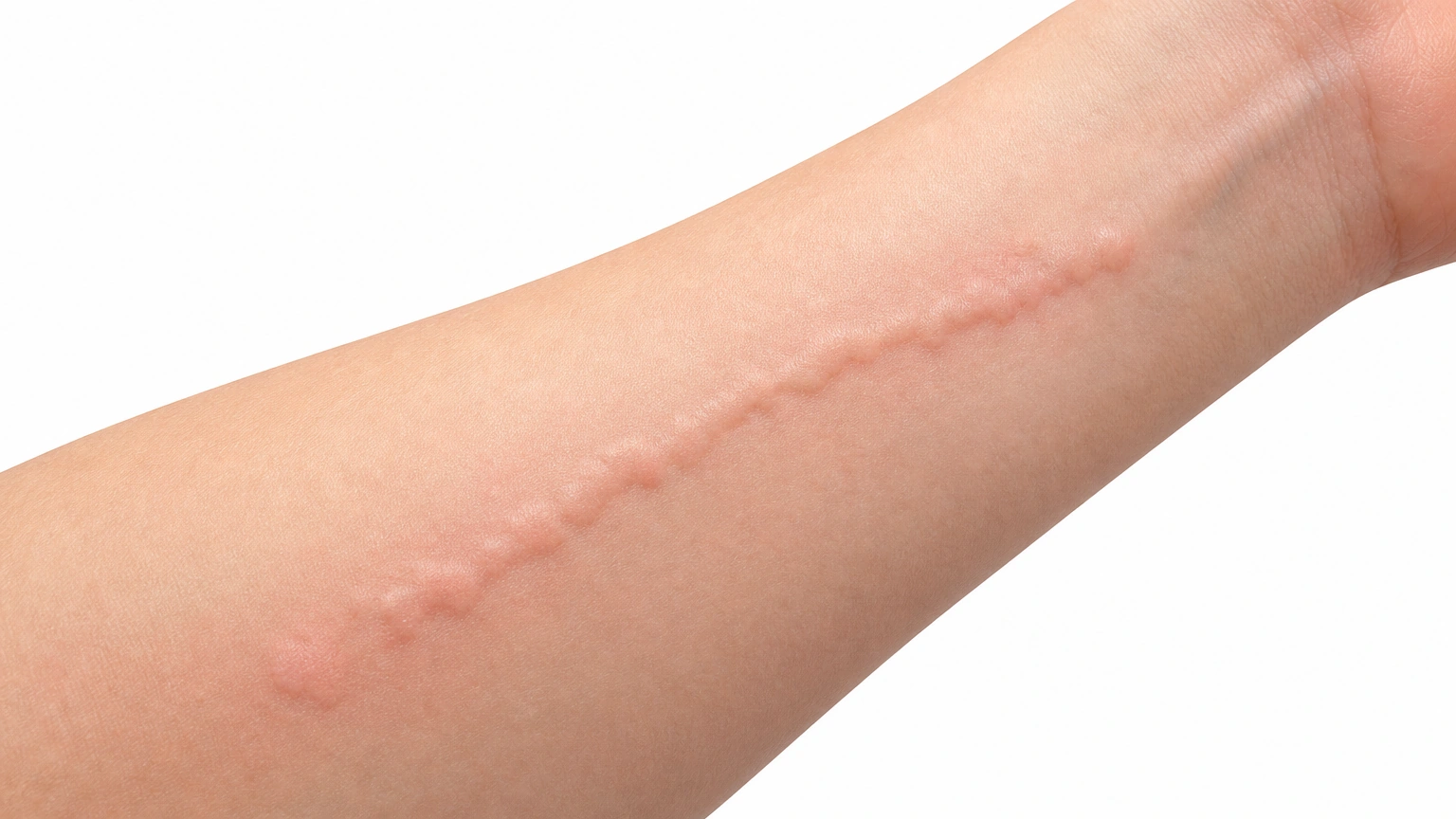
Physical (inducible) urticaria Set off by pressure, cold, heat or scratching.
Heat Rash
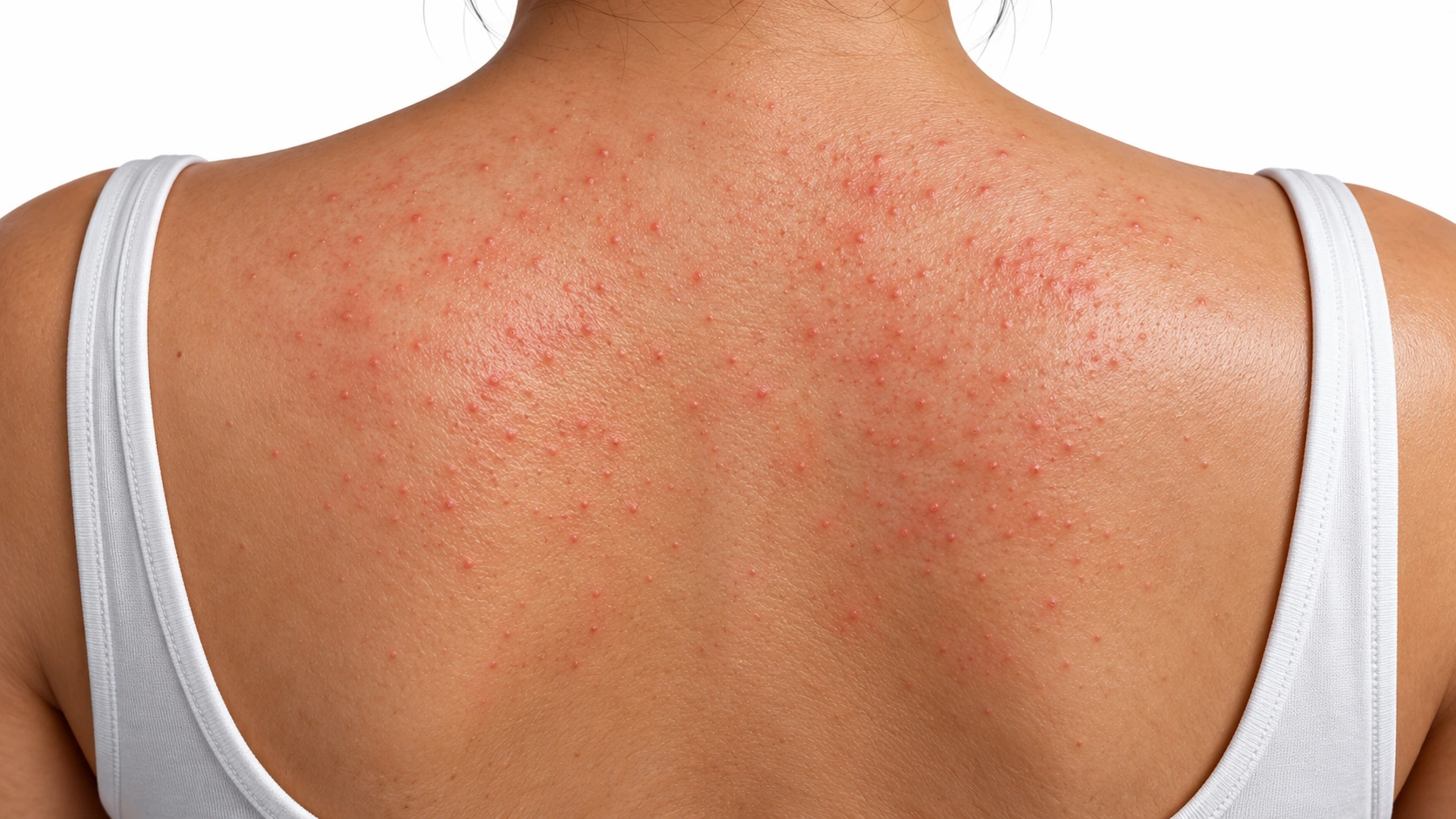
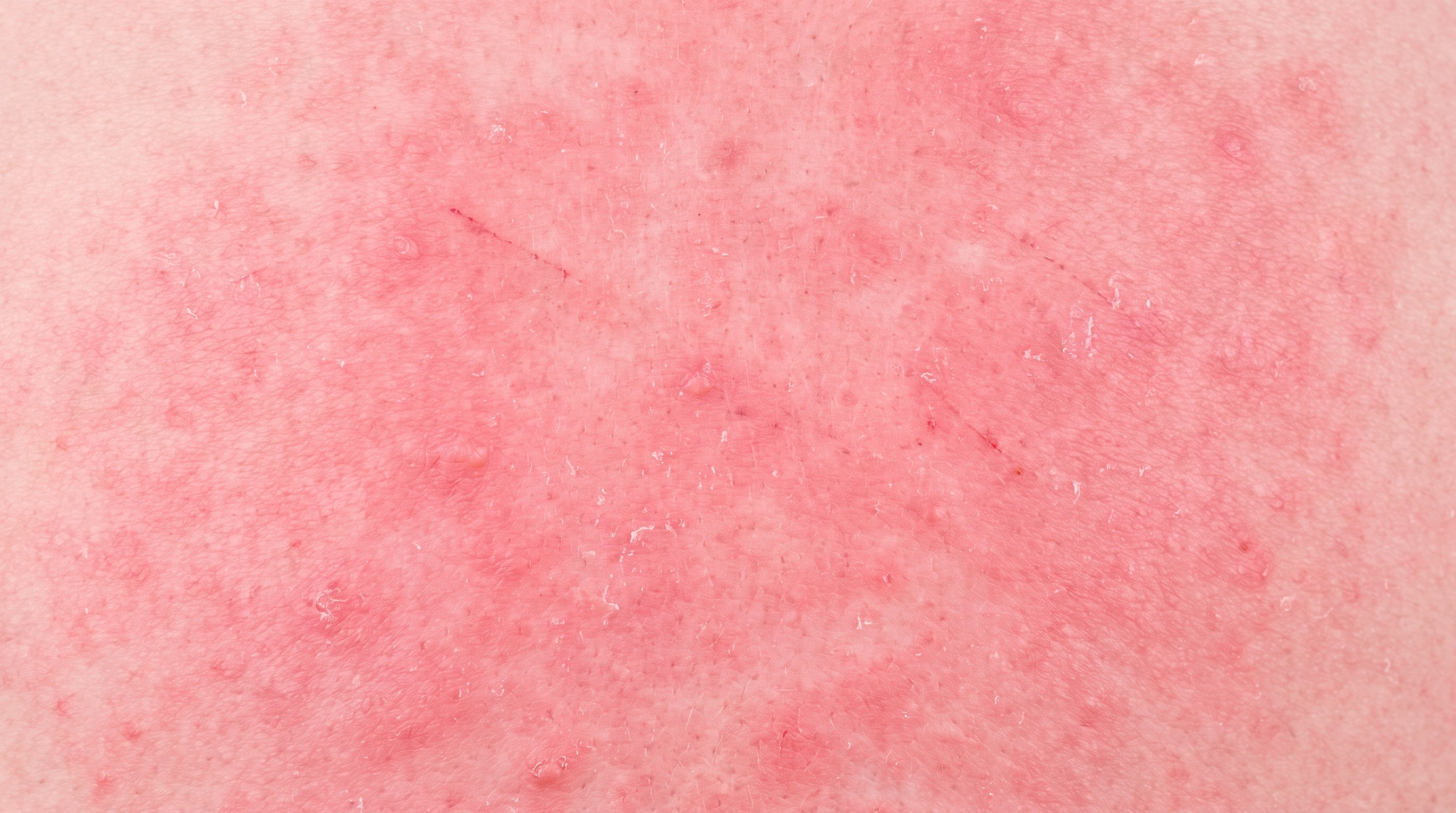
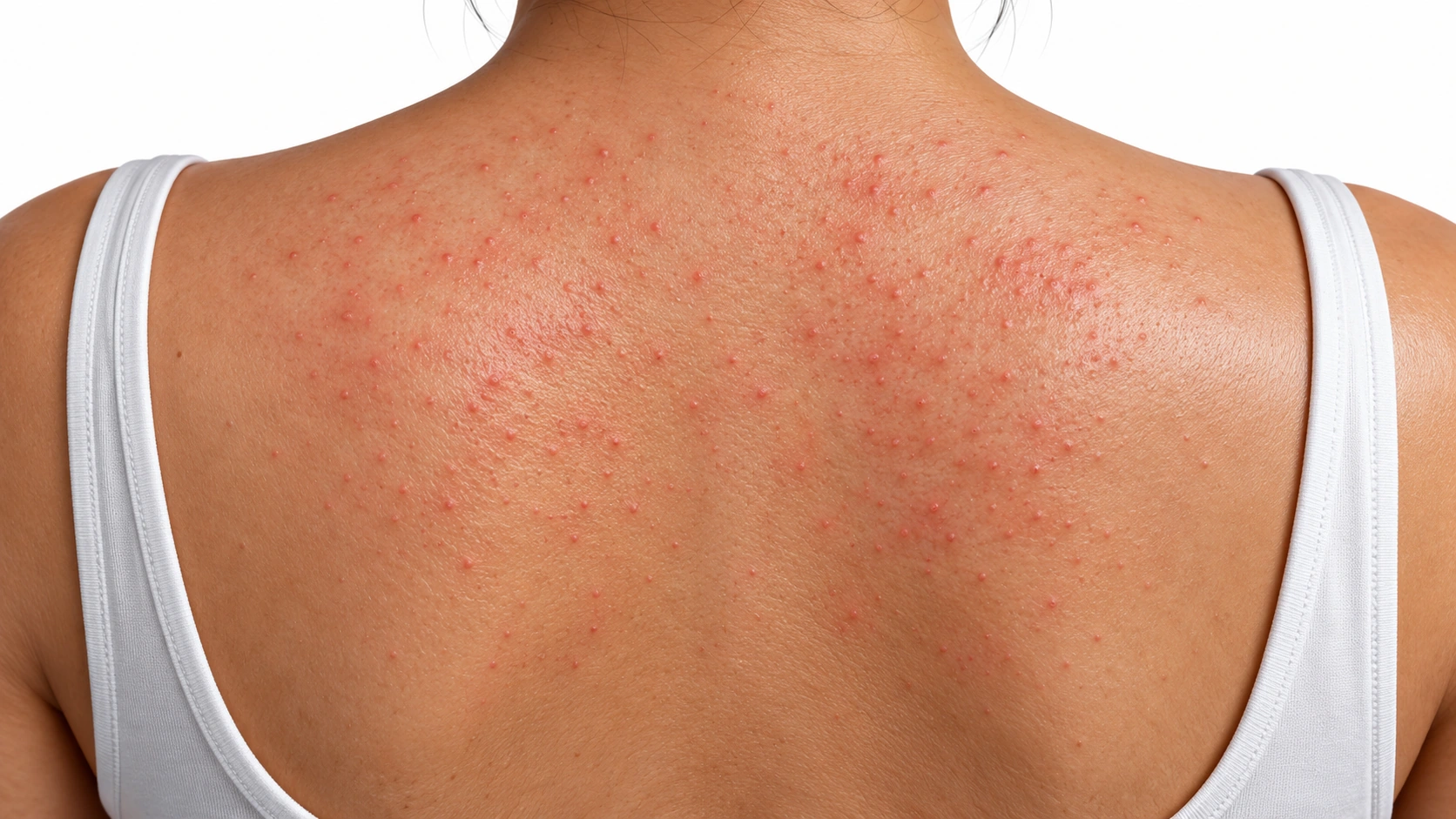
Heat Rash Many tiny bumps are scattered over a broad pink area.
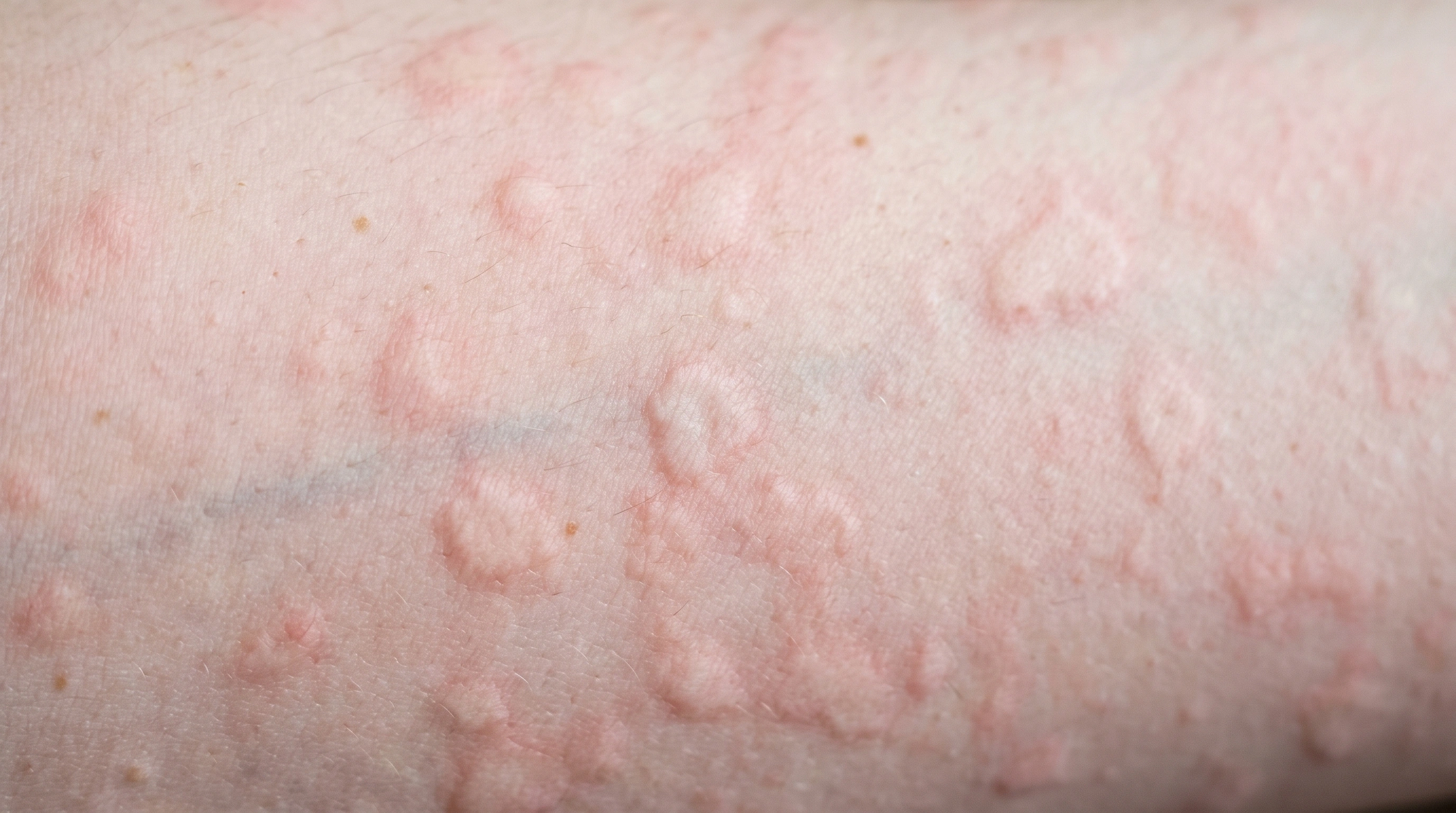
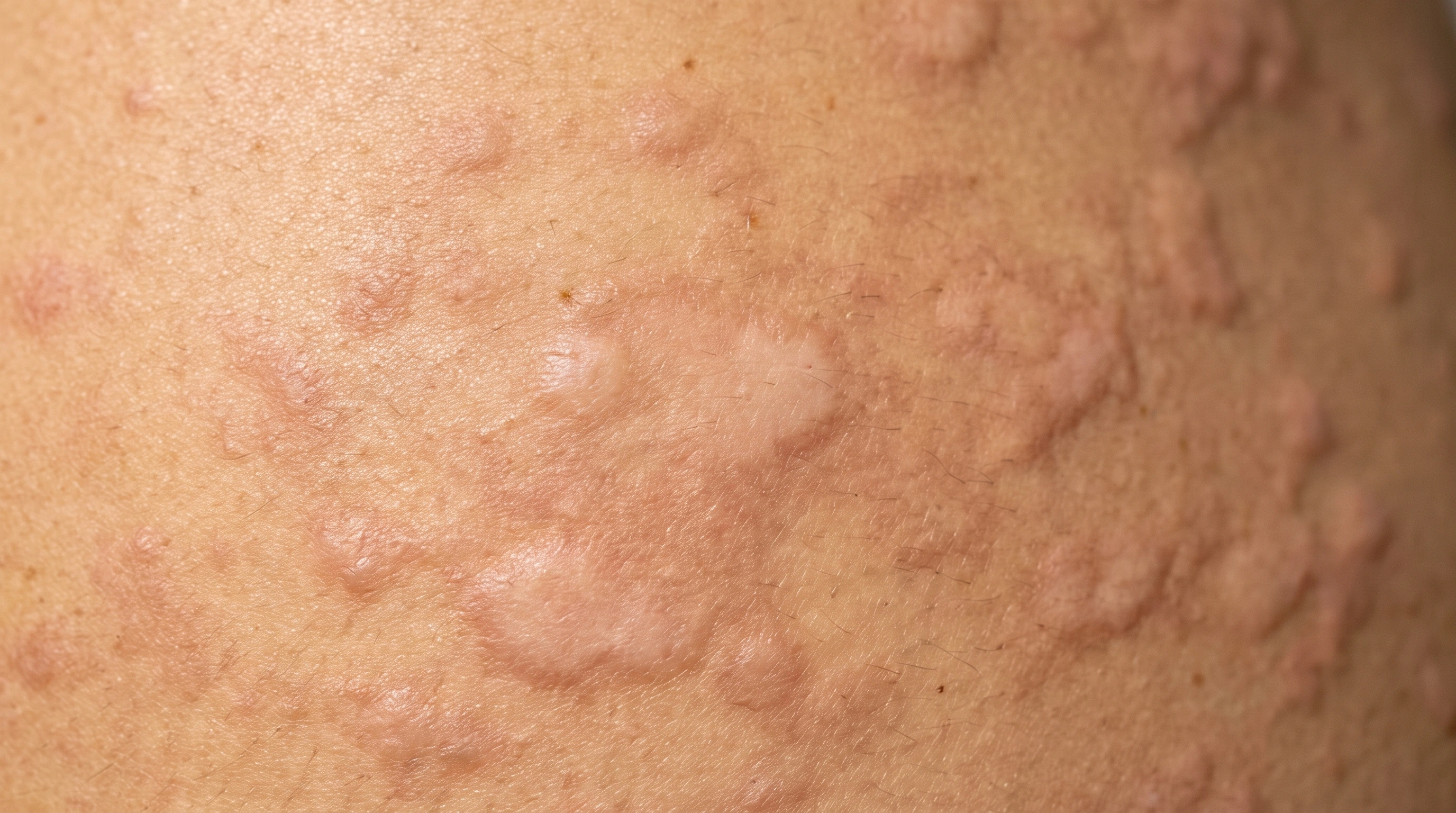
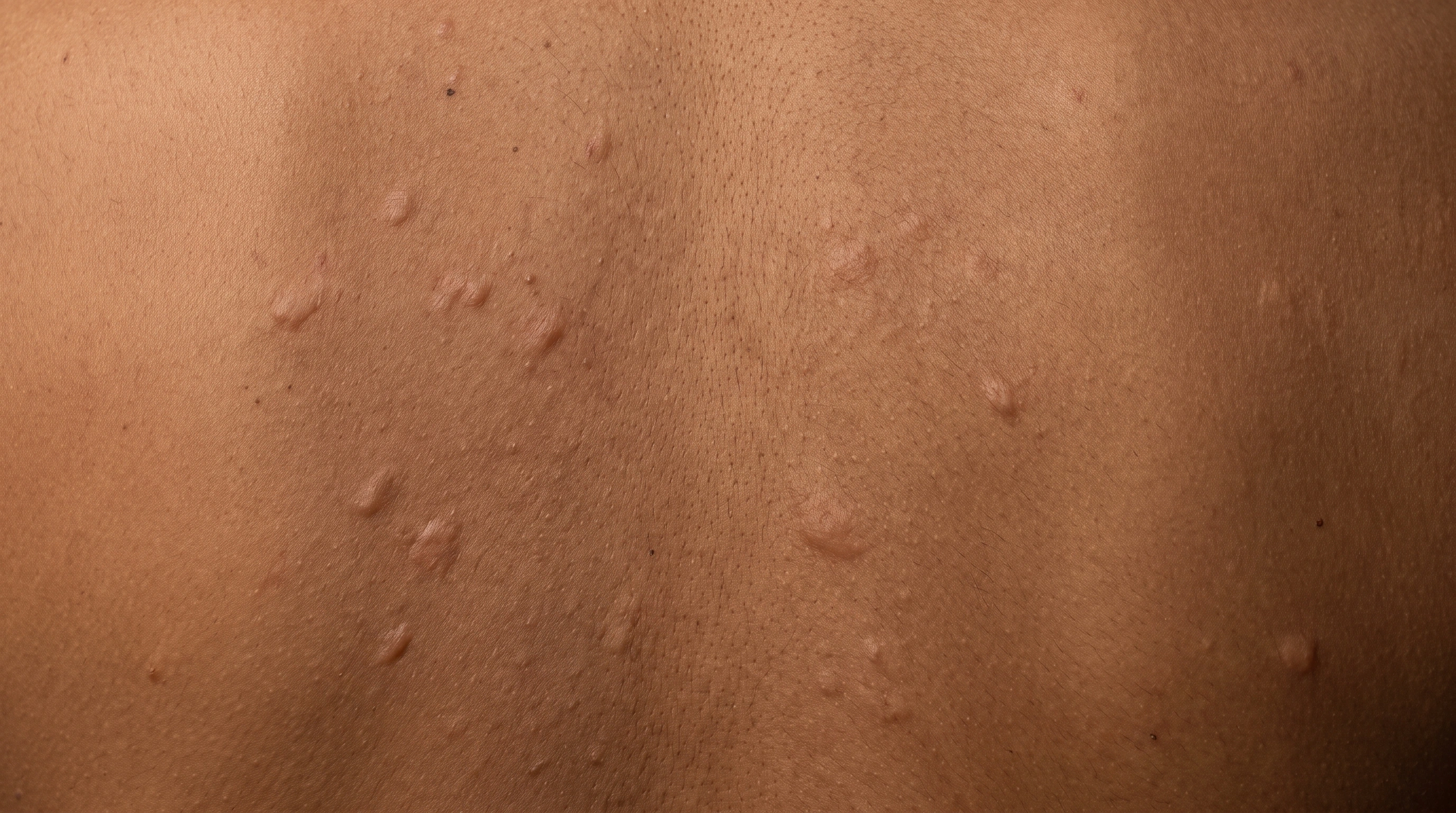
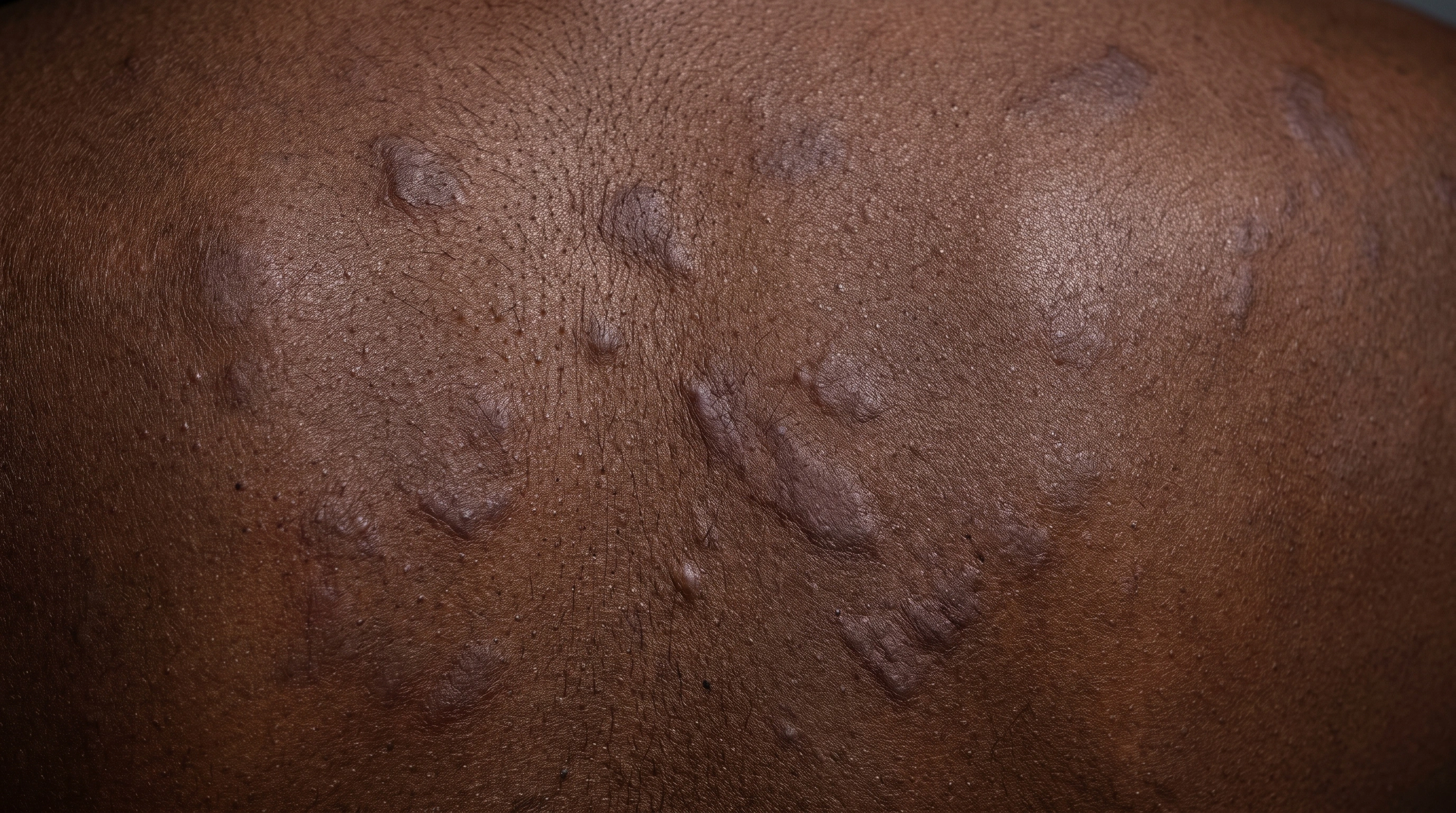
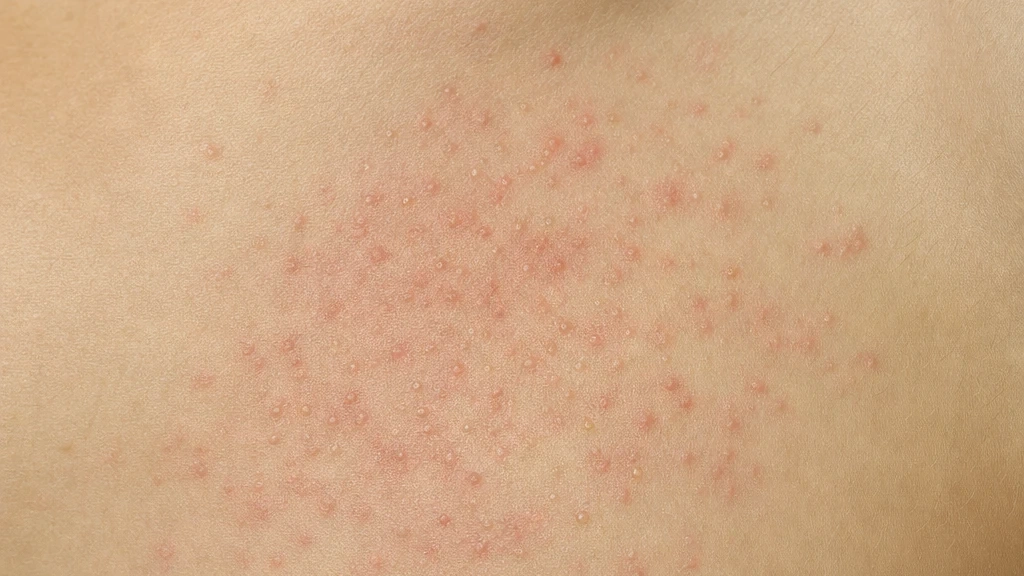
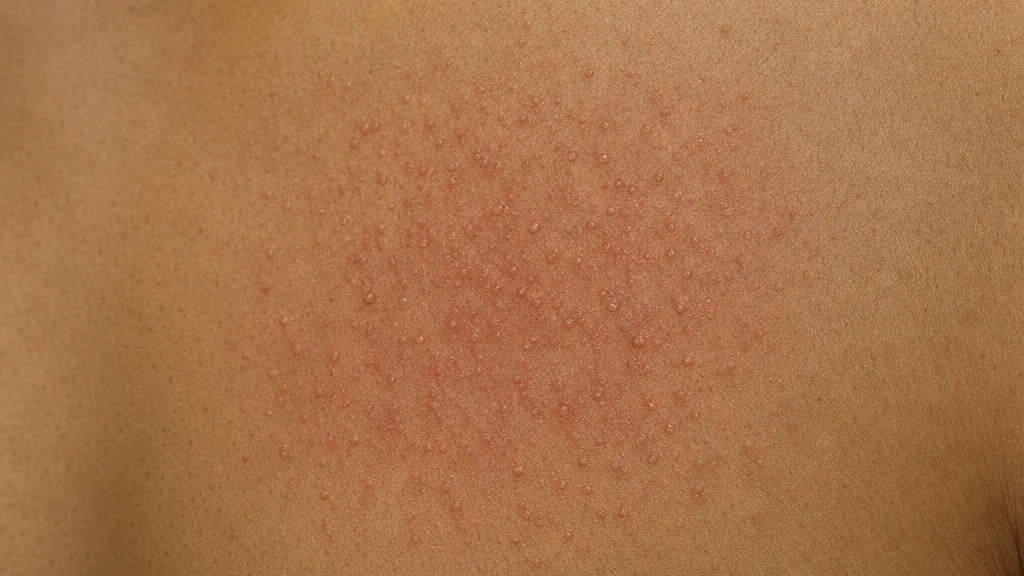
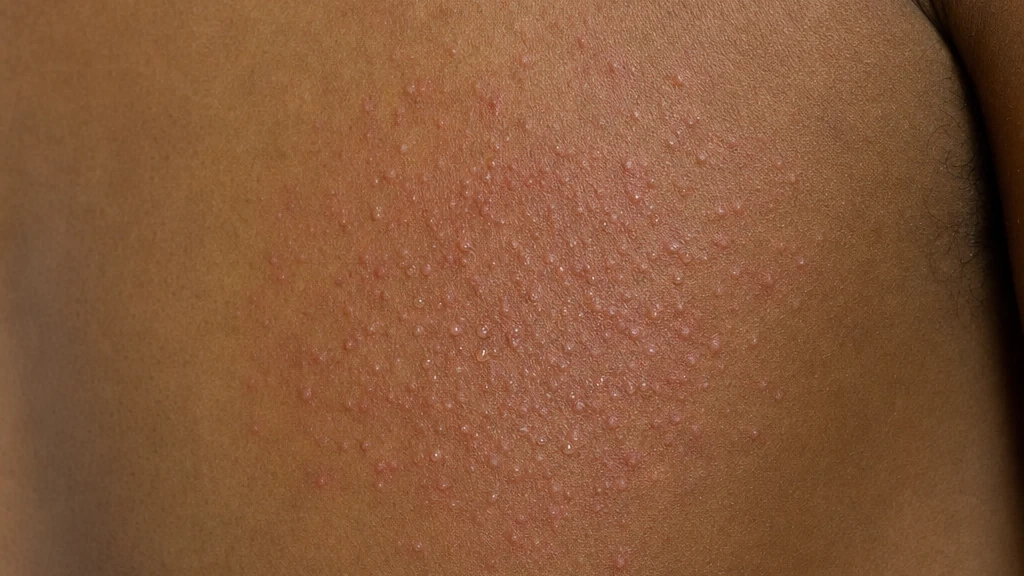
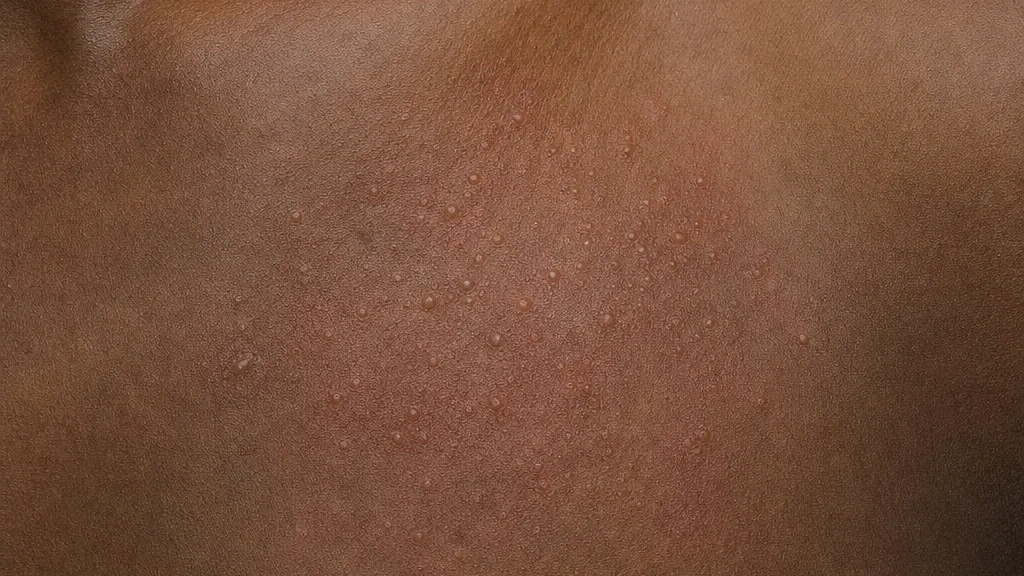

Mast cells release inflammatory signals, including histamine, that make small blood vessels leak fluid. This creates temporary raised, itchy swellings in the upper skin.
Blocked sweat ducts prevent sweat from reaching the surface normally. Trapped sweat irritates surrounding tissue at different levels of the skin.
When it usually starts
Hives. Can begin at any age; individual welts usually fade within 24 hours even when new ones appear.
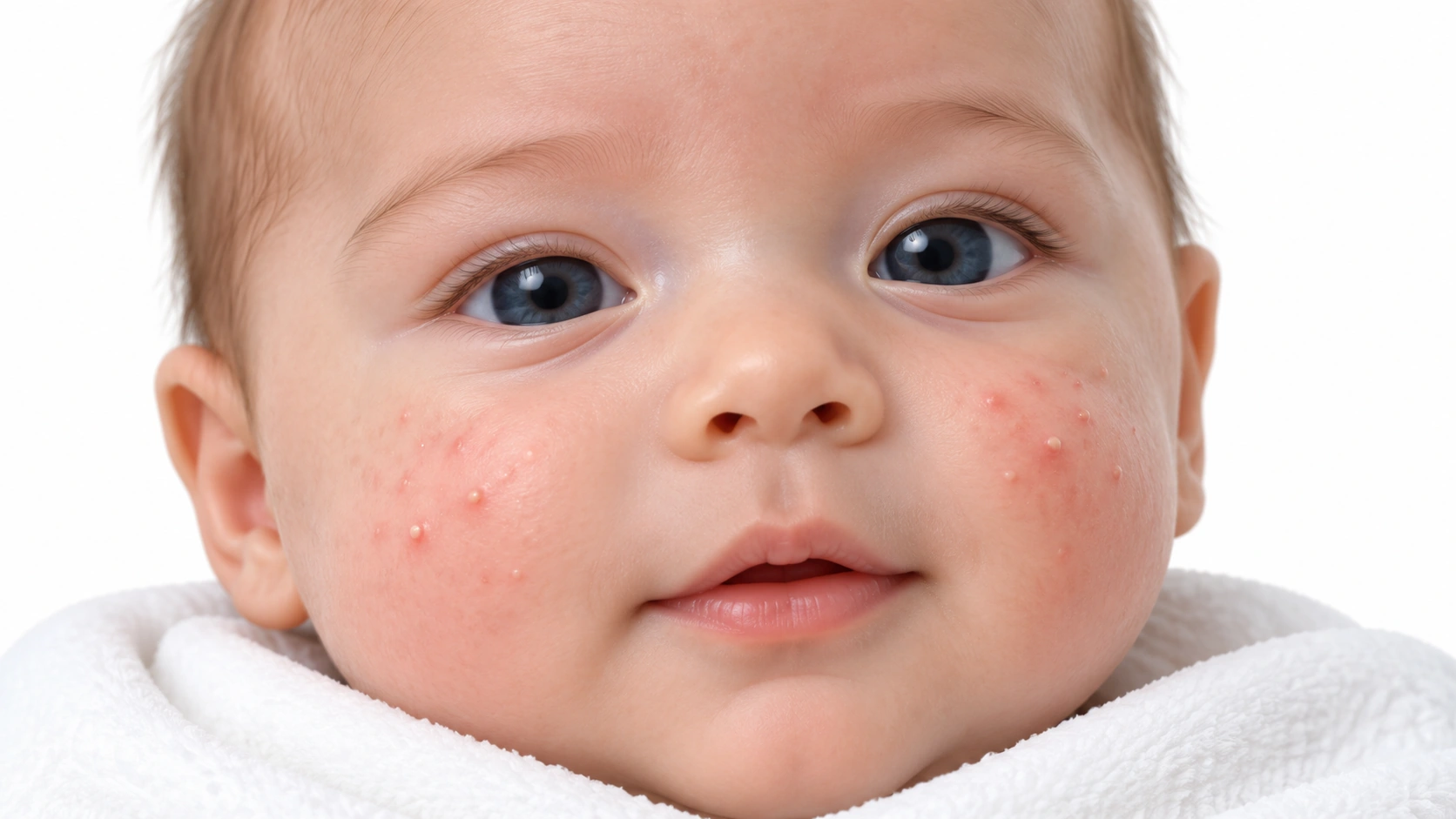
Heat Rash. Any age; infants are particularly susceptible.
Causes and triggers
Hives appear when mast cells in the skin release histamine. That makes small blood vessels leak and form itchy welts. In many cases, especially long-lasting hives, no trigger is ever found.
Blocked sweat ducts trap sweat at different levels of the skin.
People with allergies, asthma or eczema in the family get hives more often.
Daily Care
Habits that help
- Keeping cool
A cool room, lighter bedding, lukewarm showers, cold packs. - Loose clothing
Soft layers with no tight bands remove the pressure trigger. - Two weeks of notes, then stop
Keep a brief diary of symptoms and possible triggers. - Omalizumab
A monthly injection acting on the mast cell itself. - Treating a thyroid problem
Worth doing anyway, though it rarely clears the hives. - Discuss flares during infections with your clinician
A cold or stomach bug can restart settled hives.
Avoid
- Avoid: Scratching and rubbing
Pressure is itself a trigger, so scratching makes more hives. - Avoid: Heat
Hot showers, hot rooms and heavy bedding lower the firing threshold. - Avoid: Alcohol
Widens blood vessels and adds to the leaking. - Avoid: Pressure on the skin
Tight waistbands, bra straps and bag straps raise welts. - Avoid: Stress and broken sleep
Neither causes hives; both lower the threshold. - Avoid: Hot showers for the itch
Relief lasts minutes; the rebound itch is worse. - Avoid: Stopping too early
The condition has not ended, only the block on it. - Avoid: Anti-inflammatory painkillers
Aspirin, ibuprofen and naproxen worsen hives in a substantial minority. - Avoid: Taking it only when hives appear
It then chases histamine already out. - Avoid: Topical steroid creams
Steroid creams are commonly handed out for hives and they do not work for them. The problem is histamine released deep in the skin across the whole body, not inflammation in one patch, and a cream cannot reach or cover it. Hives are treated with tablets. A cream is only useful for a different, fixed rash that has been mistaken for hives.
Habits that help
- Move to a cooler, less humid space
Cooling reduces sweating and helps the rash settle. - Wear loose, breathable clothing and lighter bedding
Change damp clothing promptly and avoid wrapping too warmly. - Use a cool bath or cool damp compress
Pat dry gently rather than rubbing the irritated skin. - Keep skin care light and simple
Wash gently and stop products that aggravate the rash.
Avoid
- Avoid: Heavy ointments and tight occlusive clothing
These can trap heat and sweat against the skin. - Avoid: Continuing strenuous activity while overheated or unwell
Rest and cool down; dizziness, confusion or other heat-illness symptoms need urgent help.
Treatment differences
Cooling the skin, reducing sweating and avoiding heavy occlusive products are the main measures. Persistent or severe symptoms need assessment rather than adding multiple creams.
Outlook
Hives run one of two courses, and which one is clear after about six weeks. They do not scar and do not damage the skin, however severe a flare looks. Anything left behind is a mark from scratching.
Heat rash usually settles after the skin cools and sweating is reduced. It may recur in hot or humid conditions; fever, marked pain or failure to improve needs review.
Complications
- Angioedema, the deeper swelling
- Lost sleep and exhaustion
More details
Angioedema, the deeper swelling
The same leaking happening lower in the skin, showing as puffiness of the lips, eyelids, hands, feet or genitals rather than as a welt. It feels tight rather than itchy and takes a day or two to go down, and it happens alongside hives in many people. It looks alarming and is usually not dangerous. Swelling of the tongue or throat, or hives with trouble breathing, dizziness or vomiting, is a different situation and needs emergency care straight away.
Lost sleep and exhaustion
Hives are typically worst in the evening and overnight, so broken sleep is the part of this condition people feel most. Months of it wears down mood, concentration and work. It is not a sign the hives are dangerous, and it is a good reason to get the treatment dosed properly rather than to tough it out. A daily antihistamine taken in the morning, and a cool room and light bedding at night, is what most people need.
Scratching can damage the skin; overheating is especially important in infants.
When to get help
Trouble breathing, throat swelling or faintness needs emergency care. Seek assessment for recurrent hives, symptoms lasting over six weeks, or lesions that bruise or remain fixed.
Get care for fever, pus, persistent rash or signs that an infant is overheating or unwell.
Common questions
Hives:How long will this last?
Under six weeks, most clear within one to two weeks and do not come back. Longer than six weeks, the honest answer is months to years, most clear within a few years. It ends, but not on a schedule anyone can predict.
Hives:Why can't anyone find the cause?
Because in chronic hives there usually is no outside cause. The immune system is switching the mast cells on directly. That is a real process, not a gap in the testing, and more searching will not change it.
Hives:Is it something I'm eating?
Almost never, in the chronic form. A genuine food allergy produces hives within minutes, every time, usually with symptoms beyond the skin. Hives that wander through the week without lining up with meals are not a food allergy, and elimination diets deliver nothing.
Hives:Can I take an antihistamine every day for months?
Second-generation antihistamines are designed for exactly that and are taken daily for long stretches under medical supervision. They do not stop working over time. Doses above the standard one are your doctor's decision.
Hives:Are hives dangerous?
The rash is not. It is uncomfortable and exhausting rather than harmful, and it does not damage skin. The dangerous situation is obvious — swelling of the tongue or throat, trouble breathing or swallowing, or feeling faint, which needs emergency care.
Hives:Will they leave marks?
Not from the hives. Each welt fades completely and the skin underneath is unchanged. Marks come from scratching, and on deeper skin tones those take months to fade — a good reason to treat the itch rather than tough it out.
Heat Rash:What is Heat Rash?
Miliaria is an itchy or prickly eruption caused by blocked sweat ducts.
Heat Rash:What can I do day to day?
Move to a cool environment, wear breathable clothing and avoid heavy occlusive products.
Heat Rash:When should I get medical advice?
Get care for fever, pus, persistent rash or signs that an infant is overheating or unwell.
Sources
Sources and further reading
Keep exploring.
Hives
Contact Dermatitis vs Hives
Eczema vs Hives

Scabies vs Hives
Bed Bug Bites vs Hives
Hives vs Insect Bites
Heat Rash vs Eczema
Baby Acne vs Heat Rash

Folliculitis vs Heat Rash
Fungal Acne vs Heat Rash
Heat Rash vs Sunburn
