Heat rash
Sweat trapped under the skin Sweat ducts get blocked, so sweat backs up and leaks into the skin around them. The skin reacts to the trapped sweat.
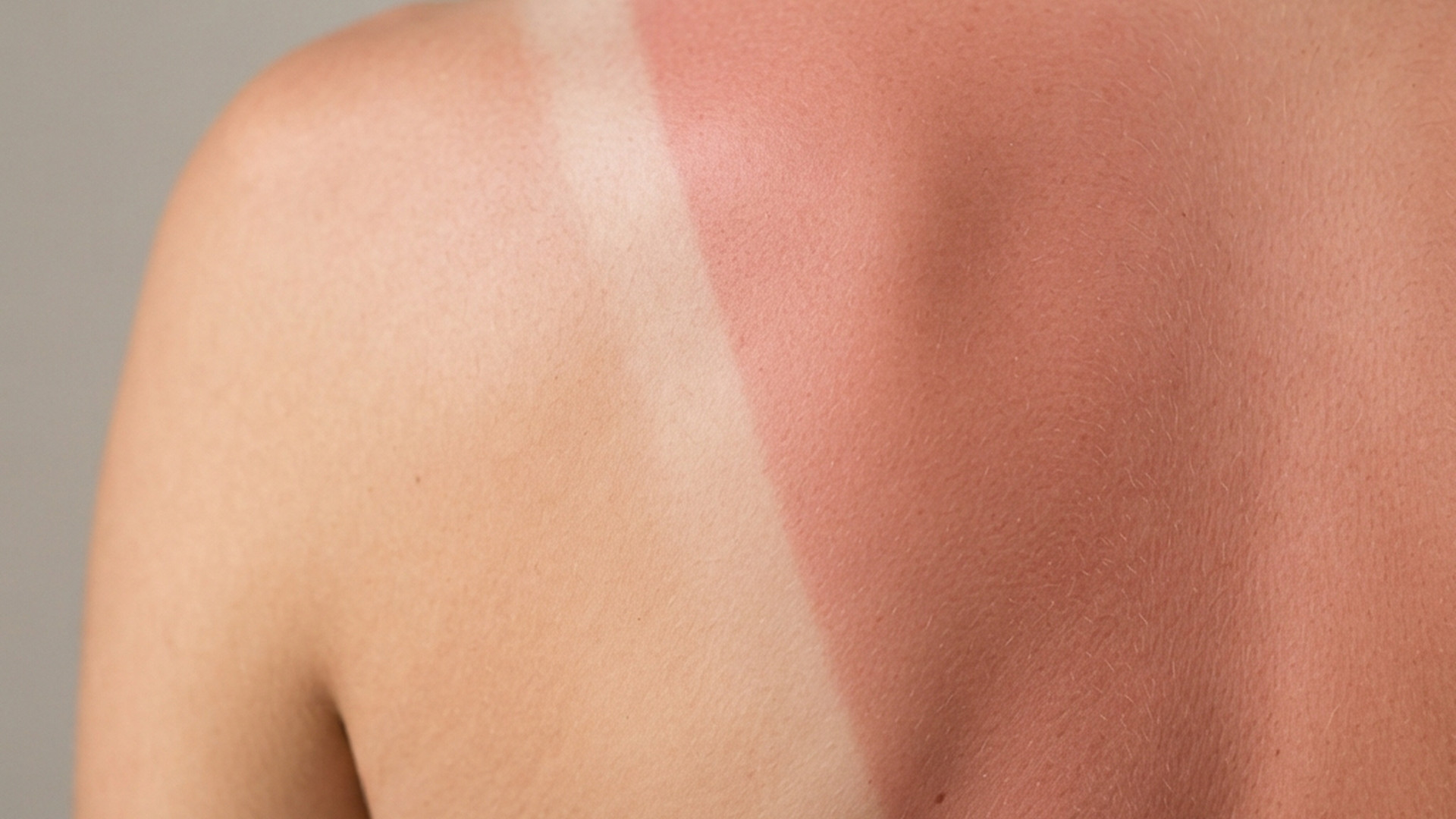
Heat rash is blocked sweat ducts. It is a field of tiny prickly bumps under clothing, and it fades within days of cooling down. Sunburn is ultraviolet damage. It is flat, even redness on exactly the skin the sun reached, it peaks about a day later, and it peels.
| The difference | Heat rash | Sunburn |
|---|---|---|
| What it is | Sweat trapped under the skin | Ultraviolet damage |
| What it looks like | Tiny bumps packed in a patch | Flat, even redness |
| How it feels | Prickly and itchy | Hot and sore |
Sweat trapped under the skin Sweat ducts get blocked, so sweat backs up and leaks into the skin around them. The skin reacts to the trapped sweat.
Side by side
Heat rash
Sweat trapped under the skin
Sweat ducts get blocked, so sweat backs up and leaks into the skin around them. The skin reacts to the trapped sweat.
Sunburn
Ultraviolet damage
UV light damages skin cells. The body responds by widening blood vessels and sending in inflammation, which is the redness and the heat you feel.

Pigment in the upper layer absorbs some ultraviolet light, and a network of small blood vessels sits quietly underneath.

Ultraviolet light reaches the living cells below the surface and damages the DNA inside them. This happens while you are still outside and feeling fine.

Damaged cells release signals that call the immune system in. That takes several hours, which is why a burn shows up in the evening rather than on the beach.

Vessels in the deeper layer widen to bring blood to the area. That is the redness, the heat and the tight, swollen feeling. Cells too damaged to repair are shed a few days later, which is the peeling.
Heat rash
Tiny bumps packed in a patch
Pinhead clear blisters, or small inflamed bumps, close together. The skin between them looks normal.
Sunburn
Flat, even redness
A whole area changes colour at once. On brown and black skin a burn can look darker, or feel hot and tight rather than look red.
Heat rash
Prickly and itchy
A stinging, tingling, prickly feeling that gets worse the moment you sweat.
Sunburn
Hot and sore
Tender to touch, tight, and warm to the hand. Bad burns blister and can come with chills and headache.
Heat rash
Where clothes trap sweat
Neck, chest, back, waistband, under the breasts, in skin folds, and under a backpack strap. Babies get it on the neck and face.
Sunburn
Wherever the sun reached
Shoulders, nose, tops of the ears, the parting in your hair, the tops of your feet. It stops at the edge of a sleeve.

The parts angled at the sun catch it first: the nose, the tops of the ears, the cheekbones and the forehead, plus the parting of the hair on a bare scalp. The lips burn too and are almost never covered.
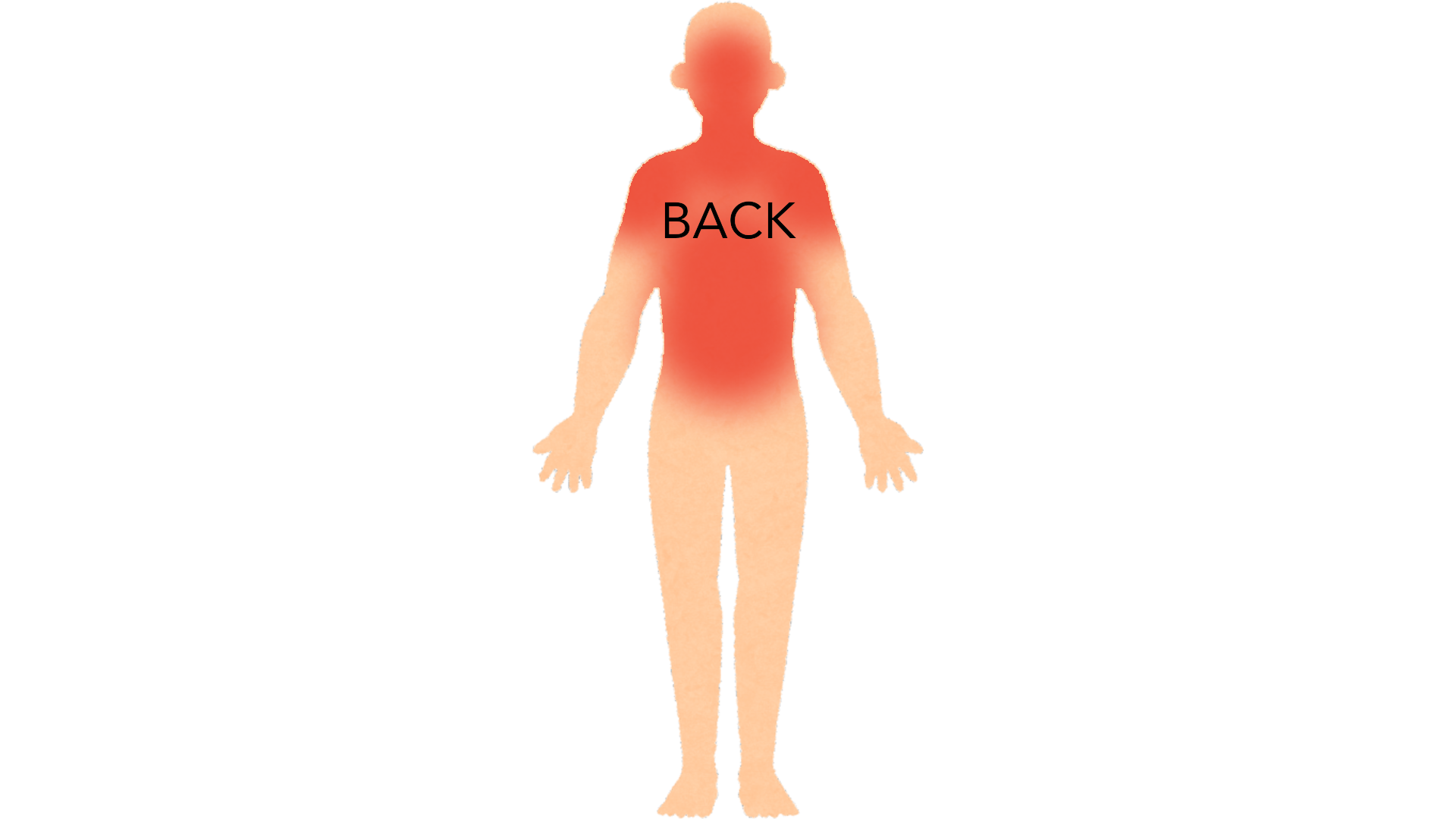
Sunburn appears exactly where the skin was uncovered, and it stops in sharp lines at a collar, a sleeve, a waistband or a swimwear strap. The back of the neck, the shoulders and the upper back take the most, because they face the sun for the whole day.

The tops of the feet are the classic missed spot, especially in sandals, and the front of the shins burn in anyone sitting outside. The chest catches it under an open collar.
Heat rash
Within hours of getting hot
While you are still hot and sweaty, or shortly after.
Sunburn
Hours later, worst at about a day
Redness builds after you come indoors and peaks around 24 hours. You can burn badly and feel nothing at the time.
Heat rash
Two to three days
It clears quickly once the skin cools down and stays dry.
Sunburn
Three to seven days, then peeling
The redness fades over several days, then the top layer sheds. Peeling means the damaged cells are being replaced.
Heat rash
Cool down and stay dry
Loose cotton, a fan or air conditioning, a cool shower, and drying the skin properly afterwards. Calamine or a light lotion for the itch. Thick creams make it worse by blocking the ducts further.
Sunburn
Cool it, moisturize, ibuprofen
Cool showers, aloe or a plain moisturizer, extra fluids, and ibuprofen in the first day to bring the inflammation down. Leave blisters alone.
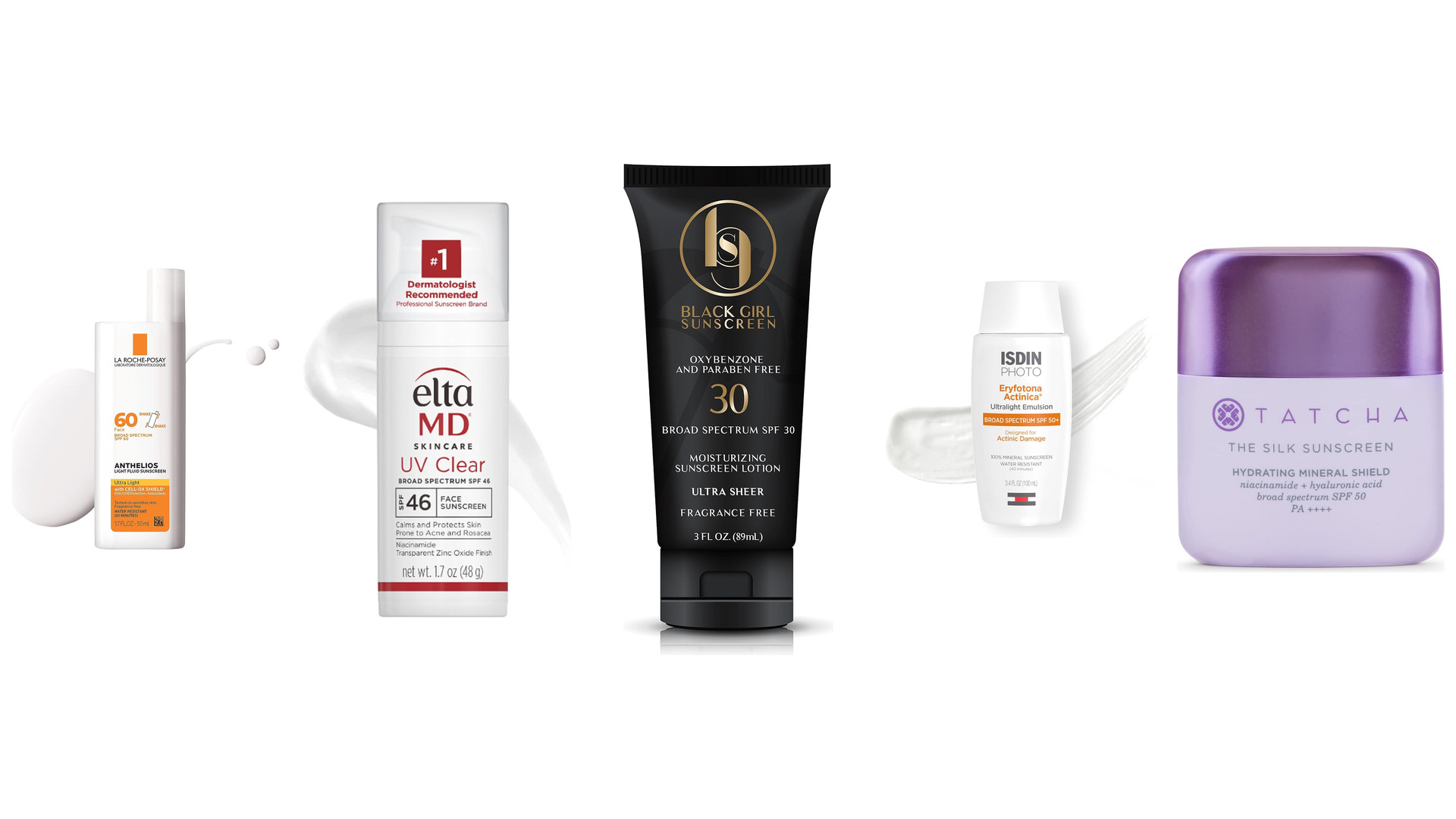
The only item on this page that acts before the injury rather than after it. SPF 30 or higher, broad spectrum, a teaspoon for the face and neck and about two tablespoons for the body, reapplied every two hours and after swimming or sweating. Quantity and reapplication matter far more than the number on the bottle. Once you are burnt it does nothing for the burn, but it still protects healing skin from marking.
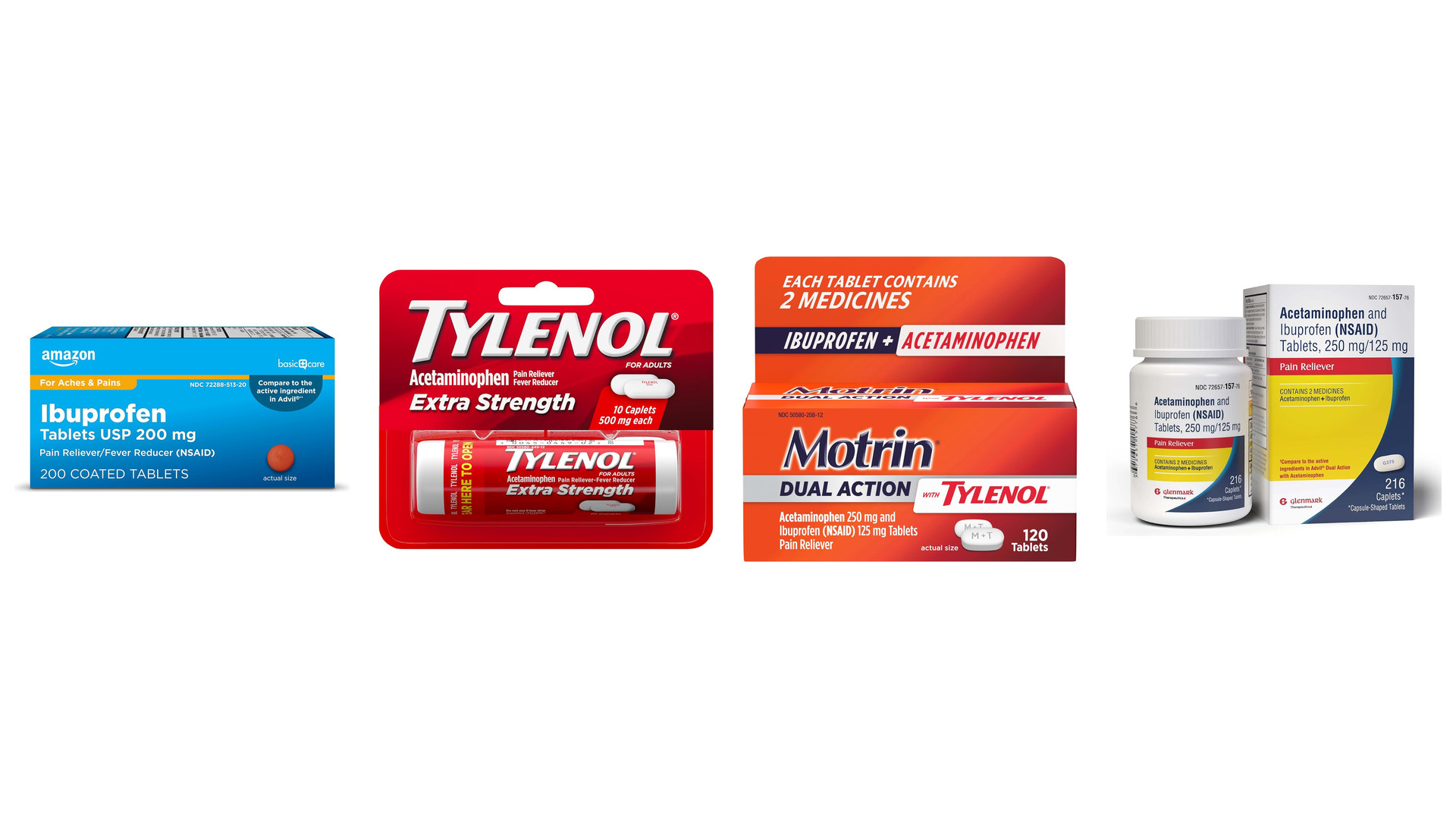
An anti-inflammatory painkiller works on the actual mechanism of a sunburn, which is inflammation, and it helps most when it is started in the first few hours rather than added on day two. Take it regularly for the first day or so rather than only when the pain peaks. If you are pregnant or breastfeeding, ask the doctor managing your pregnancy which pain relief is appropriate.

The single most effective thing for pain in the first day, and it costs nothing. Cool, not cold, and never ice directly on burnt skin, which can deepen the injury. Ten or fifteen minutes at a time, repeated as often as it helps, and pat dry rather than rub. It relieves the pain without shortening the burn, which is true of everything in this section.
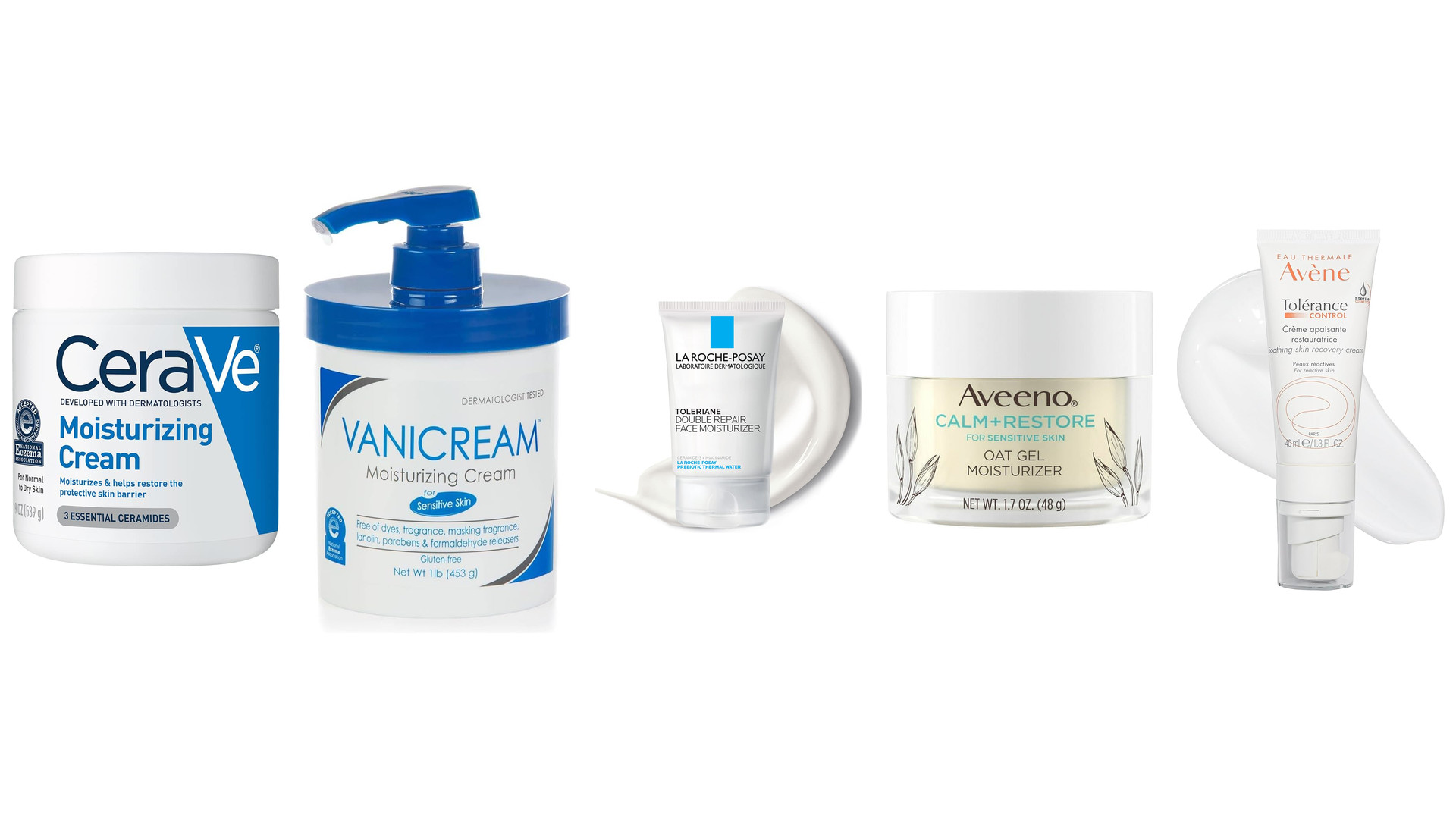
Applied while the skin is still slightly damp, a plain moisturizer eases the tightness and later reduces the itching and cracking that come with peeling. Fragrance-free matters, because inflamed skin reacts to things it would normally tolerate. It does not stop the peeling, since that is dead skin being shed after a real injury, but it makes the week considerably more comfortable.

Cooling and pleasant on a burn, and it is what most people reach for first. The trial evidence that it does anything beyond that is thin. Keep it in the fridge if you like it, choose a plain gel without added fragrance or alcohol, and do not expect it to shorten anything. It is comfort, not treatment.
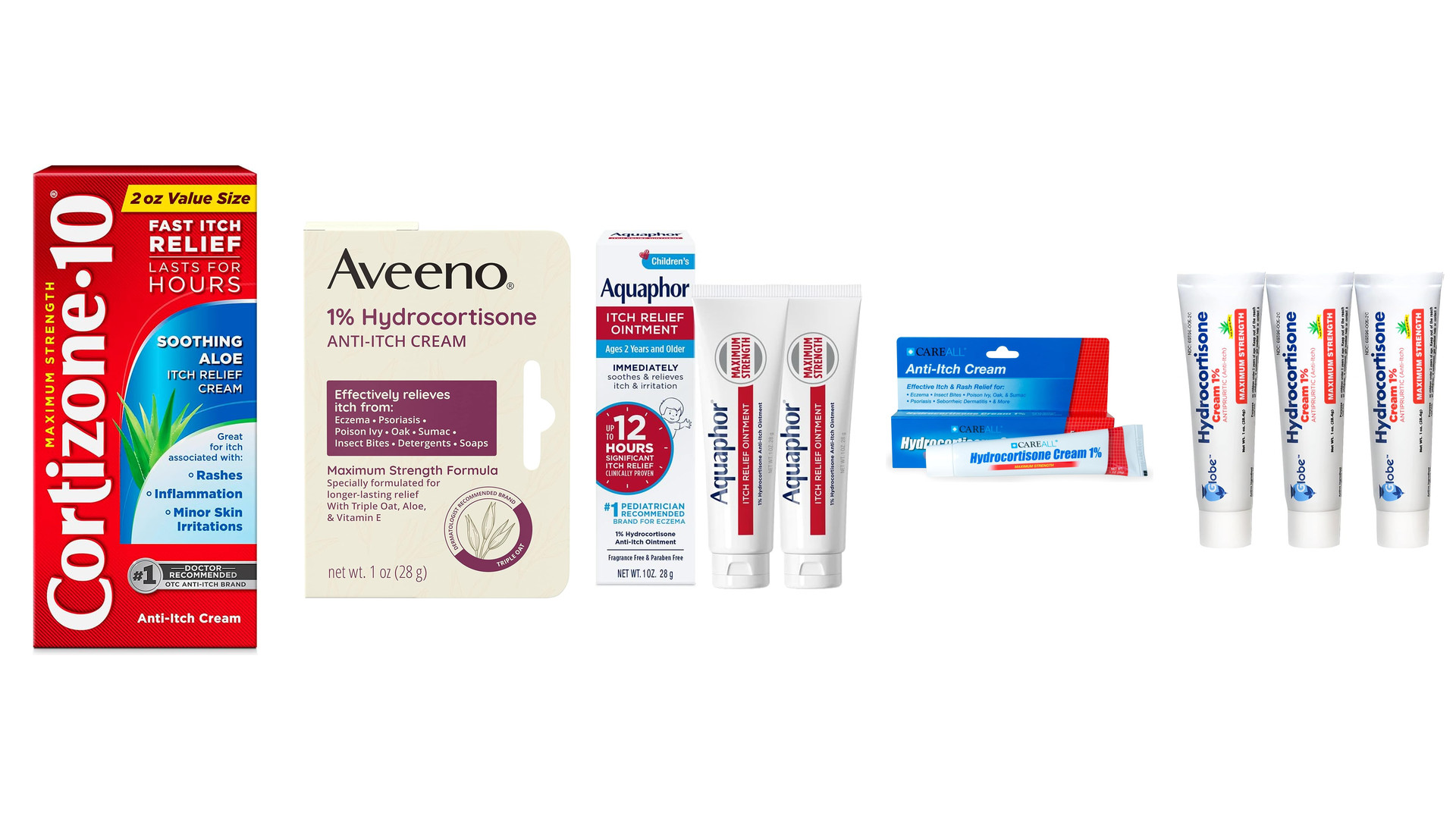
One percent hydrocortisone can take the edge off a small, sore area for a few days. Use it on unbroken skin only, never on blisters or open areas, and not over large parts of the body. It is a mild help rather than a fix, and if the burn is big enough that you want to cover it all, that is a burn worth having looked at.
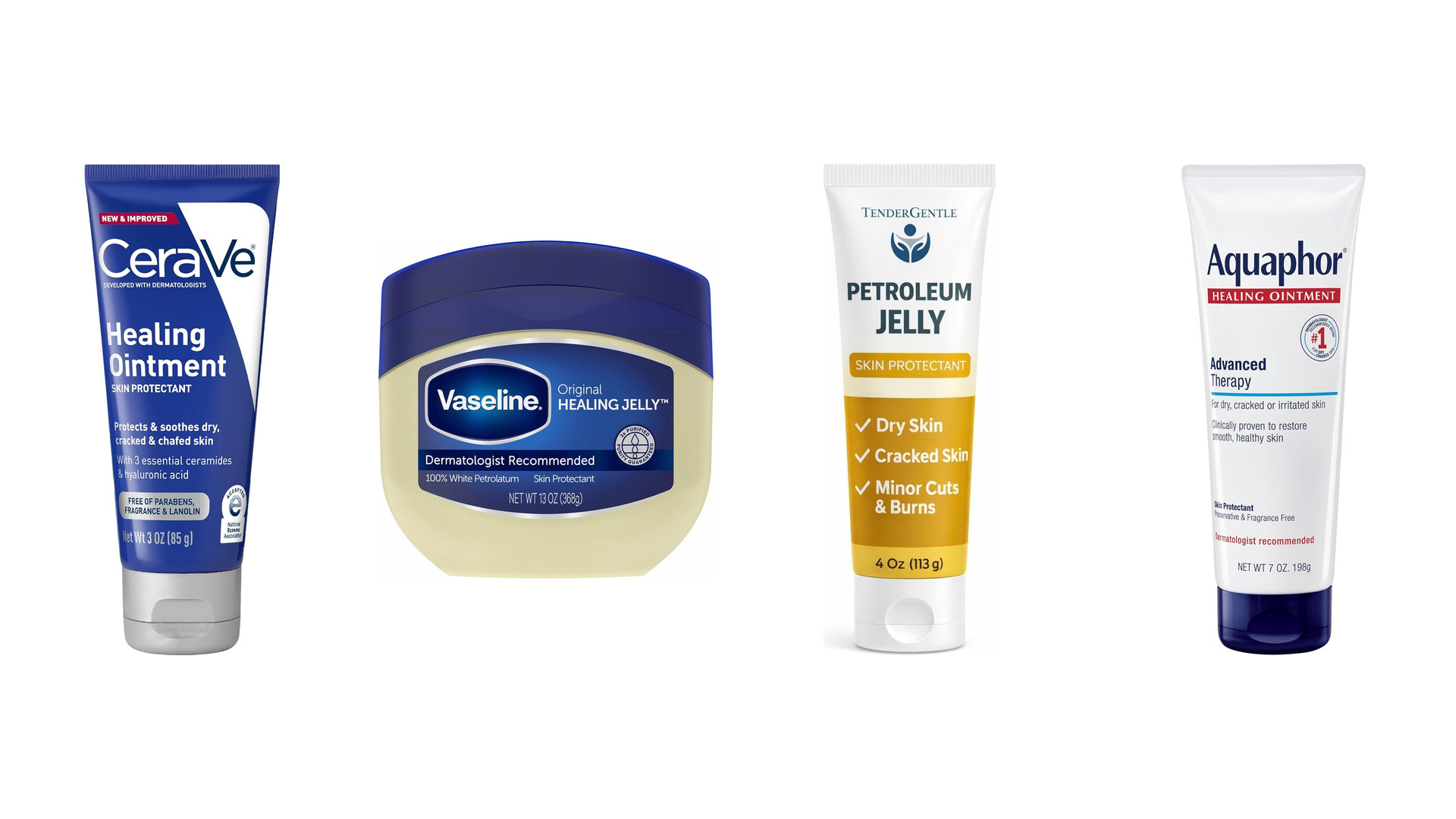
Its job here comes later, on peeling skin and on any blister that has opened, where it stops the new skin drying and cracking and reduces the itch. Use it under a loose non-stick dressing rather than an adhesive one. It is not for the first day on an intact, hot burn, where a thick greasy layer traps heat and makes things feel worse.

Benzocaine and lidocaine sprays sold for sunburn cause allergic rashes on inflamed skin often enough that they are not worth using. The relief is short, and an allergic reaction on top of a burn is a considerably worse week. Cool compresses and an anti-inflammatory painkiller do the same job without that risk.
A stronger steroid cream, sometimes prescribed for a few days on a severe burn that hydrocortisone has not touched. It reduces the inflammation and the soreness a little. It does not change how long the burn lasts or repair any of the damage underneath, and it goes on unbroken skin only, never on blisters or open areas.
An antibiotic ointment for the specific situation where broken blisters have become infected, which shows as increasing redness, swelling, heat or pus. It is not for a plain burn and does nothing for one. If the infection is spreading beyond the burnt area, antibiotic tablets are needed instead.
Heat rash
No
It clears without a trace.
Sunburn
Not usually, but damage adds up
A single burn heals. Repeated burns are the strongest link there is to skin cancer, and to the brown patches and fine lines people call ageing.
Heat rash
If it is not clearing, or looks infected
Bumps that turn into sore pus spots, or a rash that lasts more than a few days in a cool room, are worth having checked.
Sunburn
If it is widespread and blistering
Large blistered burns, or a burn alongside fever, chills, confusion or vomiting, need proper medical care rather than a shelf product.
Heat rash
Heat rash appears where your clothes sat. Under the waistband, along the bra line, in the crease of the neck, under a pack strap. It is the opposite map.
Sunburn
Sunburn stops where your clothes started. The line is sharp: a pale strip under a watch strap, a white shoulder under a vest, a red V at the neckline. Nothing but sun draws a border that neat.
Heat rash
Heat and UV are different things. You can burn badly on a cold, breezy or overcast day, because clouds let plenty of UV through. You can also get heat rash indoors in a heatwave with no sun at all.
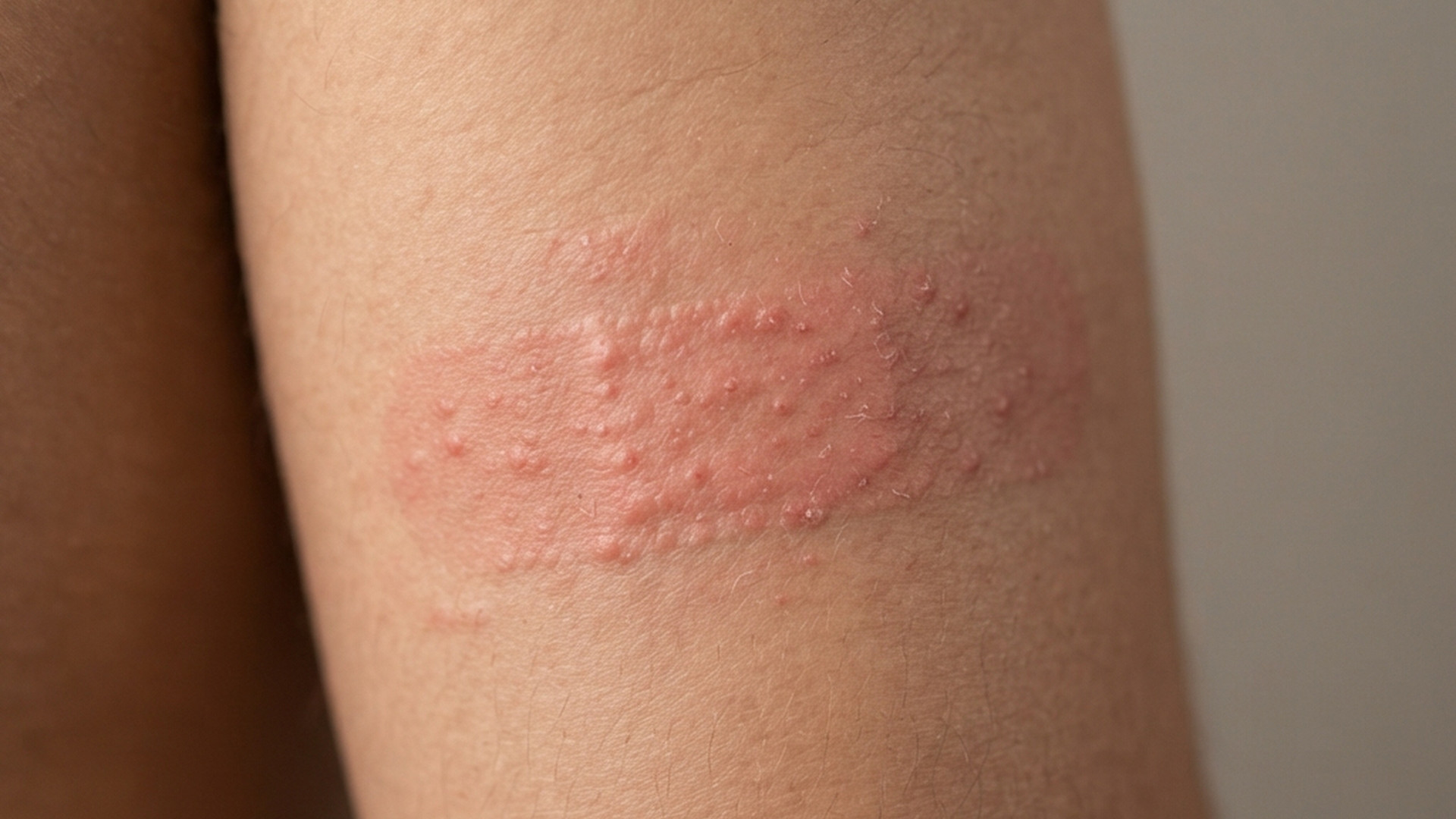
Plant sap on skin that then meets sunlight burns far harder than the sun alone, and lime juice is the classic culprit. It looks like sunburn except for the shape: streaks, drips, splashes and handprints, in odd angular patterns, on skin that was in no more sun than the skin beside it. It also leaves dark marks along the same lines for months afterwards.
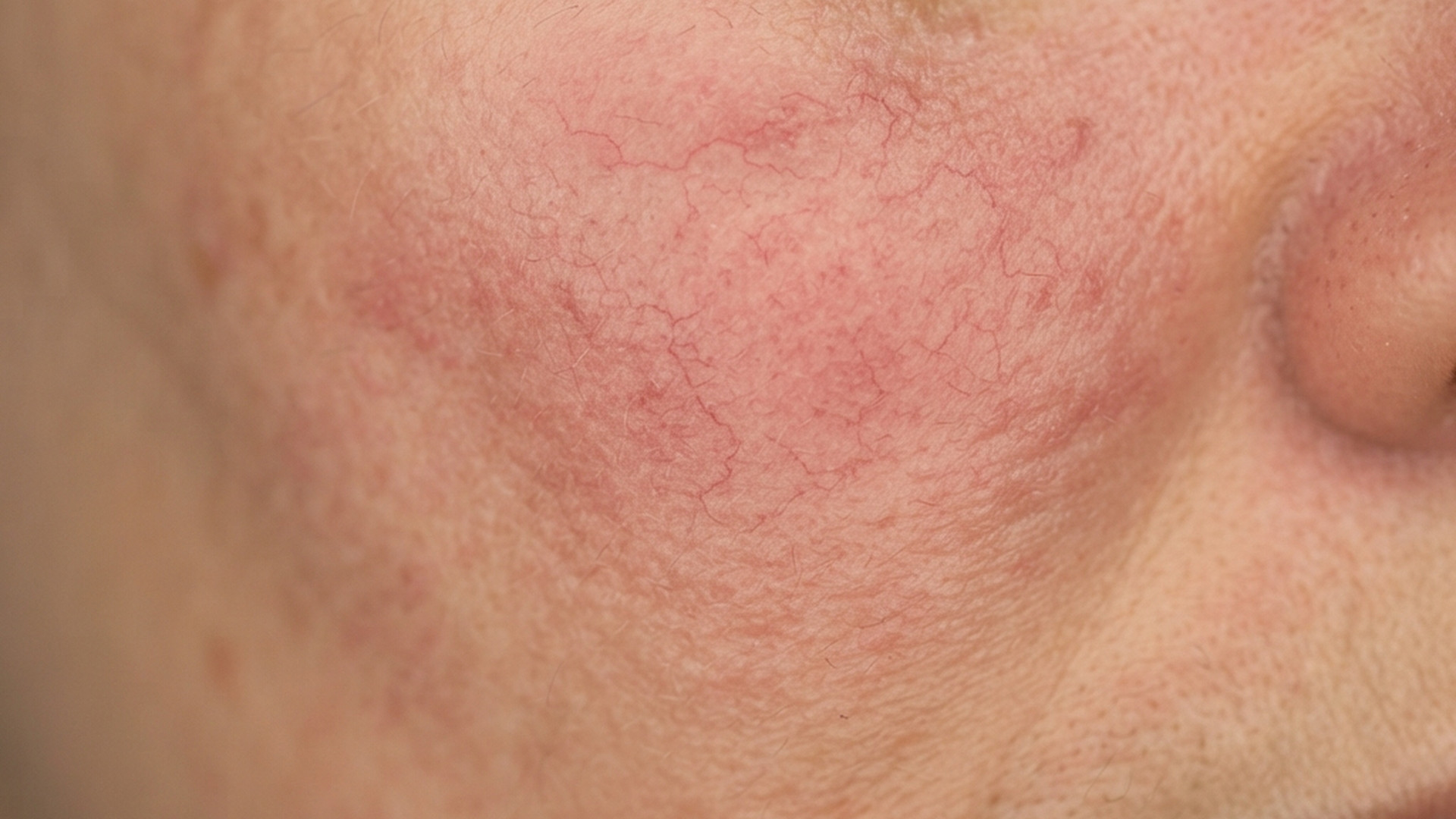
Redness across the cheeks and nose after a hot day outdoors gets read as a mild facial sunburn, especially the first few times. Rosacea sits on the central face and spares the forehead edges, jaw and ears that a real burn would catch, it comes back again and again from heat, exercise, alcohol and stress rather than once from an afternoon, and small visible blood vessels are usually there when you look closely.
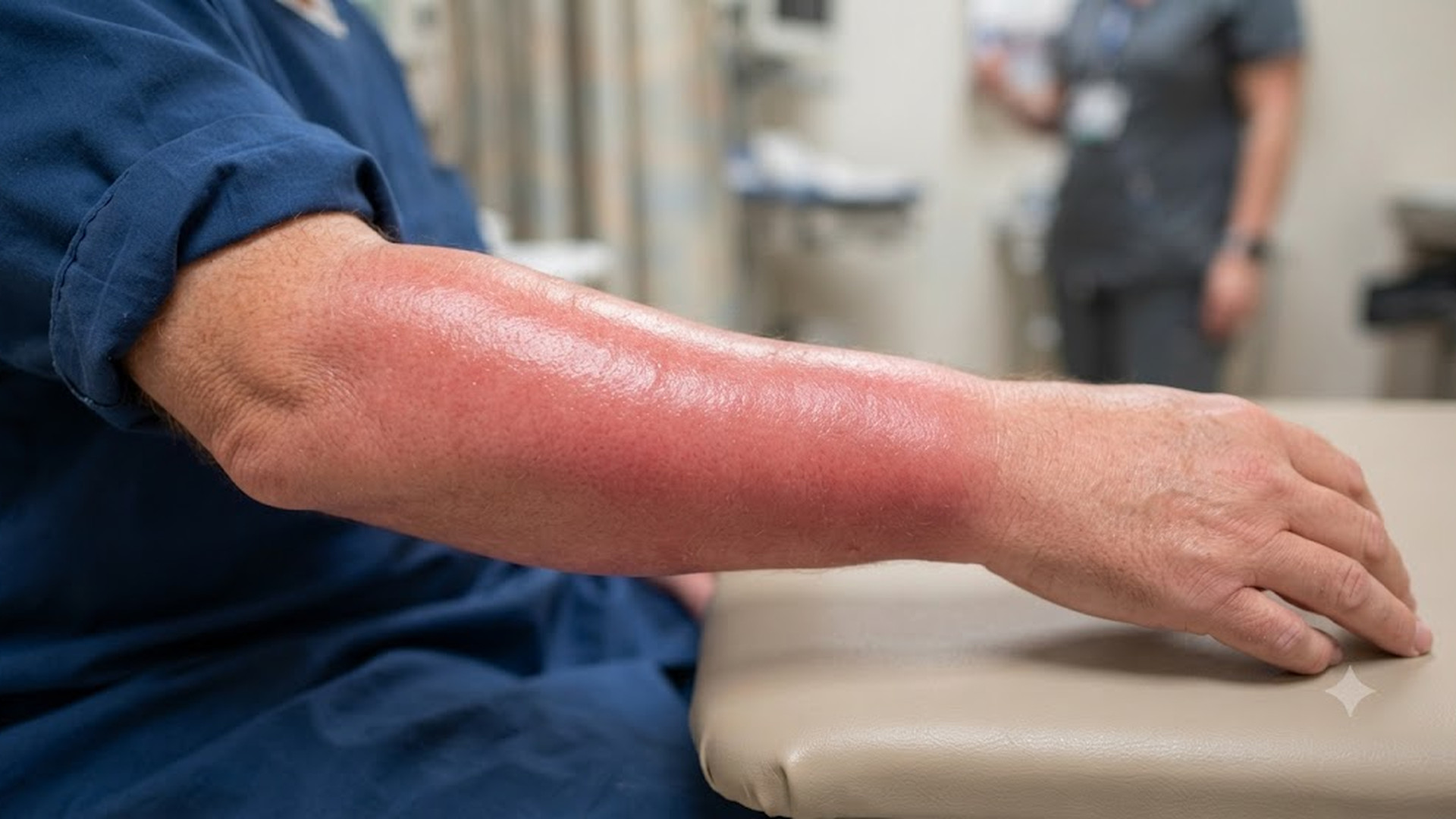
A hot, red, tender, swollen area can look like a bad local burn, and people who spent the day outdoors often assume it is one. Cellulitis is on one limb only rather than on everything the sun reached, it has no sharp clothing line, it spreads outward over hours to days instead of settling, and it usually comes with fever and feeling unwell. It needs antibiotics, so the distinction matters.
Common questions
Look at the border. Sunburn is flat, even redness that stops exactly where your clothing started. Heat rash is a patch of tiny prickly bumps in the places clothing sat, like the waistband, the bra line and the neck crease.
Yes, and it is common after a hot day outdoors. Burnt shoulders and a prickly chest can happen on the same afternoon. Read each area separately.
Sunburn keeps developing after you come inside and peaks around 24 hours. Skin that looks slightly pink in the evening can be properly burnt the next morning.
Cool down and stay dry. Loose cotton, a fan or air conditioning, a cool shower and drying the skin properly. Skip thick creams, because they block the ducts further.
It cools and moisturizes, which makes the skin more comfortable. It does not undo the damage or shorten the burn. Ibuprofen in the first few hours does more for the inflammation.
Yes. Clouds let a lot of UV through, and wind hides the heat you would otherwise feel. Burning has nothing to do with how hot it feels.