It clears clogged pores.
Blackheads and whiteheads are removed by a clinician.
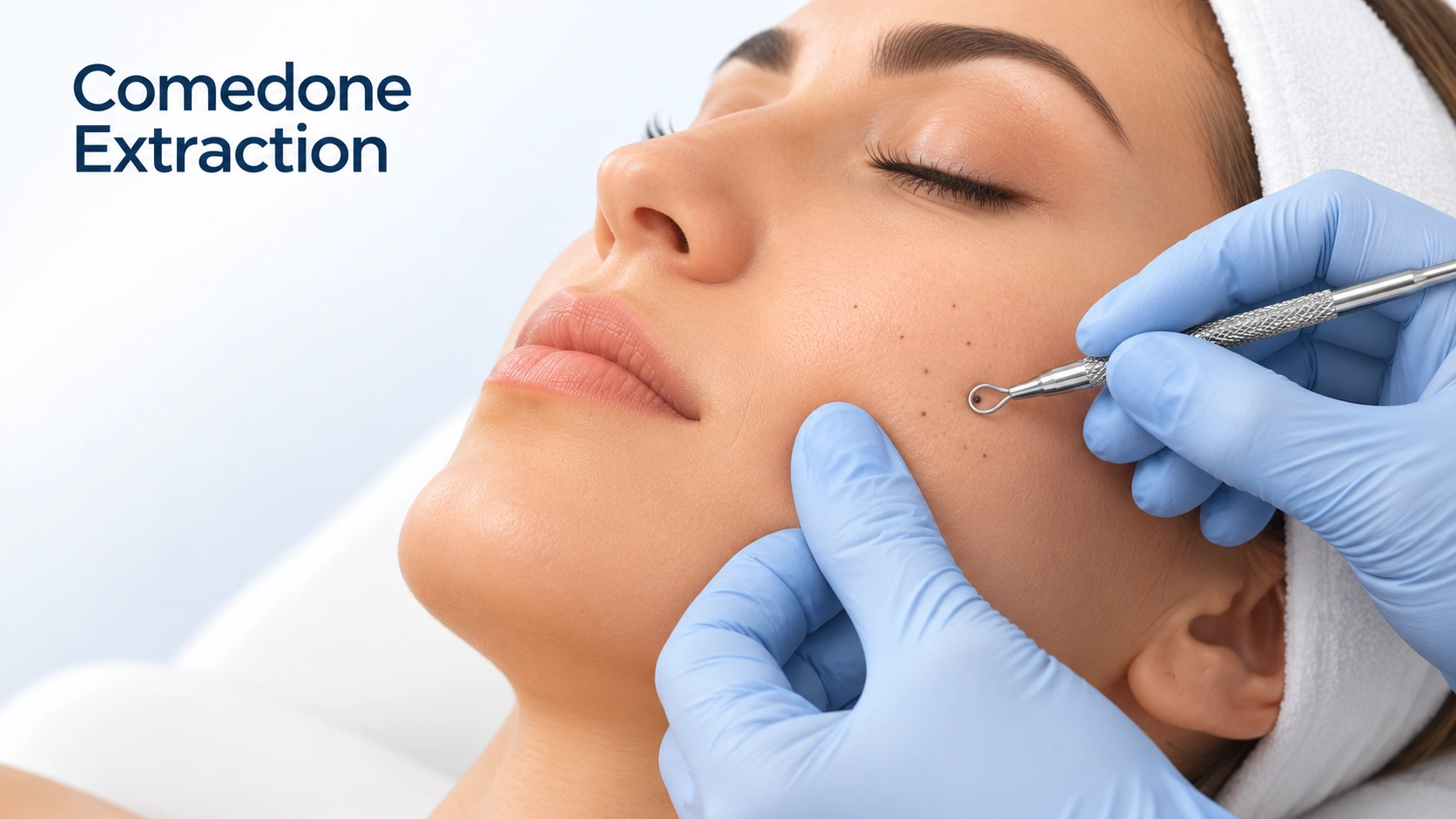
Comedone Extraction: A provider clears blackheads and whiteheads with a small tool. The result is immediate and temporary — pores refill within weeks unless a daily treatment changes them.
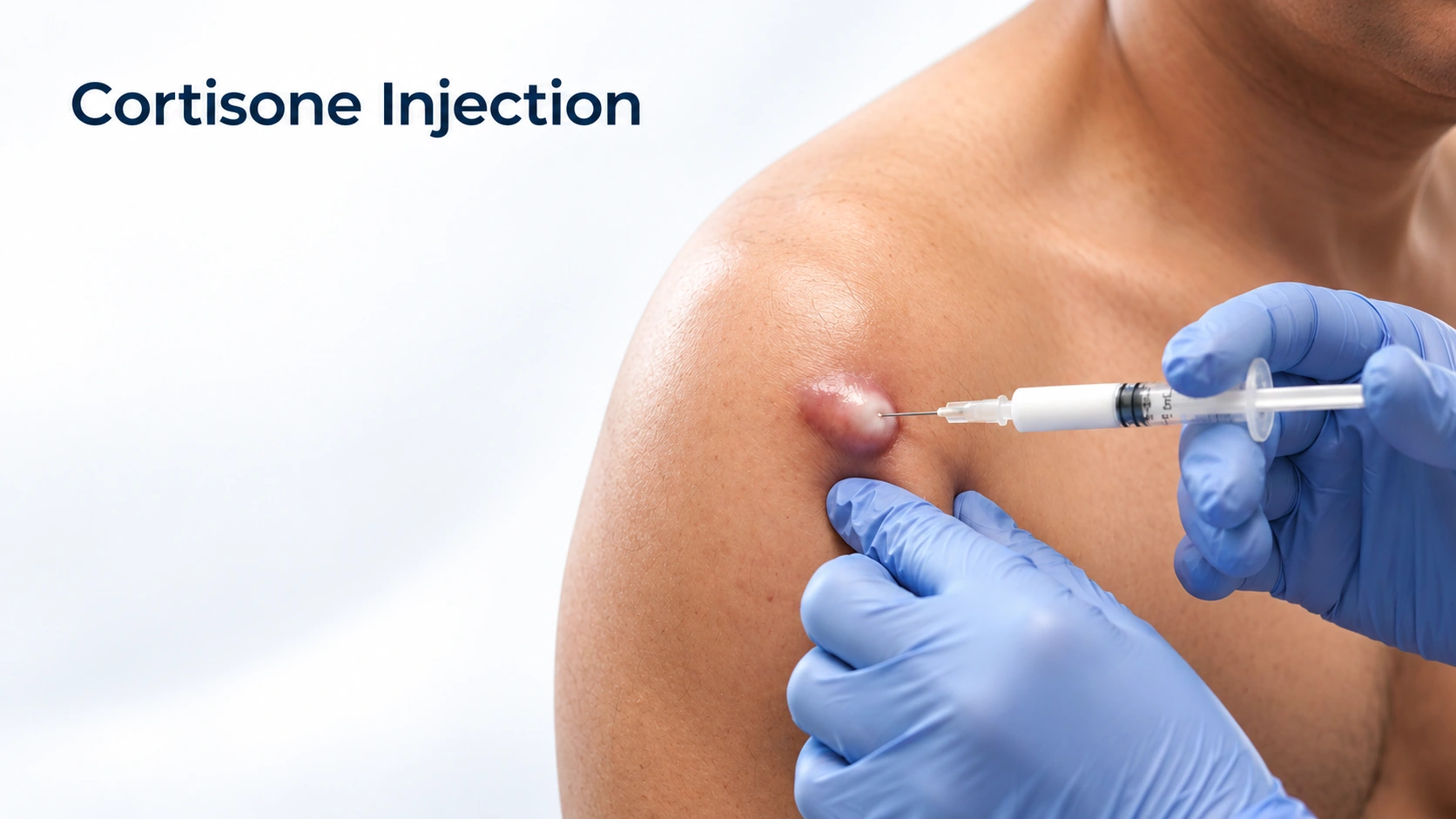
Cortisone Injection: A tiny shot of diluted steroid into one inflamed acne cyst. It flattens that spot in a few days. It treats the bump, not the acne.
Choose for an instant clear-out of blackheads, whiteheads or milia — temporary unless a daily treatment keeps pores clear.
Choose for one painful acne cyst that needs to flatten fast, or for keloids and patchy hair loss.
Can you have both?
Often used in the same acne visit: extractions for blackheads, a cortisone injection for a single painful cyst.
Blackheads and whiteheads are removed by a clinician.
It does not address every cause of acne.
Nodules and cysts need a different plan.
Excessive force can cause scarring or pigment change.
An intralesional steroid calms local inflammation or scarring.
It is not a systemic steroid treatment.
Infected or uncertain lesions should not be injected.
Skin thinning, fat loss and pigment change may persist.

Flattens a painful cyst within days.
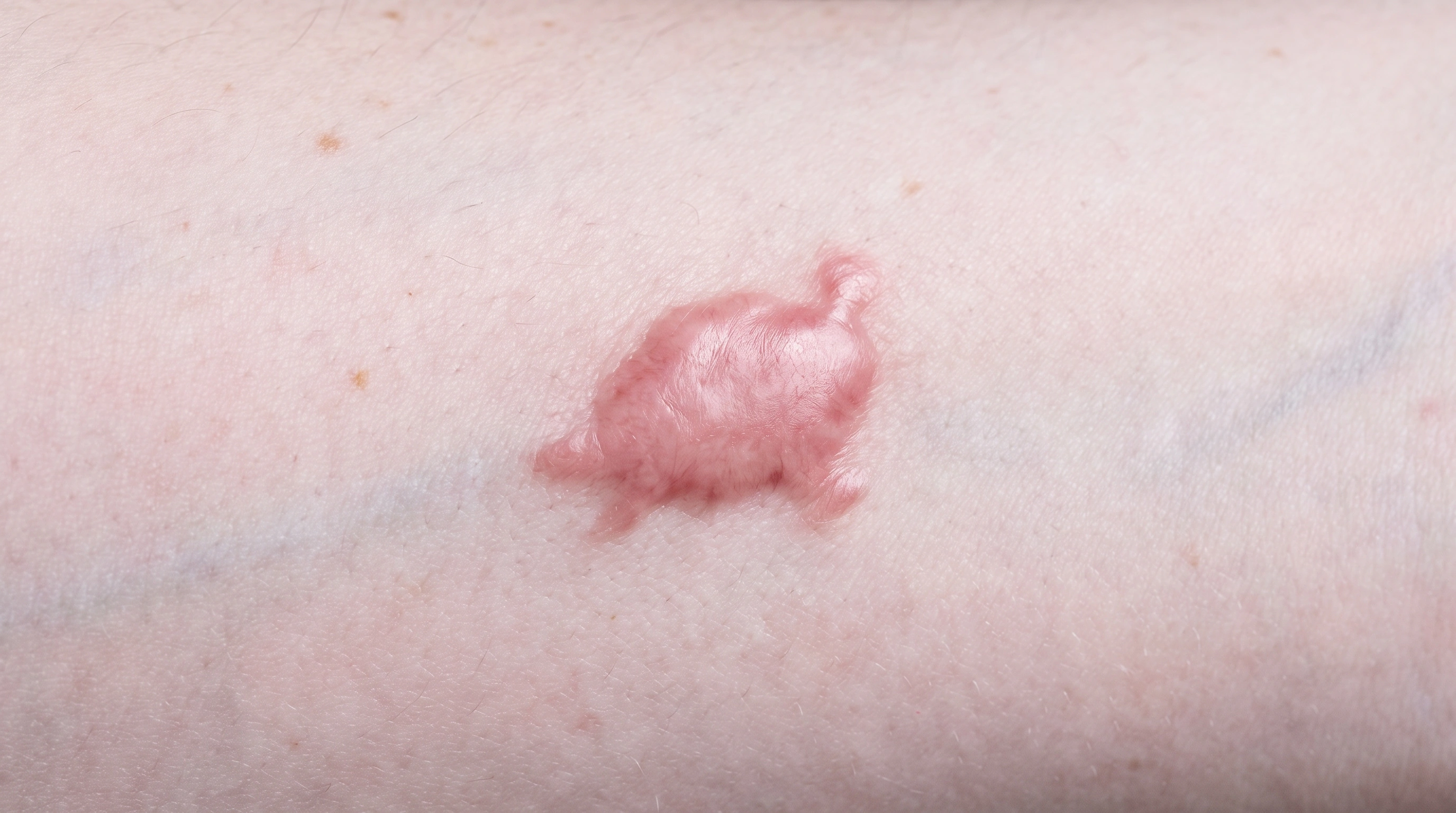
Softens and flattens raised scars.
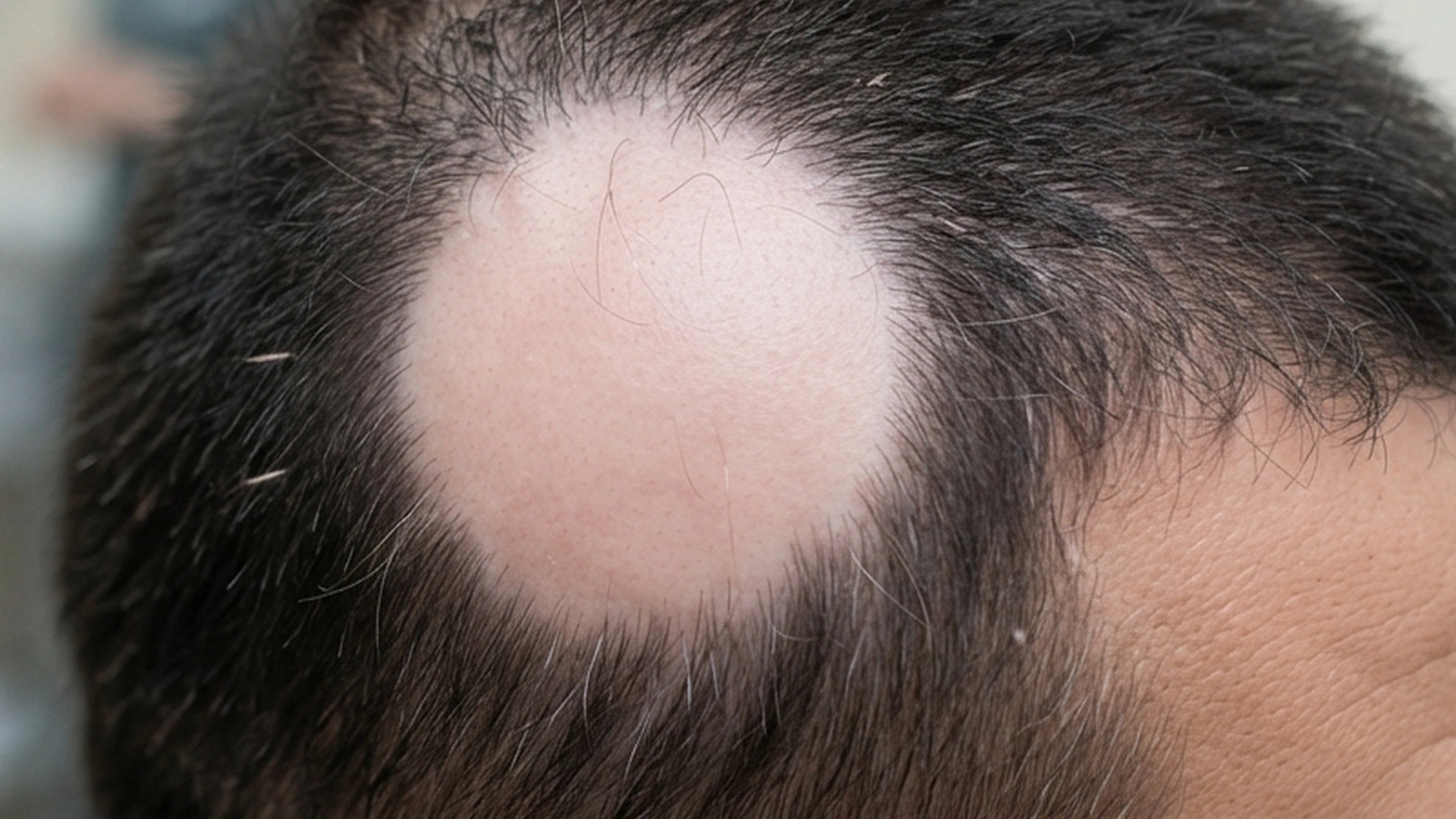
Regrows hair in patches.
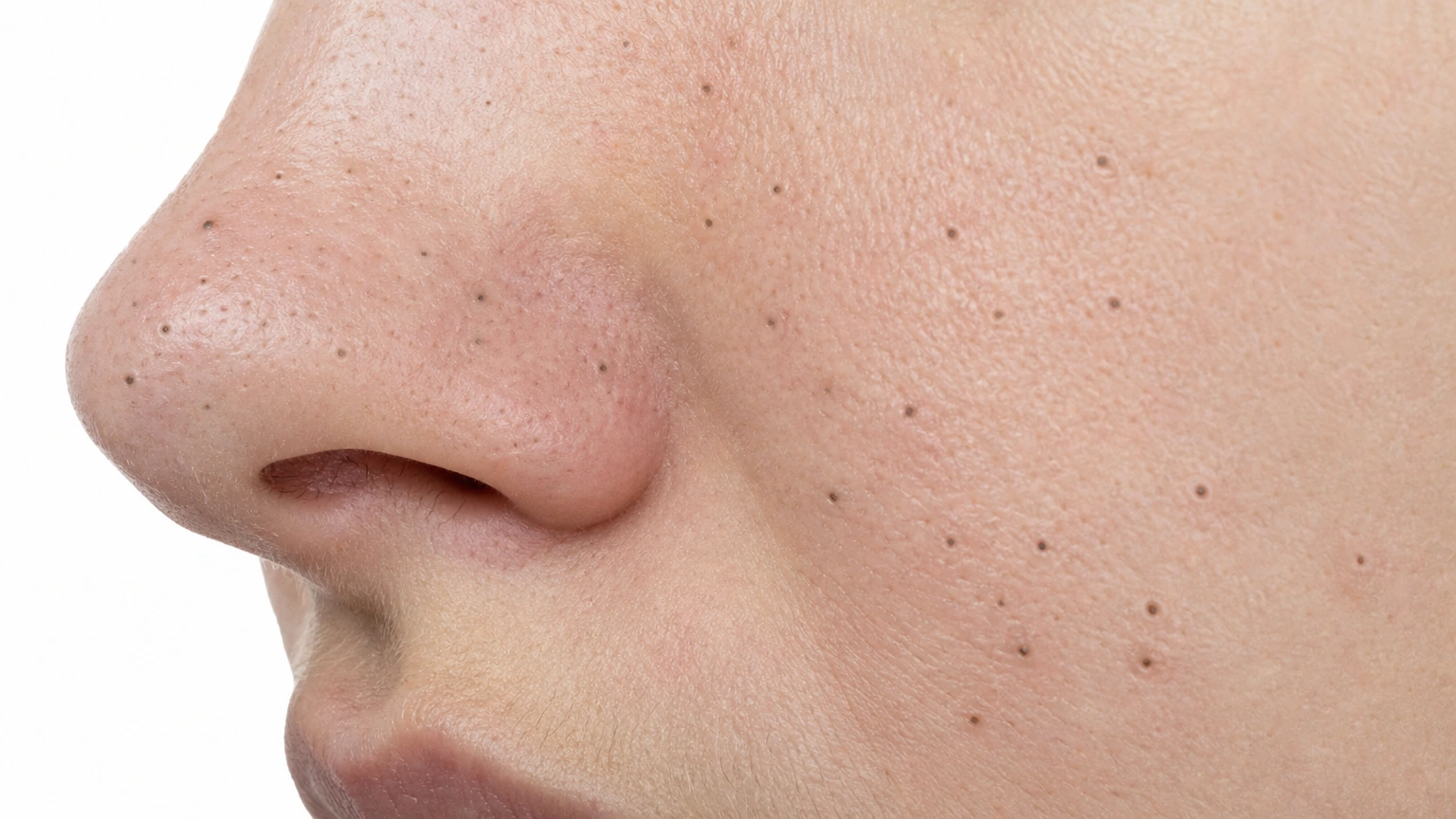
Clears them the same day.

Removes stubborn milia.
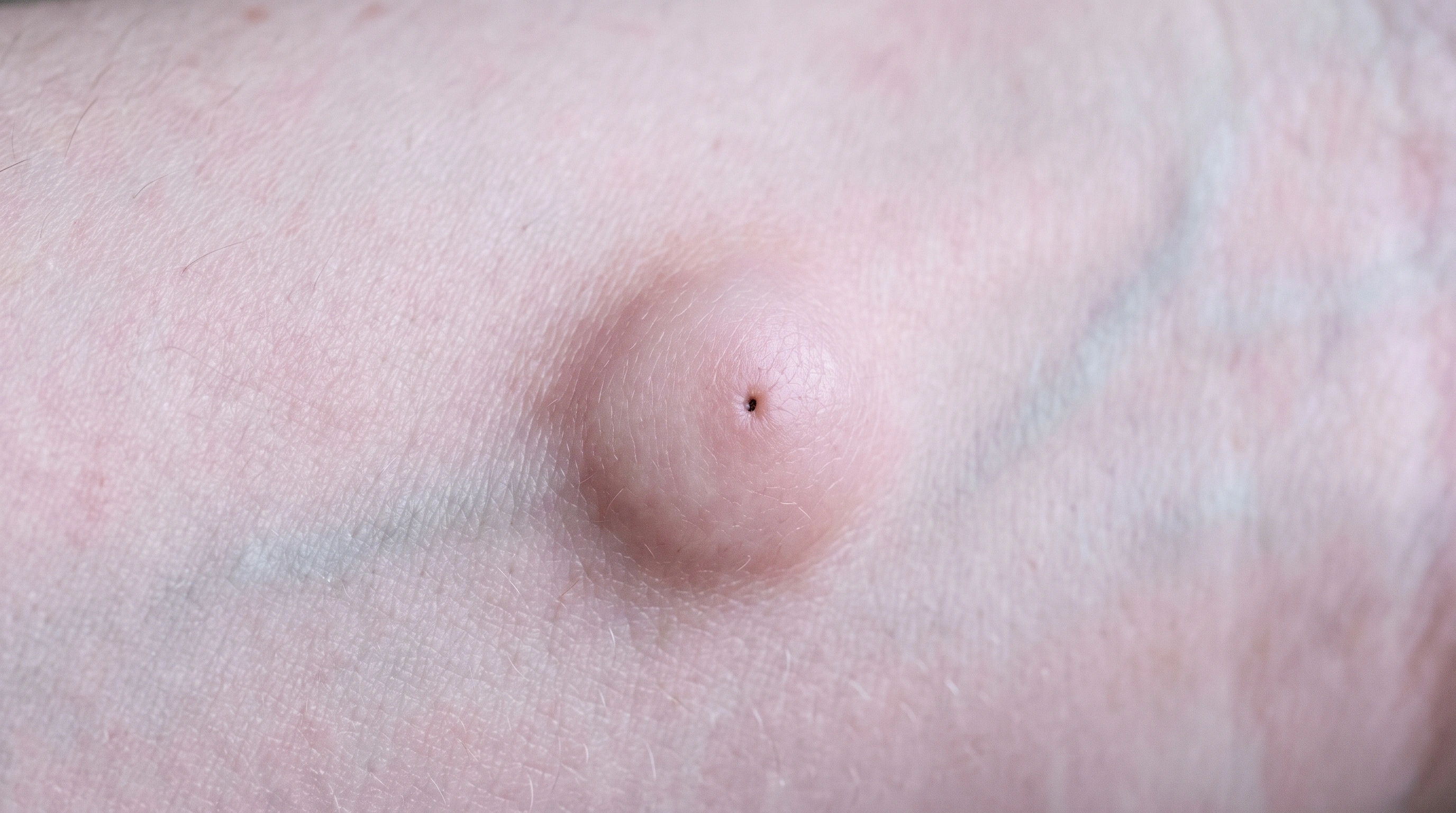
Calms an inflamed cyst.
Helps clogged pores alongside treatment.
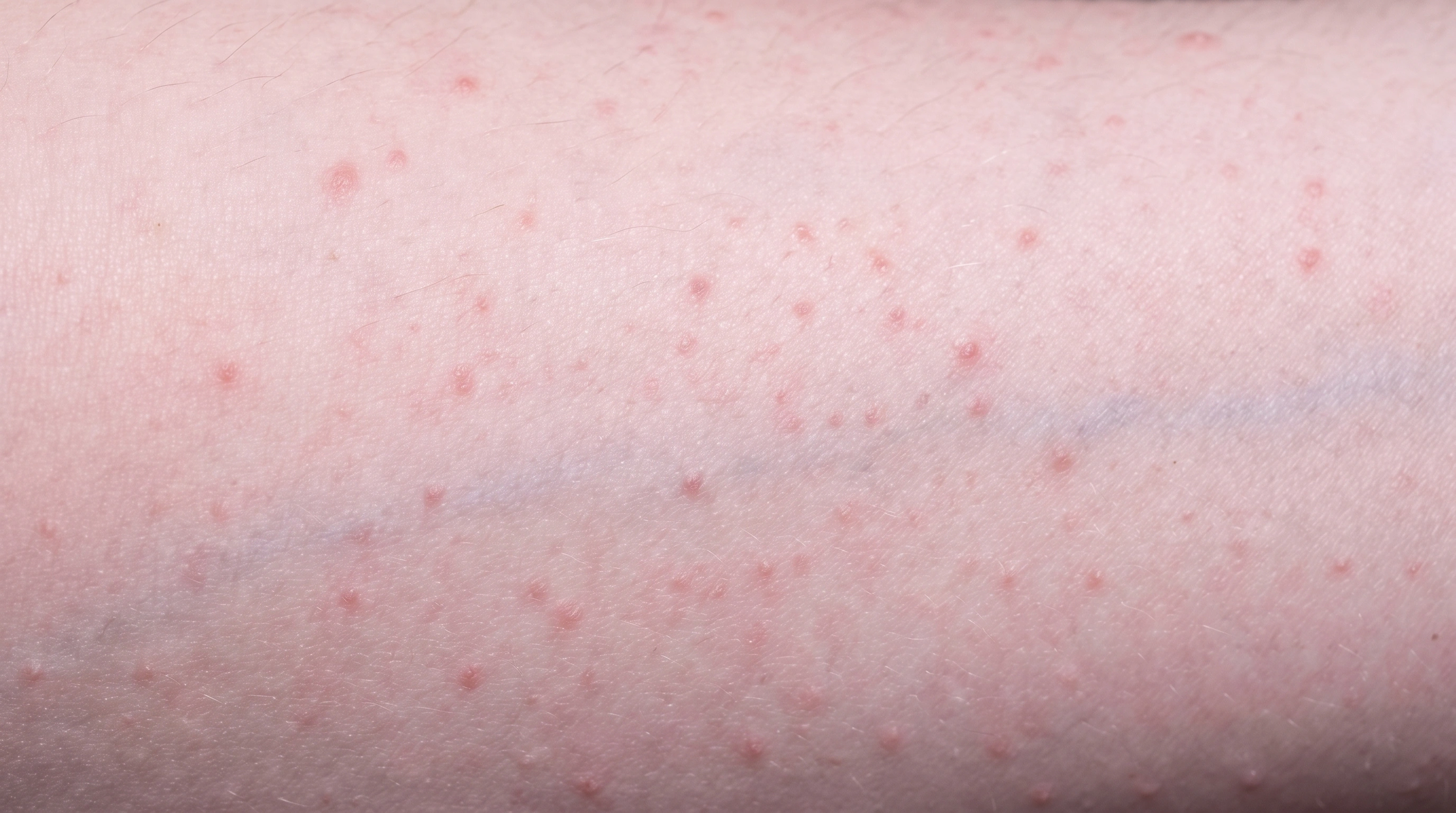
These bumps aren't clogged pores.
Not for clogged pores.

Squeezing worsens redness.
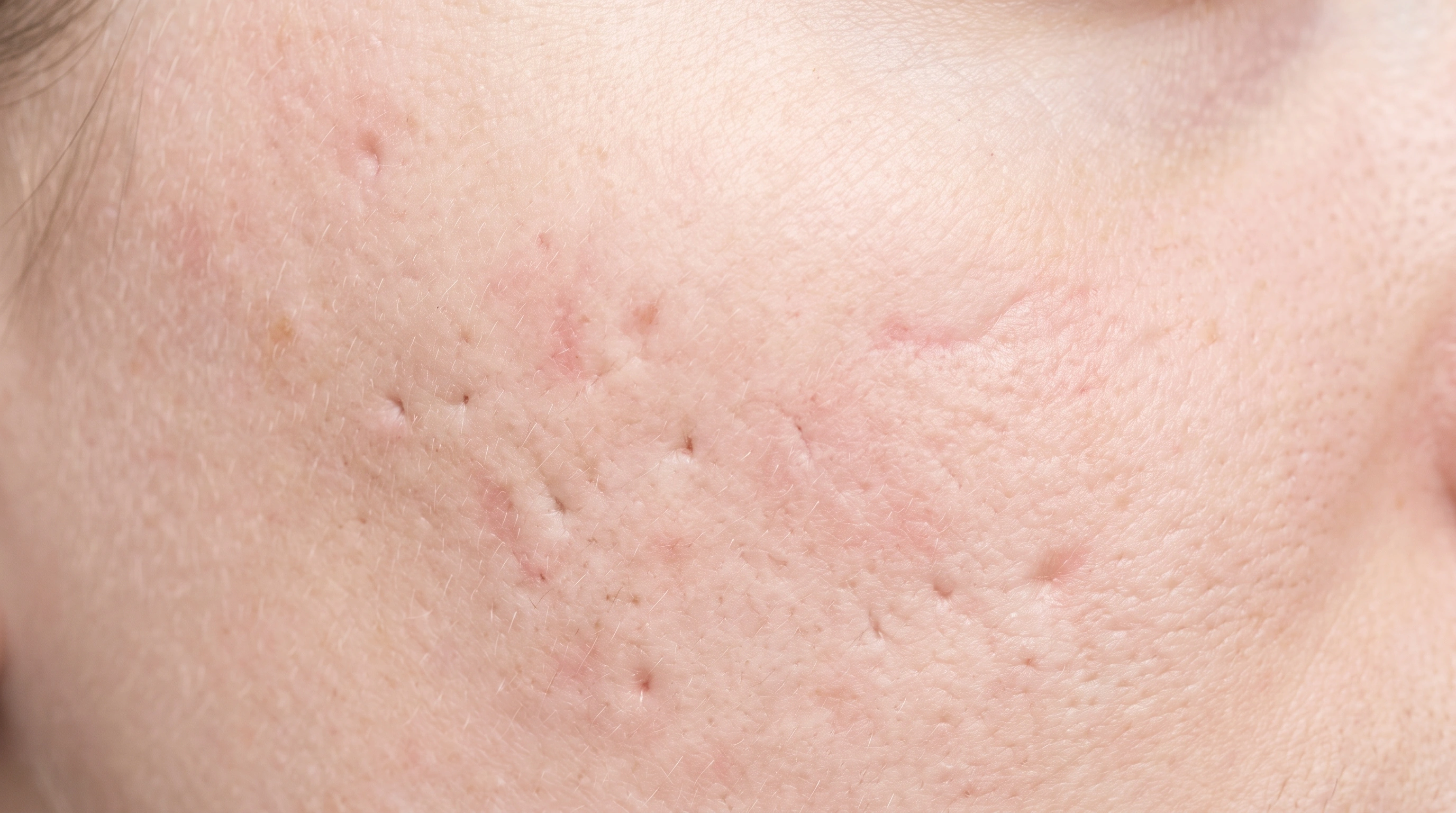
Can cause dents in skin.
Face; the selected area depends on the concern and treatment plan.
The specific lesion, scar or affected patch determines the treatment site; there is no fixed body distribution.


An accessible plug is selected: A clinician identifies a suitable comedone. The plug is carefully removed: Controlled extraction lifts out trapped keratin and sebum. The pore opening is cleared: Ongoing acne care helps reduce new blockages.
Schematic illustration. Technique and response vary. This explains a mechanism and does not specify treatment settings.
Medicine is placed in a lesion: A clinician injects an appropriate corticosteroid preparation. Inflammatory signaling decreases: The steroid reduces local immune and inflammatory activity. The lesion may soften or flatten: Response depends on the condition, dose, and placement.
Schematic illustration. Technique and response vary. This explains a mechanism and does not specify treatment settings.
Prep products: Some providers ask for a retinoid or salicylic acid first, which loosens plugs and makes extraction easier.
A few days before: Do not pick: No picking or squeezing at home.
Do not pick: Do not pick, squeeze or heat the spot.
Clean face: Come without makeup if you can.
Clean skin: Wash your face and skip makeup on the area.
Skin is cleaned and the provider decides which spots can be extracted.
The provider checks that the spot is an inflamed acne cyst and not a boil.
The provider presses around the pore with a metal loop or two swabs, opening whiteheads first with a tiny sterile needle.
You feel firm pinching at each spot. A full face takes 10 to 30 minutes. Blackheads are pressure more than pain; whiteheads and deeper plugs sting when opened, and a long run is tiring rather than sharp. A painful spot is not forced.
The skin is wiped with alcohol.
A very fine needle goes just into the bump and a small amount of fluid goes in, under 10 seconds per spot. The sting is sharp for a few seconds, worse if the cyst is already tender, but most people rate it lower than they expect. Numbing does not help much — the needle stick is the whole procedure.
Red, blotchy skin with pink rings where spots were, sometimes pinpoint scabs.
A tiny red dot, sometimes a small raised bleb that flattens within an hour.
Hours 2 to 6: Redness and small raised rings, sometimes into the next day, with occasional pinpoint scabs where a whitehead was opened.
Days 1 to 2: Redness mostly gone.
Days 1 to 2: The bump softens and the ache fades.
Days 3 to 7: Skin looks normal.
First few days: A pinprick mark, sometimes a small bruise, fading over a few days.
Days 3 to 7: Most cysts are flat.
Immediately
24–48 hours for a cyst
Weeks; pores refill without daily treatment
Treats only that spot
With a dermatologist it is often bundled into an acne visit at no extra charge.
Roughly $50 to $250 per office visit in the US, usually billed as an office visit plus a procedure charge rather than per spot.
Insurance sometimes covers it when billed as acne surgery at a medical dermatology visit.
Insurance often covers it, since acne cysts count as medical rather than cosmetic.
No. It empties the pore that day. It refills over 4 to 8 weeks unless a daily retinoid changes how the pore behaves.
Mostly yes — technique and restraint. A provider uses sterile tools, opens closed spots properly, and stops when a spot resists. Home squeezing causes most brown marks and small scars.
No. Deep, red, painful lumps have no opening to press through, and forcing one makes it worse. A cortisone injection is the answer.
Only in appearance, and briefly. An empty pore looks smaller; pore size does not change.
Blackheads feel like firm pinching. Whiteheads sting for a second when opened. Uncomfortable rather than painful.
Softening begins within 24 to 48 hours and most spots are flat by day three to five. That figure traces back to one small 1983 trial — it matches what dermatologists see but has never been tested at scale. The mark left behind takes weeks longer, and the injection does not speed that up.
It can. A shallow depression happens when the dose is too strong, so a lower concentration is the main protection. It is uncommon — most dermatologists see it in well under one patient in a hundred — and it often fills in over several months. But it is not reliably temporary. About half the clinicians who do see it report it lasting more than six months, and occasionally it is permanent. That is why you ask what concentration is being used.
Yes, the most common reason people ask. Aim for three to five days ahead so the swelling has time to drop. A same-day injection rarely looks better by that evening.
No. It treats only the spot it is injected into. Preventing the next cyst needs a daily treatment plan, and the guidelines call this an add-on.
Yes. The risk is a lighter patch at the site, more noticeable and slower to fade on deeper skin tones. A lower concentration reduces it, so ask.
Not in the United States, strictly speaking. The FDA labeling lists intralesional use for keloids, alopecia areata, discoid lupus and others. Acne is not on it. Off-label use for an acne cyst is routine, legal and recommended by the American Academy of Dermatology, but almost nobody says it out loud. In the UK, NICE withdrew its recommendation in 2026 after UK-licensed triamcinolone injections stopped being available — a supply and licensing decision, not a safety one.