It clears clogged pores.
Blackheads and whiteheads are removed by a clinician.
Comedone Extraction: A provider clears blackheads and whiteheads with a small tool. The result is immediate and temporary — pores refill within weeks unless a daily treatment changes them.
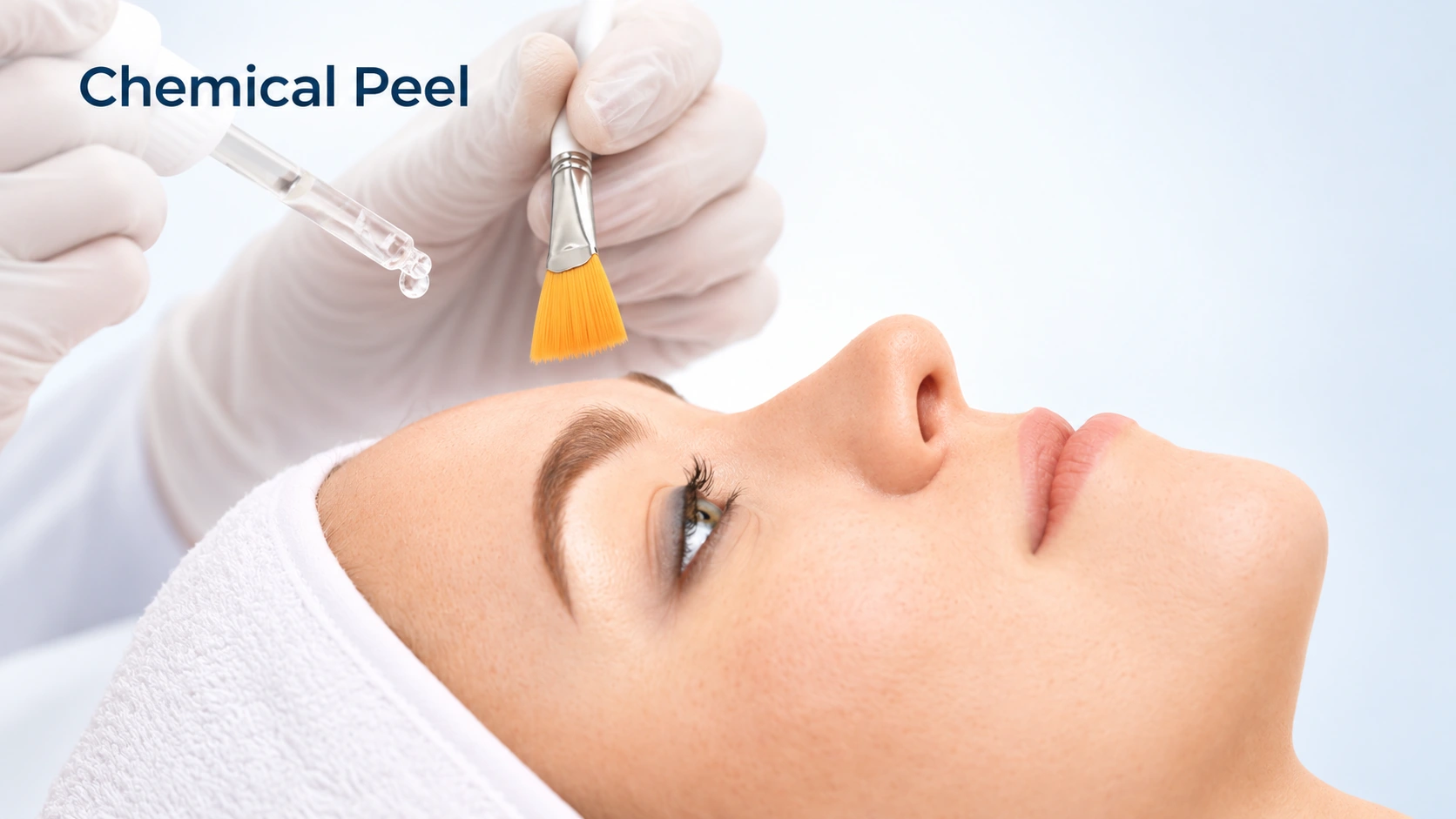
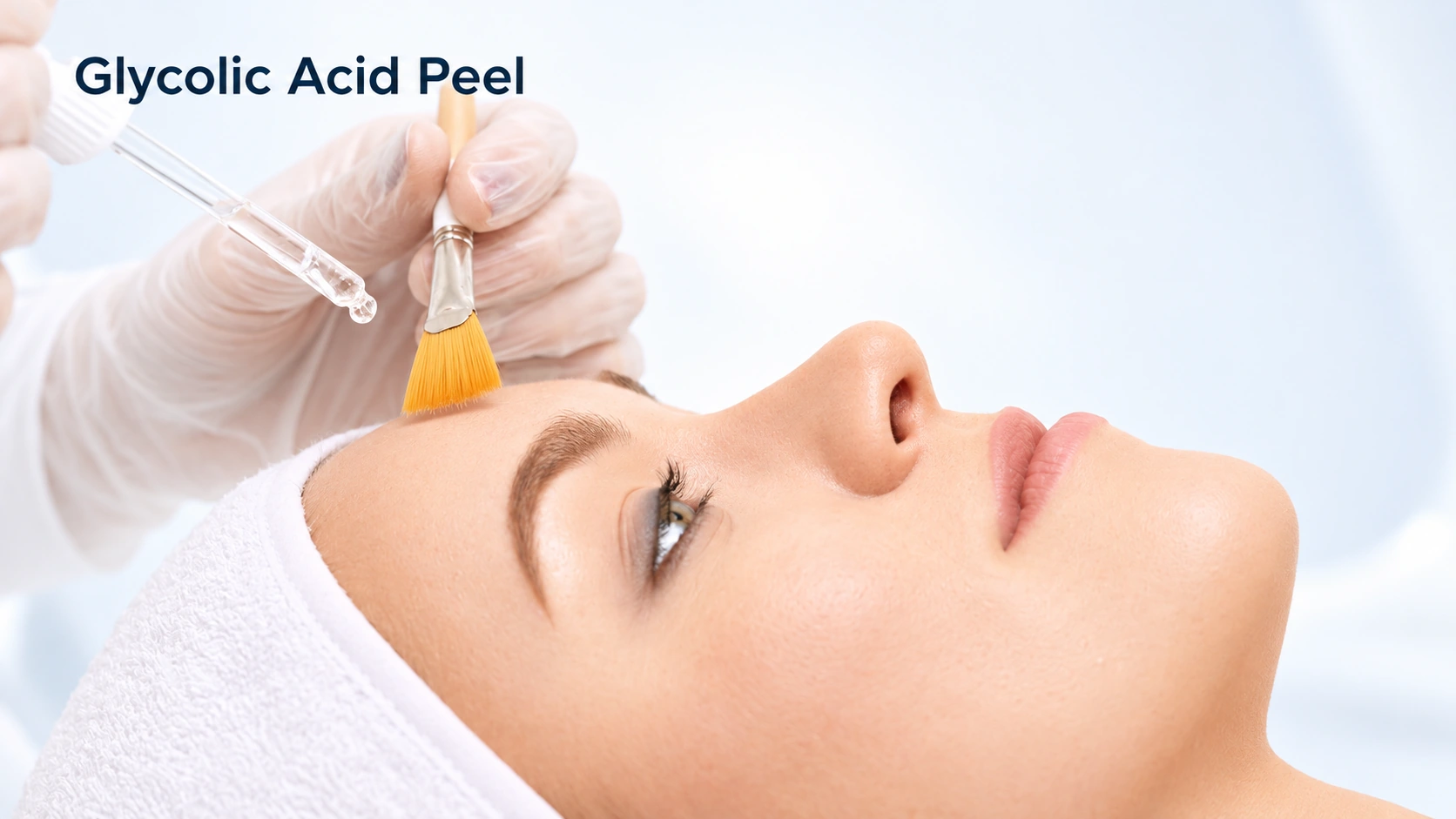
Glycolic Acid Peel: A chemical peel that uses glycolic acid, the smallest of the fruit acids. It brightens dull skin, softens rough texture and fades flat brown marks. It works on the surface only, and it has to be neutralized on time.
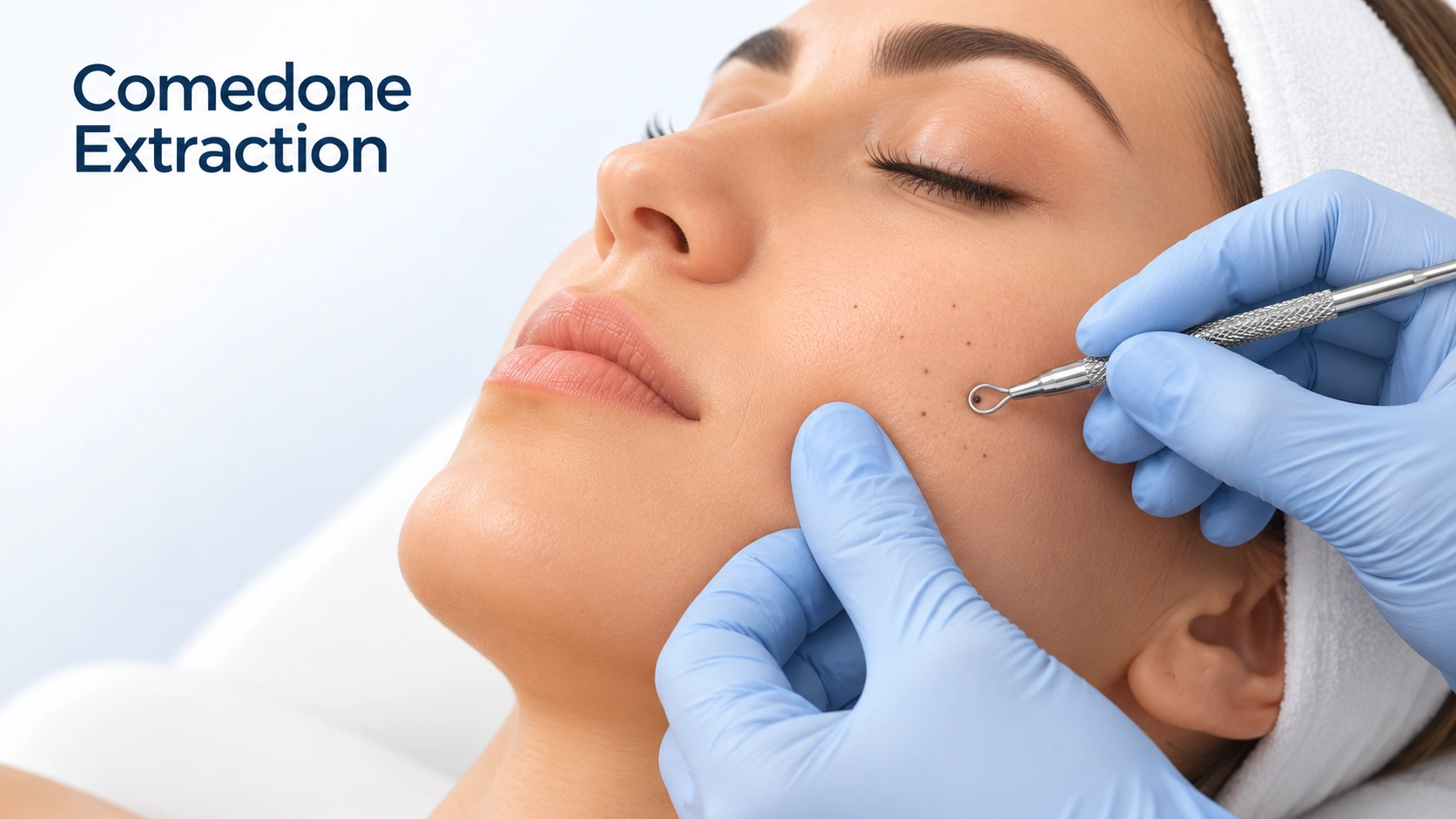
Choose for an instant clear-out of blackheads, whiteheads or milia — temporary unless a daily treatment keeps pores clear.
Choose to brighten dull skin and fade flat brown marks with little or no downtime.
Can you have both?
Often done together for acne: extractions clear blackheads and the glycolic peel helps stop new ones forming.
Blackheads and whiteheads are removed by a clinician.
It does not address every cause of acne.
Nodules and cysts need a different plan.
Excessive force can cause scarring or pigment change.
A glycolic acid peel is an alpha-hydroxy acid exfoliation.
Acidity, contact time and technique matter.
The FDA warns against unsupervised strong peels.
Irritation, recent procedures, herpes and pigment risk are reviewed.
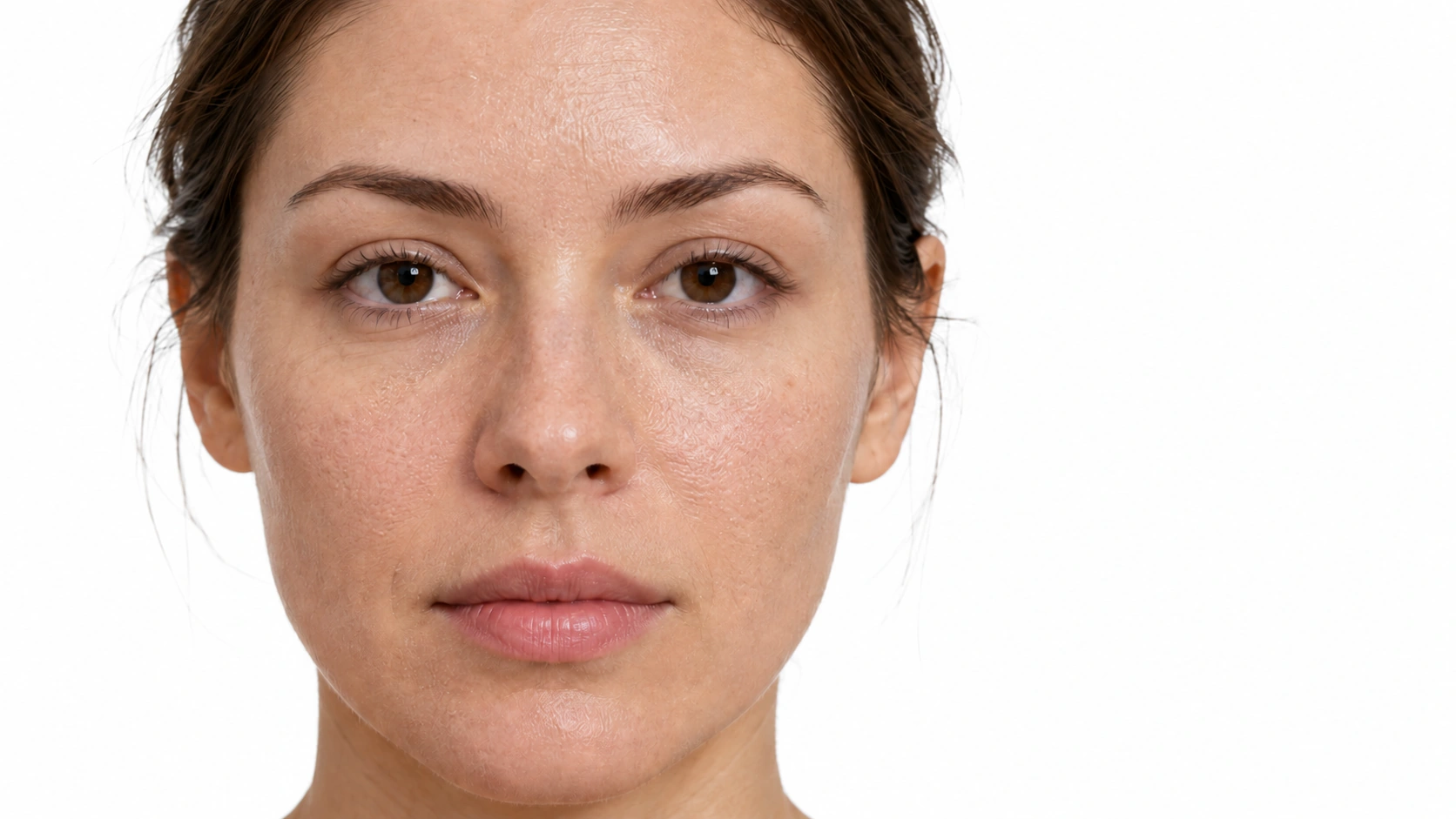
Brightens quickly.
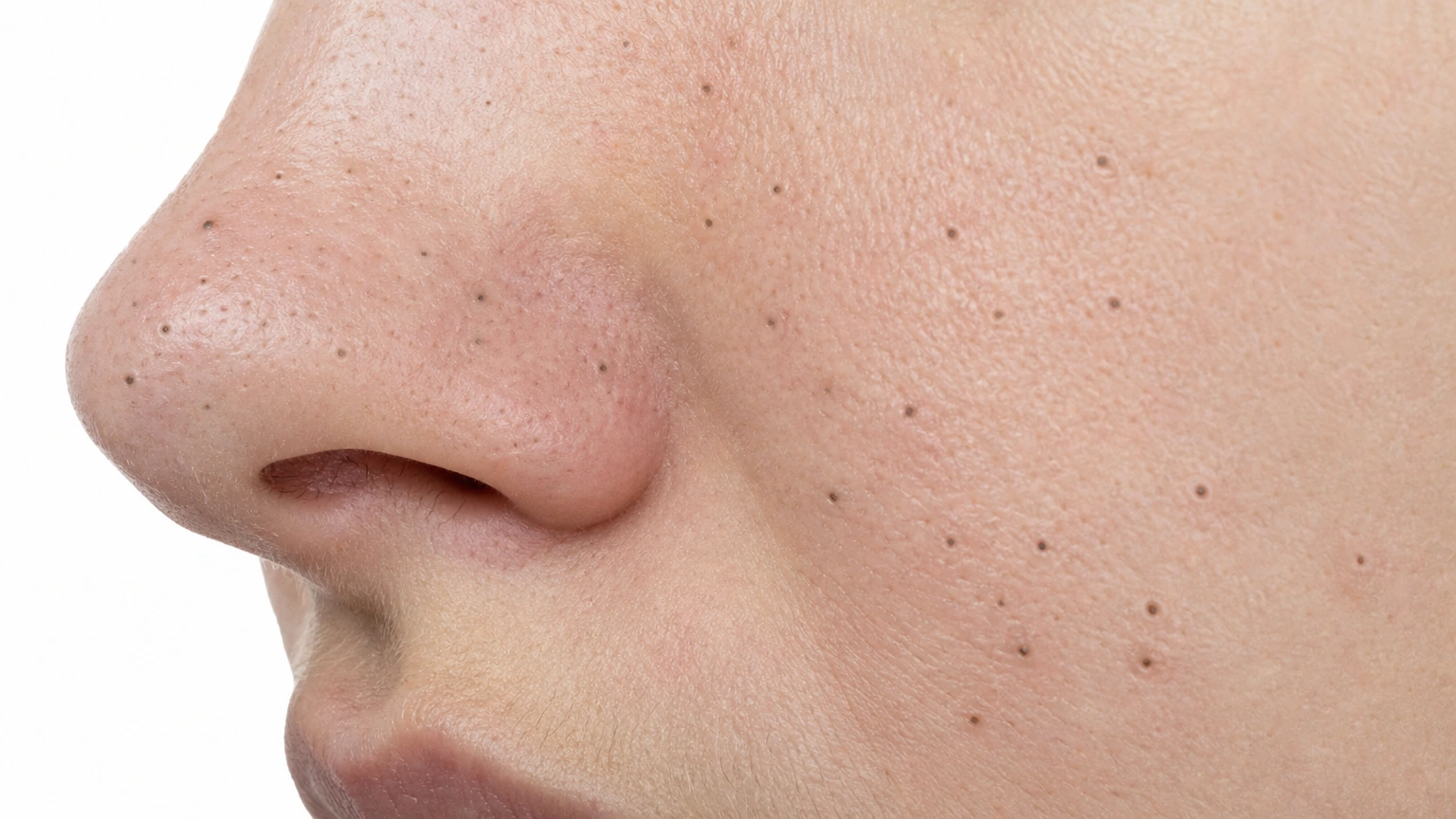
Clears them the same day.

Removes stubborn milia.

Helps alongside lightening creams.

Clears clogged pores.
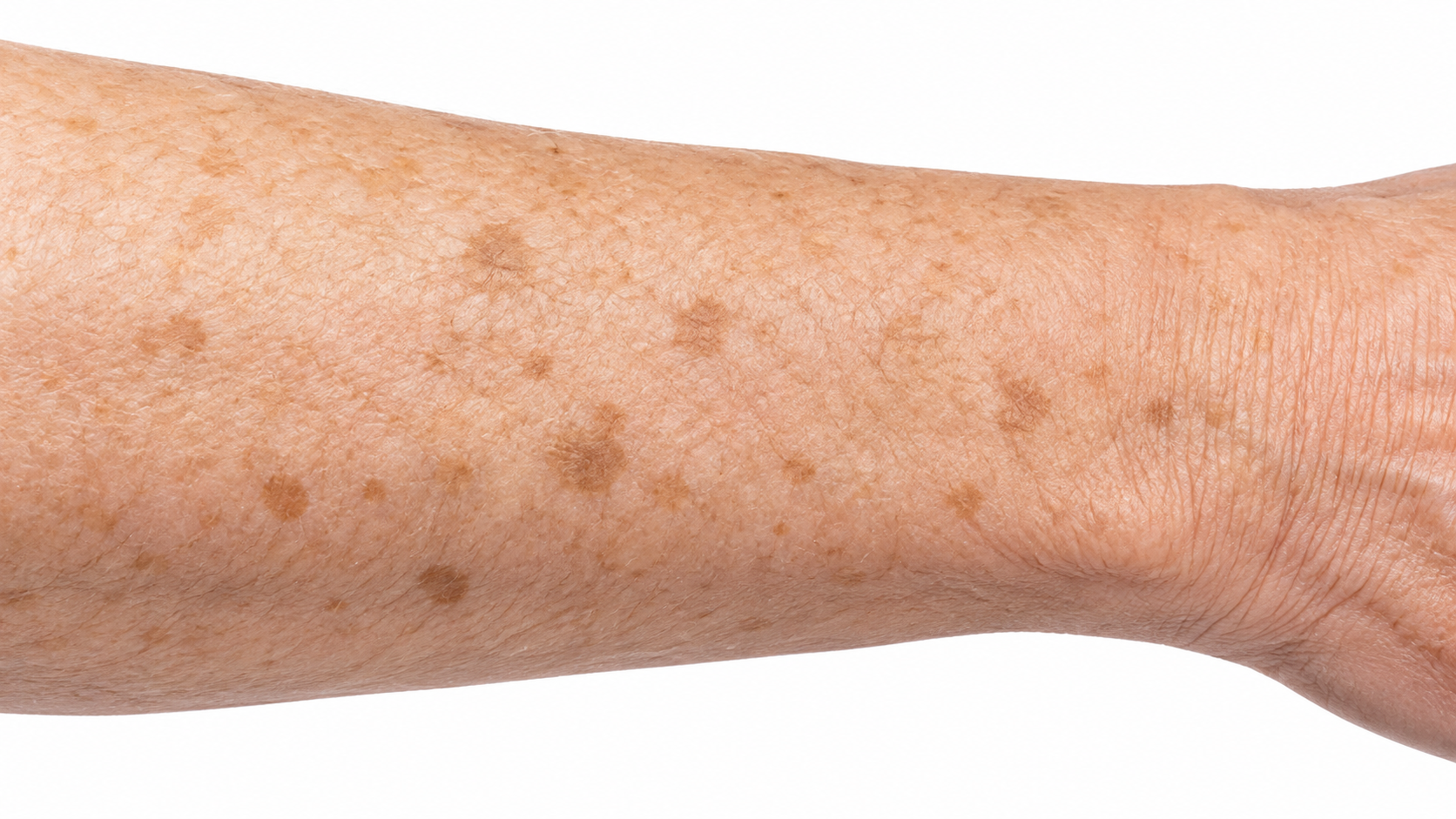
Fades spots with a series.
Helps clogged pores alongside treatment.
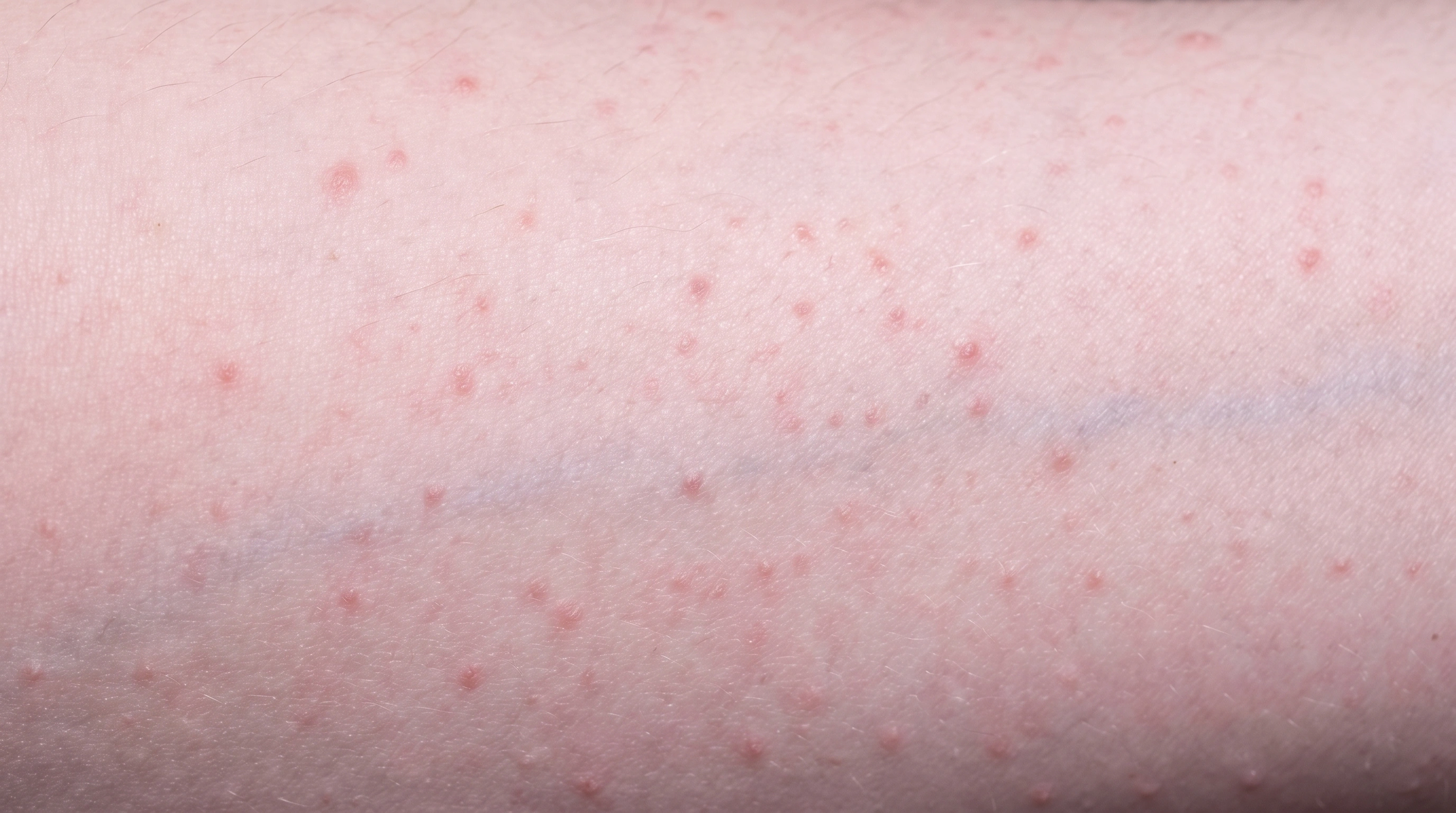
These bumps aren't clogged pores.
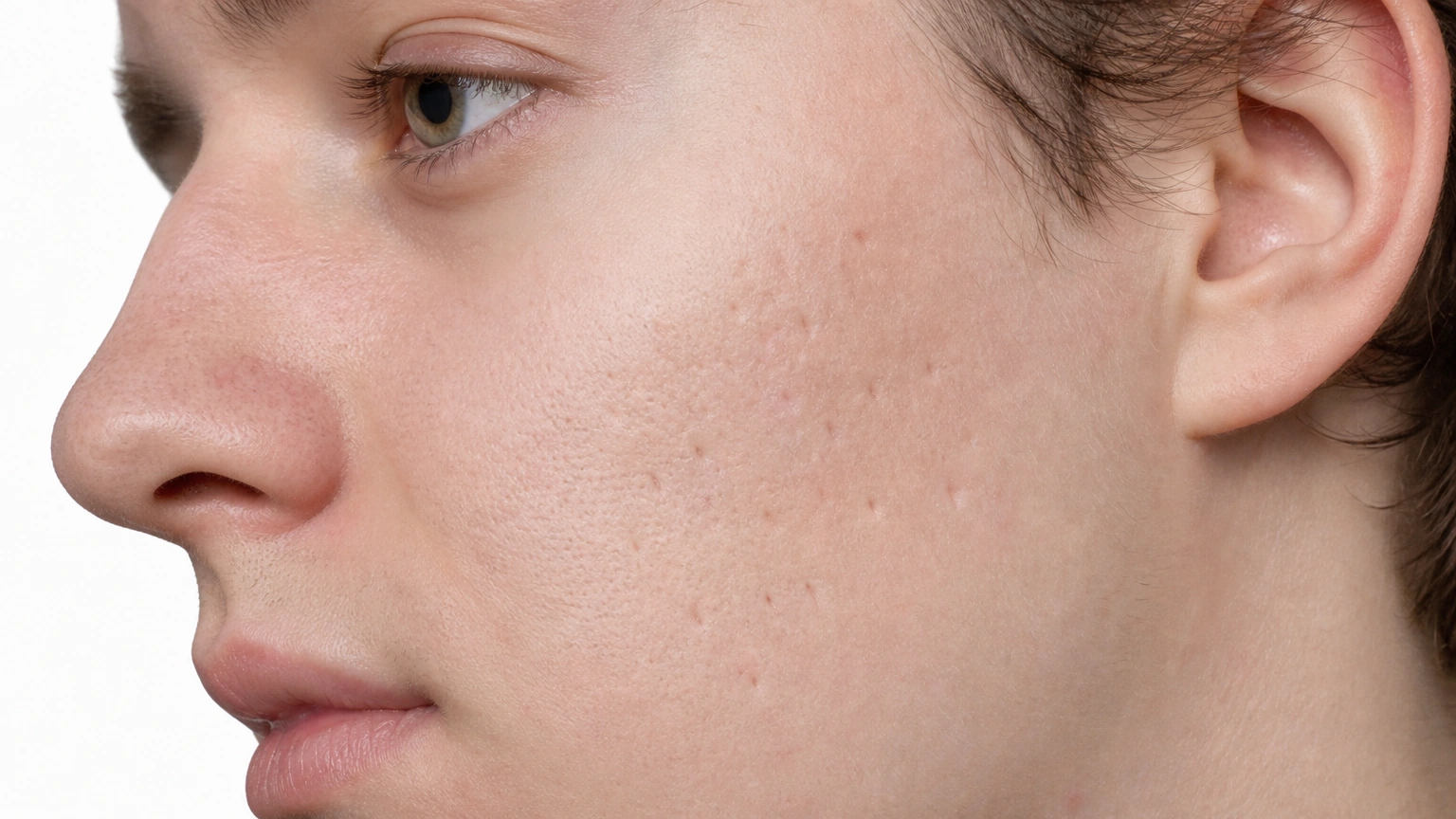
Too superficial.

Squeezing worsens redness.
Stings and triggers flushing.
Face; the selected area depends on the concern and treatment plan.
Face; the selected area depends on the concern and treatment plan.


An accessible plug is selected: A clinician identifies a suitable comedone. The plug is carefully removed: Controlled extraction lifts out trapped keratin and sebum. The pore opening is cleared: Ongoing acne care helps reduce new blockages.
Schematic illustration. Technique and response vary. This explains a mechanism and does not specify treatment settings.
The peel is applied: A clinician selects the formulation for the skin and goal. Outer cells loosen: Glycolic acid reduces cohesion in the superficial skin layers. The surface renews: Controlled exfoliation can improve selected superficial concerns.
Schematic illustration. Technique and response vary. This explains a mechanism and does not specify treatment settings.
Prep products: Some providers ask for a retinoid or salicylic acid first, which loosens plugs and makes extraction easier.
2 weeks before: Sun and tanning: No tanning or sunburn for 2 weeks beforehand, and sunscreen daily.
Pigment cream: On deeper skin tones, and in anyone who marks easily, many providers pre-treat for 2 to 4 weeks with a pigment-blocking cream to lower the chance of dark patches.
Before you book: Events: Do not book a first peel in the days before an event.
A few days before: Do not pick: No picking or squeezing at home.
Actives and hair removal: Stop retinoids (tretinoin, adapalene, retinol), benzoyl peroxide and exfoliating acids 3 to 5 days before.
Actives and hair removal: Stop waxing, threading and hair removal creams on the area for a week.
Clean face: Come without makeup if you can.
Skin is cleaned and the provider decides which spots can be extracted.
Skin is checked and usually photographed, and you confirm what you stopped using.
The provider presses around the pore with a metal loop or two swabs, opening whiteheads first with a tiny sterile needle.
You feel firm pinching at each spot. A full face takes 10 to 30 minutes. Blackheads are pressure more than pain; whiteheads and deeper plugs sting when opened, and a long run is tiring rather than sharp. A painful spot is not forced.
Skin is cleaned and degreased, eyes and lips protected, and the acid brushed on in a set order.
The provider watches for even pinkness, then neutralizes or floods the skin with water. It takes about 20 to 30 minutes. The sting is hot and prickly, climbs over 2 to 5 minutes, then stops seconds after neutralizing. Say so if it turns to burning, which is the signal to stop early.
Red, blotchy skin with pink rings where spots were, sometimes pinpoint scabs.
Pink, tight skin, a bit like mild windburn.
Hours 2 to 6: Redness and small raised rings, sometimes into the next day, with occasional pinpoint scabs where a whitehead was opened.
Days 1 to 2: Redness mostly gone.
Day 1 to 3: Skin feels dry and rough and can look slightly darker before it sheds.
Days 3 to 7: Skin looks normal.
Day 3 to 5: Flaking finishes and skin looks brighter underneath.
Week 1 to 2: A few spots in the first week or two as clogged pores clear are common, and settle on their own.
Immediately
Within days
Weeks; pores refill without daily treatment
Weeks to months with skincare
With a dermatologist it is often bundled into an acne visit at no extra charge.
In the US a superficial glycolic peel usually runs about $100 to $250 a session, depending on the city, a medical office versus a spa, and whether it is bundled with a facial.
Insurance sometimes covers it when billed as acne surgery at a medical dermatology visit.
Insurance does not cover peels done for brightness, texture or post-acne marks.
No. It empties the pore that day. It refills over 4 to 8 weeks unless a daily retinoid changes how the pore behaves.
Mostly yes — technique and restraint. A provider uses sterile tools, opens closed spots properly, and stops when a spot resists. Home squeezing causes most brown marks and small scars.
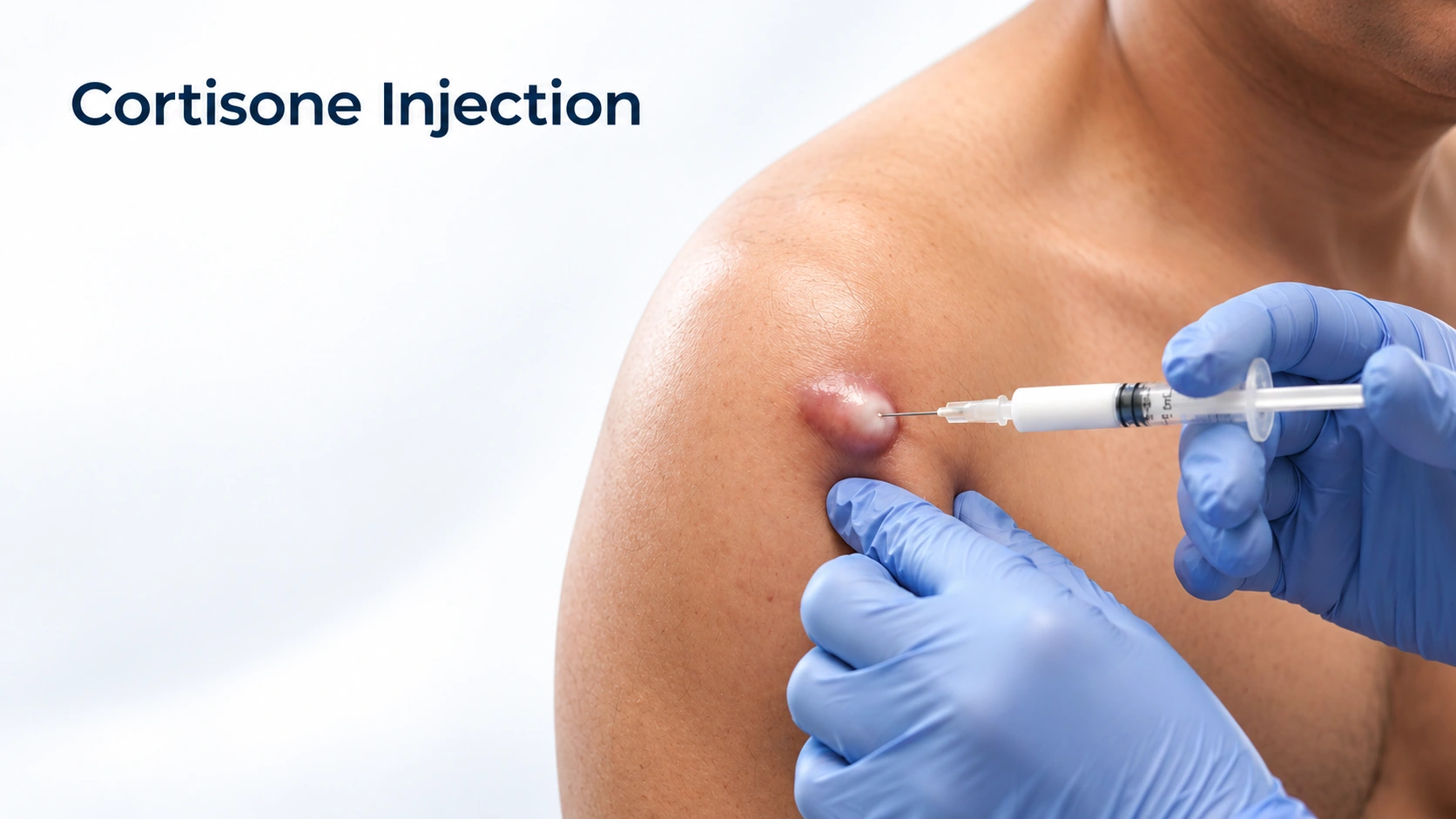
No. Deep, red, painful lumps have no opening to press through, and forcing one makes it worse. A cortisone injection is the answer.
Only in appearance, and briefly. An empty pore looks smaller; pore size does not change.
Blackheads feel like firm pinching. Whiteheads sting for a second when opened. Uncomfortable rather than painful.
Glycolic is water-soluble and works on the surface, so it suits dullness, rough texture and brown marks. Salicylic is oil-soluble and gets inside the pore, so it suits blackheads and whiteheads. Some providers blend the two.
Glycolic keeps working until it is stopped, either with a basic solution or by flooding the skin with water. The provider watches a timer and the skin at the same time. Peels left on too long are how burns happen.
Not on its own. The pH and the contact time matter as much as the number. A well-judged 30% peel can do more than a careless 70% one.
Often only lightly, and sometimes not at all. Fine flaking for a day or two is usual, and no flaking does not mean it failed.
4 to 6 peels, 2 to 4 weeks apart, then maintenance every couple of months. One peel gives roughly a week of brightness.
Yes, and skin on a retinoid usually peels more evenly. Stop it about 3 to 5 days before and restart once flaking has finished.