It is controlled exfoliation.
A chemical agent creates a controlled skin injury.
Chemical Peel: An acid solution applied in the office to shed the top layers of skin. Superficial peels clear pores and fade brown marks; medium peels reach texture and deeper sun damage. It does not fix indented scars.
Microdermabrasion: A handheld device sands the dead top layer off the skin with fine crystals or a diamond tip while a vacuum lifts the debris away. It leaves skin smoother and brighter for a few days. Newer treatments now do more for acne, pigment and scarring.
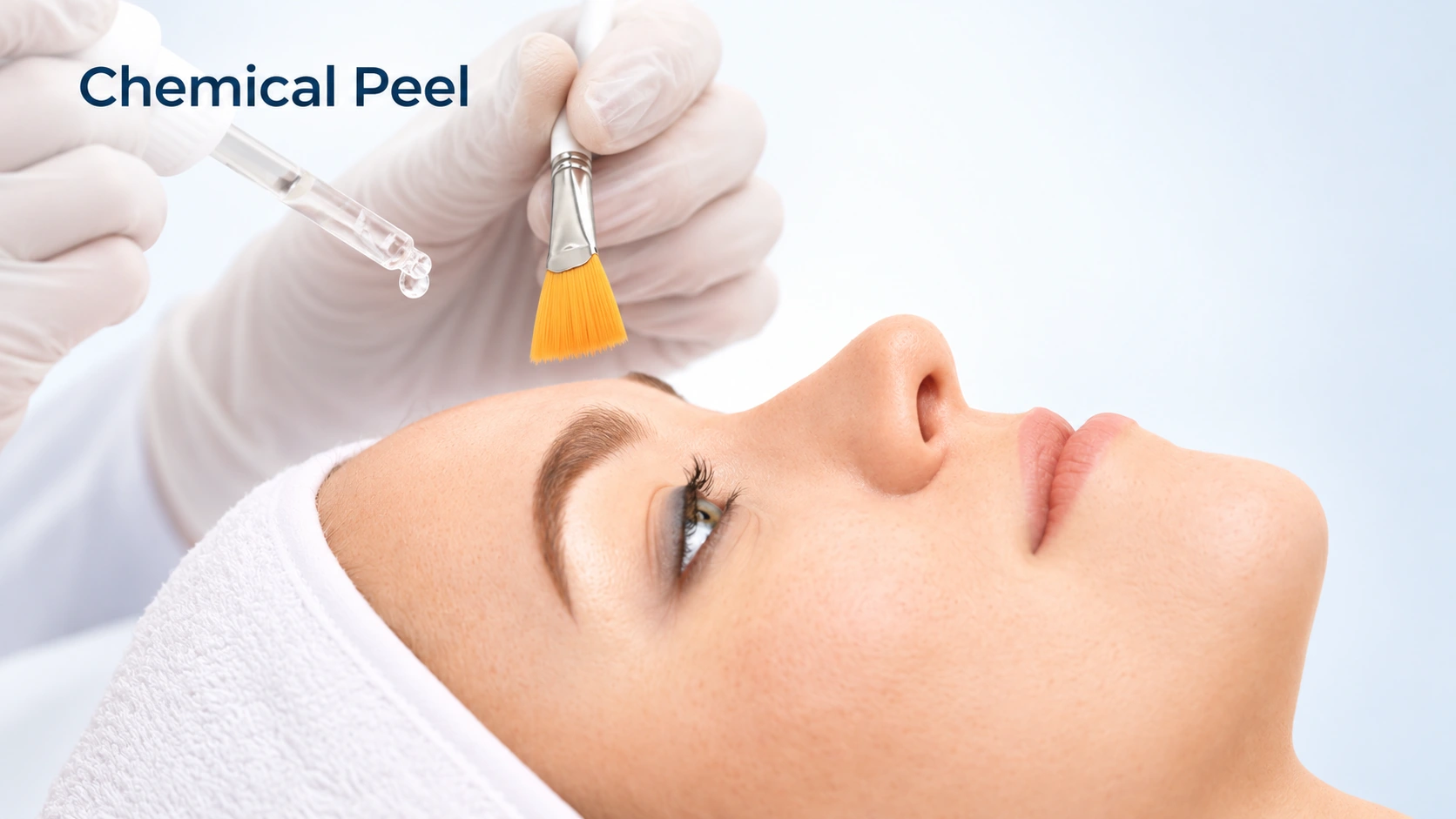

Choose for brown marks, clogged pores or dull, sun-aged texture — not for indented scars.
Choose for a quick, comfortable brightening with no downtime — newer treatments do more for acne, pigment and scars.
Can you have both?
Both remove surface skin. Doing them together can over-exfoliate, so space them at least 1 to 2 weeks apart.
A chemical agent creates a controlled skin injury.
Superficial, medium and deep peels differ in recovery and risk.
A peel is not defined by ingredient or percentage alone.
Phenol peels carry serious systemic risks.
An abrasive tip or crystals with suction remove surface skin.
Changes are cosmetic and temporary.
It differs from surgical dermabrasion.
Active disease, infection and fragile skin need assessment.

Light peels help alongside creams.

Clears clogged pores.
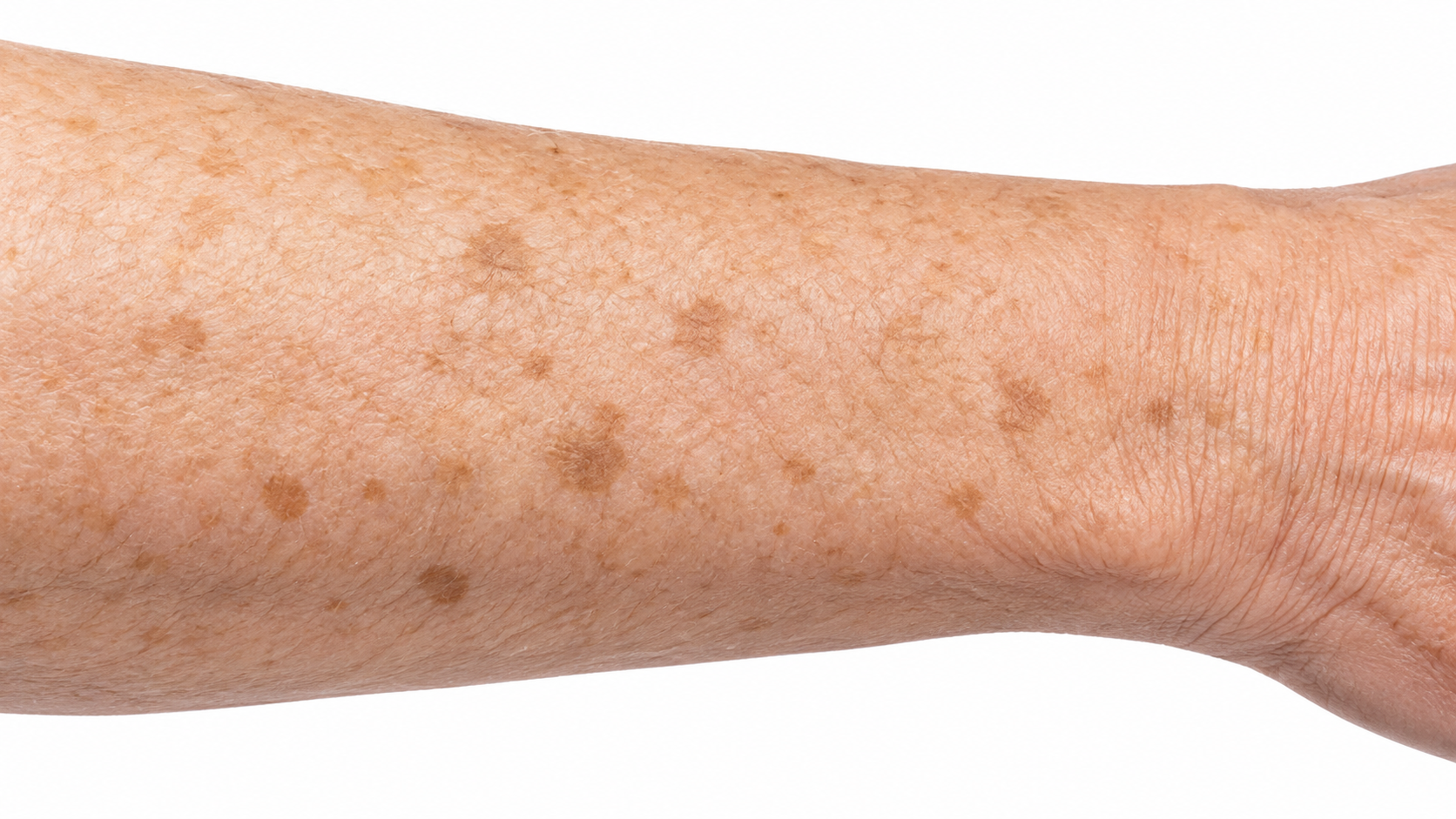
Fades spots.
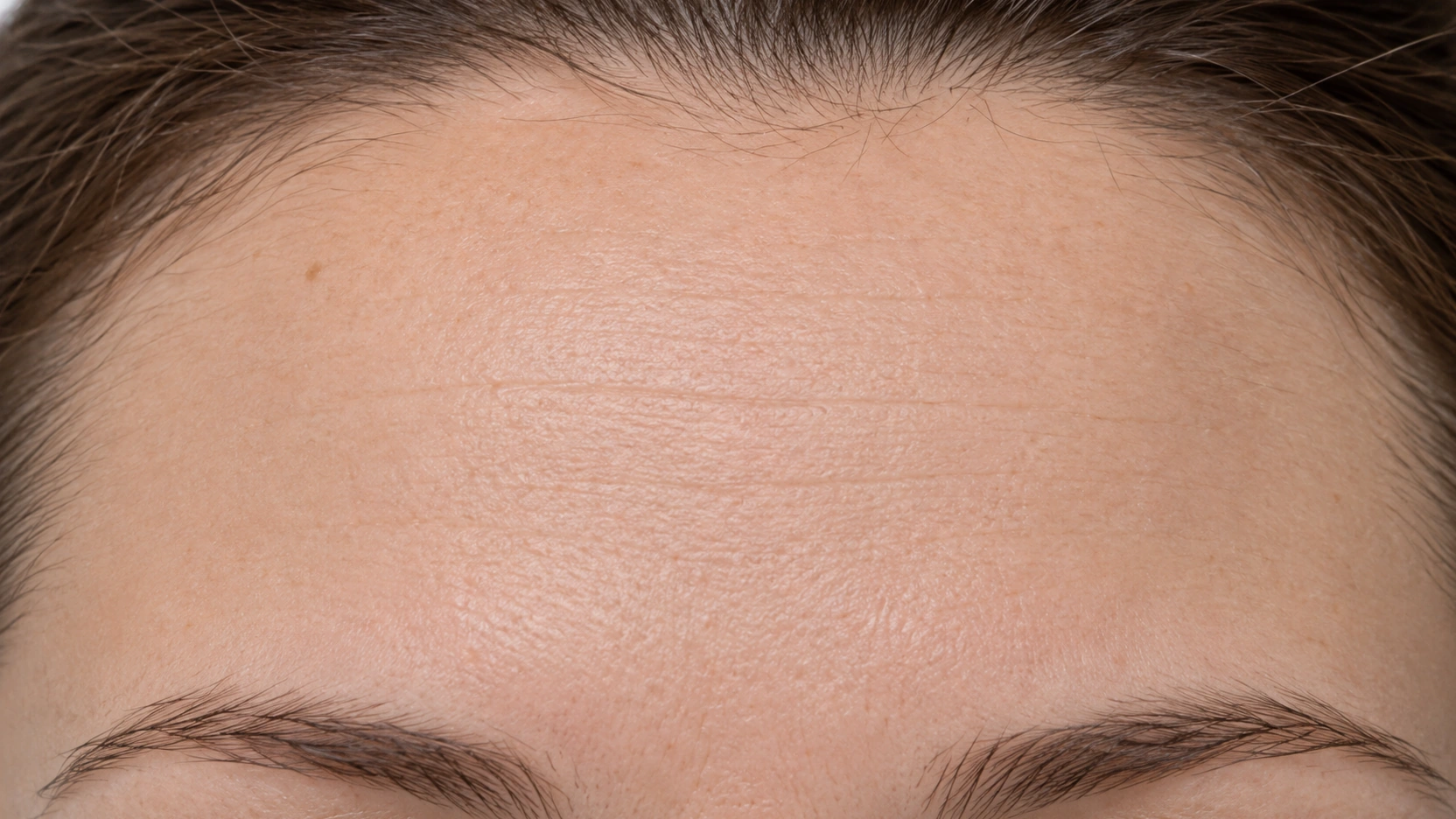
Deeper peels smooth lines.
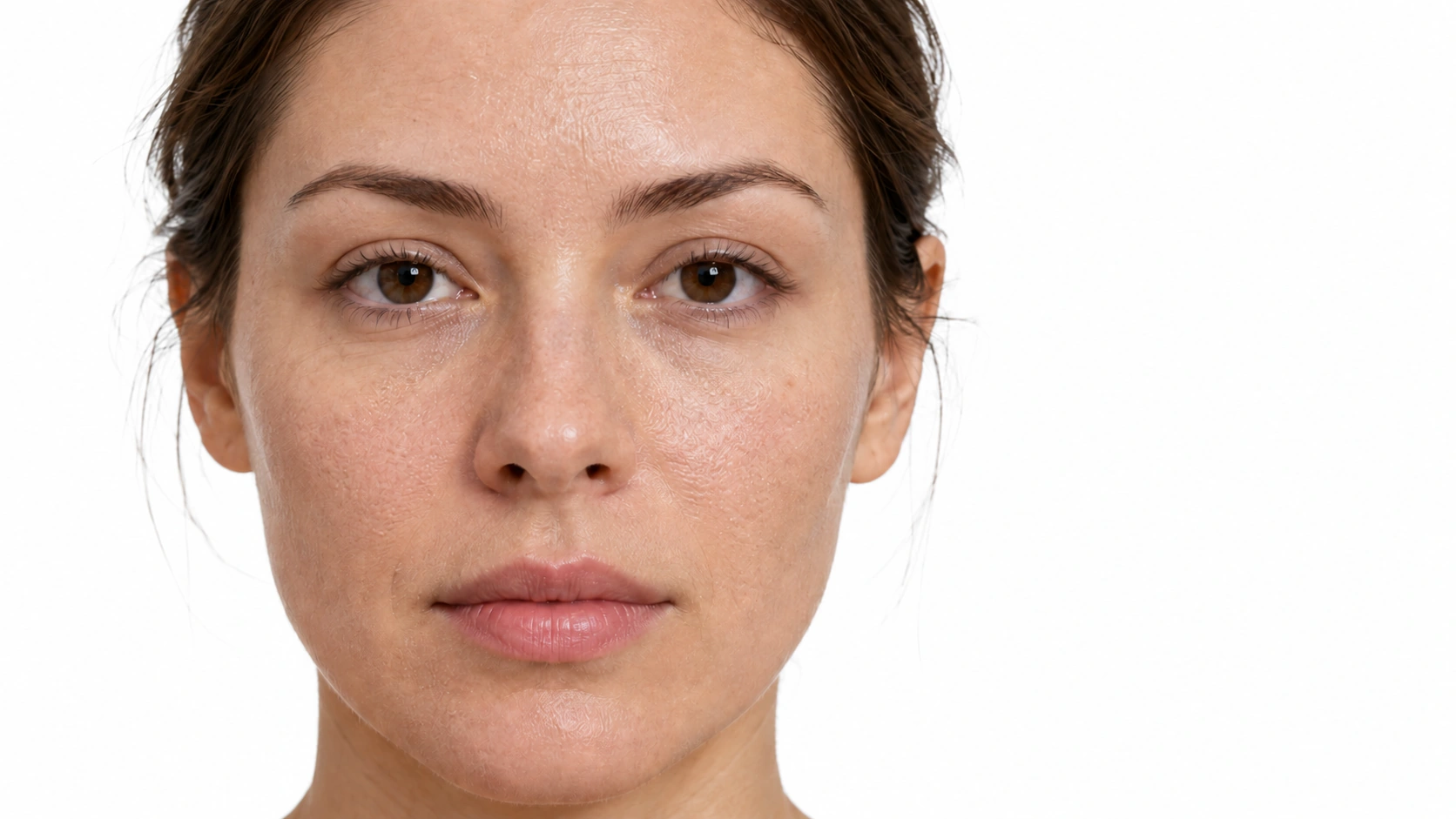
Brightens with a series.
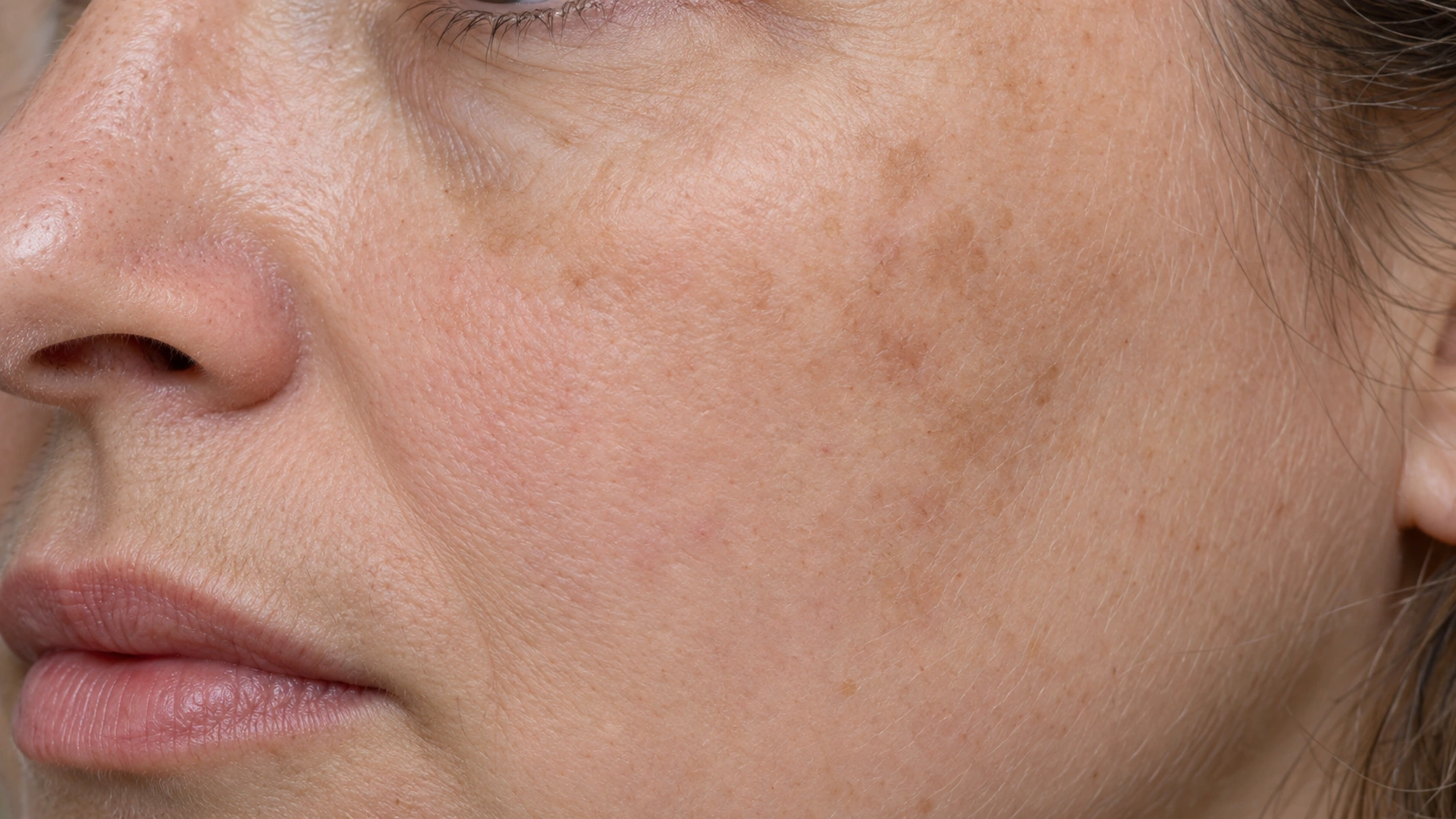
Mild improvement.
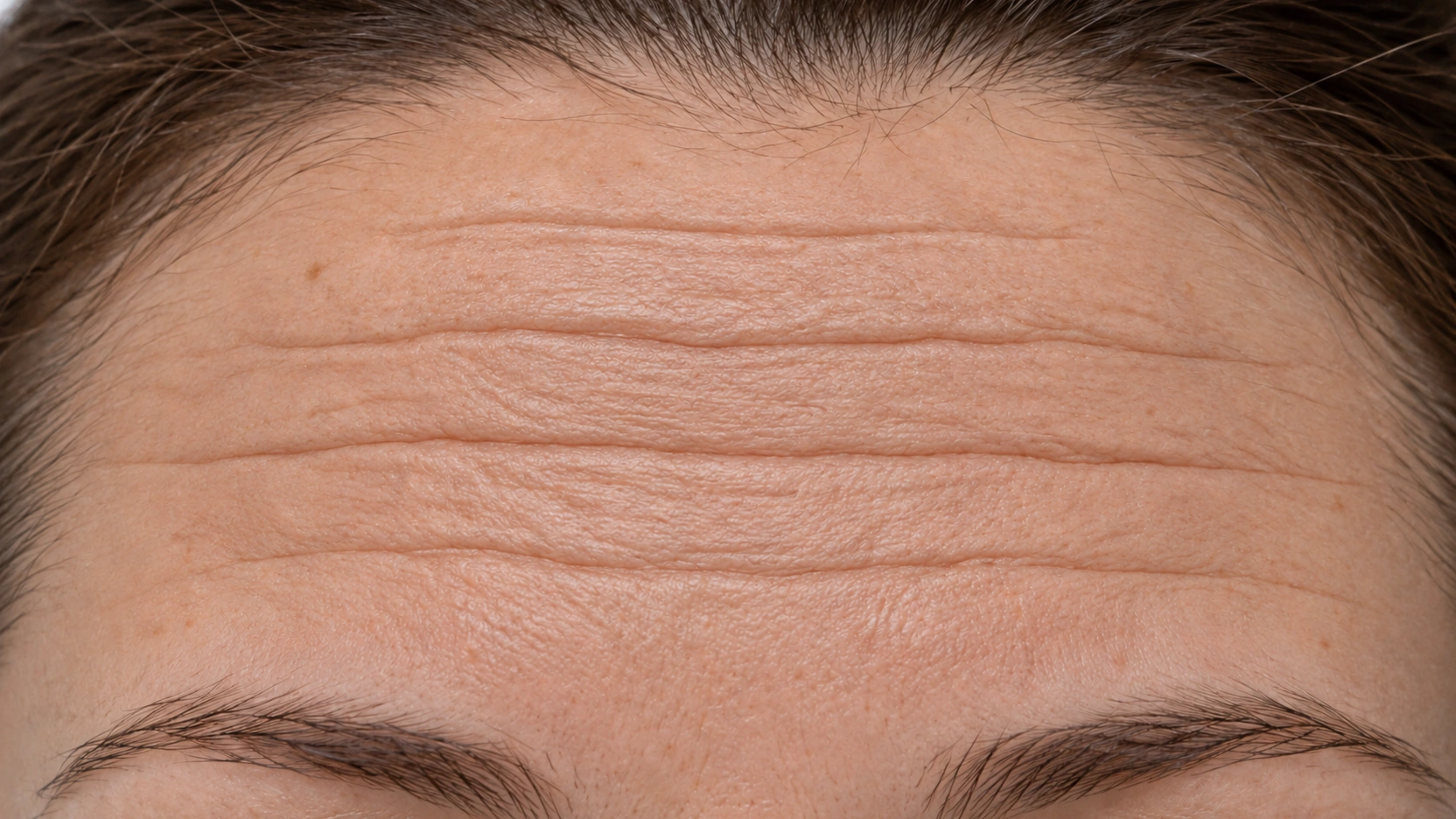
Light peels can't reach deep lines.

Too superficial for most scars.
Small, temporary change.

Very irritating.
Friction worsens redness.
Face; the selected area depends on the concern and treatment plan.
Face; the selected area depends on the concern and treatment plan.


The agent and depth are selected: The clinician matches the peel to the skin and concern. Controlled chemical injury occurs: The chosen agent acts on the planned skin layers. Skin heals and renews: Results and recovery depend on the peel depth and technique.
Schematic illustration. Technique and response vary. This explains a mechanism and does not specify treatment settings.
A handpiece buffs the surface: Abrasive material or a diamond tip loosens outer cells. Suction collects debris: The device removes loosened material from the surface. Superficial texture may improve: Smoother skin can be temporary; deep scars are not removed.
Schematic illustration. Technique and response vary. This explains a mechanism and does not specify treatment settings.
2 weeks before: Sun and tanning: No tanning, no sunburn.
4 weeks before: Pigment cream: On deeper skin tones, a pigment-blocking cream first cuts the risk of dark patches.
Actives and hair removal: Stop retinoids, benzoyl peroxide and acids 3 to 5 days before.
Actives and hair removal: No waxing, threading or hair removal creams.
3 to 5 days before: Actives: Stop retinoids (tretinoin, adapalene, retinol), benzoyl peroxide and exfoliating acids.
Hair removal: Stop waxing, threading and hair removal creams on the area.
Skin condition: Clean skin, no makeup.
Skin condition: Do not come with a sunburn, a fresh tan, an active cold sore, a rosacea flare or inflamed acne.
Skin is checked, photos taken, and you confirm what you have stopped using.
If crystals are used: Eyes: Contact lenses come out and eye protection goes on.
Skin is cleaned and dried, the provider picks a crystal or diamond tip and sets the suction, and eye protection goes on, which matters more with a crystal machine.
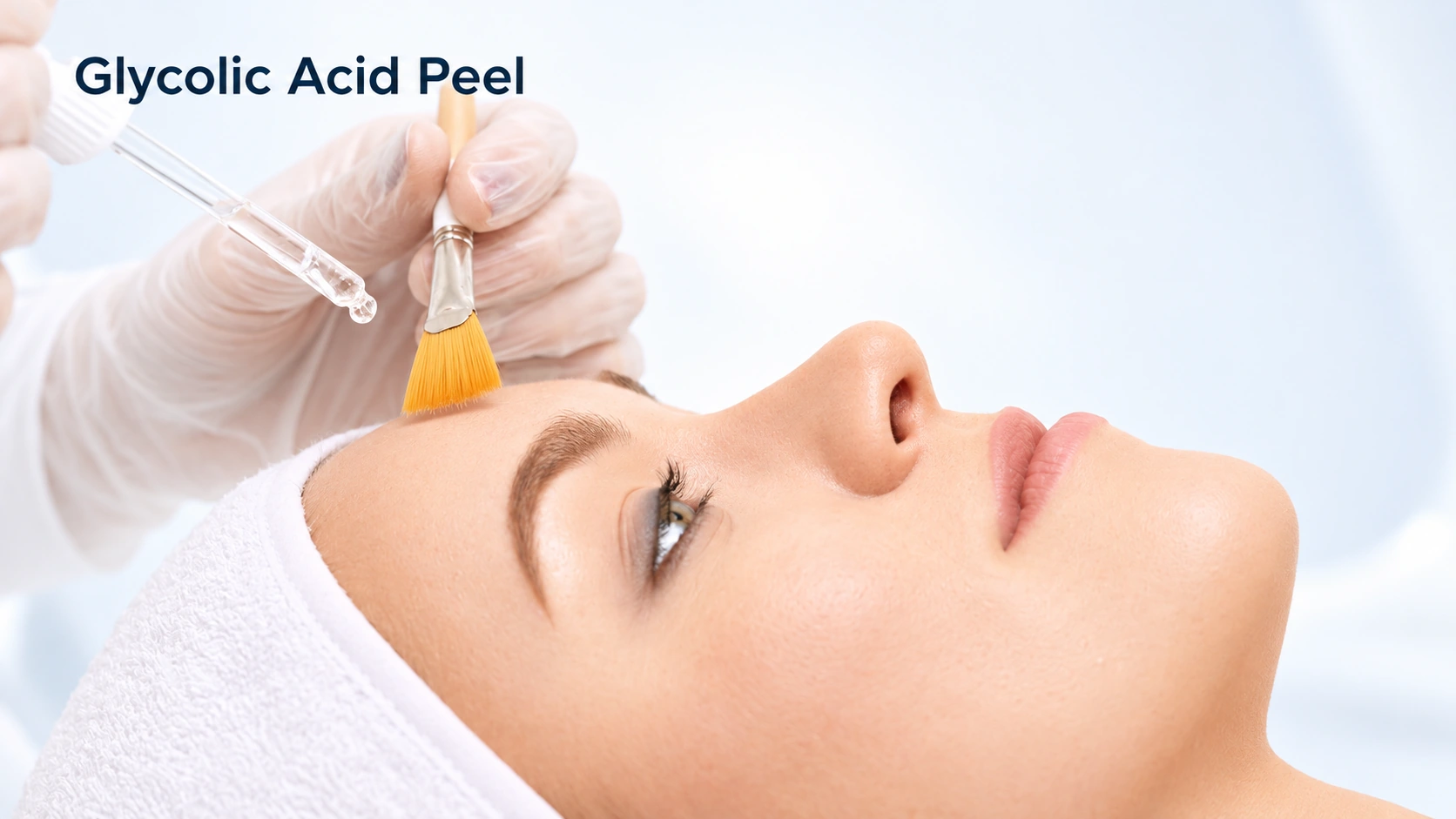
Skin is cleaned and degreased, eyes and lips protected, acid brushed on in layers.
It stings and builds over 2 to 5 minutes, then gets neutralized. The visit takes 20 to 30 minutes. A light peel burns briefly and most people tolerate it; a medium peel is genuinely uncomfortable, and the burning can last an hour.
The handpiece is drawn across taut skin in overlapping passes, usually two or three per area.
A full face takes 20 to 30 minutes. It often finishes with a mask, serum, moisturizer and sunscreen, and is sometimes done just before extractions or a light peel. Not painful, more like fine sandpaper with steady pulling from the vacuum.
Pink, tight skin, sometimes with mild swelling and stinging for a few hours.
Skin is pink, smooth and slightly tight, a little like mild windburn.
Days 1 to 3: Skin darkens slightly, dry and rough.
Days 1 to 3: Some people get a couple of days of dryness or fine flaking.
Days 4 to 7: Light peels finish flaking.
Days 3 to 7: The dead layer rebuilds, and skin looks and feels its best.
Weeks 1 to 2: Some people break out for a week or two as clogged pores clear.
Weeks 1 to 2: The polish fades.
1–2 weeks after each peel
Same day
Months with good skincare
A few days
A superficial salicylic or glycolic peel runs about $100 to $300 a session in the US, a medium-depth peel about $400 to $900.
In the US it usually runs about $75 to $200 a session, often bundled inside a facial rather than priced on its own.
Insurance rarely covers peels for acne or post-acne marks — they count as cosmetic.
Insurance does not cover it.
Not for indented scars. Peels fade the flat brown or red marks left after a spot — people call those scars, but they are discoloration. Depressed scars need microneedling, lasers, subcision, or filler.
Salicylic acid, usually — oil-soluble, so it works inside the pore. Glycolic acid suits surface dullness and pigment. Some providers combine them, or use a salicylic-mandelic blend on deeper skin tones.
4 to 6 sessions, 2 to 4 weeks apart, then maintenance. One peel gives a temporary glow.
Superficial salicylic and glycolic peels are, with good data behind them. Deeper peels can leave a lasting dark or light patch. Depth, not the acid, matters.
Often not much, and that is fine. Sheeting does not mean it worked; mild flaking does not mean it did not.
It depends what you want. As a comfortable, low-risk polish before an event or for skin that cannot handle acids, it does what it says. For acne, scarring, wrinkles or pigment, other options have overtaken it, and a superficial peel or a home retinoid will usually do more for the same money.
No. Indented scars sit in the deeper layer and the treatment stops at the dead cells on top. Microneedling, lasers, subcision and filler are what that needs.
Microneedling makes tiny channels into the deeper layer to trigger collagen repair, with a few days of redness. Microdermabrasion sands the surface and never breaks the skin. The similar names cause most of the confusion.
Completely. Dermabrasion is a surgical resurfacing done under anesthesia that sands into the deeper skin, with weeks of recovery and real scarring risk. Microdermabrasion is a surface polish with none of that.
Courses are usually five or six sessions one to two weeks apart, then monthly. The effect of each session fades within days, so it comes down to how often you want that day of smoothness.
Yes, and one of the gentler options, because it uses no acid, heat or light and does not reach the pigment cells. The thing to avoid is over-treatment, since irritation can leave a temporary dark mark.