Compare · Procedures

Chemical Peel vs Microneedling

Chemical peels shed surface layers to help with clogged pores, brown marks and uneven tone. Microneedling creates controlled punctures to stimulate healing and improve some indented scars and rough texture. Flat acne marks and indented scars are different concerns, so the better fit depends on which you have.

Reviewed by Dr. Schwarz, Board-Certified Dermatologist

At a glance

A small clear glass bowl holding a shallow pool of pale amber liquid on a white background, with a white fan-shaped brush lying beside it, bristles resting against the bowl.
Chemical PeelAn acid solution applied in the office to shed the top layers of skin. Superficial peels clear pores and fade brown marks; medium peels reach texture and deeper sun damage. It does not fix indented scars.
16:9 hero for Microneedling. Never cropped: the tone strip and the corner logo depend on the full frame.
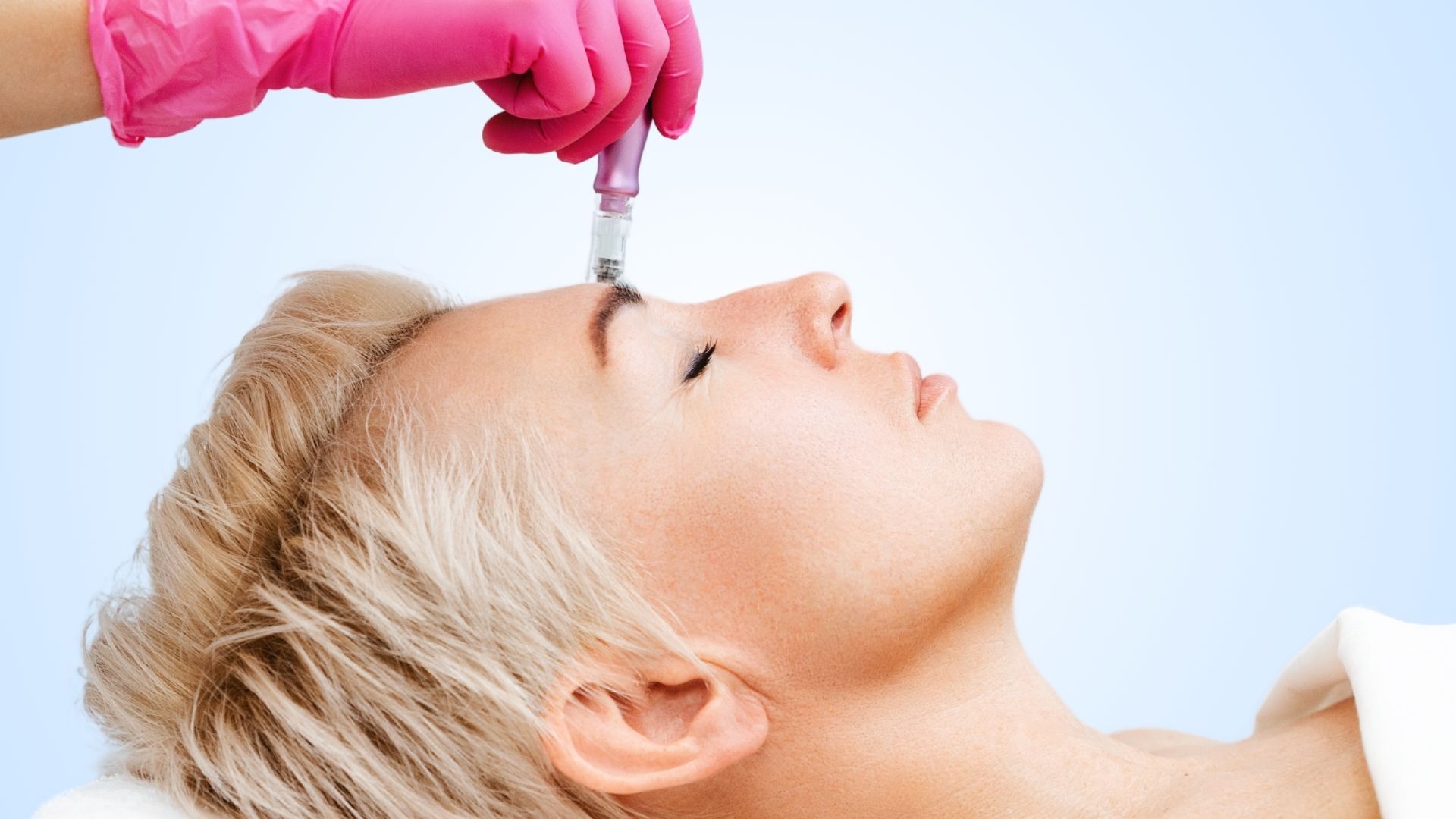
MicroneedlingA pen or roller of fine needles makes thousands of tiny controlled punctures in the skin, which sets off healing and new collagen. It is used mainly for indented acne scars and rough texture. It makes them shallower over a course of sessions, not gone.
Type
It is controlled exfoliation.
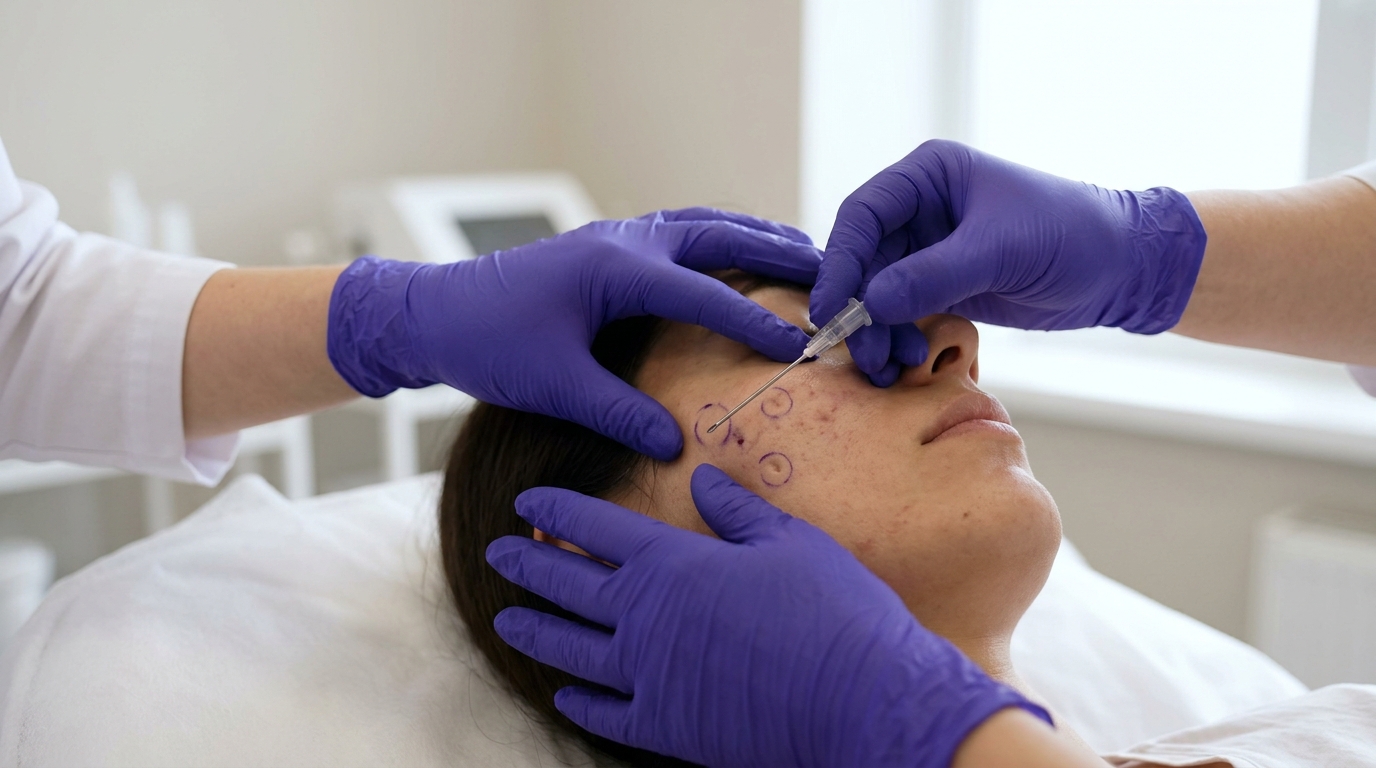
It creates controlled punctures.
What it does
An acid solution applied in the office to shed the top layers of skin.
A pen or roller of fine needles makes thousands of tiny controlled punctures in the skin, which sets off healing and new collagen.
Best for
Melasma · Moderate evidence; Acne · Moderate evidence; Sun Spots · Moderate evidence
Acne Scarring · Strong evidence; Rolling Scars · Strong evidence; Stretch Marks · Moderate evidence
Session time
The visit takes 20 to 30 minutes.
It sounds like a small vibrating motor and takes 20 to 30 minutes for a full face.
Pain
A light peel burns briefly and most people tolerate it; a medium peel is genuinely uncomfortable, and the burning can last an hour.
With numbing cream on for 30 to 45 minutes it is uncomfortable rather than painful, a scratchy pressure rather than a sharp pain. The forehead, nose and jawline are the worst part, and deeper settings over scars are sharper.
Downtime
0–3 · days · of downtime for a light peel.
1–3 · days · of redness like a mild sunburn.
Results show
Not stated in existing content
3–6 · months · for texture to keep improving after each session.
Lasts
Not stated in existing content
Reversible
Not stated in existing content
Cost
A superficial salicylic or glycolic peel runs about $100 to $300 a session in the US, a medium-depth peel about $400 to $900.
In the US a full-face session usually runs about $200 to $700, with medical offices at the higher end and packages of three to six cheaper per session.

Best for each concern

Acne Scarring
Not listed
Strong evidenceImproves rolling and boxcar scars.
Rolling Scars
Not listed
Strong evidenceGood results with a series.
Melasma
Moderate evidenceLight peels help alongside creams.
Not listed
Acne
Moderate evidenceClears clogged pores.
Can make it worseCan spread active breakouts.
Sun Spots
Moderate evidenceFades spots.
Not listed
Wrinkles and Fine Lines
Moderate evidenceDeeper peels smooth lines.
Moderate evidenceImproves texture.
Stretch Marks
Not listed
Moderate evidenceSoftens older marks.
Deep Wrinkles
Little evidenceLight peels can't reach deep lines.
Not listed
Ice Pick Scars
Not listed
Little evidenceToo deep for needling alone.
Rosacea
Can make it worseVery irritating.
Not listed

Strength of evidence for each concern, from each procedure's guide.

Conditions Treated
Close-up of the lower cheek, nose and mouth of a young person with medium-brown skin, turned three-quarters away from the camera against a pale blue background. Scattered flat dark brown marks are spread across the cheek, with a few small raised spots still active among them.
Post-Inflammatory Hyperpigmentation
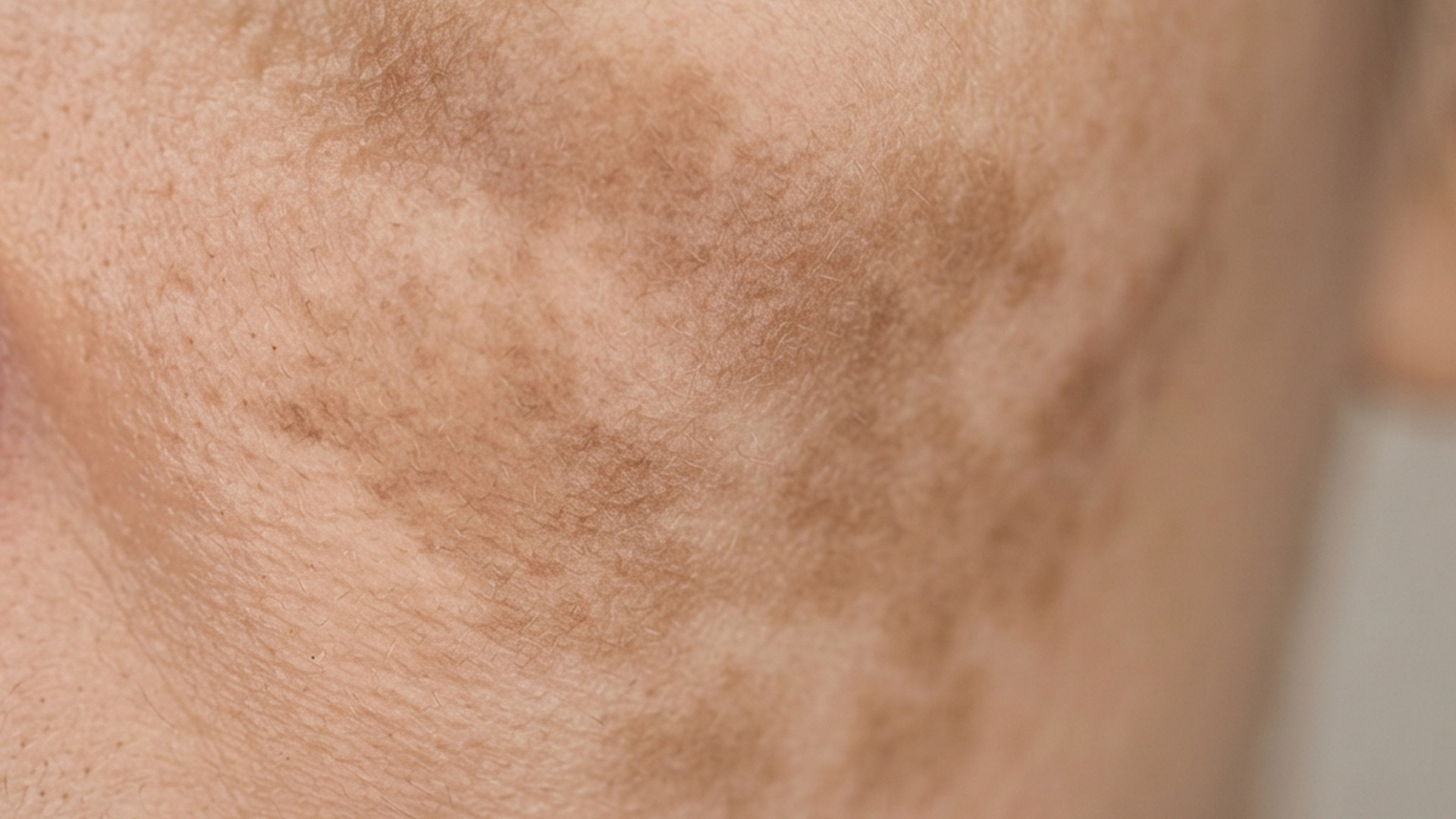
16:9 hero for Melasma. Never cropped: the tone strip and the corner logo depend on the full frame.
Melasma
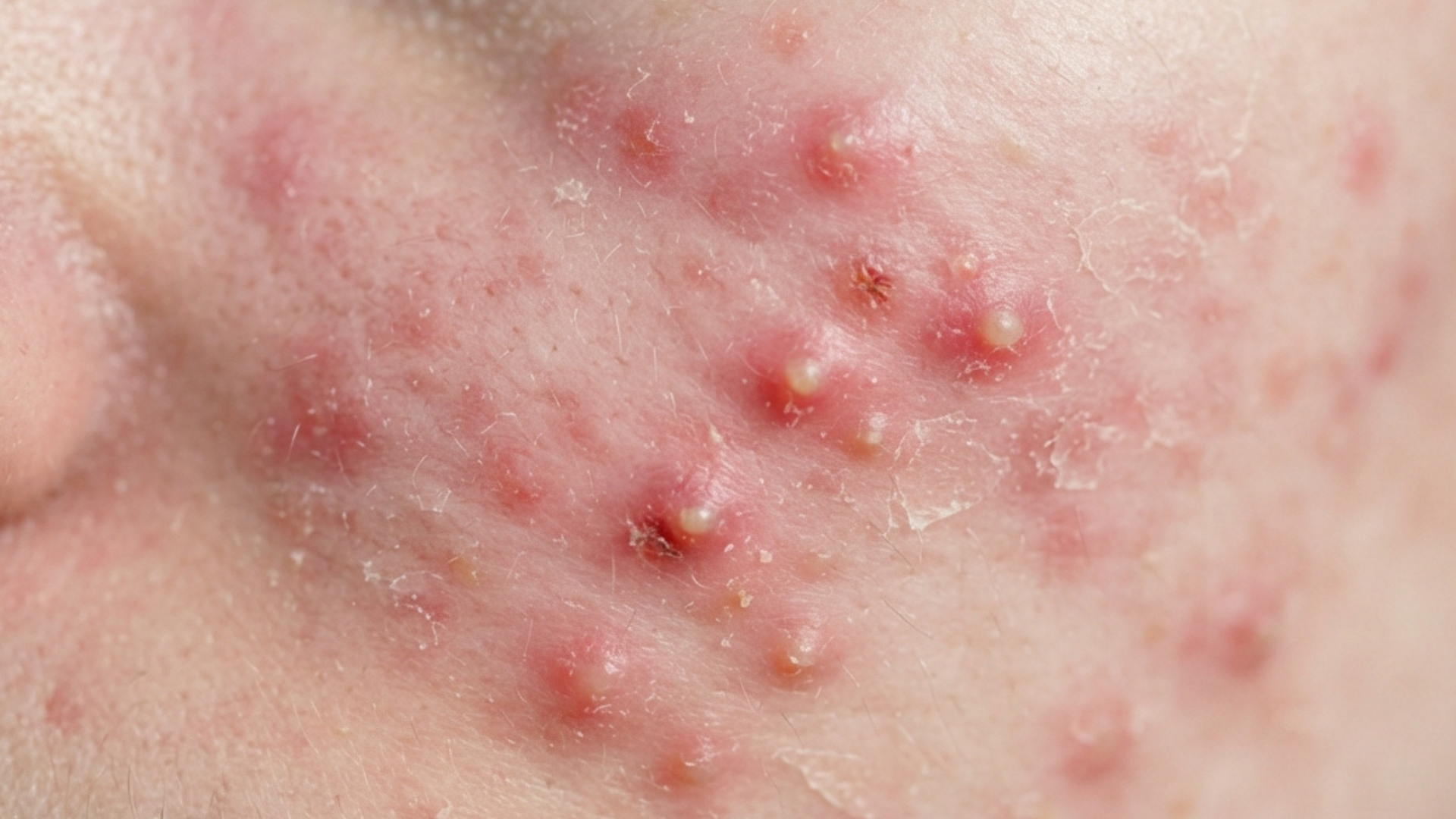
Close-up of a cheek with inflamed acne. Raised pink-red bumps, a few with yellow-white heads, sit in a patch of redness, and the skin between them is dry and flaking.
Acne
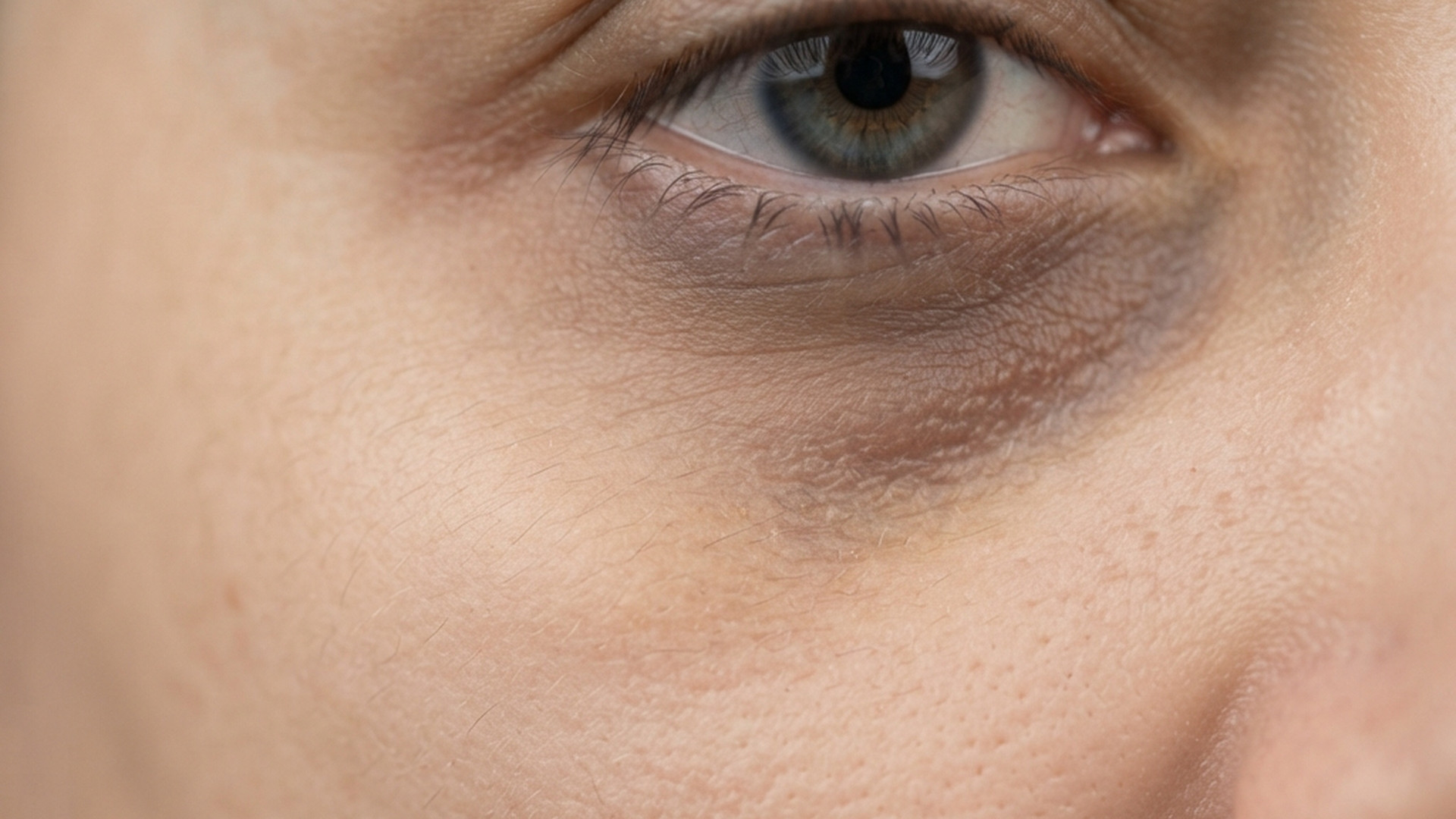
16:9 hero for Dark Circles Under the Eyes. Never cropped: the tone strip and the corner logo depend on the full frame.
Dark Circles Under the Eyes
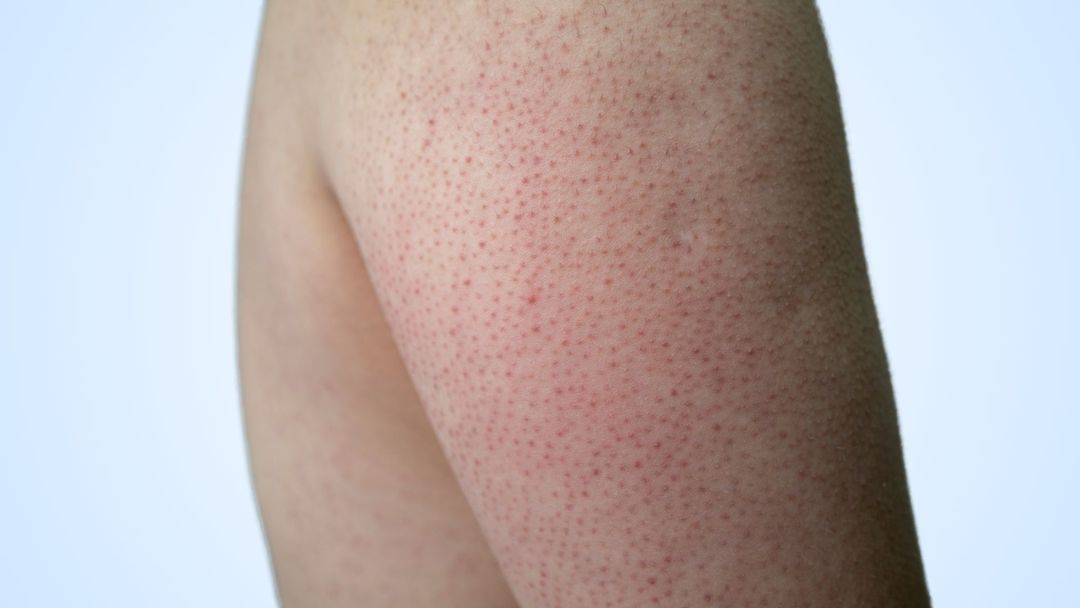
16:9 hero for Keratosis Pilaris. Never cropped: the tone strip and the corner logo depend on the full frame.
Keratosis Pilaris
16:9 hero for Sun Spots (Solar Lentigines). Never cropped: the tone strip and the corner logo depend on the full frame.
Sun Spots (Solar Lentigines)
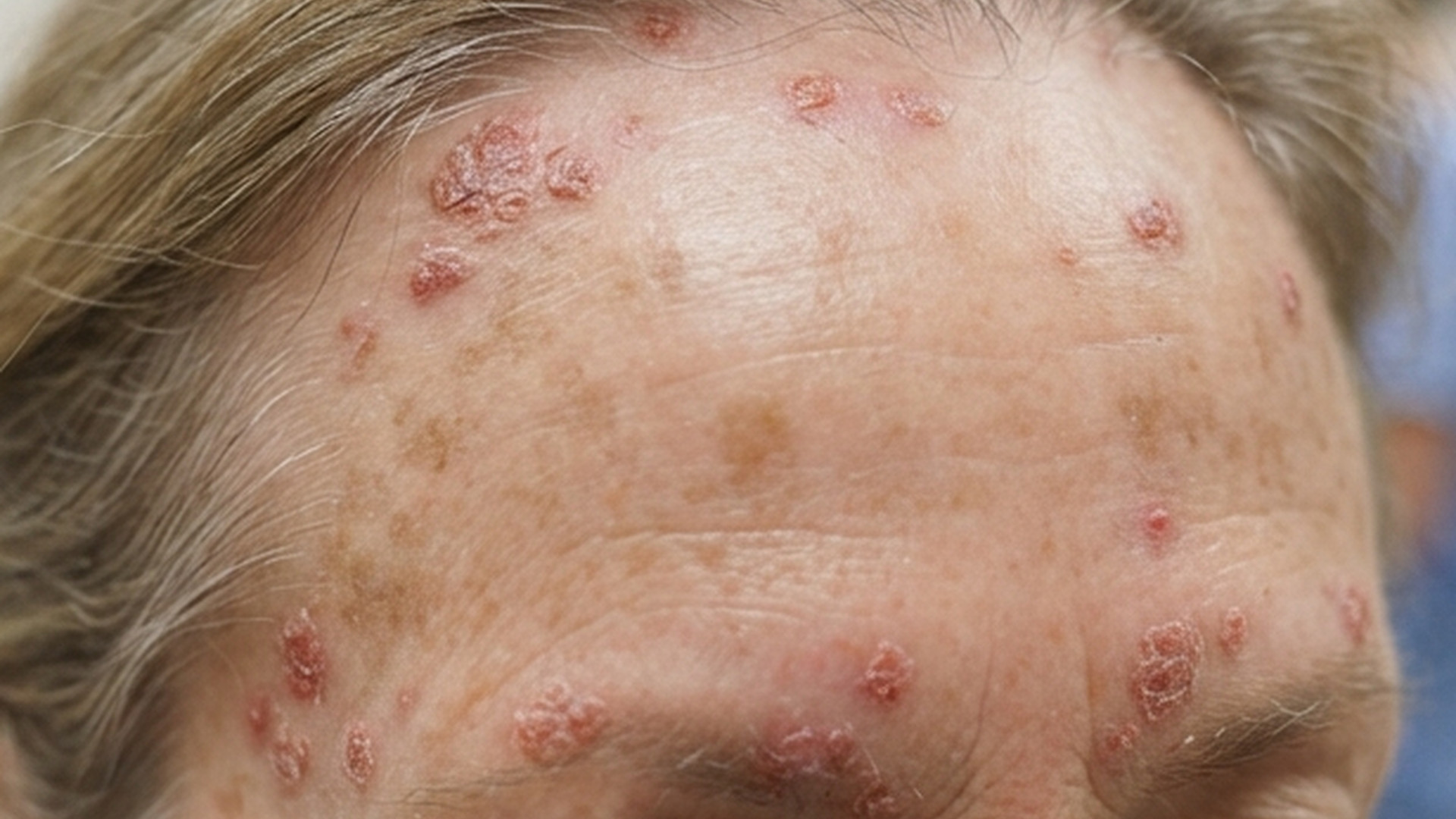
16:9 hero for Actinic Keratosis. Never cropped: the tone strip and the corner logo depend on the full frame.
Actinic Keratosis
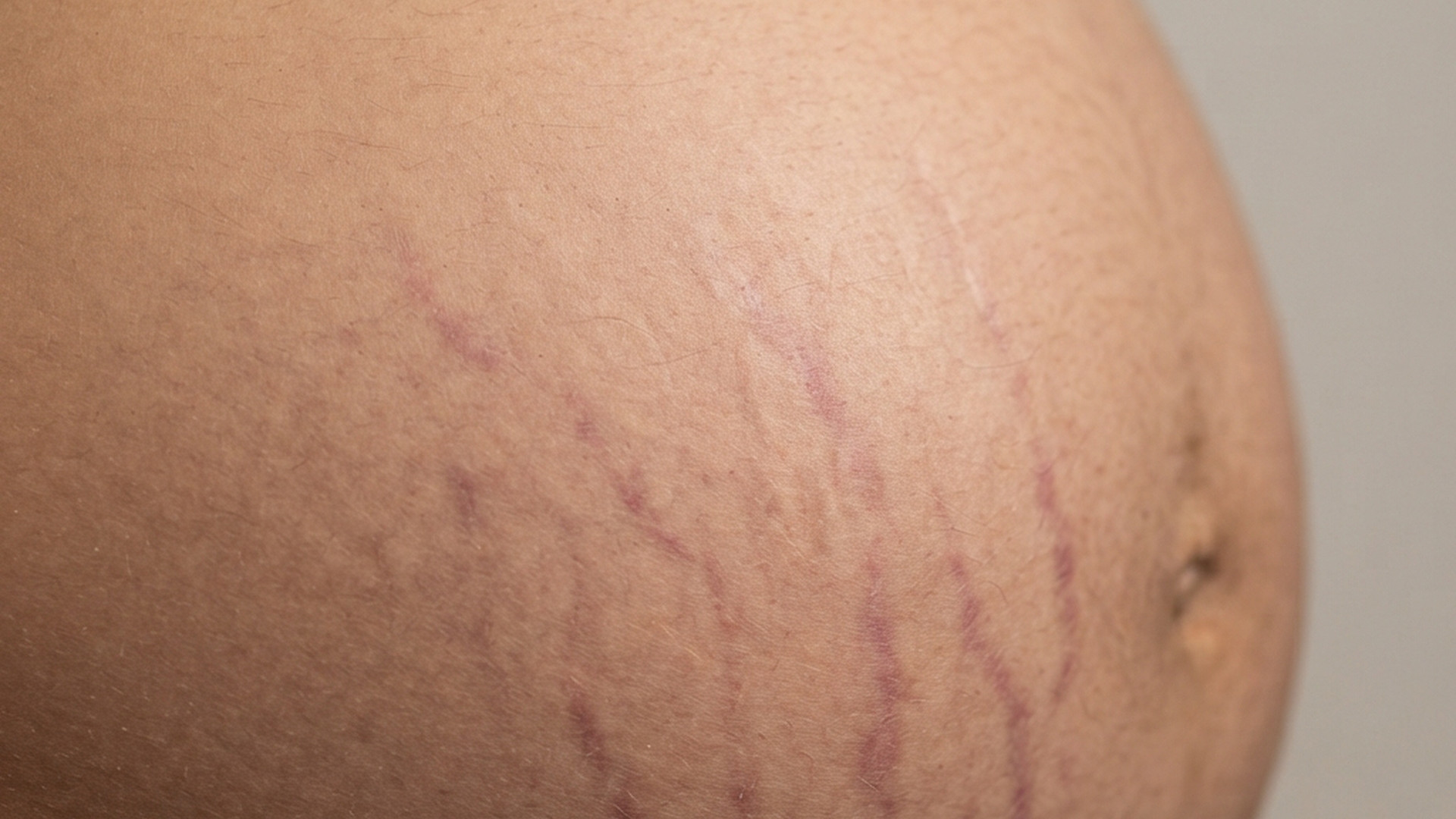
16:9 hero for Stretch Marks. Never cropped: the tone strip and the corner logo depend on the full frame.
Stretch Marks
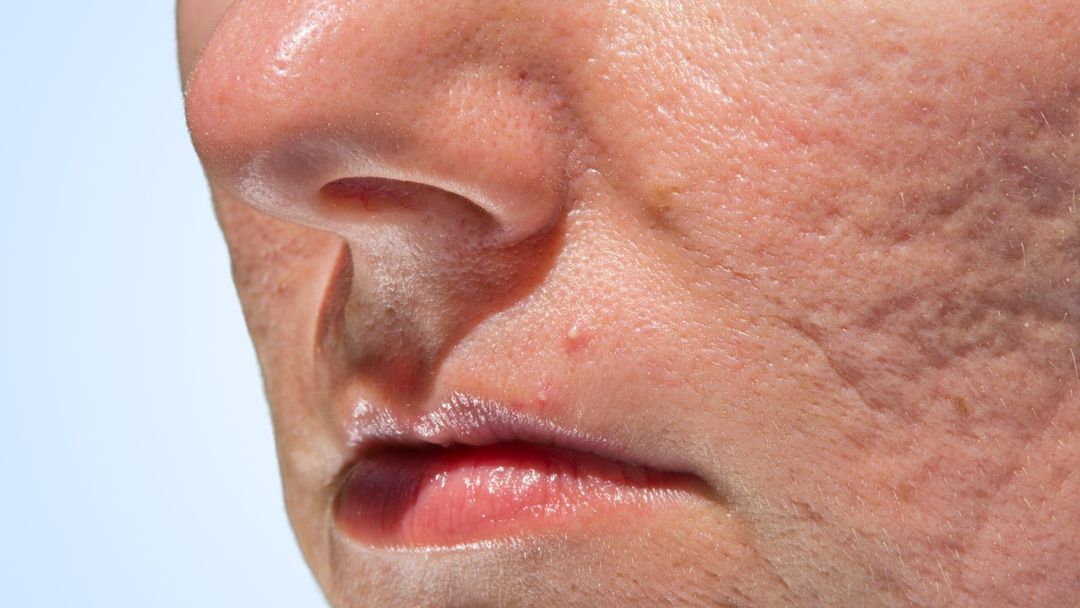
Close-up of the cheek, nose and mouth of an adult with light skin, turned three-quarters away from the camera against a pale blue background. The surface of the cheek is uneven, dimpled with shallow depressions and small pits that catch the light. There are no active spots — the change here is in the texture of the skin rather than its color.
Acne Scarring
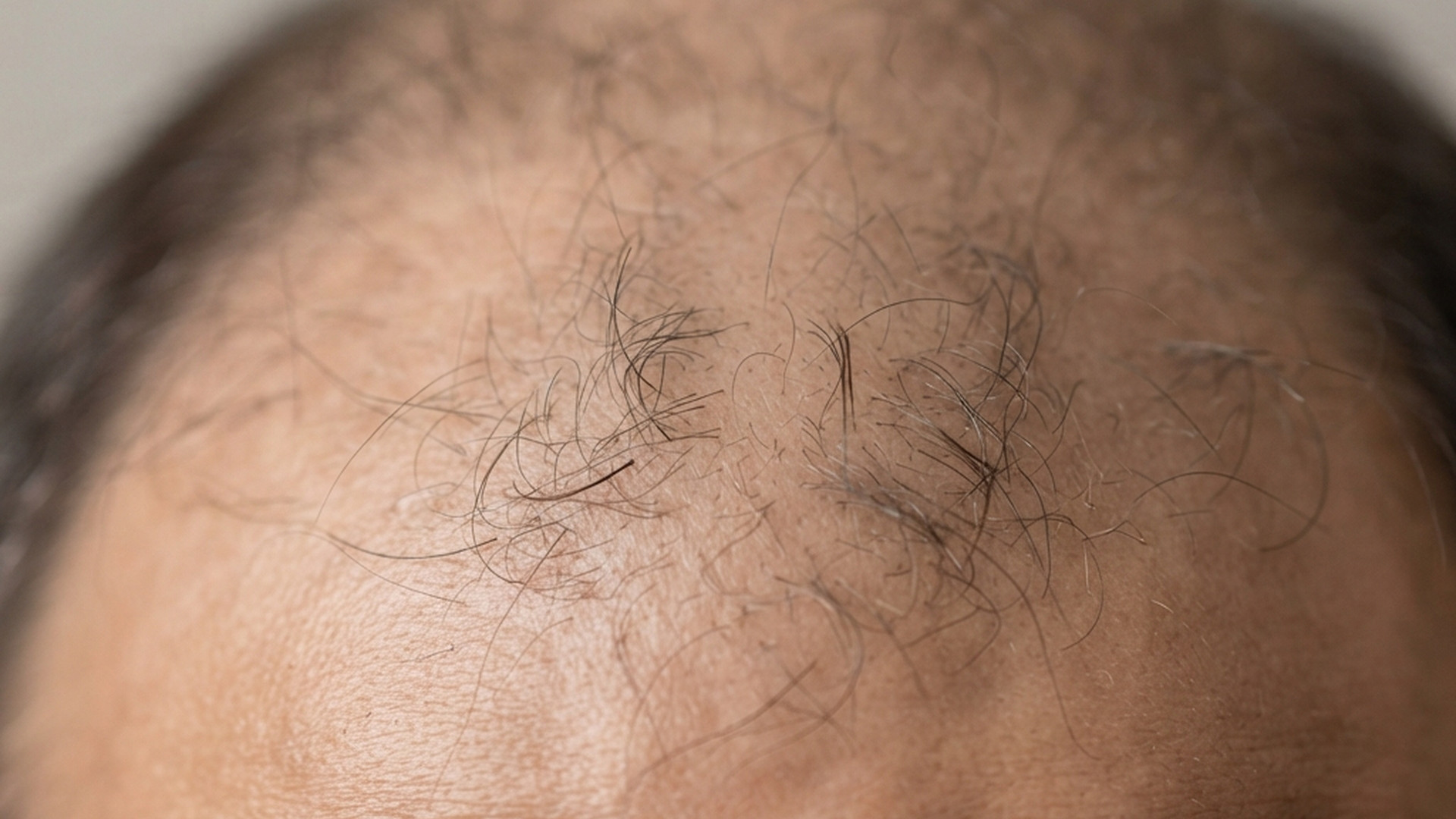
16:9 hero for Male Pattern Hair Loss. Never cropped: the tone strip and the corner logo depend on the full frame.
Male Pattern Hair Loss
16:9 hero for Wrinkles and Fine Lines. Never cropped: the tone strip and the corner logo depend on the full frame.
Wrinkles and Fine Lines
Close-up of the lower cheek, nose and mouth of a young person with medium-brown skin, turned three-quarters away from the camera against a pale blue background. Scattered flat dark brown marks are spread across the cheek, with a few small raised spots still active among them.
Post-Inflammatory Hyperpigmentation
16:9 hero for Melasma. Never cropped: the tone strip and the corner logo depend on the full frame.
Melasma
16:9 hero for Dark Circles Under the Eyes. Never cropped: the tone strip and the corner logo depend on the full frame.
Dark Circles Under the Eyes

How each works

Depth
SurfaceBarrierEpidermisDermis
How a chemical peel works. Reaches the dermis.

The acid works as is.

Step by step
  1. Acid goes on. An acid is brushed onto clean skin.
  2. It loosens layers. It breaks bonds between skin cells and loosens damaged layers.
  3. Deeper peels reach the dermis. Medium and deep peels reach the dermis and trigger collagen.
  4. Fresh skin. The old layers peel off, revealing smoother, more even skin.
SurfaceBarrierEpidermisDermis
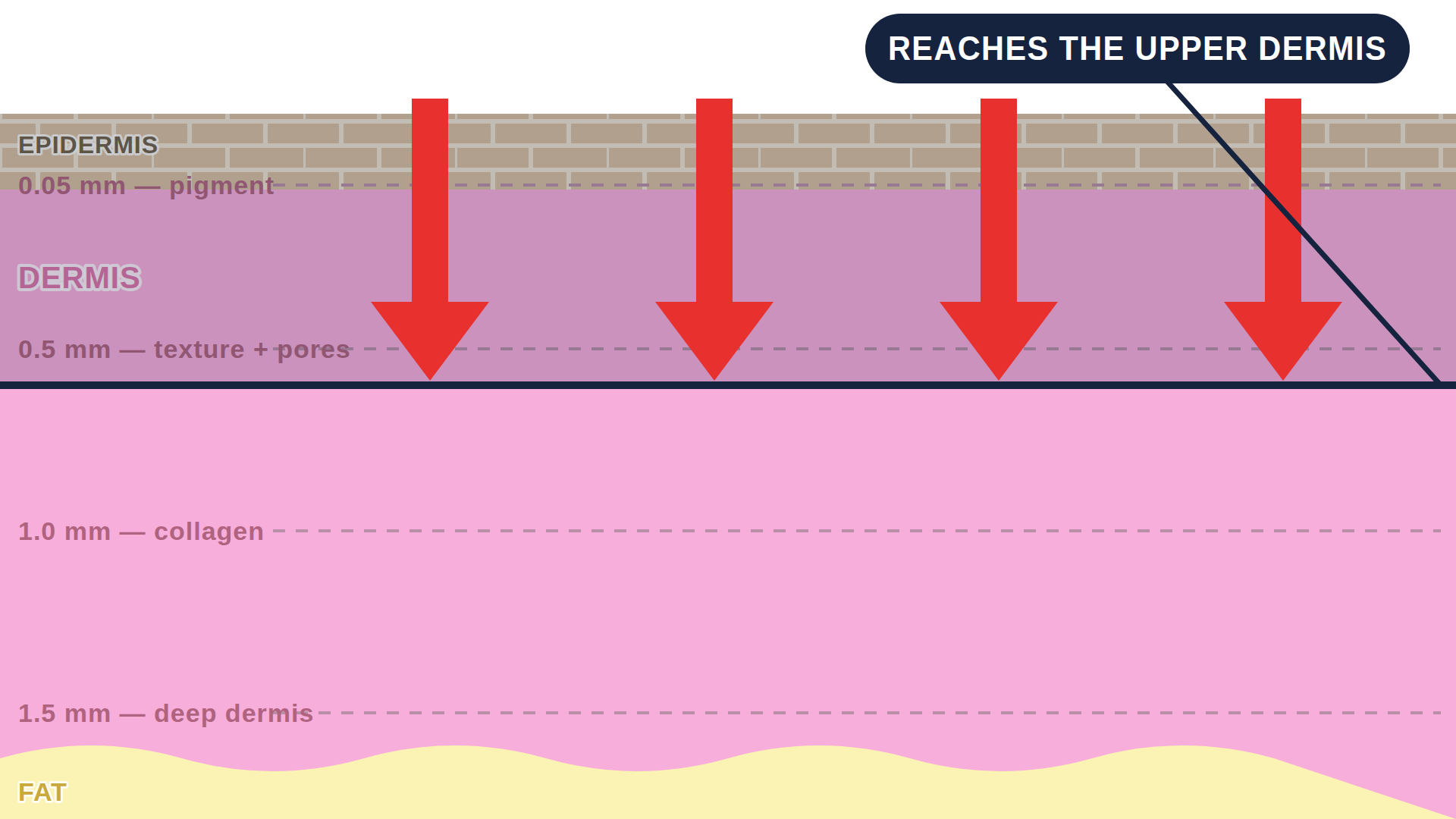
How microneedling rebuilds collagen. Reaches the dermis.

It works by controlled injury.

Step by step
  1. Scarred skin. Collagen is lost or uneven.
  2. Needles create channels. Fine needles make tiny wounds.
  3. Healing signals fire. The skin releases growth signals.
  4. Collagen rebuilds. New collagen fills in over months.
Diagrams
Chemical Peel
Chemical Peel
Microneedling
Microneedling

Types and brands

Types

Peels are grouped by how deep the acid reaches into the skin.

  • Light peelRemoves only the outermost layer for brighter, smoother skin.
  • Medium peelReaches the upper dermis to treat deeper damage.
  • Deep peelReaches the mid dermis; done rarely, under sedation.

Microneedling ranges from shallow at-home rollers to in-office devices that reach deeper.

  • At-home rollerVery short needles for product absorption.
  • In-office penDeeper needling by a trained provider.
  • With PRPAdds platelet-rich plasma from your blood.

The appointment

Before
  • Pigment cream
  • Sun and tanning
  • Actives and hair removal
  • Pigment cream
  • Actives and hair removal
  • Clean skin
The treatment
Skin is cleaned and degreased, eyes and lips protected, acid brushed on in layers. It stings and builds over 2 to 5 minutes, then gets neutralized. The visit takes 20 to 30 minutes.
The pen is passed over the skin in overlapping passes, one area at a time, with sterile gel or saline as a glide. It sounds like a small vibrating motor and takes 20 to 30 minutes for a full face. Pinpoint bleeding is normal at deeper settings over scars.
Leaving
Pink, tight skin, sometimes with mild swelling and stinging for a few hours. A light peel leaves you flushed, like after a hot shower.
Skin is bright red, warm and tight, like a strong sunburn, sometimes with faint tracking lines and dots of dried blood. Pinpoint bleeding stops within an hour.
Aftercare
  • Makeup and exercise
  • Actives
  • Sun
  • Makeup and exercise
  • Actives
  • Sun and hands off
Repeat visits
Typically 4 to 6 superficial peels, 2 to 4 weeks apart, then maintenance every 2 to 3 months if it helps. One peel gives a short-lived glow, which is why single-session offers disappoint.
Plan on three to six sessions four to six weeks apart for indented acne scars, toward the higher end if the scarring is deep or widespread. The spacing is not arbitrary: collagen remodeling takes weeks, and going back sooner treats skin that has not finished responding.

Using them together

Pairing guidance
Not stated in the existing source content.

Recovery and results

Chemical Peel
  1. Days 1 to 3Skin darkens slightly, dry and rough

    Flaking starts day 2 or 3; it does not mean the peel was too strong.

  2. Days 4 to 7Light peels finish flaking

    Medium peels are still peeling and pink.

  3. Weeks 1 to 2Some people break out for a week or two as clogged pores clear

    It settles on its own.

Microneedling
  1. Days 1 to 5Redness turns pink and swelling settles, most noticeably around the eyes the first morning

    Skin feels dry and rough, then flakes lightly as the surface turns over.

  2. Weeks 1 to 4Skin looks normal and nothing appears to be happening

    This is when the collagen work is going on underneath.

  3. Months 2 to 6Texture keeps improving after the visible healing finishes, which is why the photograph that matters is taken months later, not the week after
Early changes
Temporary stinging, redness, tightness, or flaking may occur; more irritation does not establish a better result.
After healing
Healing can reveal a smoother or more evenly pigmented surface, but results vary and deeper treatment is not automatically better.
Collagen remodeling can improve some scars or texture concerns over time, often after several sessions.
Longer term
The underlying concern may return and sun exposure can undermine cosmetic gains.

Approximate timing. It varies from person to person.

Risks

What to know
Superficial peel side effects are mild. Risk rises sharply with depth.
Most side effects are the expected redness, swelling and flaking. The serious problems come from one of three things: too much depth, poor sterility, or something applied through the fresh channels.
Tell your doctor
  • Dark patches
  • Prolonged redness
  • A cold sore outbreak
  • Dark patches
  • Tracking lines
  • Prolonged redness
  • Bumps that will not go
  • A cold sore outbreak

Cost and coverage

Cost
A superficial salicylic or glycolic peel runs about $100 to $300 a session in the US, a medium-depth peel about $400 to $900. Price depends on city and on medical office versus spa.
In the US a full-face session usually runs about $200 to $700, with medical offices at the higher end and packages of three to six cheaper per session. Platelet-rich plasma, exosomes, or branded serums push a session past $800, with benefit that is not well established.
Insurance
Insurance rarely covers peels for acne or post-acne marks — they count as cosmetic. Peels for precancerous sun damage are sometimes an exception.
Insurance does not cover microneedling for acne scars, since it is classed as cosmetic.

Questions

Which is better for indented acne scars?

The existing guides point to microneedling for indented scars, especially rolling and shallow boxcar scars. Improvement is partial. Superficial peels work on surface marks and cannot lift an indented scar floor.

Are flat acne marks the same as scars?

No. The chemical peel FAQ distinguishes flat brown or red marks from depressed scars. Peels can fade the flat marks; indented scars need a different approach.

How many sessions do the guides describe?

The chemical peel guide describes four to six sessions, two to four weeks apart, followed by maintenance. The microneedling guide describes three to six sessions for scarring, four to six weeks apart, with texture continuing to improve for three to six months after the last session.

Will visible peeling tell me whether a peel worked?

No. The chemical peel FAQ says heavy peeling does not establish that it worked, and mild flaking does not mean it failed.

Can medical-depth microneedling be done at home?

The existing microneedling guide says needles at 0.5 mm or deeper are a medical depth and should not be used at home. It also notes that home rollers cannot be properly sterilized.

Also compared with

Chemical Peel vs Topical retinoidDoes both of the peel's jobs — clearing pores and fading marks — at home and daily, over months rather than weeks. Cheaper, and skin already using one peels better.
Chemical Peel vs Fractional laser resurfacingStronger on texture and scarring, with more downtime, more cost and more care needed on deeper skin tones.
Chemical Peel vs MicrodermabrasionSands the surface instead of dissolving it. No peeling and little lasting effect on acne, which is why it is often bundled rather than sold on its own.
Chemical Peel vs Leave-on acid products (salicylic 0.5 to 2%, glycolic 5 to 10%)Lower strength used daily. Slower than an office peel but does much of the same work, and far cheaper. This is the sensible default.
Microneedling vs Fractional CO2 laserThe most effective single option for indented acne scars. In exchange it brings a week of real downtime, higher cost, and a genuine risk of lasting pigment change, especially on deeper skin tones.
Microneedling vs SubcisionFor one specific job. It cuts the fibrous bands tethering rolling scars downward, which needling cannot reach. Often done alongside microneedling rather than instead of it.
Microneedling vs TCA CROSSFor icepick scars only. A tiny amount of strong acid is placed in each narrow scar. Precise, cheap, and no help at all with anything else.
Microneedling vs FillersLifts individual depressions immediately, which nothing else does, but the result fades over months to a couple of years and needs repeating.
Related Topic
Topical retinoid
Topical retinoid
16:9 hero for Microneedling. Never cropped: the tone strip and the corner logo depend on the full frame.
Microneedling
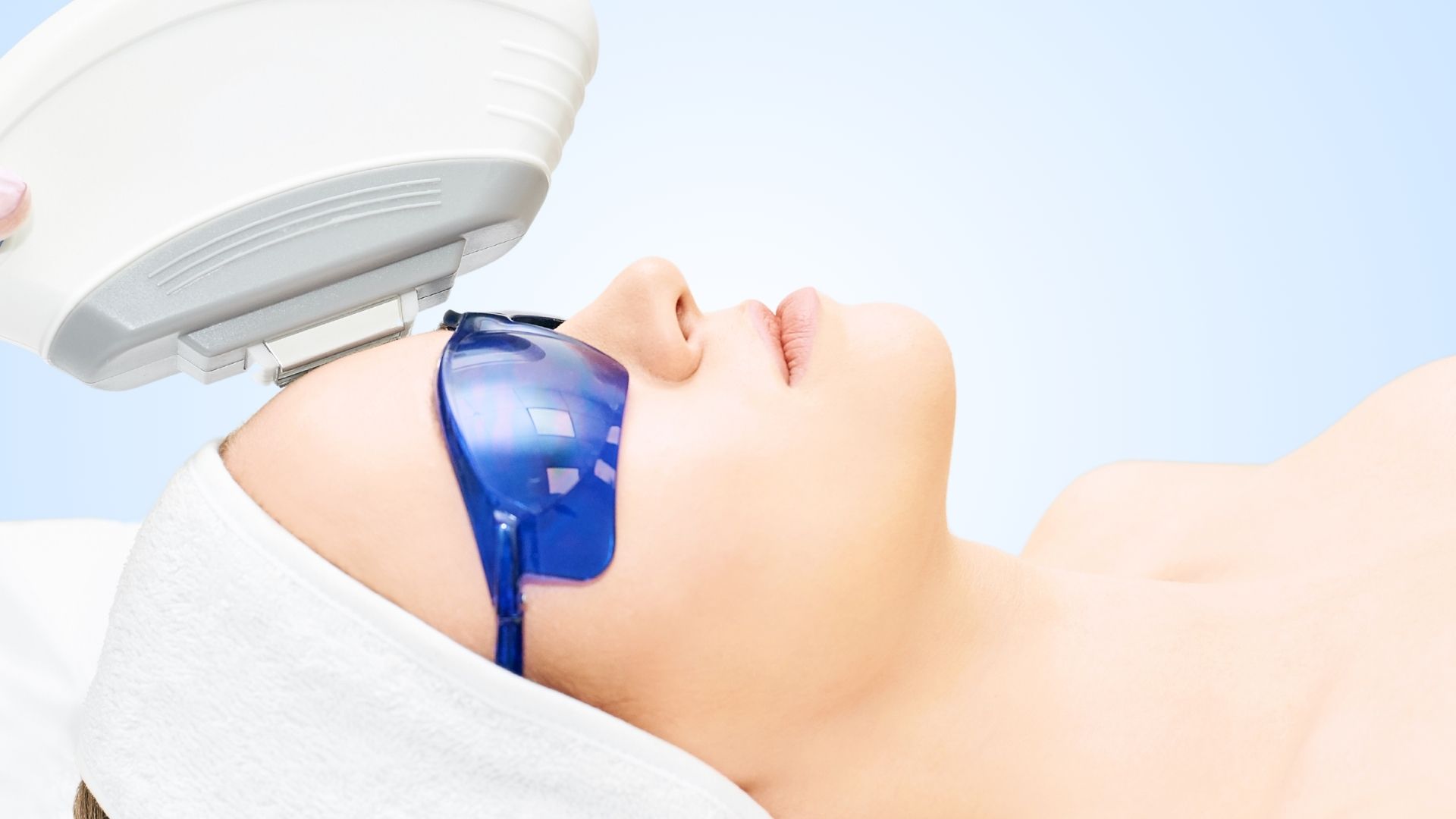
16:9 hero for Fraxel (Nonablative Fractional Laser). Never cropped: the tone strip and the corner logo depend on the full frame.
Fractional laser resurfacing
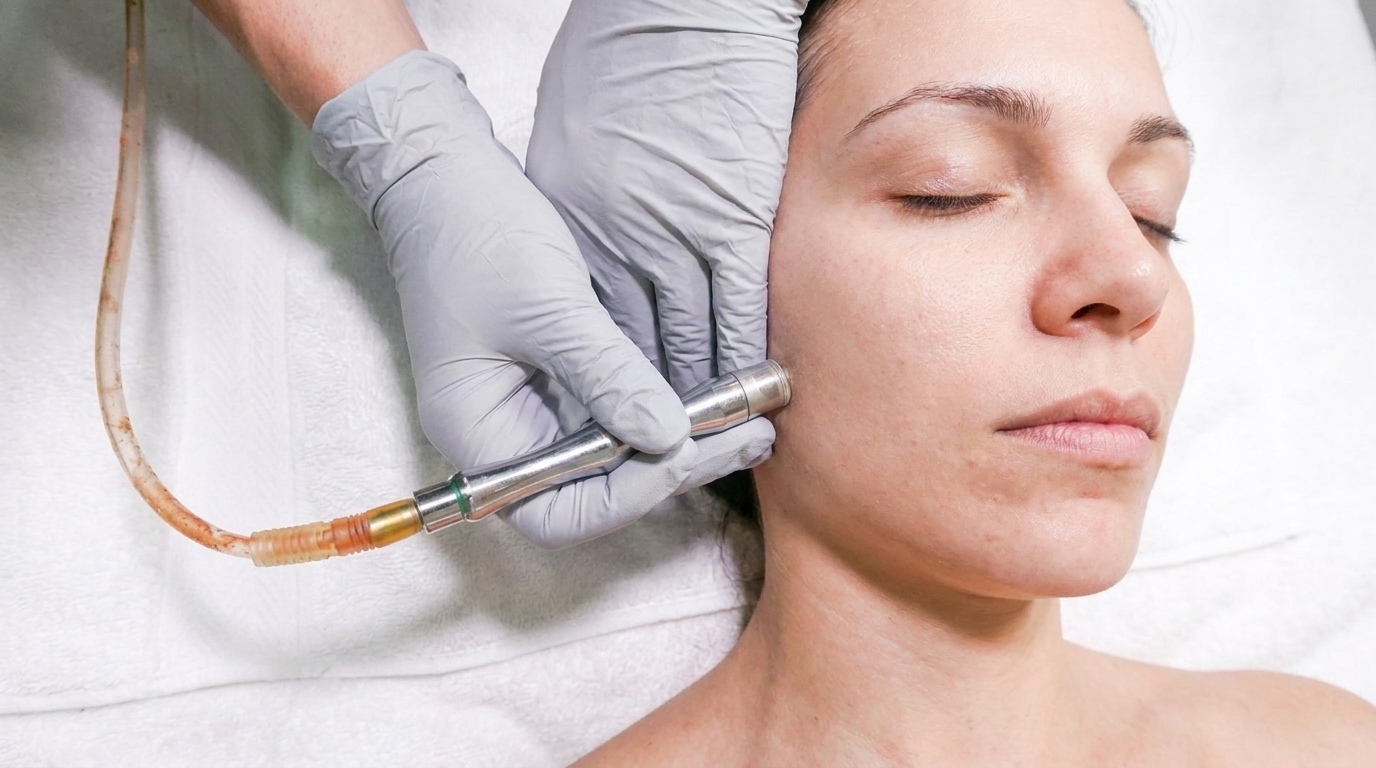
16:9 hero for Microdermabrasion. Never cropped: the tone strip and the corner logo depend on the full frame.
Microdermabrasion
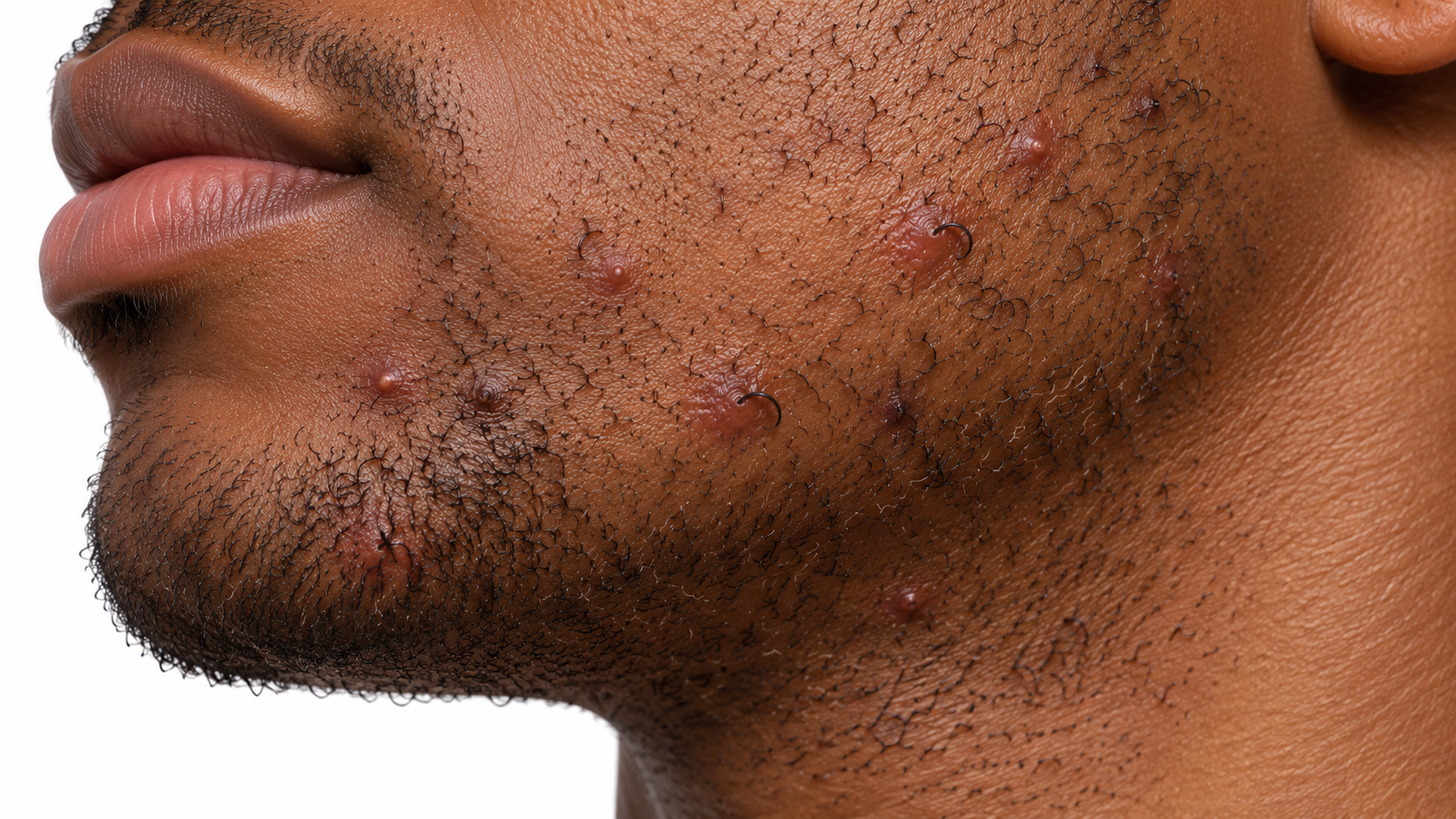
Generated illustration of ingrown hairs. Short curly beard hairs and localized follicular bumps on an adult jaw.
Ingrown Hairs
16:9 hero for Fractional CO2 Laser. Never cropped: the tone strip and the corner logo depend on the full frame.
Fractional CO2 laser
16:9 hero for RF Microneedling (Morpheus8). Never cropped: the tone strip and the corner logo depend on the full frame.
RF microneedling
16:9 hero for Subcision. Never cropped: the tone strip and the corner logo depend on the full frame.
Subcision
A small clear glass bowl holding a shallow pool of pale amber liquid on a white background, with a white fan-shaped brush lying beside it, bristles resting against the bowl.
Chemical peel