Scalp Psoriasis vs Seborrheic Dermatitis

Scalp psoriasis is psoriasis on the head. It causes thick, sharply edged patches with silvery scale that often itch and flake. It is the most common place for psoriasis to start, and it treats well - but the treatment has to reach the skin through the hair, which is where most people go wrong. Seborrheic dermatitis is a common, long-term rash that causes greasy flaking and inflammation where the skin is oiliest - the scalp, the eyebrows, the sides of the nose, the ears and the chest. Dandruff is its mildest form. It responds well to treatment and returns when treatment stops.

Reviewed by Dr. Schwarz, Board-Certified Dermatologist · Research updated 2026-10-23
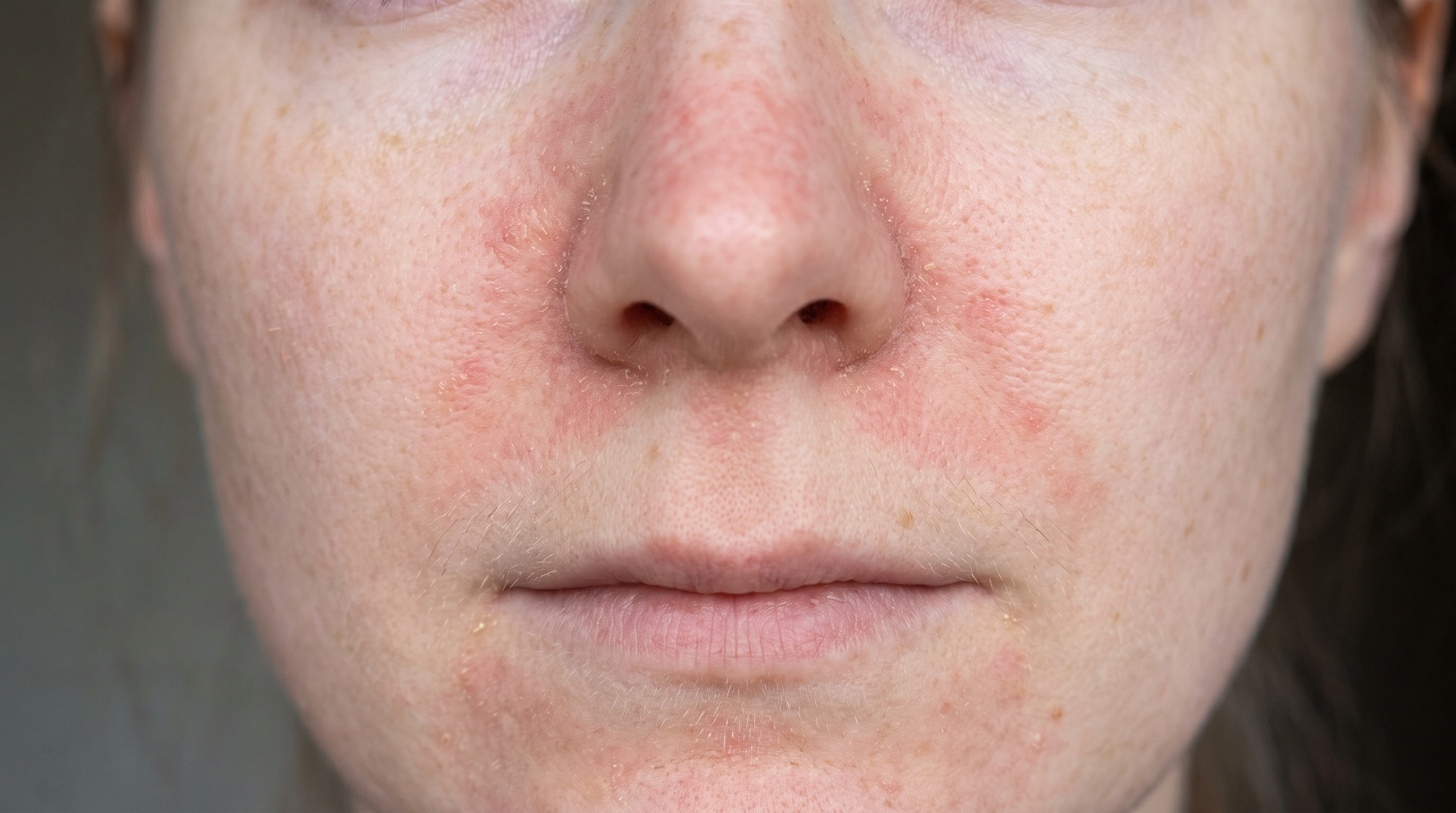
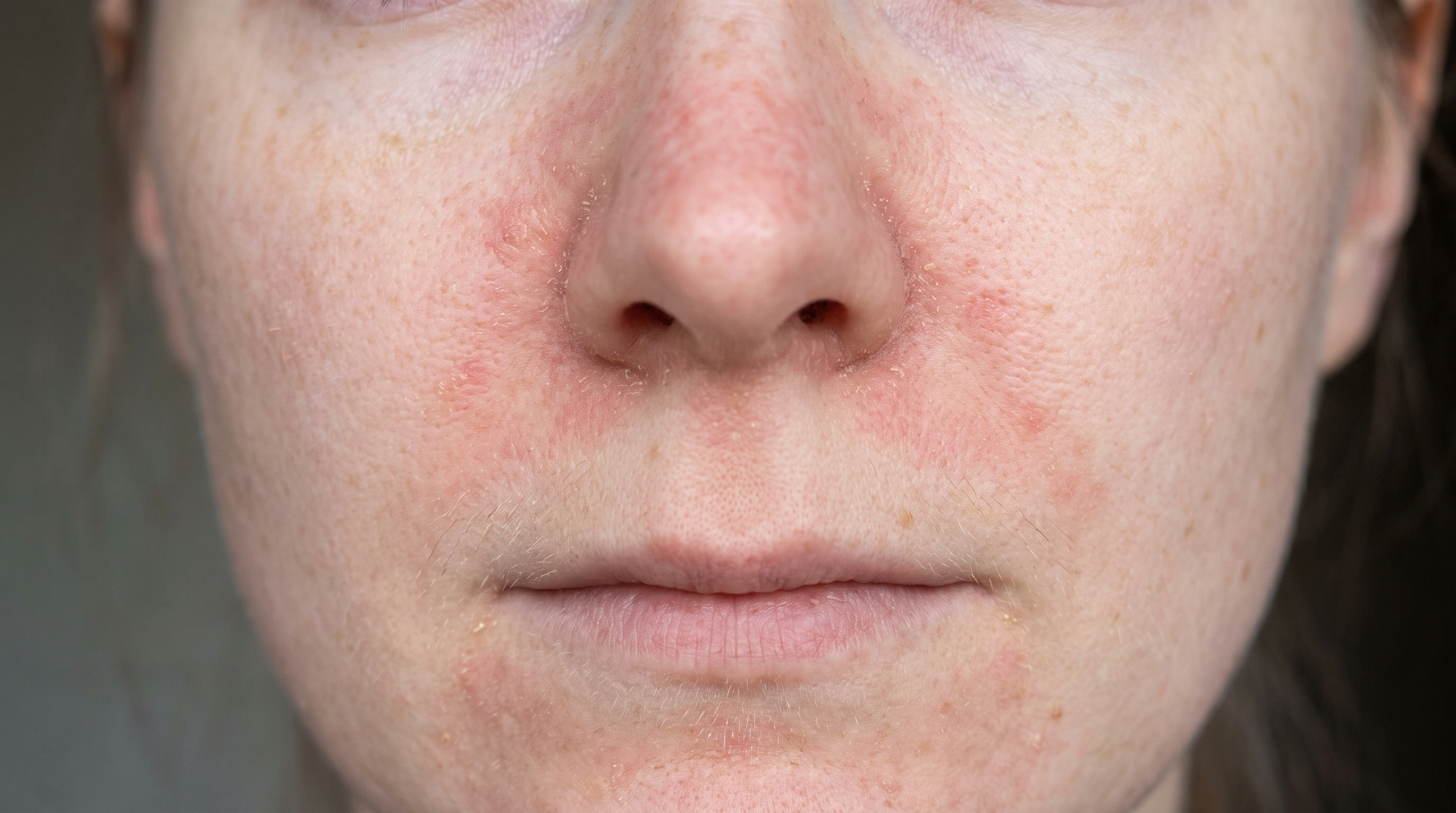
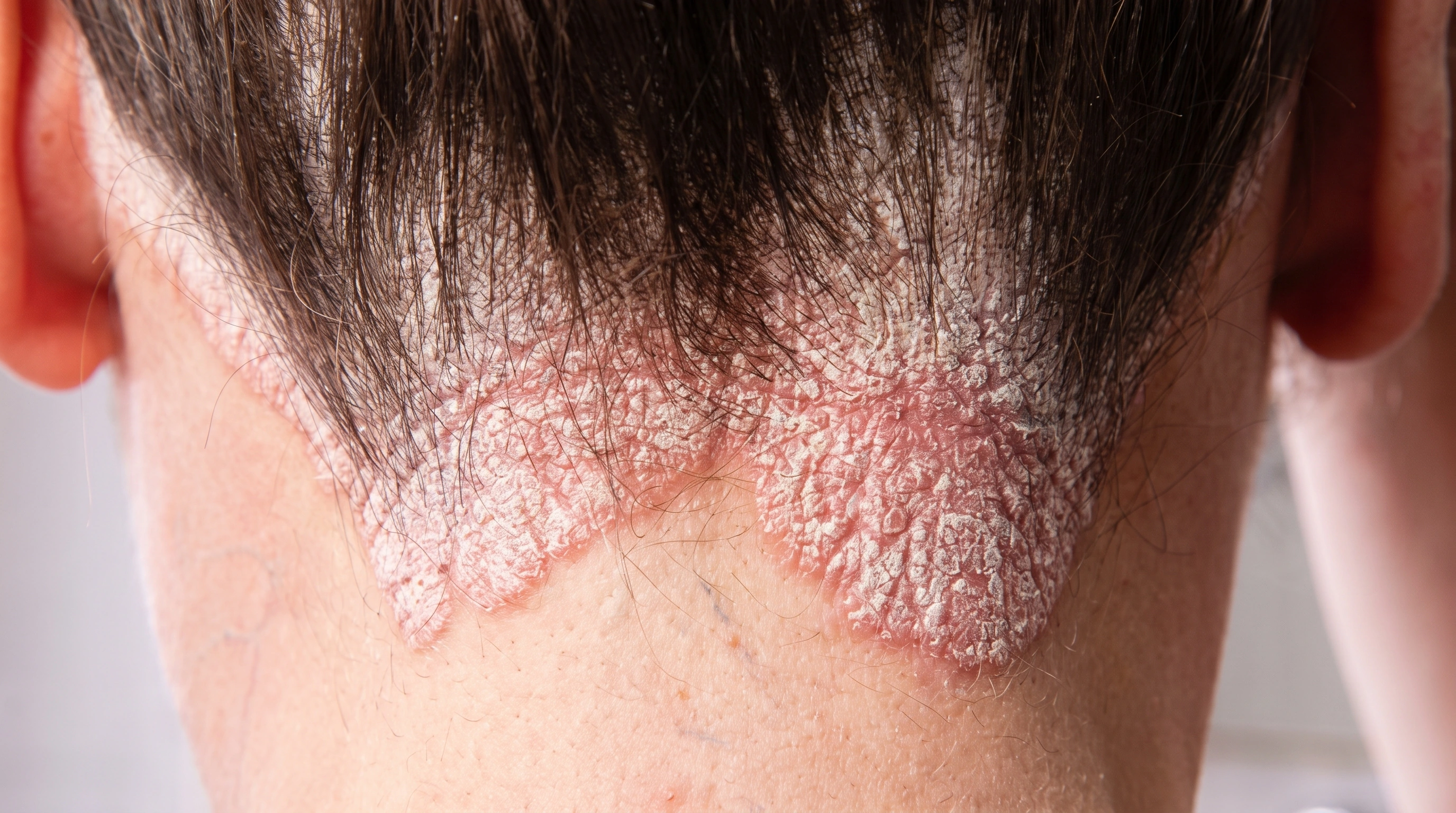
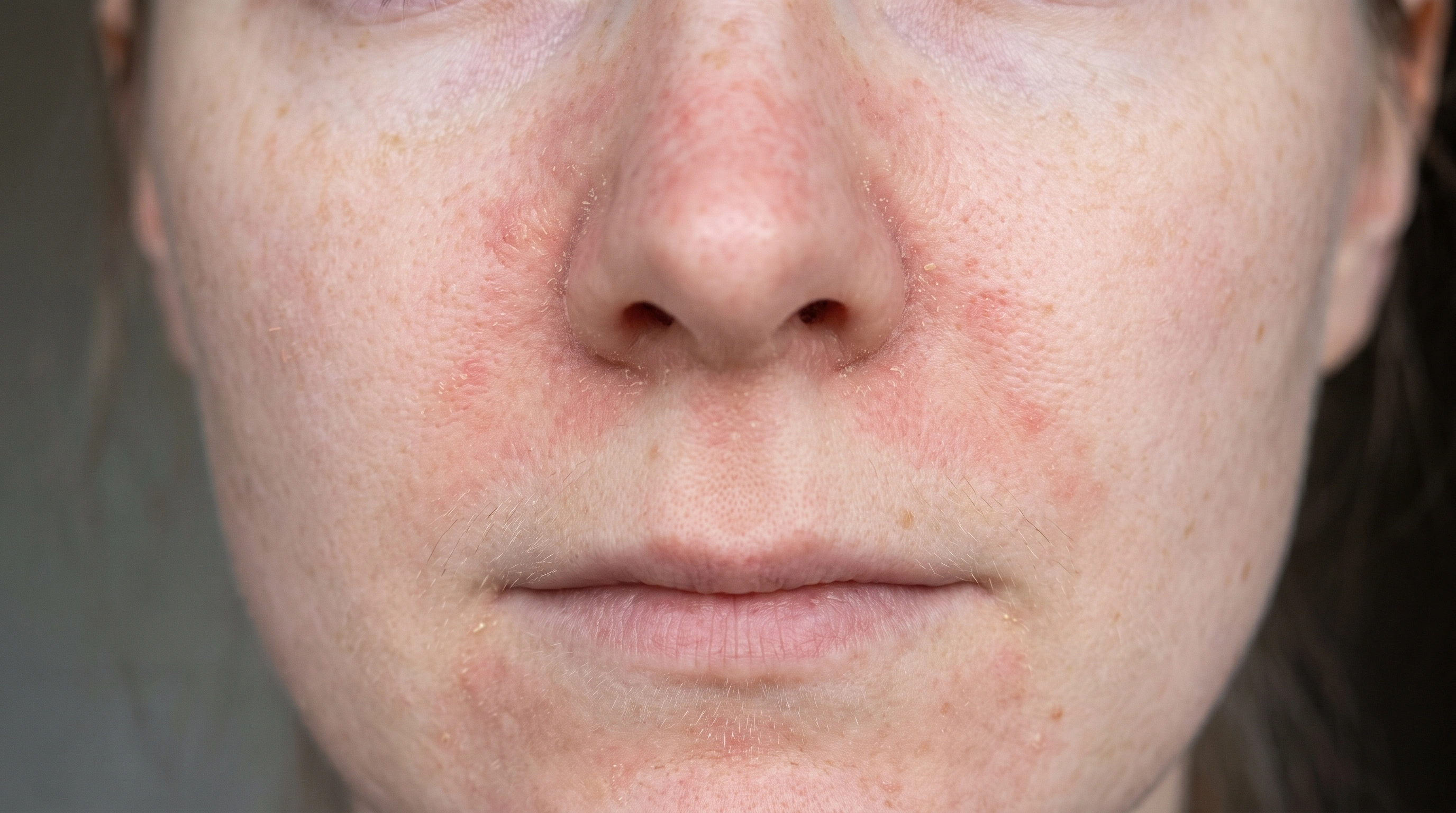
Parted hair on fair scalp skin showing a raised salmon-pink plaque topped with dry silvery-white scale, with a sharply drawn border against normal skin.Salmon-pink patches with fine greasy yellowish scale in the crease beside the nose and through the eyebrow on fair skin, with soft edges that fade into normal skin.

Key differences

The same eight facts on every condition comparison.

Usual age
15 to 35, or 50 to 60
Babies, then adults
Where
Scalp, hairline, behind ears
Scalp, brows, sides of nose, ears
Main sign
Thick plaques with silvery scale
Greasy yellow flakes on redness
Itch or pain
Itchy
Itchy
Contagious
No
No
Long term
Long-term, flares
Long-term, flares
Scars
No
No
Who gets it
Half or more of people with psoriasis
Babies; adults 30 to 60

What is it?

Scalp Psoriasis
Seborrheic Dermatitis
What is it?

It is psoriasis of the scalp.
Plaques can extend beyond the hairline.

Severity varies.
Plaques may be thick and scaly or limited but very itchy.

Lookalikes are common.
Dandruff, seborrheic dermatitis and fungal infection can resemble it.

Small area, real burden.
Limited involvement can still cause significant symptoms.

It affects oil-rich areas.
It produces scale and inflammation in sebaceous areas of the skin.

Yeast plays a part.
Malassezia normally lives on skin; an altered response to it contributes to disease.

Dandruff is the mild end.
Dandruff is a milder, scalp-only form of the same spectrum.

Care depends on the site.
A strong scalp treatment may not suit the eyes or facial folds.

What it looks like

Scalp Psoriasis

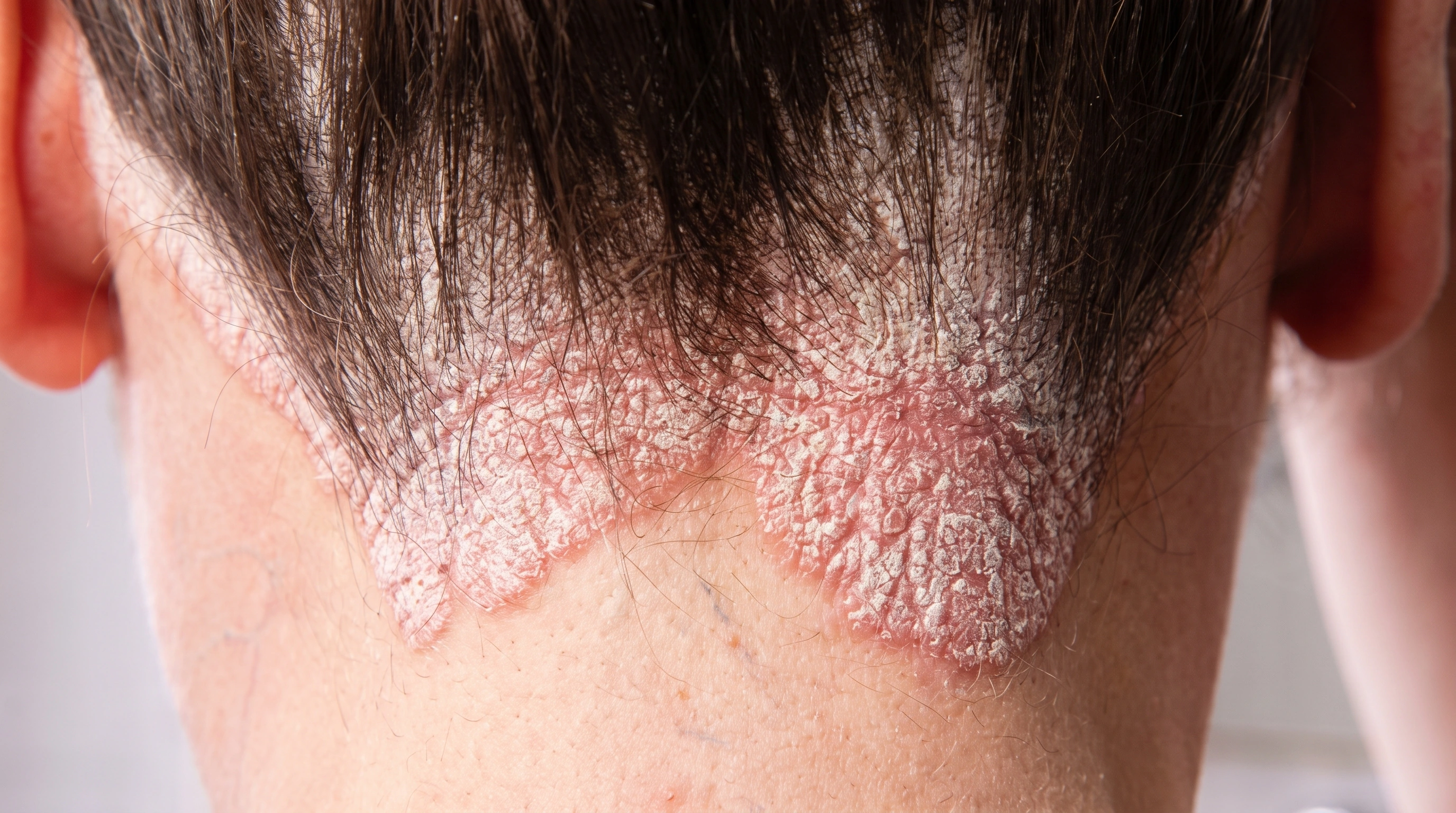
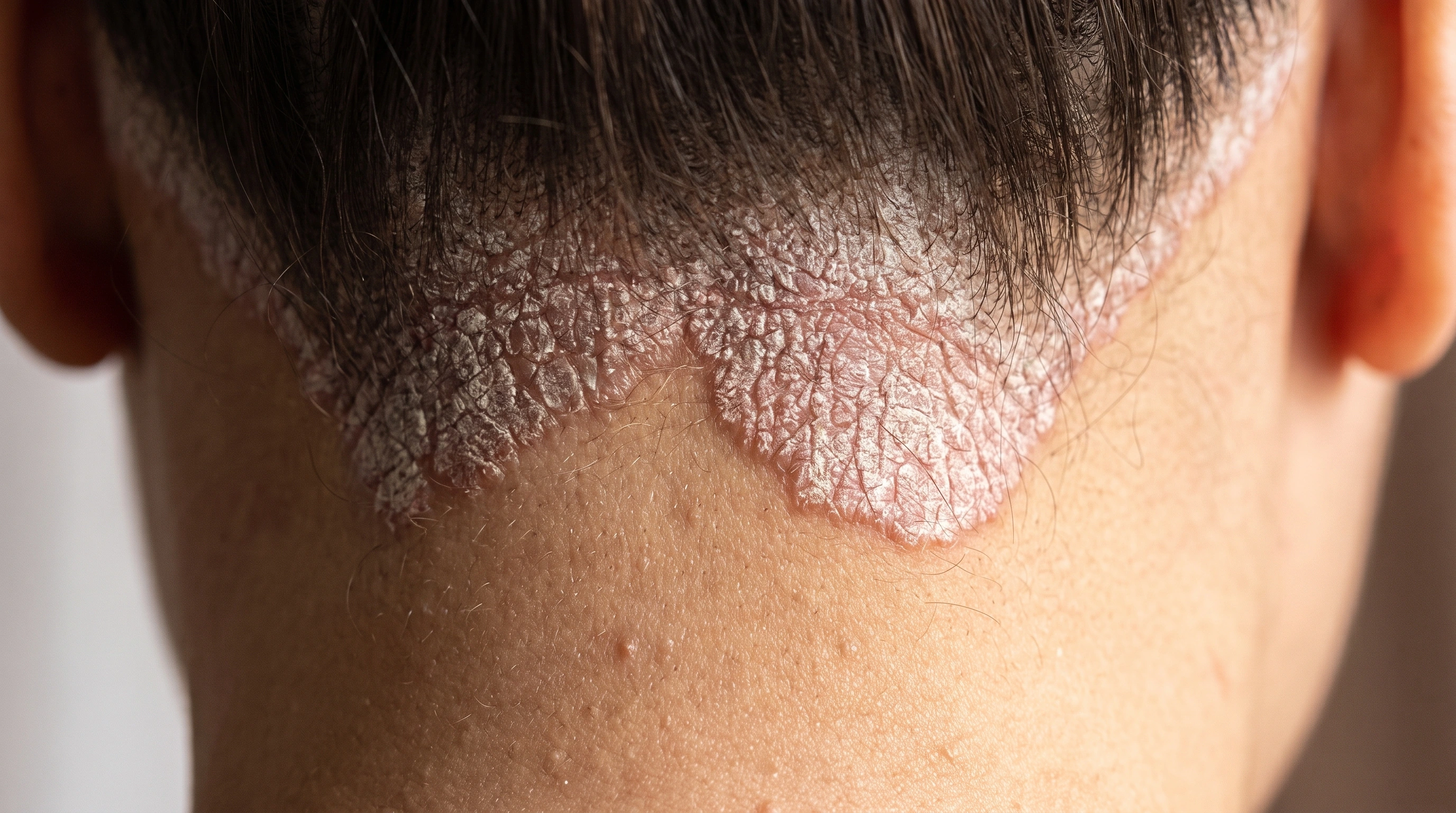
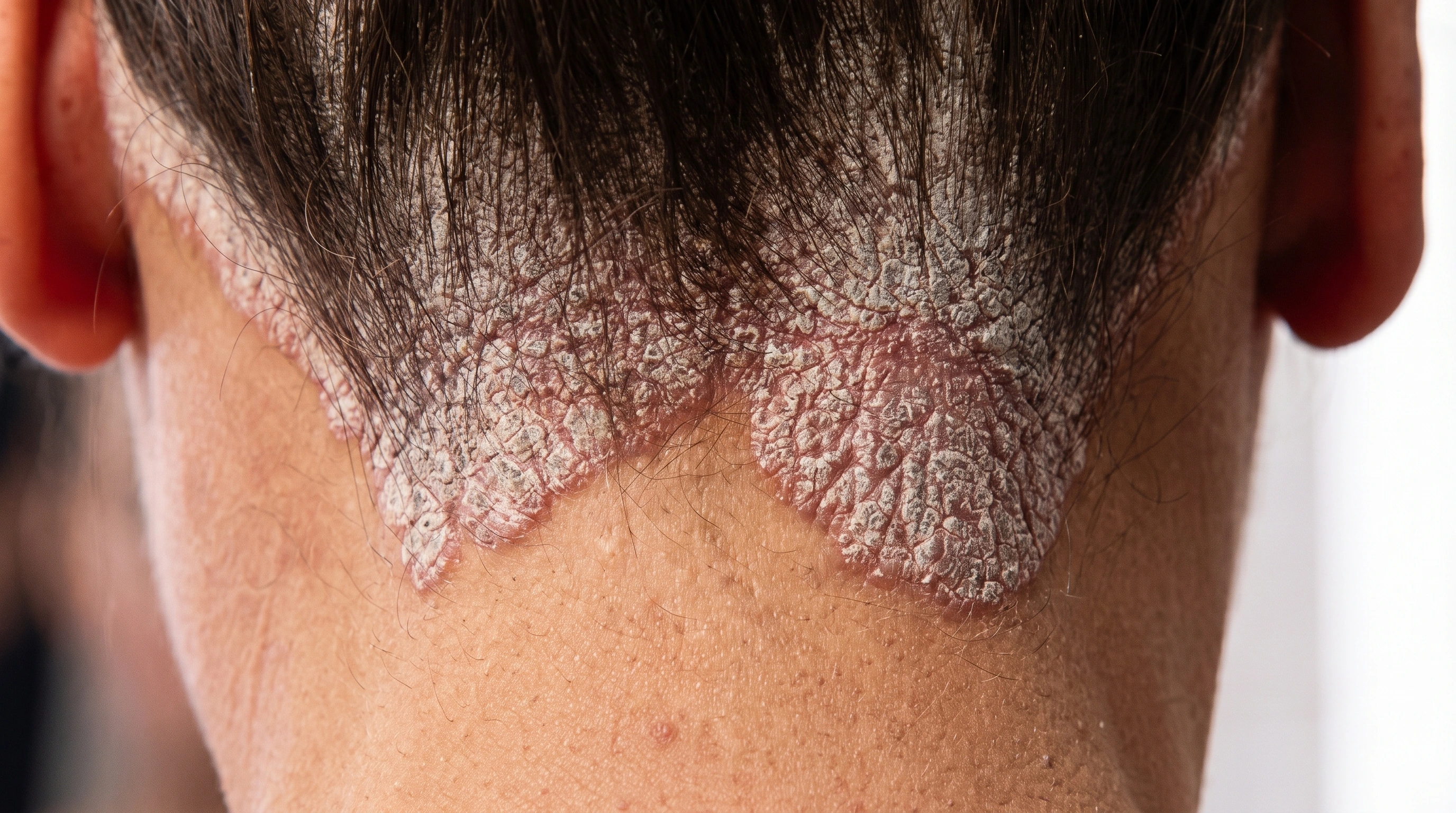
Thick white scale on pink scalp psoriasis plaques along the back hairline.

Thick scale Silvery patches on the scalp.

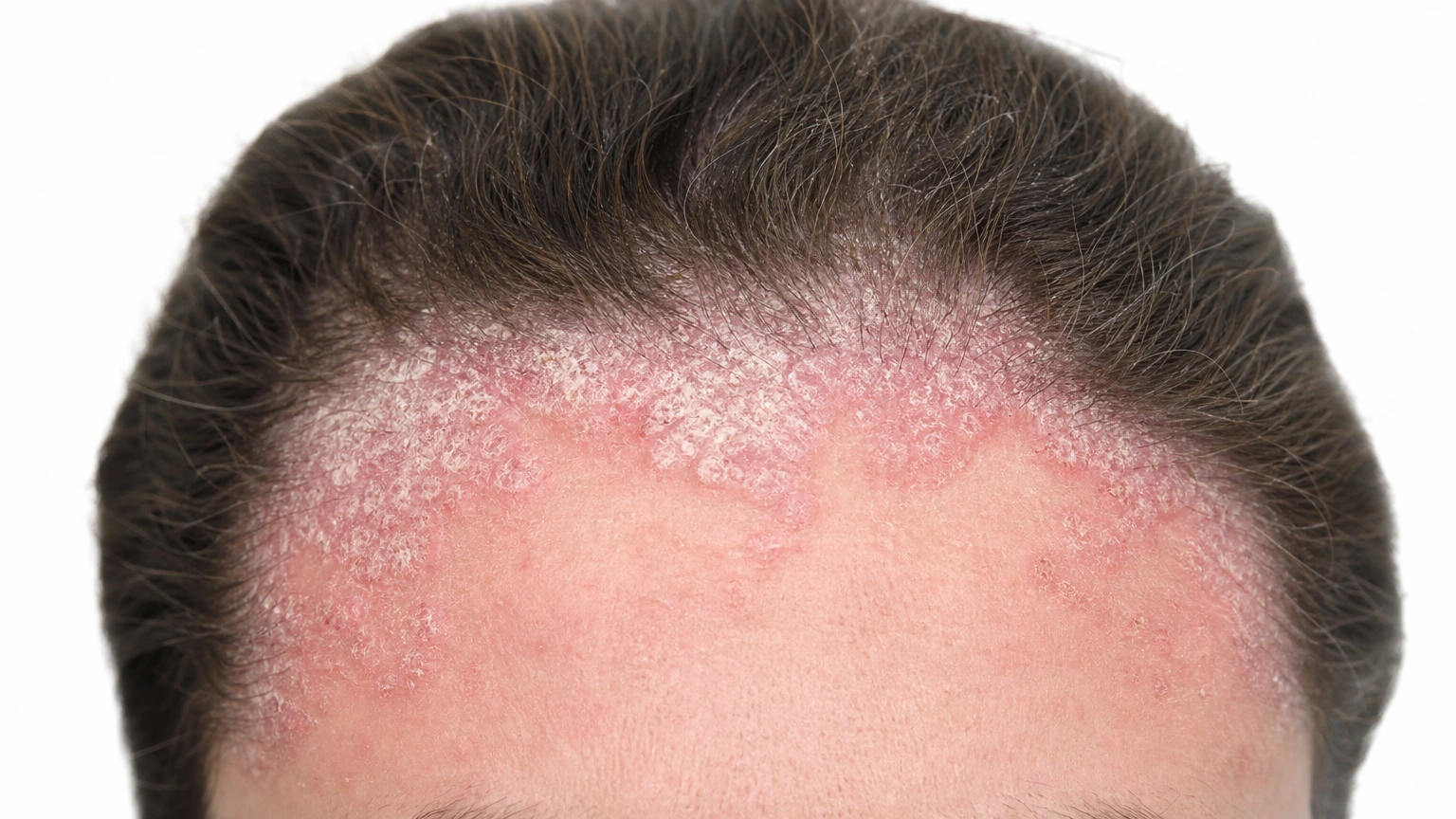
Red plaques with white scale extending from the scalp past the frontal hairline, representing scalp psoriasis.

Past the hairline Spreads onto the forehead.

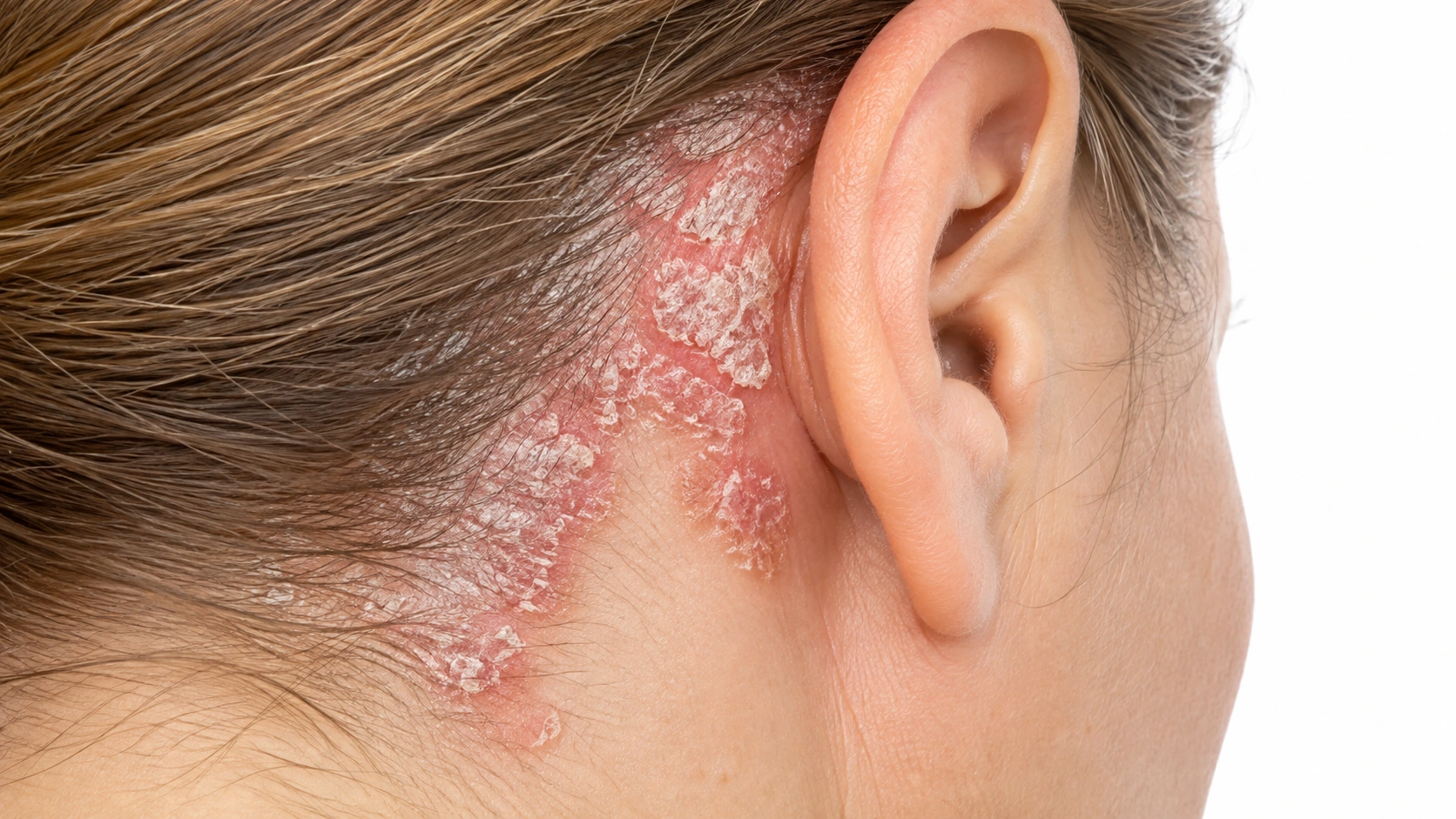
Psoriasis behind the ear.

Behind the ears Scale and redness.

Seborrheic Dermatitis

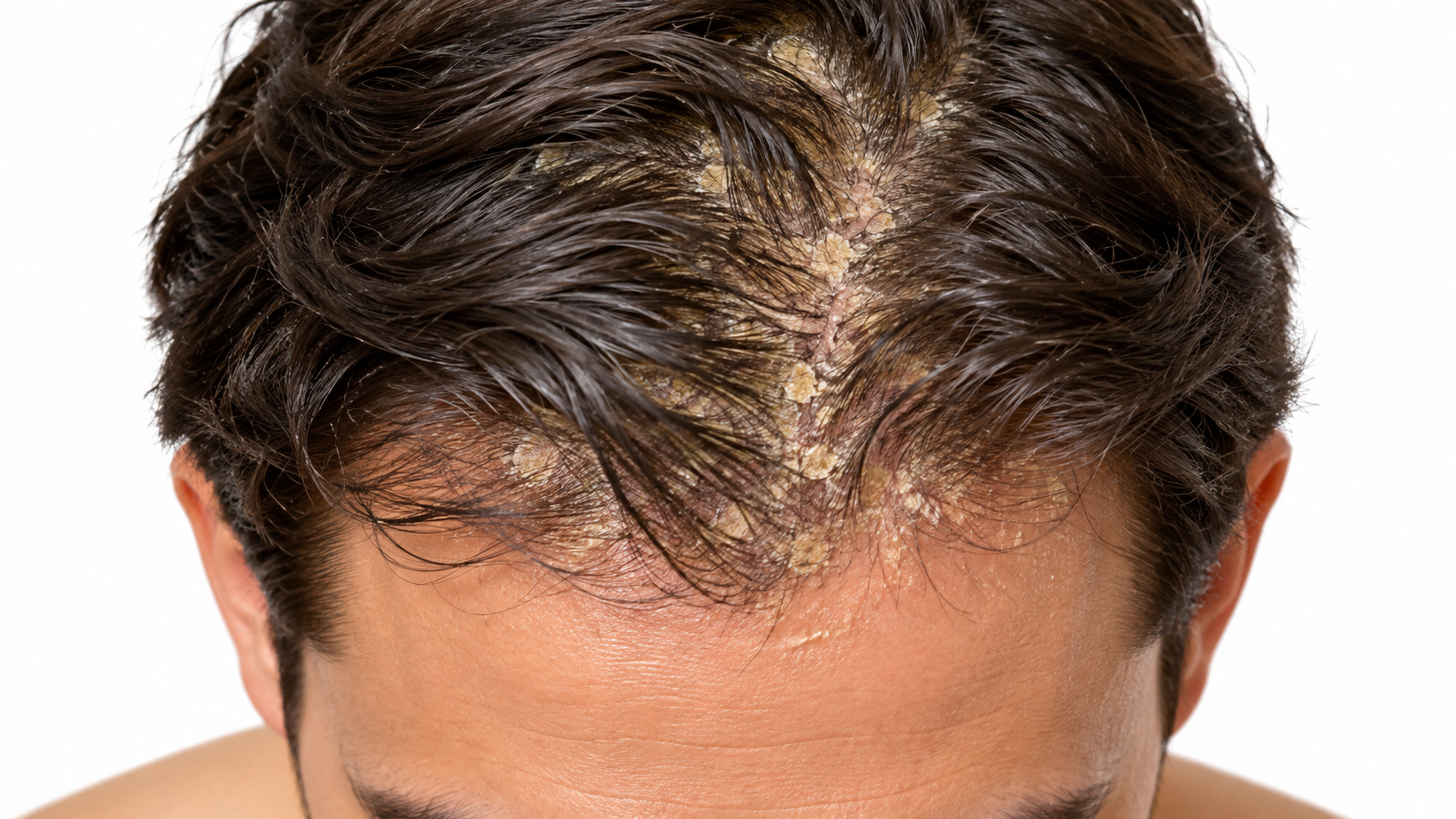
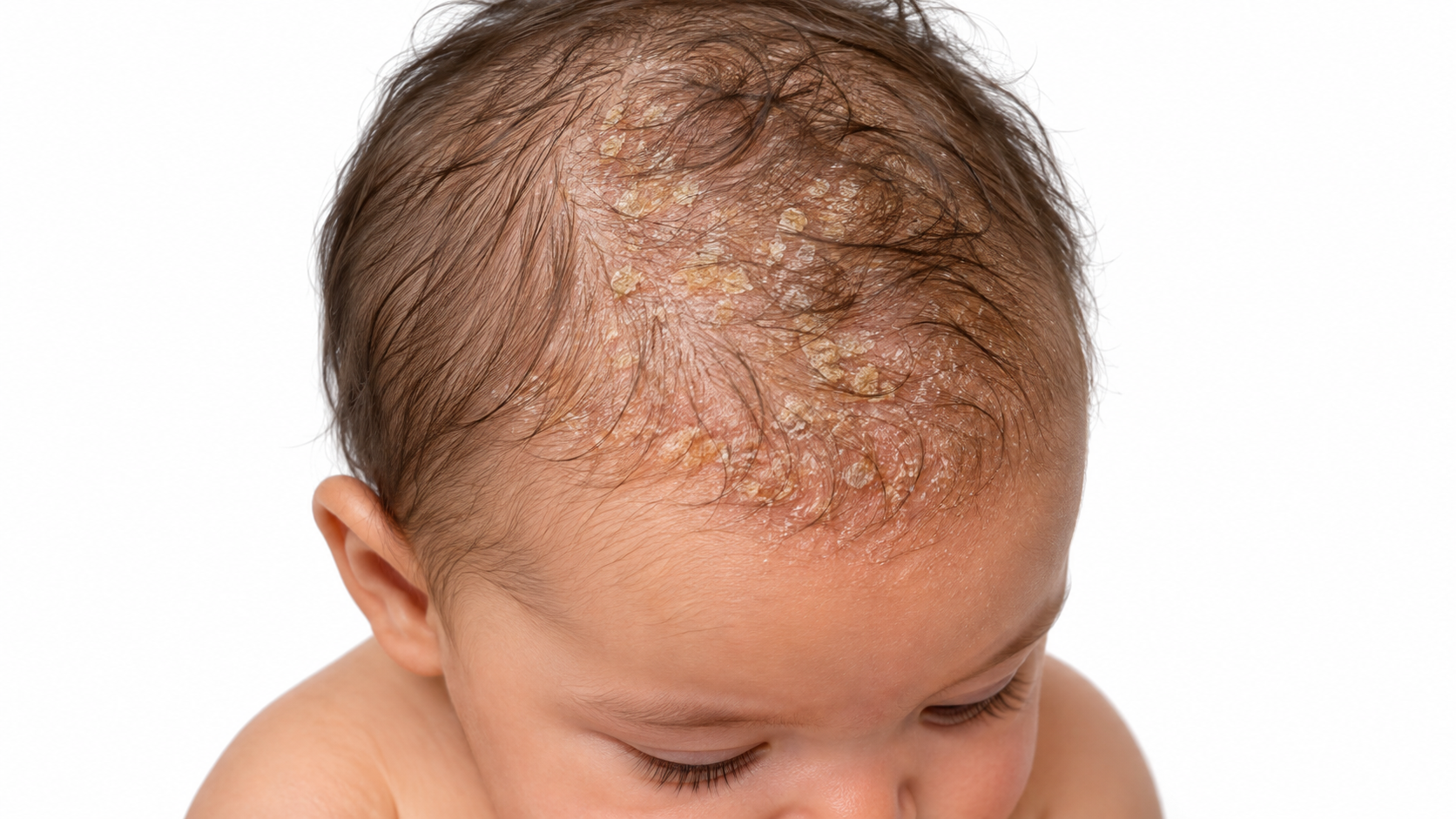
Seborrheic Dermatitis: Greasy scale; Scalp.

Scalp seborrheic dermatitis From mild dandruff to thick scale.

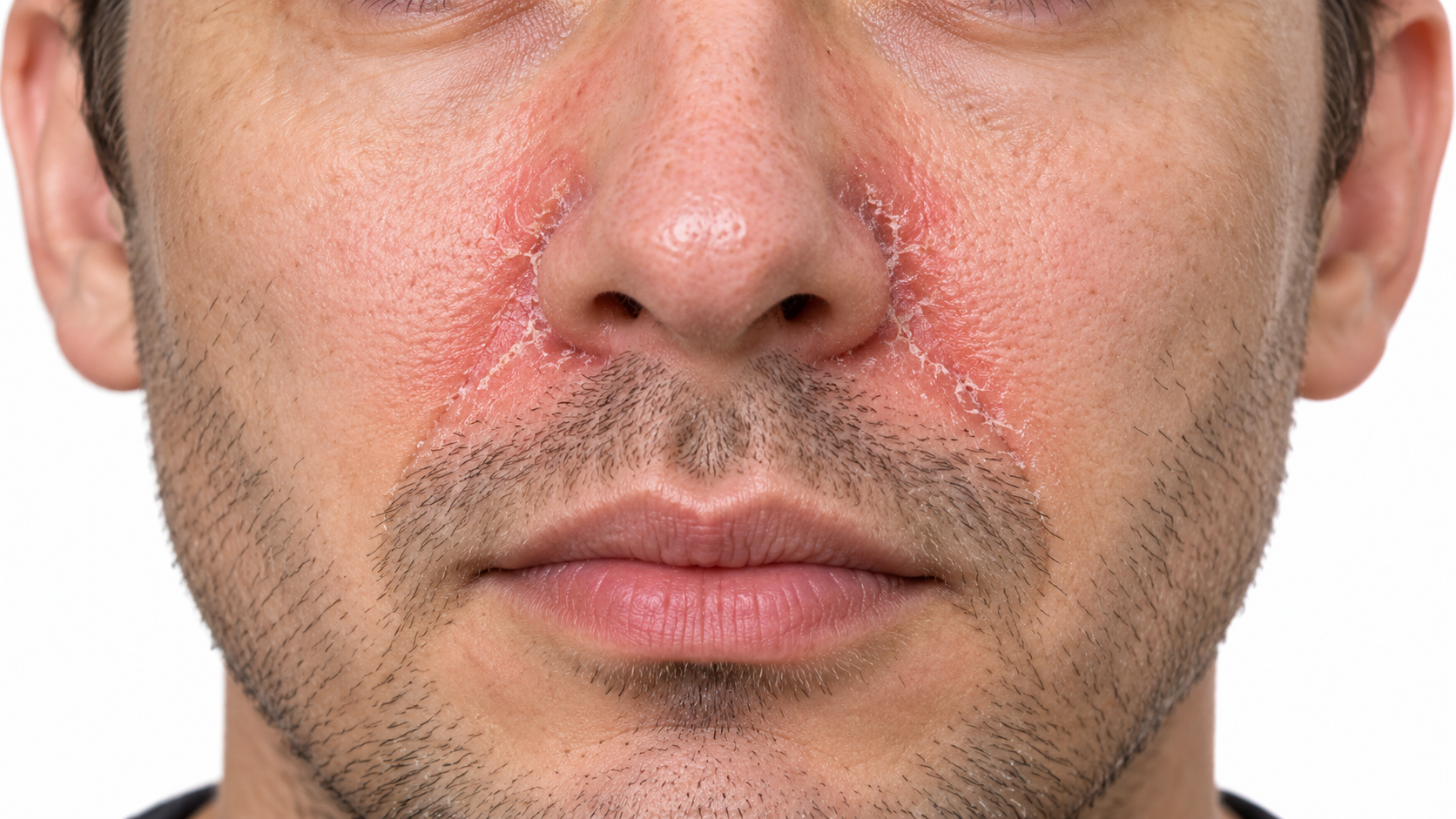
Seborrheic Dermatitis: Sides of the nose; Facial.

Facial seborrheic dermatitis Nose folds, eyebrows and beard.

Seborrheic Dermatitis: Cradle cap.

Cradle cap Thick yellow scale on a baby's scalp.

Skin tones
Parted hair on fair scalp skin showing a raised salmon-pink plaque topped with dry silvery-white scale, with a sharply drawn border against normal skin.
Parted hair on medium olive scalp skin showing a raised plaque with a dusky pink-brown base under dry silvery scale, with a clearly defined edge.
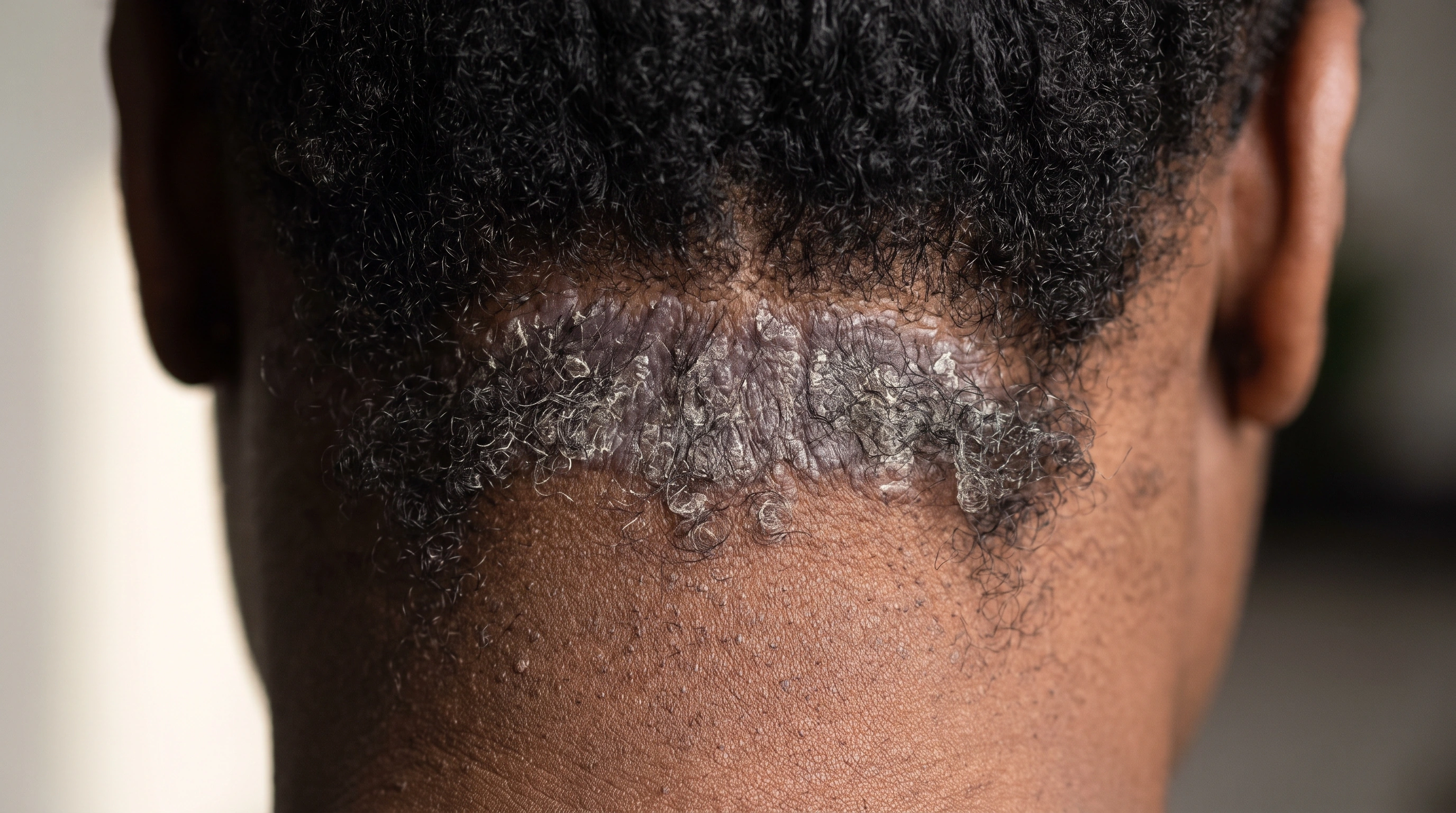
Parted hair on brown scalp skin showing a raised plaque with a violet-brown base under dry silvery scale, with a clearly drawn border and no visible redness.
Parted hair on deep brown scalp skin showing a raised gray-violet plaque topped with grayish scale, and beside it a flat lighter patch of healed skin with no scale.
Salmon-pink patches with fine greasy yellowish scale in the crease beside the nose and through the eyebrow on fair skin, with soft edges that fade into normal skin.
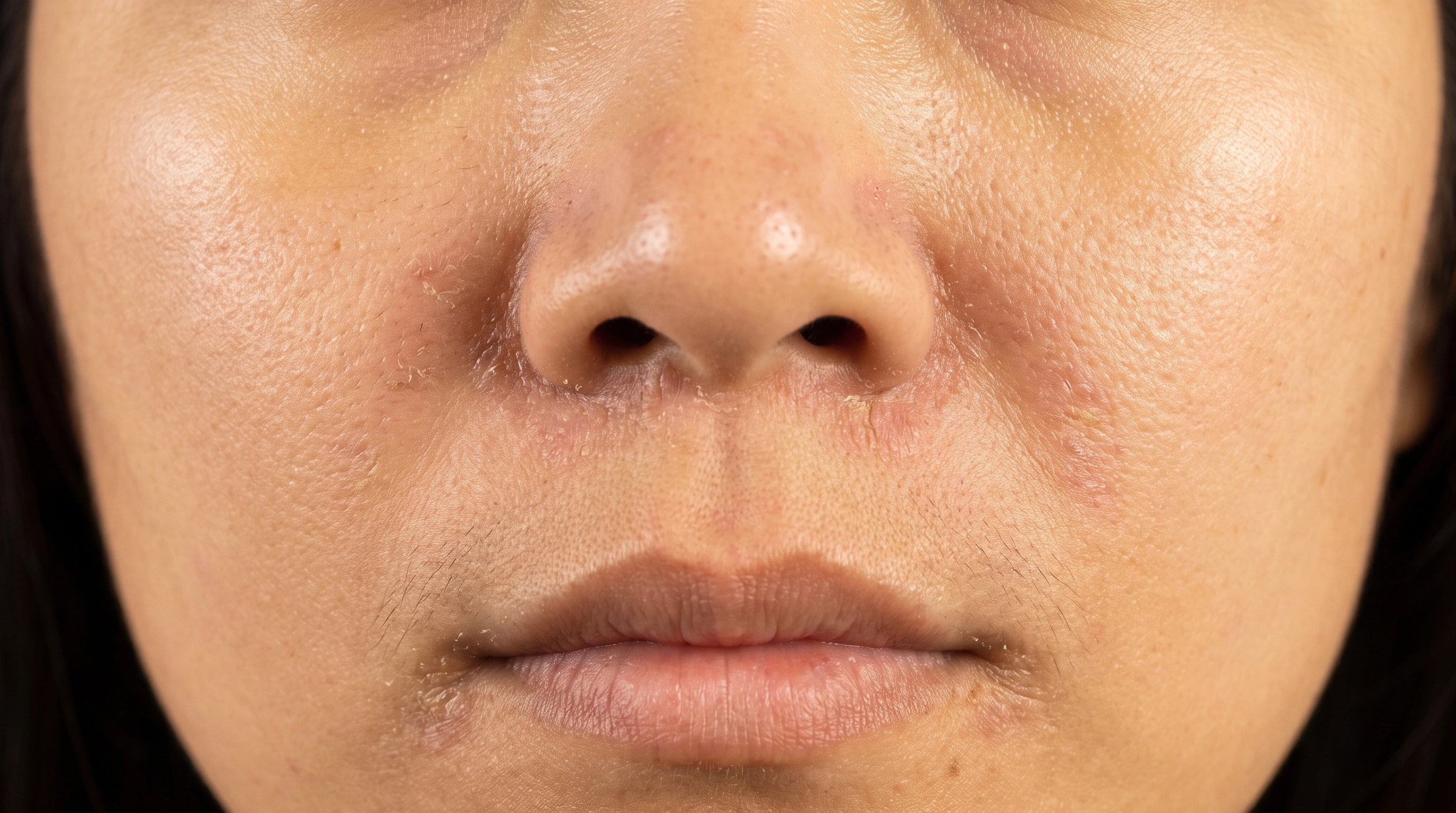
Dull pink-brown patches with greasy scale through an eyebrow and beside the nose on medium olive skin, one of them slightly lighter than the surrounding skin at its center.
Ring-shaped and petal-shaped patches on brown facial skin along the hairline, each one lighter than the surrounding skin with fine scale across it and soft edges.
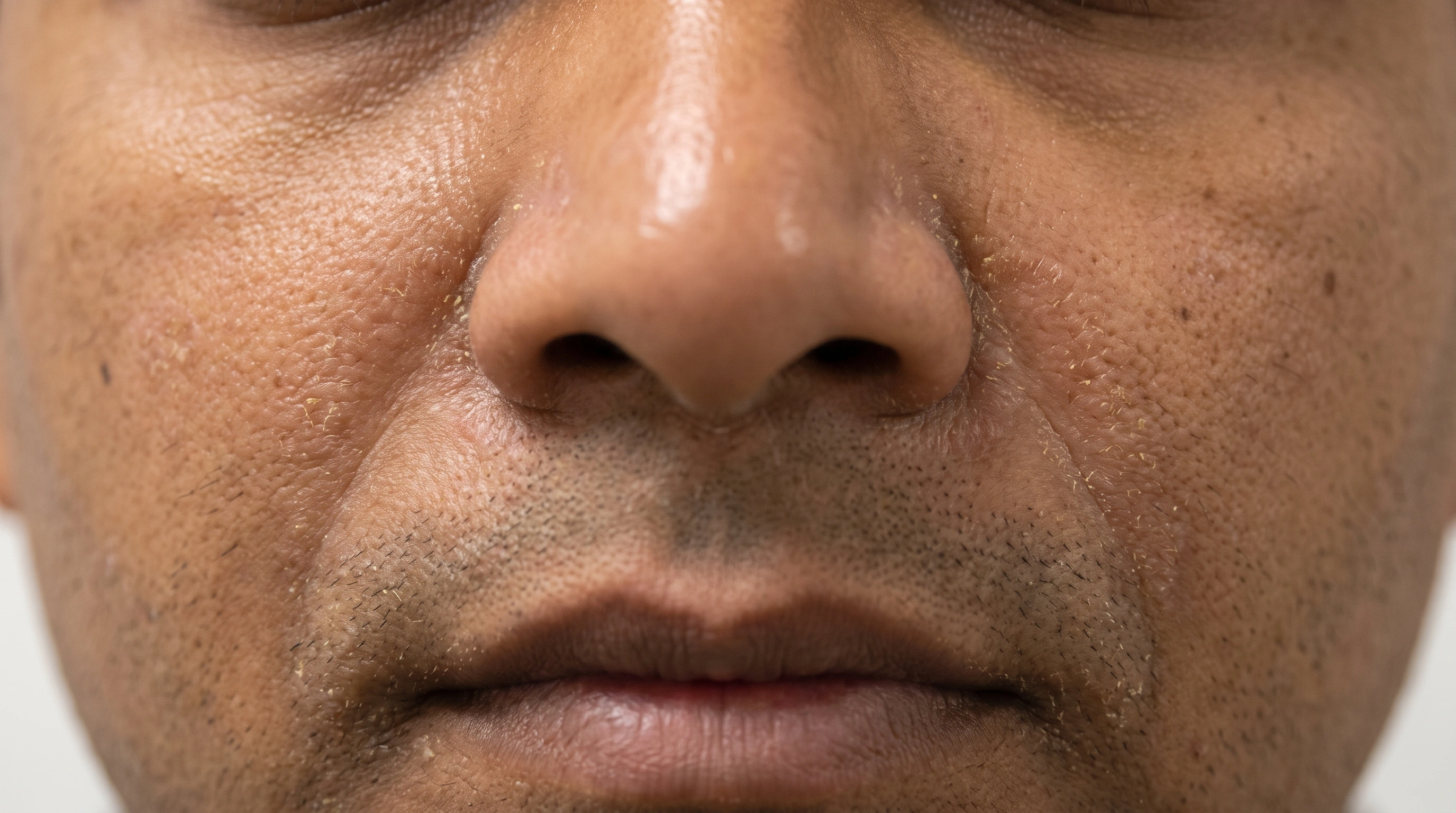
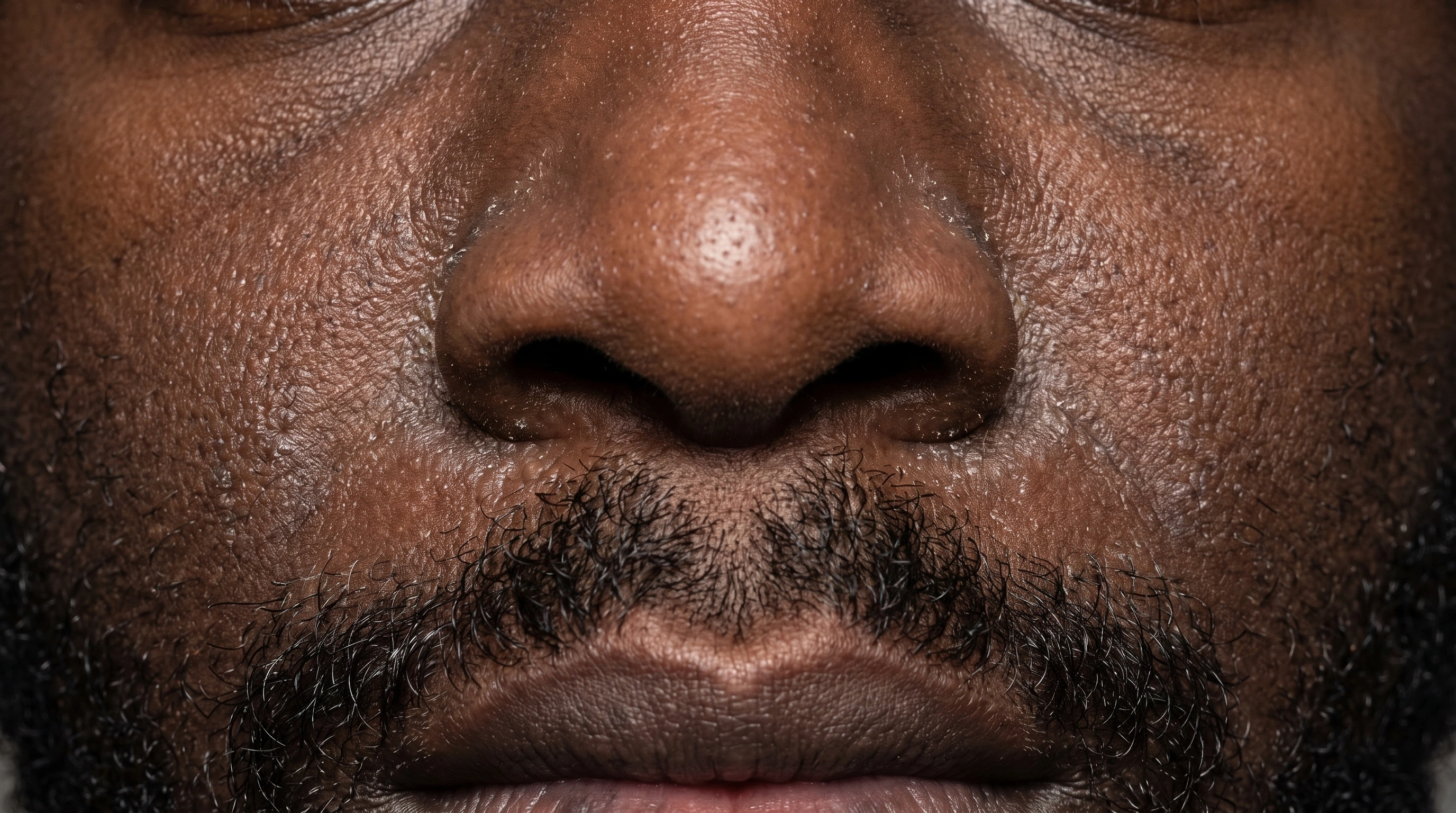
Pale patches along a hairline and through the beard area on deep brown skin, some with a trace of fine scale, blending into the surrounding skin without a clear border.
Diagram
Scalp Psoriasis mechanism diagram. Scale collects around hairs: Plaques may extend beyond the hairline. Skin cells build up too quickly: The epidermis becomes thicker. Immune signals drive inflammation: The response affects scalp skin.
Seborrheic Dermatitis mechanism diagram. Yeast uses surface oils: Malassezia lives in oil-rich areas. Sensitive skin becomes inflamed: The skin response contributes to irritation. Greasy scale builds up: Flakes collect on the affected surface.
In the skin

Overactive immune signals speed up the production of scalp skin cells. The cells accumulate in thickened plaques with scale that can collect around hairs and extend beyond the hairline.

Malassezia yeast and the skin's response to it contribute to inflammation in oil-rich areas. Irritation and altered surface shedding produce patches with greasy scale.

Where it shows up

Scalp, hairline and behind the ears
Scalp and oily facial areas

When it usually starts

010203040506070+

Scalp Psoriasis. Can begin at any age as part of psoriasis; the scalp may be the first affected site.

Seborrheic Dermatitis. Occurs in infancy as cradle cap and commonly recurs or begins in adult life.

Causes and triggers

Causes

Scalp psoriasis is psoriasis on the scalp. The immune system speeds up skin growth there, building thick, scaly patches.

Seborrheic dermatitis is an inflammatory reaction to Malassezia yeast in oily areas of skin. The yeast is normal; the reaction to it is what differs.

Family tendency

It shares the same inherited tendency as other psoriasis.

It tends to run in families.

Risk factors
Psoriasis elsewhere, Obesity, Smoking
Parkinson's disease, HIV, Babies and adults aged 30 to 60, Oily skin
Trigger
● Scalp Psoriasis
● Seborrheic Dermatitis
Stress
Well established
Strong link
Scratching the scalp
Well established
Not listed
Cold, dry weather
Possible
Strong link
Strep throat
Strong link
Not listed
Illness
Not listed
Possible
Harsh soaps
Not listed
Possible

Daily Care

Scalp Psoriasis
Seborrheic Dermatitis
Daily care

Habits that help

  • Moisturize the scalp
    Reduces tightness and the itch that drives scratching.
  • Cool it instead of scratching
    A cold, damp cloth.
  • Calcipotriene, a vitamin D treatment
    Slower than a steroid, usable for longer.
  • Soften the scale before you treat
    Oil or salicylic acid loosens it.
  • Leave medicated shampoo on for the product-specific contact time
    Contact time depends on the formulation; follow the label or prescription rather than using one fixed time for every product.
  • Report symptoms of throat or other infections
    A recognized flare trigger.
  • Review possible medicine triggers with the prescriber; do not stop medicines yourself
    Lithium, beta blockers, antimalarials — never stop one yourself.
  • Adjust moisturizing and indoor humidity during dry weather
    Dry air thickens scale.
  • Allow the label’s contact time before rinsing medicated shampoo
    Follow the product-specific contact time. Longer exposure is not always better and may irritate.

Avoid

  • Avoid: Stress
    A consistently reported flare trigger.
  • Avoid: Smoking
    More severe disease, weaker treatment response.
  • Avoid: Heavy alcohol use
    More severe psoriasis, poorer response.
  • Avoid: Picking and lifting the scale off
    Tears skin, takes hair with it.
  • Avoid: Scratching
    Psoriasis appears where skin has been injured.
  • Avoid: Fine-tooth combs and hard brushing
    Picking, spread wider.
  • Avoid: Chemical processing during a flare
    Relaxers and dyes burn inflamed skin; burns bring patches.
  • Avoid: Tight braids, weaves and extensions
    Constant pull on an inflamed scalp.
  • Avoid: Stopping treatment when it looks clear
    Controlled, not cured.
  • Avoid: Only shampooing the hair, not the scalp
    Medicated shampoo works on skin.

Habits that help

  • A plain moisturizer on the face
    Use a plain moisturizer to reduce dryness, stinging and flaking.
  • Gentle washing, not aggressive washing
    Mild cleanser, lukewarm water, no scrubs.
  • Use antifungal shampoo according to the label or prescription
    Apply to the affected scalp and leave on for the contact time specified for that product before rinsing.
  • Use the prescribed facial or chest antifungal schedule
    Frequency and maintenance use depend on the diagnosis and product; follow the agreed plan.
  • Seek assessment for widespread disease or immune suppression
    Widespread disease needs a doctor.
  • Adjust skin care during winter and dry indoor conditions
    The rash returns every year at the same time.

Avoid

  • Avoid: Heavy oils, pomades and greasy products
    The yeast feeds on their fats.
  • Avoid: Growing a beard
    A new warm, oily area, often read as dry skin.
  • Avoid: Sweating under hats and helmets
    Warmth and moisture suit it.
  • Avoid: Washing less often than the scalp needs
    Oil and scale build up.
  • Avoid: Using only a moisturizer on the face
    Nothing touches the yeast.
  • Avoid: Stress, poor sleep and being run down
    A reliable trigger.
  • Avoid: Picking or scraping the scale off
    More damage, more flaking.
  • Avoid: Scrubs, toners and acids on the face
    They strip skin that is already inflamed.
  • Avoid: Stopping the medicated shampoo
    The most common reason it comes back.

Treatment differences

Evidence labels come from each condition’s own treatment list.

Treatment
● Scalp Psoriasis
● Seborrheic Dermatitis
Filter by type
All types
Seborrheic dermatitis location

Select one or more.

Over-the-counter
Ketoconazole — Header Image

Ketoconazole

Limited evidence

An antifungal shampoo that does nothing to psoriasis itself but clears the seborrheic flaking sitting on top of it, which many people with scalp psoriasis also have. It is worth adding when the flakes are greasy and yellow as well as dry and silvery. If your scale is purely psoriasis, it will not help.

Five medicated scalp products on white, including Amazon Basics tar gel, T+Plus, MG217, RoyceDerm and Nizoral

Coal Tar

Moderate evidence

The most useful thing on the shelf for scalp psoriasis. It slows the overactive cell turnover and takes down scale and itch, which no other over-the-counter option does. Apply it to the parted scalp rather than the hair, leave it five to ten minutes, and expect a smell and possible staining of light hair and towels.

Paula's Choice 2% BHA exfoliant, La Roche-Posay Effaclar cleanser and a CeraVe psoriasis cream pump

Salicylic Acid

Moderate evidence

A descaler, not a treatment. It dissolves the bonds holding the plate of scale together so that medicine can reach the skin underneath, which is the step most people skip. Use it before the active treatment, not instead of it, and go easy on large areas because it can make hair brittle.

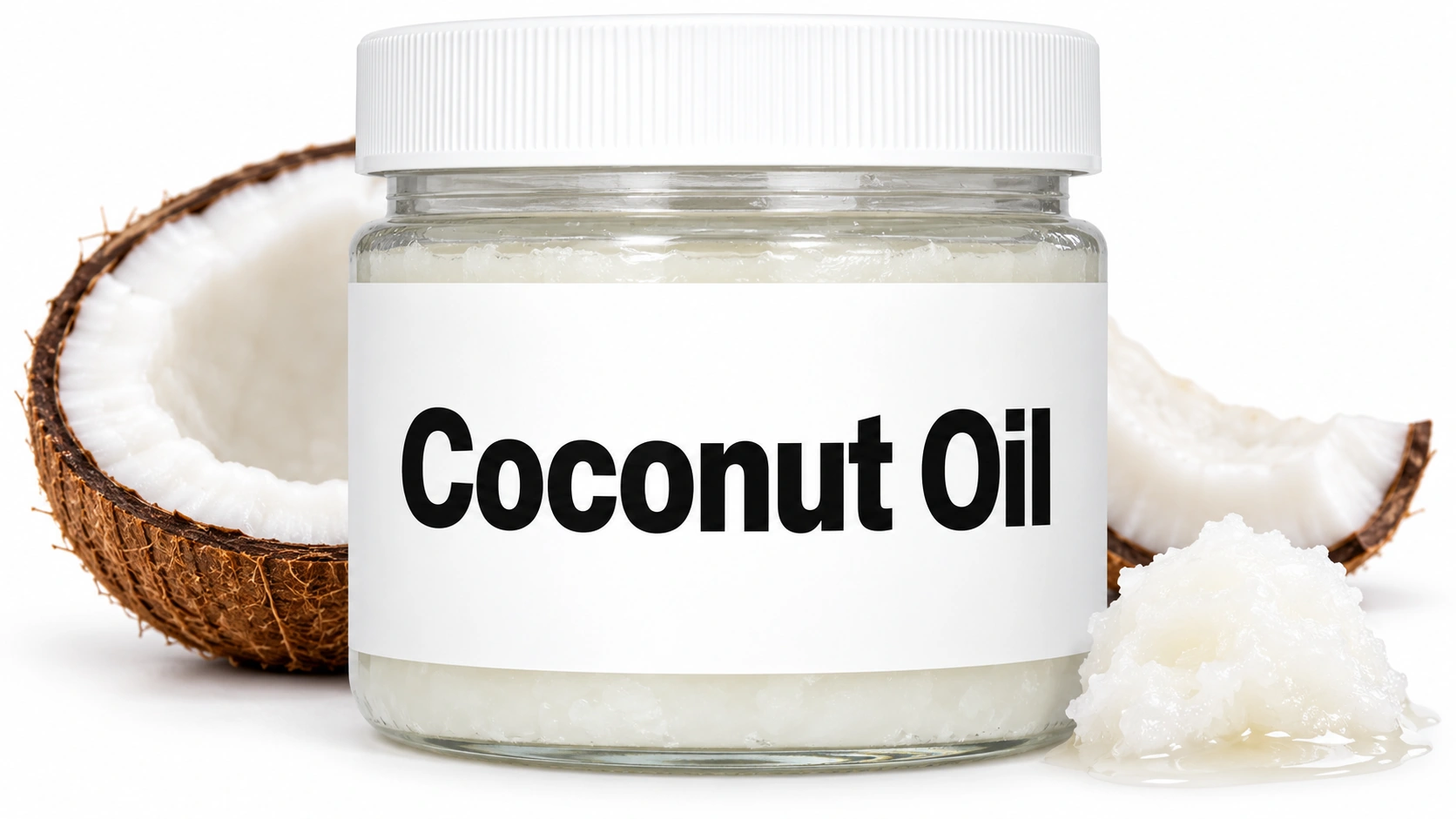
Five coconut oil bottles and a jar on white, most labeled fractionated or organic virgin coconut oil

Coconut Oil

Limited evidence

Warm oil left on the scalp for an hour, or overnight under a cap, softens thick scale so it lifts in the wash instead of tearing. That is a real and useful job. It does nothing about the immune inflammation underneath, so on its own it manages the flakes and leaves the disease running.

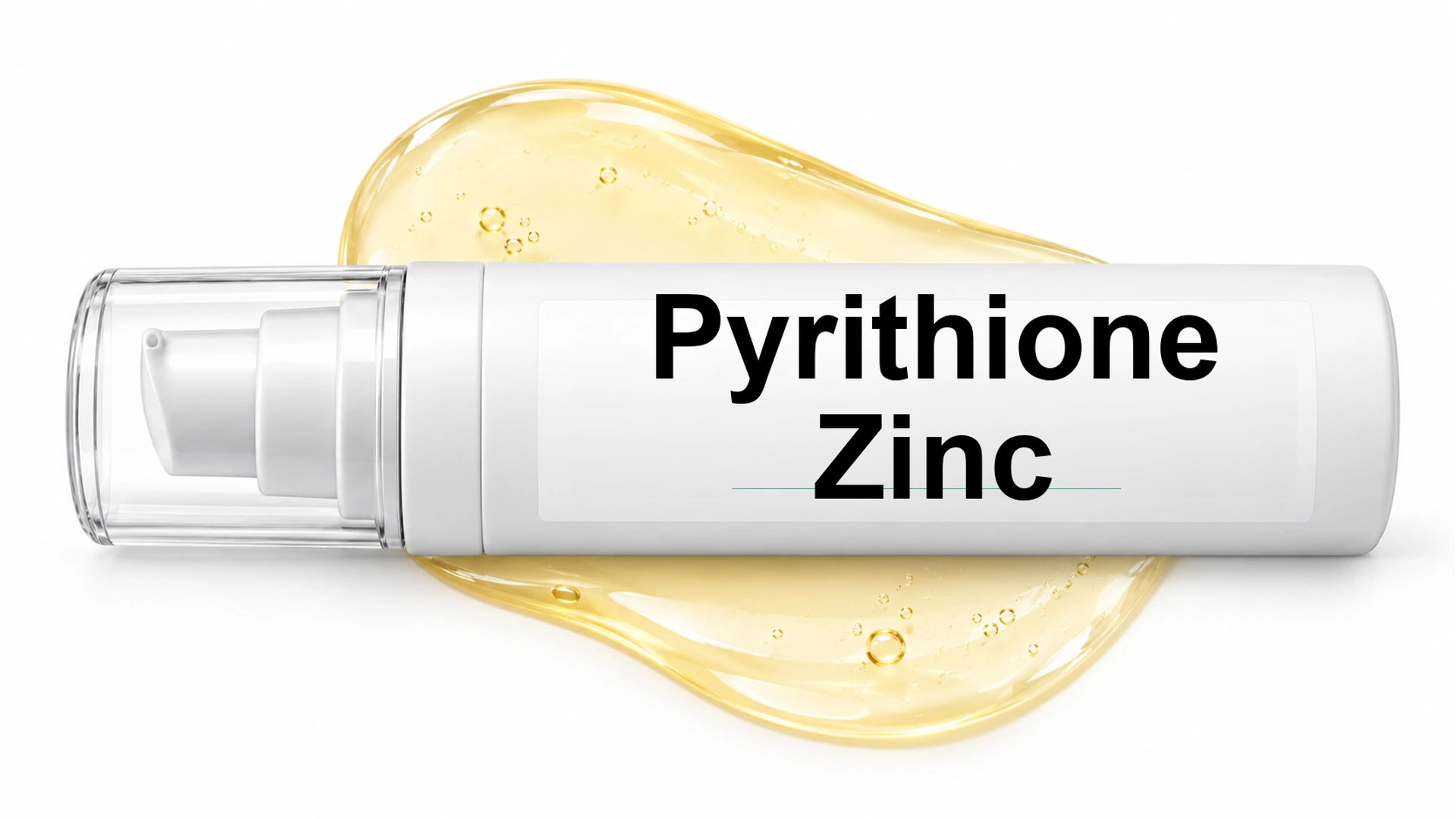
Four dandruff shampoo bottles: DHS Zinc, Head and Shoulders Classic Clean, CeraVe Anti-Dandruff and Head and Shoulders Bare

Pyrithione Zinc

Limited evidence

The active ingredient in most ordinary anti-dandruff shampoos. It is gentler than coal tar and can settle light flaking, but it was designed for the yeast behind dandruff rather than for psoriasis. If patches are thick or sharply bordered, this is not the one to keep trying.

Five medicated scalp products on white, including Amazon Basics tar gel, T+Plus, MG217, RoyceDerm and Nizoral

Coal Tar

Limited evidence

An older shampoo that slows scaling and helps some people with a stubborn, thickly flaking scalp. It is more useful when psoriasis is in the picture too. It smells strong and can stain light hair, and there are gentler options with better evidence for this condition, so it is rarely where to start.

Paula's Choice 2% BHA exfoliant, La Roche-Posay Effaclar cleanser and a CeraVe psoriasis cream pump

Salicylic Acid

Limited evidence

A descaler for a scalp that has built up a thick crust. It loosens the scale so the antifungal underneath can actually reach the skin. It does nothing to the yeast or the inflammation, and on an already stinging face it is more likely to irritate than to help.

Five coconut oil bottles and a jar on white, most labeled fractionated or organic virgin coconut oil

Coconut Oil

Limited evidence

The most popular home remedy for this, and one of the few that can genuinely backfire. Malassezia feeds on the fats in most plant oils, so oiling the scalp can hand it more of what it uses, and heavy oils also trap scale against the skin. Softening a crust before washing is the one job an oil does well here.

Four dandruff shampoo bottles: DHS Zinc, Head and Shoulders Classic Clean, CeraVe Anti-Dandruff and Head and Shoulders Bare

Pyrithione Zinc

Moderate evidence

The active ingredient in most ordinary anti-dandruff shampoos, and a reasonable choice for scalp flaking without much inflammation. It is gentler and easier to use often than ketoconazole. If it has stopped helping, rotating to a different active ingredient usually works better than looking for something stronger.

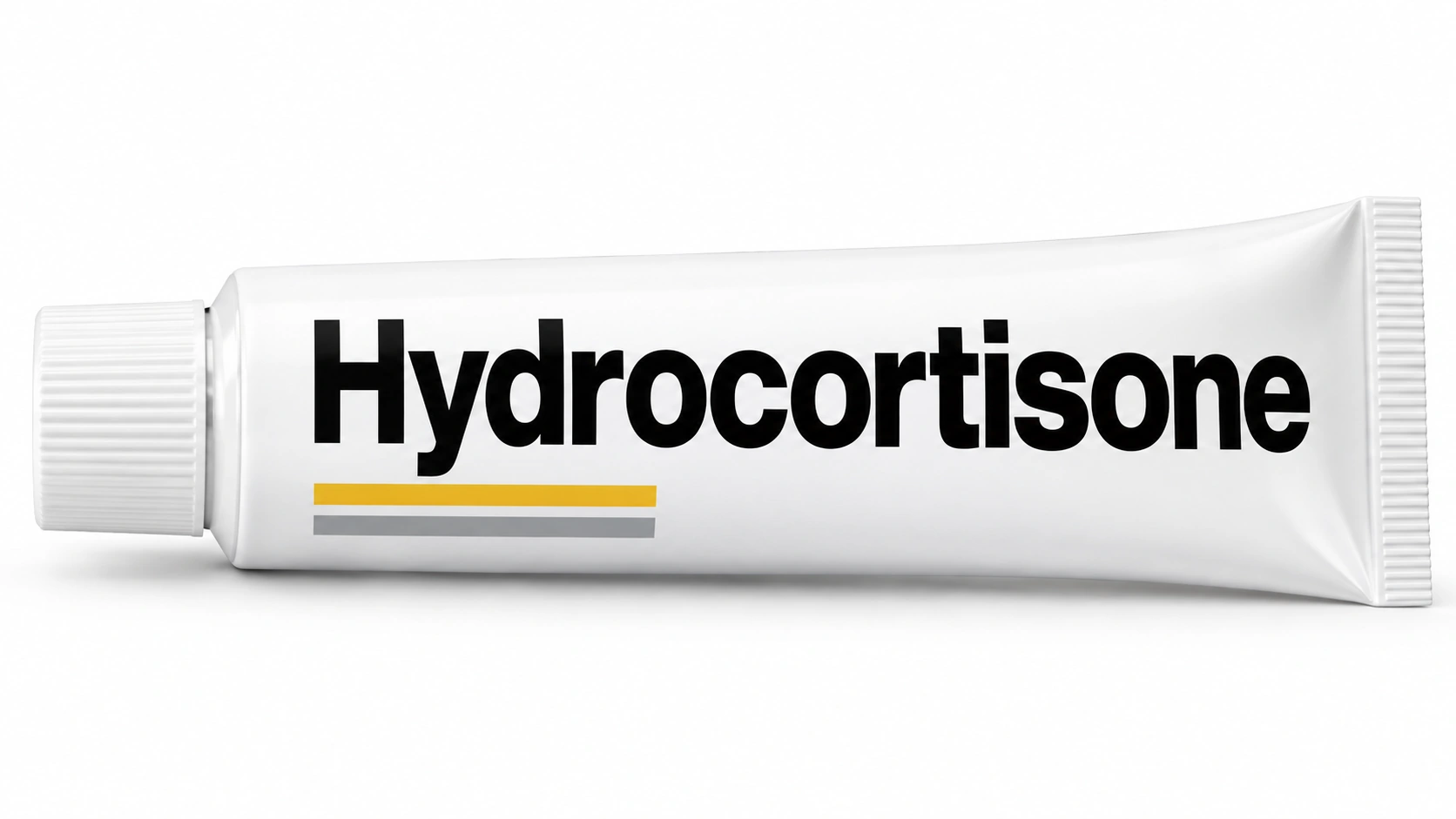
A plain white ointment tube lying on its side, labeled Hydrocortisone with a blue swoosh

Hydrocortisone

Moderate evidence

A mild steroid cream that settles the stinging and redness on the face within a few days, which no antifungal does that quickly. Use it for a week or two to break a flare, not as the ongoing plan — the skin beside the nose and on the eyelids thins with repeated use. Something anti-yeast has to run underneath it.

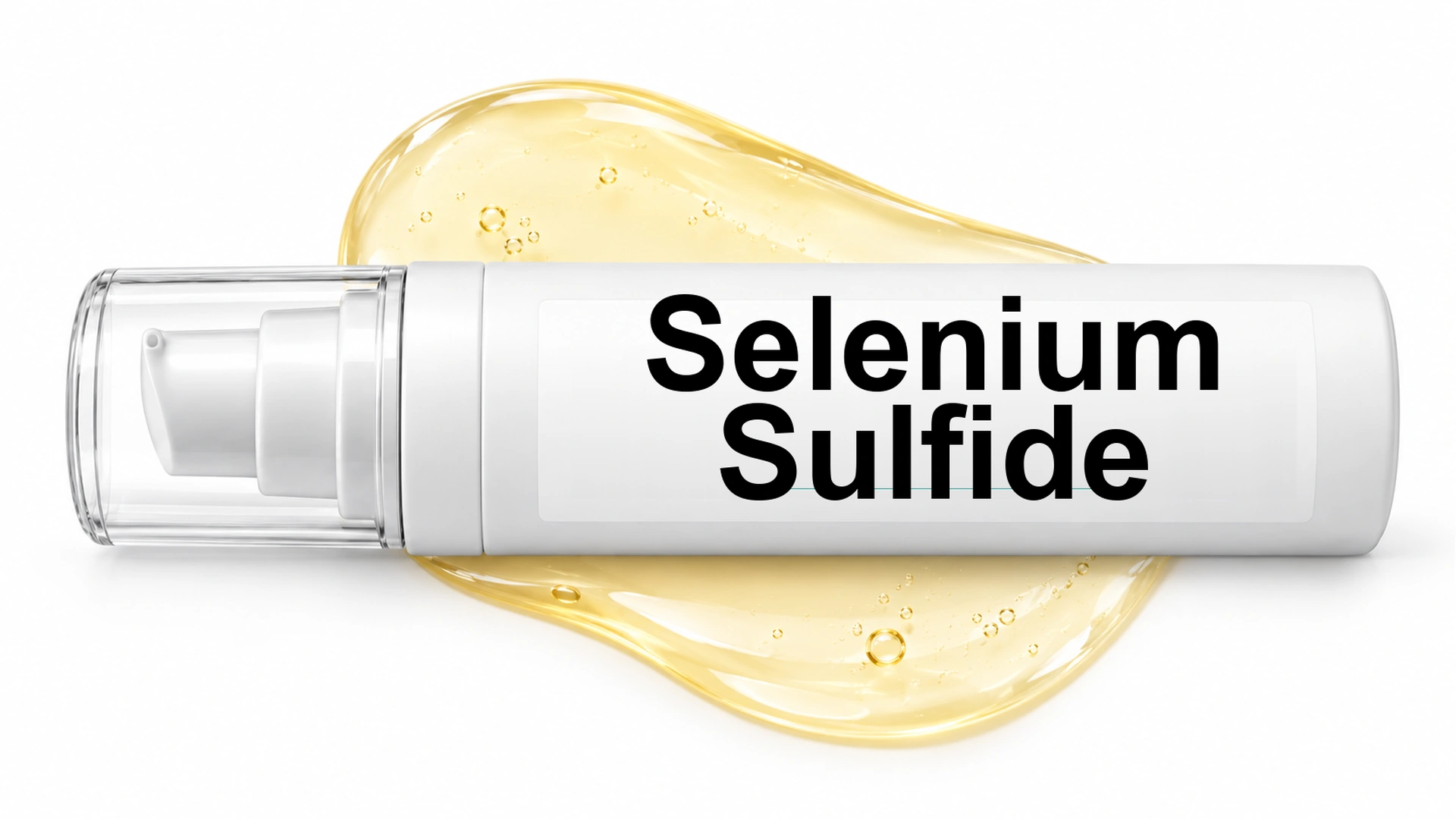
Two Selsun Blue bottles, two Head and Shoulders Clinical Strength bottles and a Vichy Dercos bottle and box

Selenium Sulfide

Moderate evidence

Another shampoo that reduces the same yeast by a different route, useful when ketoconazole has lost its edge. It works well on a thickly scaling scalp. It has a strong smell and can discolor light, gray or chemically treated hair, so rinse thoroughly and keep it off the length where you can.

Five dark glass tea tree essential oil bottles with glass droppers and one green box on white

Tea Tree Oil

Limited evidence

A 5% shampoo has been tested in dandruff with a modest result, and some people do find it helps. It is a common cause of allergic reactions on the face, so it is best kept to the scalp. Undiluted oil straight onto inflamed skin is a reliable way to make things worse.

Prescription topicals
Clobetasol — Header Image

Clobetasol

Strong evidence

Clobetasol Propionate. The workhorse for an active scalp flare, as a foam, solution or shampoo made to spread through hair onto skin. It usually calms itch within days and clears patches over two to four weeks. It is used in short courses, because strong steroids used continuously thin the skin — so it breaks the flare and something gentler holds it.

Cream — stock illustration

Calcipotriene with a steroid

Strong evidence

A combined foam containing a vitamin D treatment and a steroid, applied once a day. It is the most effective single scalp product most people will be given, because it works on the immune signal and the fast cell turnover at once. It is expensive and often needs the pharmacy chased, which is worth knowing before you start.

Calcipotriene — Header Image

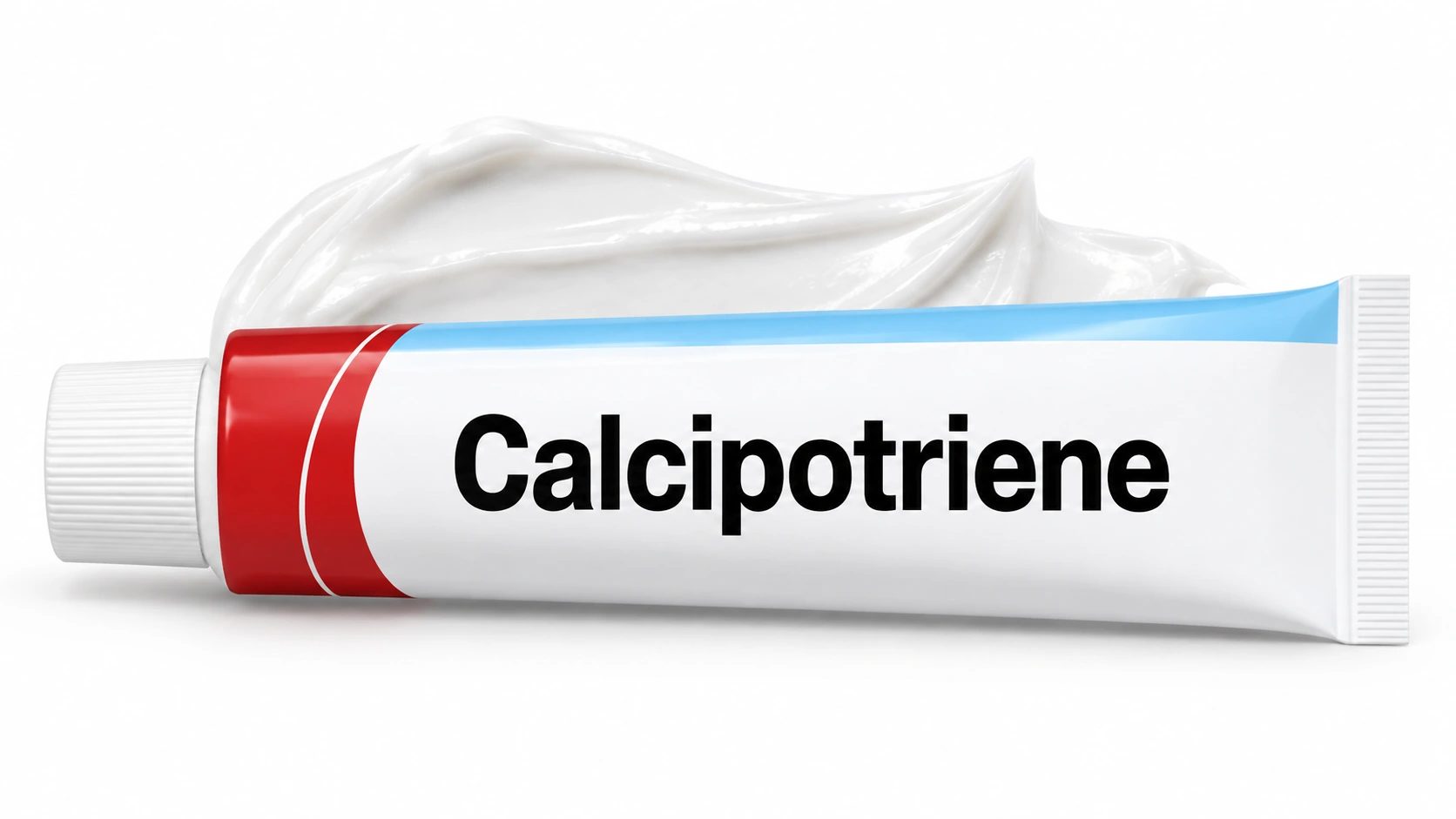
Calcipotriene

Strong evidence

A vitamin D treatment that slows the skin cells down. It is slower than a steroid, taking six to eight weeks, but it can be used for far longer without thinning the skin, so it is often what keeps a scalp clear after a steroid has broken the flare. It can sting on cracked skin.

Representative medication packaging labelled Zoryve, lying sideways on a white background.

Zoryve

Strong evidence

A newer non-steroid foam approved for scalp and body plaque psoriasis, used once a day. It suits people who do not want to keep returning to strong steroids, or who have been on them a long time. It is costly, and coverage is often the deciding factor rather than the medicine.

Mometasone — Header Image

Mometasone

Strong evidence

A mid-strength steroid lotion, used where clobetasol is more than the situation needs or for the thinner skin behind the ears and along the hairline. It is also a common step-down after a flare has settled. Like all steroids it is for courses, not for indefinite daily use.

Ketoconazole — Header Image

Ketoconazole

Strong evidence

Ketoconazole 2% cream. The prescription strength, as a cream for the face, ears, beard area and chest, where a shampoo is impractical. Used daily it settles a facial flare in one to two weeks, then drops to twice a week to hold it. It treats the yeast and not the inflammation, so a sore, stinging face often needs something alongside it for the first week.

Clobetasol — Header Image

Clobetasol

Moderate evidence

Clobetasol scalp solution. A strong steroid shampoo or solution, used on the scalp only, for a thickly scaling flare that an antifungal has not shifted. Two to four weeks at most. It is never for the face, and the antifungal has to keep running underneath it or the flare simply comes back when the steroid stops.

Representative medication packaging labelled Zoryve, lying sideways on a white background.

Zoryve

Strong evidence

A once-daily non-steroid foam approved specifically for seborrheic dermatitis, and it works on the scalp and the face with the same product. It suits people who have been leaning on steroid creams on the face for a long time. Cost and insurance coverage are usually the deciding factor rather than the medicine.

Protopic — Header Image

Protopic

Moderate evidence

Calms the inflammation on the face without thinning the skin, which is what makes it useful around the nose creases and the eyebrows where steroids cannot be used for long. It stings or feels warm for the first few applications and then settles. It is often used twice a week to hold a face that keeps flaring.

16:9 hero for Elidel. Never cropped: the tone strip and the corner logo depend on the full frame.

Elidel

Moderate evidence

The gentler of the two non-steroid creams, and usually the better fit for thin, easily irritated facial skin. It works a little more slowly than tacrolimus and stings less. Like tacrolimus, its main job here is keeping a face clear without steroids.

16:9 hero for Desonide. Never cropped: the tone strip and the corner logo depend on the full frame.

Desonide

Moderate evidence

A mild prescription steroid for a face that is inflamed and sore, used for one to two weeks to break the flare. It is stronger than over-the-counter hydrocortisone and still gentle enough for facial skin. It is a short course, not a maintenance plan — long steroid use on the face causes its own rash.

Prescription pills
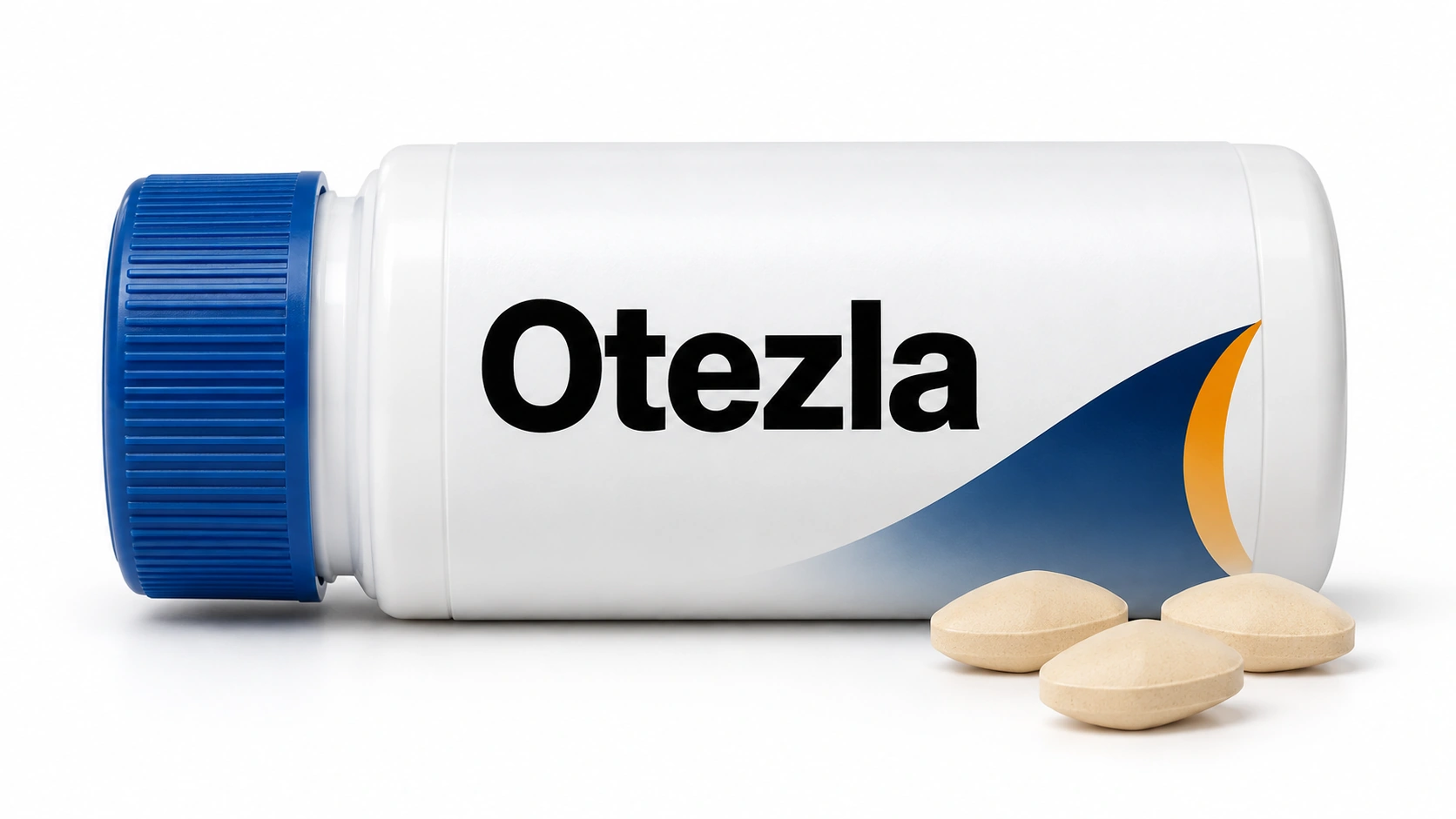
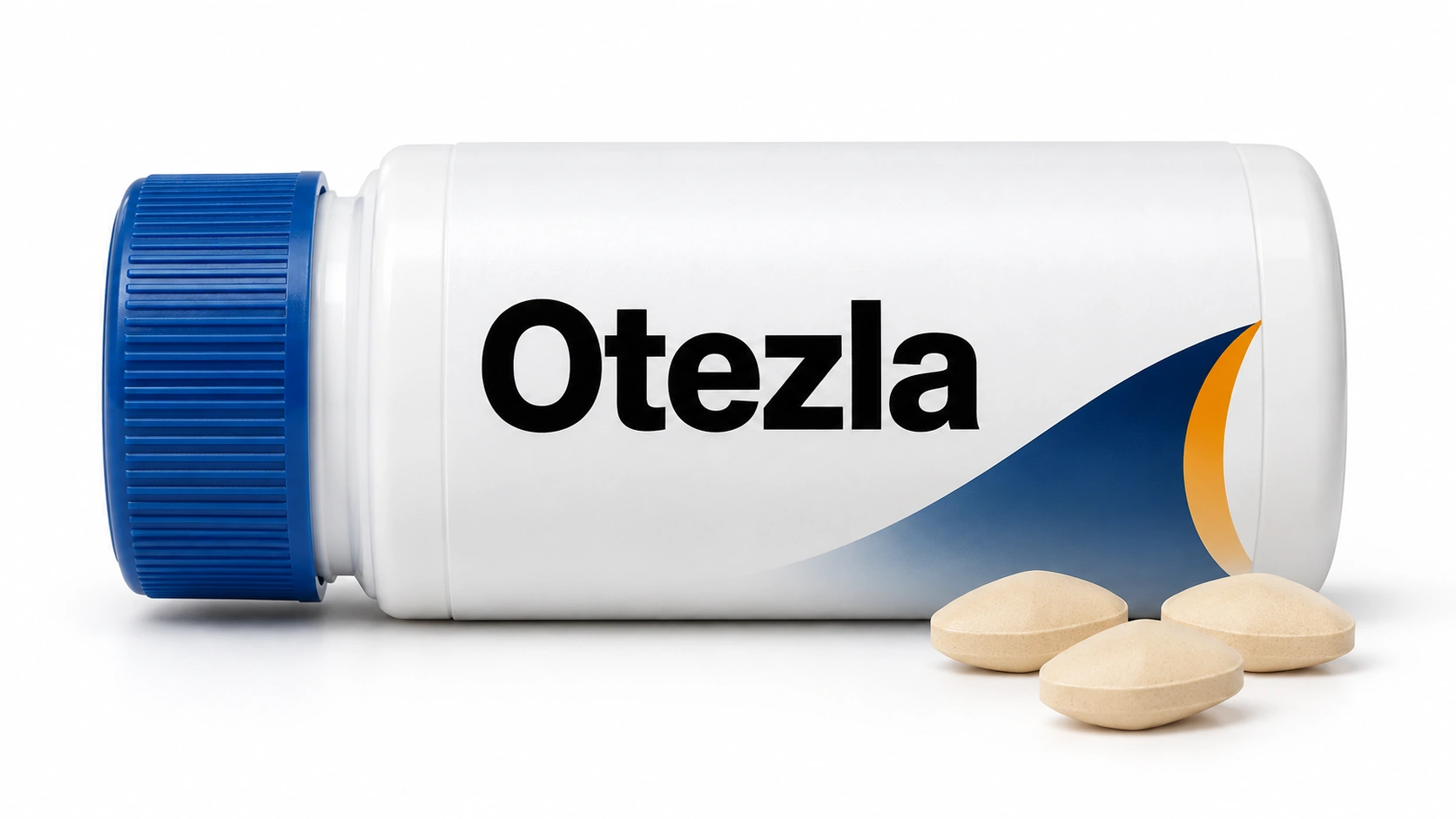
An amber pill bottle labeled Otezla tipped over with white tablets spilling out

Otezla

Strong evidence

A tablet with trial evidence specifically in scalp psoriasis, which is unusual — most tablets are tested on the body and assumed to help the scalp. It needs no blood monitoring, which suits people who would rather not have regular tests. Nausea, loose stools and headache are common in the first fortnight and usually settle.

Existing illustration of a plain white bottle labeled Tablets beside white tablets; no medicine name or strength is shown.

Sotyktu

Strong evidence

A daily tablet that blocks one of the immune signals driving psoriasis, with scalp improvement recorded in its trials. It is generally better tolerated than methotrexate and needs less monitoring. It is newer and expensive, so it usually comes after other options have been tried.

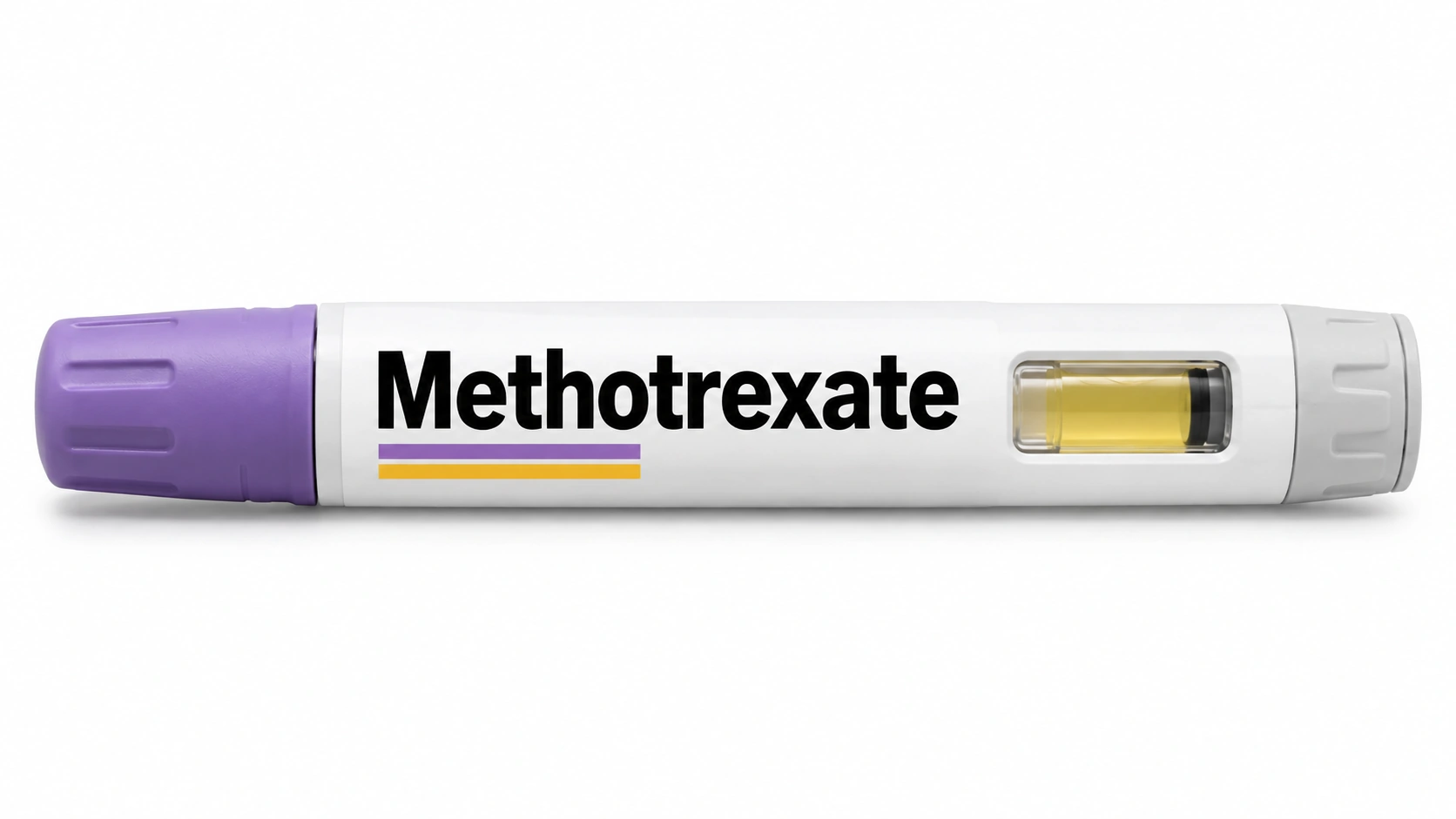
16:9 hero for Methotrexate. Never cropped: the tone strip and the corner logo depend on the full frame.

Methotrexate

Moderate evidence

A long-established weekly tablet for psoriasis that is widespread, or scalp disease that has not budged on foams and solutions. It also treats psoriatic arthritis, which makes it a sensible choice when the joints are involved too. It needs regular blood tests, and it must not be taken in pregnancy.

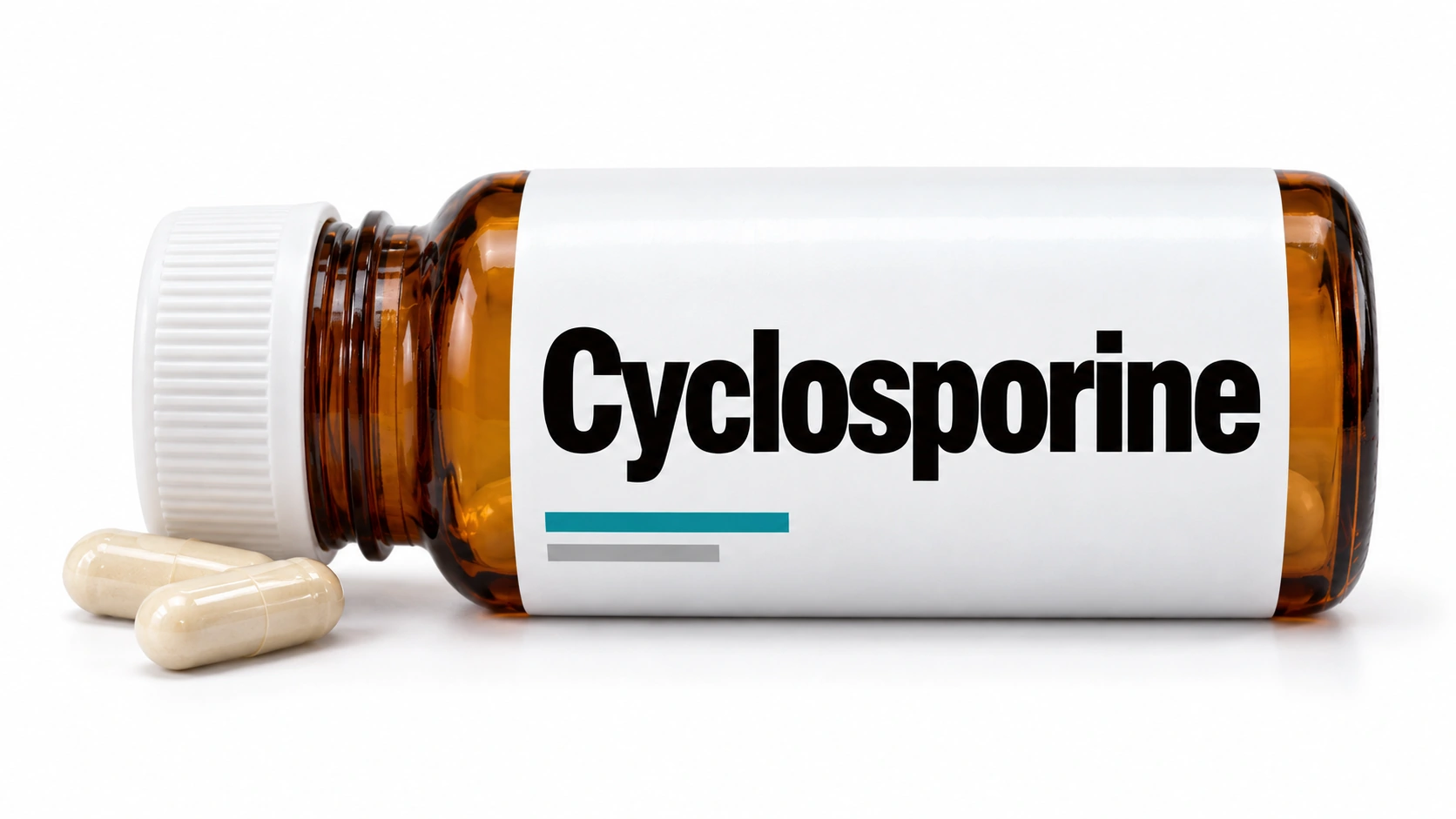
An amber pill bottle labeled Cyclosporine tipped over with white tablets spilling out

Cyclosporine

Moderate evidence

Works faster than anything else in tablet form and is used to rescue a severe flare. It is a short-term measure only — usually a few months — because it raises blood pressure and can affect the kidneys over time. Something steadier is normally started underneath it.

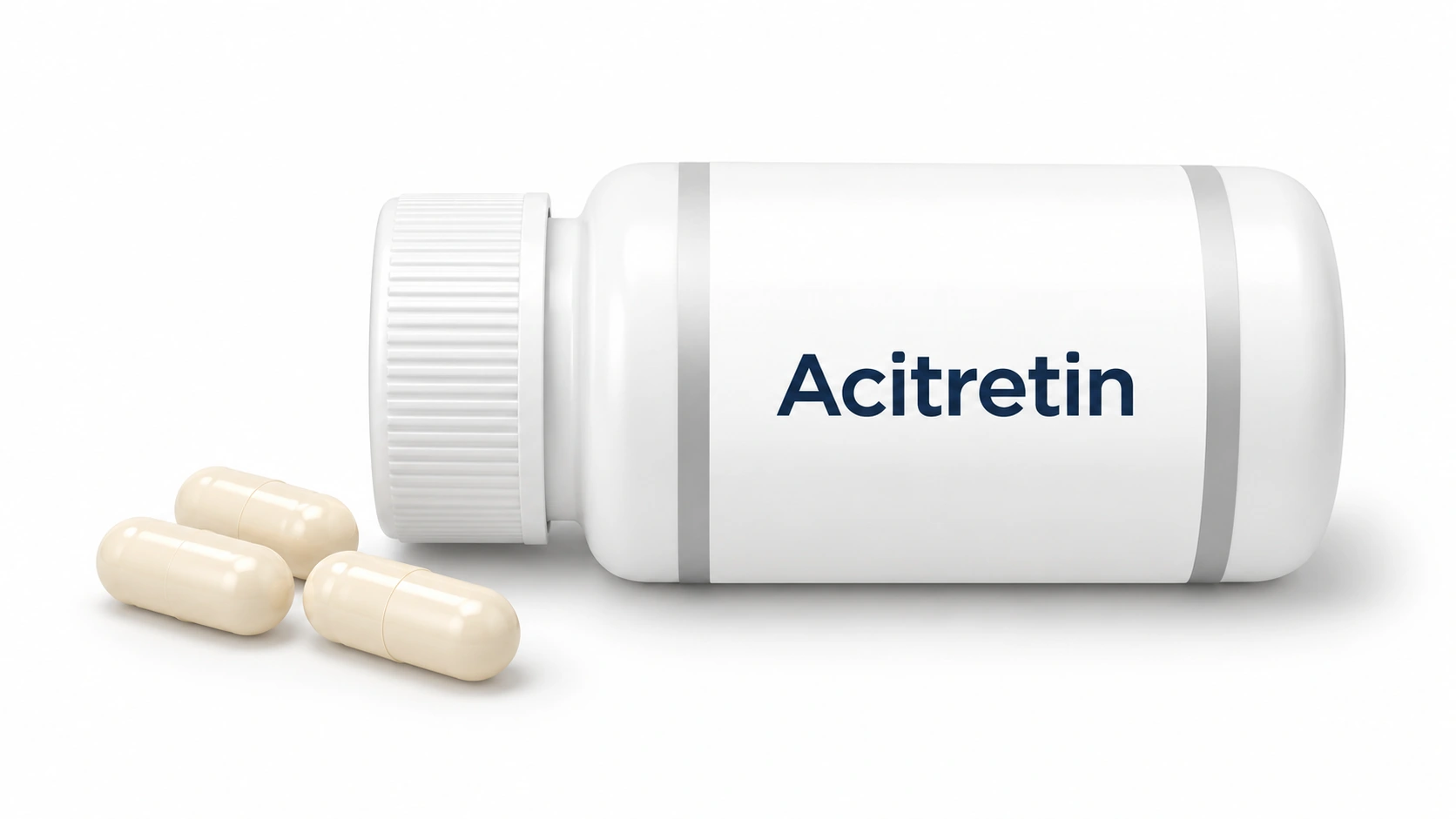
An illustrative bottle labeled Acitretin beside plain capsules.

Acitretin

Moderate evidence

A vitamin A tablet used mainly for thick, scaly psoriasis, sometimes alongside light treatment. It works slowly and causes dry lips, dry eyes and hair thinning, which makes it an awkward fit when the complaint is the scalp. It must never be taken in pregnancy, and it stays in the body for a long time afterwards.

Prednisone — Header Image

Prednisone

Listed

Steroid tablets clear psoriasis quickly and then it commonly comes back worse as the course finishes, occasionally in a severe form. For that reason they are avoided in psoriasis. If you are already on a course for something else, do not stop it yourself — ask the doctor who prescribed it.

Representative medication packaging labelled Itraconazole, lying sideways on a white background.

Itraconazole

Limited evidence

Antifungal tablets, usually a short course, for seborrheic dermatitis that is severe, widespread, or has not responded to creams and shampoos used properly. They clear it faster than anything applied on the skin. It interacts with a long list of other medicines and needs a full list of what you take before it is started.

16:9 hero for Fluconazole. Never cropped: the tone strip and the corner logo depend on the full frame.

Fluconazole

Limited evidence

A weekly antifungal tablet sometimes used for widespread or stubborn disease when itraconazole does not suit. The evidence for it in this condition is thinner. Either way, tablets clear a flare rather than change the condition, so the shampoo or cream still has to continue afterwards.

A white blister pack photographed flat on a white background, holding eight white oblong capsules in two rows of four under clear domes. ACCUTANE is printed in blue capitals on the empty left half of the foil.

Accutane

Limited evidence

A low dose shrinks the oil glands, and with less oil there is less for the yeast to feed on. It is reserved for severe disease that nothing else has controlled, because it dries the skin, lips and eyes and requires strict pregnancy prevention and monitoring. It is an unusual choice here, not a routine one.

Terbinafine — Header Image

Terbinafine

Limited evidence

A common antifungal tablet that people are often given for this, and it is a poor match — it works well on the fungi behind athlete's foot and nail infections but has little effect on Malassezia. If a course of it has done nothing, that is expected rather than a sign the diagnosis was wrong.

Injections
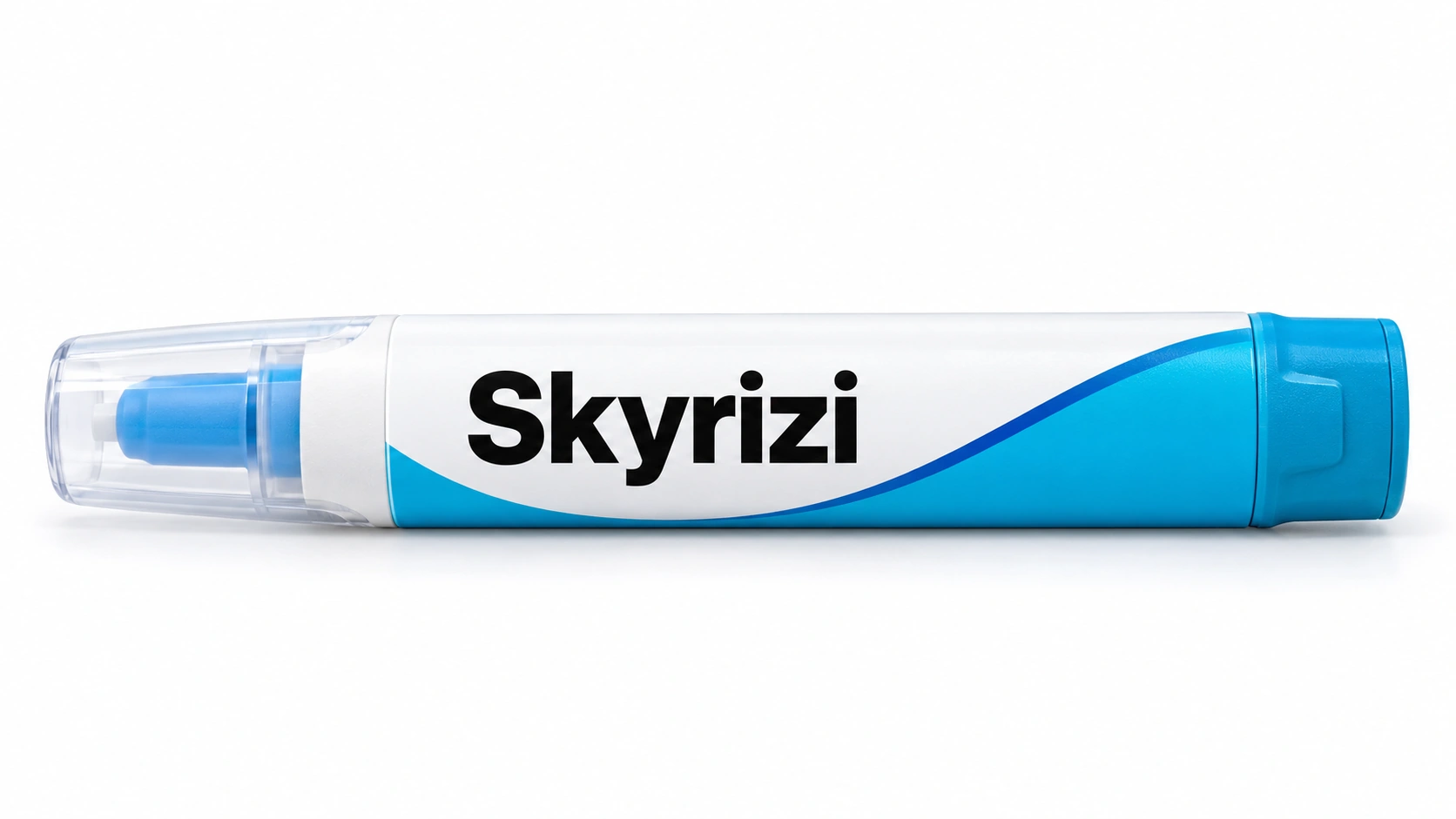
Skyrizi shown in recognizable white injection pen with blue and turquoise accents.

Skyrizi

Strong evidence

A biologic injection that blocks interleukin 23, one of the two signals named at the top of this page. Given every twelve weeks after the starting doses, it clears most people's psoriasis including the scalp. It is for severe or stubborn disease, needs screening for tuberculosis first, and slightly raises the risk of infections.

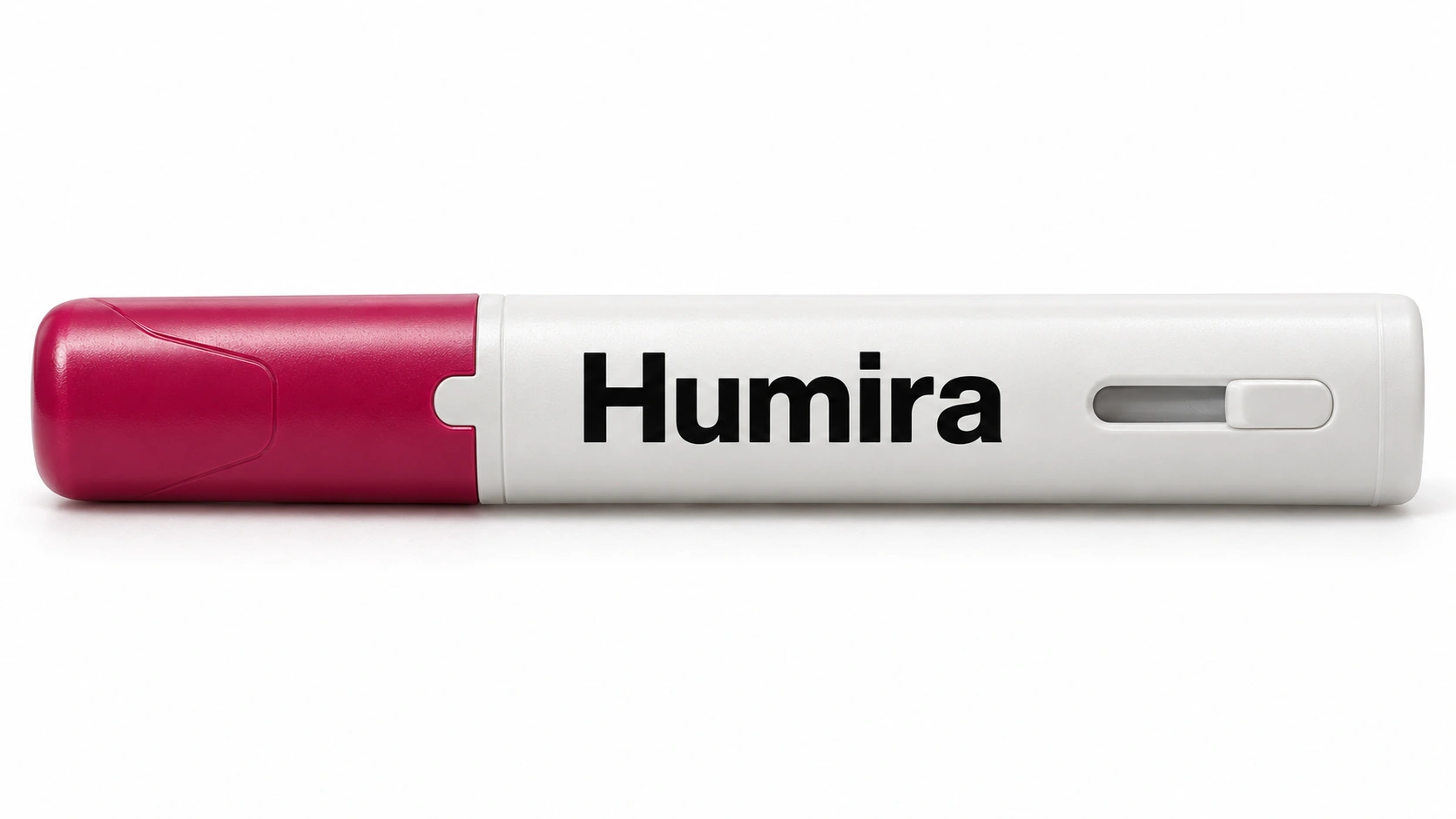
A silver and dark pink autoinjector pen labeled Humira lying on a white background

Humira

Strong evidence

An older biologic, injected at home every other week, and often the first one insurance will cover. It treats psoriatic arthritis as well as the skin, which makes it a good fit when joints are involved. It needs tuberculosis screening and periodic blood tests, and some people gradually stop responding to it.

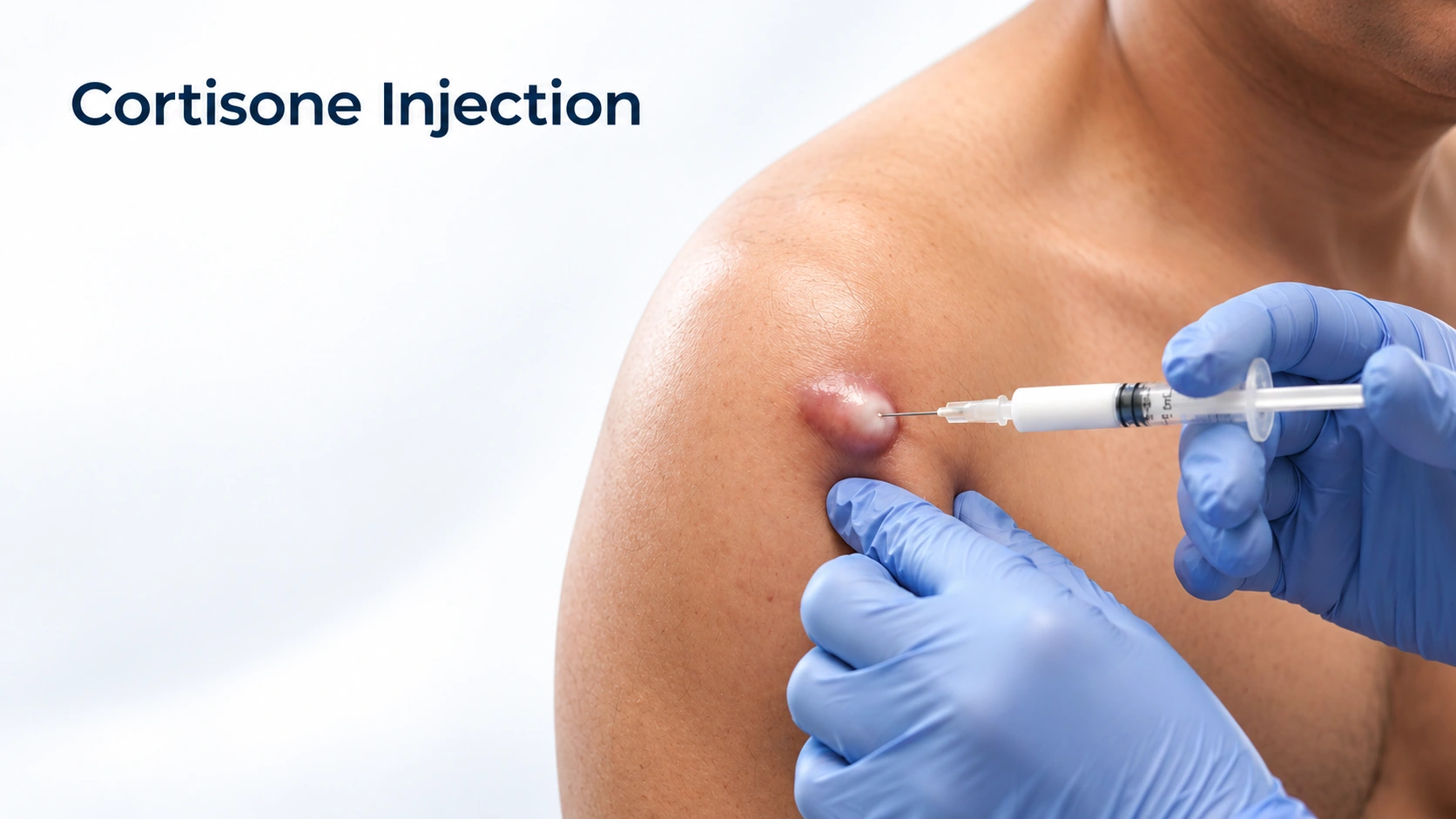
Editorial illustration for Cortisone Injection, based on the entry’s treatment or equipment reference.

Cortisone Injection

Limited evidence

Steroid injected directly into one or two thick patches that have refused everything applied on top. It flattens them within a few weeks. It is done in clinic, it stings, and it is not a plan for a whole scalp — repeated injections in the same spot can leave a dent in the skin.

None listed
Procedures
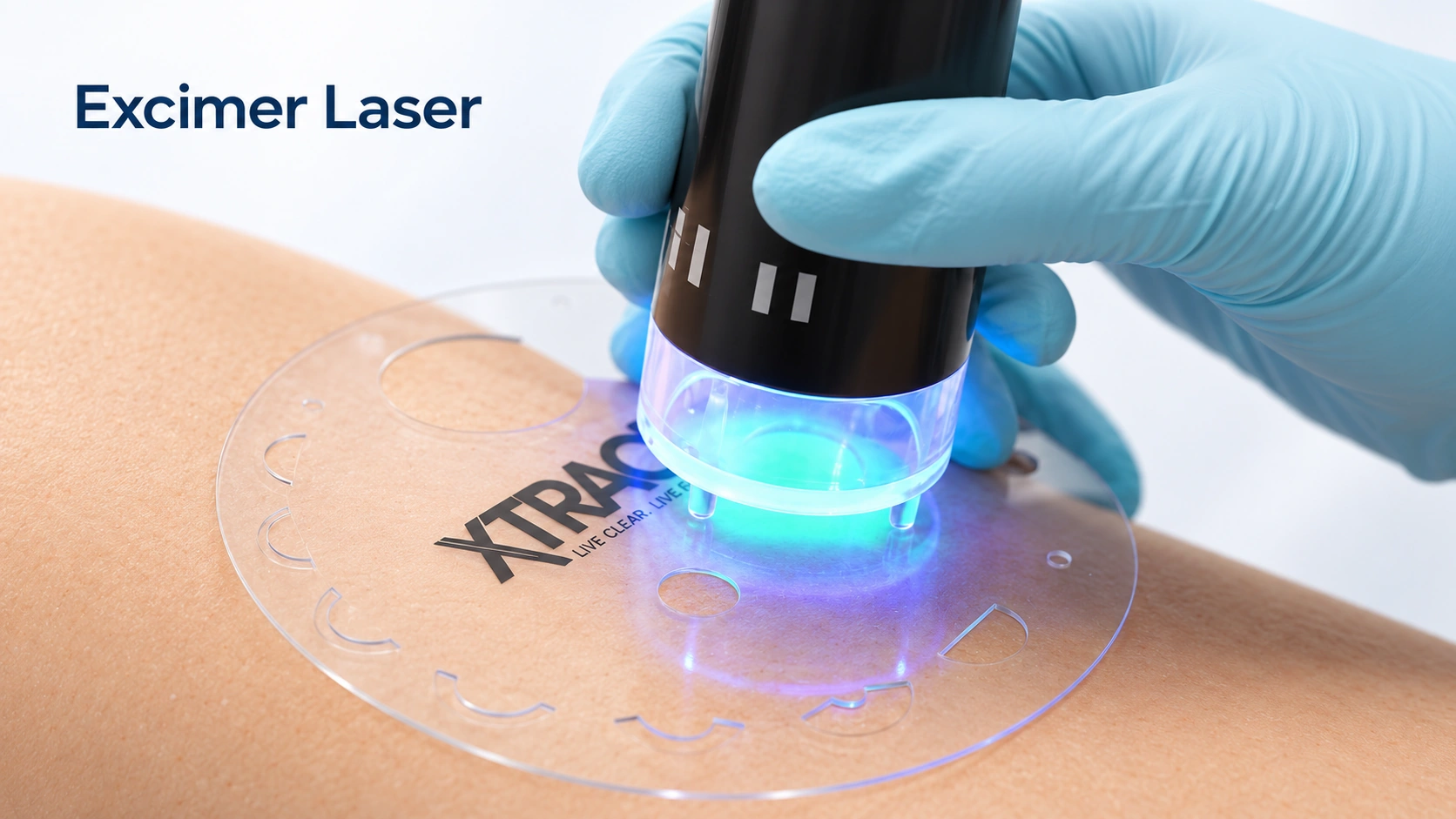
Editorial illustration for Excimer Laser, based on the entry’s treatment or equipment reference.

Excimer Laser

Moderate evidence

A focused ultraviolet beam aimed at individual patches, useful when only a few areas of scalp or hairline are involved. It treats the patch without exposing the rest of the skin. Hair blocks the beam, so it works best on the hairline and on thinner, shorter hair.

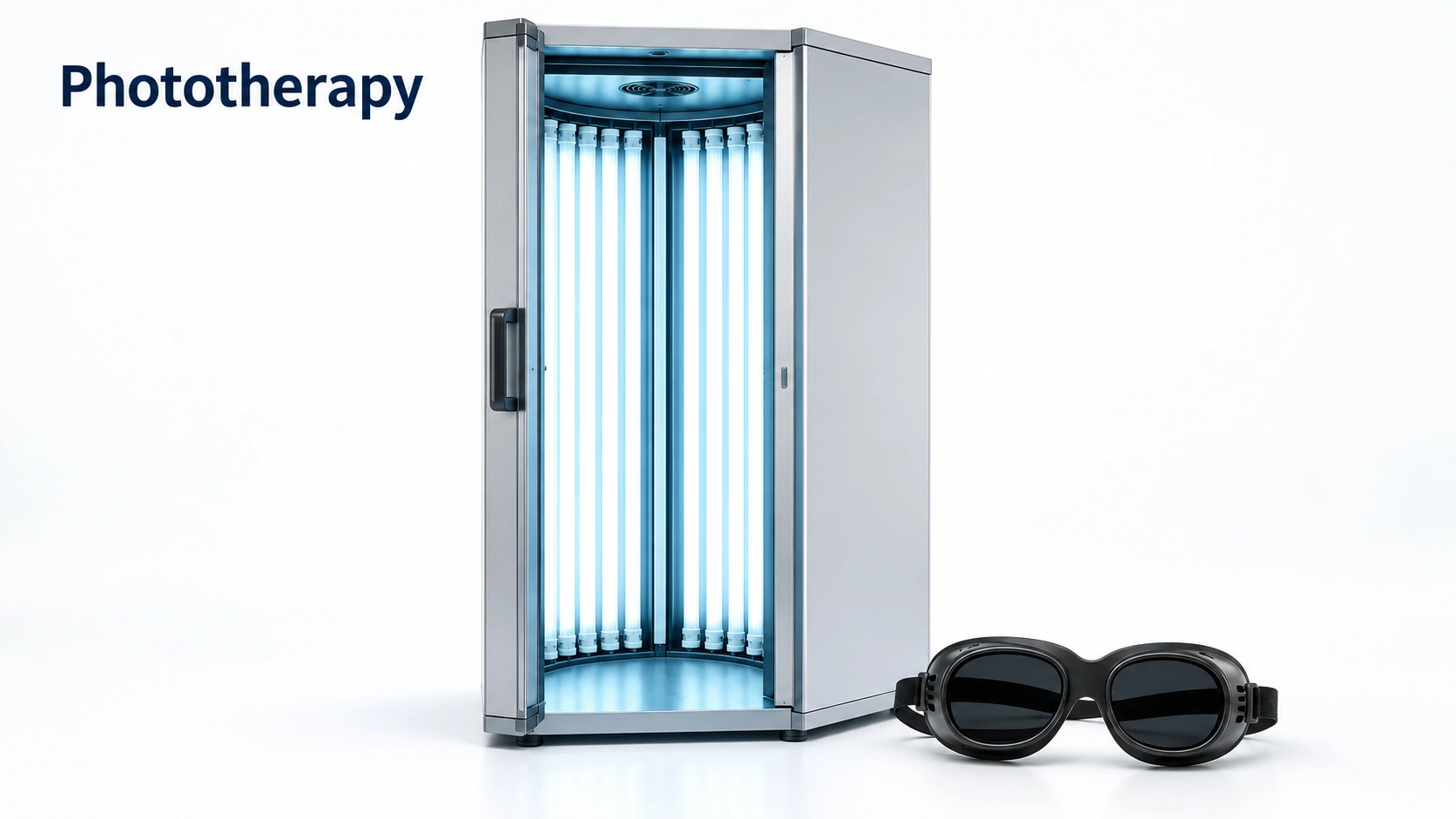
Editorial illustration for Phototherapy, based on the entry’s treatment or equipment reference.

Phototherapy

Limited evidence

Narrowband UVB delivered by a hand-held comb that parts the hair to reach the scalp skin. It suits people who would rather not take tablets, and it fits with the way many people find their psoriasis improves in summer. It means clinic visits two or three times a week for a couple of months, which is the main reason people stop.

Editorial illustration for Phototherapy, based on the entry’s treatment or equipment reference.

Phototherapy

Limited evidence

Narrowband UVB in a clinic, considered only for widespread disease on the body that has not responded to creams. It fits with the fact that most people improve in summer. It means several visits a week for weeks, which is a lot of effort for a condition that usually answers to a shampoo, so it is rarely used.

Outlook

Long term

Scalp psoriasis commonly alternates between flares and quieter periods. Treatment can control scale, itch and inflammation, but symptoms may return when treatment stops. Ongoing scalp care and a maintenance plan can help sustain improvement.

Seborrheic dermatitis commonly returns after treatment is stopped, so maintenance may be needed. Symptoms can be controlled even when the tendency remains. Infantile seborrheic dermatitis usually follows a shorter course and often settles as the baby grows.

Complications

Possible complications
  • Psoriatic arthritis
  • Nail Psoriasis
  • Infection in a cracked scalp
More details

Psoriatic arthritis
A joint condition that develops in some people with psoriasis, often years after the skin. Scalp and nail involvement are both linked to a higher chance of it. The signs are joint pain, swelling, morning stiffness lasting more than half an hour, or a whole finger or toe swelling up. Report them early rather than waiting, because treating it early is what protects the joints.

Nail Psoriasis
Psoriasis often turns up in the nails of people who have it on the scalp. The nail develops small pits like pinpricks, yellow-brown patches like a drop of oil under the plate, crumbling, or lifting away from the nail bed. It is worth pointing out at an appointment, because nail changes are also linked to a higher chance of joint disease.

Infection in a cracked scalp
A plaque that has been picked, scratched or split can let bacteria in. The signs are weeping, honey-colored crust, a sore hot area, or swollen glands in the neck. It is uncommon and it treats easily with antibiotics, but it needs to be looked at rather than covered with more steroid. Softening the scale instead of lifting it off is what prevents it.

  • Pale marks left behind
  • Sore, crusted eyelid edges
  • Infection in scratched skin
More details

Pale marks left behind
On deeper skin tones the rash commonly leaves flat pale patches, often ring-shaped or petal-shaped, along the hairline and on the face. For many people these are the real complaint, not the flaking. The color comes back — the inflammation interrupted pigment production rather than destroying it — but it can take several months, and treating the inflammation early is what shortens it.

Sore, crusted eyelid edges
Seborrheic dermatitis can settle on the rims of the eyelids, where it causes greasy crusting at the base of the lashes, redness along the edge, grittiness and morning stickiness. It is common and it is treatable, but face creams and shampoos are not safe this close to the eye. It needs its own plan, so mention it rather than treating it yourself.

Infection in scratched skin
Scratching or scraping the scale off breaks the skin, and bacteria can settle in the damage. The signs are golden-yellow crust, weeping, a hot sore area, or swollen glands in the neck. It is uncommon, and it clears with antibiotics, but it needs to be seen rather than treated with more shampoo.

When to get help

When to get help

Seek help for persistent thick scale, bleeding, sleep-disrupting itch or hair loss. Joint symptoms should also be assessed.

Seek care when the diagnosis is uncertain, the rash is extensive or painful, or routine care does not control it.

Common questions

Scalp Psoriasis:Will my hair grow back?

In almost all cases, yes. Hair thins over an active patch because thick scale lifts hairs out as it sheds and scratching breaks them. Once the inflammation and scale are treated, the follicles are intact and hair regrows over the following months. Scarring hair loss is rare, and more likely in a long-picked patch.

Scalp Psoriasis:How do I tell scalp psoriasis from dandruff?

Look at the edges and the color. Psoriasis makes a patch you can feel the border of, with dry silvery-white scale, and it commonly runs past the hairline onto the forehead or behind the ears. Dandruff makes softer, greasier, yellower flakes that fade into normal skin. If both are present, which is common, treatment needs to cover both.

Scalp Psoriasis:Can I dye or relax my hair?

When the scalp is calm, usually yes. When it is flaring, cracked or sore, chemical processing can burn inflamed skin, and burned skin is exactly where new psoriasis appears. Wait until it settles, tell your stylist what is going on, and ask for a patch test.

Scalp Psoriasis:Do I have to use the shampoo forever?

Not at flare-level intensity, but most people do better on maintenance. A shampoo once or twice a week keeps a scalp clear far more comfortably than clearing a thick flare every few months. It is ongoing management, not a course you finish.

Scalp Psoriasis:Why does it come back as soon as I stop?

Treatment controls the immune signal driving the disease, it does not switch it off. Stop the treatment and the signal is still there. That is expected, not failure, and it is why dermatologists step treatment down rather than stopping it.

Scalp Psoriasis:Does having it on my scalp mean I will get it elsewhere?

It raises the chance without guaranteeing it - plenty of people have scalp psoriasis and nothing else for decades. Scalp and nail involvement are both linked to a higher chance of psoriatic arthritis, so joint pain, swelling or morning stiffness lasting more than half an hour should be mentioned to a doctor.

Seborrheic Dermatitis:Is dandruff the same thing as seborrheic dermatitis?

The same process at different intensities. Dandruff is the mild end - flaking and itch with little visible inflammation. Seborrheic dermatitis is the fuller version, with inflamed, discolored skin and greasy scale, and it can involve the face, ears and chest too. The same treatments work for both, and many people move between them over the years.

Seborrheic Dermatitis:Will it ever go away for good?

The infant version clears on its own, almost always within the first year. The adult version is long term. It is very treatable, and most people keep it more or less invisible with a once or twice weekly routine, but controlled is not cured. It fluctuates with season, stress and general health, so quiet spells are normal and not proof it has gone.

Seborrheic Dermatitis:Does washing my hair more often help or make it worse?

For most people it helps, because washing removes the oil and scale the yeast uses. That does not suit every hair type, and frequent washing of textured or treated hair can do real damage. If two or three times a week is not realistic, ask for a leave-on antifungal foam, lotion or cream, or apply the shampoo to the scalp in sections without lathering the length. The plan should fit your hair.

Seborrheic Dermatitis:Is the yeast an infection? Should I be worried about spreading it?

No, on both counts. Malassezia lives on the skin of essentially every adult as a normal resident. Seborrheic dermatitis is your immune system reacting to that normal resident, not an infection you caught, and nobody can catch it from you.

Seborrheic Dermatitis:Can it cause hair loss?

It does not destroy hair follicles or cause permanent hair loss. Severe inflammation and persistent scratching can cause temporary shedding, which recovers once the scalp settles. Hair lost in a defined pattern, or a scarring scalp with smooth bald patches, is a different problem and worth having looked at.

Seborrheic Dermatitis:Why does my face flake right where I use my skincare?

Because the creases beside the nose and the eyebrows are where seborrheic dermatitis lives, and it is easy to read that as your products drying you out. More moisturizer will not shift it, and acids and scrubs make it worse. The test is simple - an antifungal cream a few times a week there usually improves it within two weeks.
Sources

Sources and further reading

  1. DermNet
  2. DermNet
Dermapedia on YouTube