Aluminum antiperspirant
ListedOften used on completely dry skin; follow the label and reduce use if irritated.
Excessive sweating without an identified underlying disease or medicine cause. Excessive sweating caused by another condition or a medicine.
The same eight facts on every condition comparison.
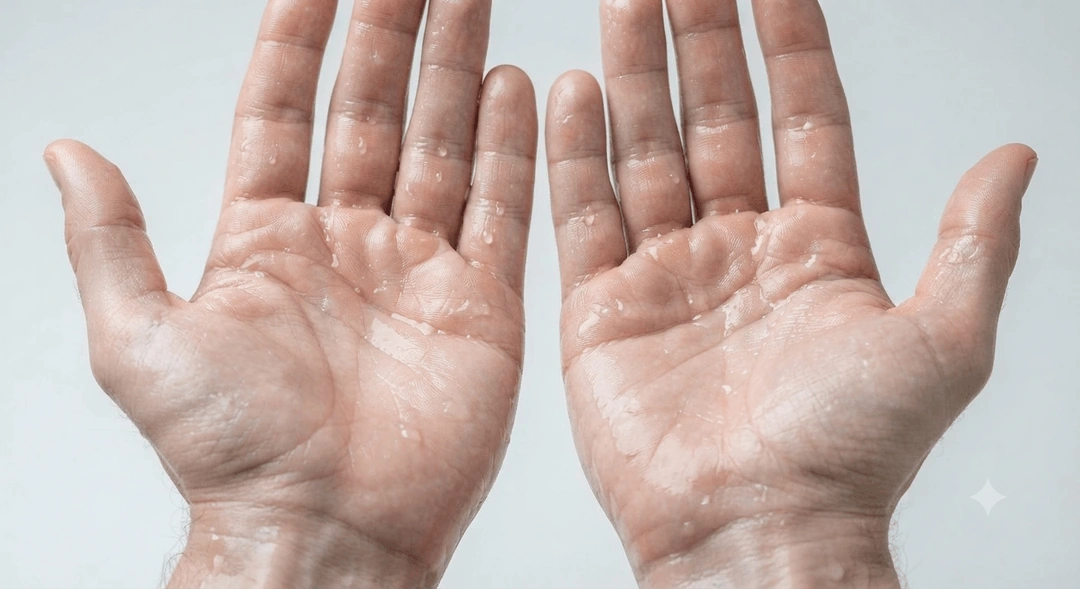
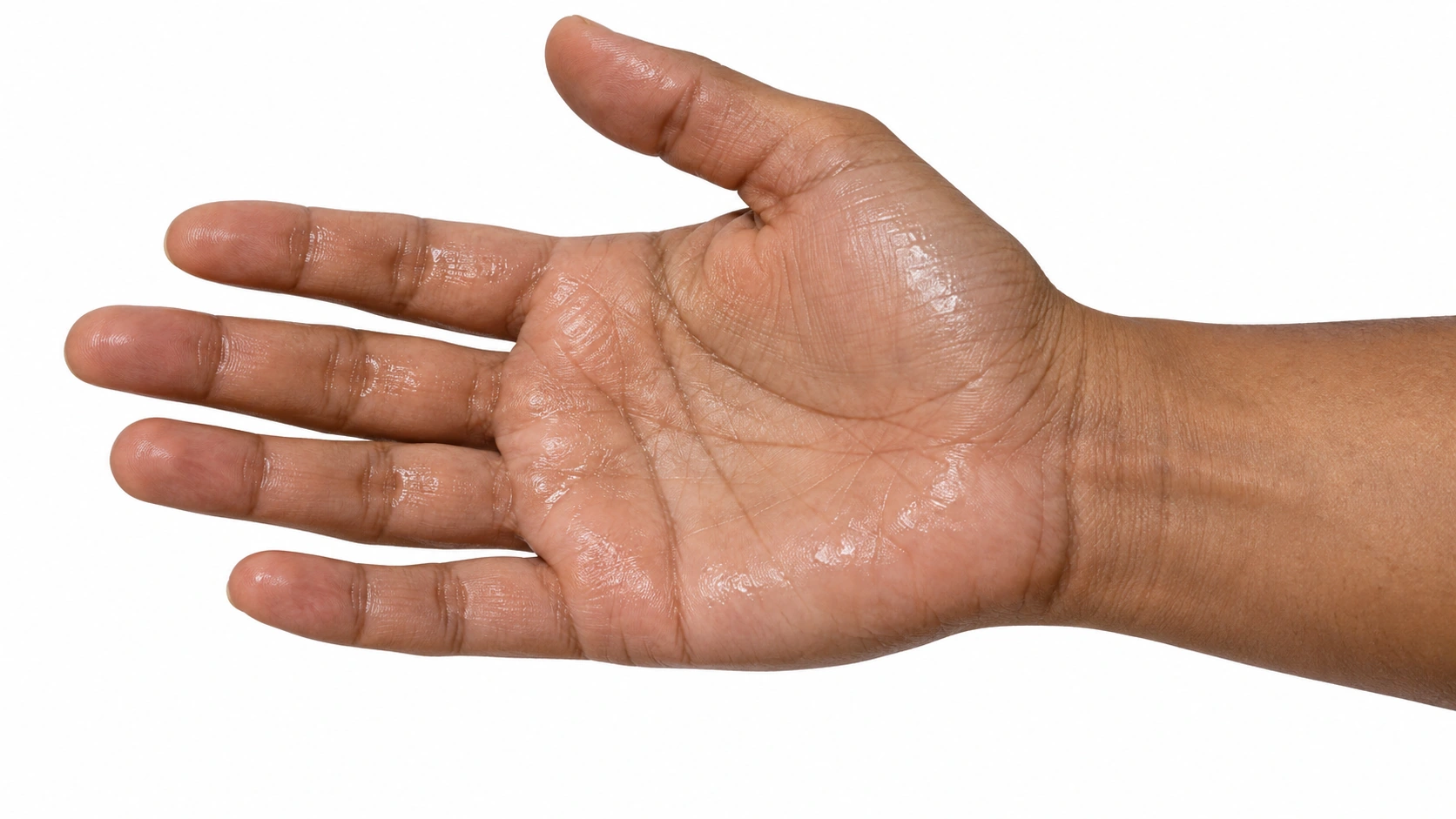
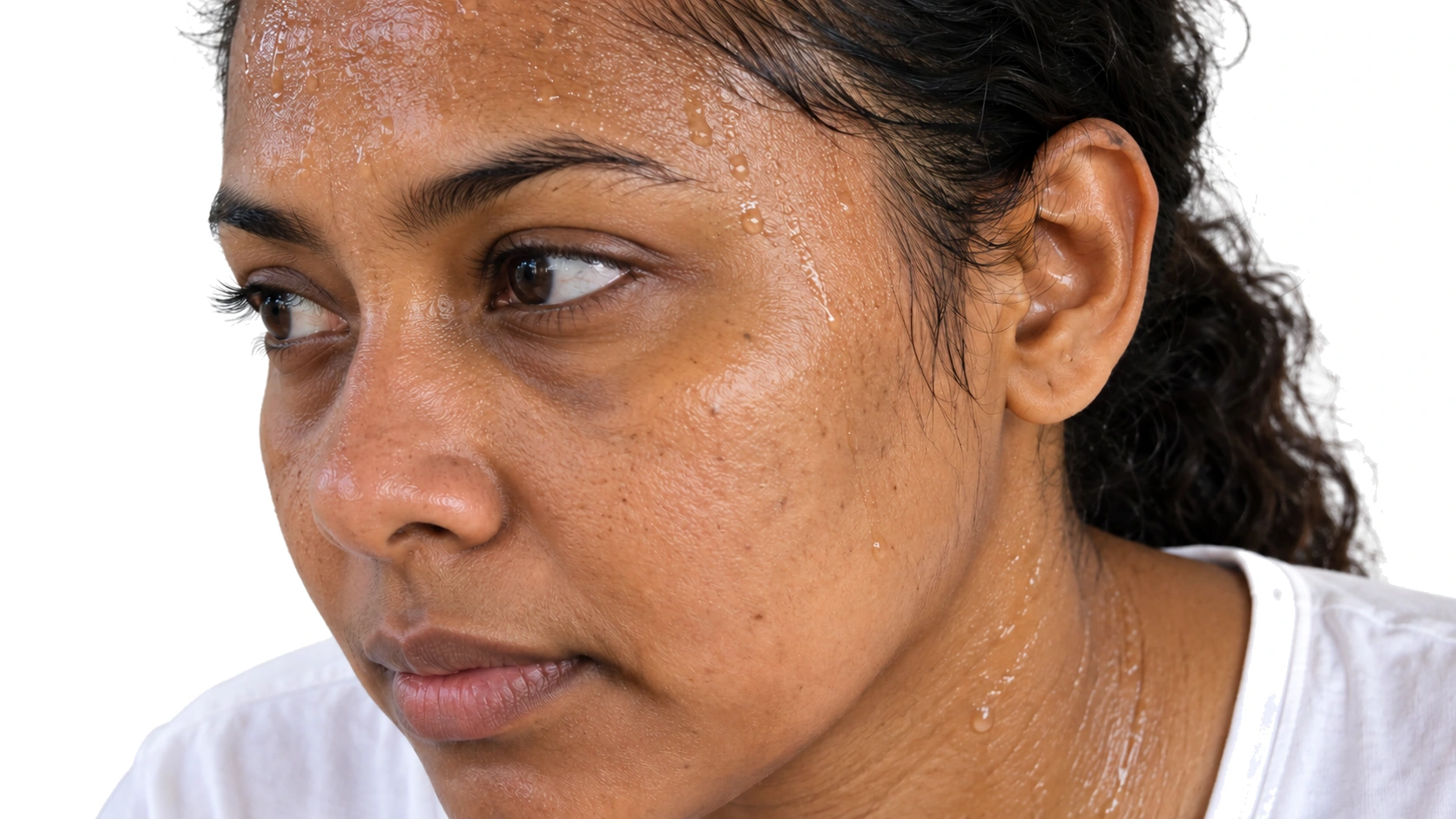
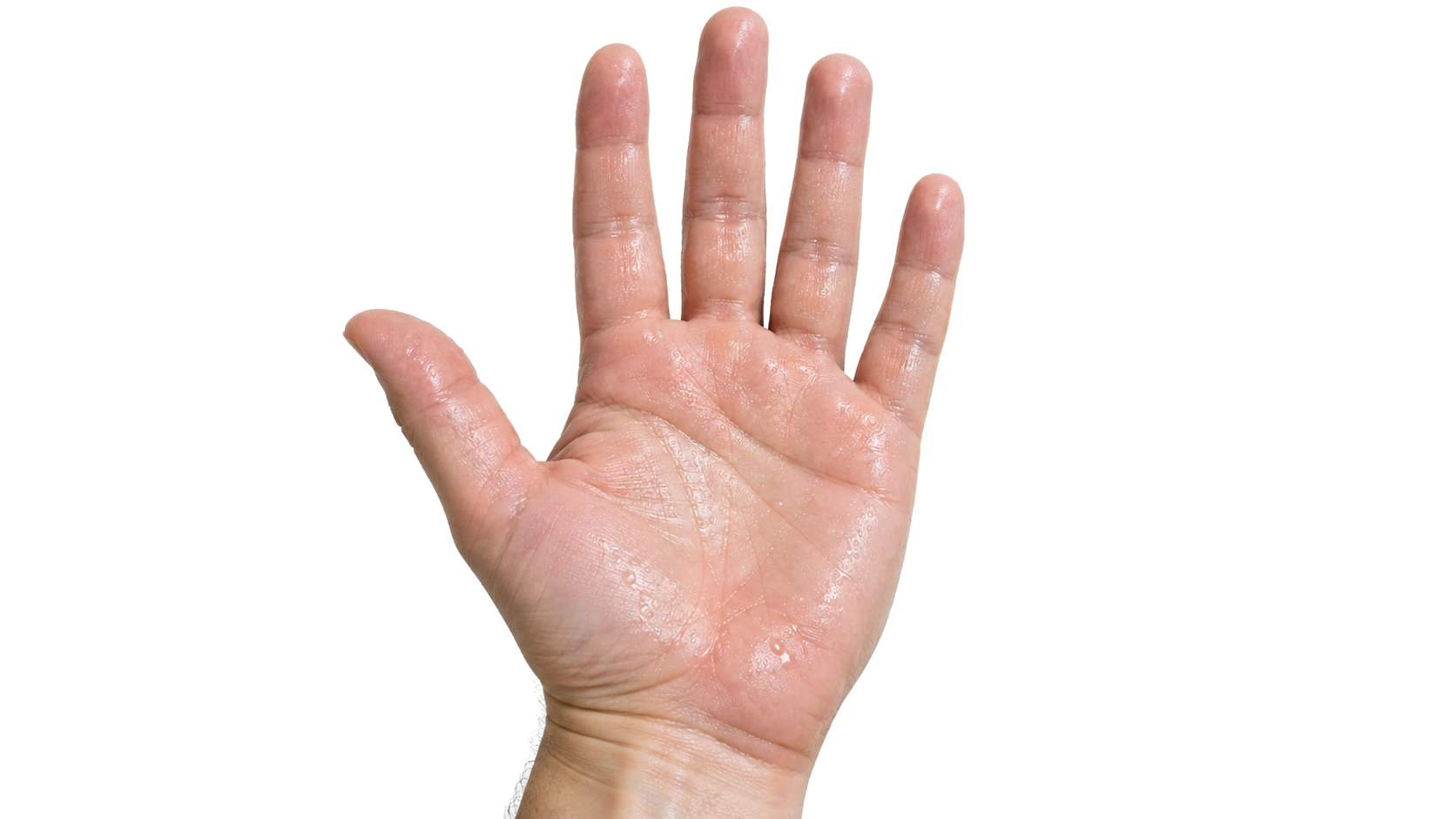
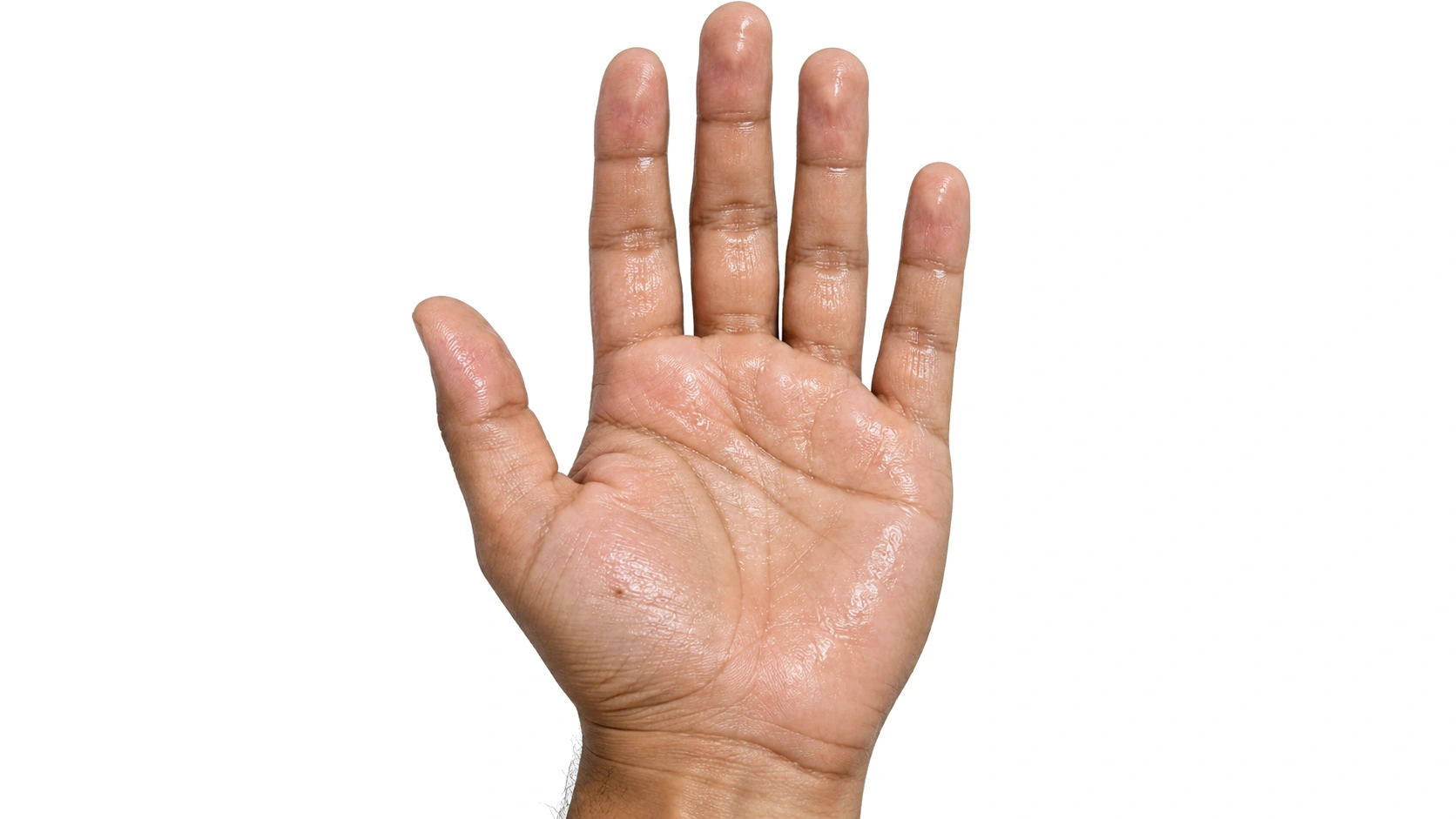
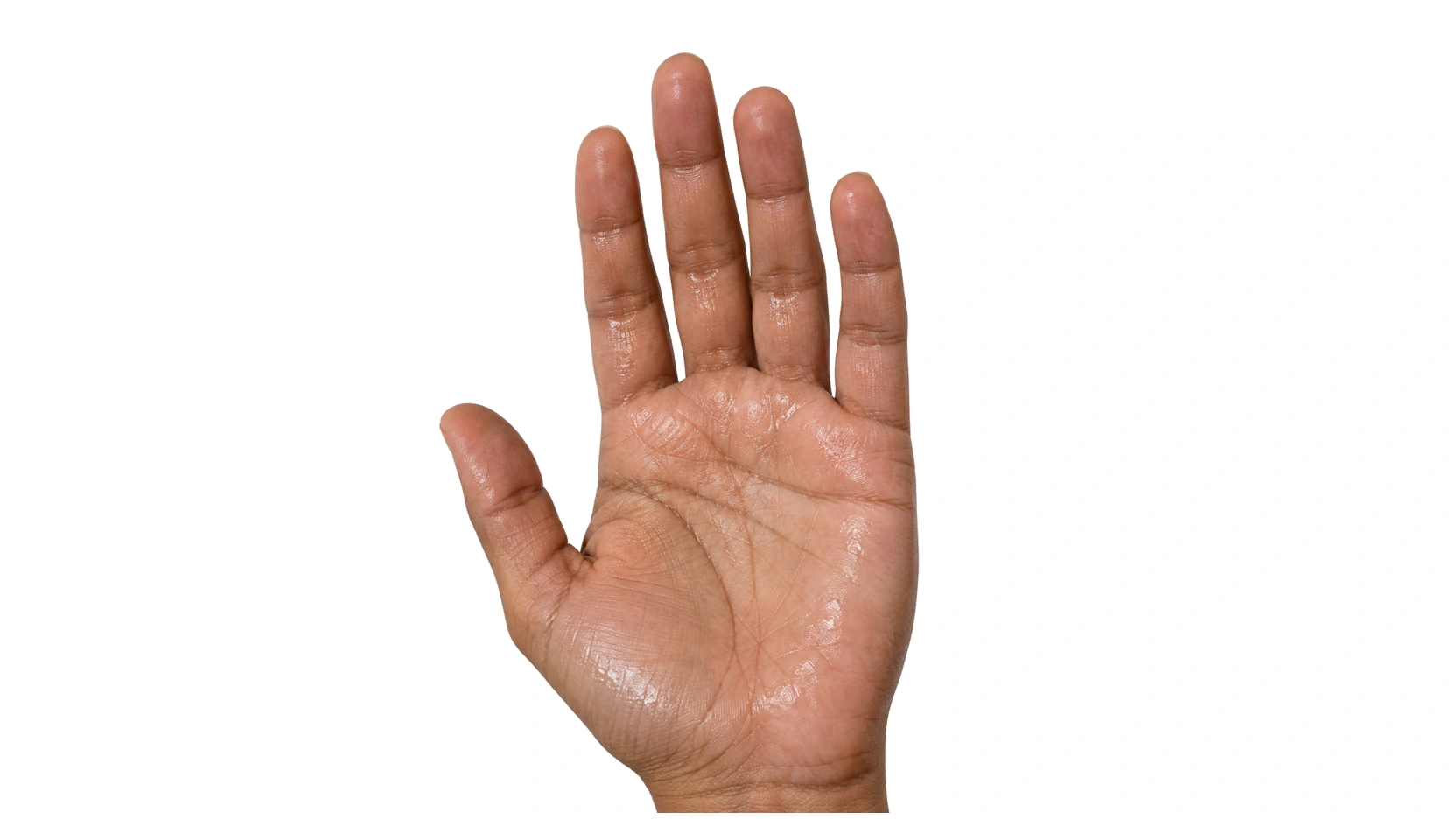
Primary Hyperhidrosis The palm and fingers have a wet, shiny surface.
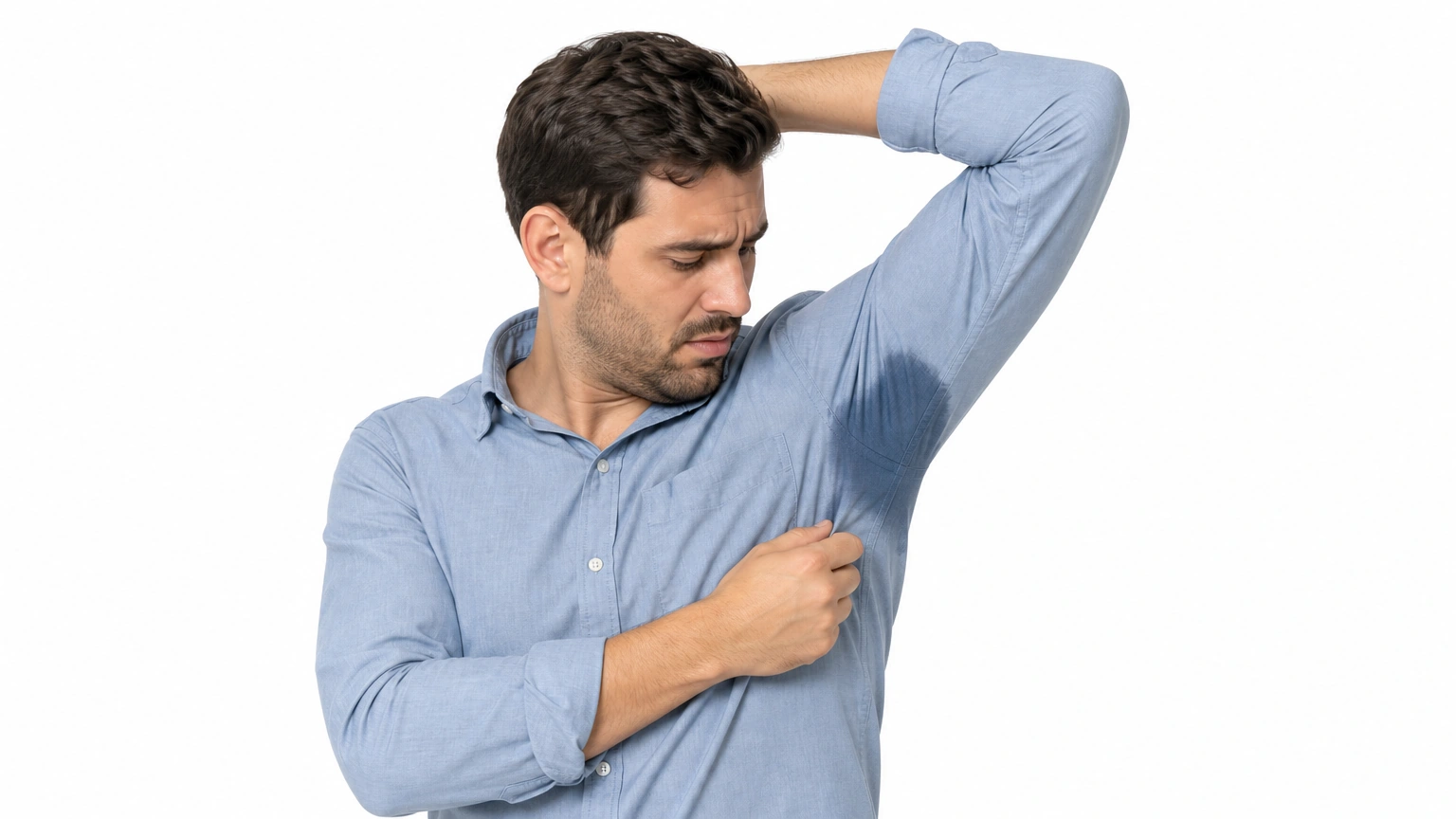
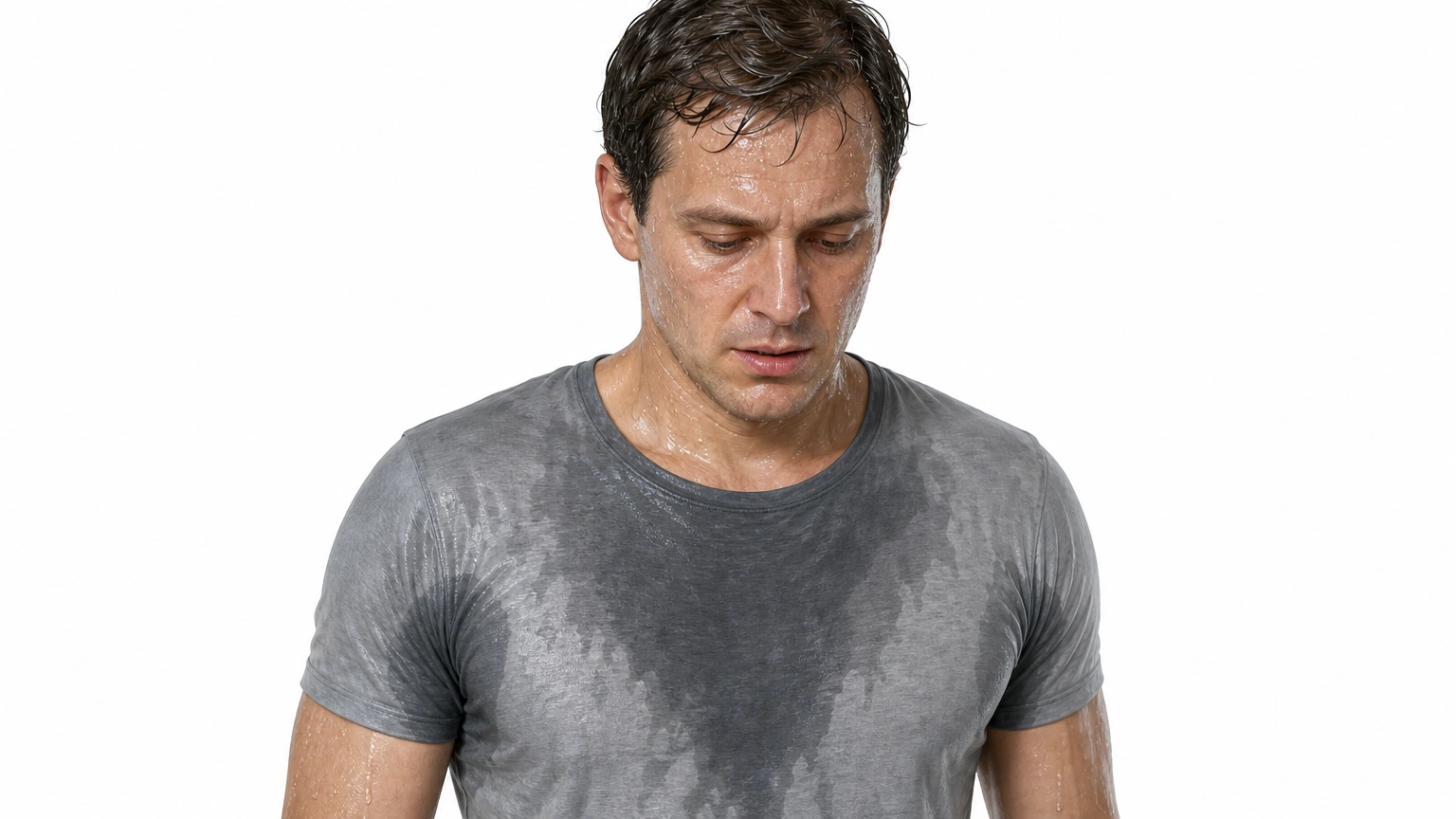
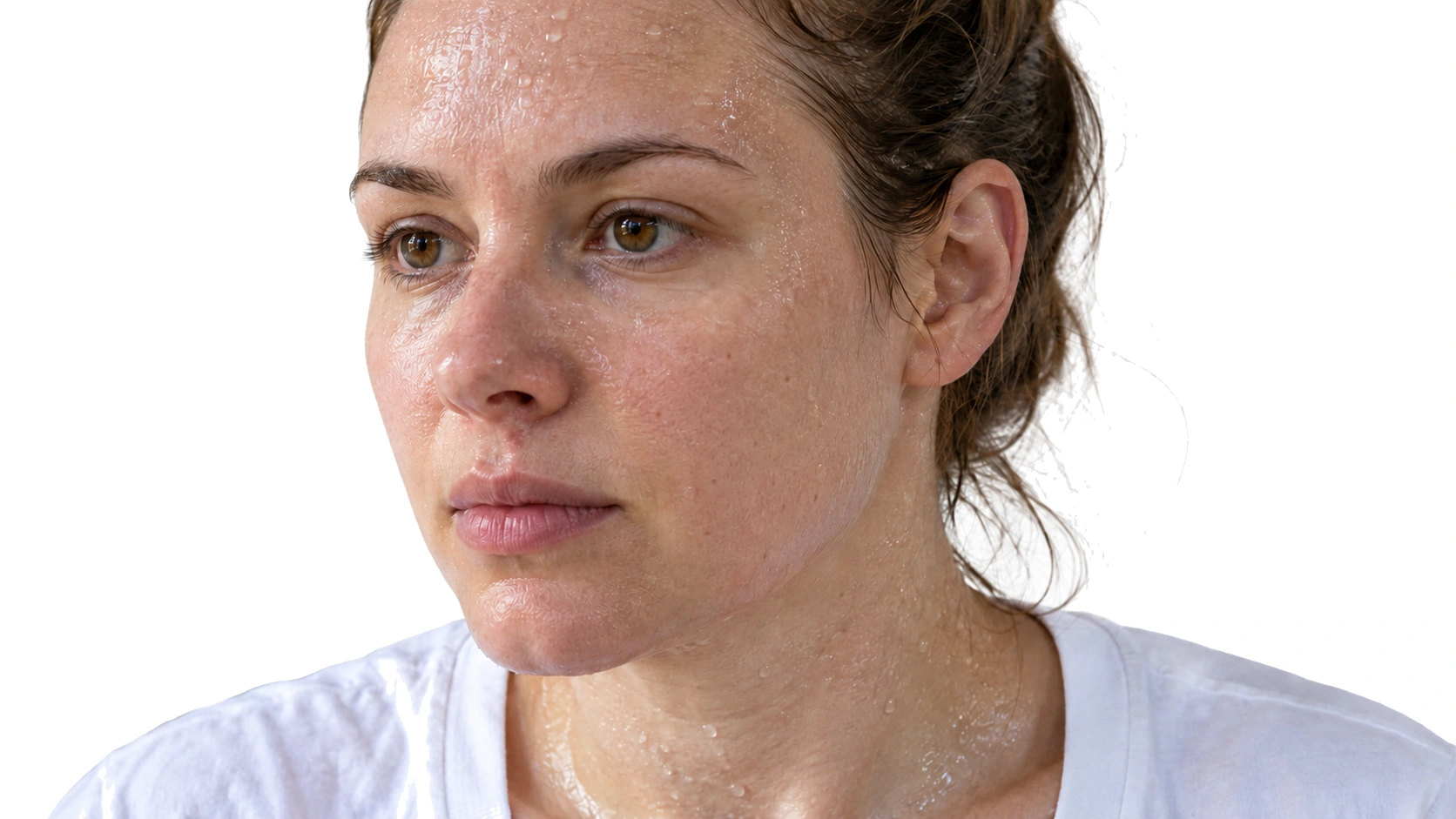
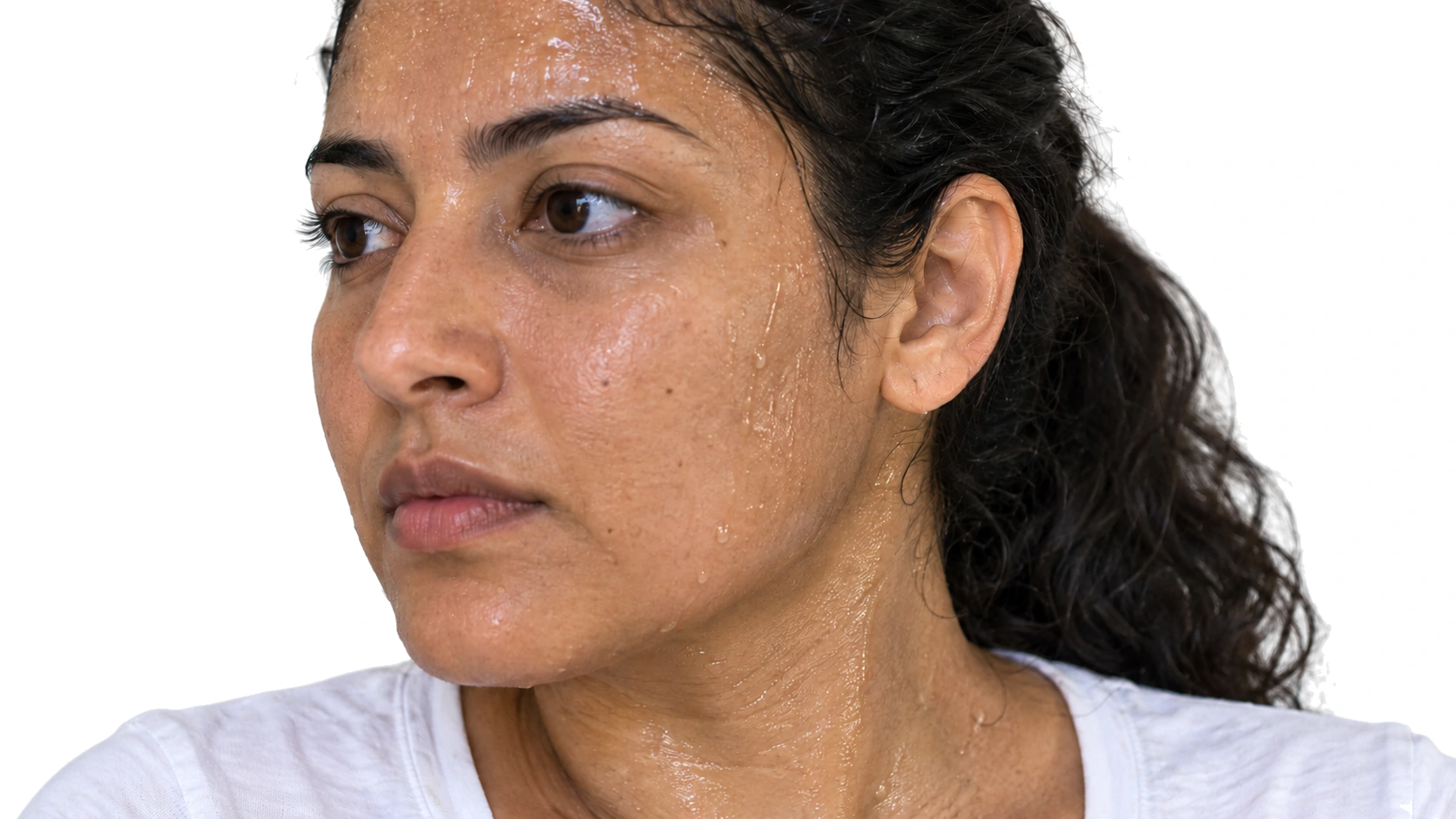
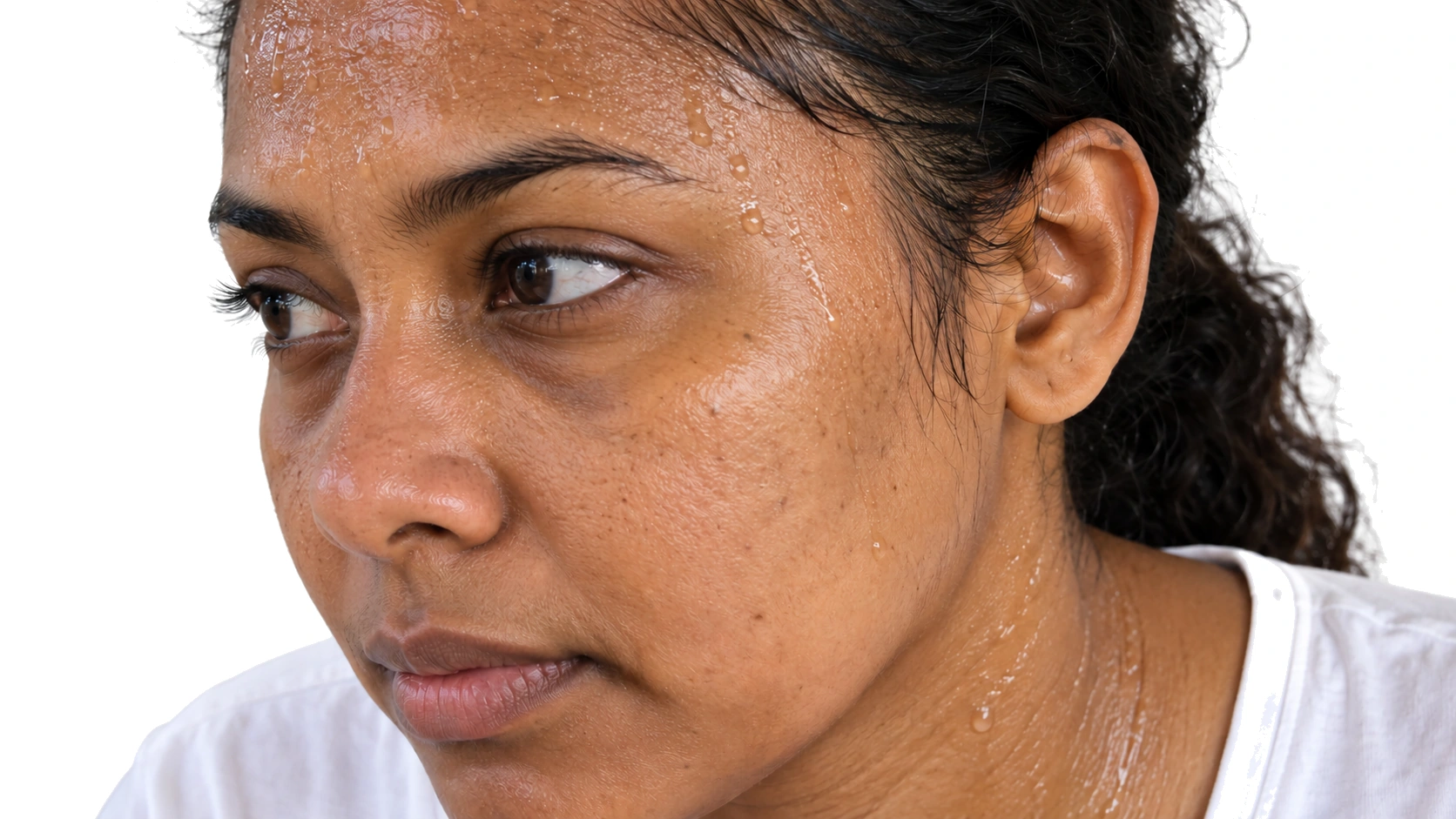
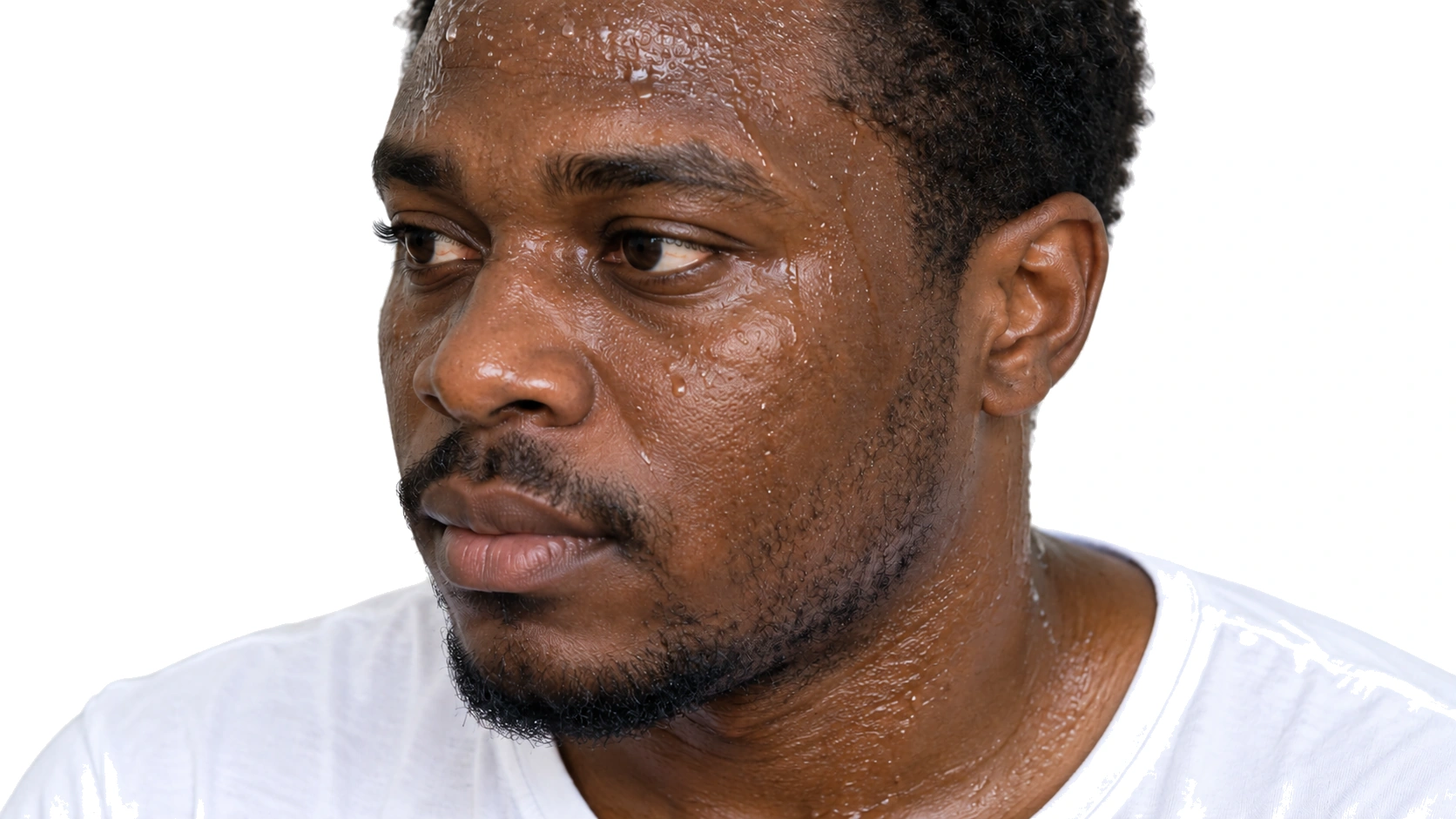
Secondary Hyperhidrosis Large damp areas are visible across the shirt.

Nerve signals stimulate sweat glands more strongly than cooling requires. The glands produce excess sweat even when the body does not need to lose heat.
A medicine, hormonal change or medical condition increases sweat-gland activity. The excess sweating reflects that underlying process rather than primary overactive sweat signaling alone.
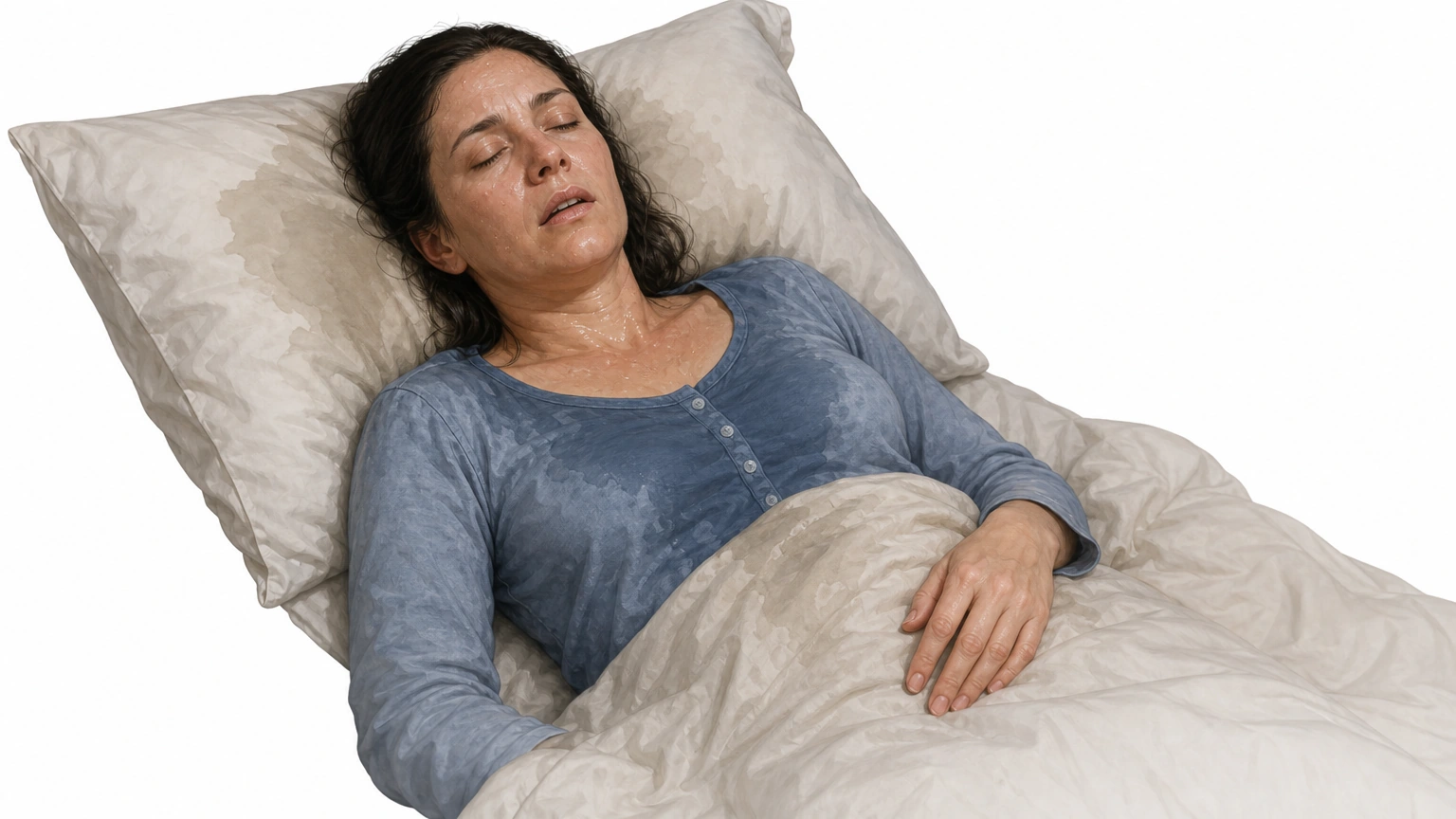
Primary Hyperhidrosis. Usually begins in childhood or adolescence; typical primary focal sweating often stops during sleep.
Secondary Hyperhidrosis. Can begin at any age, including new adult onset.
Sweat-gland activity is over-responsive rather than simply a hygiene problem.
A medical, hormonal or medicine-related process increases sweating.
Evidence labels come from each condition’s own treatment list.
Treatment targets the illness or medication contributing to sweating. Discuss medication changes with the prescriber rather than stopping treatment abruptly.
Often used on completely dry skin; follow the label and reduce use if irritated.
Primary hyperhidrosis can continue for years, although it may ease with age. Treatments usually control sweating rather than permanently remove the tendency, and maintenance may be needed.
Sweating may improve when an underlying illness or medication contributor is addressed. The course depends on that cause; do not stop prescribed medication without advice.
Sweating can affect daily activities and increase local skin irritation.
The underlying cause determines the significance and treatment.
Seek assessment for a new adult onset, generalised pattern, night sweats or other symptoms.
Arrange assessment for new or unexplained sweating, particularly with fever, weight loss or palpitations.
Excessive sweating without an identified underlying disease or medicine cause.
Wear breathable clothing, change damp garments and keep a record of symptoms and medicines.
Seek assessment for a new adult onset, generalised pattern, night sweats or other symptoms.
Excessive sweating caused by another condition or a medicine.
Wear breathable clothing, change damp garments and keep a record of symptoms and medicines.
Arrange assessment for new or unexplained sweating, particularly with fever, weight loss or palpitations.
Sources