It targets oil glands.
The 1726-nm wavelength heats sebaceous structures.
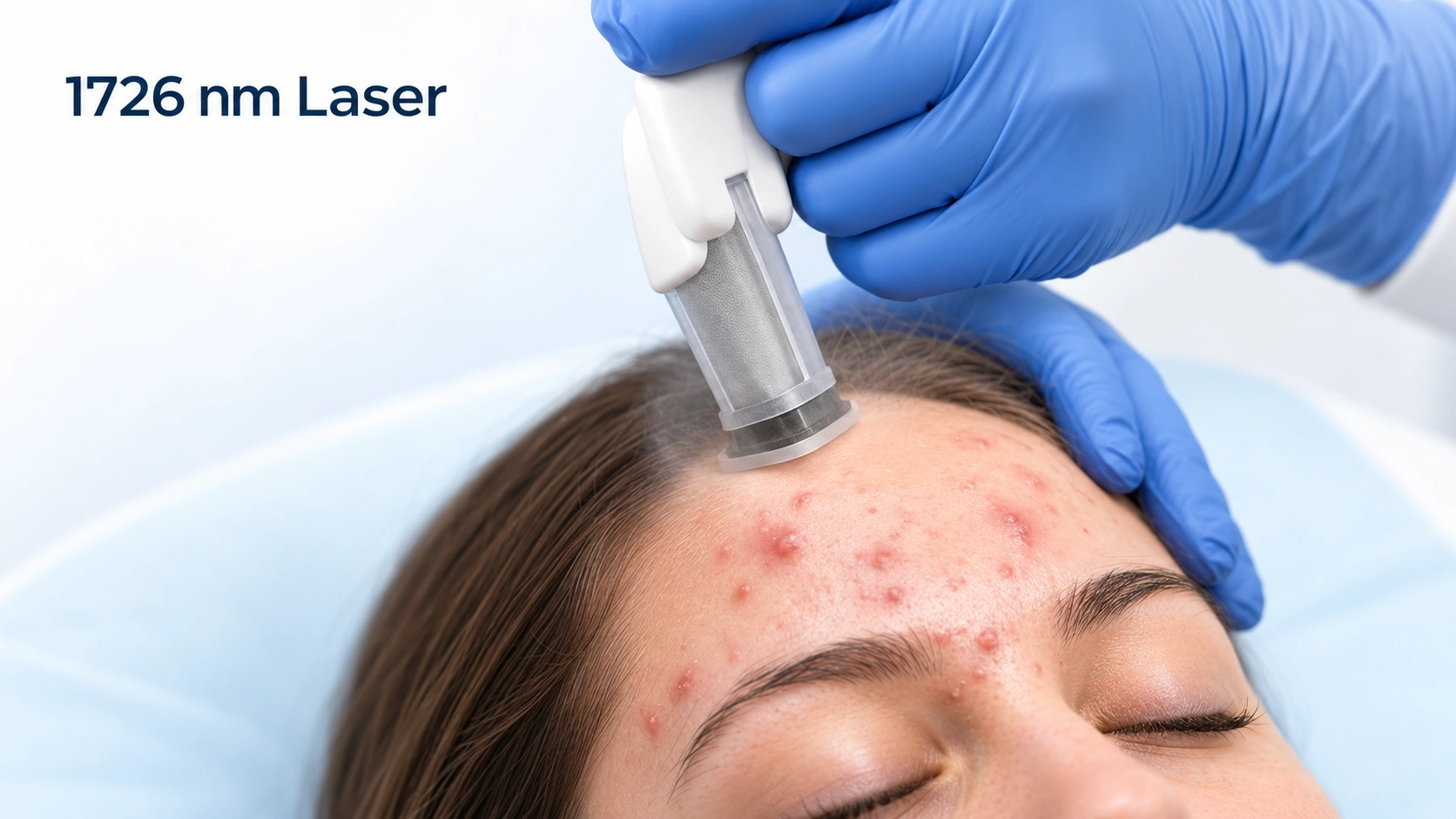
1726 nm Laser: A laser tuned to heat and shrink oil glands. It is the first laser class cleared to treat acne itself, and it works on all skin tones. Three sessions, and results arrive slowly.
Glycolic Acid Peel: A chemical peel that uses glycolic acid, the smallest of the fruit acids. It brightens dull skin, softens rough texture and fades flat brown marks. It works on the surface only, and it has to be neutralized on time.
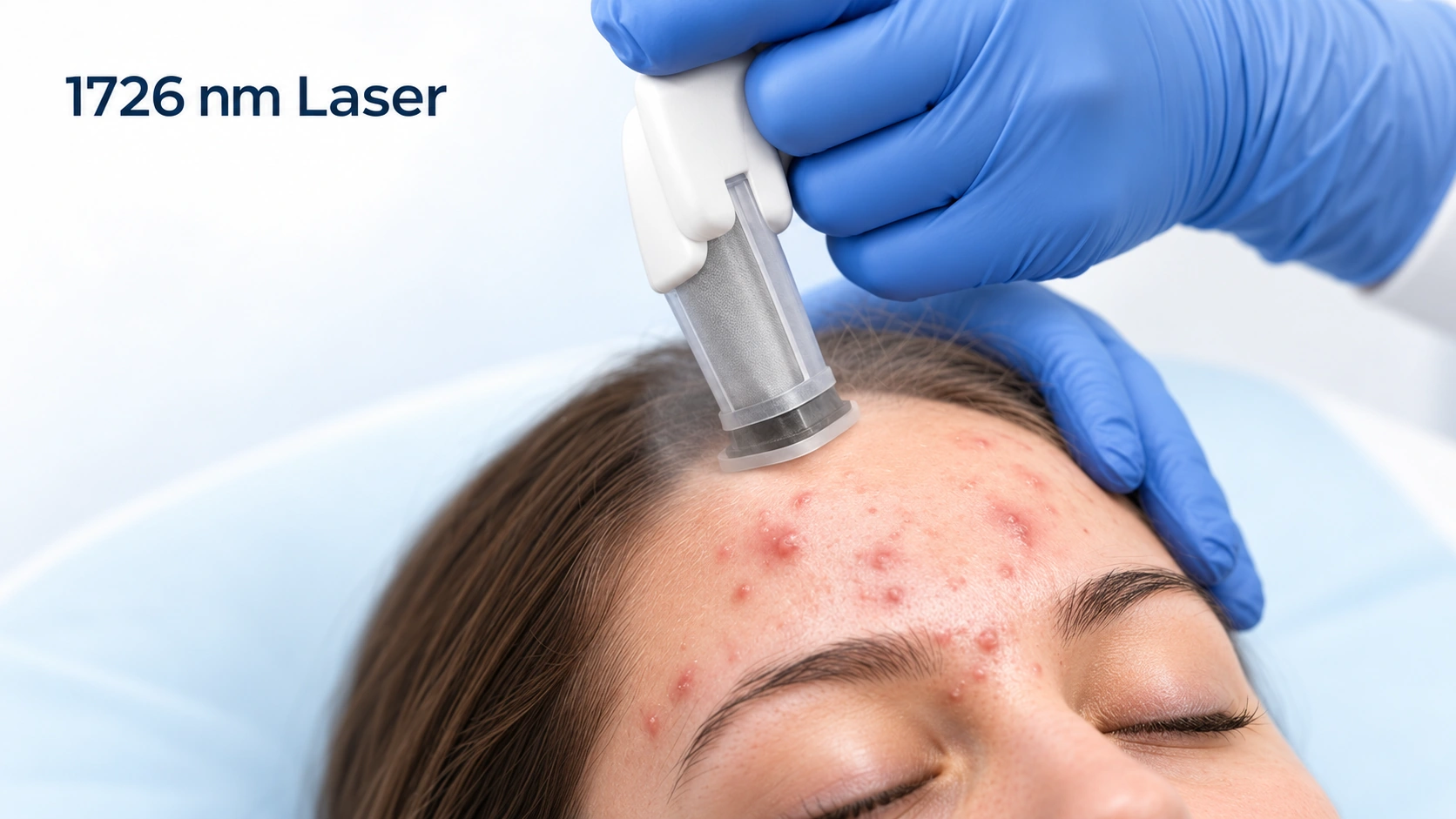
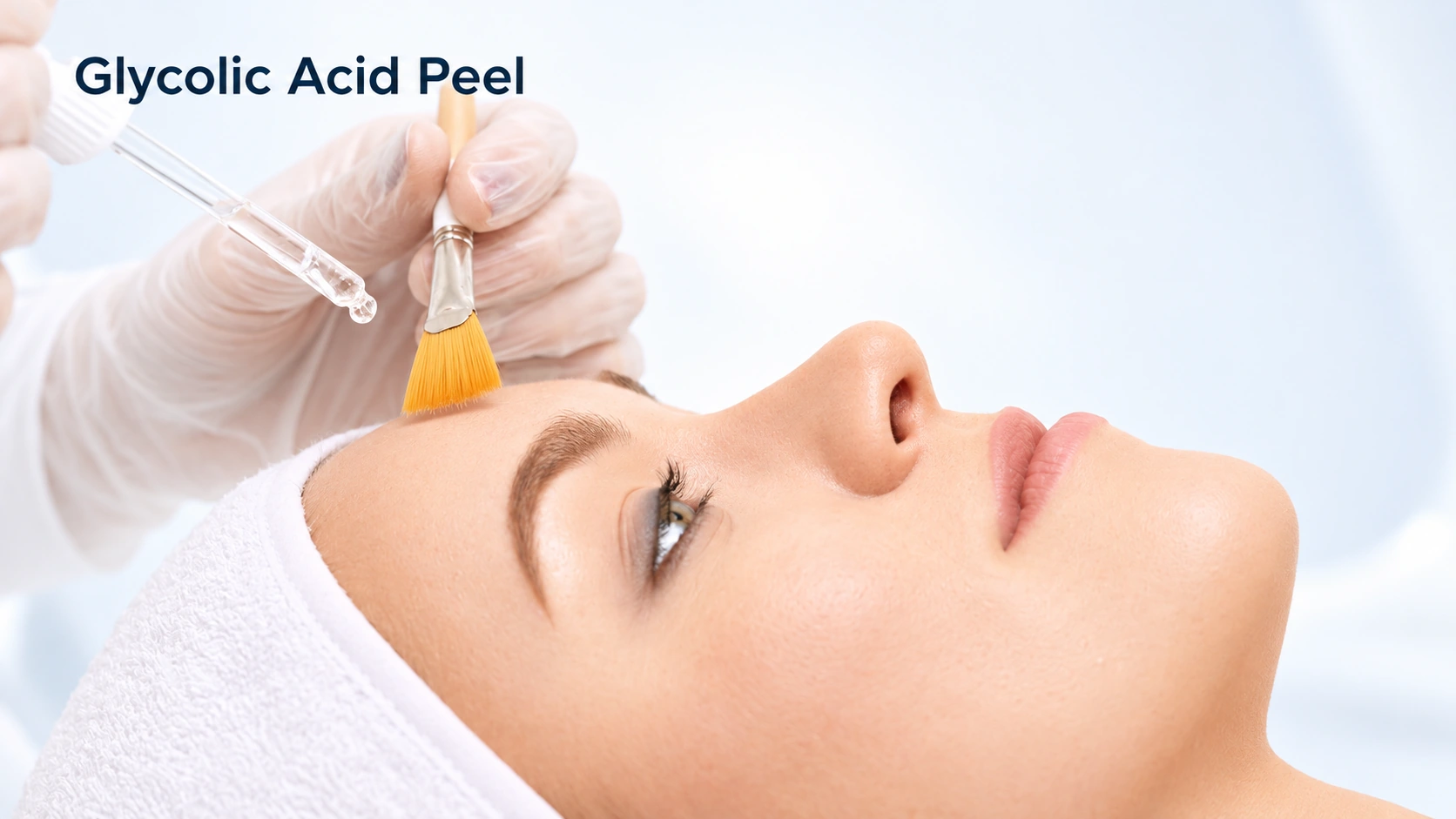
Choose for ongoing acne when you want a drug-free option that treats the oil gland itself, and can wait months for results.
Choose to brighten dull skin and fade flat brown marks with little or no downtime.
Can you have both?
A glycolic peel can be added for blackheads and marks during a 1726 nm laser series. Space them at least 2 weeks apart.
The 1726-nm wavelength heats sebaceous structures.
Studies report improvement in some patients.
Device, cooling and patient selection matter.
Severe acne and scarring need effective care.
A glycolic acid peel is an alpha-hydroxy acid exfoliation.
Acidity, contact time and technique matter.
The FDA warns against unsupervised strong peels.
Irritation, recent procedures, herpes and pigment risk are reviewed.
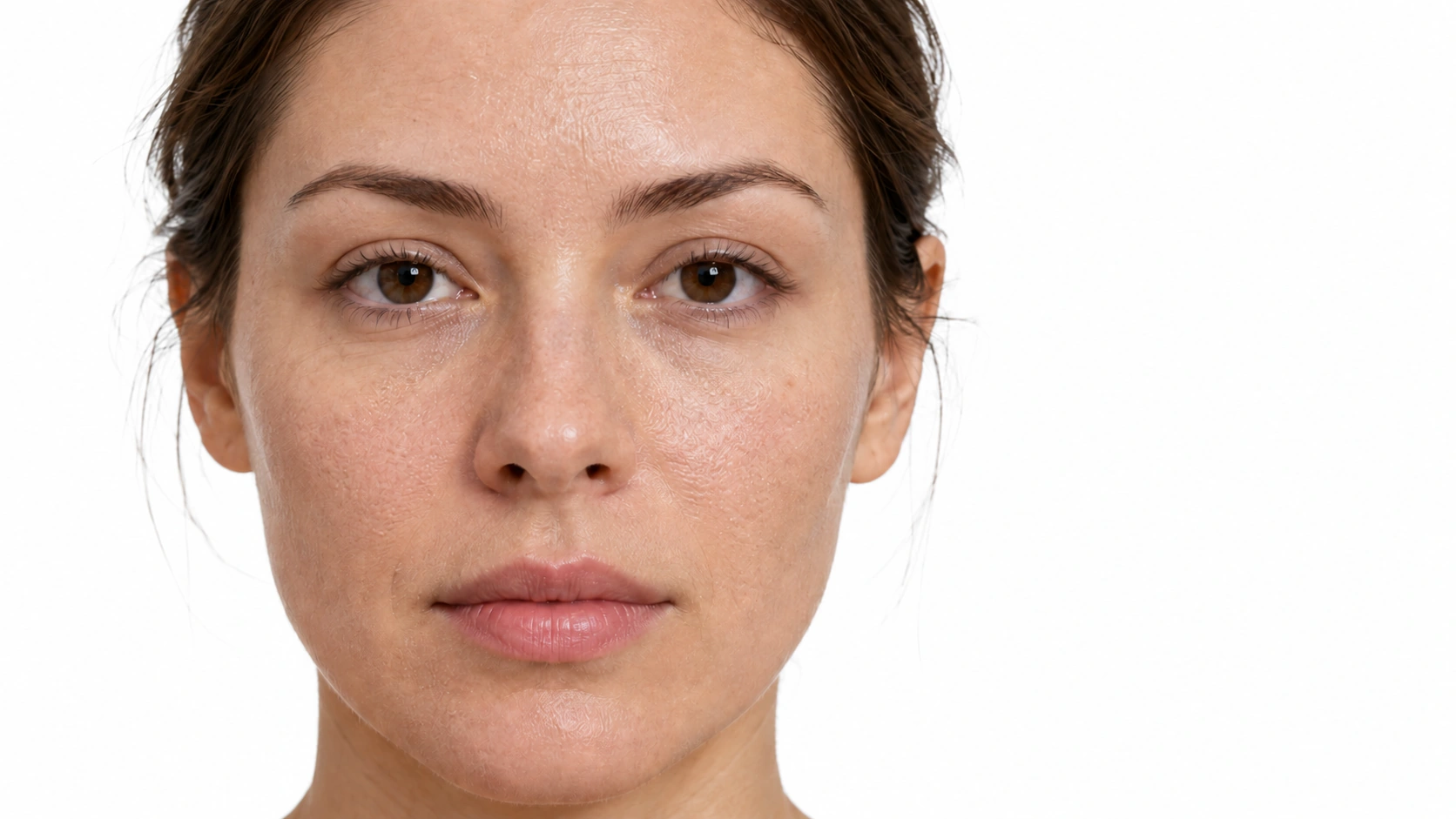
Brightens quickly.

Reduces breakouts in early studies.
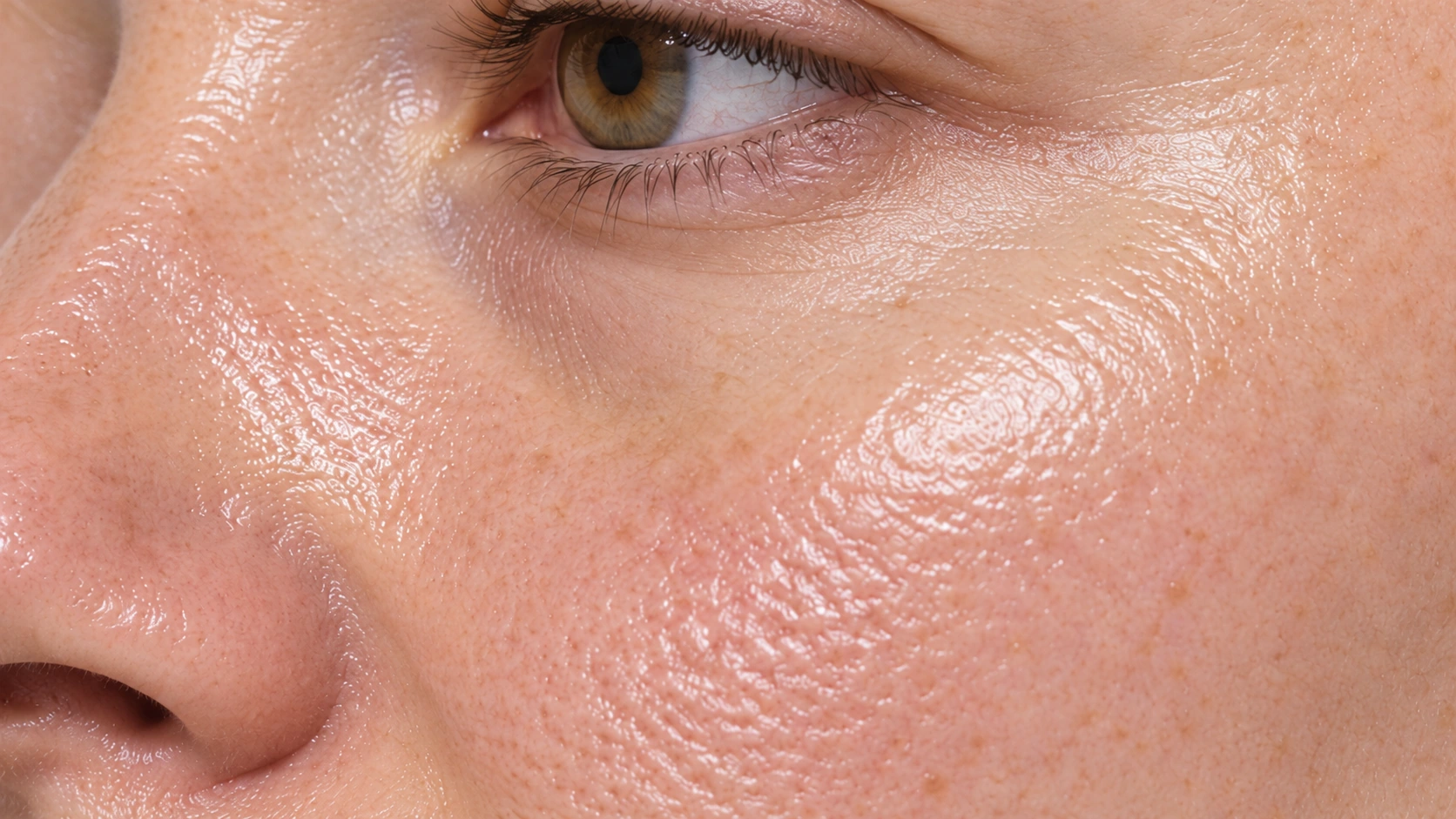
Lowers oil production.

Helps alongside lightening creams.
Clears clogged pores.
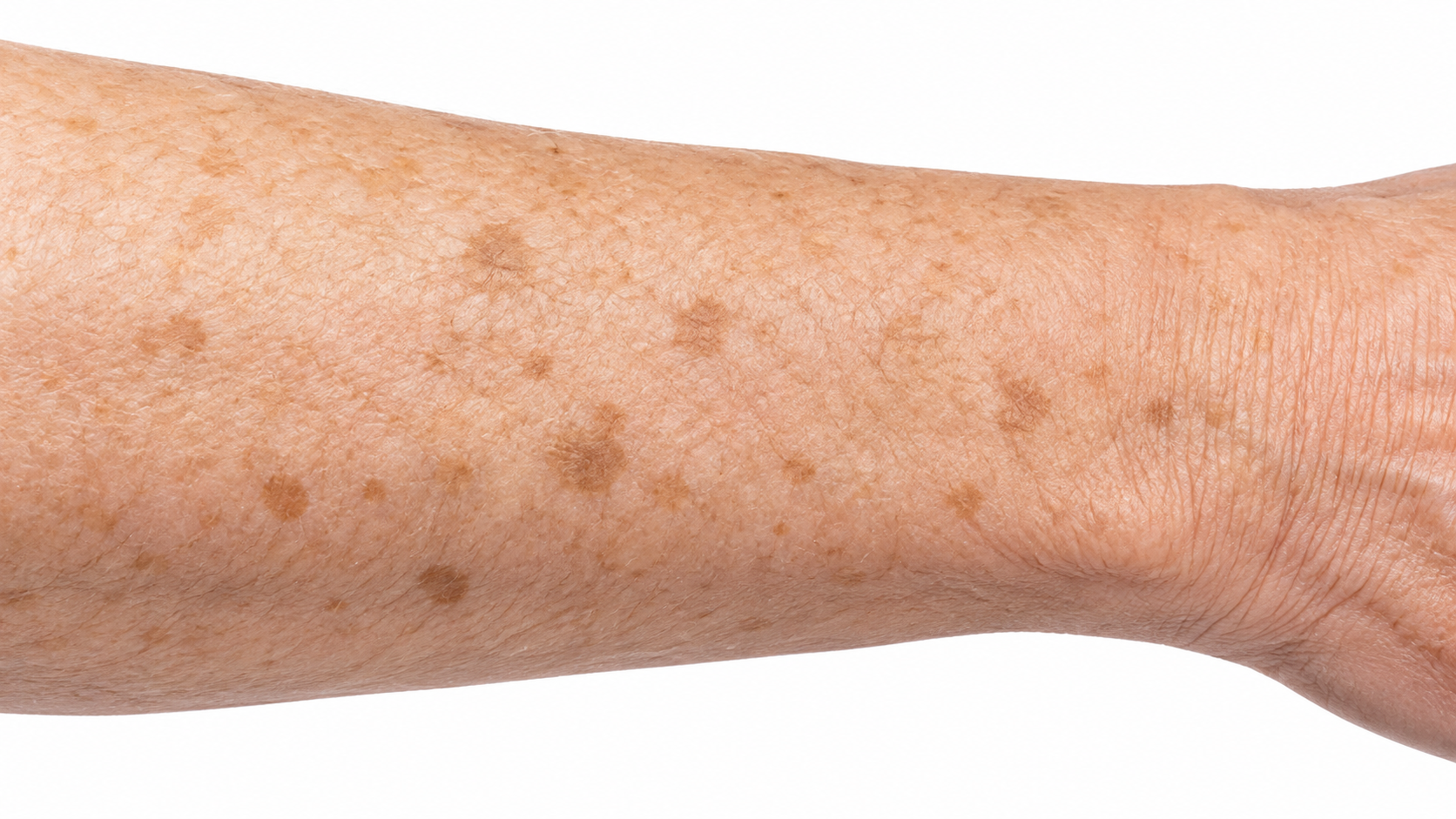
Fades spots with a series.

Not studied for rosacea.

Doesn't change scars.
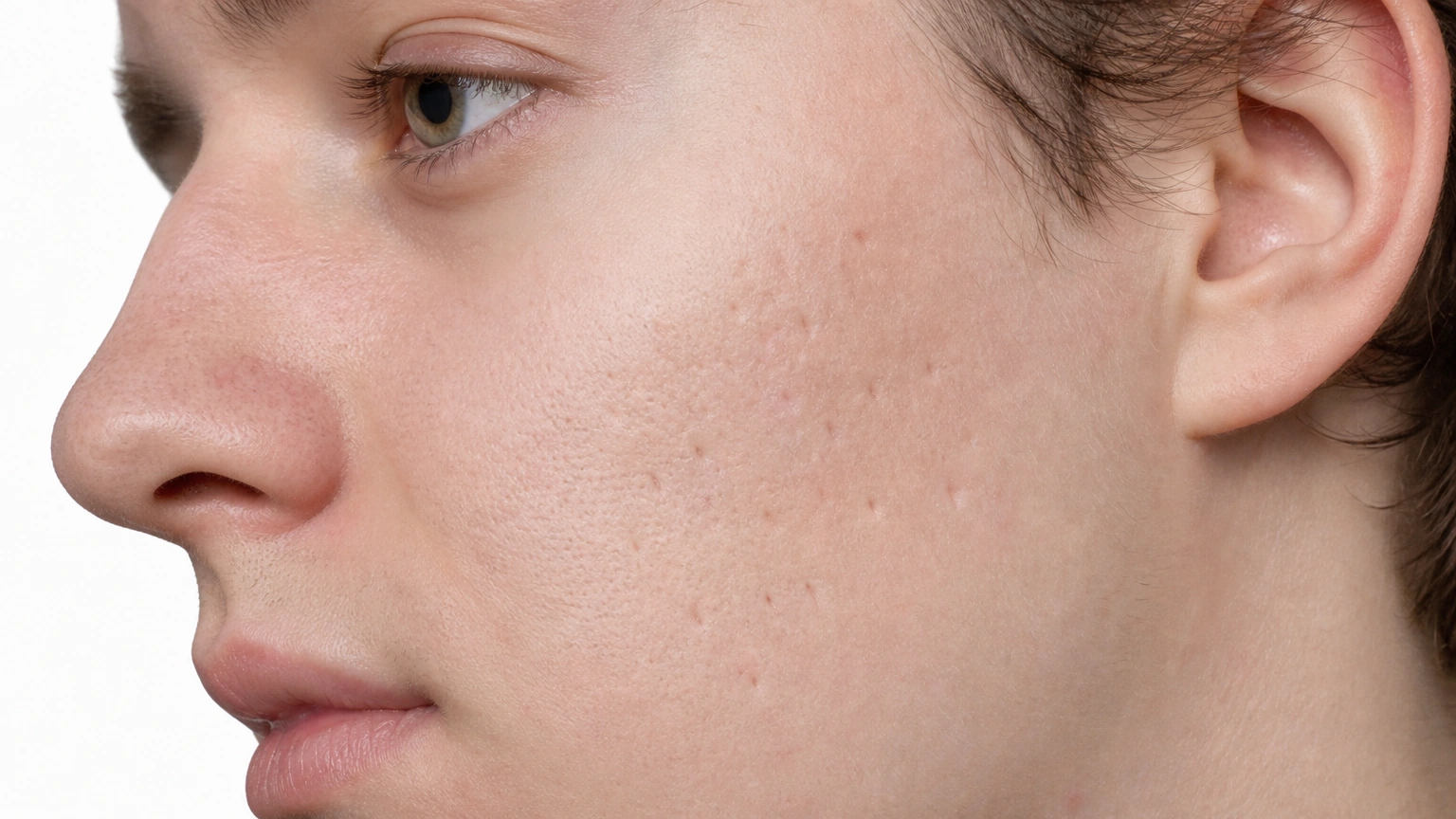
Too superficial.
Stings and triggers flushing.
Face and back; the acne-affected treatment area is assessed individually.
Face; the selected area depends on the concern and treatment plan.


Laser energy reaches sebaceous tissue: A selected device delivers 1726 nm light with skin cooling. Sebaceous structures absorb light: The treatment creates a targeted thermal response. Acne activity may decrease: Improvement develops over time and varies among patients.
Schematic illustration. Technique and response vary. This explains a mechanism and does not specify treatment settings.
The peel is applied: A clinician selects the formulation for the skin and goal. Outer cells loosen: Glycolic acid reduces cohesion in the superficial skin layers. The surface renews: Controlled exfoliation can improve selected superficial concerns.
Schematic illustration. Technique and response vary. This explains a mechanism and does not specify treatment settings.
2 weeks before: Sun and tanning: No tanning or sunburn for 2 weeks beforehand, and sunscreen daily.
Pigment cream: On deeper skin tones, and in anyone who marks easily, many providers pre-treat for 2 to 4 weeks with a pigment-blocking cream to lower the chance of dark patches.
Before you book: Events: Do not book a first peel in the days before an event.
Sun: Avoid sunburn.
3 to 5 days before: Retinoids: Stop topical retinoids for 3 to 5 days if asked.
Actives and hair removal: Stop retinoids (tretinoin, adapalene, retinol), benzoyl peroxide and exfoliating acids 3 to 5 days before.
Actives and hair removal: Stop waxing, threading and hair removal creams on the area for a week.
Clean skin: Clean skin, no makeup.
Photos matter here, because progress is gradual.
Skin is checked and usually photographed, and you confirm what you stopped using.
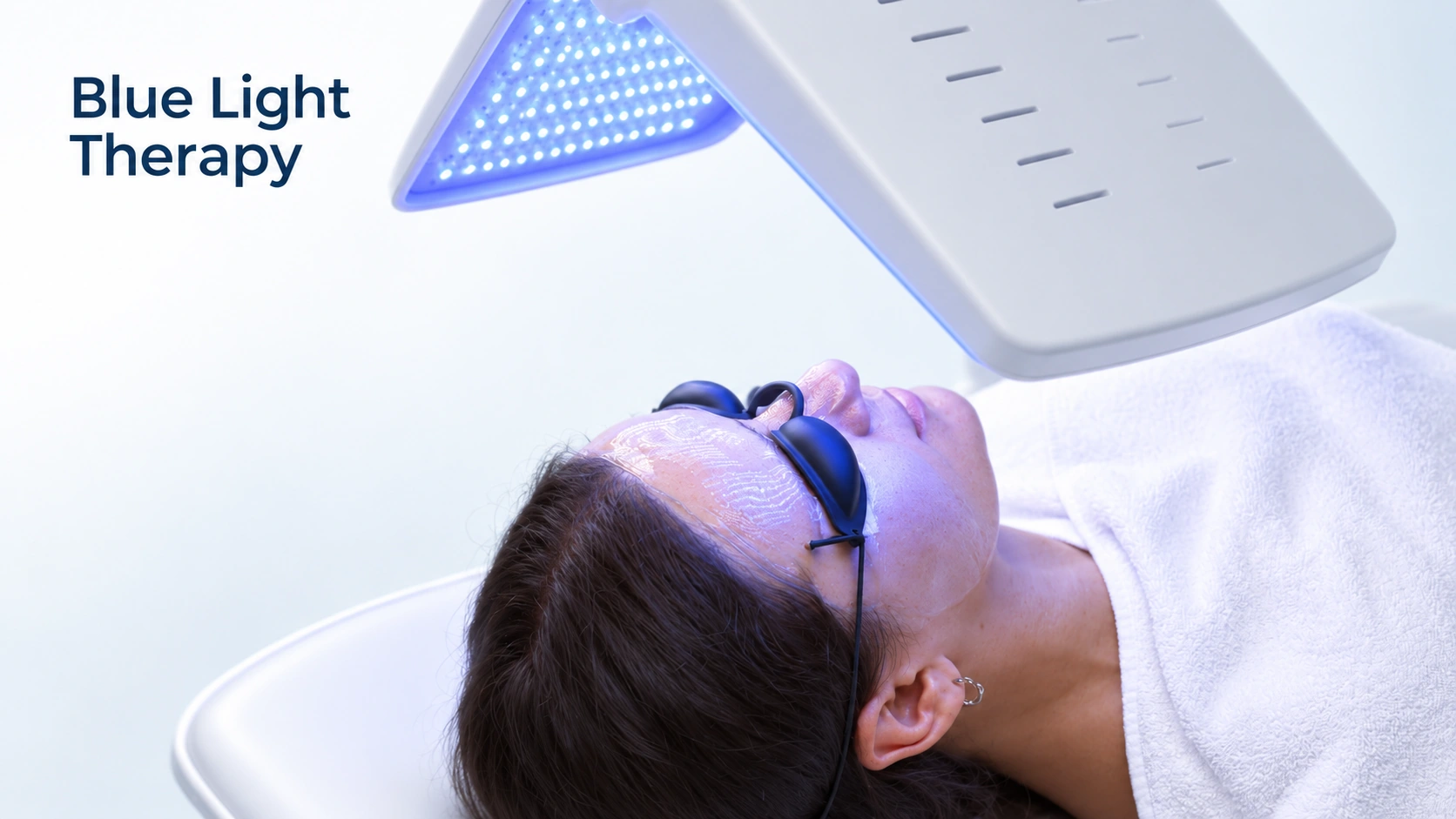
Eye shields on, the handpiece pressed on section by section.
Each pulse is a deep, hot snap against a cold plate. A full face takes about 30 minutes, often with a faint burnt smell from surface hairs. It hurts more than most laser facials, and numbing cream only takes the edge off.
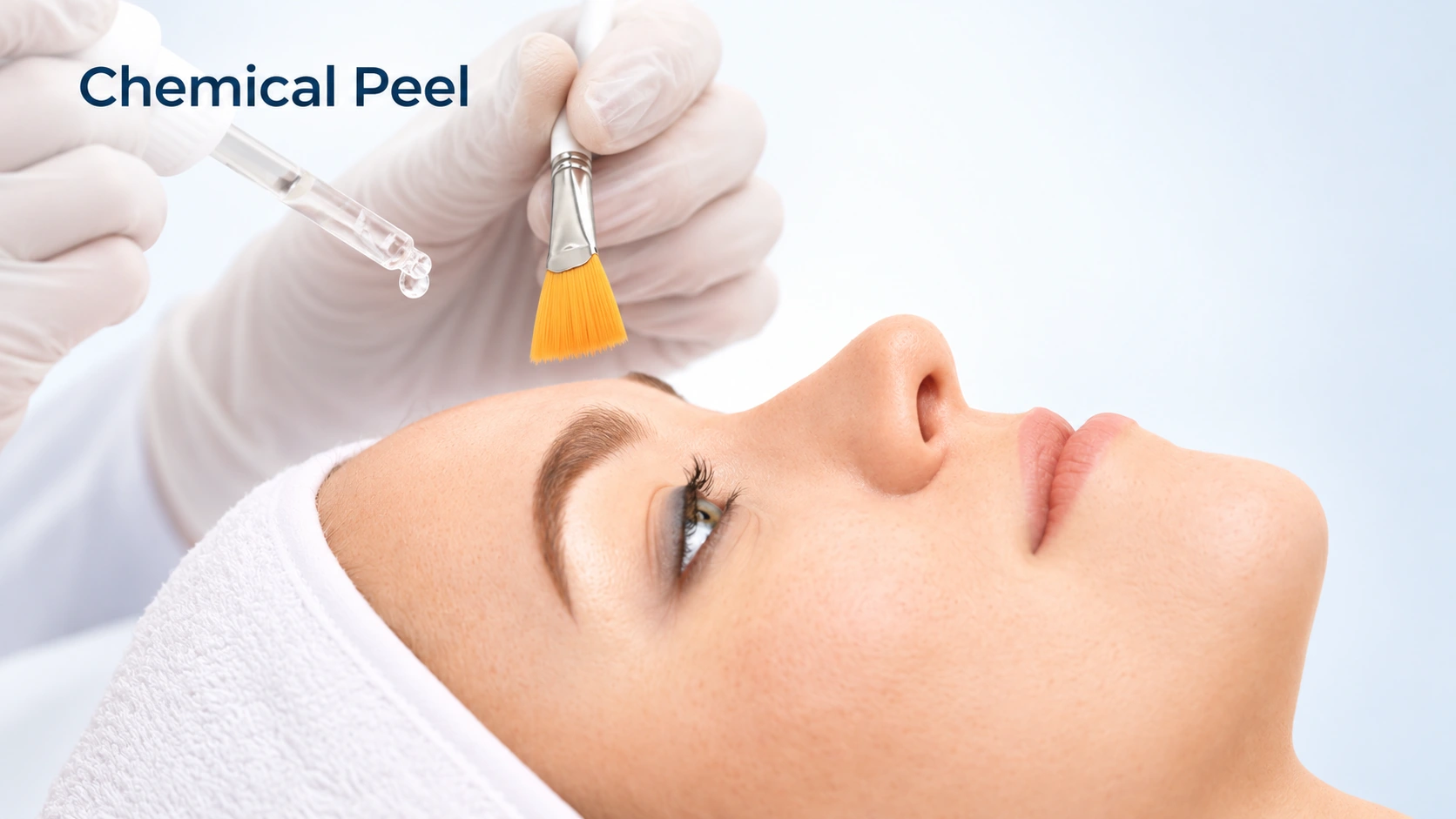
Skin is cleaned and degreased, eyes and lips protected, and the acid brushed on in a set order.
The provider watches for even pinkness, then neutralizes or floods the skin with water. It takes about 20 to 30 minutes. The sting is hot and prickly, climbs over 2 to 5 minutes, then stops seconds after neutralizing. Say so if it turns to burning, which is the signal to stop early.
Red and slightly swollen, like mild sunburn.
Pink, tight skin, a bit like mild windburn.
Redness, warmth and mild swelling for a few hours to a day.
Days 1 to 3: Redness settles; skin may feel rough or dry.
Day 1 to 3: Skin feels dry and rough and can look slightly darker before it sheds.
Day 3 to 5: Flaking finishes and skin looks brighter underneath.
Weeks 1 to 4: New spots are common, especially after the first session.
Week 1 to 2: A few spots in the first week or two as clogged pores clear are common, and settle on their own.
3–6 months after the last session
Within days
1–2 years in many; some need maintenance
Weeks to months with skincare
In the US a three-session course runs about $2,500 to $4,500, sold as a package.
In the US a superficial glycolic peel usually runs about $100 to $250 a session, depending on the city, a medical office versus a spa, and whether it is bundled with a facial.
Insurance does not cover it — acne is medical, but this counts as elective.
Insurance does not cover peels done for brightness, texture or post-acne marks.
No head-to-head trial exists. Both use the same wavelength with similar results. Accure adds real-time temperature monitoring; AviClear has been in use longer. Operator experience matters more than the device.
Not for everyone. Isotretinoin is more reliable and durable for severe acne, and far cheaper. The laser suits people who cannot or will not take it, or whose moderate acne failed topicals.
A flare in the first few weeks is expected — damaged glands empty out and inflammation rises before it falls. It usually settles by week 4 to 6.
Improvement holds out to one and two years in many patients, but the data is limited and mostly industry-funded. Some need maintenance. Nobody can promise permanence yet.
Yes. It targets oil, not pigment, so it is one of the few acne lasers cleared for all skin types including the deepest. Heat can still leave dark patches, so settings and aftercare matter.
Glycolic is water-soluble and works on the surface, so it suits dullness, rough texture and brown marks. Salicylic is oil-soluble and gets inside the pore, so it suits blackheads and whiteheads. Some providers blend the two.
Glycolic keeps working until it is stopped, either with a basic solution or by flooding the skin with water. The provider watches a timer and the skin at the same time. Peels left on too long are how burns happen.
Not on its own. The pH and the contact time matter as much as the number. A well-judged 30% peel can do more than a careless 70% one.
Often only lightly, and sometimes not at all. Fine flaking for a day or two is usual, and no flaking does not mean it failed.
4 to 6 peels, 2 to 4 weeks apart, then maintenance every couple of months. One peel gives roughly a week of brightness.
Yes, and skin on a retinoid usually peels more evenly. Stop it about 3 to 5 days before and restart once flaking has finished.