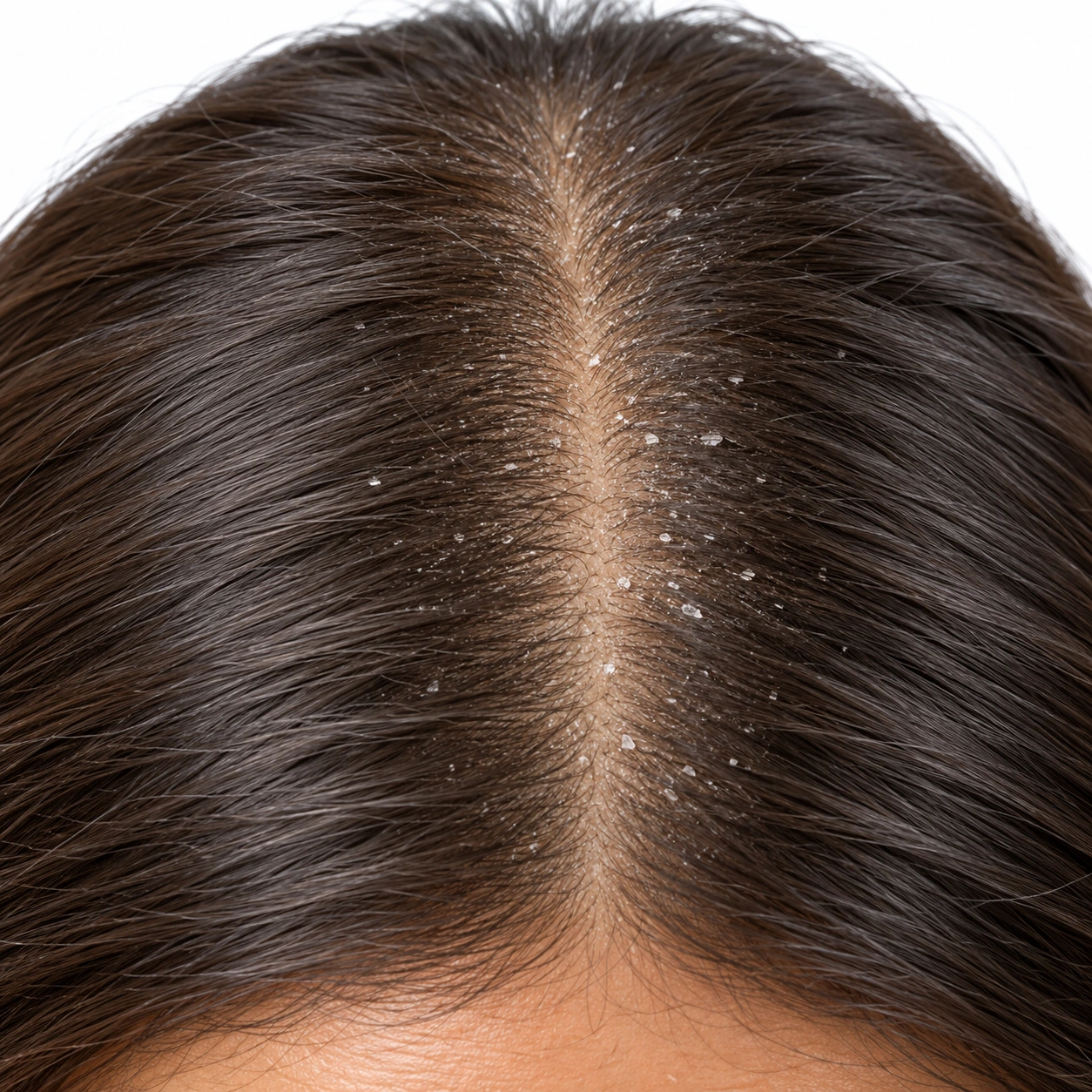
Artificial tears
ListedSuitable lubricating drops can improve comfort; preservative-free products may suit frequent use.
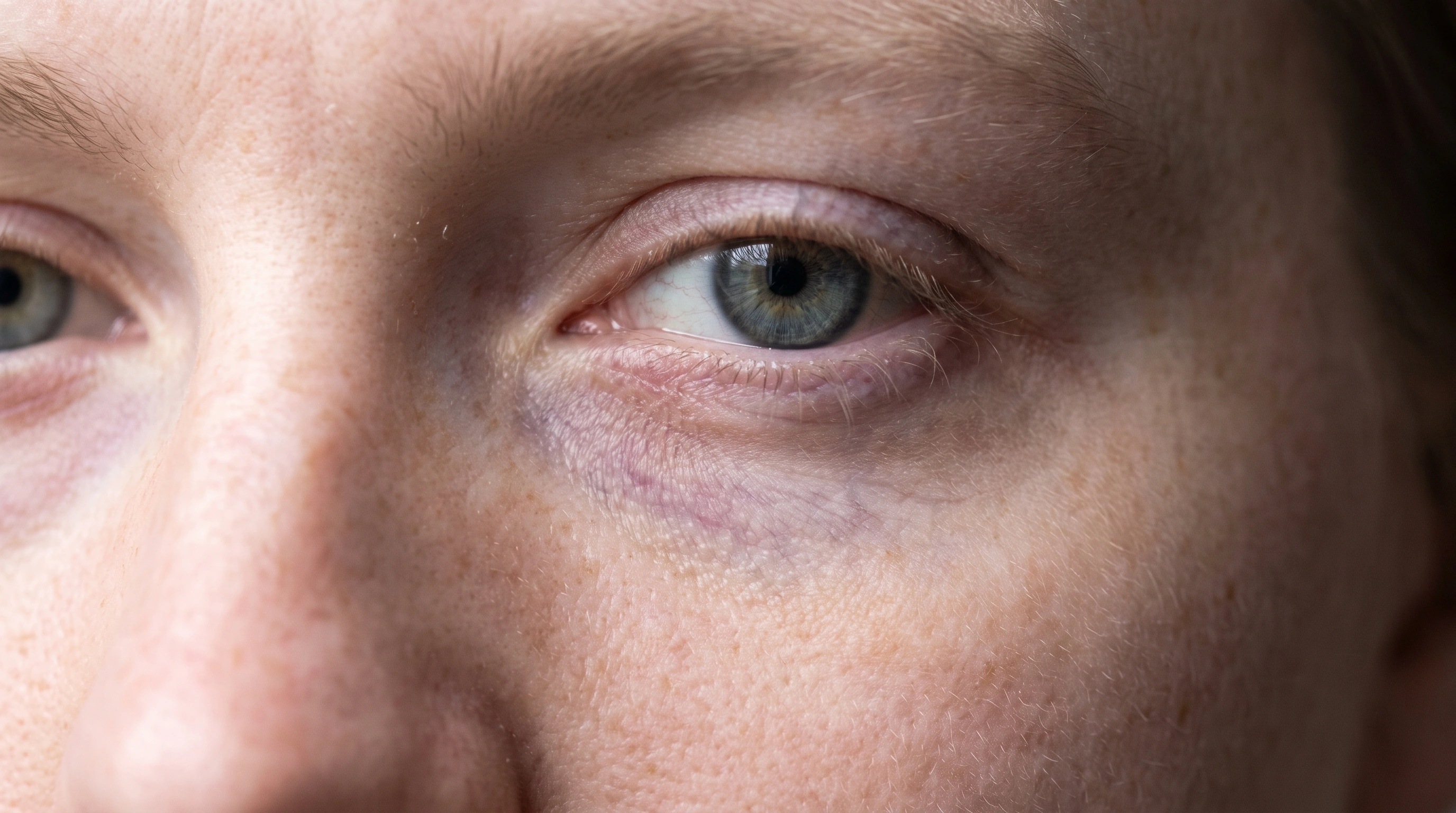
Ocular rosacea is inflammation affecting the eyelids and eye surface, with or without obvious facial rosacea. Tears are insufficient or unstable, leaving the eye surface irritated.
The same eight facts on every condition comparison.
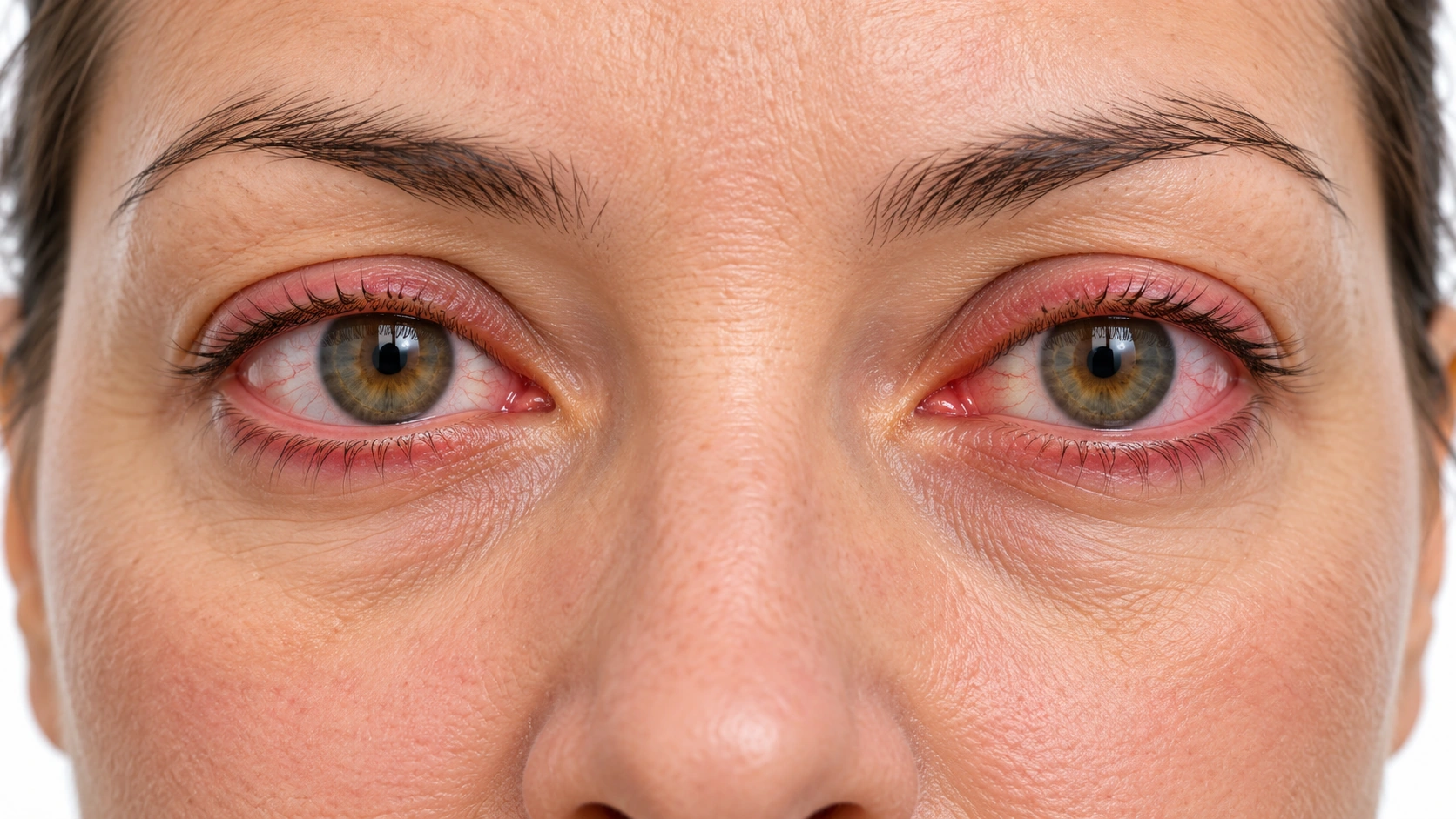
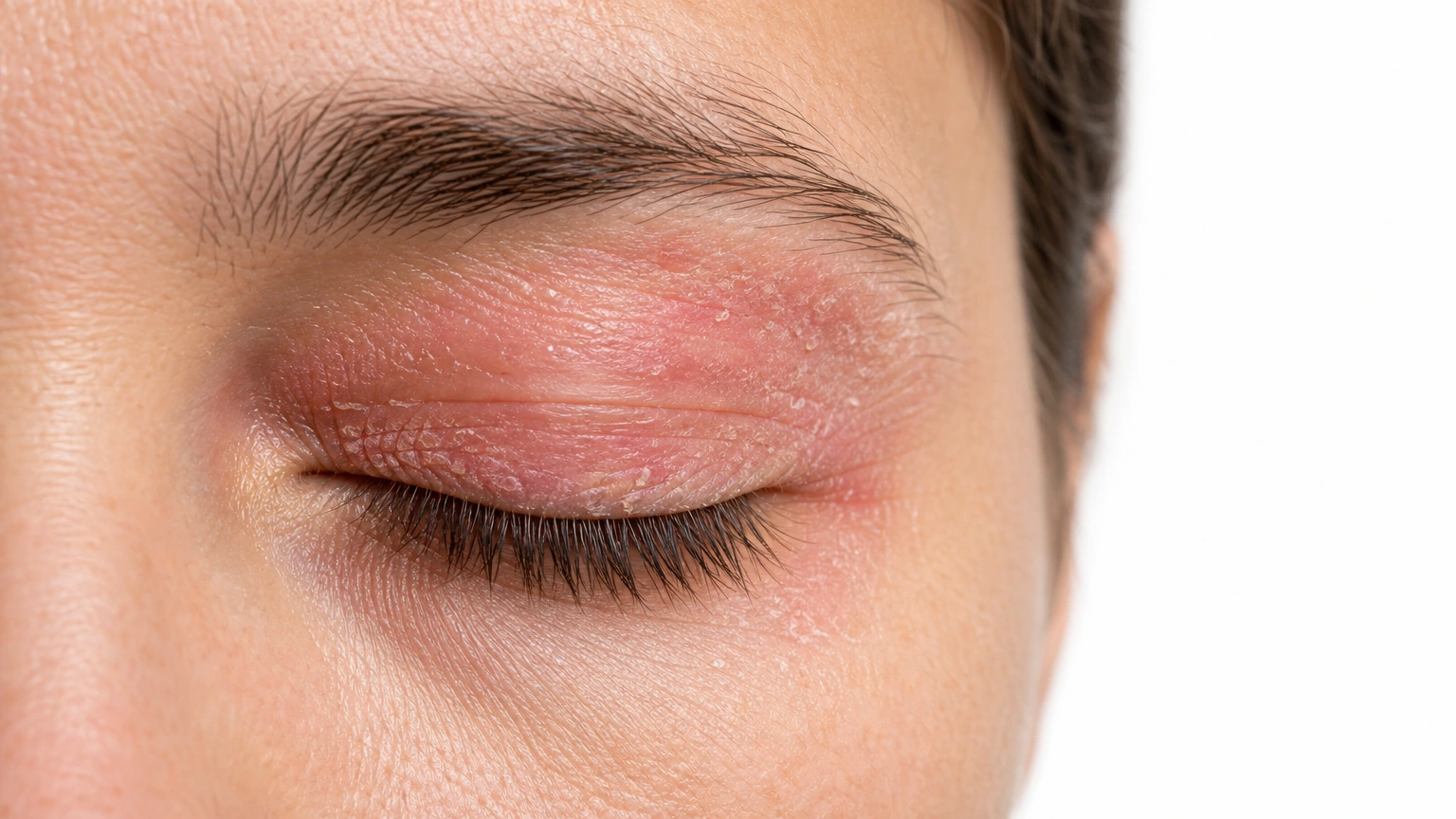
Rosacea (Eyes) The eyelid edges and exposed eye surfaces look reddened.
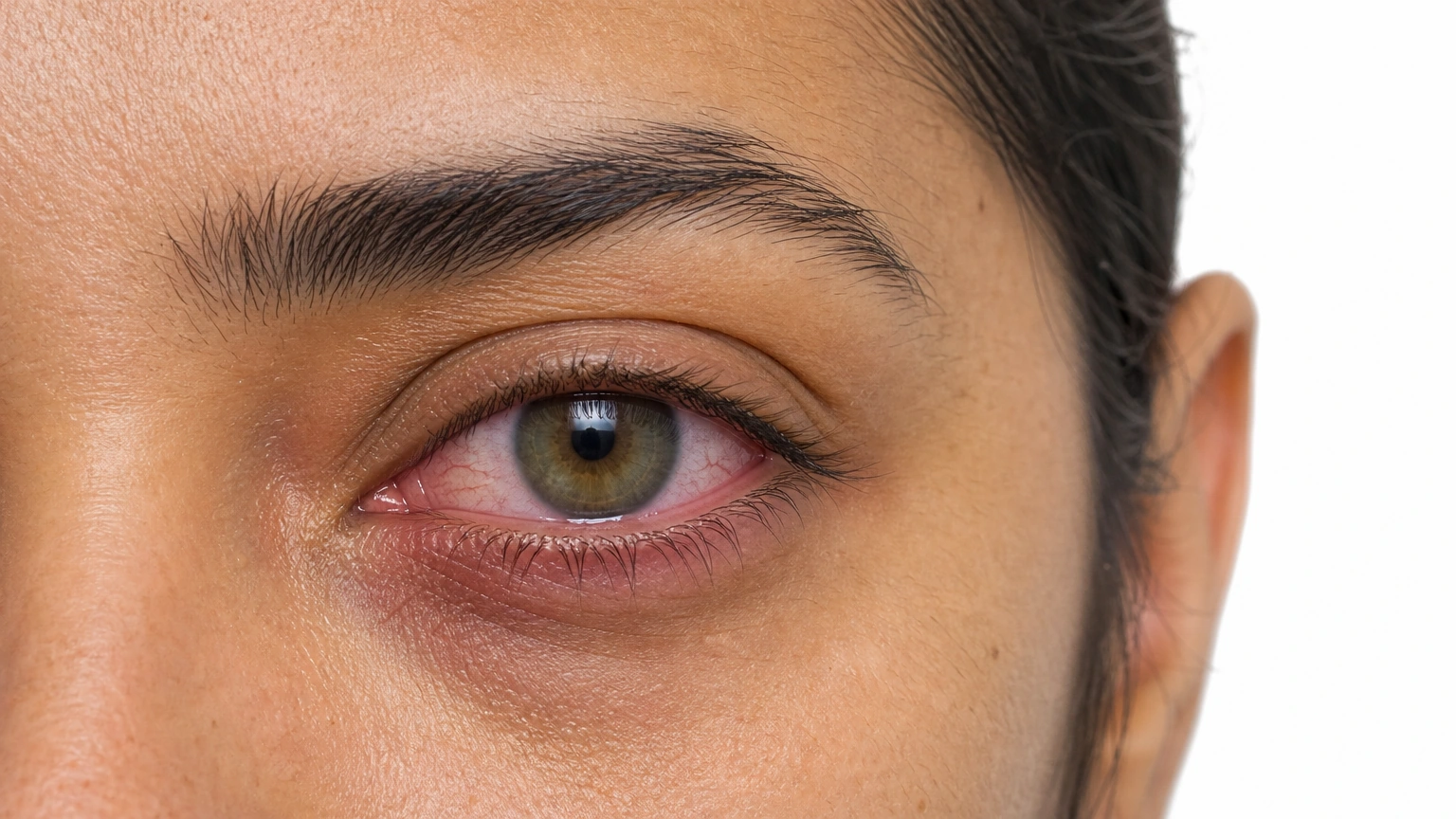
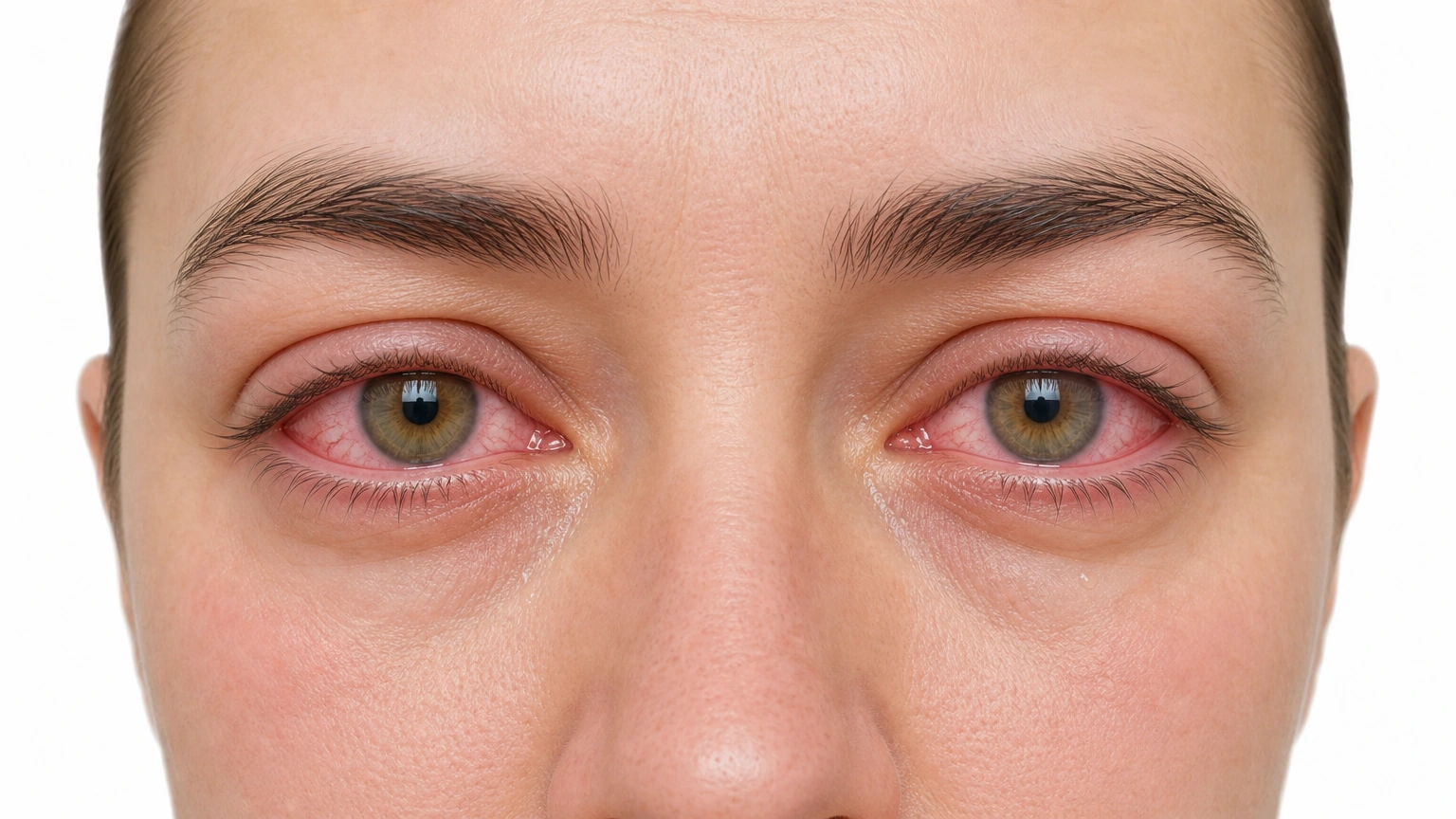
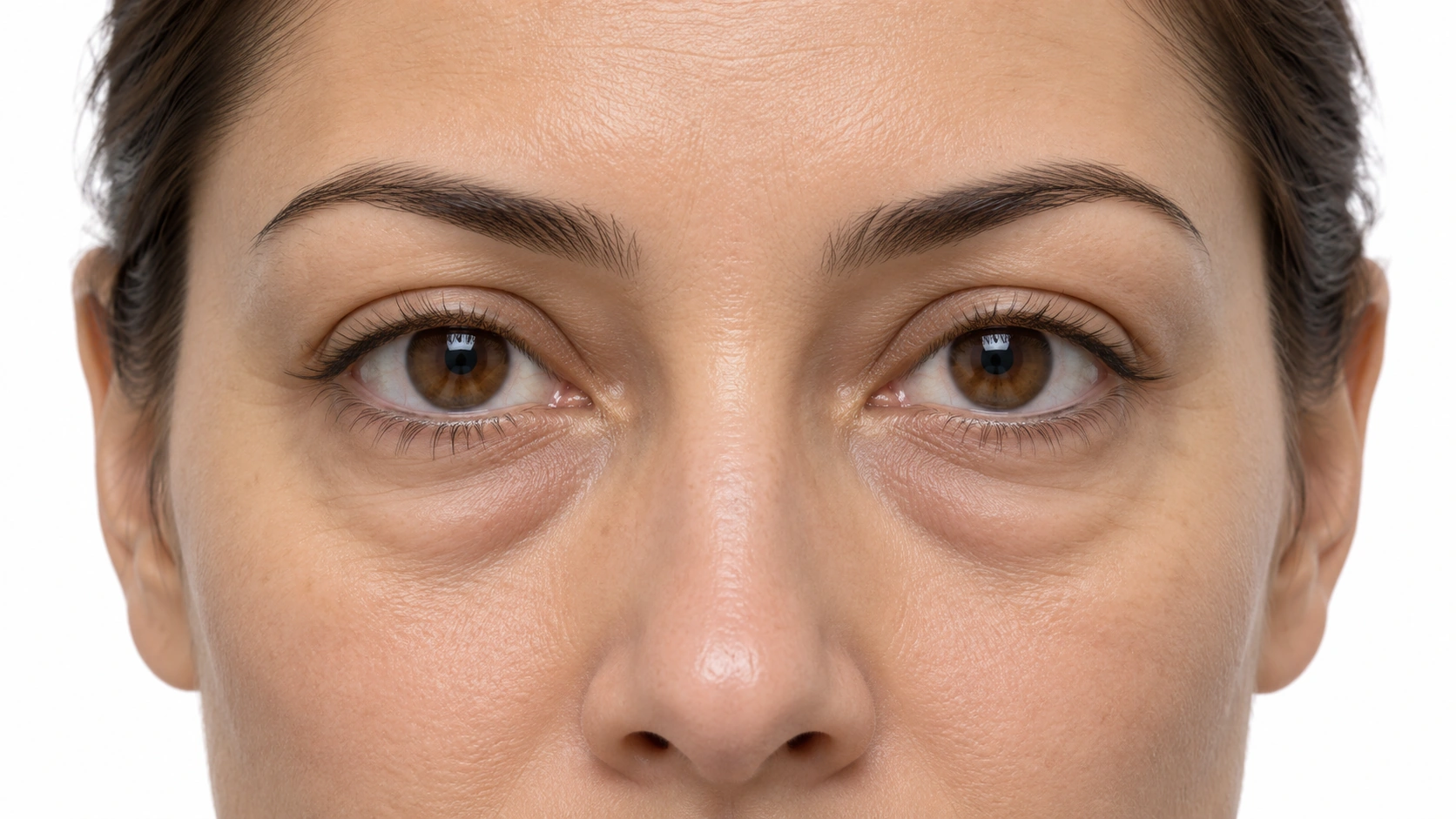
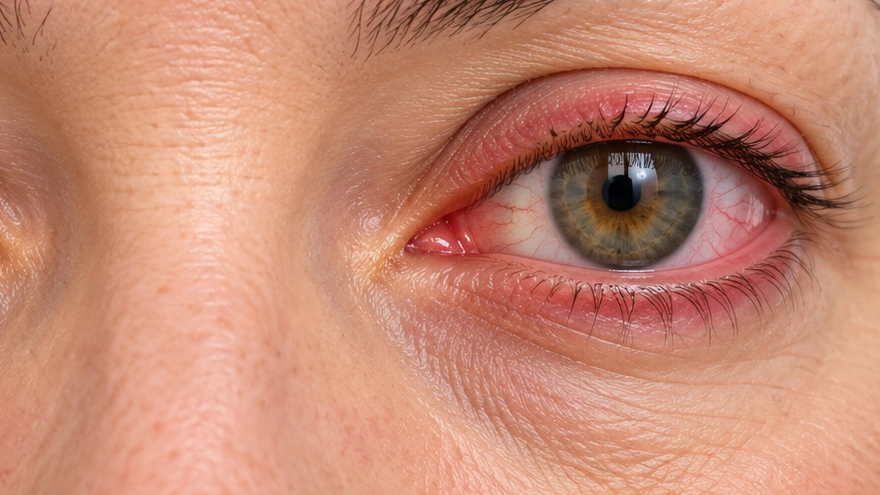
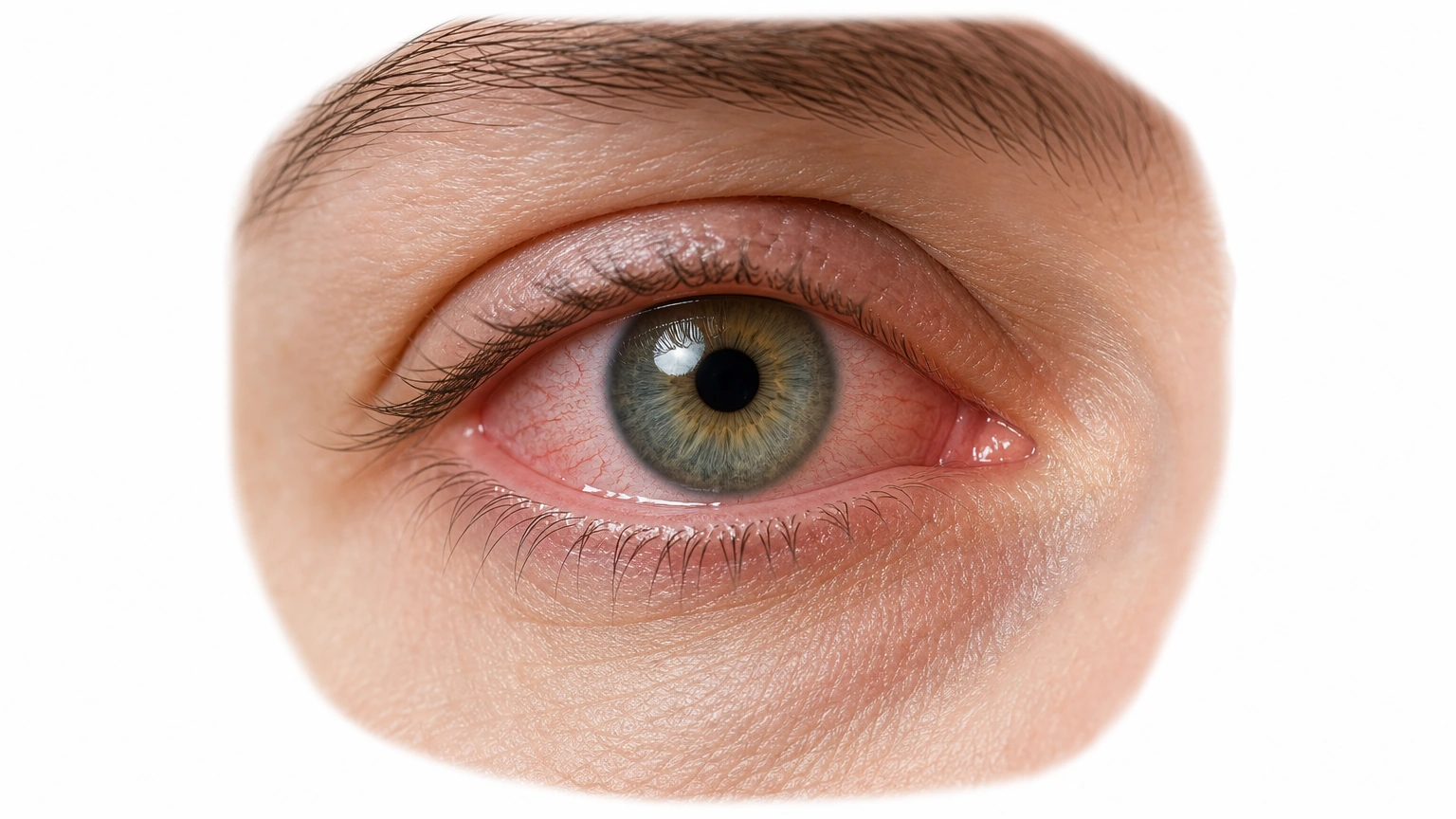
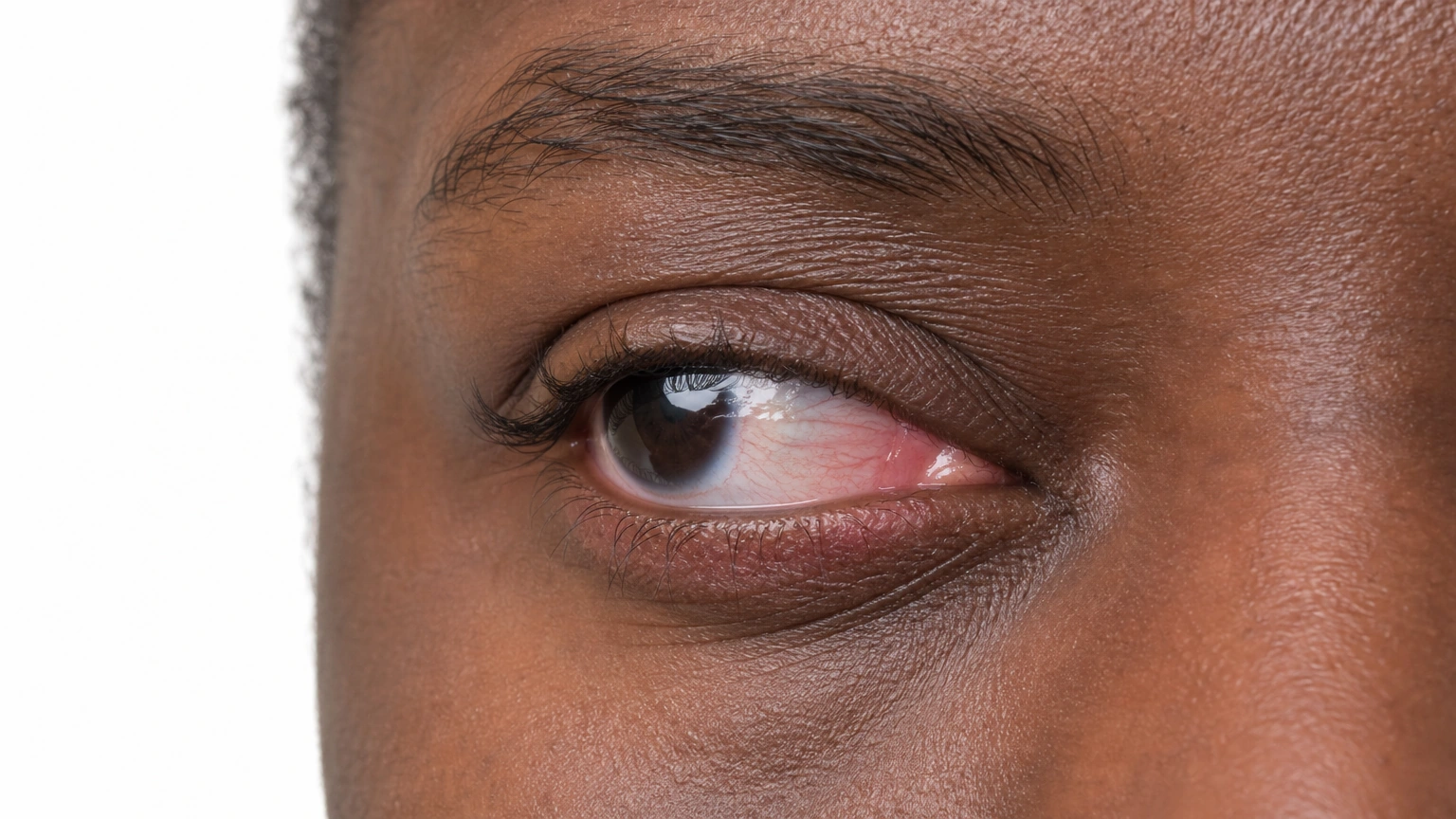
Dry Eye A close-up highlights redness around the exposed eye surface.
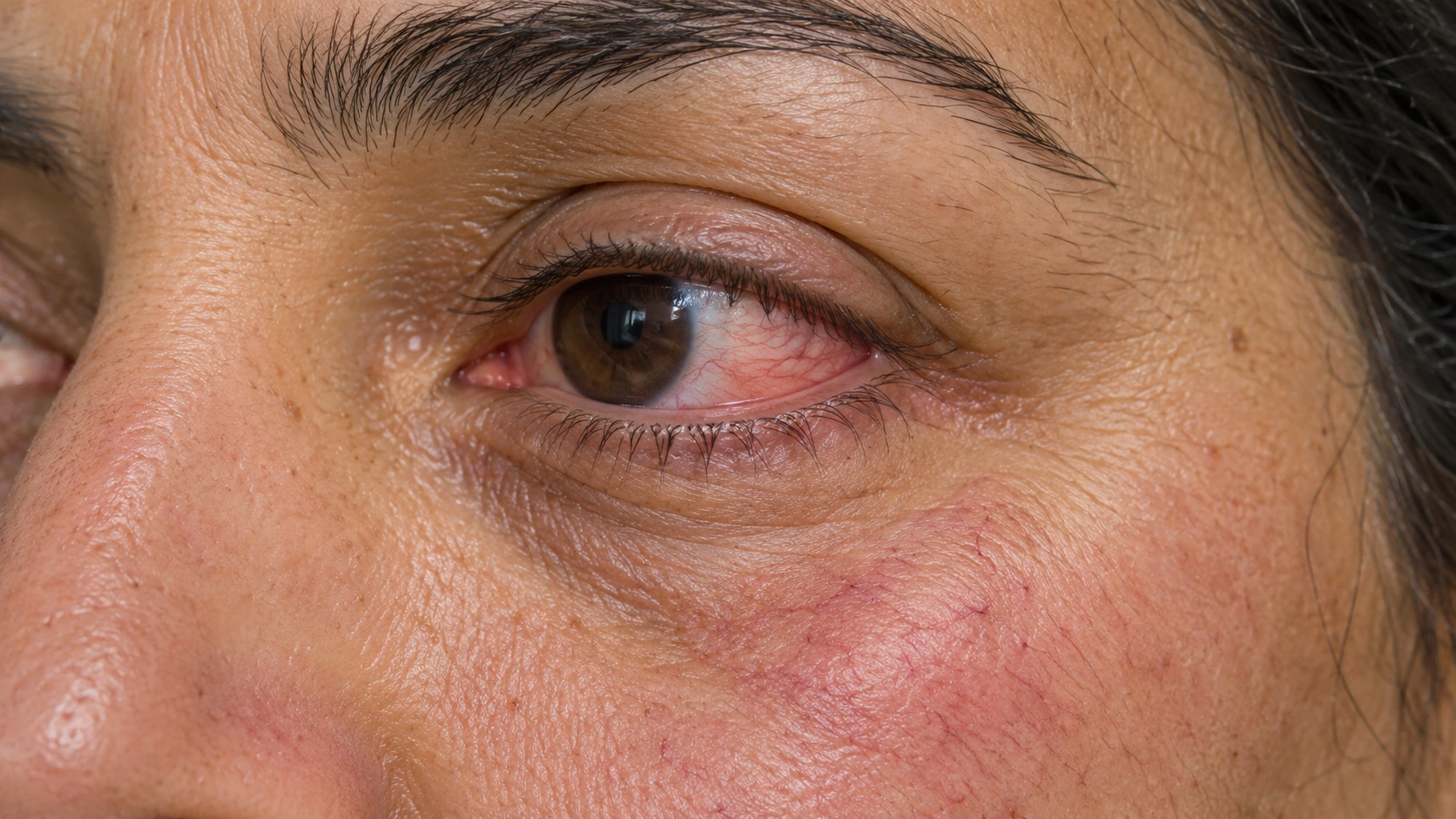
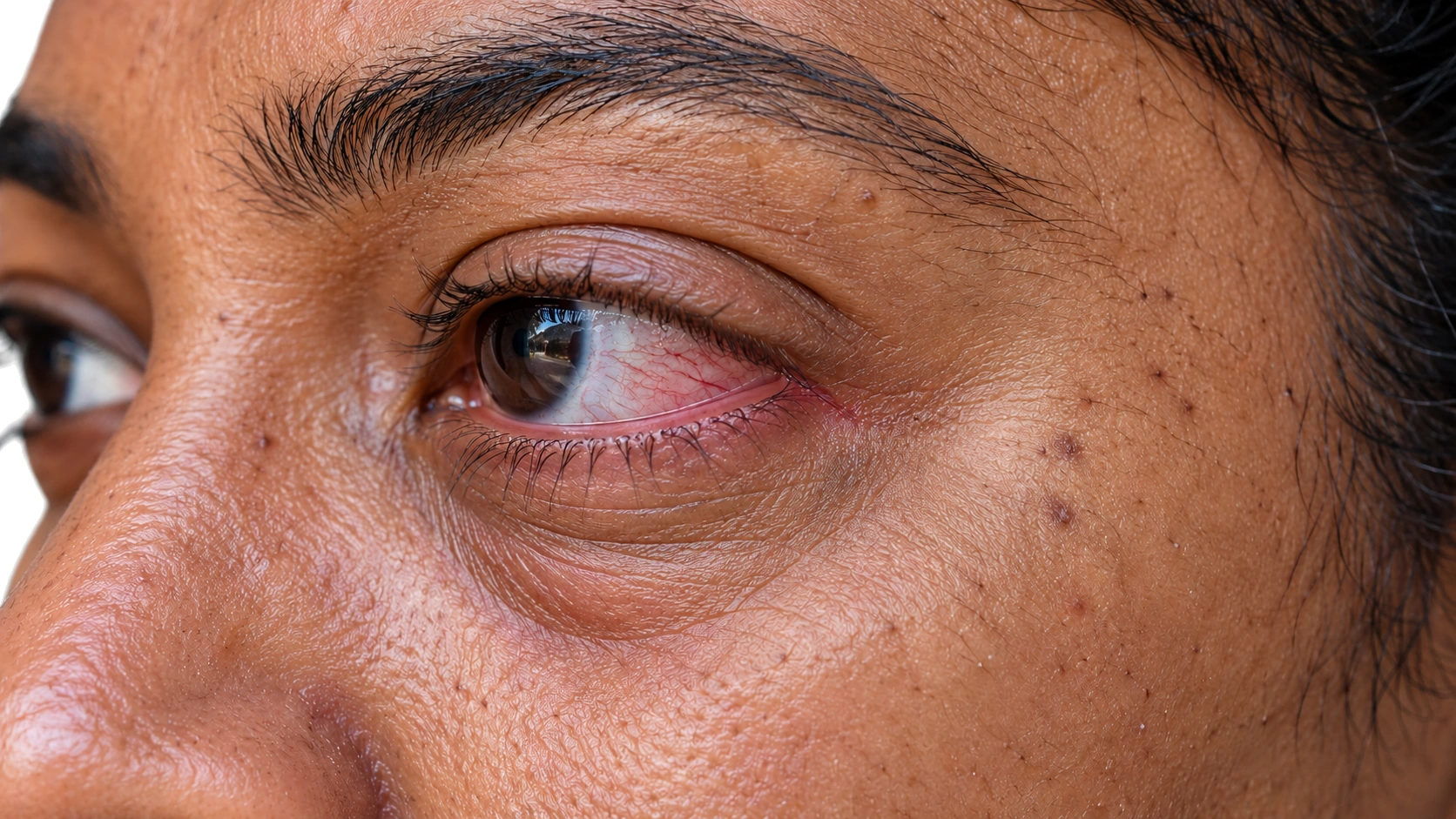
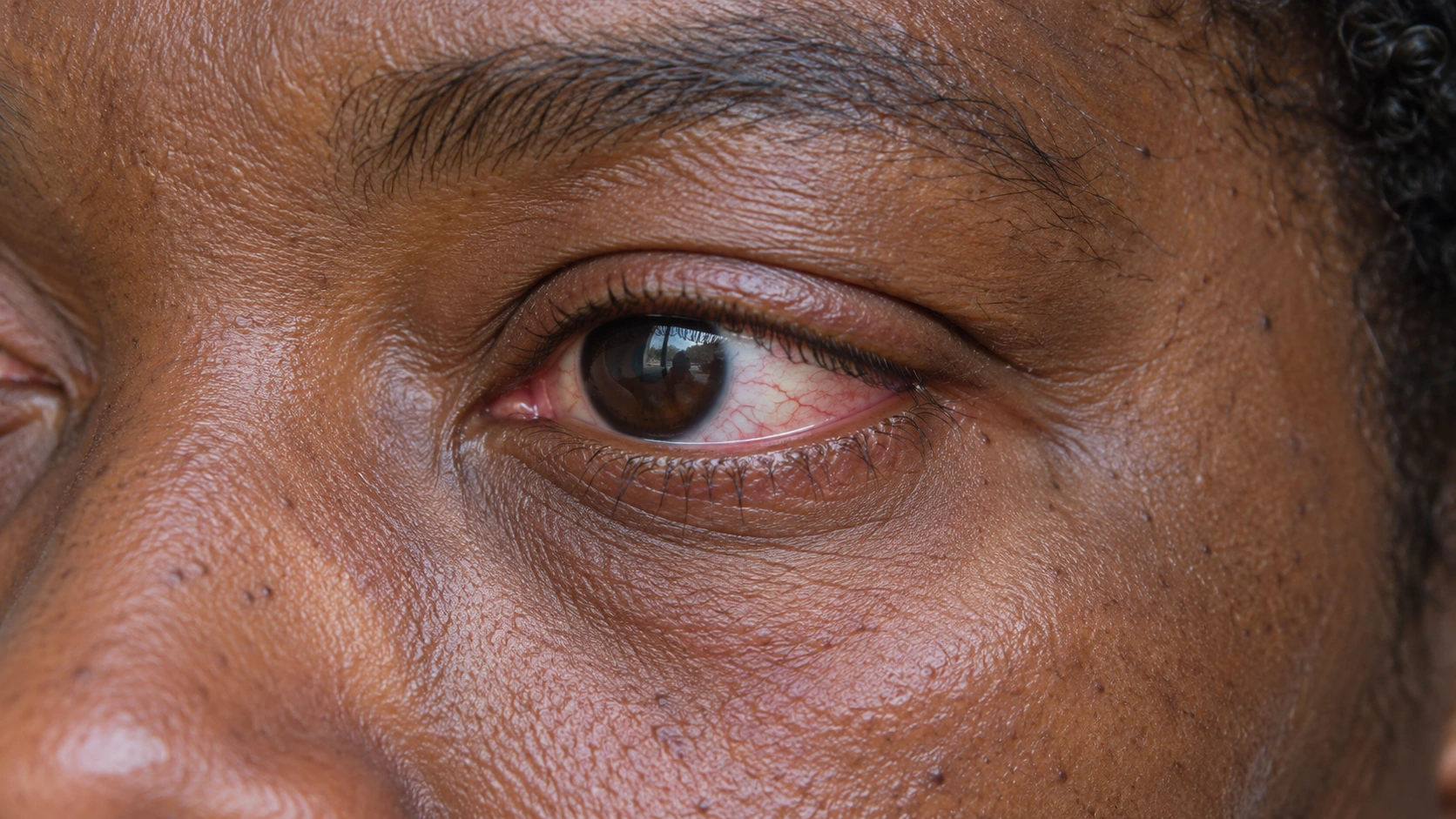
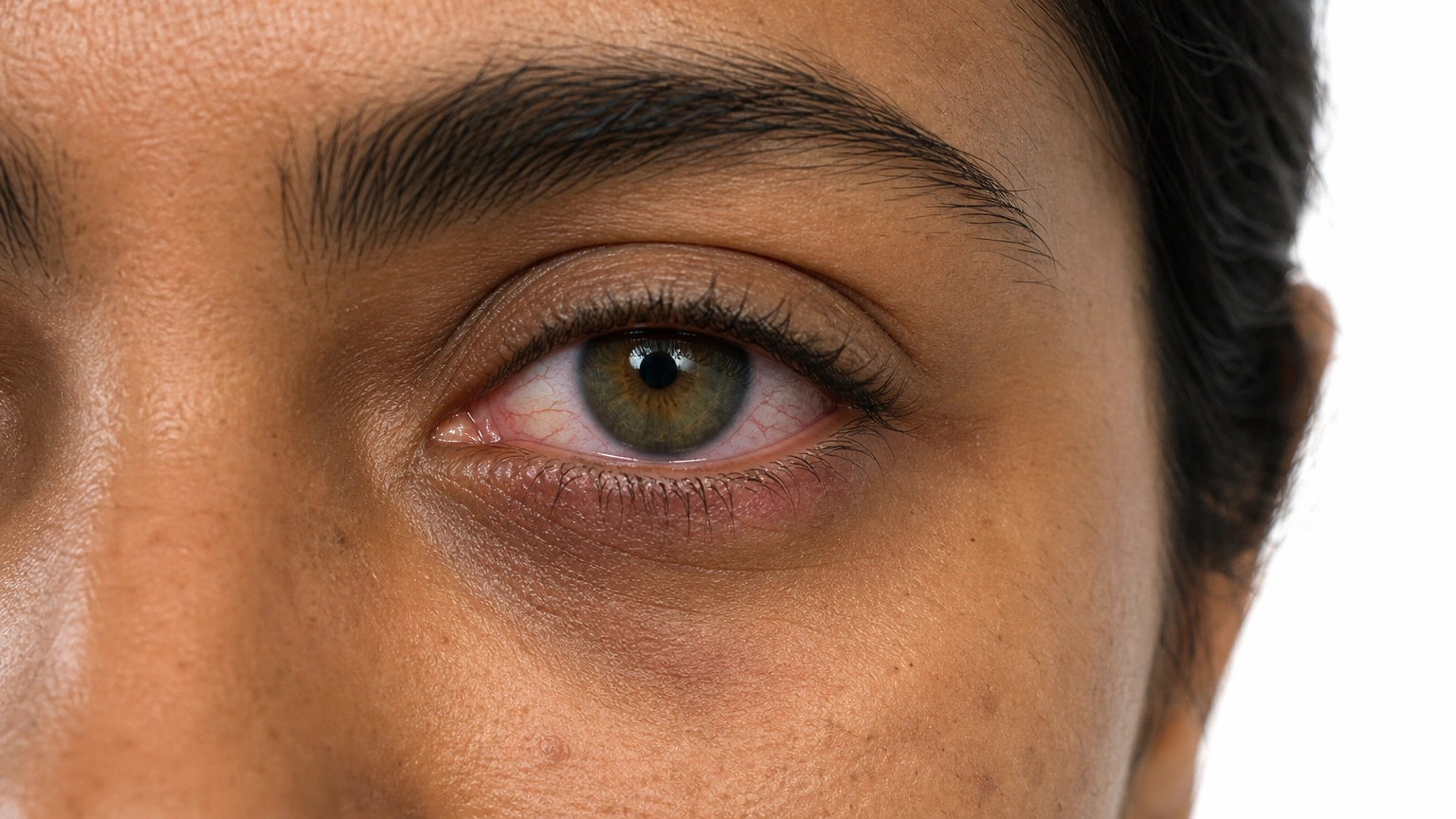
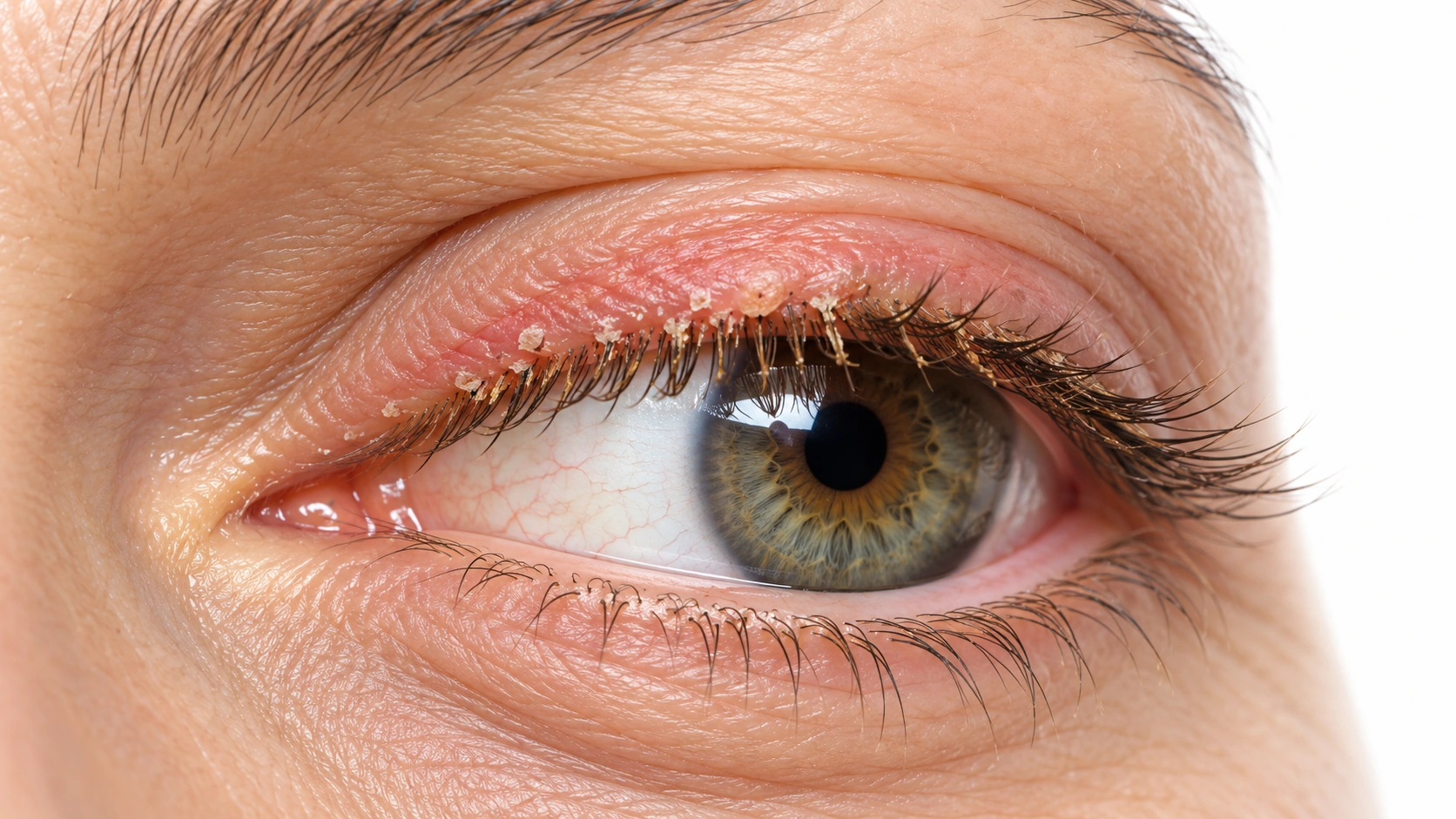
Inflammation can affect the eyelids and their oil glands. Altered oil secretion destabilizes the tear film and contributes to irritation of the eye surface.
Too little tear production, excessive evaporation or both disrupt the protective tear film. The exposed eye surface becomes less well lubricated and may become irritated.
Rosacea (Eyes). Can occur at different ages; eye symptoms may precede facial changes.
Dry Eye. Can occur at different ages depending on the cause.
Inflammation and dysfunction of eyelid oil glands disturb the tear film.
Reduced tear production or excessive evaporation disrupts the protective tear film.
Evidence labels come from each condition’s own treatment list.
Suitable lubricating drops can improve comfort; preservative-free products may suit frequent use.
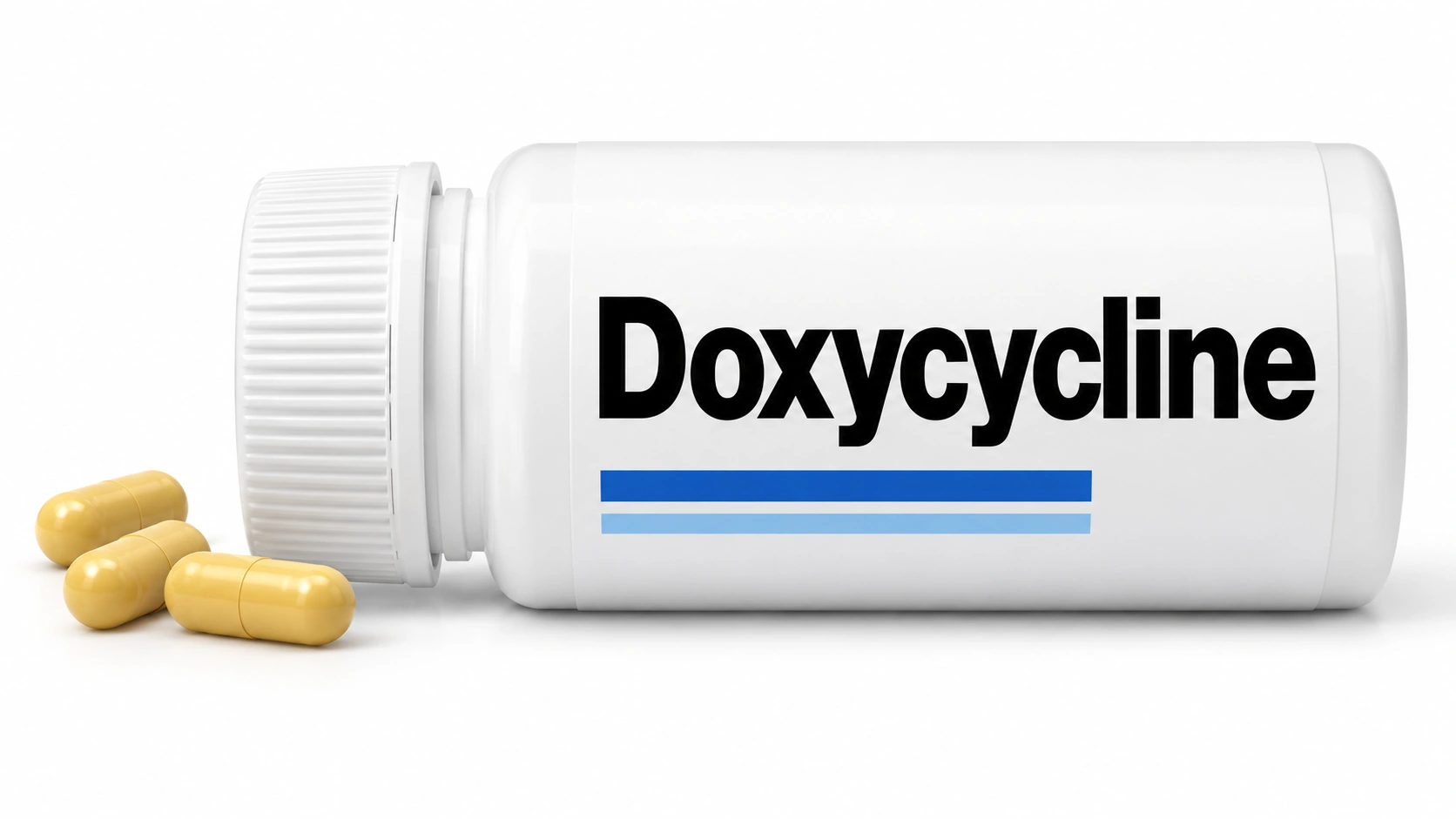
Persistent or more severe disease may need prescription treatment such as doxycycline in appropriate patients.
Ocular rosacea can flare repeatedly and may need long-term eyelid care and treatment. Eye pain, light sensitivity or a change in vision needs urgent assessment because the cornea can be affected.
Dry eye often needs ongoing care rather than a single course of drops. Comfort can improve when the tear-film problem and contributing factors are addressed; persistent symptoms need reassessment by an eye clinician.
Corneal involvement can threaten sight; symptoms should not be dismissed as cosmetic redness.
Severe dryness can damage the cornea; autoimmune disease can contribute in some people.
Get urgent eye assessment for pain, light sensitivity or blurred vision.
Eye pain, light sensitivity, vision change or severe swelling needs urgent assessment. A red eye in a contact-lens wearer also needs prompt care.
Ocular rosacea is inflammation affecting the eyelids and eye surface, with or without obvious facial rosacea.
Use clinician-advised lid hygiene and warm compresses. Avoid rubbing the eyes.
Get urgent eye assessment for pain, light sensitivity or blurred vision.
Tears are insufficient or unstable, leaving the eye surface irritated.
Take screen breaks, avoid direct airflow and discuss suitable lubricating drops with an eye clinician.
Eye pain, light sensitivity, vision change or severe swelling needs urgent assessment. A red eye in a contact-lens wearer also needs prompt care.
Sources