Clinician-selected eyelid treatment
ListedA brief low-potency steroid or a steroid-sparing medicine may be appropriate; avoid unsupervised potent steroids near eyes.
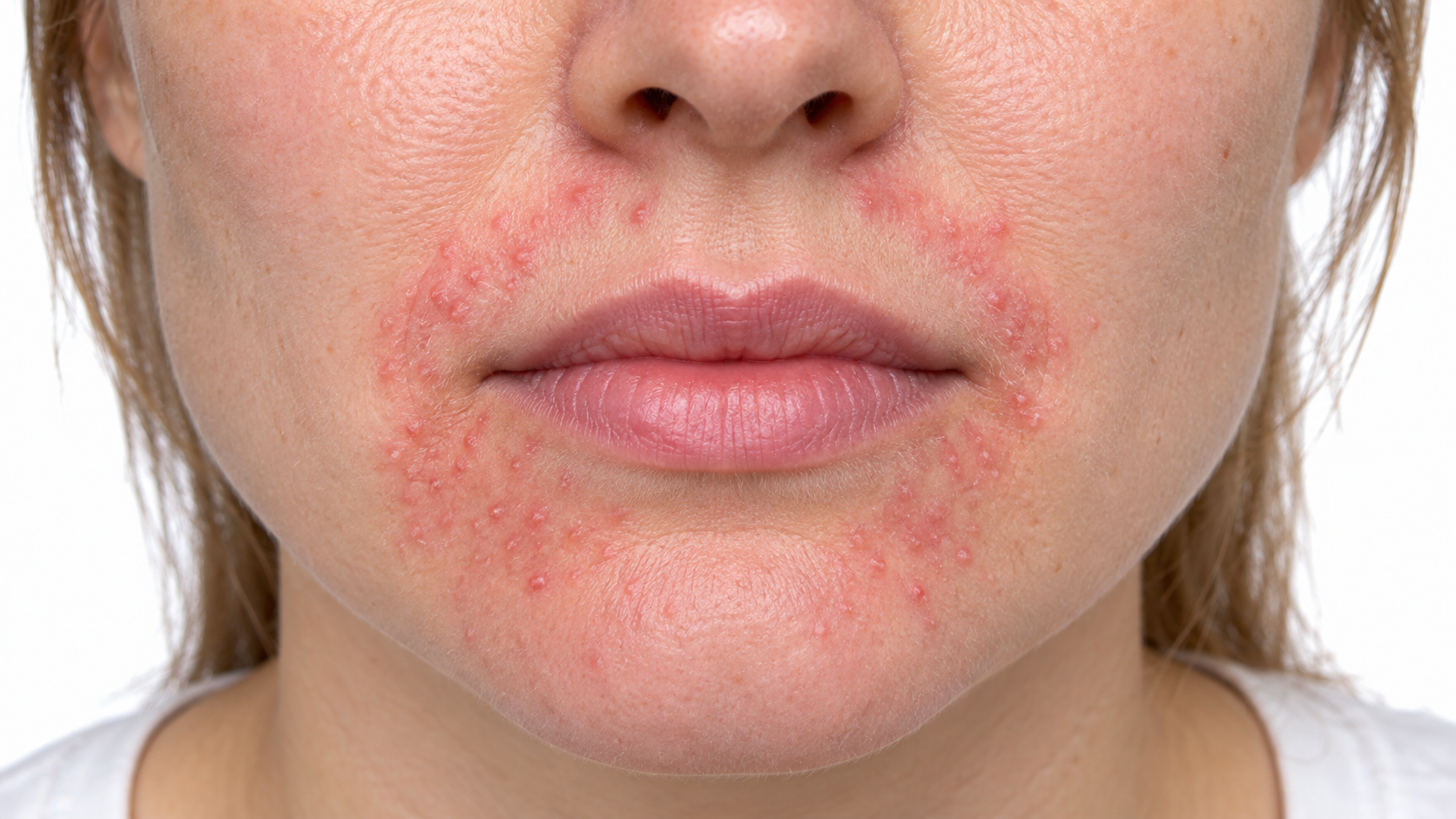
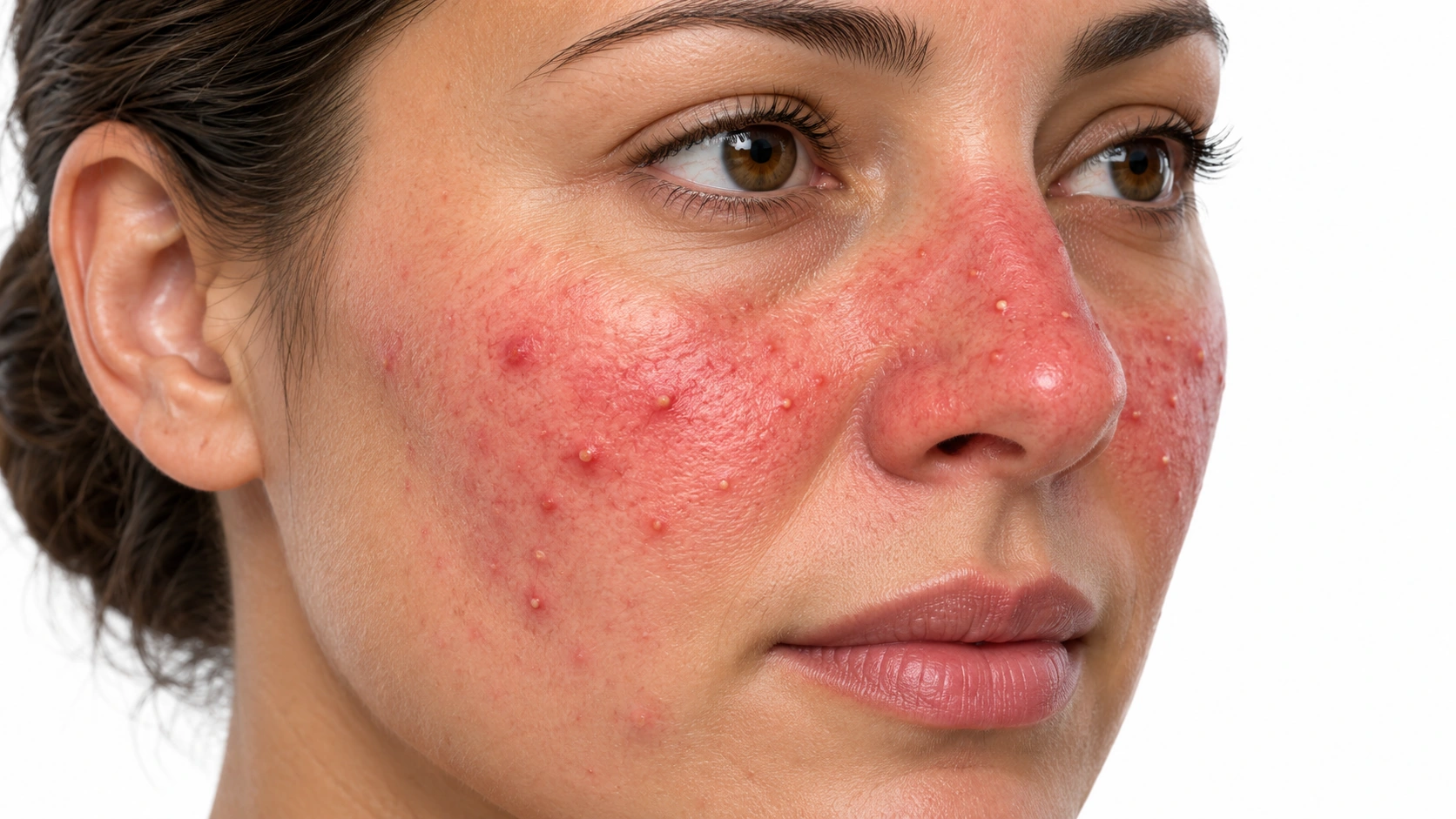
Eczema of the thin eyelid skin, often related to irritation or contact allergy. Ocular rosacea is inflammation affecting the eyelids and eye surface, with or without obvious facial rosacea.
The same eight facts on every condition comparison.
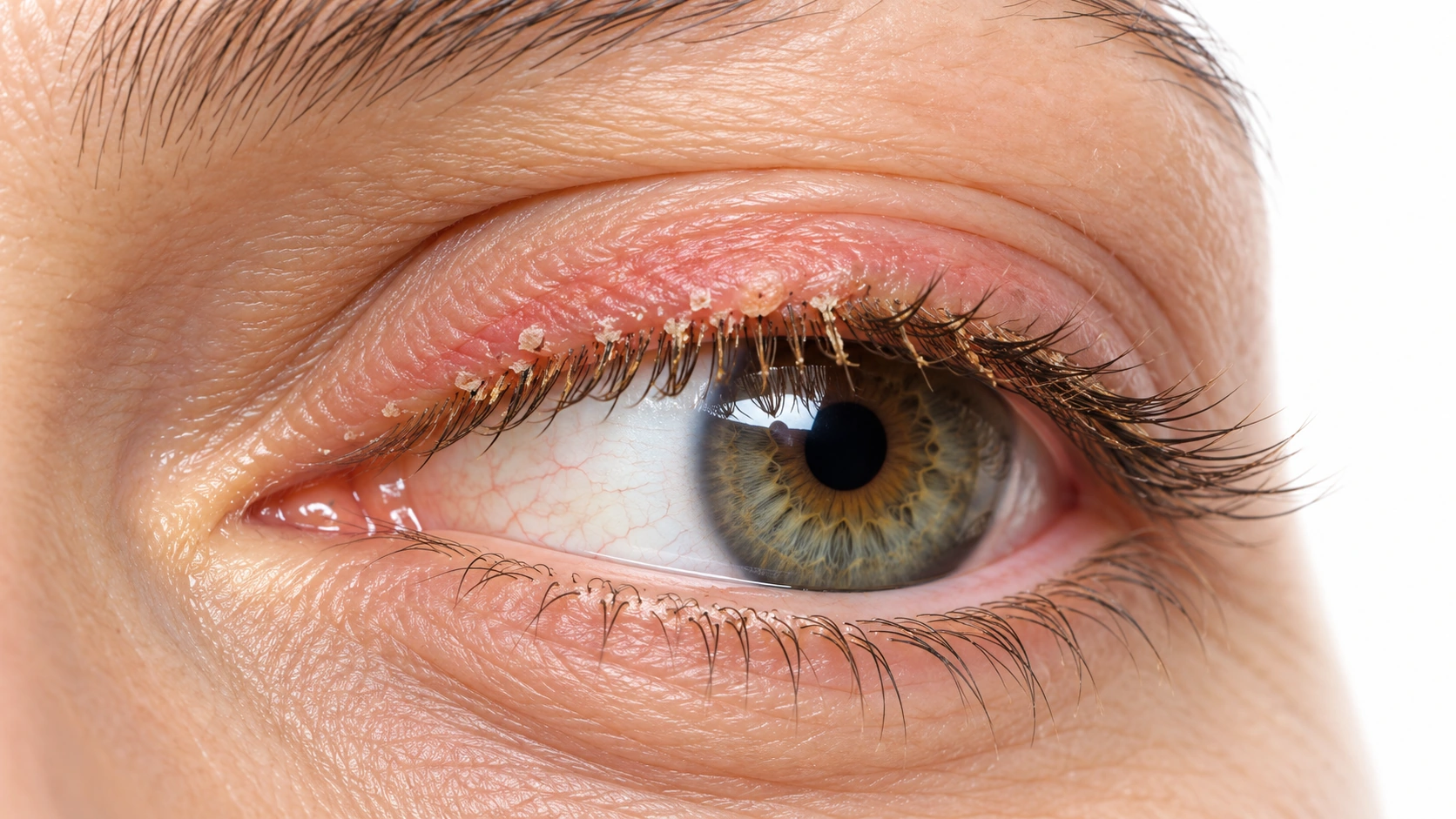
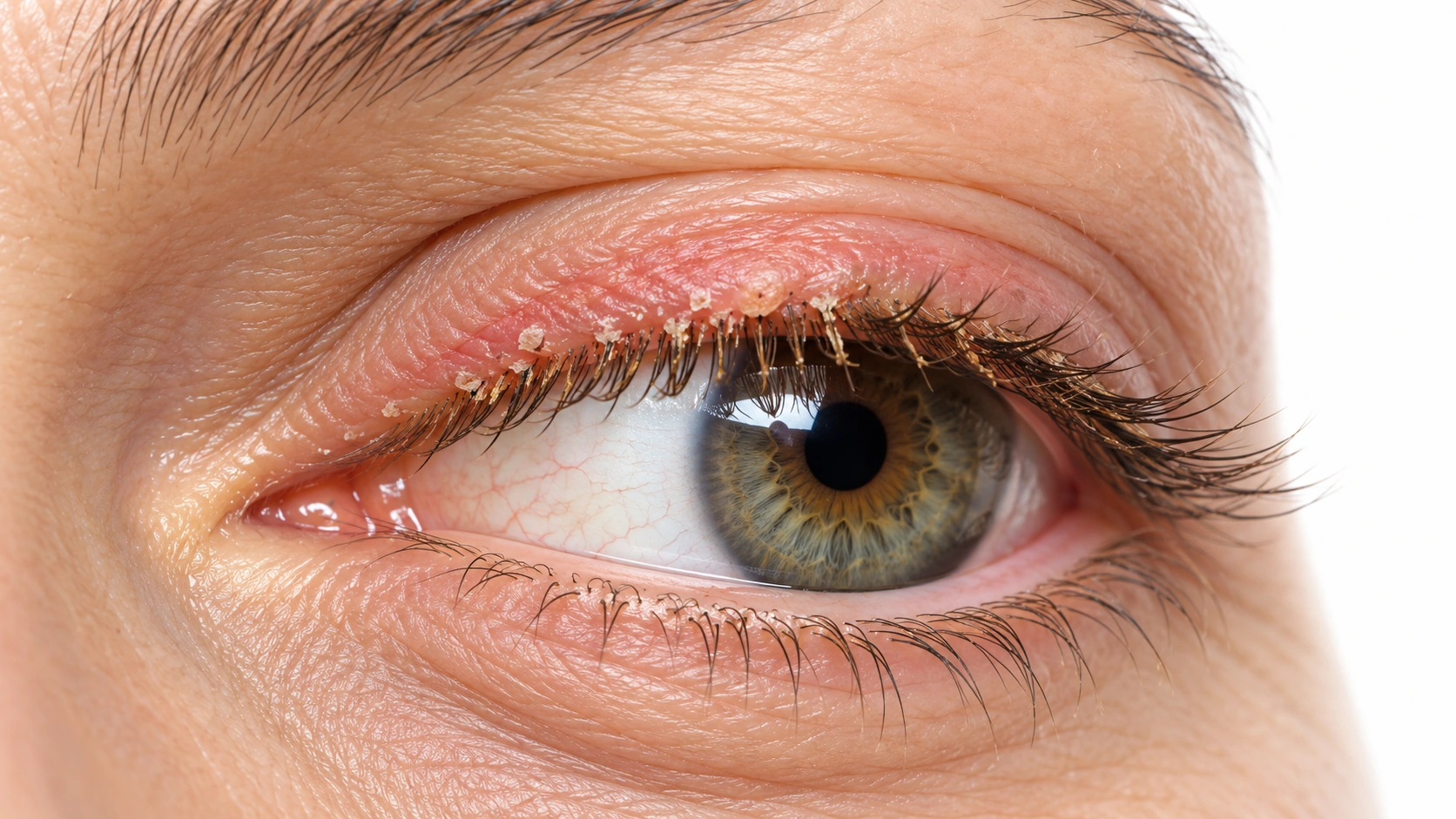
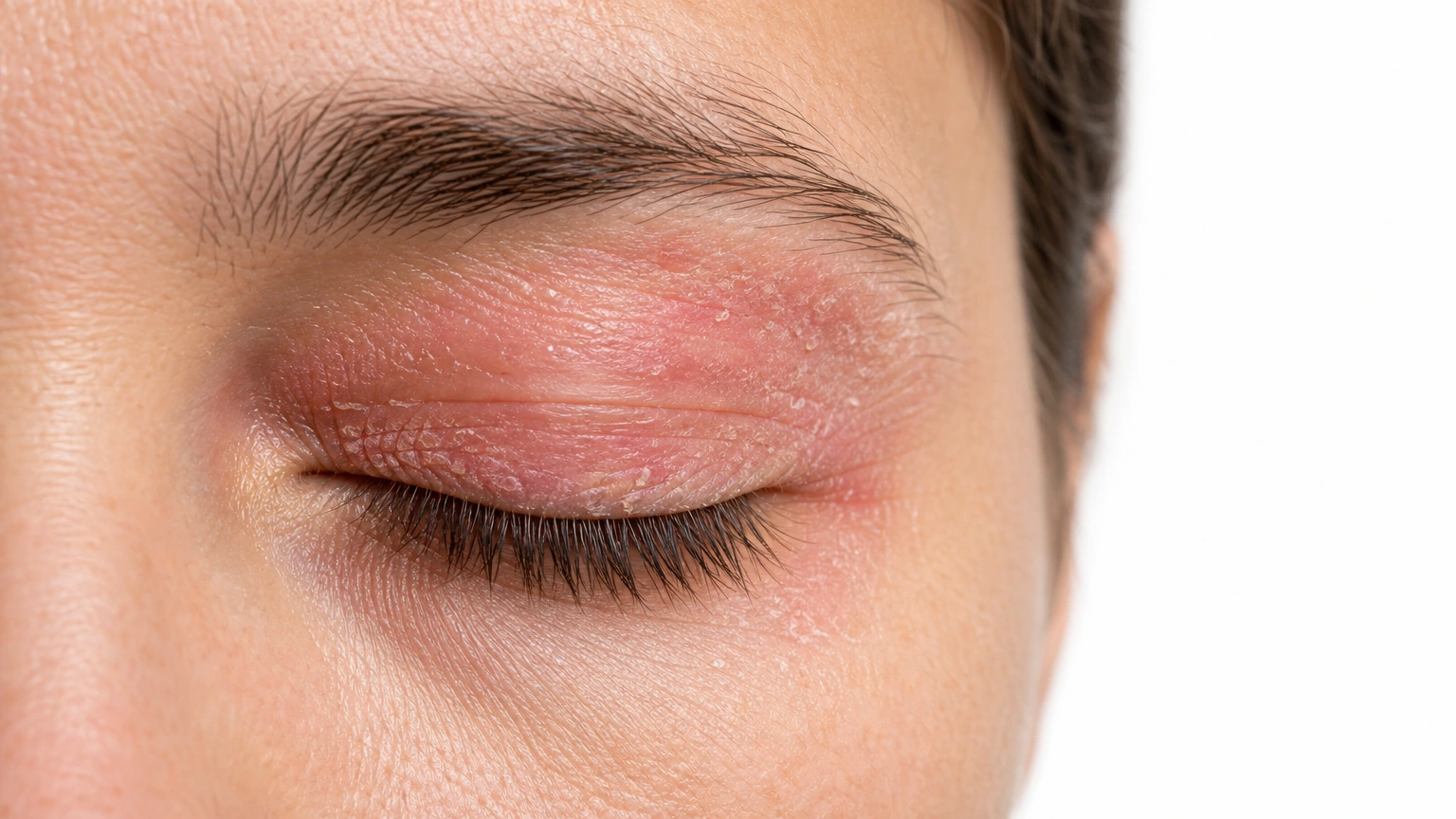
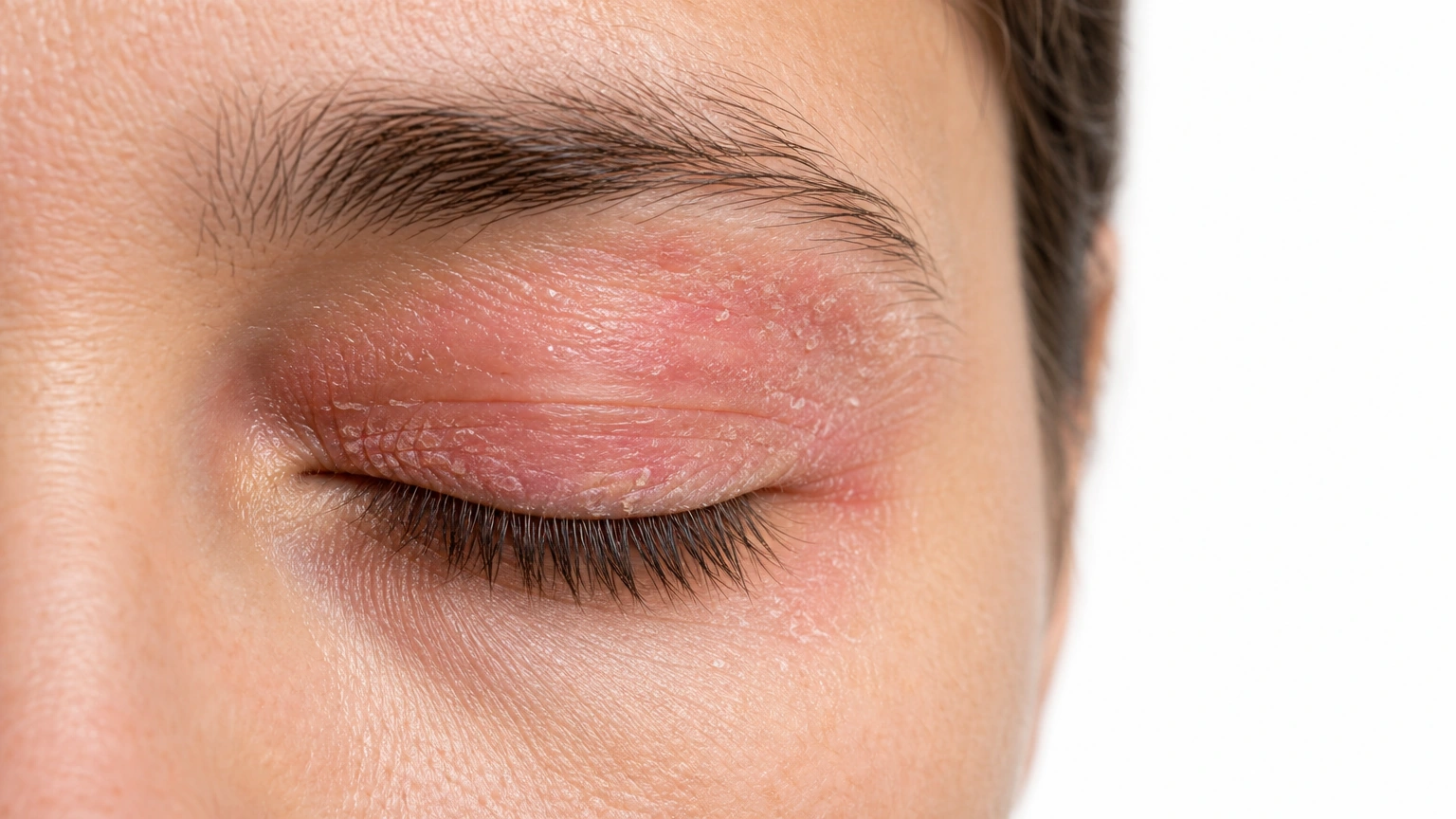
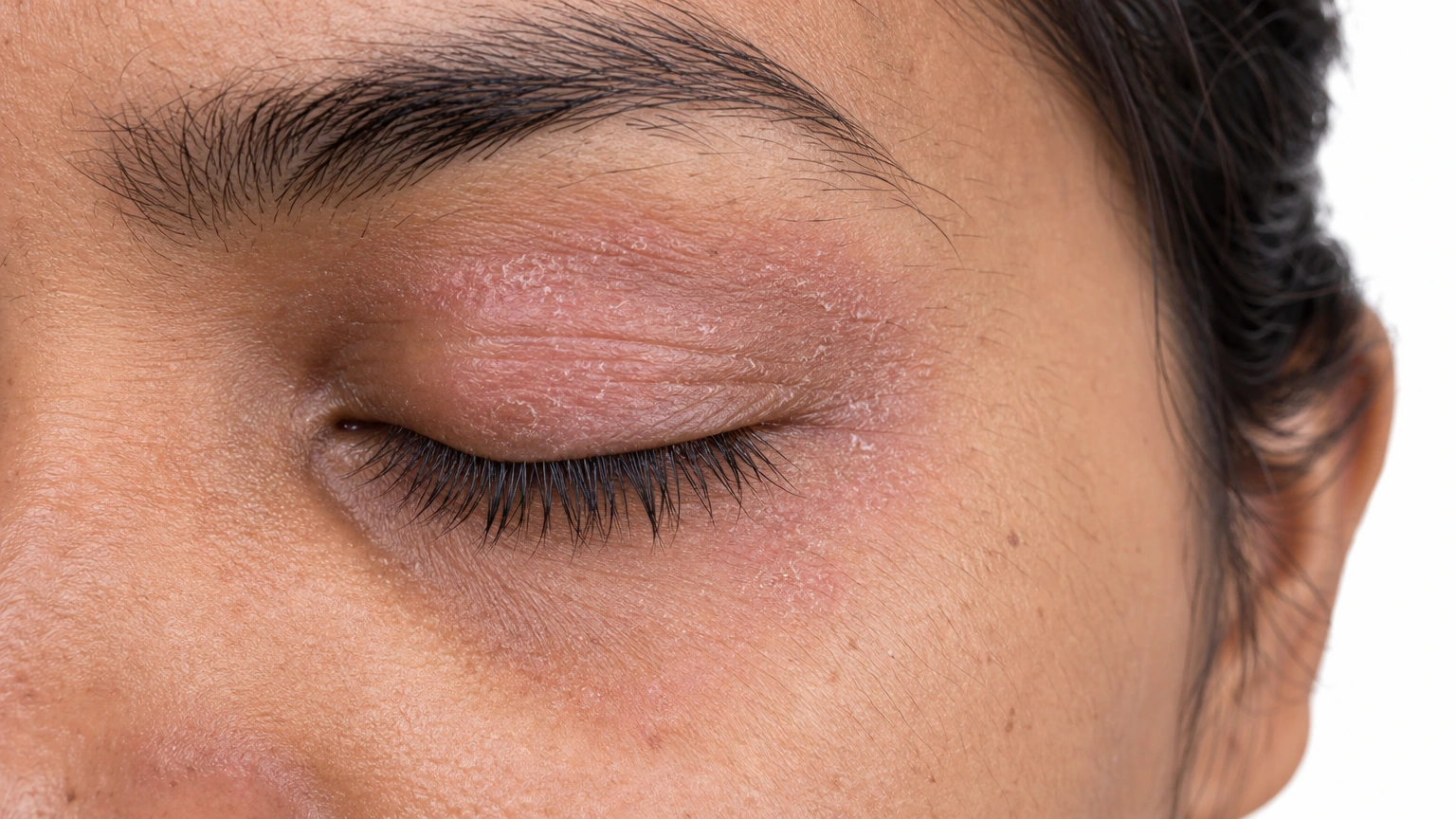
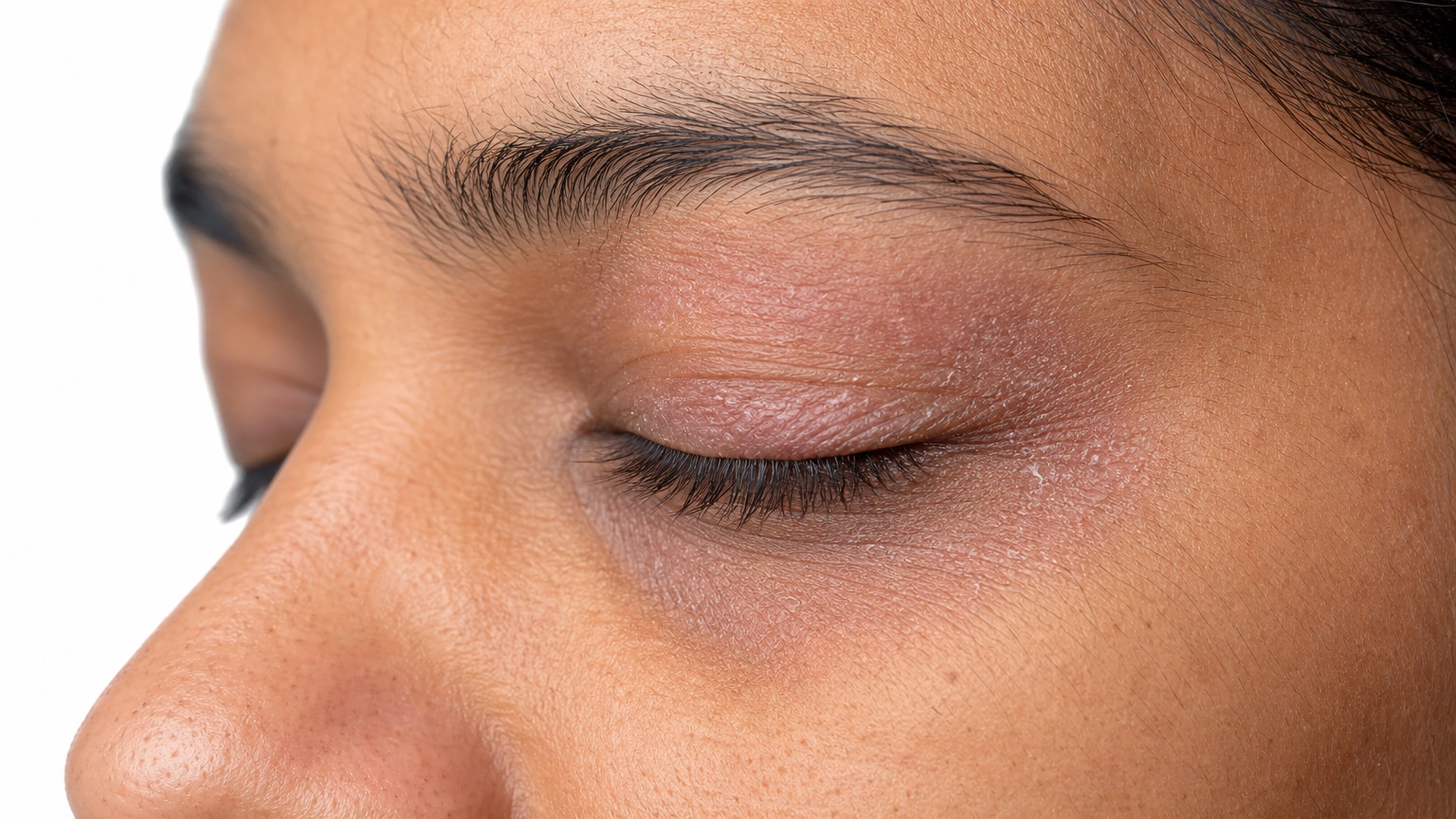
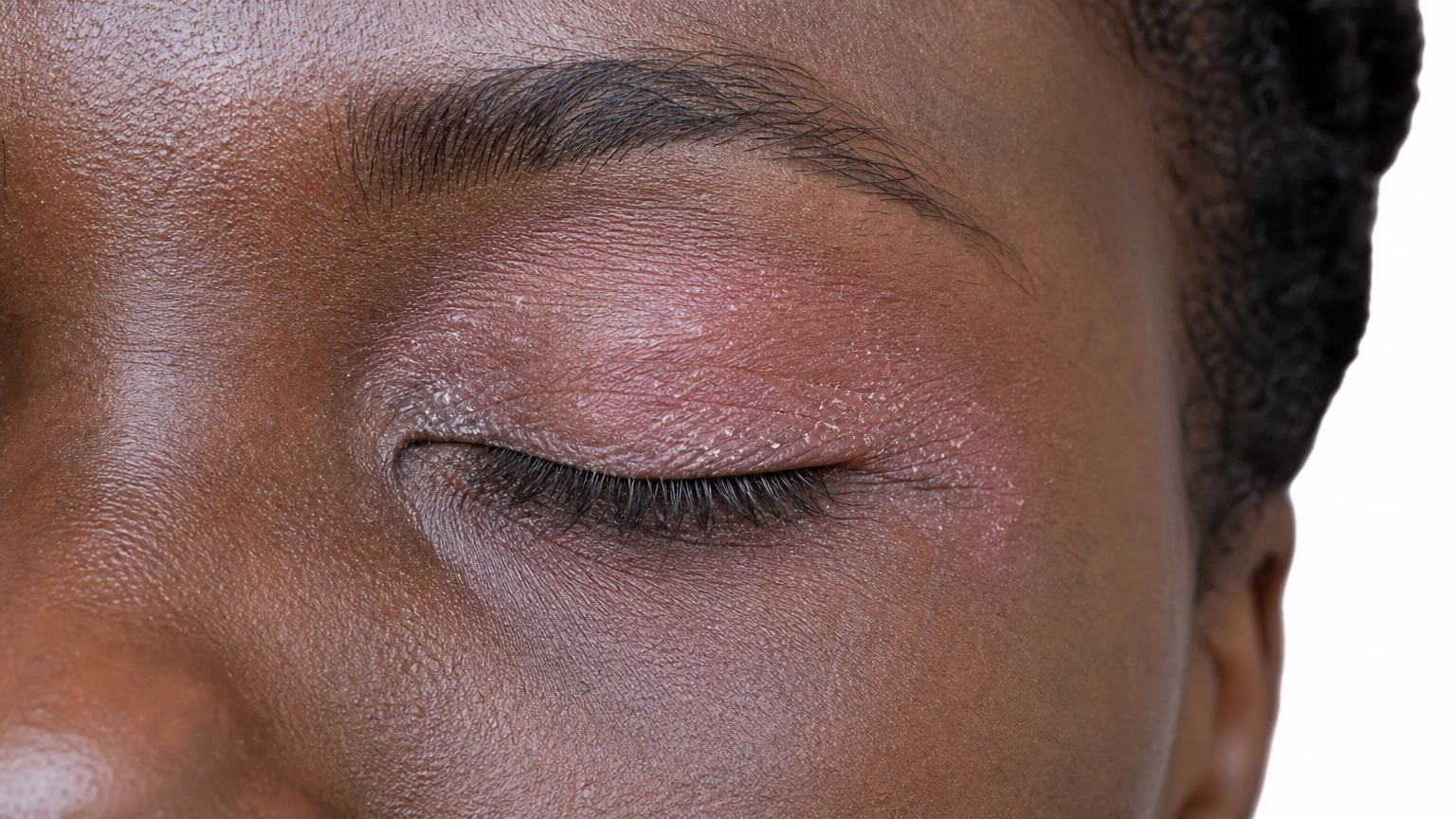
Eyelid Dermatitis The upper eyelid has a rough pink patch extending toward the outer corner.
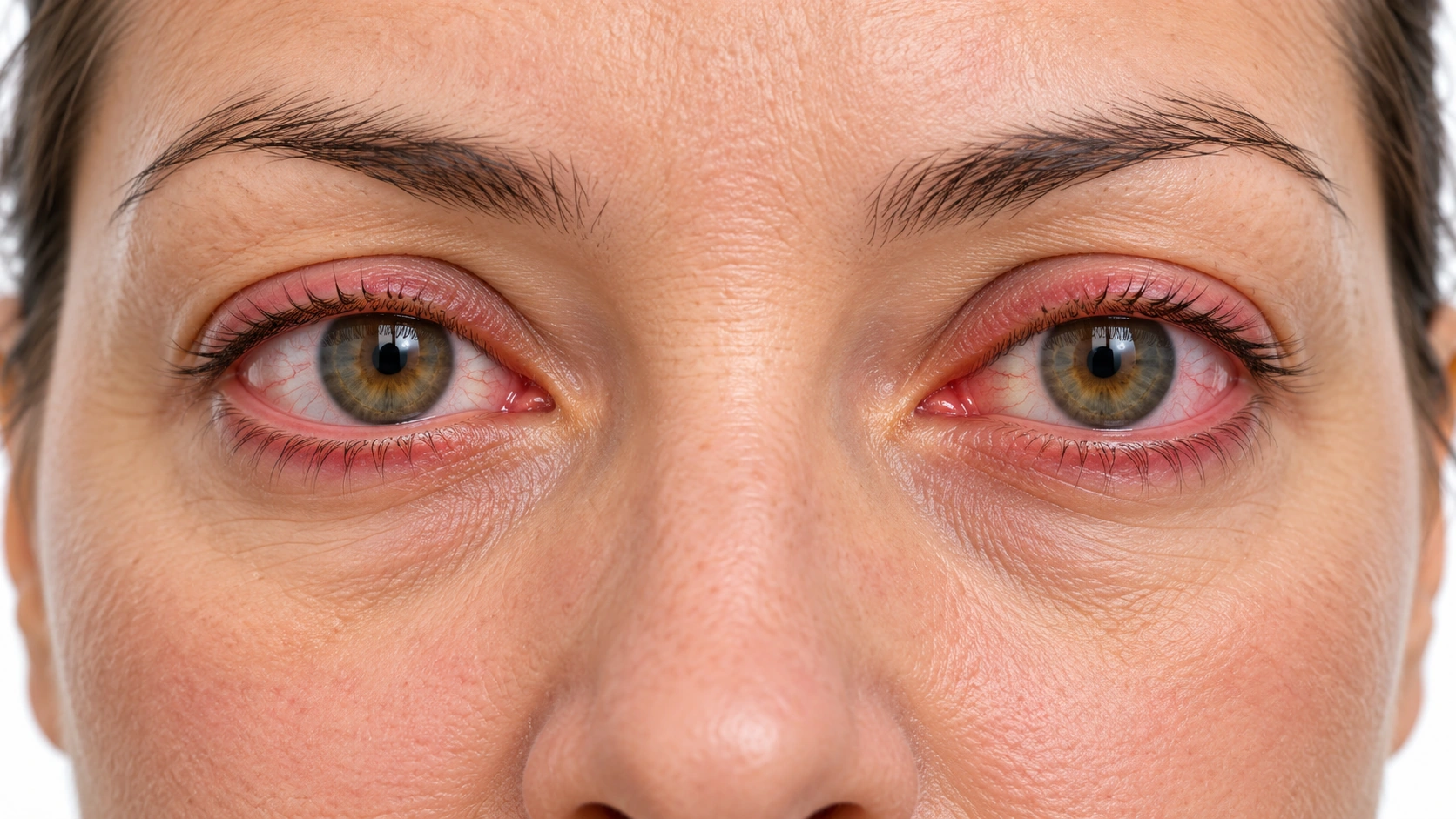
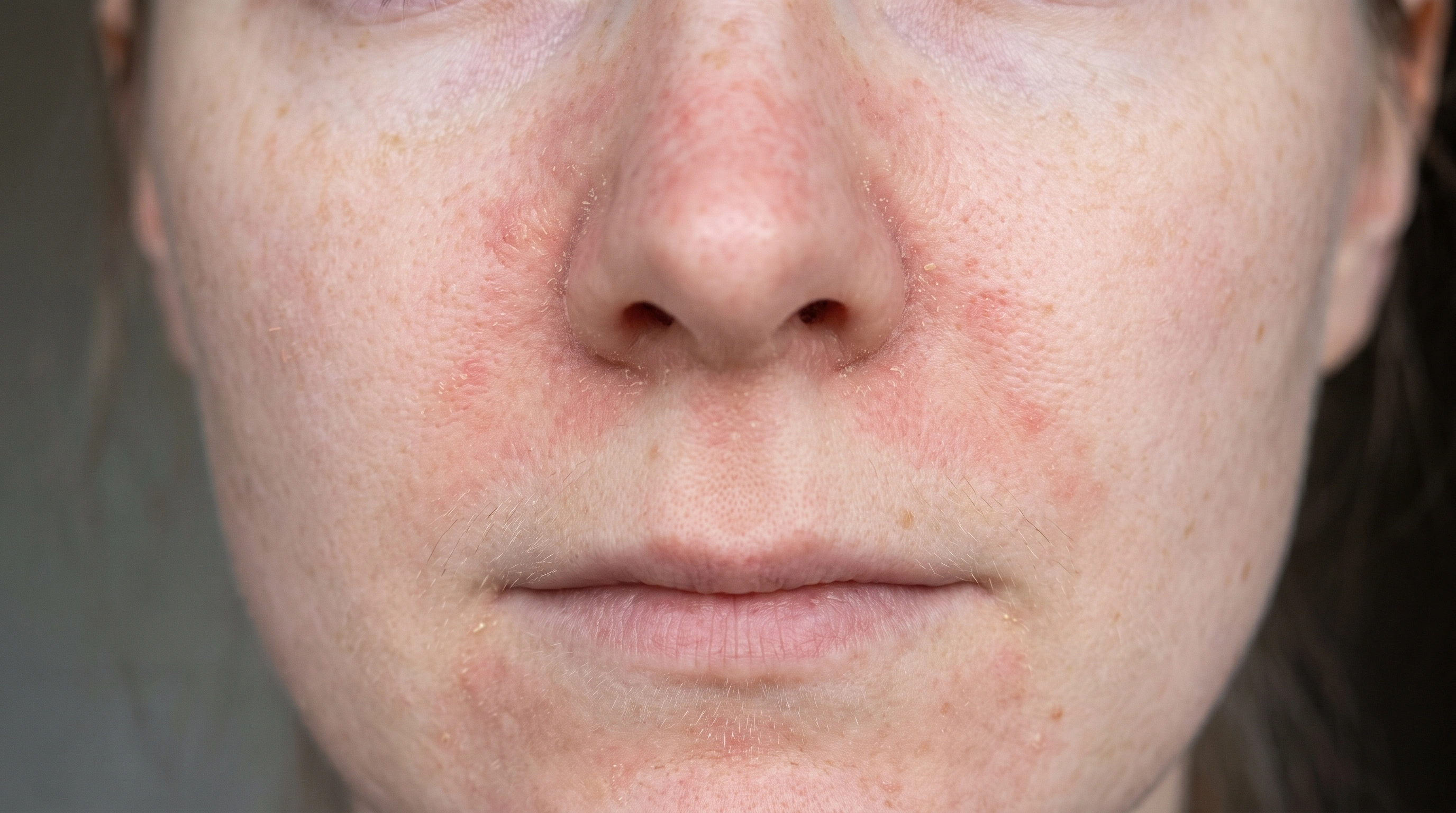
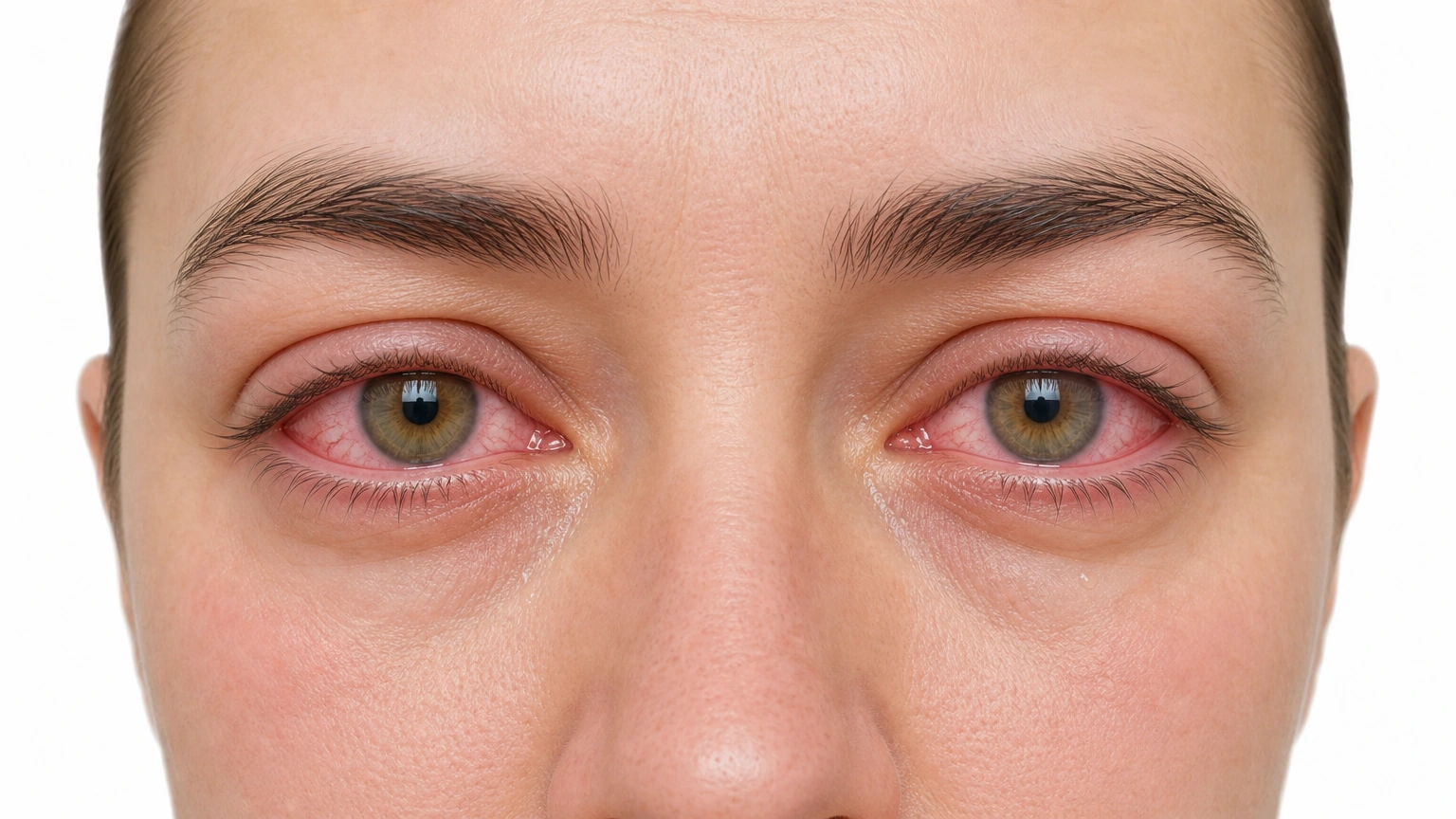
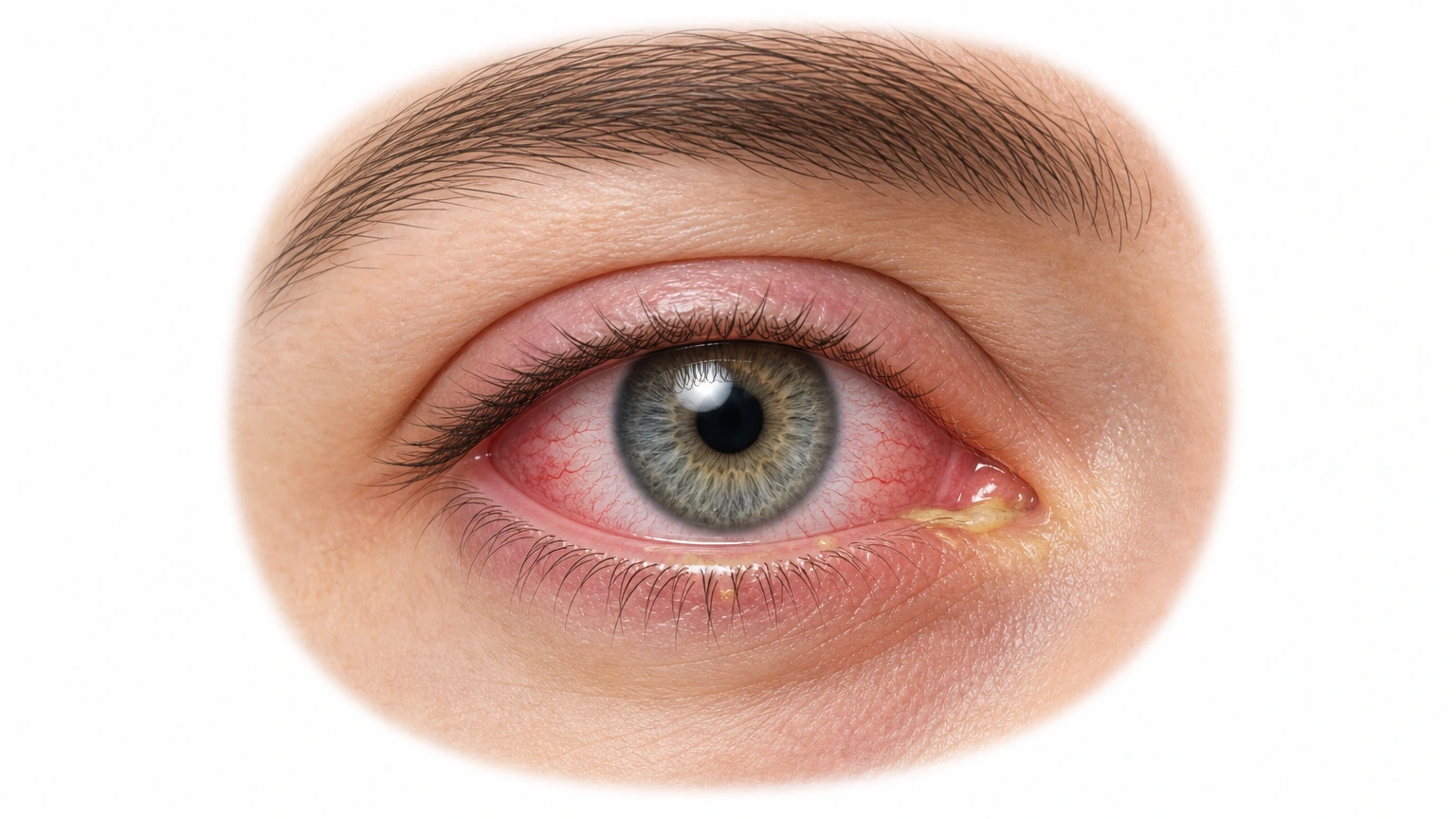
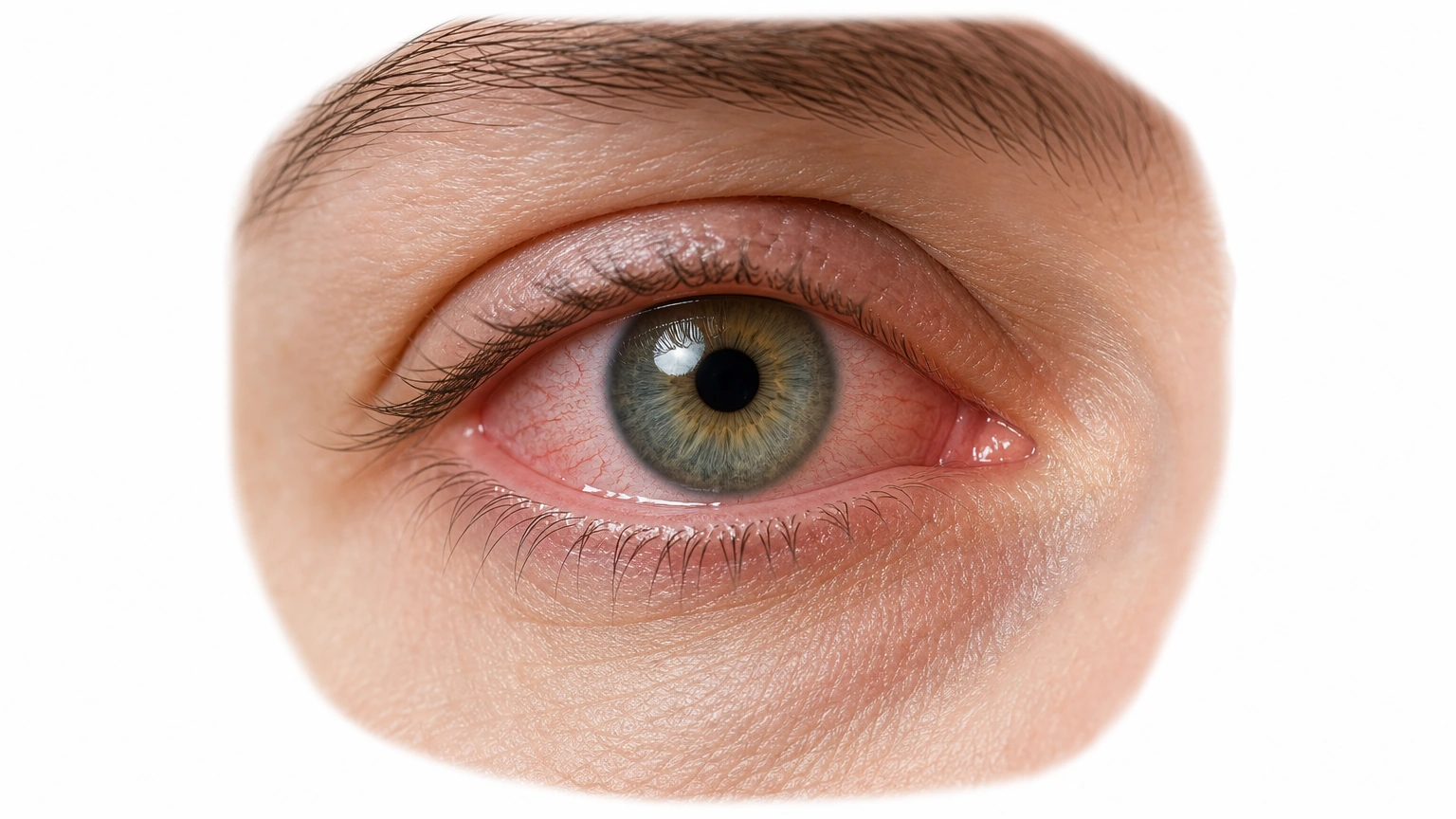
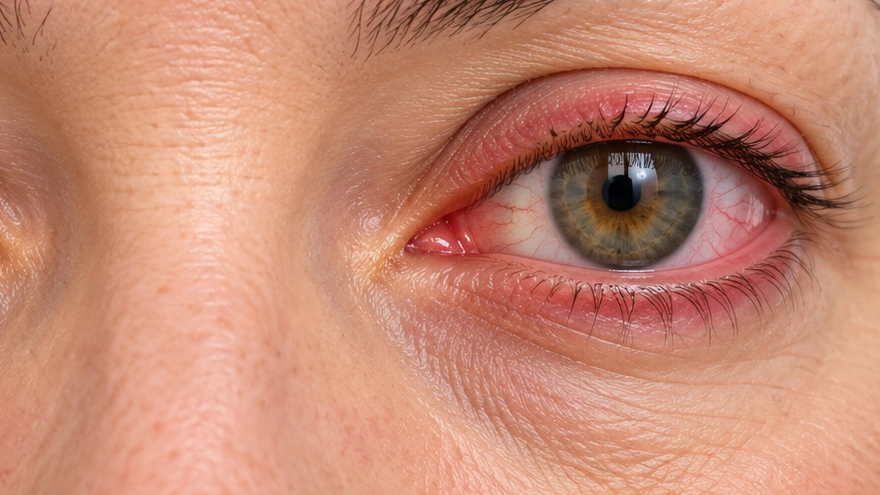
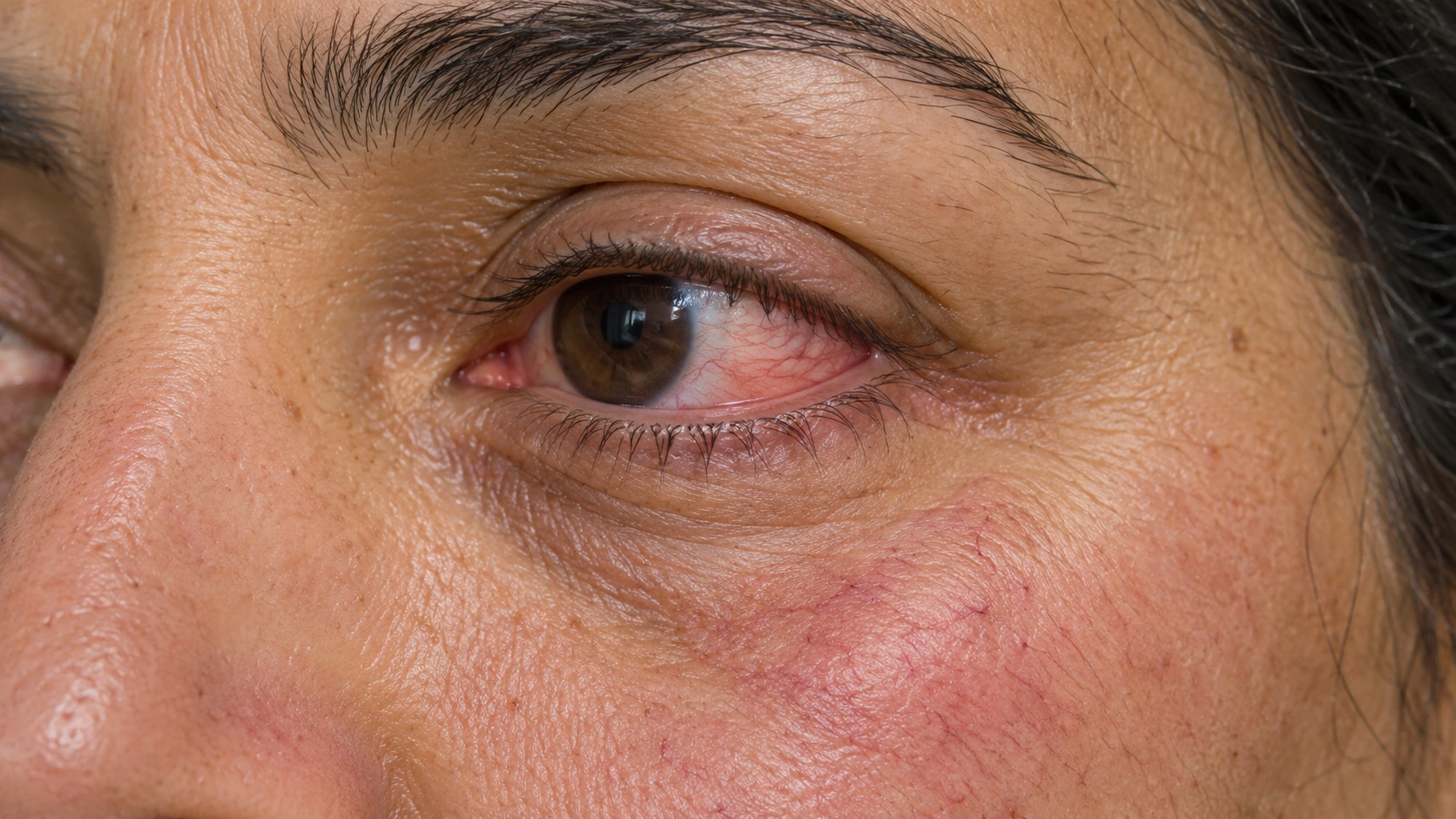
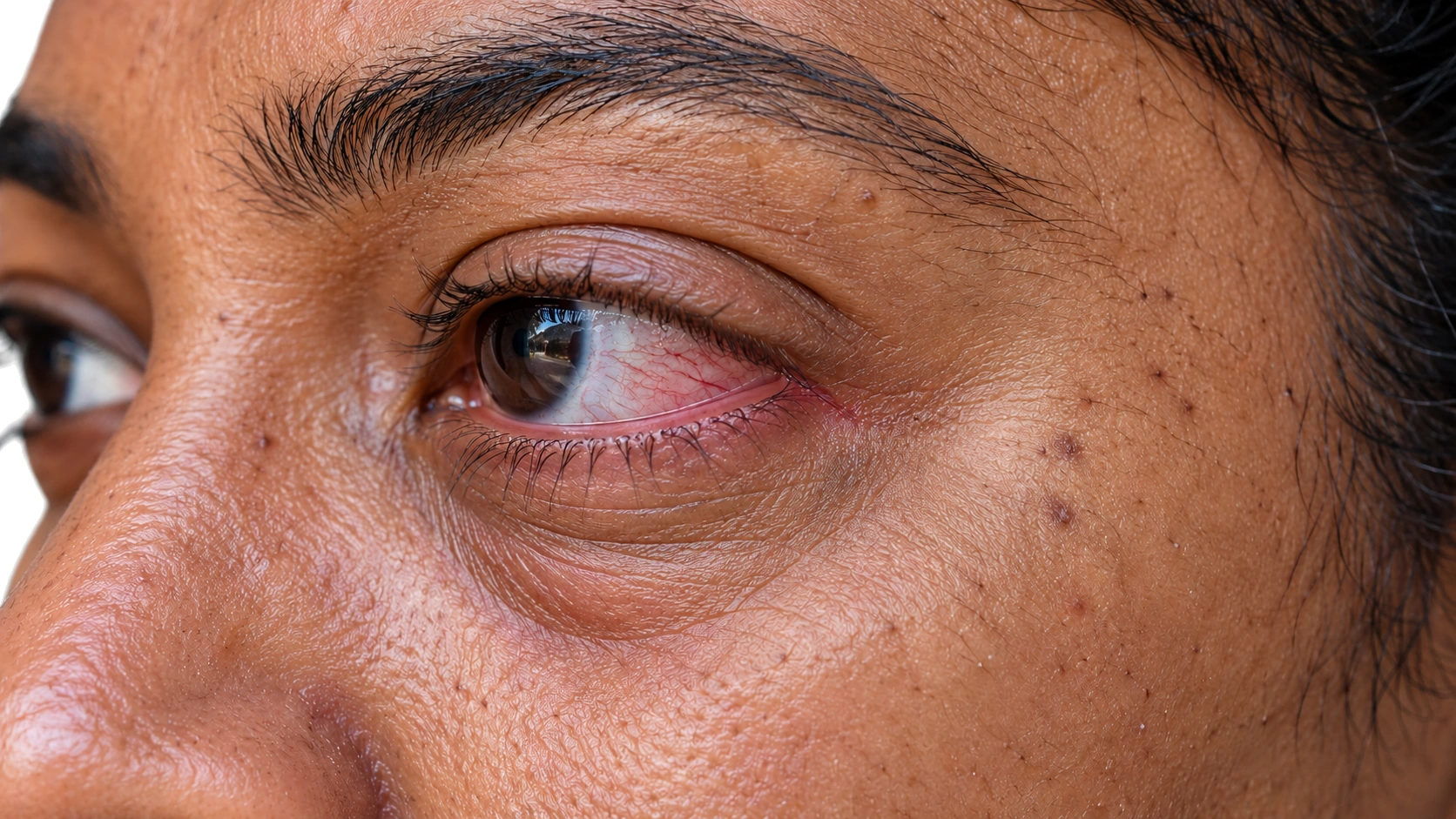
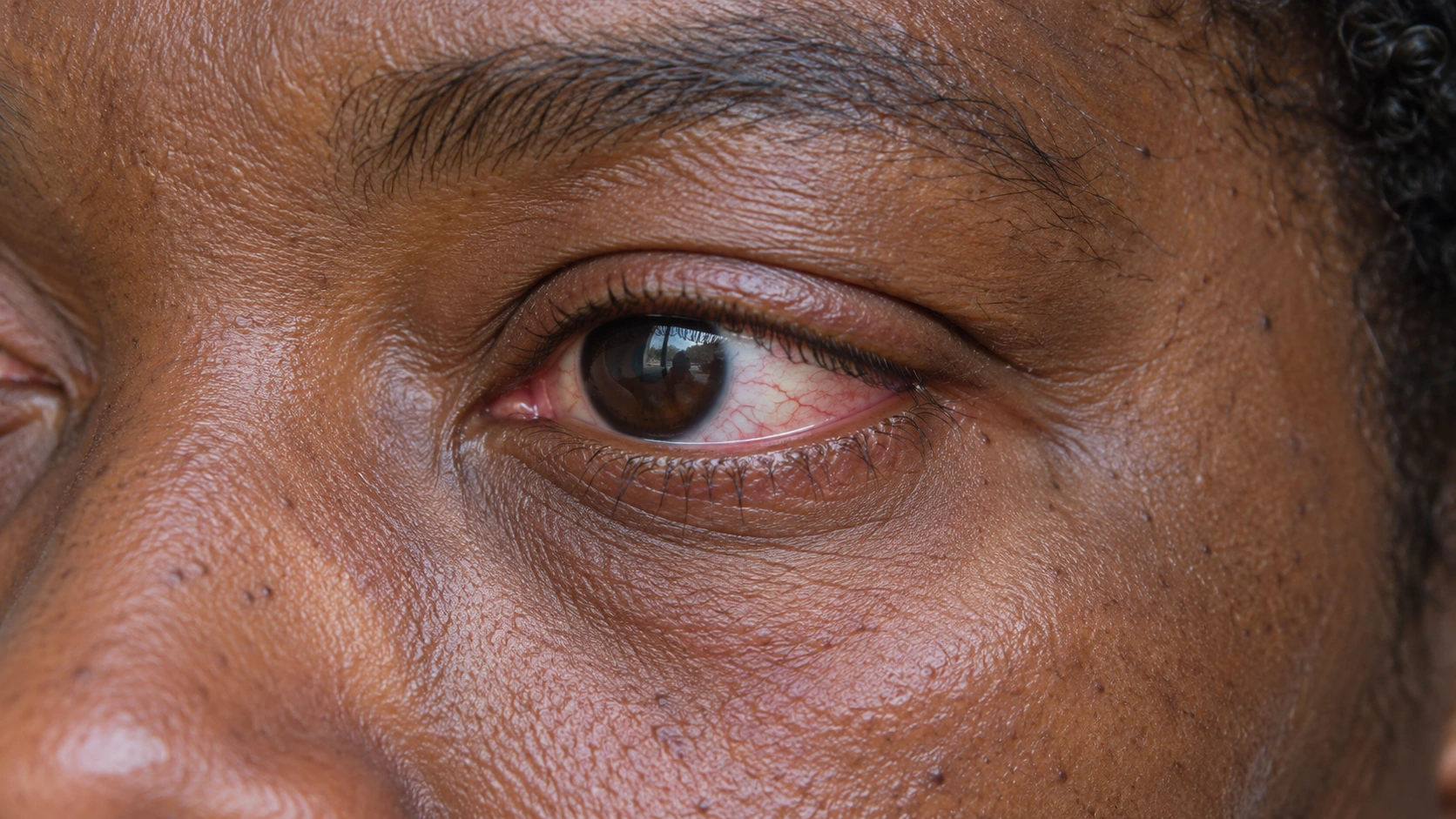
Rosacea (Eyes) The eyelid edges and exposed eye surfaces look reddened.
The thin eyelid barrier is especially vulnerable to irritating exposures. Delayed contact allergy can also trigger inflammation, even when the substance reaches the eyelids indirectly.
Inflammation can affect the eyelids and their oil glands. Altered oil secretion destabilizes the tear film and contributes to irritation of the eye surface.
Eyelid Dermatitis. Can start at any age after relevant exposures or barrier damage.
Rosacea (Eyes). Can occur at different ages; eye symptoms may precede facial changes.
The thin eyelid barrier is vulnerable to irritants and delayed allergy.
Inflammation and dysfunction of eyelid oil glands disturb the tear film.
Evidence labels come from each condition’s own treatment list.
A brief low-potency steroid or a steroid-sparing medicine may be appropriate; avoid unsupervised potent steroids near eyes.
Persistent or more severe disease may need prescription treatment such as doxycycline in appropriate patients.
Eyelid eczema can improve once irritating or allergic exposures are identified and avoided. Recurrence is common with further exposure; persistent symptoms may need testing or a revised treatment plan.
Ocular rosacea can flare repeatedly and may need long-term eyelid care and treatment. Eye pain, light sensitivity or a change in vision needs urgent assessment because the cornea can be affected.
Cracked skin may become infected; repeated exposure can make the rash persistent.
Corneal involvement can threaten sight; symptoms should not be dismissed as cosmetic redness.
Seek care for persistent symptoms; eye pain, vision change or fever with marked swelling needs urgent assessment.
Get urgent eye assessment for pain, light sensitivity or blurred vision.
Eczema of the thin eyelid skin, often related to irritation or contact allergy.
Pause suspect cosmetics and keep products simple. Do not put steroid creams near the eyes without advice.
Seek care for persistent symptoms; eye pain, vision change or fever with marked swelling needs urgent assessment.
Ocular rosacea is inflammation affecting the eyelids and eye surface, with or without obvious facial rosacea.
Use clinician-advised lid hygiene and warm compresses. Avoid rubbing the eyes.
Get urgent eye assessment for pain, light sensitivity or blurred vision.
Sources