Dark Circles Under the Eyes vs Allergic Shiners

Dark circles are the shadowed or discolored look under the lower eyelid. Most are a mix of extra pigment, blood vessels showing through thin skin, and the shape of the eye socket, and the treatment that helps depends entirely on which of those you have. Dark circles under the eyes associated with nasal allergy and congestion.

Research updated 2026-10-23
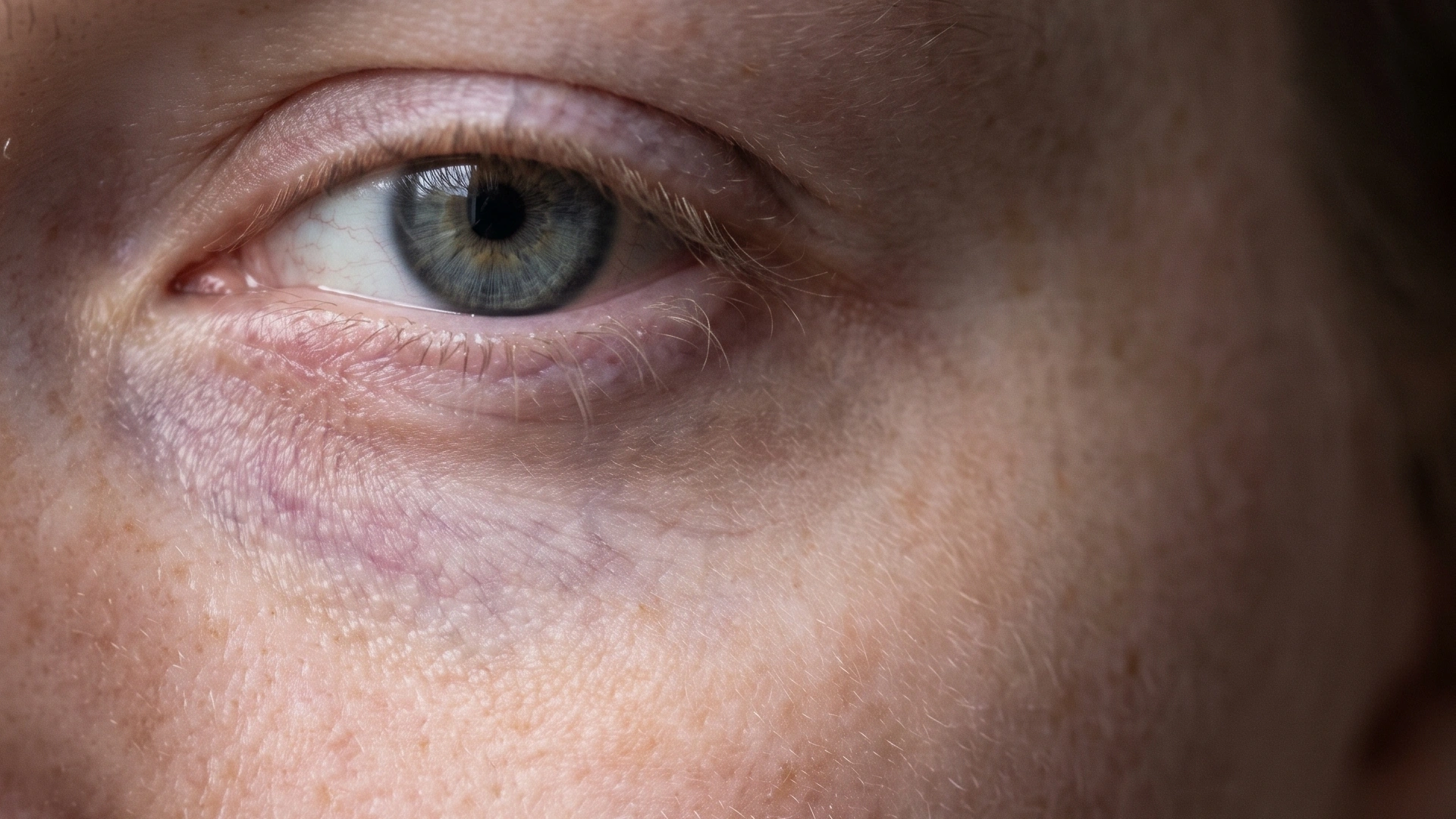
A close crop of one lower eyelid and the top of the cheek on pale skin, no full face. The skin under the eye looks bluish-purple with fine veins showing, and a shallow hollow sits between the lid and the cheek.Allergic Shiners

Key differences

The same eight facts on every condition comparison.

Usual age
Any age; more with ageing
Childhood onward
Where
Under the eyes
Under both eyes
Main sign
Shadowed or dark under-eye skin
Dark, bluish under-eye circles
Itch or pain
No
No
Contagious
No
No
Long term
Long-lasting; cause decides treatment
Improves when allergies are controlled
Scars
No
No
Who gets it
Inherited; deeper skin tones; allergies
People with nasal allergies

What is it?

Dark Circles Under the Eyes
Allergic Shiners
What is it?
  • It is a description, not one disease.
    Dark circles describe a darker-looking area beneath the eyes.
  • Several factors contribute.
    Pigment, visible vessels through thin skin, puffiness and facial shadows combine in different proportions.
  • The cause guides the approach.
    The right approach depends on which factors are actually present.
  • Sudden change is different.
    One-sided change, painful swelling or visual symptoms warrant medical assessment.
  • What it is
    Dark circles under the eyes associated with nasal allergy and congestion.

What it looks like

Dark Circles Under the Eyes

Brown pigment under the eyes.

Pigmented dark circles Brown from extra melanin.

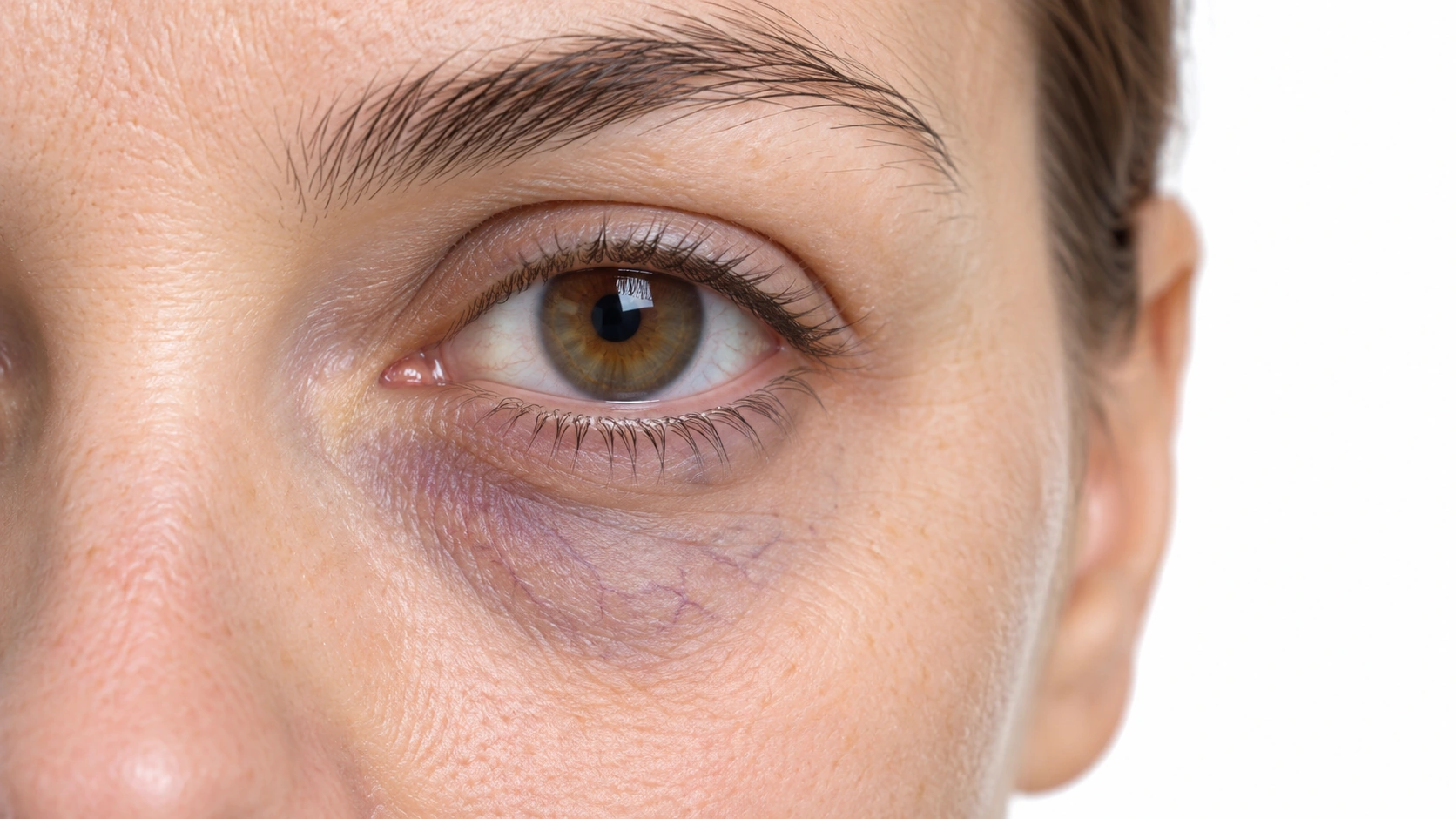
Blue-purple tint under thin skin of the eye.

Vascular dark circles Blue-purple from visible vessels.

Bilateral under-eye hollows casting shadows.

Structural dark circles Shadows from hollows or puffiness.

Under-eye dark pigmentation combined with shallow hollows and shadows.

Mixed dark circles A combination of causes.

Allergic Shiners

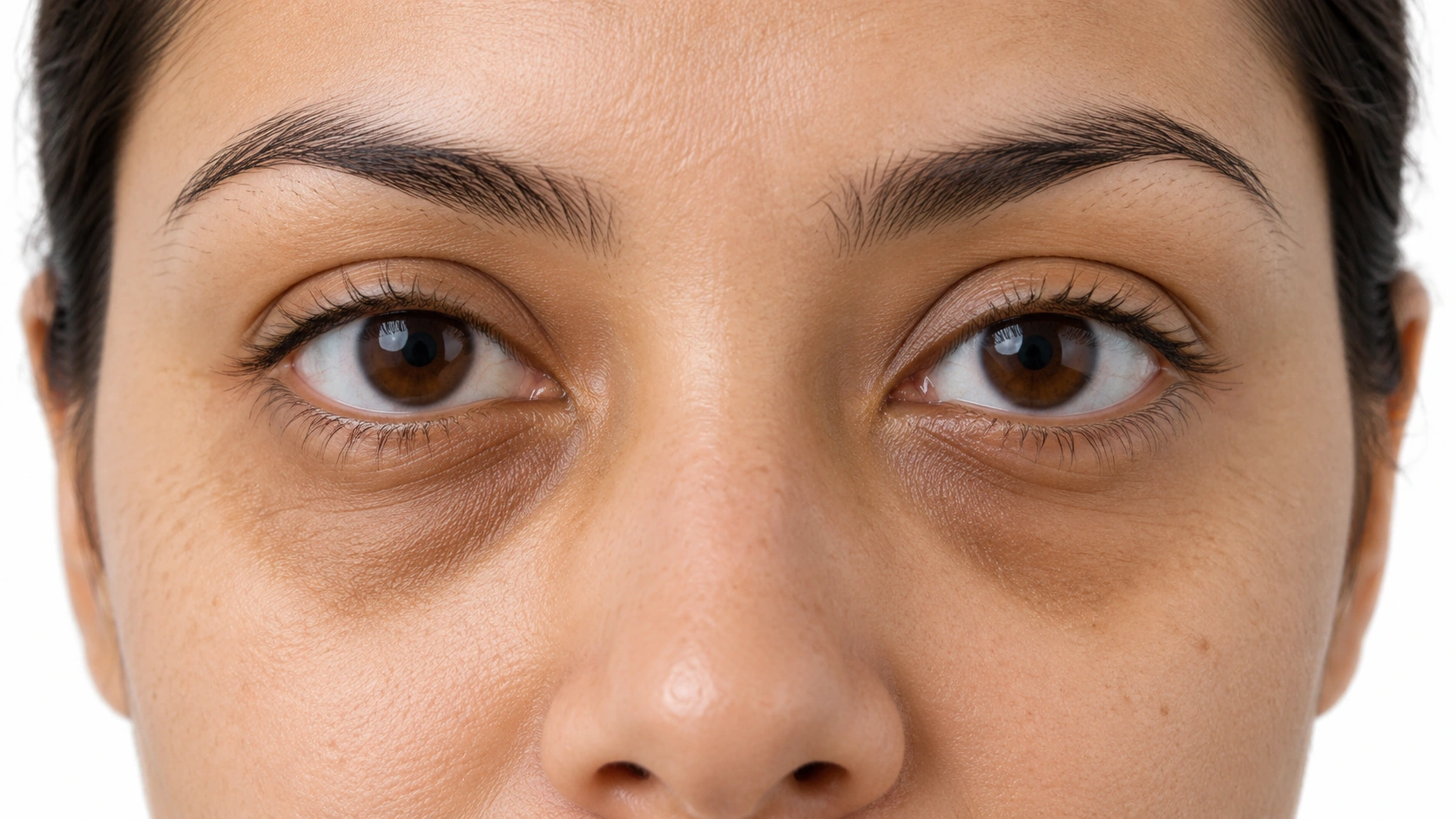
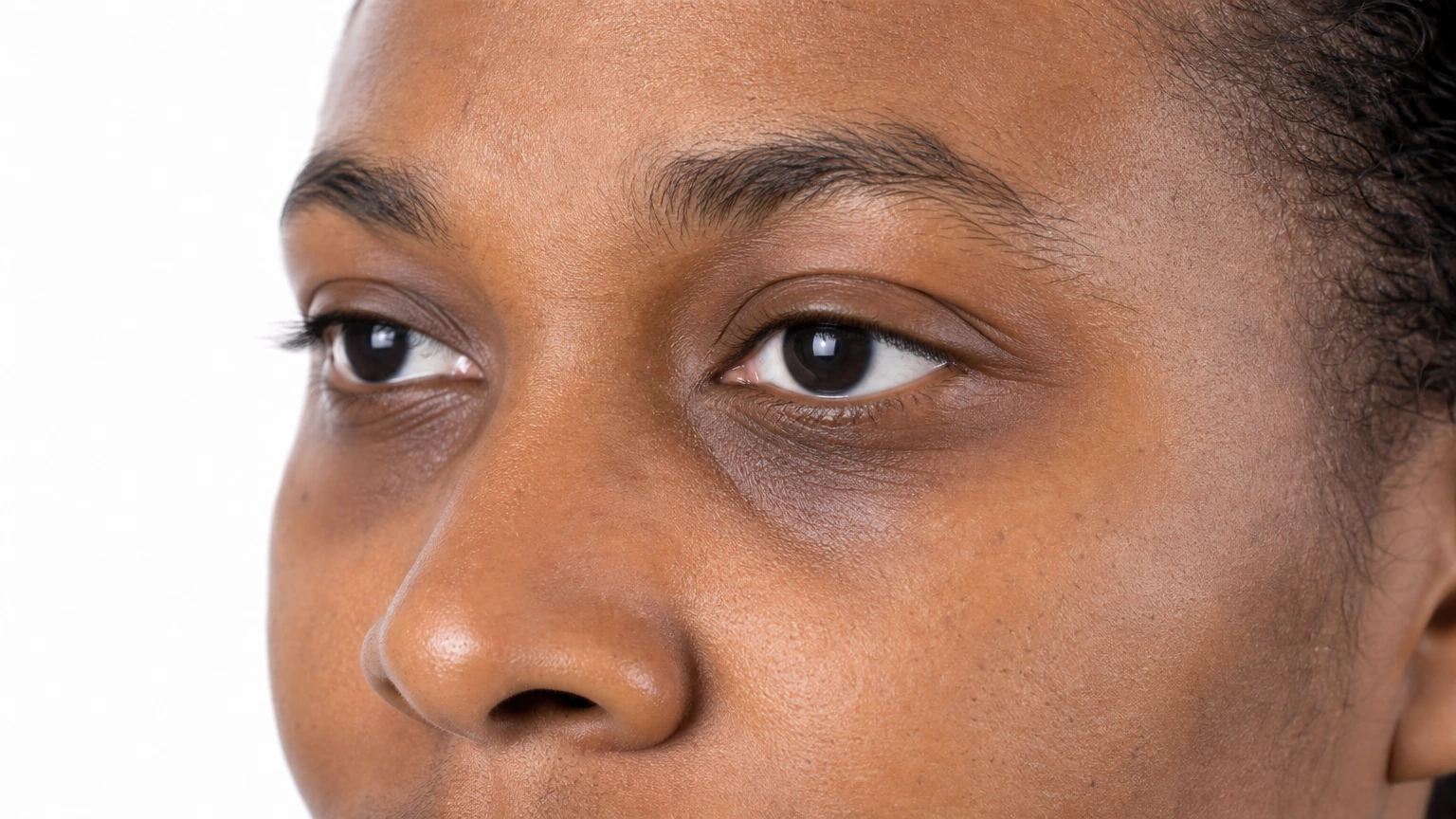
A face viewed straight on with dark gray-brown shadows beneath both eyes.

Allergic Shiners Dusky under-eye areas contrast with the nearby cheek skin.

Skin tones
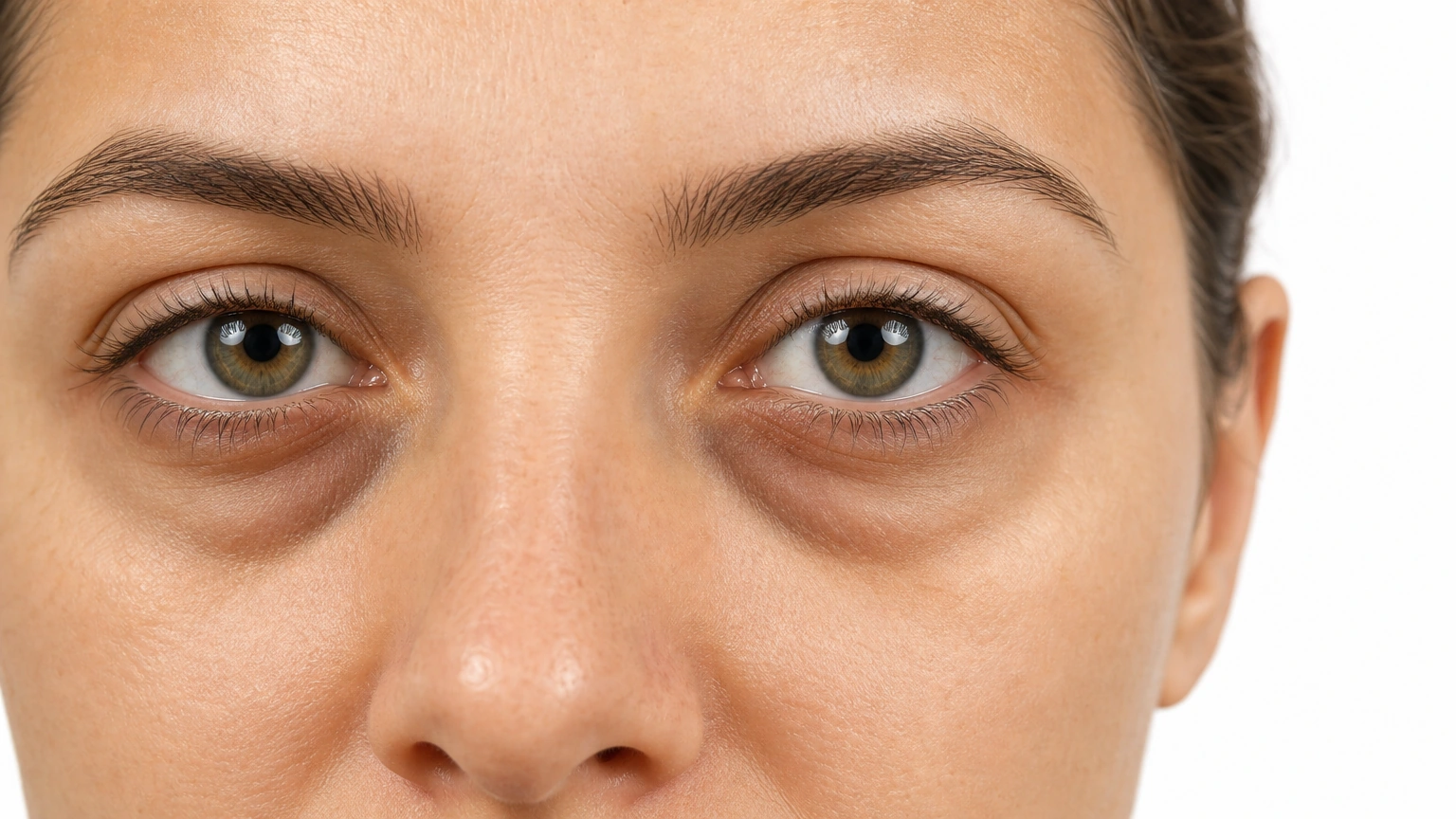
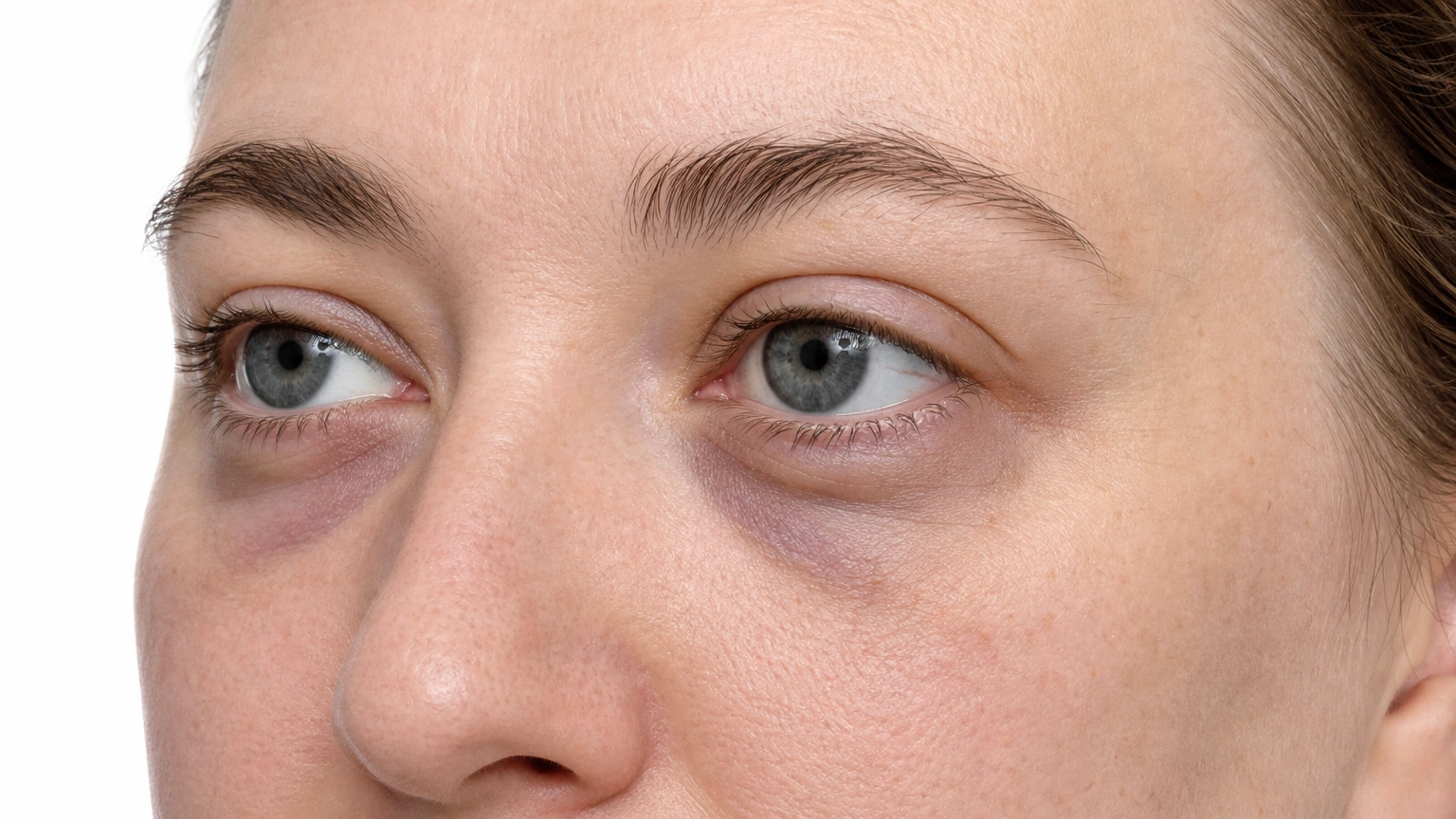
A close crop of one lower eyelid and the top of the cheek on pale skin, no full face. The skin under the eye looks bluish-purple with fine veins showing, and a shallow hollow sits between the lid and the cheek.
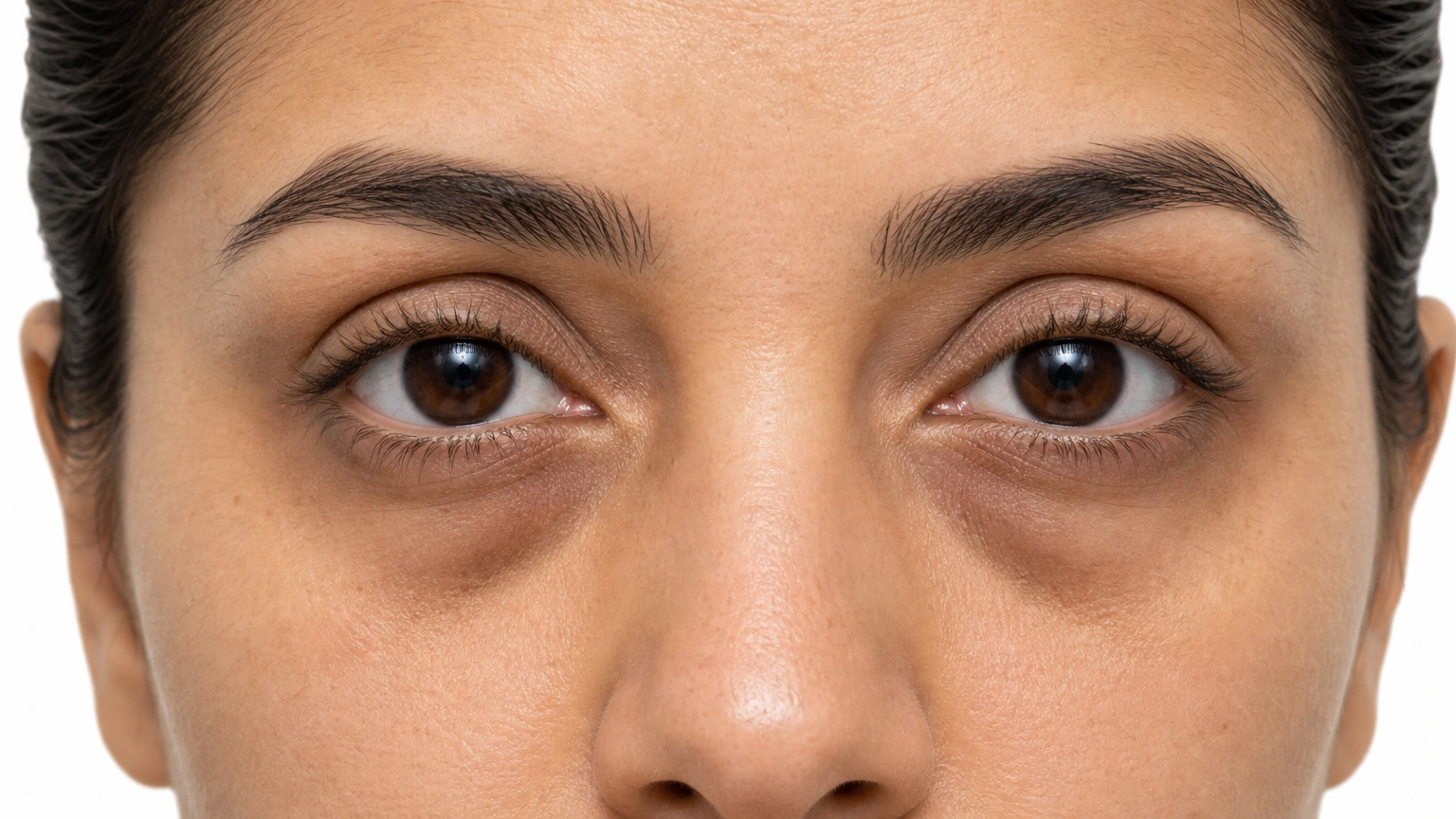
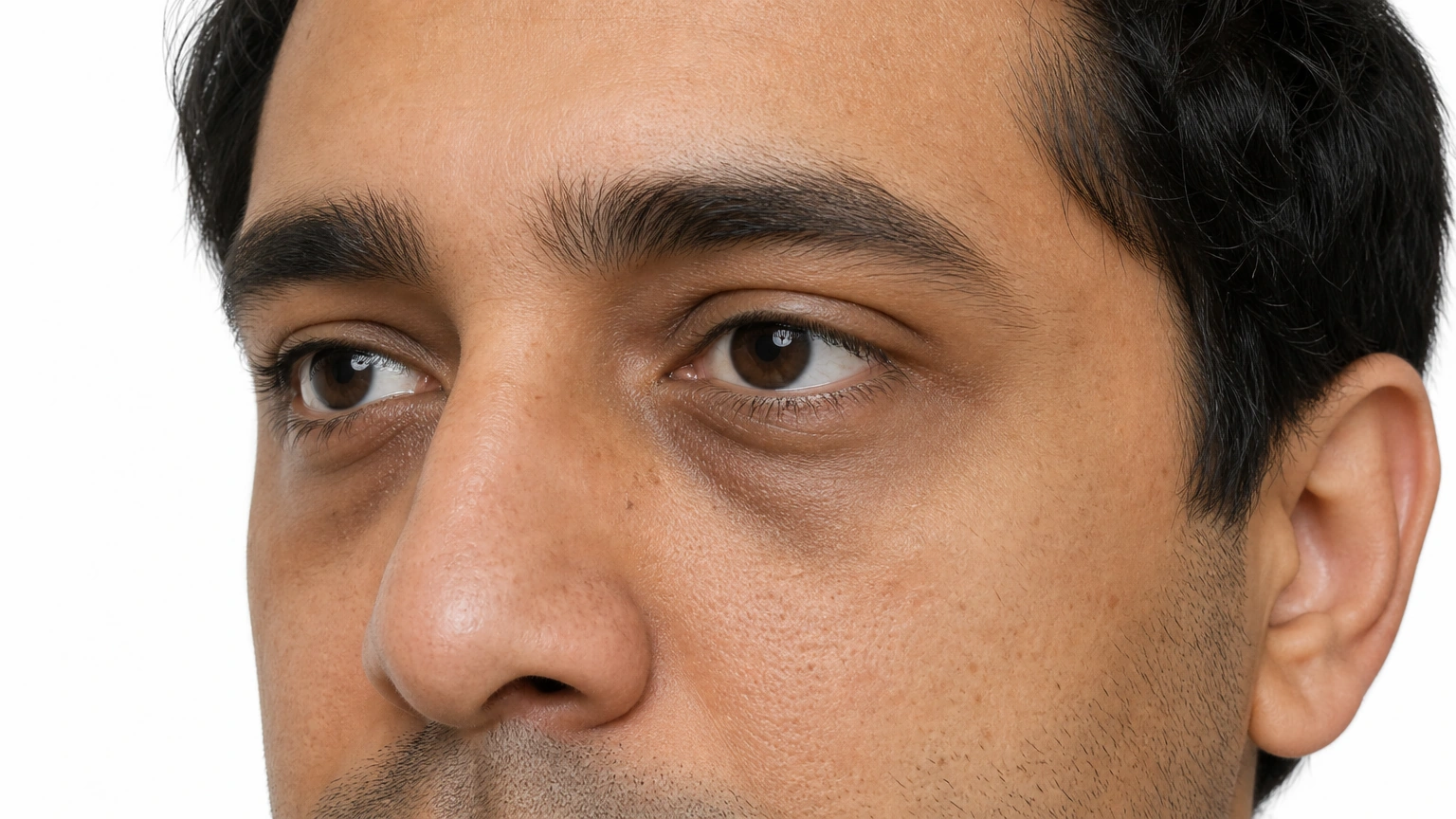
A close crop of one lower eyelid and the top of the cheek on medium olive skin, no full face. A mixed gray-brown band sits under the eye and carries faintly onto the upper lid.
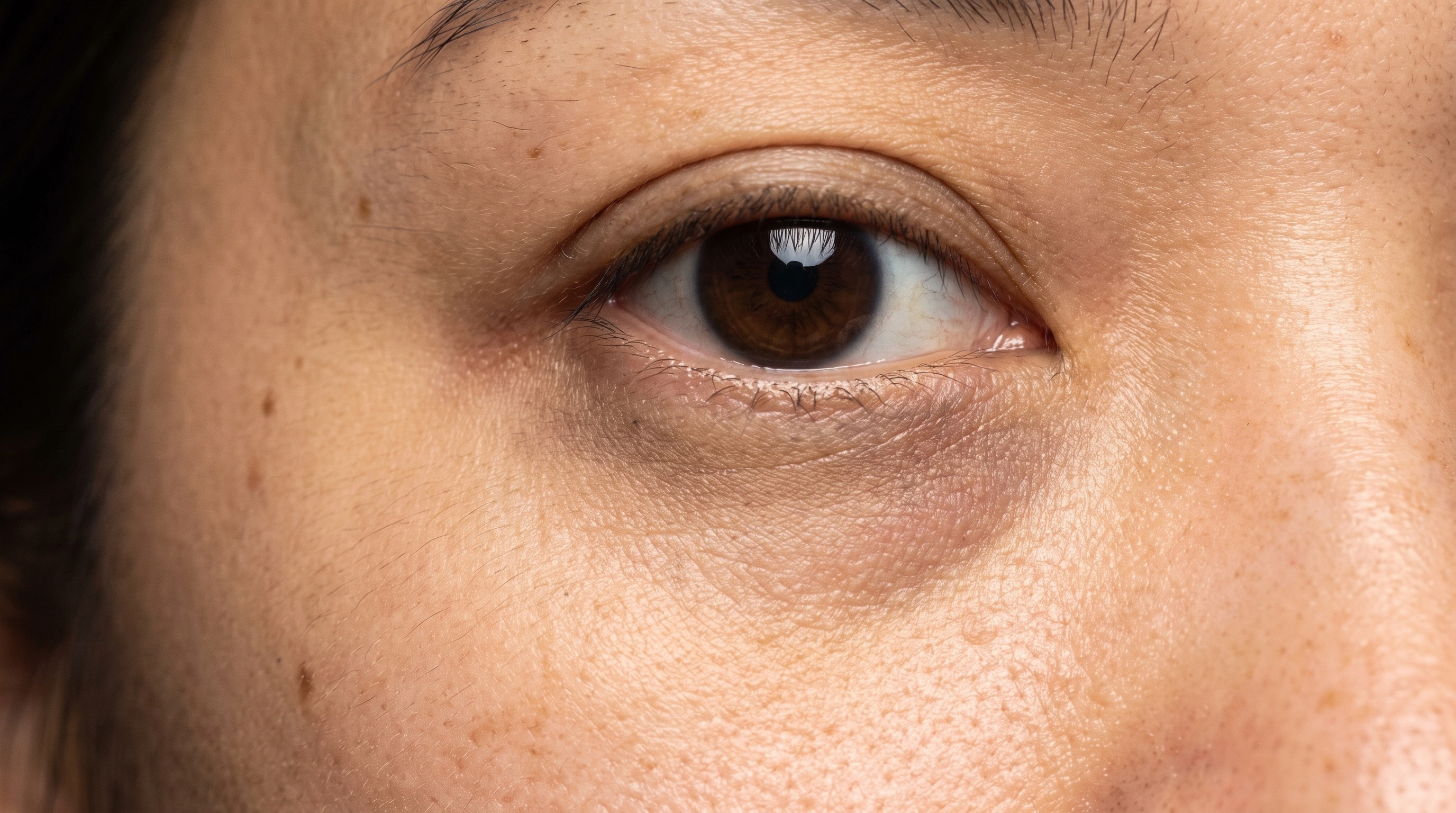
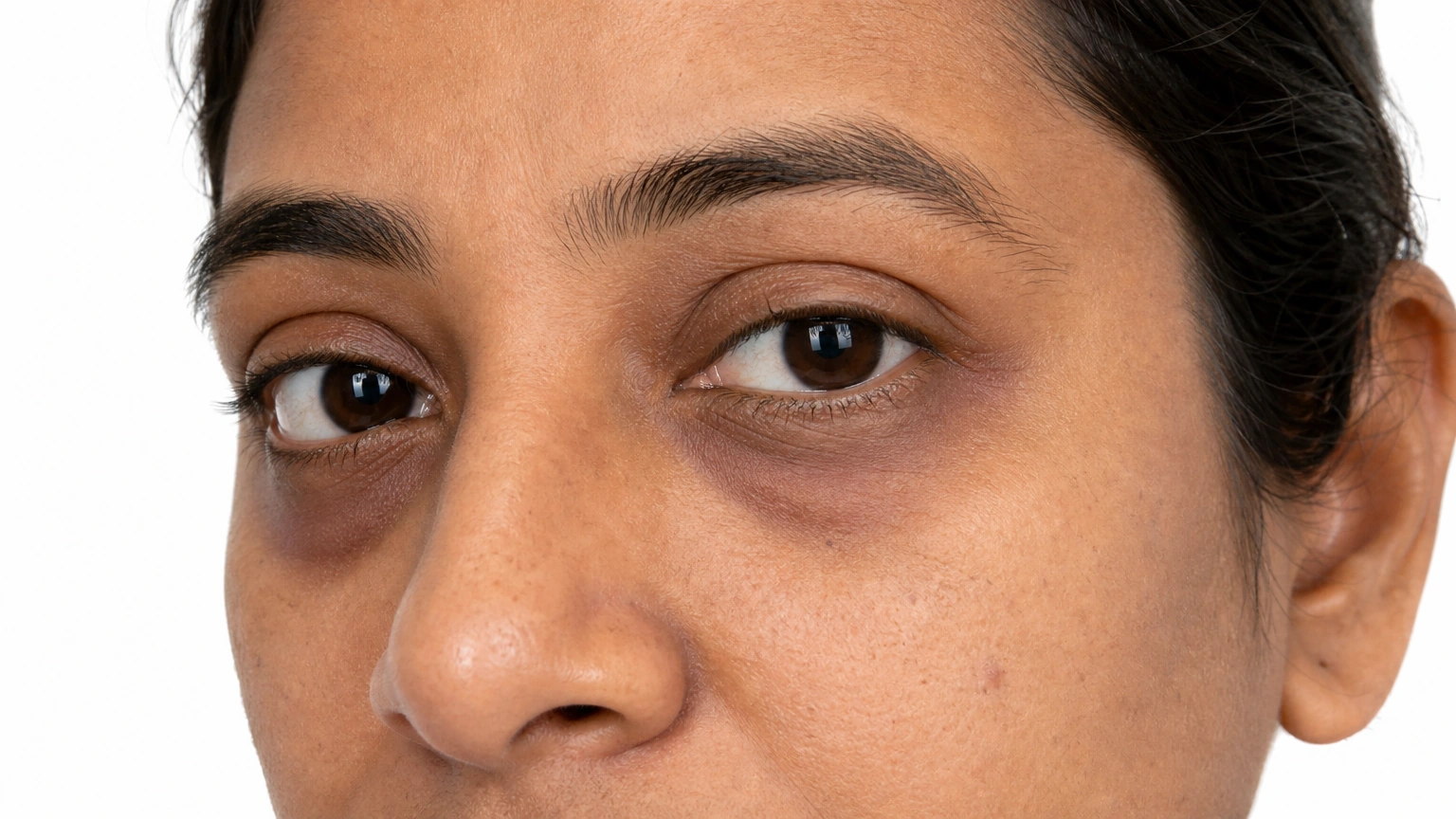
A close crop of one lower eyelid and the top of the cheek on mid-brown skin, no full face. An even brown band crosses the lower lid, carries onto the upper lid and outward toward the temple, with a soft edge at the cheek.
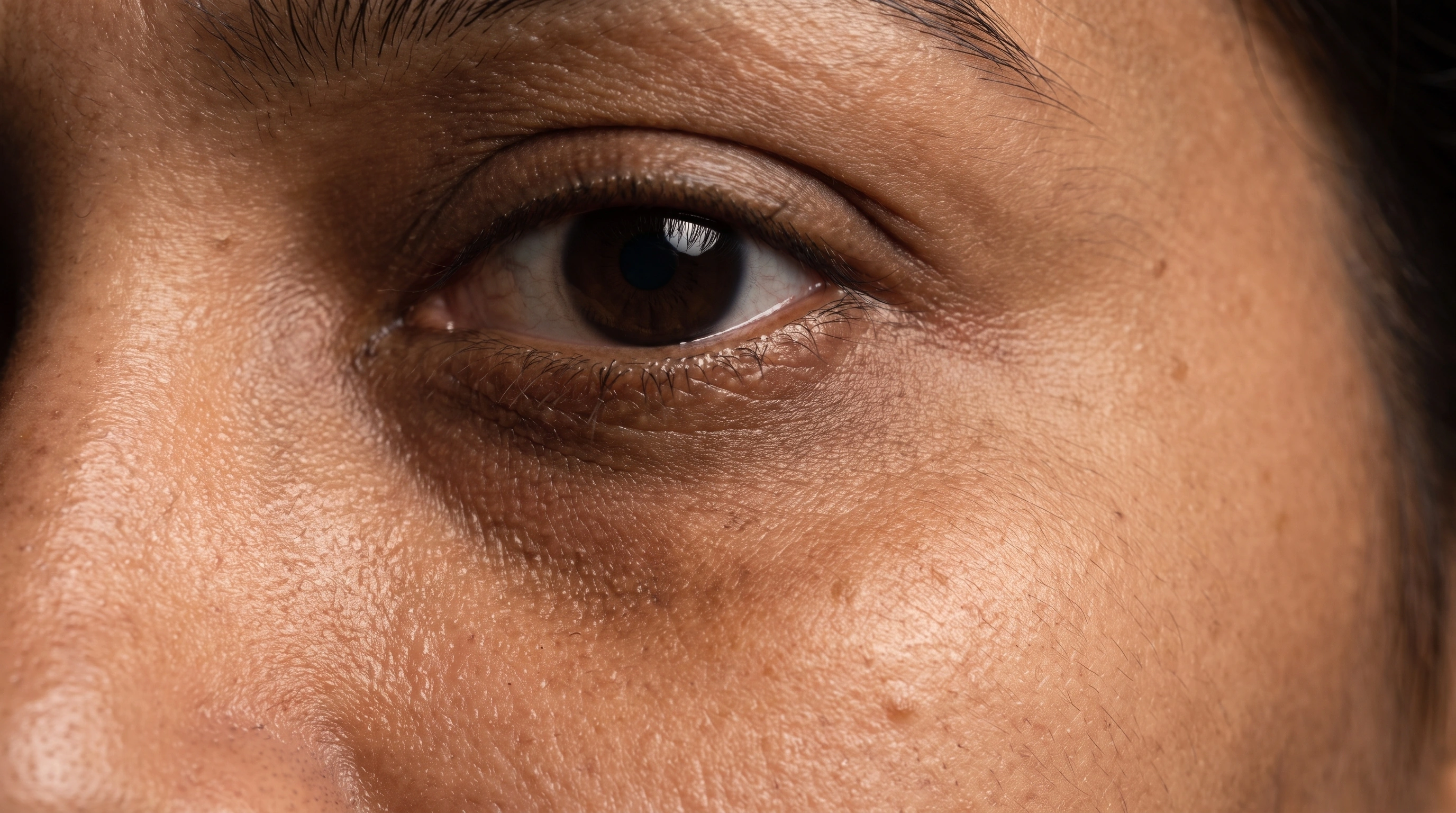
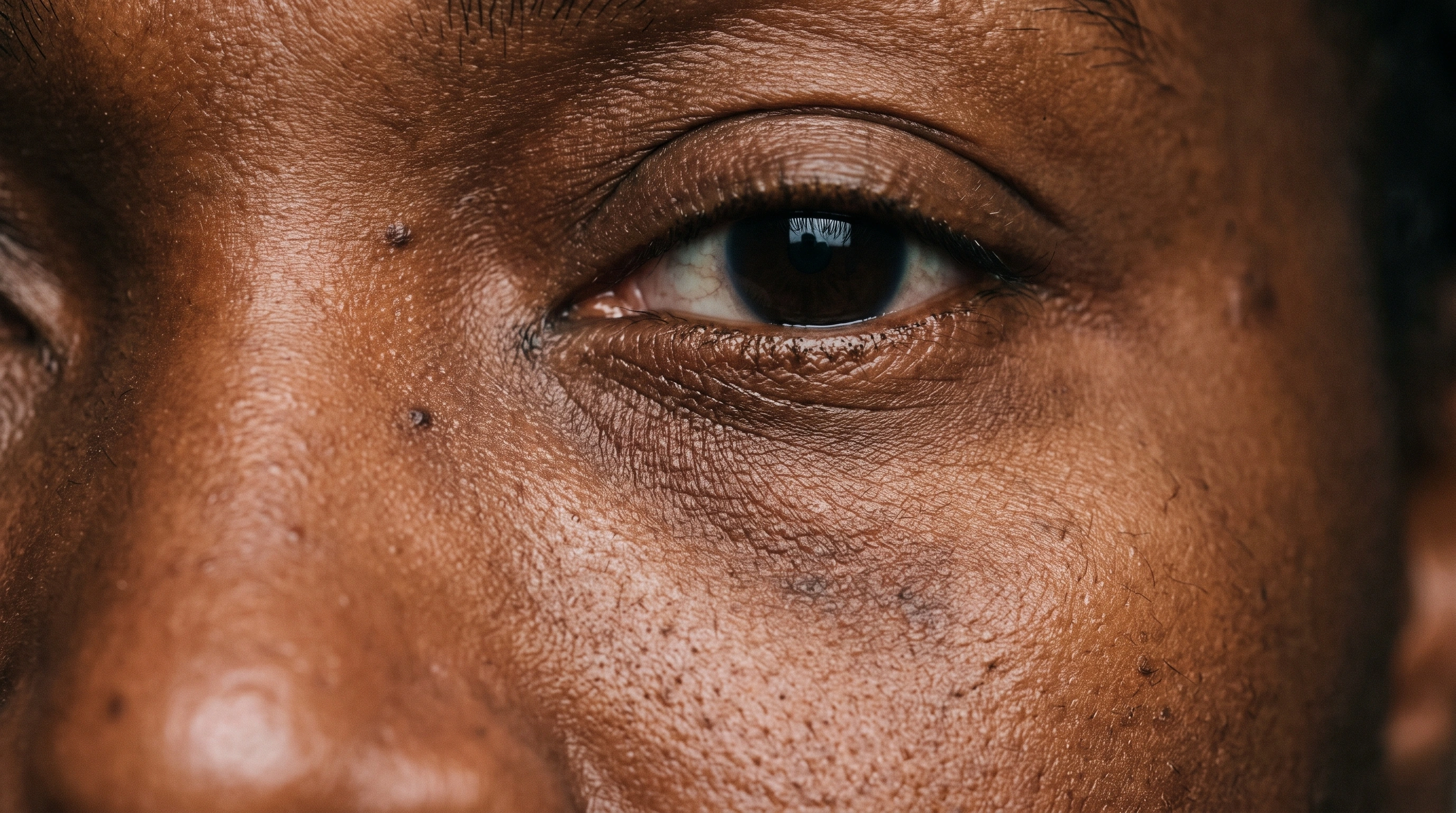
A close crop of one lower eyelid and the top of the cheek on deep brown skin, no full face. Flat, uneven brown marks cross the lower lid and the skin just below it, with faint fine wrinkling of the lid skin.
bilateral dark under-eye circles with mild puffiness, in a view turned slightly to the person’s right on light skin.
bilateral dark under-eye circles with mild puffiness, in a view turned slightly to the person’s right on medium skin.
bilateral dark under-eye circles with mild puffiness, in a view turned slightly to the person’s right on brown skin.
bilateral dark under-eye circles with mild puffiness, in a view turned slightly to the person’s right on deep skin.
Diagram
Dark Circles Under the Eyes mechanism diagram. Pigment adds brown color: Extra melanin can darken the skin. Thin skin reveals vessels: Underlying vessels can look blue or purple. Hollows cast shadows: Under-eye contours change how light falls.
In the skin

Under-eye darkness can reflect pigment, visible blood vessels, shadows from hollows or a combination of these. Thin skin and the shape of the underlying tissues influence how the area looks.

Nasal inflammation can contribute to congestion of veins beneath the eyes. These vessels show through thin under-eye skin and add to the dark appearance.

When it usually starts

010203040506070+

Dark Circles Under the Eyes. Inherited pigment or allergies can appear early; thinning skin and hollowing become more noticeable in adults.

Allergic Shiners. Can occur at different ages depending on the cause.

Causes and triggers

Causes

Dark circles come from extra pigment, visible blood vessels under thin skin, or shadows from hollows under the eyes.

Nasal inflammation contributes to venous congestion beneath thin under-eye skin.

Family tendency

Pigment-type dark circles often run in families, especially in medium and darker skin.

Risk factors
Thin under-eye skin, Allergies, Aging
Allergic rhinitis, Allergen exposure
Trigger
● Dark Circles Under the Eyes
● Allergic Shiners
Rubbing the eyes
Strong link
Not listed
Allergies
Strong link
Not listed
Sun exposure
Strong link
Not listed
Poor sleep
Possible
Not listed
Pollen
Not listed
Can contribute
Dust mites
Not listed
Can contribute
Animal dander
Not listed
Can contribute

Daily Care

Dark Circles Under the Eyes
Allergic Shiners
Daily care

Habits that help

  • Sunscreen every day
    Protect the eye area with a suitable sunscreen; avoid contact with the eyes.
  • Stopping the rubbing
    Avoid rubbing or scratching the delicate skin around your eyes.
  • Sleeping with the head raised
    Free and effective for morning puffiness.
  • A well-matched concealer
    A corrector under concealer neutralizes brown and blue.
  • Cold spoons, cucumber, tea bags
    A cool compress can briefly reduce puffiness; it does not remove pigment or fill hollows.
  • Treating the allergy properly
    When allergy is the driver, this beats any cream.
  • Lower eyelid surgery
    Repositioning the fat softens the ridge and groove.
  • Treating iron deficiency
    Only if blood tests show it.
  • Discuss age-related changes rather than trying to scrub them away
    Skin thins, fat descends, the shadow grows.

Avoid

  • Avoid: Rubbing and scratching the eyes
    The worst habit here.
  • Avoid: Poor and irregular sleep
    Makes skin paler, lets fluid pool overnight.
  • Avoid: Sun without protection
    Eyelids get the most ultraviolet, the least sunscreen.
  • Avoid: Salt and late-night alcohol
    Fluid sits in the lower lid overnight.
  • Avoid: Smoking
    Breaks down collagen and worsens circulation.
  • Avoid: Rapid or large weight loss
    Fat pads shrink, the tear trough deepens.
  • Avoid: Untreated allergies
    Itch, slow drainage and puffiness at once.
  • Avoid: Eyelid eczema and product reactions
    Any lid rash heals into flat brown marks.

Habits that help

  • Use a cool clean compress on closed eyelids
    This may temporarily reduce puffiness; do not put ice directly on the skin.
  • Avoid rubbing itchy eyes
    Repeated rubbing can worsen irritation and swelling.
  • Keep a regular sleep routine
    Adequate rest may improve tired-looking puffiness but does not remove structural fat pads.
  • Manage known allergies with your usual agreed plan
    Reducing relevant triggers can help when congestion or itching contributes.
  • Seek assessment for new one-sided, painful or persistent swelling
    A sudden change should not be assumed to be a cosmetic eye bag.
  • Follow the allergic shiners care plan
    Avoid rubbing and treat the nasal allergy with clinician or pharmacist advice.

Avoid

  • Avoid: Harsh creams or exfoliants close to the eyes
    Stop products that sting or cause a rash.

Treatment differences

Evidence labels come from each condition’s own treatment list.

Treatment
● Dark Circles Under the Eyes
● Allergic Shiners
Filter by type
Dark circle type

Select one or more.

All types
Over-the-counter
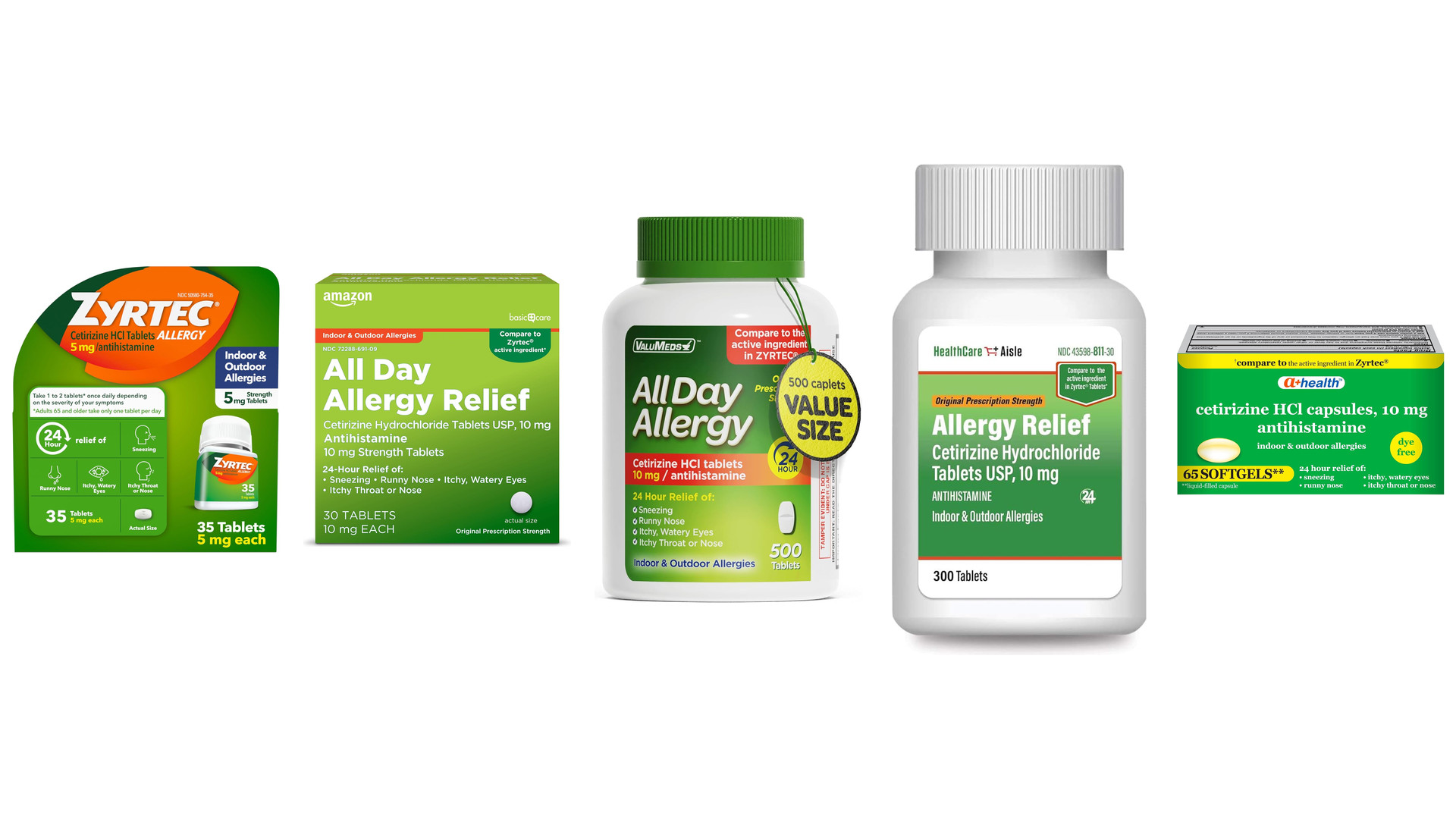
Existing Dermapedia illustration of antihistamines for allergy shiners.

Antihistamines for allergy shiners

Limited evidence

Where hay fever or dust mite allergy is driving it, controlling the allergy does more than any eye cream. It removes the itch that causes the rubbing, and it clears the congestion that slows drainage from the veins under the eye. A daily non-drowsy antihistamine, and a steroid nasal spray in season, are the usual combination. This is the single most effective thing for children with dark circles.

Existing Dermapedia illustration of a color-matched corrector.

A color-matched corrector

Listed

The most reliable same-day result on this page. A thin layer of a peach or orange corrector cancels blue circles and a lighter one cancels brown, then concealer goes over the top; concealer alone usually goes gray. It changes nothing underneath, but for a shadow from a hollow it is the only thing short of a procedure that helps at all.

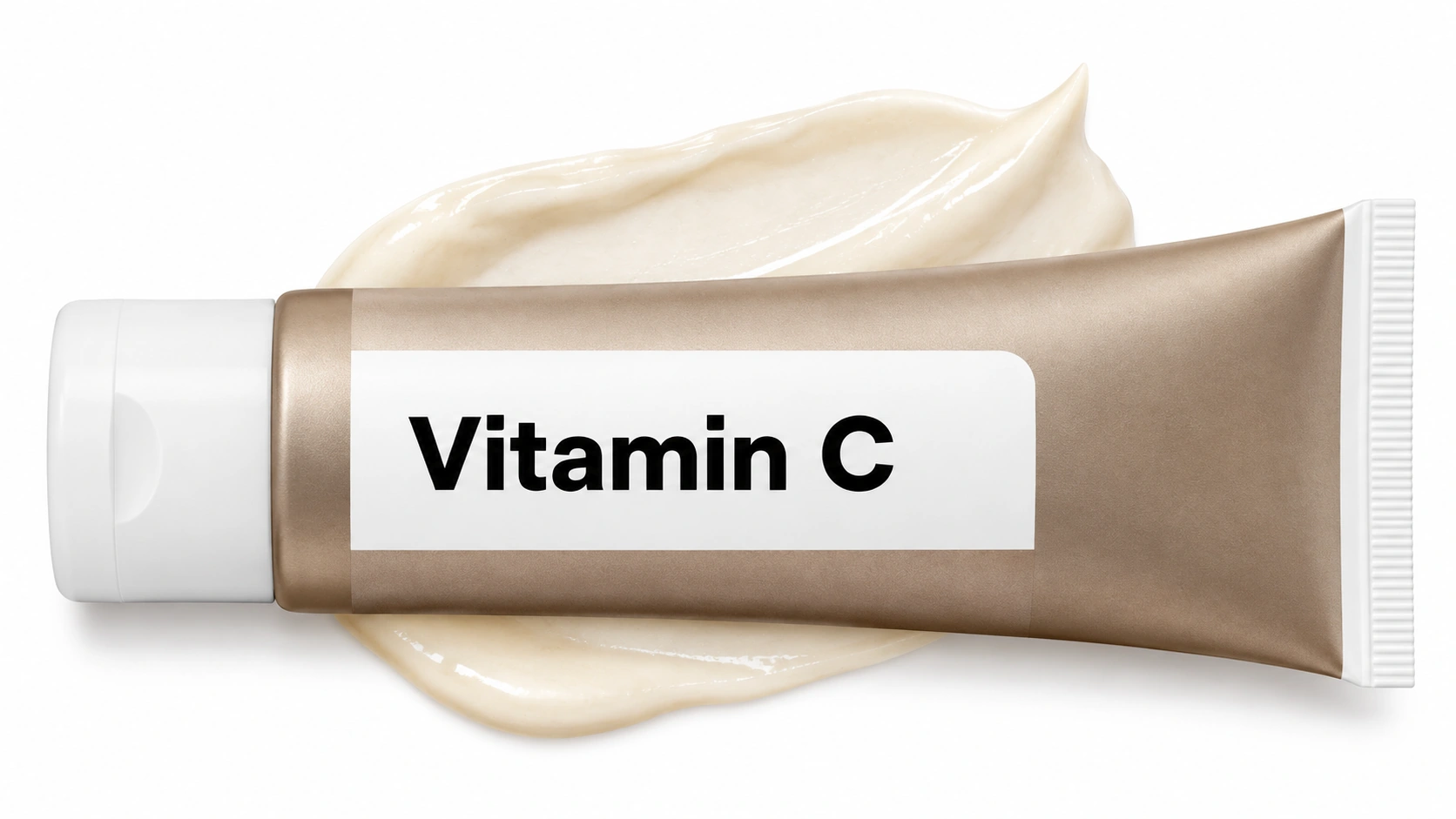
Vitamin C

Limited evidence

Lightens brown eyelid pigment gradually and is the usual starting active for the pigmented type. Use an eye-specific or low-strength formula, because the strong serums sold for the face sting badly on the lid. Expect three to six months to judge it, and expect nothing at all if your circles turn out to be a shadow.

Six niacinamide products on white, including The Ordinary 10% + Zinc 1%, Paula's Choice Booster and EltaMD UV Clear

Niacinamide

Limited evidence

Interrupts the transfer of pigment into the skin cells, and it is one of the few brightening actives gentle enough to use on eyelid skin twice a day without irritation. It is a sensible partner to vitamin C or azelaic acid rather than a standalone. It does nothing for blue circles or for a hollow.

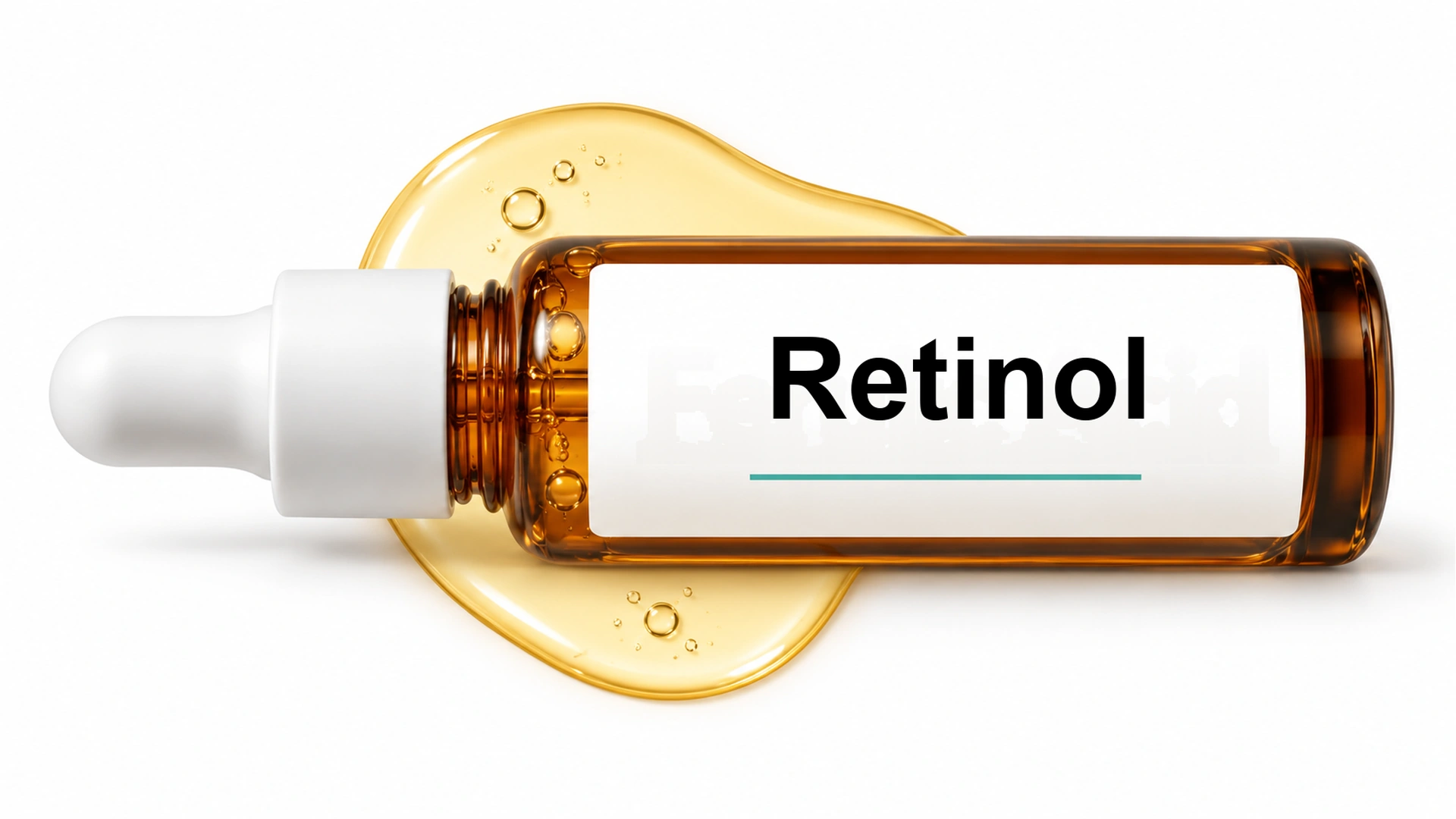
Six retinol products lined up, including SkinCeuticals Retinol 0.5, Murad, CeraVe, First Aid Beauty, RoC and Replenix

Retinol

Limited evidence

Over months it thickens eyelid skin slightly, which both hides the vessels underneath and helps disperse pigment, so it is one of the few actives that touches two of the four causes. Start twice a week with a low strength eye formulation, because the lid irritates easily and an irritated lid leaves more pigment than it started with. Ask your doctor before using it if you are pregnant.

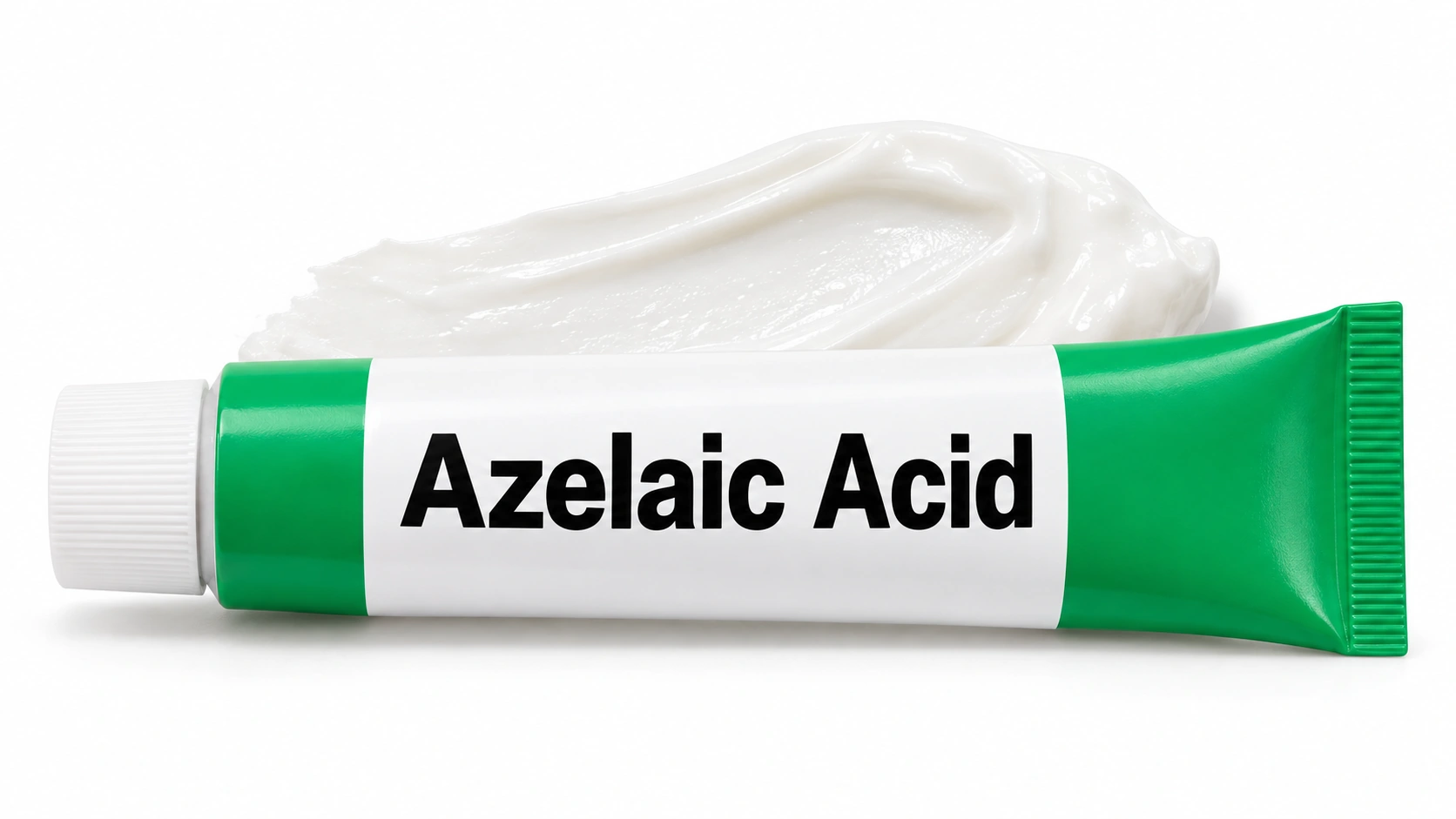
Five azelaic acid tubes and bottles on white, most marked 10 percent, from Peach Slices, Paula's Choice, Facetheory, The Ordinary and Naturium

Azelaic Acid

Limited evidence

A gentler alternative to hydroquinone for brown circles, and one that can be used long-term without a break. It suits deeper skin tones well because it does not carry the risk of the blue-gray darkening that comes with continuous hydroquinone. It works slowly, and it only ever works on pigment.

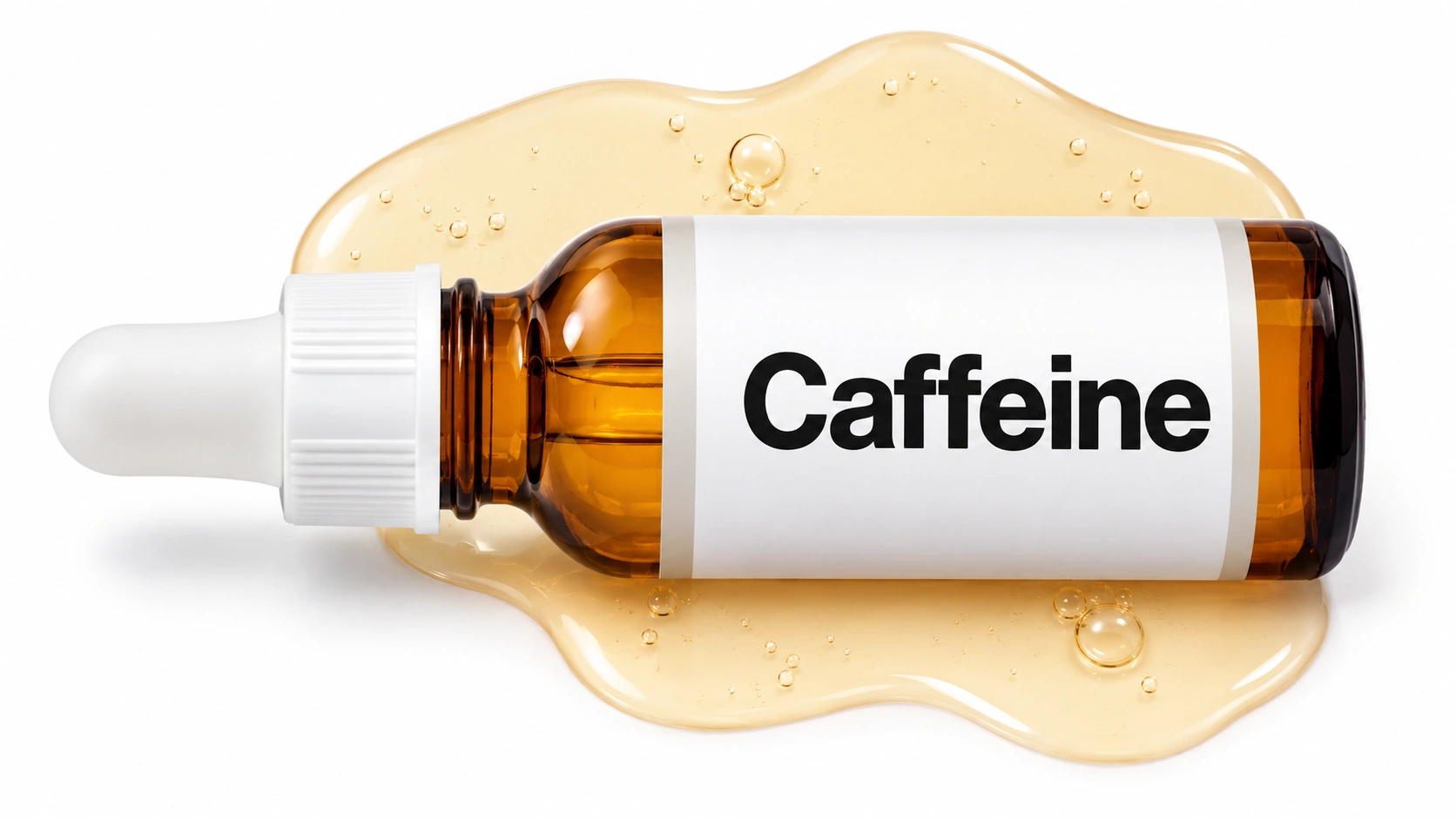
Five caffeine eye products lined up on white: tubes, a pump bottle, a jar and a balm stick

Caffeine

Limited evidence

Narrows the small vessels under the eye and shifts a little fluid, so it takes the edge off blue circles and morning puffiness. The effect is real, modest and lasts a few hours. It does nothing to pigment, and the cooling metal applicator on the tube does about as much as the caffeine.

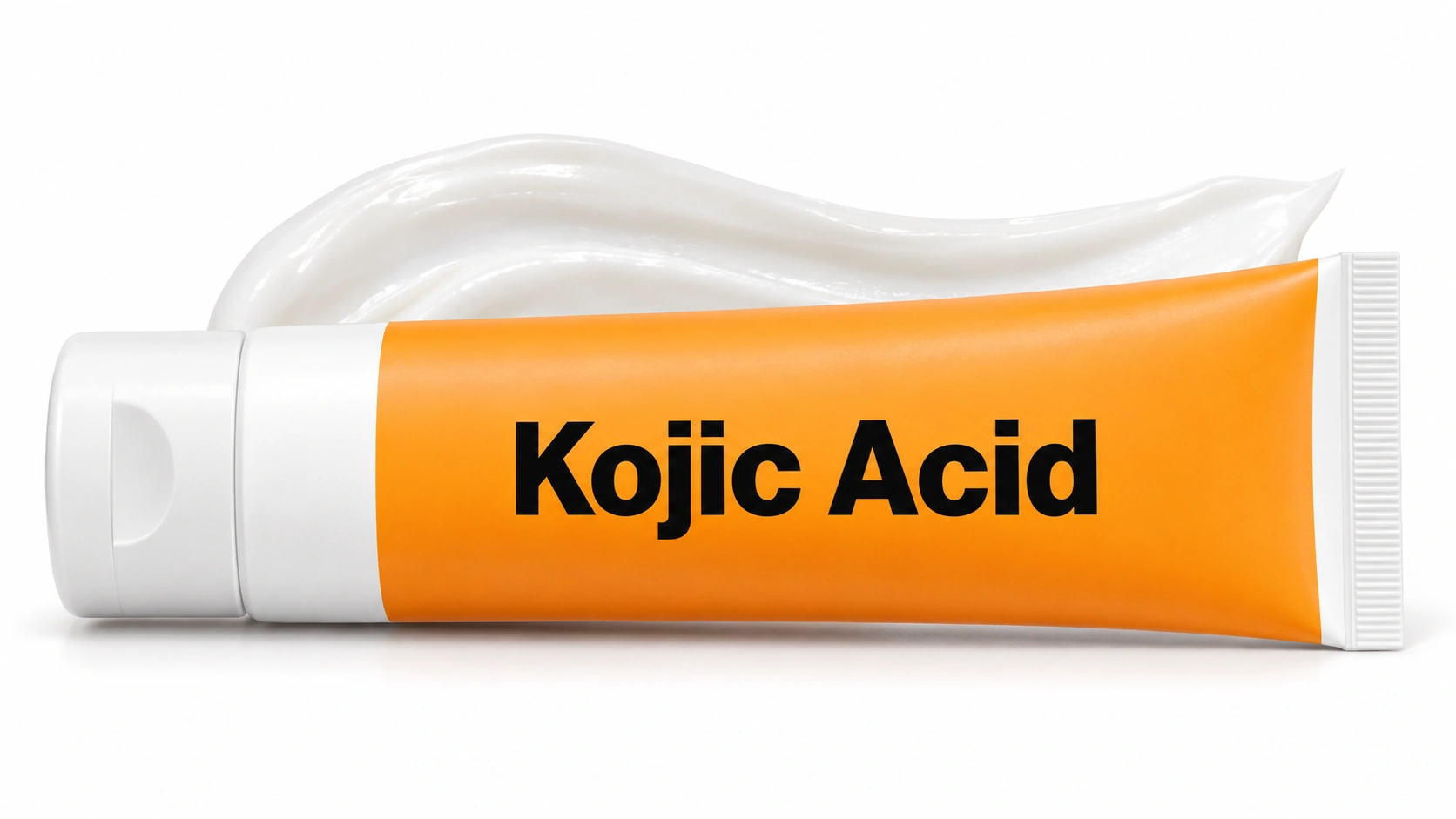
Five kojic acid products on white, including a turmeric serum, Medicube capsule cream, Admire My Skin and Seoul Ceuticals

Kojic Acid

Limited evidence

Another pigment-fading option, usually found blended with vitamin C or niacinamide rather than on its own. It is a reasonable choice if brighter actives have irritated the lid. It is also a fairly common cause of contact allergy on eyelid skin, so stop it if the area becomes itchy or scaly.

Five serums lined up on white, labeled tranexamic acid or niacinamide with TXA, including SkinCeuticals Discoloration Defense

Tranexamic Acid

Limited evidence

Applied to the skin, it is a mild brightener with a little evidence in stubborn pigmentation around the eye, most often used alongside vitamin C. The tablets, which are used for melasma, are not given for dark circles. Judge it at three months, and only if brown is genuinely your problem.

None listed
Prescription topicals
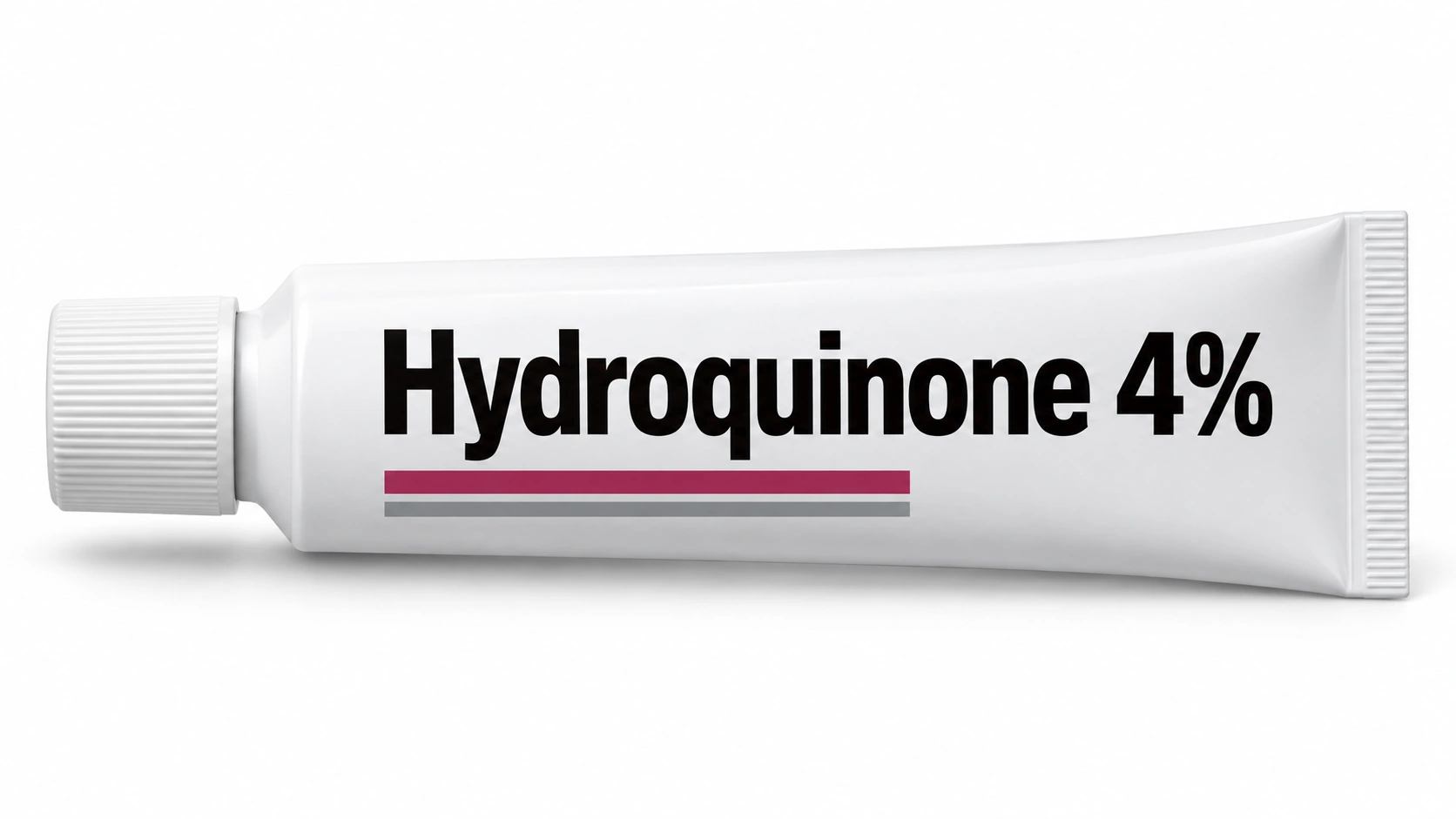
Hydroquinone 4% — Header Image

Hydroquinone 4%

Limited evidence

The strongest cream available for the pigmented type, and the one most likely to produce visible lightening in three to four months. It is prescribed in short courses with breaks rather than continuously, because long unbroken use can cause a stubborn blue-gray darkening, particularly on deeper skin tones. It is applied thinly and kept off the lid margin and out of the eye.

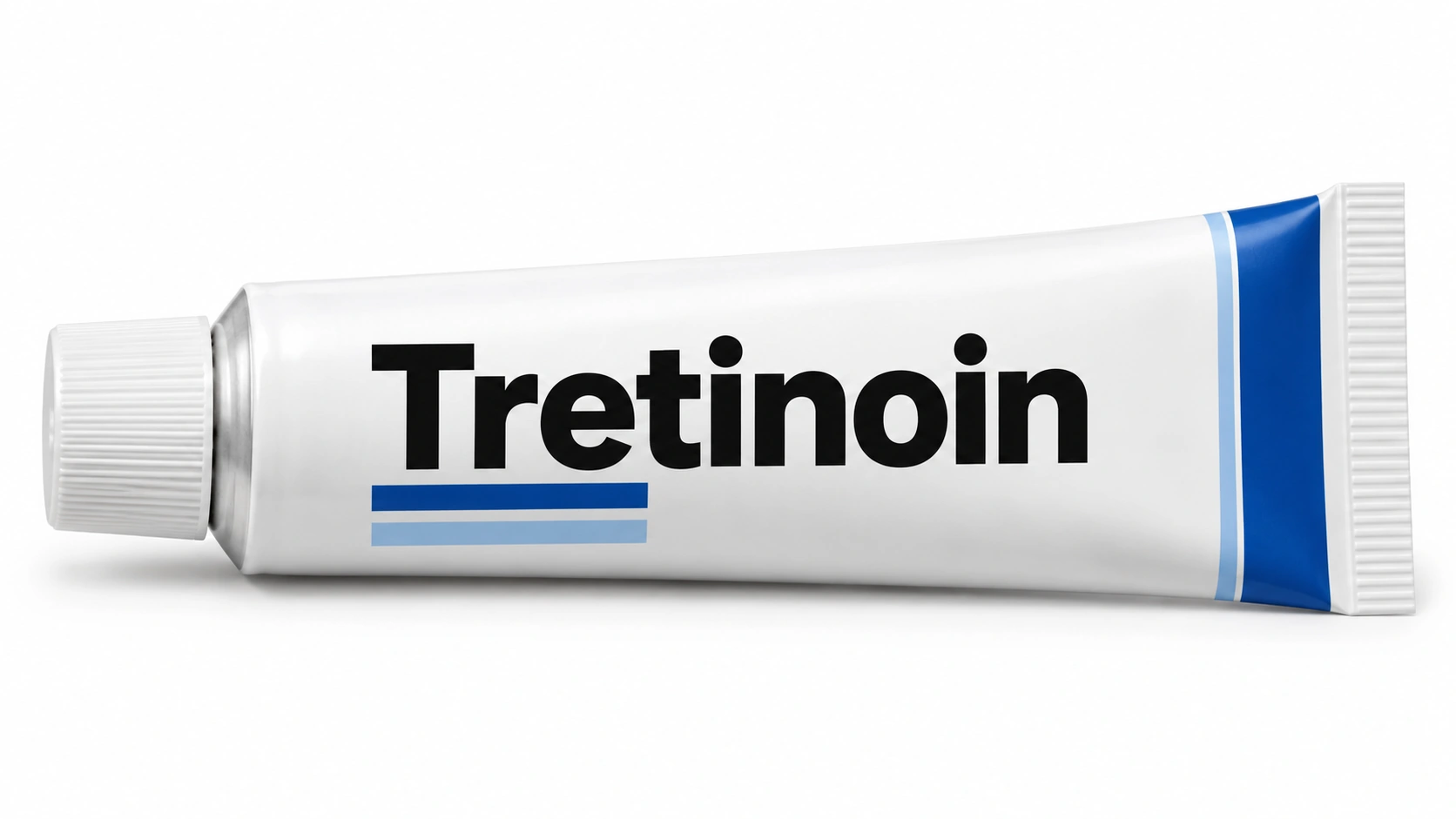
Tretinoin — Header Image

Tretinoin

Limited evidence

A prescription retinoid that thickens the lid skin and speeds pigment out of it, and it makes hydroquinone work better, which is why the two are usually prescribed together. Eyelid skin irritates readily, so it is used at low strength, a few nights a week, and irritation is a reason to slow down rather than push on. Ask your doctor before using it if you are pregnant or trying to be.

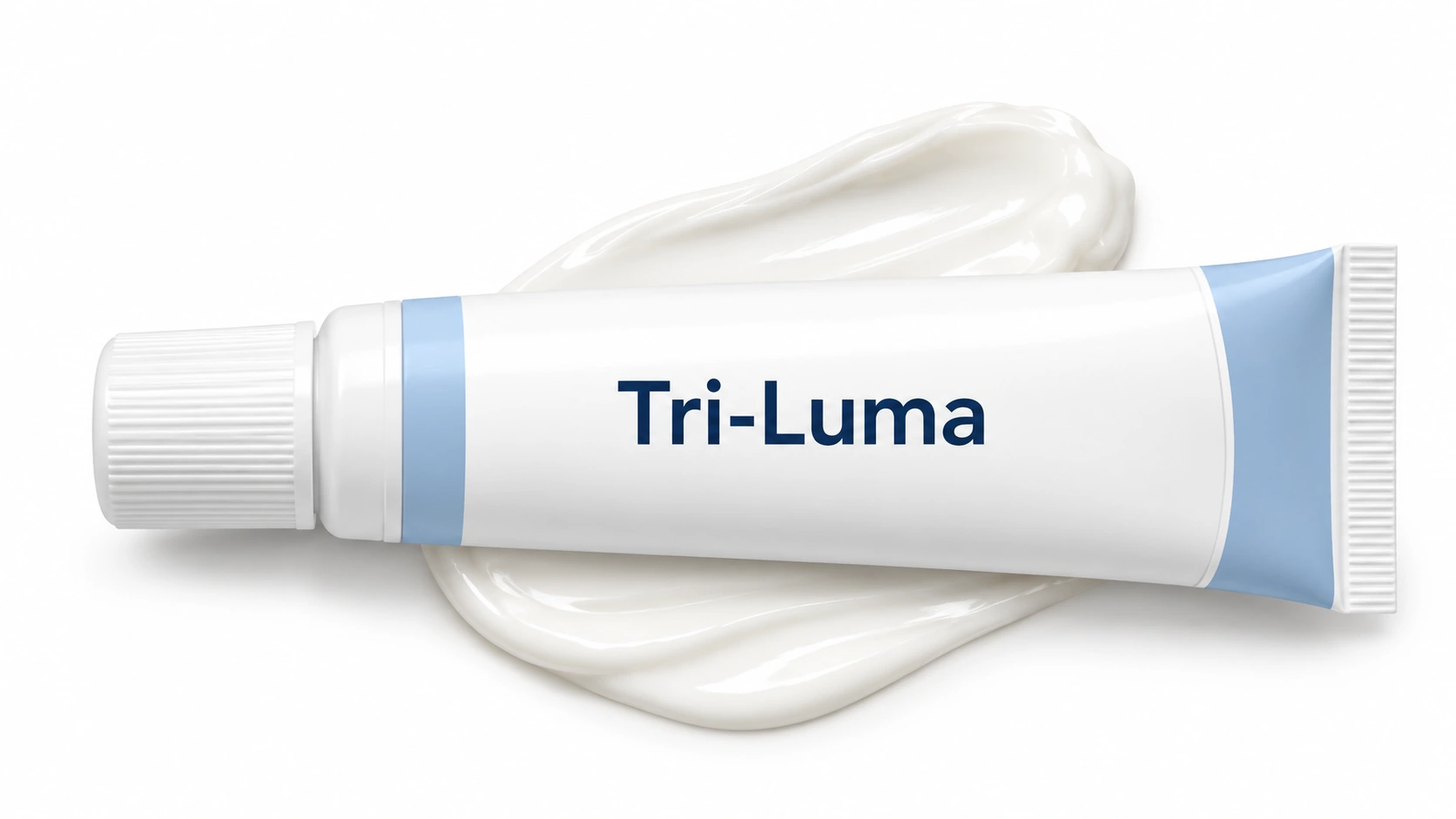
An illustrative cream tube labeled Tri-Luma beside a cream swatch; packaging is conceptual.

Triple combination cream

Limited evidence

Hydroquinone, a retinoid and a mild steroid in one cream, prescribed for a limited course when brown circles have not shifted with single actives. The steroid is there to hold down irritation, and it is exactly why the course has to be short: months of steroid on eyelid skin thins it and makes the vessels beneath show through more. This one belongs under supervision, not on repeat.

Nasal-allergy treatment

Listed

A pharmacist or clinician can recommend an age-appropriate nasal treatment or antihistamine.

Procedures
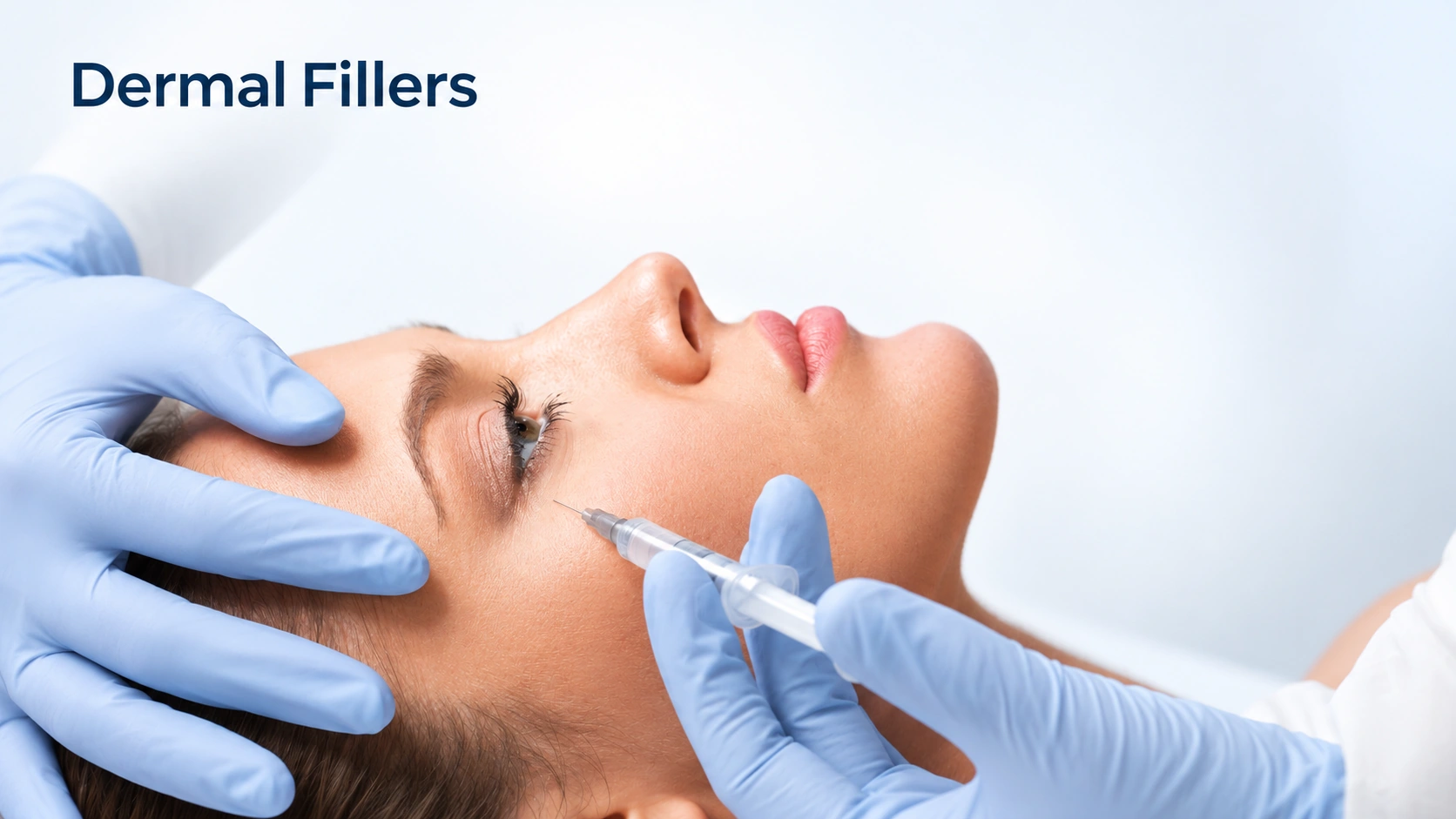
Editorial illustration for Dermal Fillers, based on the entry’s treatment or equipment reference.

Dermal Fillers

Moderate evidence

A small amount of hyaluronic acid placed deep in the tear trough is the only thing that genuinely fills a hollow, and when the shadow is the problem the difference can be striking. It lasts months to a couple of years and then needs repeating, and it does nothing for brown pigment. It is one of the most technically demanding places on the face to inject, so who does it matters more than what they use.

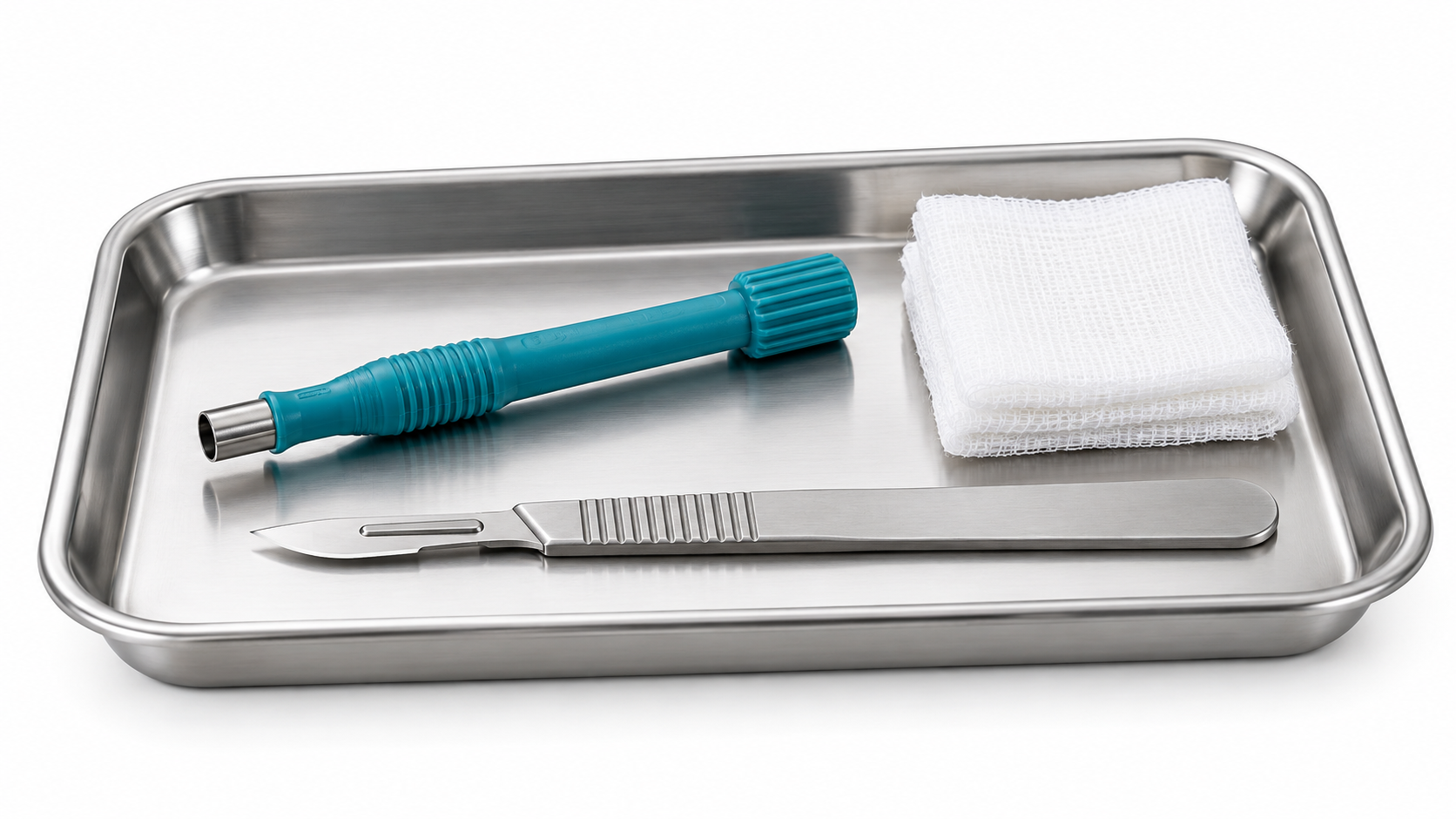
Lower eyelid surgery

Lower eyelid surgery

Moderate evidence

Repositioning or removing the fat pads flattens the bulging ridge and softens the groove below it at the same time, which is why it suits people who have both puffiness and a hollow. It is the most durable option here, and the only one that addresses a ridge rather than disguising it. It is surgery, with bruising, weeks of recovery and a real complication rate, and it does not change pigment.

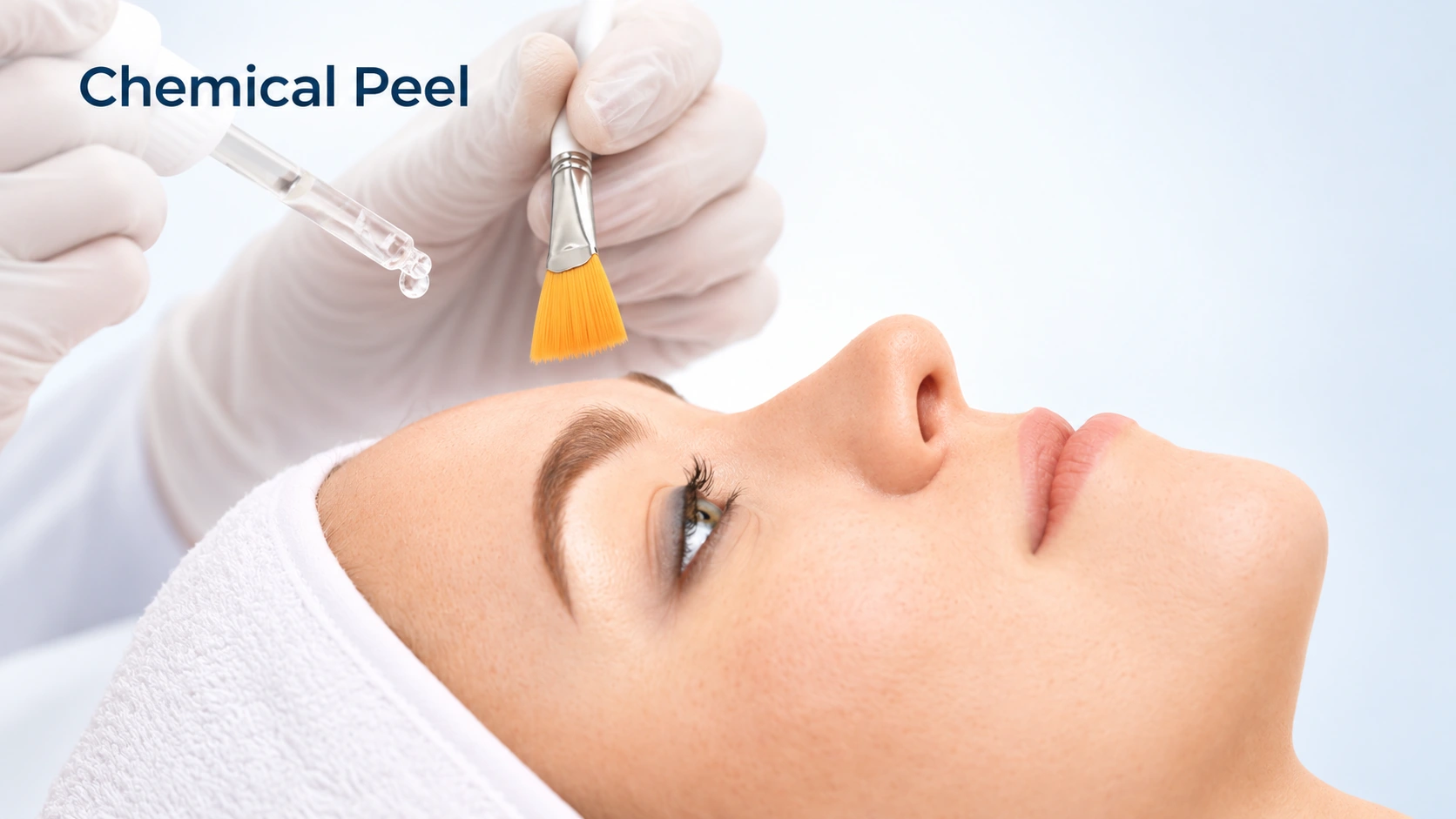
Editorial illustration for Chemical Peel, based on the entry’s treatment or equipment reference.

Chemical Peel

Limited evidence

Light peels done around the eye can lift brown pigment over a course of treatments, and they are a reasonable next step when creams have stalled. Settings have to be gentle, spaced further apart and often preceded by weeks of a preparation cream, because over-treating eyelid skin leaves more pigment than it removed. On deeper skin tones, ask directly how many people with your skin tone the clinic treats.

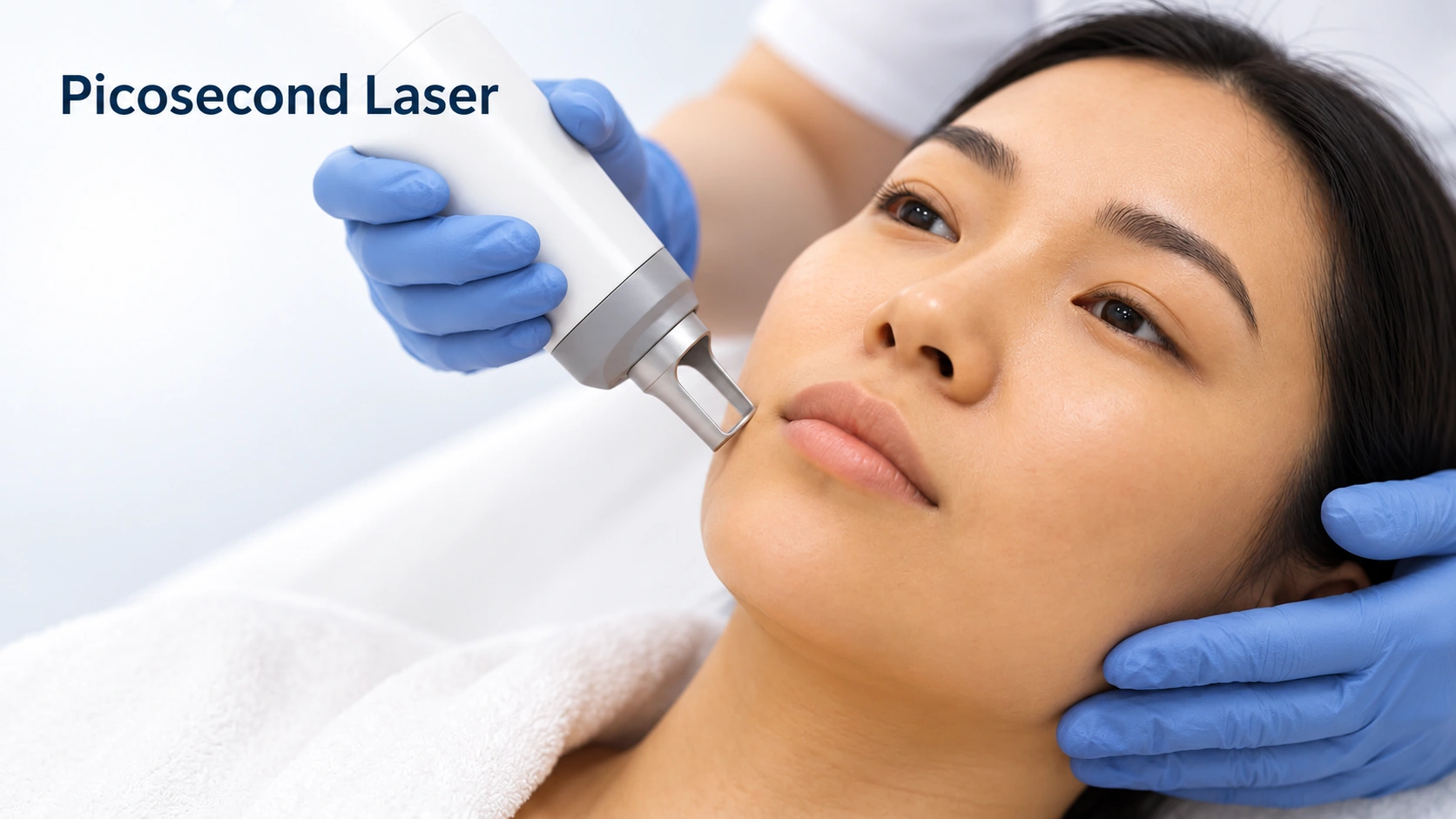
Editorial illustration for Picosecond Laser, based on the entry’s treatment or equipment reference.

Picosecond Laser

Limited evidence

A pigment-targeted laser used for stubborn brown circles that have not moved with creams or peels. Results vary a good deal, several sessions are needed, and eye shields are essential. The same caution applies as with peels: aggressive settings on eyelid skin can leave darker marks than the ones being treated, and that risk is higher on deeper skin tones.

V-Beam

Limited evidence

Targets blood vessels rather than pigment, so it is aimed at the blue-purple type and does nothing for brown. It can soften the color where prominent veins are the main problem, but bruising for a week or two is usual and the vessels often refill over time. It is a niche option, tried after sleep, allergy treatment and not rubbing have been given a fair go.

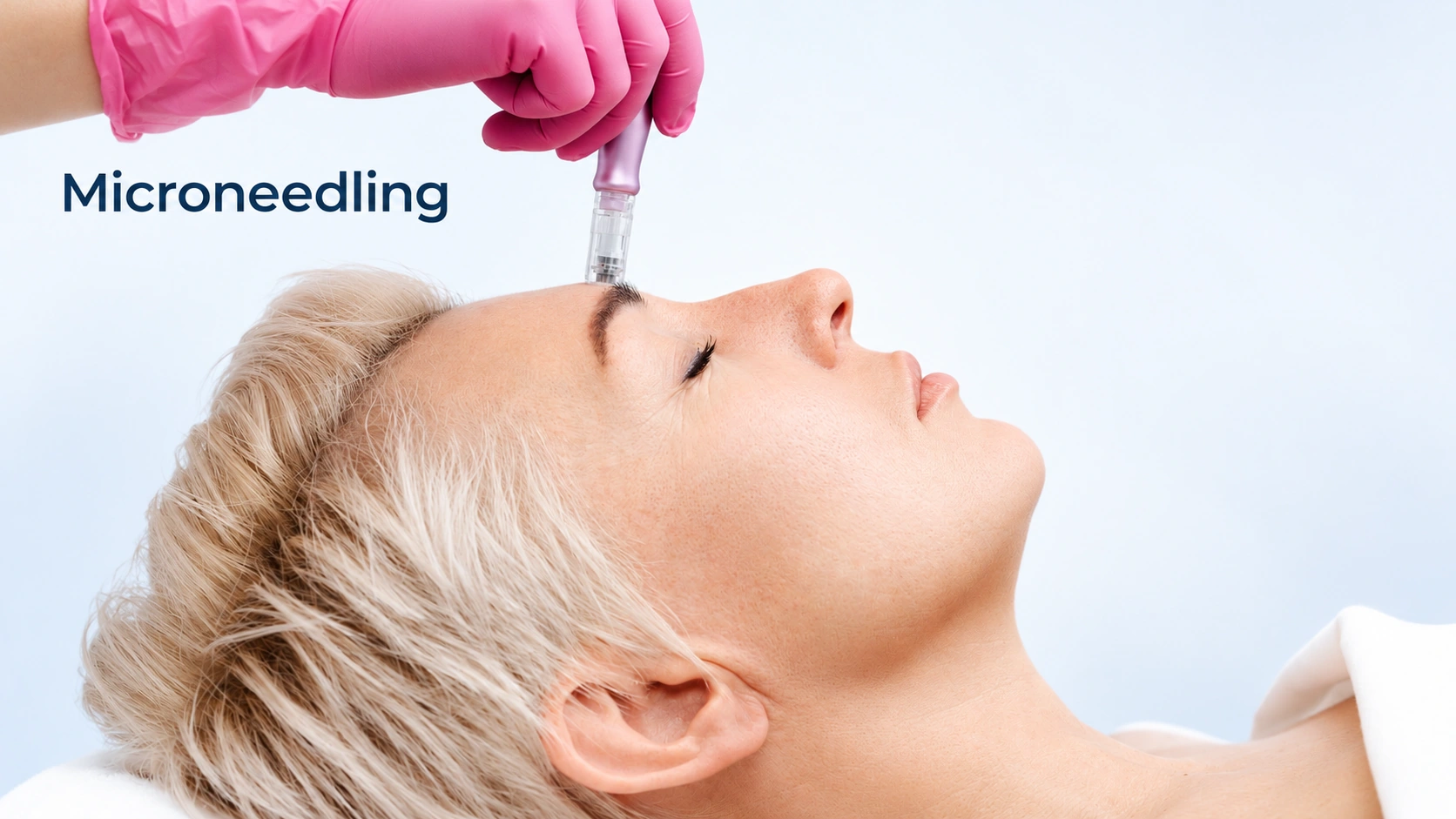
Editorial illustration for Microneedling, based on the entry’s treatment or equipment reference.

Microneedling

Limited evidence

Thickens the skin slightly over a course of sessions, which can make the vessels underneath a little less visible. The evidence around the eye is thin and the change is subtle. It will not fill a hollow, and on deeper skin tones it carries its own risk of leaving marks, so it is not a first choice here.

None listed

Outlook

Long term

Dark circles are a long-running tendency, not an episode. Only part of them moves day to day - the vascular and puffy component shifts with sleep, salt, alcohol and allergy season, while pigment barely changes. If the color is identical whether you are rested or wrecked, it is pigment.

Under-eye darkness related to allergies can improve as congestion and allergy symptoms settle. It may recur with exposure, and some under-eye darkness has additional causes.

Complications

Possible complications

Several contributors can overlap, including pigment, thin skin, anatomical shadowing, allergy and rubbing. New swelling or other eye symptoms need assessment for the underlying cause.

They can accompany sneezing, itchy eyes and a blocked nose rather than a primary skin disease.

When to get help

When to get help

Seek care for a new one-sided change, swelling or discomfort. Pain, fever or vision changes need prompt assessment rather than cosmetic treatment.

Eye pain, light sensitivity, vision change or severe swelling needs urgent assessment. A red eye in a contact-lens wearer also needs prompt care.

Common questions

Dark Circles Under the Eyes:Why do I have dark circles when I sleep fine?

Sleep is only one of four causes, and usually not the main one. Inherited pigment, thin skin that lets the vessels below show through, and the shape of your eye socket account for most of it, and none changes with sleep.

Dark Circles Under the Eyes:How do I know which type I have?

Two checks at home. Shine a light from below your face - if the darkness largely disappears, it is a shadow. Then stretch the skin sideways - if the color fades, vessels are a large part of it; if it stays the same, it is pigment.

Dark Circles Under the Eyes:Do eye creams actually work?

For the pigmented type, some do. Sunscreen, a retinoid and a brightening active such as azelaic acid, vitamin C or niacinamide lighten brown circles over three to six months. For shadows and most blue circles, creams do very little at any price.

Dark Circles Under the Eyes:Is filler under the eyes a good idea?

It is one of the more technically demanding areas to inject, and the result depends on who does it. Lumps, prolonged swelling and a bluish cast are common enough to mention, and rare but serious problems from a blocked vessel are why you do not shop on price. It only helps if a hollow is the problem.

Dark Circles Under the Eyes:Will they get worse as I get older?

The shadow usually does, because fat under the eye descends and the socket changes shape from the mid-thirties onward. The pigment tends to stay steady, or improve slightly with consistent sun protection.

Dark Circles Under the Eyes:Can children have dark circles?

In children the usual reason by far is allergy. Under-eye darkness in a child with a blocked nose, sneezing or itchy eyes improves substantially once the allergy is treated - not a sign of poor sleep or poor health.

Allergic Shiners:What is Allergic Shiners?

Dark circles under the eyes associated with nasal allergy and congestion.

Allergic Shiners:What can I do day to day?

Avoid rubbing and treat the nasal allergy with clinician or pharmacist advice.

Allergic Shiners:When should I get medical advice?

Eye pain, light sensitivity, vision change or severe swelling needs urgent assessment. A red eye in a contact-lens wearer also needs prompt care.

Sources

Sources and further reading

  1. DermNet
  2. Allergic Shiners
Dermapedia on YouTube