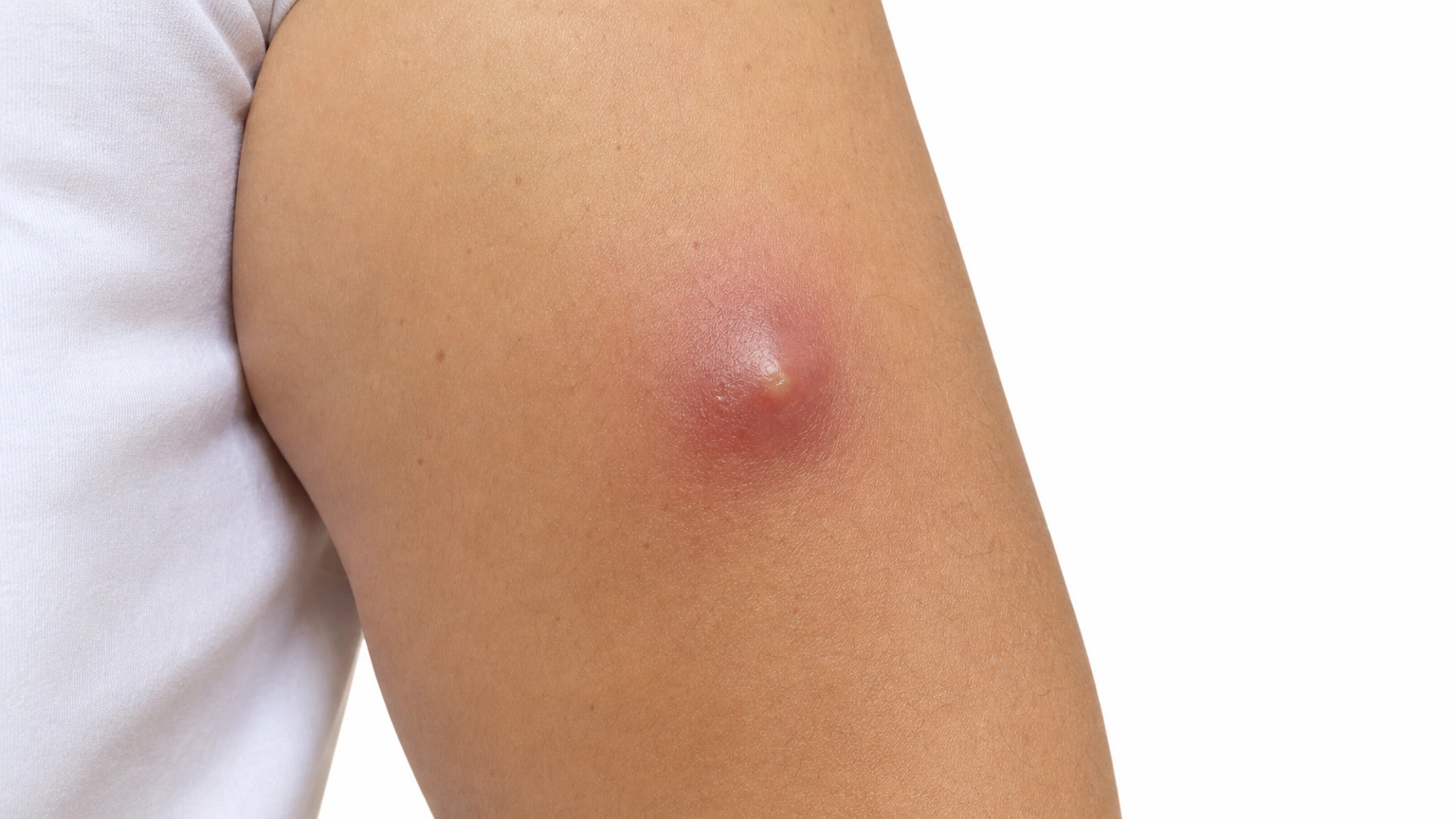
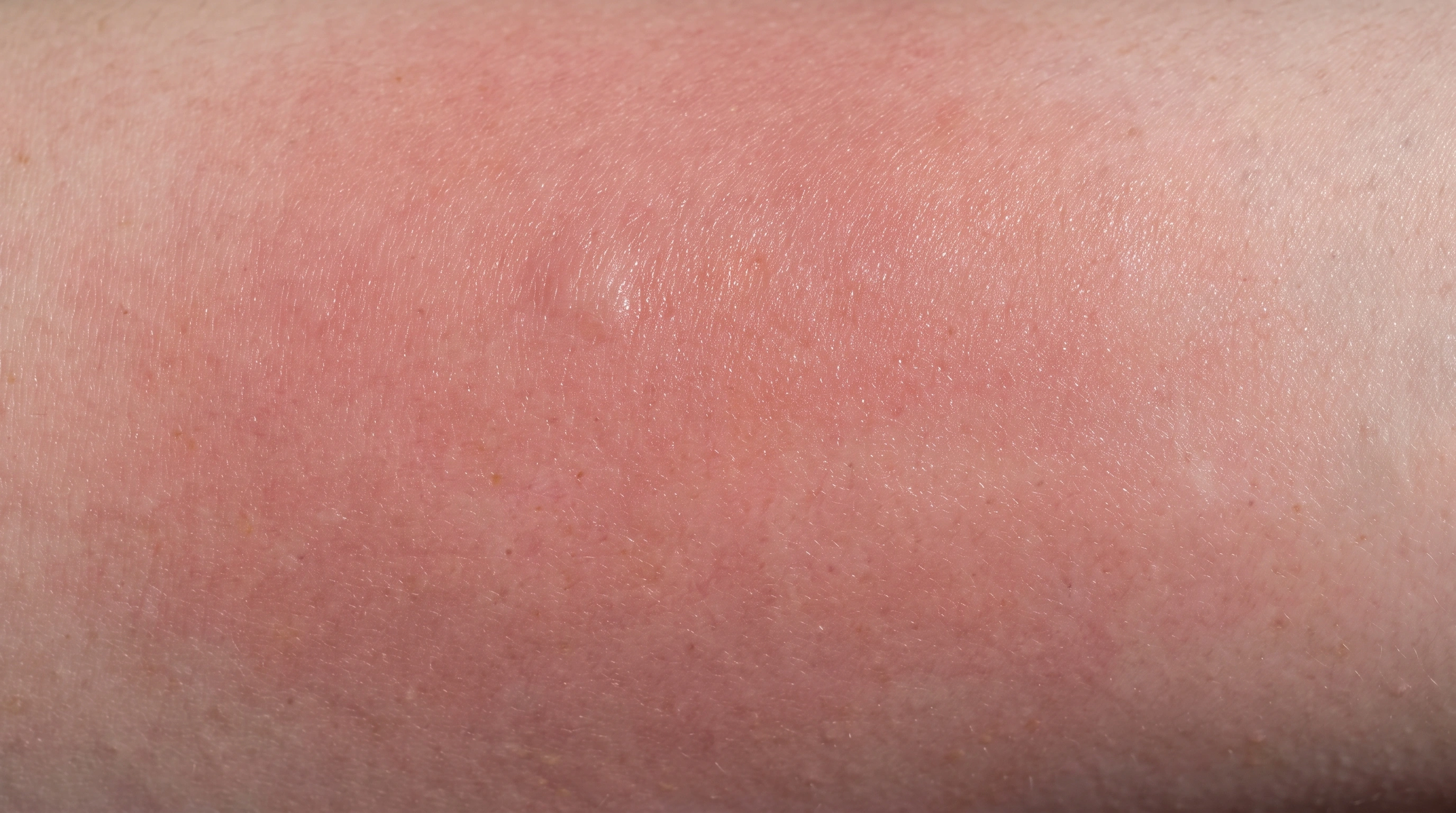
Eye Bags vs Tear Trough Hollows
Puffiness beneath the eyes, often related to tissue ageing and fluid shifts. A hollow or depression beneath the inner lower eyelid that casts a shadow.
Key differences
The same eight facts on every condition comparison.
What is it?
- What it is
Puffiness beneath the eyes, often related to tissue ageing and fluid shifts.
- What it is
A hollow or depression beneath the inner lower eyelid that casts a shadow.
What it looks like
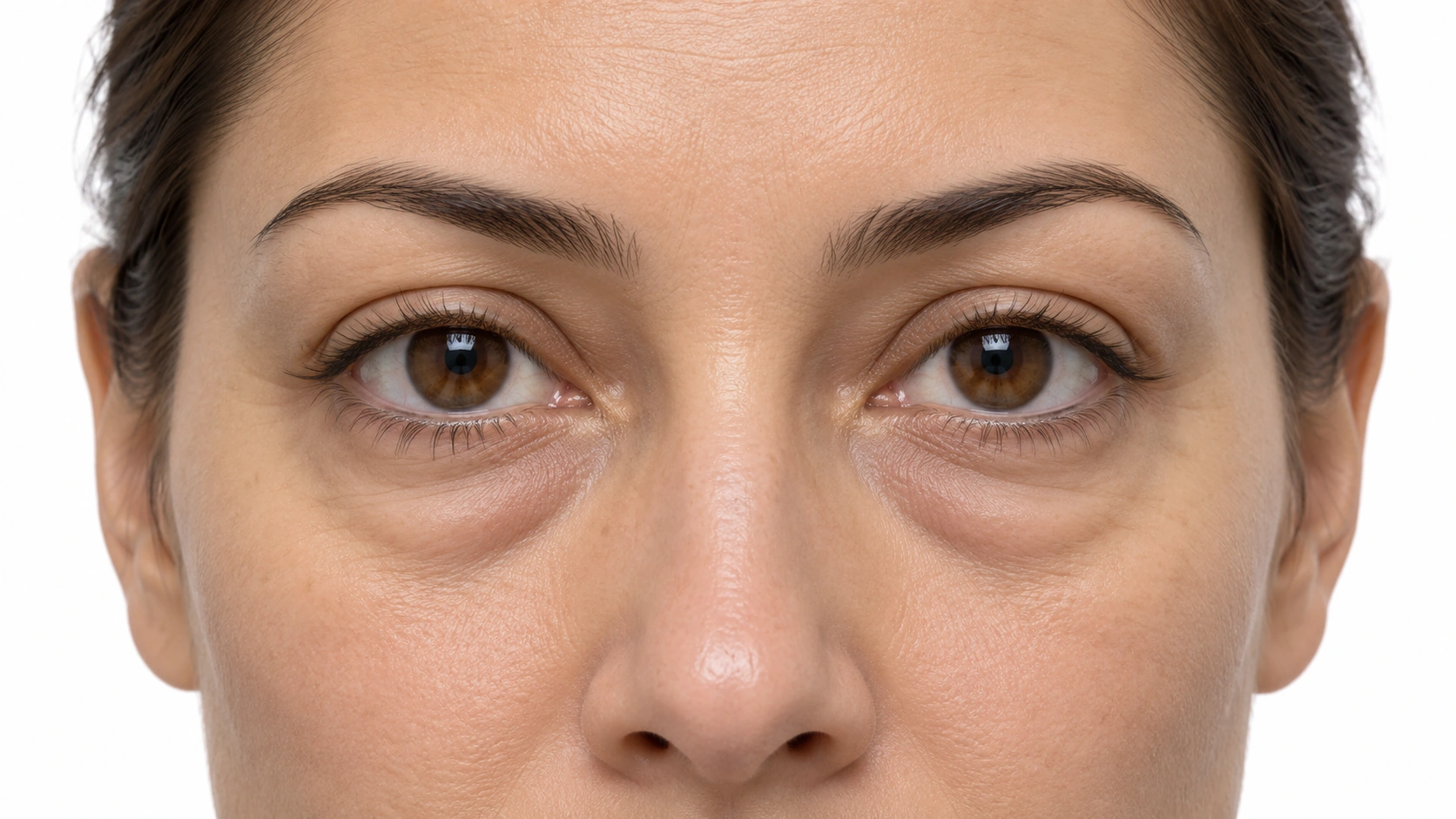
Eye Bags
Eye Bags Rounded under-eye bulges cast shadows along their lower edges.
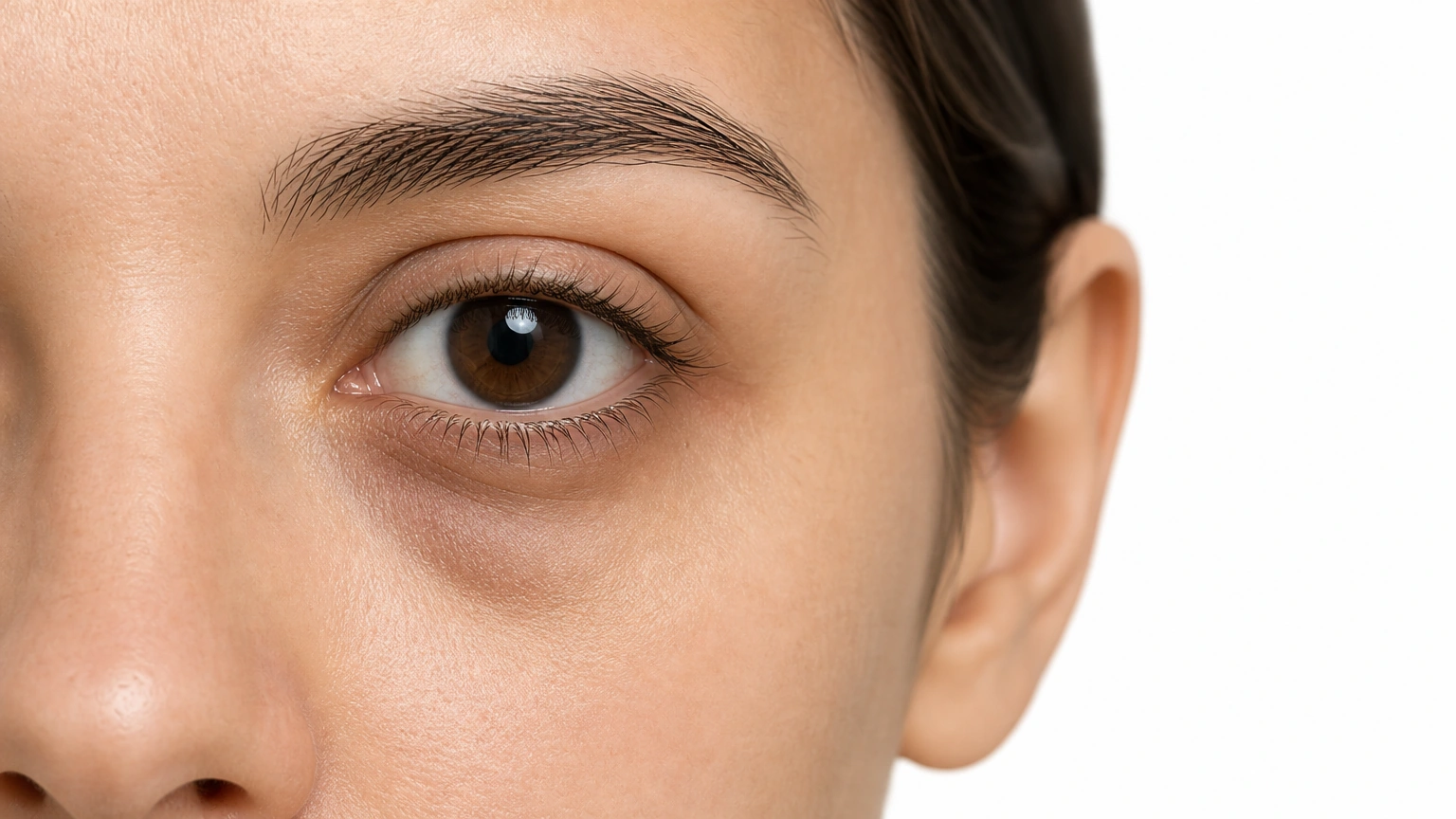
Tear Trough Hollows
Tear Trough Hollows A curved depression creates a shadow between the lower eyelid and cheek.
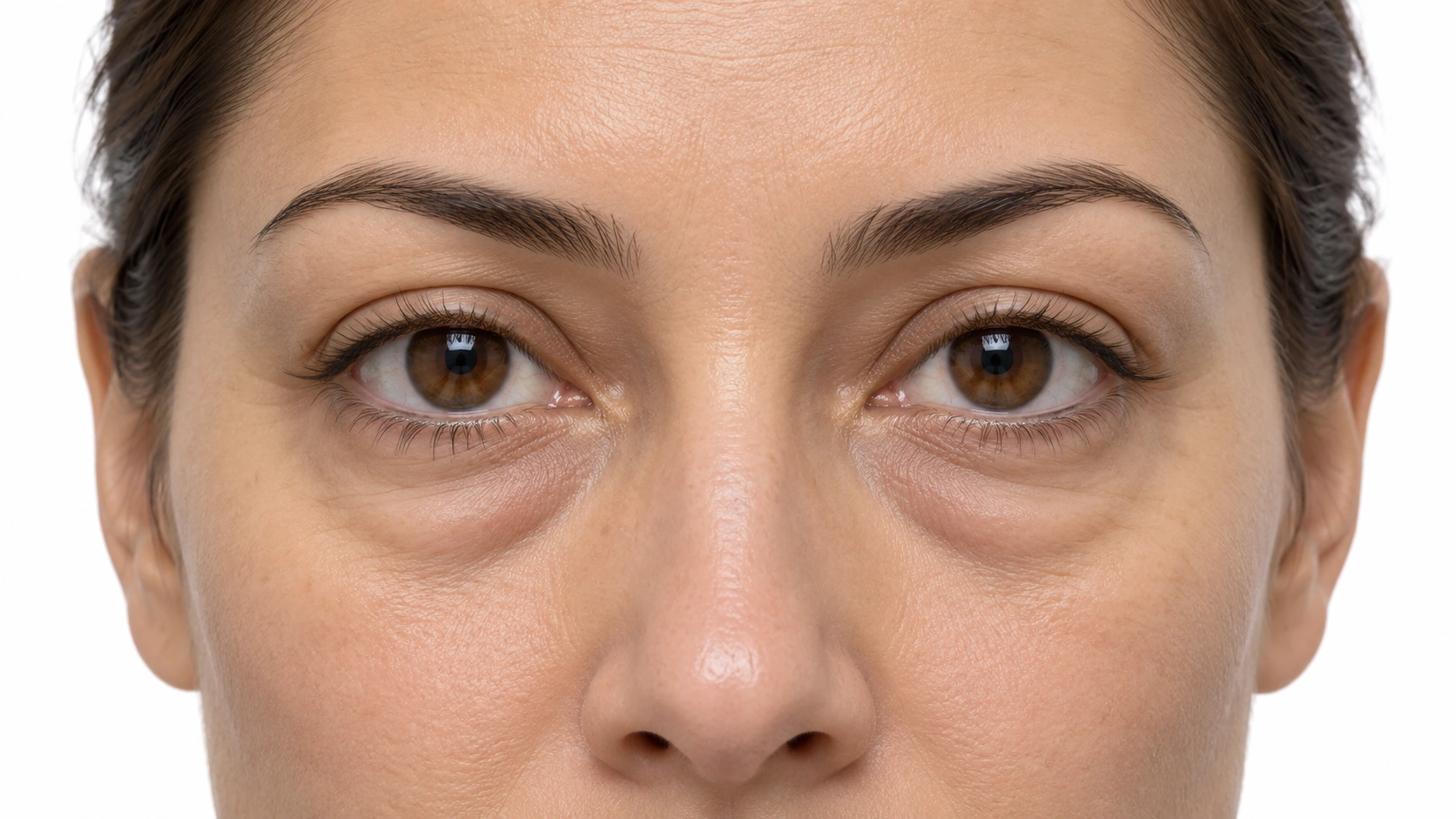
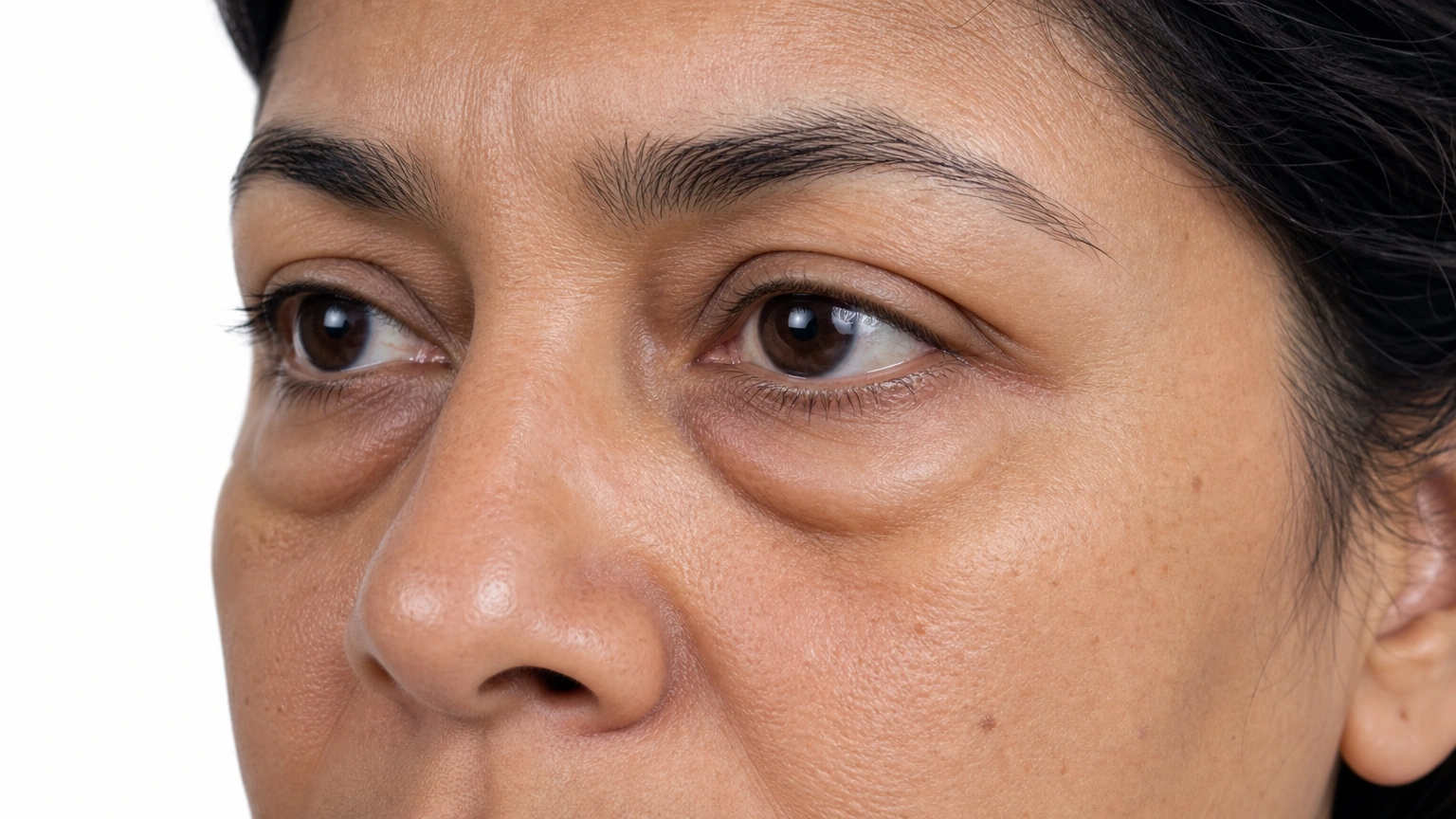
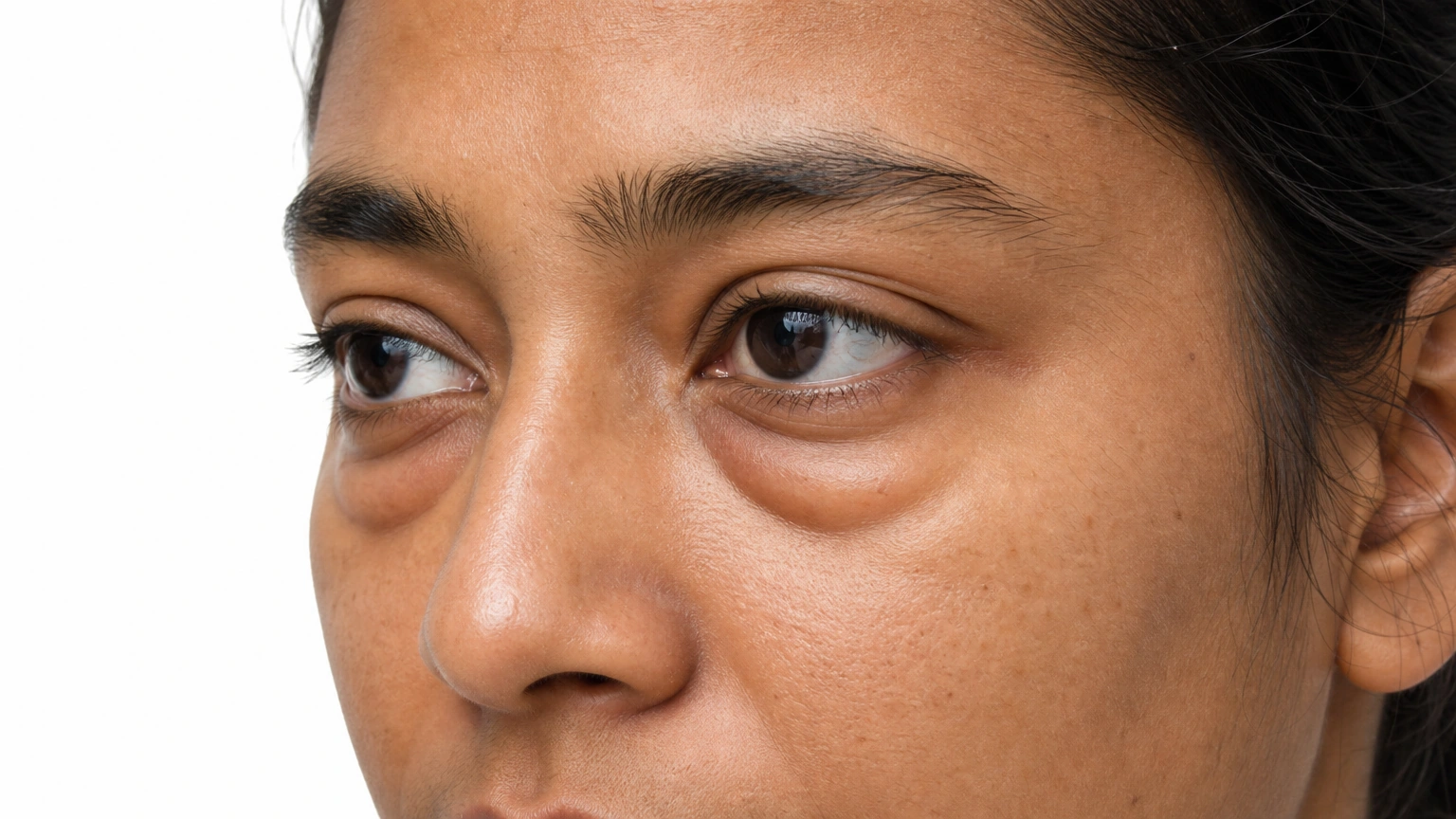
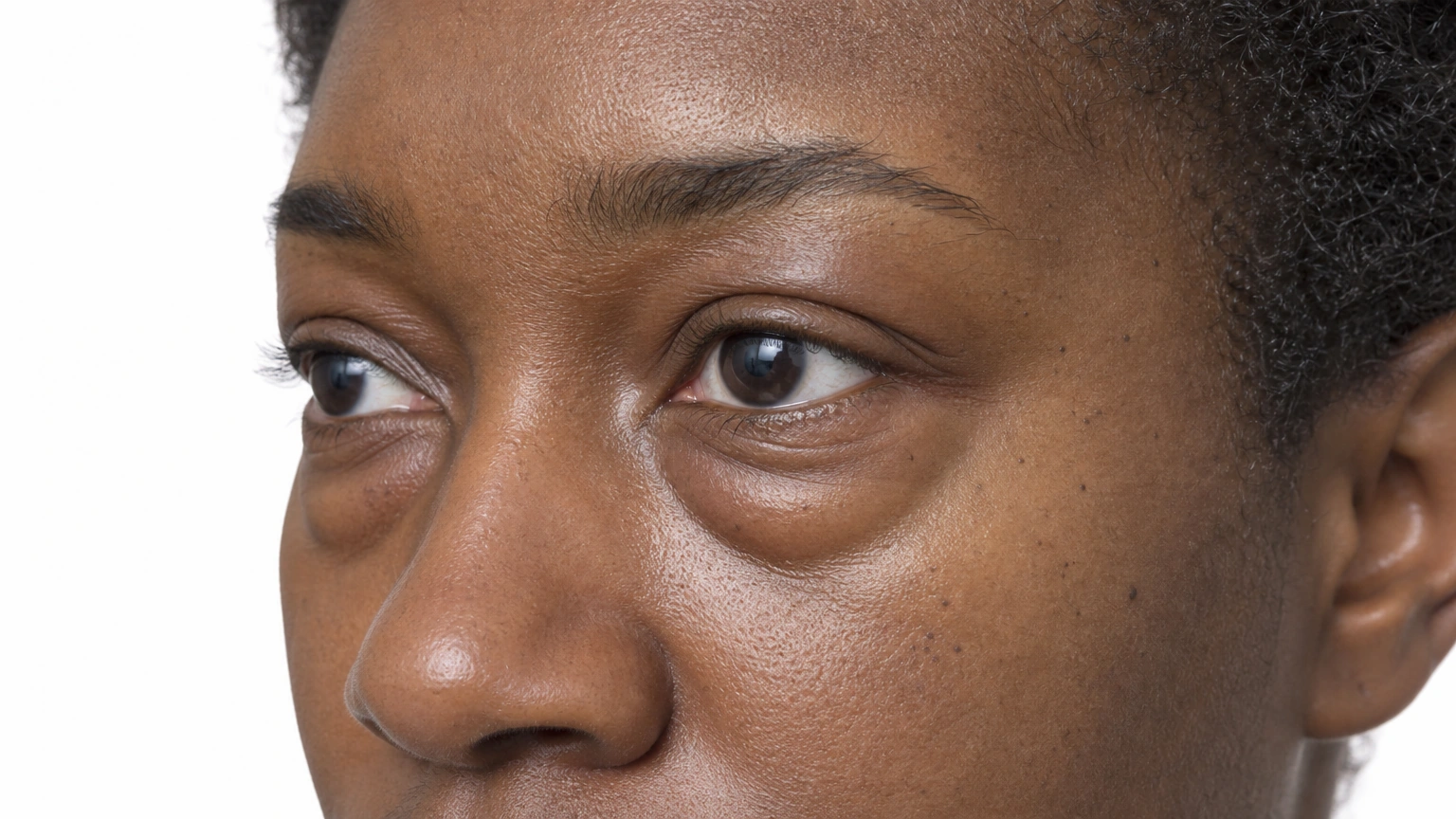
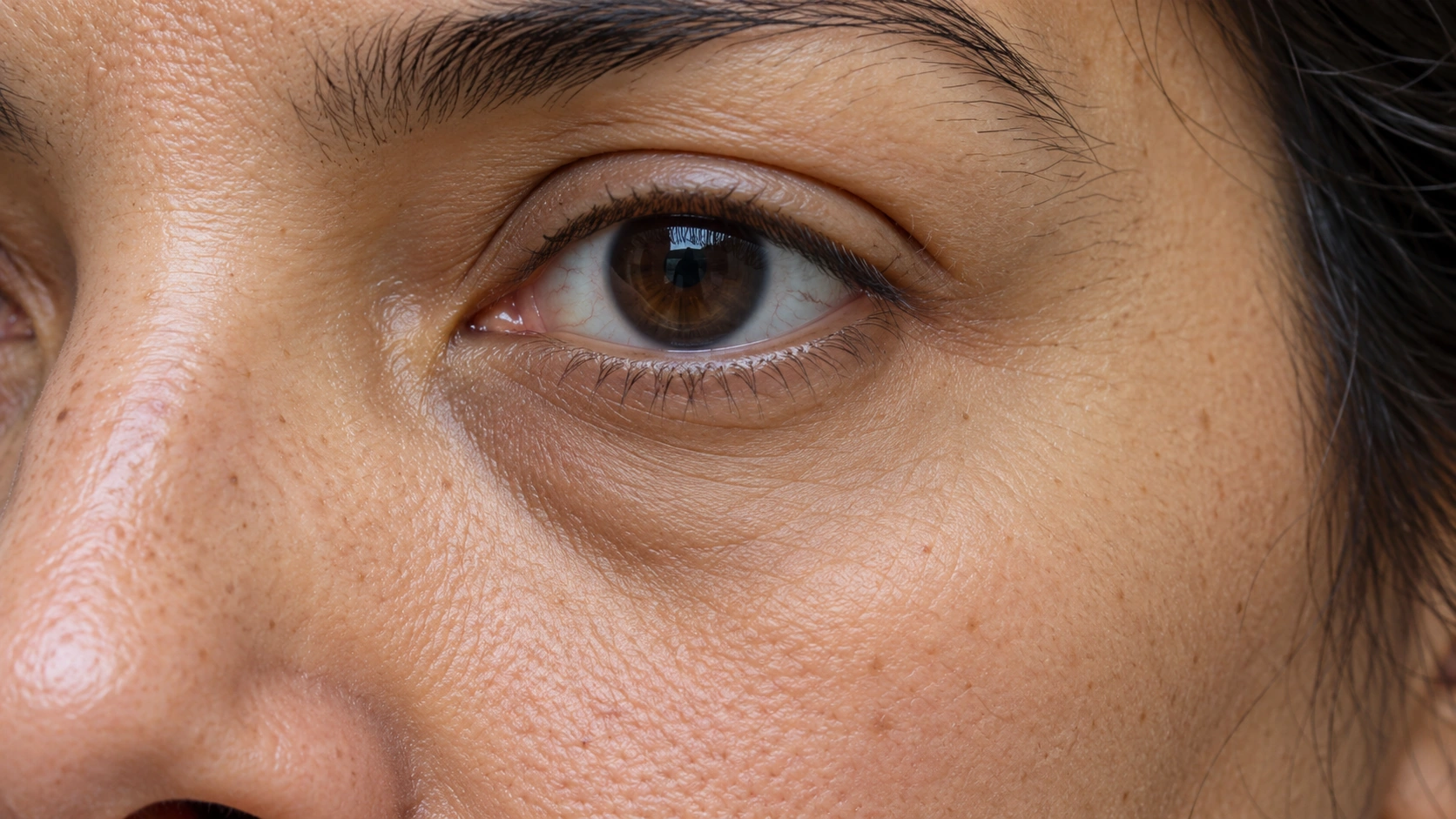
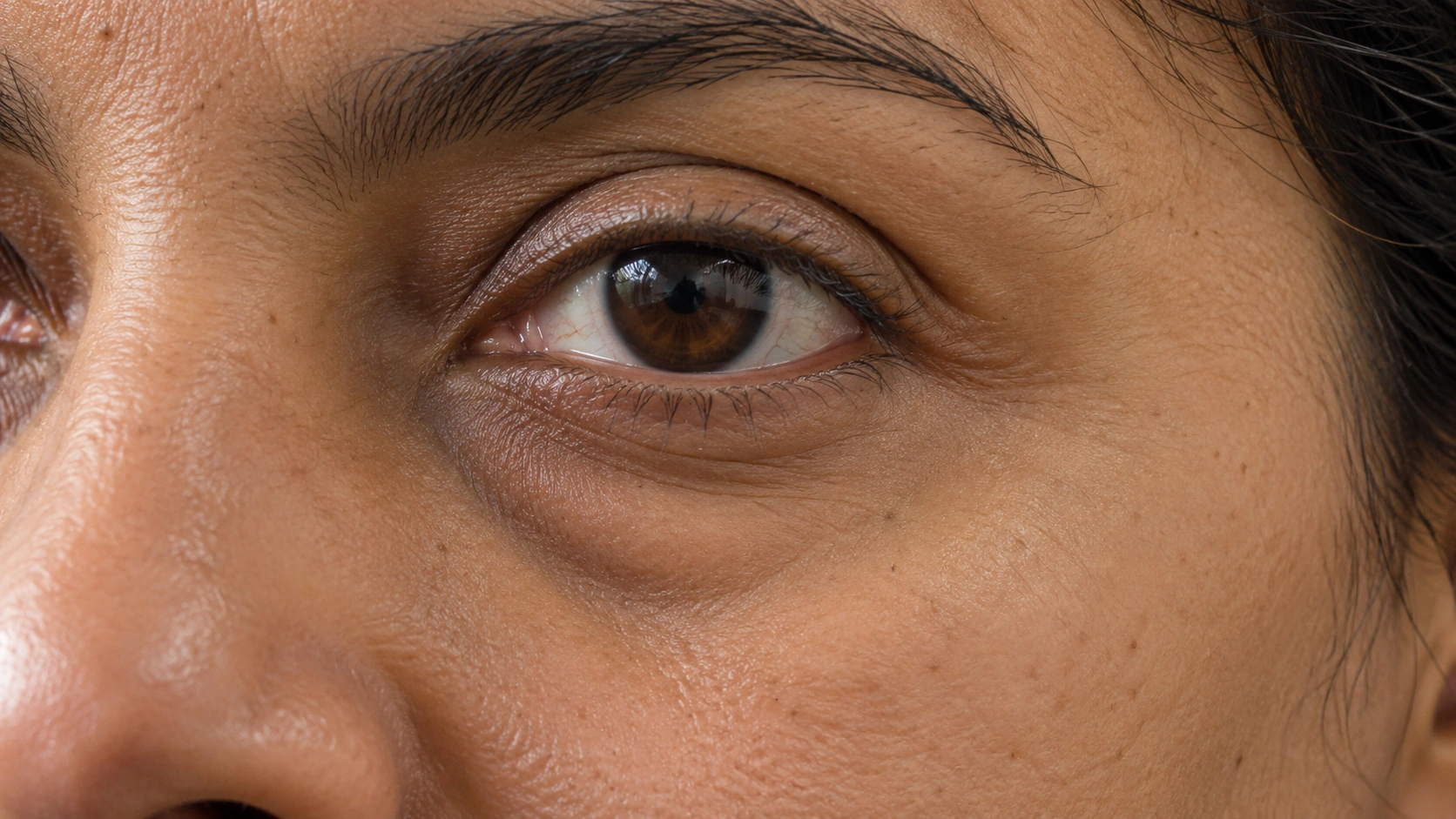
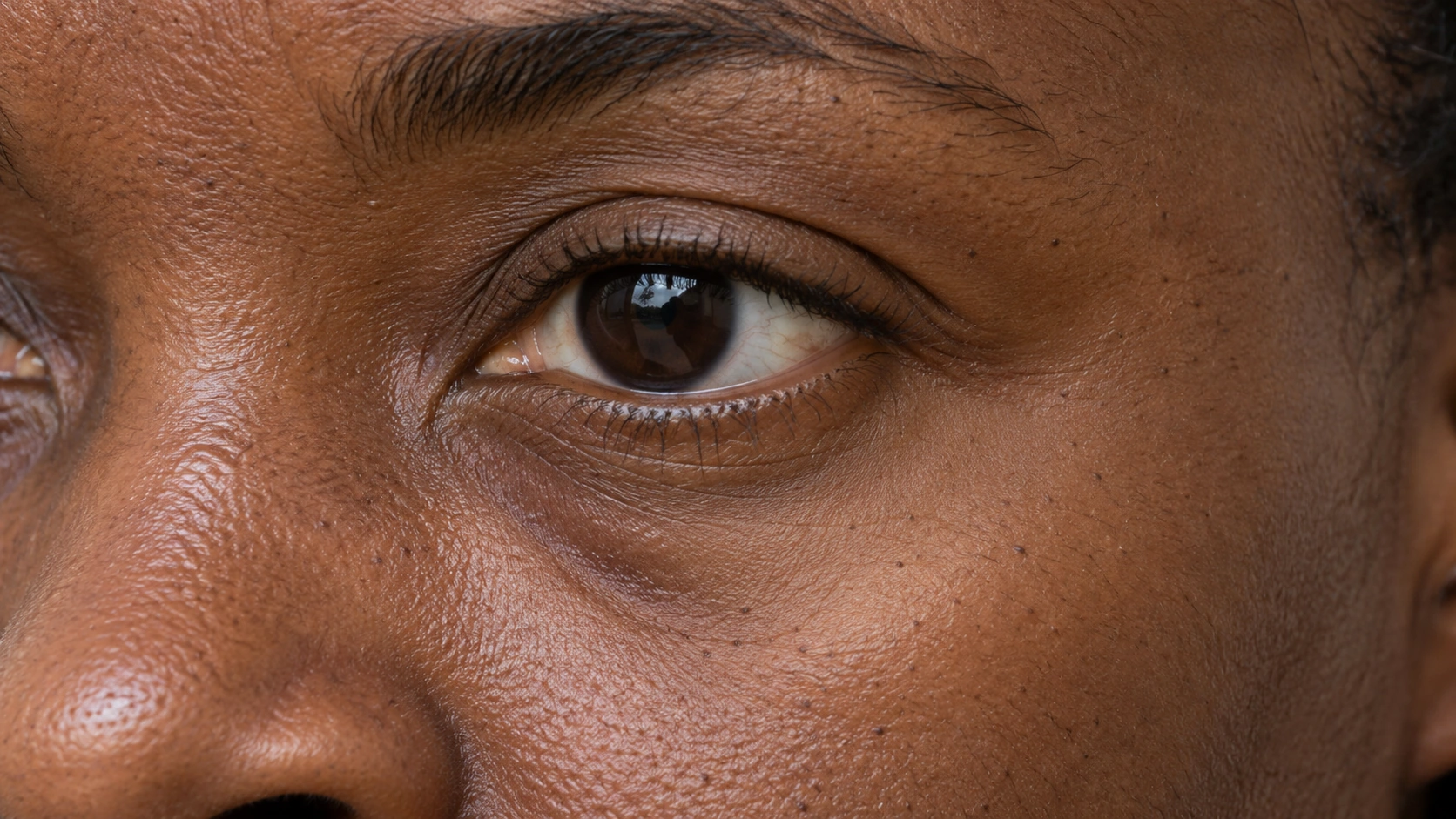
Changes in tissue support can allow under-eye fat to become more prominent. Fluid accumulation may add temporary puffiness to the same area.
Bone shape and the arrangement of soft tissue create the groove beneath the eye. Age-related changes in volume or support can make the hollow more pronounced.
When it usually starts
Eye Bags. More common with ageing, although inherited fullness can appear earlier.
Tear Trough Hollows. Usually becomes more noticeable during adult ageing; facial anatomy creates wide variation.
Causes and triggers
Age-related tissue support changes and fluid accumulation can contribute.
Bone and soft-tissue anatomy, sometimes with ageing-related volume change, creates the contour.
Daily Care
Habits that help
- Use a cool clean compress on closed eyelids
This may temporarily reduce puffiness; do not put ice directly on the skin. - Avoid rubbing itchy eyes
Repeated rubbing can worsen irritation and swelling. - Keep a regular sleep routine
Adequate rest may improve tired-looking puffiness but does not remove structural fat pads. - Manage known allergies with your usual agreed plan
Reducing relevant triggers can help when congestion or itching contributes. - Seek assessment for new one-sided, painful or persistent swelling
A sudden change should not be assumed to be a cosmetic eye bag. - Discuss eyelid assessment
Persistent cosmetic fullness may be assessed for options such as blepharoplasty; new unexplained swelling needs medical evaluation.
Avoid
- Avoid: Harsh creams or exfoliants close to the eyes
Stop products that sting or cause a rash.
Habits that help
- Protect exposed skin with broad-spectrum SPF 30 or higher
Use shade, a hat and protective clothing as well as sunscreen. - Use a gentle cleanser and a moisturizer that does not sting
Regular moisturization improves comfort and the appearance of surface dryness. - Introduce stronger skin products gradually
Stop products that leave the skin persistently sore, raw or peeling. - Keep expectations realistic about skin care
Moisturizers can soften dry surface lines but cannot replace lost volume or reshape deeper structures. - Remove eye makeup gently and avoid rubbing
Protect delicate eyelid skin; moisturizer cannot fill an anatomical hollow. - Follow the tear trough hollows care plan
Use sunscreen, gentle moisturizer and avoid smoking. Choose procedures only after an individual assessment. - Discuss specialist under-eye assessment
Distinguish shadow, pigment, puffiness and laxity before selecting a procedure; filler is unsuitable for some patients.
Avoid
- Avoid: Smoking and tanning beds
Both contribute to skin damage; tanning also increases skin cancer risk. - Avoid: Aggressive home peels or unregulated injections
These can cause burns, infection, scarring or serious injury.
Treatment differences
Evidence labels come from each condition’s own treatment list.
Treat contributing allergy or inflammation when present. Stable cosmetic fullness may be assessed for options such as eyelid surgery; new unexplained swelling needs a medical diagnosis first.
First distinguish a hollow from pigment, puffiness or loose skin. Cosmetic correction requires specialist assessment; under-eye filler is unsuitable for some people and carries important risks.
Outlook
Stable eye bags related to anatomy or aging often persist; puffiness from another cause may fluctuate. Treatment depends on the cause, and new one-sided or painful swelling needs assessment.
Anatomical hollows usually persist, although lighting and swelling can change how noticeable they look. Cosmetic correction is optional; the safest approach depends on the surrounding eyelid anatomy.
Complications
New persistent swelling can have another cause and should be assessed if unexplained.
These are usually cosmetic structural changes rather than signs of disease.
When to get help
Eye pain, light sensitivity, vision change or severe swelling needs urgent assessment. A red eye in a contact-lens wearer also needs prompt care.
Seek urgent care for sudden swelling, pain or vision change. Under-eye filler needs careful specialist assessment because rare vascular complications can threaten sight.
Common questions
Eye Bags:What is Eye Bags?
Puffiness beneath the eyes, often related to tissue ageing and fluid shifts.
Eye Bags:What can I do day to day?
Use gentle skin care and consider a cool compress; avoid rubbing.
Eye Bags:When should I get medical advice?
Eye pain, light sensitivity, vision change or severe swelling needs urgent assessment. A red eye in a contact-lens wearer also needs prompt care.
Tear Trough Hollows:What is Tear Trough Hollows?
A hollow or depression beneath the inner lower eyelid that casts a shadow.
Tear Trough Hollows:What can I do day to day?
Use sunscreen, gentle moisturizer and avoid smoking. Choose procedures only after an individual assessment.
Tear Trough Hollows:When should I get medical advice?
Seek urgent care for sudden swelling, pain or vision change. Under-eye filler needs careful specialist assessment because rare vascular complications can threaten sight.
Sources
Sources and further reading
Keep exploring.
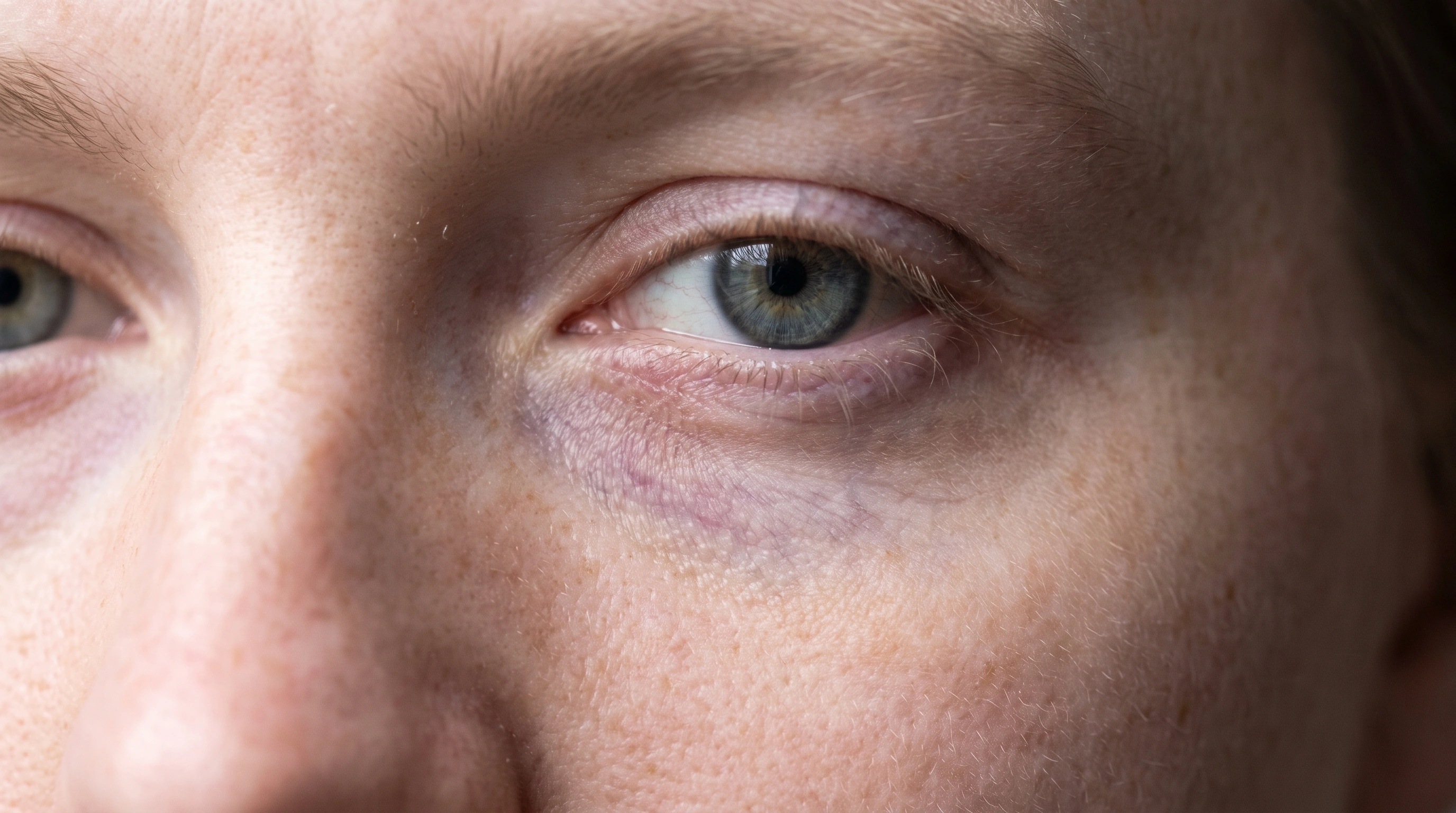
Dark Circles Under the Eyes vs Tear Trough Hollows
Dark Circles Under the Eyes vs Eye Bags
Eye Bags vs Eyelid Swelling
Rosacea (Eyes) vs Dry Eye
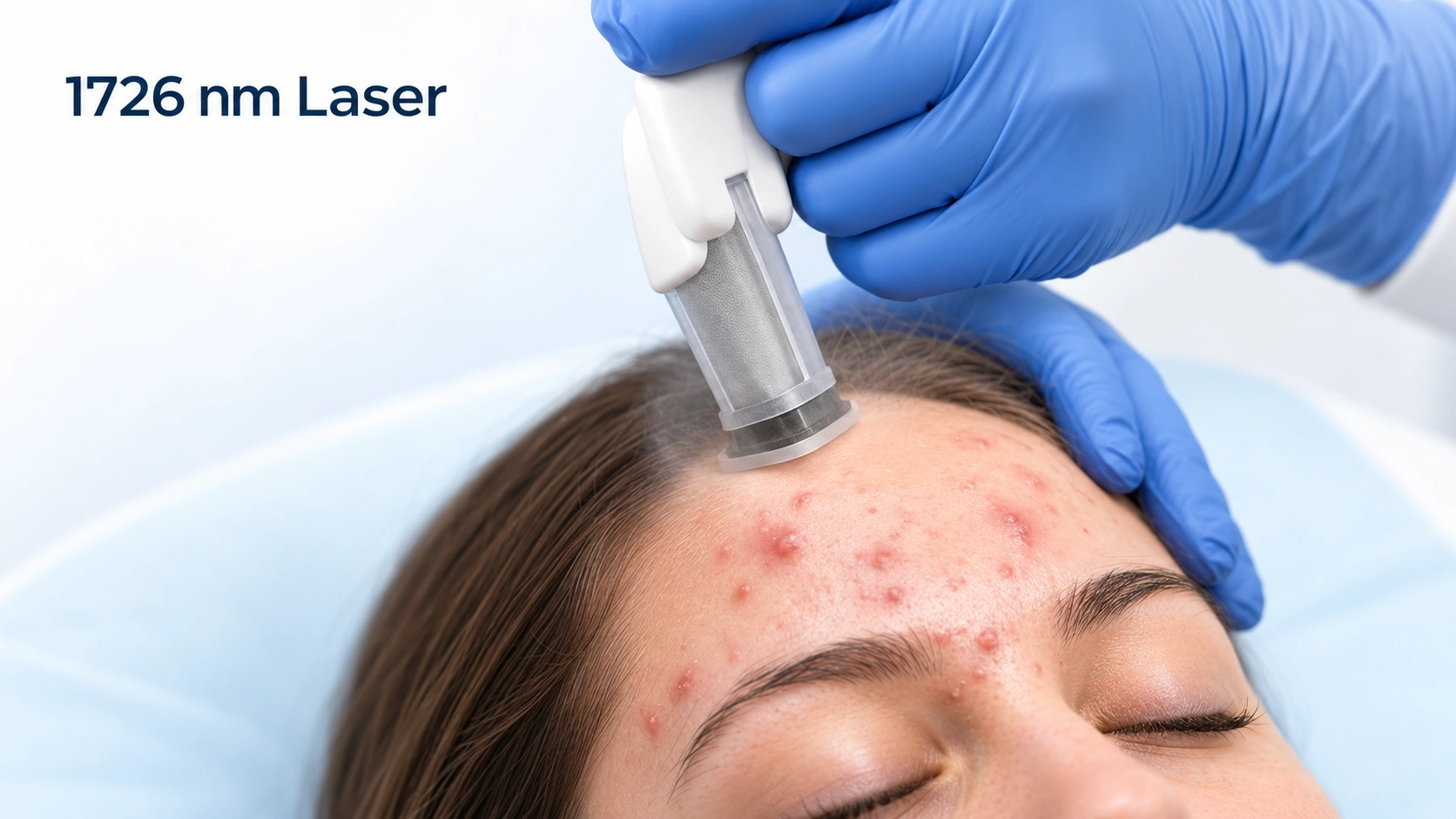
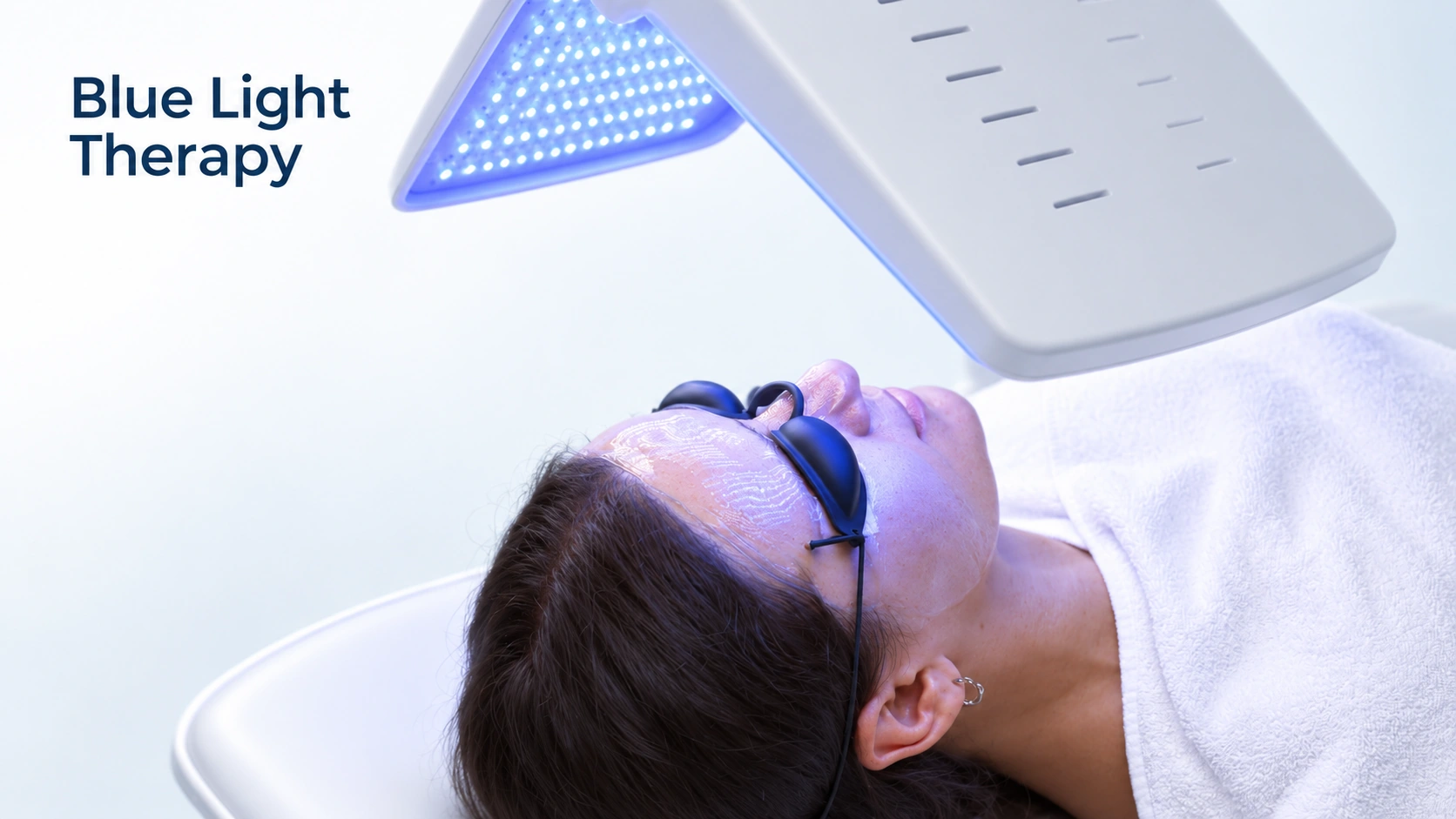
1726 nm Laser vs Blue Light Therapy

1726 nm Laser vs Chemical Peel
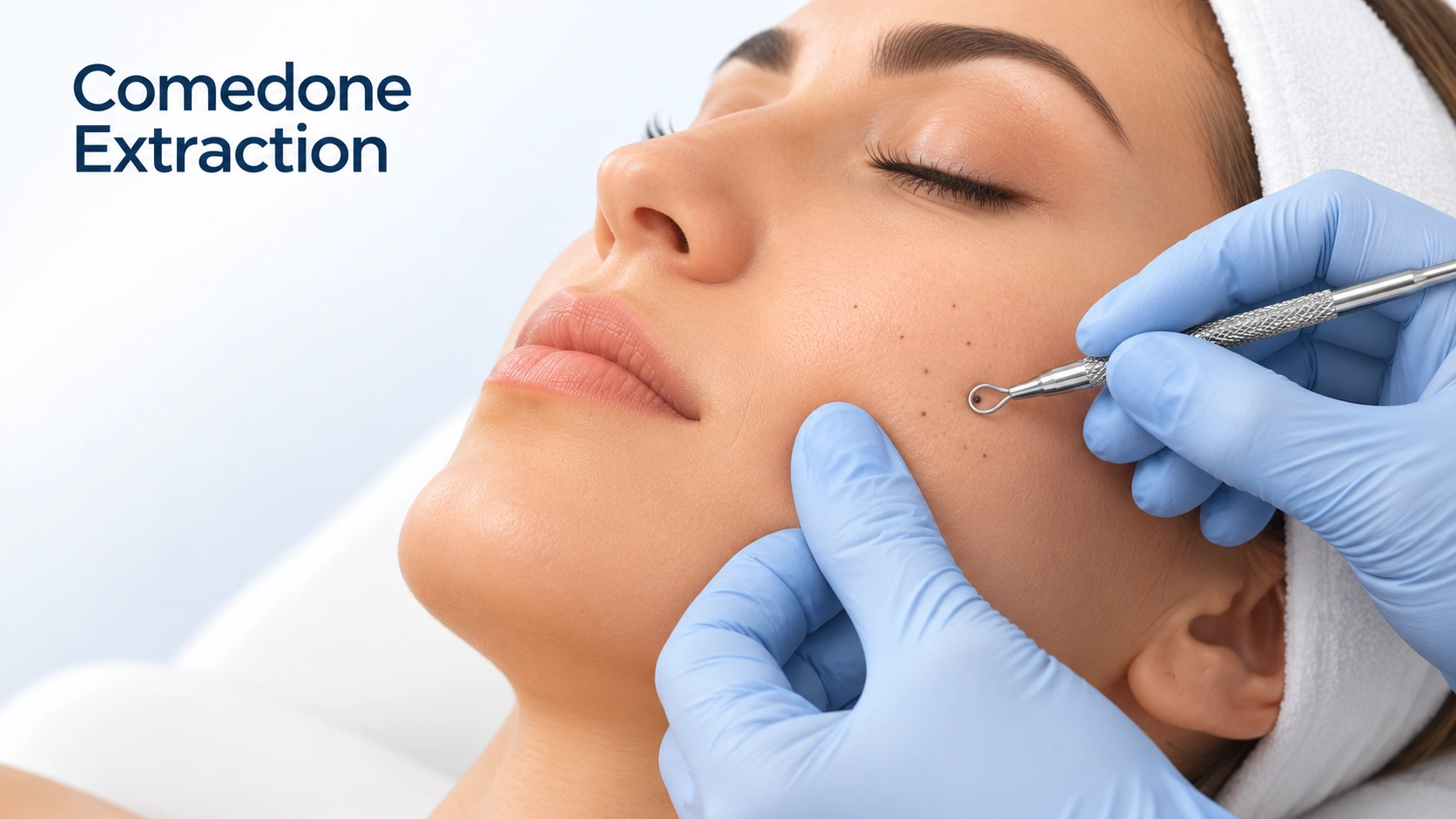
1726 nm Laser vs Comedone Extraction
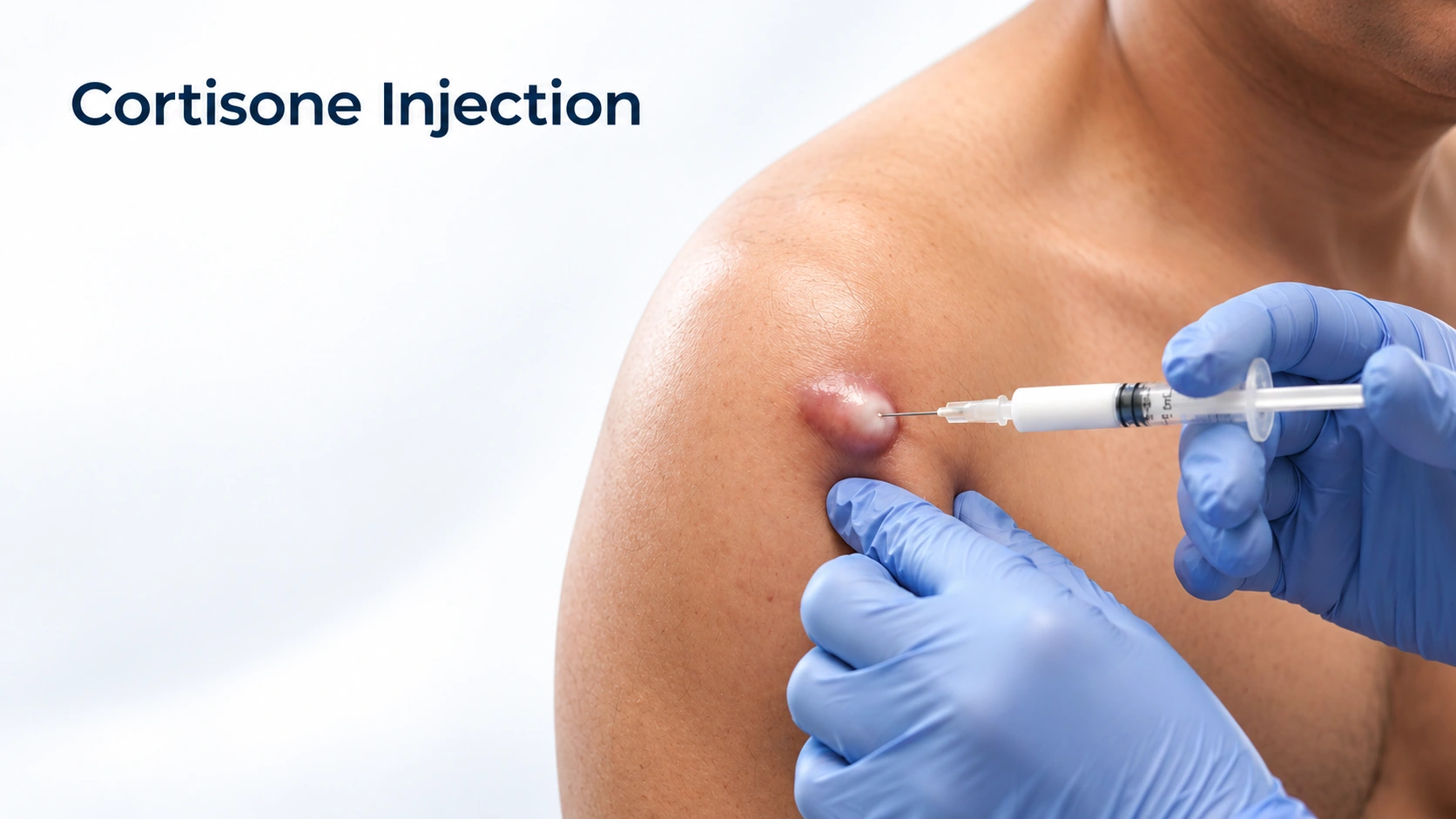
1726 nm Laser vs Cortisone Injection
1726 nm Laser vs Glycolic Acid Peel
1726 nm Laser vs LED Light Therapy
1726 nm Laser vs Photodynamic Therapy