It freezes tissue.
Liquid nitrogen destroys selected tissue through freezing and thawing.
Cryotherapy: Liquid nitrogen is sprayed or dabbed onto a spot to freeze and destroy it. It is a standard treatment for warts, precancerous sun spots and some harmless growths. It commonly leaves a pale mark that does not fully come back.
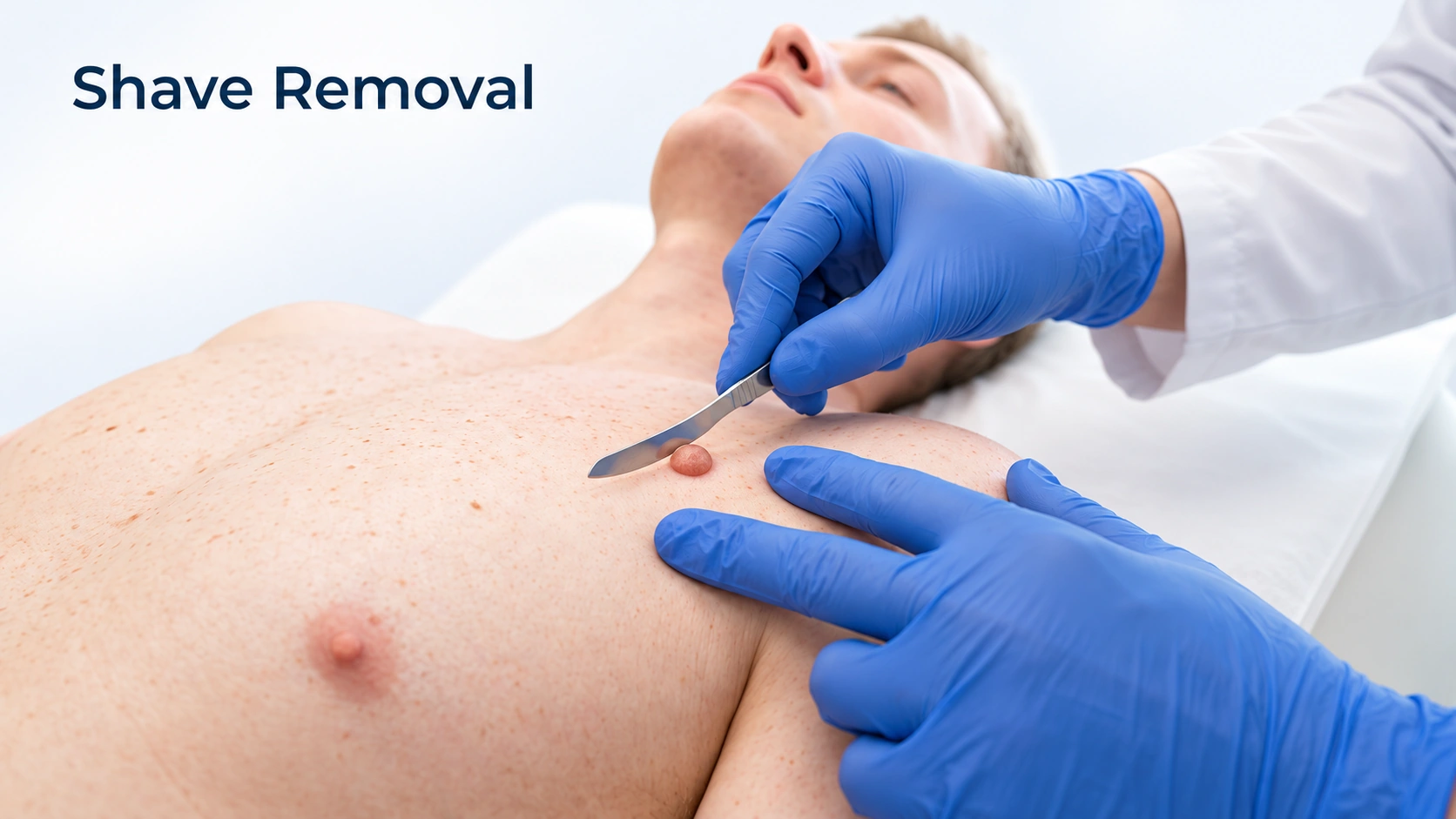
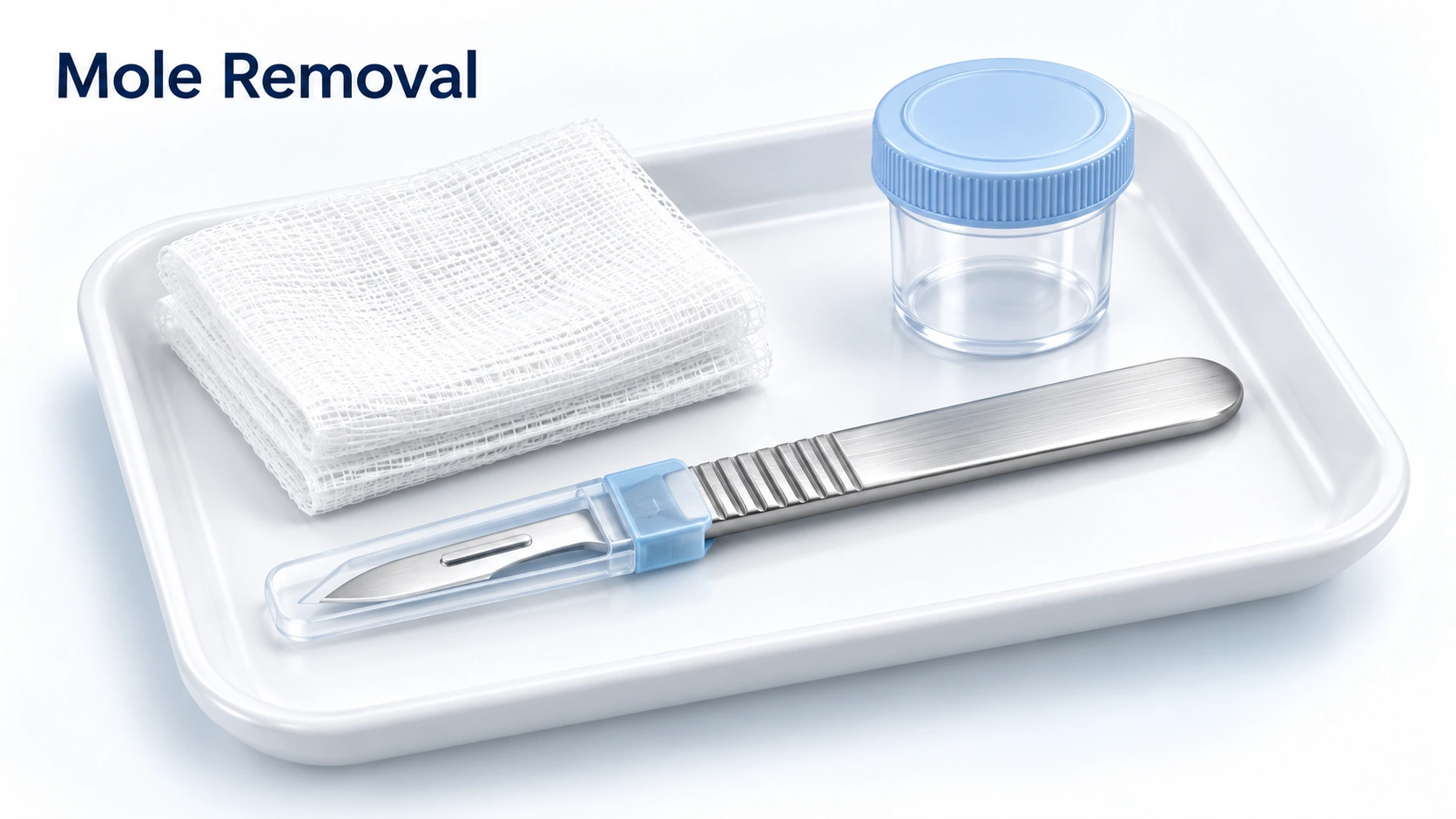
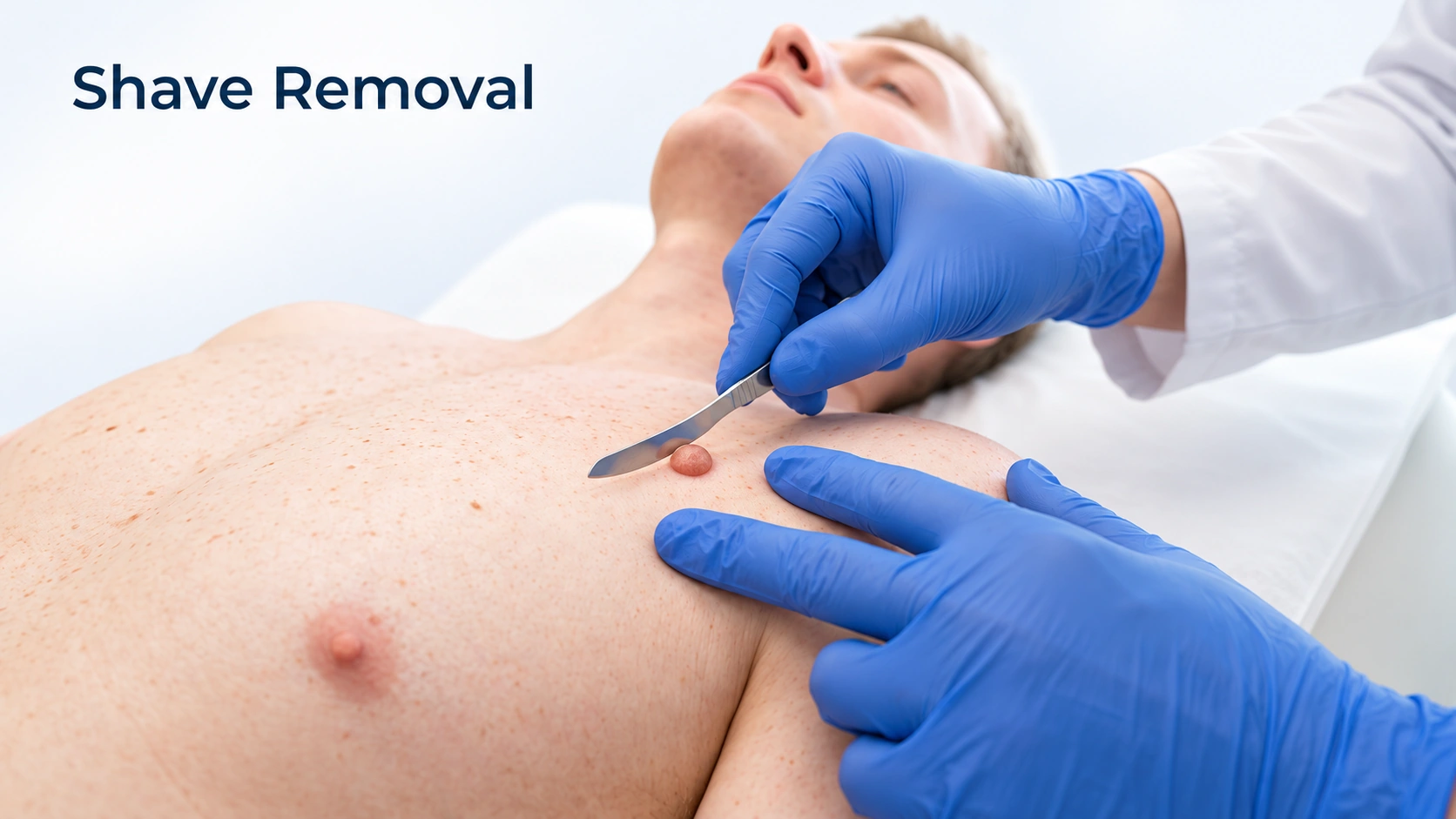
Shave Removal: A raised spot is numbed and shaved off level with the skin using a small flexible blade. No stitches and no hole — a scab that heals in a week or two. The same procedure can remove a harmless bump or take a sample for the laboratory.
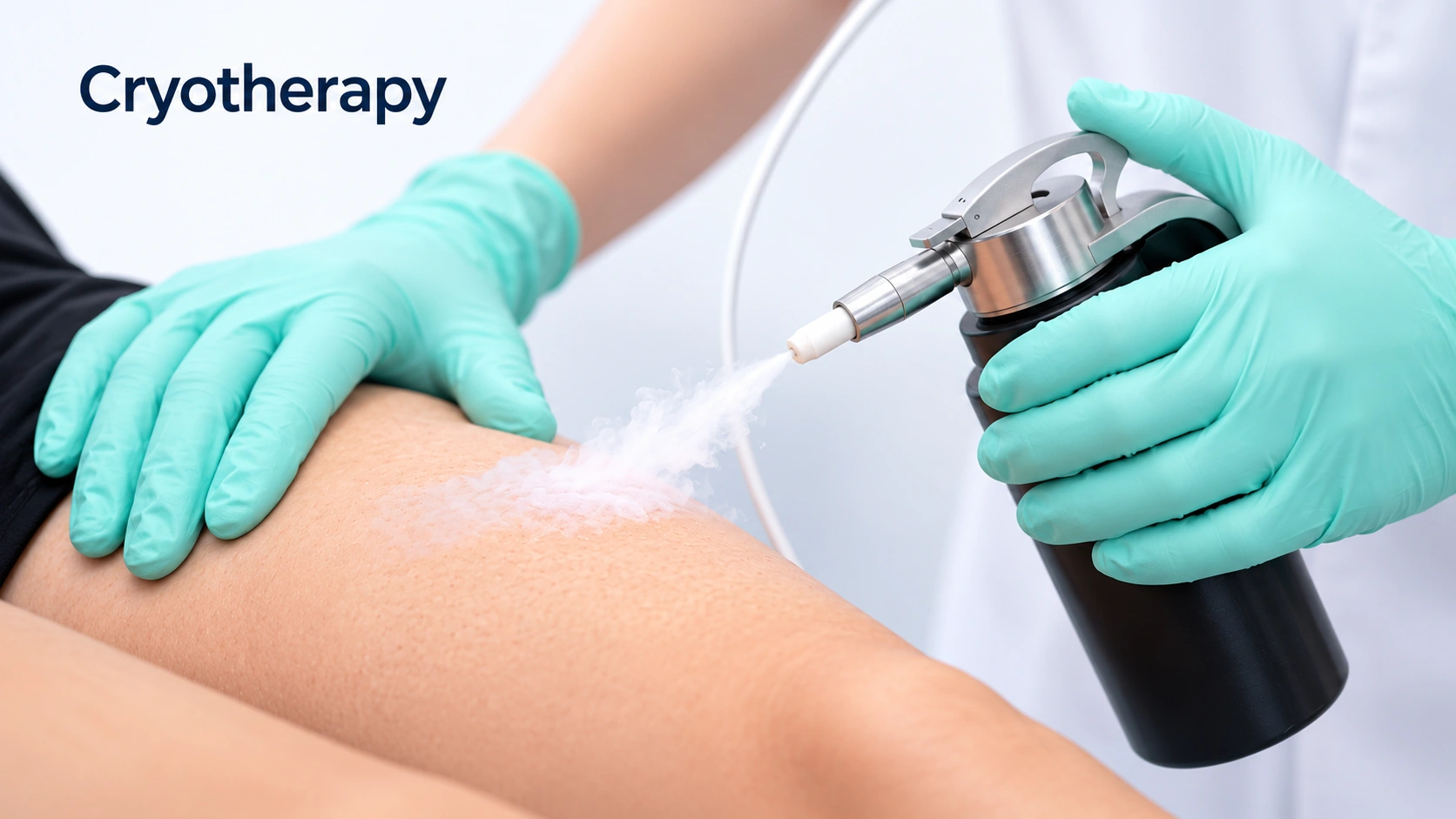
Choose for quick removal of warts, sun-damage spots or harmless growths — accepting a possible pale mark.
Choose to remove a raised bump with no stitches — a flat mark that heals in a week or two.
Can you have both?
Both remove small raised growths. Shave removal gives a sample to test; cryotherapy does not. One is chosen per spot.
Liquid nitrogen destroys selected tissue through freezing and thawing.
It is used for benign or precancerous spots.
Nothing remains for microscopic examination.
A diagnosis is needed first.
A lesion is shaved off at a chosen depth under local anesthesia.
It can remove raised benign growths or obtain a specimen.
The clinician chooses the technique.
Cosmetic removal must not replace adequate sampling.
A first-line treatment.
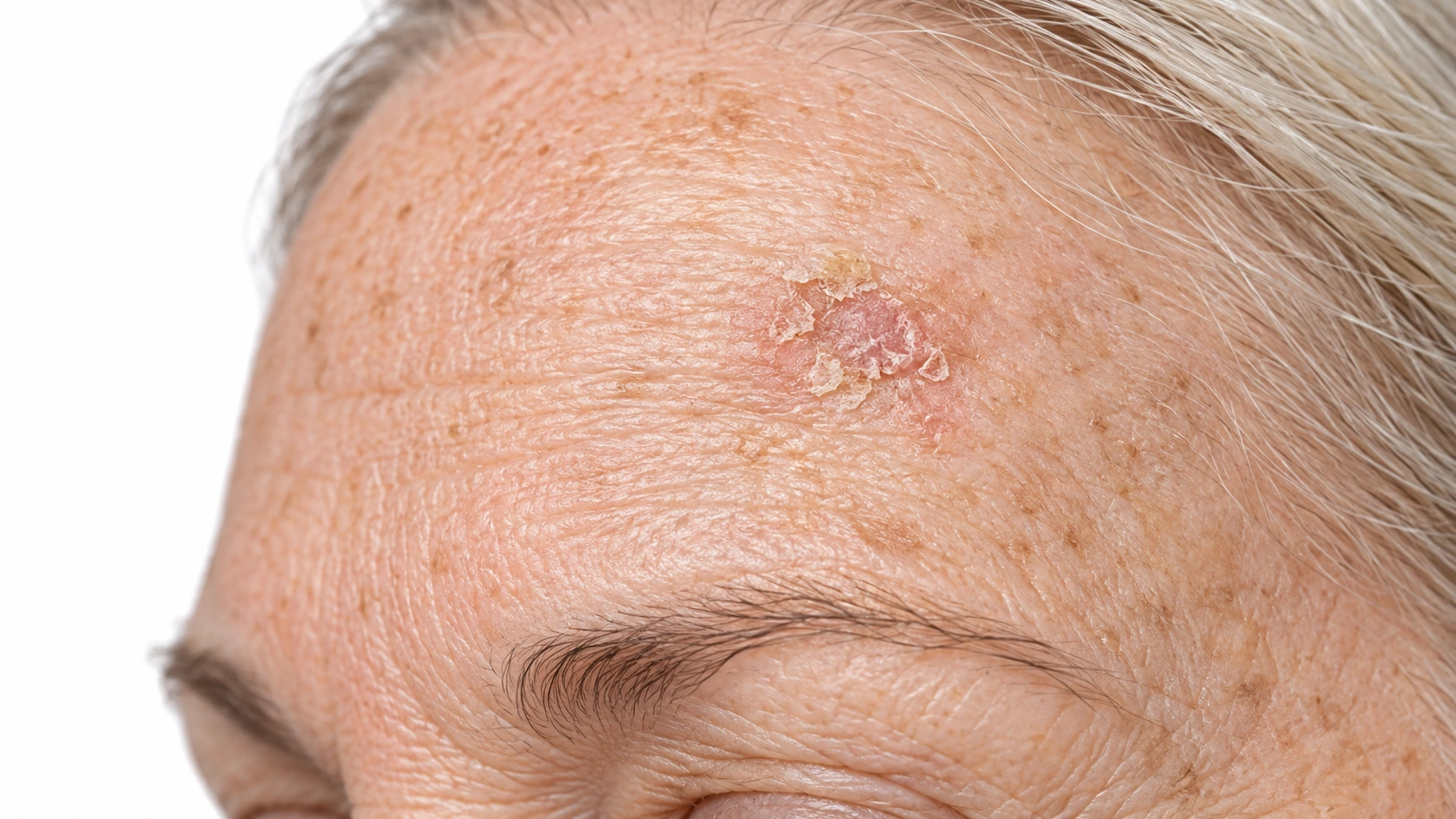
Clears precancers.
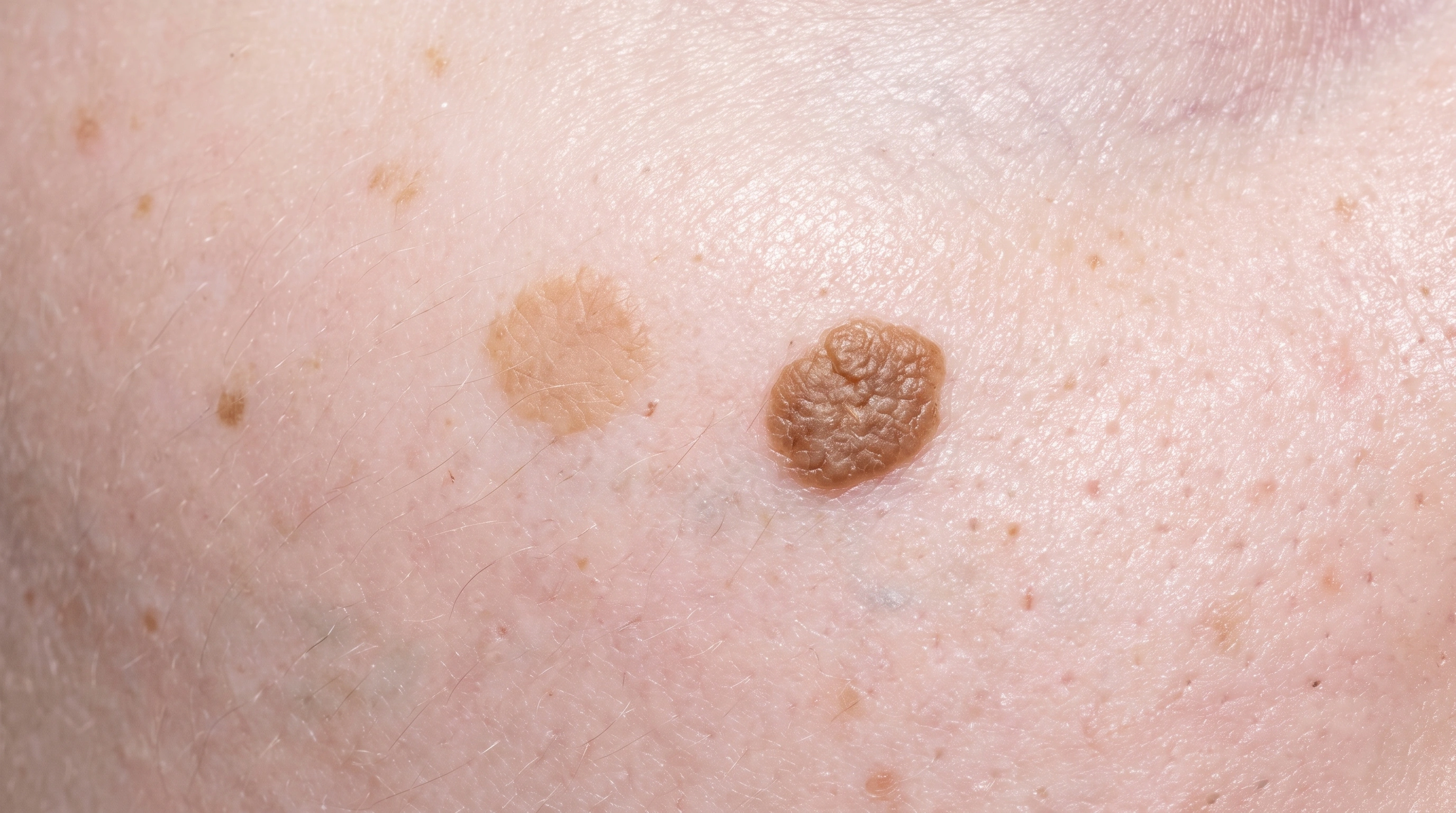
Removes growths.
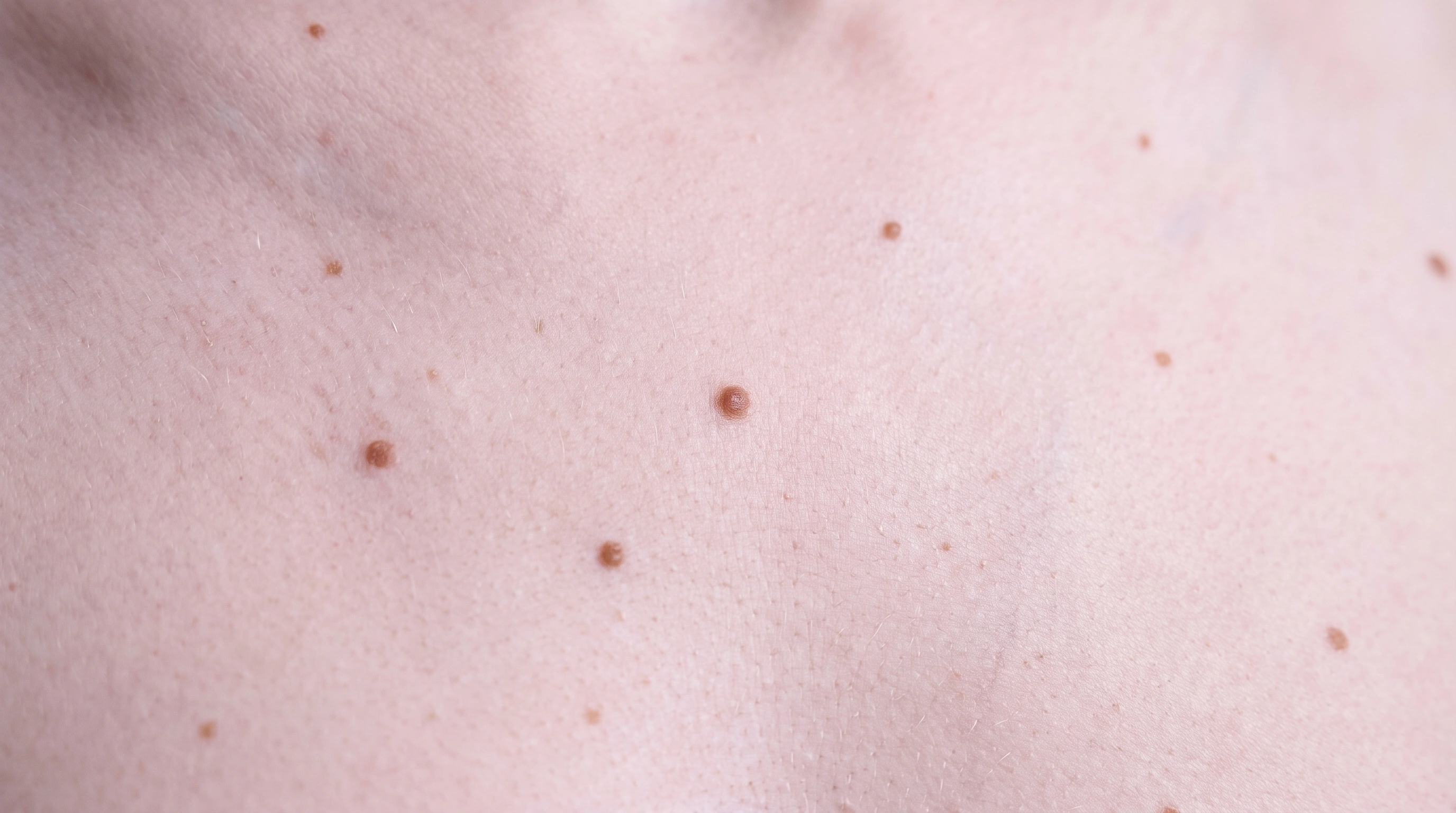
Removes raised moles.
Removes raised growths.
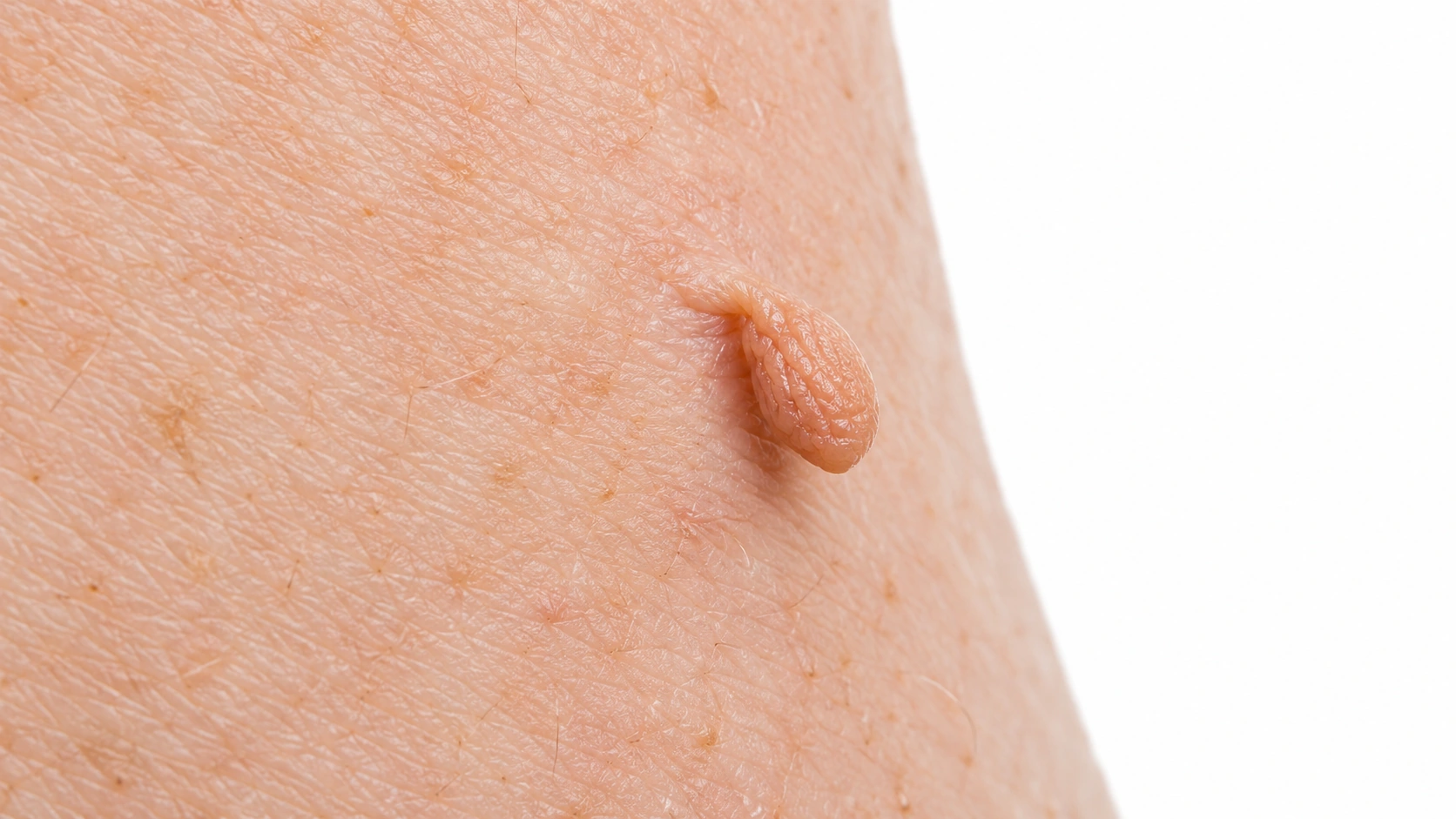
Quick removal.
Freezes small tags.
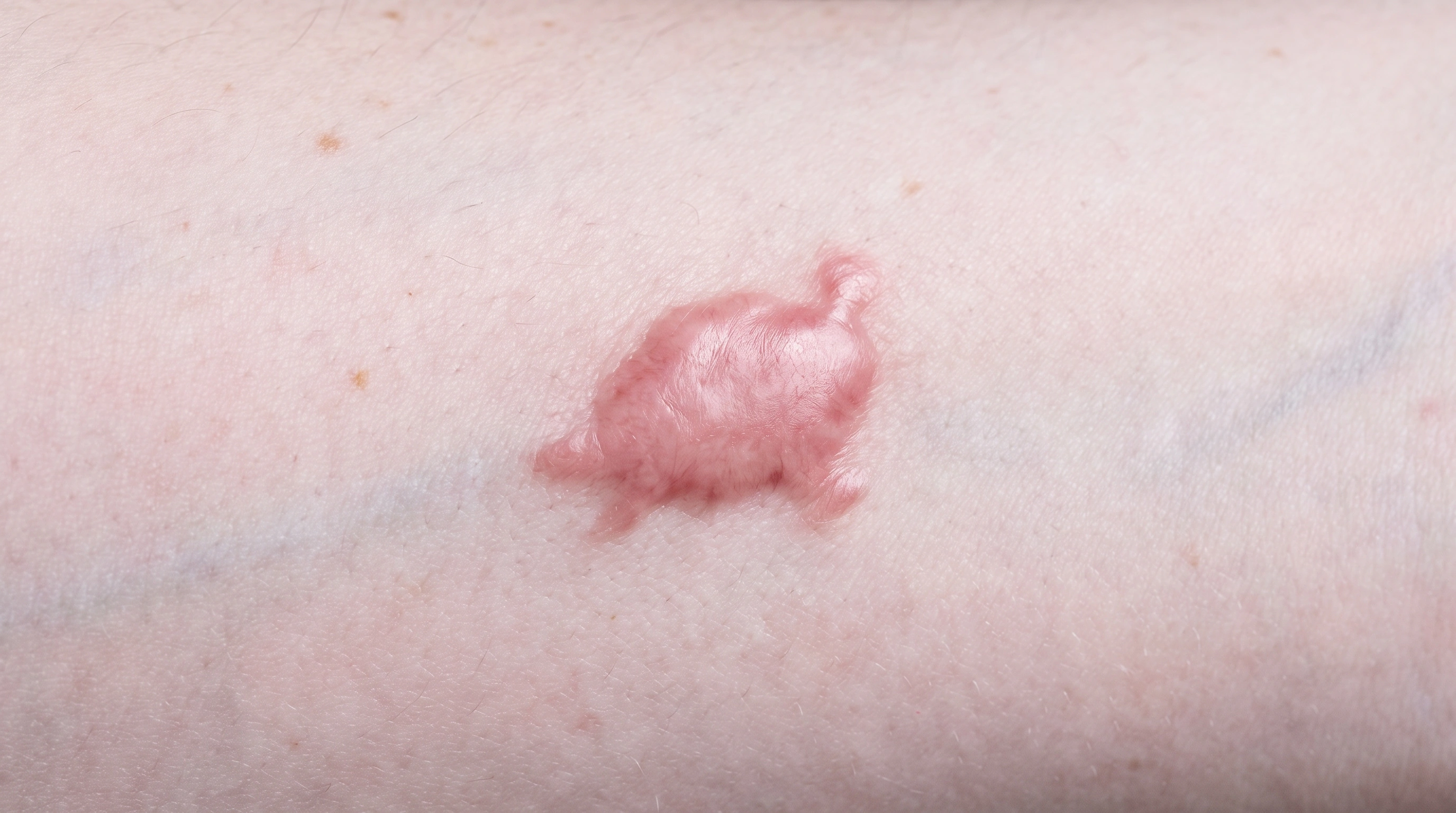
Injections work better.
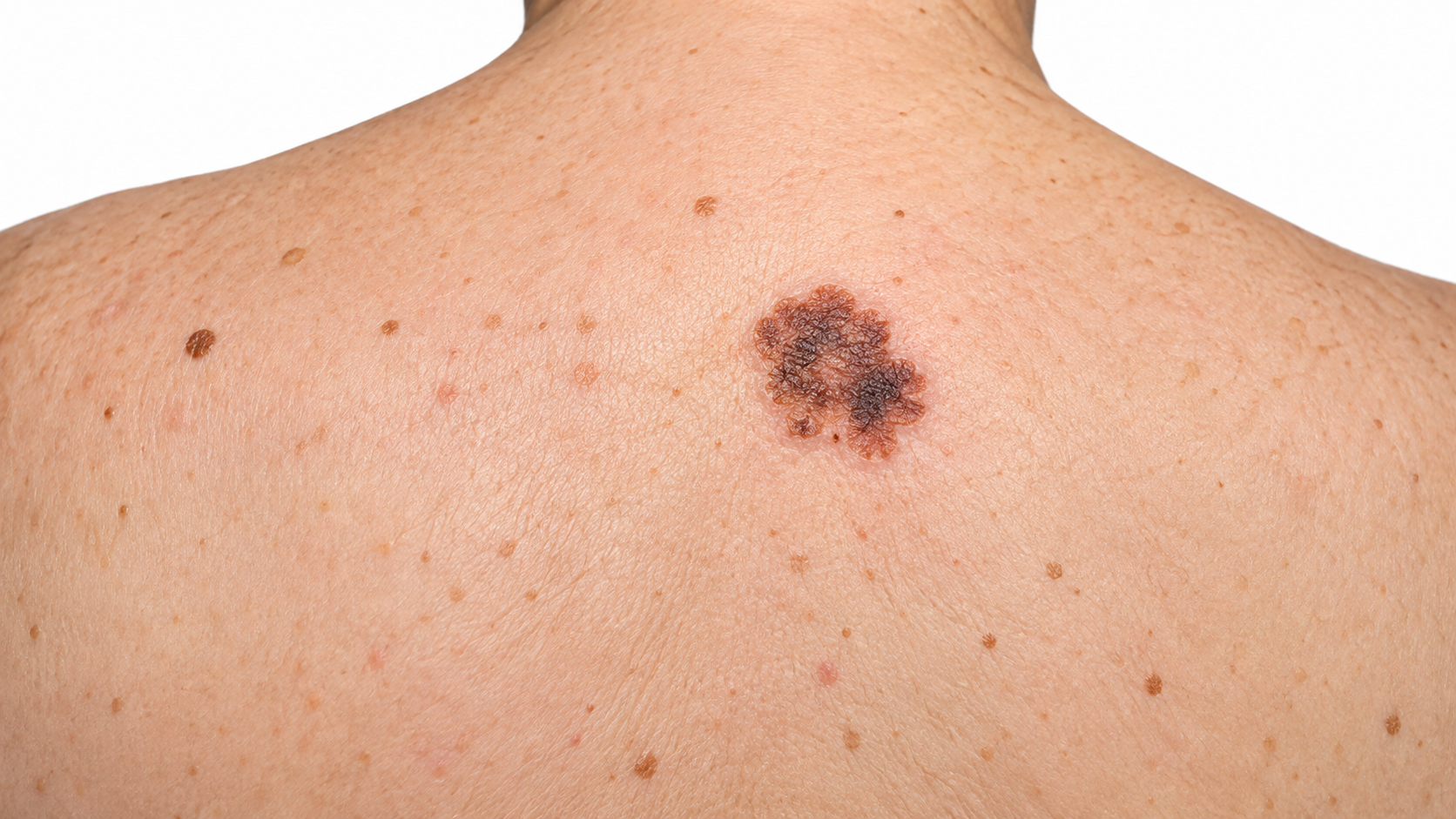
Needs excision.
Needs full excision.
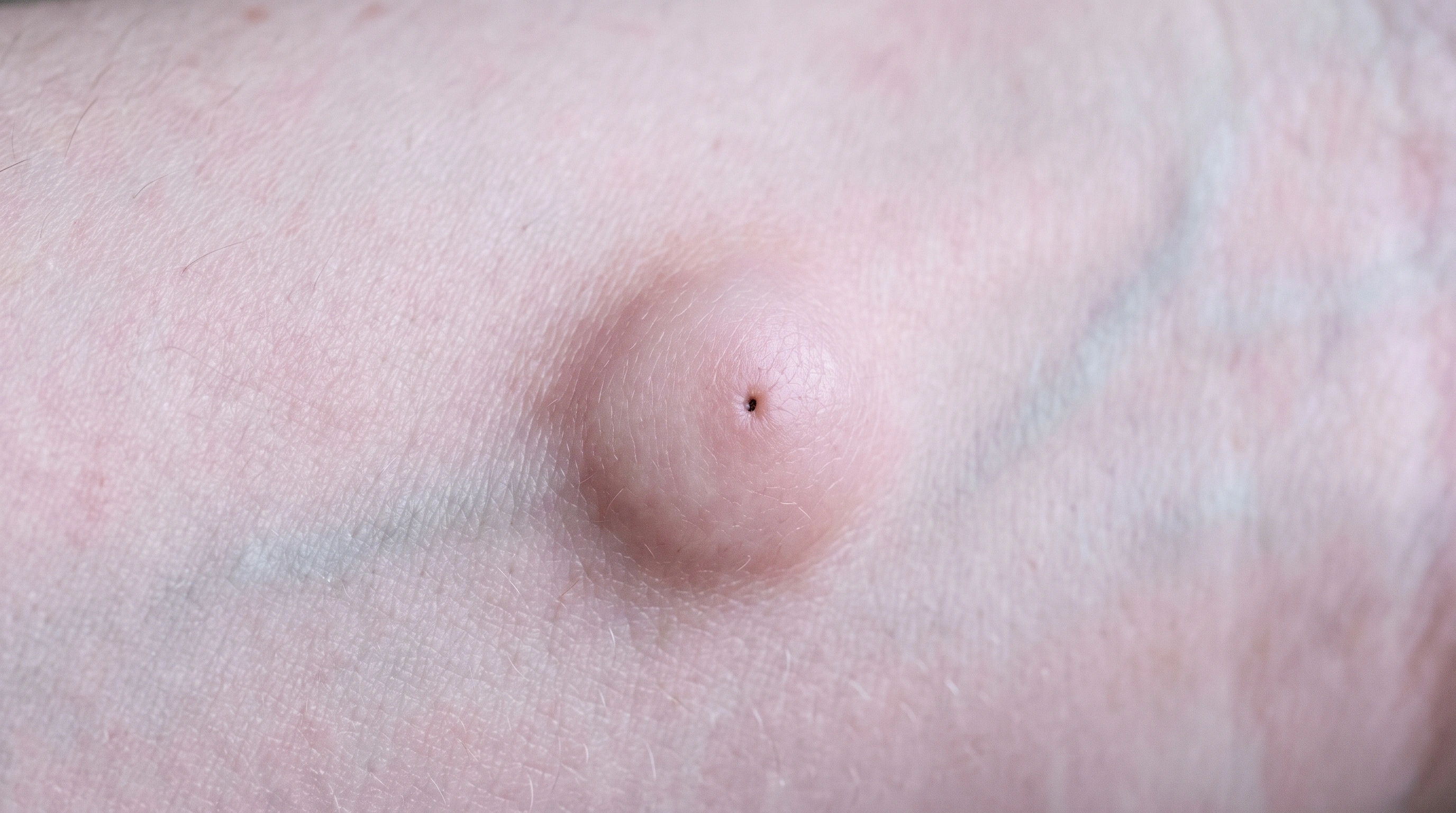
The sac stays and regrows.
The specific lesion, scar or affected patch determines the treatment site; there is no fixed body distribution.
The specific lesion, scar or affected patch determines the treatment site; there is no fixed body distribution.

A selected lesion is frozen: A clinician applies liquid nitrogen to the treatment area. Cold injures the tissue: A controlled freeze-thaw response damages the target. The treated area sheds and heals: A blister or crust may form; repeat treatment can be needed.
Schematic illustration. Technique and response vary. This explains a mechanism and does not specify treatment settings.
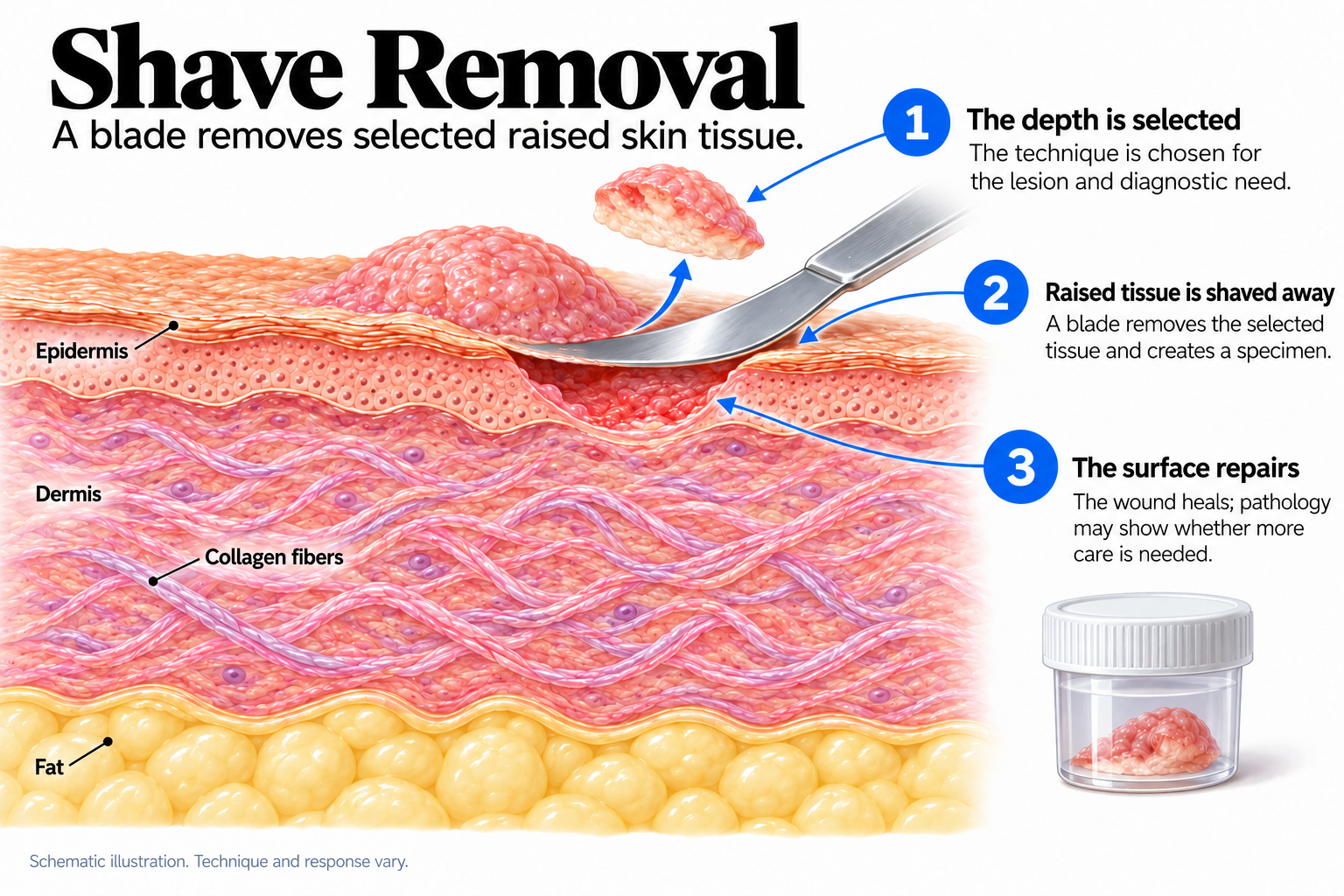
The depth is selected: The technique is chosen for the lesion and diagnostic need. Raised tissue is shaved away: A blade removes the selected tissue and creates a specimen. The surface repairs: The wound heals; pathology may show whether more care is needed.
Schematic illustration. Technique and response vary. This explains a mechanism and does not specify treatment settings.
A few days before: Thick warts: Soaking and filing the wart with a pumice stone or emery board helps the freeze reach the wart, not the callus on top.
Ask your provider: Several spots: If more than one spot is planned, ask to start with one and see how the skin heals.
What gets removed: Decide what you want done with each spot, and ask that anything removed goes to the laboratory.
Eating and clothes: Eat normally, take your usual medicines, and wear clothes that give easy access.
The spot is examined first — the most important part of the visit.
The spot is examined, often with a handheld magnifier, and measured or photographed.
Liquid nitrogen is sprayed or dabbed on until a white frozen halo covers the spot and a small margin.
A sun spot takes seconds; a wart takes longer and is usually thawed and frozen again the same visit. It burns and stings, peaking as the skin thaws, then aches for a few hours. Fingertips, toes, soles and ears are sorest. Brief and unpleasant, not severe.
The skin is cleaned, and a blade held nearly parallel to the surface slices the lesion off in seconds.
Bleeding is stopped with a solution on a cotton bud or light cautery — it can smell faintly of burning and is not painful. You feel pressure and scraping, not cutting; say something if anything feels sharp.
Red, swollen and tender, sometimes blistering within the hour.
A dressing, aftercare instructions, and a plan for how the result reaches you.
Days 1 to 3: A clear or blood-filled blister is expected, not a sign anything went wrong.
Days 1 to 3: The anesthetic wears off over one to three hours, and the site is tender and may ooze.
Days 4 to 14: The blister dries into a dark crust with the growth on top, and lifts off on its own over one to two weeks.
Days 4 to 14: New skin fills the site and any scab lifts on its own.
Weeks 2 to 8: New skin is pink and delicate.
From week 2: A flat pink circle sits where the spot was, looking more obvious than the final result.
1–3 weeks
Immediately
Permanent for growths; warts may need repeats
Usually permanent; some moles regrow pigment
Cosmetic prices vary a lot and are usually quoted per lesion or per visit, cheaper per spot when several are done at once.
Removal of skin tags and keratoses sits on the line.
In the US, freezing warts and precancerous sun spots is billed as medical treatment, so you pay your copay or whatever the deductible has not covered.
In the US, cost depends on why it was done.
Often. Pigment cells die at milder cold than the growth, so most effective freezes take some color out. Some returns over months; a good part does not. The mark is usually a little wider than the spot and stands out far more on deeper skin tones — worth discussing before you agree.
No. Freezing destroys the tissue without a diagnosis, so a skin cancer can heal over at the surface while it keeps growing underneath. Anything pigmented, new or changing gets examined and sampled, and moles that need removing are cut out and sent to a laboratory. Same for at-home freezing and mole removal pens.
A sharp burning sting for ten to thirty seconds during the freeze and the thaw, then an ache for a few hours. Fingers, toes, soles and ears are worst. Brief and genuinely unpleasant rather than severe, and ordinary painkillers are enough.
Normal, and it is how the treatment works — the skin separates and lifts the growth off with the blister roof. Leave it alone and cover it. If it is large, tense and painful, the clinic can drain it, which beats tearing the roof off yourself.
Usually several, every two to four weeks. Many clear over three to six treatments, some need more, and some never respond. Salicylic acid at home in between improves the odds. If nothing has changed after three or four sessions, ask about a different approach.
No. They use a propellant gas much warmer than liquid nitrogen and harder to aim, so they are weaker on thick and plantar warts. They can still blister and leave a pale mark. Not for the face, and never on a mole or an unexamined spot.
No. It takes off the raised part and leaves a shallow wound level with the skin, which fills in over one to two weeks. The usual result is a flat mark, slightly paler than the skin around it.
It can. Keratoses and skin tags sometimes regrow from the base, and a shaved mole can return with color months later because pigment cells survived underneath. Have regrowth looked at, and mention that the spot was shaved.
Usually not. A shave normally samples a basal cell or squamous cell cancer rather than clearing it, and a second procedure follows. Keep that appointment even though the skin looks healed.
Often yes, if it has been examined and looks harmless. It is billed as cosmetic, and the trade is a flat pale mark instead of a raised bump. It should still go to the laboratory.
No. That is the main appeal — the wound heals from the base under a layer of petroleum jelly.
Keep the site moist with plain petroleum jelly and covered until it closes over, do not pick, and keep it out of the sun for several months. Drying out and sun are what turn a small shave site into a lasting mark.