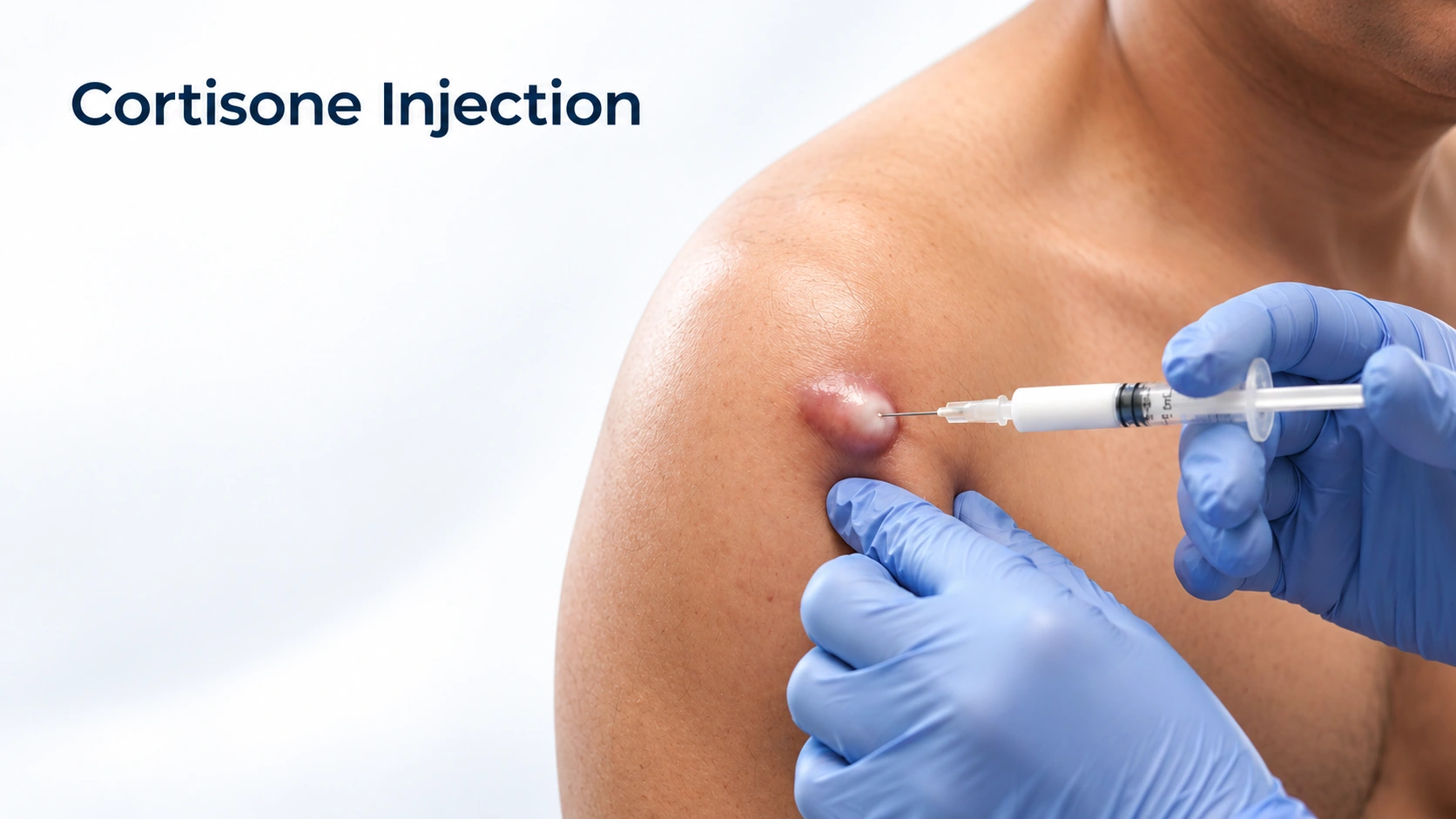
It is controlled exfoliation.
A chemical agent creates a controlled skin injury.
Chemical Peel: An acid solution applied in the office to shed the top layers of skin. Superficial peels clear pores and fade brown marks; medium peels reach texture and deeper sun damage. It does not fix indented scars.
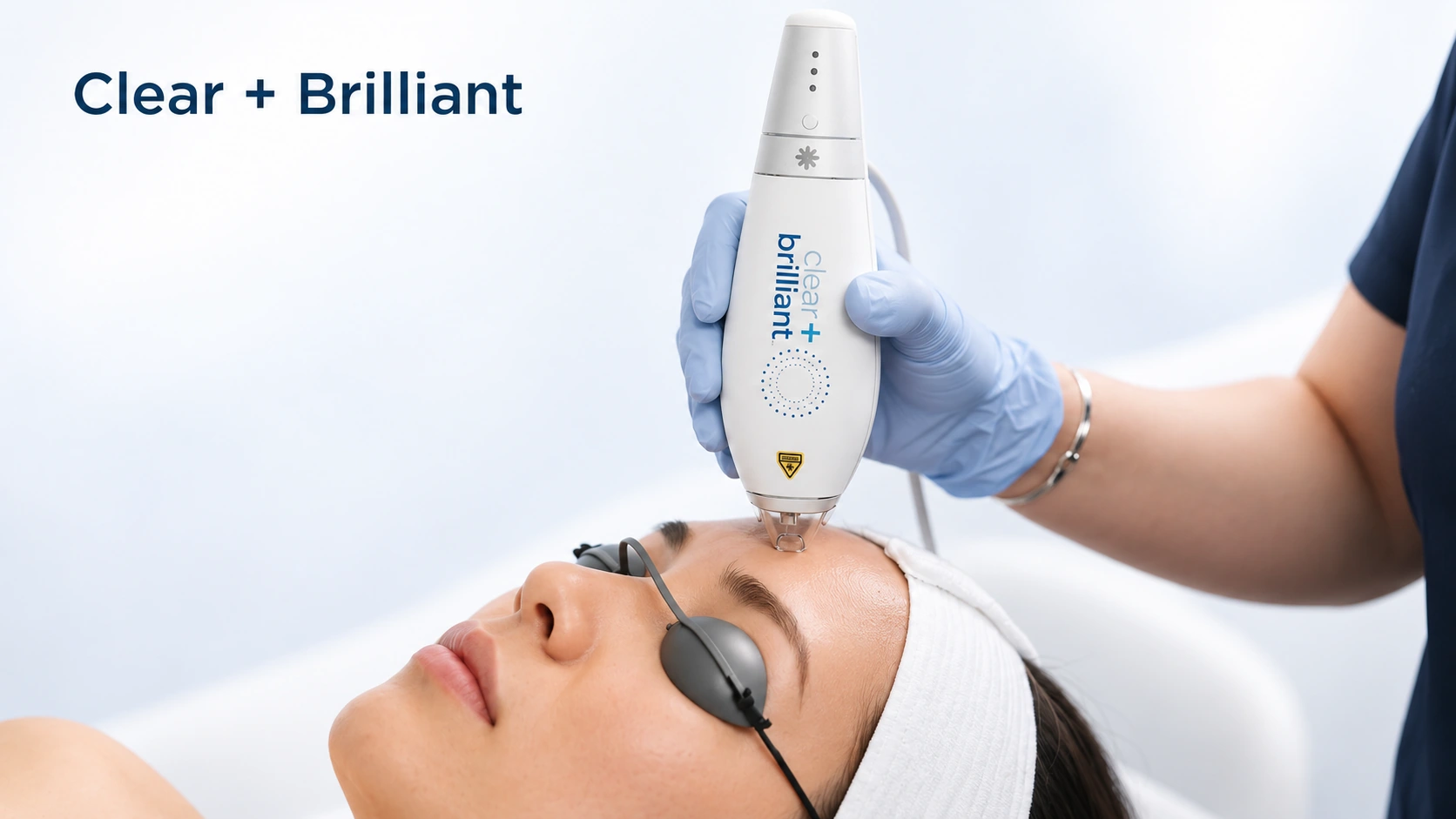
Clear + Brilliant: A low-energy fractional laser aimed at dullness, early fine lines, and rough texture. It is the gentlest treatment in this family, with about a day of downtime and a correspondingly small change per session.
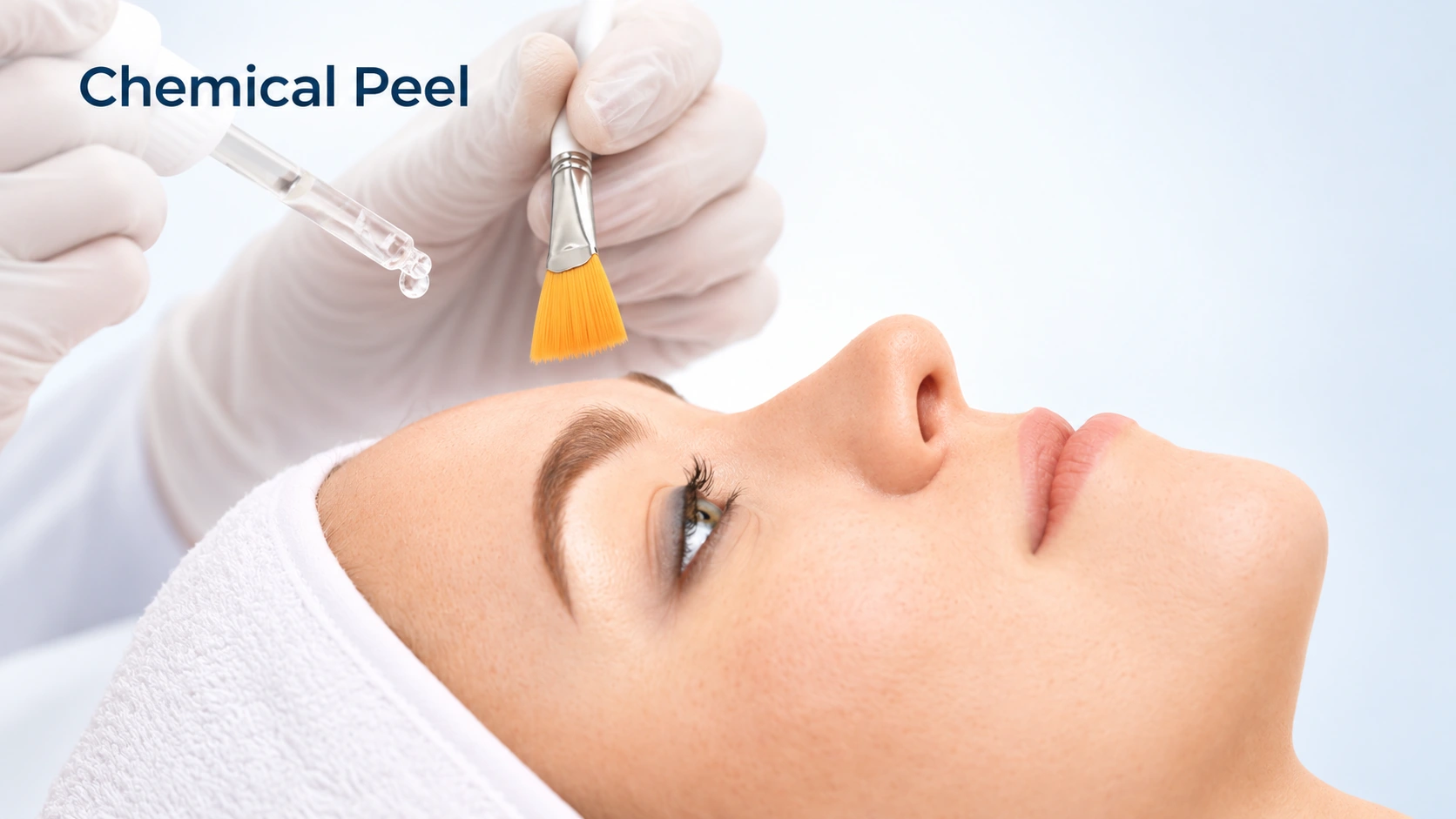
Choose for brown marks, clogged pores or dull, sun-aged texture — not for indented scars.
Choose for gentle brightening and smoother texture with about a day of downtime — small change per session.
Can you have both?
Both refresh tone and texture and can alternate in a plan. Leave at least 2 weeks between them.
A chemical agent creates a controlled skin injury.
Superficial, medium and deep peels differ in recovery and risk.
A peel is not defined by ingredient or percentage alone.
Phenol peels carry serious systemic risks.
Clear + Brilliant treats selected cosmetic skin concerns.
Options depend on the system and handpiece.
Burns and pigment changes can still occur.
Tanning, pigment changes, herpes and skin disease should be discussed.

Light peels help alongside creams.

Clears clogged pores.
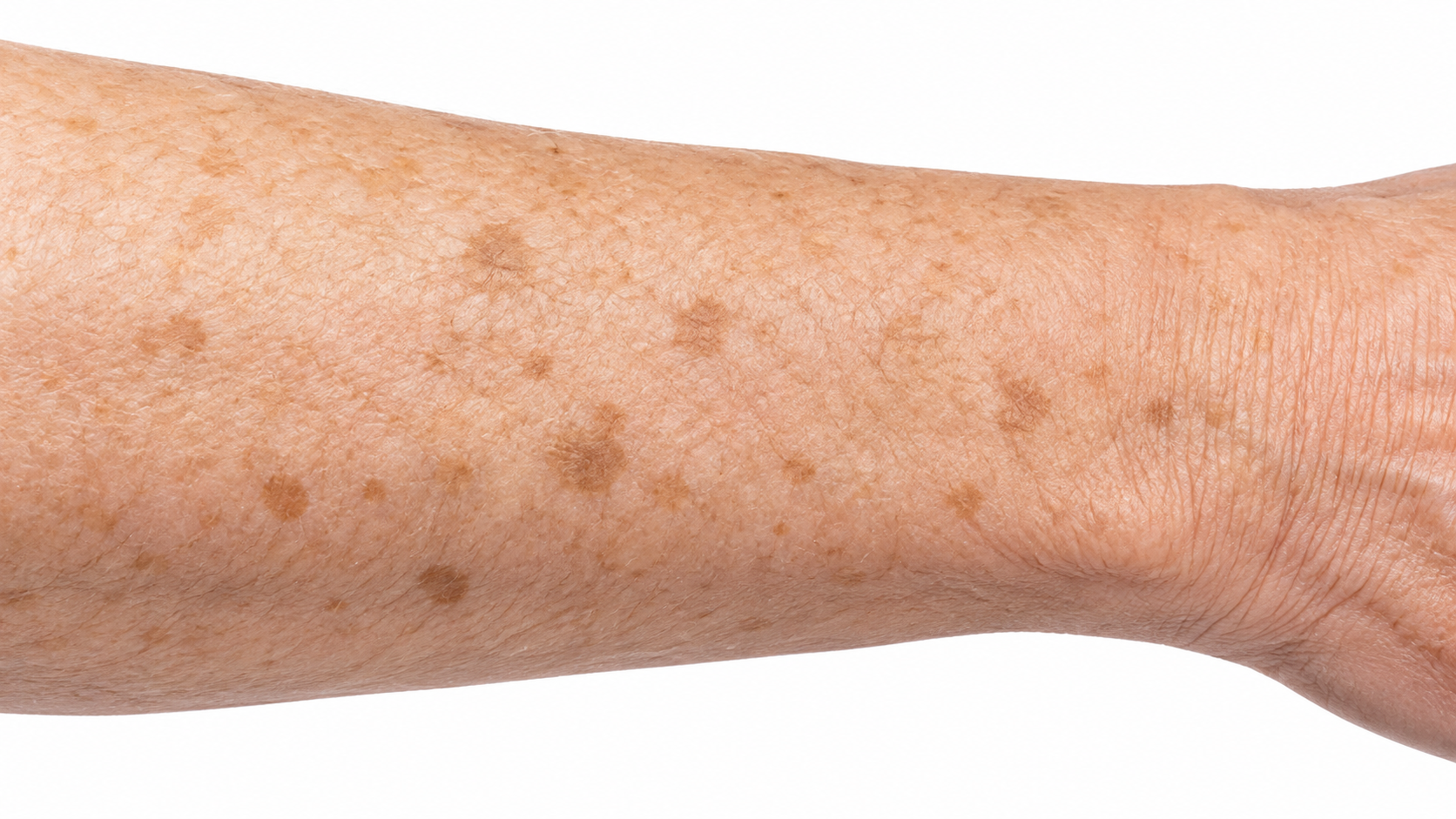
Fades spots.
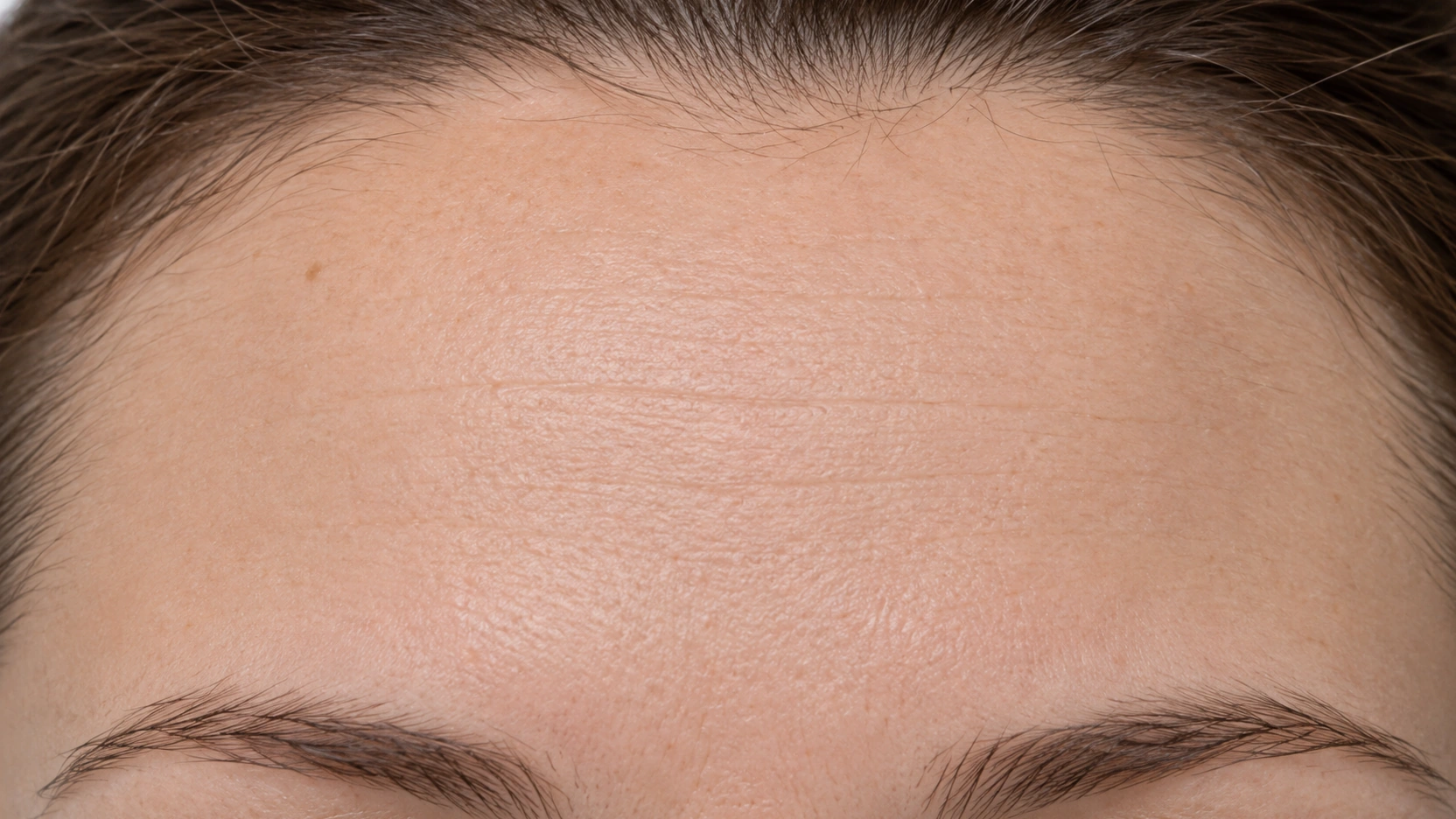
Deeper peels smooth lines.
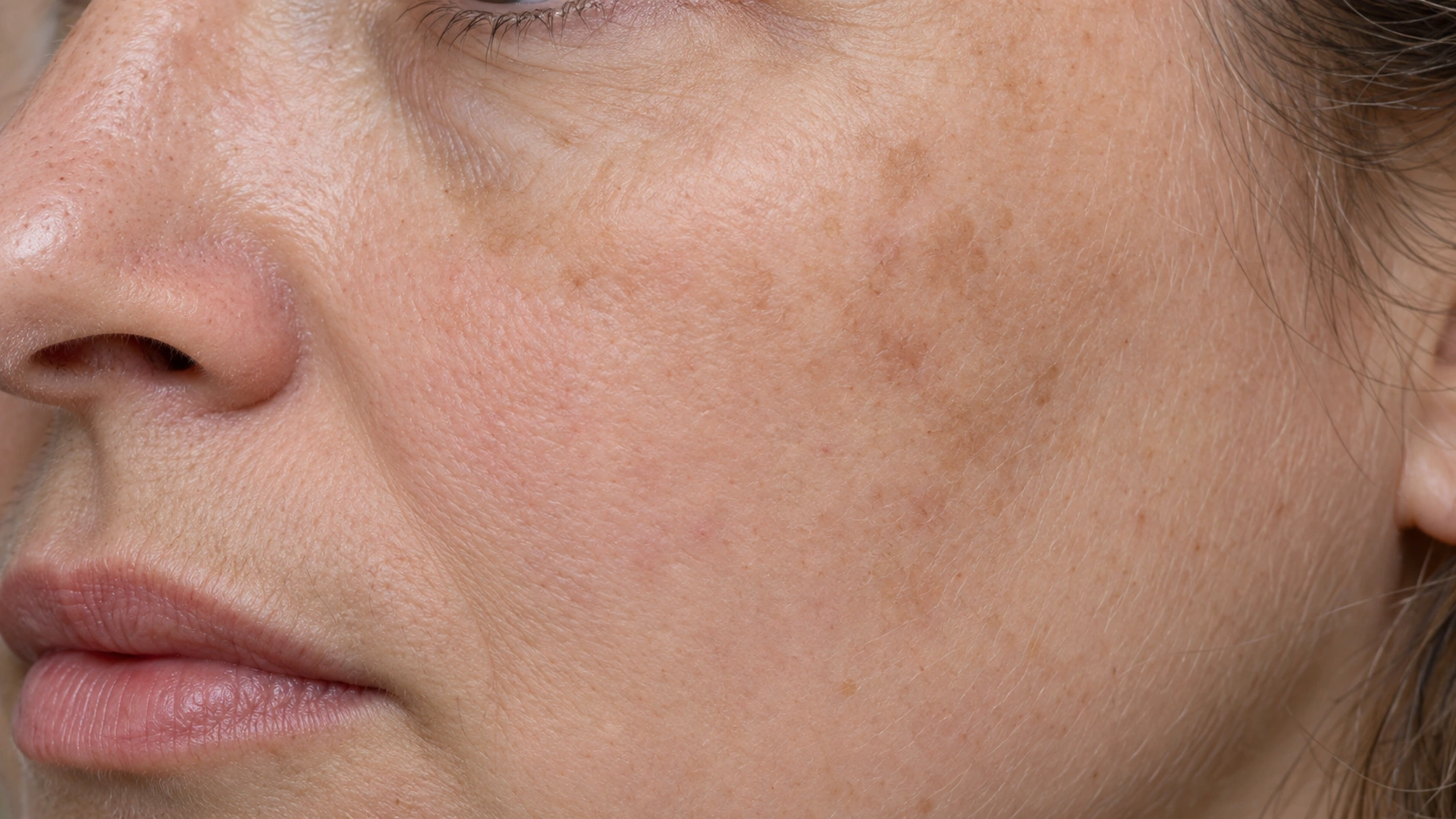
Evens tone with a series.
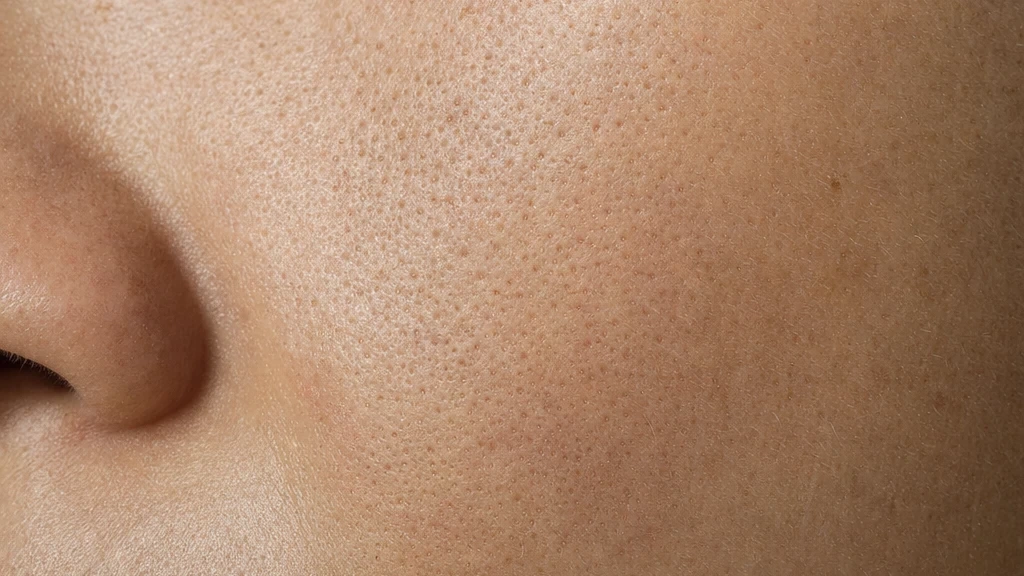
Smooths texture.
Softens fine lines.
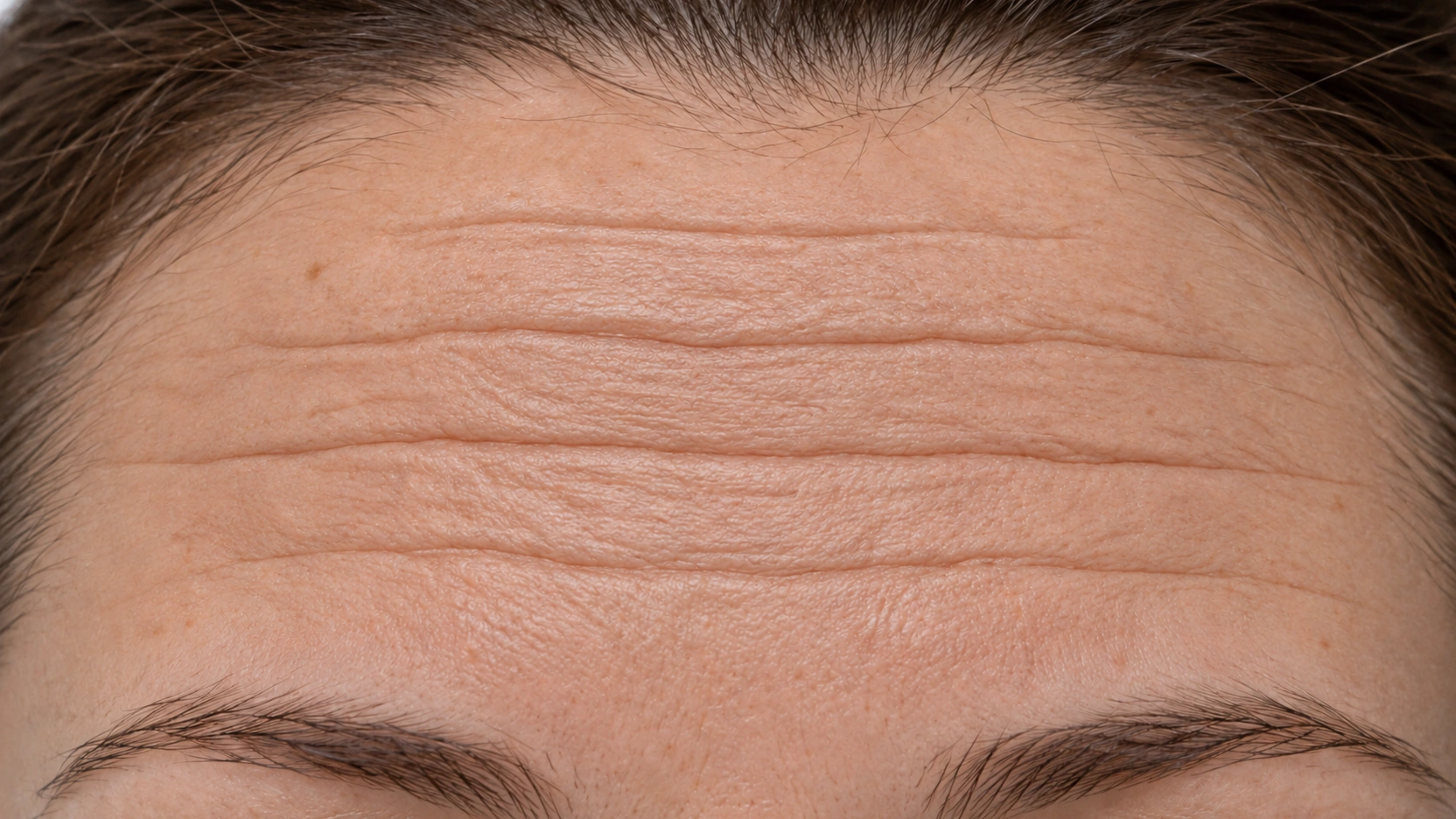
Light peels can't reach deep lines.
Too gentle.
Too superficial.

Very irritating.
Face; the selected area depends on the concern and treatment plan.
Face; the selected area depends on the concern and treatment plan.


The agent and depth are selected: The clinician matches the peel to the skin and concern. Controlled chemical injury occurs: The chosen agent acts on the planned skin layers. Skin heals and renews: Results and recovery depend on the peel depth and technique.
Schematic illustration. Technique and response vary. This explains a mechanism and does not specify treatment settings.
Creates tiny heat zones: Fractional energy treats small columns while sparing nearby tissue. Supports surface renewal: Healing can help improve uneven tone and superficial texture. Remodeling develops gradually: A course may improve skin appearance; response varies.
Schematic illustration. Technique and response vary. This explains a mechanism and does not specify treatment settings.
2 weeks before: Sun and tanning: No tanning, no sunburn.
4 weeks before: Pigment cream: On deeper skin tones, a pigment-blocking cream first cuts the risk of dark patches.
2 weeks before: Sun and tanning: No tanning, self-tanner or sunburn.
2 weeks before: Sun and tanning: Tanned skin risks blotchy pigment and usually gets the treatment postponed.
Actives and hair removal: Stop retinoids, benzoyl peroxide and acids 3 to 5 days before.
Actives and hair removal: No waxing, threading or hair removal creams.
Actives and hair removal: Stop retinoids, retinol and exfoliating acids about 3 days before.
Actives and hair removal: No waxing, threading or hair removal creams on the area.
Clean face: Clean face, no makeup.
Skin is checked, photos taken, and you confirm what you have stopped using.
Skin is cleaned, and the provider checks what you have stopped using and whether you have had sun.
Skin is cleaned and degreased, eyes and lips protected, acid brushed on in layers.
It stings and builds over 2 to 5 minutes, then gets neutralized. The visit takes 20 to 30 minutes. A light peel burns briefly and most people tolerate it; a medium peel is genuinely uncomfortable, and the burning can last an hour.
The cream comes off and a roller handpiece moves over the face in overlapping passes, usually four to eight per area.
It feels warm and prickly and builds with each pass. It takes 15 to 20 minutes. Most people call it a strong tingle, much milder than Fraxel.
Pink, tight skin, sometimes with mild swelling and stinging for a few hours.
Pink, hot, sometimes slightly swollen, like a mild sunburn.
Days 1 to 3: Skin darkens slightly, dry and rough.
Days 1 to 4: Skin feels dry, tight and faintly like fine sandpaper, and often looks duller before it looks better.
Days 4 to 7: Light peels finish flaking.
Days 5 to 7: The rough layer is gone and skin looks brighter and smoother.
Weeks 1 to 2: Some people break out for a week or two as clogged pores clear.
Week 2 onward: The fresh look softens over the next few weeks unless another session follows.
1–2 weeks after each peel
About 1 week
Months with good skincare
Months with maintenance
A superficial salicylic or glycolic peel runs about $100 to $300 a session in the US, a medium-depth peel about $400 to $900.
A full-face session runs about $300 to $600 in the US, with neck, chest or hands extra.
Insurance rarely covers peels for acne or post-acne marks — they count as cosmetic.
Insurance does not cover this.
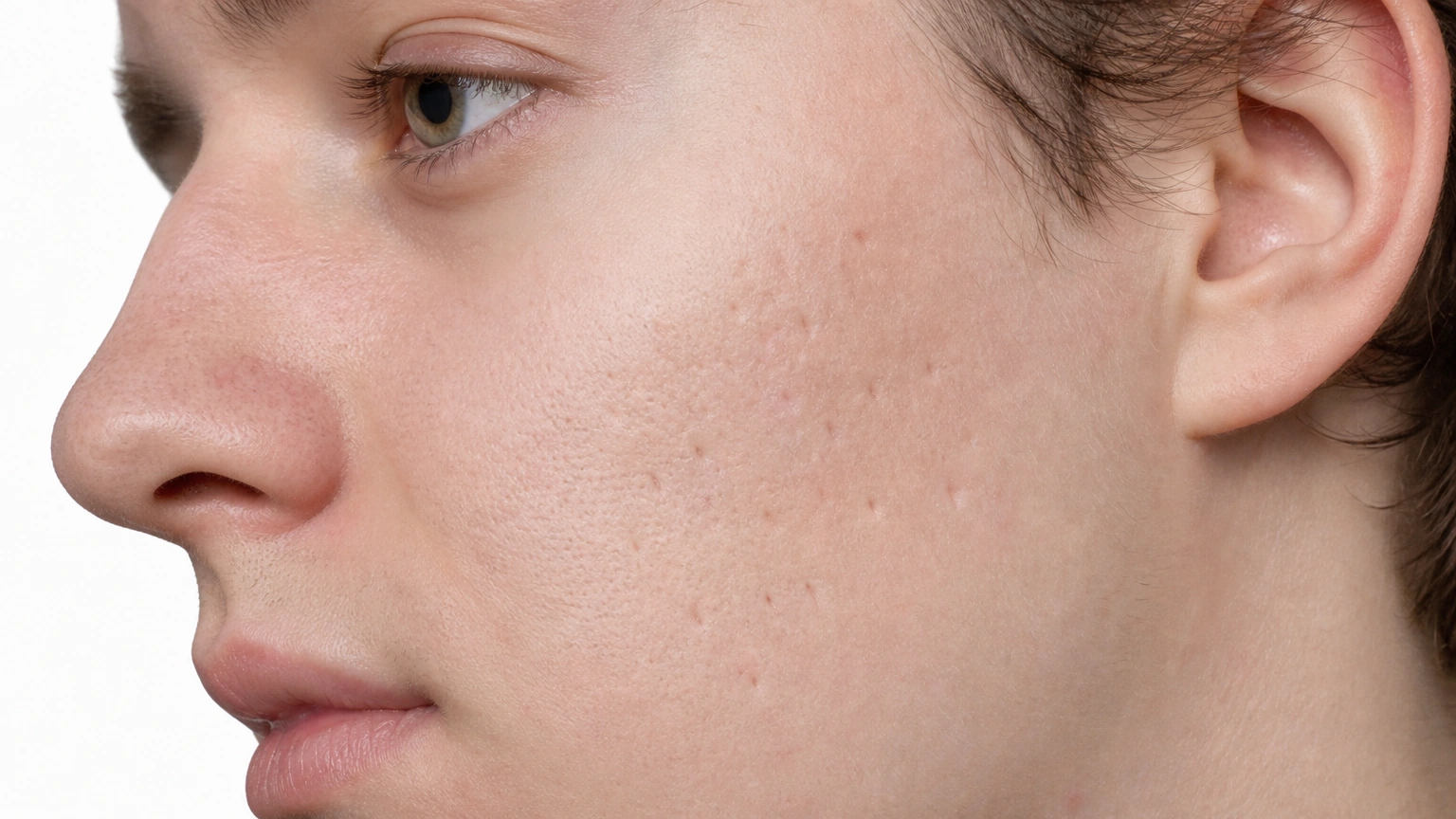
Not for indented scars. Peels fade the flat brown or red marks left after a spot — people call those scars, but they are discoloration. Depressed scars need microneedling, lasers, subcision, or filler.
Salicylic acid, usually — oil-soluble, so it works inside the pore. Glycolic acid suits surface dullness and pigment. Some providers combine them, or use a salicylic-mandelic blend on deeper skin tones.
4 to 6 sessions, 2 to 4 weeks apart, then maintenance. One peel gives a temporary glow.
Superficial salicylic and glycolic peels are, with good data behind them. Deeper peels can leave a lasting dark or light patch. Depth, not the acid, matters.
Often not much, and that is fine. Sheeting does not mean it worked; mild flaking does not mean it did not.
Depends what you are buying. For generally good skin already on a retinoid and sunscreen, it is reasonable maintenance. For acne scars, established wrinkles or sagging, it is not, and the money goes further elsewhere. One session buys a glow lasting a few weeks.
Same manufacturer, same principle, far less energy. Clear + Brilliant is shallower and gentler, about a day of downtime and much less change per session. Fraxel goes deeper, does more for scars and lines, and costs about a week of downtime.
Redness settles within hours, which is where the phrase comes from. But days two to four bring dryness and fine flaking, and skin looks best five to seven days later. Book a week before an event.
Four to six, two to four weeks apart, then maintenance every one to three months to hold it. One session gives temporary brightening.
Not indented scars — they sit deeper than this reaches. Pores can look smaller because the surface is smoother, but the pore does not change size and the effect fades.
One of the gentler light-based options, used across skin tones, but not risk-free. Dark patches can still happen, settings should be adjusted, and the Permea handpiece carries more risk of worsening pigment.