It uses a blade.
Dead skin and fine facial hair are scraped away.
Dermaplaning: A sterile blade is drawn across the skin to shave off fine hair and the dead layer on top. Skin feels smooth and makeup sits better for a week or two. It is a finishing treatment, not a treatment for acne, lines or pigment.
Hydrafacial: A branded machine facial that cleans, lightly exfoliates and applies serums using suction, in one 30 to 45 minute session. It is comfortable, low risk and leaves skin looking fresh for a few days. It is not a peel and not a laser.
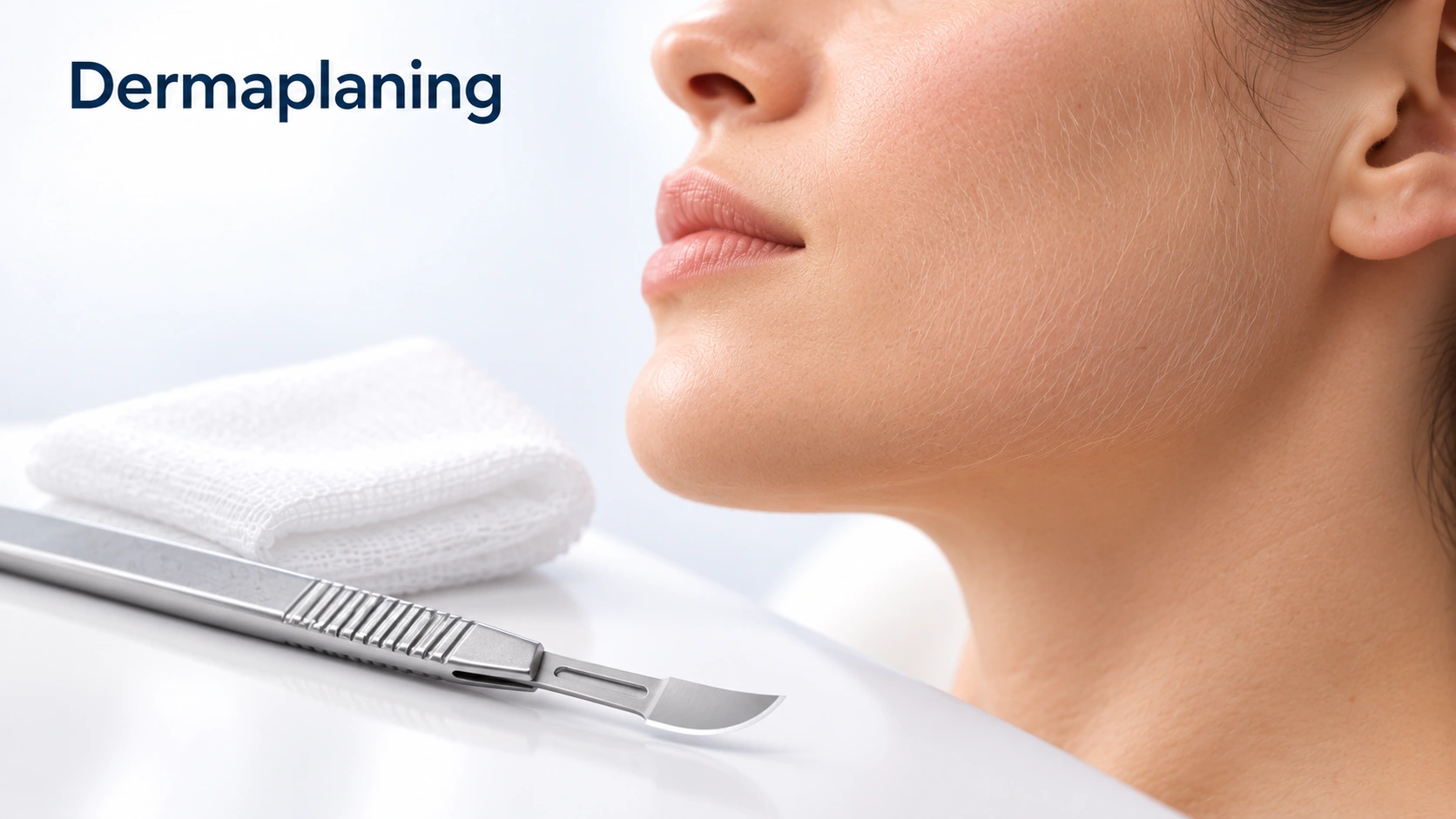

Choose for instantly smoother skin and better makeup application — a finishing treatment, not for acne, lines or pigment.
Choose for a comfortable refresh before an event — not a treatment for scars, pigment or acne.
Can you have both?
Some facials include both. Doing both in one visit can be a lot for sensitive skin.
Dead skin and fine facial hair are scraped away.
Surface smoothness improves for a short time.
It is not dermabrasion or laser resurfacing.
Cutting the shaft does not change the follicle.
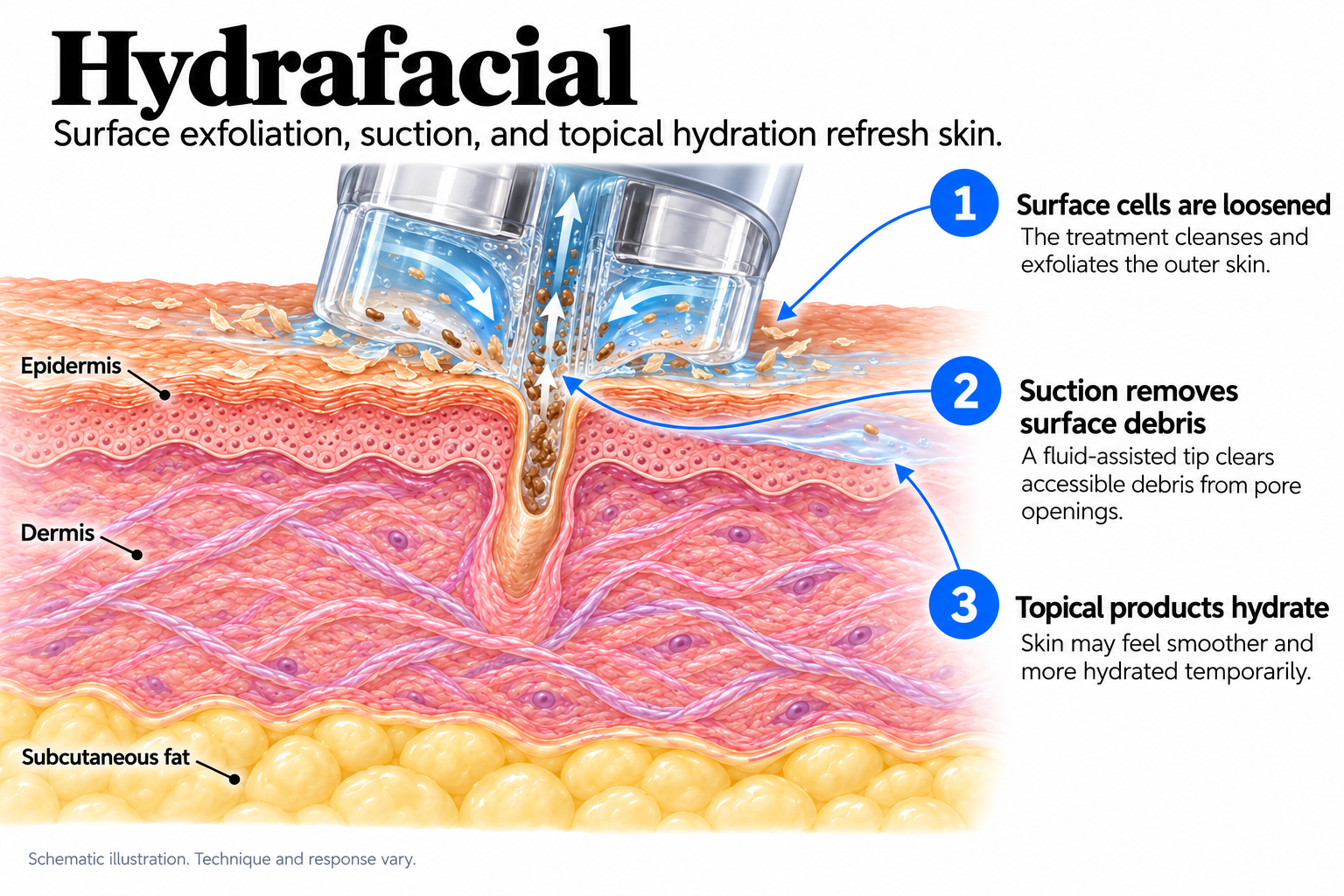
HydraFacial combines cleansing, exfoliation and suction-assisted fluid delivery.
It does not diagnose acne, growths or rashes.
Sensitive skin and active inflammation should be mentioned.
Claims about internal organs are unsupported.
Smooths and brightens.
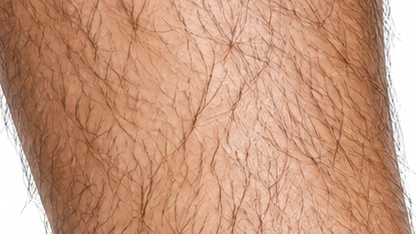
Removes fine facial hair briefly.
Brightens for an event.
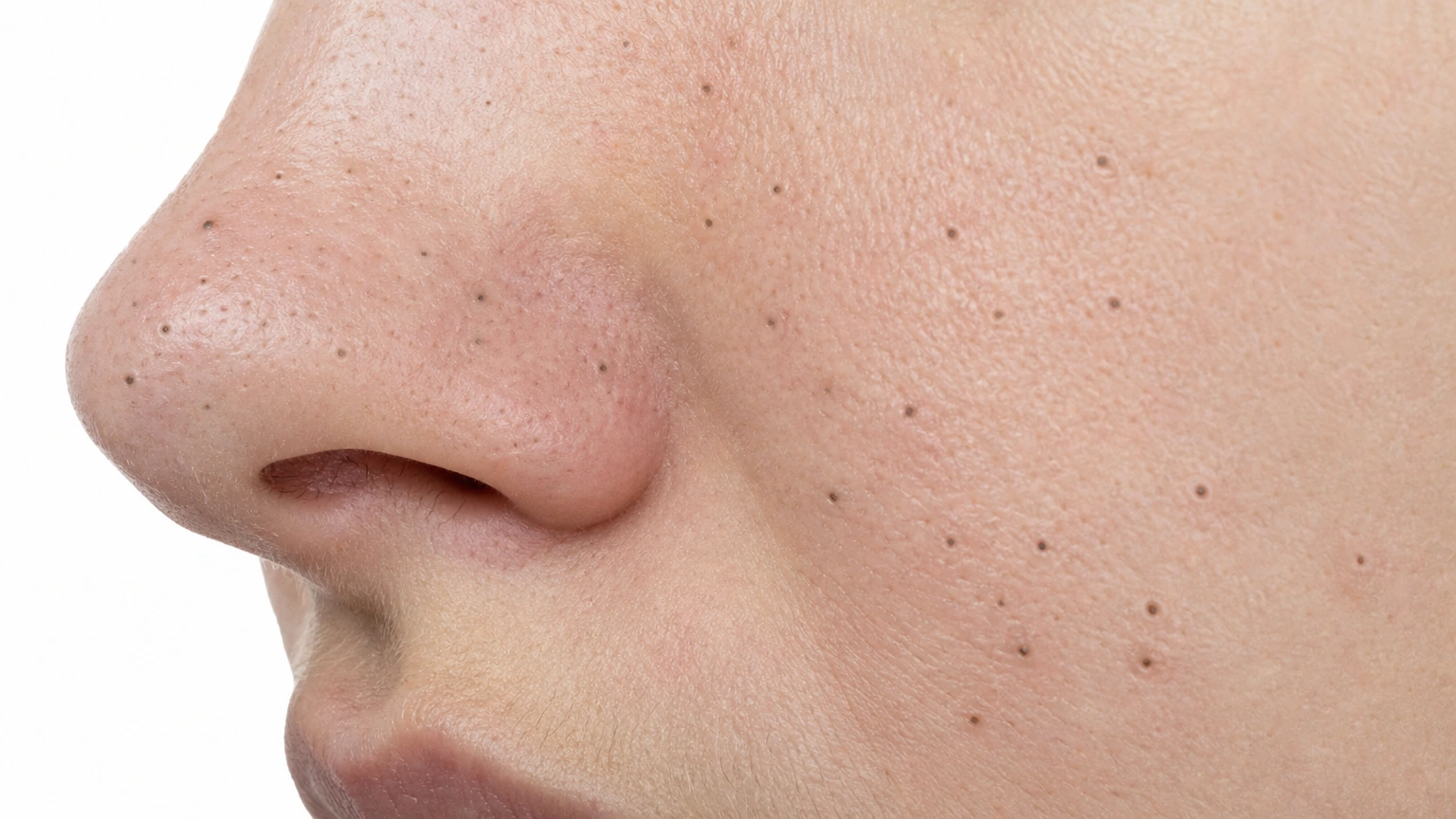
Suction clears surface clogs.
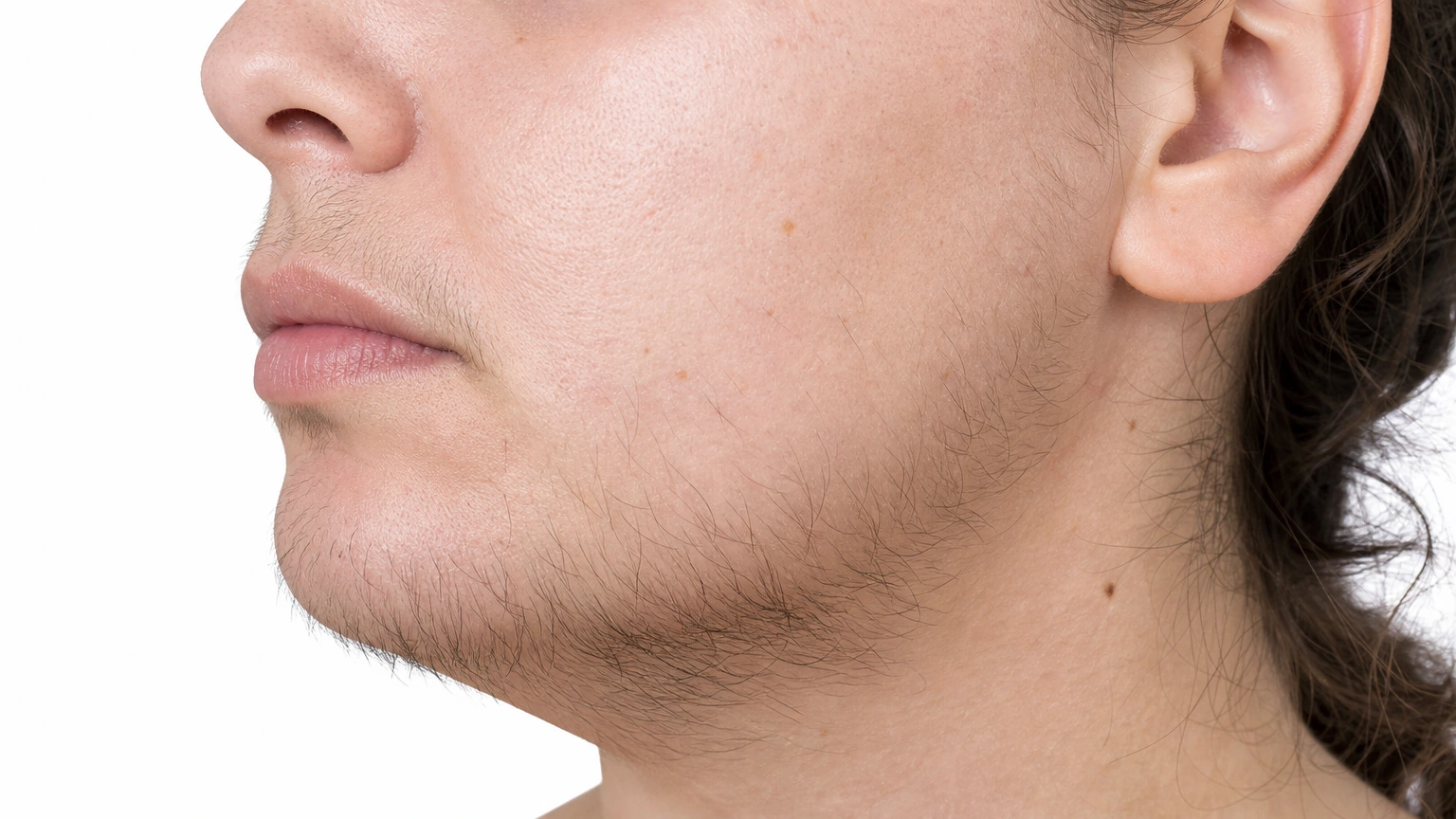
Temporary only.

Doesn't change scars.

Doesn't fade pigment.

Can irritate active breakouts.

Suction and actives can trigger flushing.
Face; the selected area depends on the concern and treatment plan.
Face; the selected area depends on the concern and treatment plan.
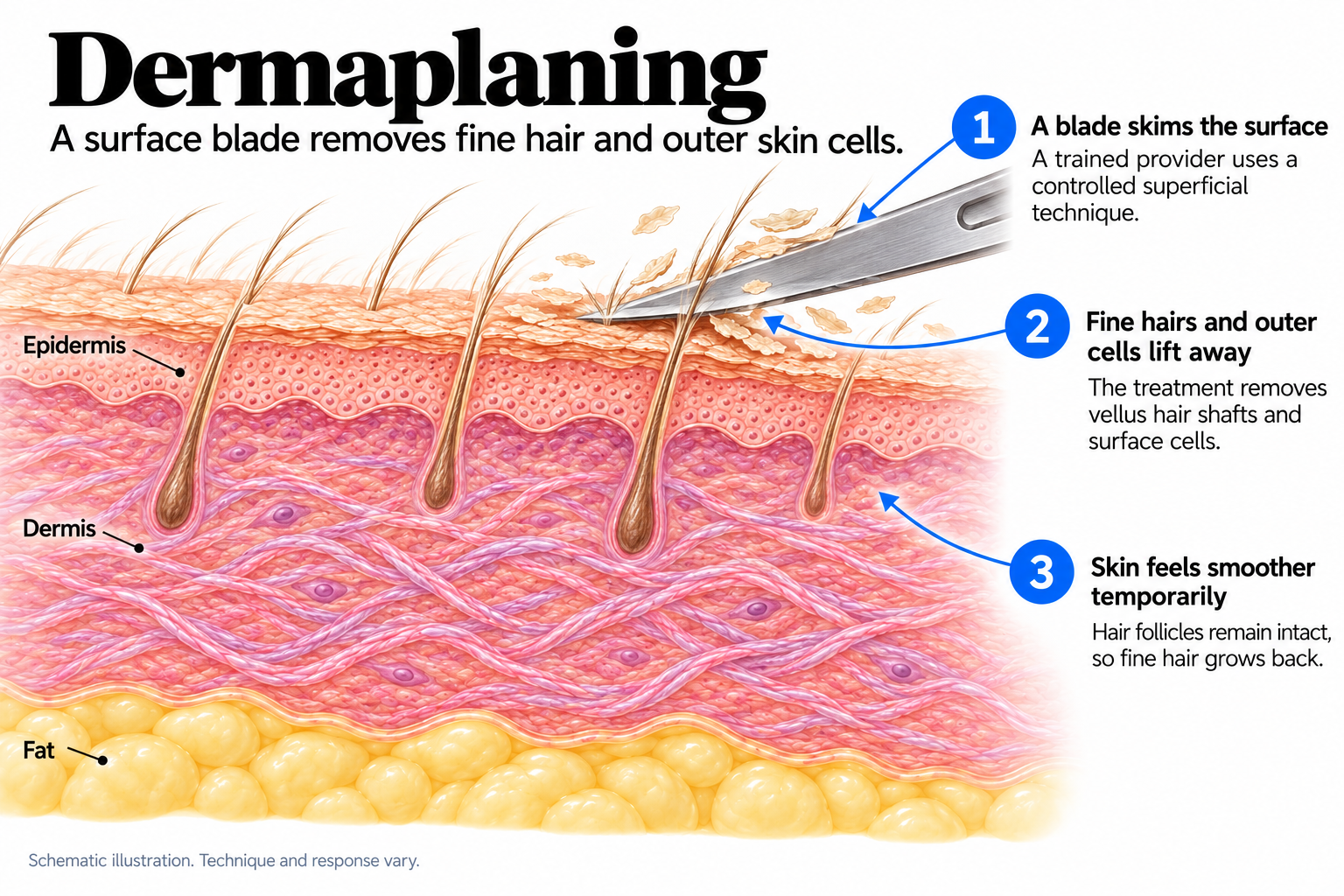
A blade skims the surface: A trained provider uses a controlled superficial technique. Fine hairs and outer cells lift away: The treatment removes vellus hair shafts and surface cells. Skin feels smoother temporarily: Hair follicles remain intact, so fine hair grows back.
Schematic illustration. Technique and response vary. This explains a mechanism and does not specify treatment settings.
Surface cells are loosened: The treatment cleanses and exfoliates the outer skin. Suction removes surface debris: A fluid-assisted tip clears accessible debris from pore openings. Topical products hydrate: Skin may feel smoother and more hydrated temporarily.
Schematic illustration. Technique and response vary. This explains a mechanism and does not specify treatment settings.
Before you book: Timing: Book 2 to 3 days before an event, not the same day.
Postpone if: Sunburn or flare: A sunburn, fresh tan, active cold sore or inflamed acne flare.
3 to 5 days before: Actives: Stop retinoids (tretinoin, adapalene, retinol), benzoyl peroxide and acids.
Hair removal: No waxing, threading or hair removal creams for a week.
2 to 3 days before: Actives: Stop retinoids and exfoliating acids so skin is not sensitized.
A few days before: Hair removal: No waxing or threading on the area for a few days either side.
Clean face: No moisturizer or makeup — the blade needs dry skin.
Skin and makeup: Come without makeup if easy, and mention any flare, since the acid step or extraction may be skipped.
Skin is cleaned and dried.
Makeup comes off and the skin is looked at.
Skin is held taut and the blade drawn in short strokes over forehead, cheeks, jaw, chin and upper lip.
Eyelids are avoided, eyebrows shaped only if you agreed. It takes 20 to 30 minutes and often ends with a mask, moisturizer and sunscreen. It feels like a dry razor that pulls slightly; the sound surprises people more than the feel.
You lie back while the handpiece moves over the skin in sections — cleansing and exfoliation, a mild acid that may tingle, suction-assisted extraction that feels like a firm vacuum, then a serum.
Add-ons such as LED go last. It takes about 30 to 45 minutes and does not hurt. Most people feel a cool, scratchy tug. The nose is the least comfortable part.
Skin is smooth and brighter, sometimes faintly pink for an hour.
Skin looks clean, damp and slightly flushed, and can stay pink for an hour or two.
Days 1 to 3: Skin can feel bare, dry or tight, and products may sting a little.
Days 1 to 3: Skin looks its best — smoother, brighter, pores less obvious, and makeup sits well.
Days 3 to 7: The surface effect fades.
Week 1 to 2: Fine hair grows back at the same rate and thickness as before, and smoothness fades as the dead layer rebuilds.
Week 3 to 4: Skin is exactly as it was.
Weeks 1 to 2: A few people get spots as loosened plugs work their way out.
Immediately
Immediately
1–2 weeks; hair regrows in weeks
3–7 days
In the US, dermaplaning runs about $75 to $250 a session, often less as an add-on to a facial or bundled with a light peel.
In the US a session usually runs about $150 to $350, with add-on serums, LED and lymphatic drainage priced on top.
Insurance does not cover it.
Insurance does not cover it.
No. The blade cuts hair at the surface and never touches the follicle, which sets thickness, color and growth rate. Regrowth feels stubbly for a few days because the cut end is blunt.
Smoothness lasts one to two weeks and the fine hair is back within three to four. Each session stands alone.
No, and it can make an inflamed breakout worse. Once the skin is calm it is reasonable, purely for smoothness.
Yes. It works only on the dead surface layer and uses no heat, acid or laser, so it does not cause pale patches. Avoid irritation and nicks, which leave a brown mark that shows more on deeper skin tones.
Many people do, with a single-blade face razor on clean dry skin. Lower risk than a surgical blade. Go gently, never twice over the same patch, and never over a mole or an inflamed spot.
Depends what you want. For smooth skin and makeup that sits well for a week or two, it delivers exactly that. As treatment for a skin problem it is doing nothing, and the money goes further on a retinoid and a sunscreen.
No. There is a brief, mild acid step, but nothing stays on long enough to shed skin. A peel produces that shedding, which is why it has downtime and does more.
About 3 to 7 days for the fresh, smooth look. That is why clinics suggest monthly sessions.
It helps blackheads and clogged pores. It does not treat inflamed or cystic acne, and using it instead of acne treatment usually costs months.
Thin. A few small studies, several funded by the device maker, no strong independent trials. Skin does look better afterward, but claims beyond short-term freshness are not supported.
Before an event, or alongside a routine already doing the work, yes. As the main plan for acne, scars or pigment, the same money on peels, microneedling or a good home routine does more.
Yes, one of the better uses of it. Book 2 to 3 days ahead, not the same day, in case of brief pinkness or a spot surfacing.