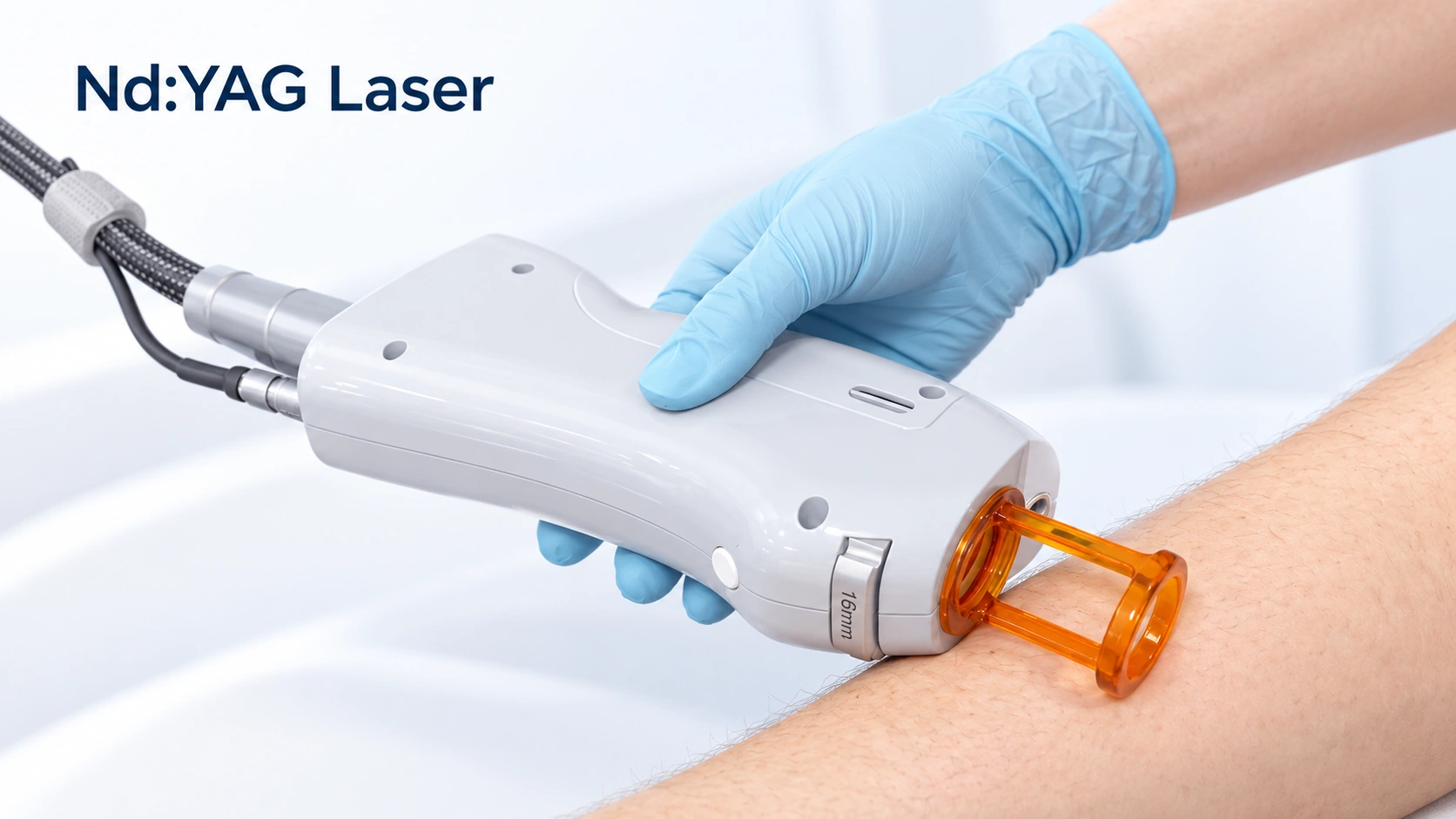
It uses a blade.
Dead skin and fine facial hair are scraped away.
Dermaplaning: A sterile blade is drawn across the skin to shave off fine hair and the dead layer on top. Skin feels smooth and makeup sits better for a week or two. It is a finishing treatment, not a treatment for acne, lines or pigment.
Electrolysis: A fine probe is slid into each hair follicle and a small current destroys the cells that grow the hair. It is the only method that works on any hair color, and it is the slow option.
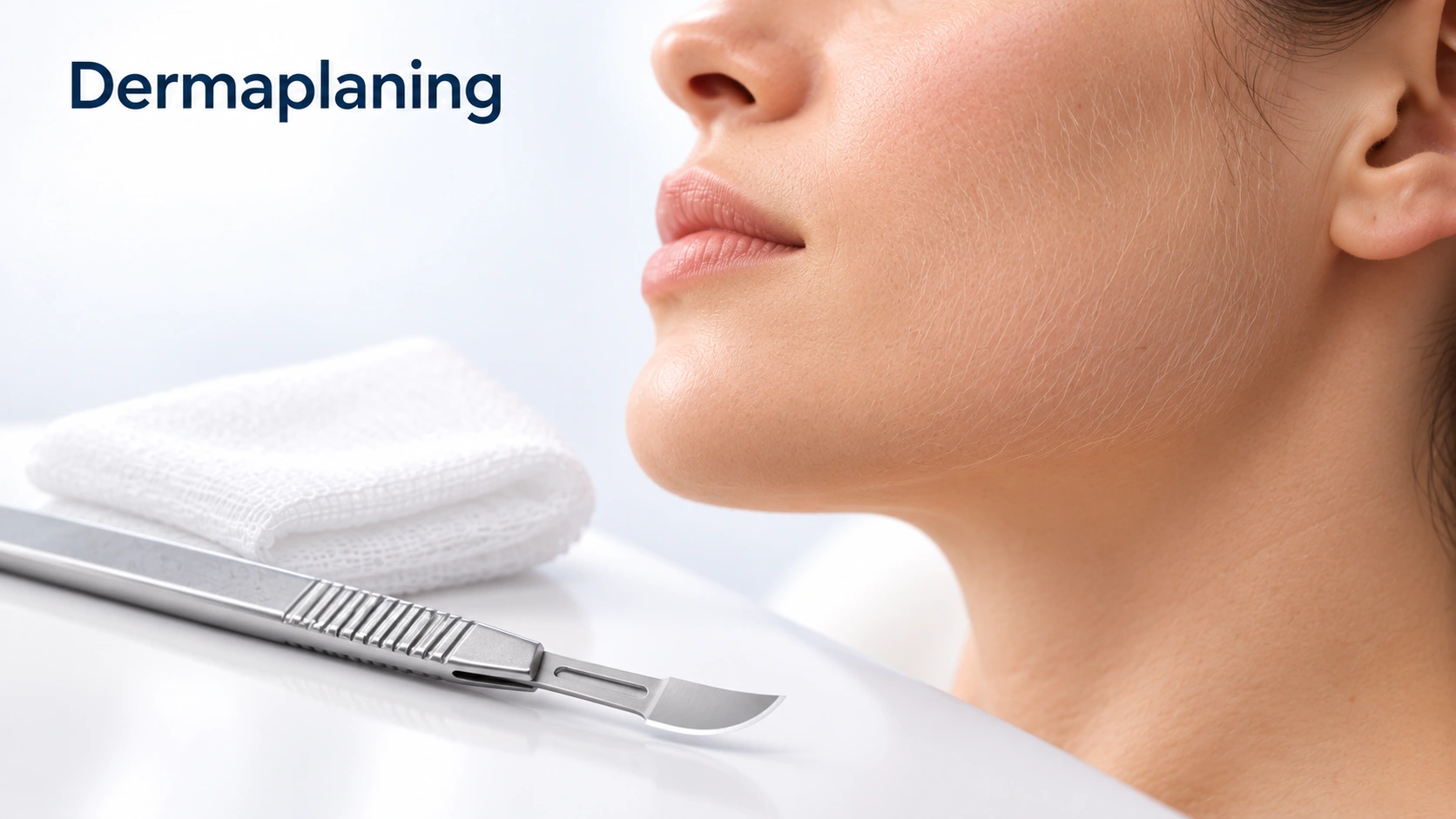

Choose for instantly smoother skin and better makeup application — a finishing treatment, not for acne, lines or pigment.
Choose for permanent removal of small areas or light-colored hair that lasers can't treat — slow but final.
Can you have both?
They remove hair in different ways. Dermaplaning shaves fine facial hair temporarily; electrolysis removes hairs permanently.
Dead skin and fine facial hair are scraped away.
Surface smoothness improves for a short time.
It is not dermabrasion or laser resurfacing.
Cutting the shaft does not change the follicle.
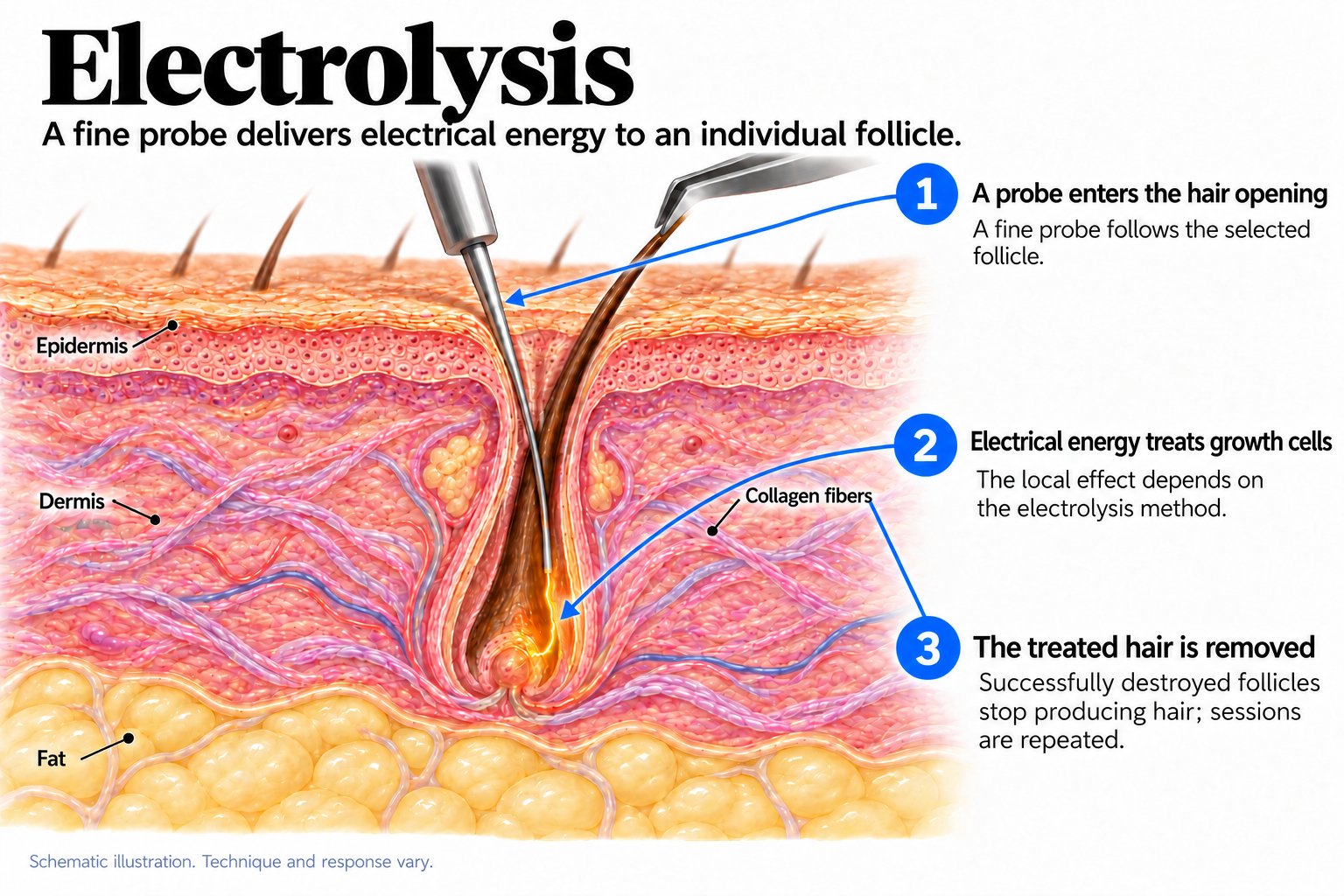
A fine probe delivers electrical energy to individual hairs.
It can treat hair colors that lasers miss.
A trained practitioner with good infection control is essential.
Rapid new facial or body hair can have medical causes.
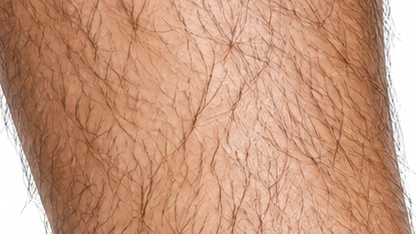
Permanent removal of any color.
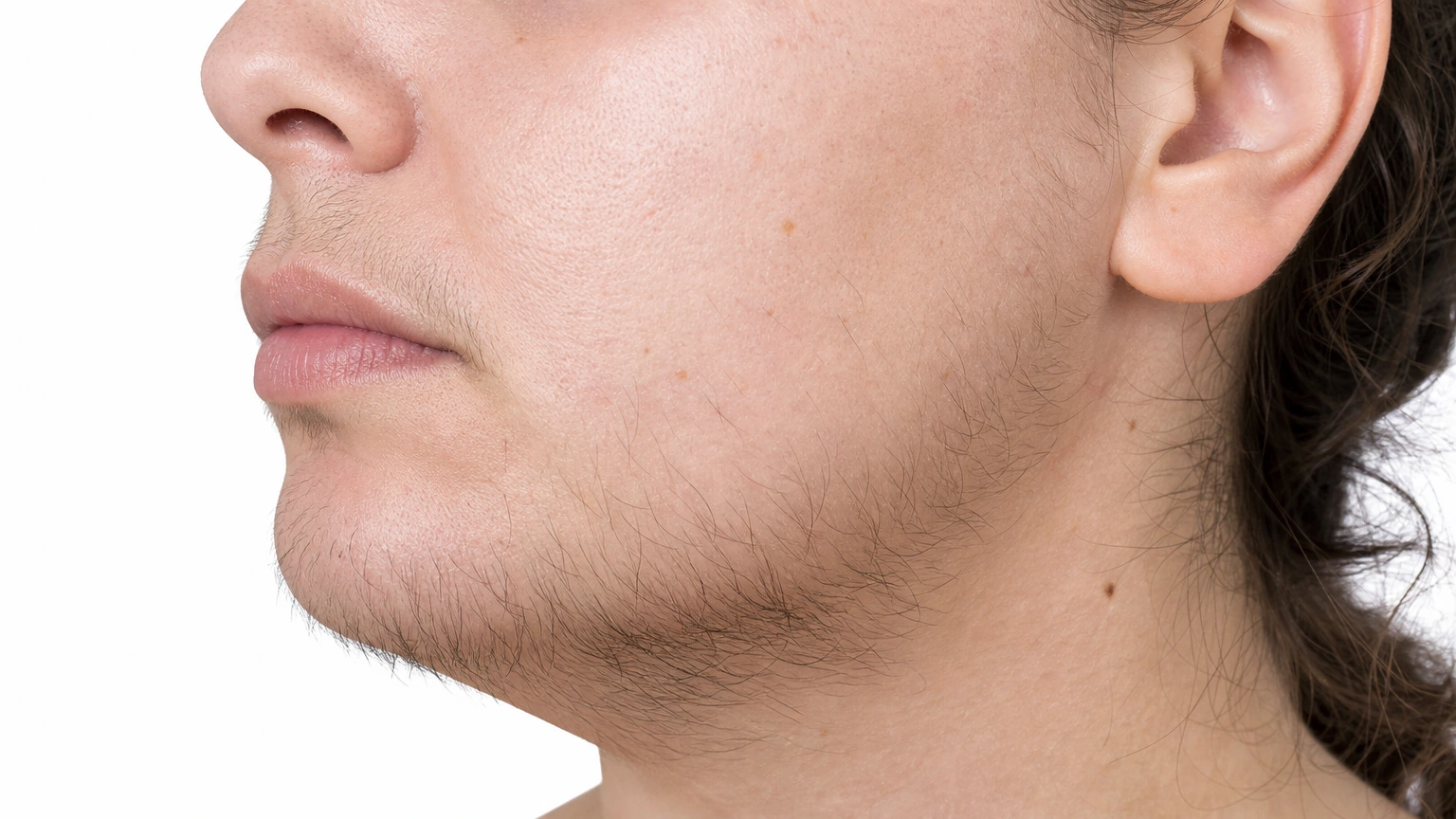
Permanent removal of facial hair.
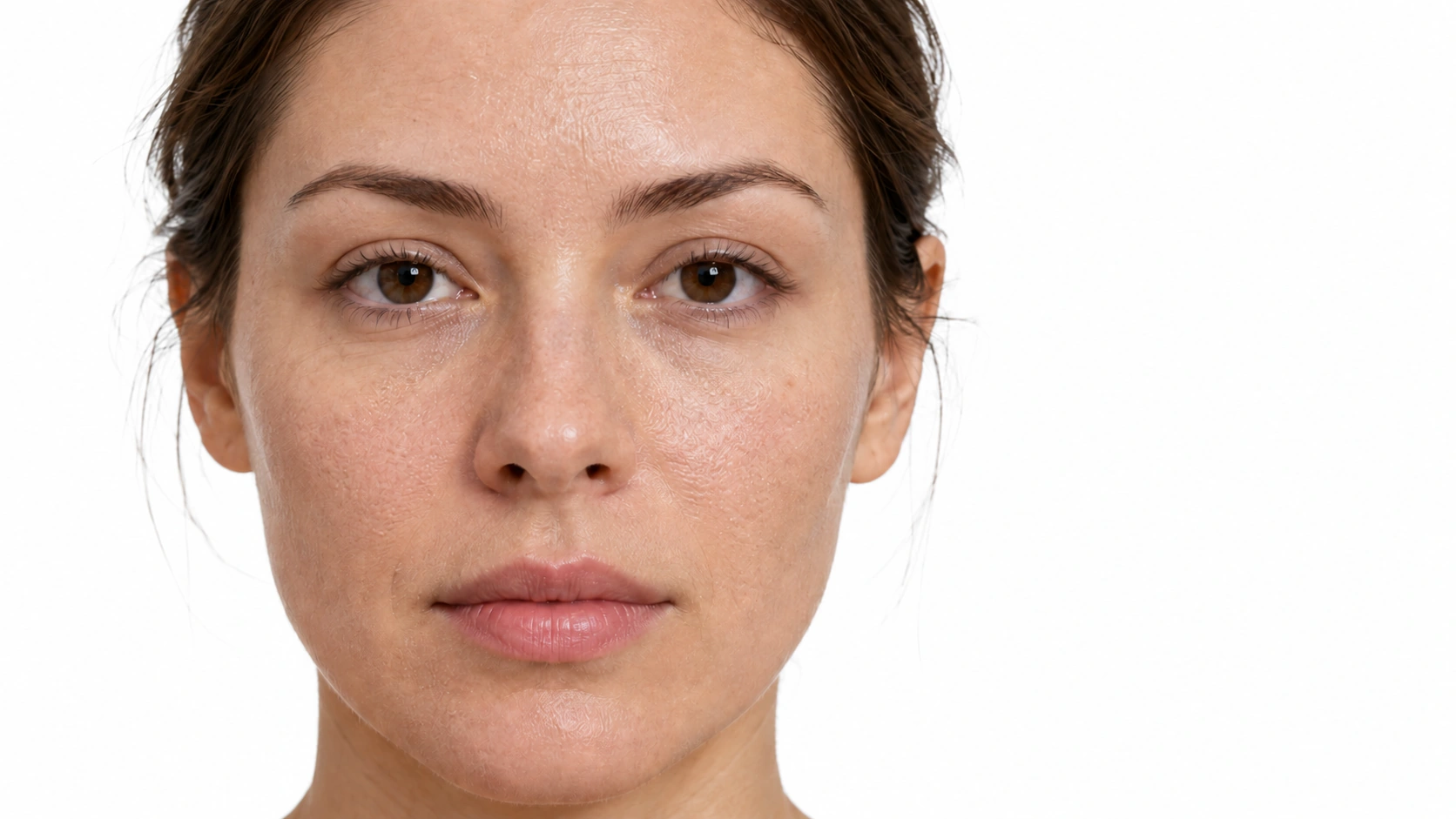
Smooths and brightens.
Removes fine facial hair briefly.
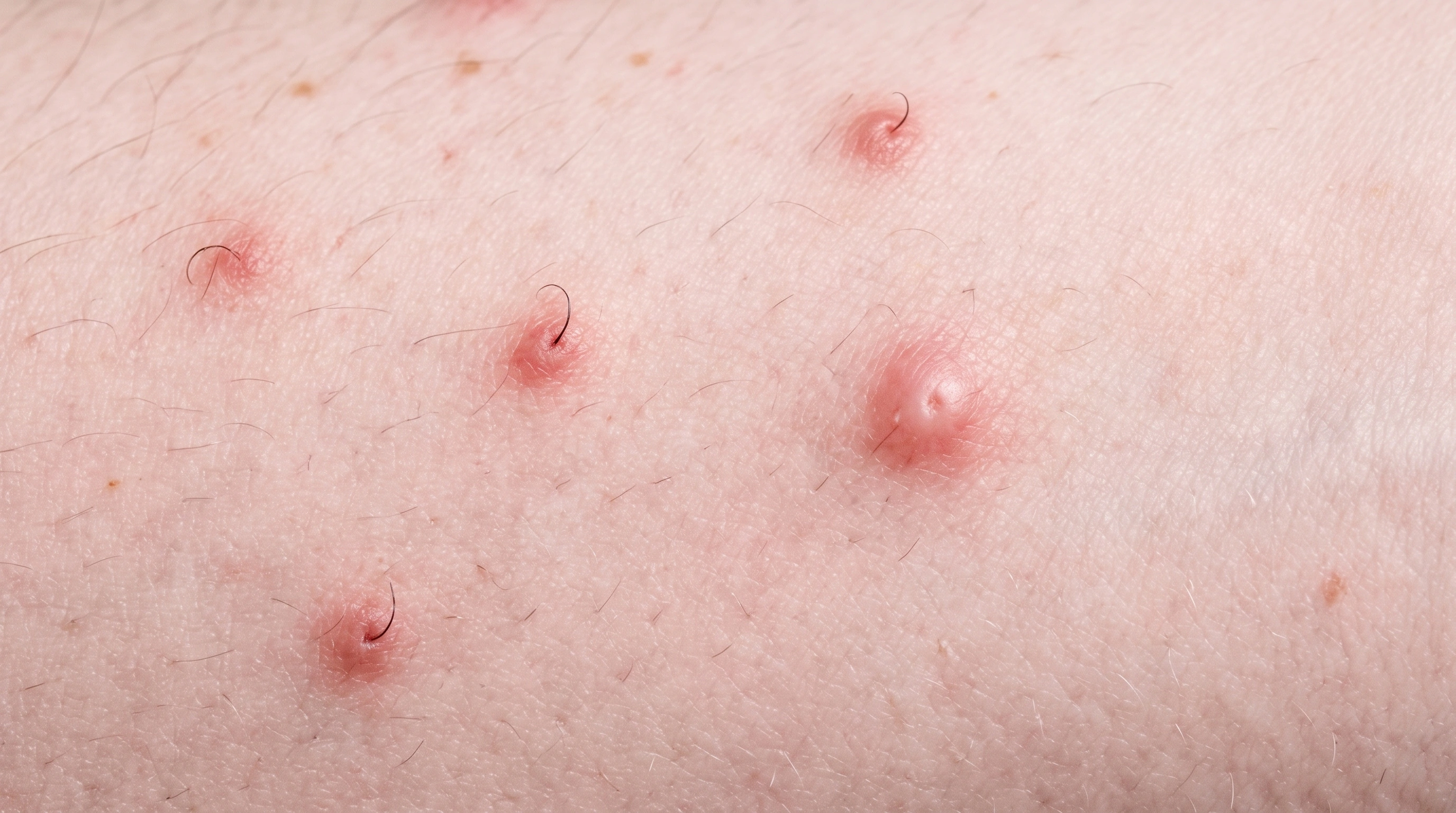
Laser is faster for large areas.
Temporary only.
Not related.

Can irritate active breakouts.
Face; the selected area depends on the concern and treatment plan.
Selected unwanted facial or body hairs; each follicle is treated individually.
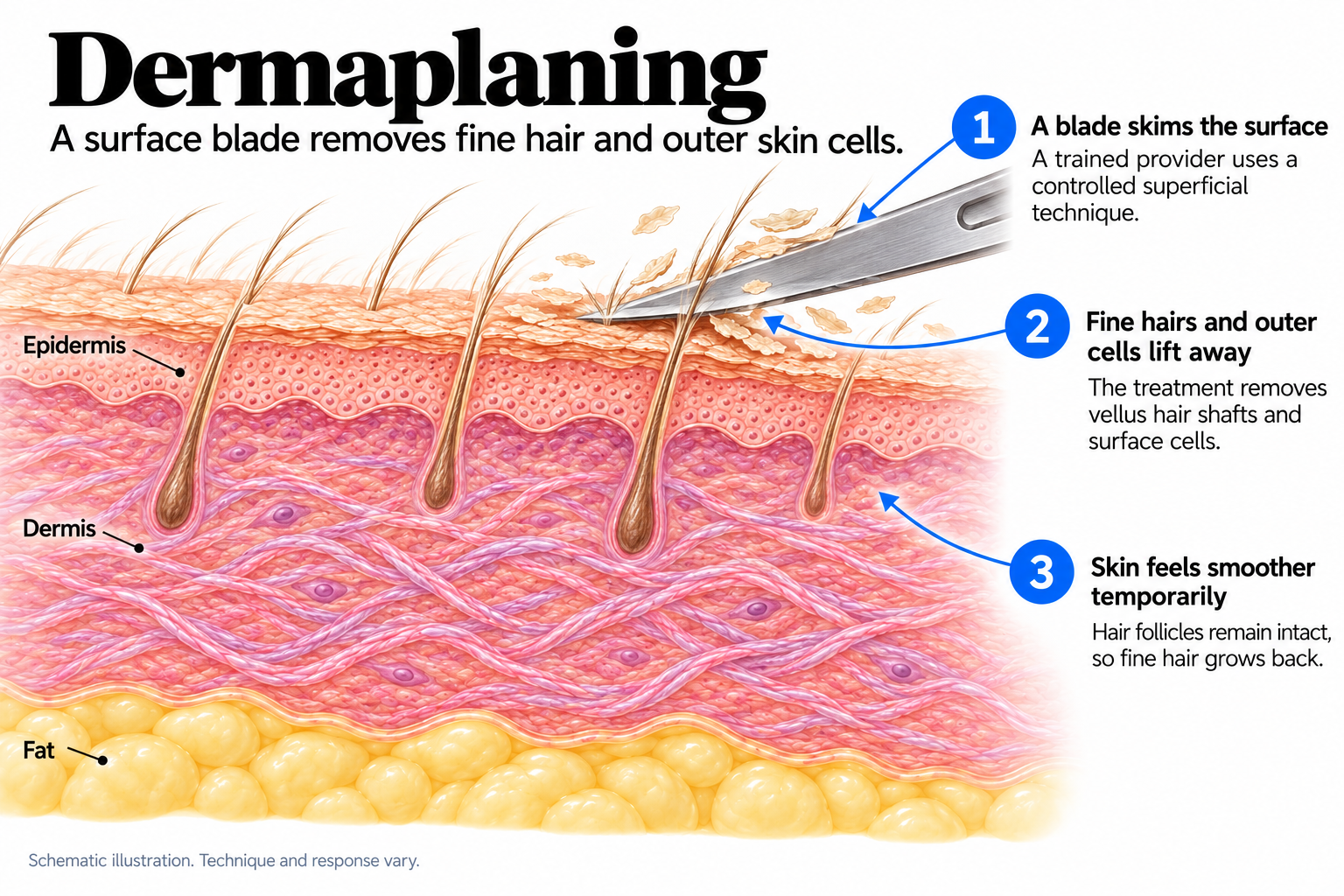
A blade skims the surface: A trained provider uses a controlled superficial technique. Fine hairs and outer cells lift away: The treatment removes vellus hair shafts and surface cells. Skin feels smoother temporarily: Hair follicles remain intact, so fine hair grows back.
Schematic illustration. Technique and response vary. This explains a mechanism and does not specify treatment settings.
A probe enters the hair opening: A fine probe follows the selected follicle. Electrical energy treats growth cells: The local effect depends on the electrolysis method. The treated hair is removed: Successfully destroyed follicles stop producing hair; sessions are repeated.
Schematic illustration. Technique and response vary. This explains a mechanism and does not specify treatment settings.
2 to 3 weeks before: Waxing and plucking: No waxing, plucking, threading or epilating for two to three weeks before starting, and none during the course.
Before you book: Trial visit: Book a short trial appointment before committing to a block of hours.
Postpone if: Sunburn or flare: A sunburn, fresh tan, active cold sore or inflamed acne flare.
3 to 5 days before: Actives: Stop retinoids (tretinoin, adapalene, retinol), benzoyl peroxide and acids.
Hair removal: No waxing, threading or hair removal creams for a week.
Clean face: No moisturizer or makeup — the blade needs dry skin.
Clean skin: No makeup, lotion or deodorant on the area.
Skin is cleaned and dried.
The skin is cleaned and the hair length checked.
Skin is held taut and the blade drawn in short strokes over forehead, cheeks, jaw, chin and upper lip.
Eyelids are avoided, eyebrows shaped only if you agreed. It takes 20 to 30 minutes and often ends with a mask, moisturizer and sunscreen. It feels like a dry razor that pulls slightly; the sound surprises people more than the feel.
A single-use probe is slid into each follicle beside the hair, the current runs a few seconds, and the hair is lifted out with forceps.
Appointments are booked by time — commonly 15, 30 or 60 minutes — not by area. Each hair is a brief sting, worst on the upper lip and bikini line.
Skin is smooth and brighter, sometimes faintly pink for an hour.
Redness, small welts around the treated follicles, sometimes pinpoint scabs, and a soothing gel.
Days 1 to 3: Skin can feel bare, dry or tight, and products may sting a little.
Days 1 to 3: Tiny crusts where the probe went in, with warmth and stinging that a cool pack helps.
Days 3 to 10: Scabs lift on their own and the skin flattens.
Week 1 to 2: Fine hair grows back at the same rate and thickness as before, and smoothness fades as the dead layer rebuilds.
Week 3 to 4: Skin is exactly as it was.
Immediately
Over months of sessions
1–2 weeks; hair regrows in weeks
Permanent
Hairs come through from follicles that were resting or only partly treated last time.
In the US, dermaplaning runs about $75 to $250 a session, often less as an add-on to a facial or bundled with a light peel.
Electrolysis is charged by time, not area — commonly $30 to $100 or more for a 15 to 60 minute appointment in the US, depending on the city and practitioner.
Insurance does not cover it.
Ask for the hourly rate and a rough estimate of how many hours your area needs, rather than a per-session price alone.
No. The blade cuts hair at the surface and never touches the follicle, which sets thickness, color and growth rate. Regrowth feels stubbly for a few days because the cut end is blunt.
Smoothness lasts one to two weeks and the fine hair is back within three to four. Each session stands alone.
No, and it can make an inflamed breakout worse. Once the skin is calm it is reasonable, purely for smoothness.
Yes. It works only on the dead surface layer and uses no heat, acid or laser, so it does not cause pale patches. Avoid irritation and nicks, which leave a brown mark that shows more on deeper skin tones.
Many people do, with a single-blade face razor on clean dry skin. Lower risk than a surgical blade. Go gently, never twice over the same patch, and never over a mole or an inflamed spot.
Depends what you want. For smooth skin and makeup that sits well for a week or two, it delivers exactly that. As treatment for a skin problem it is doing nothing, and the money goes further on a retinoid and a sunscreen.
A fully destroyed follicle does not grow another hair, and it is the only method US regulators allow to be called permanent hair removal. Most follicles need treating more than once.
It depends on size and density. A few scattered chin hairs may take about a year of short appointments, an upper lip a year to eighteen months, a full beard, chest or back one to three years or more. Anyone quoting a fixed number is guessing.
Each hair is a brief sting, and it is the repetition rather than any single hair that makes a long session hard. Numbing cream 30 to 60 minutes beforehand helps a lot. The upper lip and bikini line are the sorest areas.
Yes. Nothing here depends on pigment, so hair color makes no difference. This is the main reason to choose electrolysis over laser.
Yes. Nothing targets pigment, so tone is not a barrier. Watch the healing instead: brown marks can follow any small wound, so a trial patch, a conservative pace and leaving the scabs alone all matter.
If the hair is dark and the area is large, laser is far faster. If the hair is gray, white, red or blond, electrolysis is the only method that works. Many people use both.