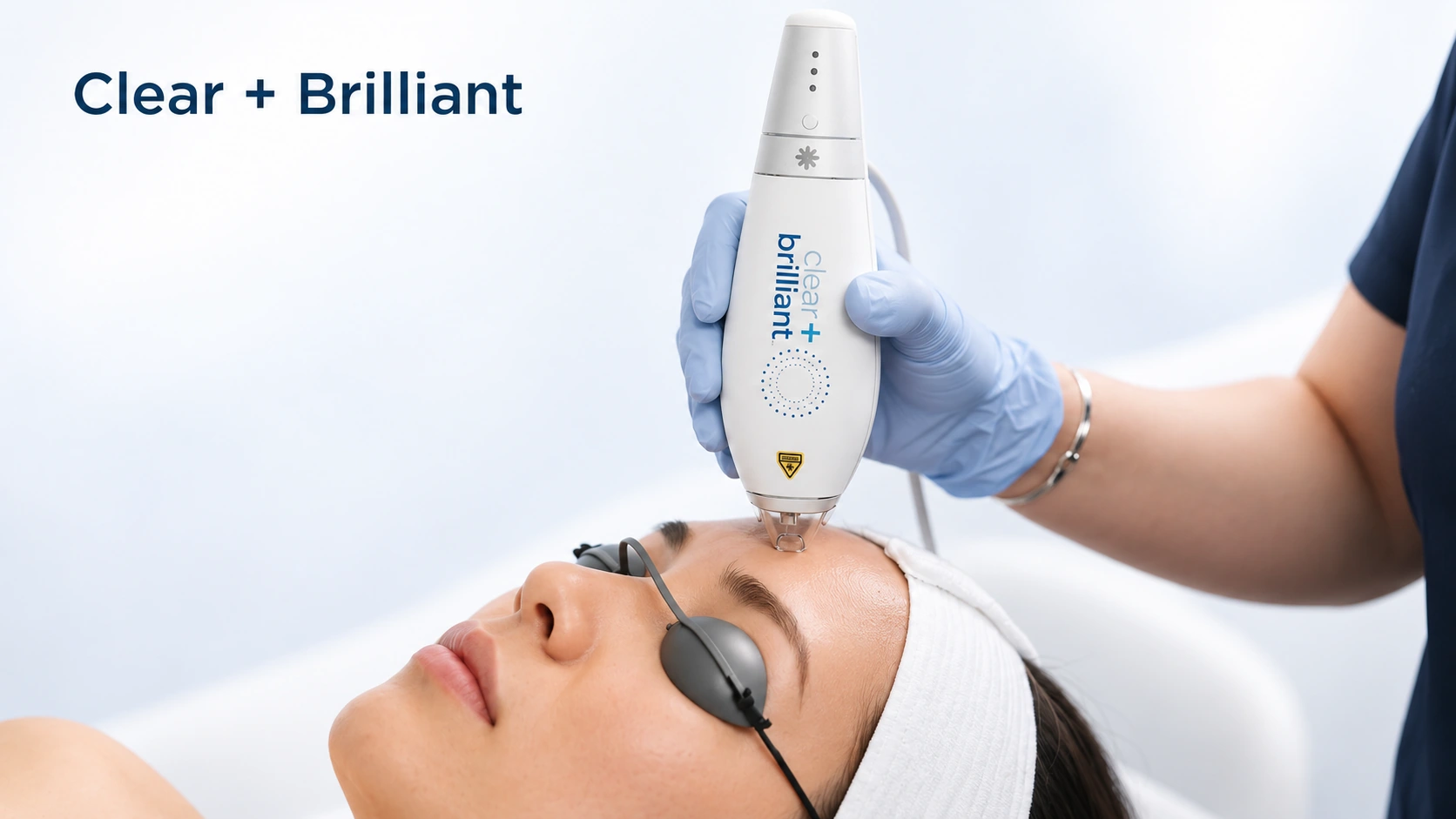
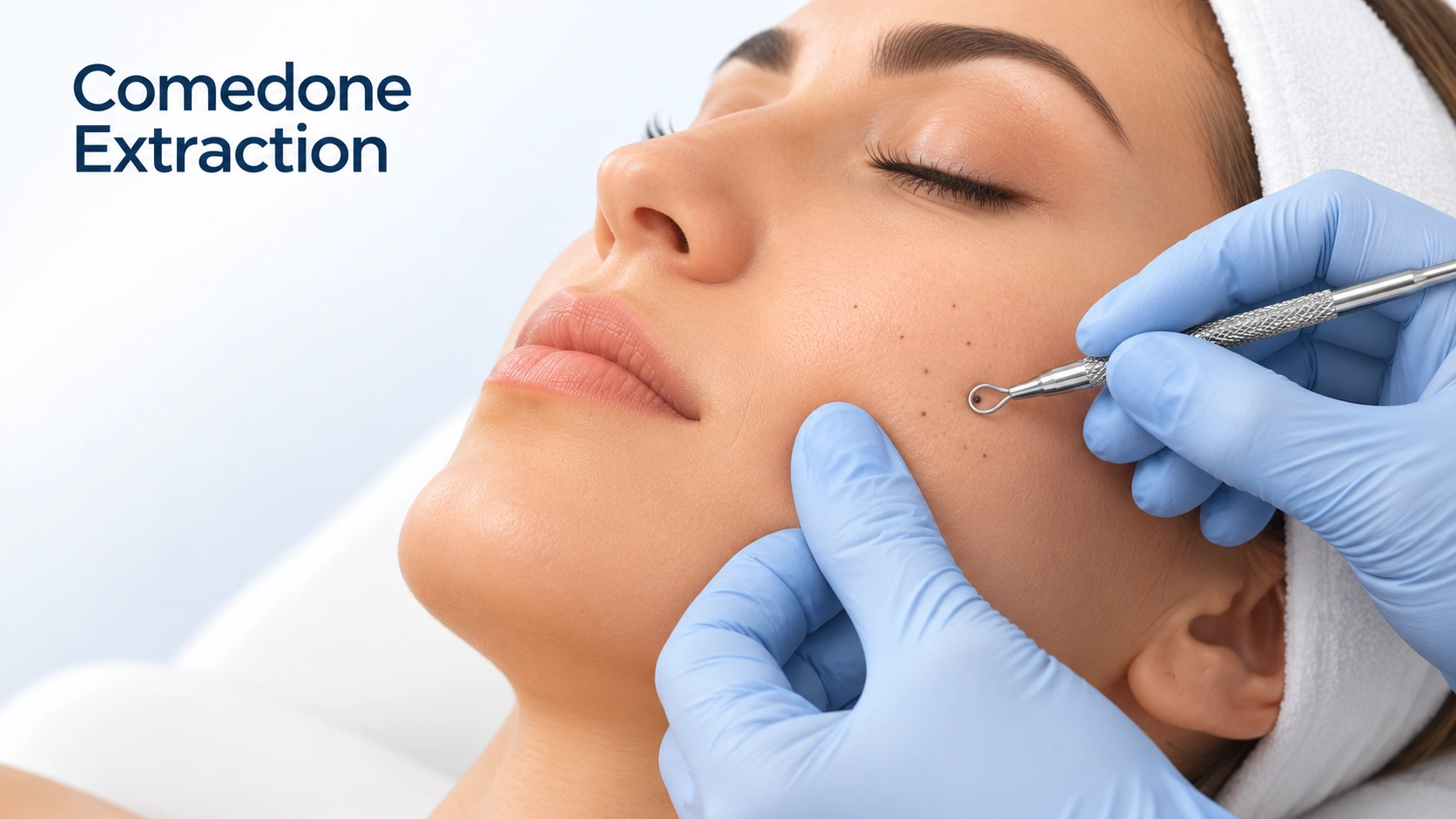
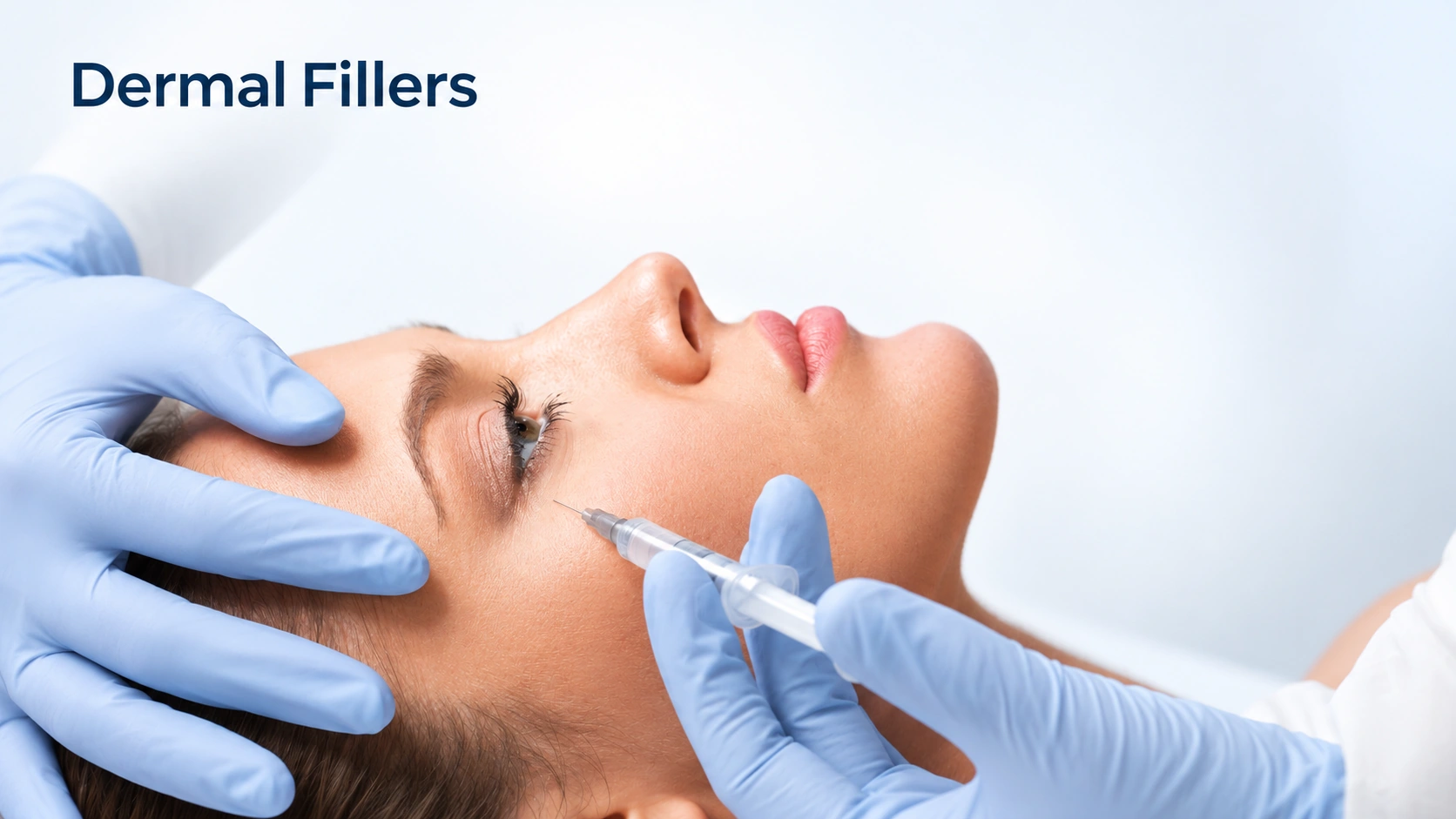
It is a branded facial.
HydraFacial combines cleansing, exfoliation and suction-assisted fluid delivery.
Hydrafacial: A branded machine facial that cleans, lightly exfoliates and applies serums using suction, in one 30 to 45 minute session. It is comfortable, low risk and leaves skin looking fresh for a few days. It is not a peel and not a laser.
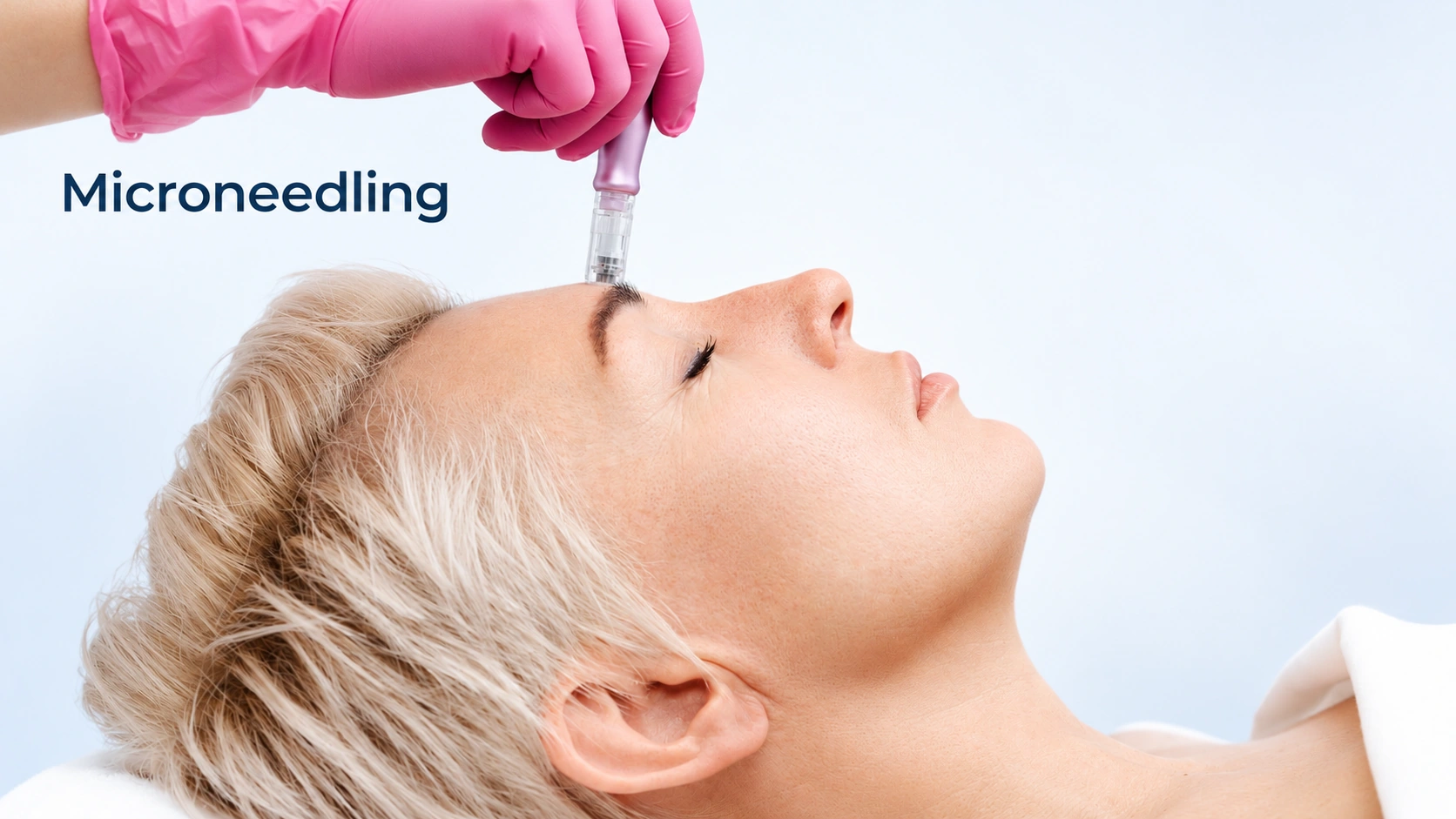
Microneedling: A pen or roller of fine needles makes thousands of tiny controlled punctures in the skin, which sets off healing and new collagen. It is used mainly for indented acne scars and rough texture. It makes them shallower over a course of sessions, not gone.


Choose for a comfortable refresh before an event — not a treatment for scars, pigment or acne.
Choose for indented acne scars and rough texture with little downtime and low pigment risk — shallower, not gone.
Can you have both?
They can share a plan. Hydrafacial preps skin; leave a few days before microneedling and at least a week after.
HydraFacial combines cleansing, exfoliation and suction-assisted fluid delivery.
It does not diagnose acne, growths or rashes.
Sensitive skin and active inflammation should be mentioned.
Claims about internal organs are unsupported.
Fine needles puncture the skin in a controlled way.
Results depend on device, depth and technique.
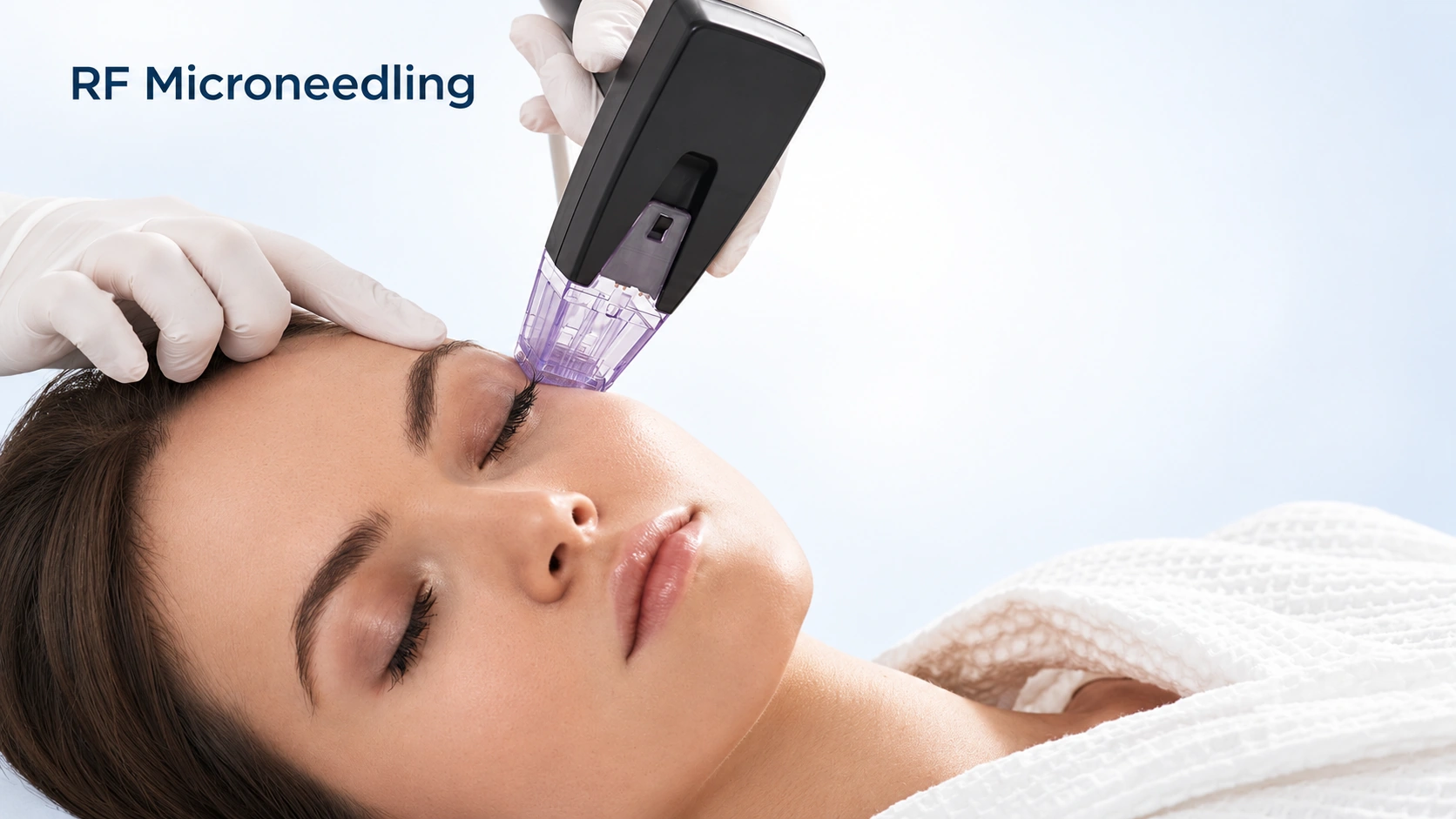
No radiofrequency energy is involved.
Devices are not cleared for use with every serum or blood product.

Improves rolling and boxcar scars.
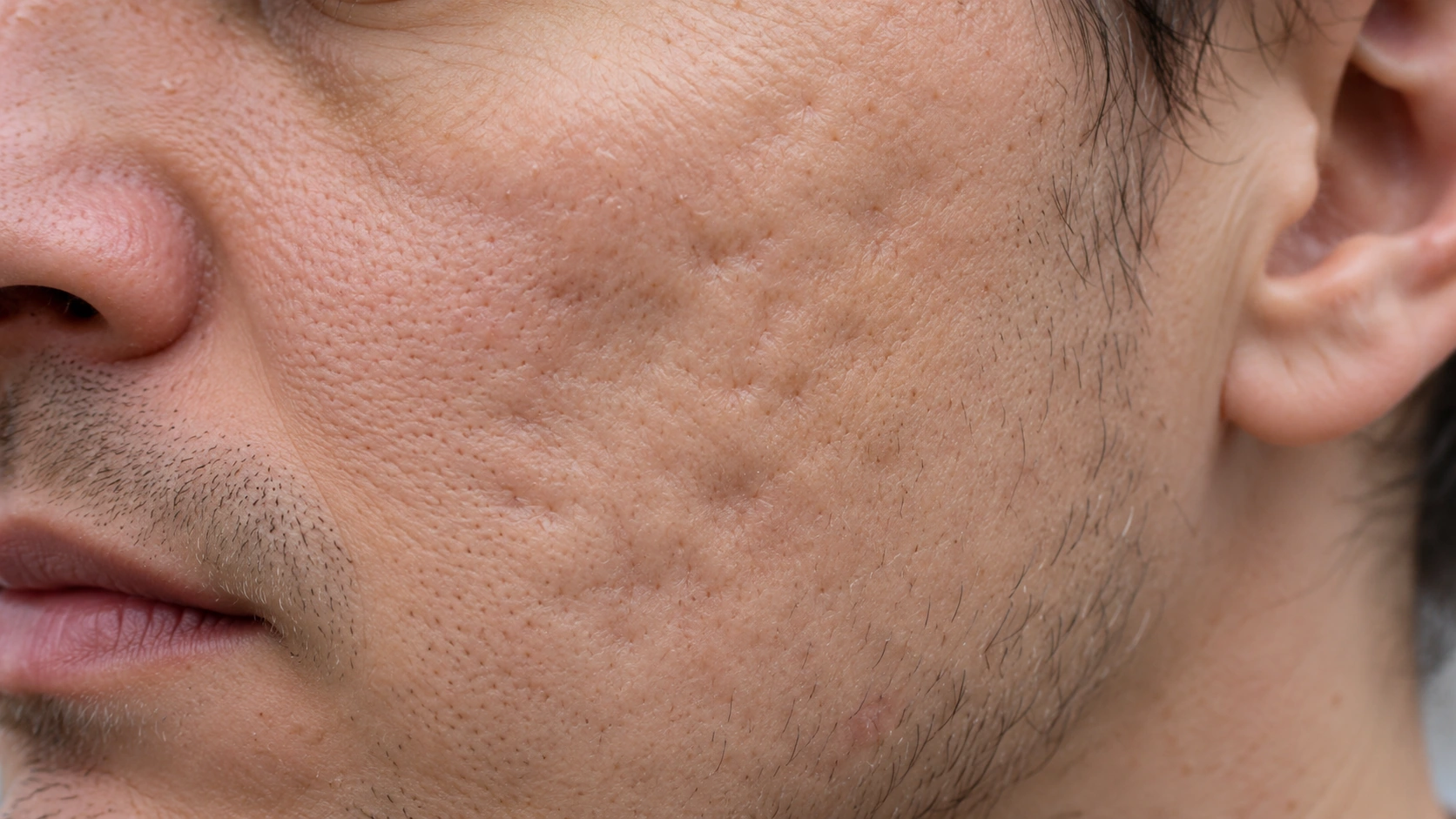
Good results with a series.
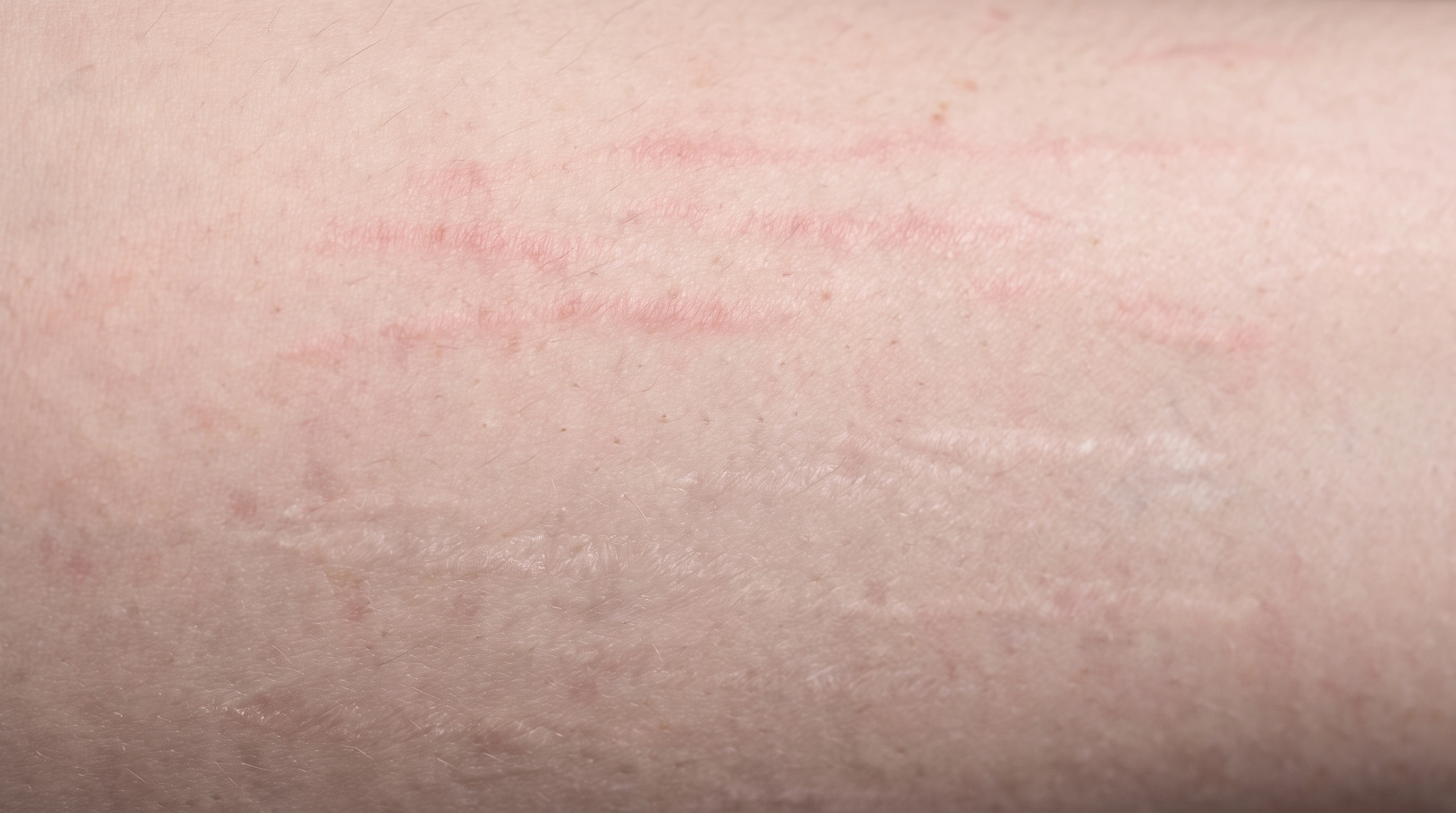
Softens older marks.

Improves texture.
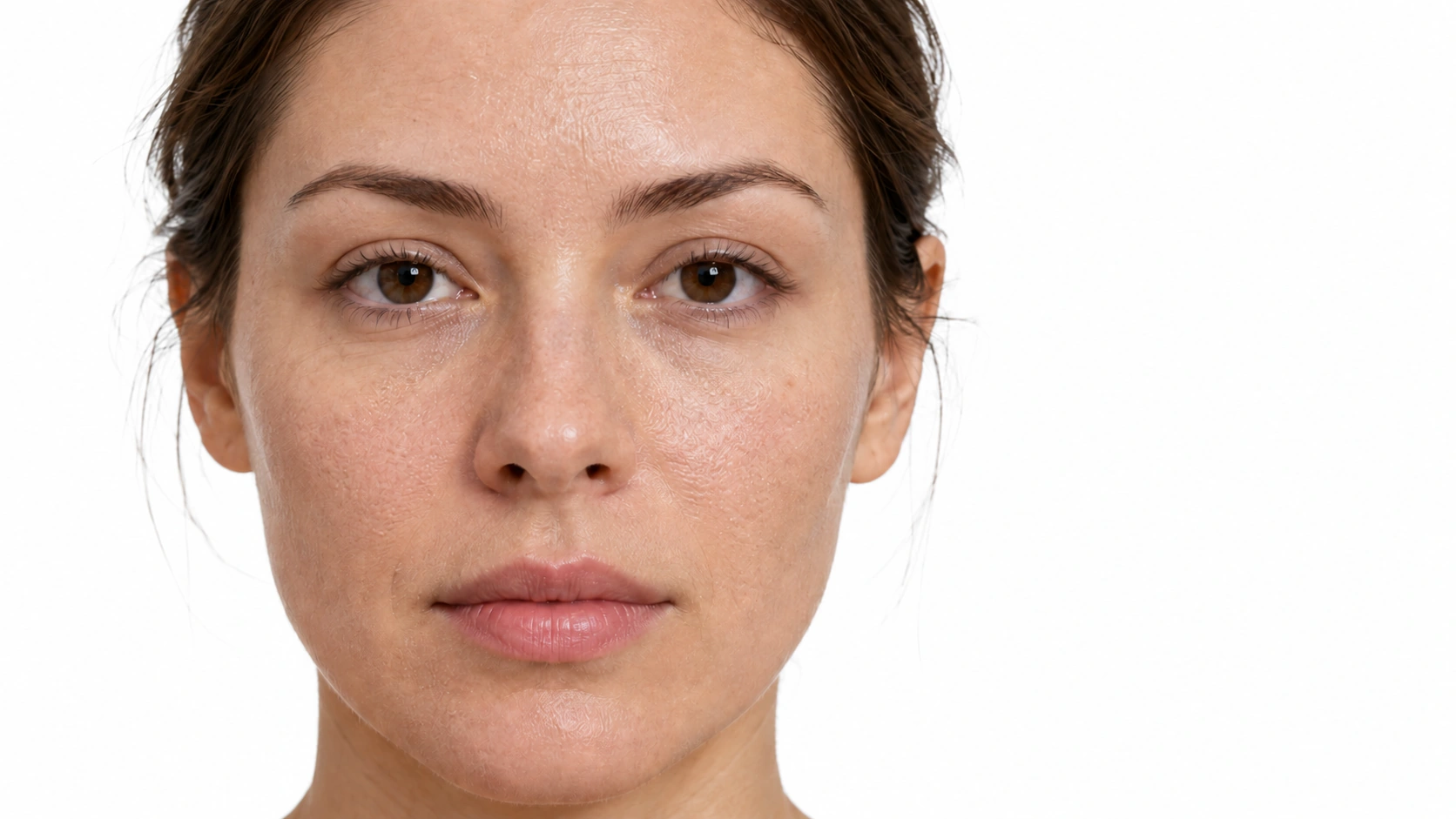
Brightens for an event.
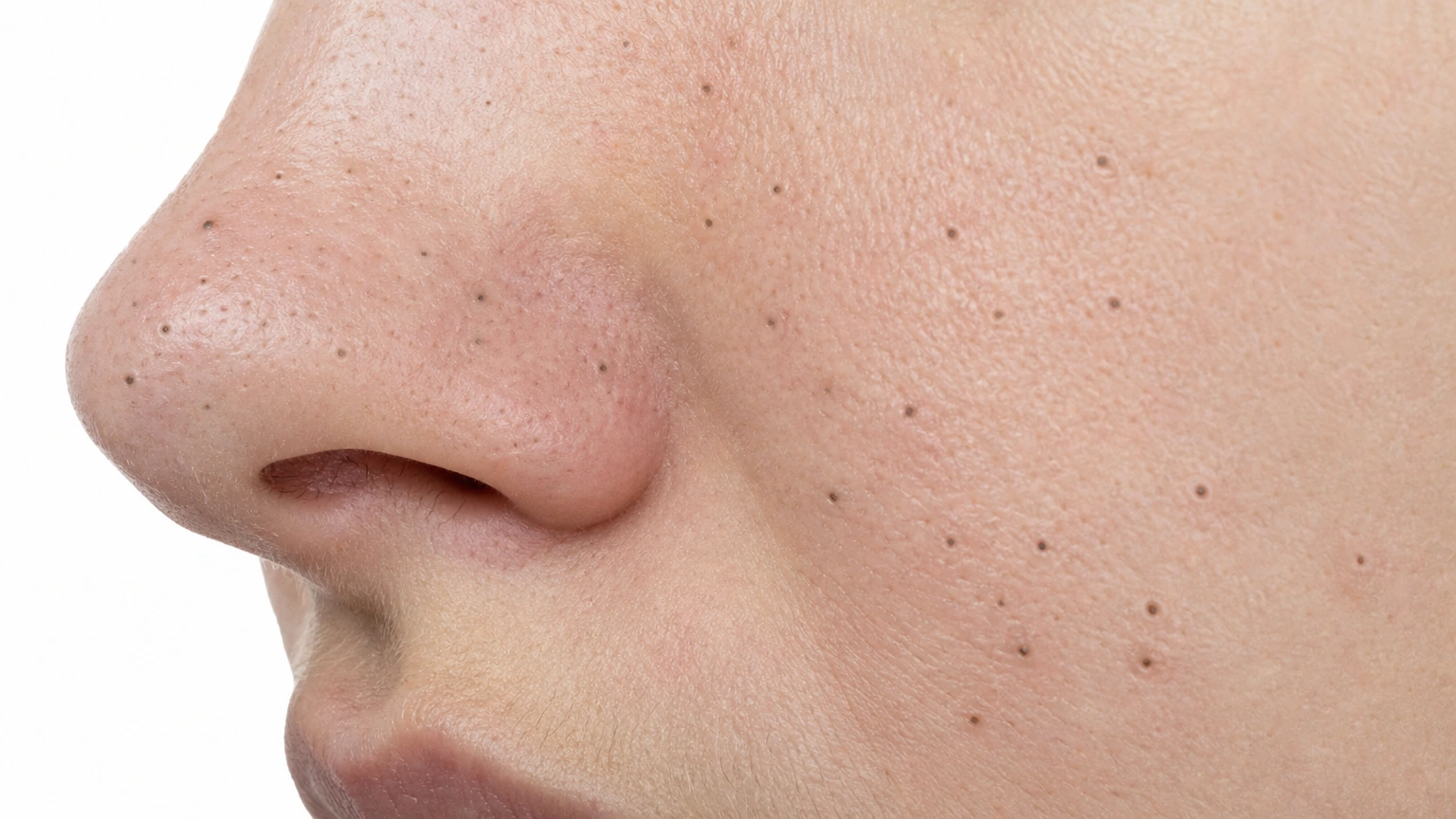
Suction clears surface clogs.
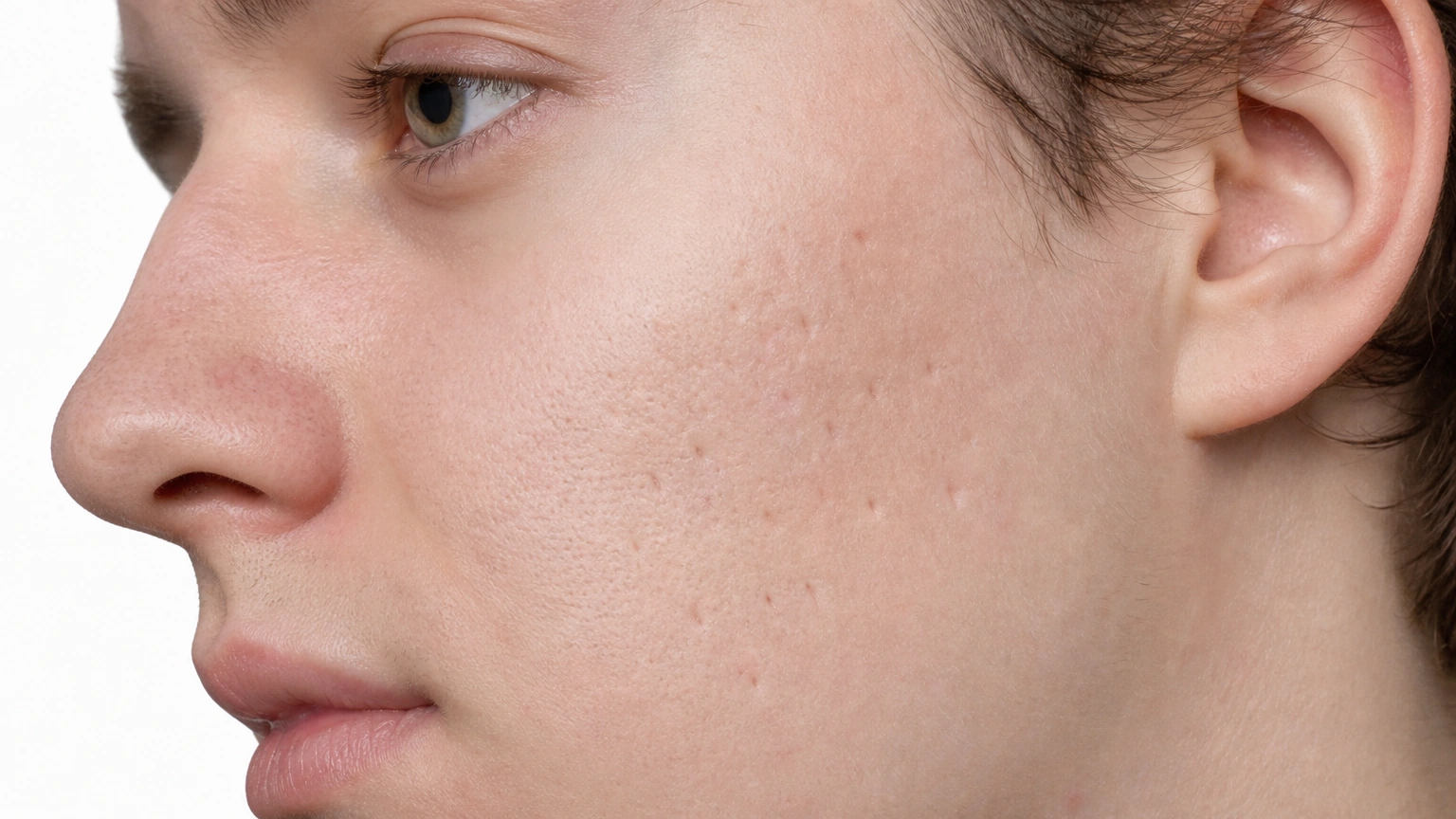
Too deep for needling alone.
Doesn't change scars.

Doesn't fade pigment.

Suction and actives can trigger flushing.

Can spread active breakouts.
Face; the selected area depends on the concern and treatment plan.
Face; the selected area depends on the concern and treatment plan.
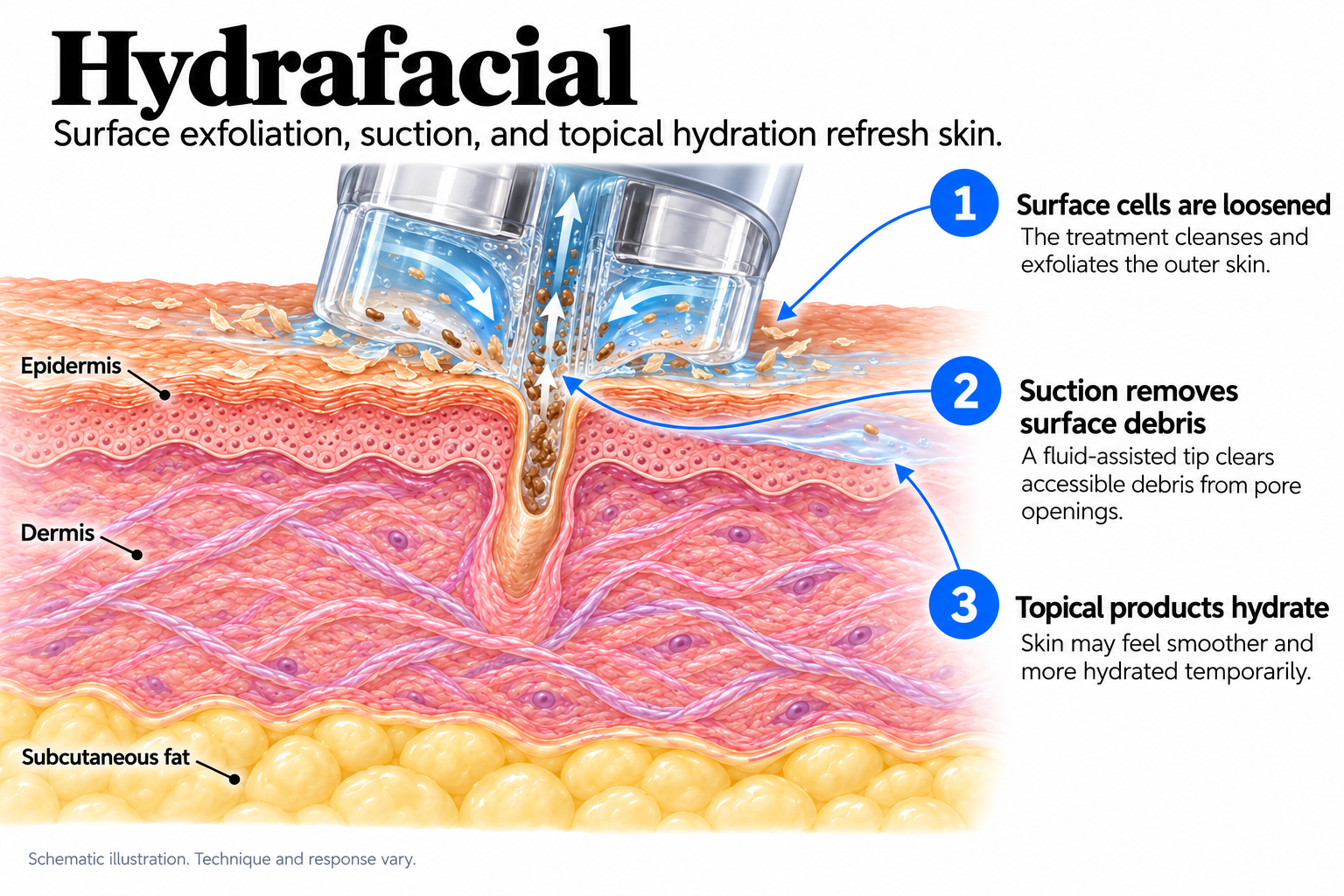

Surface cells are loosened: The treatment cleanses and exfoliates the outer skin. Suction removes surface debris: A fluid-assisted tip clears accessible debris from pore openings. Topical products hydrate: Skin may feel smoother and more hydrated temporarily.
Schematic illustration. Technique and response vary. This explains a mechanism and does not specify treatment settings.
Fine needles create tiny punctures: A device makes controlled channels in selected skin. Healing signals are released: The tissue response activates repair processes. Collagen remodels gradually: Healing may improve selected scars and skin texture.
Schematic illustration. Technique and response vary. This explains a mechanism and does not specify treatment settings.
Before you book: Timing: Book 2 to 3 days before an event, not the same day.
Pigment cream: On deeper skin tones, some providers start a pigment-blocking cream a few weeks ahead.
2 to 3 days before: Actives: Stop retinoids and exfoliating acids so skin is not sensitized.
A few days before: Hair removal: No waxing or threading on the area for a few days either side.
Actives and hair removal: Do not arrive tanned or sunburned.
Actives and hair removal: Stop retinoids (tretinoin, adapalene, retinol), benzoyl peroxide and acids 3 to 5 days before.
Actives and hair removal: No waxing, threading or hair removal creams.
Skin and makeup: Come without makeup if easy, and mention any flare, since the acid step or extraction may be skipped.
Clean skin: Come with a clean face and no makeup, and plan not to wear any that day.
Clean skin: If you have active pustules or an infection in the area, move the session.
Makeup comes off and the skin is looked at.
Skin is checked and photographed, and you confirm what you have stopped using.
You lie back while the handpiece moves over the skin in sections — cleansing and exfoliation, a mild acid that may tingle, suction-assisted extraction that feels like a firm vacuum, then a serum.
Add-ons such as LED go last. It takes about 30 to 45 minutes and does not hurt. Most people feel a cool, scratchy tug. The nose is the least comfortable part.
The pen is passed over the skin in overlapping passes, one area at a time, with sterile gel or saline as a glide.
It sounds like a small vibrating motor and takes 20 to 30 minutes for a full face. Pinpoint bleeding is normal at deeper settings over scars. With good numbing it is uncomfortable rather than painful, a scratchy dragging with pressure.
Skin looks clean, damp and slightly flushed, and can stay pink for an hour or two.
Skin is bright red, warm and tight, like a strong sunburn, sometimes with faint tracking lines and dots of dried blood.
Days 1 to 3: Skin looks its best — smoother, brighter, pores less obvious, and makeup sits well.
Days 1 to 5: Redness turns pink and swelling settles, most noticeably around the eyes the first morning.
Days 3 to 7: The surface effect fades.
Weeks 1 to 2: A few people get spots as loosened plugs work their way out.
Weeks 1 to 4: Skin looks normal and nothing appears to be happening.
Months 2 to 6: Texture keeps improving after the visible healing finishes, which is why the photograph that matters is taken months later, not the week after.
Immediately
1–3 months after each session
3–7 days
Years for scars
In the US a session usually runs about $150 to $350, with add-on serums, LED and lymphatic drainage priced on top.
In the US a full-face session usually runs about $200 to $700, with medical offices at the higher end and packages of three to six cheaper per session.
Insurance does not cover it.
Insurance does not cover microneedling for acne scars, since it is classed as cosmetic.
No. There is a brief, mild acid step, but nothing stays on long enough to shed skin. A peel produces that shedding, which is why it has downtime and does more.
About 3 to 7 days for the fresh, smooth look. That is why clinics suggest monthly sessions.
It helps blackheads and clogged pores. It does not treat inflamed or cystic acne, and using it instead of acne treatment usually costs months.
Thin. A few small studies, several funded by the device maker, no strong independent trials. Skin does look better afterward, but claims beyond short-term freshness are not supported.
Before an event, or alongside a routine already doing the work, yes. As the main plan for acne, scars or pigment, the same money on peels, microneedling or a good home routine does more.
Yes, one of the better uses of it. Book 2 to 3 days ahead, not the same day, in case of brief pinkness or a spot surfacing.
No. It makes indented scars shallower and less noticeable over three to six sessions. Rolling and shallow boxcar scars respond best, icepick scars respond poorly, and improvement is partial in every study. That is worth having; complete clearance is not what this treatment does.
Three to six for scarring, four to six weeks apart, then a wait. Texture keeps improving for three to six months after the last session, so do not judge the outcome before then.
With numbing cream on for 30 to 45 minutes it is uncomfortable rather than painful, a scratchy pressure rather than a sharp pain. The forehead, nose and jawline are the worst part, and deeper settings over scars are sharper.
One of the better options, because there is no heat or light for melanin to absorb. Dark marks are still possible if the settings are aggressive or the skin sees sun afterward, and they fade over months. Choose someone who treats deeper skin tones routinely.
Anything at 0.5 mm or deeper is a medical depth and should not be used at home. Needles blunt, home rollers cannot be properly sterilized, and serums through fresh channels have caused lasting lumps of inflammation. Rollers at 0.2 to 0.3 mm are mostly harmless and mostly useless.
Platelet-rich plasma is your own blood, spun down and applied or injected during the session. The evidence that it improves scar results is mixed, and it often doubles the price. A course without it is a reasonable course.