It is a nonablative fractional laser.
Clear + Brilliant treats selected cosmetic skin concerns.
Clear + Brilliant: A low-energy fractional laser aimed at dullness, early fine lines, and rough texture. It is the gentlest treatment in this family, with about a day of downtime and a correspondingly small change per session.
Fraxel: A laser that heats thousands of microscopic columns in the skin and leaves the skin between them untouched. Used for sun damage, acne scars, and rough texture. It takes a course of treatments and a few days of looking sunburned each time.
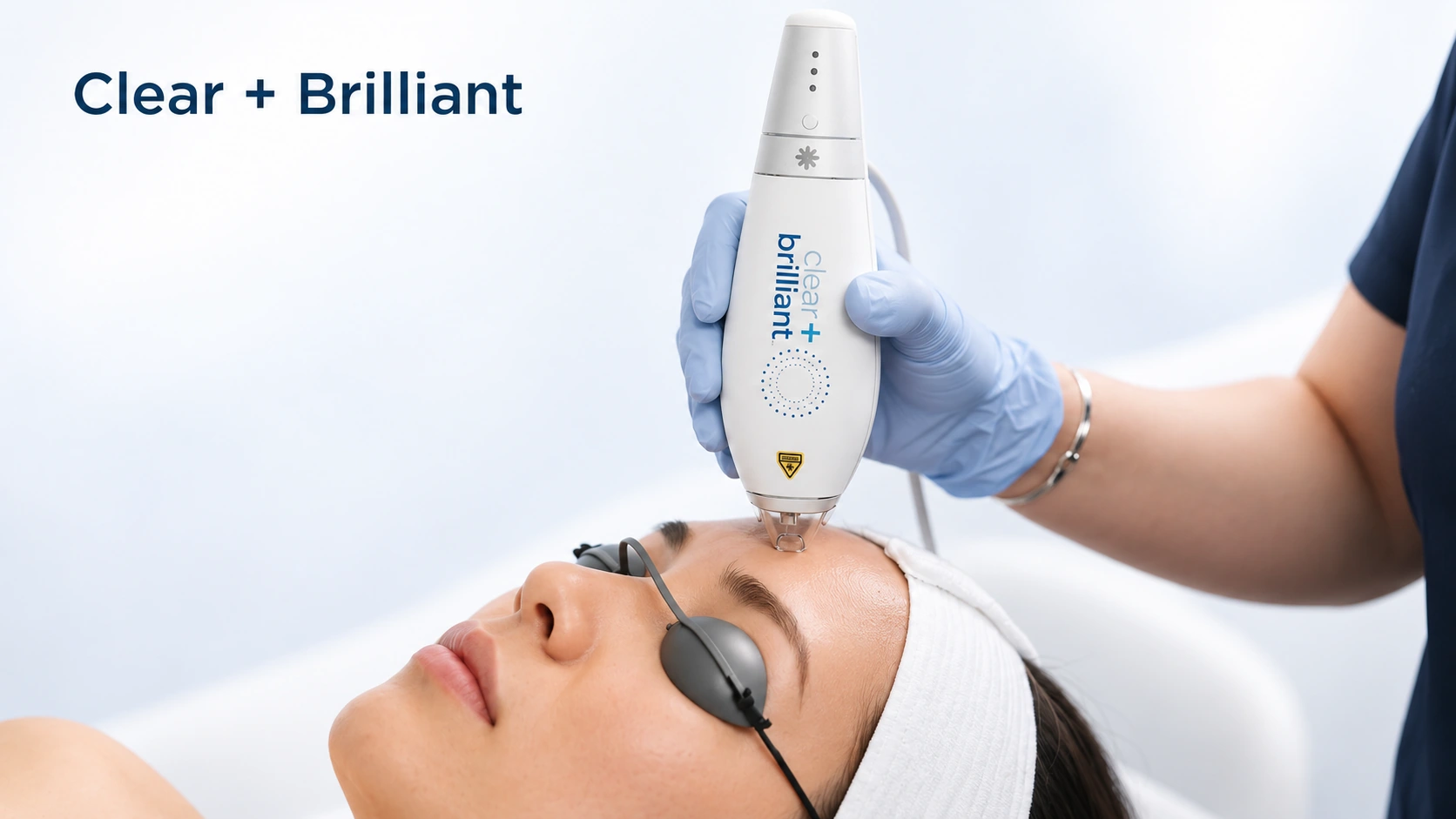
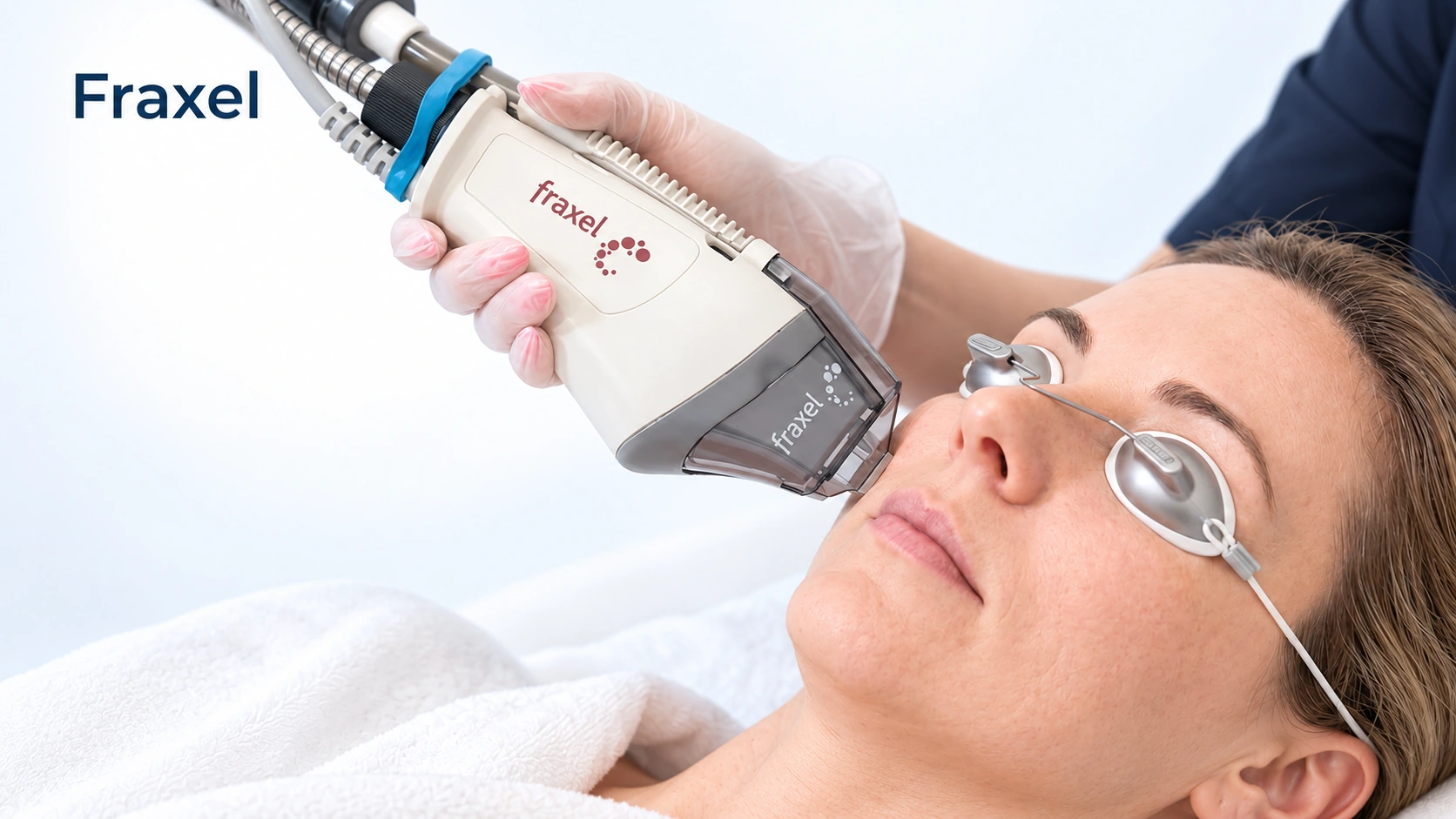
Choose for gentle brightening and smoother texture with about a day of downtime — small change per session.
Choose for acne scars or sun damage with a few days of downtime per session instead of the week-plus of ablative lasers.
Can you have both?
Both are fractional lasers. Fraxel goes deeper; Clear + Brilliant is gentler and often used for maintenance between Fraxel series.
Clear + Brilliant treats selected cosmetic skin concerns.
Options depend on the system and handpiece.
Burns and pigment changes can still occur.
Tanning, pigment changes, herpes and skin disease should be discussed.
Fraxel heats microscopic zones while sparing skin in between.
Wavelength and device determine the treatment.
It is less intensive than ablative lasers.
Burns, redness and pigment changes can occur.

Improves rolling and boxcar scars.
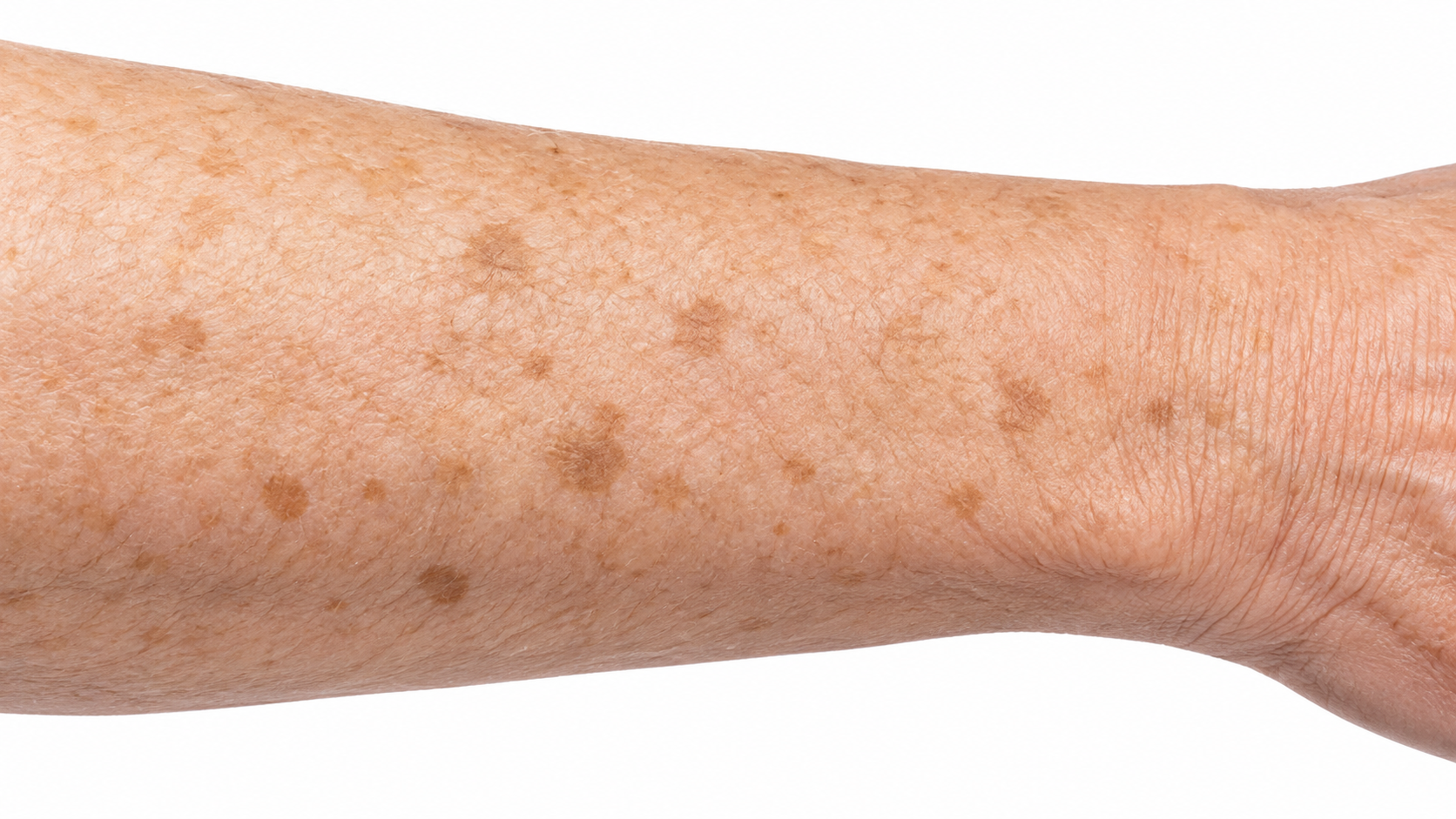
Clears sun damage.
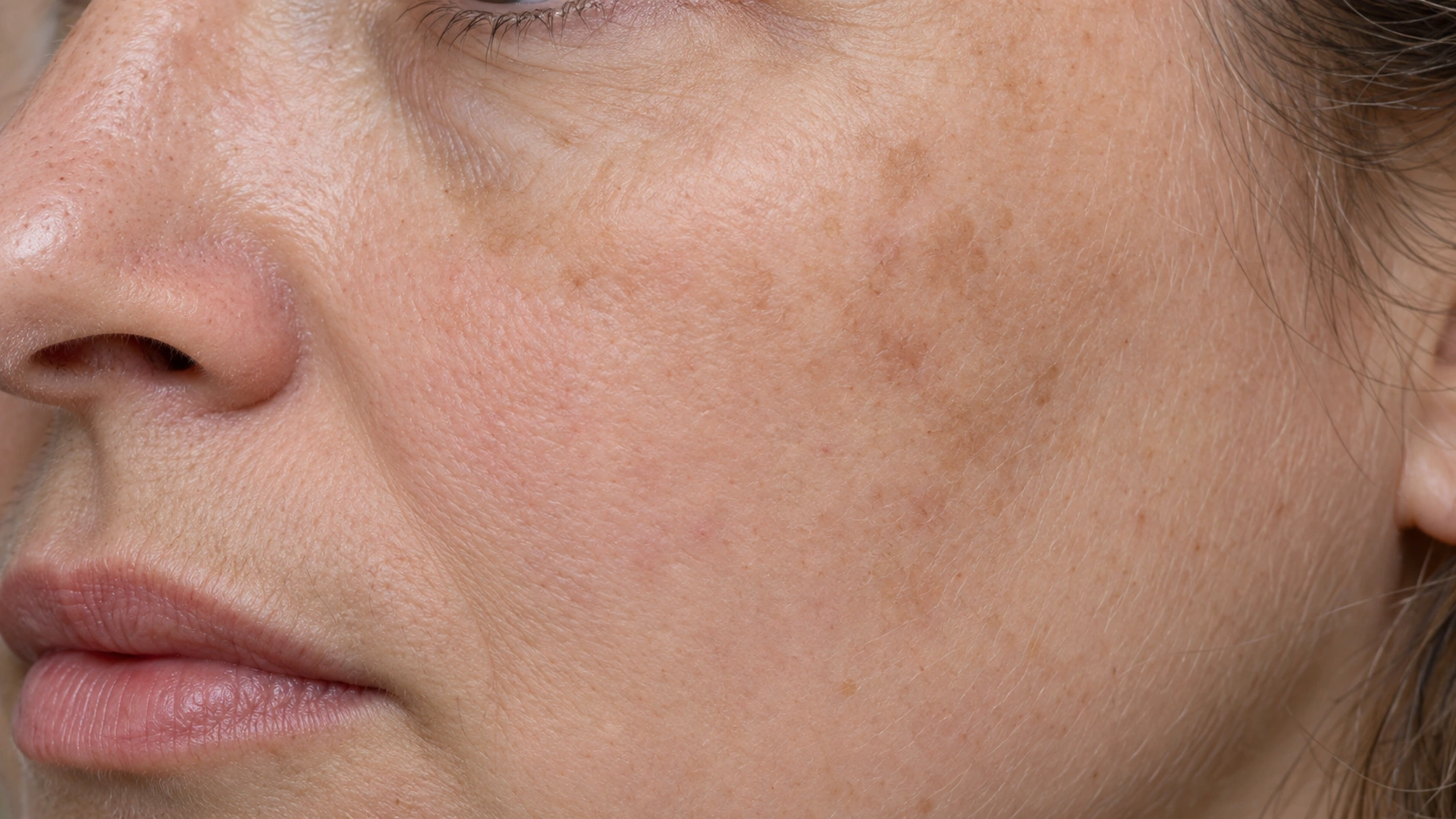
Evens tone with a series.

Smooths texture.
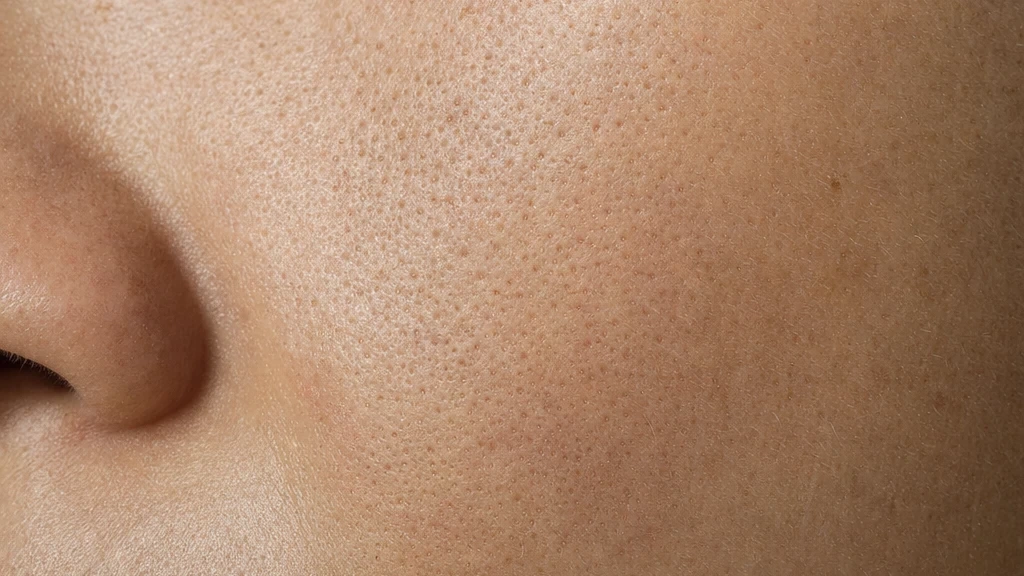
Smooths texture.
Softens fine lines.

Low settings may help some.
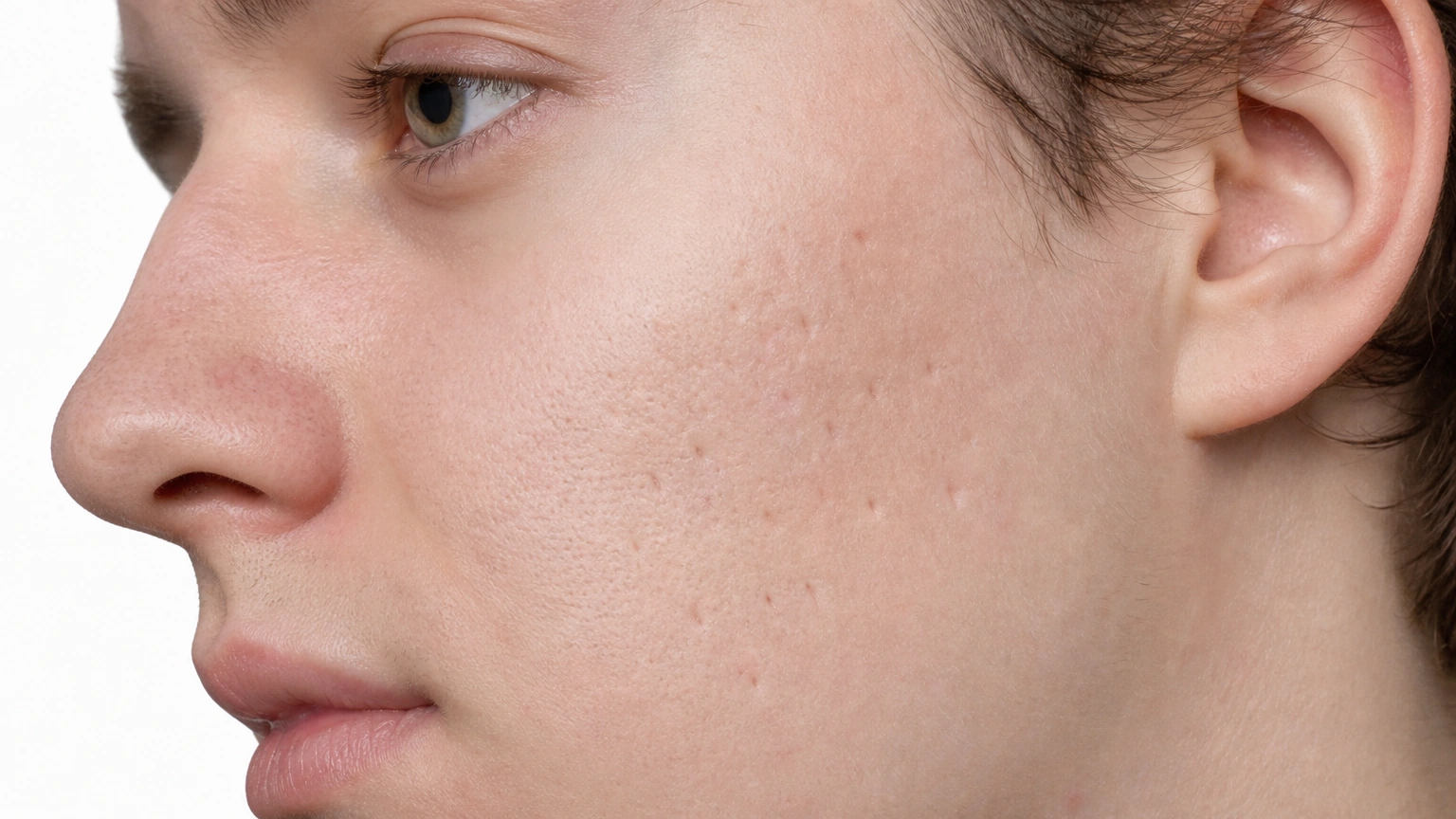
Too deep for most sessions.
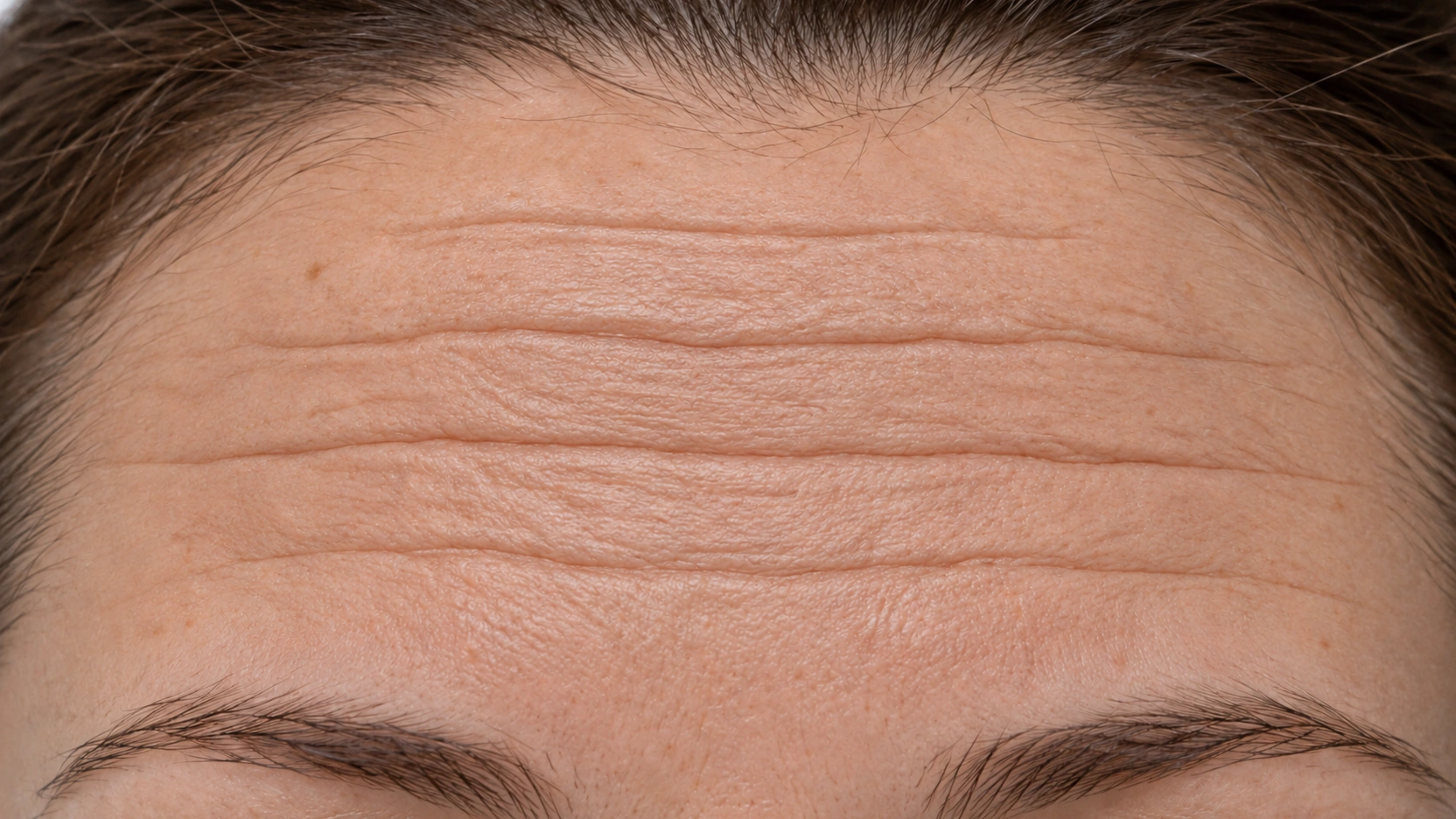
Too gentle.
Too superficial.

Can worsen redness.
Face; the selected area depends on the concern and treatment plan.
Face and hands.


Creates tiny heat zones: Fractional energy treats small columns while sparing nearby tissue. Supports surface renewal: Healing can help improve uneven tone and superficial texture. Remodeling develops gradually: A course may improve skin appearance; response varies.
Schematic illustration. Technique and response vary. This explains a mechanism and does not specify treatment settings.
Fractional heat zones leave surrounding tissue untreated. Superficial 1927 nm treatment helps fade uneven pigmentation; deeper 1550 nm treatment triggers repair and collagen remodeling.
Schematic illustration. Technique and response vary. This explains a mechanism and does not specify treatment settings.
2 weeks before: Sun and tanning: No tanning, self-tanner or sunburn.
2 weeks before: Sun and tanning: Tanned skin risks blotchy pigment and usually gets the treatment postponed.
4 weeks before: Sun: Avoid tanning, self-tanner and sunburn.
Pigment preparation: For deeper skin tones, providers may prescribe a pigment-lowering cream for 2–4 weeks and test near the ear.
Actives and hair removal: Stop retinoids, retinol and exfoliating acids about 3 days before.
Actives and hair removal: No waxing, threading or hair removal creams on the area.
Cold sores: Tell your provider; preventive antiviral medicine often starts the day before.
Hair removal: Stop waxing, threading and hair-removal creams.
Actives: Stop retinoids, retinol and acids 3–7 days before.
Clean face: Clean face, no makeup.
Arrive with clean skin and no makeup.
Arrange a ride if you will have strong settings or oral pain medicine.
Skin is cleaned, and the provider checks what you have stopped using and whether you have had sun.
Skin is cleaned and photographed. Numbing cream stays on for 45–60 minutes.
The cream comes off and a roller handpiece moves over the face in overlapping passes, usually four to eight per area.
It feels warm and prickly and builds with each pass. It takes 15 to 20 minutes. Most people call it a strong tingle, much milder than Fraxel.
The laser passes over the skin while cold air cools it.
Expect prickly heat that builds with each pass, often strongly uncomfortable—especially on the forehead and around the mouth.
Pink, hot, sometimes slightly swollen, like a mild sunburn.
Skin feels hot, red and swollen. Ice packs and a bland ointment are usually applied.
Days 1 to 4: Skin feels dry, tight and faintly like fine sandpaper, and often looks duller before it looks better.
Days 1–2: Redness and swelling, especially around the eyes.
Days 5 to 7: The rough layer is gone and skin looks brighter and smoother.
Days 3–7: Rough, bronzed skin flakes away. Do not scrub or pick.
Week 2 onward: The fresh look softens over the next few weeks unless another session follows.
1–3 months: Time to results.
Scar improvement can last years; sun damage can return with sun exposure.
About 1 week
Months with maintenance
A full-face session runs about $300 to $600 in the US, with neck, chest or hands extra.
About $900–1,500 for a full face in the US. Smaller areas cost less.
Insurance does not cover this.
Cosmetic treatment is not covered. Coverage for surgical or injury scars is uncommon.
Several thousand dollars. Packages may reduce the per-session price.
Depends what you are buying. For generally good skin already on a retinoid and sunscreen, it is reasonable maintenance. For acne scars, established wrinkles or sagging, it is not, and the money goes further elsewhere. One session buys a glow lasting a few weeks.
Same manufacturer, same principle, far less energy. Clear + Brilliant is shallower and gentler, about a day of downtime and much less change per session. Fraxel goes deeper, does more for scars and lines, and costs about a week of downtime.
Redness settles within hours, which is where the phrase comes from. But days two to four bring dryness and fine flaking, and skin looks best five to seven days later. Book a week before an event.
Four to six, two to four weeks apart, then maintenance every one to three months to hold it. One session gives temporary brightening.
Not indented scars — they sit deeper than this reaches. Pores can look smaller because the surface is smoother, but the pore does not change size and the effect fades.
One of the gentler light-based options, used across skin tones, but not risk-free. Dark patches can still happen, settings should be adjusted, and the Permea handpiece carries more risk of worsening pigment.
Three to five, two to four weeks apart. Sun damage sometimes needs fewer, acne scars usually need the full course, and deeper skin tones are treated at lower settings, which means more sessions.
It improves them rather than removing them. Studies of nonablative fractional lasers show partial improvement in scar depth and appearance over a course. Deep icepick scars respond least and are often better treated by combining the laser with subcision or filler.
Plan for a week. Two days of redness and swelling, then a few days of rough, bronzed skin that flakes off. Most people cover it with makeup from day three and look normal by day seven.
With an hour of numbing cream and cold air, most people call it hot and strongly uncomfortable rather than unbearable, and it stops as soon as the laser does. The forehead and around the mouth are the worst.
It can be done, but differently. The main risk is temporary dark patches. Lower settings, more sessions, pre-treatment creams and strict sun protection all lower that risk, and the provider experience with your skin tone matters more than the device.
No, though one device sold under the Fraxel brand is a carbon dioxide laser. The Fraxel most people mean is nonablative, heating the skin without removing the surface. A carbon dioxide laser removes tissue, does more per session, and brings one to two weeks of downtime and more pigment risk.