Retinoid assessment
ListedMay help acne-related pore appearance in suitable patients; avoid retinoids during pregnancy.
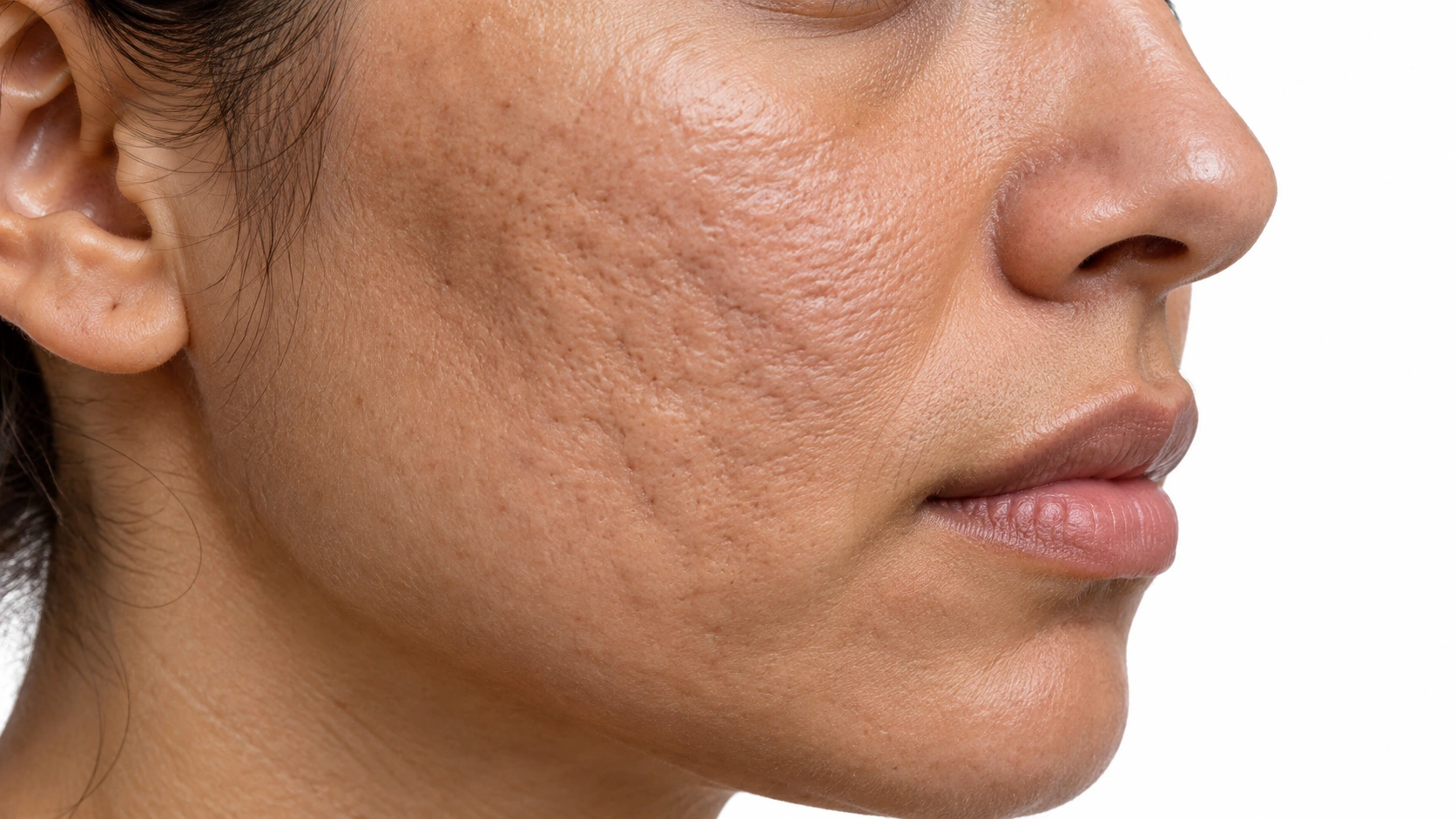
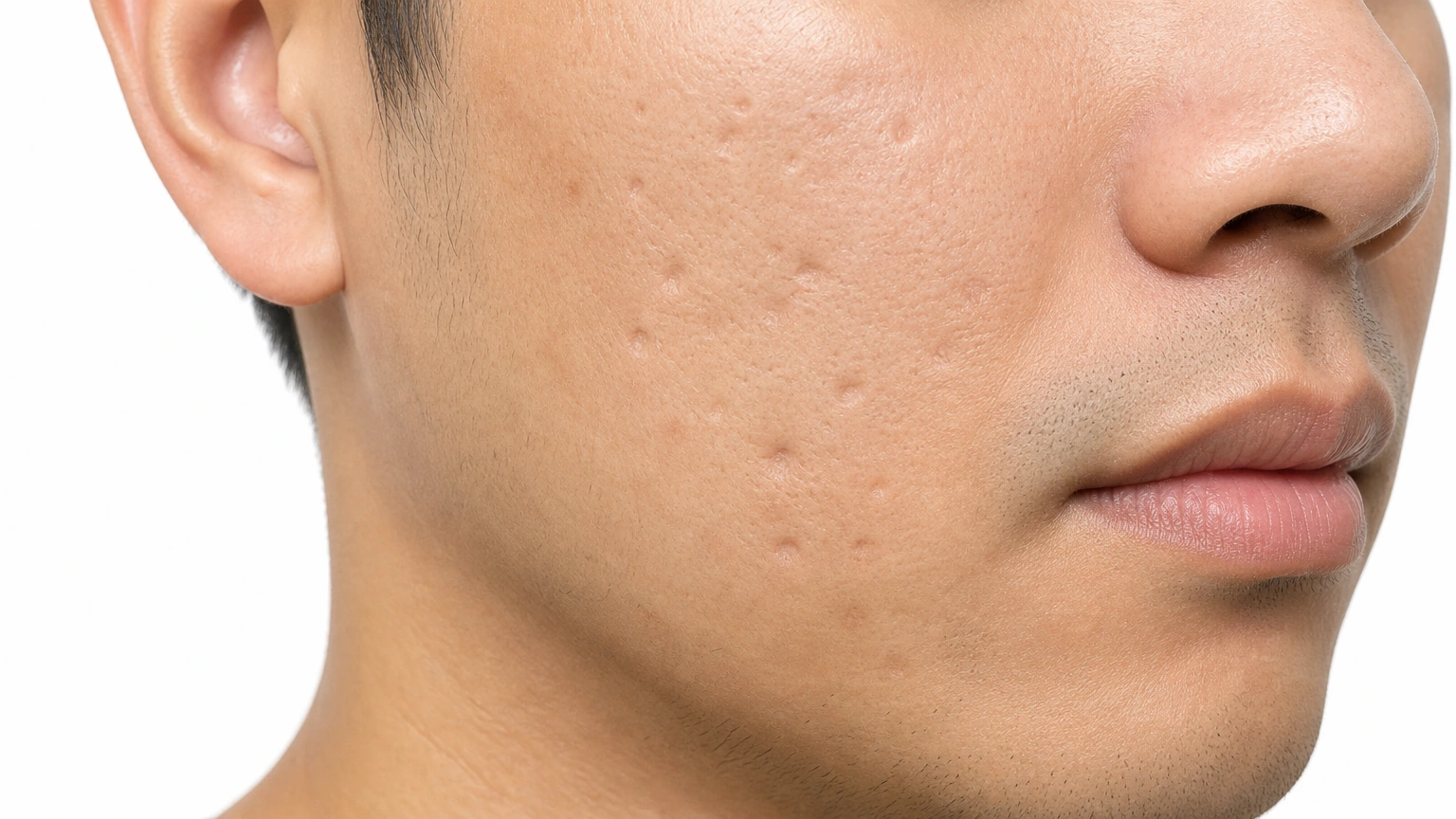
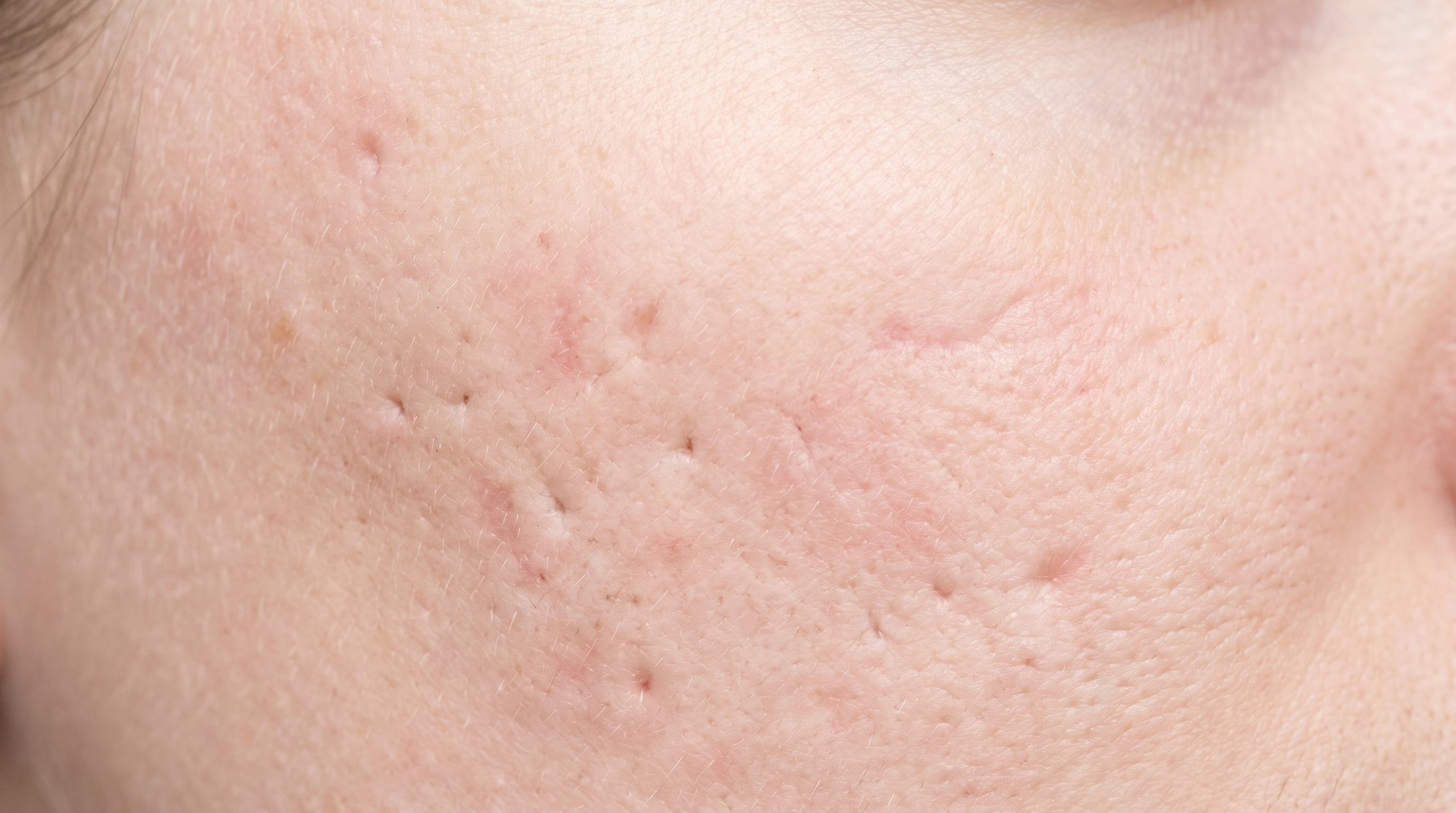
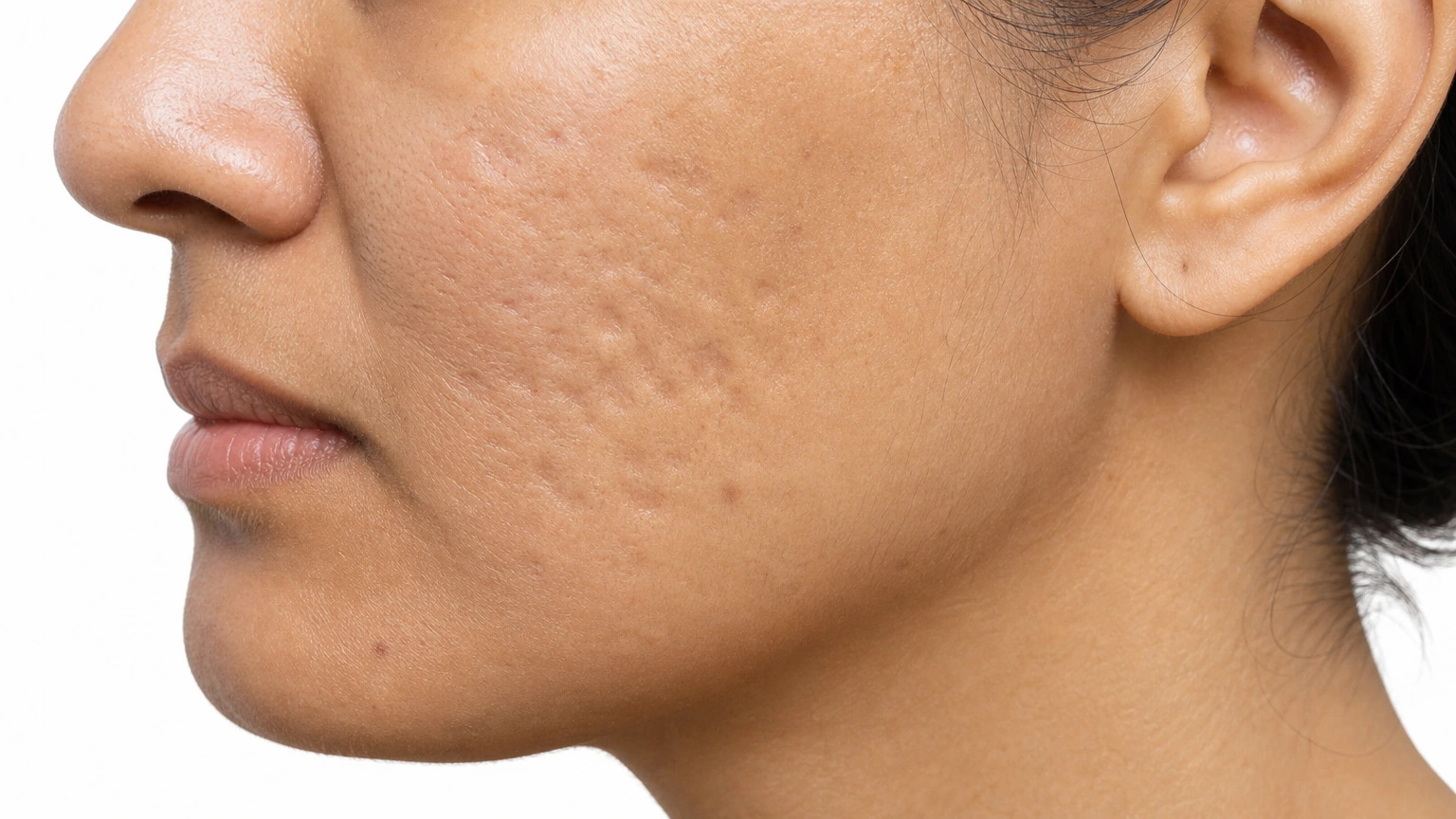
Round or oval depressed scars with relatively distinct edges. Visible follicular openings that appear larger because of oil, anatomy or reduced surrounding support.
The same eight facts on every condition comparison.
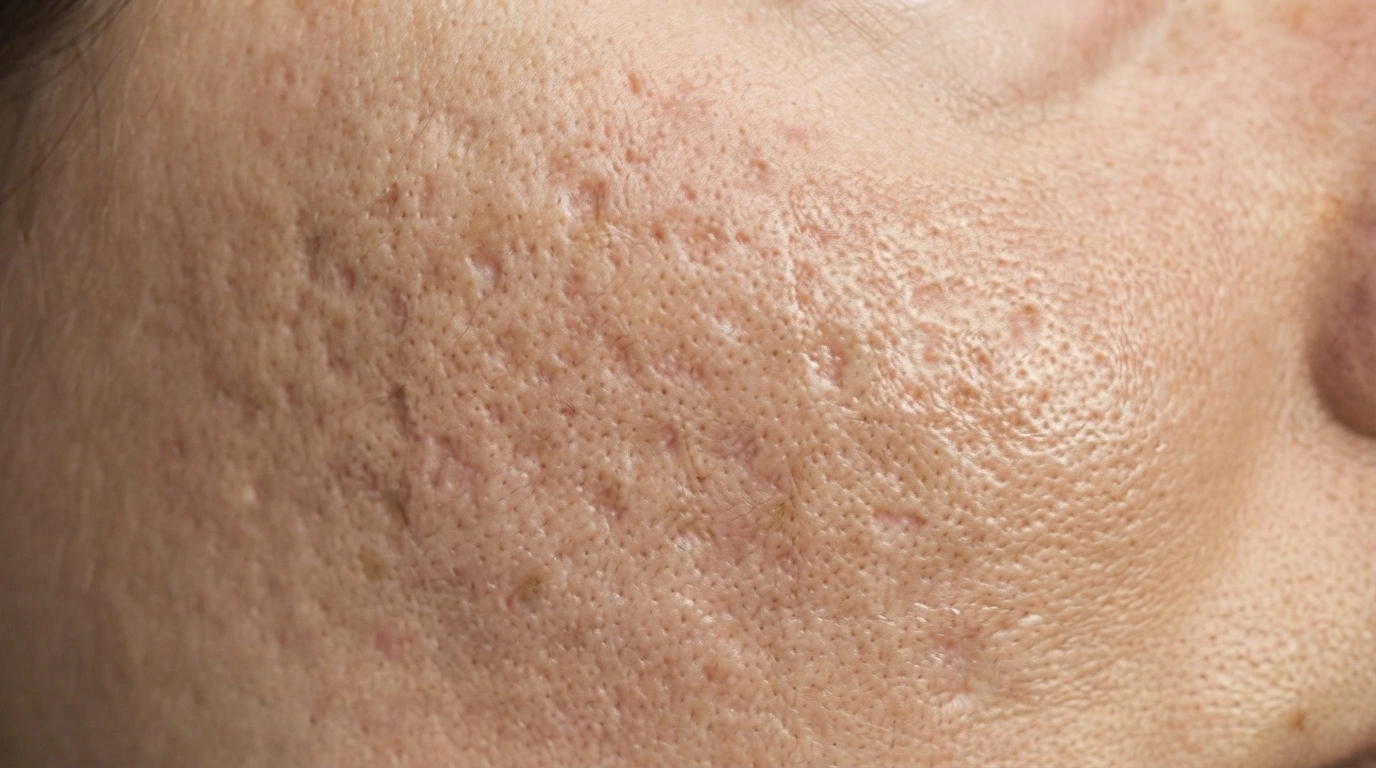
Boxcar Scars Small depressions create a sharply textured surface across the cheek.
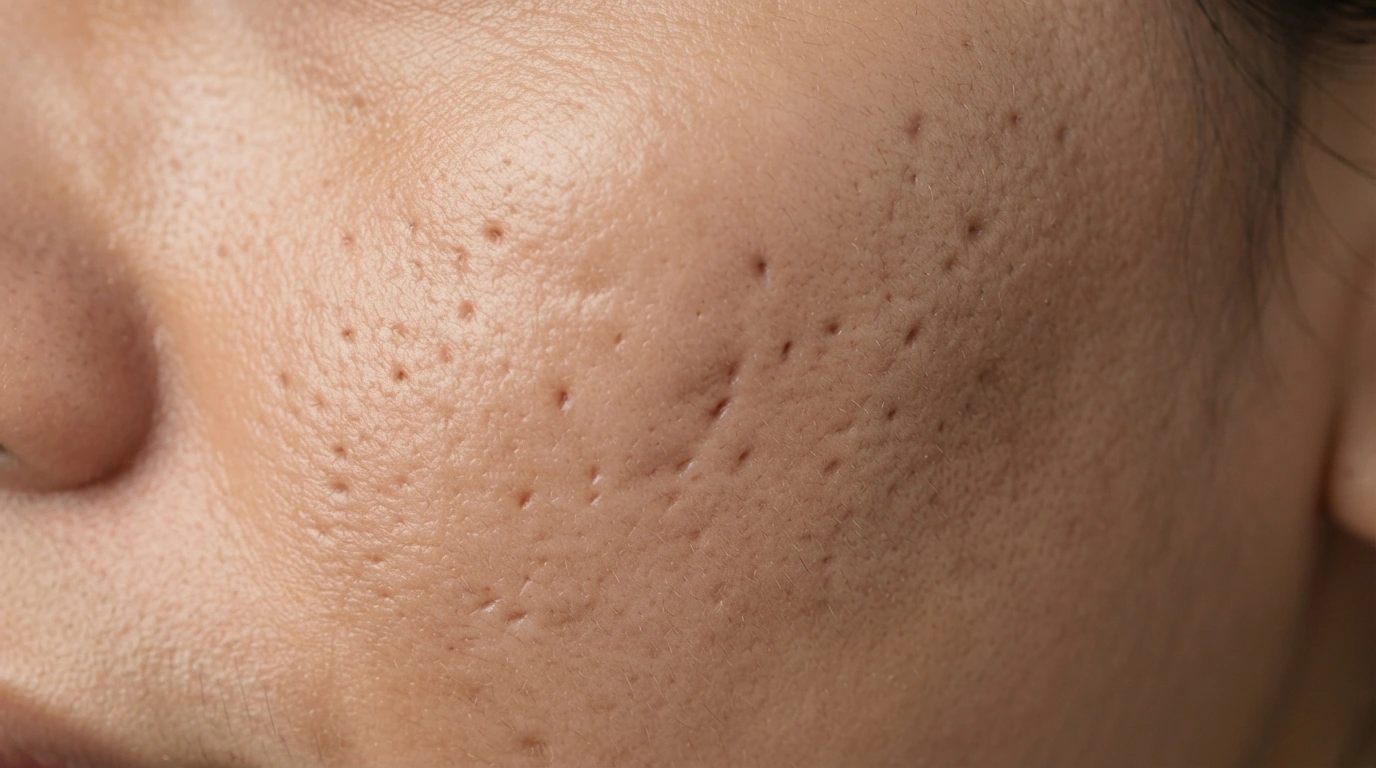
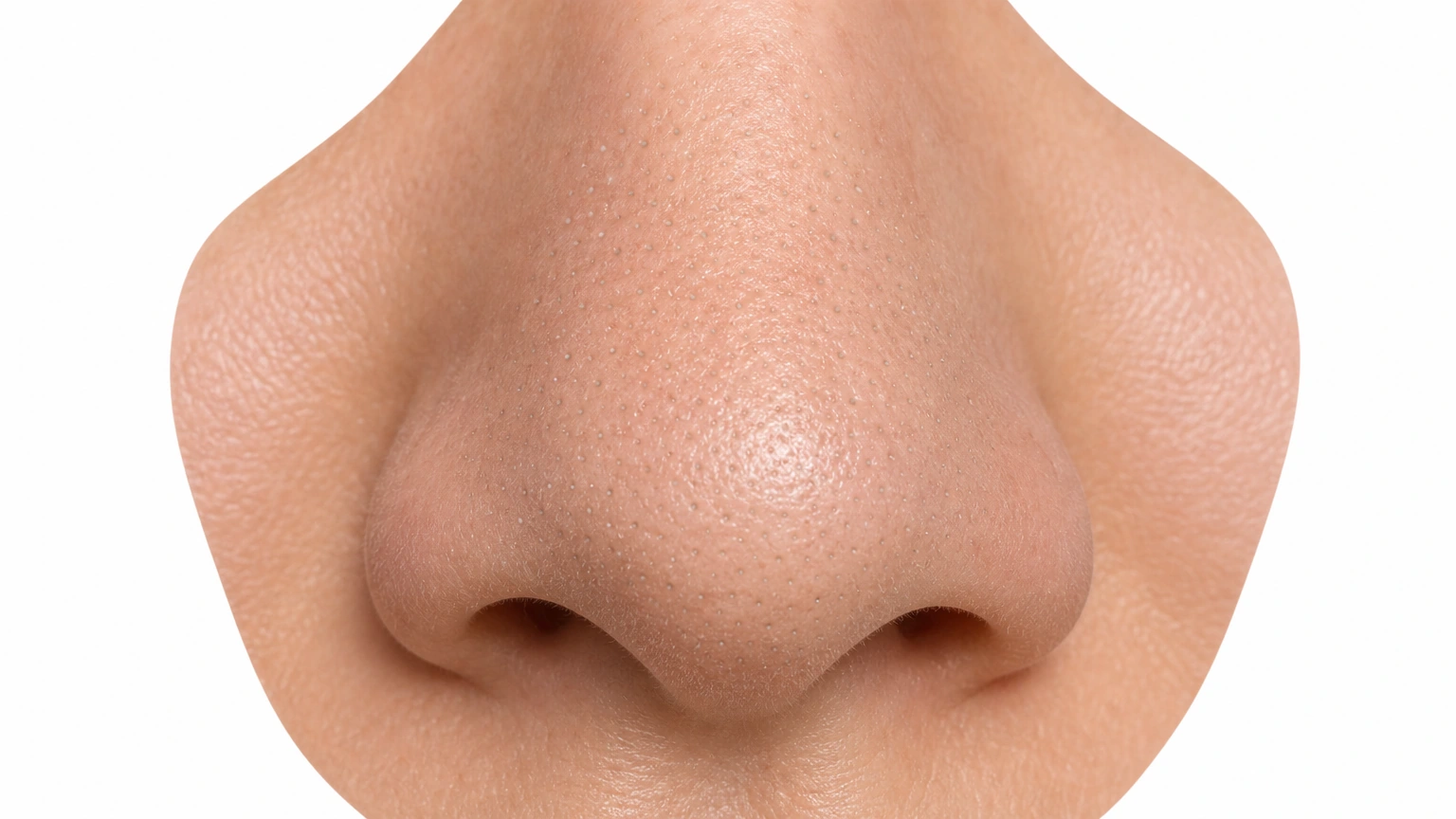
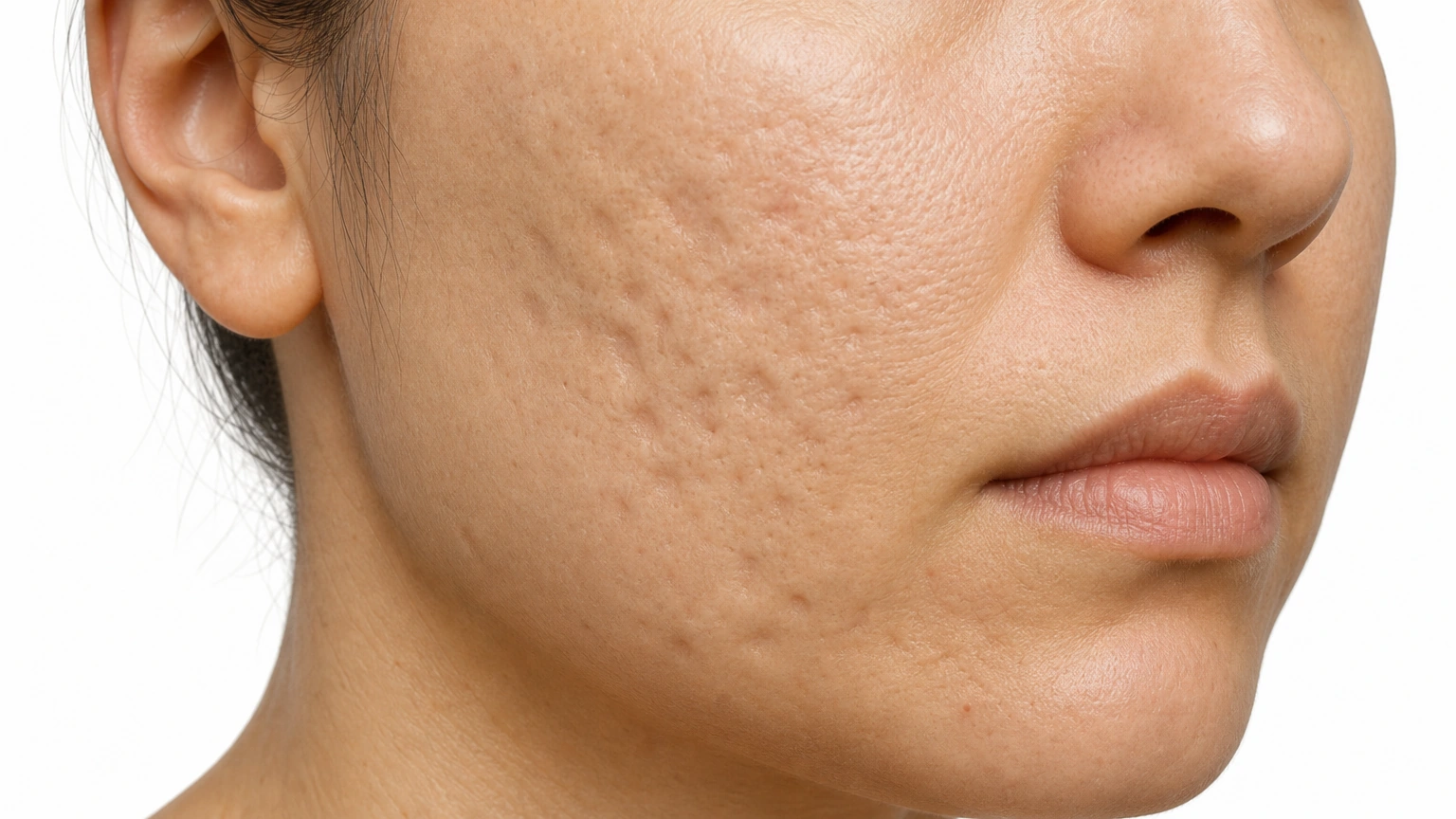
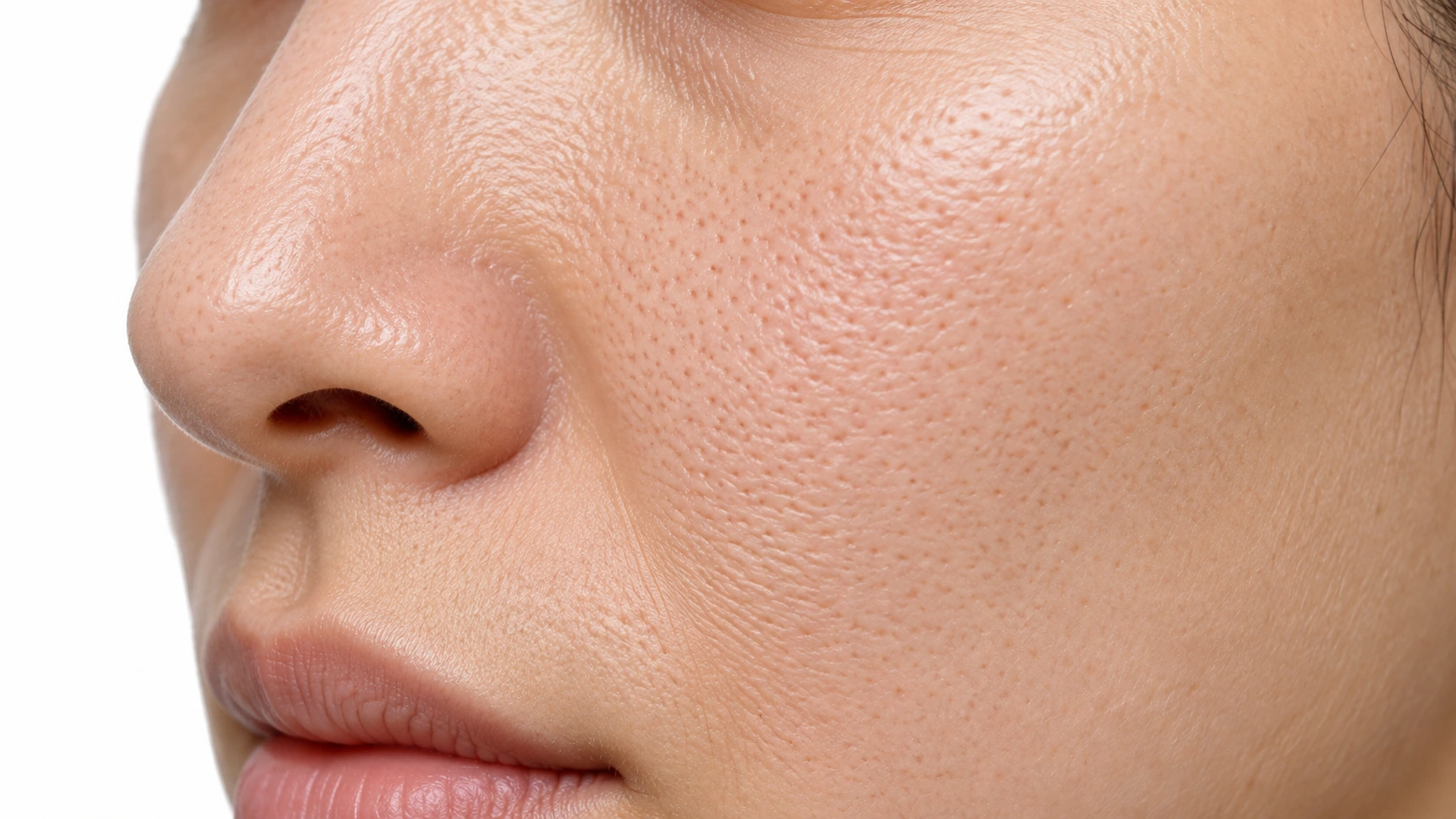
Enlarged Pores Closely spaced pores give the cheek a textured appearance.
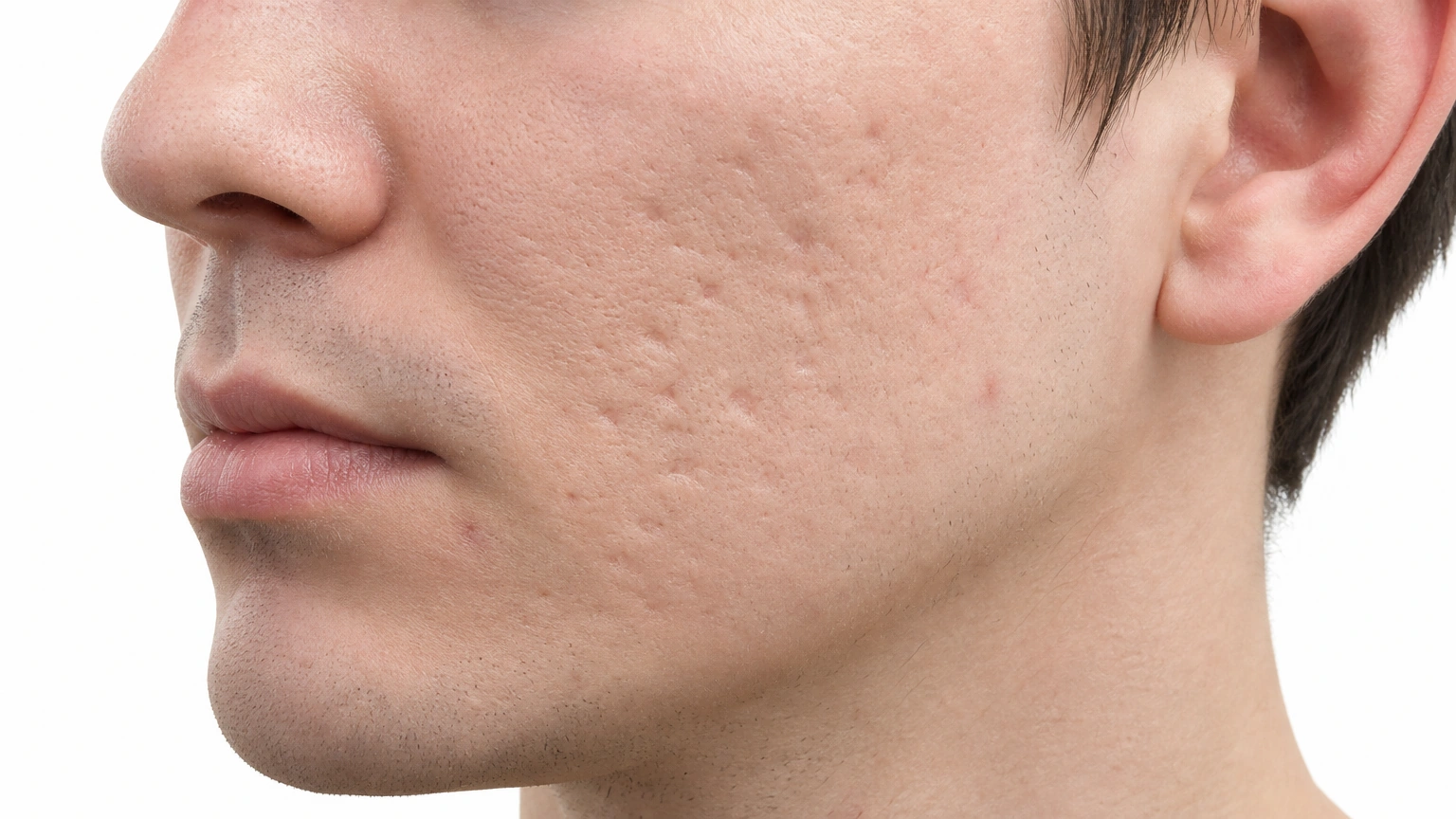
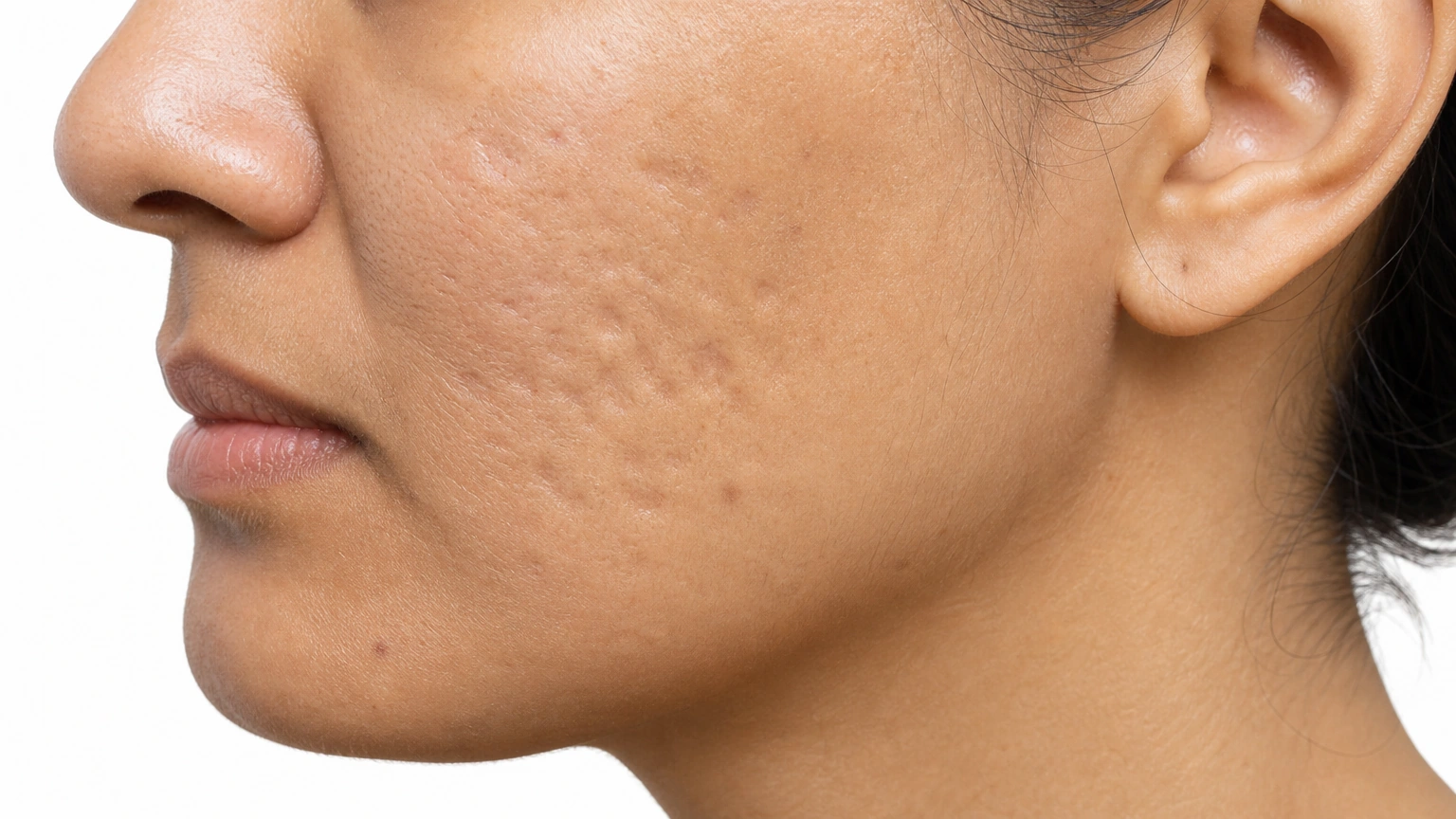
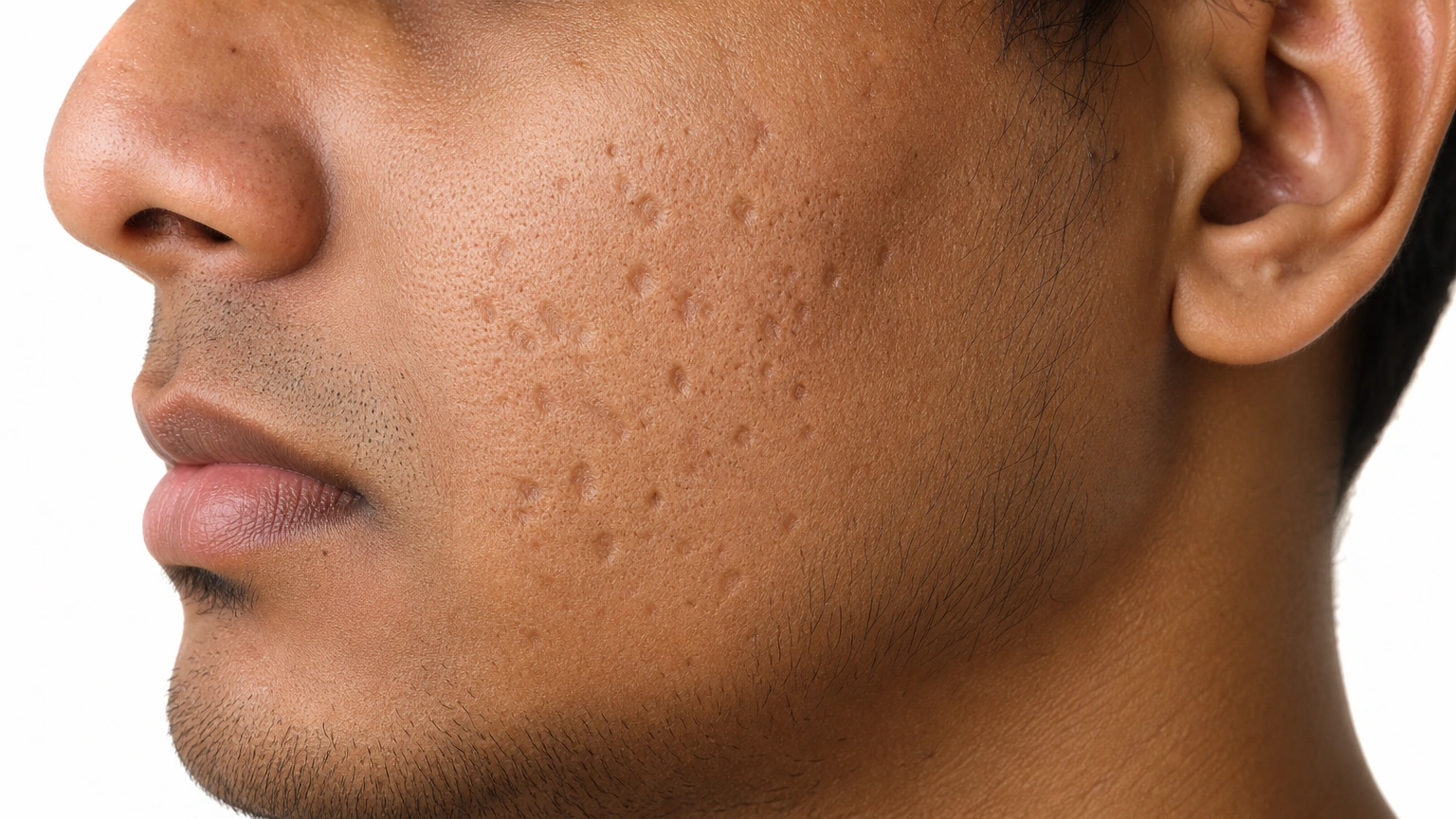
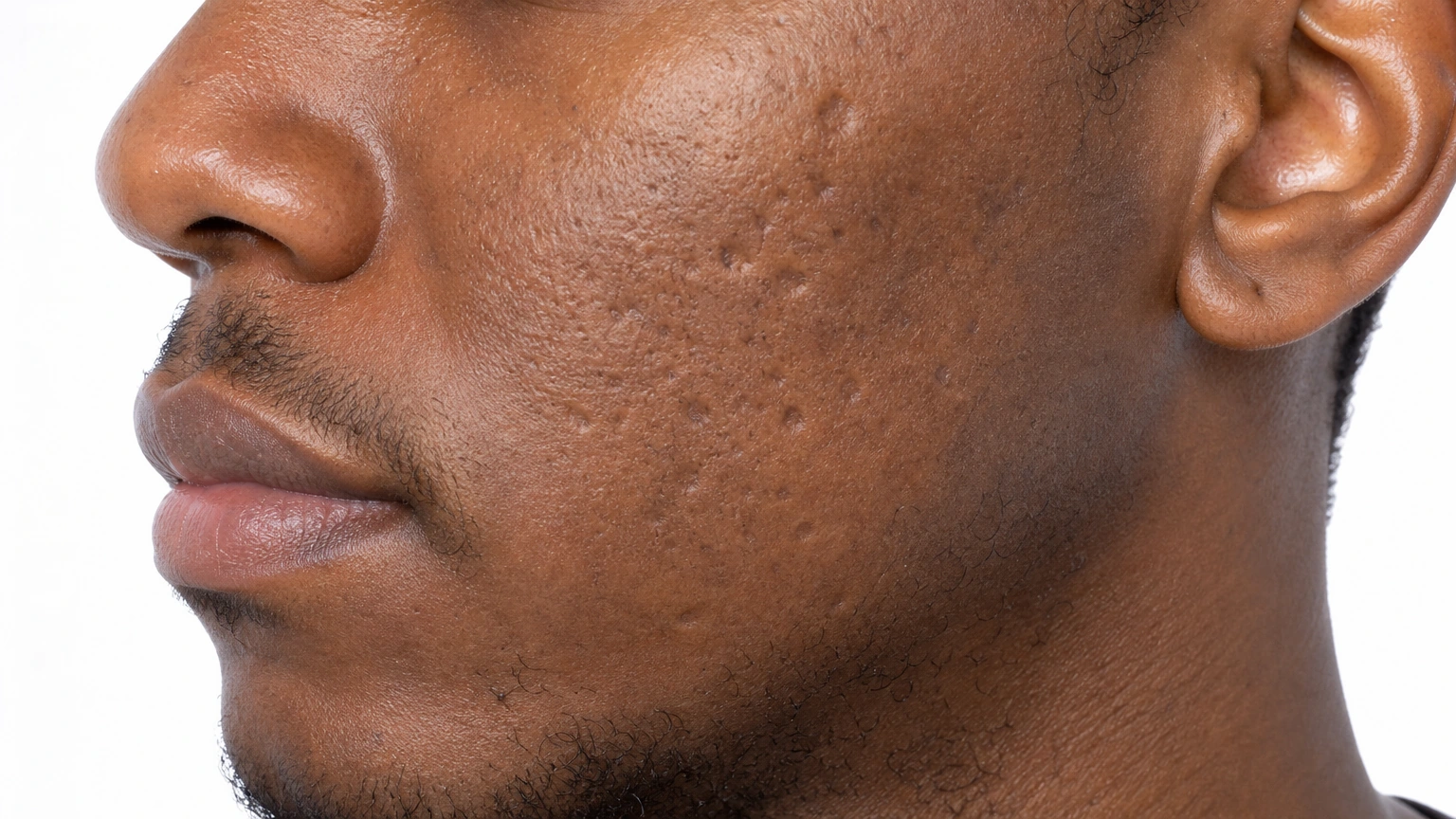
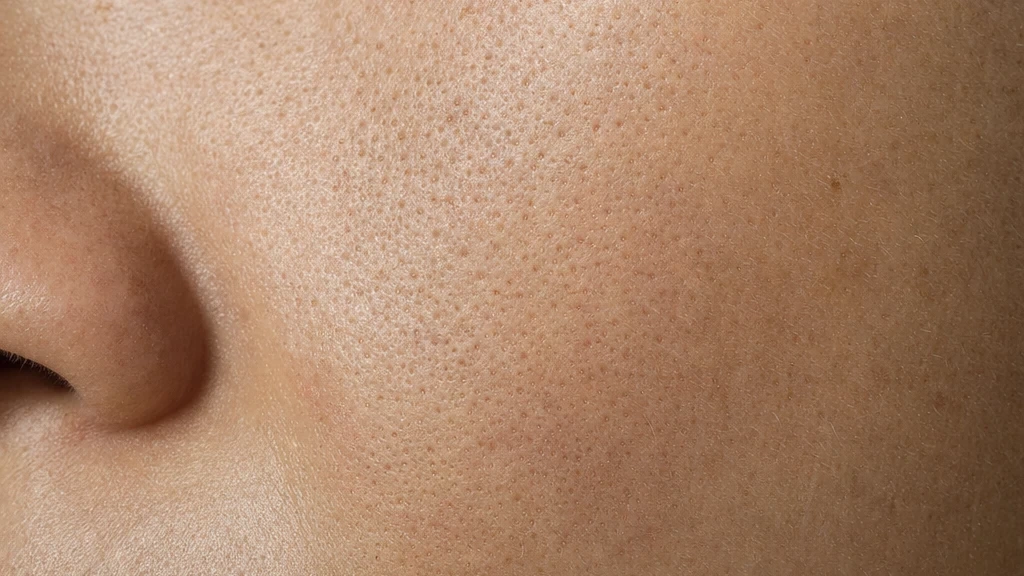
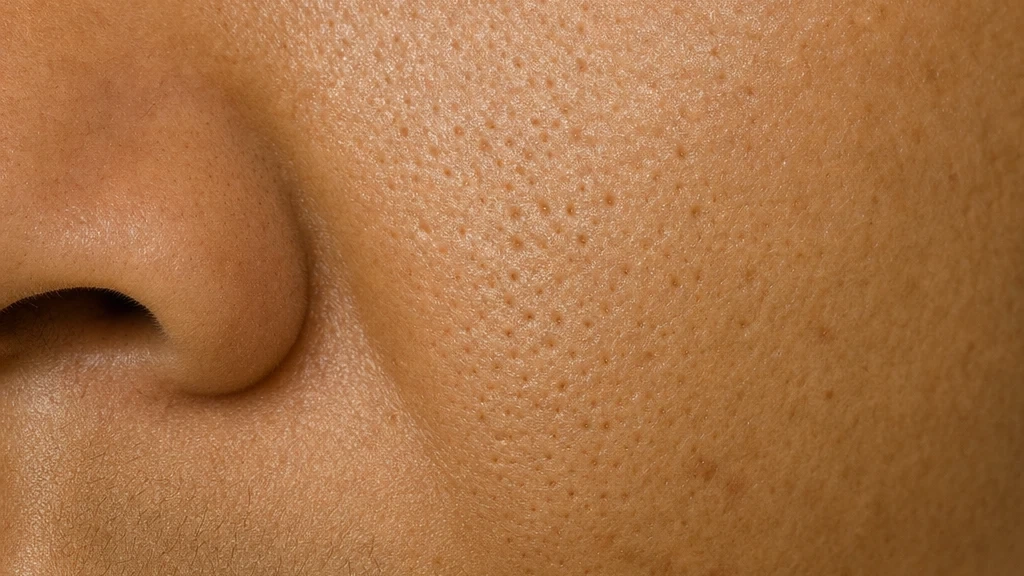
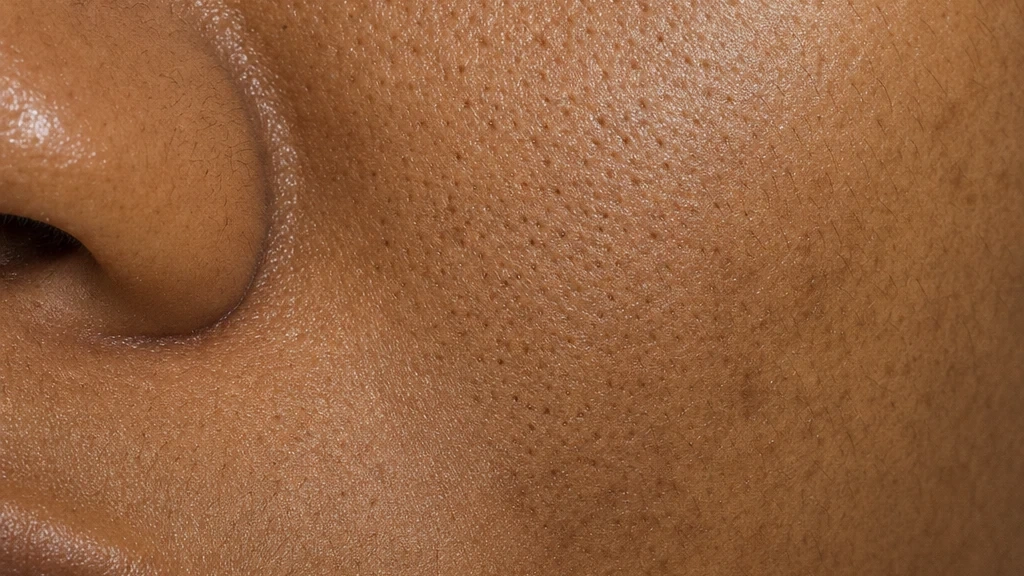
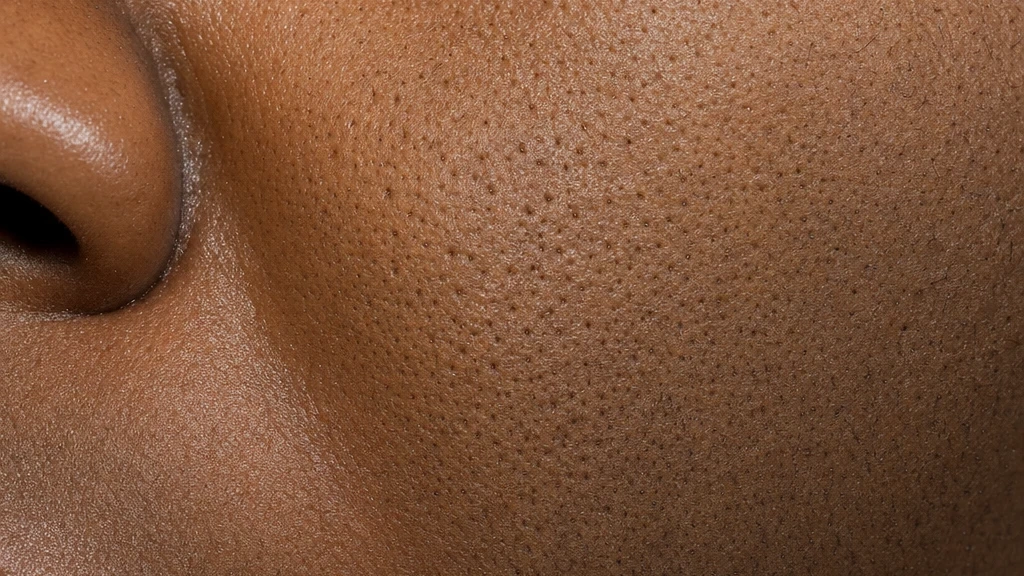
Inflammation destroys localized supporting tissue beneath the surface. Healing leaves a depression with more defined edges than a broad rolling scar.
Follicle size, sebum and the elasticity of surrounding skin affect how large pores look. Aging and sun-related changes can make the openings more noticeable.
Boxcar Scars. Develops after relevant injury, inflammation or tissue change; age depends on the cause.
Enlarged Pores. Often becomes more apparent after puberty.
Local tissue loss after inflammation leaves an edged depression.
Sebum, follicle size, ageing and sun-related loss of elasticity can contribute.
Evidence labels come from each condition’s own treatment list.
May help acne-related pore appearance in suitable patients; avoid retinoids during pregnancy.
Selected scars may benefit from resurfacing or punch techniques; depth and skin tone guide the choice.
Boxcar scars generally persist, although their appearance can improve with appropriately selected procedures. Scar depth and edge shape influence treatment, and complete removal is unlikely.
Pores are normal openings and cannot be permanently closed. Their appearance can improve with management of oil, plugging or sun damage, but natural pore size remains part of skin anatomy.
Scars can affect confidence; symptoms and treatment options depend on scar type.
Oiliness and visible pores can coexist with acne, but are not themselves proof of disease.
Have a new growing, bleeding or ulcerated scar-like lesion examined before cosmetic treatment.
Seek advice for painful acne or a new isolated lesion rather than treating it as a normal pore.
Round or oval depressed scars with relatively distinct edges.
Protect from sun, avoid picking and control active inflammation before elective scar procedures.
Have a new growing, bleeding or ulcerated scar-like lesion examined before cosmetic treatment.
Visible follicular openings that appear larger because of oil, anatomy or reduced surrounding support.
Clean gently, avoid squeezing and use non-comedogenic moisturizer and sunscreen.
Seek advice for painful acne or a new isolated lesion rather than treating it as a normal pore.
Sources