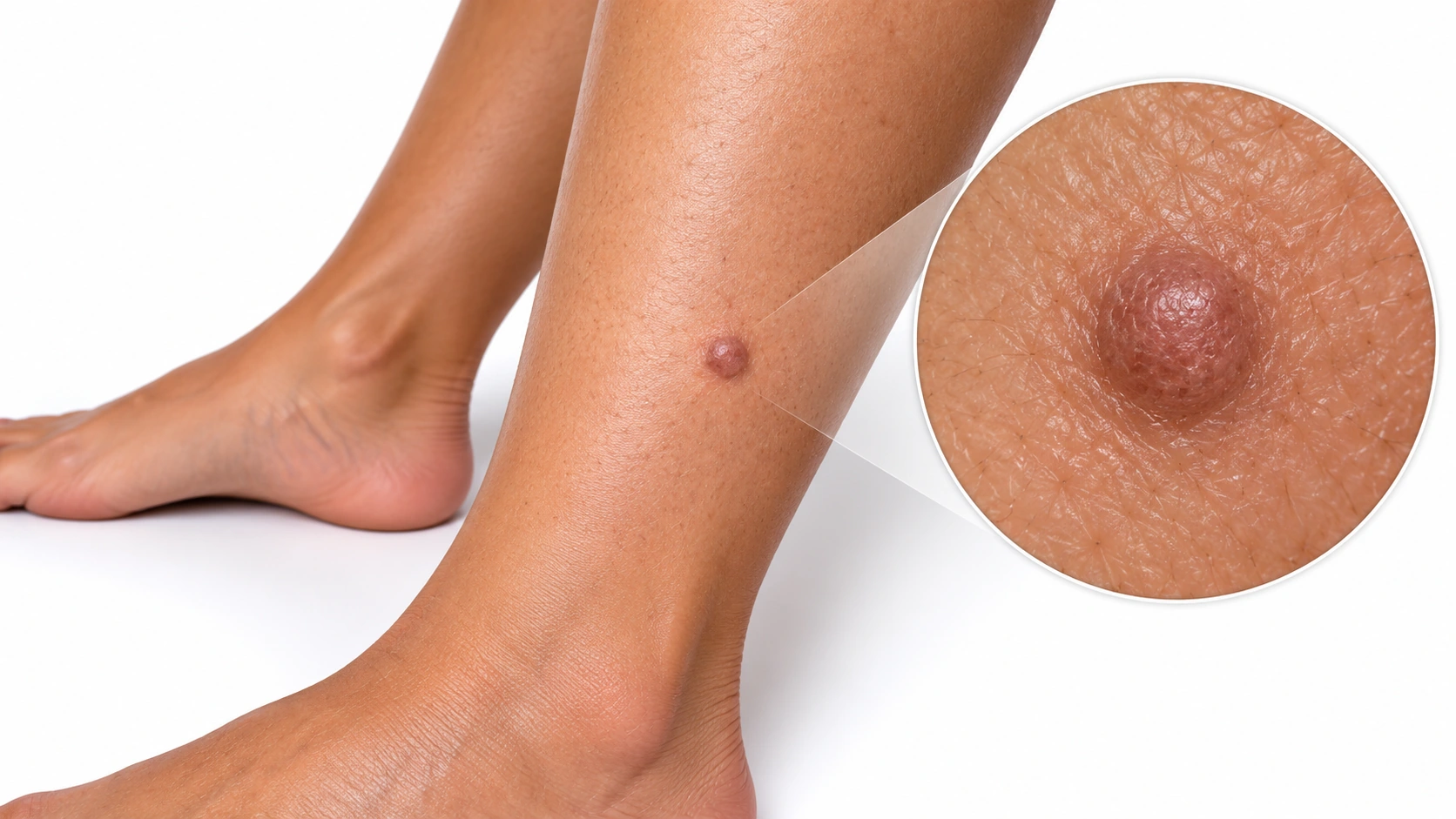
Depth-specific scar treatment
ListedSelected scars may benefit from resurfacing or punch techniques; depth and skin tone guide the choice.
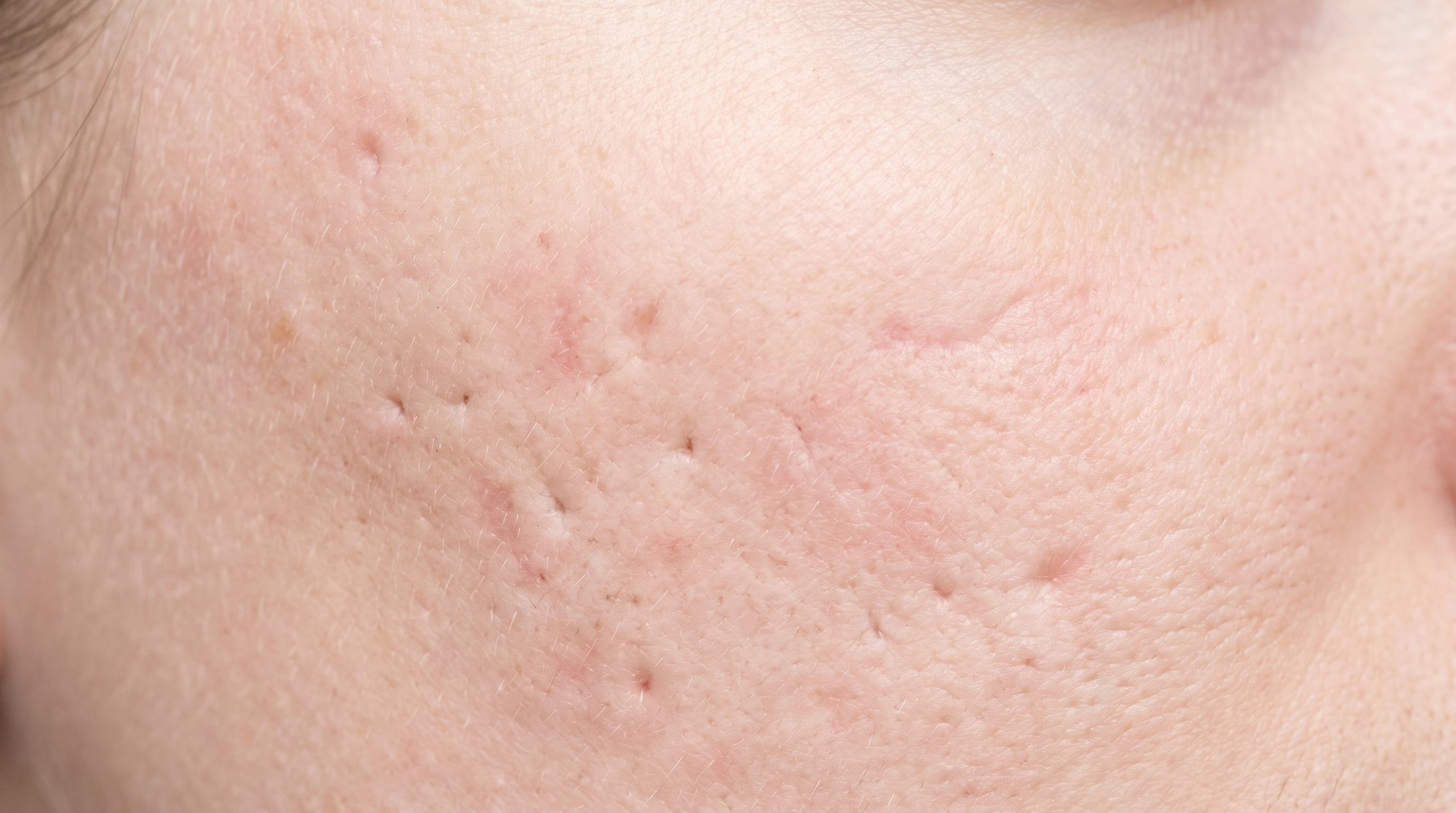
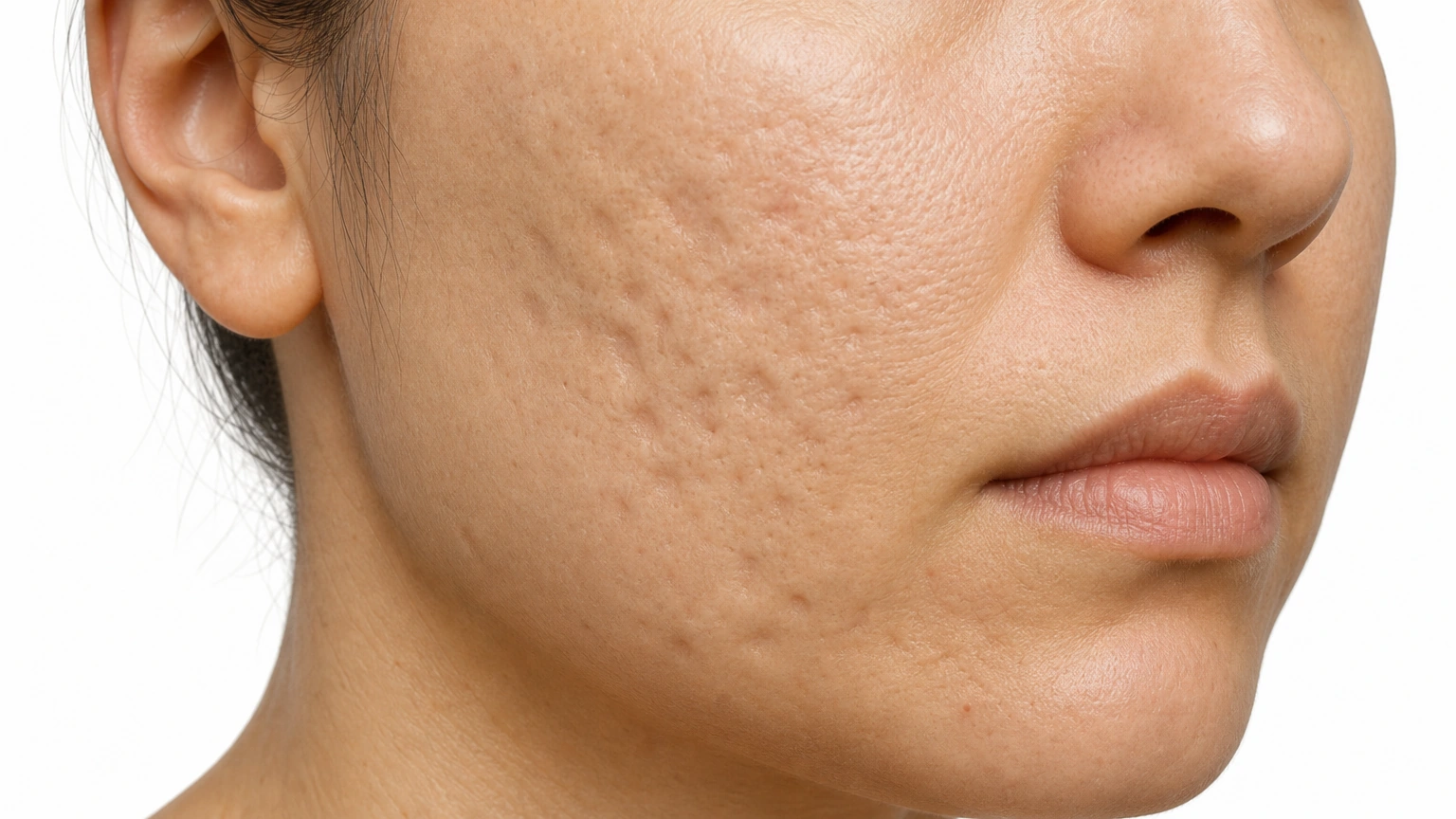
Narrow deep atrophic scars, commonly left by acne. Round or oval depressed scars with relatively distinct edges.
The same eight facts on every condition comparison.
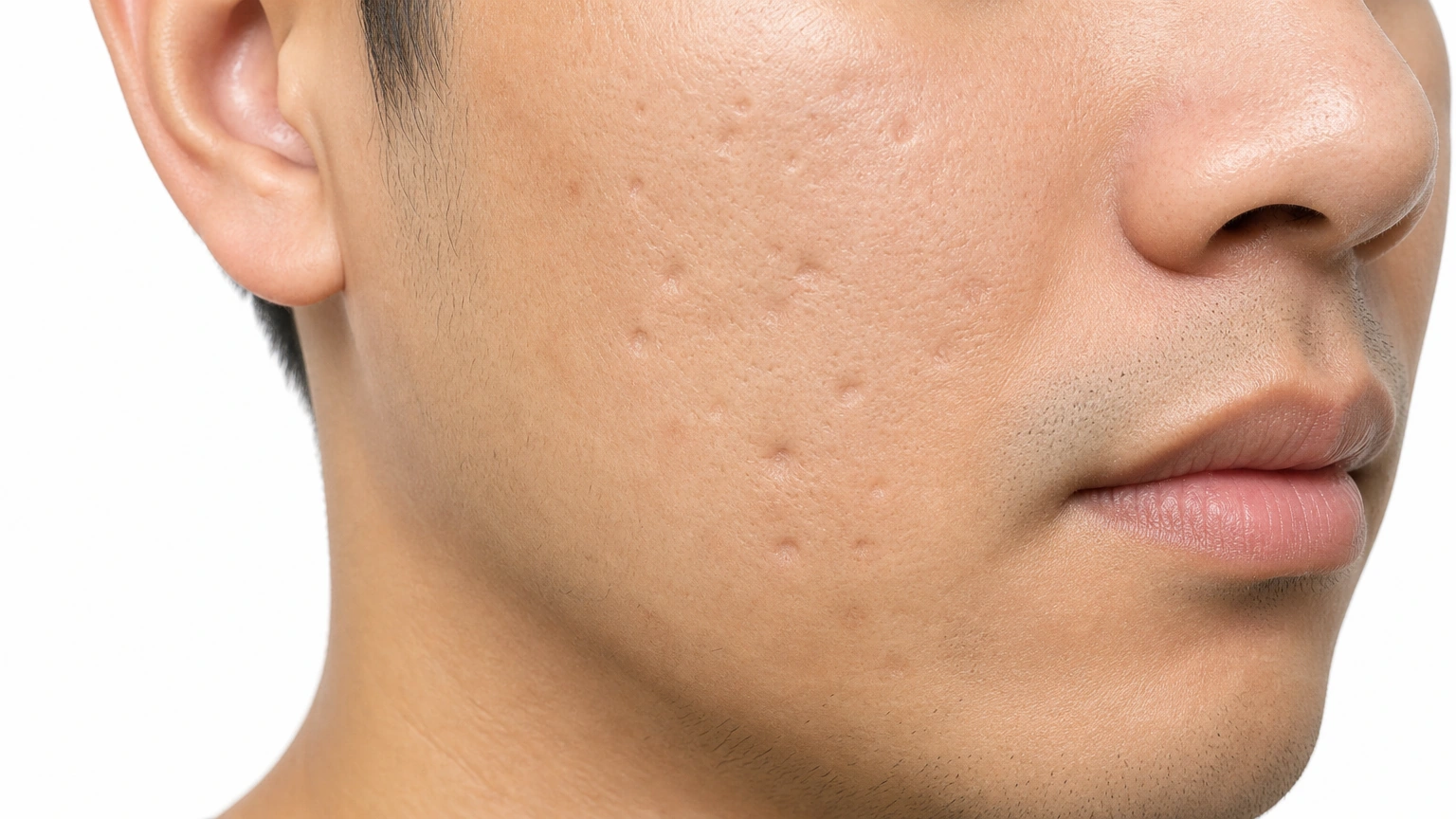
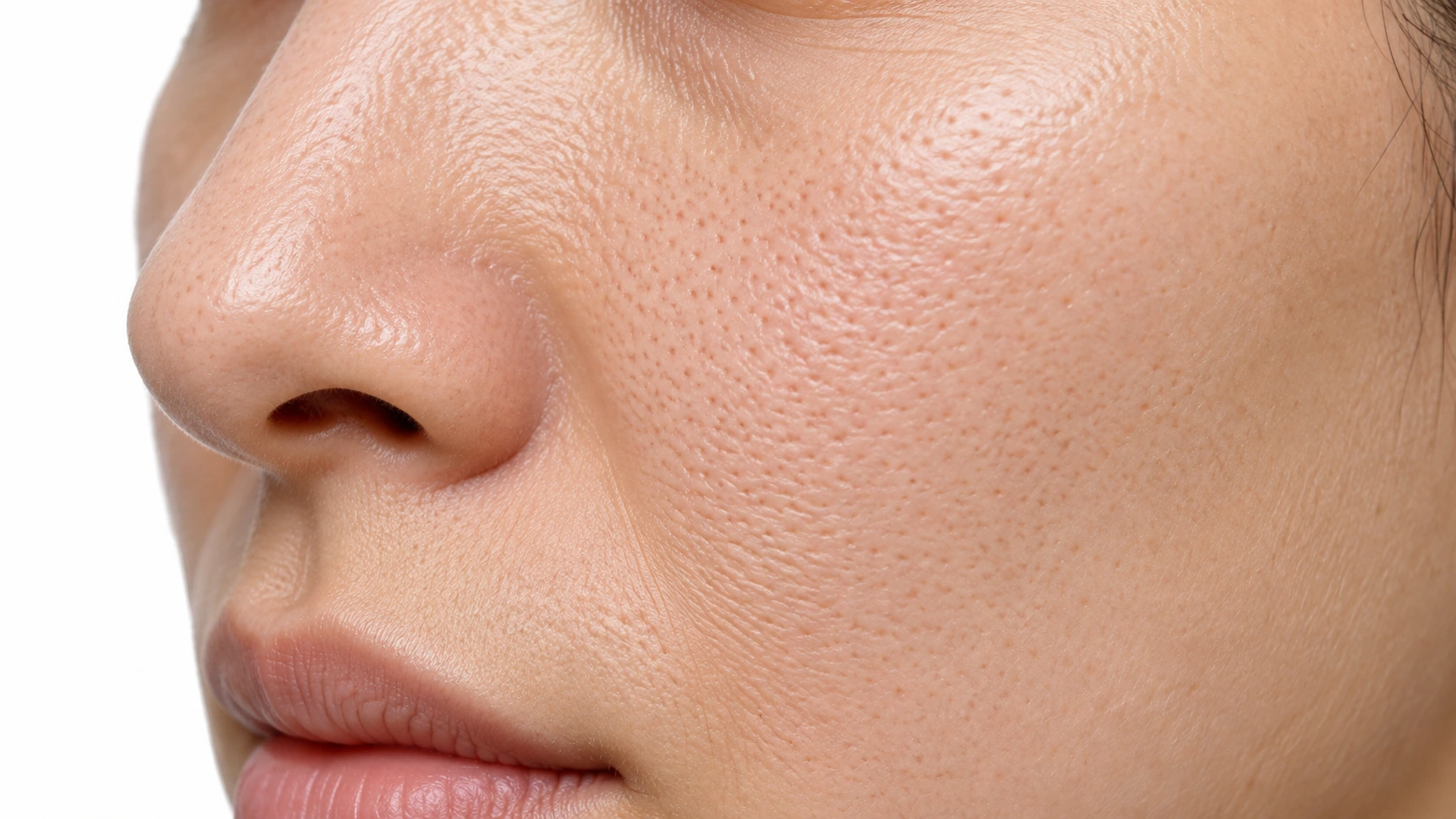
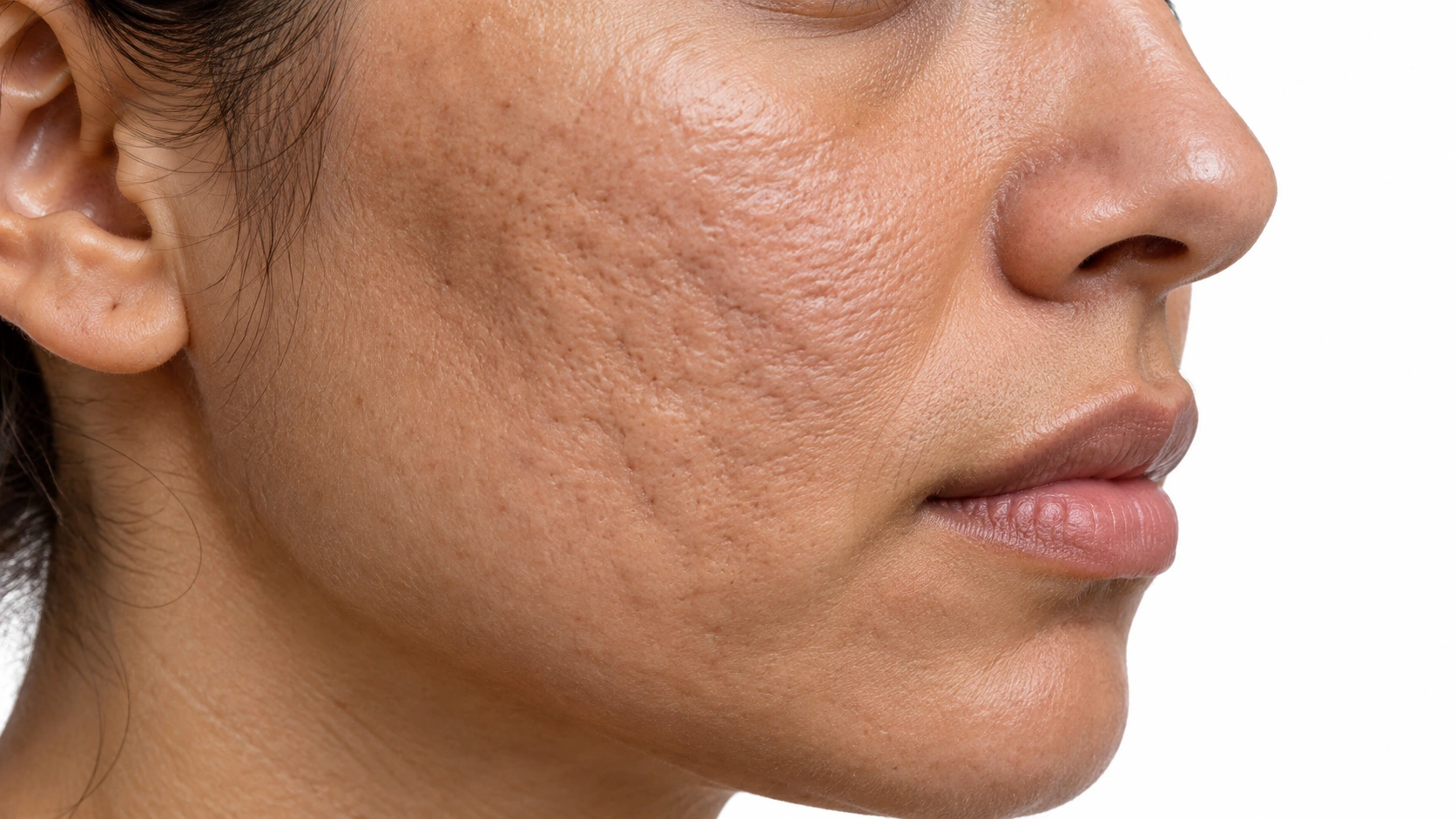
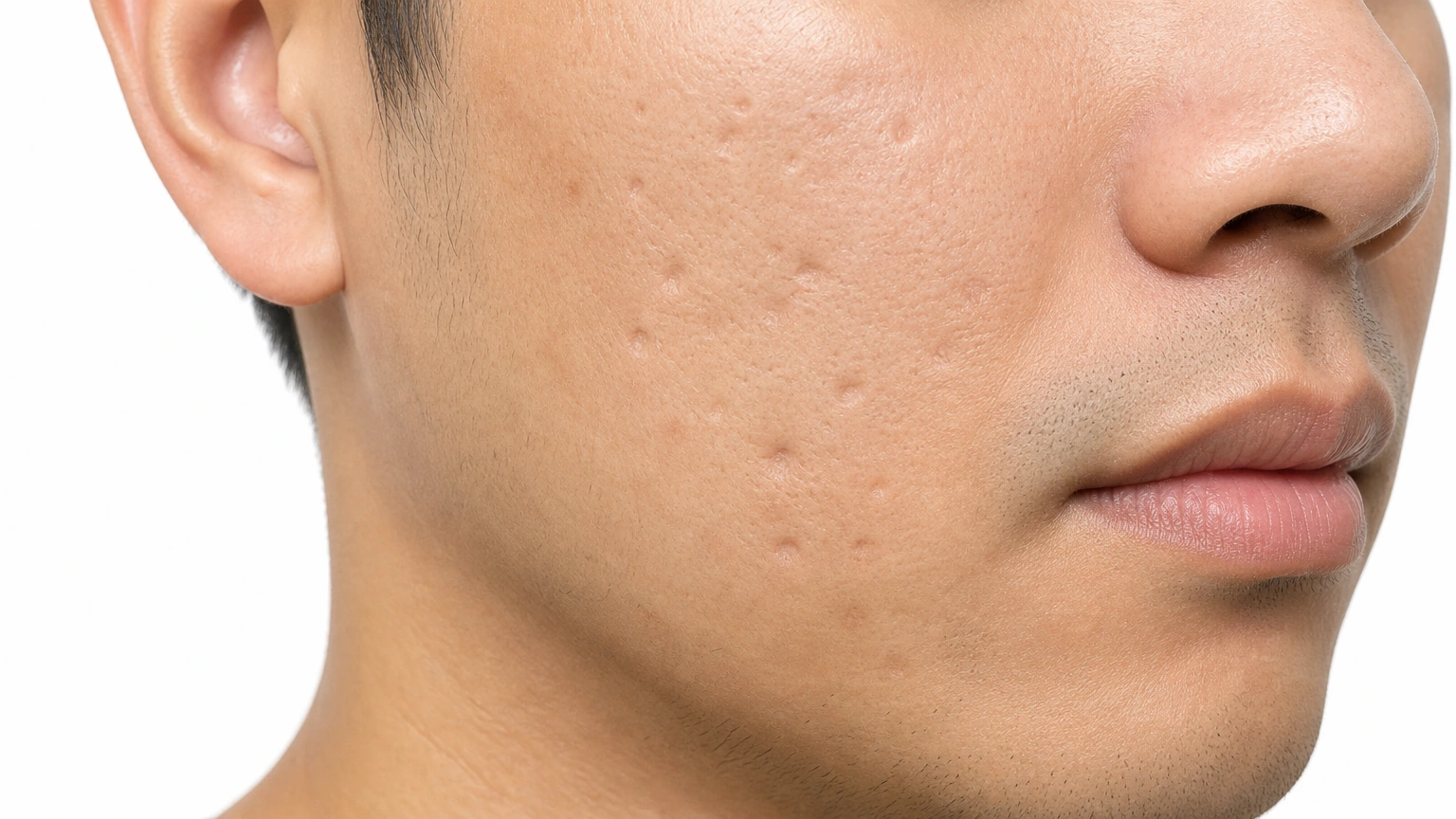
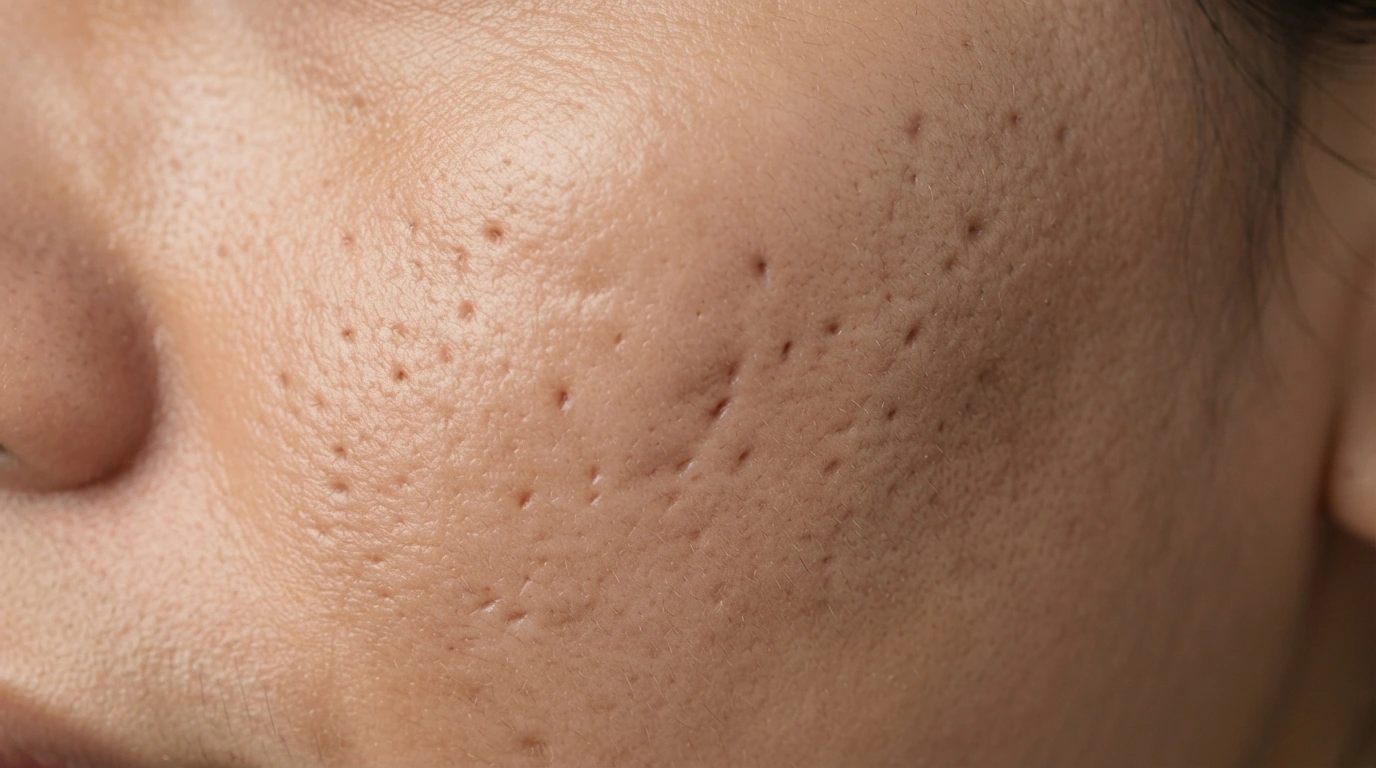
Ice Pick Scars Small, deep-looking depressions punctuate the skin surface.
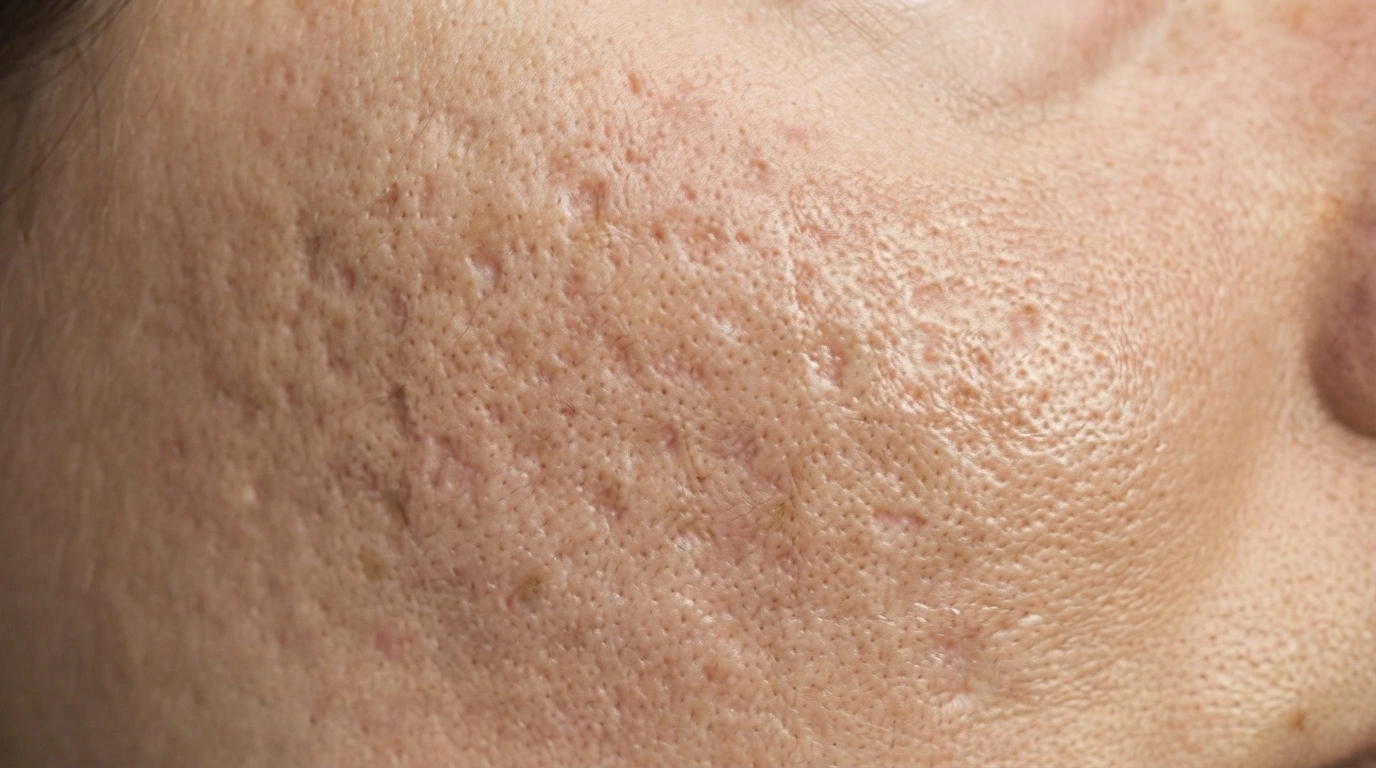
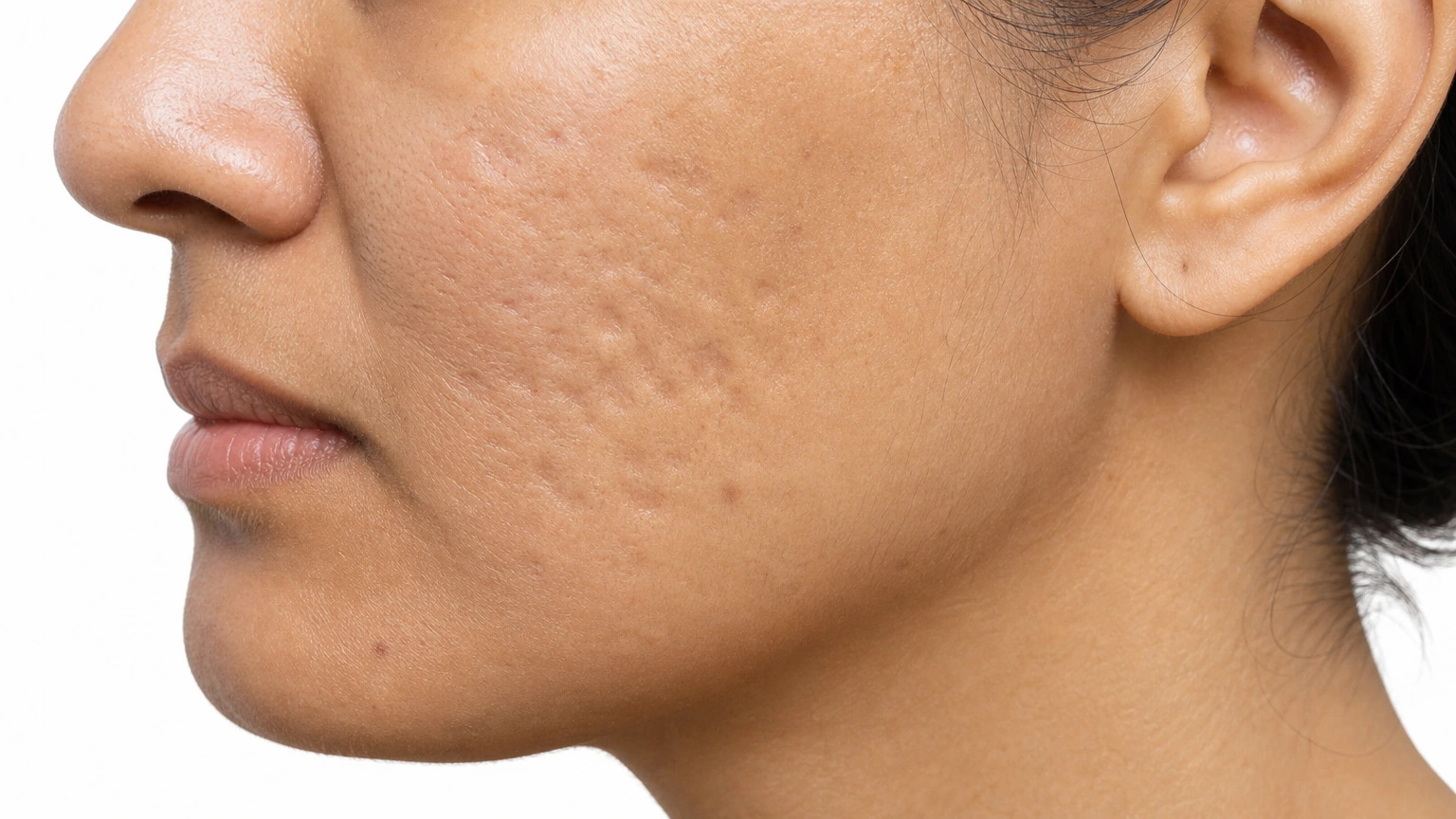
Boxcar Scars Small depressions create a sharply textured surface across the cheek.
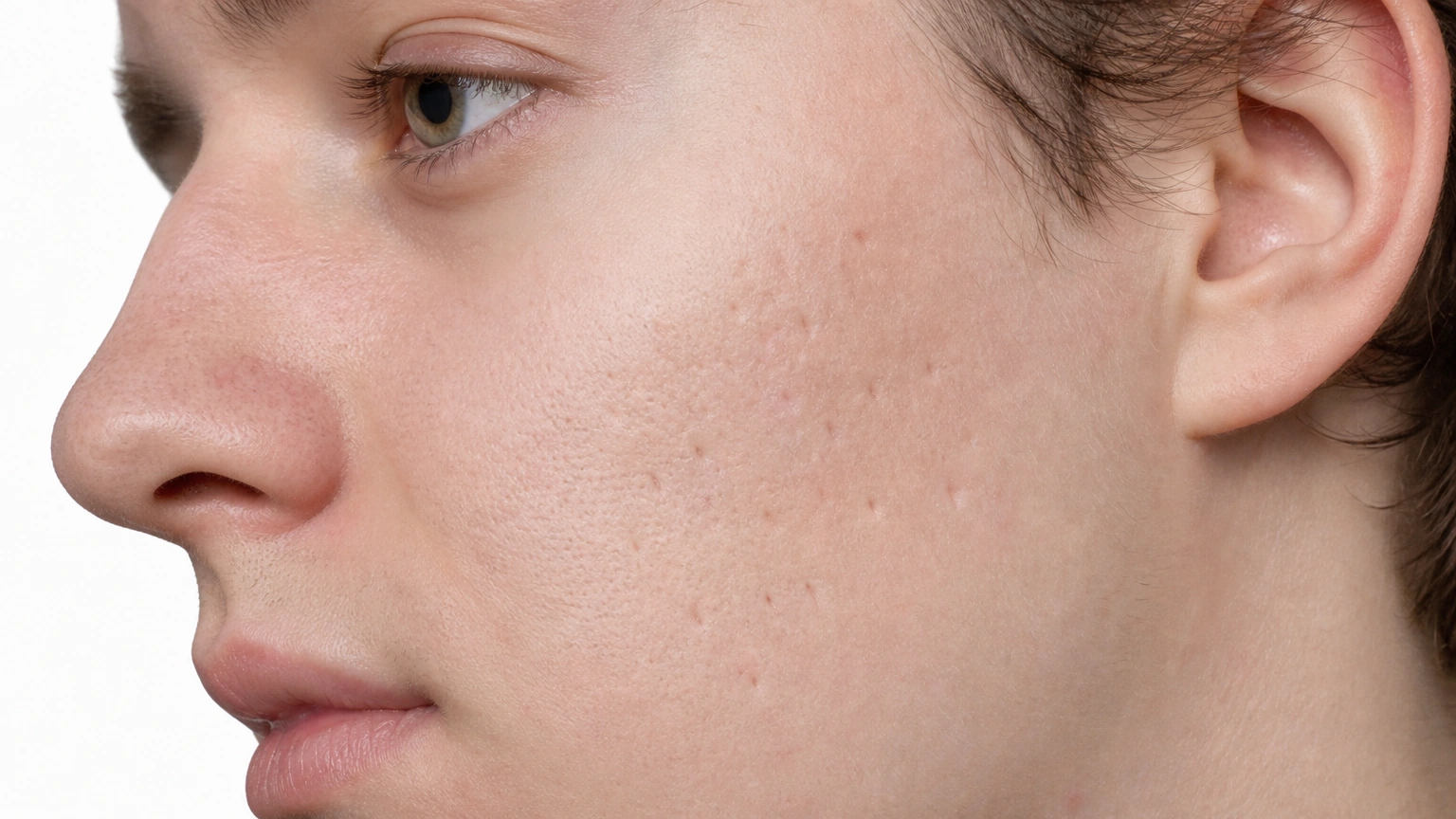
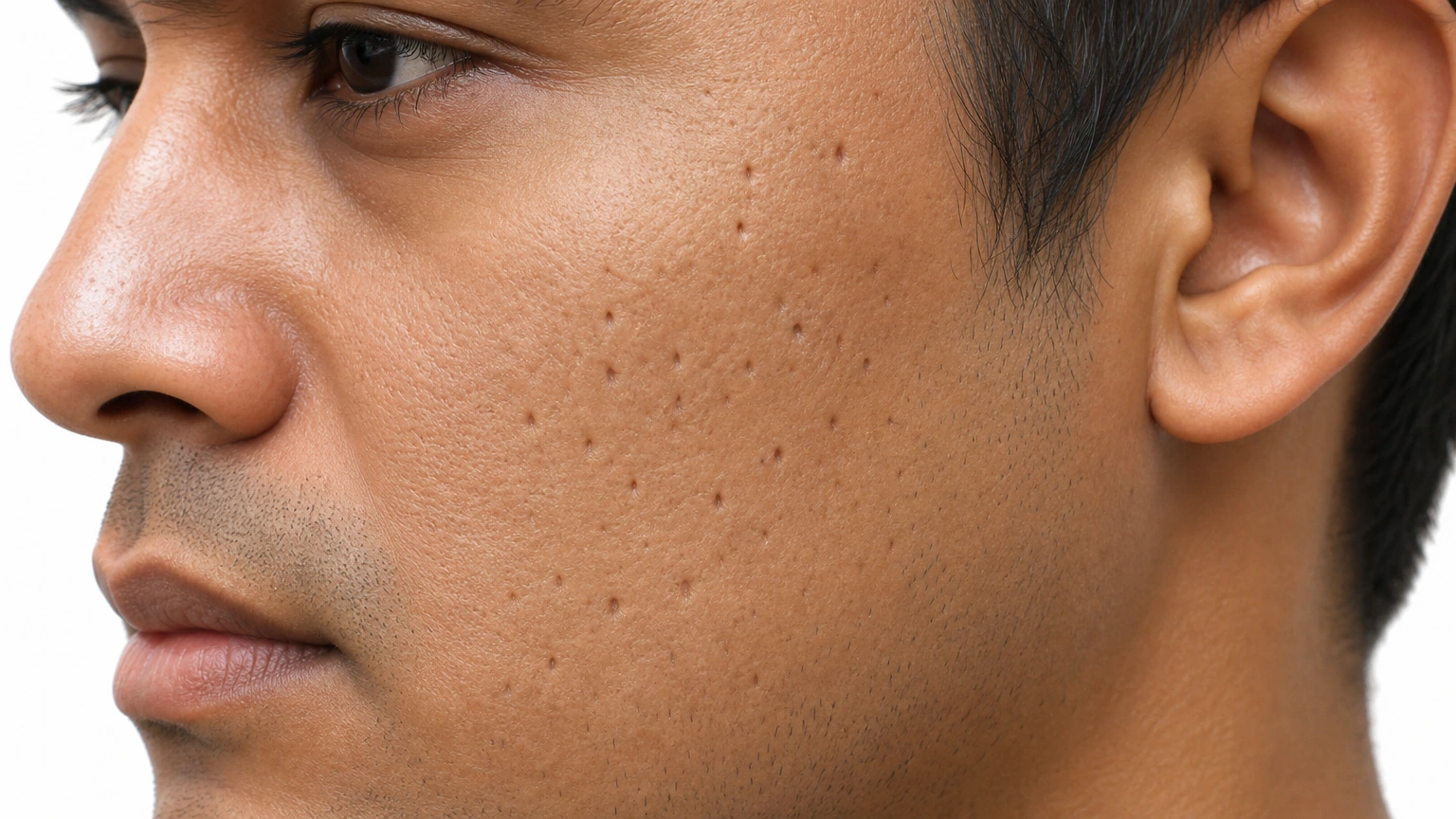
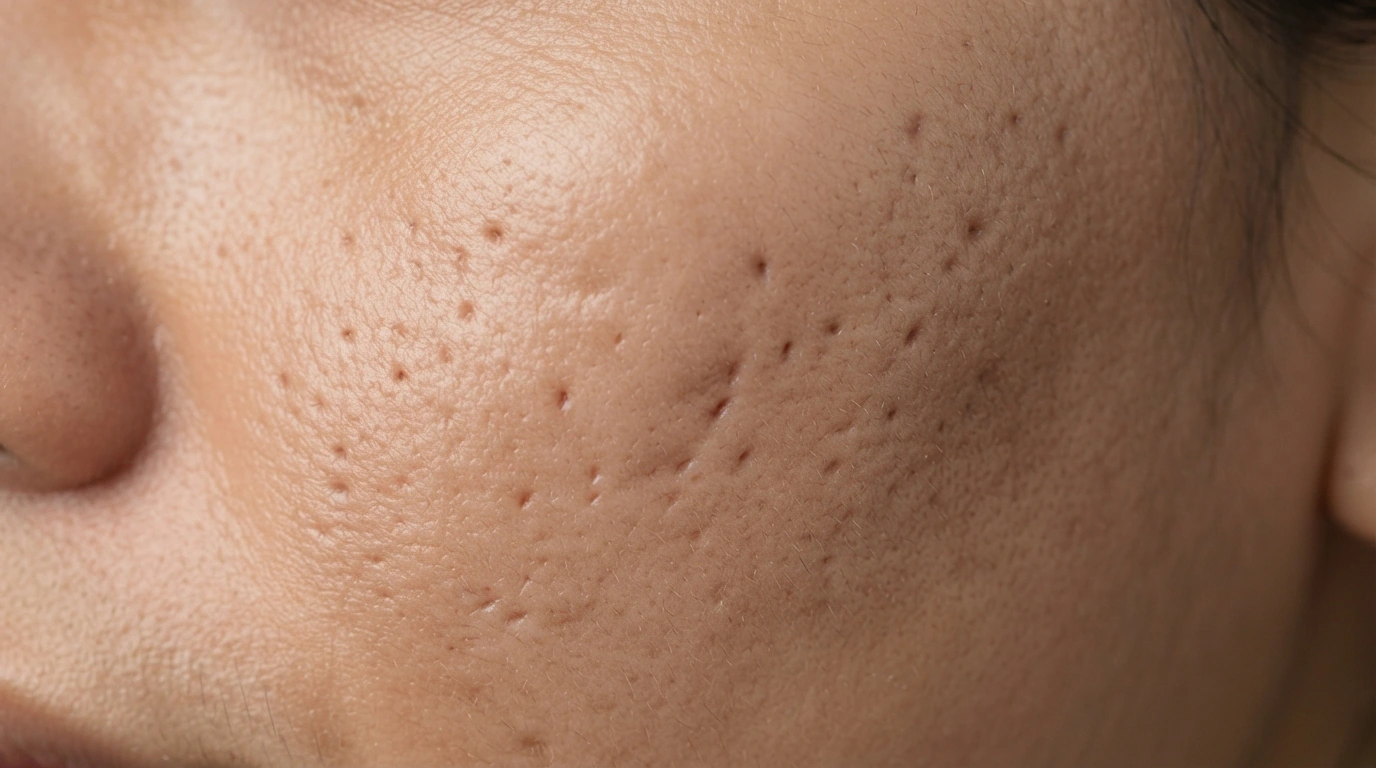
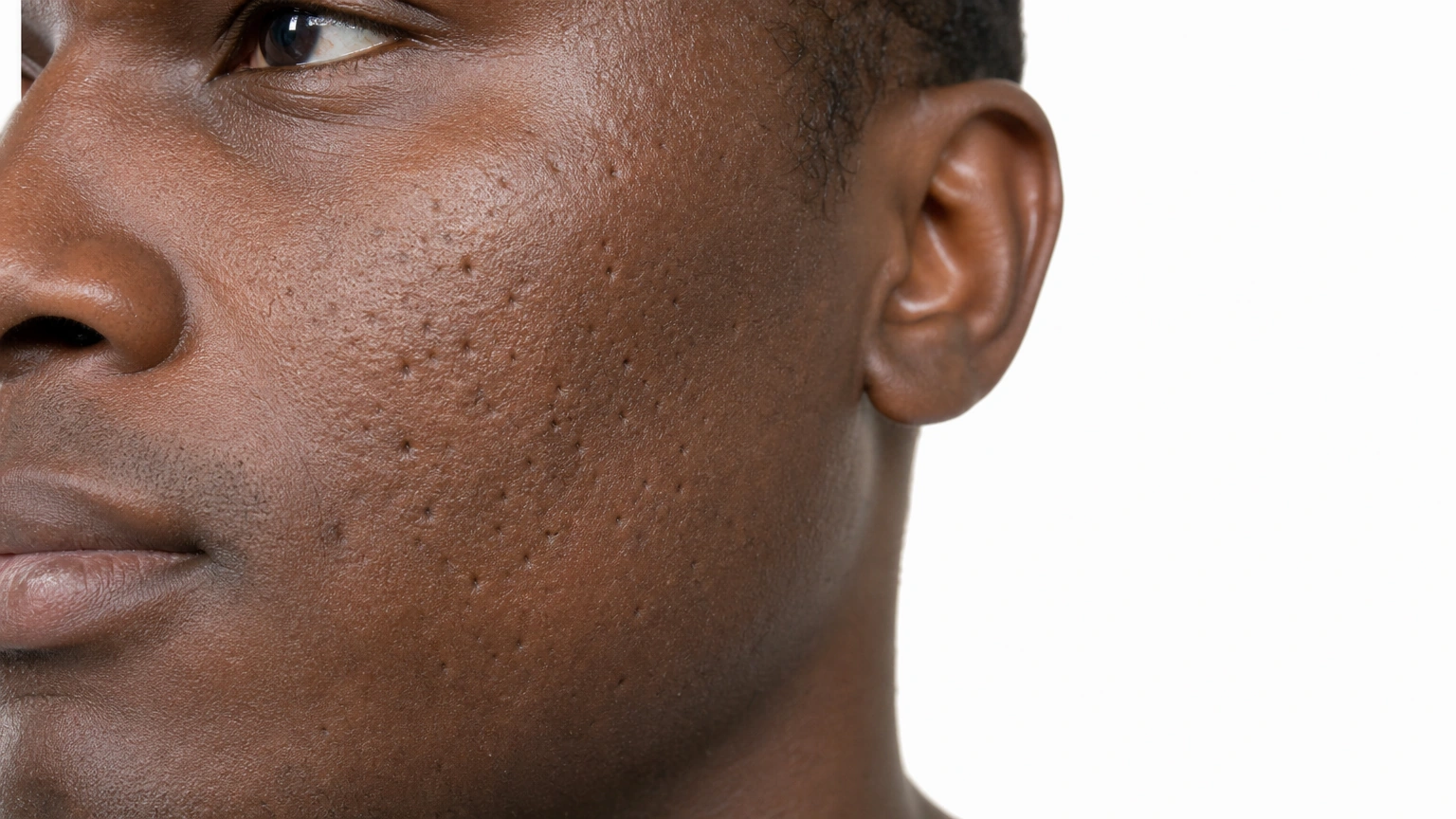
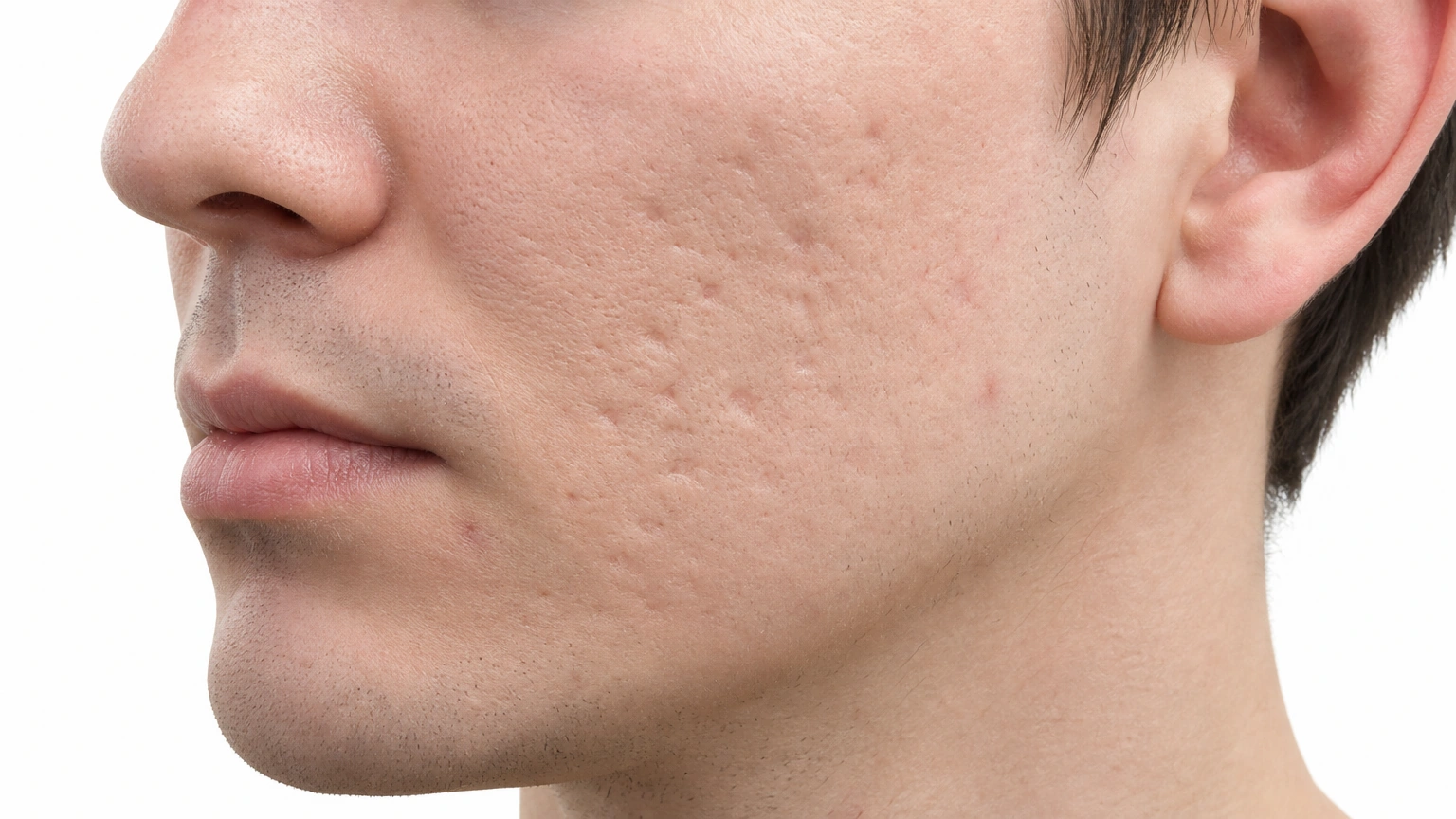
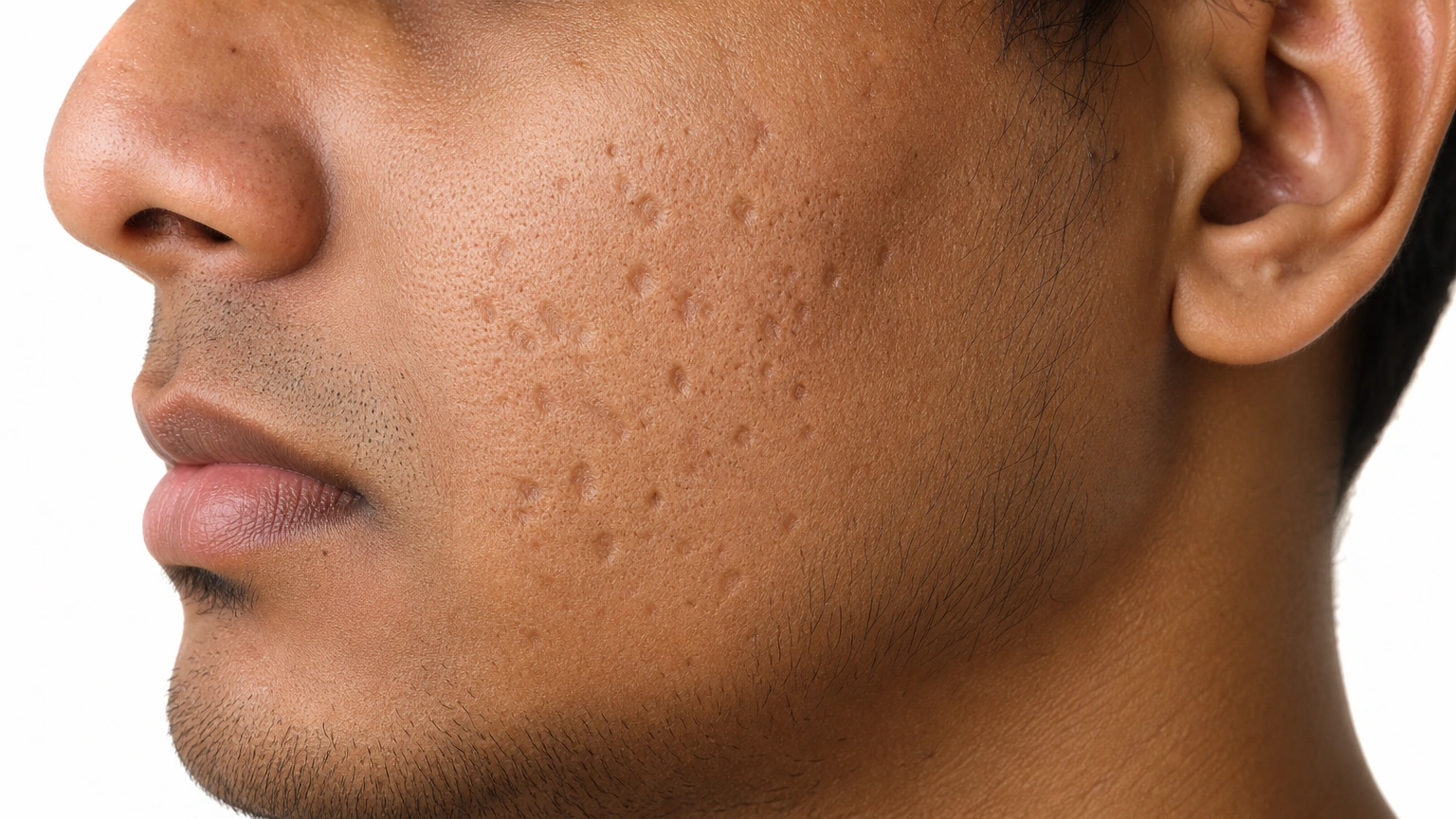
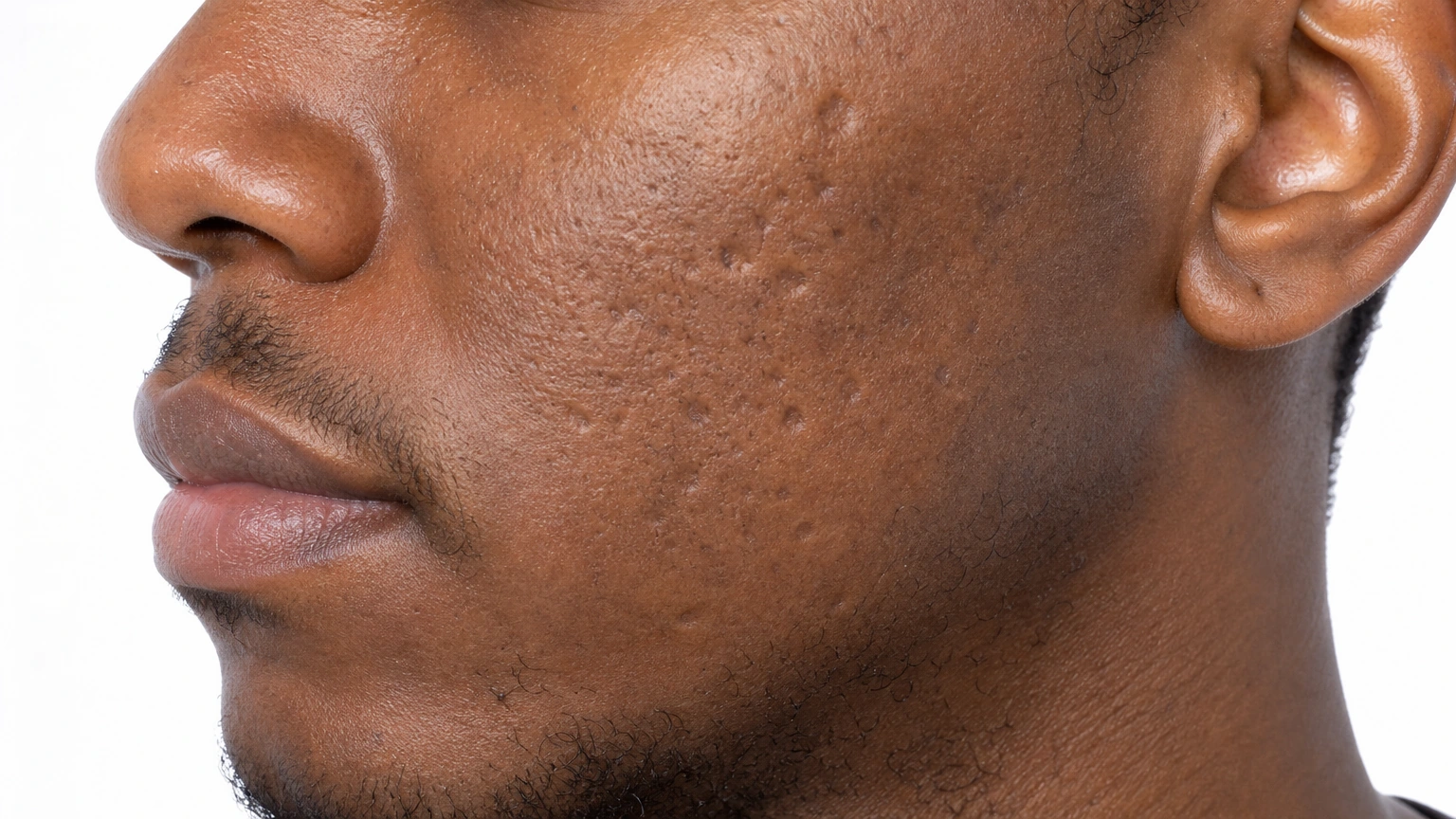
Deep localized inflammation damages supporting skin tissue. Healing leaves a narrow, deep tract-like depression in the surface.
Inflammation destroys localized supporting tissue beneath the surface. Healing leaves a depression with more defined edges than a broad rolling scar.
Ice Pick Scars. Develops after relevant injury, inflammation or tissue change; age depends on the cause.
Boxcar Scars. Develops after relevant injury, inflammation or tissue change; age depends on the cause.
Deep local tissue injury leaves a narrow tract-like depression.
Local tissue loss after inflammation leaves an edged depression.
Evidence labels come from each condition’s own treatment list.
Selected scars may benefit from resurfacing or punch techniques; depth and skin tone guide the choice.
Narrow deep scars usually persist without scar-directed treatment. Selected focal procedures can improve them, but several sessions may be needed and complete clearance is unlikely.
Boxcar scars generally persist, although their appearance can improve with appropriately selected procedures. Scar depth and edge shape influence treatment, and complete removal is unlikely.
Scars can affect confidence; symptoms and treatment options depend on scar type.
Scars can affect confidence; symptoms and treatment options depend on scar type.
Have a new growing, bleeding or ulcerated scar-like lesion examined before cosmetic treatment.
Have a new growing, bleeding or ulcerated scar-like lesion examined before cosmetic treatment.
Narrow deep atrophic scars, commonly left by acne.
Protect from sun, avoid picking and control active inflammation before elective scar procedures.
Have a new growing, bleeding or ulcerated scar-like lesion examined before cosmetic treatment.
Round or oval depressed scars with relatively distinct edges.
Protect from sun, avoid picking and control active inflammation before elective scar procedures.
Have a new growing, bleeding or ulcerated scar-like lesion examined before cosmetic treatment.
Sources