Atrophic Scars vs Hypertrophic Scars

Depressed scars caused by loss or altered organisation of supporting tissue. Raised scars that stay within the boundary of the original wound.
Research updated 2026-10-23
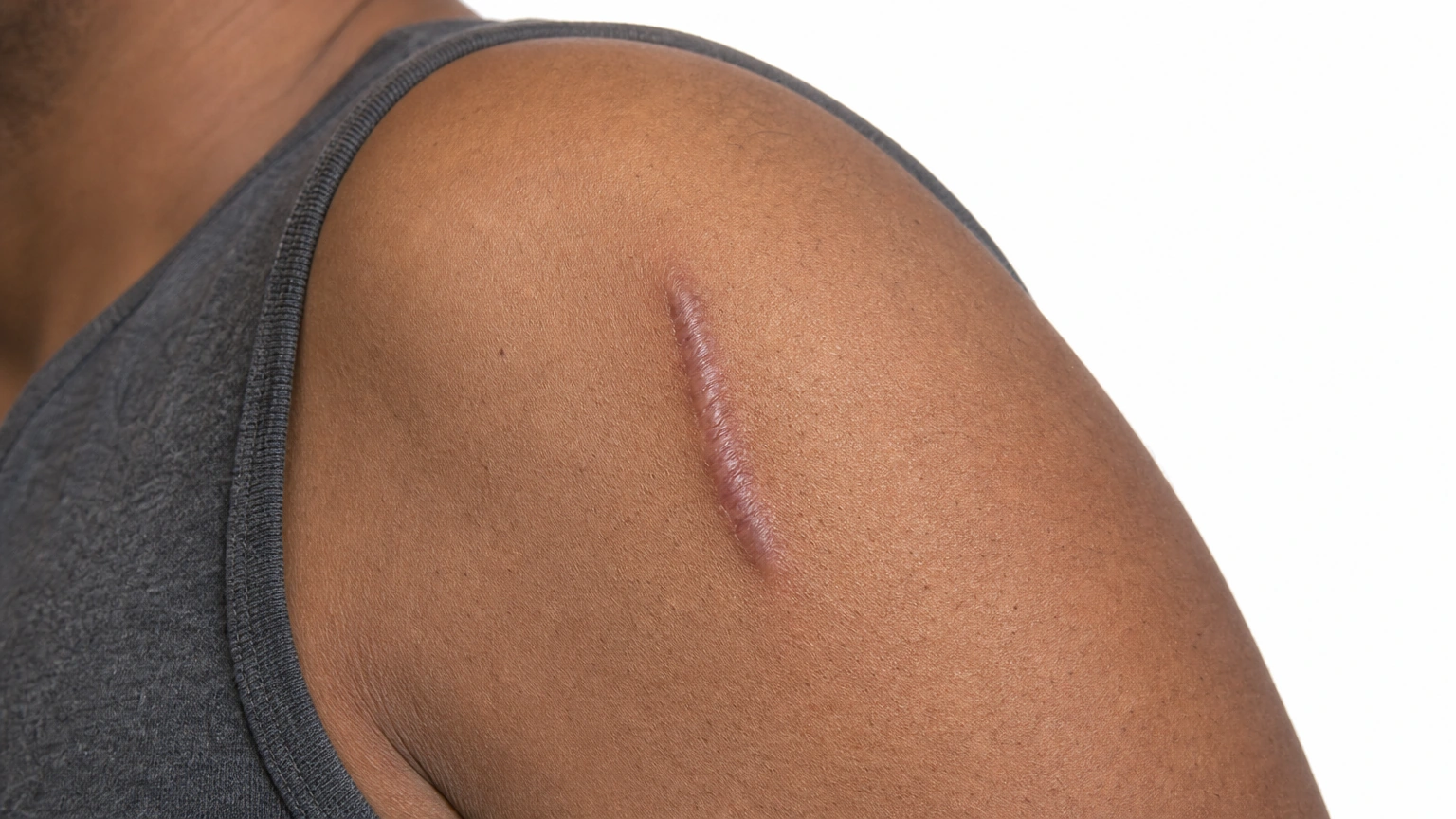
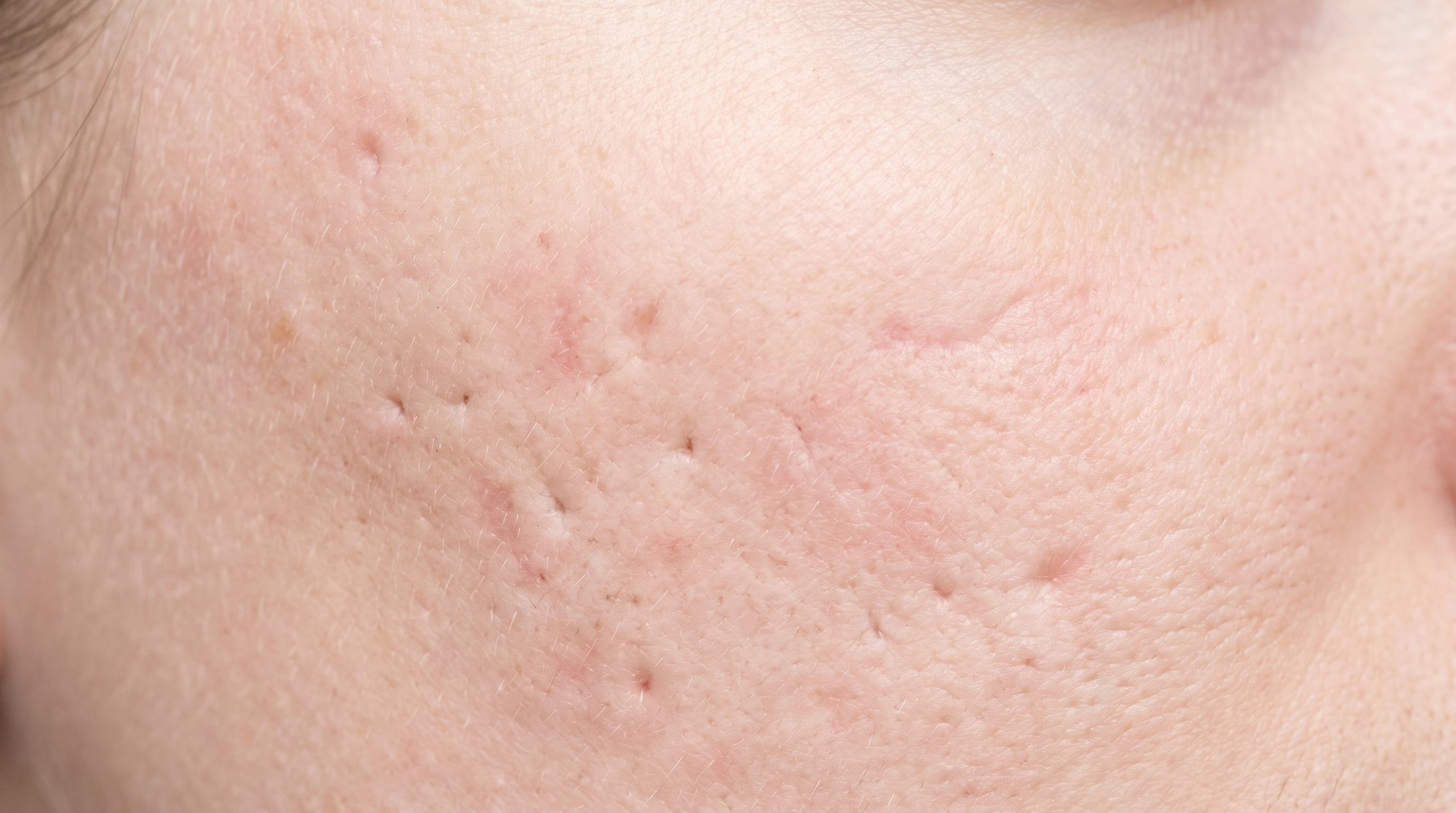
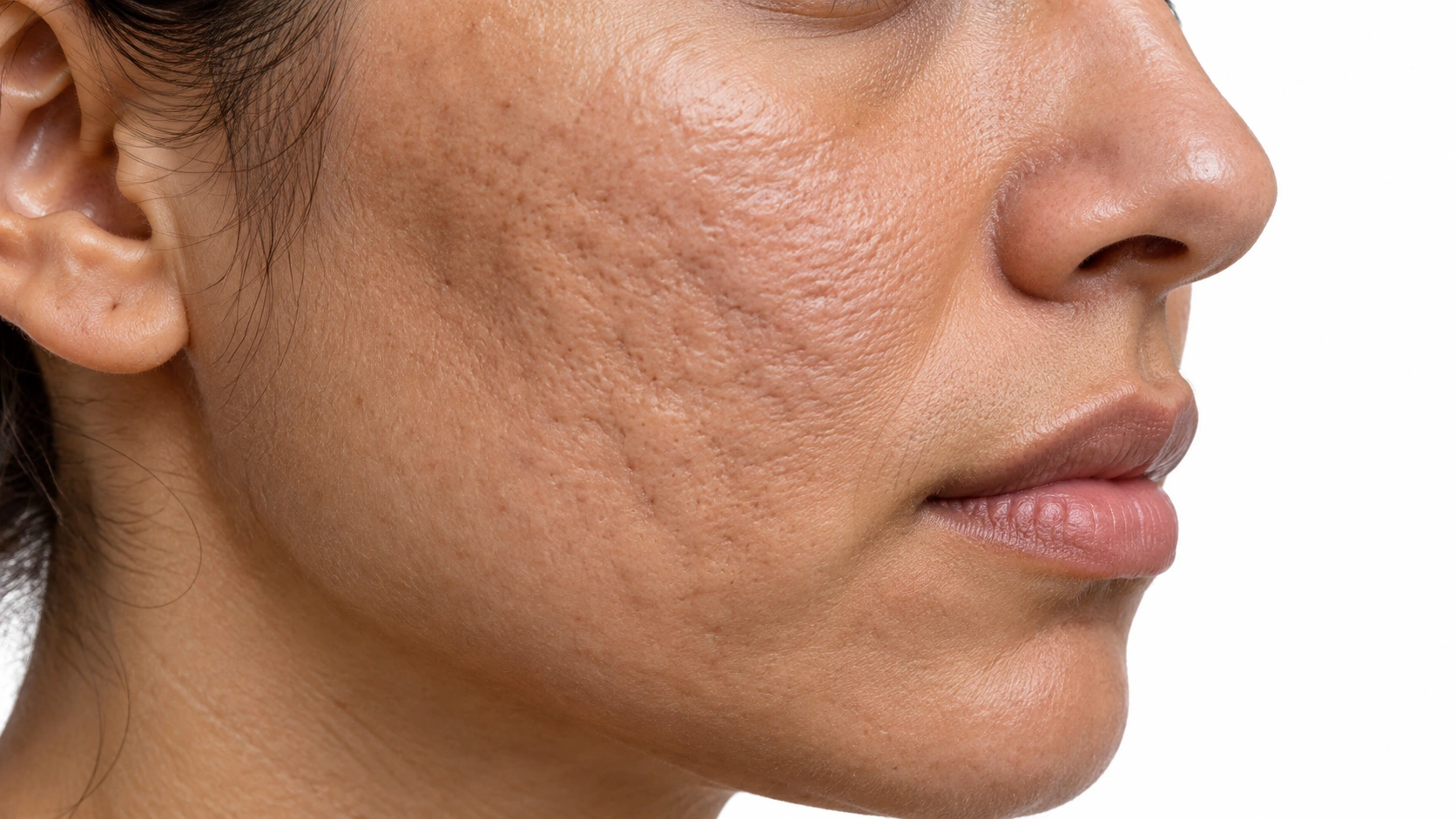
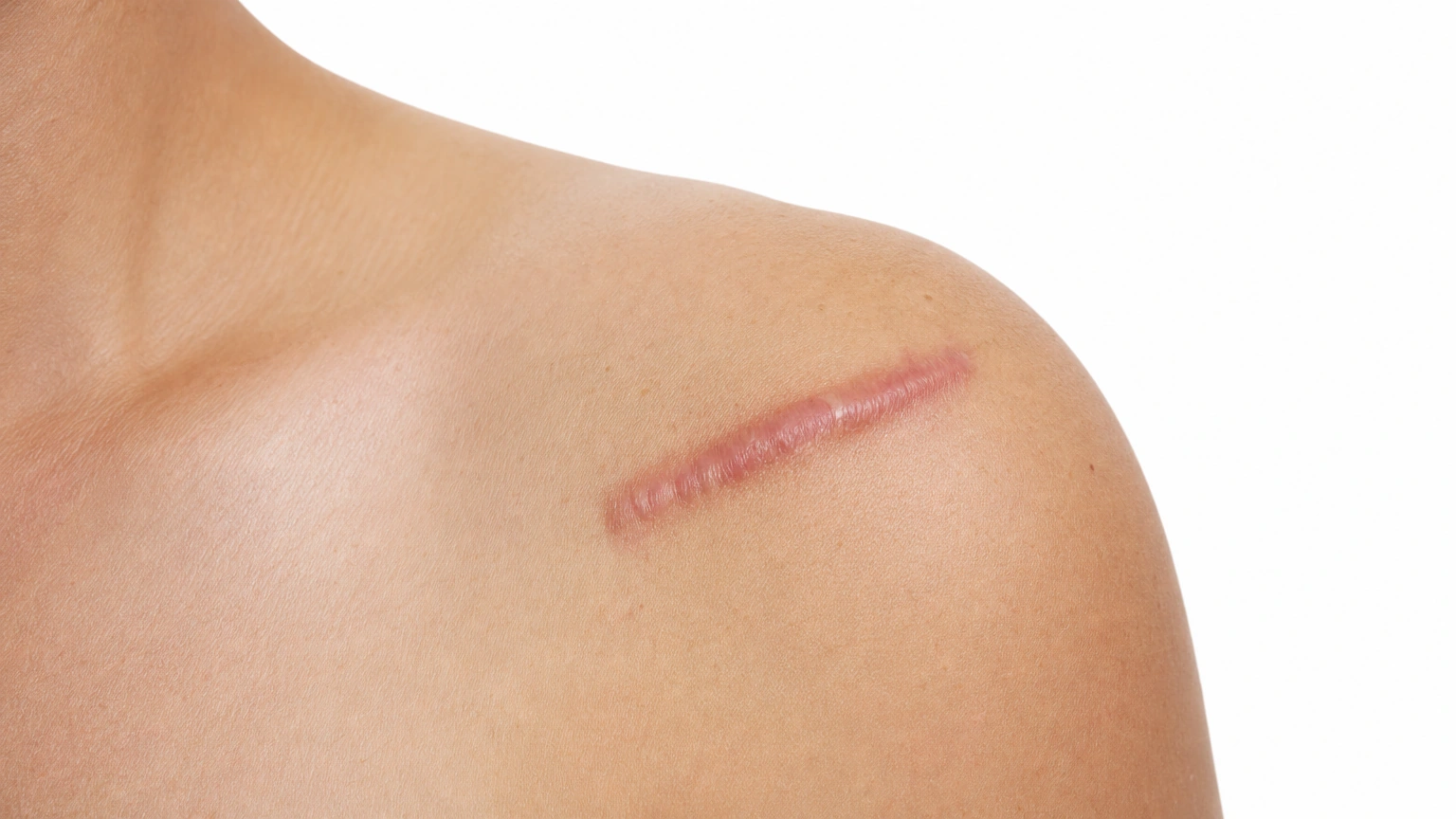
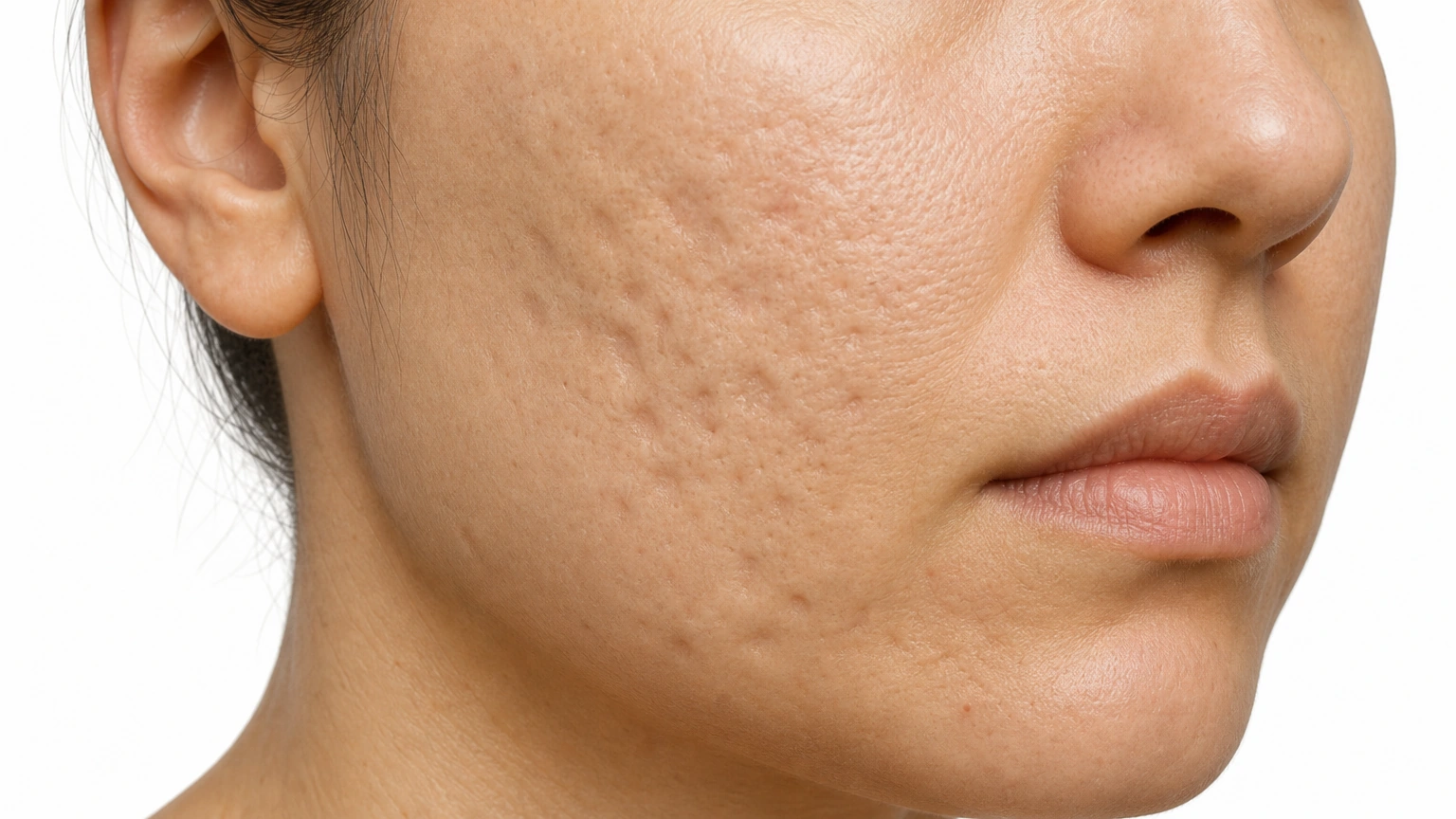
healed indented acne scars on the left cheek, in a view turned to the person’s right on medium skin.AI-generated educational illustration: Adult shoulder with a firm pink raised linear healed scar confined to the original wound boundary, no open wound.

Key differences

The same eight facts on every condition comparison.
Usual age
After the injury or acne
After a wound or surgery
Where
Where acne, injury or infection was
Prior wounds, burns, surgery
Main sign
Sunken dents in the skin
Raised scar within the wound line
Itch or pain
No
Can itch
Contagious
No
No
Long term
Permanent without treatment
Often flattens over 1–2 years
Scars
Is a scar
Is a scar
Who gets it
After acne, chickenpox or injury
Wounds under tension; burns

What is it?

Atrophic Scars
Hypertrophic Scars
What is it?
  • What it is
    Depressed scars caused by loss or altered organisation of supporting tissue.
  • What it is
    Raised scars that stay within the boundary of the original wound.

What it looks like

Atrophic Scars

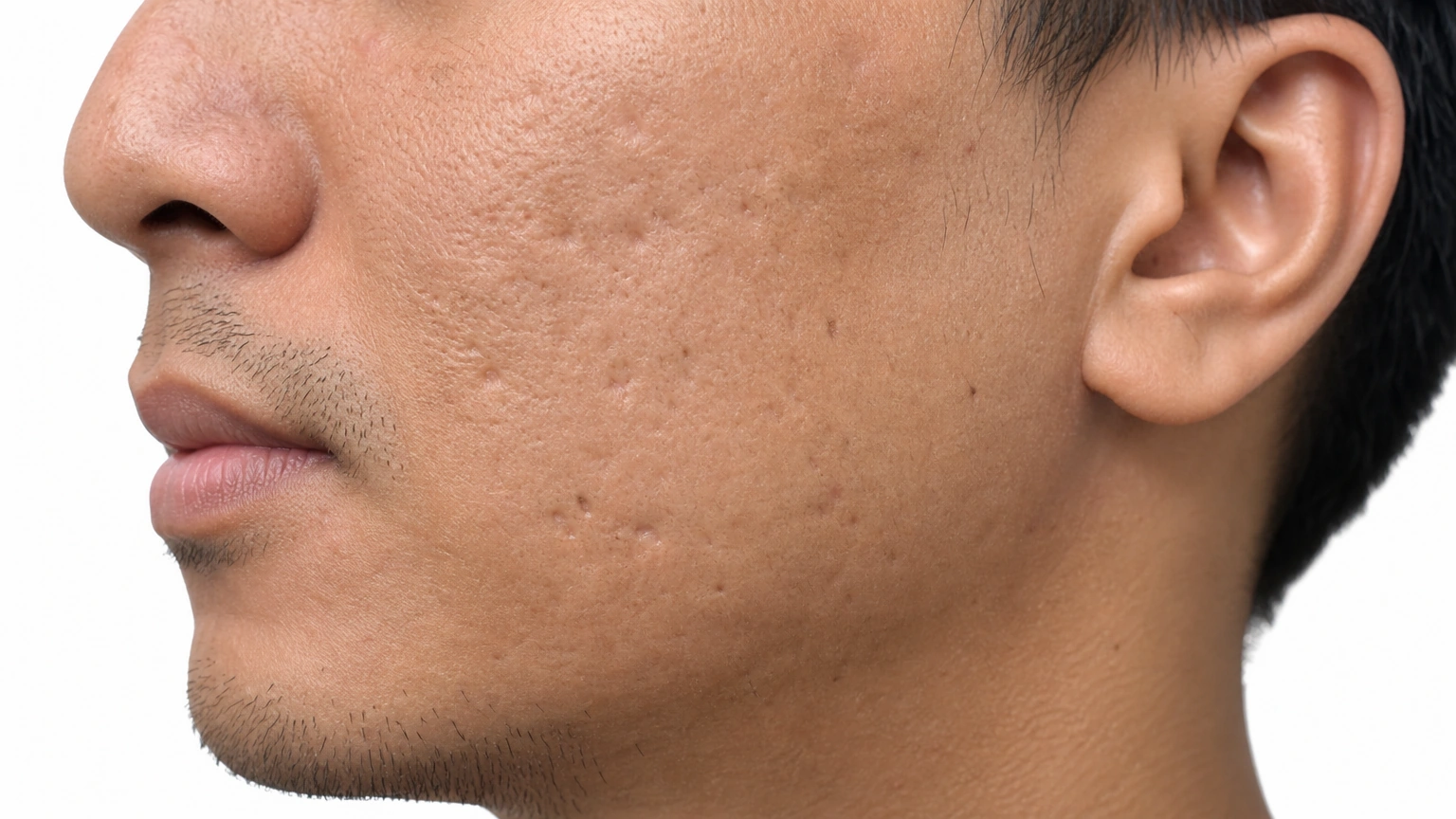
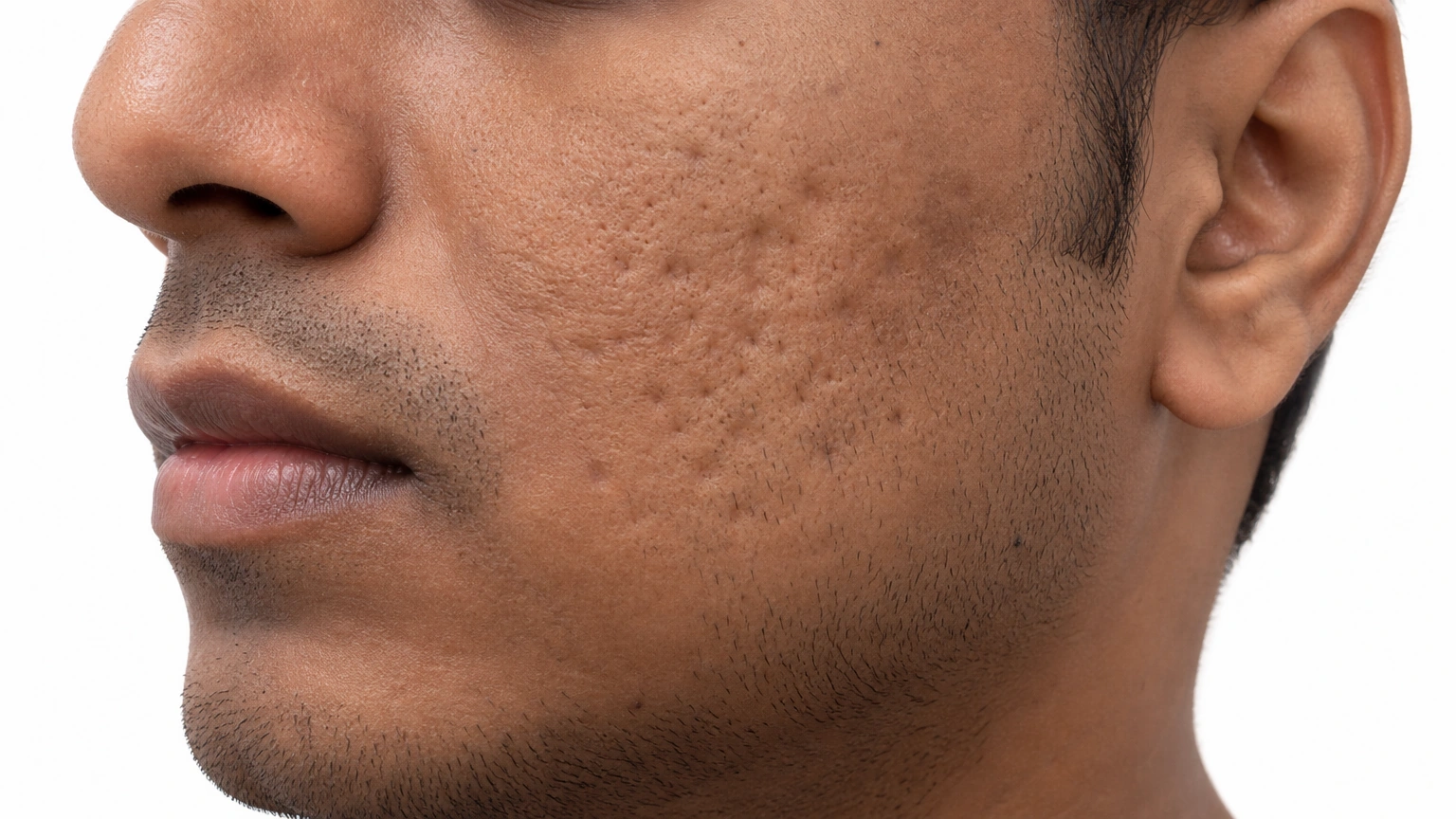
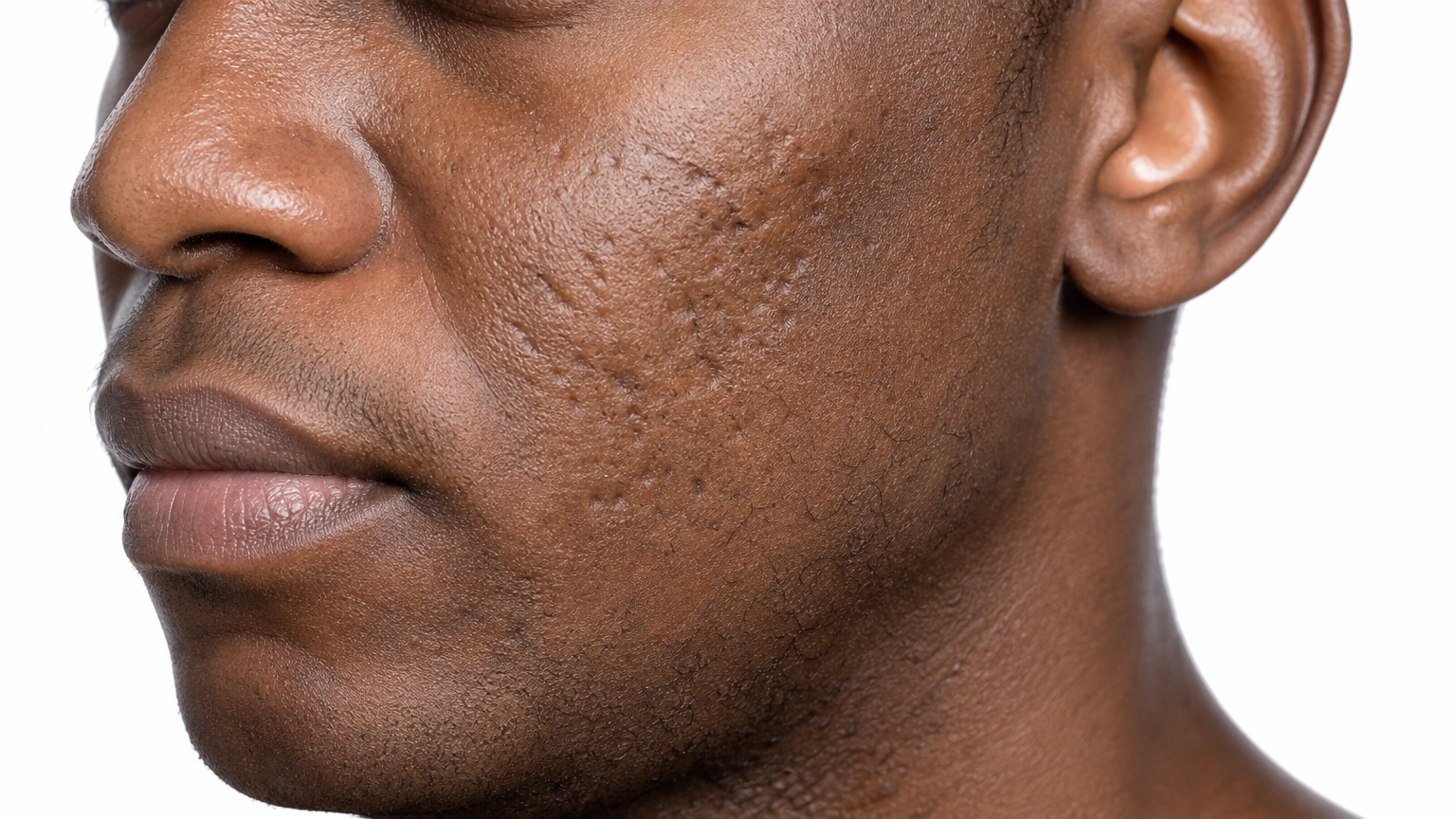
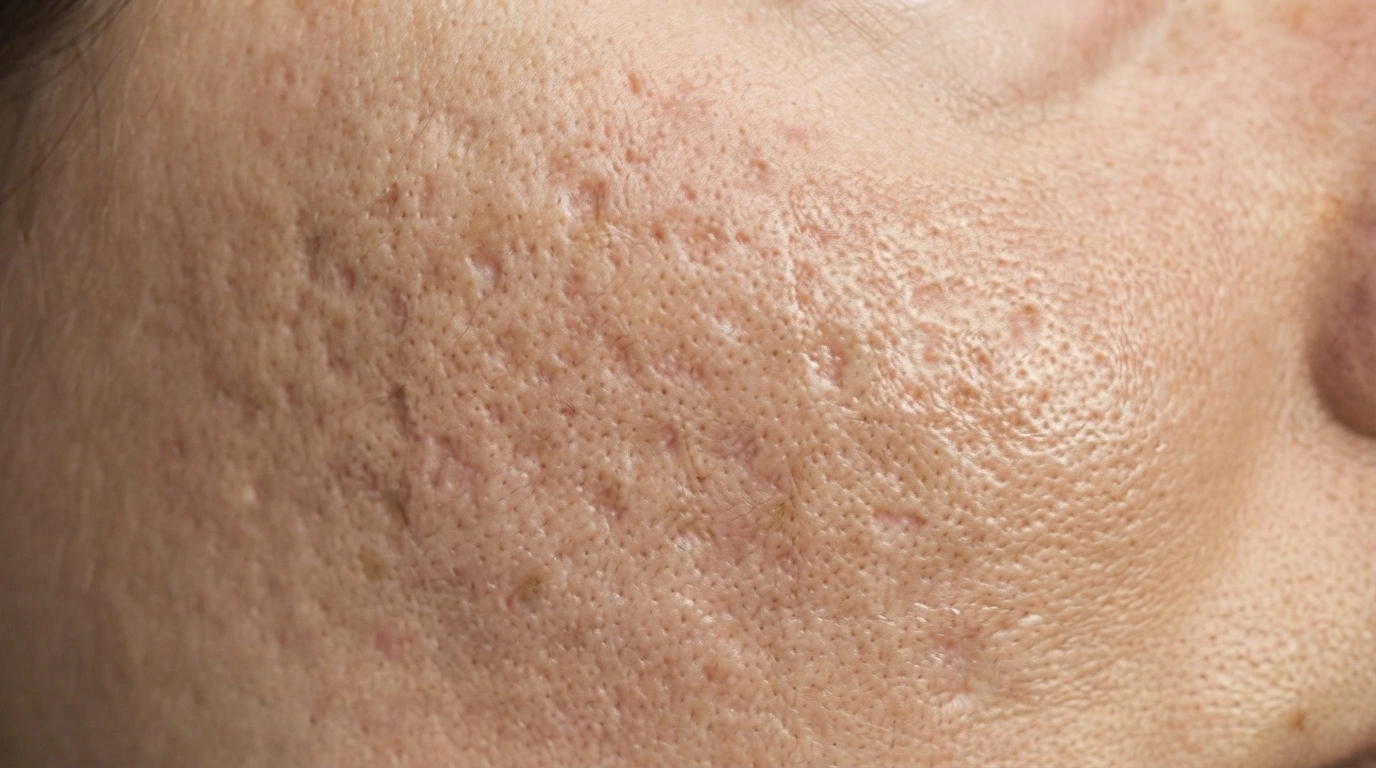
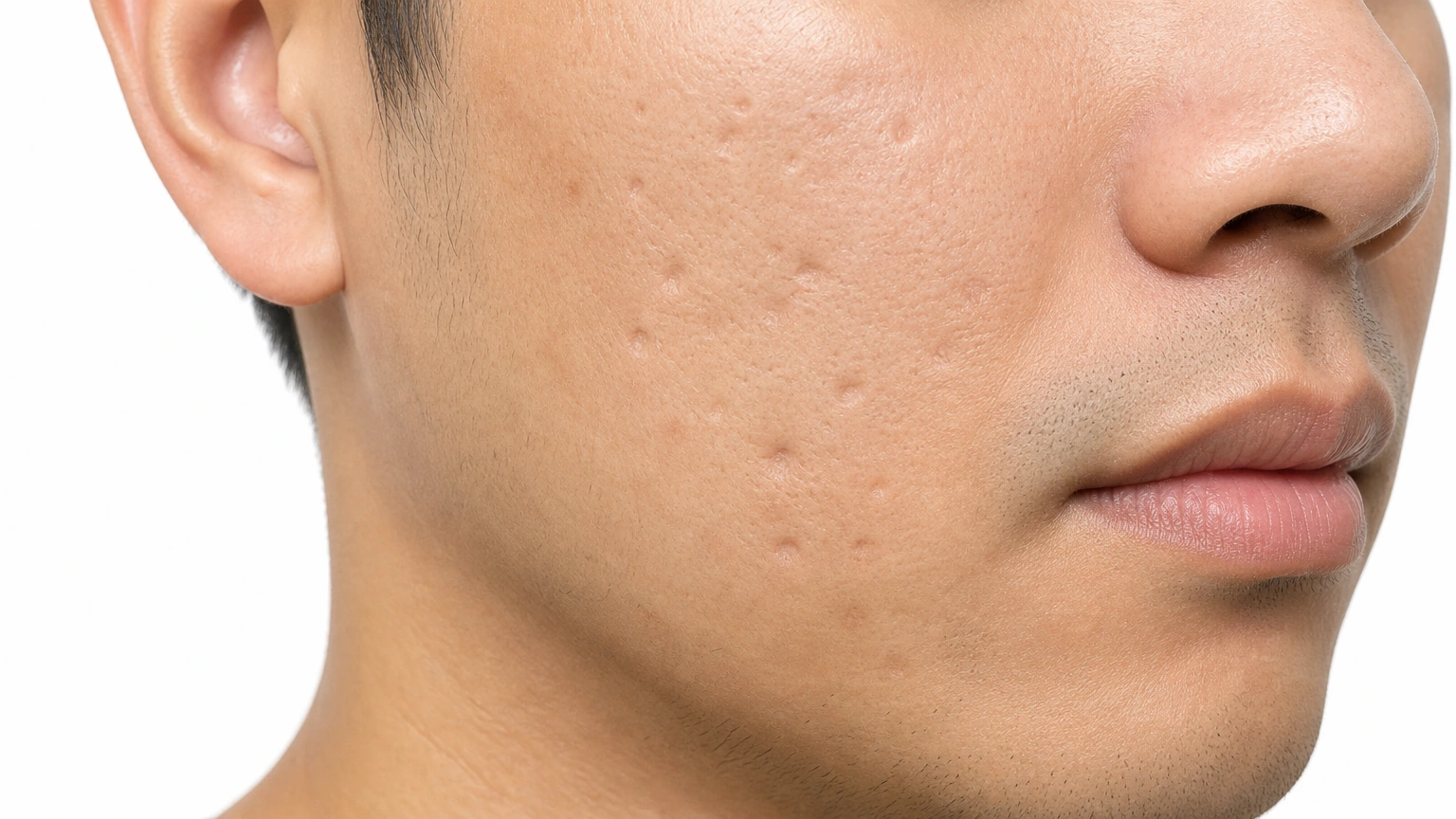
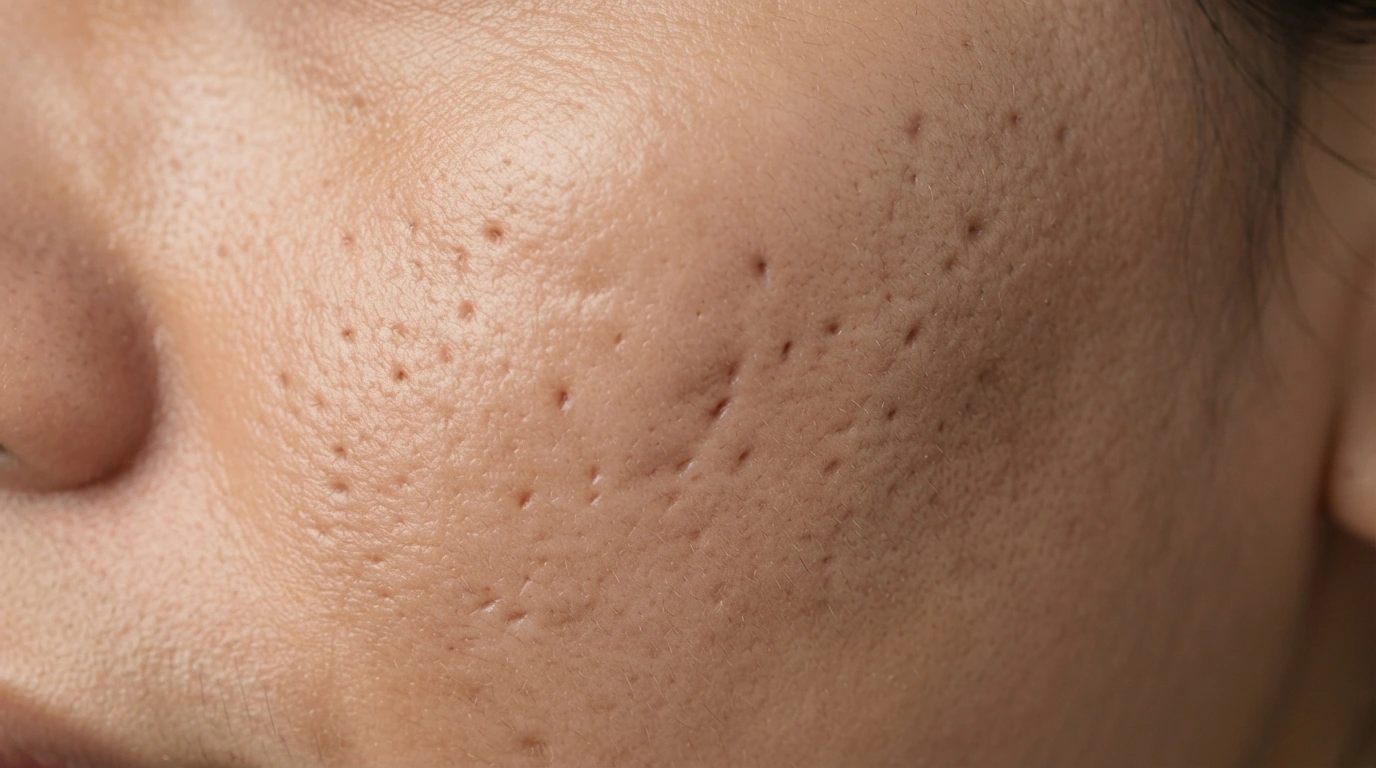
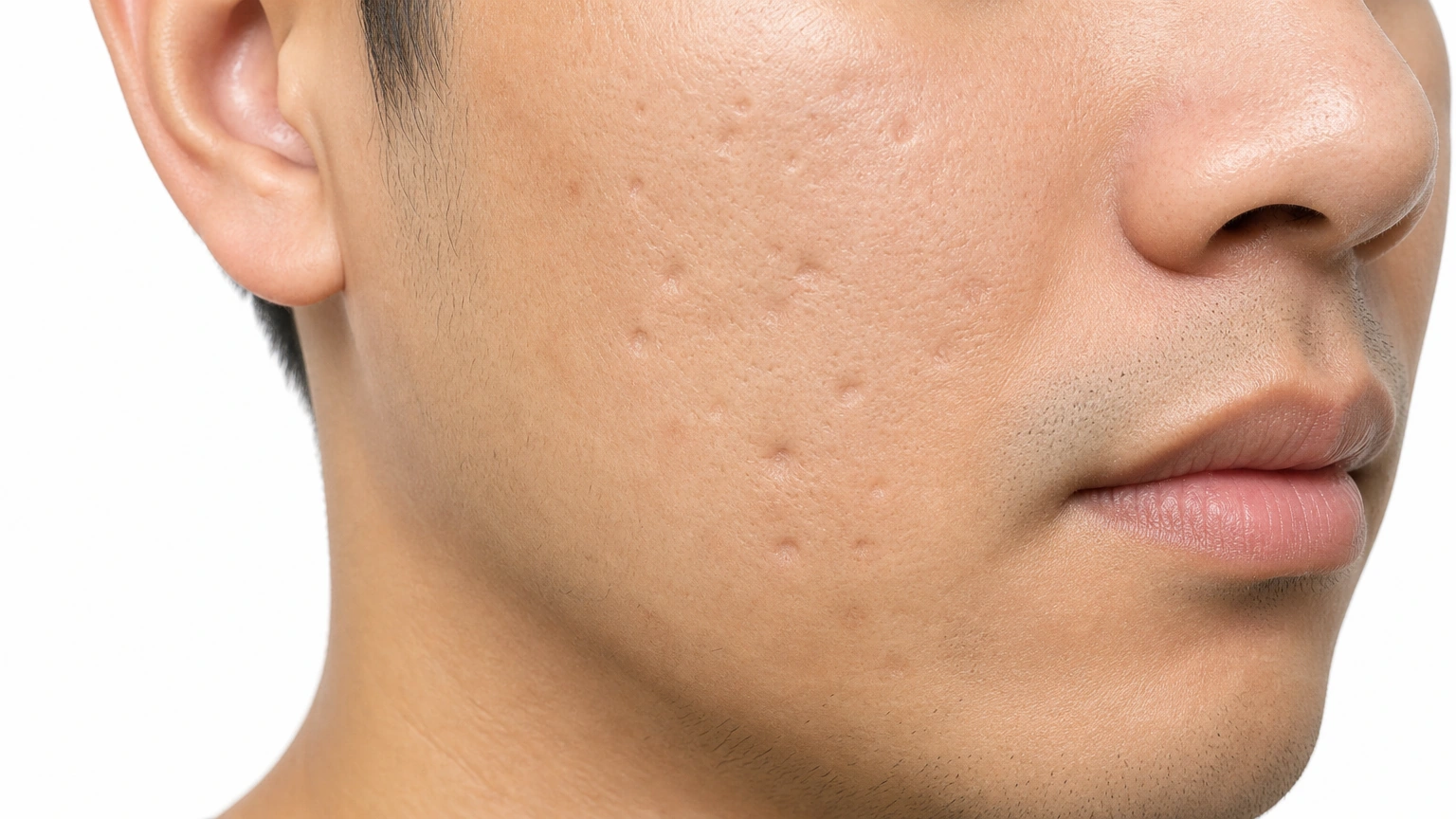
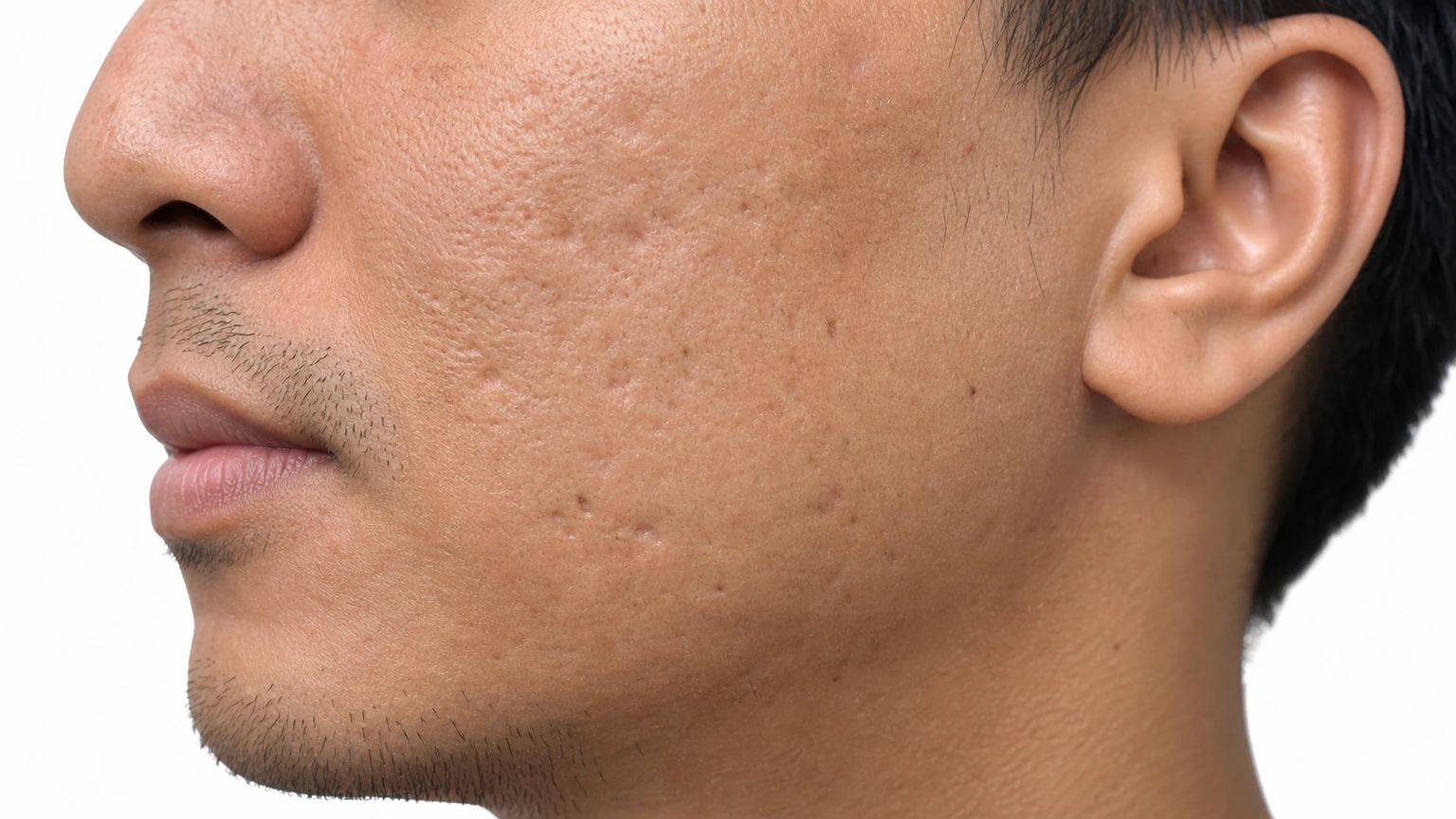
A cheek with multiple small pits and broader shallow indentations.

Atrophic Scars Shallow depressions create an uneven surface across the cheek.

Hypertrophic Scars

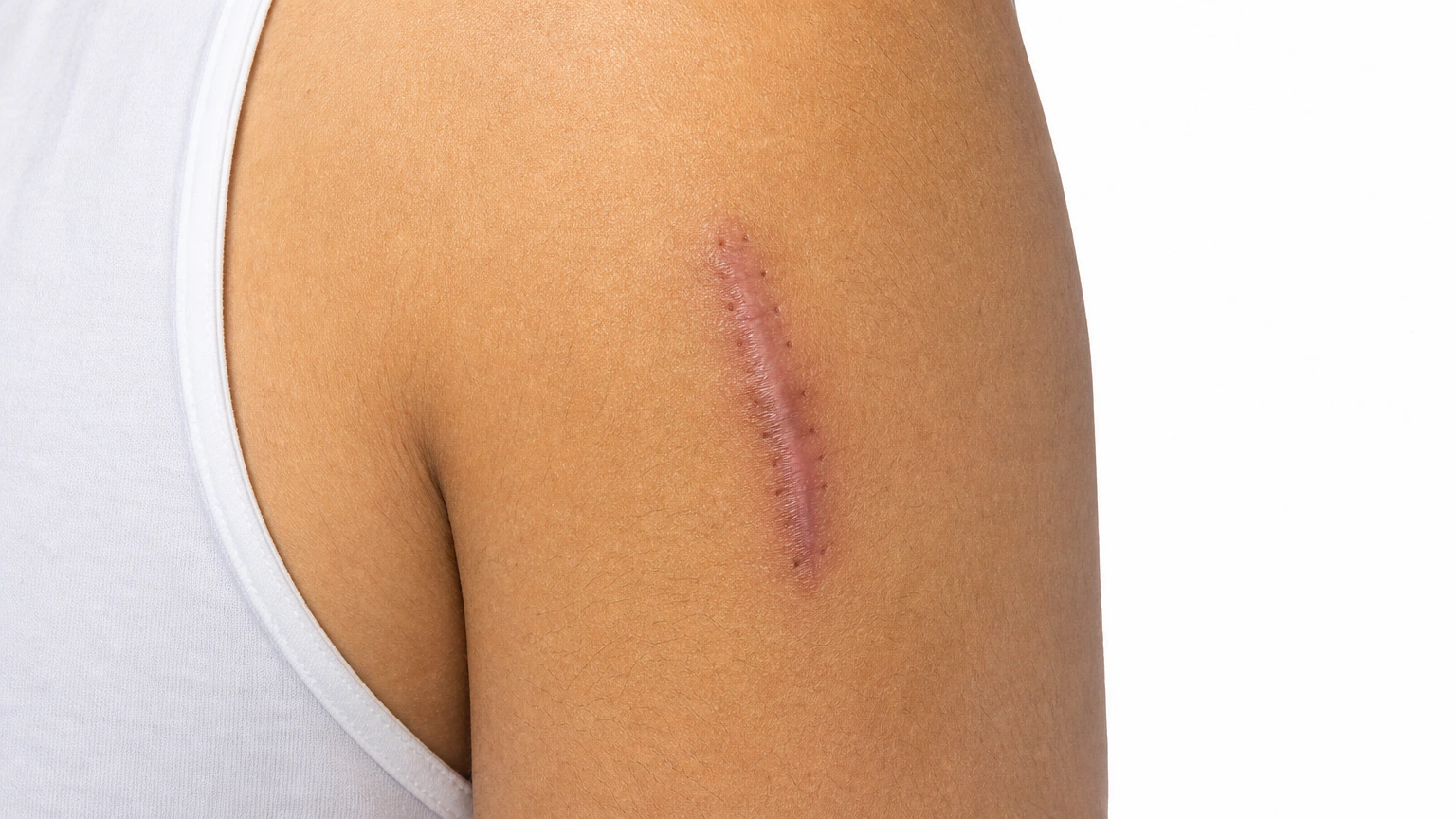
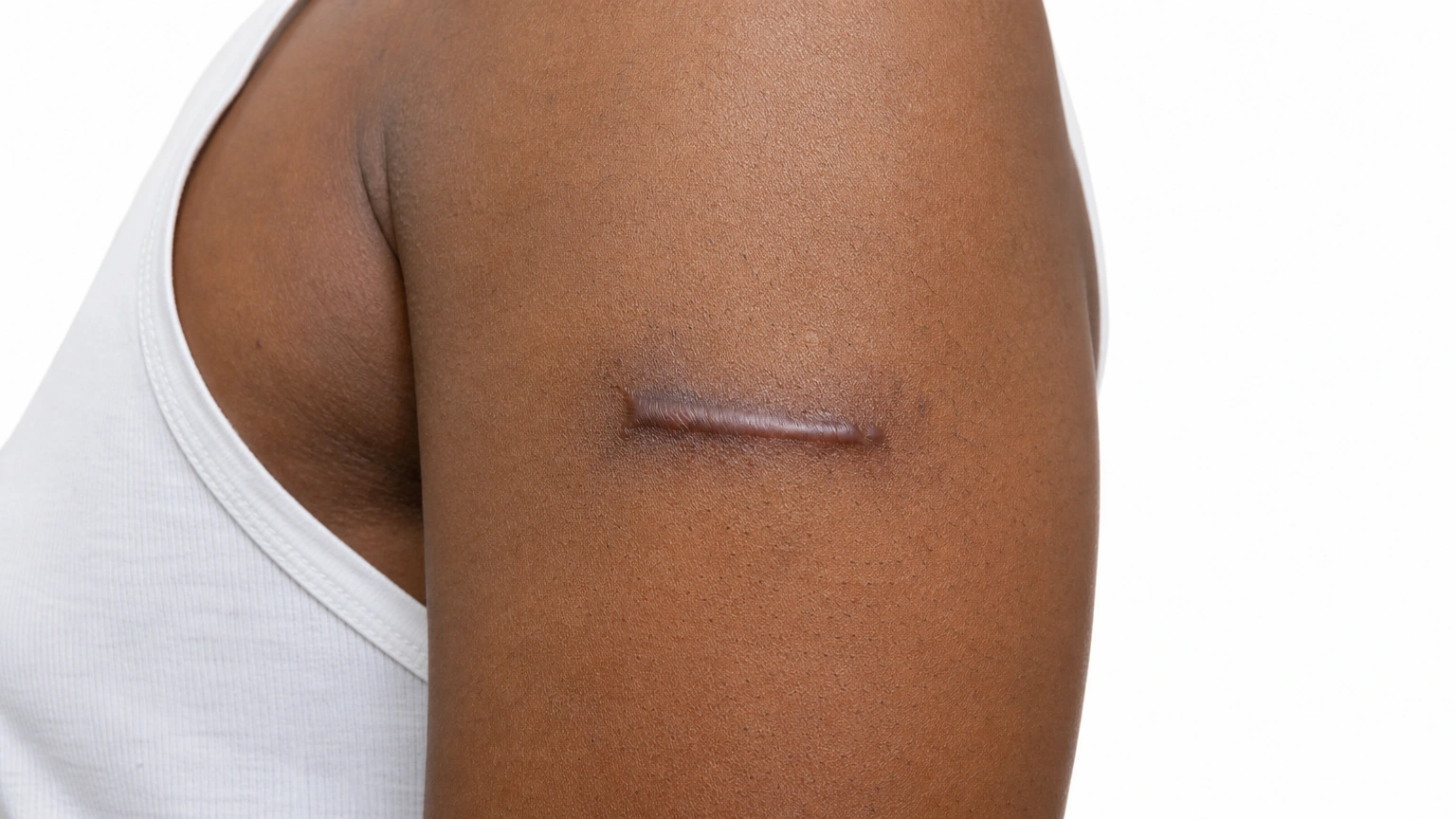
A shoulder with a short raised pink scar and small marks along its edges.

Hypertrophic Scars A narrow pink ridge follows the line of the healed wound.
Skin tones
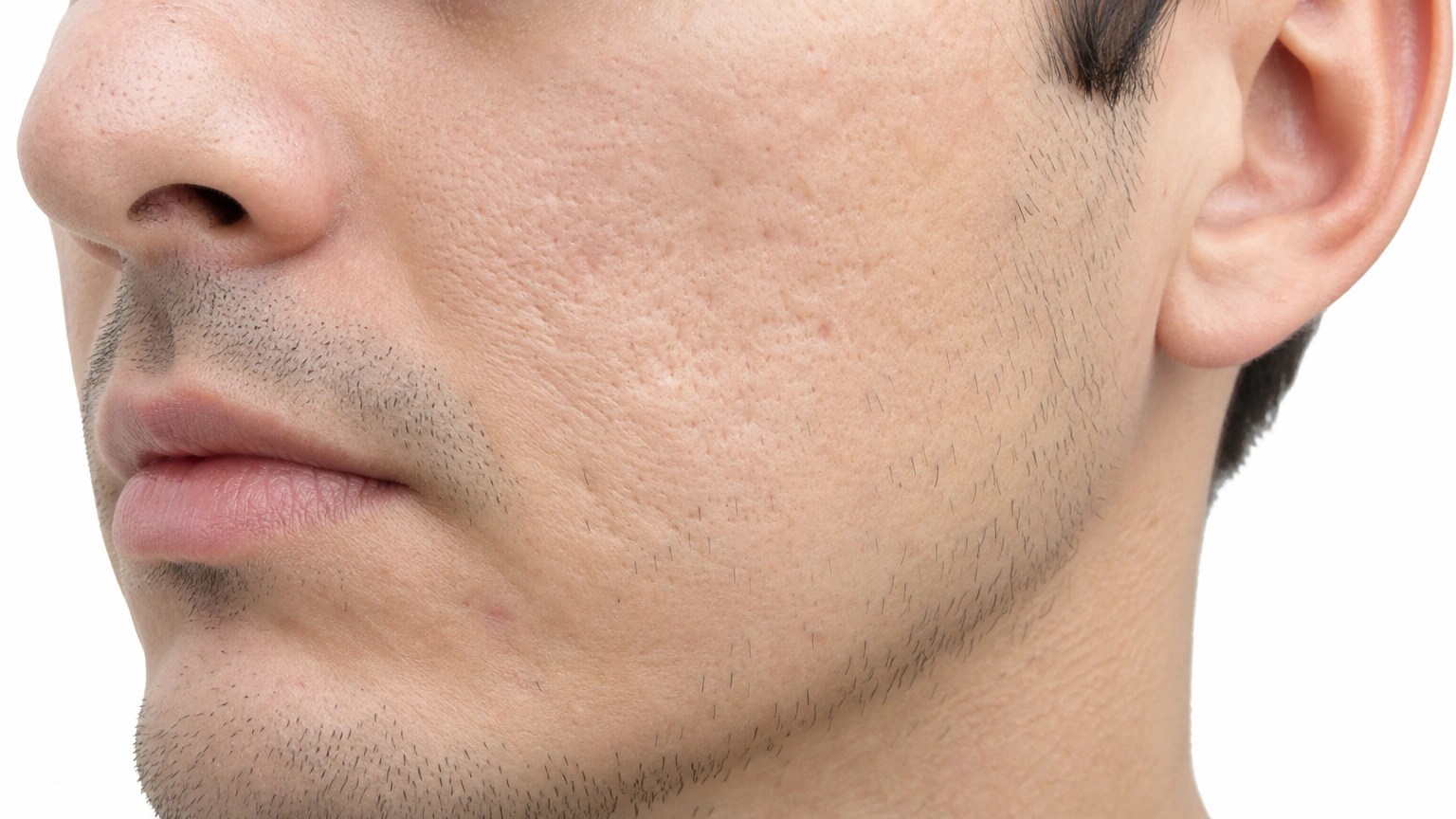
healed indented acne scars on the left cheek, in a view turned to the person’s right on light skin.
healed indented acne scars on the left cheek, in a view turned to the person’s right on medium skin.
healed indented acne scars on the left cheek, in a view turned to the person’s right on brown skin.
healed indented acne scars on the left cheek, in a view turned to the person’s right on deep skin.
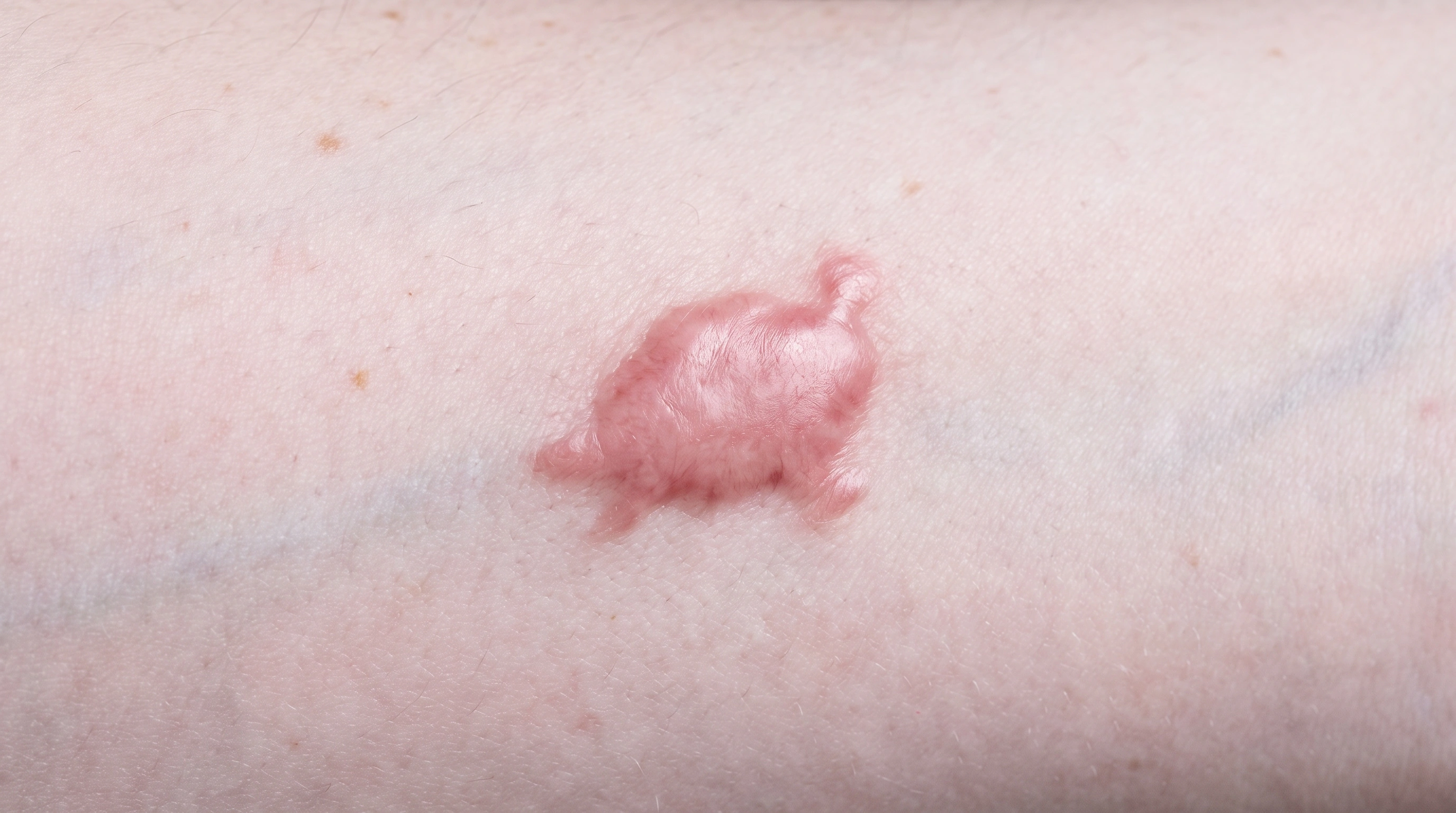
Adult shoulder with a firm pink raised linear healed scar confined to the original wound boundary, no open wound.
Hypertrophic Scars on medium skin.
Hypertrophic Scars on brown skin.
Hypertrophic Scars on deep skin.
In the skin

Inflammation or injury damages tissue in the dermis. Healing leaves too little structural support, allowing the skin surface to form a depression.

Healing produces excess collagen and a raised scar. Unlike a keloid, the thickening stays within the original wound boundary.

When it usually starts

010203040506070+

Atrophic Scars. Develops after relevant injury, inflammation or tissue change; age depends on the cause.

Hypertrophic Scars. Develops after relevant injury, inflammation or tissue change; age depends on the cause.

Causes and triggers

Causes

Healing leaves insufficient dermal support after inflammation or injury.

Excess collagen accumulates during healing, unlike a keloid which extends beyond the wound.

Risk factors
Prior skin inflammation or injury, Individual healing tendency
Trigger
● Atrophic Scars
● Hypertrophic Scars
No established short-term flare trigger
Not a typical trigger

Daily Care

Atrophic Scars
Hypertrophic Scars
Daily care

Habits that help

  • Use broad-spectrum SPF 30 or higher on healed exposed skin
    Sun protection helps limit persistent color changes around scars.
  • Keep healed skin comfortable with gentle cleansing and moisturizer
    These measures support the skin barrier but cannot reliably lift established depressions.
  • Control active acne or inflammation before elective scar procedures
    Ongoing lesions can create new scars even while older ones are being treated.
  • Use photographs in consistent light to track change
    Scars change slowly; compare over months rather than repeatedly inspecting each day.
  • Discuss scar-type assessment
    A dermatologist may combine resurfacing or focal procedures based on depth and scar shape.

Avoid

  • Avoid: Picking new spots, crusts or healing wounds
    Repeated injury increases the chance of further marks and scarring.
  • Avoid: Home needling, deep peels or cutting scar tissue
    These can worsen scarring or cause infection, especially before a wound has fully healed.

Habits that help

  • Care for the original wound until it has fully closed
    Follow the treating clinician’s dressing and infection-prevention instructions.
  • Protect healed exposed scars from sunlight
    Broad-spectrum sunscreen and clothing help limit persistent color changes.
  • Use moisturizer on healed skin if it feels dry or itchy
    Do not massage an open or fragile wound.
  • Use silicone or pressure treatment only as advised on healed skin
    The choice depends on the scar and should not interfere with wound healing.
  • Seek review if the scar limits movement or keeps growing
    Pain, troublesome itch or functional problems may need additional treatment.

Avoid

  • Avoid: Repeated friction, picking and excess tension across the scar
    Ongoing injury can maintain irritation and thickening.

Treatment differences

Evidence labels come from each condition’s own treatment list.

Treatment
● Atrophic Scars
● Hypertrophic Scars
Treatment approach

Treatment is optional and depends on scar depth and shape. A dermatologist may combine resurfacing or focal procedures; the goal is improvement rather than complete removal.

—
Over-the-counter
None listed
Silicone gel or sheets

Silicone gel or sheets

Listed

May help a healed raised scar; do not place over an open wound.

Injections
None listed

Intralesional corticosteroid

Listed

Can reduce selected raised scars under clinician supervision; thinning and pigment change are possible.

Outlook

Long term

Depressed scars generally persist, although their appearance may soften over time. Procedures can improve selected scars, but complete removal is unlikely and results depend on scar type.

Raised scars often soften and flatten over months to years, although some remain noticeable. Treatment may improve symptoms and appearance, but the response and need for repeat treatment vary.

Complications

Possible complications

Scars can affect confidence; symptoms and treatment options depend on scar type.

Scars can affect confidence; symptoms and treatment options depend on scar type.

When to get help

When to get help

Have a new growing, bleeding or ulcerated scar-like lesion examined before cosmetic treatment.

Have a new growing, bleeding or ulcerated scar-like lesion examined before cosmetic treatment.

Common questions

Atrophic Scars:What is Atrophic Scars?

Depressed scars caused by loss or altered organisation of supporting tissue.

Atrophic Scars:What can I do day to day?

Protect from sun, avoid picking and control active inflammation before elective scar procedures.

Atrophic Scars:When should I get medical advice?

Have a new growing, bleeding or ulcerated scar-like lesion examined before cosmetic treatment.

Hypertrophic Scars:What is Hypertrophic Scars?

Raised scars that stay within the boundary of the original wound.

Hypertrophic Scars:What can I do day to day?

Protect from sun, avoid picking and control active inflammation before elective scar procedures.

Hypertrophic Scars:When should I get medical advice?

Have a new growing, bleeding or ulcerated scar-like lesion examined before cosmetic treatment.

Sources
Sources and further reading

  1. Acne scarring
  2. Keloid and hypertrophic scar
Dermapedia on YouTube