Rolling Scars vs Enlarged Pores

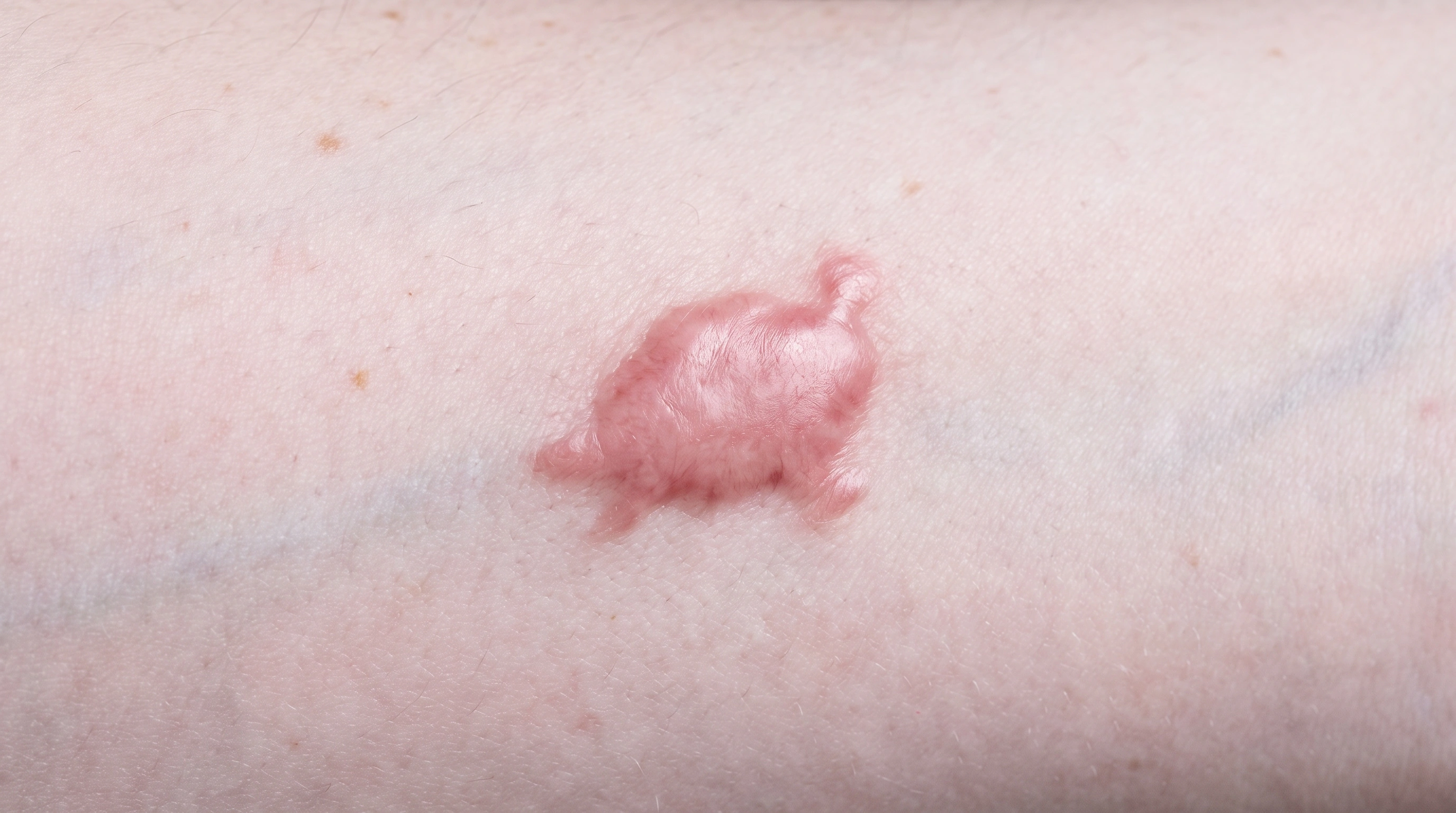
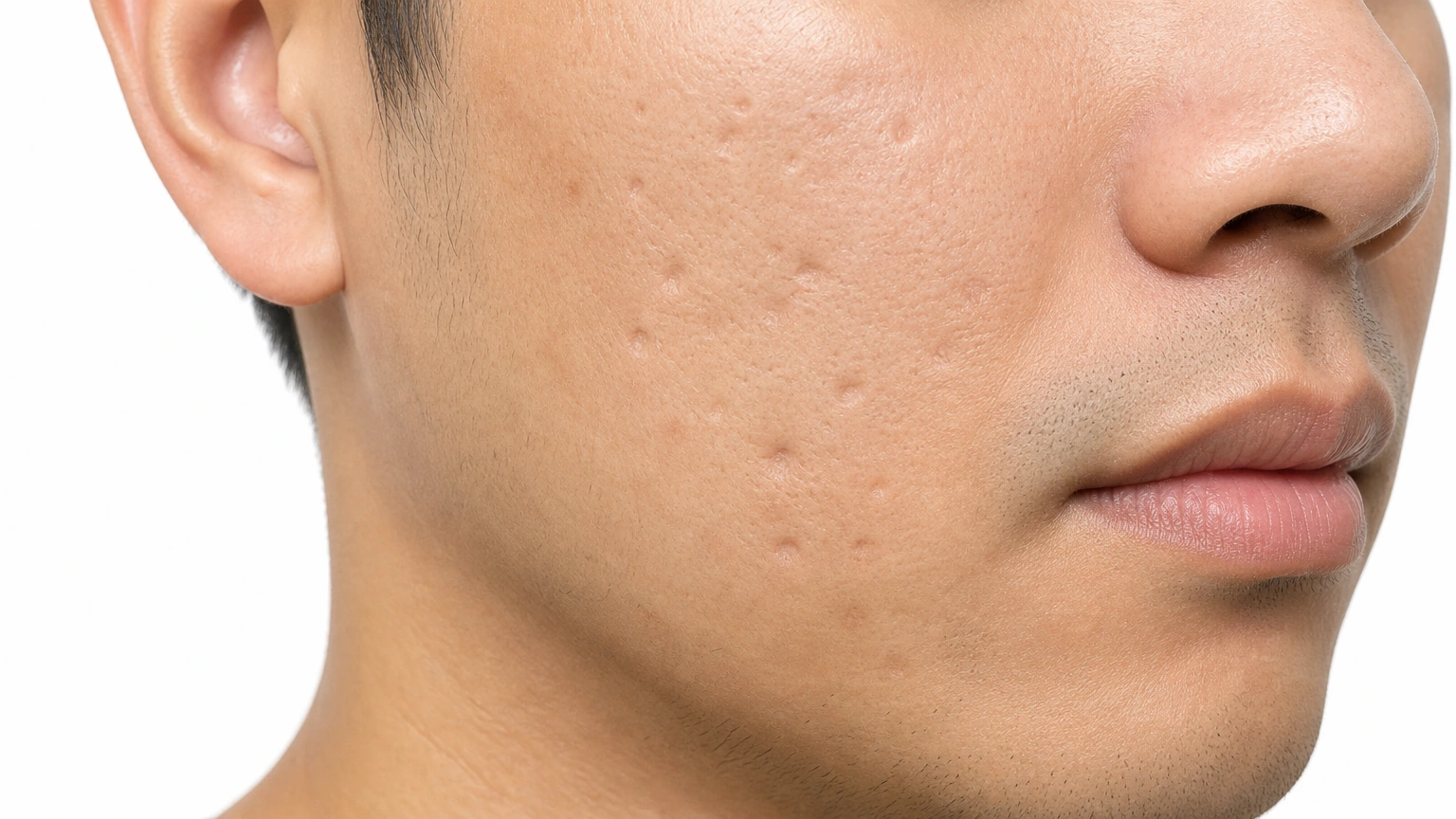
Broad depressed scars producing an undulating skin surface. Visible follicular openings that appear larger because of oil, anatomy or reduced surrounding support.
Research updated 2026-10-23
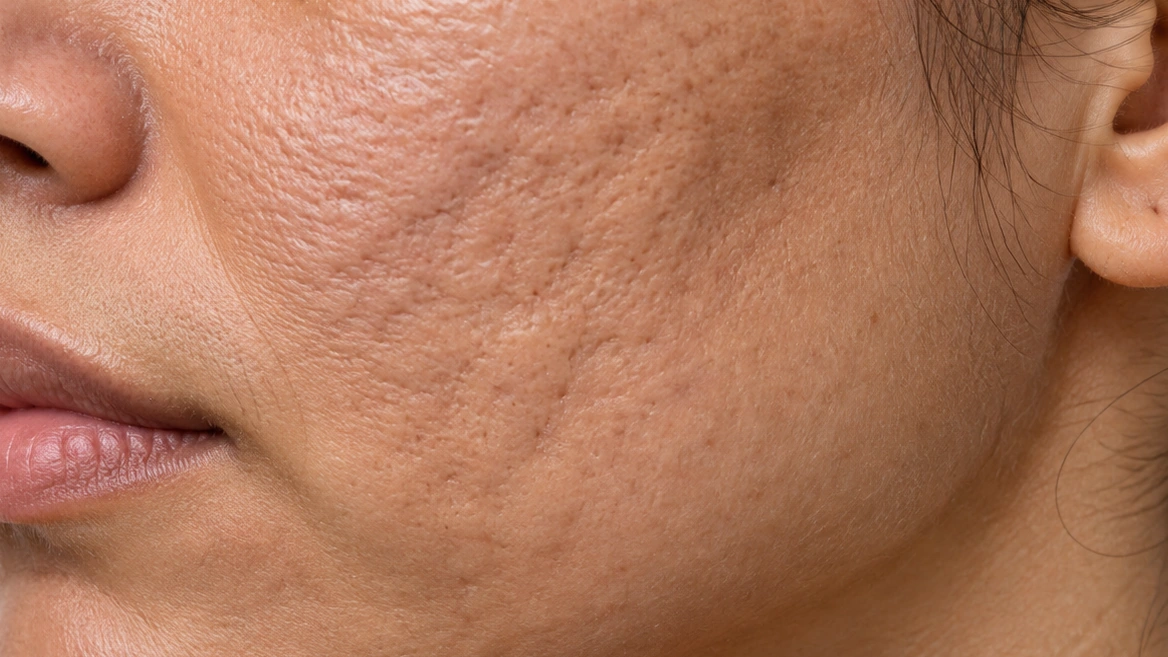
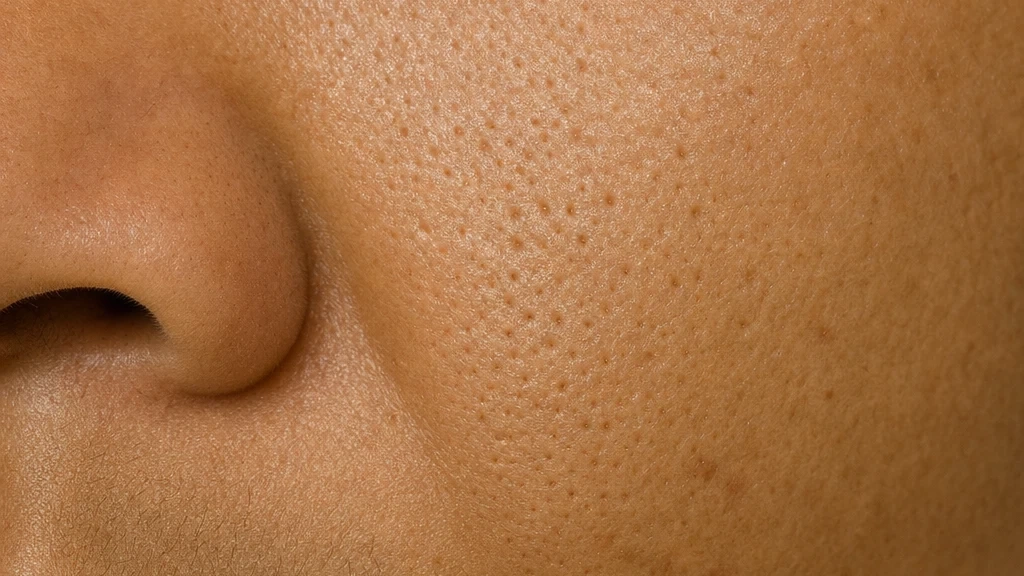
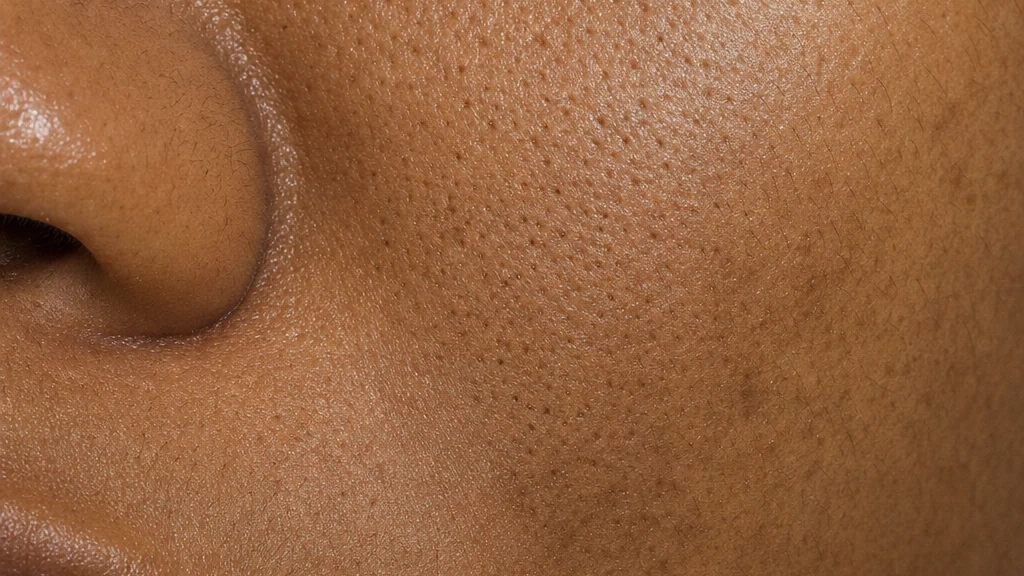
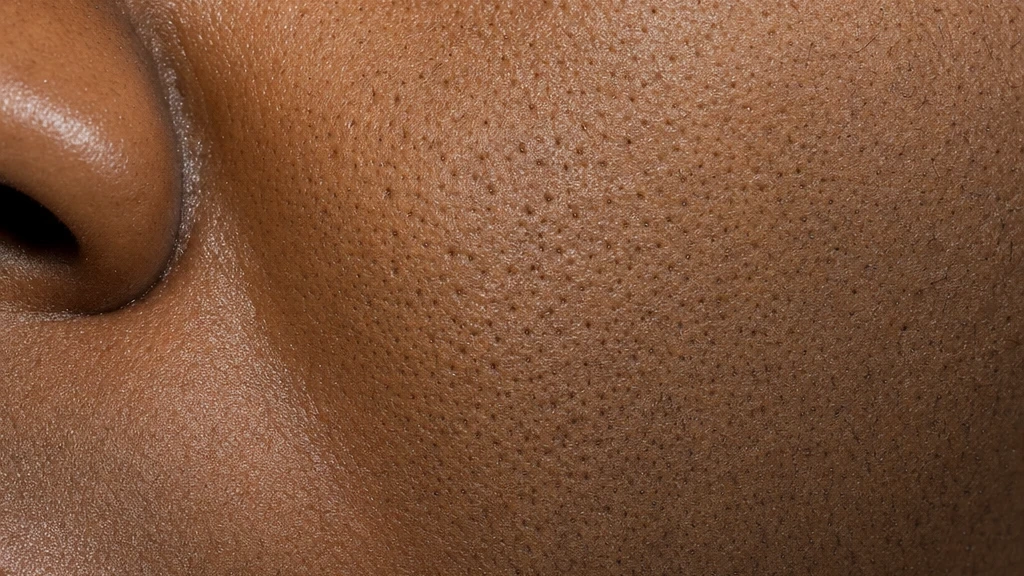
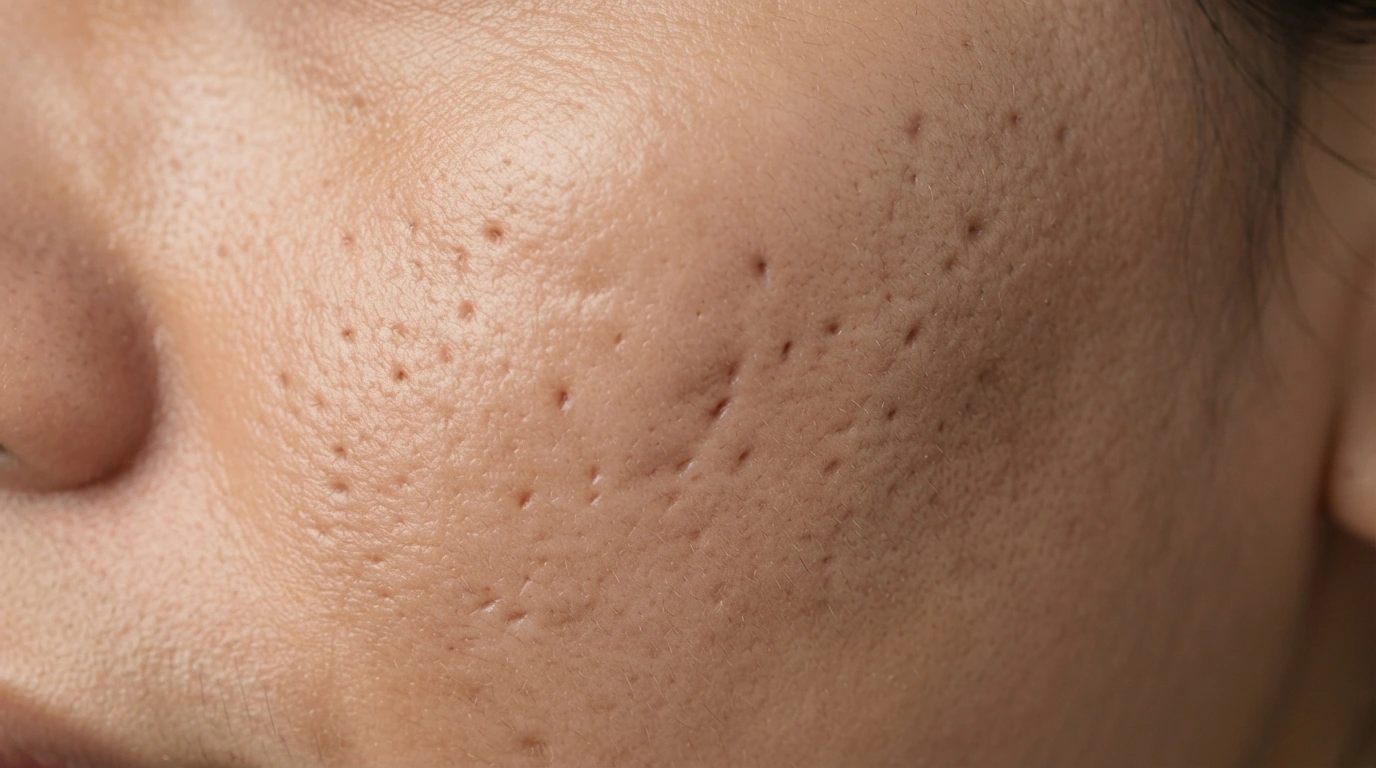
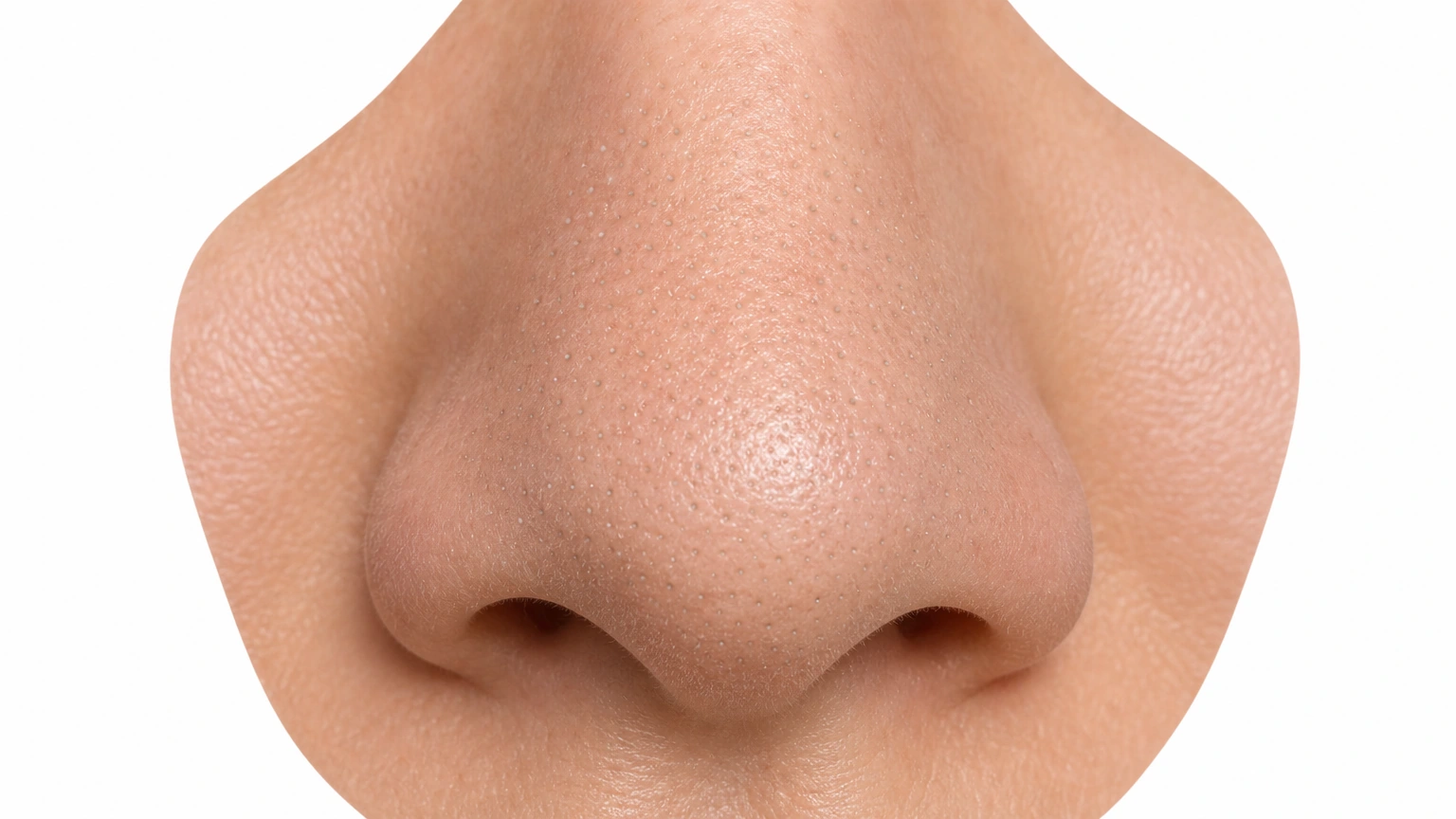
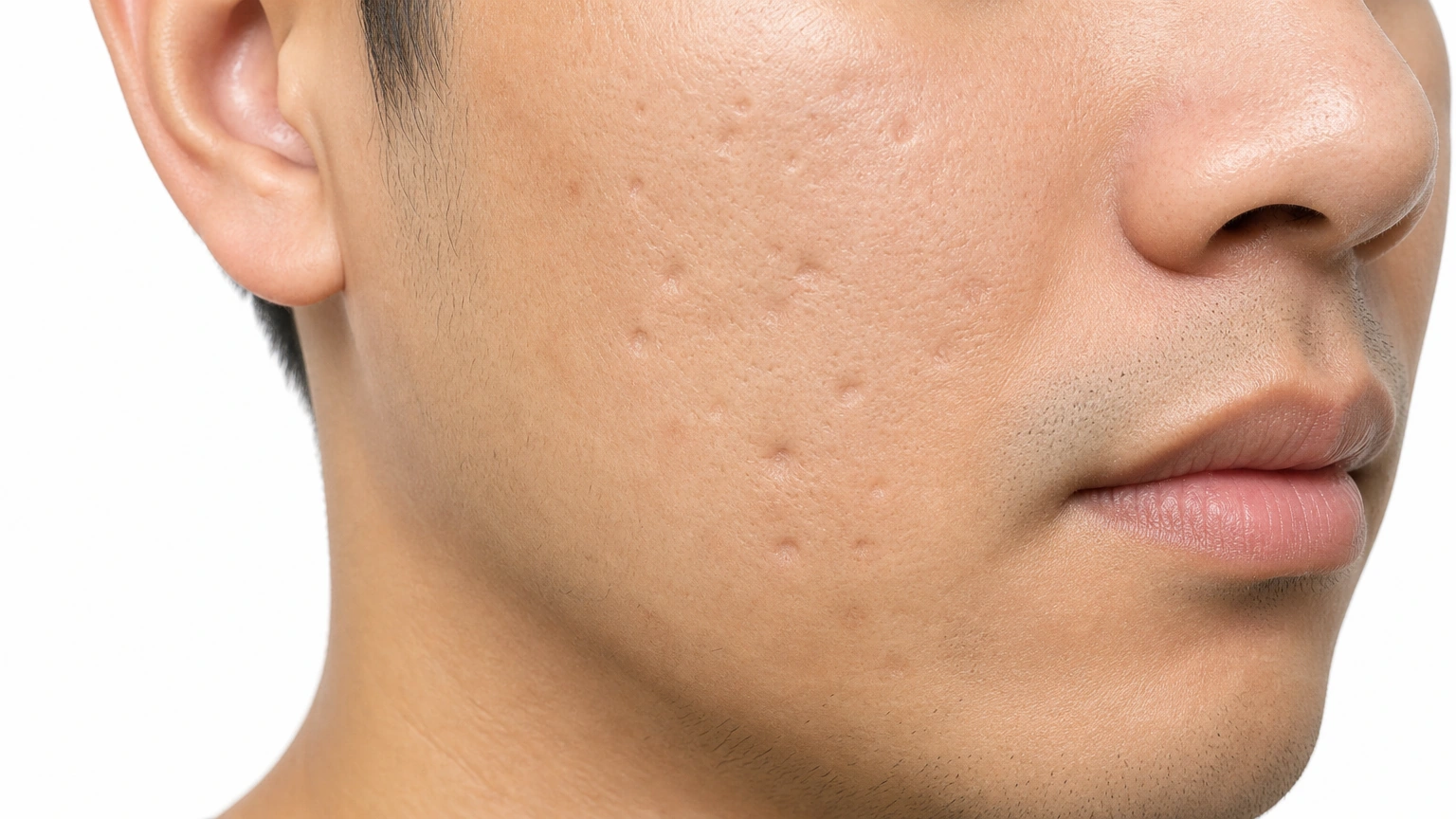
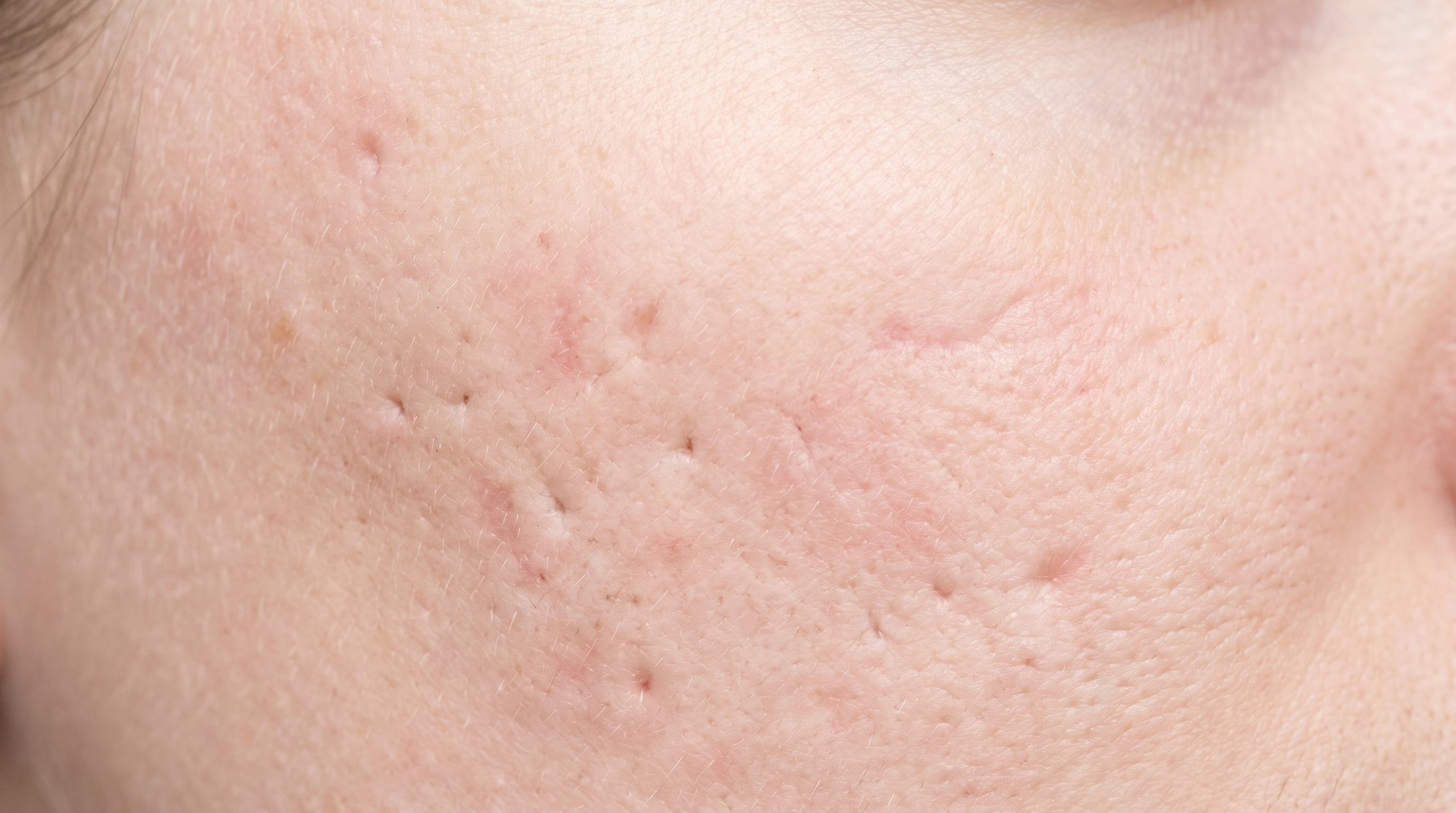
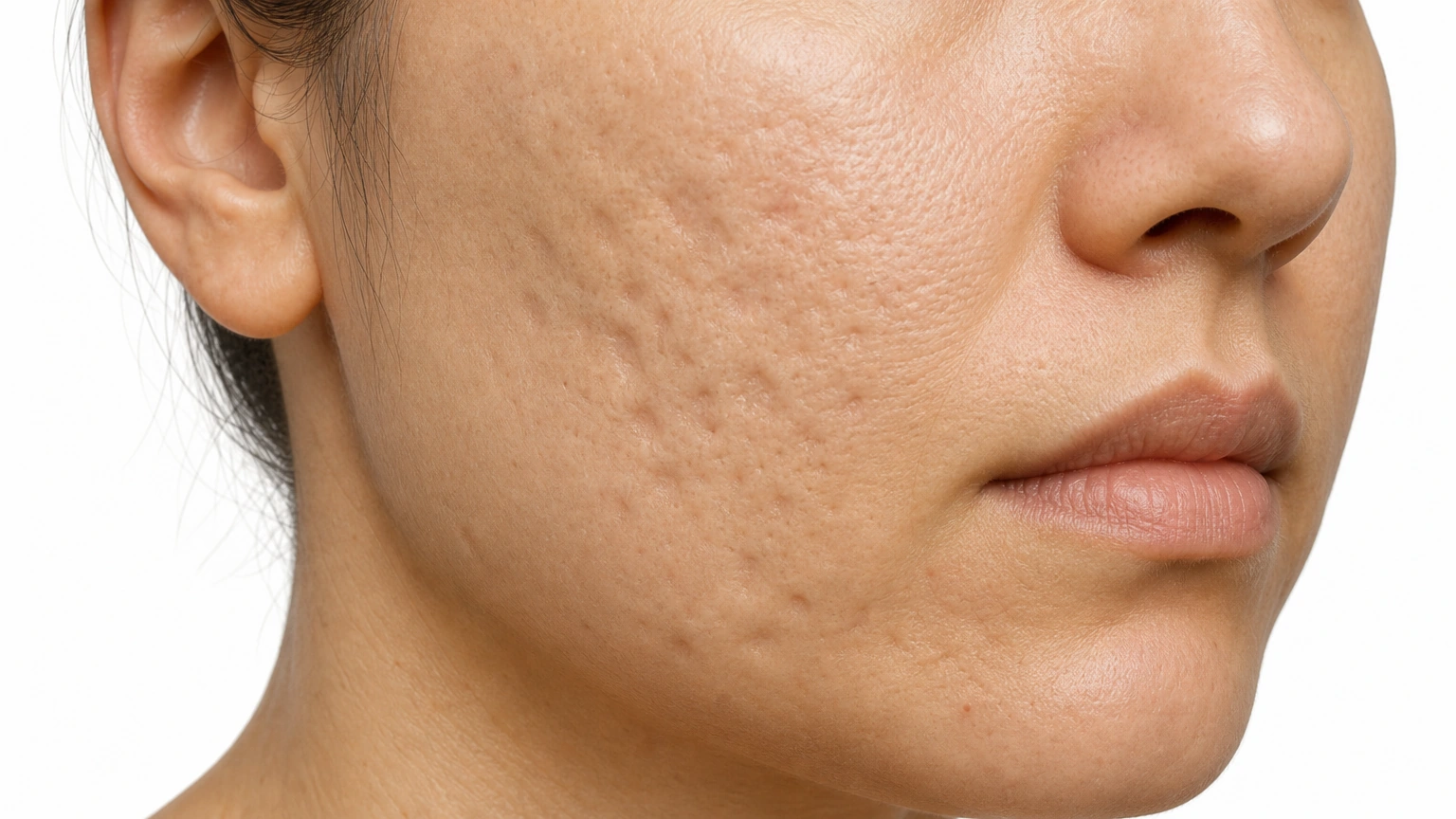
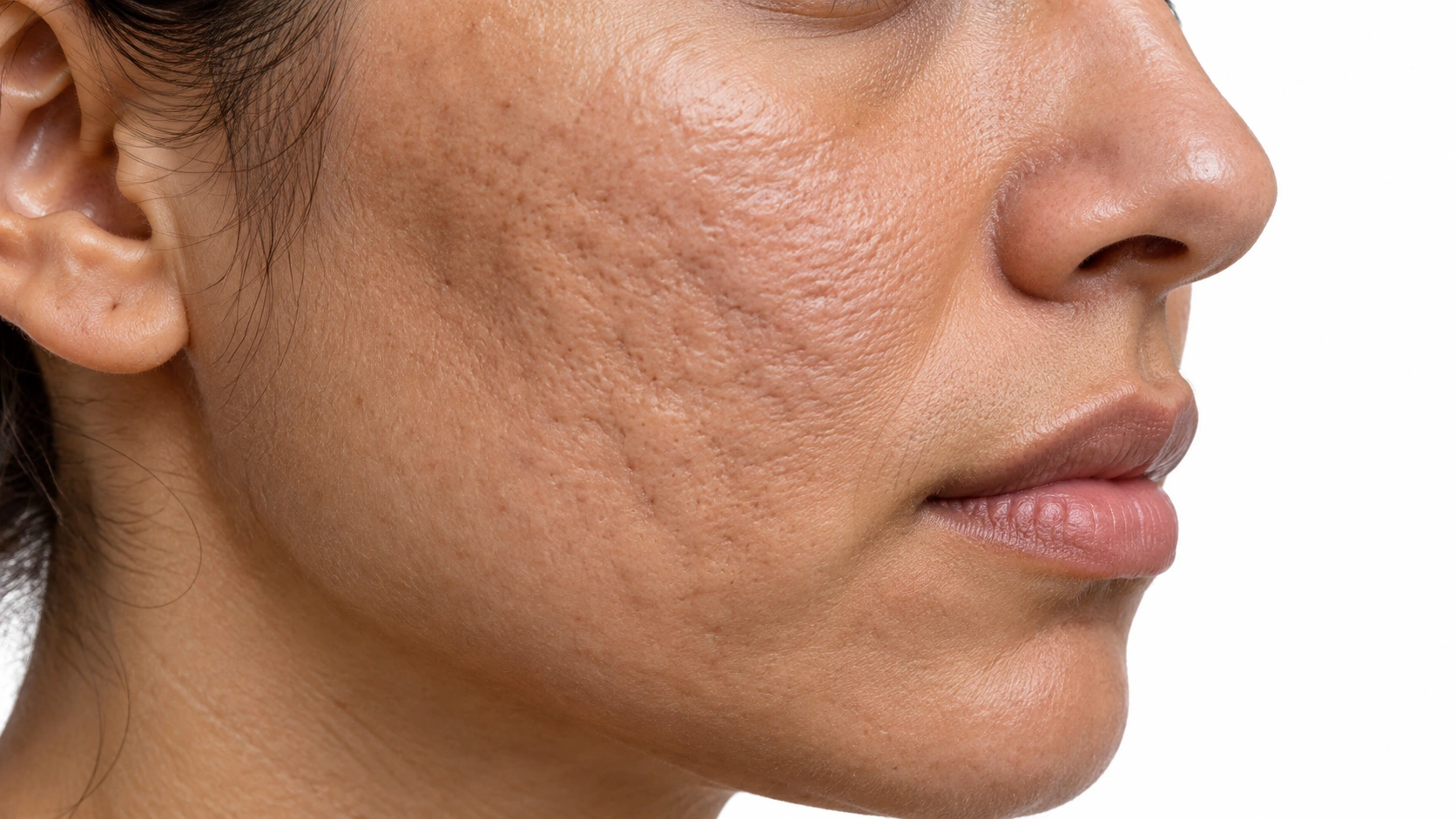
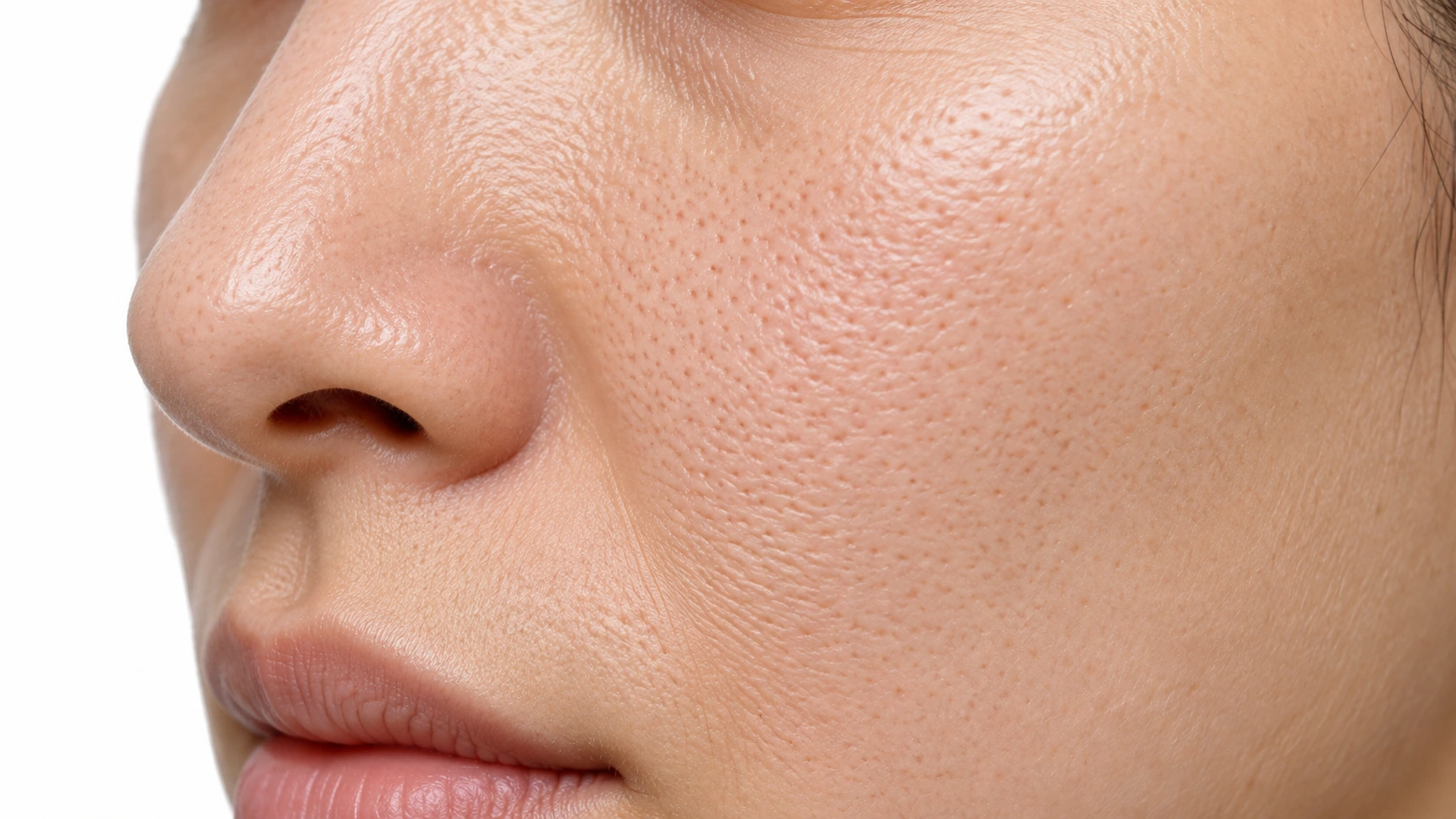
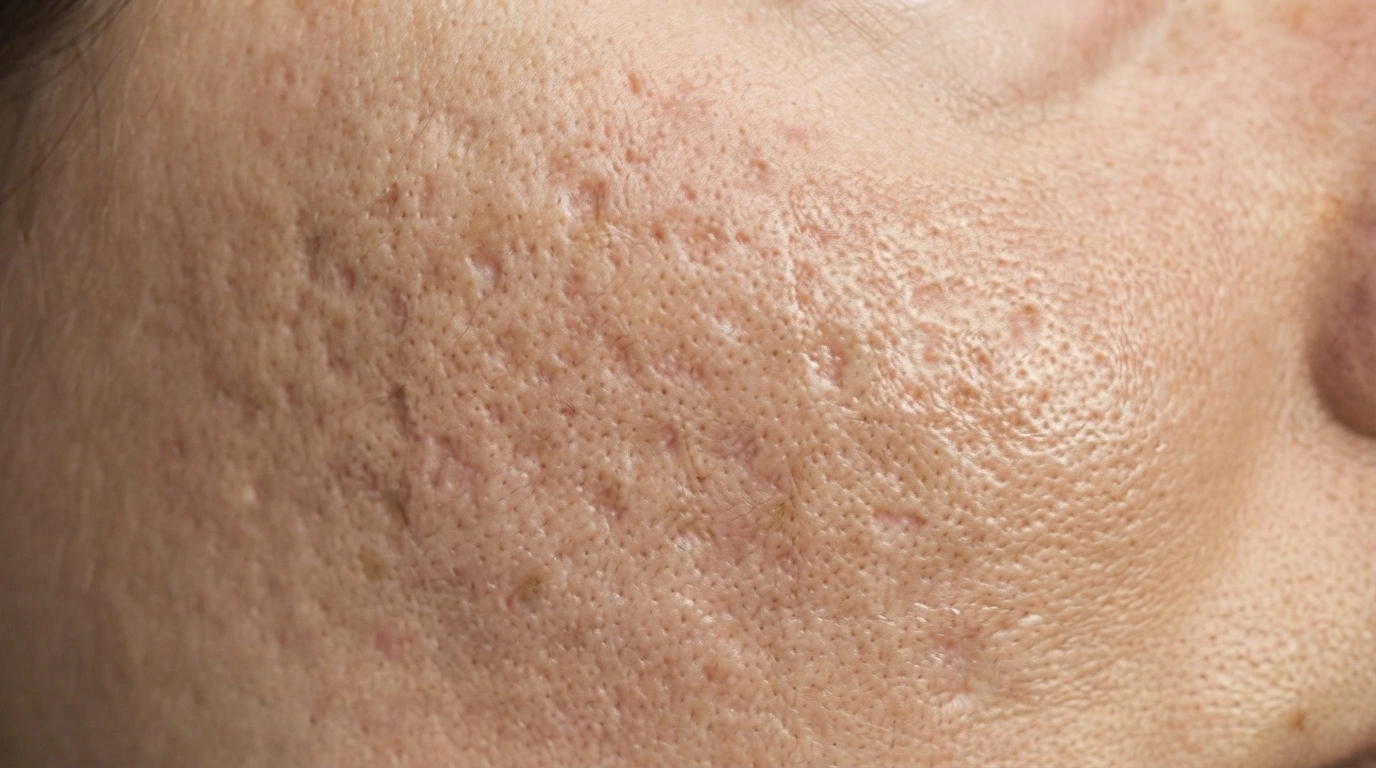
AI-generated educational illustration of Rolling Scars: 1. Rolling Scars — Card Image. Not a clinical photograph.AI-generated representative illustration of Enlarged Pores. Not a clinical photograph.

Key differences

The same eight facts on every condition comparison.

Usual age
After teen acne
After puberty
Where
Cheeks
Nose, forehead, cheeks
Main sign
Broad wavy dips
Visible pore openings
Itch or pain
Neither
No
Contagious
No
No
Long term
Permanent without treatment
Can look smaller, can't be closed
Scars
Yes
No
Who gets it
People who had inflamed acne
Oily skin, ageing

What is it?

Rolling Scars
Enlarged Pores
What is it?
  • What it is
    Broad depressed scars producing an undulating skin surface.
  • What it is
    Visible follicular openings that appear larger because of oil, anatomy or reduced surrounding support.

What it looks like

Rolling Scars

A cheek with broad shallow scars and an undulating texture.

Rolling Scars Soft-edged indentations create a gently rippled skin surface.

Enlarged Pores

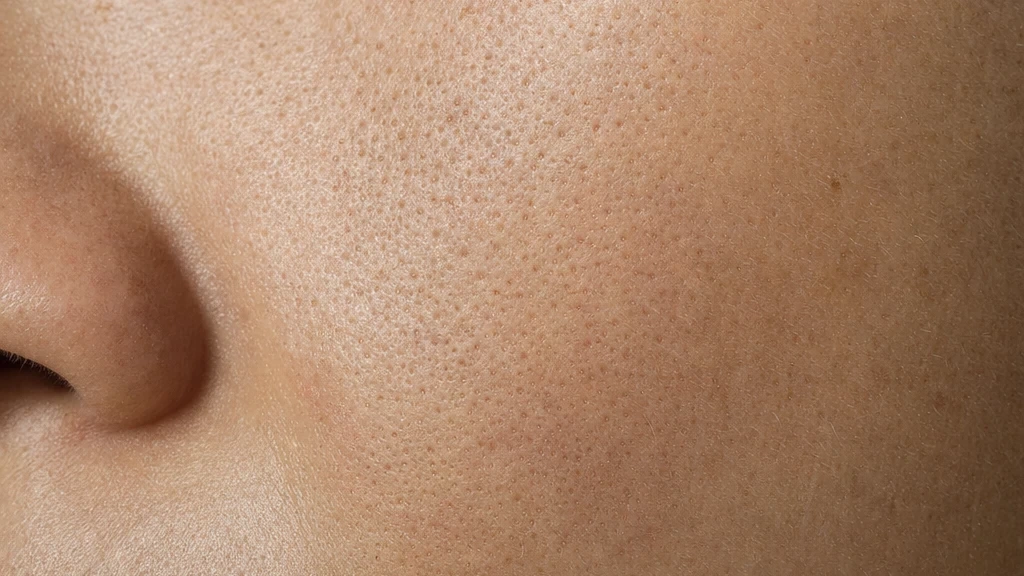
A close-up of the nose and cheek with prominent round pore openings.

Enlarged Pores Closely spaced pores give the cheek a textured appearance.
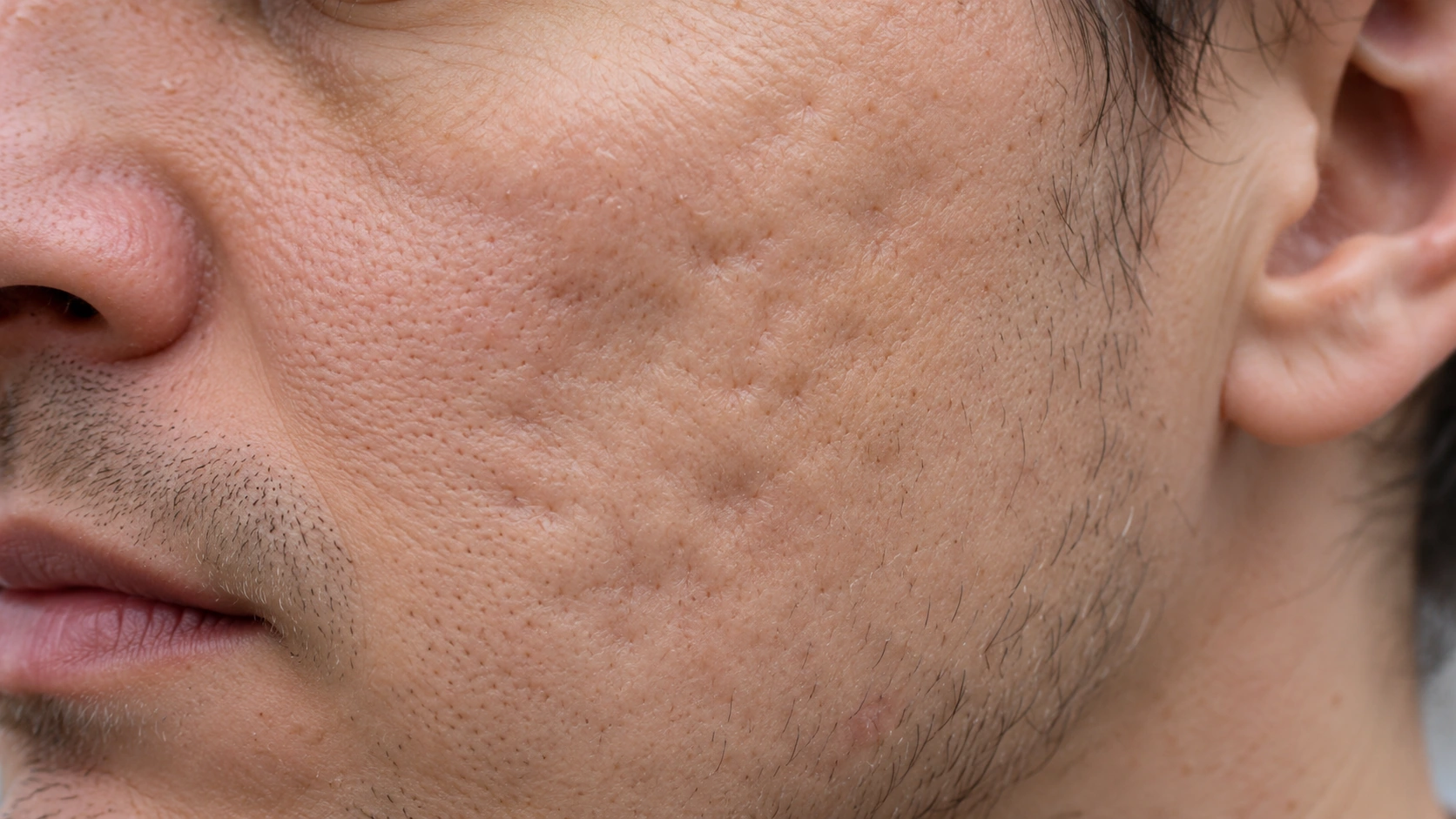
Skin tones
Rolling Scars.
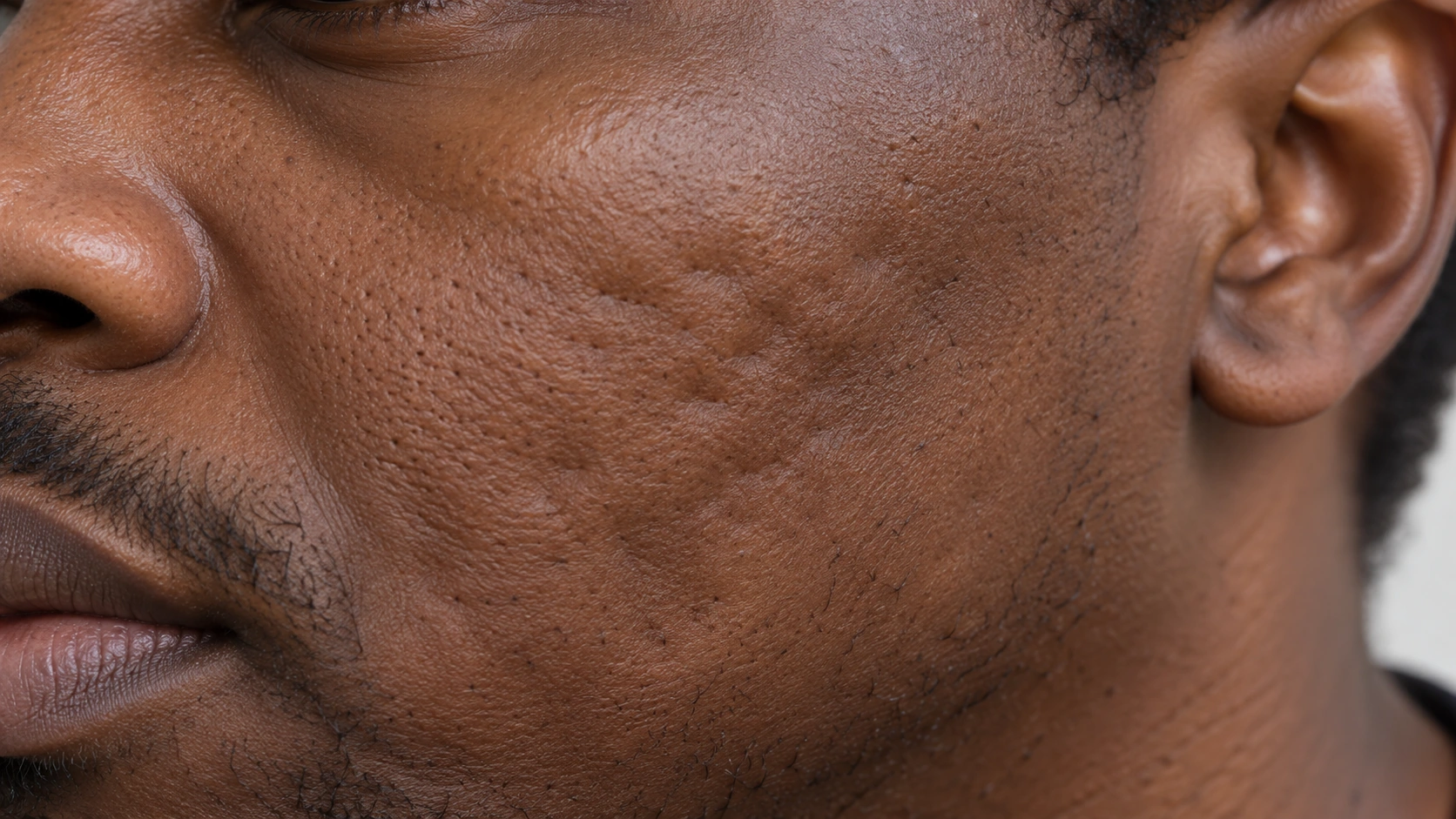
Rolling Scars on medium skin.
Rolling Scars.
Rolling Scars.
Enlarged Pores on light skin.
Enlarged Pores on medium skin.
Enlarged Pores on brown skin.
Enlarged Pores on deep skin.
In the skin

Fibrous attachments form between the skin and deeper tissue during healing. These tethers pull parts of the surface downward, producing broad, uneven depressions.

Follicle size, sebum and the elasticity of surrounding skin affect how large pores look. Aging and sun-related changes can make the openings more noticeable.

When it usually starts

010203040506070+

Rolling Scars. Develops after relevant injury, inflammation or tissue change; age depends on the cause.

Enlarged Pores. Often becomes more apparent after puberty.

Causes and triggers

Causes

Fibrous attachments can tether the skin to deeper tissue.

Sebum, follicle size, ageing and sun-related loss of elasticity can contribute.

Risk factors
Prior skin inflammation or injury, Individual healing tendency
Oil production, Family tendency, Hormone-related changes
Trigger
● Rolling Scars
● Enlarged Pores
No established short-term flare trigger
Not a typical trigger
Not listed
Pore-clogging products
Not listed
Can contribute

Daily Care

Rolling Scars
Enlarged Pores
Daily care

Habits that help

  • Use broad-spectrum SPF 30 or higher on healed exposed skin
    Sun protection helps limit persistent color changes around scars.
  • Keep healed skin comfortable with gentle cleansing and moisturizer
    These measures support the skin barrier but cannot reliably lift established depressions.
  • Control active acne or inflammation before elective scar procedures
    Ongoing lesions can create new scars even while older ones are being treated.
  • Use photographs in consistent light to track change
    Scars change slowly; compare over months rather than repeatedly inspecting each day.

Avoid

  • Avoid: Picking new spots, crusts or healing wounds
    Repeated injury increases the chance of further marks and scarring.
  • Avoid: Home needling, deep peels or cutting scar tissue
    These can worsen scarring or cause infection, especially before a wound has fully healed.

Habits that help

  • Cleanse gently up to twice daily and after sweating
    Use a mild cleanser rather than washing until skin feels tight.
  • Use a light non-comedogenic moisturizer
    Oily skin can still become dry or irritated from treatment.
  • Choose non-comedogenic broad-spectrum SPF 30 or higher
    Protect exposed skin without adding a product that clogs pores.
  • Blot excess oil gently if needed
    Press with blotting paper rather than rubbing or repeatedly washing.

Avoid

  • Avoid: Repeated squeezing, pore vacuuming or harsh pore strips
    Normal filaments refill; aggressive extraction can cause inflammation and marks.
  • Avoid: Alcohol-heavy toners and scrubs that sting
    Drying the skin aggressively does not permanently close pores.

Treatment differences

Evidence labels come from each condition’s own treatment list.

Treatment
● Rolling Scars
● Enlarged Pores
Prescription topicals
None listed

Retinoid assessment

Listed

May help acne-related pore appearance in suitable patients; avoid retinoids during pregnancy.

Outlook

Long term

Rolling scars usually persist because tissue beneath the skin tethers the surface. Selected procedures may improve contour, but a combination of approaches and realistic expectations is often needed.

Pores are normal openings and cannot be permanently closed. Their appearance can improve with management of oil, plugging or sun damage, but natural pore size remains part of skin anatomy.

Complications

Possible complications

Scars can affect confidence; symptoms and treatment options depend on scar type.

Oiliness and visible pores can coexist with acne, but are not themselves proof of disease.

When to get help

When to get help

Have a new growing, bleeding or ulcerated scar-like lesion examined before cosmetic treatment.

Seek advice for painful acne or a new isolated lesion rather than treating it as a normal pore.

Common questions

Rolling Scars:What is Rolling Scars?

Broad depressed scars producing an undulating skin surface.

Rolling Scars:What can I do day to day?

Protect from sun, avoid picking and control active inflammation before elective scar procedures.

Rolling Scars:When should I get medical advice?

Have a new growing, bleeding or ulcerated scar-like lesion examined before cosmetic treatment.

Enlarged Pores:What is Enlarged Pores?

Visible follicular openings that appear larger because of oil, anatomy or reduced surrounding support.

Enlarged Pores:What can I do day to day?

Clean gently, avoid squeezing and use non-comedogenic moisturizer and sunscreen.

Enlarged Pores:When should I get medical advice?

Seek advice for painful acne or a new isolated lesion rather than treating it as a normal pore.

Sources
Sources and further reading

  1. Acne scarring
  2. Enlarged pores
Dermapedia on YouTube