Plain petrolatum barrier
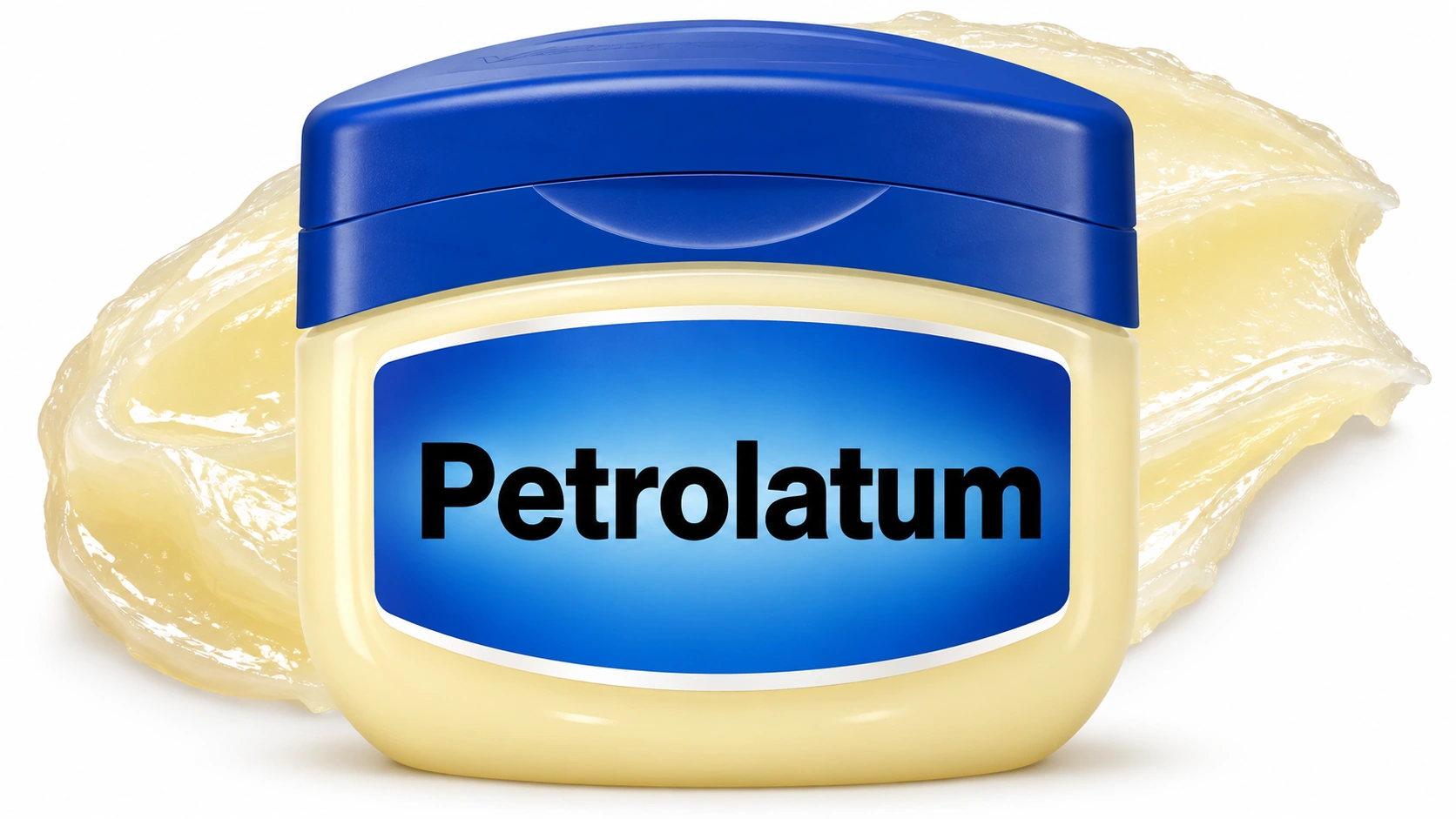
ListedProtects against saliva and repeated wetting.
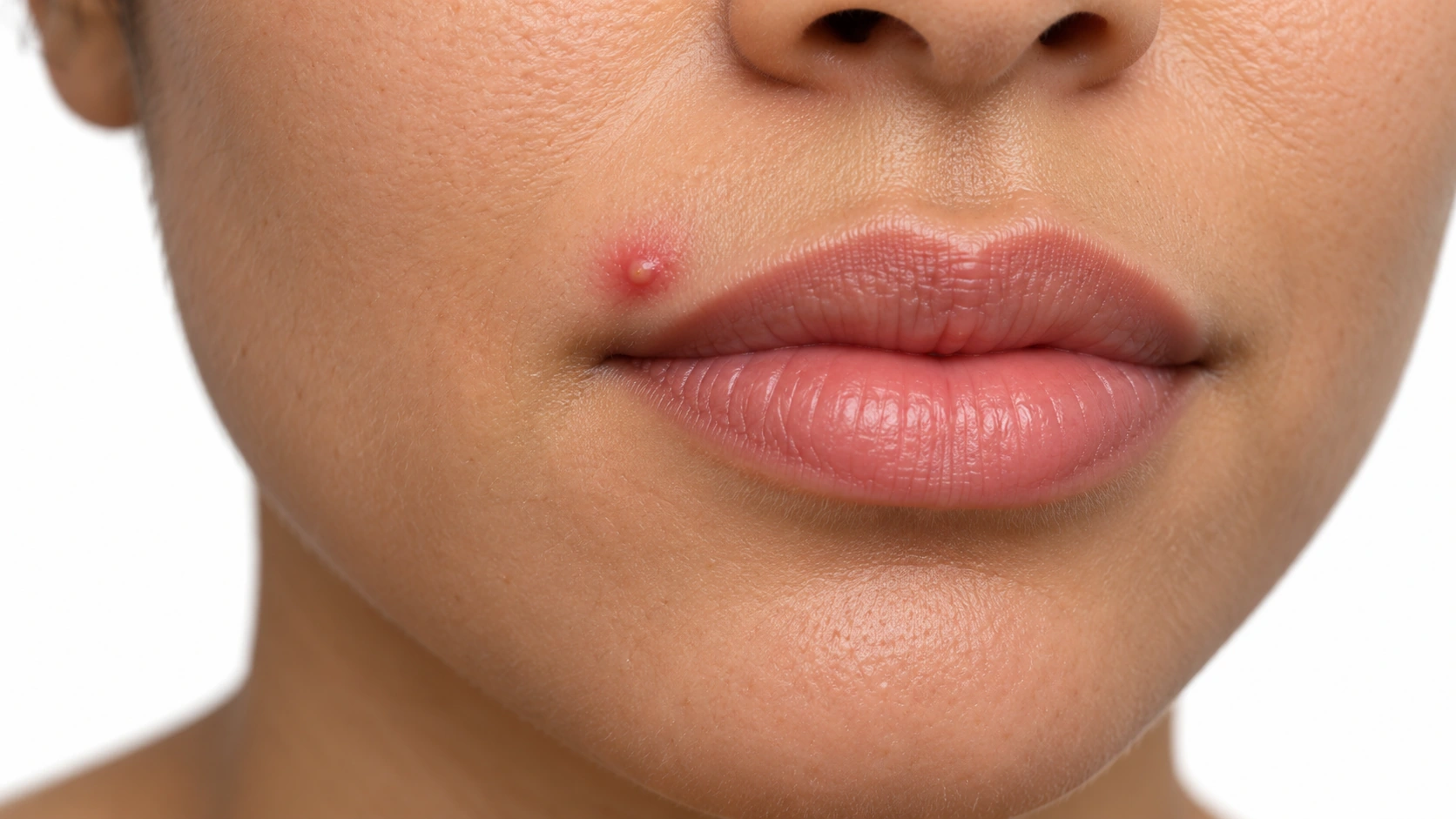
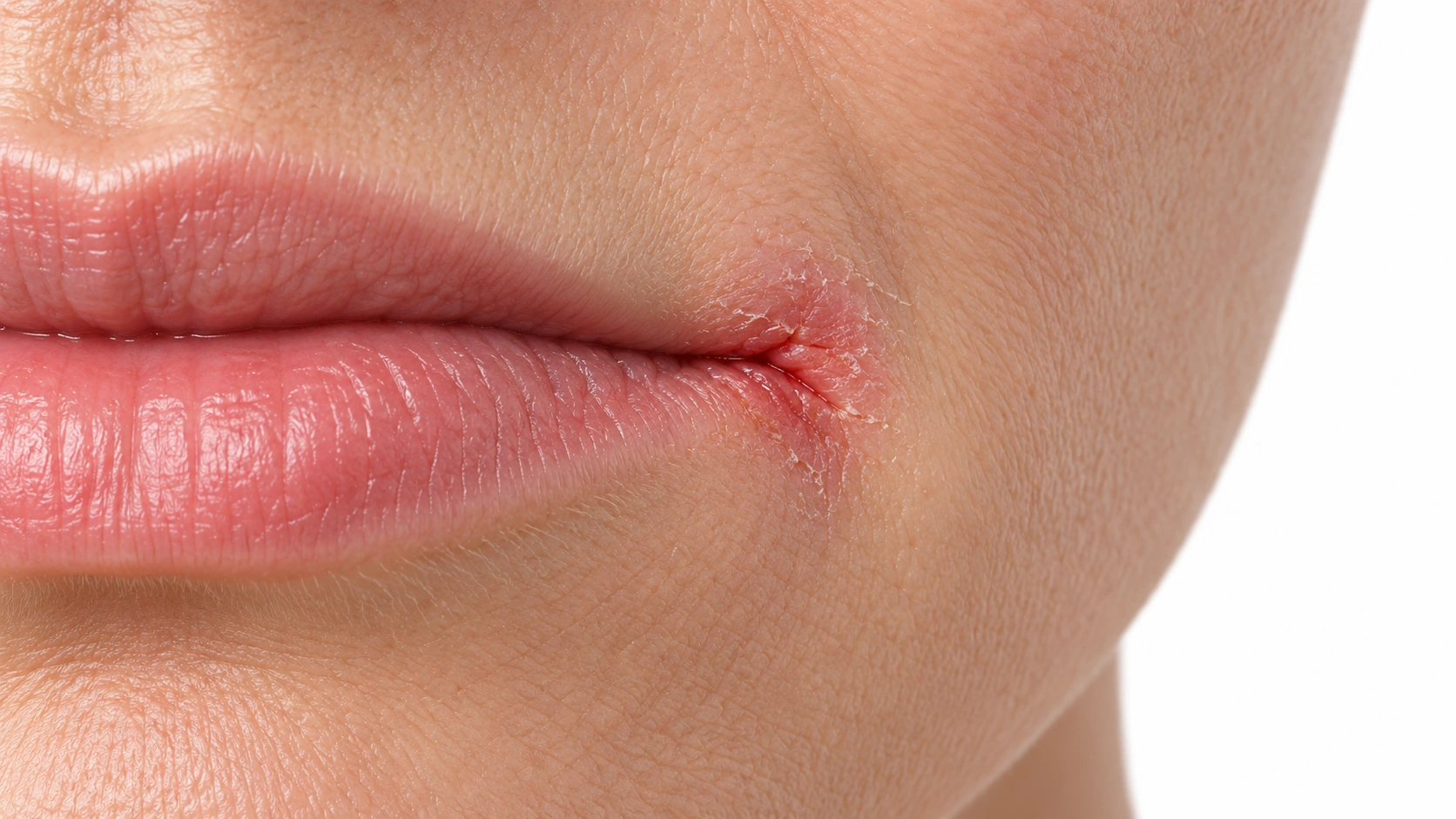
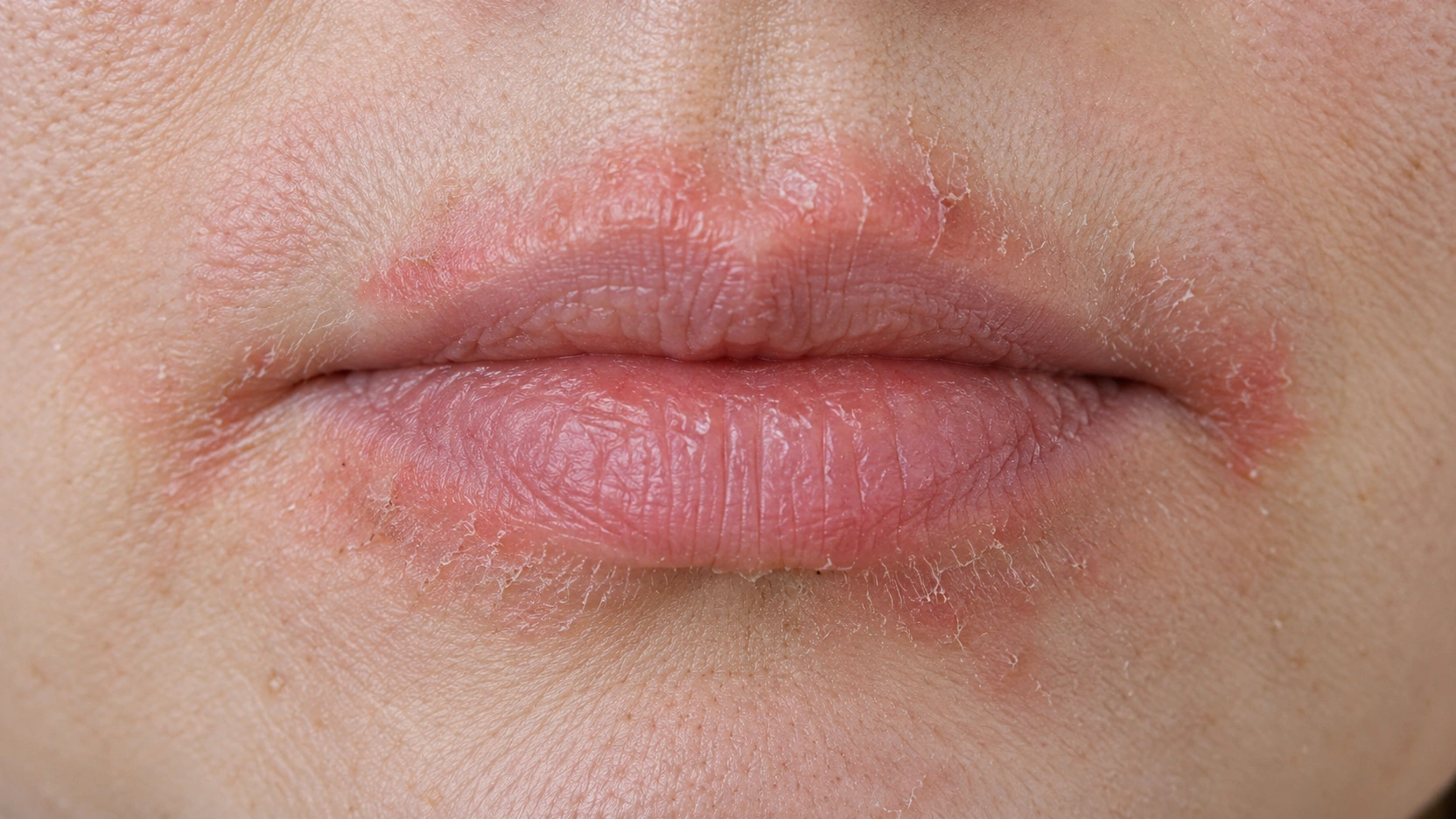
Angular cheilitis causes inflamed fissures at one or both mouth corners. An irritant rash caused by repeated saliva contact from licking the lips.
The same eight facts on every condition comparison.
Cracked Mouth Corners A small fissure interrupts the skin where the lips meet.
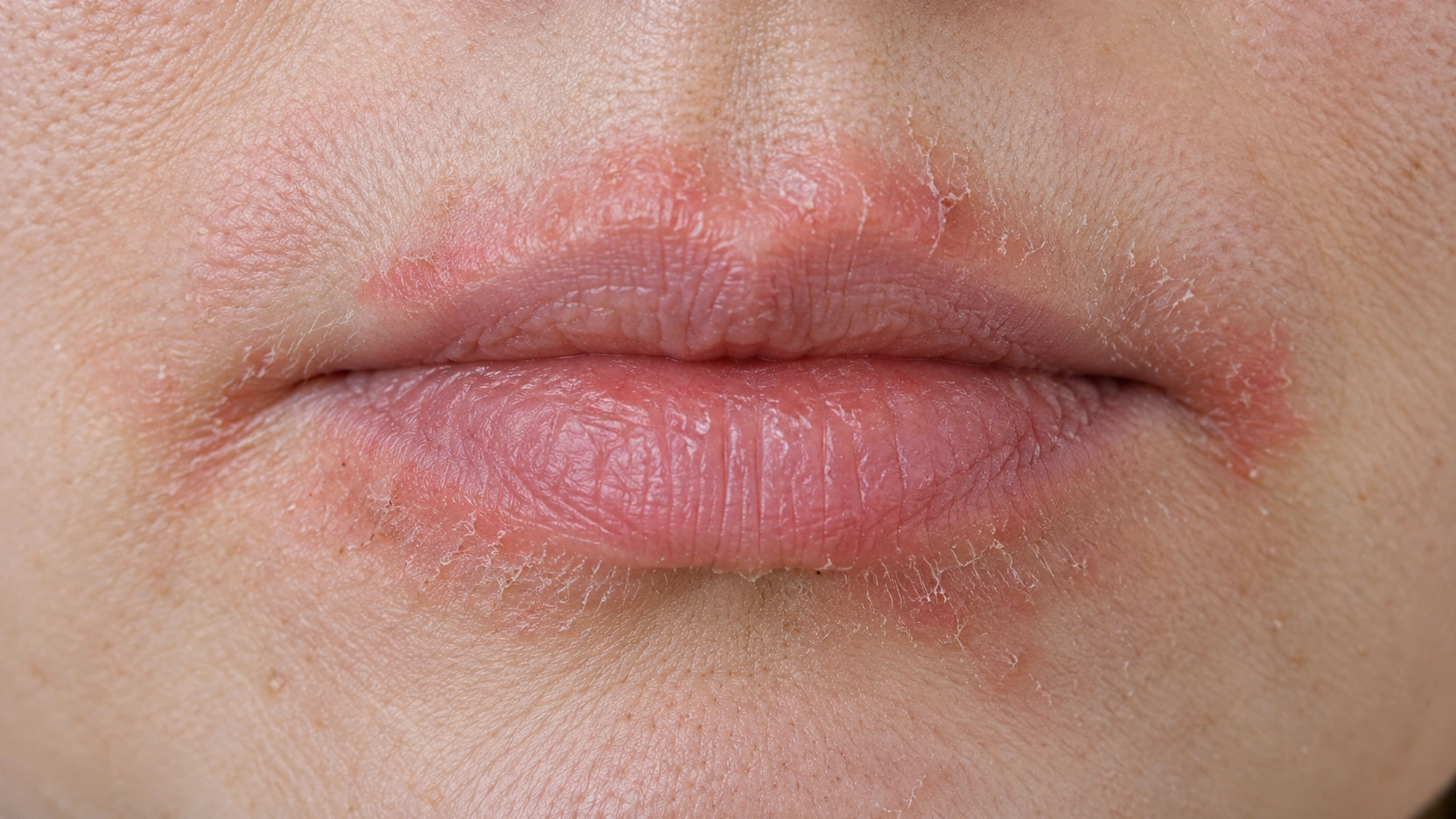
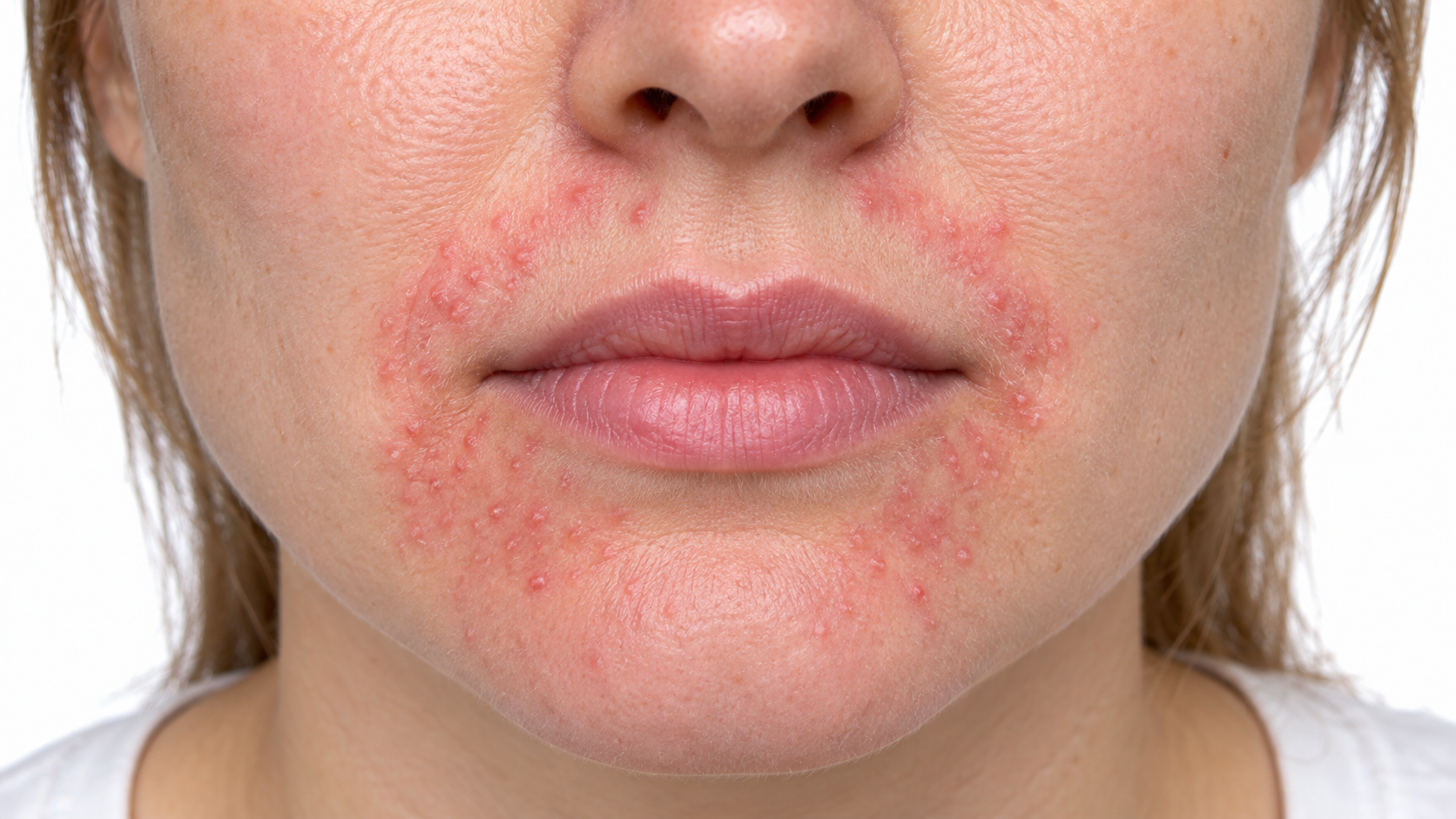
Lip-Licking Rash A broad irritated band extends beyond the lip borders.
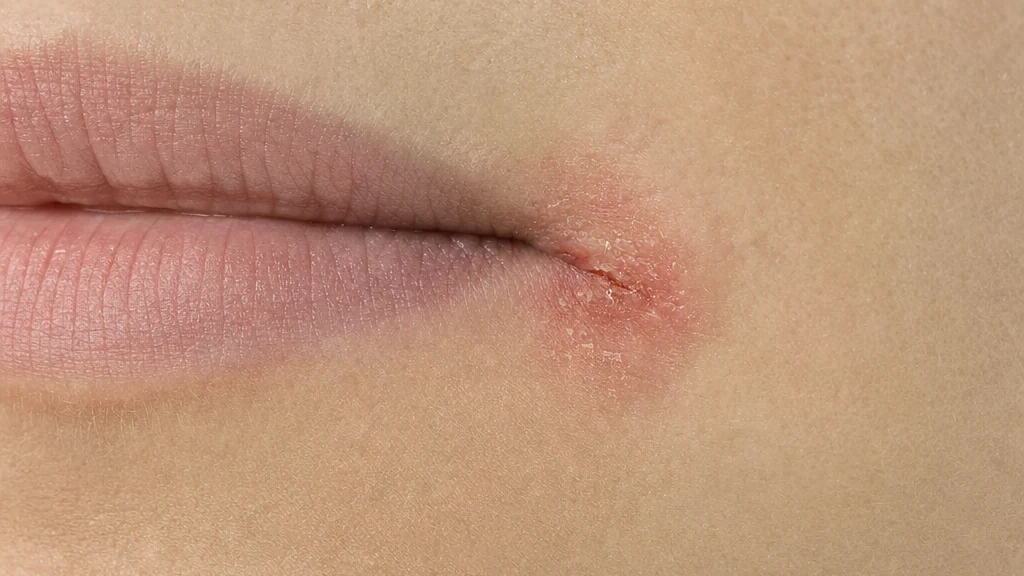
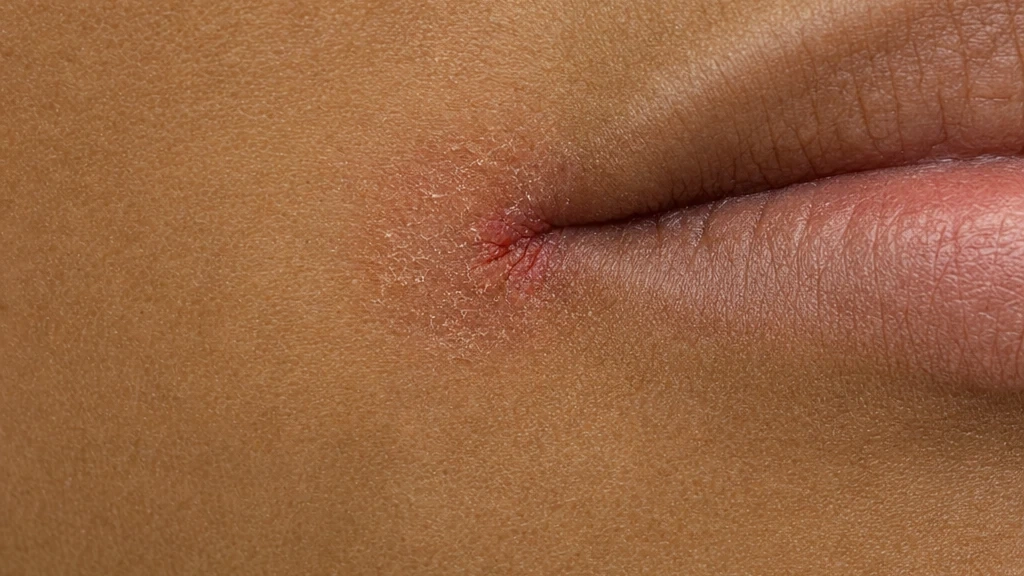
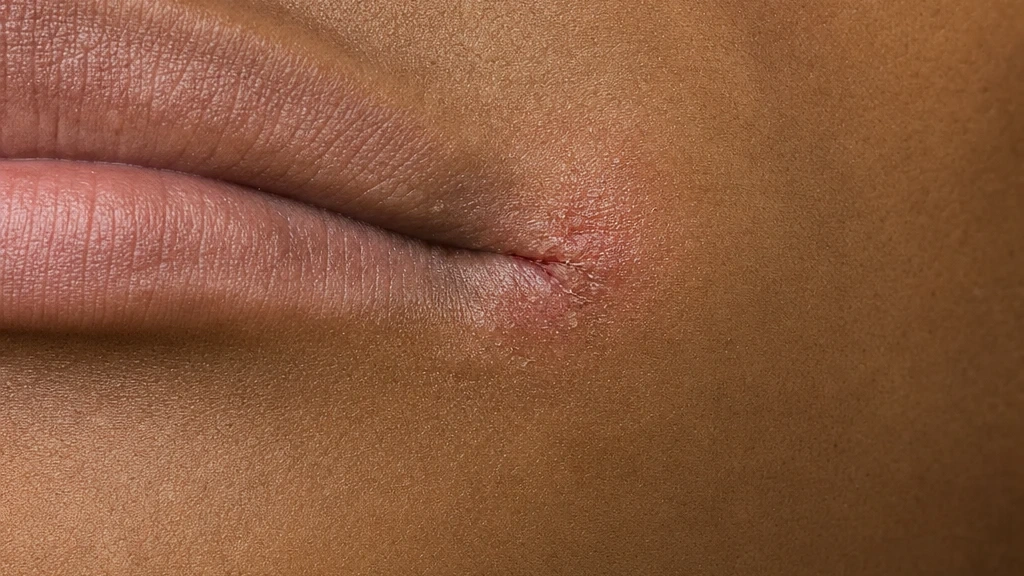
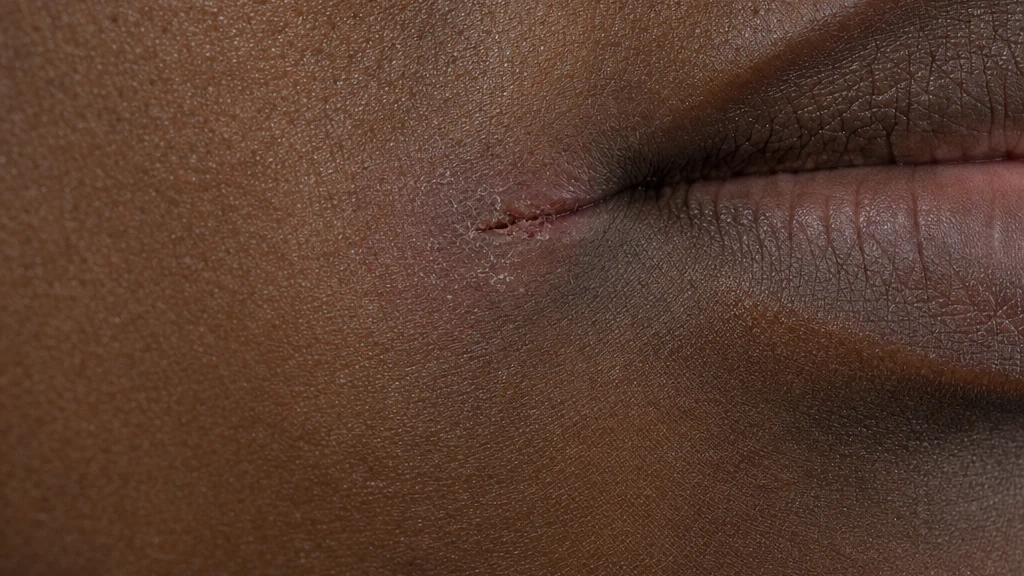
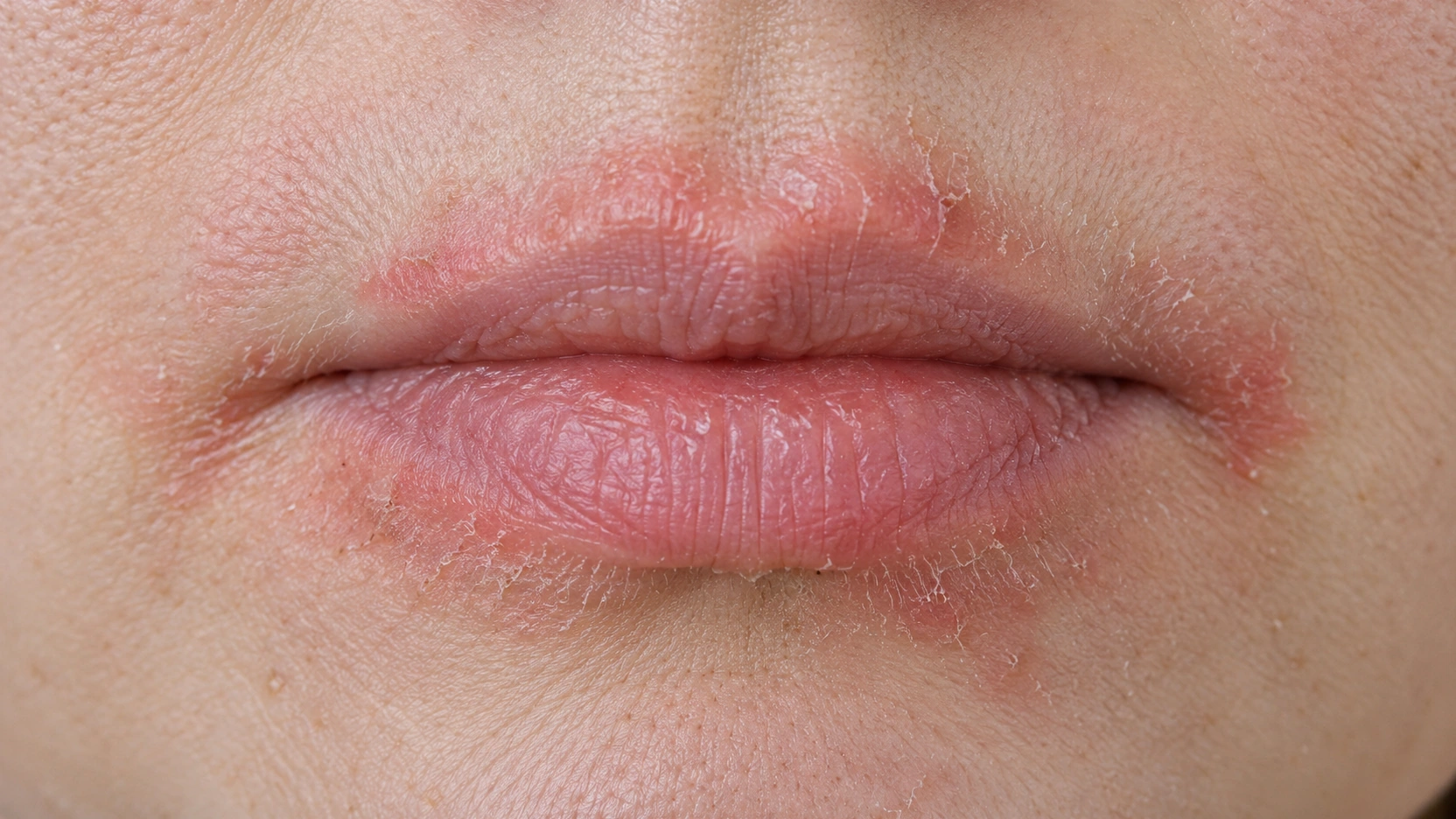
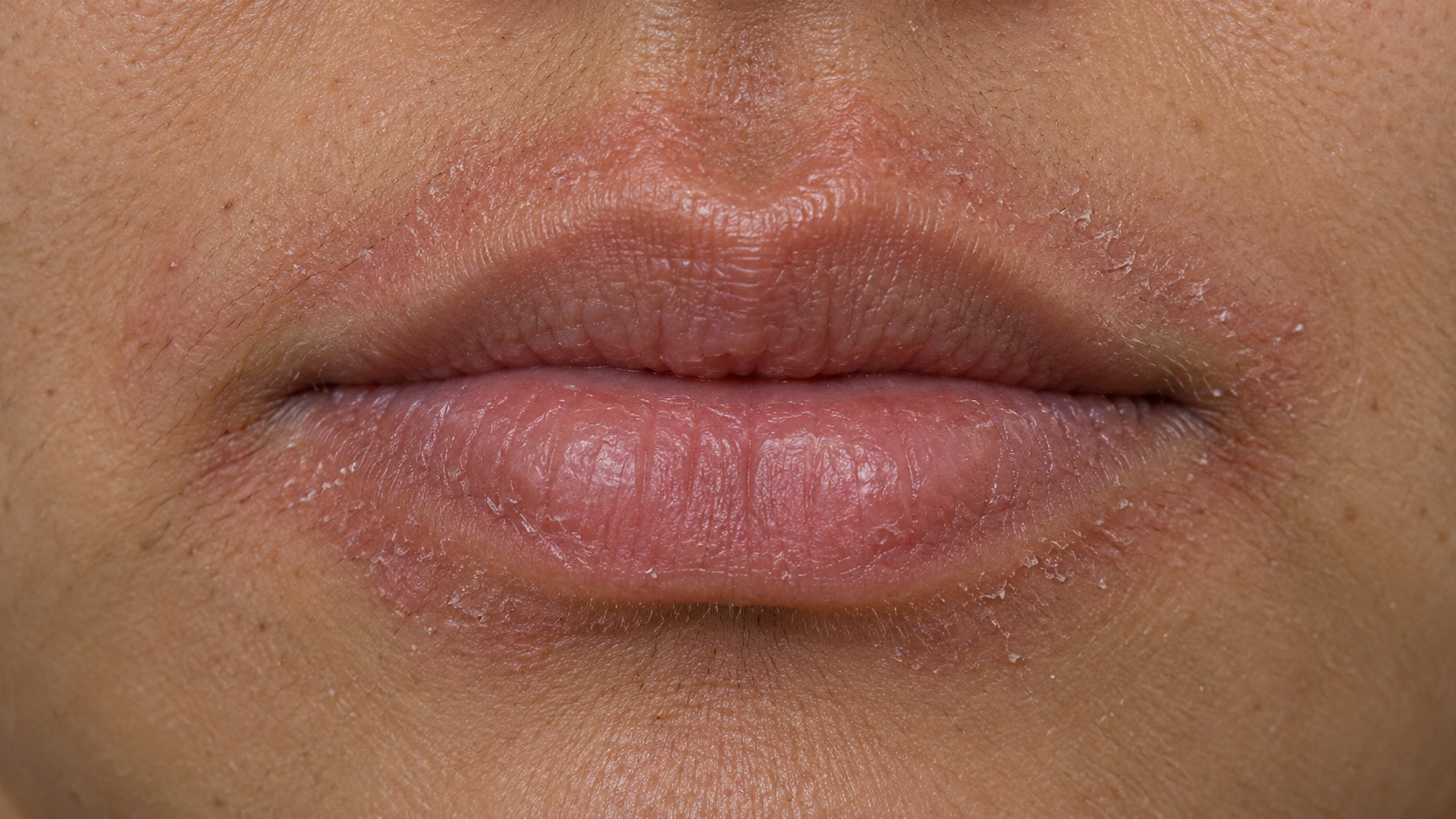
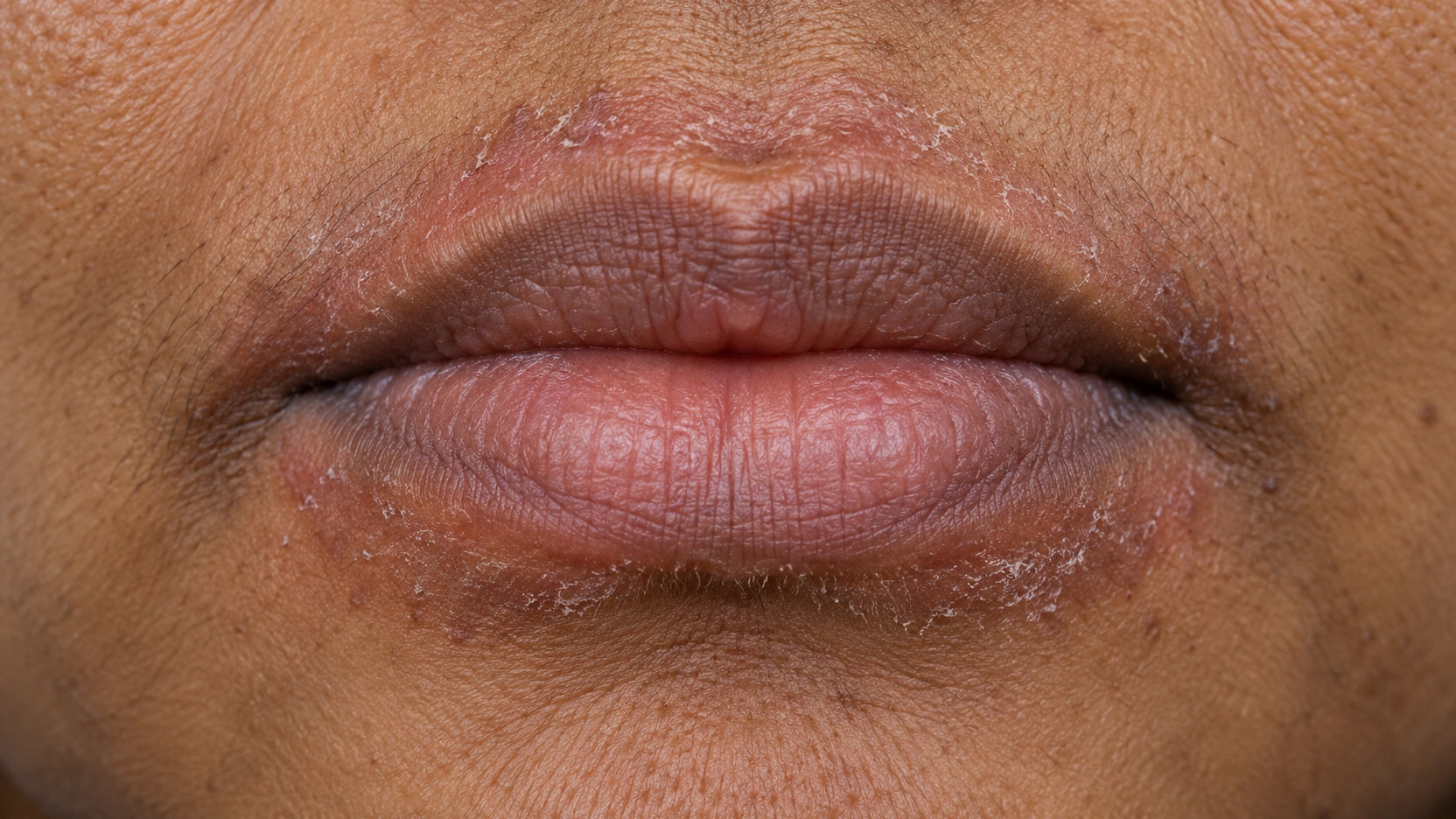
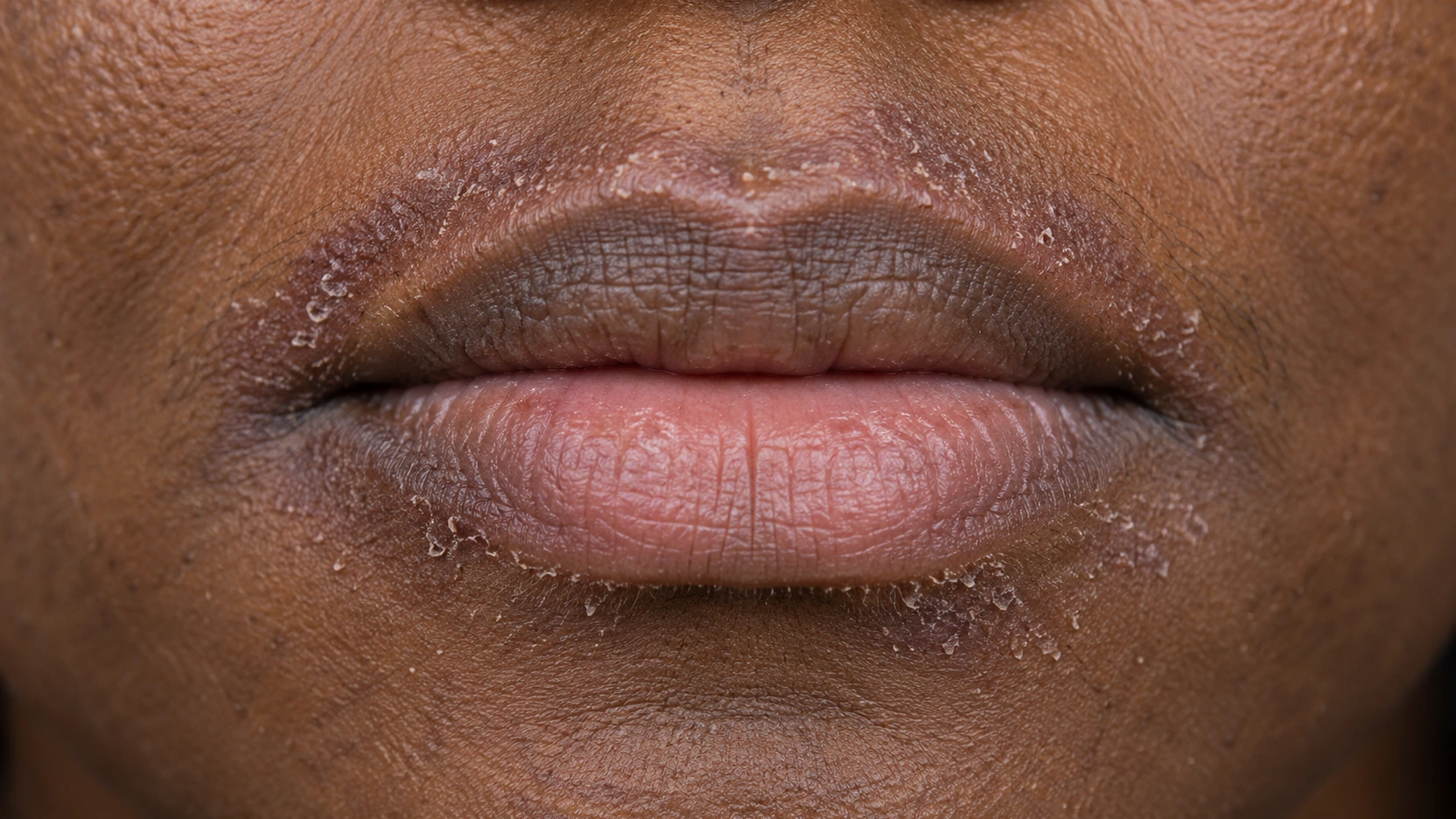
Saliva and repeated wetting weaken the barrier at the mouth corners. Candida or bacteria can contribute to inflammation in the damaged skin.
Repeated exposure to saliva followed by drying damages the skin barrier around the lips. This wet-dry cycle sustains irritation and inflammation.
Cracked Mouth Corners. Can develop at any age.
Lip-Licking Rash. Can start at any age after relevant exposures or barrier damage.
Saliva exposure damages the barrier; Candida or bacteria may contribute.
Repeated wetting and drying by saliva damages the skin barrier.
Evidence labels come from each condition’s own treatment list.
Protects against saliva and repeated wetting.
Protects the lip barrier; choose an unflavoured, fragrance-free product.
A clinician may select an antifungal, antibacterial or anti-inflammatory if examination supports it.
The corners often improve when moisture, irritation and any infection are addressed. Recurrence is possible if the underlying contributor remains; persistent cracking needs reassessment.
The rash can improve when repeated licking stops and the lips are protected. It may return with the habit or dry weather; persistent symptoms need reassessment for another contributor.
Recurrent episodes may need evaluation for dental fit, deficiency or other contributors.
Cracked skin may become infected; repeated exposure can make the rash persistent.
Have persistent, recurrent or one-sided cracking examined.
Seek care for persistent rash, painful cracks or possible infection.
Angular cheilitis causes inflamed fissures at one or both mouth corners.
Use a plain protective ointment and reduce licking; check denture fit if relevant.
Have persistent, recurrent or one-sided cracking examined.
An irritant rash caused by repeated saliva contact from licking the lips.
Apply plain petrolatum and work on reducing the licking habit; avoid flavoured balms.
Seek care for persistent rash, painful cracks or possible infection.
Sources