Dyshidrotic Eczema vs Hand-Foot-and-Mouth Disease
Recurrent itchy small deep blisters on the palms, sides of fingers or soles. A contagious viral illness producing mouth sores and a hand or foot rash.
Key differences
The same eight facts on every condition comparison.
What is it?
- What it is
Recurrent itchy small deep blisters on the palms, sides of fingers or soles.
- What it is
A contagious viral illness producing mouth sores and a hand or foot rash.
What it looks like
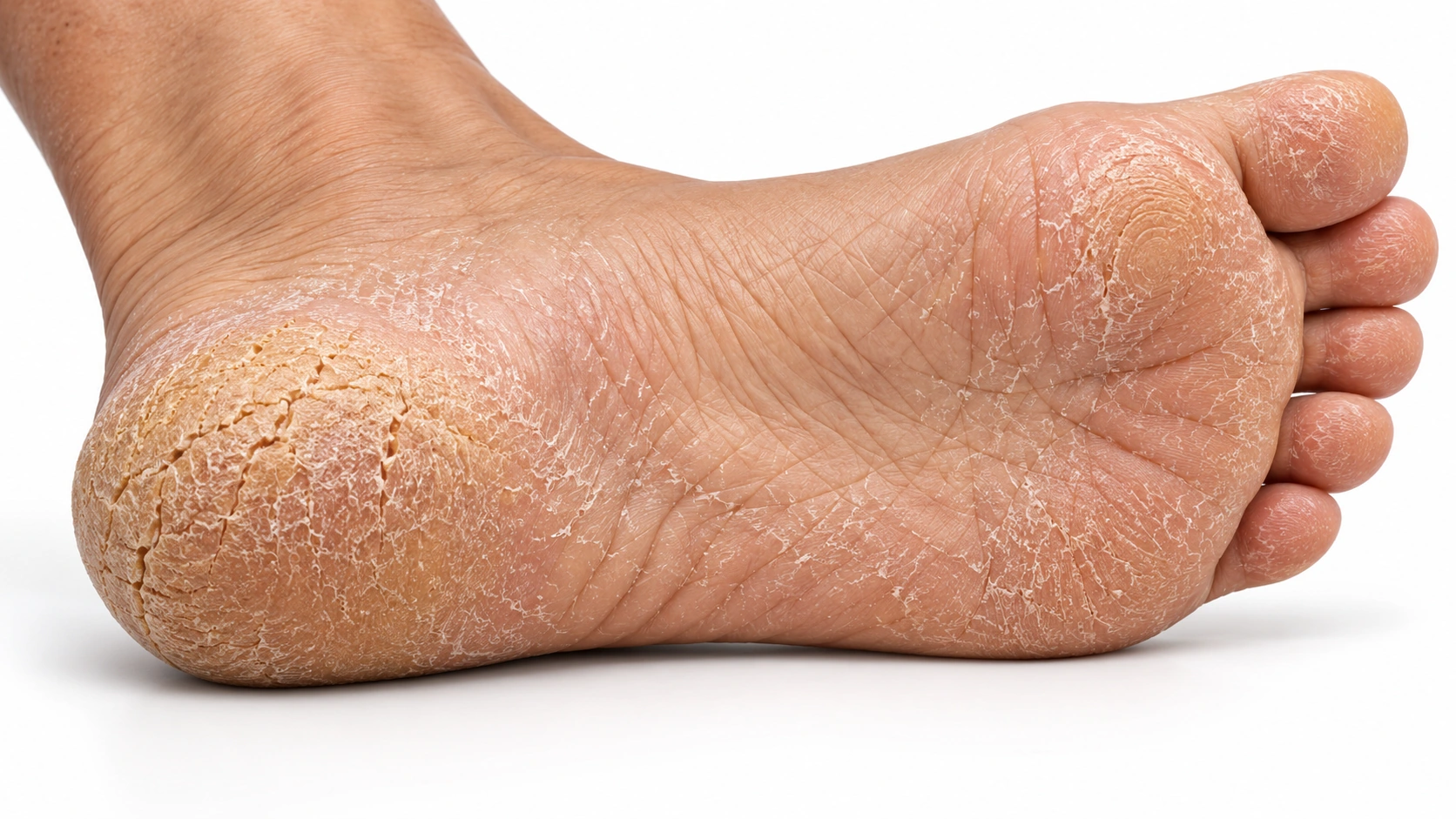
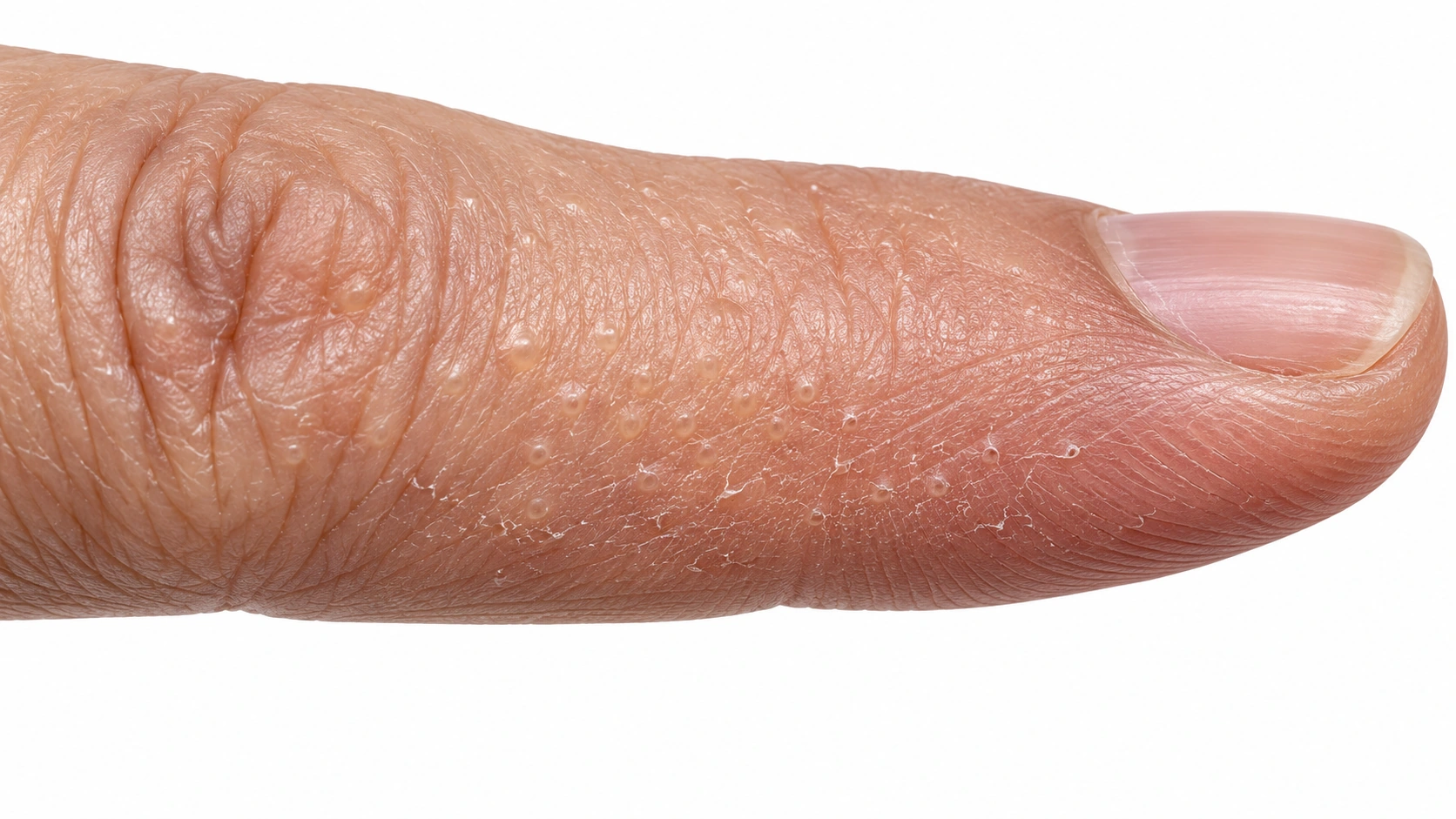
Dyshidrotic Eczema
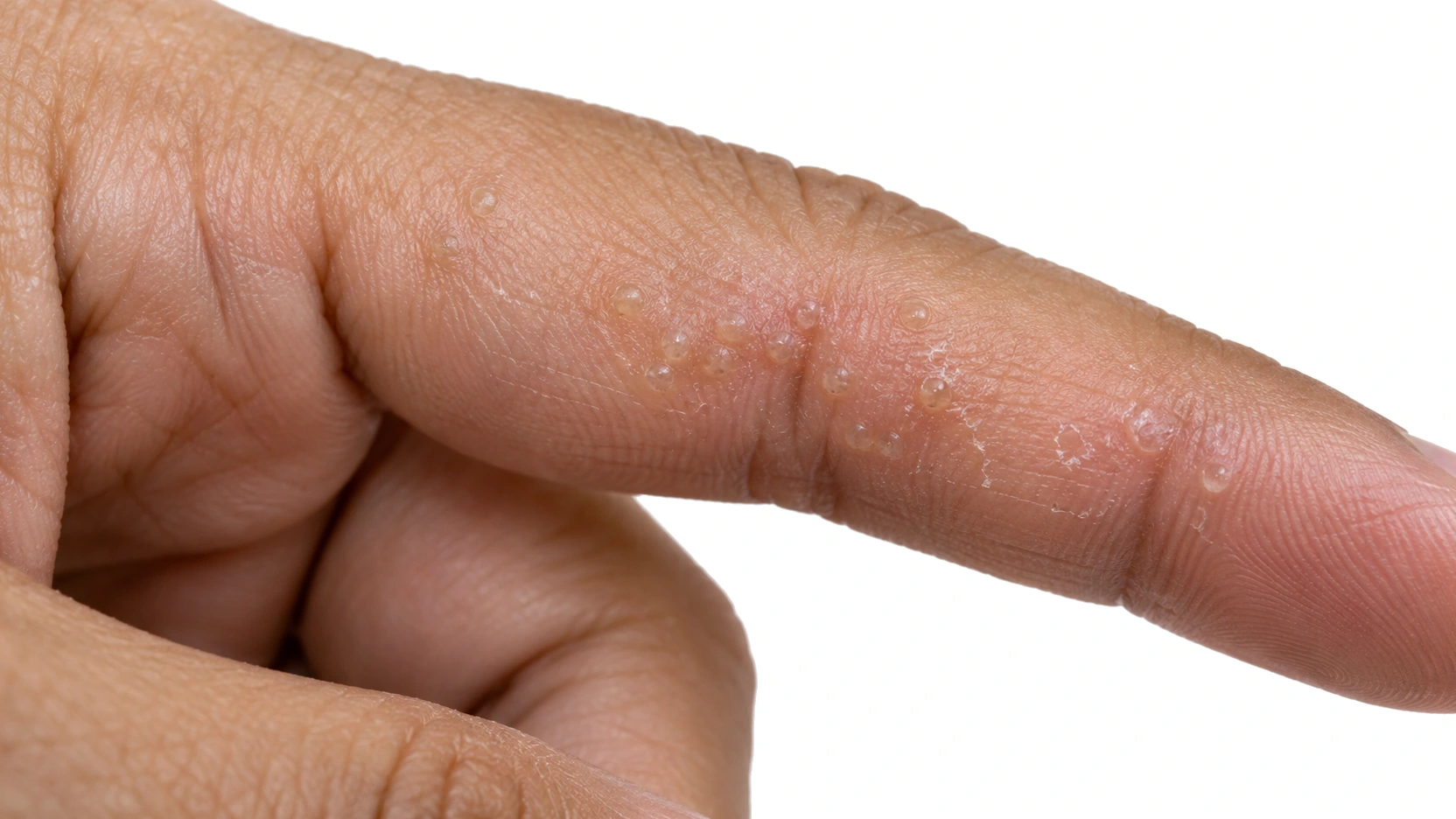
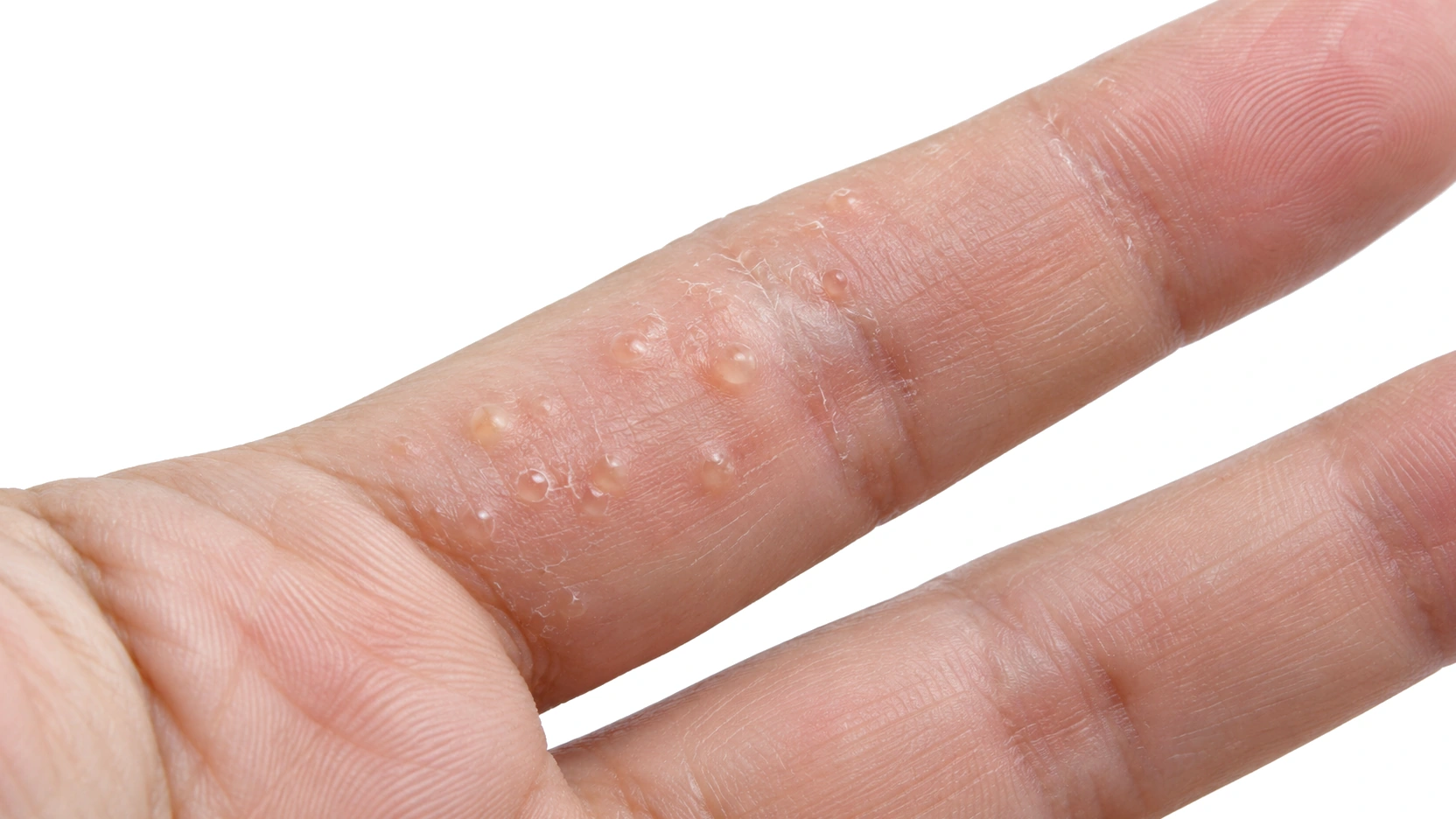
Dyshidrotic Eczema Closely grouped small blisters sit on the side of the finger.
Hand-Foot-and-Mouth Disease
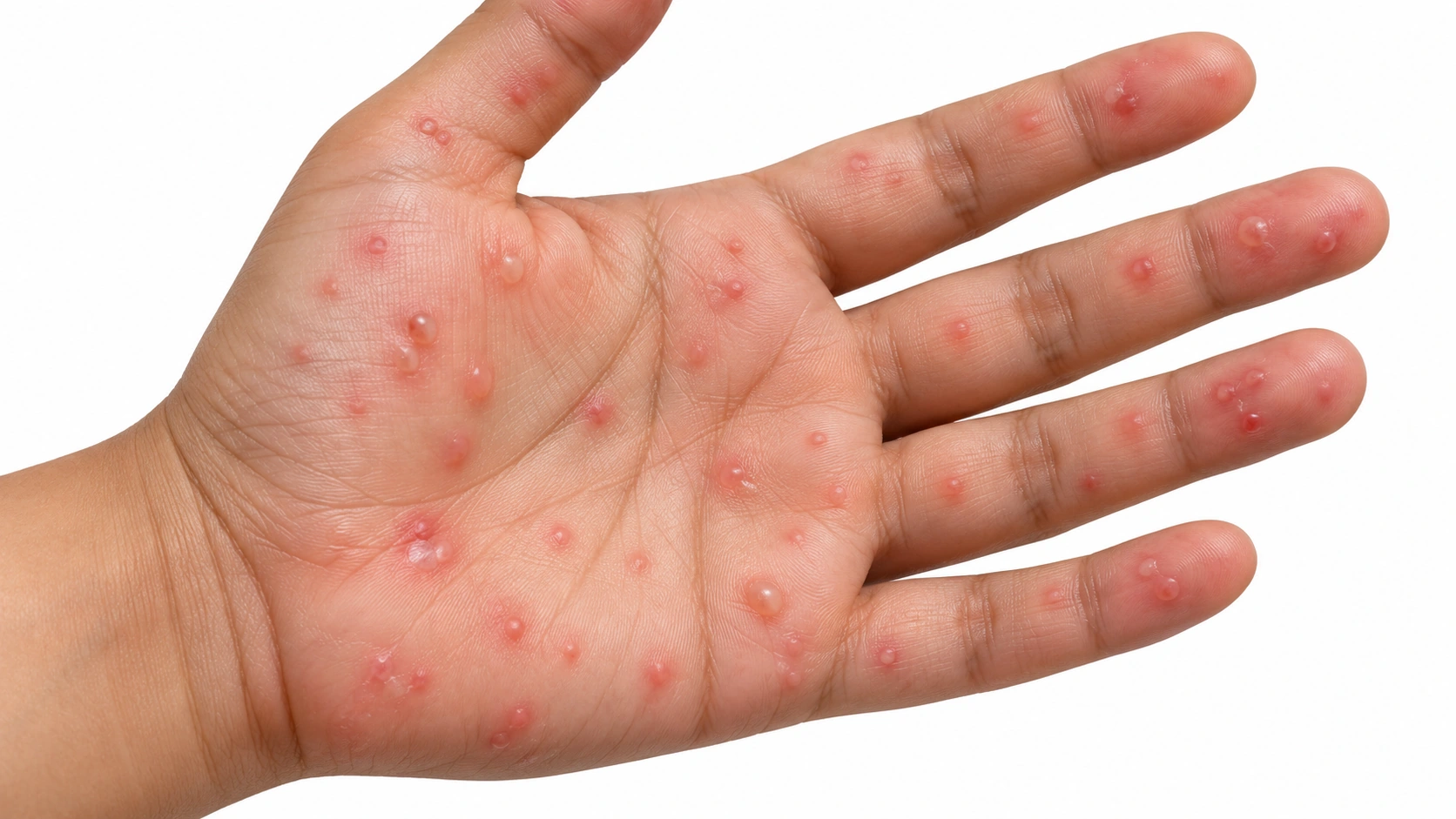
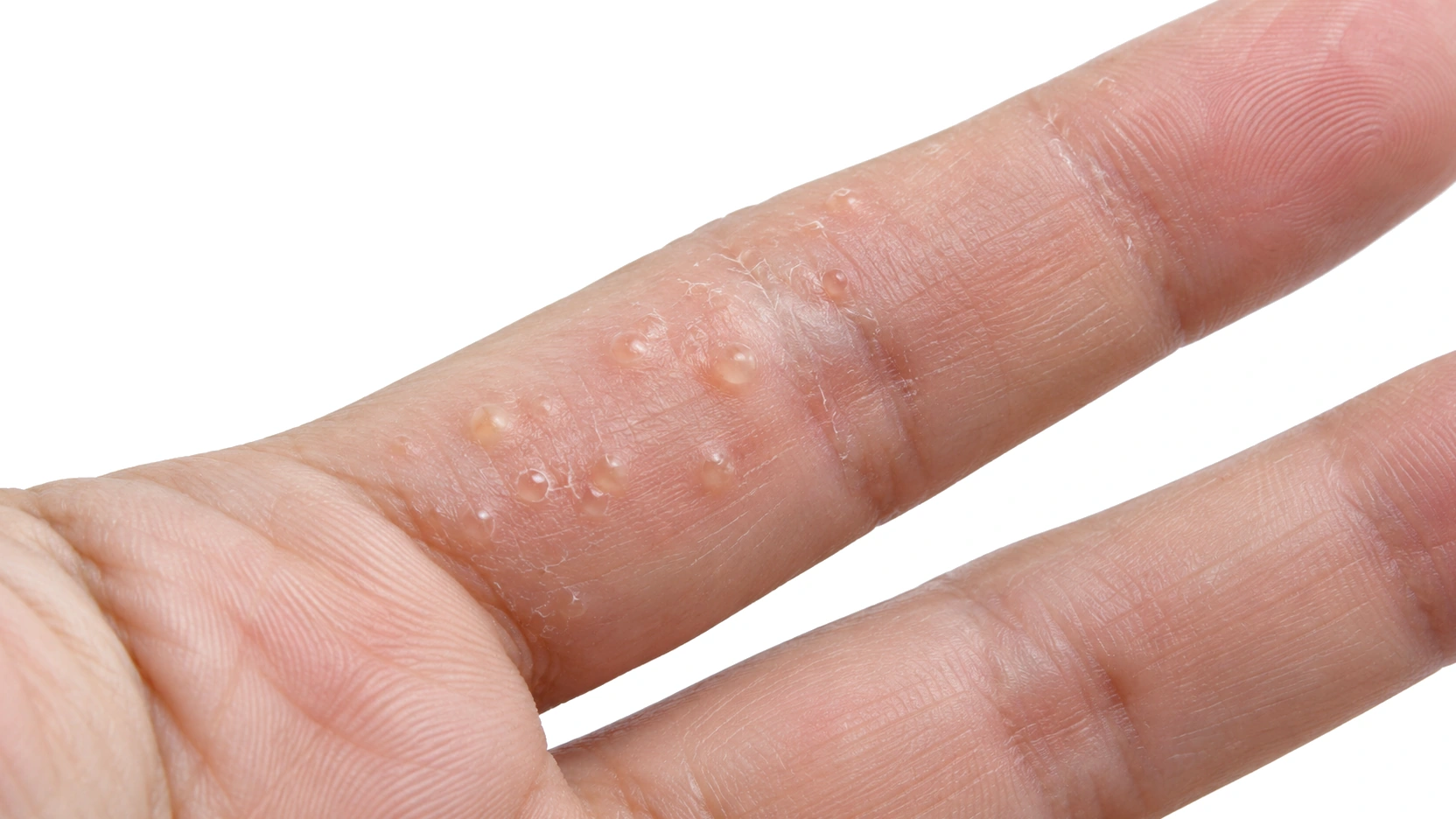
Palm and fingers Small raised spots and blisters are scattered across the palm and fingers.
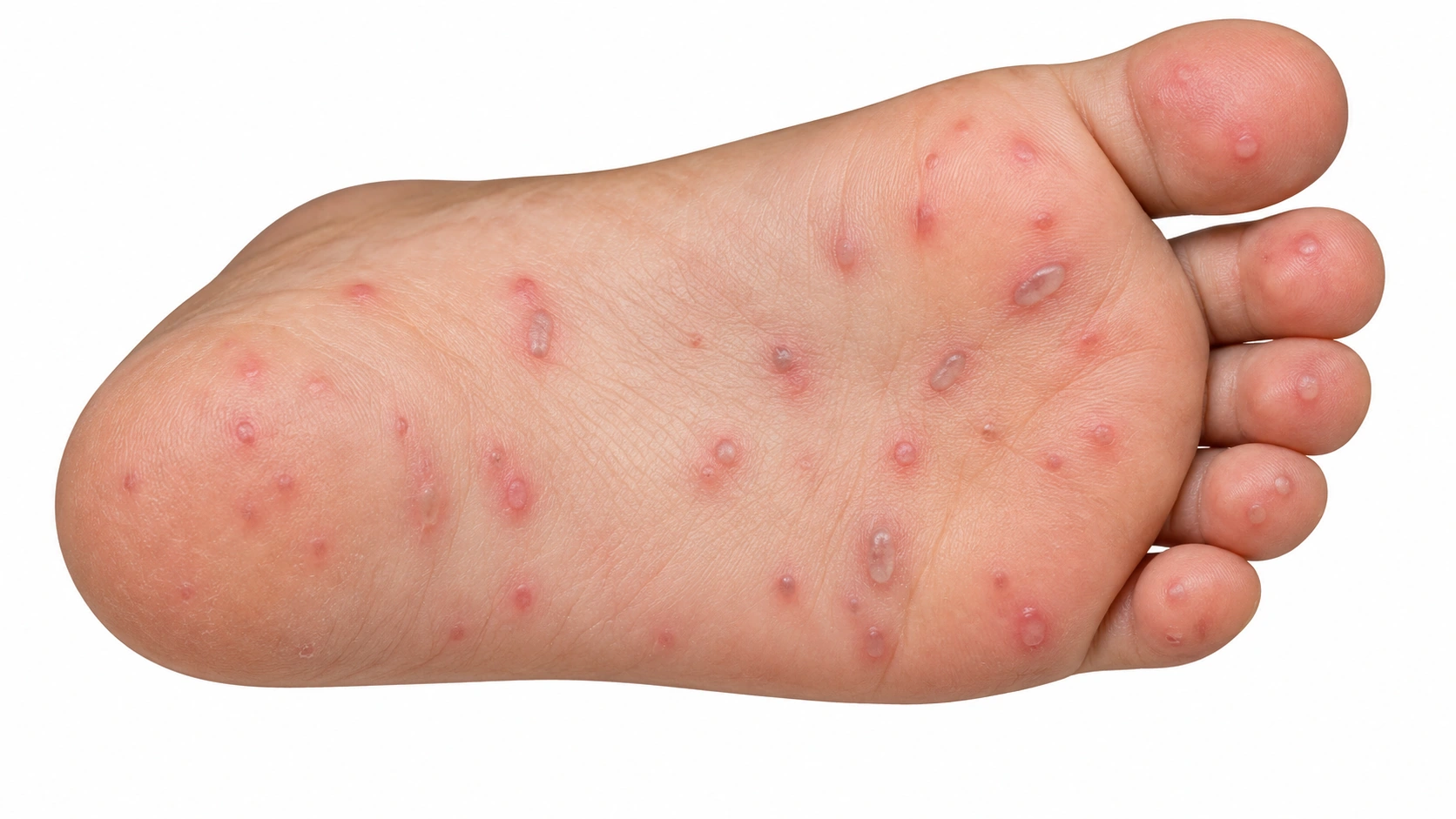
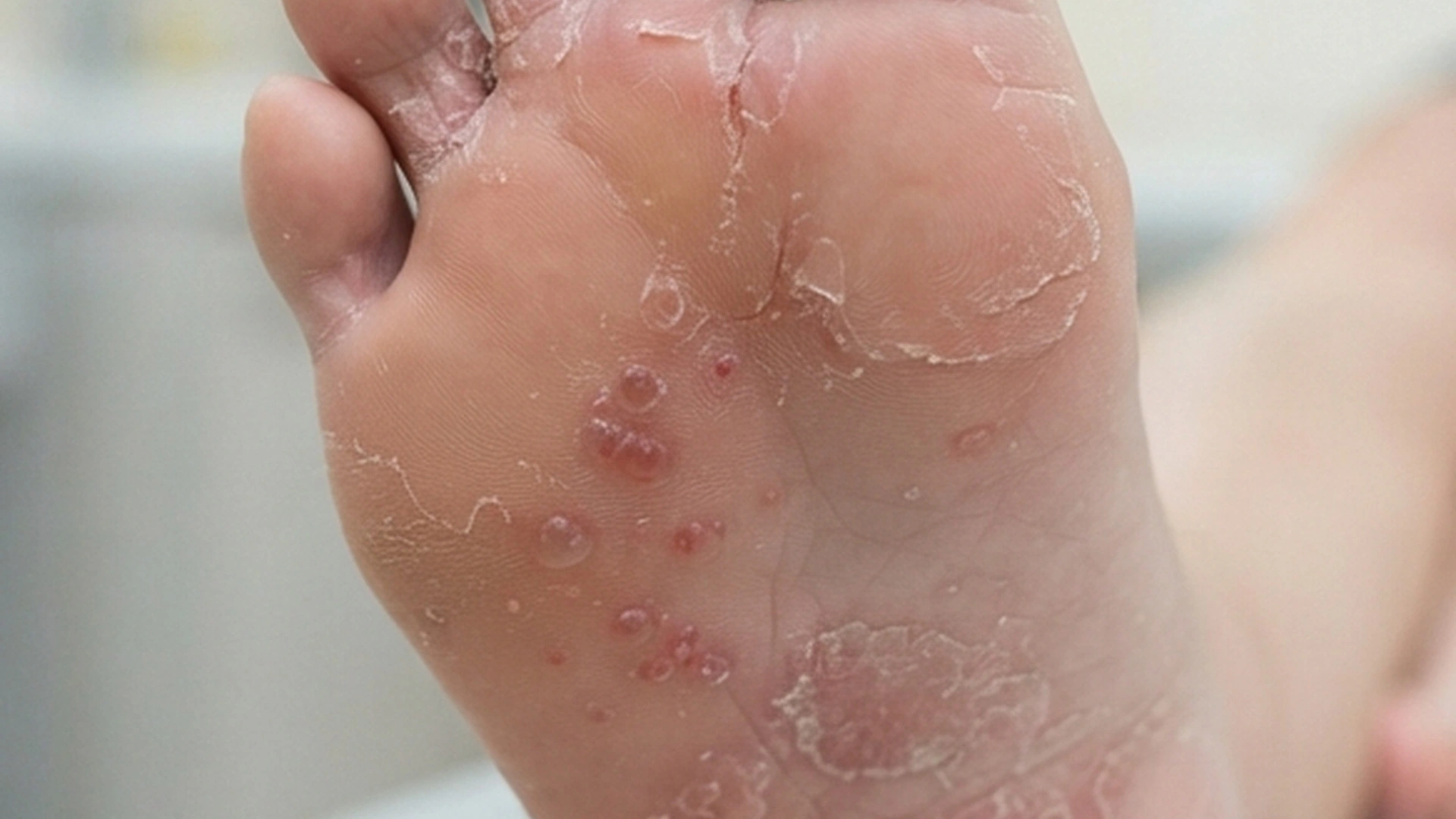
Sole of the foot Small oval spots and blisters are scattered across the sole and toes.
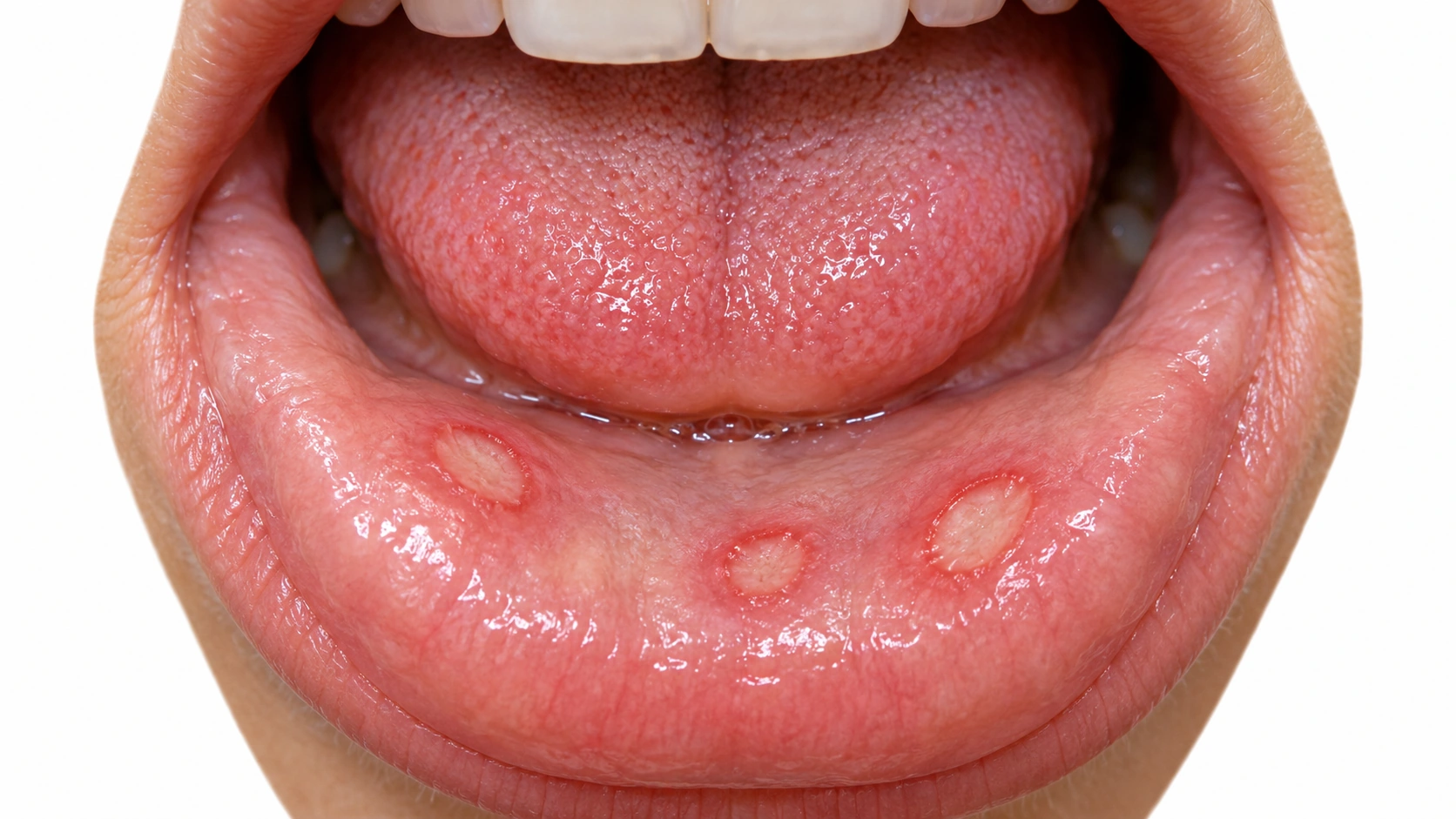
Mouth sores Small shallow ulcers have pale centers and red rims.
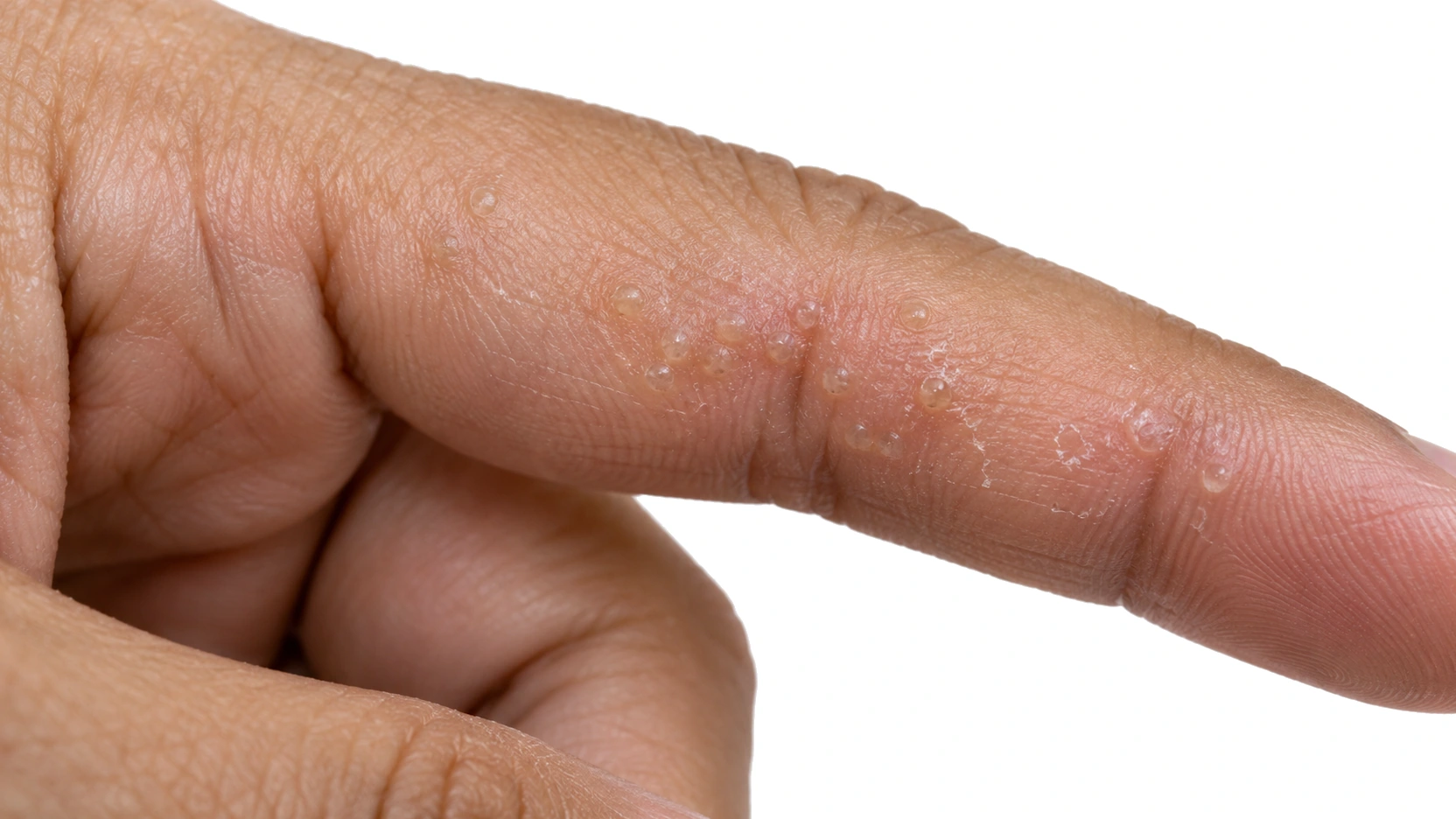
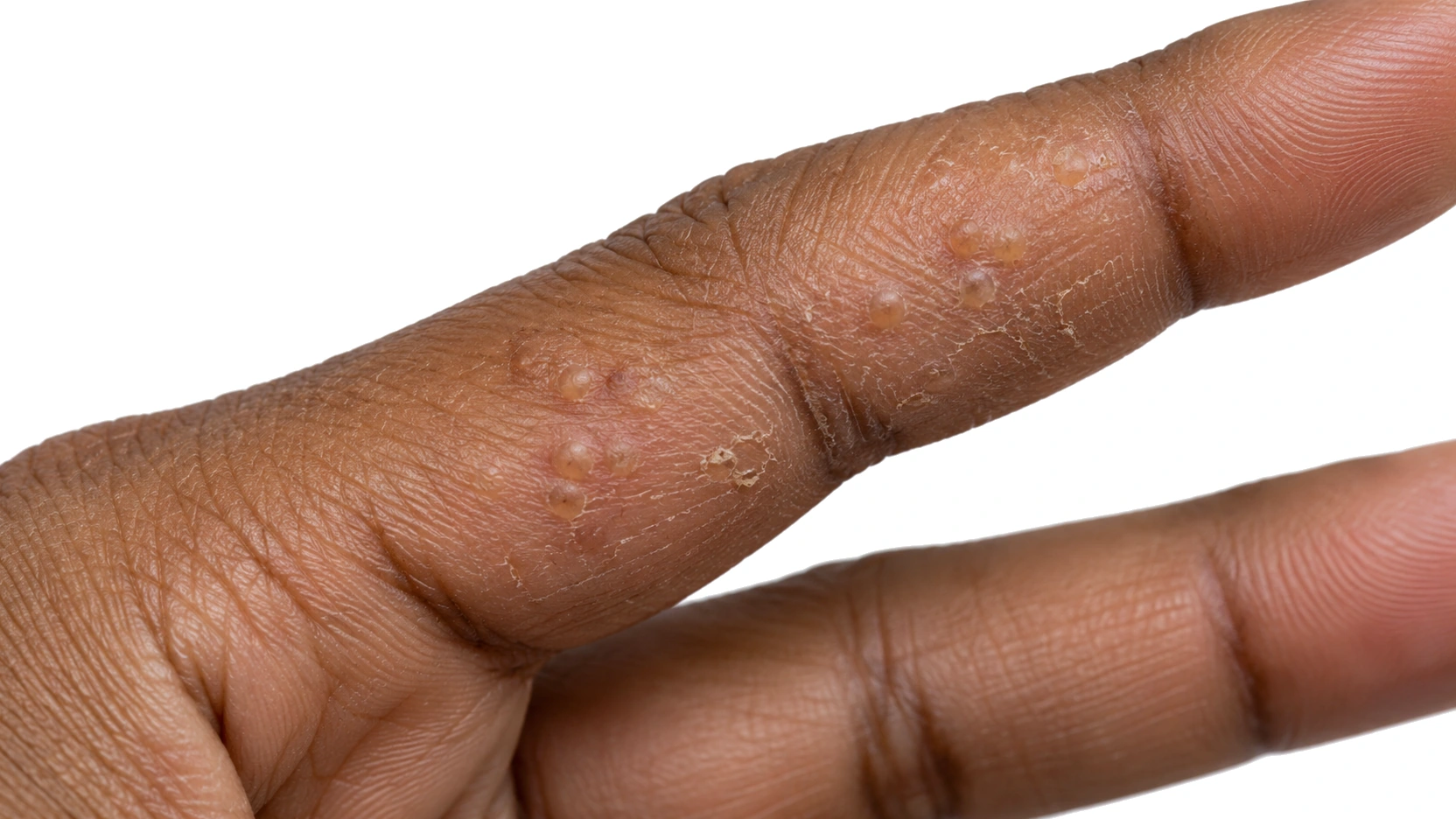
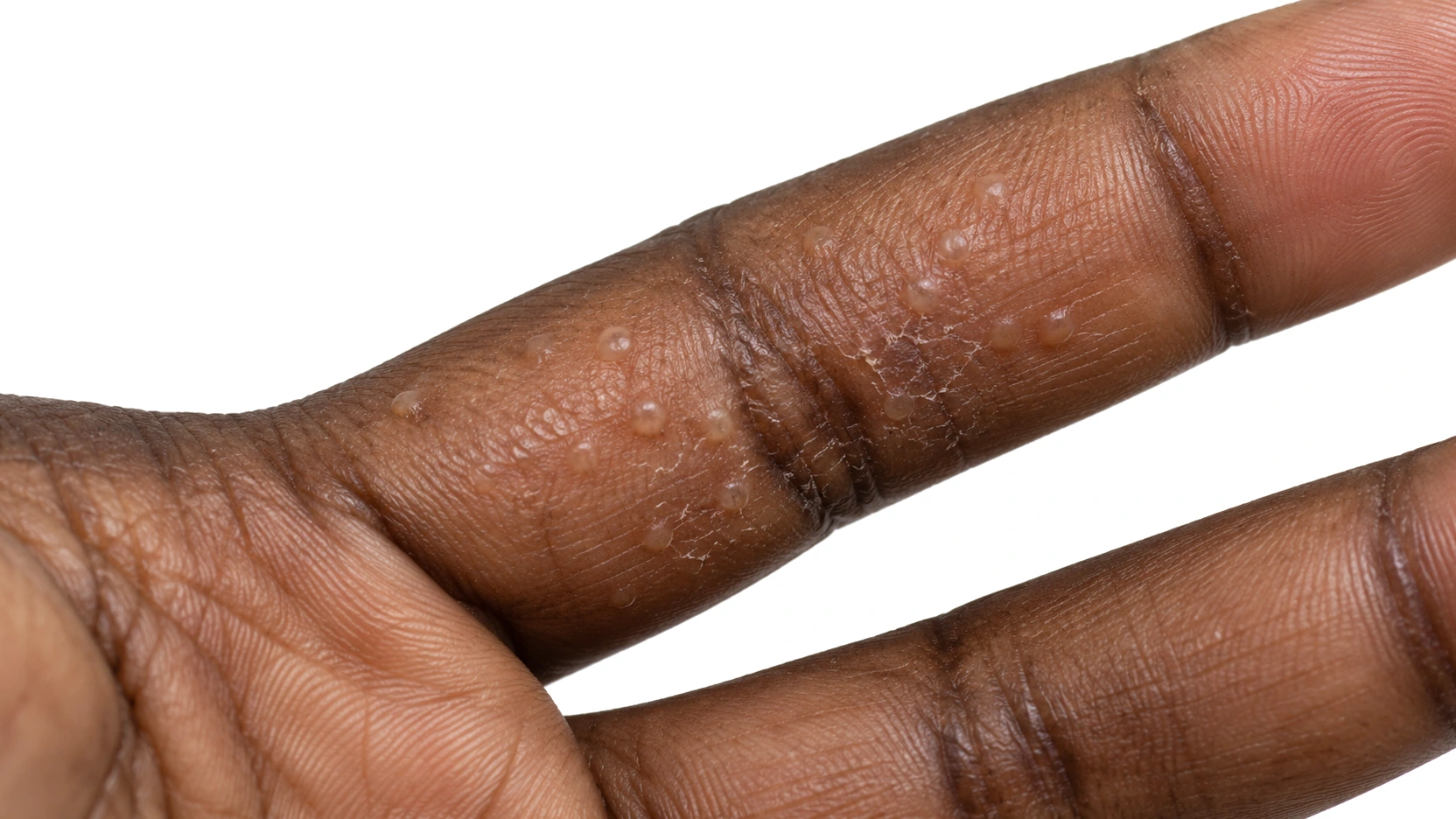
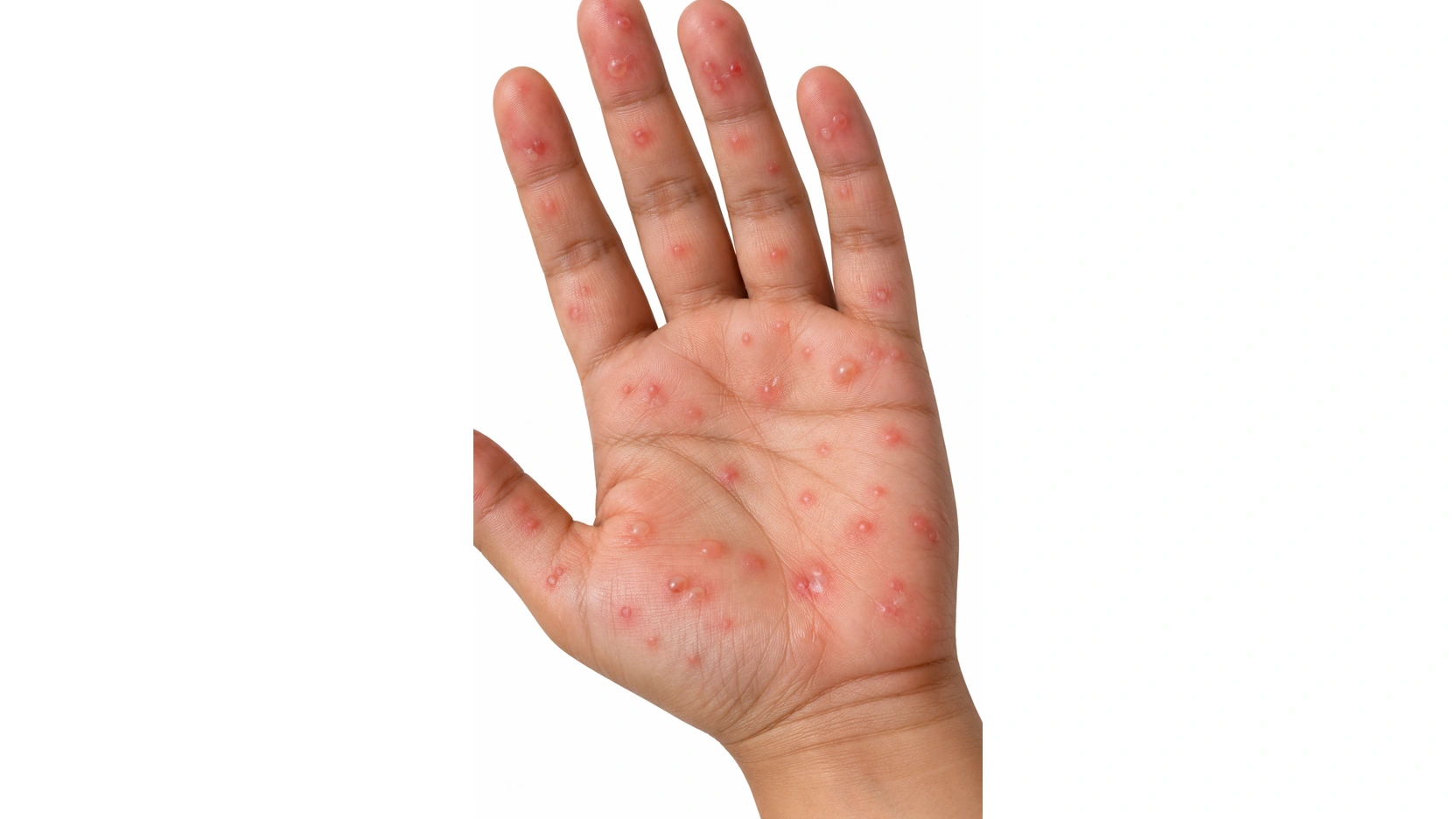
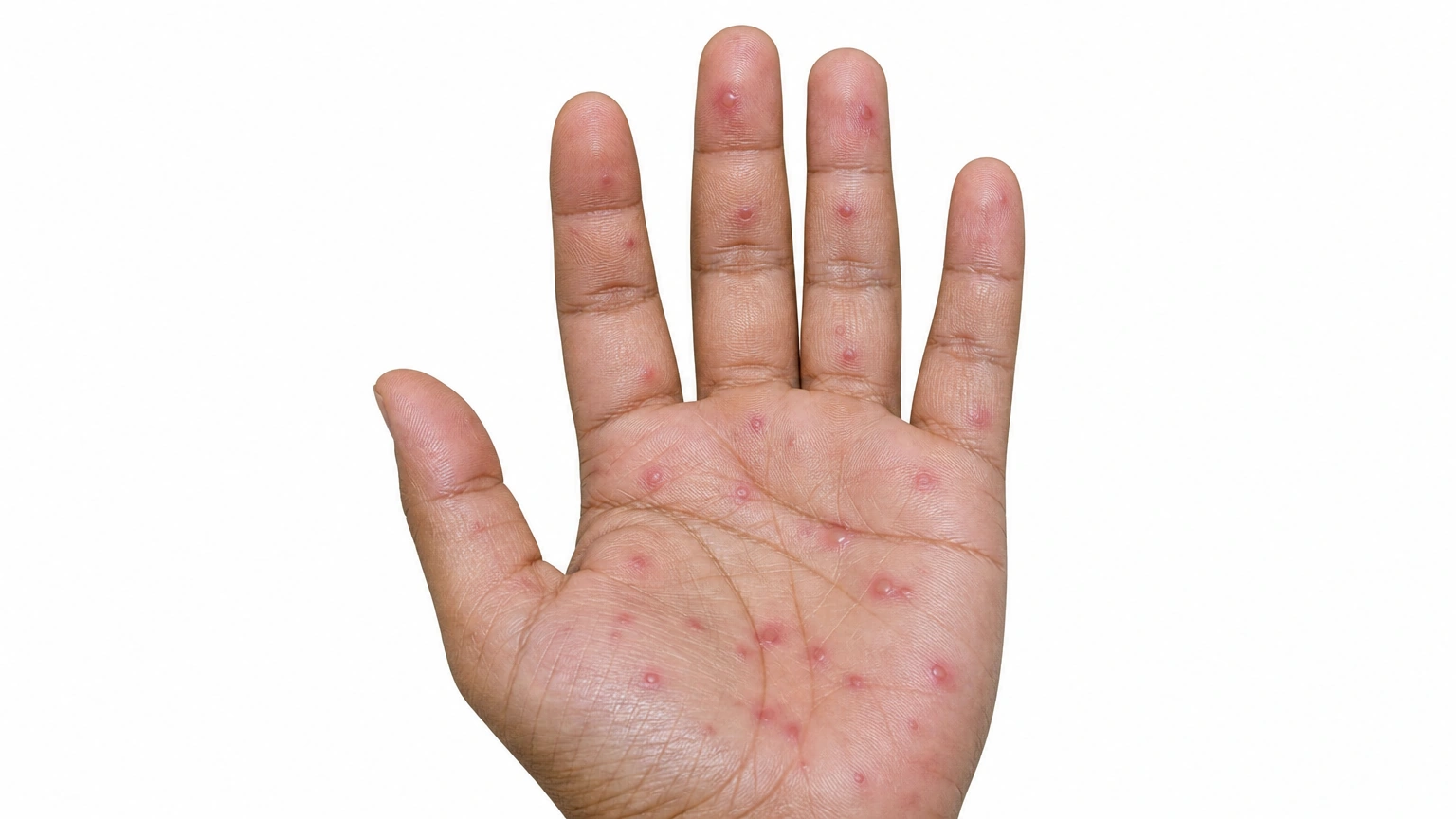
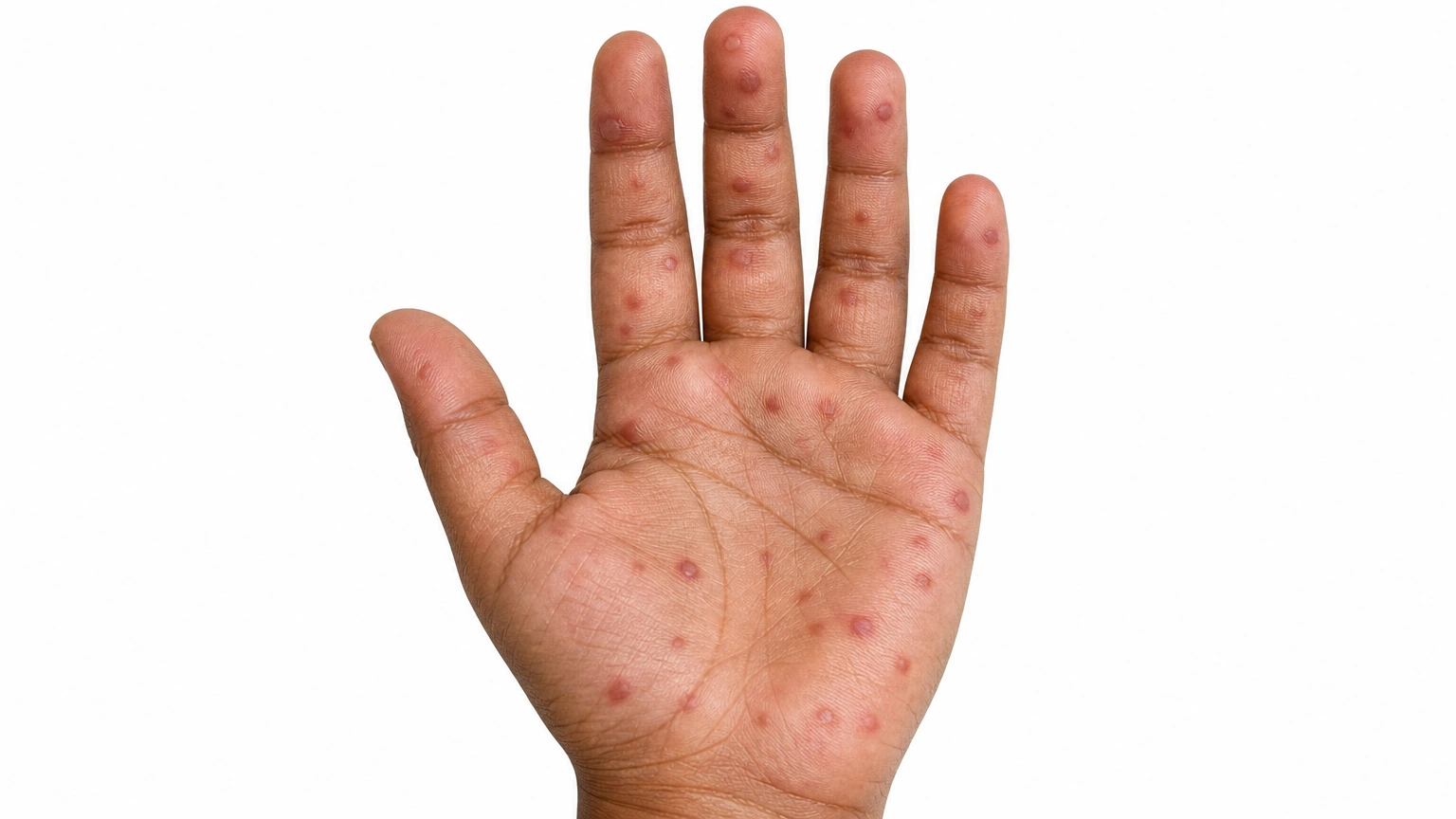
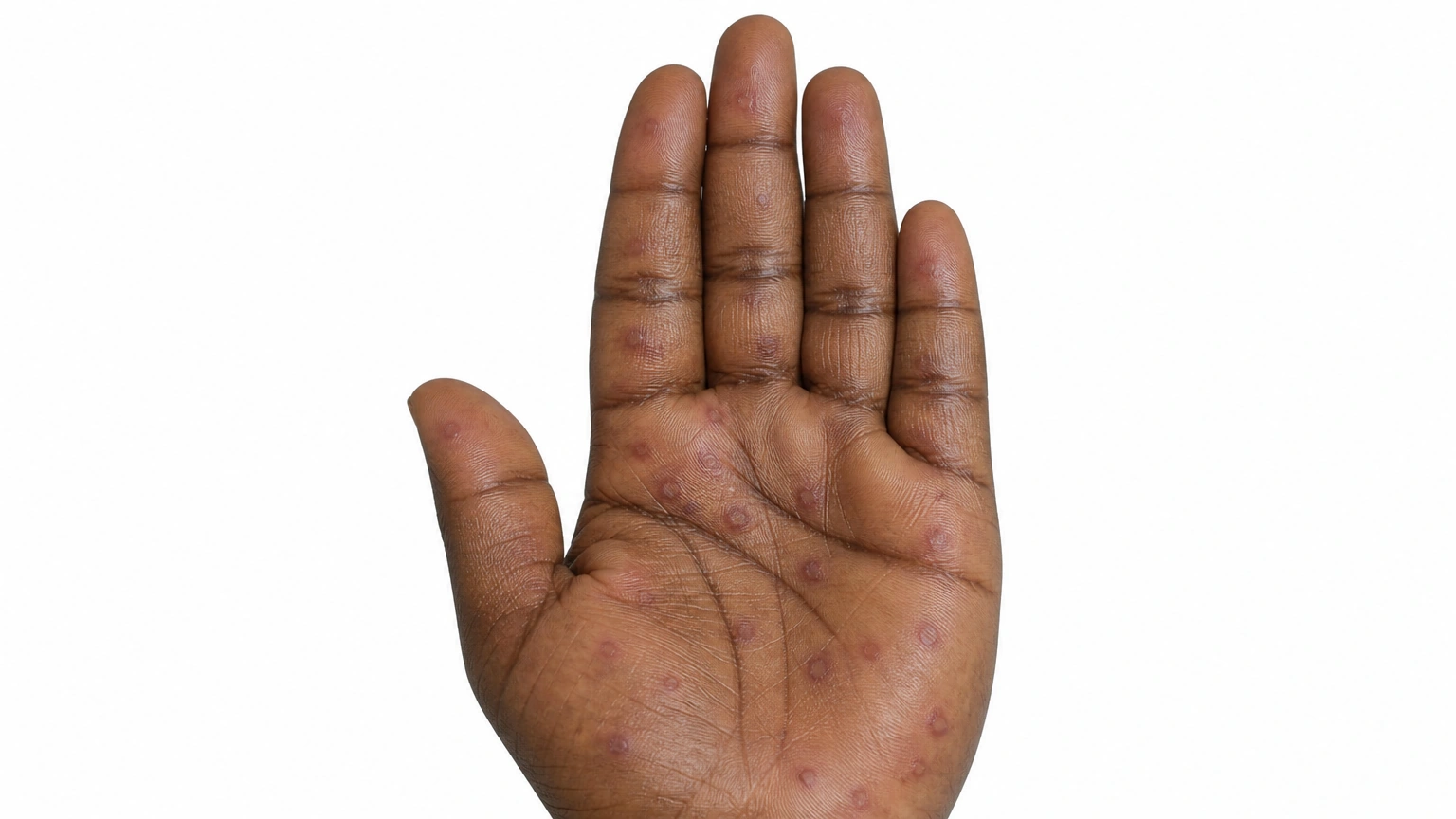
Eczema-related inflammation produces small blisters within the outer skin of the hands or feet. Despite the name, blocked sweat glands do not cause this condition.
Enteroviruses spread through close contact and contaminated secretions or stool. Infection can produce mouth sores and small lesions on the hands and feet.
When it usually starts
Dyshidrotic Eczema. Often occurs in younger adults but is possible at other ages.
Hand-Foot-and-Mouth Disease. Most common in young children; adults can also be infected.
Causes and triggers
An inflammatory eczema pattern; despite the name it is not caused by blocked sweat glands.
Enteroviruses spread through close contact and contaminated secretions or stool.
Daily Care
Habits that help
- Apply fragrance-free moisturizer often and after washing
Use a plain cream or ointment that does not sting. - Wash with lukewarm water and a mild cleanser
Pat dry gently and keep necessary hand hygiene without unnecessary repeated washing. - Protect skin during wet work and cleaning
Use suitable protective gloves; cotton liners and breaks help prevent trapped sweat. - Use a cool damp compress for short-term itch relief
Keep nails short and protect sore skin from rubbing. - Change damp socks and let hands cool inside gloves
Heat, sweat and prolonged moisture may worsen blisters; use your prescribed flare plan.
Avoid
- Avoid: Fragrance, harsh detergents and known triggers
Read labels rather than assuming a natural or unscented product is safe. - Avoid: Picking, scratching or deliberately popping blisters
Broken skin increases pain and infection risk.
Habits that help
- Offer small, frequent drinks
Cool fluids can be easier to swallow when mouth sores hurt; watch for reduced urination. - Choose soft foods that do not sting mouth sores
Avoid acidic or spicy foods while eating is uncomfortable. - Wash hands after toileting, diaper changes and blister care
Careful hygiene matters even after the child starts feeling better. - Keep blisters clean and leave them intact
Cover broken areas with a non-stick dressing when needed. - Follow the hand-foot-and-mouth disease care plan
Offer fluids and age-appropriate pain relief; wash hands carefully and avoid sharing utensils. - Gentle skin care
Avoid picking blisters; antibiotics do not treat the virus. - Fluids and age-appropriate pain relief
Supports comfort and hydration; use medicines according to age and label advice.
Avoid
- Avoid: Sharing cups, utensils or towels
Clean frequently handled toys and surfaces to reduce spread. - Avoid: Sending an unwell child back too soon
Follow local childcare advice; poor drinking, unusual sleepiness or worsening illness needs medical advice.
Treatment differences
Care focuses on fluids and age-appropriate relief of pain or fever. Antibiotics do not treat the virus; poor drinking or worsening illness needs medical review.
Outlook
Blisters often settle over a few weeks and are followed by peeling. Episodes can recur, so treatment and prevention need to address the individual's pattern and possible contributors.
Most people recover within 7–10 days. Keep watching fluid intake while mouth sores hurt; another episode is possible because several different viruses can cause the illness.
Complications
Cracked skin may become infected; repeated exposure can make the rash persistent.
Painful mouth sores can cause dehydration; nails may temporarily shed later.
When to get help
Seek care for persistent rash, painful cracks or possible infection.
Get care for poor drinking, reduced urine, unusual sleepiness or severe symptoms.
Common questions
Dyshidrotic Eczema:What is Dyshidrotic Eczema?
Recurrent itchy small deep blisters on the palms, sides of fingers or soles.
Dyshidrotic Eczema:What can I do day to day?
Use bland fragrance-free moisturizer and avoid the suspected irritant. Protect skin from repeated wetting.
Dyshidrotic Eczema:When should I get medical advice?
Seek care for persistent rash, painful cracks or possible infection.
Hand-Foot-and-Mouth Disease:What is Hand-Foot-and-Mouth Disease?
A contagious viral illness producing mouth sores and a hand or foot rash.
Hand-Foot-and-Mouth Disease:What can I do day to day?
Offer fluids and age-appropriate pain relief; wash hands carefully and avoid sharing utensils.
Hand-Foot-and-Mouth Disease:When should I get medical advice?
Get care for poor drinking, reduced urine, unusual sleepiness or severe symptoms.
Sources
Sources and further reading
Keep exploring.
Dyshidrotic Eczema vs Athlete's Foot
Dyshidrotic Eczema vs Palmoplantar Psoriasis

Dyshidrotic Eczema vs Scabies
Friction Blisters vs Dyshidrotic Eczema
Eczema
Hand Eczema vs Contact Dermatitis
Hand Eczema vs Dry Skin
Hand Eczema vs Palmoplantar Psoriasis
Hand Eczema vs Tinea Manuum
Allergic Contact Dermatitis vs Eczema
Athlete's Foot vs Contact Dermatitis